Portable Generators
Filters
1-48 of 144 Products

Item # 6075636
Order today to get this price.
Item # 1654404
Order today to get this price.
Item # 6075695
Item # 6571496
Item # 6075708
Item # 6075687
Item # 1654405
Order today to get this price.
Item # 99915
Item # 1654402
Order today to get this price.
Item # 1654400
Order today to get this price.
Item # 6075716
Item # 100312
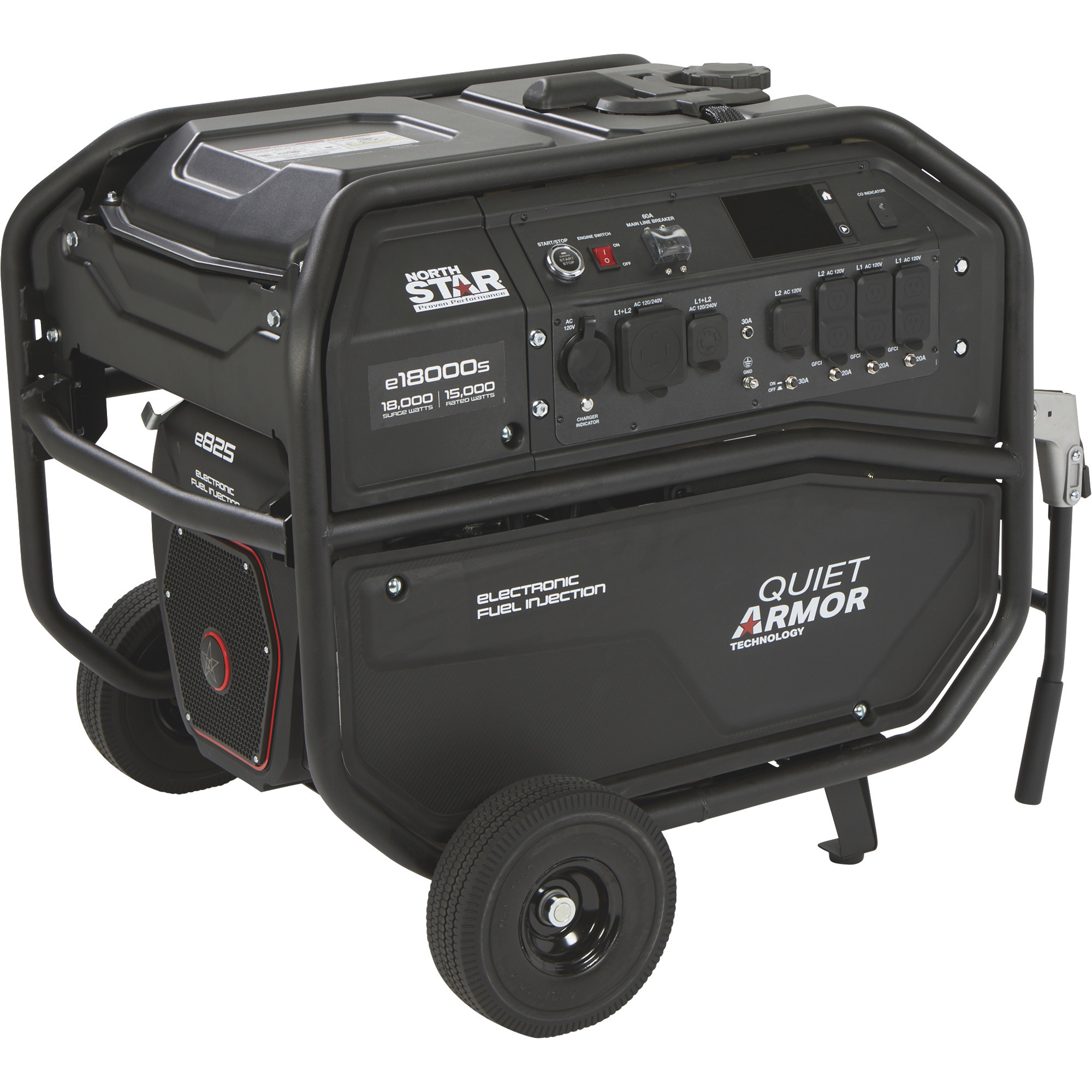
Item # 1654407
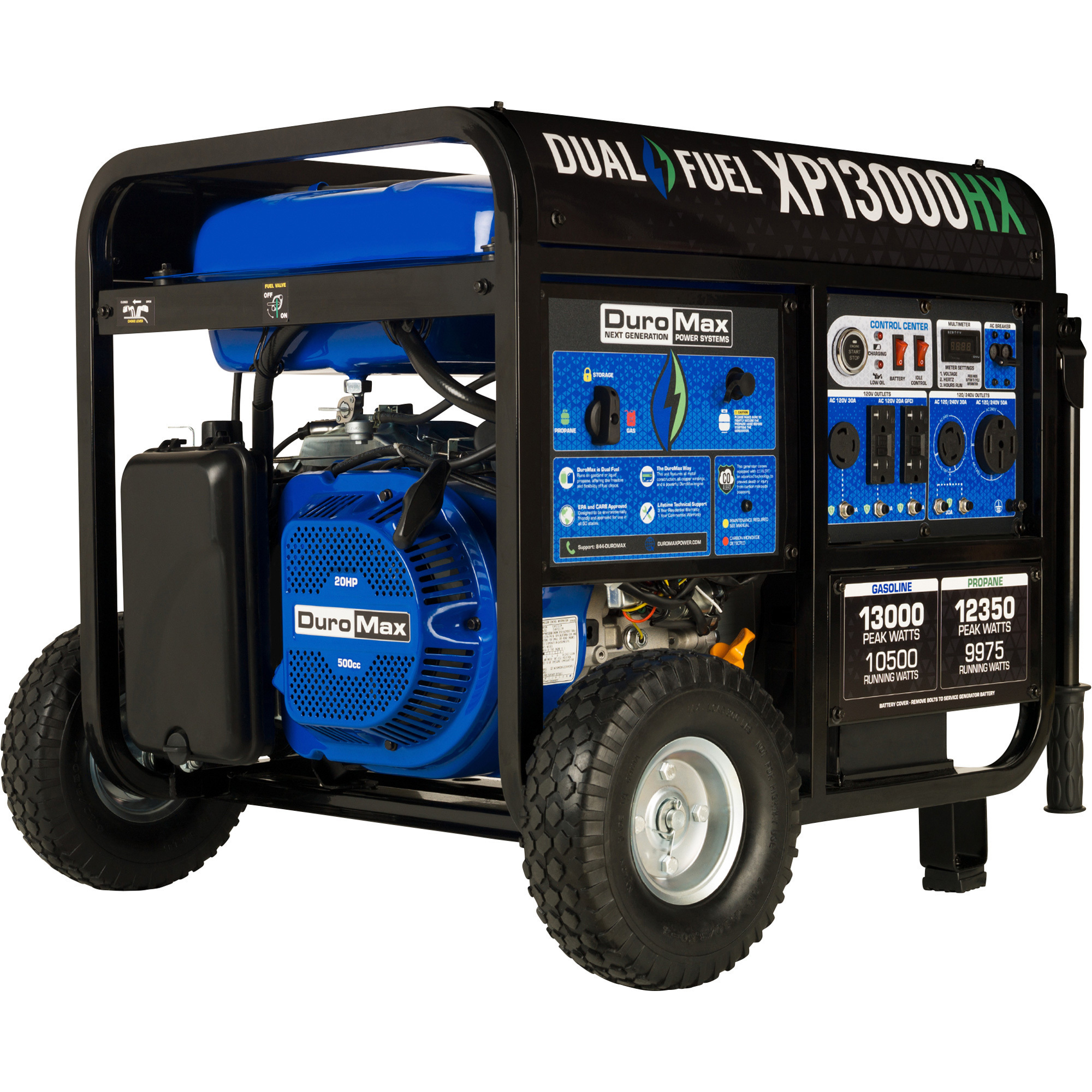
Item # 113480
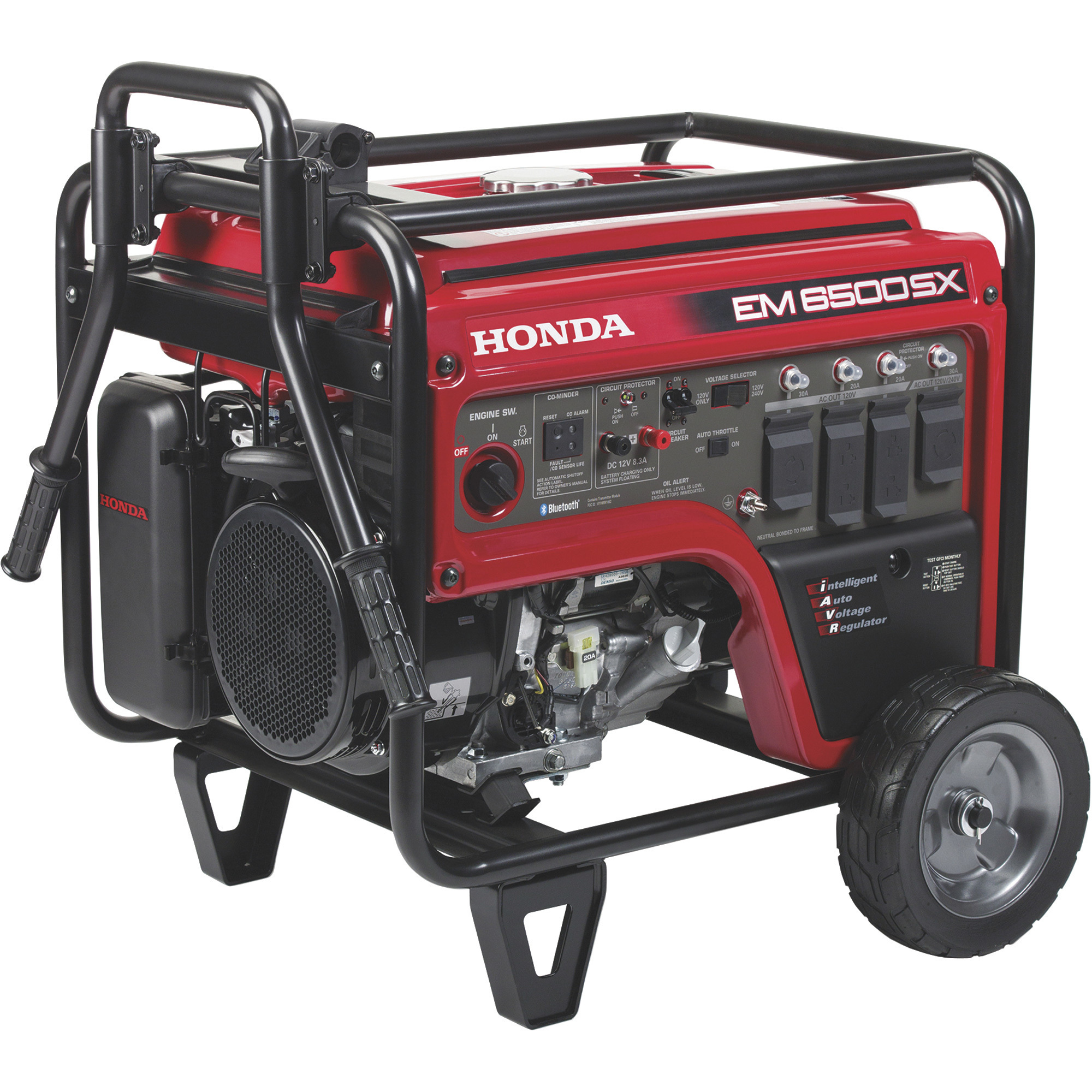
Item # 100549
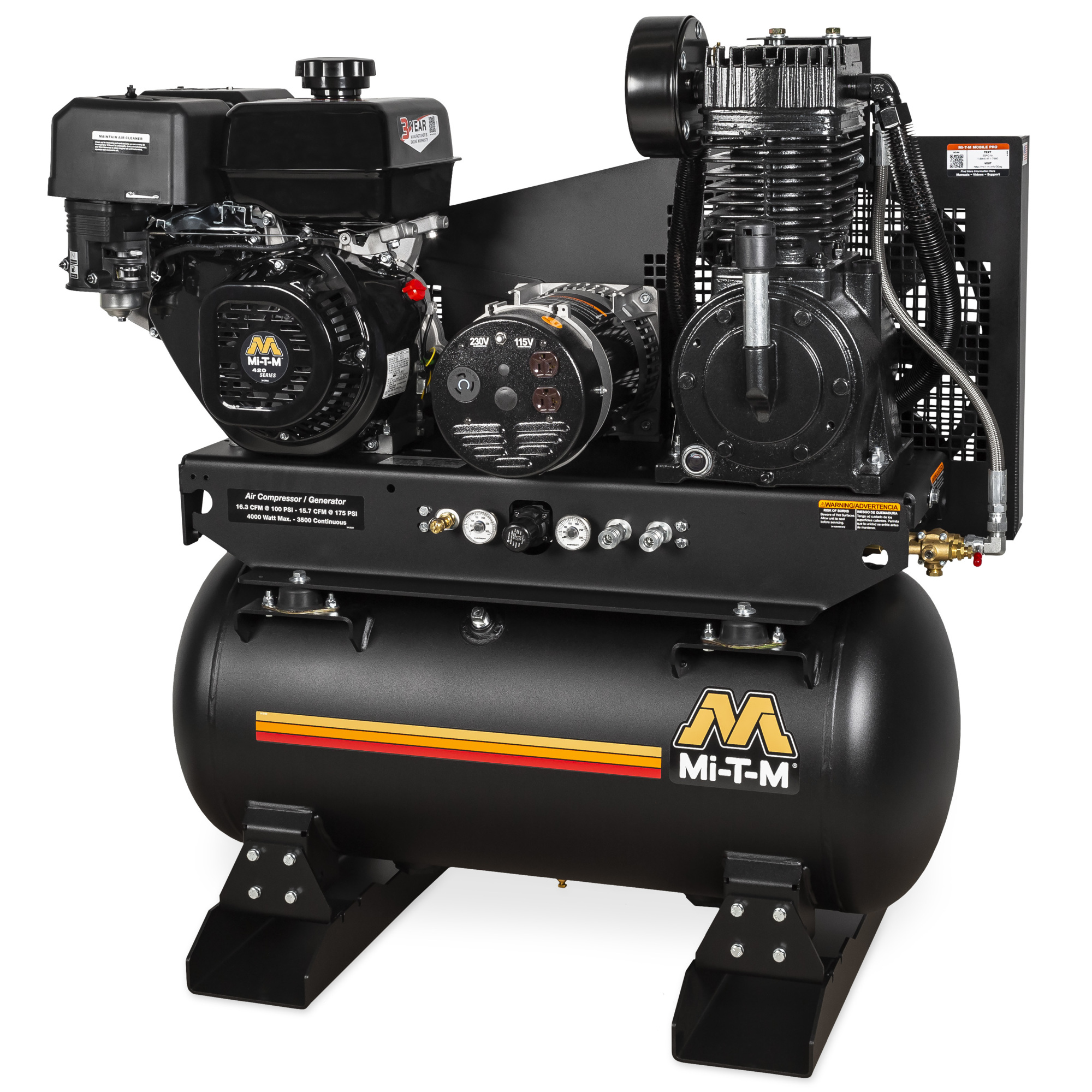
Item # 7040742
Item # 100558
Item # 6698665
Item # 100243
Item # 6843009
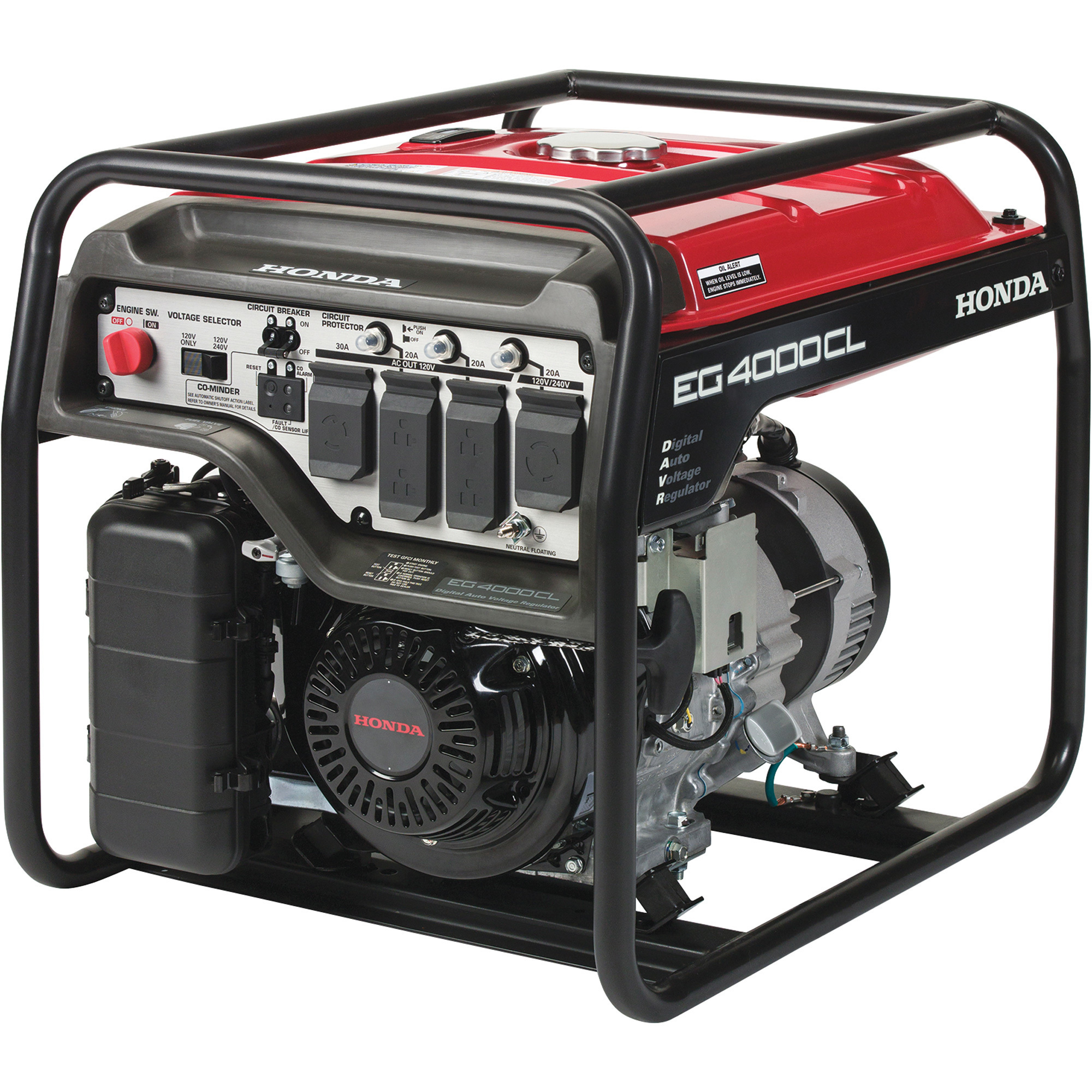
Item # 99927
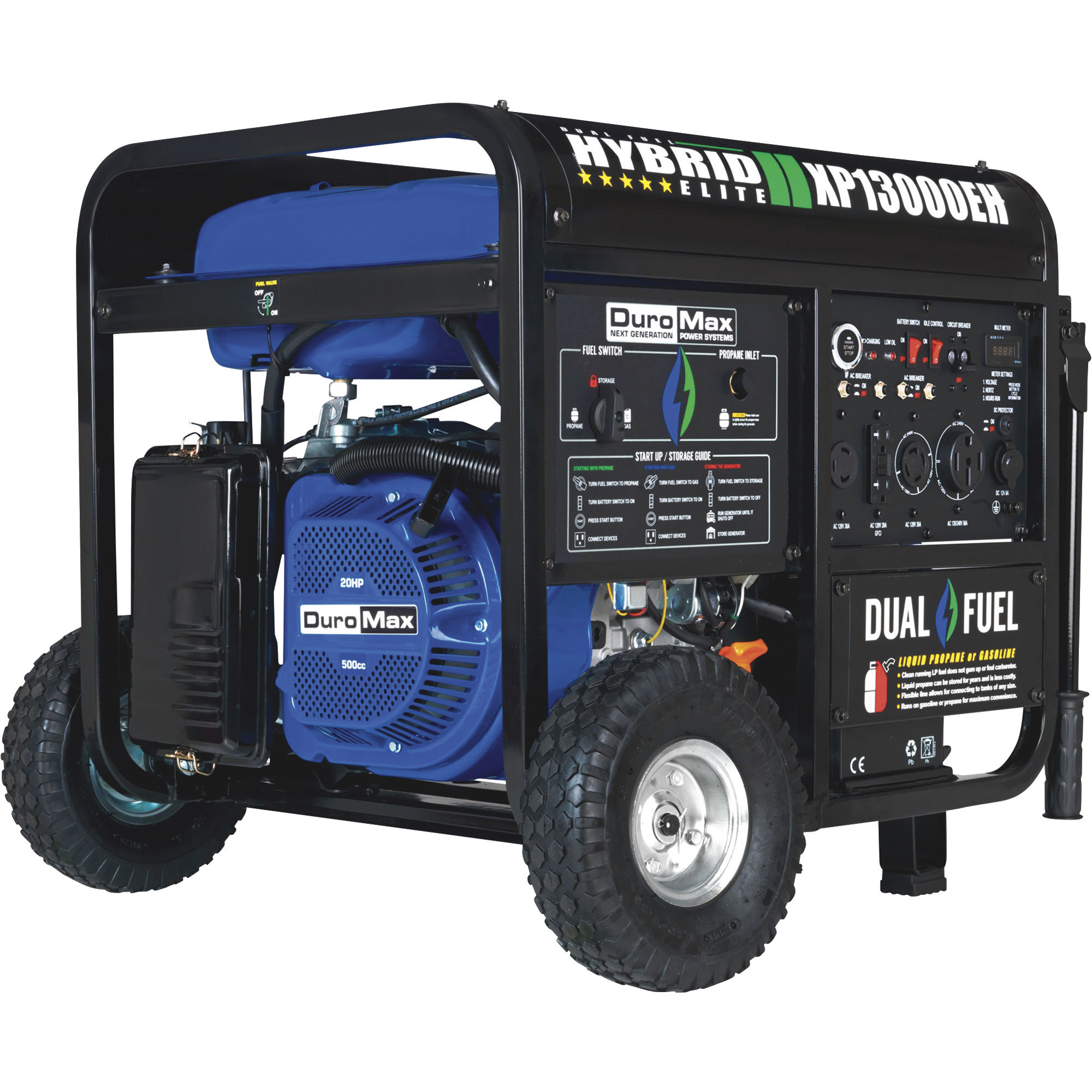
Item # 88958
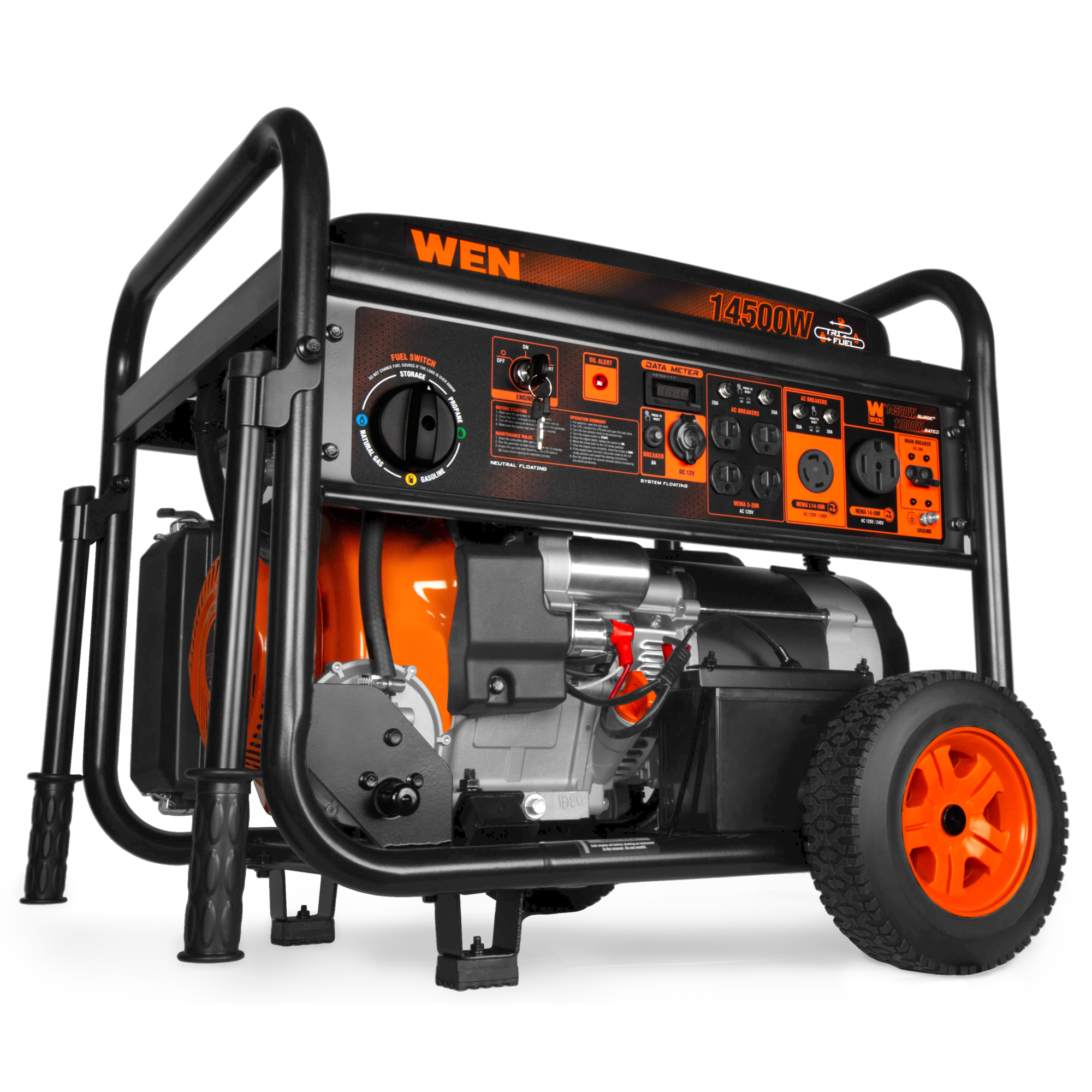
Item # 6570813
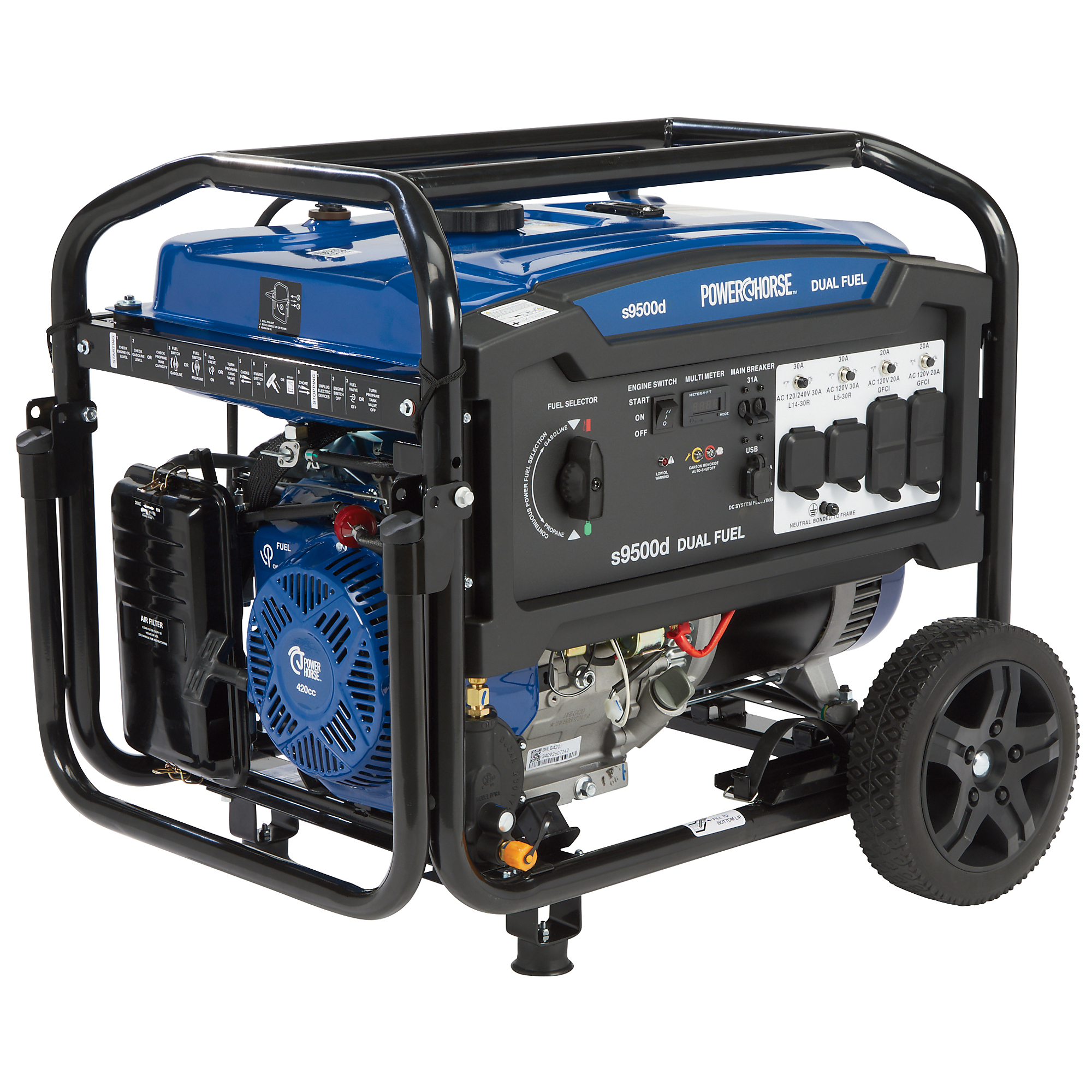
Item # 6075652
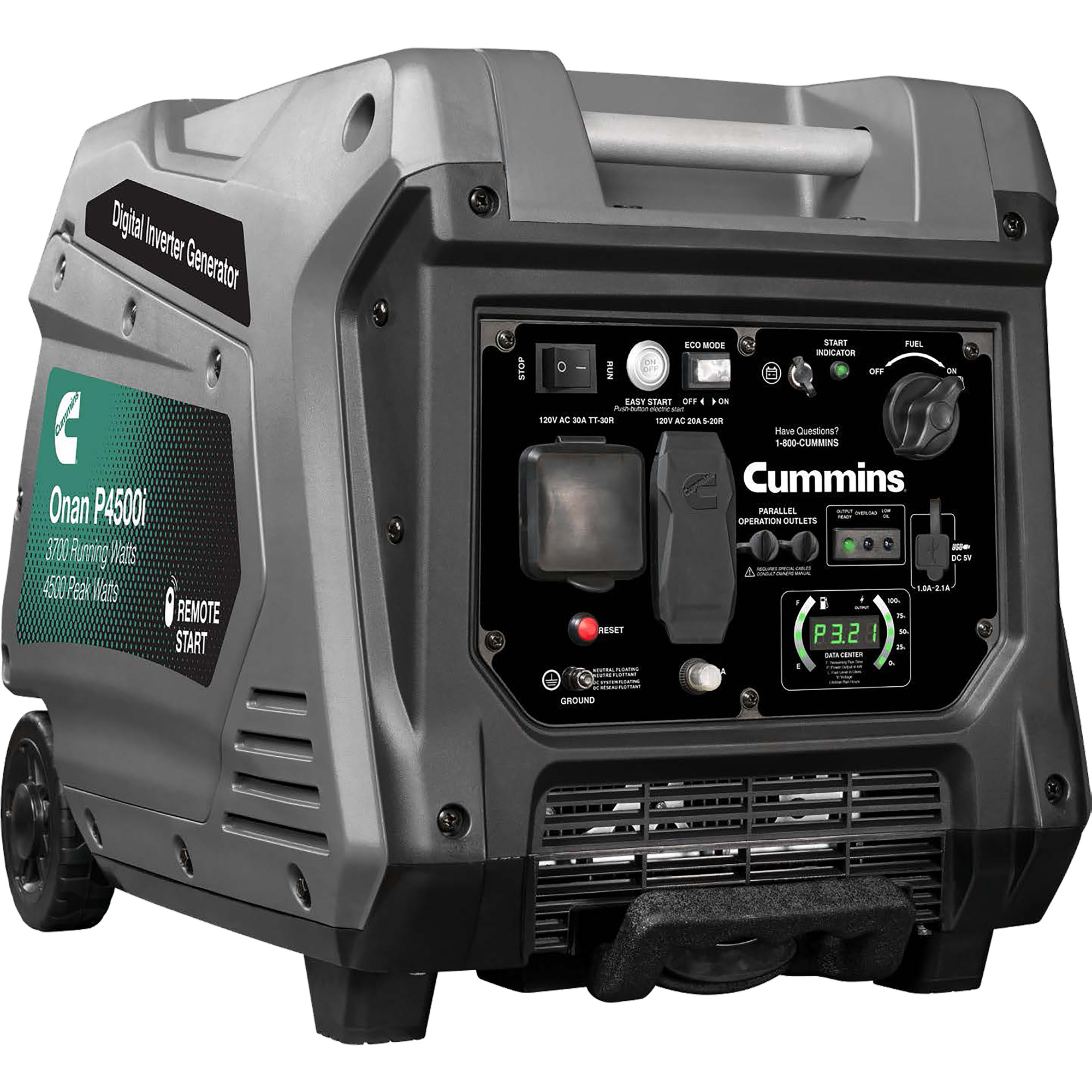
Item # 6437553
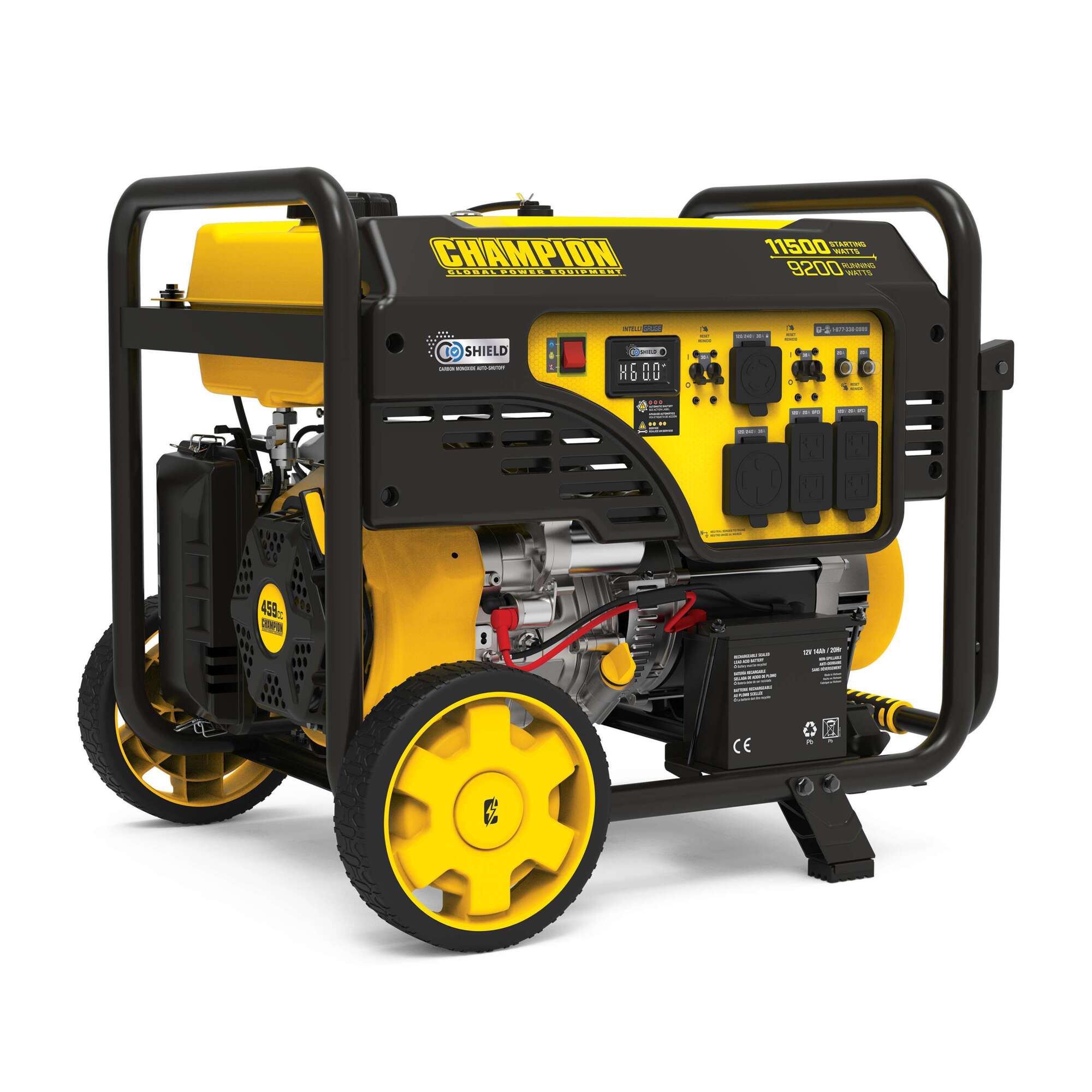
Item # 6866884
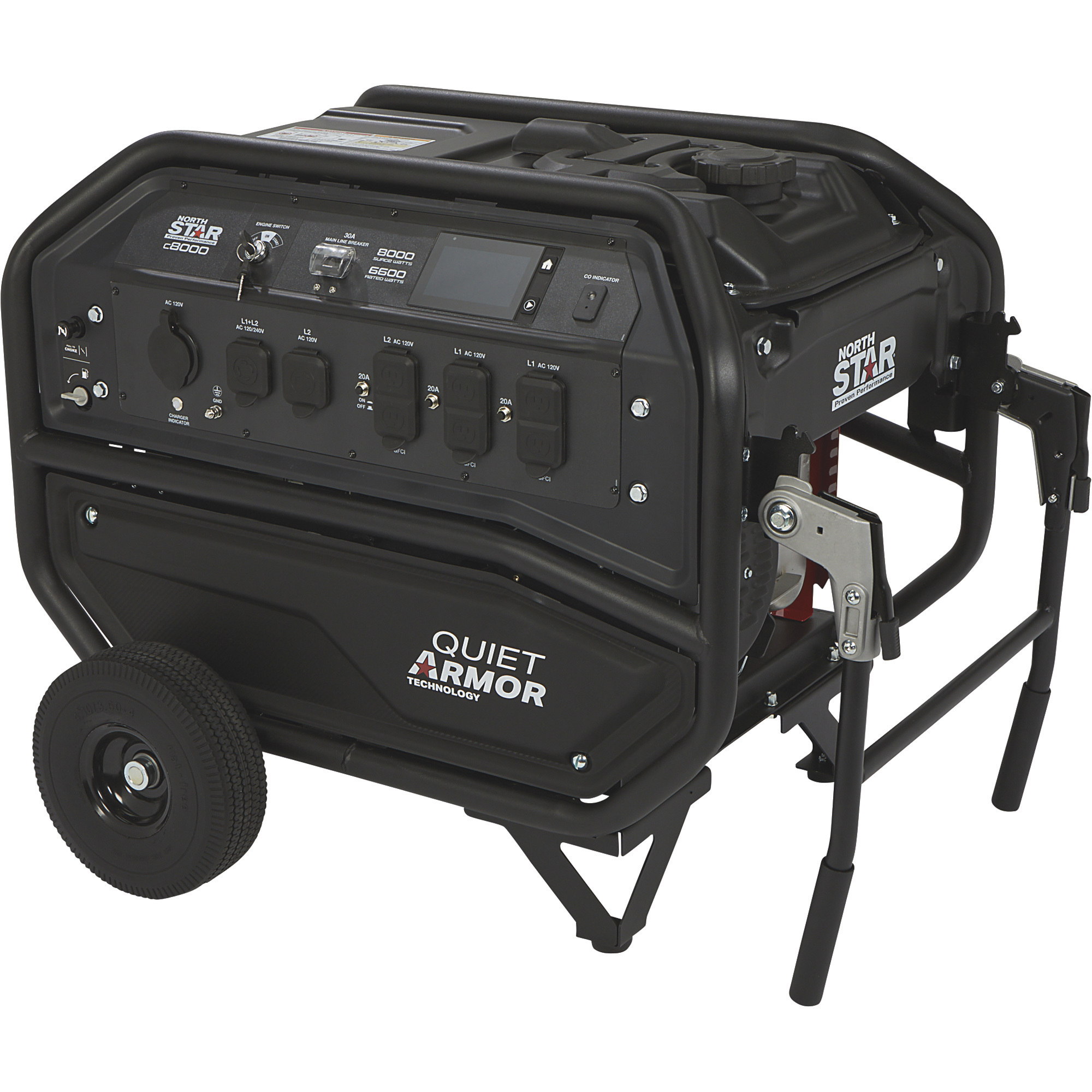
Item # 1654403
Order today to get this price.
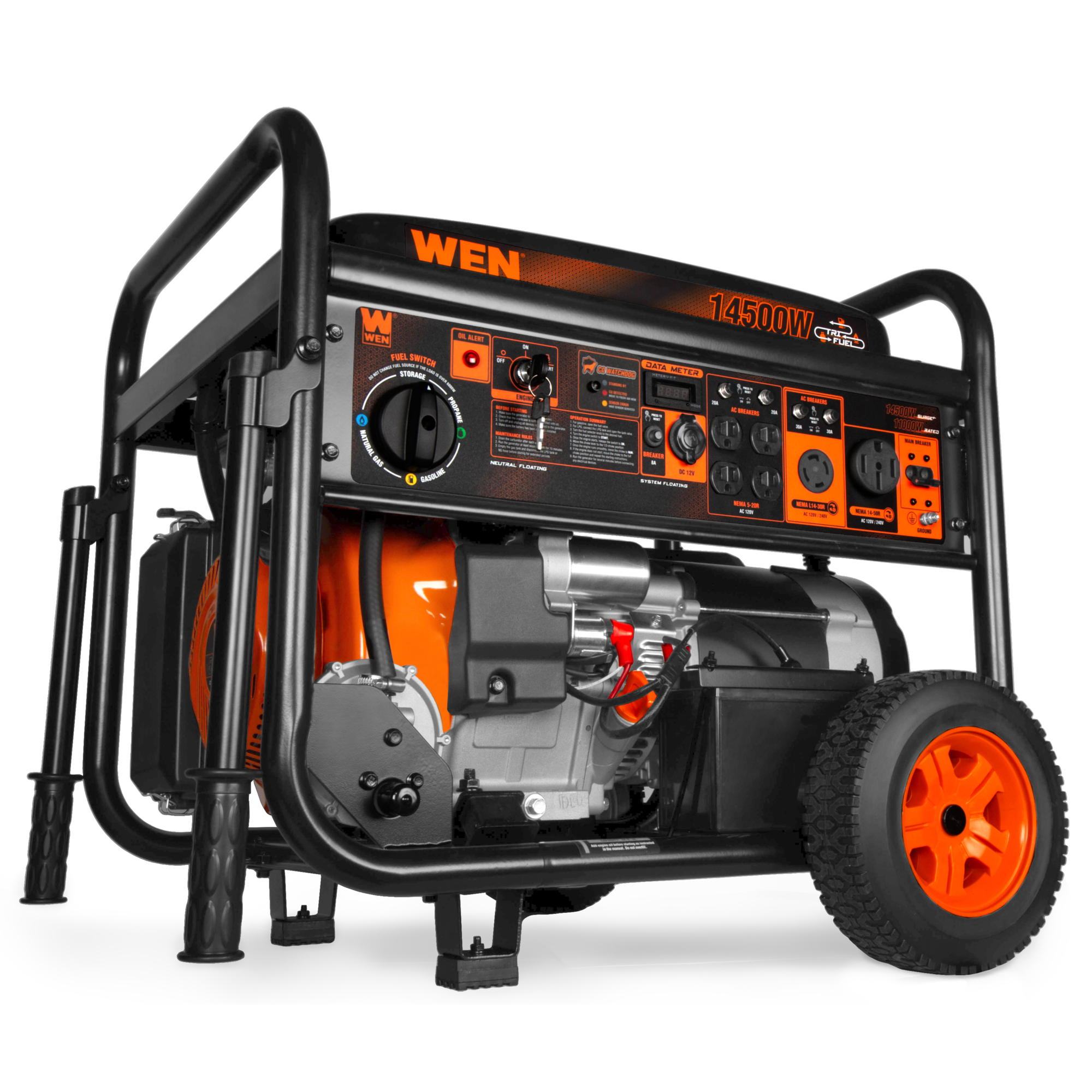
Item # 7042473
Item # 6867078
Item # 5867252
Item # 610612
Item # 7024697
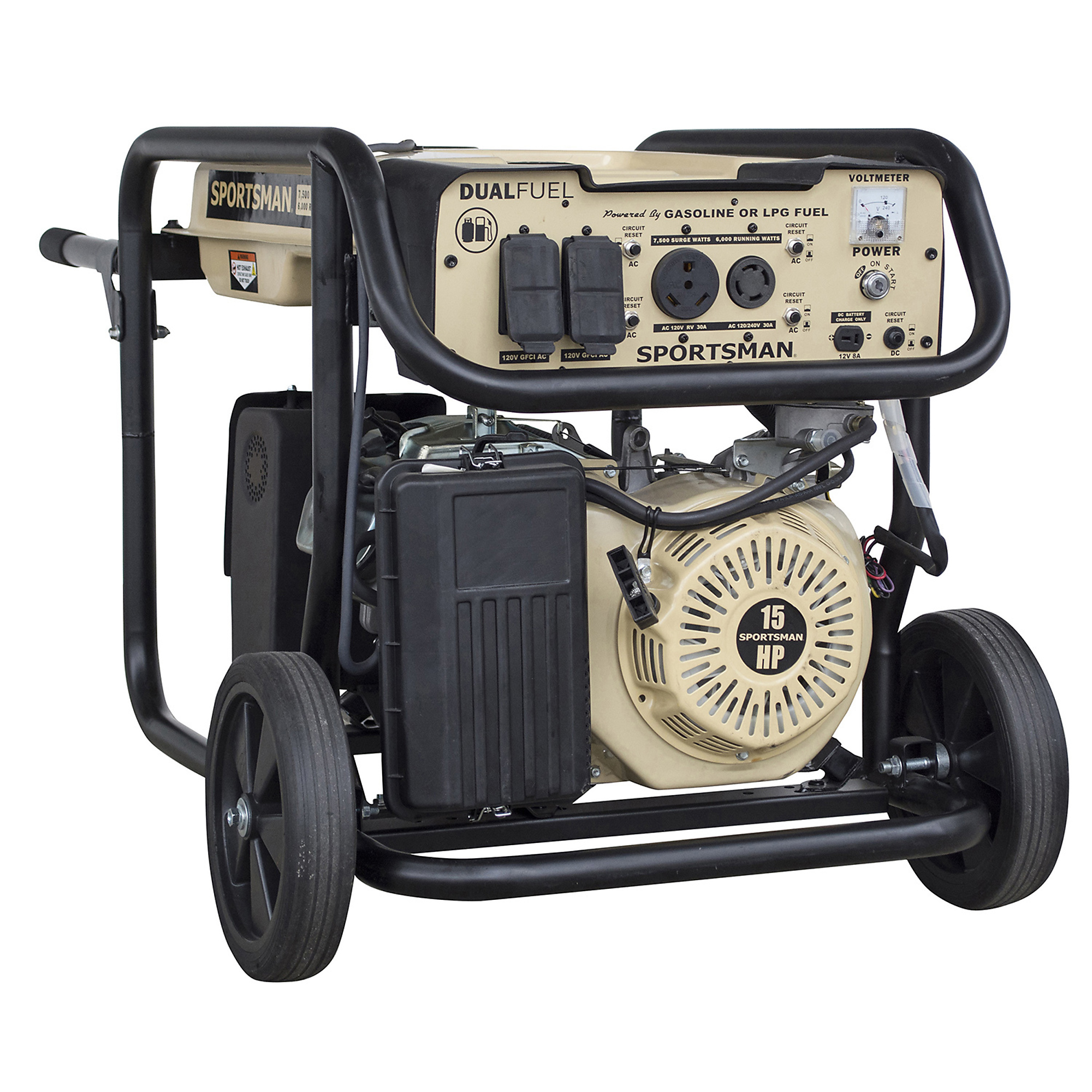
Item # 5859922
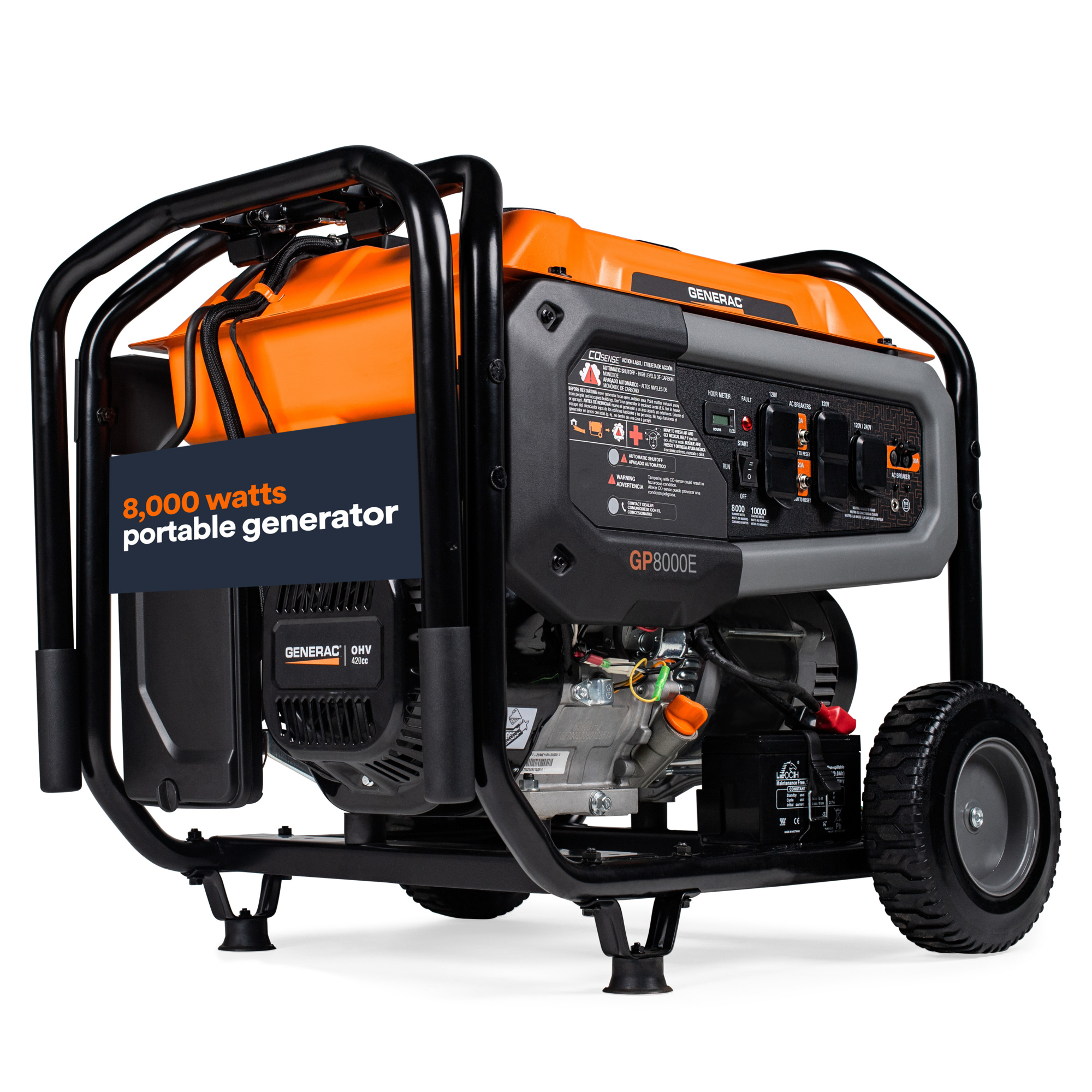
Item # 7050810
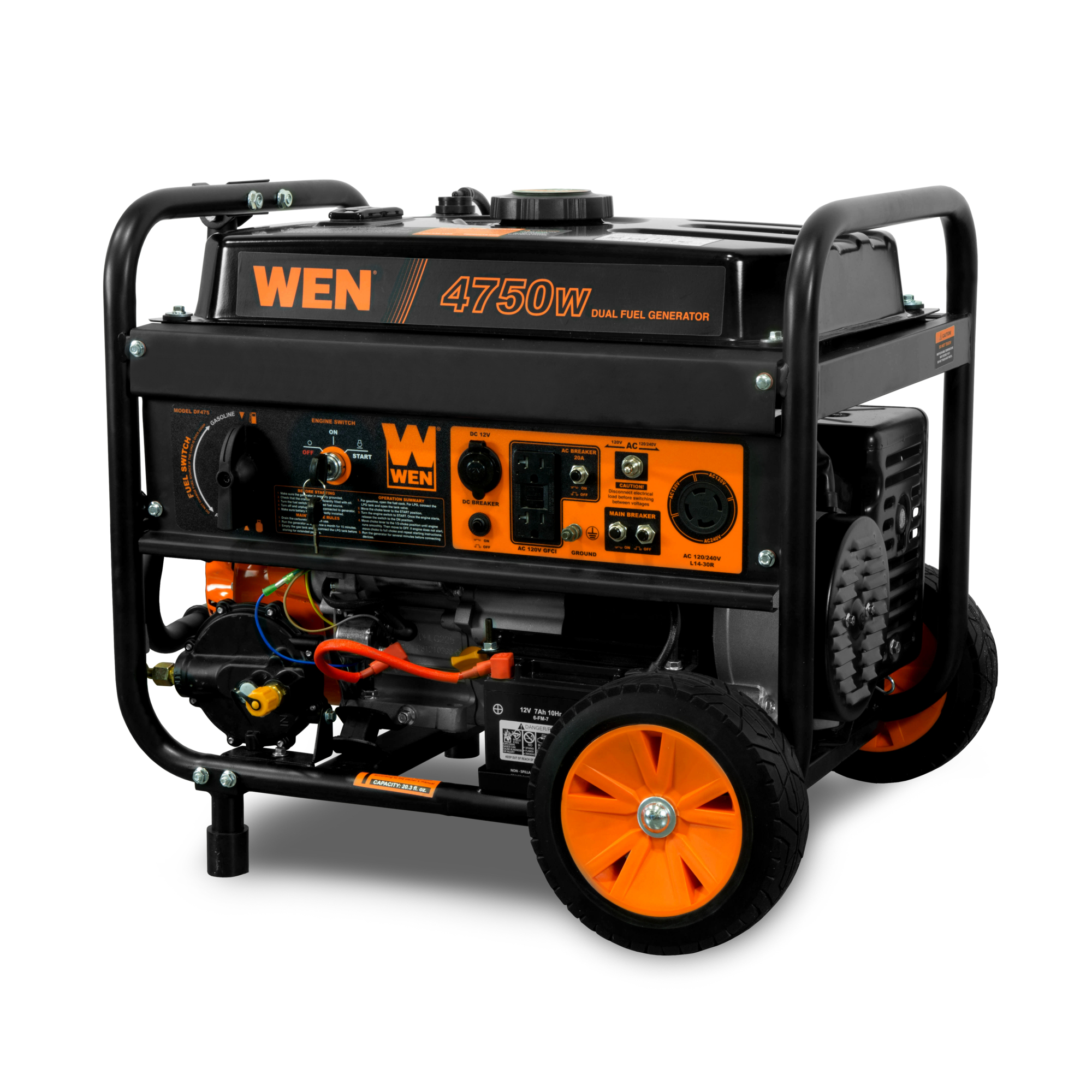
Item # 5809108
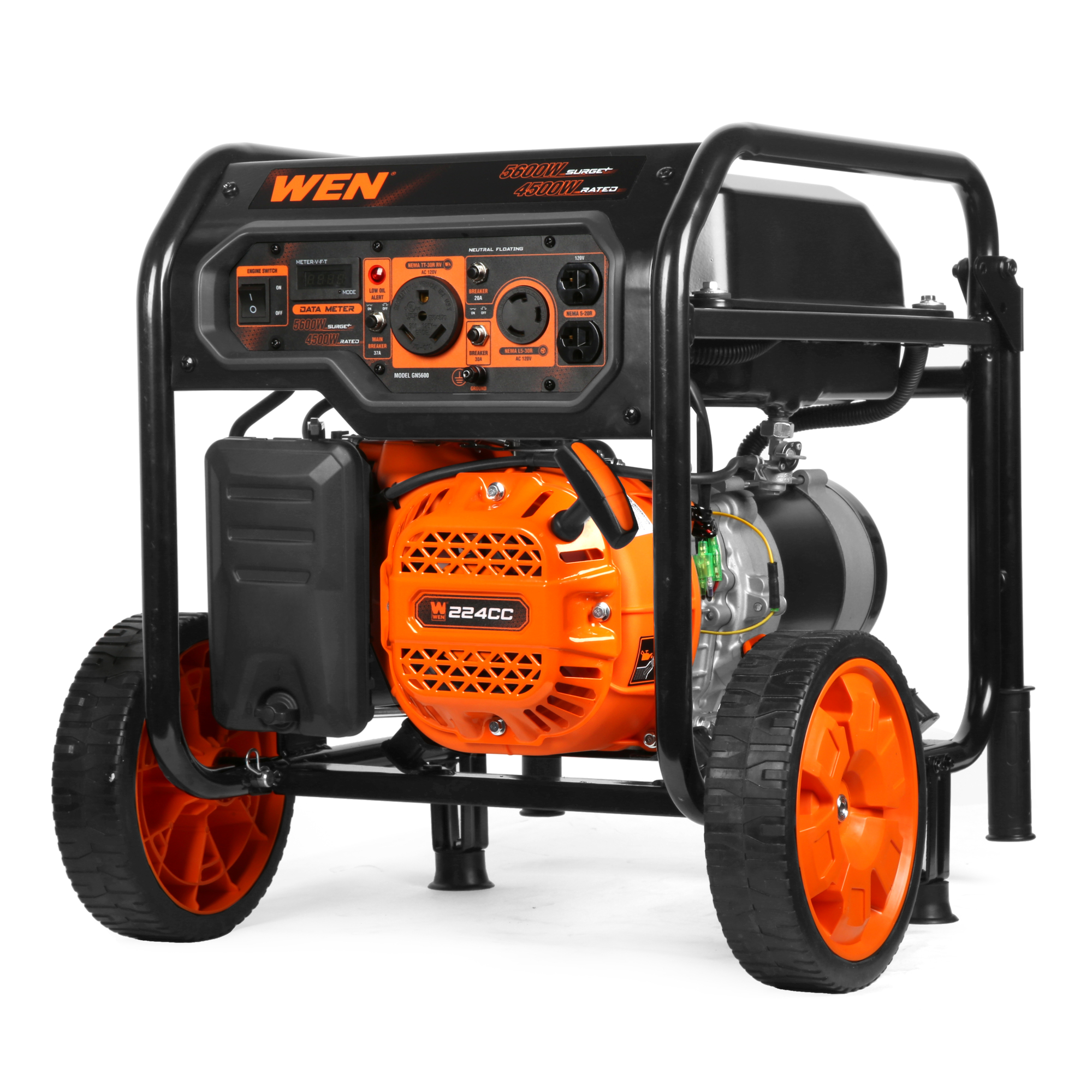
Item # 5808973
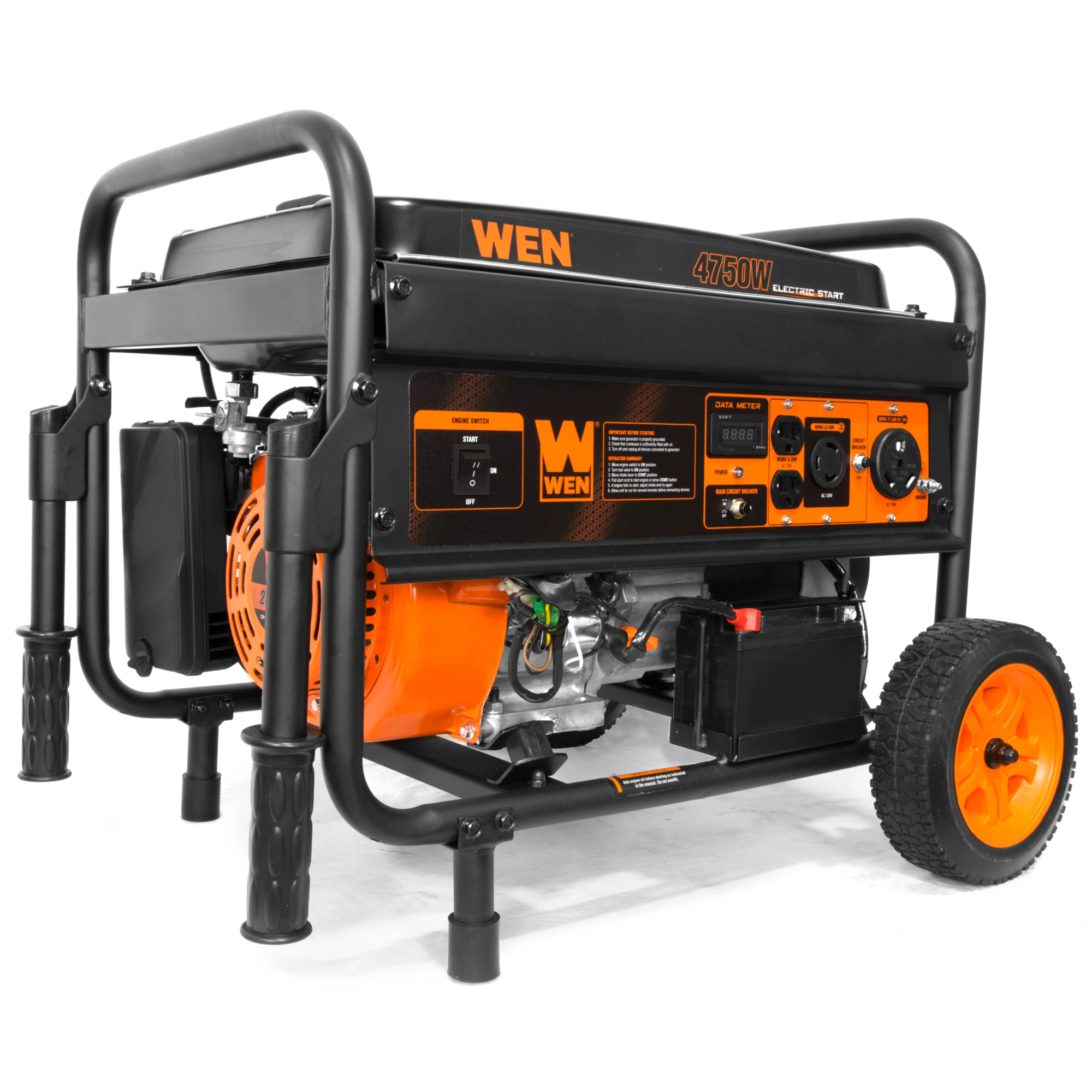
Item # 5808842
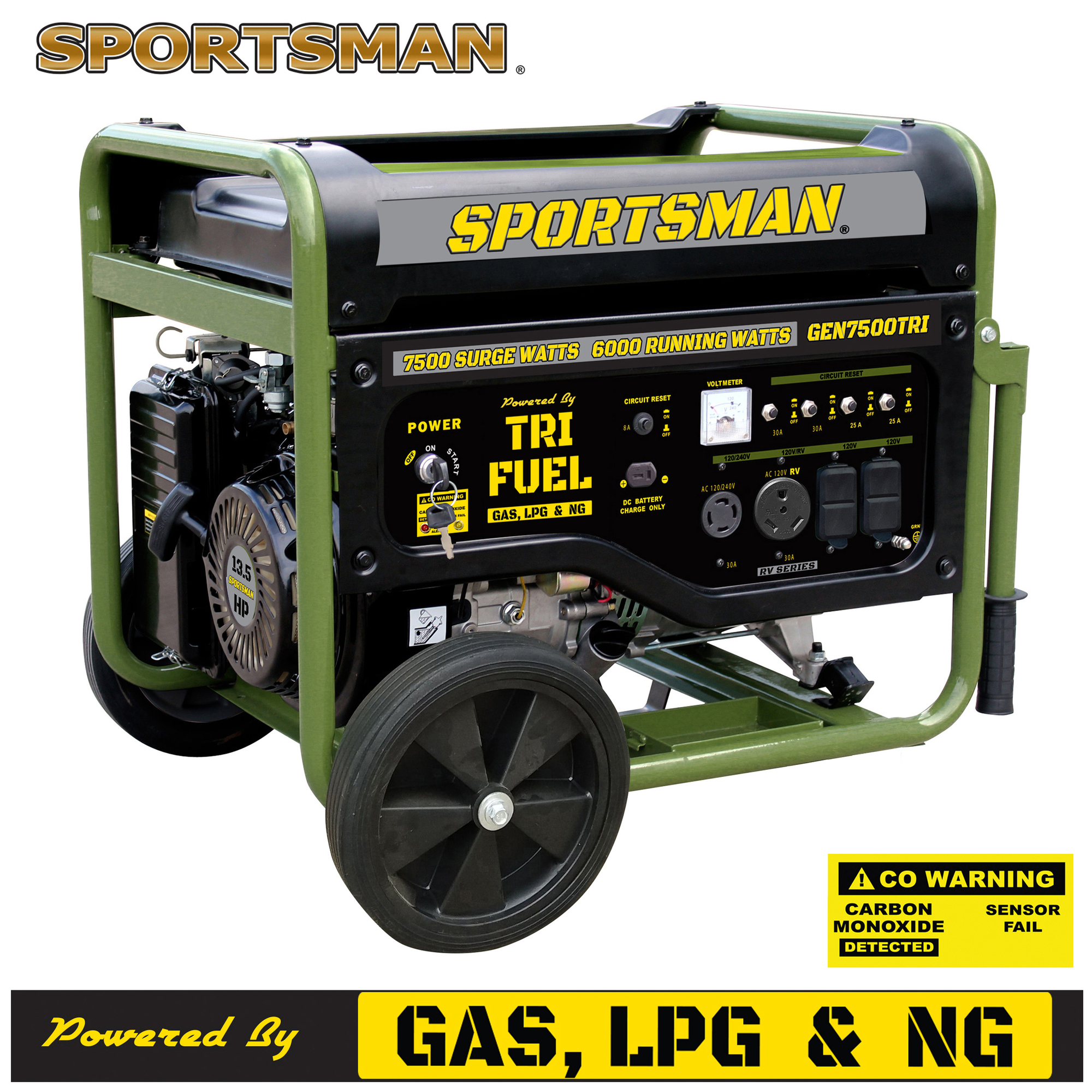
Item # 5855235
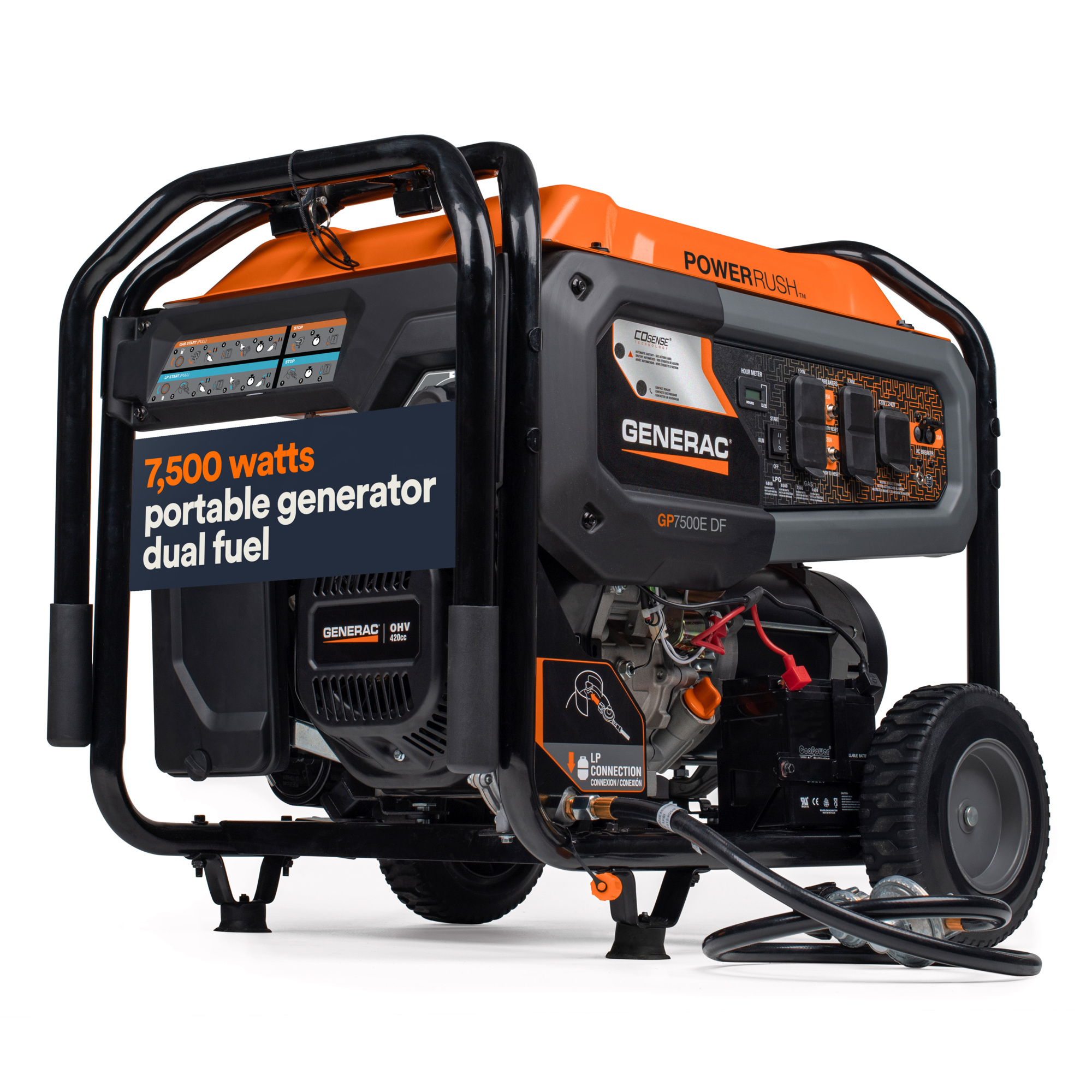
Item # 5867279
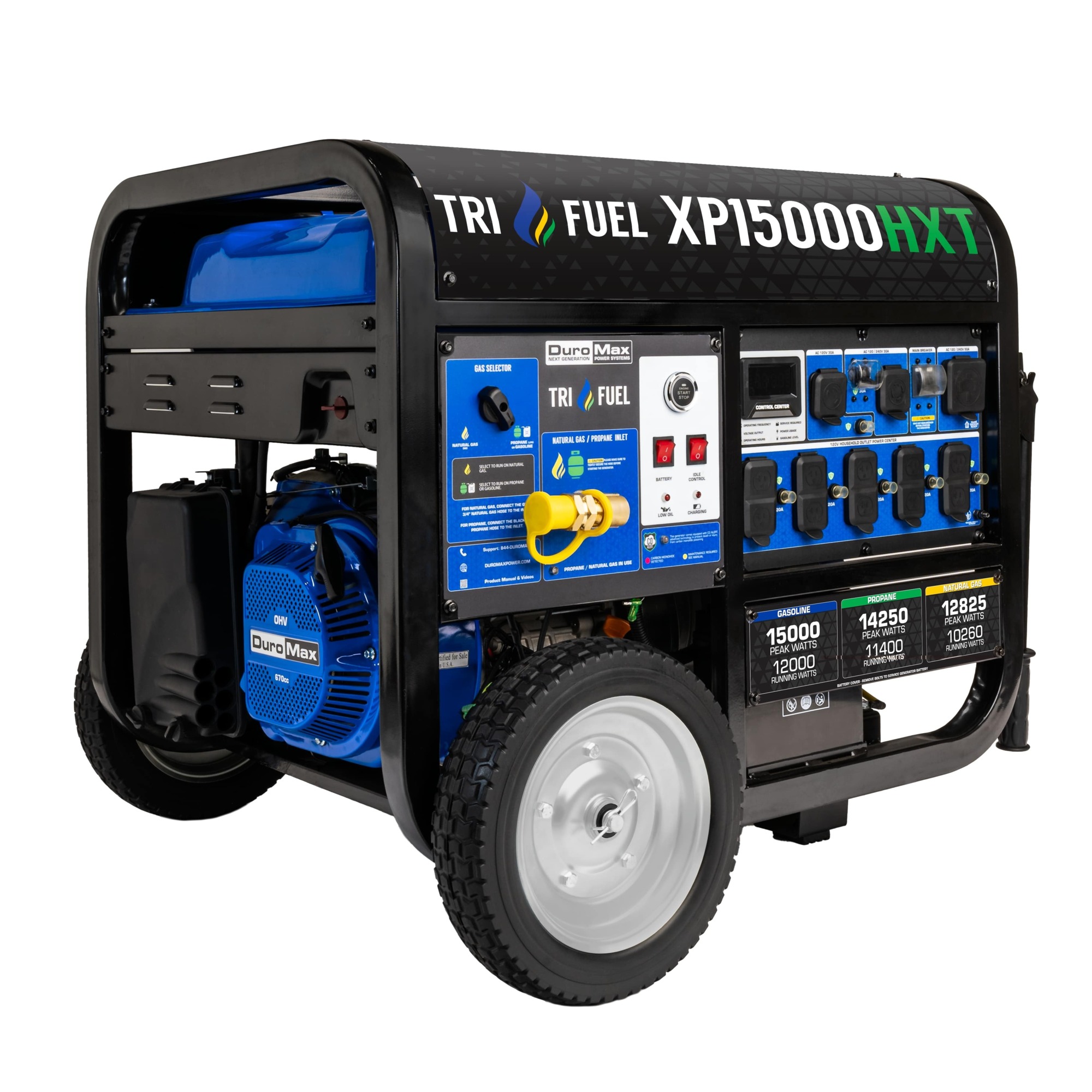
Item # 5896766
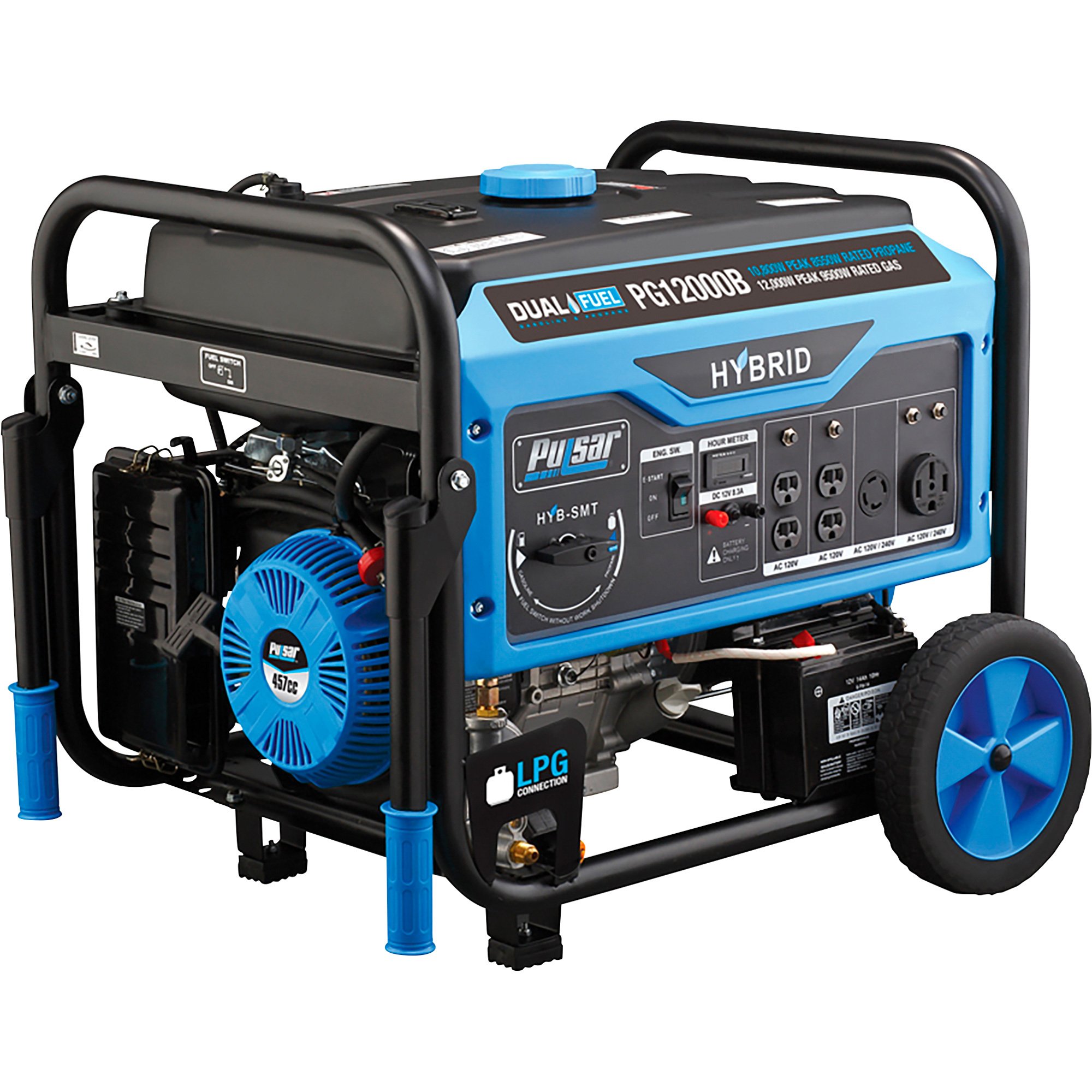
Item # 115256
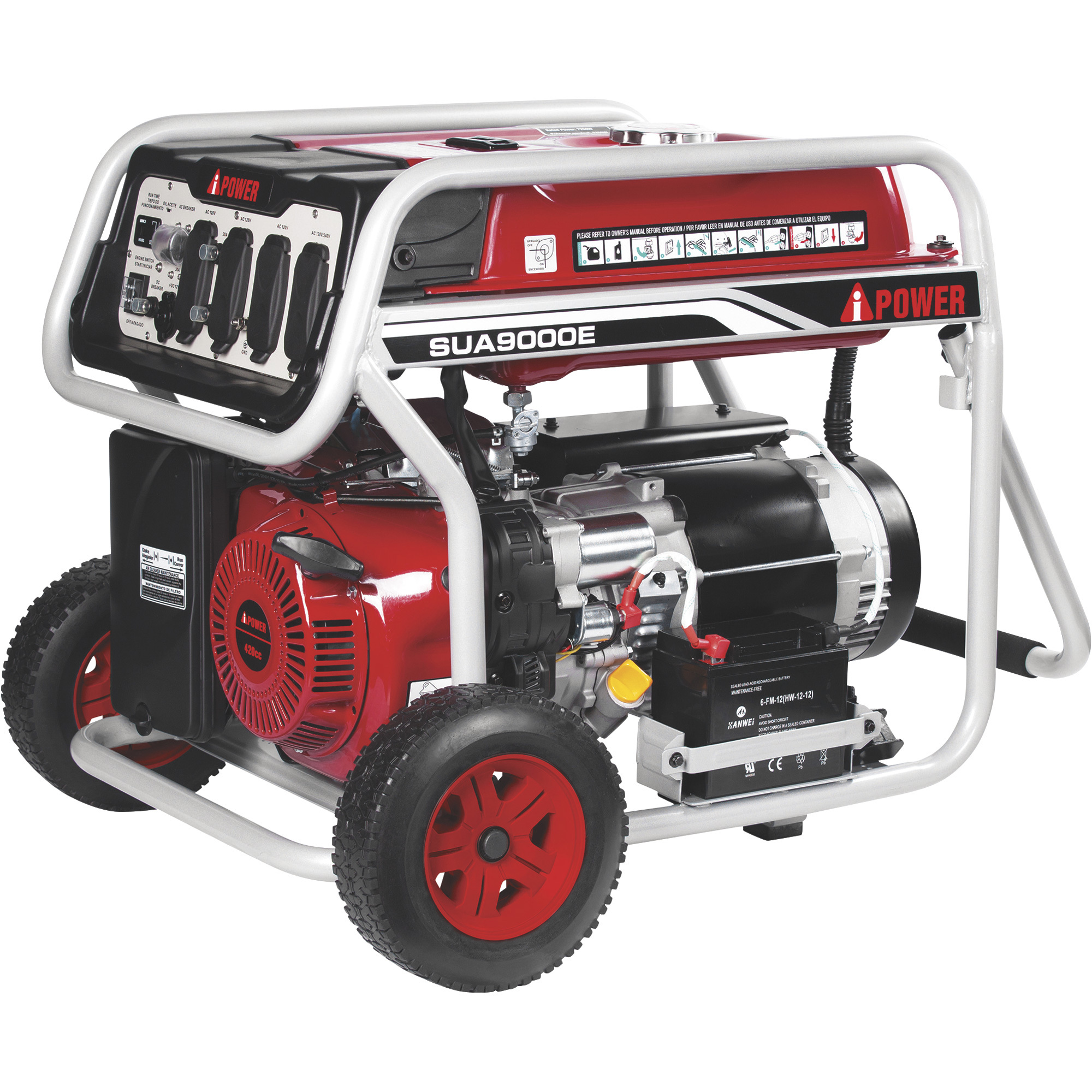
Item # 610611
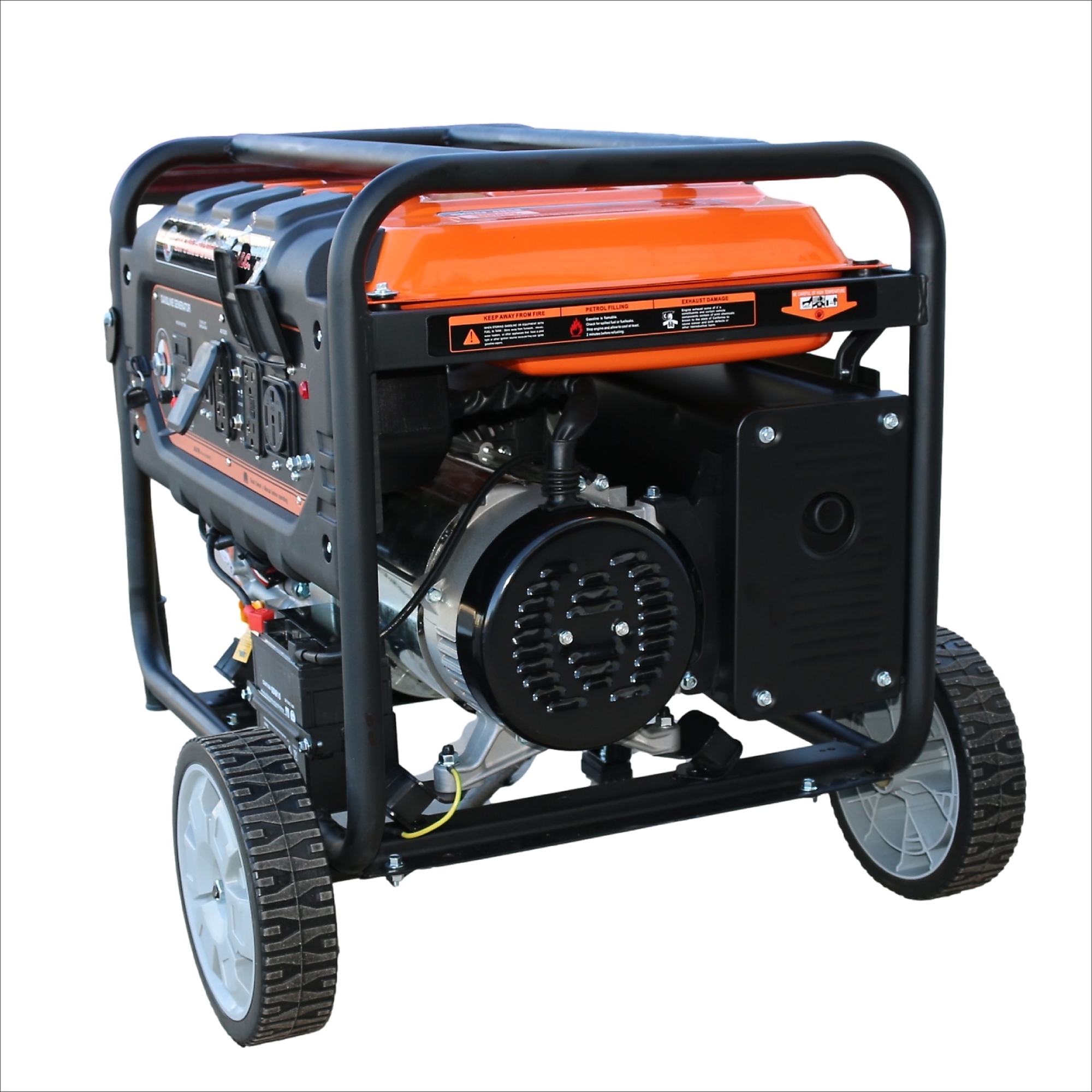
Item # 6194838
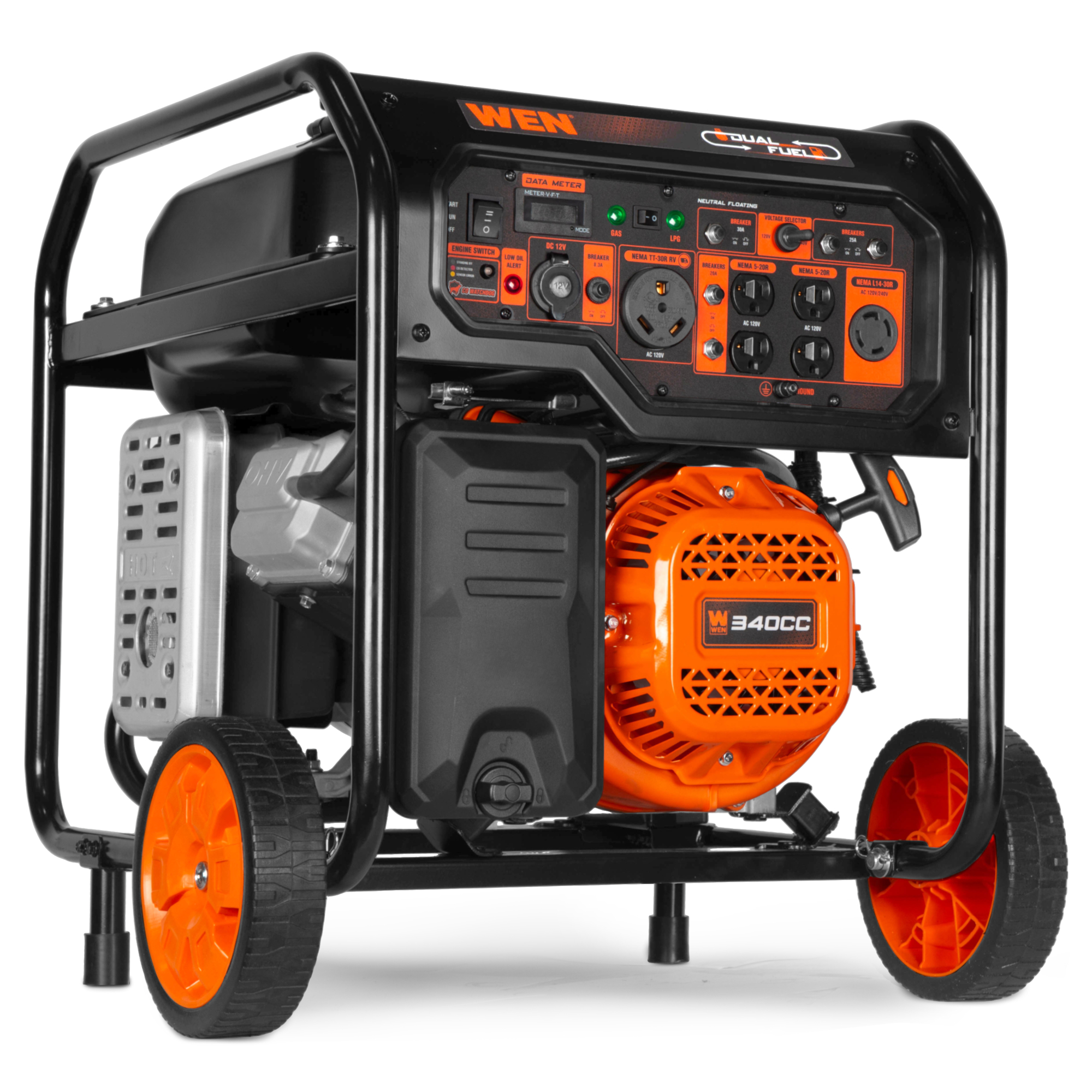
Item # 6214190
Item # 6517369
Item # 6583948
Item # 6867457
Item # 6867369
Portable Generators
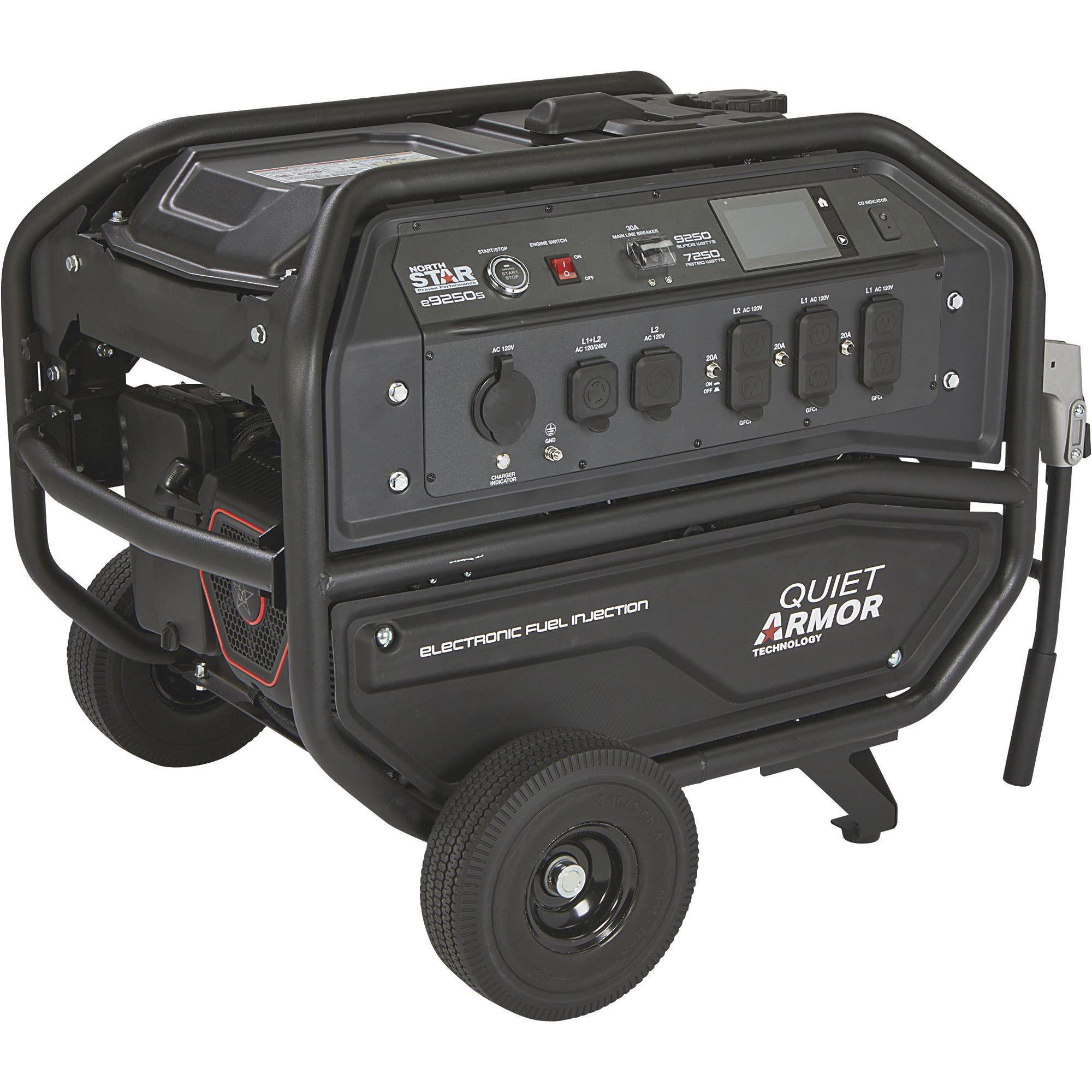
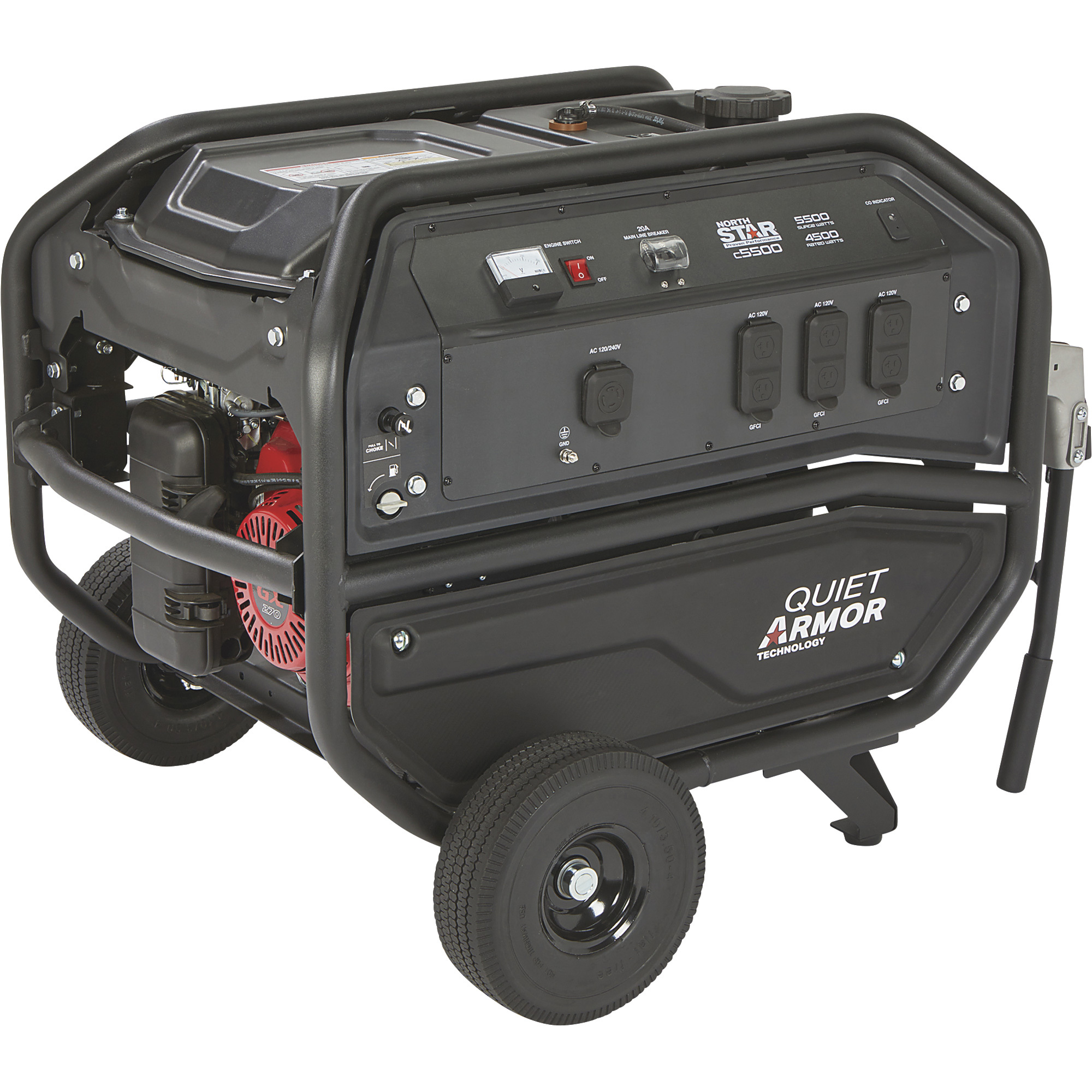
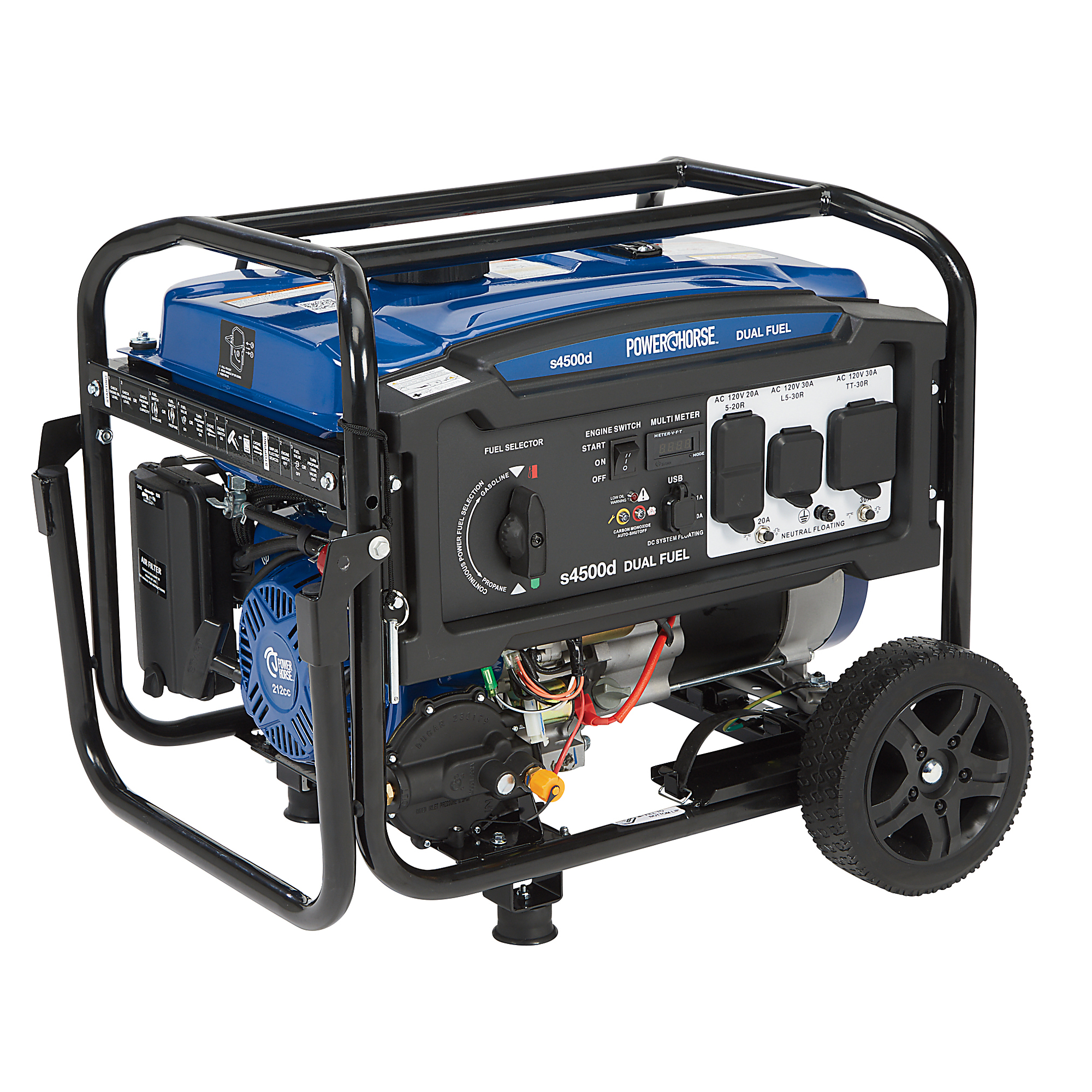
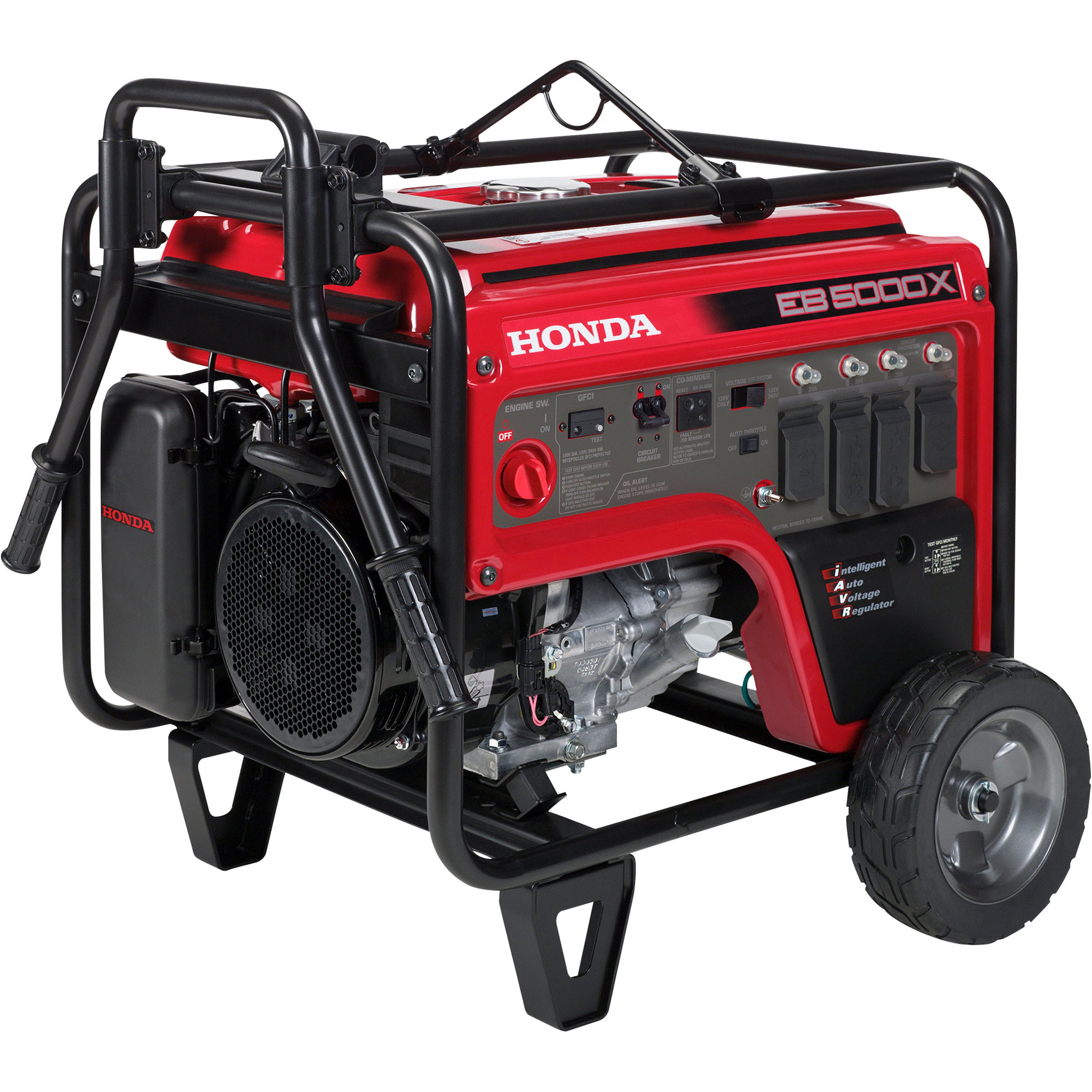
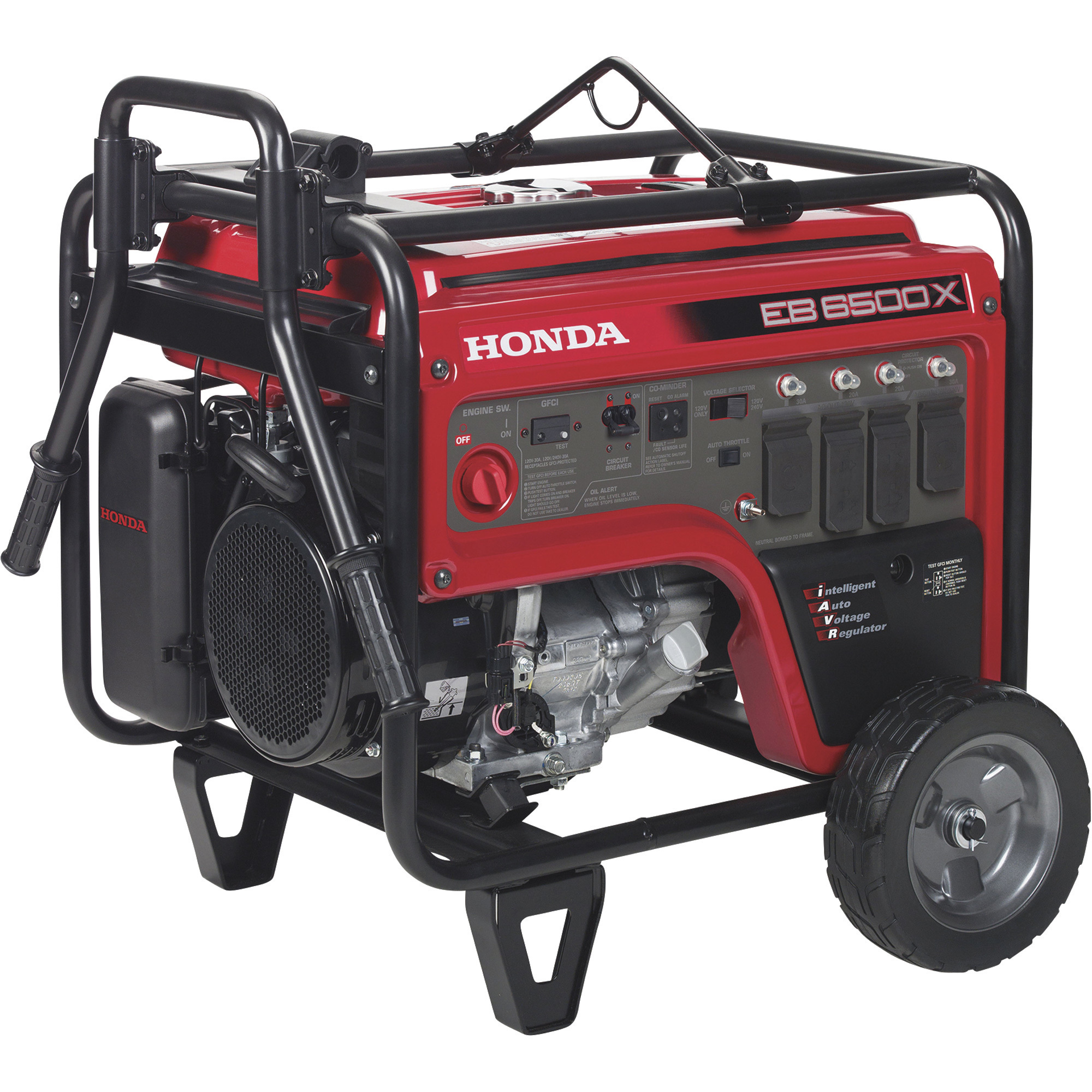
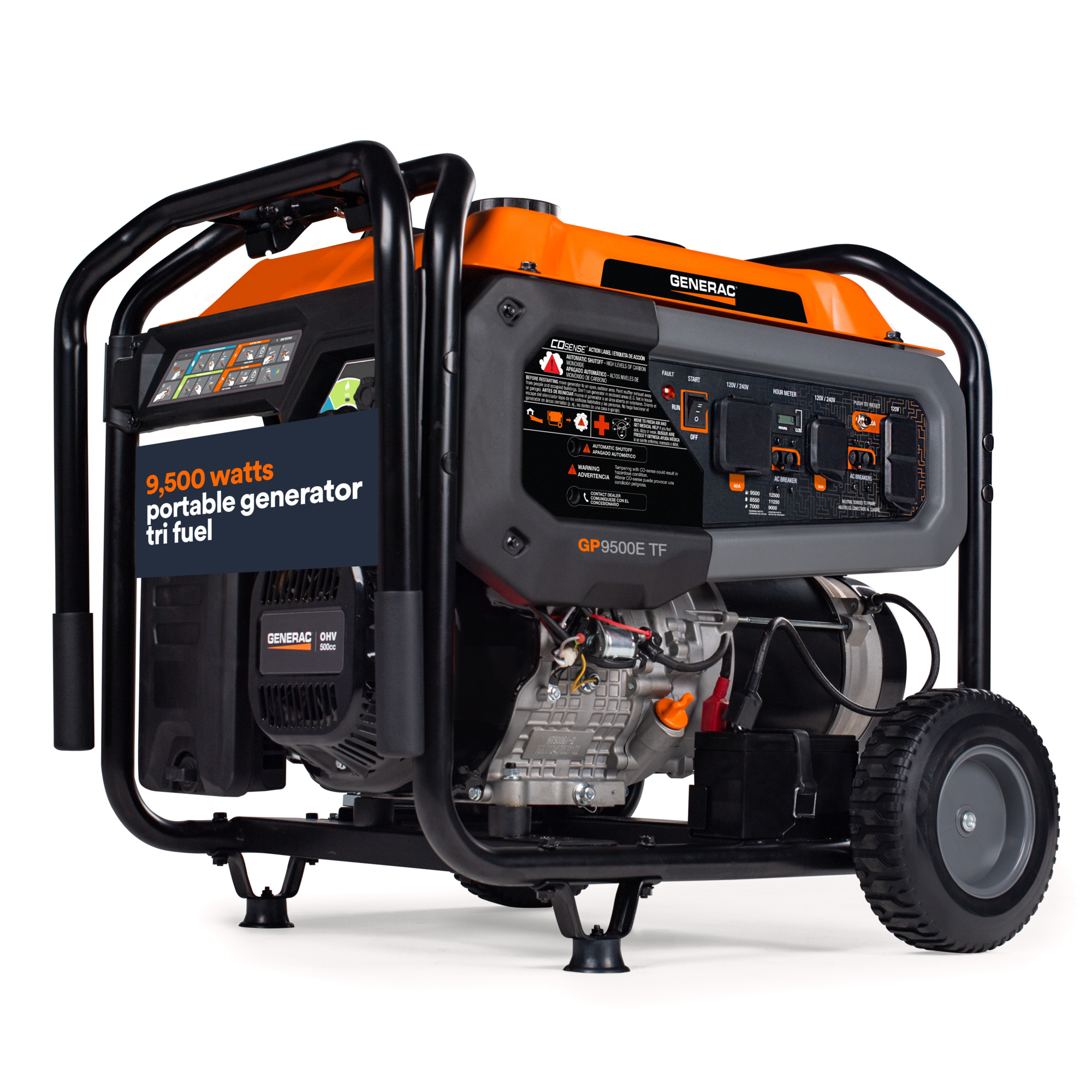
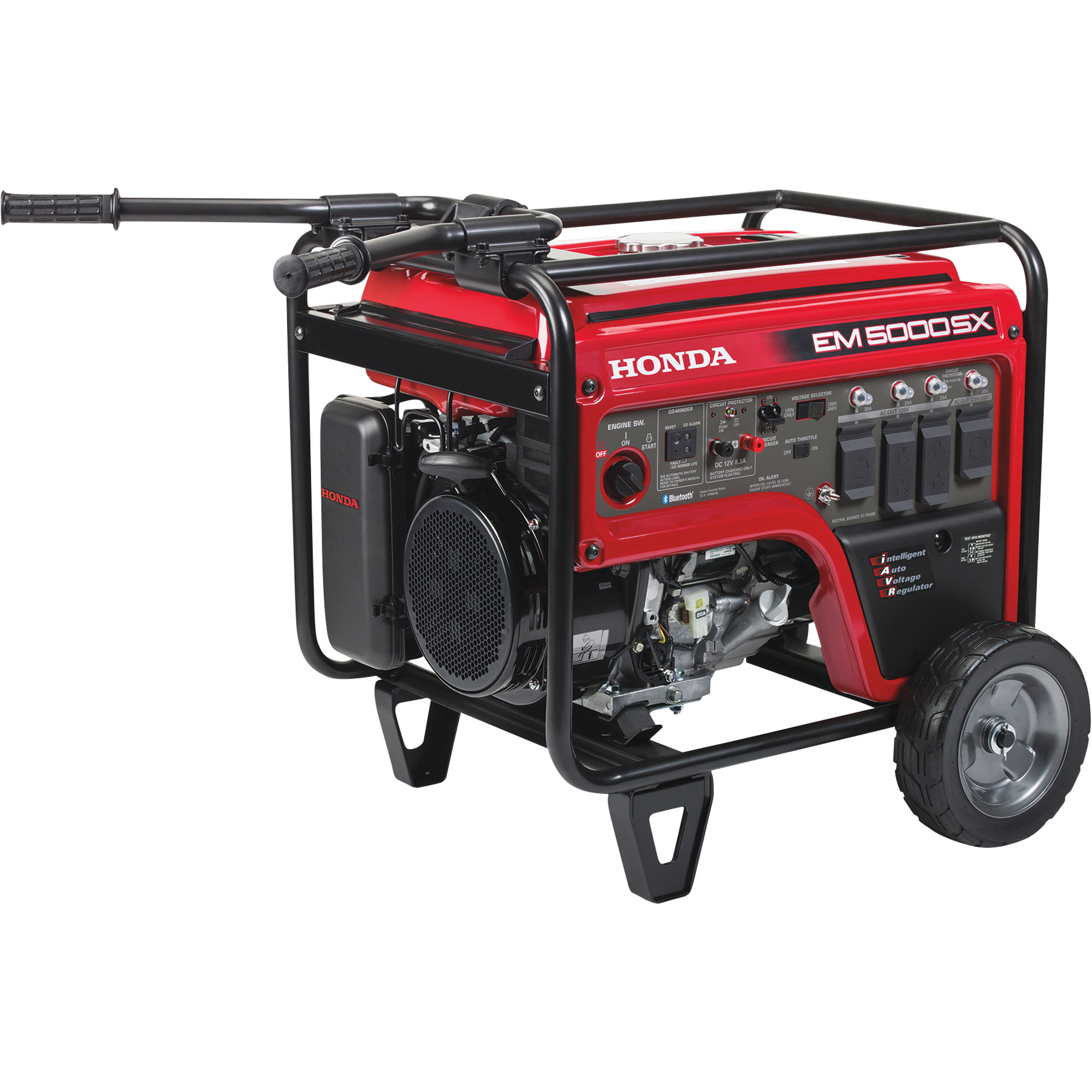
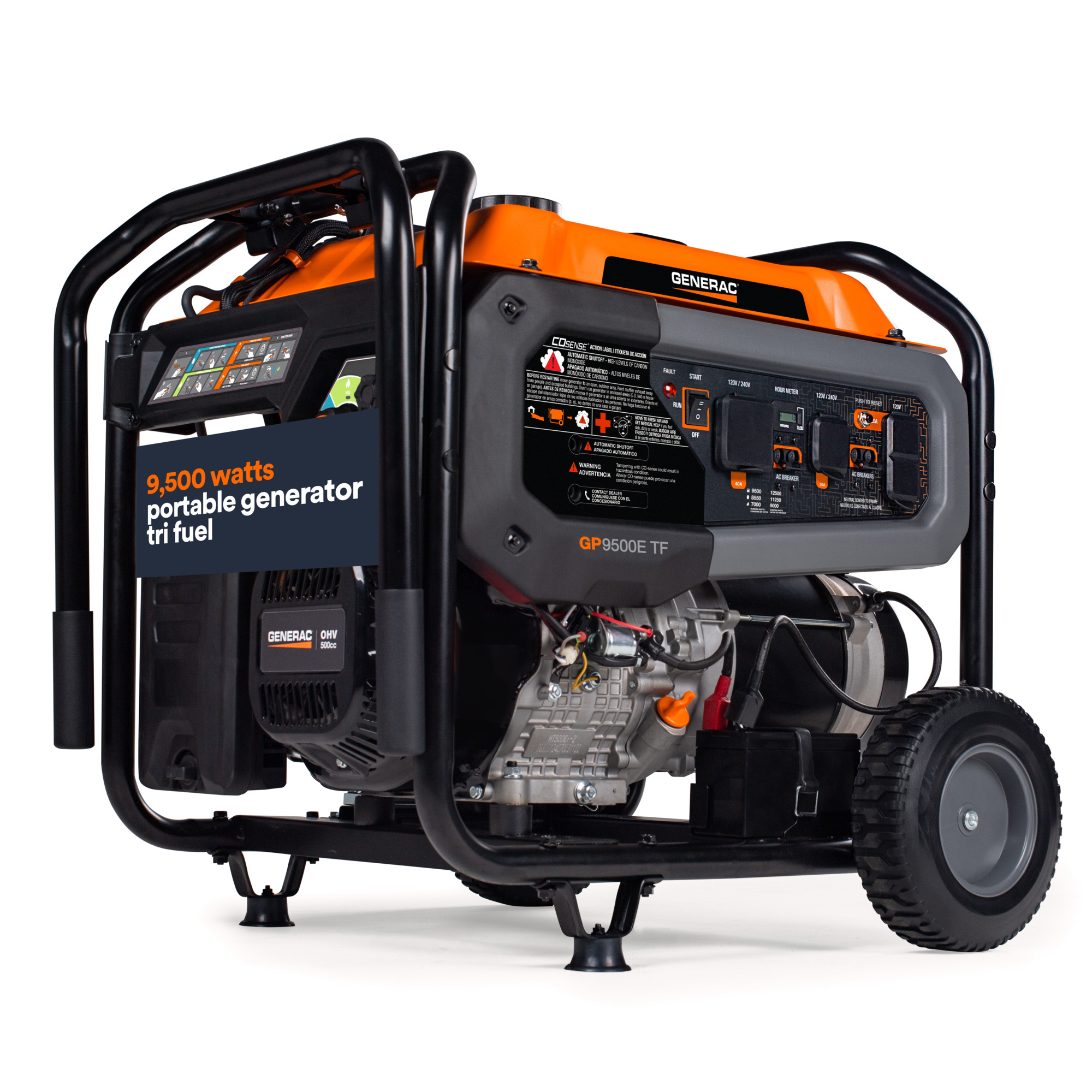
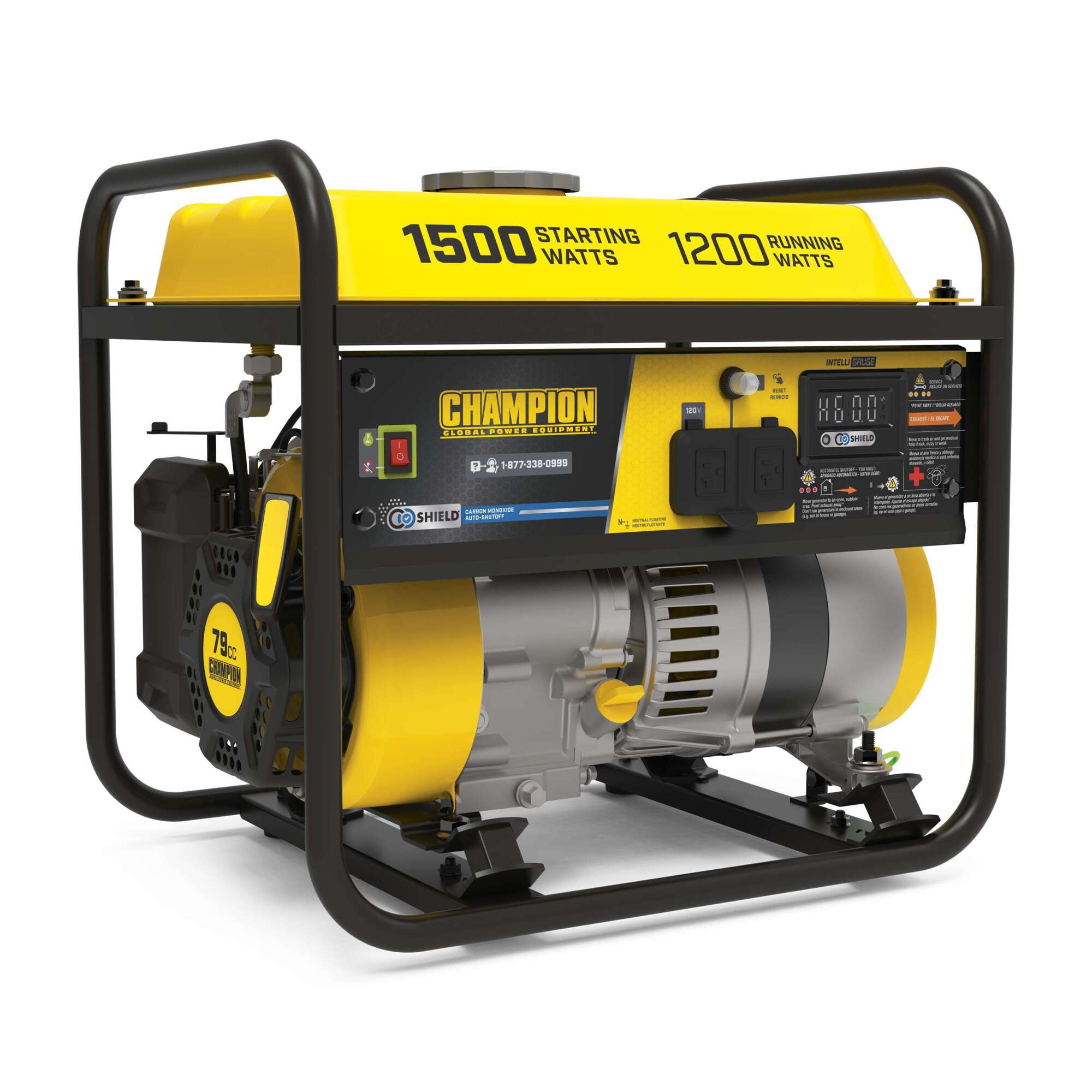
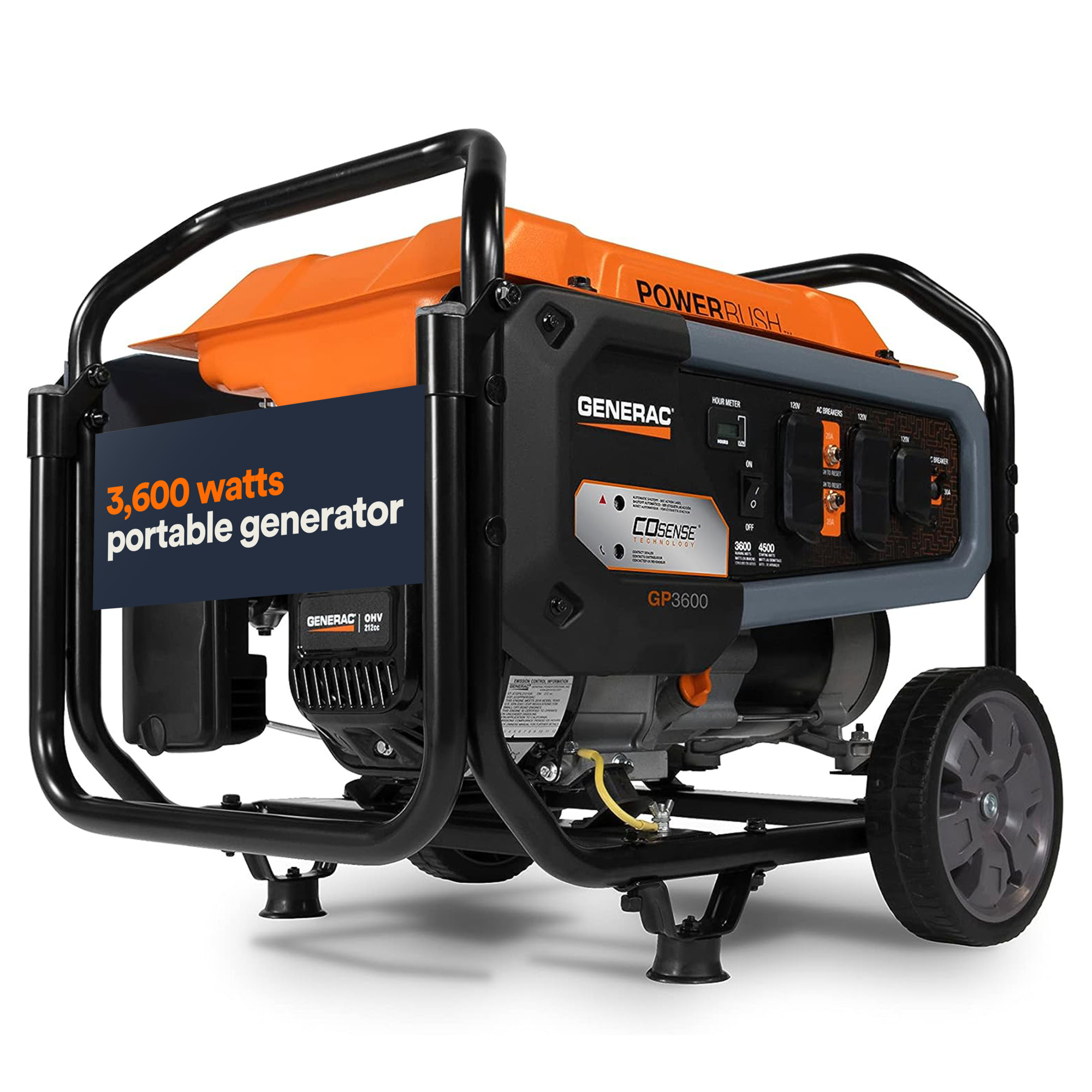
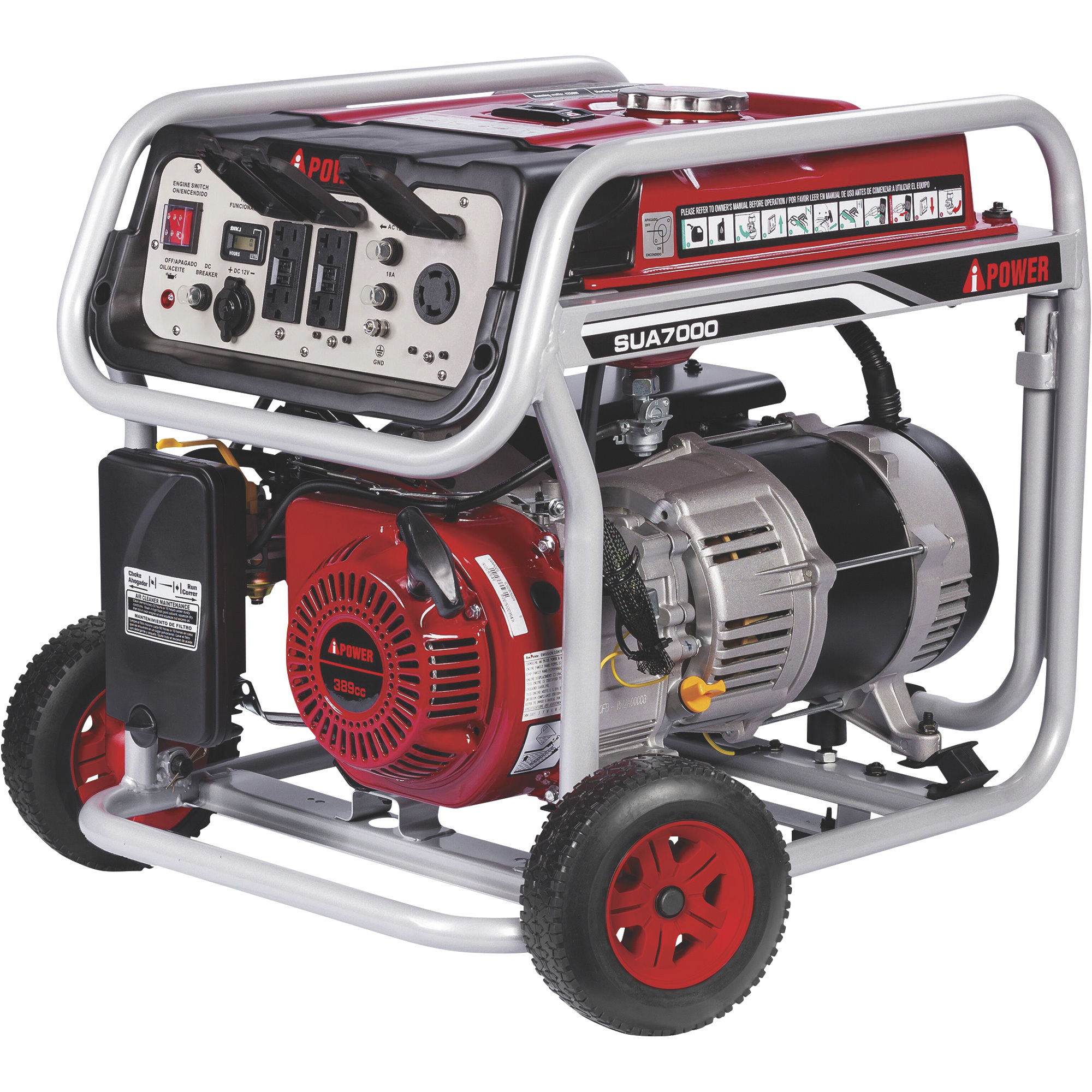
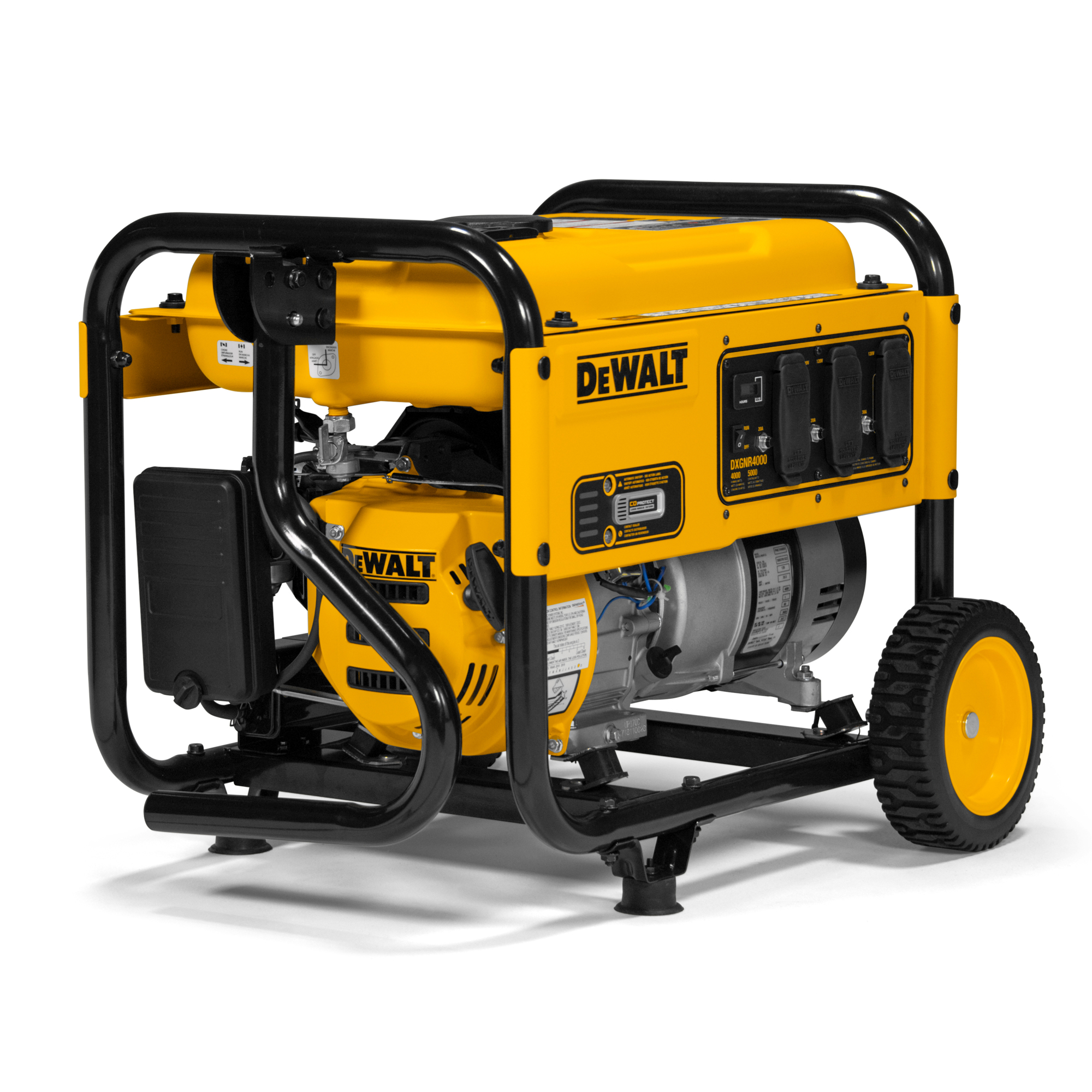
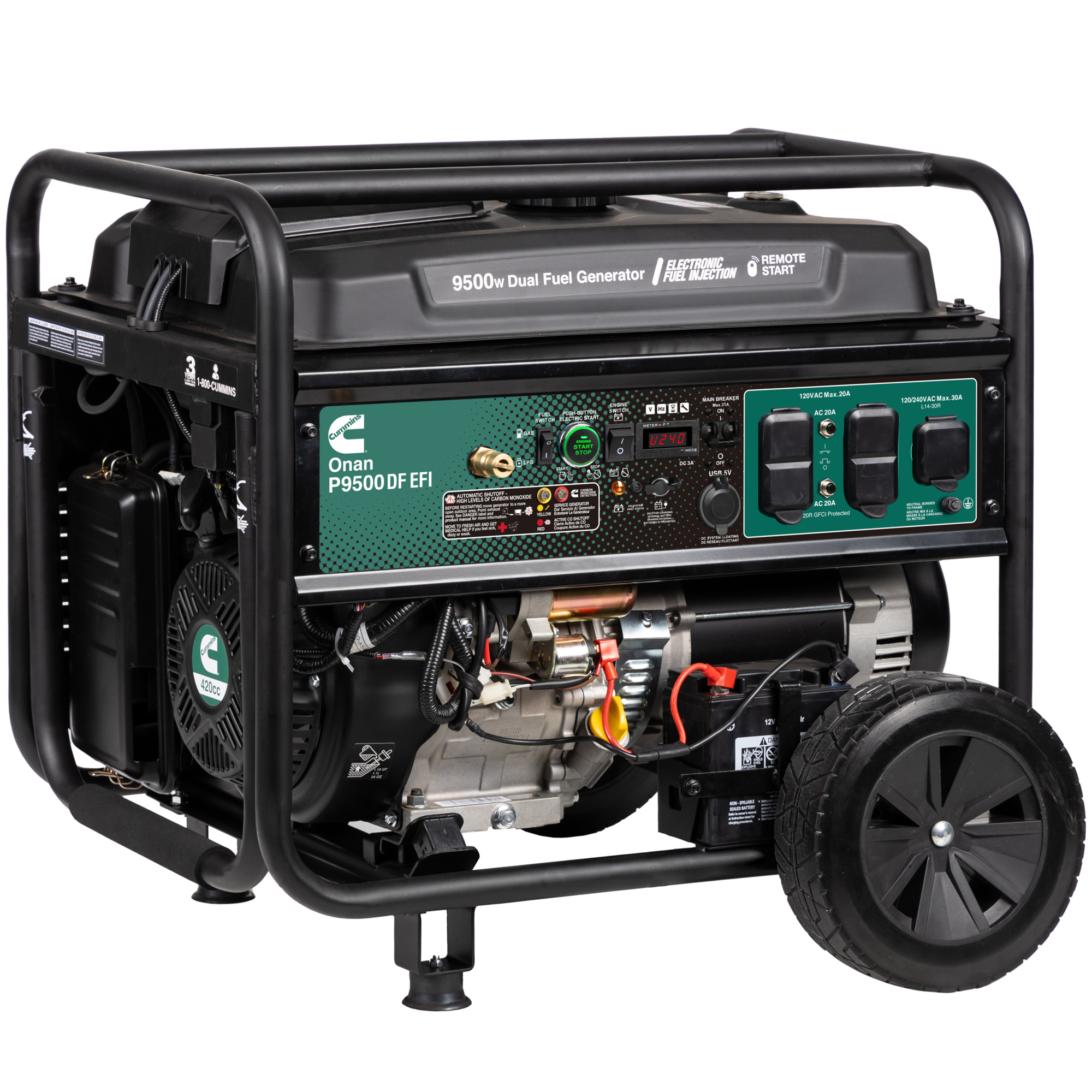
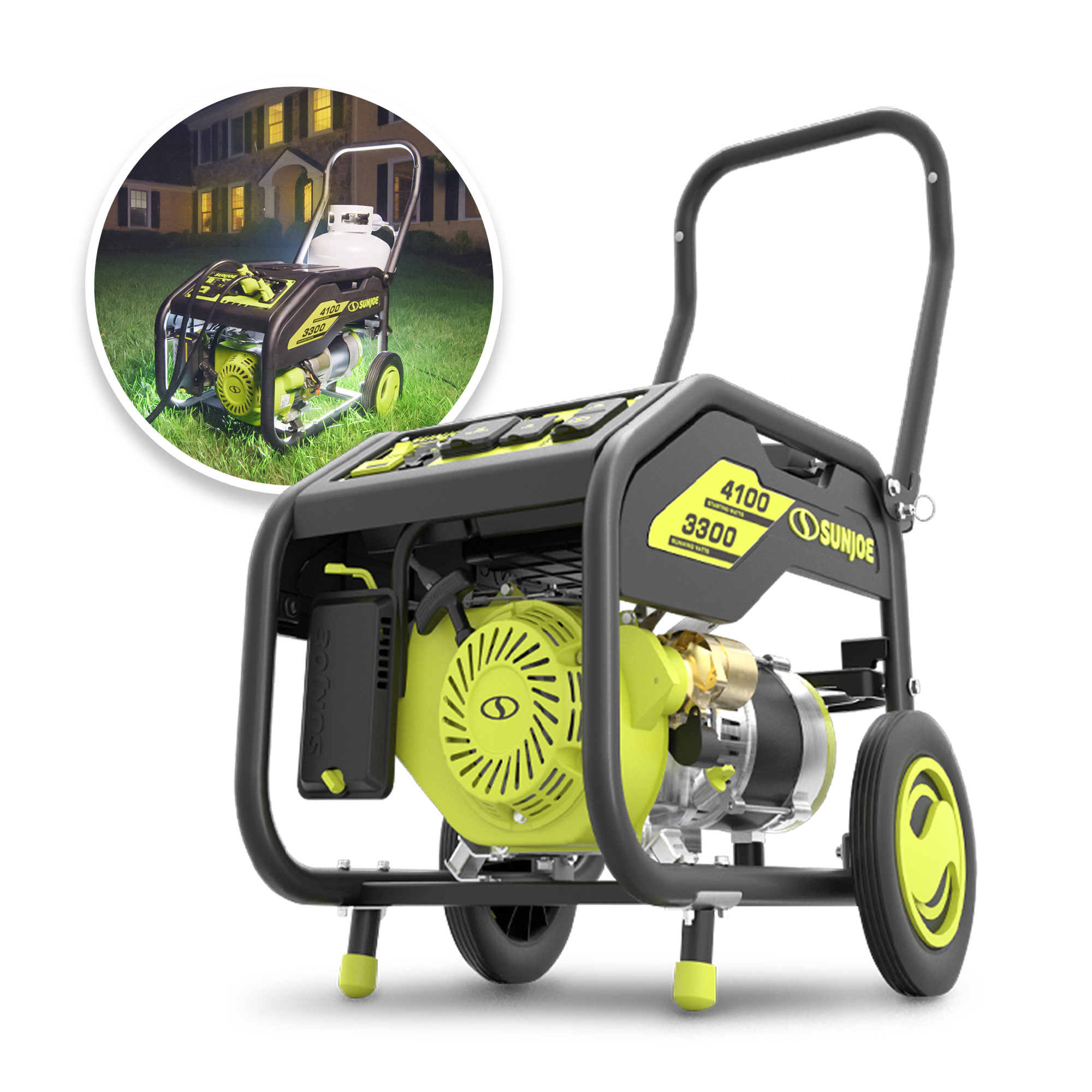
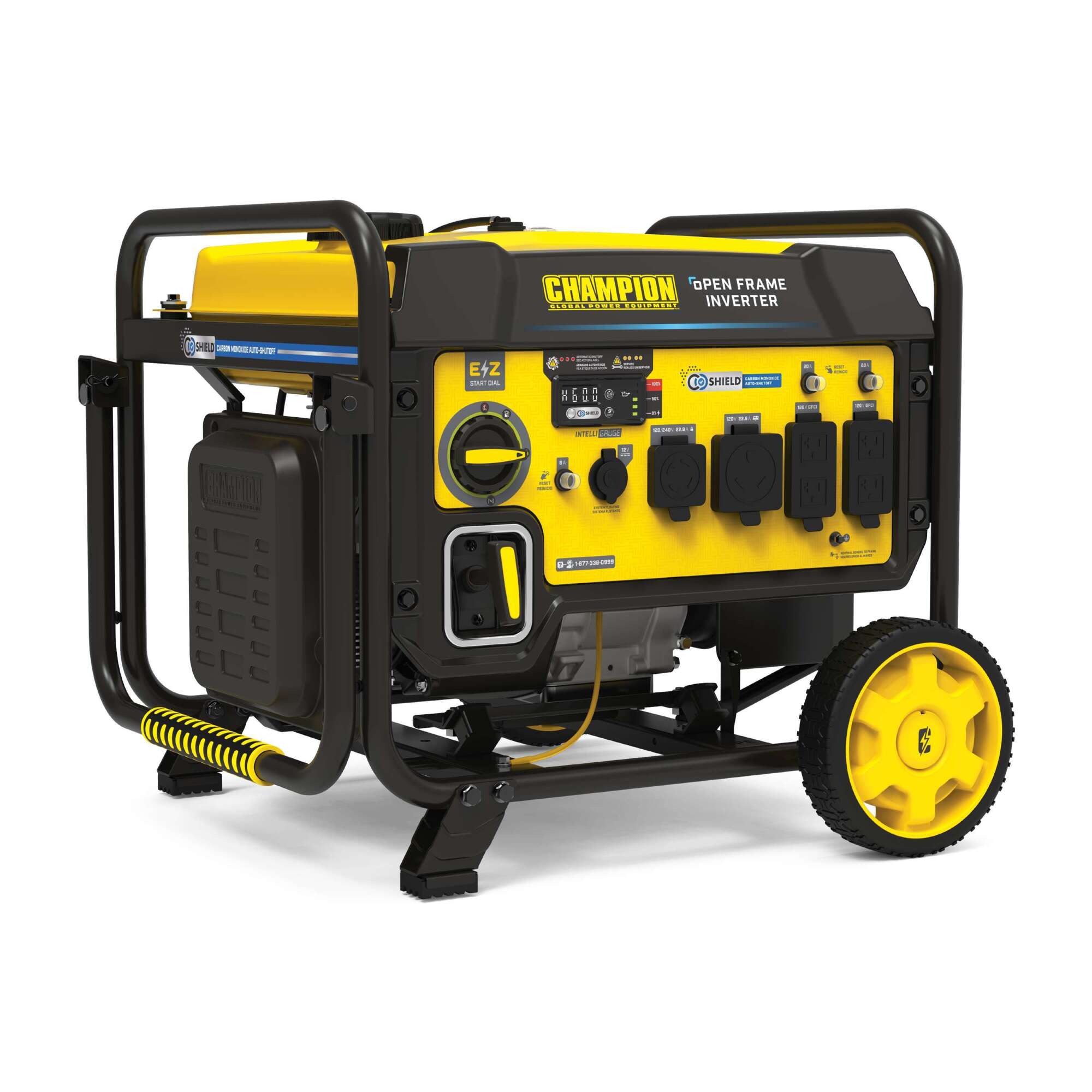
Portable generators are highly useful tools for homeowners and professionals alike. Homeowners use portable generators for powering outdoor activities and in emergency situations to keep essential appliances, like lights, heating, and refrigeration operational during power outages. Contractors rely on generators to keep job sites running smoothly, powering tools and equipment. Portable generators are typically powered by gasoline but some models are powered by propane. Dual fuel generators give you the option of using your choice of either gasoline or propane. Consumers have a wide range of power outputs and features to choose from when selecting a portable generator. Generally, selecting the desired output power is the first consideration. What tools or appliances will it be powered, and where and how often it will be used. Portability is subjective, you may need a wheeled cart or you may require liftability. Check out a small portable generator like this best-selling Powerhorse Generator
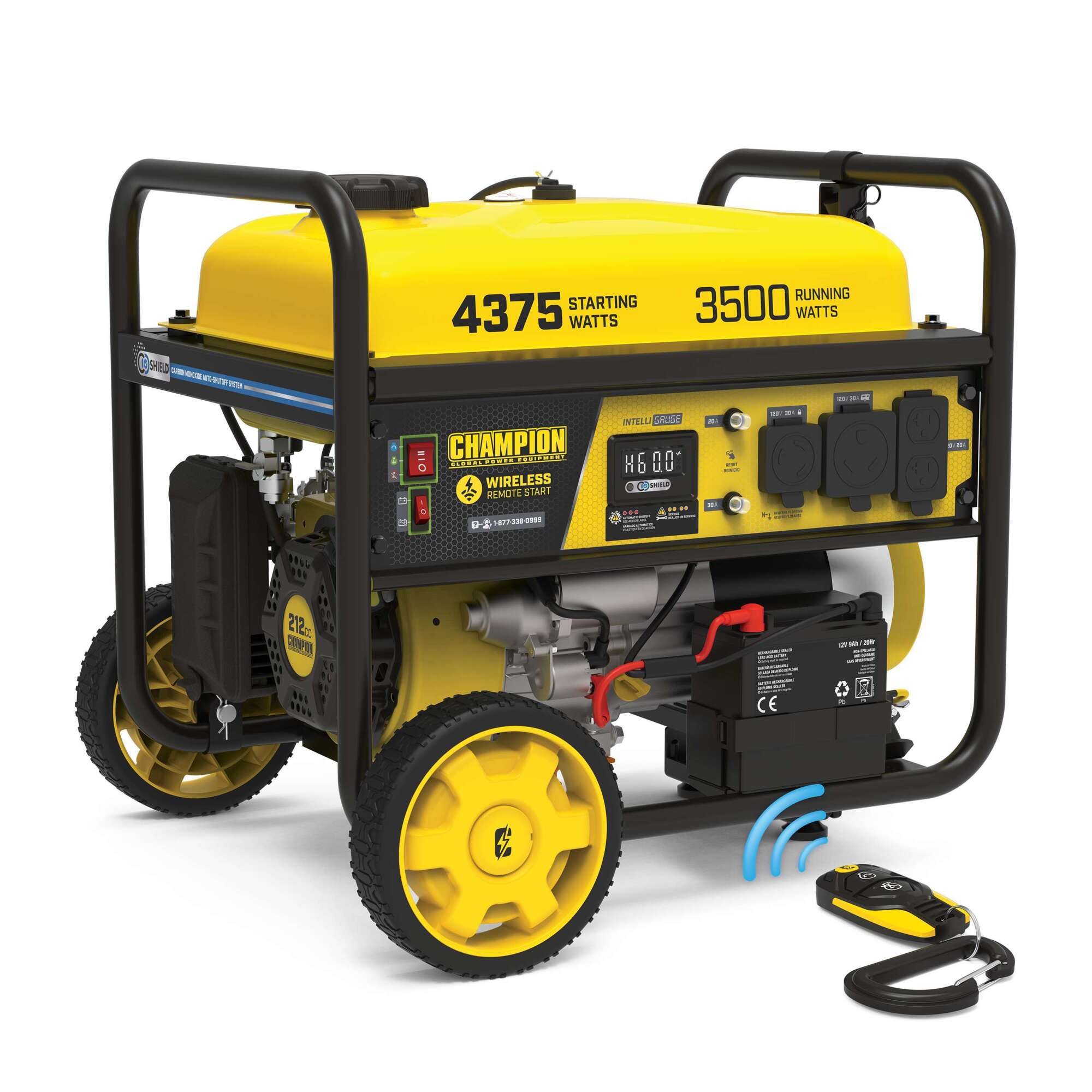
Recoil and electric start options are available. Electric start offers the greatest convenience, allowing you to start the generator with a simple push of a button. Some even include a remote fob for remote starting. Another consideration is the number of outlets included, which varies from model to model. 120 Volt and 240 Volts outlets are commonly available. Extra features include carbon monoxide sensors, circuit breaker protection, hour meters, and volt meters. Some portable generators include wheel kits, featuring pneumatic wheels and handles to make moving from one location to another easy over any terrain. Wheel kits are also sold separately for generators that do not include wheel kits. Northern Tool + Equipment carries a full selection of top-quality generators to meet every need and budget.
Be sure to check out the interactive Generator Wattage Calculator to figure out what size generator you need based on the equipment you will be using. Check out our Use a portable generator safely article. Also browse the Best Portable Generators list which reveals our customer's favorites.
Portable Generator Frequently Asked Questions:
How long will a portable generator run with a full tank, powering a typical load?
What types of fuel do portable generators use?
What safety features do portable generators have?
What are some ways to reduce noise on portable generators?
There are several methods, including the following:
- Build a generator enclosure with ventilation. If you use other loud equipment, such as an air compressor, be sure to build an enclosure big enough for the largest item, so you can get double duty out of your enclosure.
- Buy a zombie box. Zombie boxes are often portable and collapsible, so they’re perfect for taking on camping trips.
- Muffle your generator with plywood. Simply place a piece of plywood against each side of your generator. Set the top of the plywood against the top of the generator and create an A-frame of space on each side of the generator.
- Because the exhaust on your generator is the loudest, position your generator so the exhaust is away from your house.
- Use a long extension cord, so you can position your generator behind a shed or garage, which will serve to muffle the noise.
- Place your generator inside a shed with acoustic panels against each wall of the shed to prevent echoing. Also be sure there is plenty of venting in the shed to prevent fume buildup.
- Position your generator on a thick, sound-absorbing mat to prevent the vibration that occurs when a generator is set on a hard floor.
- Replace the generator’s muffler if it’s faulty.
- Install a generator silencer.
What are some tips for using a portable generator in extreme low temperatures?
Important considerations for using a portable generator in extreme temperatures or in harsh weather include the following:
- Be sure your battery is in good working order and no older than 3 years old.
- Be sure your fuel is not too cold. Fuel should be stored in moderate temperatures. You may need to use an additive or stabilizer to operate your generator in extreme conditions.
- Be sure to use either an engine coolant heater to keep your generator’s engine near 100°F. You might also be able to use an immersion or space heater, depending on the housing on your generator.
- Be sure not to operate your generator uncovered in snow and rain. If your generator is not grounded it could cause electrocution. Your generator should be enclosed in a canopy structure to prevent rain or snow from hitting it.
- Change the plugs and filters on your generator at least every 200 hours of use.
- If you plan to store your generator for more than a month, be sure to empty the fuel tank. First, add some high-quality gas stabilizer to the fuel in your tank. Next, run the engine for roughly 15 minutes and turn it off. After the engine cools, start it and run it until your generator is out of fuel. If there seems to be too much fuel in the tank to run it dry, you can use a non-conductive siphon to empty your generator’s tank.