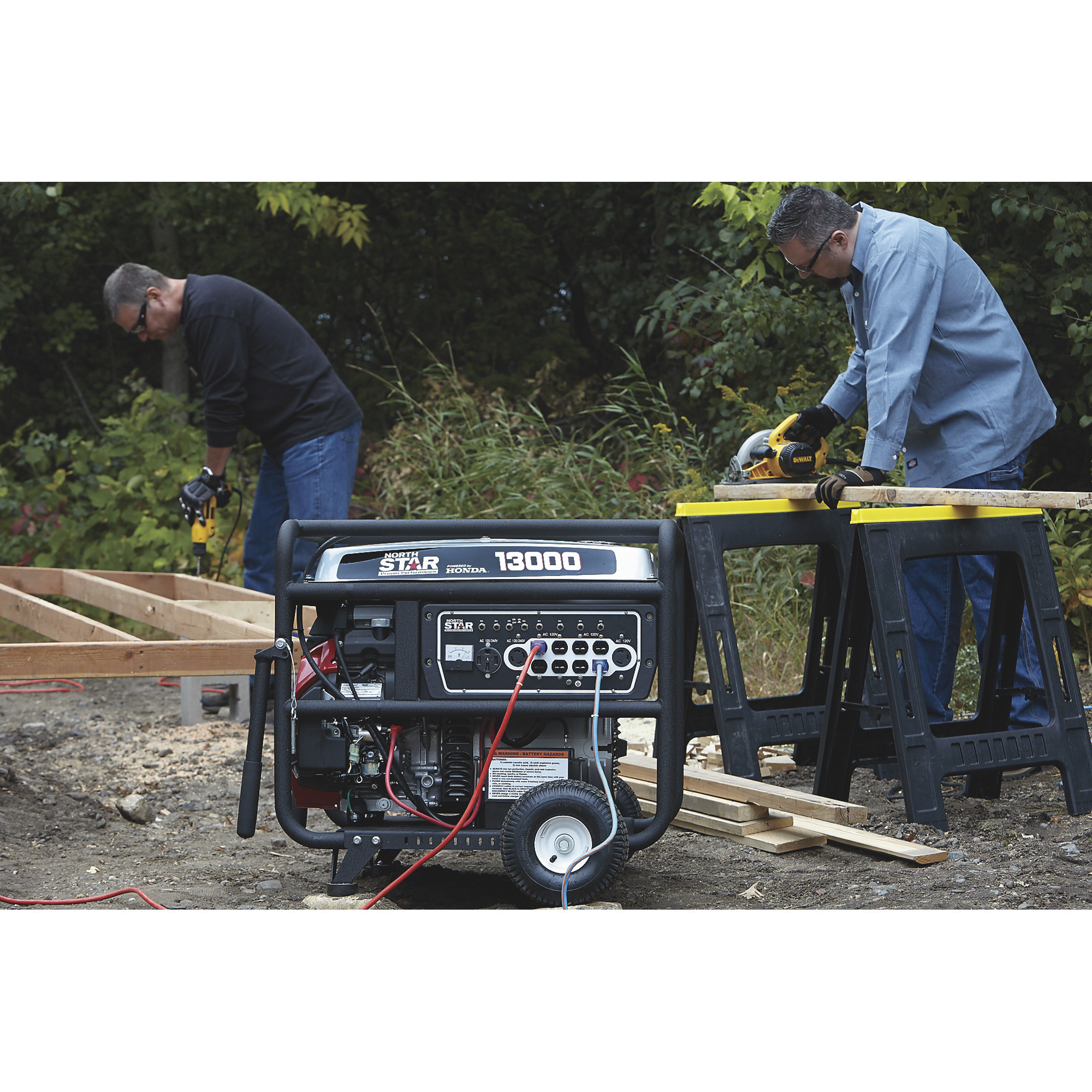
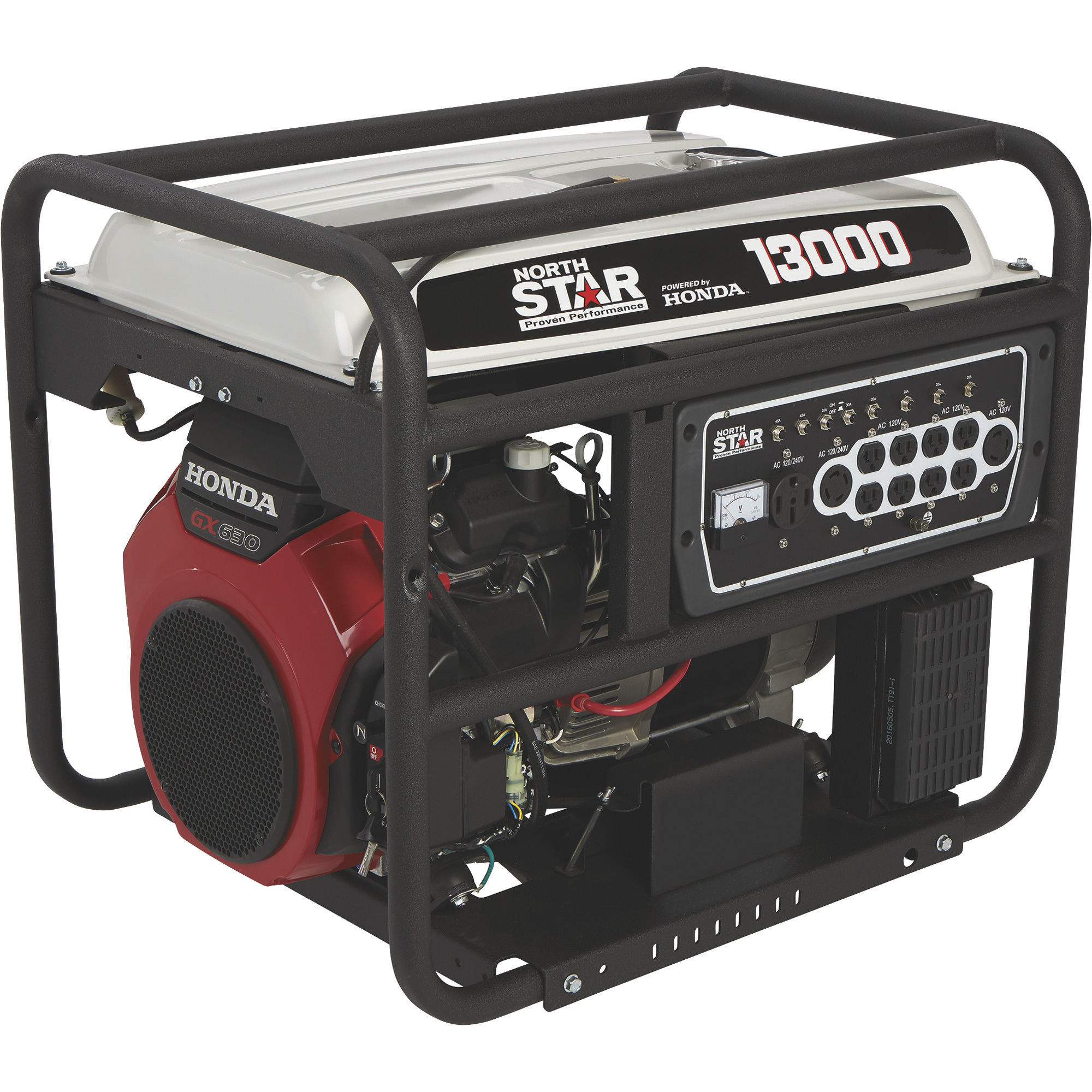
There’s no doubt a portable generator is one of the greatest additions you can make to protect your family and possessions, as well as boosting your productivity. When storms knock out your electricity, a portable generator can keep critical appliances operating smoothly. When there’s a project that’s far from outlets, a portable generator makes sure essentials like tools and lighting keep operating smoothly. To maximize a generator’s potential and minimize problems, simply follow a few guidelines. For complete recommendations, always consult your generator’s owner’s manual.
Keep it Clean, Dry, and Easy to Access
If it's dark and a storm has knocked your power out, stumbling over obstacles is a hazard you don’t need. Make sure you have easy access to your generator. Storing your generator in a clean, dry place that’s out of the elements in your garage or shed, for example. Do not operate your generator in rain or snow.
Beware of the Invisible Danger
Safety is the number one priority when it comes to operating your generator. Be on guard for carbon monoxide, a silent and deadly hazard. Gas-powered generators produce carbon monoxide, which is invisible and odorless. Breathing in carbon monoxide can cause fatigue, drowsiness, headaches, nausea and even death in just minutes.
To avoid the possibility of carbon monoxide poisoning:
- Only use your generator outdoors away from doors, windows and vent openings.
- Do not use your generator in garages, sheds, basements or anywhere inside your home.
- Position your generator at least 20 feet from your home before operating.
- Make sure you have a working carbon monoxide detector in your house at all times.
- Watch for the symptoms of carbon monoxide poisoning, including fatigue, drowsiness, headaches and nausea.
Know your Power Potential
Generator power is designated with surge watts and rated watts. Be careful not to overload your generator. Operating too many items that exceed your generator’s output can cause damage to your appliances and electronics.
To make sure you avoid power overloads, add up the wattage of the tools and appliances you are operating. A lamp, for example, may require only 100 Watts while an electric stove may require 2100 Watts.
Connect the Right Way
If you want a way to connect your portable generator to your home’s wiring, there’s definitely a right way and a wrong way. The wrong way involves connecting your generator to your home through an electrical socket or directly to your household circuit. This approach is called backfeeding and is extremely dangerous. It feeds power back through the utility lines, which could harm utility workers and also damage your generator.
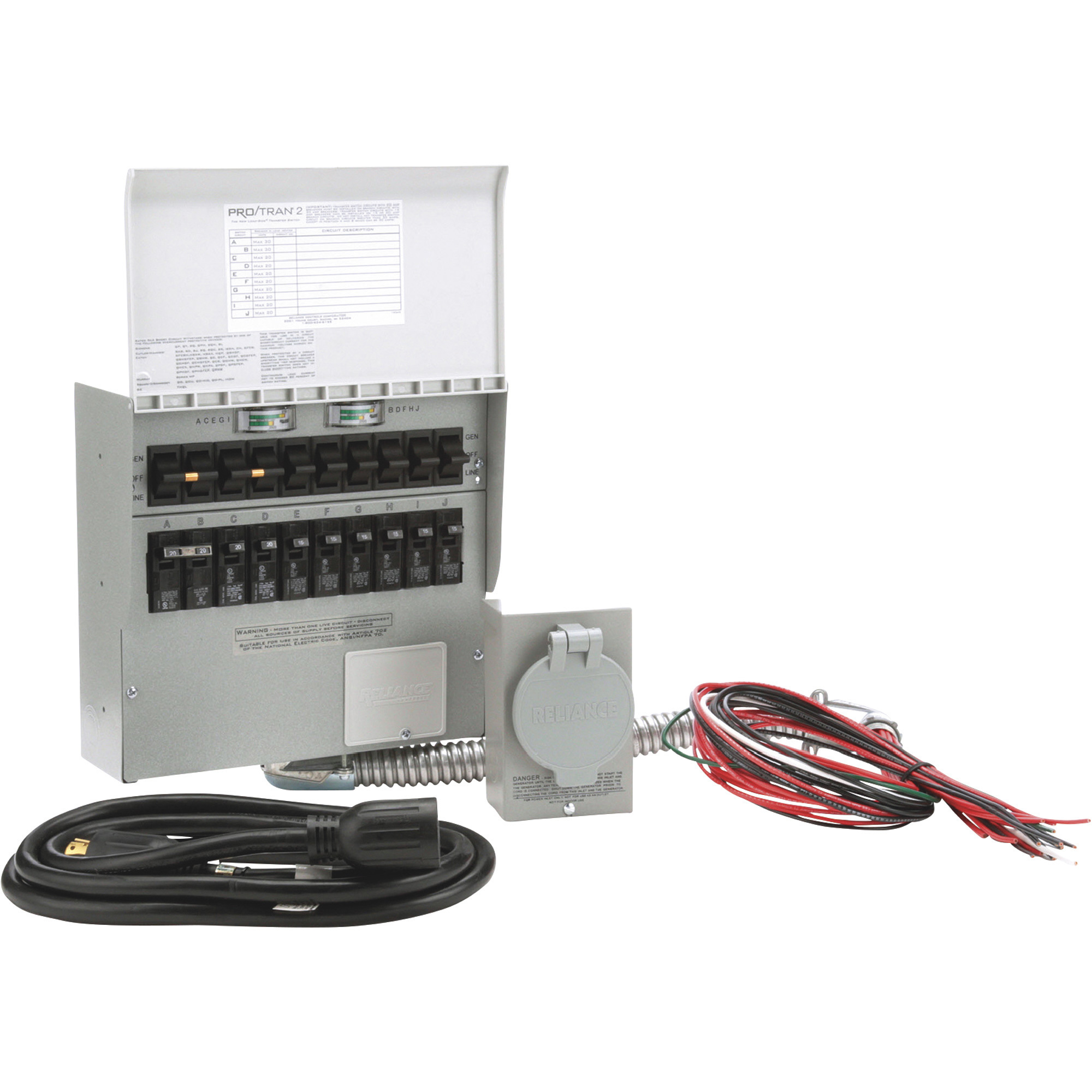
The proper way to connect your generator to your household power is with a transfer switch, a device that transfers electrical loads between power sources (utility power and generator power). Transfer switches come in manual or automatic styles.
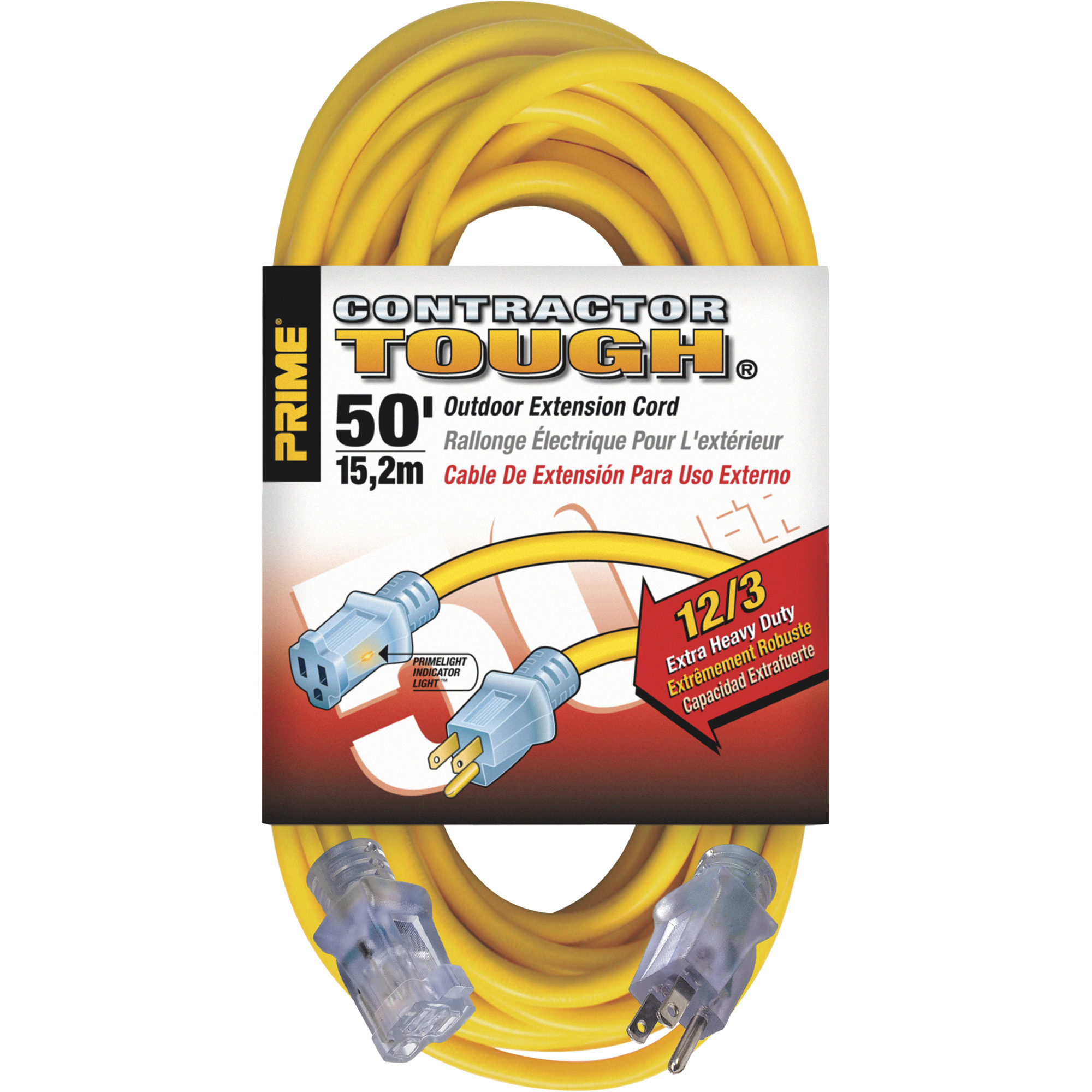
Use a heavy-duty outdoor extension cord and make sure the generator is properly grounded. Before refueling, turn the generator off and let it cool. Fuel spills on a hot engine could ignite. As always, be sure to check your generator’s owner’s manual for specific recommendations.
Make Safety a Habit
Generators are valuable additions to any home, businesses such as food trucks, jobsites and more to maximize protection and productivity. Following a few simple guidelines can help you get the most out of your generator while keeping you, your family and others safe.