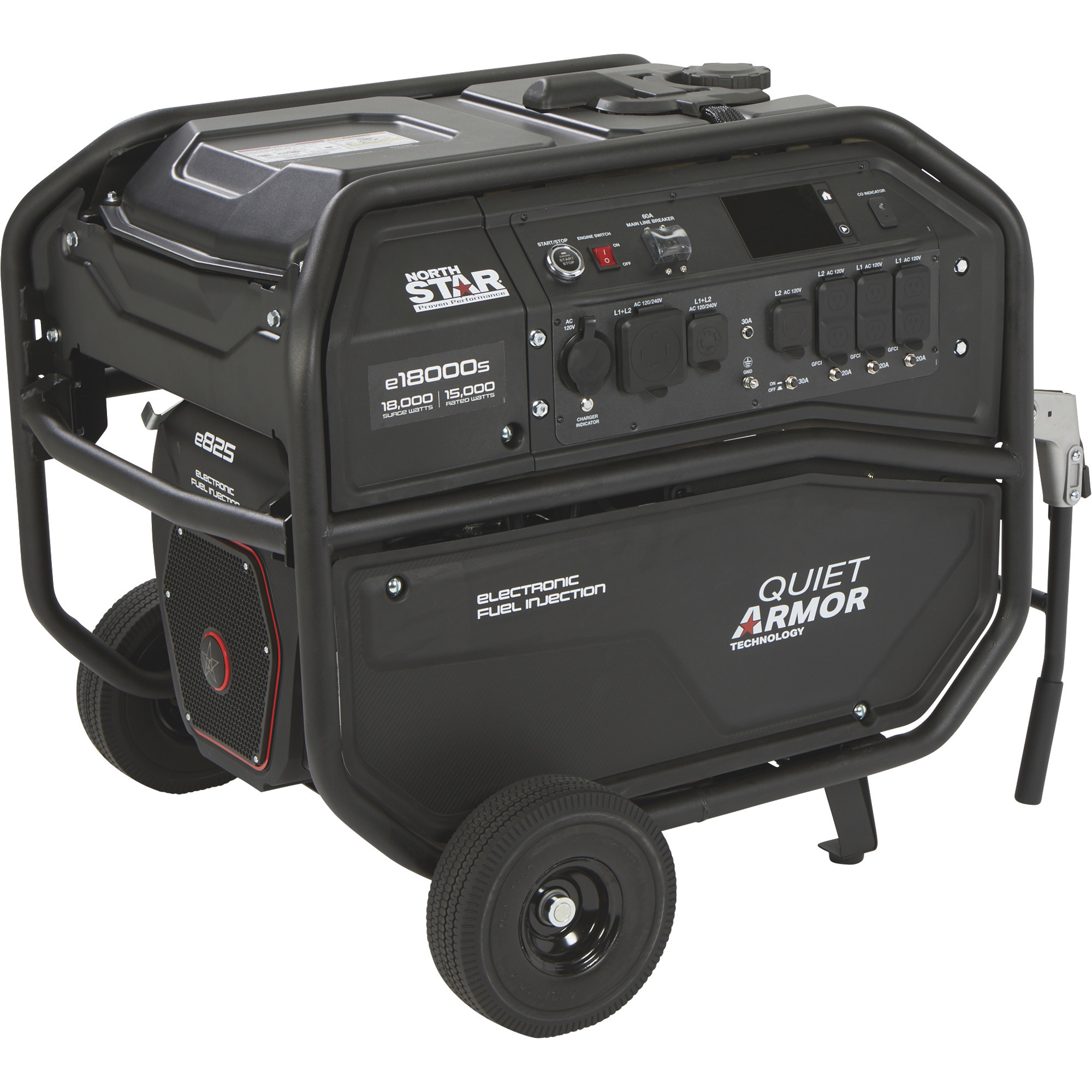
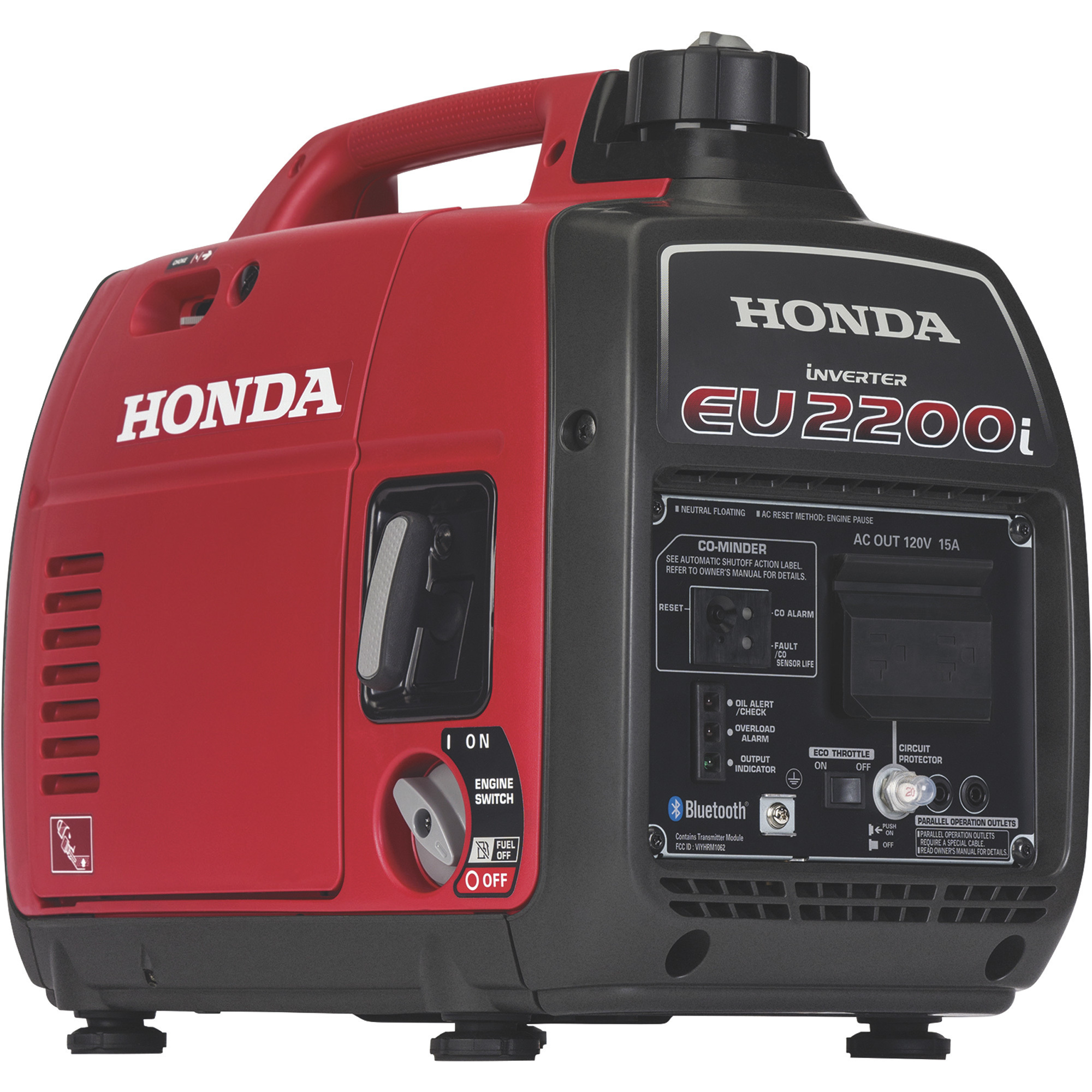
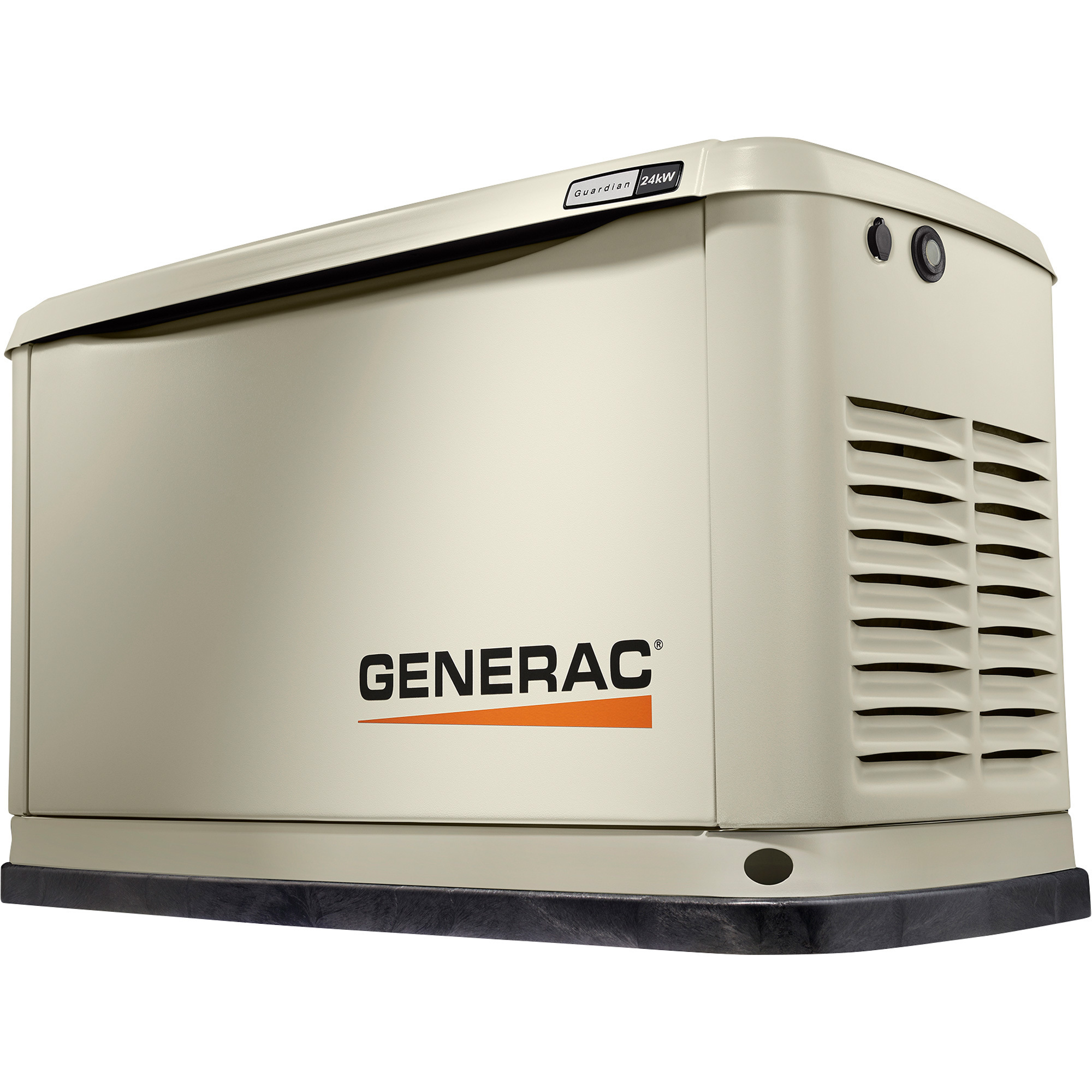
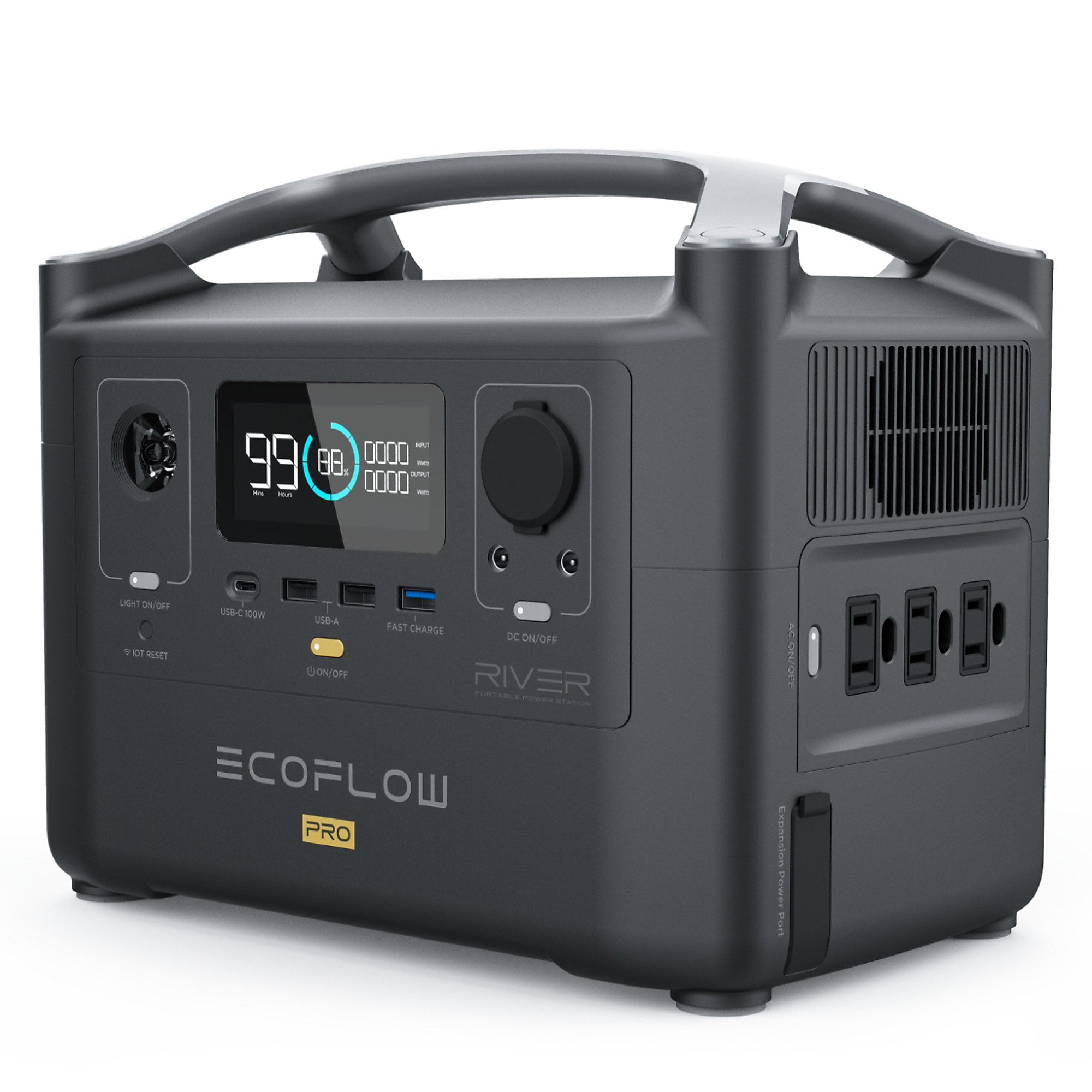
Top Selling Generator Categories
Top Generator Brands
Useful Generator Tools, Guides + Articles
Read 7 tips on how to get the most efficient power out of your PTO generator.
Learn More
Learn about the common applications and basic understandings of how generators operate.
Learn More
Find out how to protect your home's electronics with surge protection.
Learn More
Review useful wattage charts and interactive calculators to help determine the right size generator.
Learn More
Review the do's and don'ts of operating a portable generator.
Learn More
Being prepared for big storms is extremely important, review this quick guide to ensure you are ready to use your generator when you need it most.
Learn More
Decide which type of generator is best for your needs by comparing pros and cons of each.
Learn More
Read 7 steps on how to change the oil on your portable generator to help keep it working at peak efficiency.
Learn More
Follow this checklist to make sure your back-up power source is ready when you need it.
Learn More
Let’s take a look at some generator functions that can be performed remotely.
Learn More
We'll show you how to set up 2 generators working in tandum.
Learn More
Generator or WELDER Generator
Learn More
Does your generator go to 11? Learn how to manage the volume of your emergency power source.
Learn More
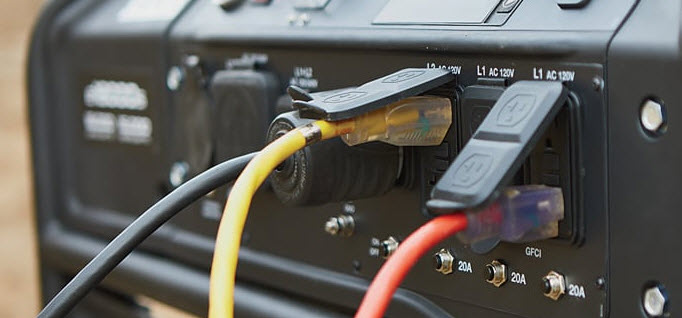
How to Pick Plugs and Cords for Generators
Learn More
Generator Frequently Asked Questions:
How long will a portable generator run with a full tank, powering a typical load?
Most portable generators range in wattage from 3500–10,000 and feature fuel tanks ranging from 3 gallons to just over 8 gallons. The average full-tank runtime of a generator in this range is anywhere between 6 and 10 hours. Larger generators include larger tanks and typically run longer than smaller generators.
What types of fuel do portable generators use?
Unleaded gasoline, natural gas, vapor propane and liquid propane are the most common types of gas used by portable generators to produce power. Be sure to check the manufacturer’s recommendation for your portable generator.
What safety features do portable generators have?
An important safety feature to look for in a portable generator is a built-in carbon monoxide sensor that automatically shuts a generator down if dangerous levels of carbon monoxide are detected. This feature is lifesaving, especially if you use your generator in any kind of enclosed area, even if you have ventilation or a door or window cracked open. Carbon monoxide can build quickly, and it is deadly. Other important features to look for include a low oil sensor and an overload protection shutdown. In either case — an oil level that’s too low or a power overload — these features will automatically shut down your generator to prevent damage to it.
If you use your generator daily, it should be wiped clean of dirt and debris daily. If you use your generator only occasionally, wipe away any dirt and debris before each use.
What are some ways to reduce noise on portable generators?
There are several methods, including the following:
- Build a generator enclosure with ventilation. If you use other loud equipment, such as an air compressor, be sure to build an enclosure big enough for the largest item, so you can get double duty out of your enclosure.
- Buy a zombie box. Zombie boxes are often portable and collapsible, so they’re perfect for taking on camping trips.
- Muffle your generator with plywood. Simply place a piece of plywood against each side of your generator. Set the top of the plywood against the top of the generator and create an A-frame of space on each side of the generator.
- Because the exhaust on your generator is the loudest, position your generator so the exhaust is away from your house.
- Use a long extension cord, so you can position your generator behind a shed or garage, which will serve to muffle the noise.
- Place your generator inside a shed with acoustic panels against each wall of the shed to prevent echoing. Also be sure there is plenty of venting in the shed to prevent fume buildup.
- Position your generator on a thick, sound-absorbing mat to prevent the vibration that occurs when a generator is set on a hard floor.
- Replace the generator’s muffler if it’s faulty.
- Install a generator silencer.
Note: Inverter generators run more quietly than standard portable generators, but they may not be available in the wattage you’re looking for. Still, an inverter generator is worth looking into.
What are some tips for using a portable generator in extreme low temperatures?
Important considerations for using a portable generator in extreme temperatures or in harsh weather include the following:
- Be sure your battery is in good working order and no older than 3 years old.
- Be sure your fuel is not too cold. Fuel should be stored in moderate temperatures. You may need to use an additive or stabilizer to operate your generator in extreme conditions.
- Be sure to use either an engine coolant heater to keep your generator’s engine near 100°F. You might also be able to use an immersion or space heater, depending on the housing on your generator.
- Be sure not to operate your generator uncovered in snow and rain. If your generator is not grounded it could cause electrocution. Your generator should be enclosed in a canopy structure to prevent rain or snow from hitting it.
- Change the plugs and filters on your generator at least every 200 hours of use.
- If you plan to store your generator for more than a month, be sure to empty the fuel tank. First, add some high-quality gas stabilizer to the fuel in your tank. Next, run the engine for roughly 15 minutes and turn it off. After the engine cools, start it and run it until your generator is out of fuel. If there seems to be too much fuel in the tank to run it dry, you can use a non-conductive siphon to empty your generator’s tank.
Can inverter generators be parallel connected with another unit to increase power output?
Unlike standard portable generators, inverter generators can be parallel connected to increase output. Parallel connecting two identical inverter generators produces double the watts each would deliver on its own.
What is an inverter generator, and how does it differ from a conventional generator?
An inverter generator is a generator that inverts electricity for the purpose of generating a clean, regular sine wave and stable current that can power sensitive electronic devices. An inverter generator is quieter, more compact and more efficient than a standard generator. Inverter generators are typically more expensive per watt than standard generators.
A standard generator, on the other hand, produces only an AC current and an irregular sine wave with harmonic distortion and less stable current that can harm sensitive devices. This irregular sine wave won't harm electrical tools and appliances but could damage devices with microprocessors. Standard generators cannot automatically adjust to your electricity load, so they require more fuel and larger tanks than inverter generators.
What are the key benefits of using an inverter generator over a traditional generator?
Inverter generators run at a steady rate of RPM which reduces noise to an average decibel count of 48–52dB versus a standard generator that runs at an unsteady rate of RPM and delivers an average decibel count anywhere from 65–77dB. Due to its stable sine wave and increased fuel efficiency, an inverter generator also emits a lower level of greenhouse gas than a standard generator. In addition, an inverter generator can be used to power sensitive devices, and it can be parallel connected with an identical model for double the Watt output, neither of which can be done with a traditional generator.
Can an inverter generator power sensitive electronic devices such as laptops and smartphones safely?
Yes, an inverter generator’s stable sine wave is free from harmonic distortion that can damage sensitive electric devices, so it can be used to power your laptop, smartphone or other sensitive electronic device that contains a microprocessor.
What maintenance and care does an inverter generator require to ensure optimal performance and longevity?
First and foremost, it’s important to read the manufacturer’s instruction manual that came with your inverter generator and follow instructions precisely to keep your unit running optimally. That said, some universal tips are in order:
- Check the oil level each time you use your inverter generator. Generally, an oil change is required after the first 20 hours of use and then every six months after that.
- Check the air filter after each use. Inverter generators benefit from a filter cleaning after the first 50 hours of use and then every three months after that. You can clean a filter with warm water and a mild detergent, such as dish detergent. Dry the filter thoroughly. Next dip the clean filter in clean engine oil and squeeze out excess oil. (Too much oil will cause the generator to smoke.) If the filter is damaged, don’t bother cleaning it; replace it instead.
What size of home standby generator do I need for my house?
The Energy Information Administration (EIA) tells us that a typical household in the U.S. uses 10,632 kilowatt-hours (kWh) of electricity per year, or 29,130 Watts per day. Divide that by 24 hours for an average of 1,214 Watts to power a home throughout the day, so any standby generator you purchase should be capable of delivering at least that amount.
Another way to calculate the size of standby generator you will need: tally the total wattage you’re likely to use in your home during a power outage, i.e., the wattage of each appliance you’ll need to use. Next, divide the total wattage by 1000 to convert watts to kilowatts. Then multiply kilowatts by 1.25 to add extra for a safe margin and future power needs. The number you arrive at determines the number of kilowatts a generator must deliver to be an appropriate standby for your home.
What are the main benefits of having a home standby generator?
A home standby generator offers many benefits:
- You will have water from your well. Without electricity, your well pump and filtration system will not be able to provide safe water for household use.
- You will be able to save the food in your refrigerator and save hundreds of dollars in food replacement costs. Food in a refrigerator that’s no longer operating can spoil quickly, forcing you to use all the food quickly and throw out the rest.
- You will be able to continue working from your home or running your business with the power to run your computer network.
- If anyone in your household depends on a medical device that requires electricity for power, that power can continue and prevent risk to a loved one’s health.
- A generator can keep your sump pump running to prevent water from accumulating in your basement. Whether you have this problem continuously or whether it only happens occasionally, you know the importance of being able to run a sump pump.
- If you are going on a long camping trip and would like the benefits of electricity to cook or light up your campsite, a generator is a wonderful convenience.
- A generator can provide electricity for your power tools, so you can use them on jobsites without electricity.
- You will be able to keep your electric or hybrid car charged.
- It’s much better to have a generator ready to go when a storm hits than to have to source one in a hurry.
How often should a home standby generator be serviced or maintained?
Check the following at least once a year:
- Battery condition and charge level
- Fuel system, for leakage and water intrusion
- Fuel and oil lines, for leakage
- Engine oil level, to ensure an appropriate level
If you use your generator daily, it should be wiped clean of dirt and debris daily. If you use your generator only occasionally, wipe away any dirt and debris before each use.
What fuel options are common for home standby generators?
Common fuel options for a home standby generator are diesel, propane and natural gas. Many models on the market can use any of these three fuels.
What are the common reasons a home standby generator fails to start during a power outage?
There are several reasons a home standby generator may fail to start, many of which occur if one is not maintained regularly. It’s always a good idea to consult your manufacturer’s guide, but here are some common reasons a generator may fail to start:
- Battery failure, which may be caused by loose connections or lead sulfate buildup on battery plates
- Insufficient oil or fuel
- Closed or clogged fuel valve
- Clogged carburetor
- Faulty spark plug
- Unclean air filters
What is a PTO generator, and how does it work?
PTO Generators, or Power Take-Off Generators are a great back-up power source that is primarily used to power tools and machinery on the farm or ranch. A tractor serves as the engine of the generator, while the PTO (power take-off drive shaft) serves as the generator’s alternator, together producing a mobile power plant that can provide electricity just about anywhere a tractor can go. This power producing source is also a great back-up power source for homes and small businesses.
What are the benefits of using a PTO generator over other types of generators?
The two major benefits of using a PTO generator are: 1) Initial setup costs and operational costs are fairly low if you are using a tractor that you already own to power the unit, plus you have one less engine that will need to be maintained/serviced on a regular basis. 2) Easy transport to where the generator is needed — a PTO generator can be driven on the tractor straight out into the field or straight to a work site without worrying about bulky, heavy lifting or finding some other way of moving the generator across rough terrain to the work area.
Can a PTO generator be used with any type of tractor or vehicle?
Usually the engine used to drive a PTO generator is a tractor, but it doesn’t necessarily have to be a tractor engine doing the work. The generator could be paired with the engine of a truck or some other large vehicle, instead. The major factor is that the generator is hooked up to a compatible engine that drives the system and PTO system can act as the alternator. When combined, the equipment can generate electricity at a rate of approximately 1 kW of electricity per 2 HP of engine (i.e., a 40 HP engine can produce approximately 20 kW of power).
What are the maintenance requirements for a PTO generator?
There are many basic precautions that should be taken prior to the operation of a PTO generator. Before starting, ALWAYS read all safety precautions and warnings in the product manual and make sure you understand them and follow them closely. Don’t stand in water while working on any electrical device. Keep hands, other body parts and clothing away from exposed PTO shafts, pulleys, belts and other moving parts. Don’t operate in enclosed spaces where engine air flow might be obstructed, or carbon monoxide gasses can accumulate. Don’t operate at excessively high drive speeds. And be sure to keep a fire extinguisher nearby at all times during operation. In addition, individual PTO generators may have additional precautions and recommendations specific to each product that should also be followed.
What is the advantage of a battery generators over a fuel-powered generator?
A big advantage of a battery generator is its eco-friendliness. A battery generator provides all the benefits of a traditional fuel-powered generator without the noise, toxic emissions or fossil fuel consumption. A battery generator can be used indoors or out. You can comfortably watch TV with a battery-powered generator running in the background, or you can take it camping without disturbing neighbors. Battery-powered generators are also more efficient than fuel-powered units, less expensive per watt to purchase and easier to install. Many battery-powered generators allow you to store capacity to meet your household needs. If a long warranty is important to you when purchasing a generator, keep in mind that battery-powered generators typically come with longer warranties than traditional fuel-powered generators.
How do I know when the battery needs to be recharged?
Experts recommend that a generator battery be recharged every time a quarter of its capacity is consumed. Keeping a full charge in the battery at all times will maximize its service life.
How long does it take to recharge a battery generator?
The length of time it takes to recharge a generator battery depends on the type of battery and charging method: a 100Ah 12V Lithium battery, a common battery for a generator, can be recharged with a 30 Amp charger from flat to full in just over 3 hours, whereas a 100Ah absorbent glass mat (AGM) battery can be recharged in roughly 13 hours. If a wall outlet is used to charge a generator battery, often that battery can be charged up to 80% in just 2 hours.
How can I increase power output or capacity of a generator?
You can connect two compatible battery generators to double power output. The safest way to do so is to use identical generator models and to read manufacturer’s instructions carefully. Some manufacturers have engineered battery generators that can be paralleled with 2 additional identical generators, for a total of 3 generators to triple output. It bears repeating that manufacturer’s information and instructions are critical to connecting battery generators properly to prevent damage.
How loud is a battery generator compared to a gas-powered generator?
Battery-powered generators typically produce less than 60dB, often 45dB or less, which is the same amount of sound produced by a quiet or normal conversation. Battery-powered generators are the quietest type of generator on the market. Traditional generators, on the other hand, produce an average of 80dB, which is on par with the noise level of a busy downtown city street.
Are there safety features built into battery generators?
Because battery-powered generators don’t use oil or include some of the other features of a traditional generator, some typical safety features are not included. For example, a low oil shutdown function isn’t necessary. It is necessary, however, to monitor battery charging closely to prevent overcharging. Overcharging happens when a battery generator remains plugged into a wall unit, solar charging system or built-in charger after it’s fully charged, which can reduce battery life. It’s also important to check the battery and charger to ensure connections are tight and to clear away any corrosion or dirt on the terminals or wiring. A huge part of safe usage of a battery-powered generator is to keep it dry. Also, for safety: do not use a generator in wet or rainy conditions unless it is on a flat, dry surface under a canopy protection that keeps it completely dry. In addition, avoid touching the generator with wet hands. Always read the manufacturer’s instructions for critical safety precautions.
Top Rated Generator Lists

Reliable, quiet power for food trucks
Reliable + efficient generators
Our best whole-house generators
Power-packed quiet generators
Quiet, clean power
Reliable power on the go
Elite generators for peak performance
Featured Generator Videos
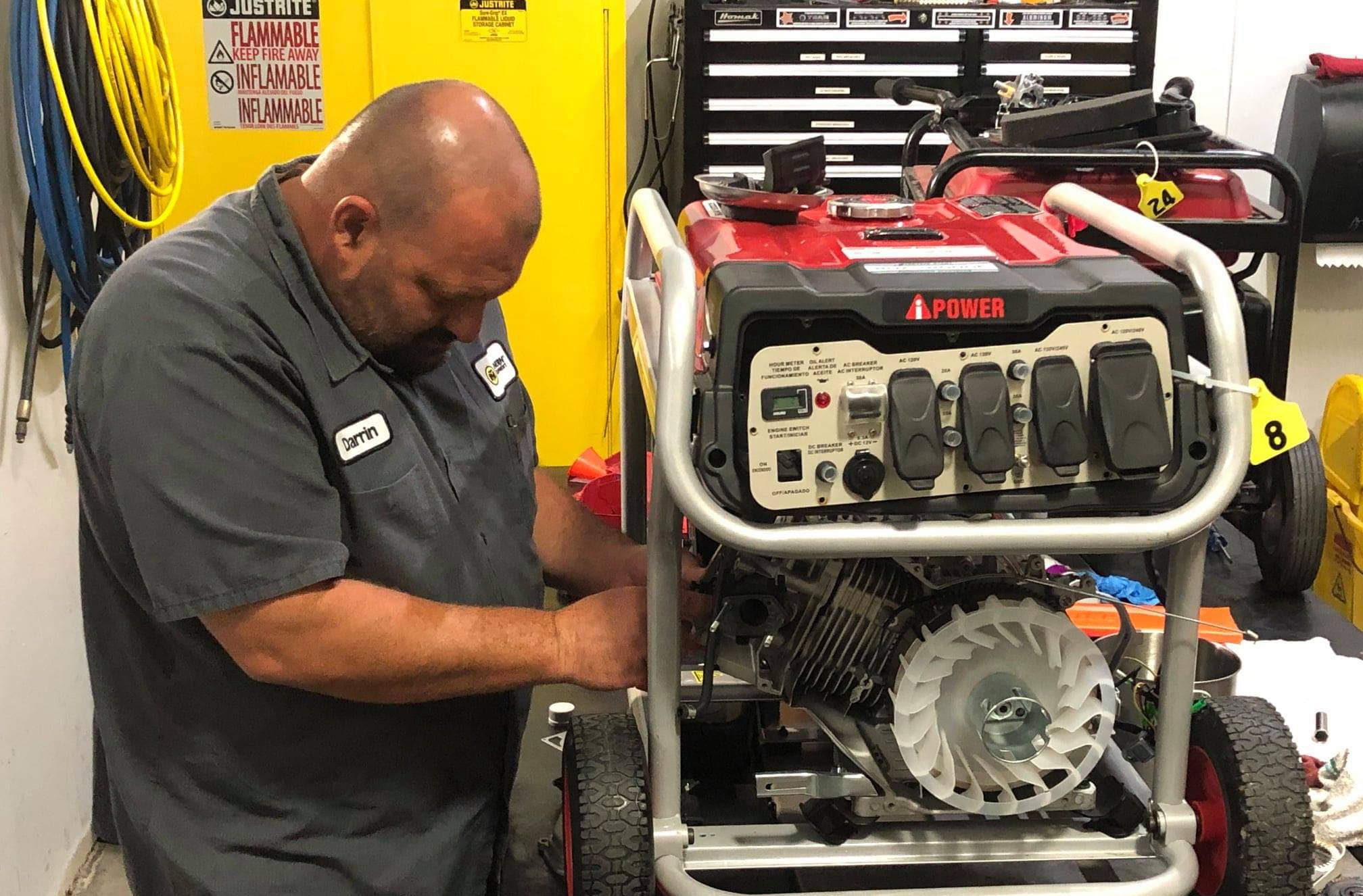
Need Generator Service or Repair? The Pros at Northern Tool Make It Quick and Easy. Guaranteed.
- Bring your generator to a Northern Tool store location
- Mention your request for service or repair to the customer service personnel near the cash registers
- Our service technicians will evaluate the generator repair or service required and contact you within 24 hours with an estimated cost
- Your generator is returned to you in proper working condition within 10 days