How Does a Welder Generator Work?
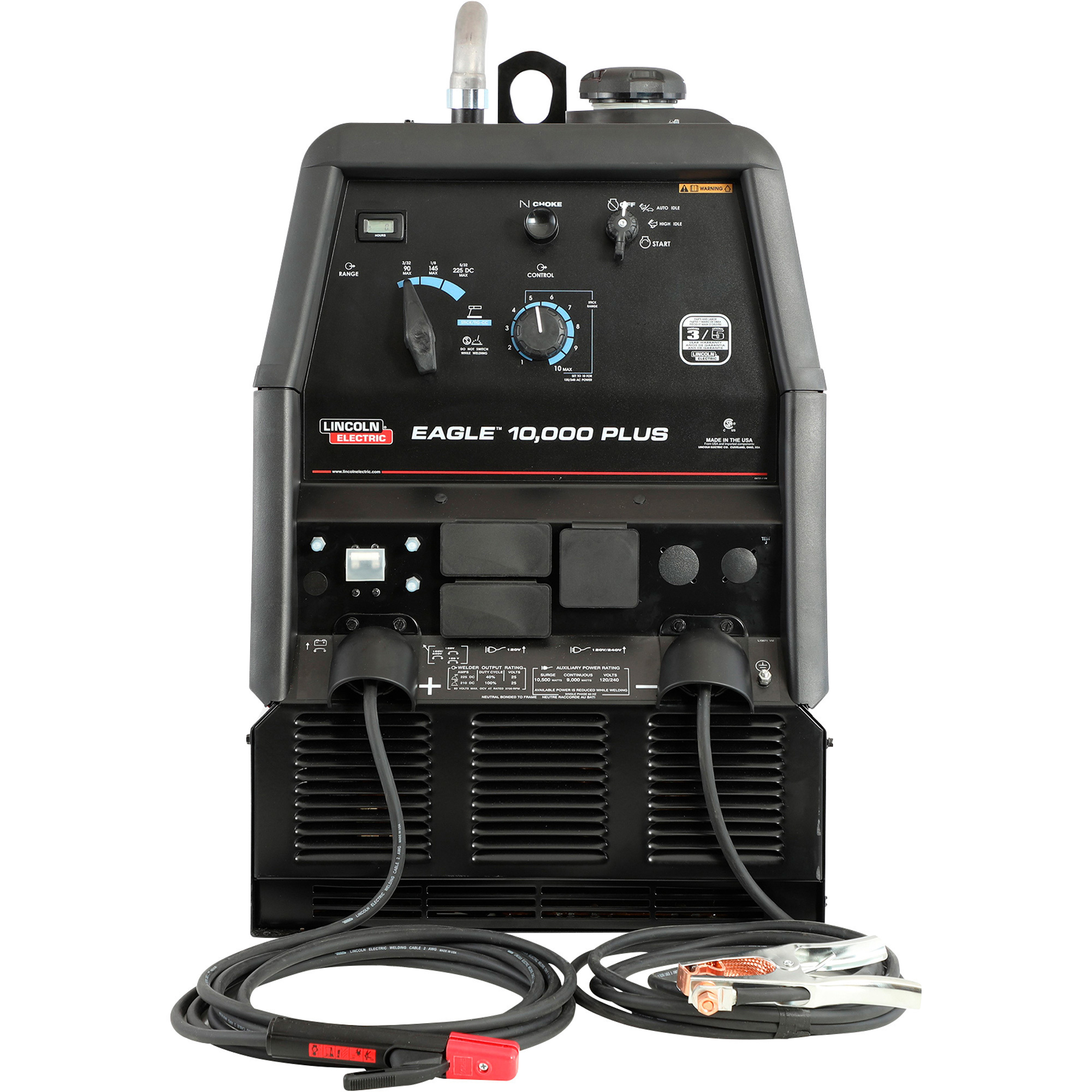
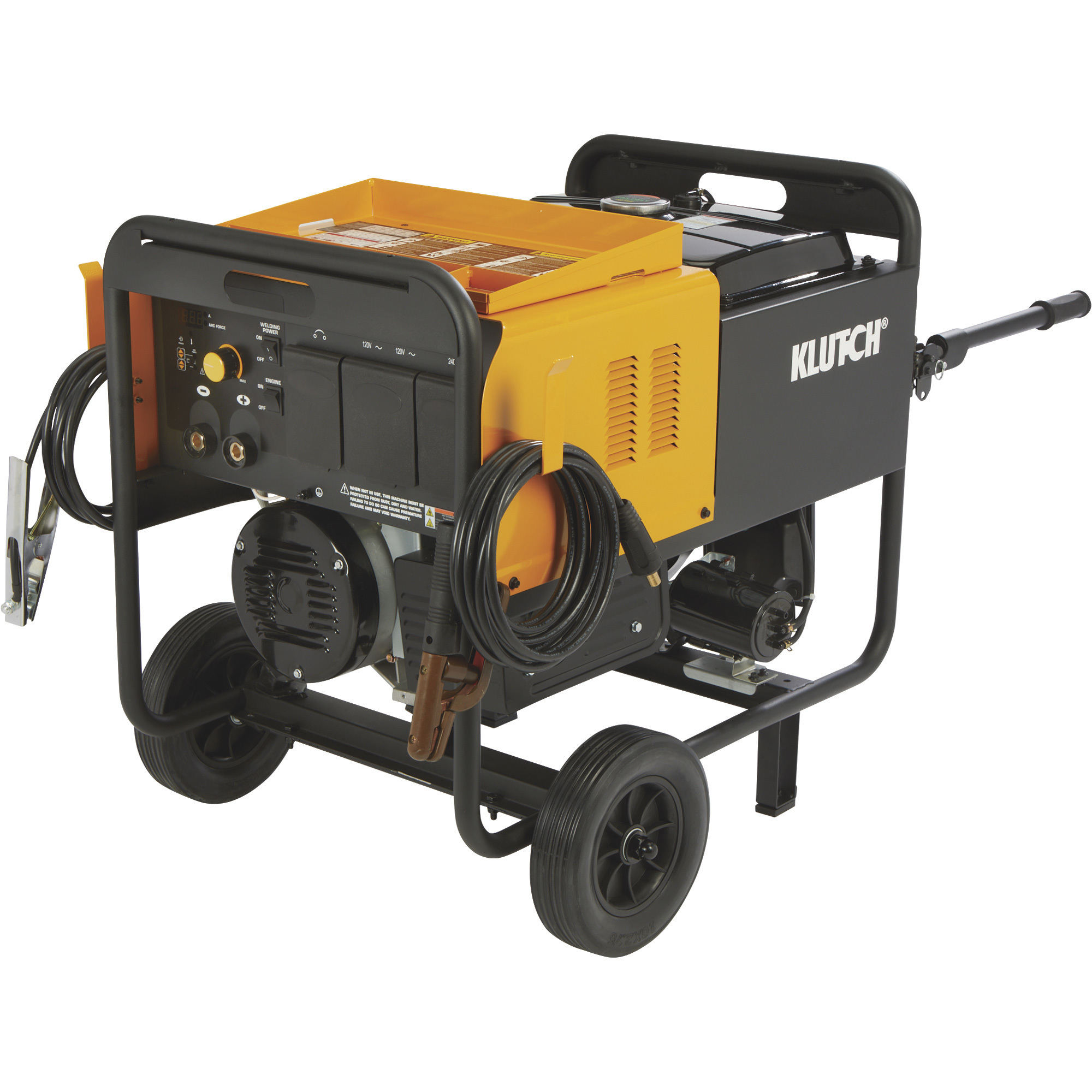
A welder generator features an internal combustion engine powered by diesel, gasoline or propane. The engine generates electricity that powers the welder via an alternator that converts mechanical energy into electricity. The alternator works by virtue of its rotor and stator. When the engine turns the rotor, it induces electrical current in the stator through the process of electromagnetic induction. The resulting electrical output is typically an alternating current (AC). The voltage and frequency of the output varies with the model of a specific welder. However, voltage is typically in the 120–480V range and frequency is typically in the 50–60 Hz range.
The welding system on a welder generator is the other major part, usually the big reason for acquiring a welder generator in the first place. The welder usually includes a rectifier, which is a critical part because it converts AC current from the generator into direct current (DC), which is usually preferred for welding because it gives a welder operator more control over the process. As for the welder output, the operator adjusts the DC power to preferred voltage and current levels to maximize control over the welding process and product. Optimal voltage and current levels vary by the type of welding you’re doing. Stick (SMAW), TIG (GTAW) and MIG/MAG (GMAW) welding techniques each call for different settings for ideal control and results.