Start With A Quality PTO Generator
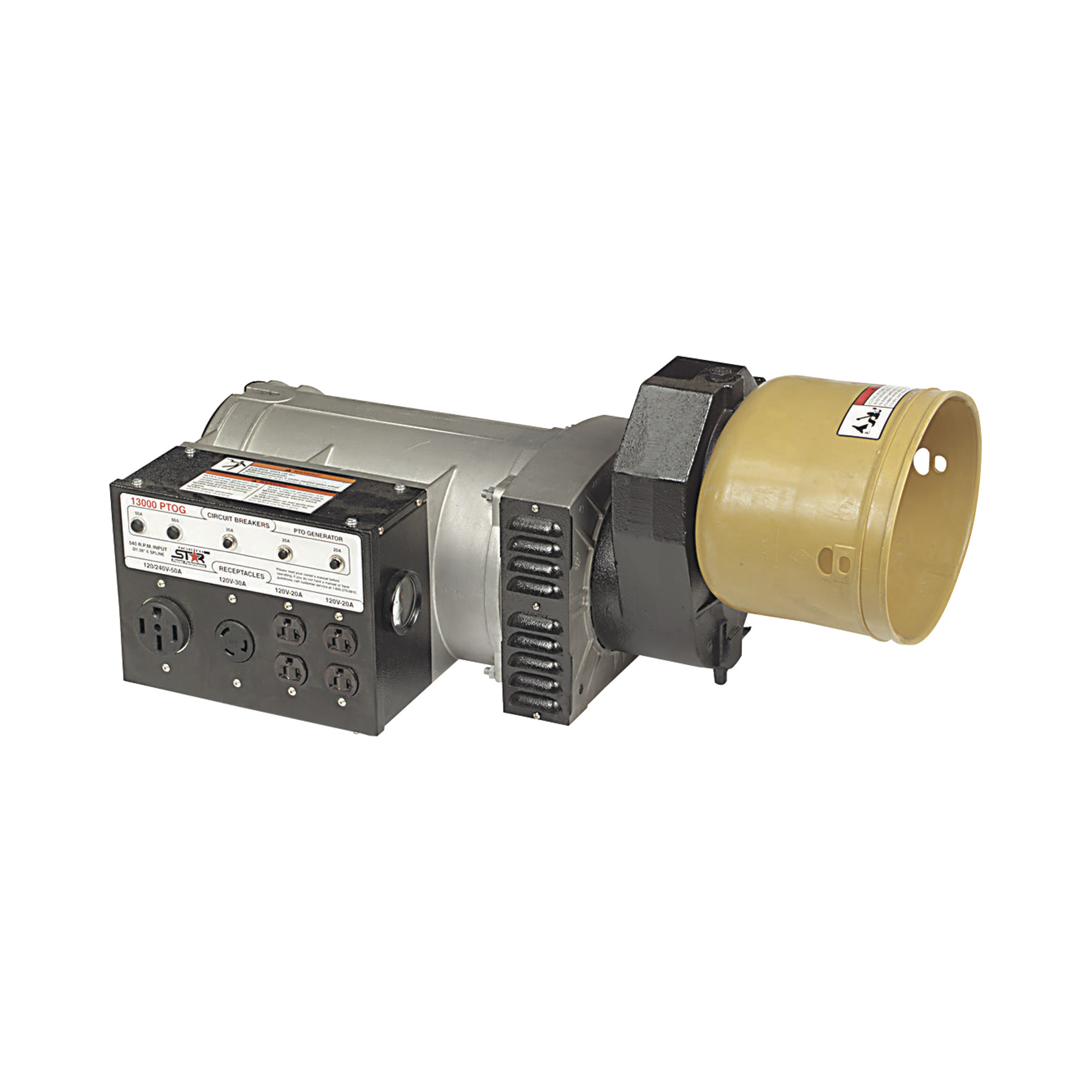
Let’s start with the actual generator unit. If you want efficiency as an end result, it’s imperative to start with an efficient generator. The better a PTO generator is at converting mechanical power input into pure electrical power, the higher efficiency rating it will achieve. So, to state it as simply as possible, look for a PTO generator that can convert a higher proportion of the input power it is receiving into useful electricity, and you will end up with more efficient operation.
PTO Generator: Age, Style + Size
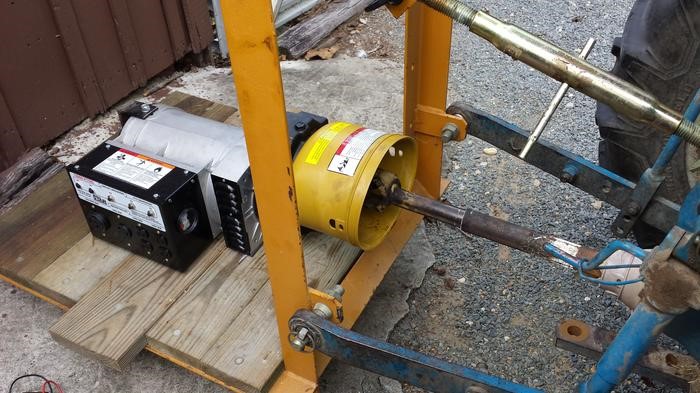
The size, design and age of a PTO generator can also affect the operational efficiency of these units. Typically, with older generators, at least, the larger the unit, the more inefficient the generator becomes. But with all the modern technological advances, this isn’t necessarily true anymore. Improved magnetic materials used in construction, advanced designs, and winding configurations that have been optimized for better performance help deliver efficiencies that tend to be higher in newer models than they were in older models, regardless of the generator’s size.
PTO Drive Shaft
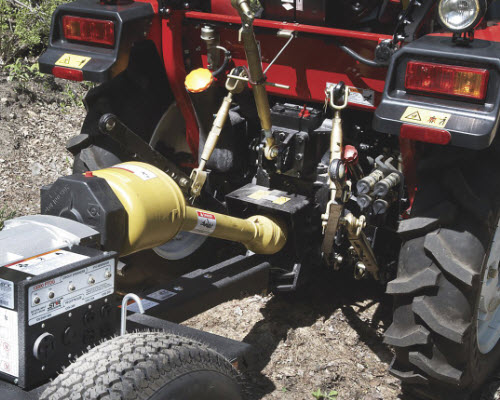
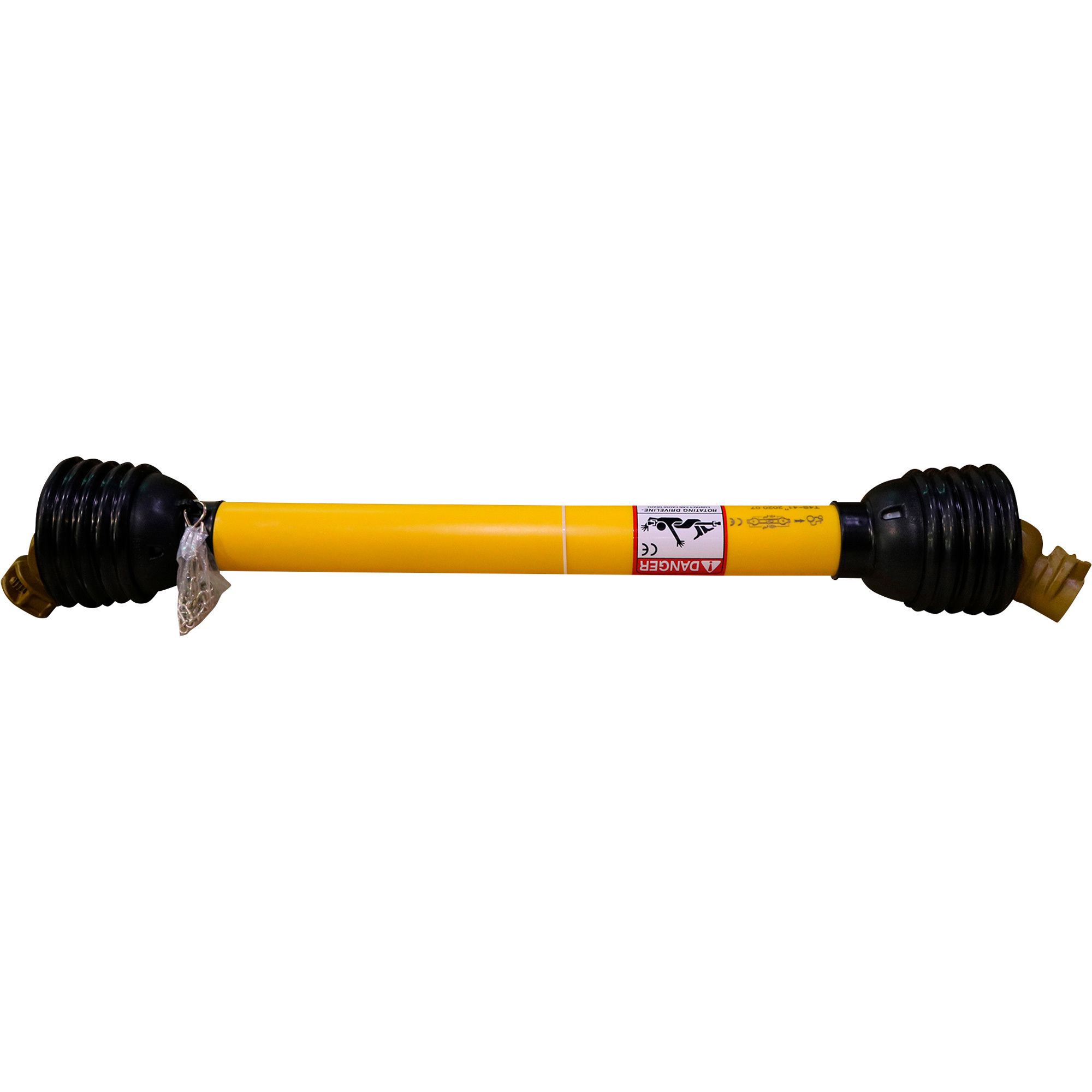
But the efficiency of your unit isn’t solely dependent on the generator’s effectiveness, style, or size. The PTO drive shaft that is supplying/transferring the power from the energy source directly to the generator is a major factor in the overall efficiency of the generator unit, as well. Friction in the drive shaft or mechanical difficulties in the PTO drive shaft can cause a reduction in the available power output from the drive shaft, thus reducing the power that is available for use by the generator. To maximize efficiency, take the necessary steps to ensure there is minimal to no friction in the PTO drive shaft as the engine is running and also provide any maintenance necessary to eliminate mechanical difficulties in the drive shaft.
Mechanical Coupling
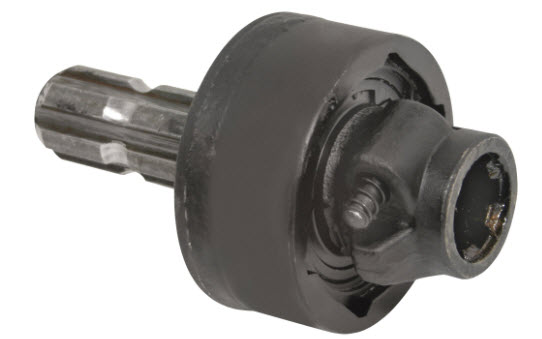
Another mechanical issue that can affect the efficiency of a PTO generator is the method used for mechanical coupling. Some of the most commonly used methods of coupling a PTO drive shaft to a PTO generator are gears, direct shaft connections, and belts. By keeping these coupling methods aligned properly and ensuring that your gears are greased, your drive shaft connections are solid, and your belts aren’t worn, you can help to minimize any loss of power that is caused by these misalignments or slippage within the connection.
Load Matching
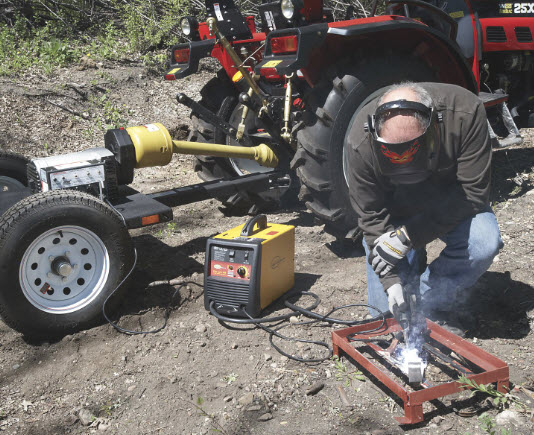
Keeping the electrical load matched to the capacity of the generator, known as load matching, is another way to improve the efficiency of your PTO generator. Try to load match as closely as possible, as running a generator significantly below its rated load, or trying to operate the PTO generator anywhere above its rated load can negatively affect your results and drastically decrease the generator’s efficiency. A well-balanced electrical load can help you achieve the optimal rate of power conversion to maximize efficiency.
Electrical Distribution System
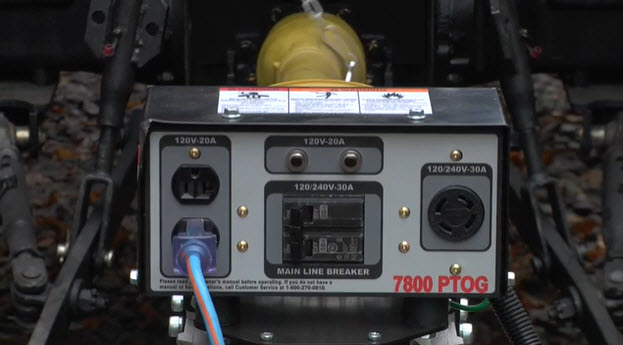
Another factor, specifically the power factor, can play a big part in a PTO generator’s efficiency. This factor provides a number that compares the real power of a generator to the apparent power of that generator. The generator’s overall effective power output can be reduced by ineffective induction motors, transformers, or inductive loads (also known as low power factor loads). But there is something you can do correct this problem. Adding a suitable capacitor to the system can cut losses in the electrical distribution system by neutralizing the magnetic current. Getting this power factor number to a healthy rate will help to reduce electric bills and improve overall generator efficiency.
The efficiency of the electrical distribution system will also play a part in the overall efficiency of a PTO generator. Poor cable quality can cause distribution losses that are related to inefficient power delivery. Transmission losses or ineffective system design also are contributing factors in power deliver losses. By ensuring you are using high quality cables in top working condition and keeping your transmission running smoothly, you can recuperate some of that lost power and move the needle on restoring some of your generator’s efficiency.
PTO Generator Maintenance + Operating Environment
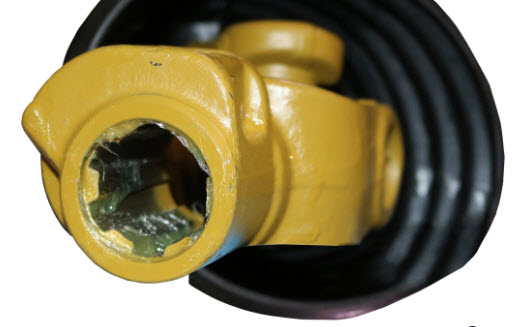
In fact, keeping the entire system properly maintained and adhering to the best operating conditions and practices rank high in the factors that will keep your generator operating near peak efficiency. Keep all parts and components well lubricated and free from sand and other issues that cause wear and tear. Remember to clean or change out air filters to help prevent air flow problems from bogging down your system, and provide proper cooling system maintenance to reduce the possibility of overheating. As far as operating conditions go, the ambient air temperature and the altitude you are operating the generator at can greatly affect performance. Check the operating and service manuals to adhere to manufacturer’s recommendations.
So, when you start looking for that generator that will be most efficient for you, look at all the above factors cumulatively. Each of the factors mentioned in this article play their own part in how a generator achieves efficiency, but also interact with each other to make your unit tick. Finding that sweet spot where the PTO shaft hooked up to the unit, the load matching, system maintenance, size, style, and components of the generator all gel near the optimal point of operation will almost always help maximize your PTO generator system’s efficiency.