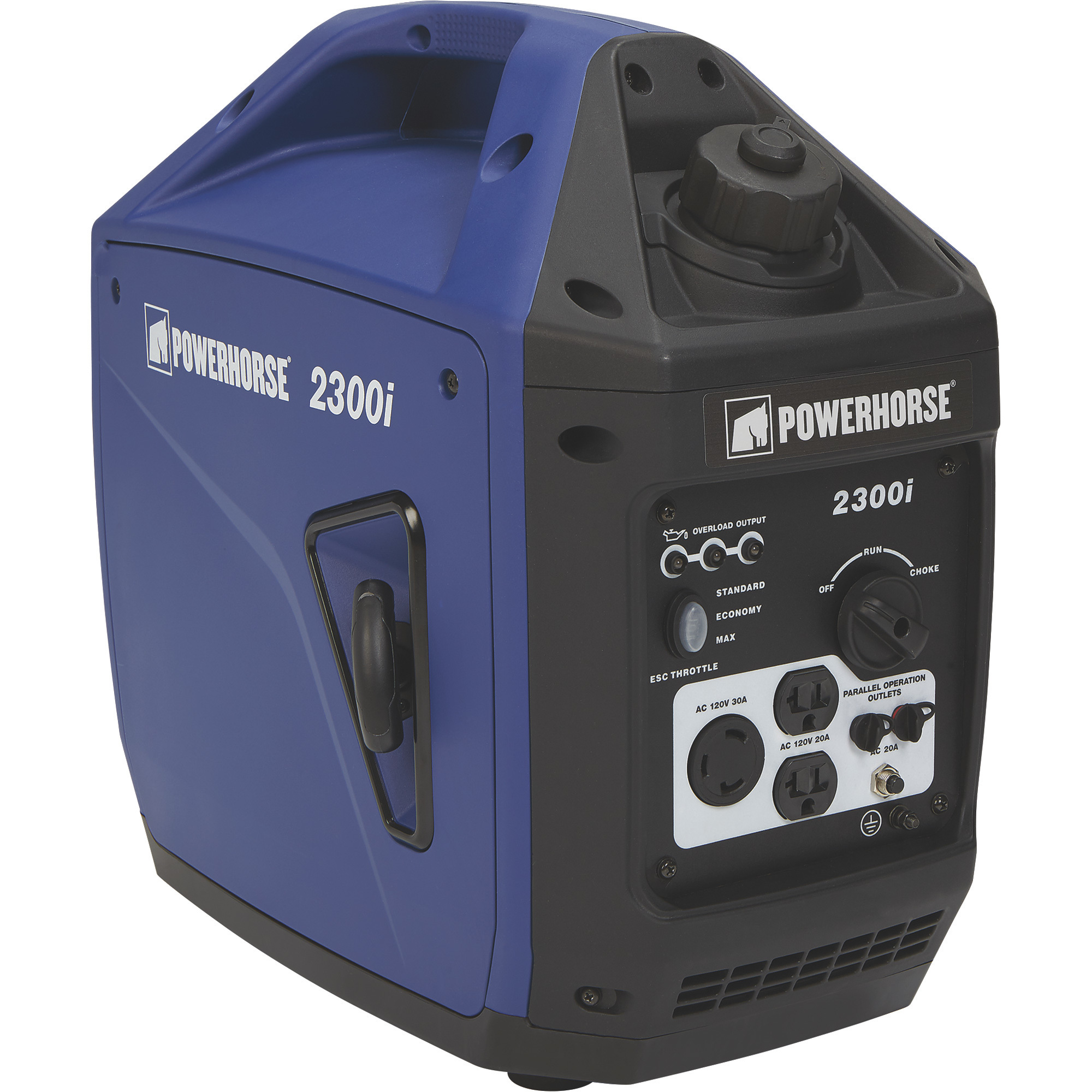
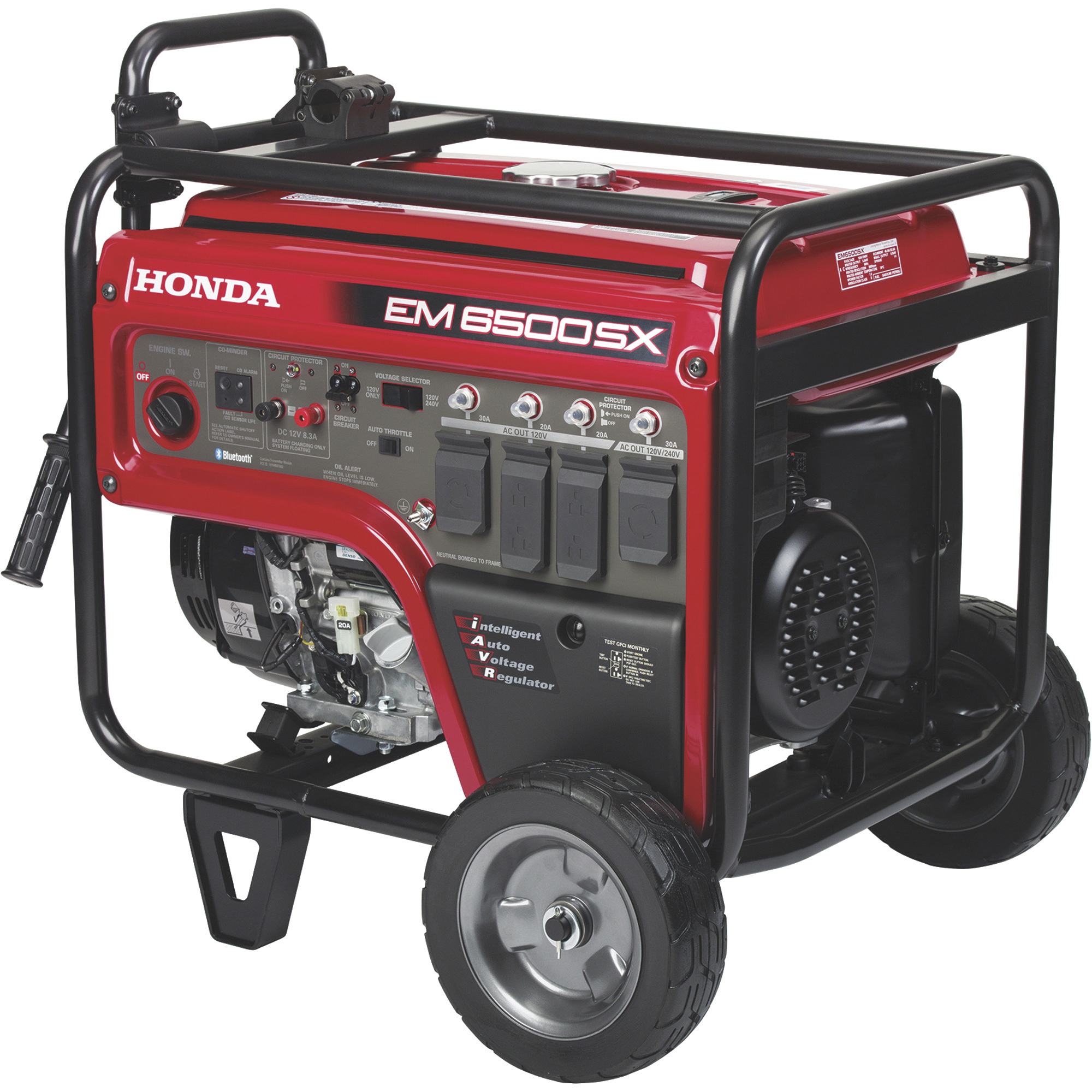
Generator Surge Protection
Surge Protection Can Save the Day, and a Whole Lot More
When you use a surge protector along with a generator to protect sensitive devices connected to that generator, you also protect yourself against big headaches. A surge protector absorbs and redirects excess power, preventing it from overloading devices and causing them irreparable damage. Let’s look at transient voltage suppressors (TVSs), which are commonly used as generator surge protectors. We’ll examine why they’re needed, how they work, what other components they sync with and how to maintain surge protection within your electrical system.
Why Is a Surge Protector Needed?
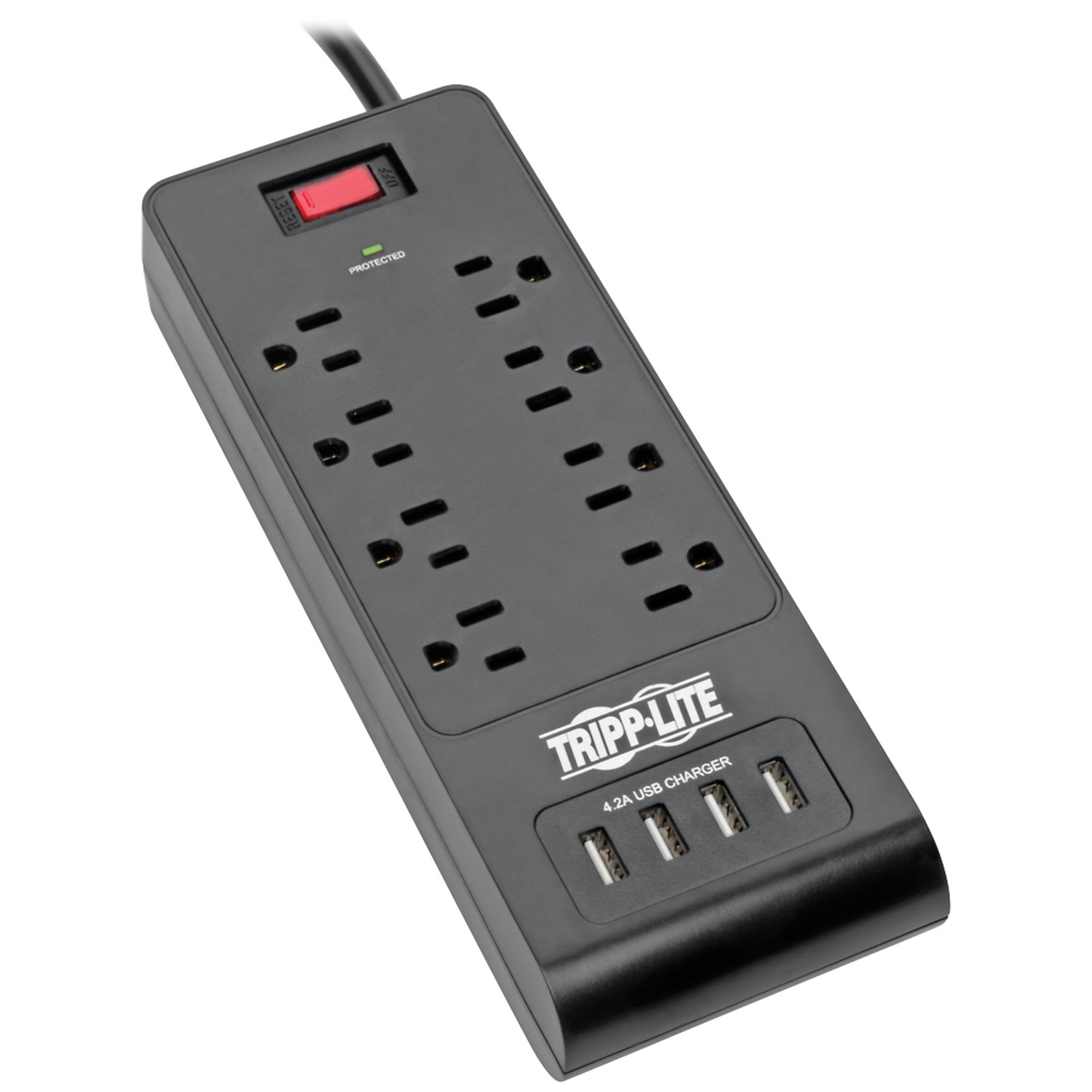
Generators convert mechanical power into electrical power via a process that’s vulnerable to fluctuations in power. These fluctuations cause voltage spikes, also known as transients. Any number of things can cause the fluctuations and spikes, including lightning, hiccups on a utility grid or sudden activation or deactivation of large loads in an electrical system. During fluctuations and spikes, mitigation is necessary to provide stable, safe power to all devices connected to the generator. That’s where TVSs are invaluable.
Two TVS and an Electrical System
A TVS is a device made of semiconductors, which are usually either metal oxide varistors (MOVs) or silicone avalanche diodes (SADs). Designed to respond quickly to voltage spikes, a TVS diverts excess energy away from devices connected to a generator, saving them from jolts that can damage them. An MOV is made up of a ceramic/zinc oxide body with metal electrodes on each end. In typical conditions, an MOV is highly resistant to electricity and doesn’t affect an electrical circuit. On the other hand, when an electrical surge exceeds a certain range, an MOV’s resistance drops quickly and substantially, enabling it to conduct the excess current and divert it to a ground or other low-impeding path. A SAD, the other commonly used TVS, features silicon construction and a characteristic referred to as “avalanche breakdown.” When voltage across a SAD exceeds a certain threshold, the SAD is conditioned to cause the voltage to drop quickly, enabling the SAD to absorb extra energy and direct it away from sensitive equipment connected to the generator.
What parts of an Electrical System Sync with TVSs?
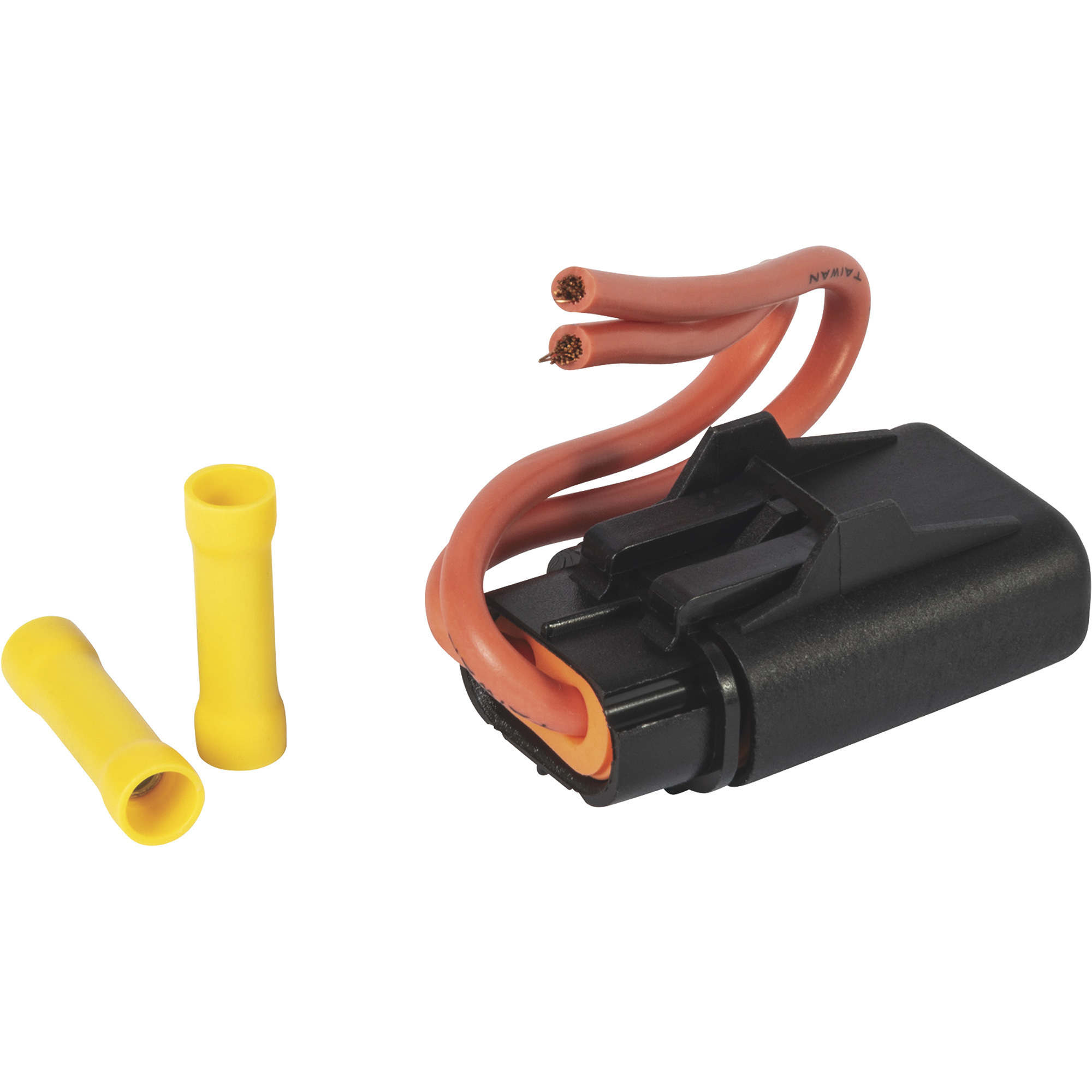
Fuses, circuit breakers and ground fault circuit interrupters (GFCIs) are all components that work in sync with TVSs. Each plays a supporting role in finding and lassoing electrical spikes to prevent damage to a generator, as well as to the sensitive equipment connected to it.
How to Maintain Surge Protection in Your Electrical System?
The first and best way to maintain surge protection is to consult the manufacturer’s manual for your generator. Typically, a generator manufacturer will spell out instructions and recommendations on not just how to maintain your generator but also on how to maintain surge protection devices and other electrical system components. Typically, periodic inspection, testing and replacement of generator and TVS components, as well as the components in your electrical system that the generator and TVS sync with are critical. Complying with manufacturers’ instructions and recommendations is paramount. If you’re unsure on how to proceed with maintenance, we recommend consulting an electrician or a generator expert. When you’re using a generator and surge protector to power your appliances and devices, especially during an emergency, you want all the parts designed to operate together to be in good working order.