Weight Distribution Kits
Filters
1-48 of 52 Products

Item # 4413443
Item # 4763427
Item # 5276671
Item # 4763371
Item # 4414358
Item # 4414577
Item # 4414198
Item # 4413865
Item # 4414614
Item # 4414294
Item # 4414171
Item # 4414059
Item # 4413911
Item # 4413700
Item # 4413654
Item # 4413507
Item # 5278280
Item # 5277455
Item # 4413726
Item # 4413591
Item # 4413451
Item # 4413582
Item # 4414446
Item # 4414041
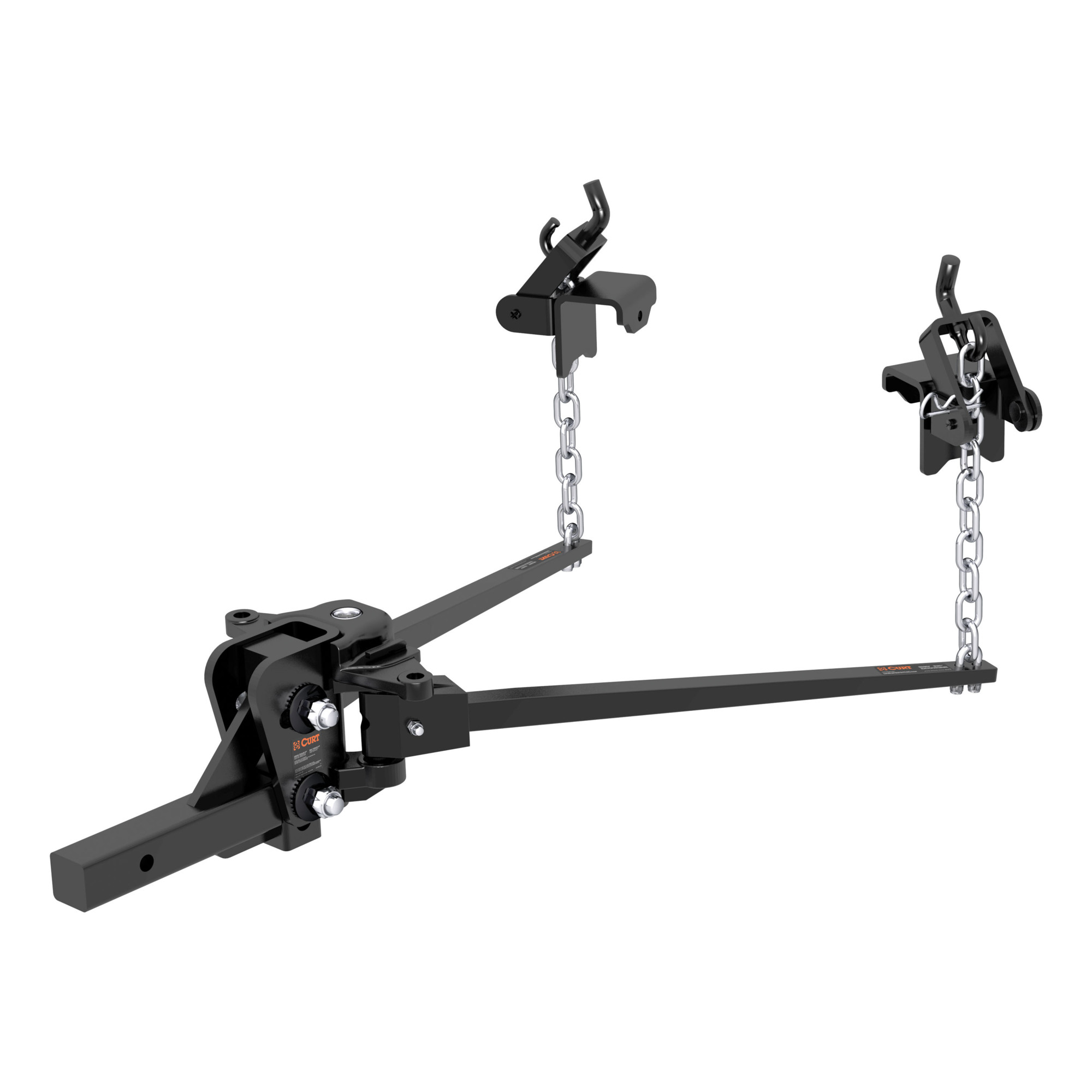
Item # 4413857
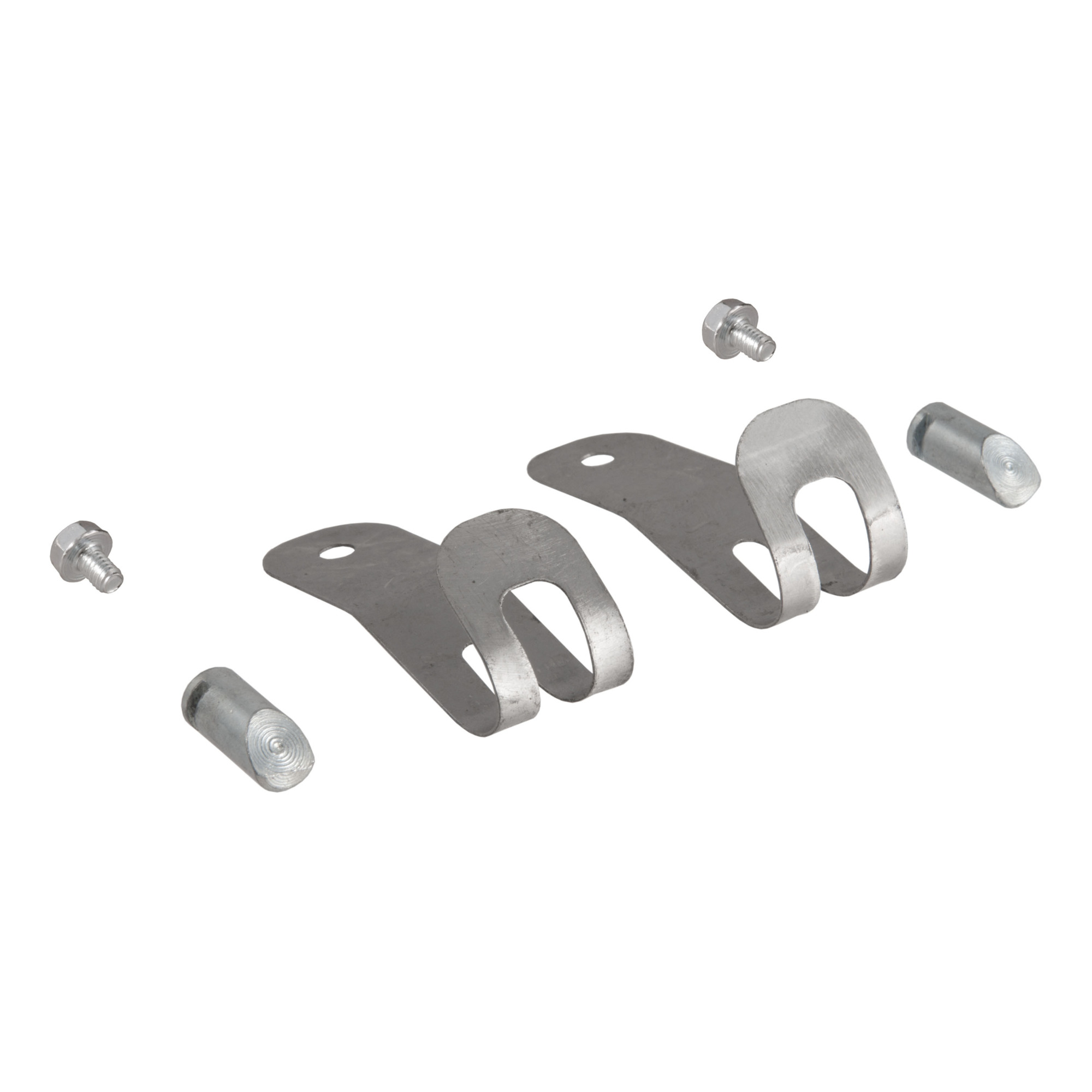
Item # 5277447
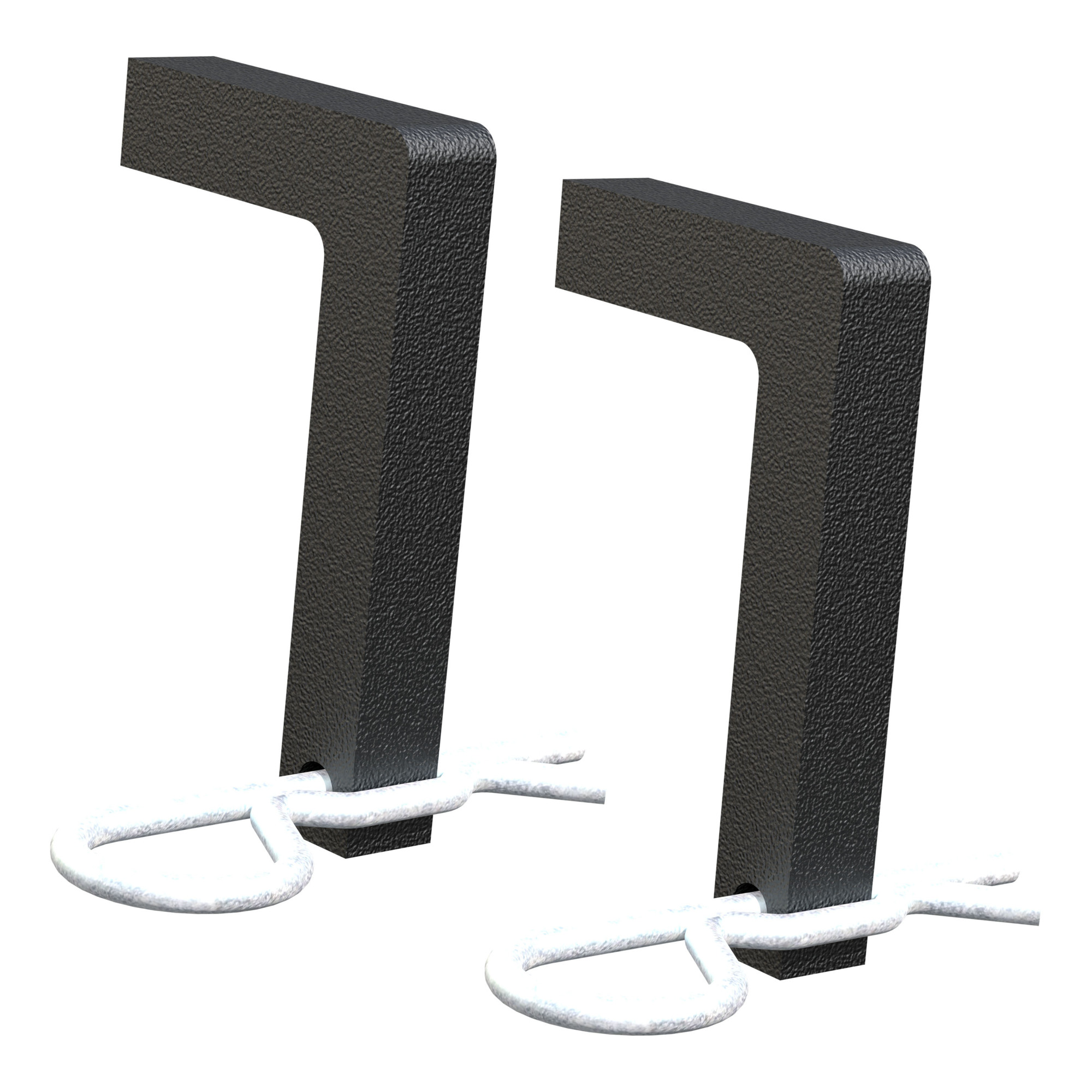
Item # 4414323
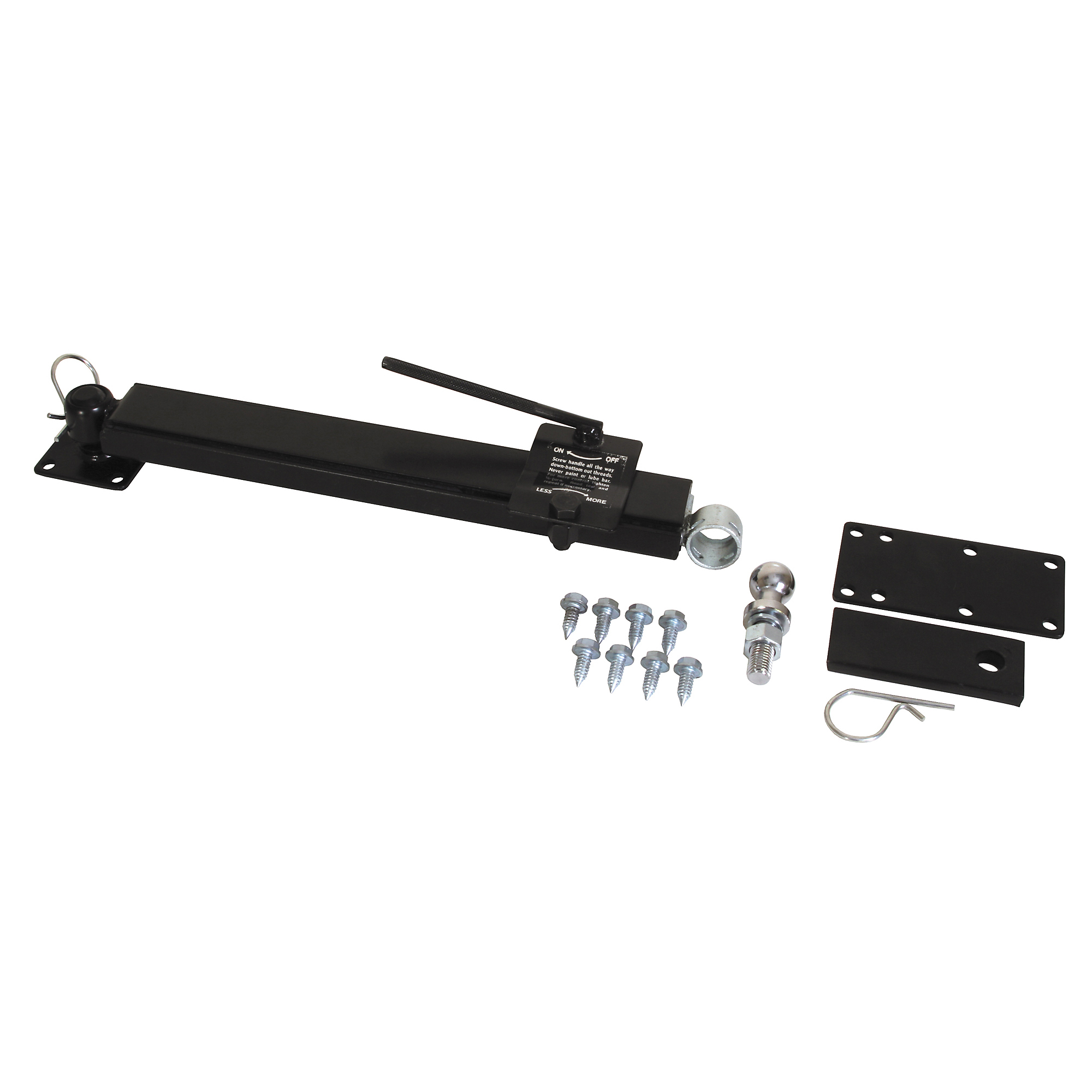
Item # 4810772
Item # 4809675
Item # 4415131
Item # 4413751
Item # 4413689
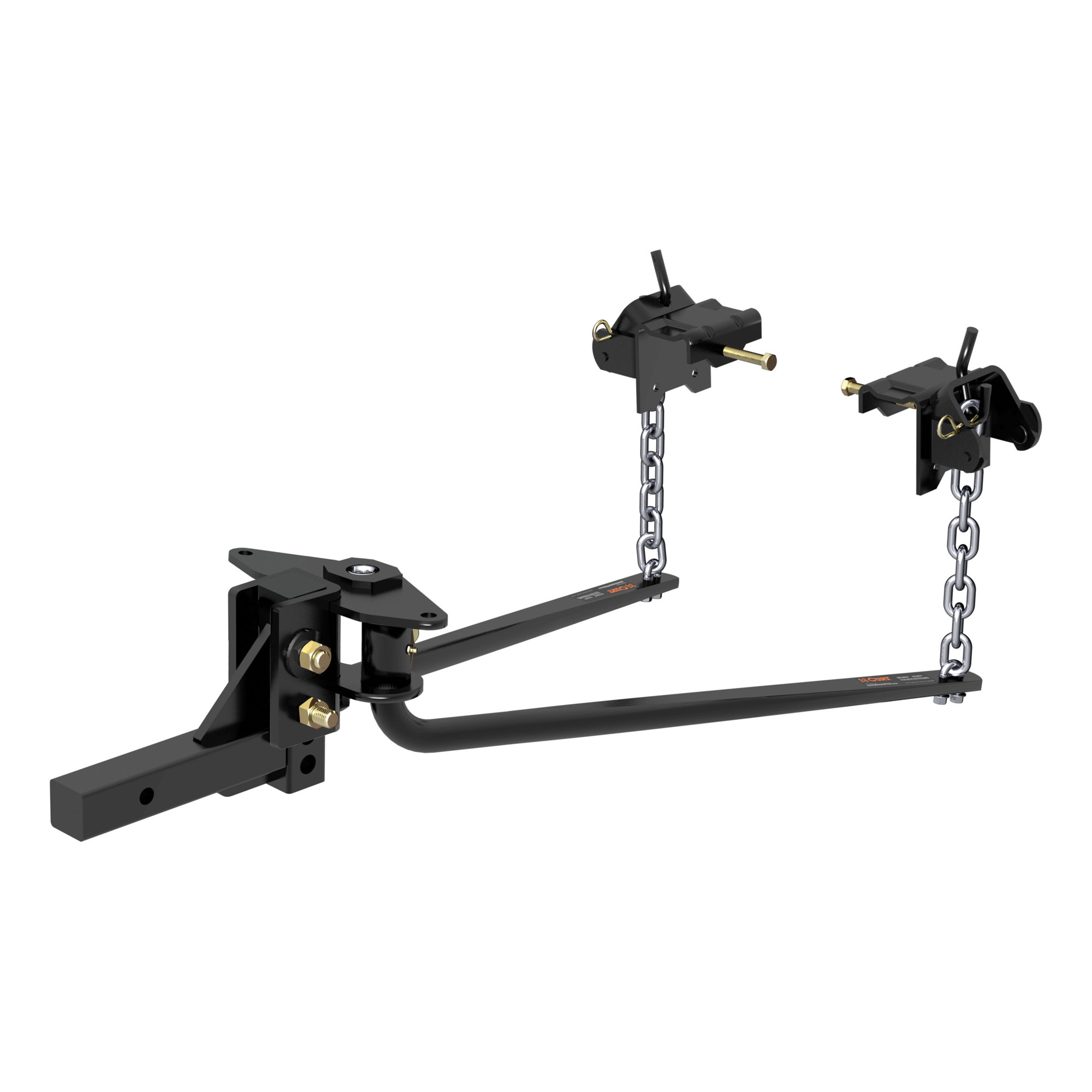
Item # 4413515
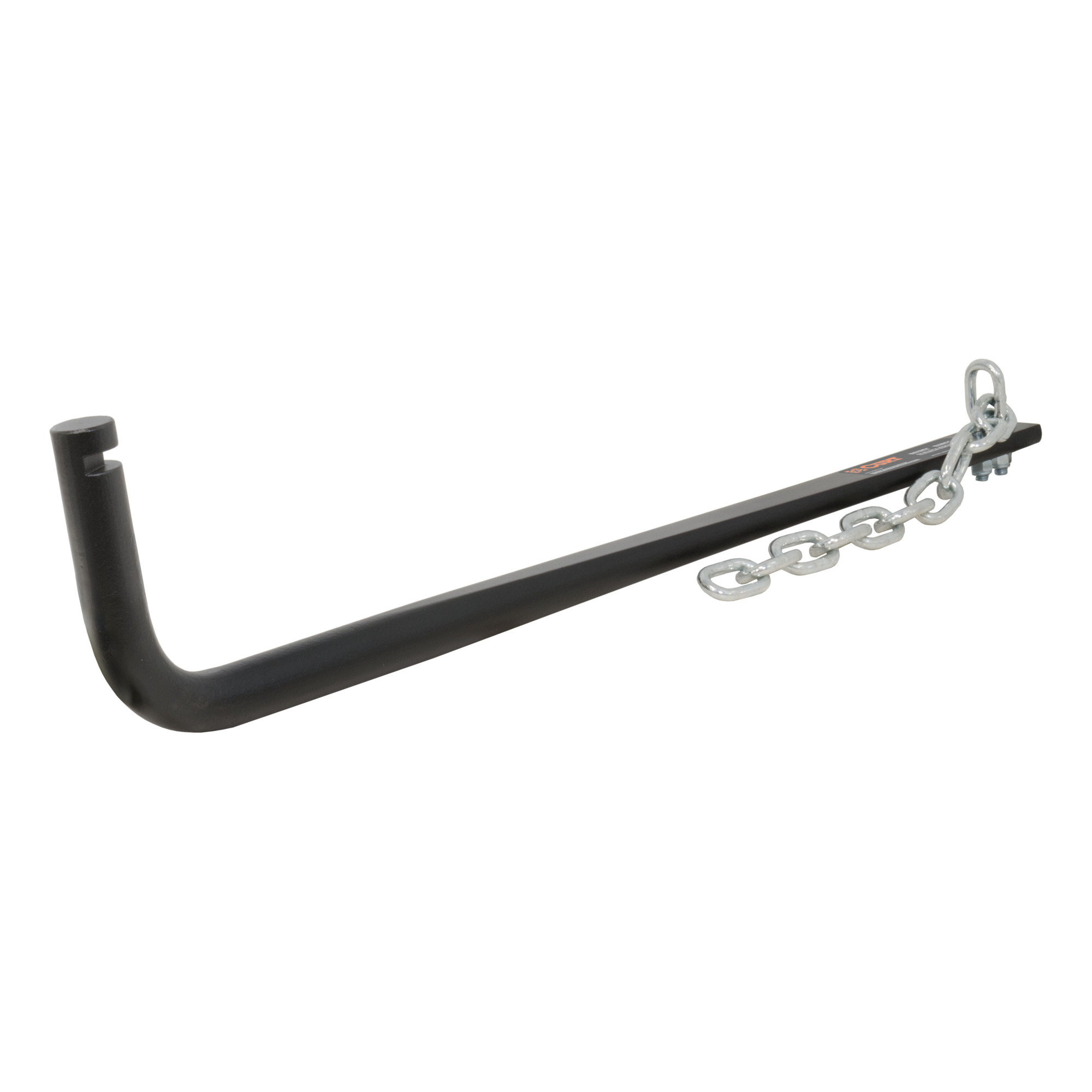
Item # 4413566
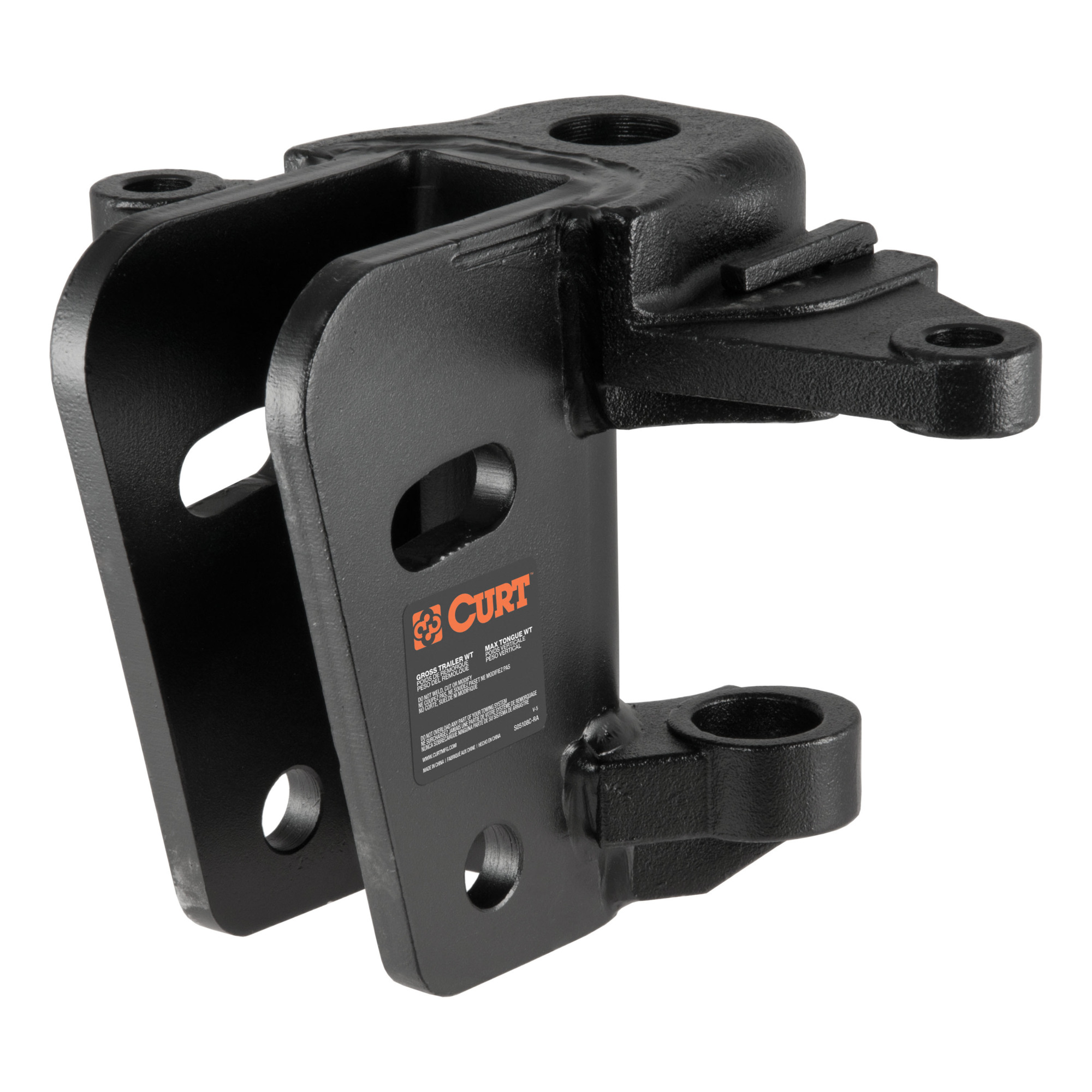
Item # 4414403
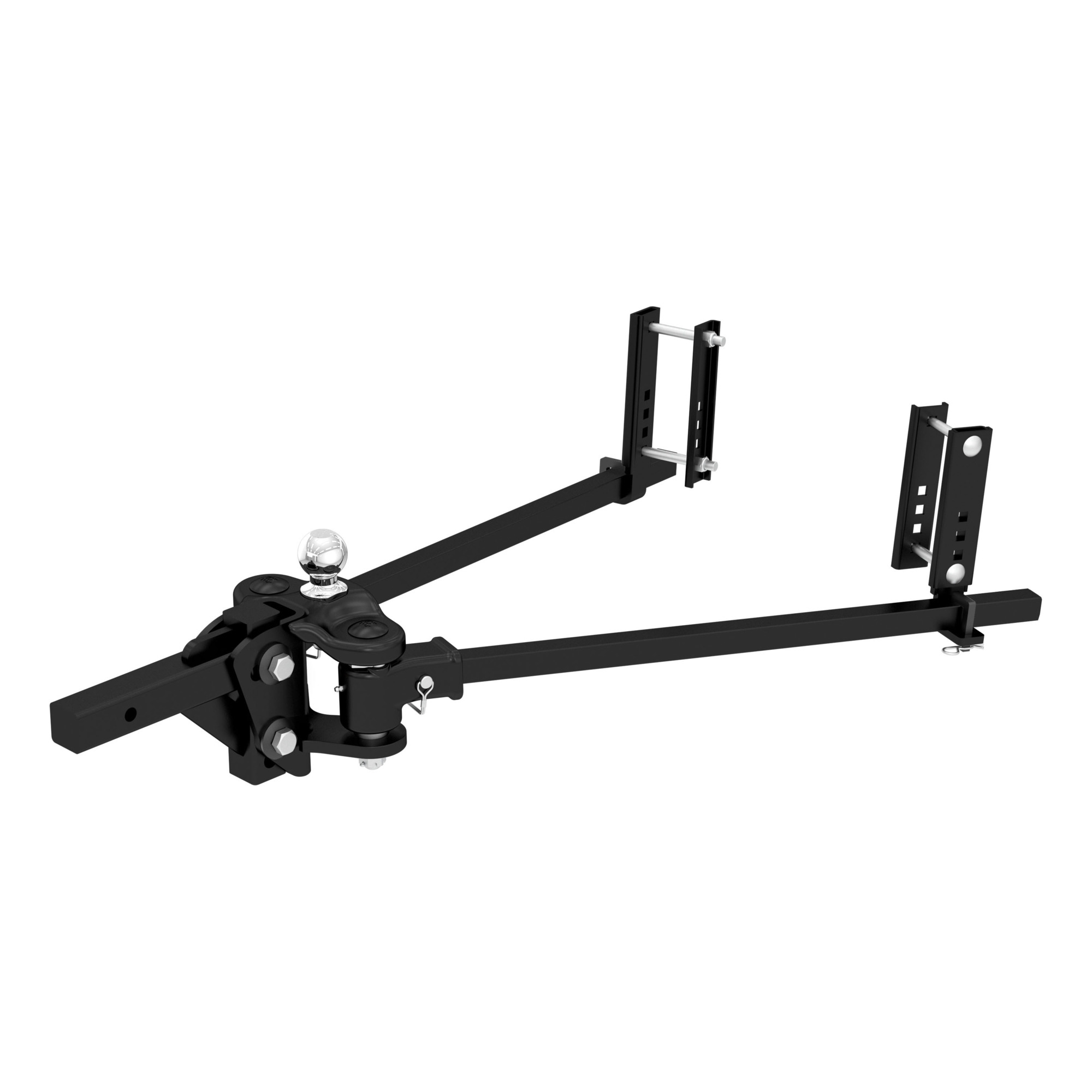
Item # 4414227
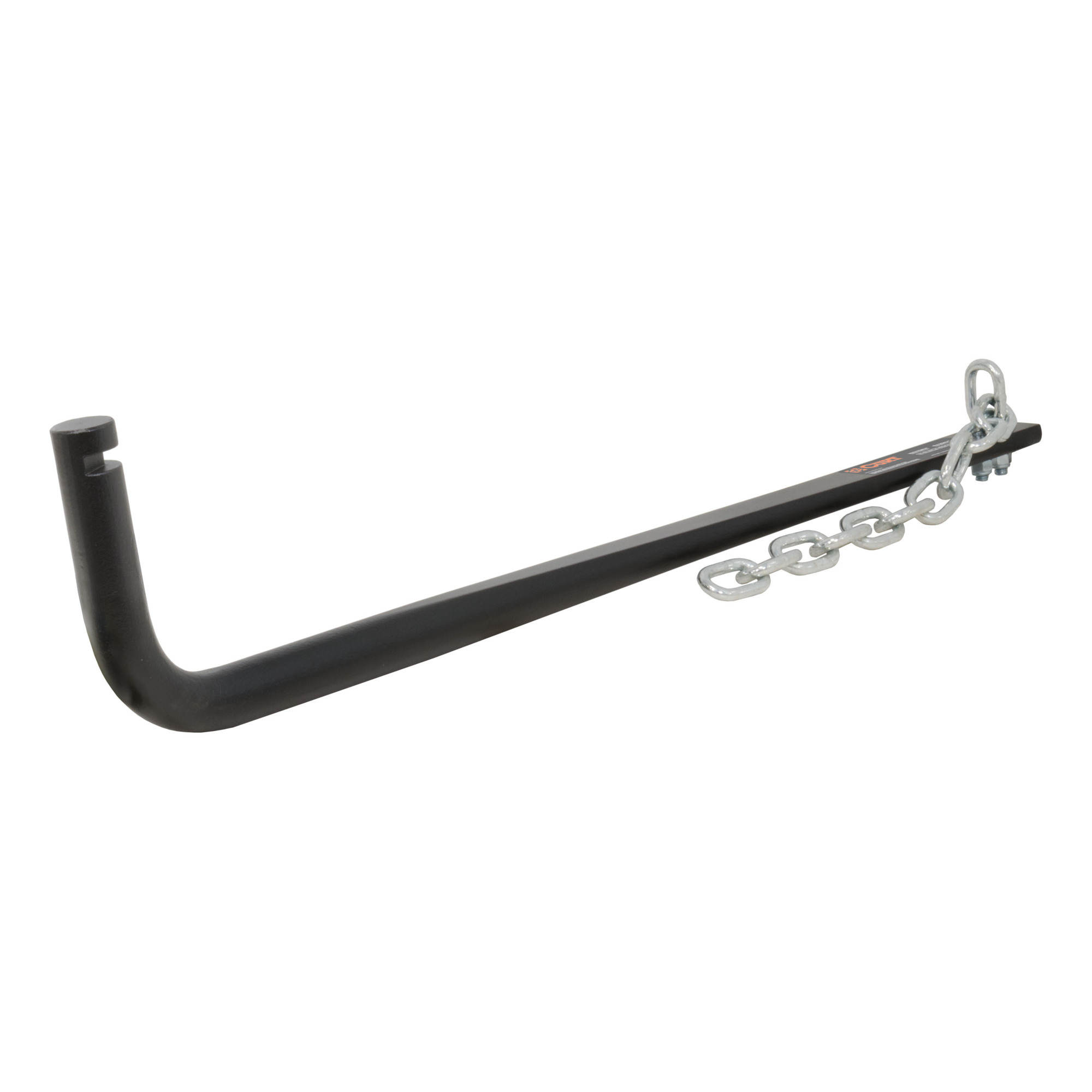
Item # 4414121
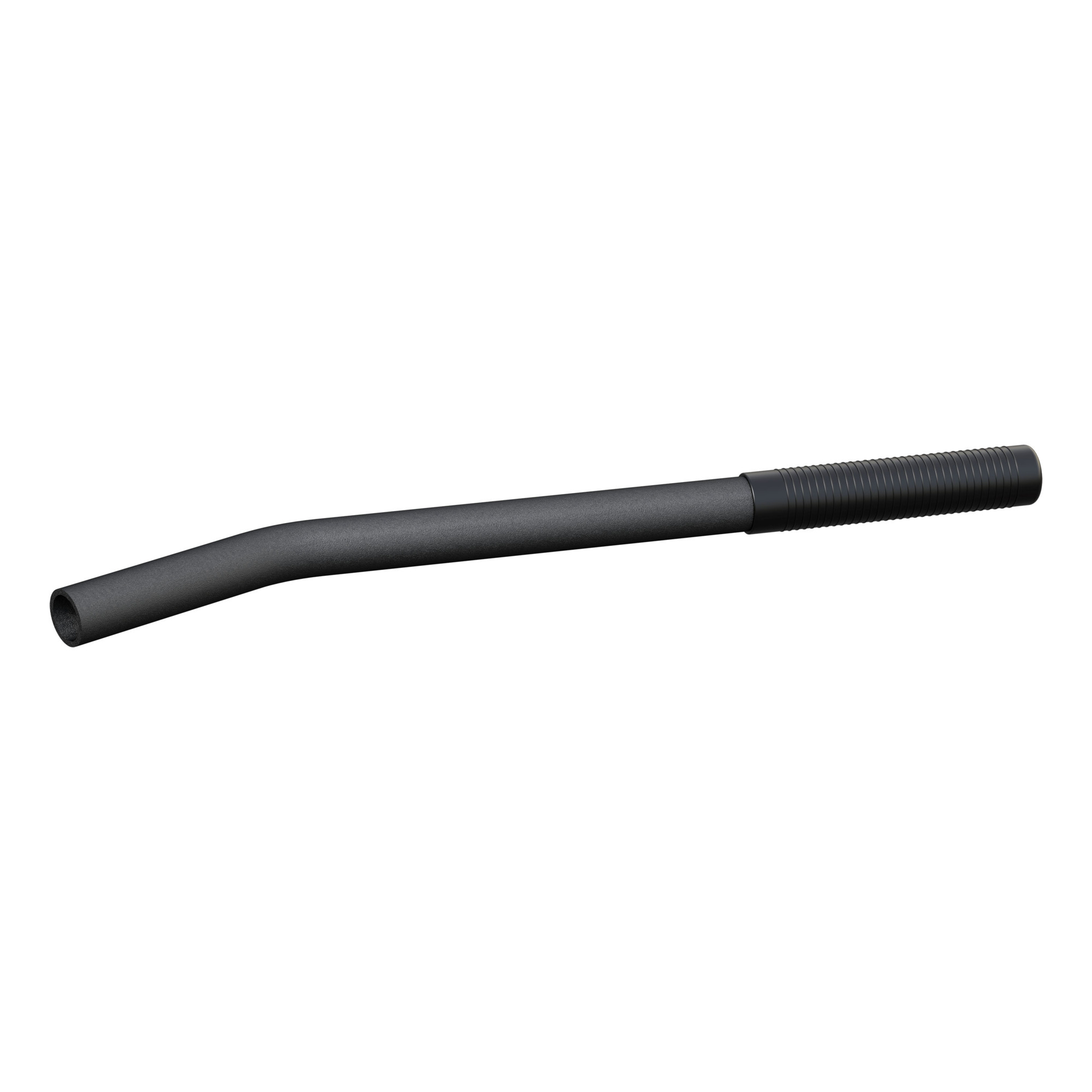
Item # 4413953
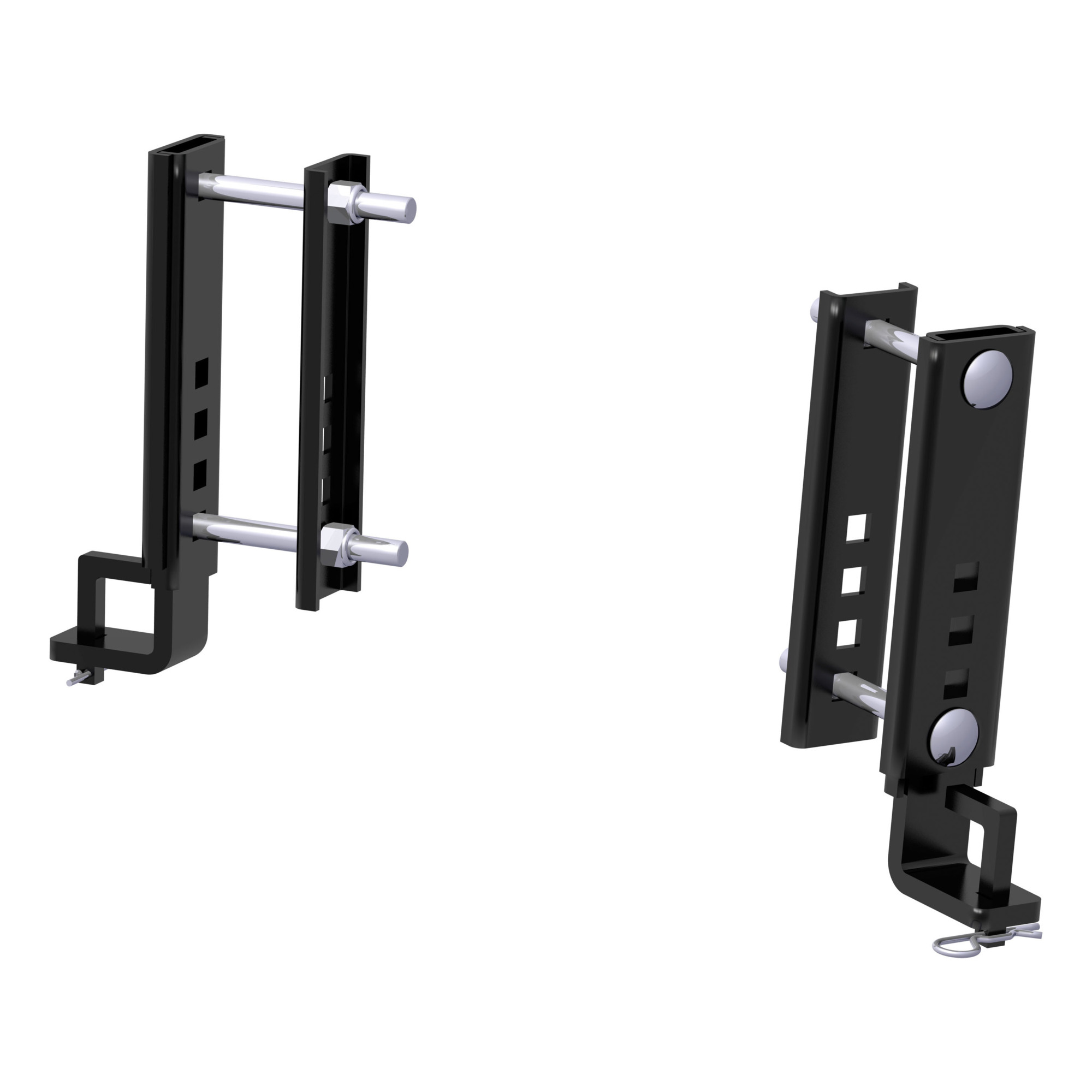
Item # 4413777
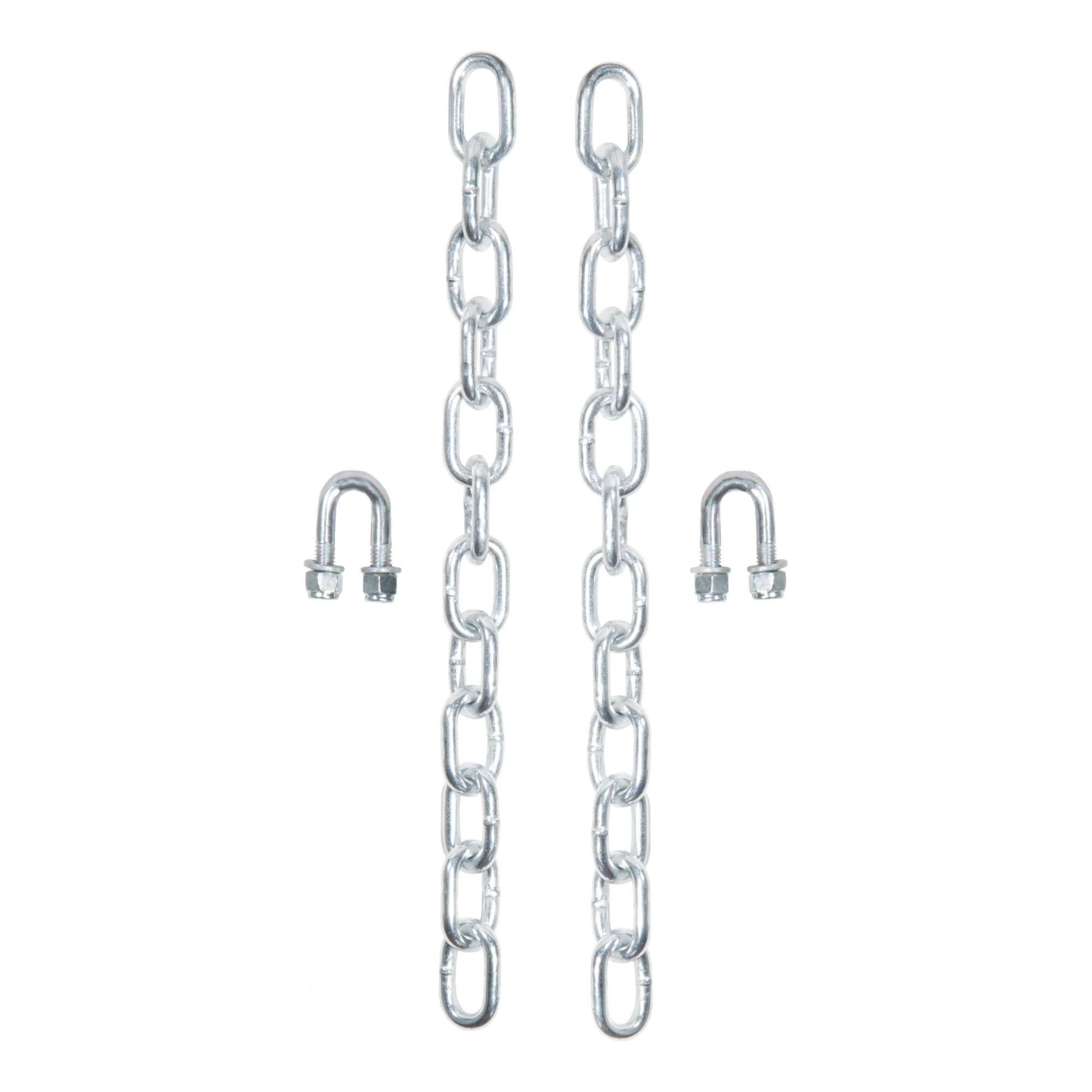
Item # 4413638
Item # 4413523
Item # 4414534
Item # 4414551
Item # 4414219
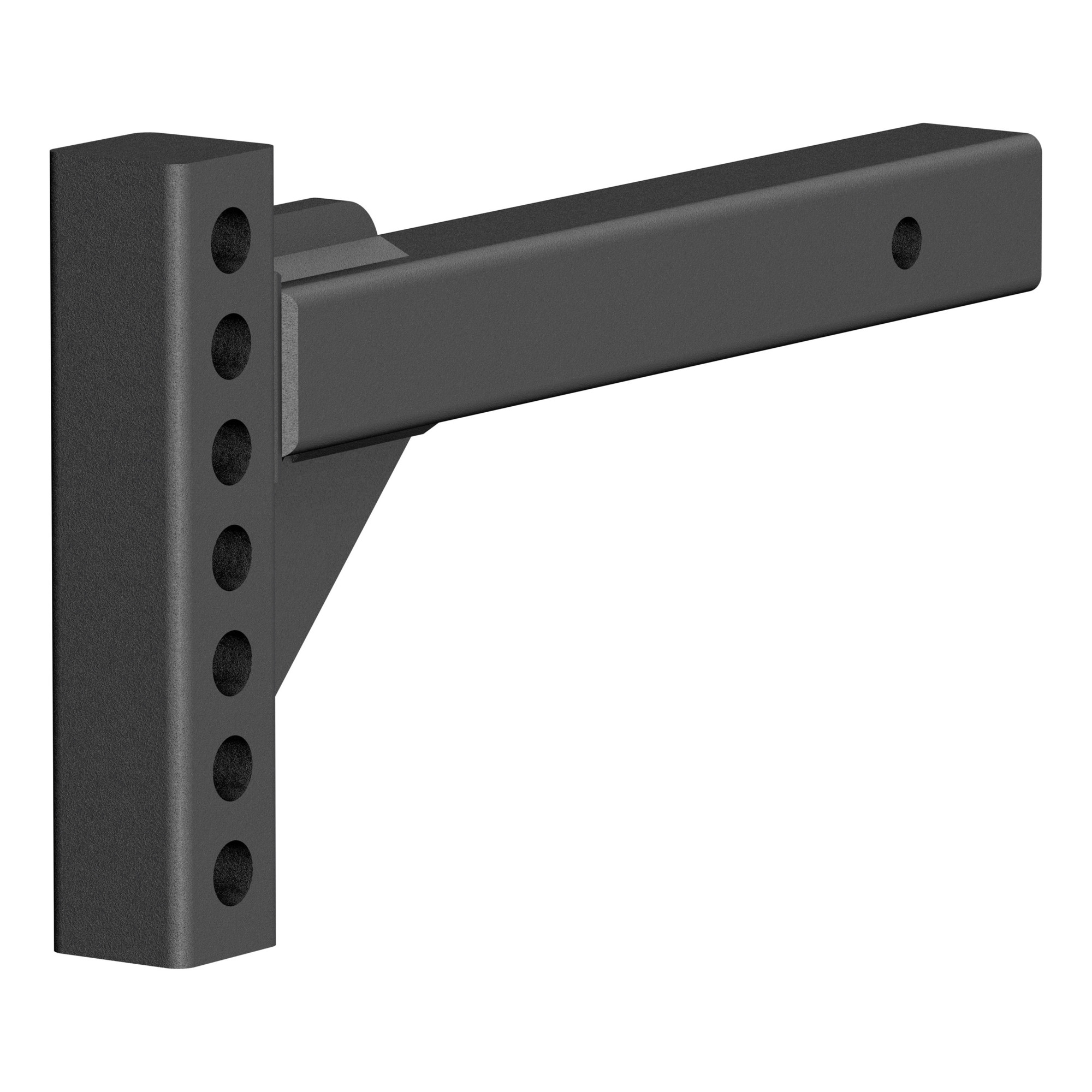
Item # 4414083
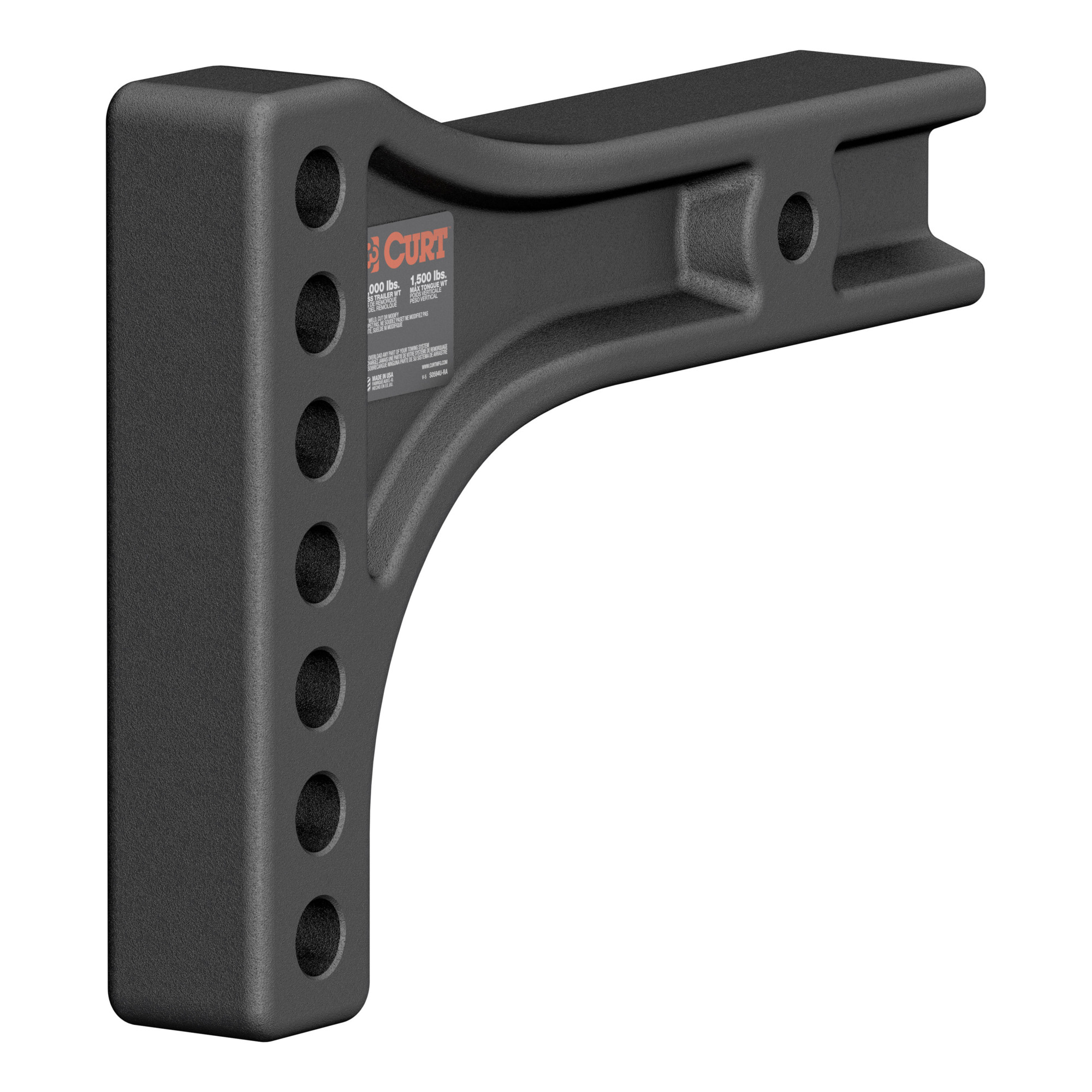
Item # 4413806
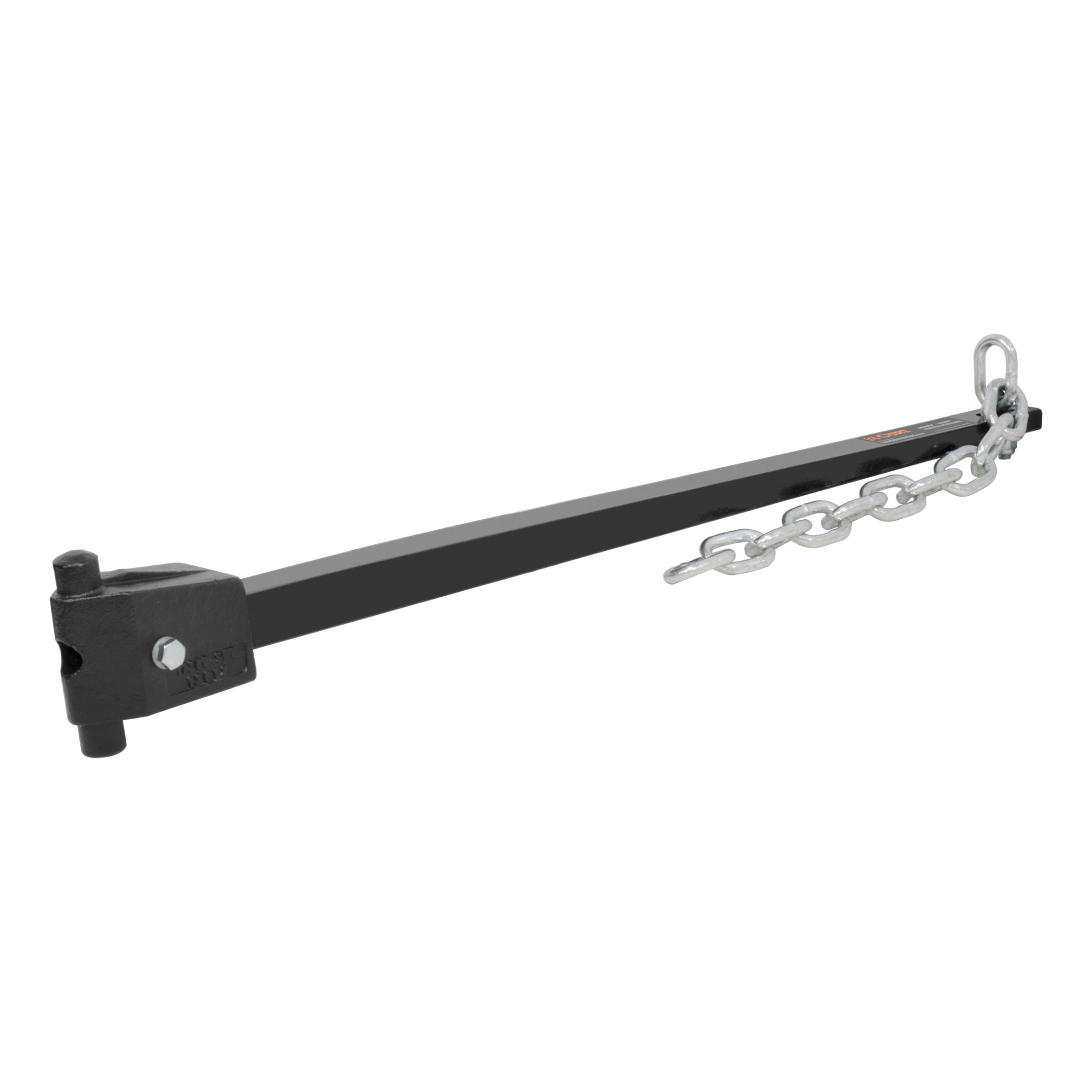
Item # 4414307
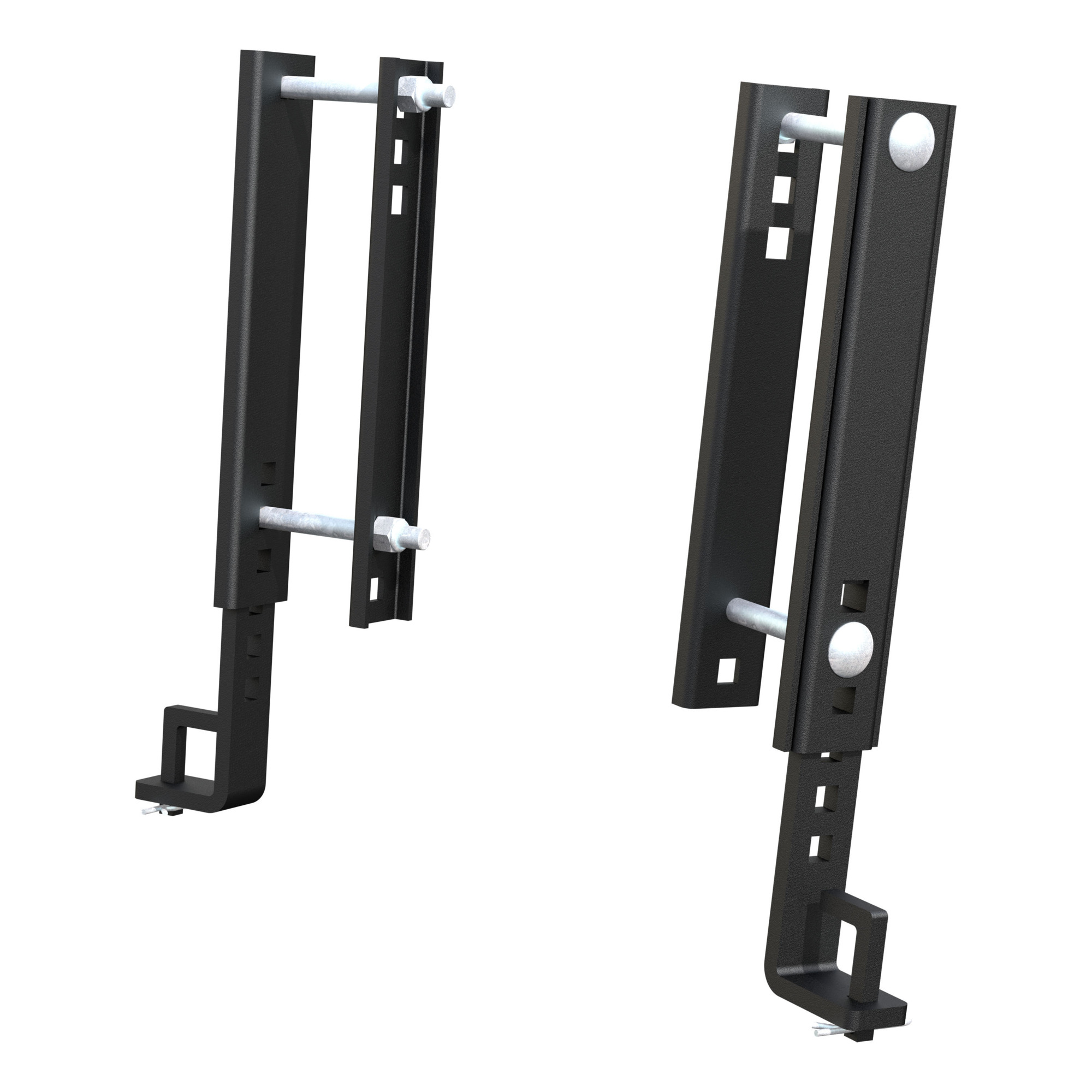
Item # 4414251
Towing Weight Distribution Kits
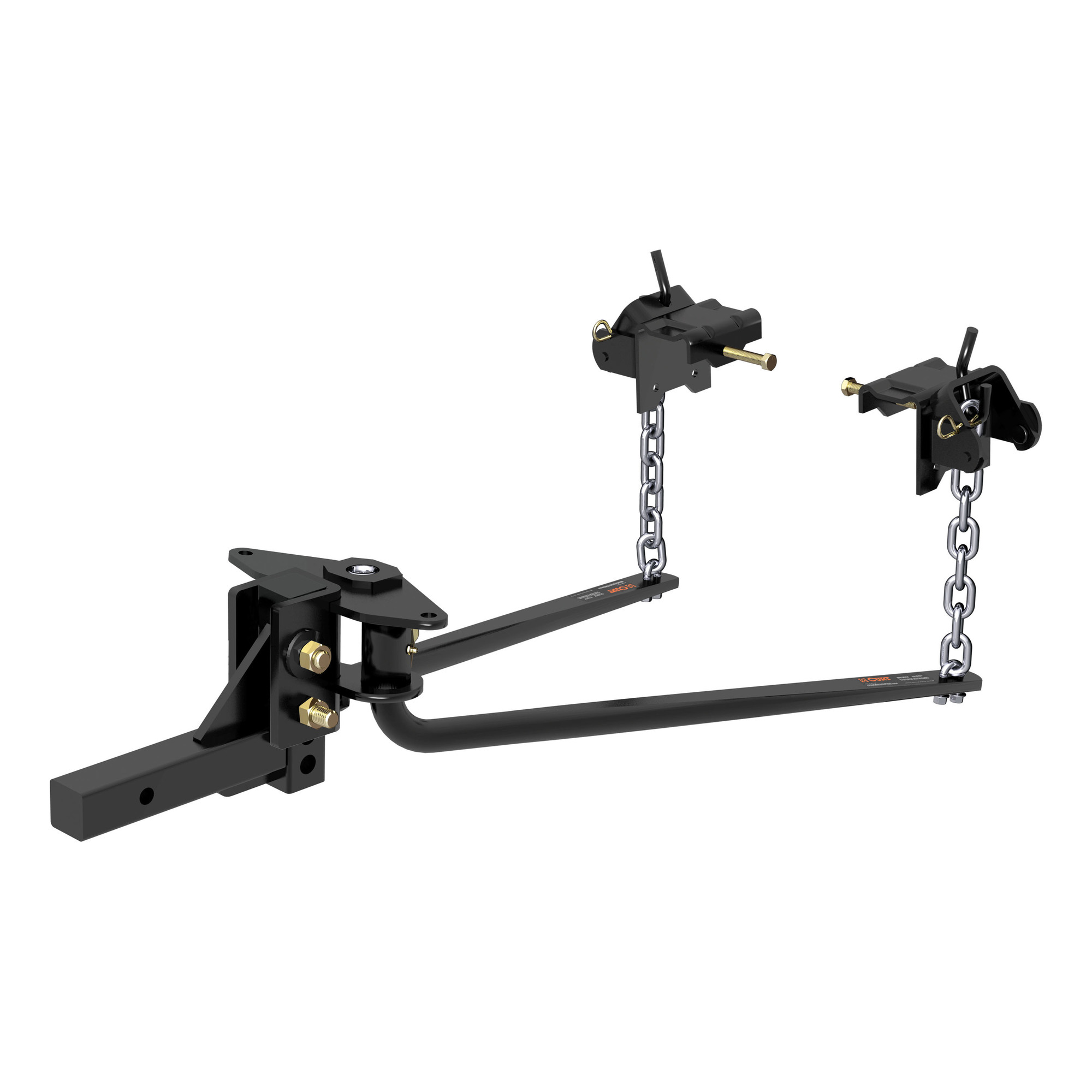
Towing is safest when the tongue weight of a trailer is kept near or below 10 to 15 percent of the load you are hauling. If the tongue weight of your trailer exceeds those numbers, you most likely need a weight-distribution hitch to tow safely. Keeping the weight of the trailer distributed evenly with a weight-distribution hitch will help reduce the chances of losing control while towing. The main functions of a weight-distribution hitch include the prevention of too little weight on the tongue, which may result in uncontrollable trailer swaying, or too much weight on the tongue, which can cause the front of a trailer to dive down while being towed, making the trailer hard to control. By using a weight-distribution hitch device, you can help to relieve part of the incredible stress put on a vehicle's bumper during heavy towing applications. So, these weight distribution hitches and kits can not only increase maneuverability and safety on the road while reducing trailer sway and sagging, but they can also help prevent unnecessary wear and tear on the tow vehicle, as well. Our selection of weight distribution hitches includes models to fit different ball sizes as well as handle a variety of maximum gross trailer weights. These hitches make it possible for drivers to steer, turn and brake a fully loaded trailer more effectively, offering increased control. It's important to know not only the gross trailer weight but the tongue weight of your loaded trailer, too, to make the proper choice of a weight-distribution hitch. Using a weight-distribution hitch won't increase your available tow weight, but it can certainly help to make the trip safer. And certain circumstances require a weight-distribution hitch to be used by law, so it is important to know the specifications of your trailer and the laws of your area and use a weight-distribution hitch accordingly.
Weight Distribution Kit Frequently Asked Questions:
Why is it important to properly distribute weight on a trailer?
Distributing weight on a trailer properly is critical to preventing undue stress on a tow vehicle and thereby preventing extreme sway, loss of control and possibly a serious accident.
Are weight distribution kits compatible with all types of trailers?
In short, no. It’s important to know the ball weight capacity of your vehicle and buy the weight distribution kit compatible with that weight.
How do I determine the correct weight distribution kit for my trailer and towing setup?
You can determine the correct weight distribution by weighing your vehicle both with the load you plan to haul and without the load. Next subtract the weight without the load from the weight with the load. This will give you the total weight of your load. Next add the total weight of your gear to the tongue weight of your trailer for a comprehensive weight. Finally, select a weight distribution hitch that will support both your load and your tongue weight. (This comprehensive weight must also be compatible with the ball weight capacity of your vehicle.)
What are the differences between a weight distribution kit and sway control devices?
These units are designed for different purposes. A weight distribution kit is used for transferring load weight toward the front wheel of the carrying vehicle, so most of the weight of the vehicle, load and trailer is carried by the hitch. A sway control device, such as a sway bar, on the other hand, is used to create resistance during turns and irregularities on the road.