Battery Chargers
Filters
1-48 of 86 Products

Item # 66721
Schumacher Wheeled Manual Battery Charger/Engine Starter, 6/12 Volt, 10/25/50/250 Amp, Model# SC1445
Item # 101898
Item # 101897
Item # 62071
Schumacher Wheeled Manual Battery Charger/Engine Starter, 6/12 Volt, 10/20/40/200 Amp, Model# SC1446
Item # 101899
Item # 66720
Item # 5820286
Item # 5820315
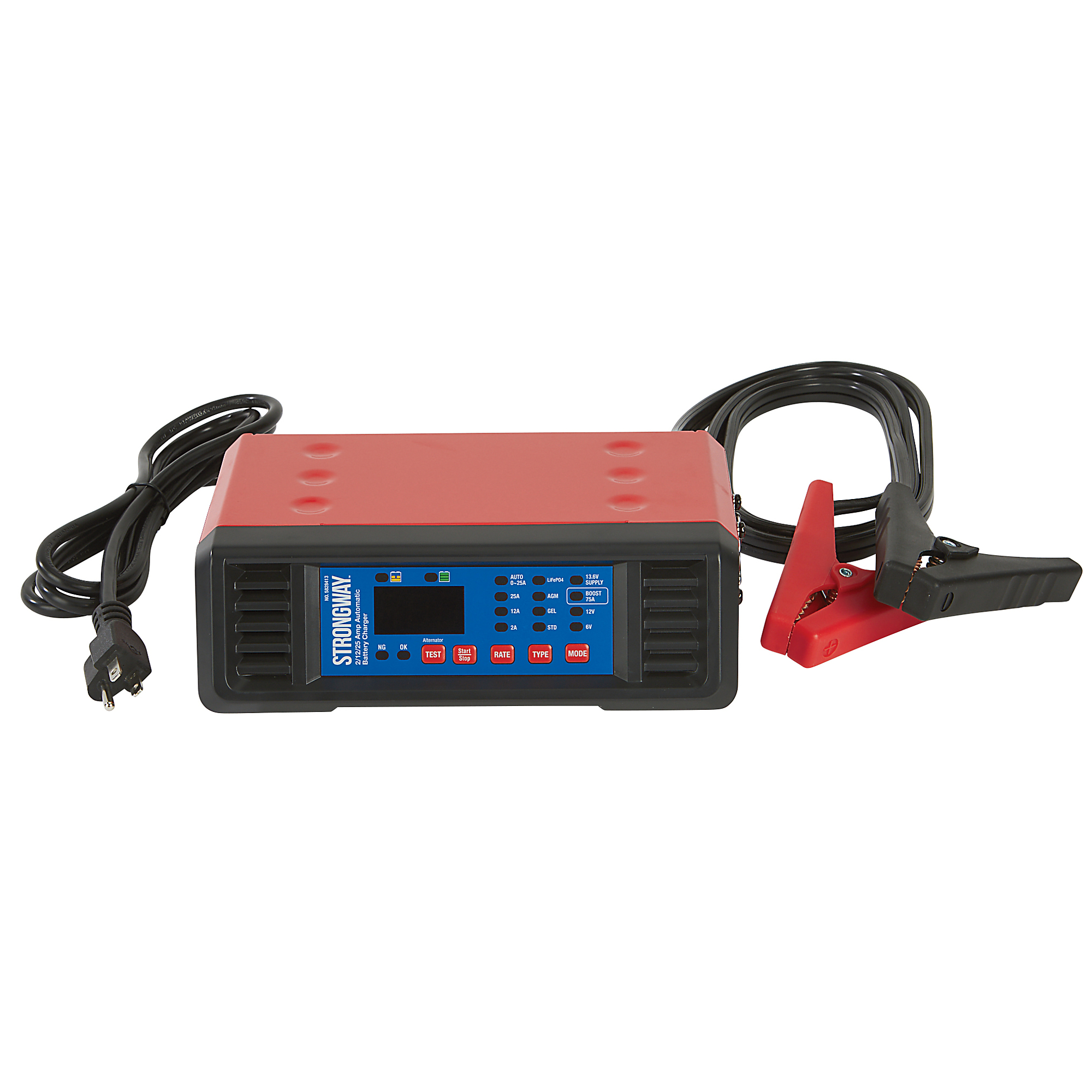
Item # 5828413
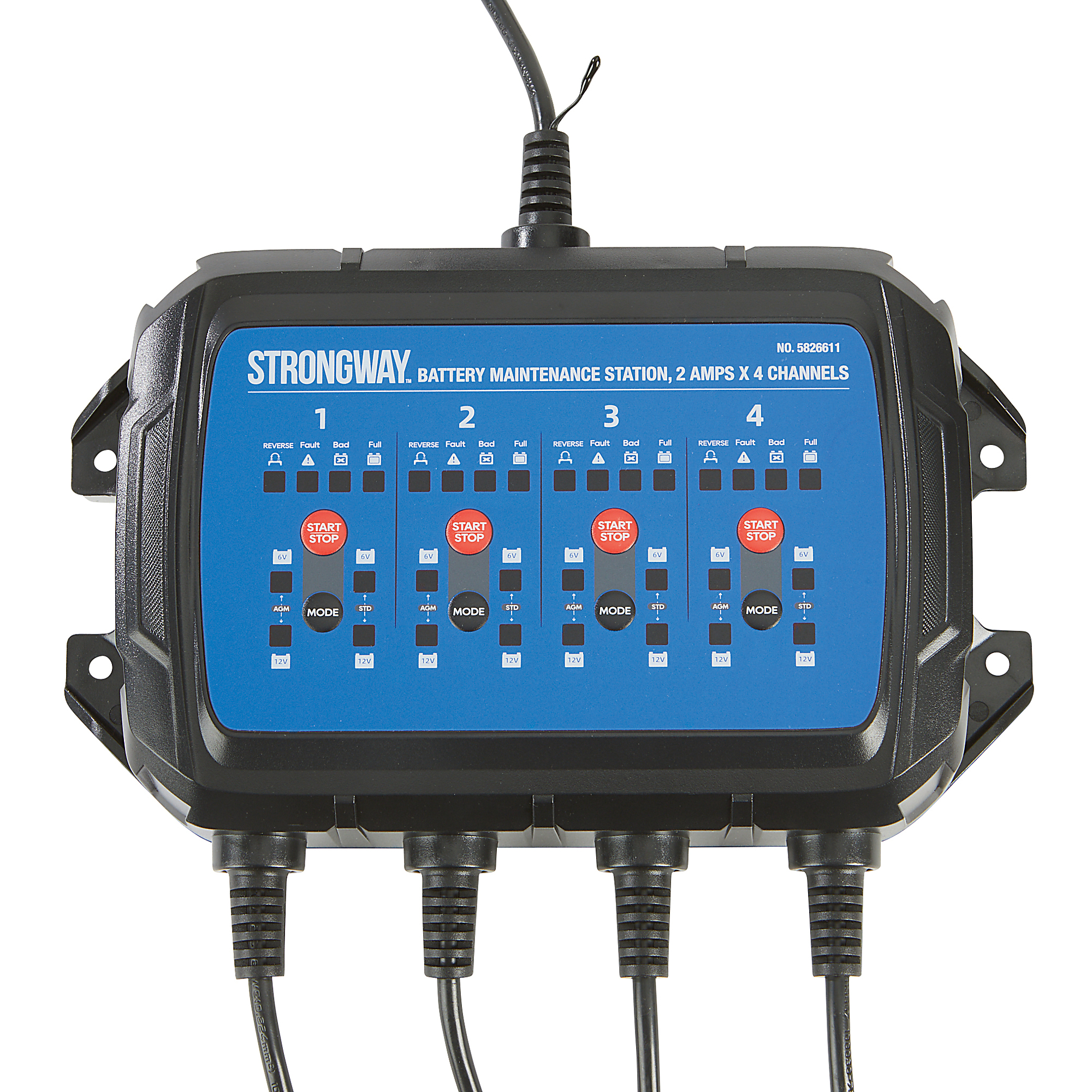
Item # 5826611
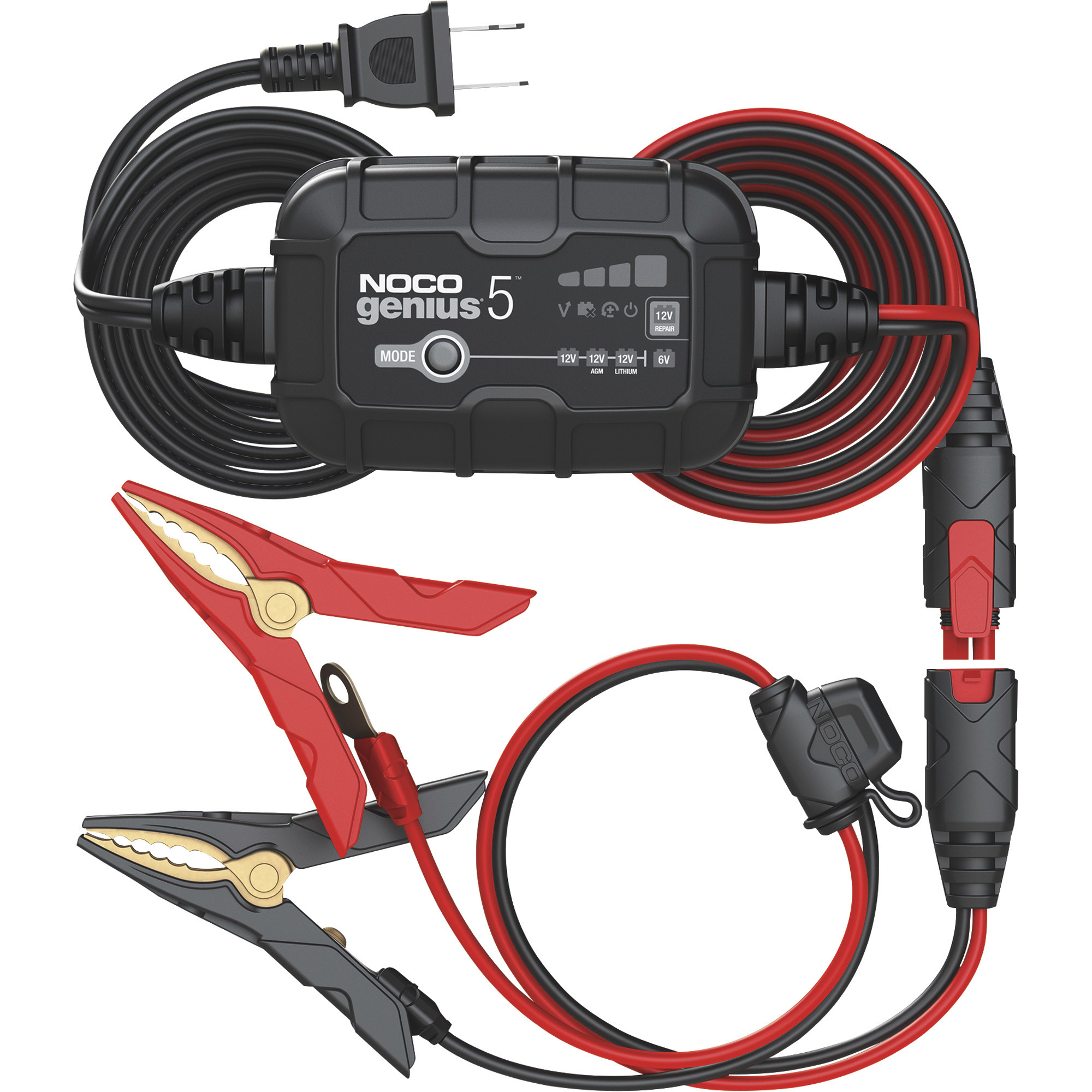
Item # 100871
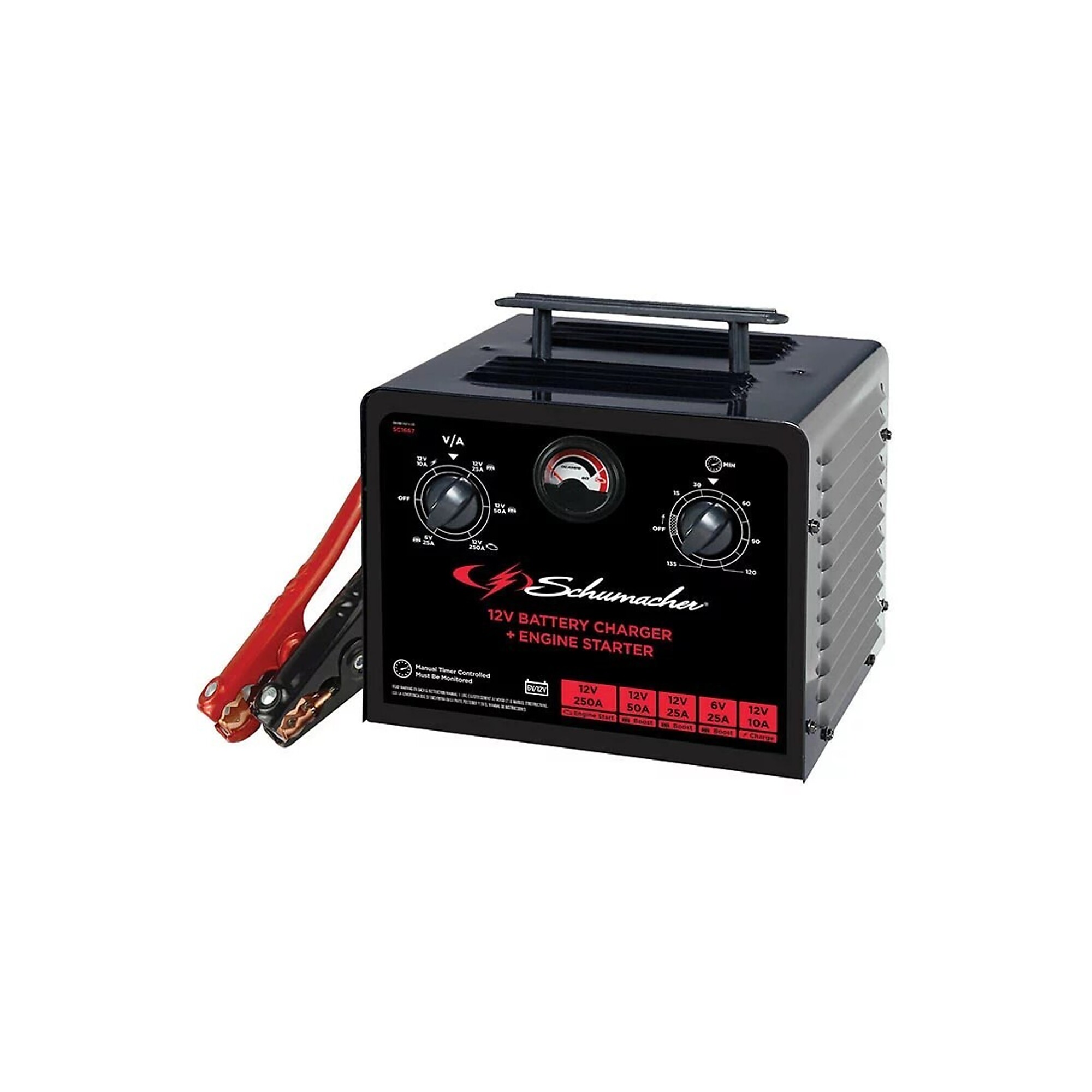
Item # 6157615
Item # 100868
Item # 81693
Item # 6612446
Item # 81766
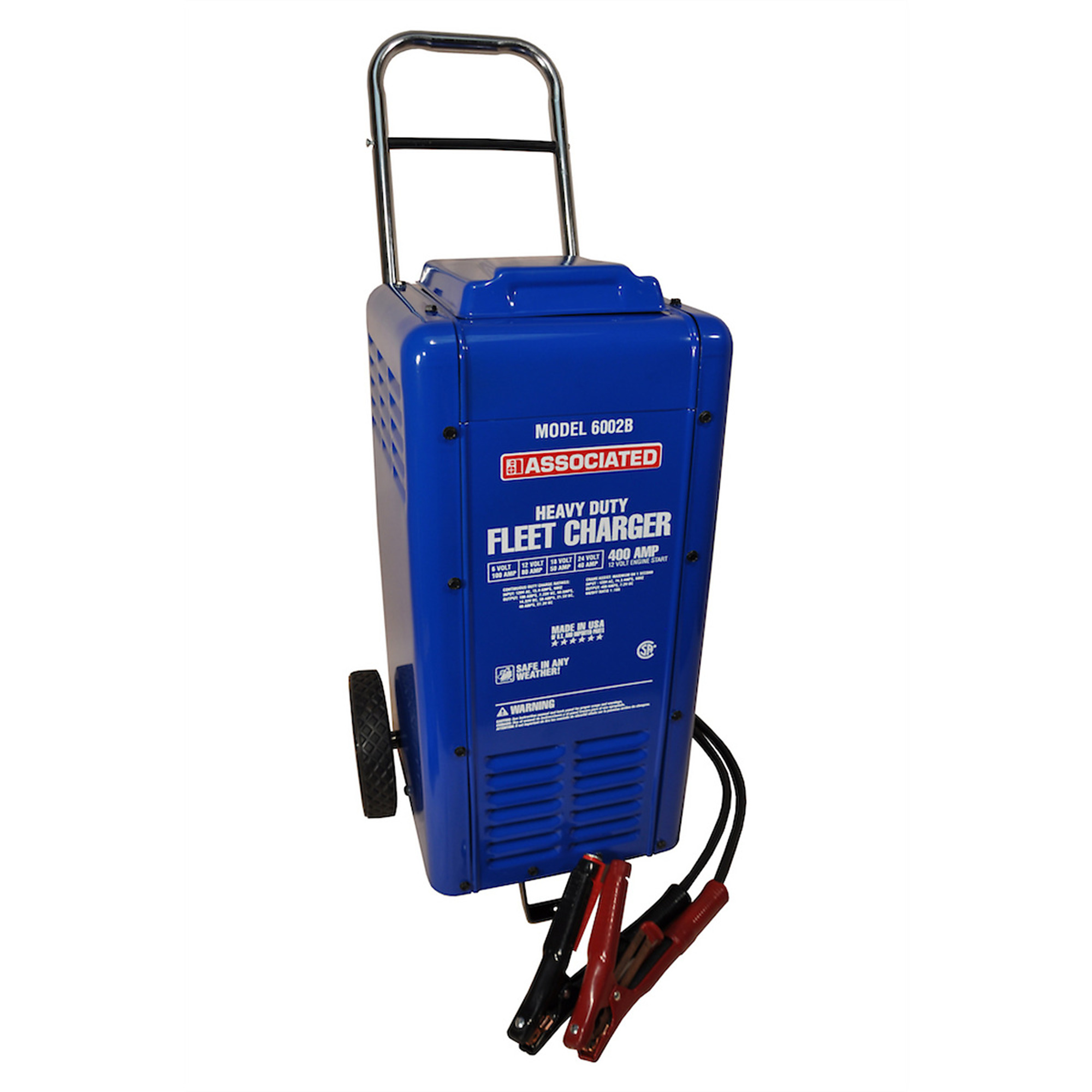
Item # 6502837
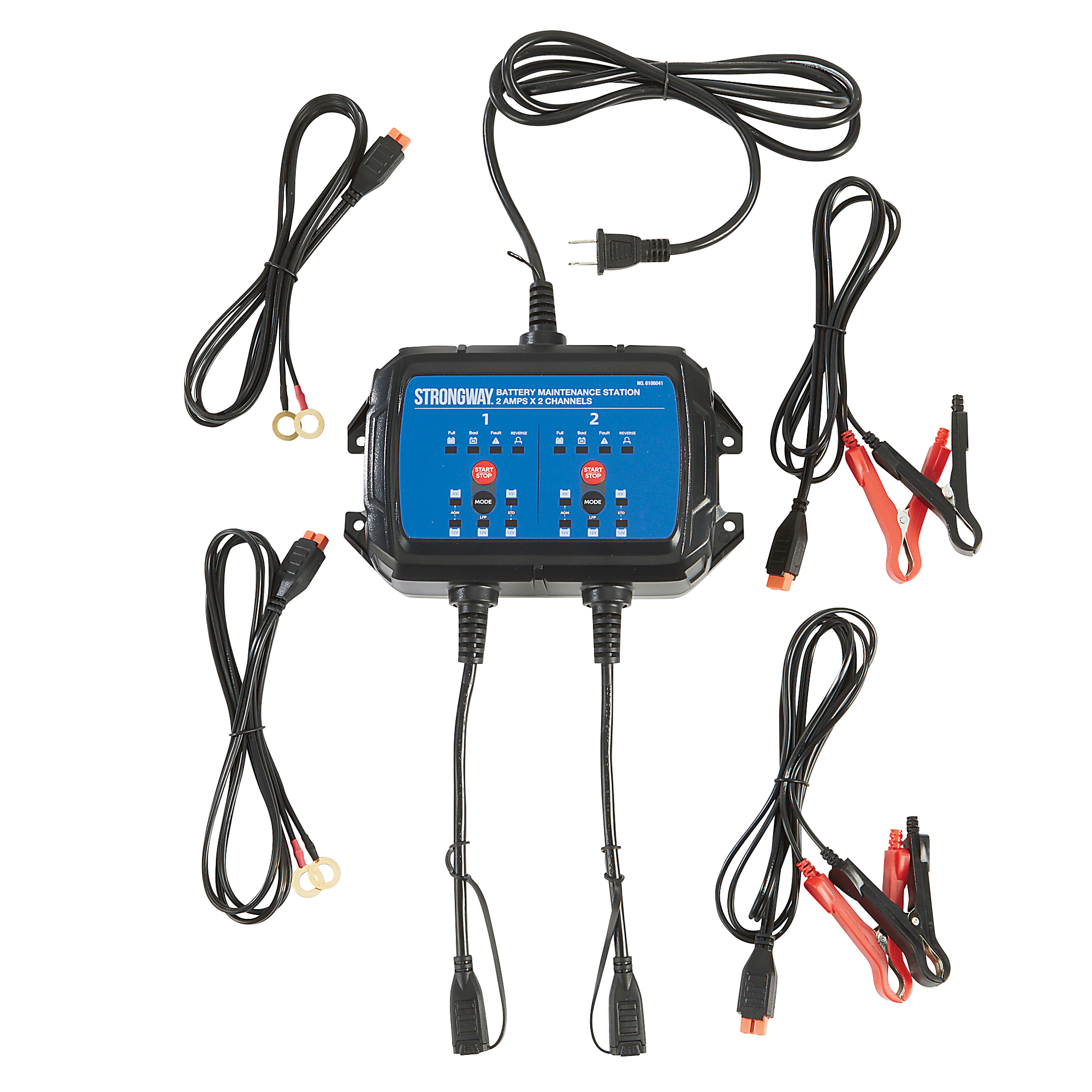
Item # 6106041
Order today to get this price.
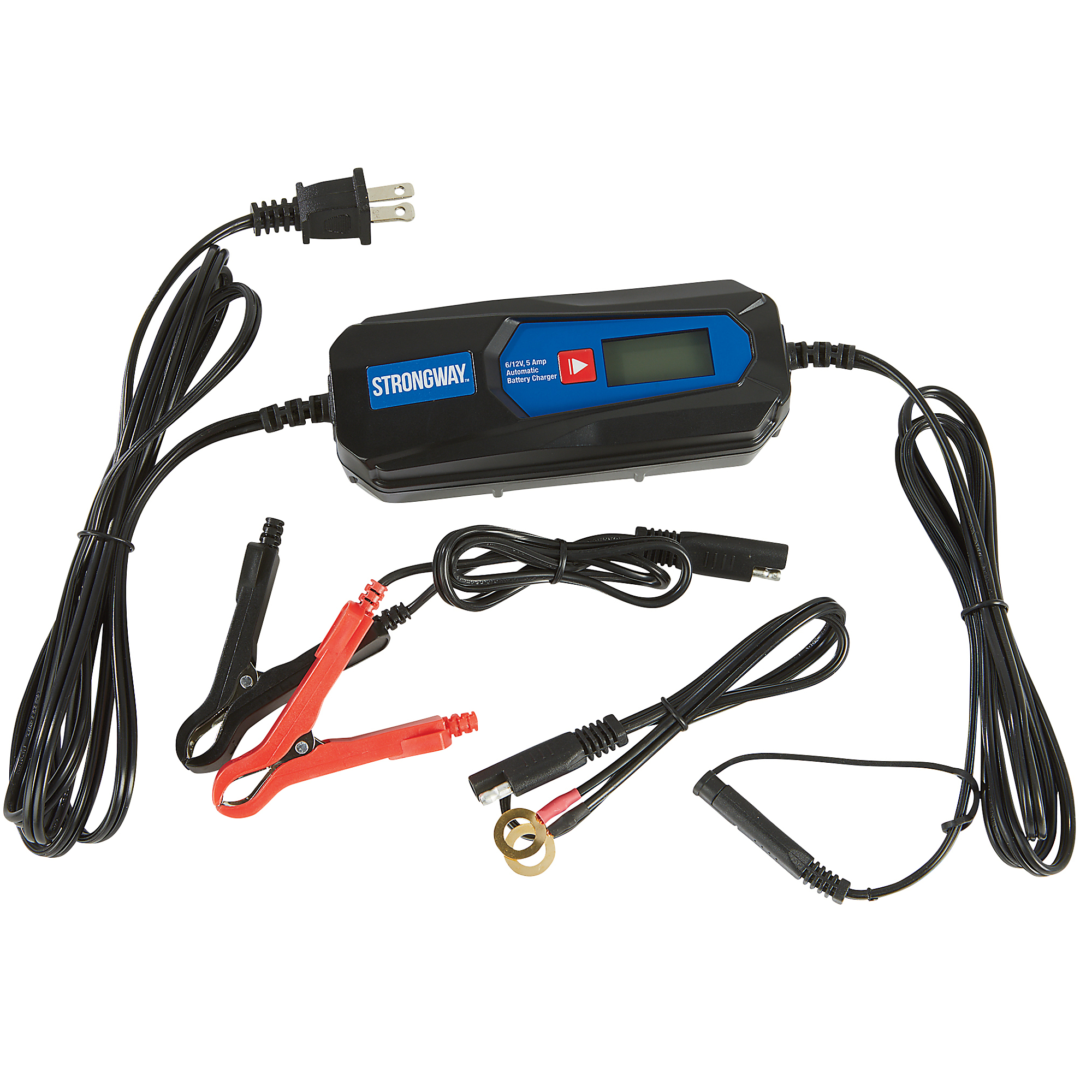
Item # 6106050
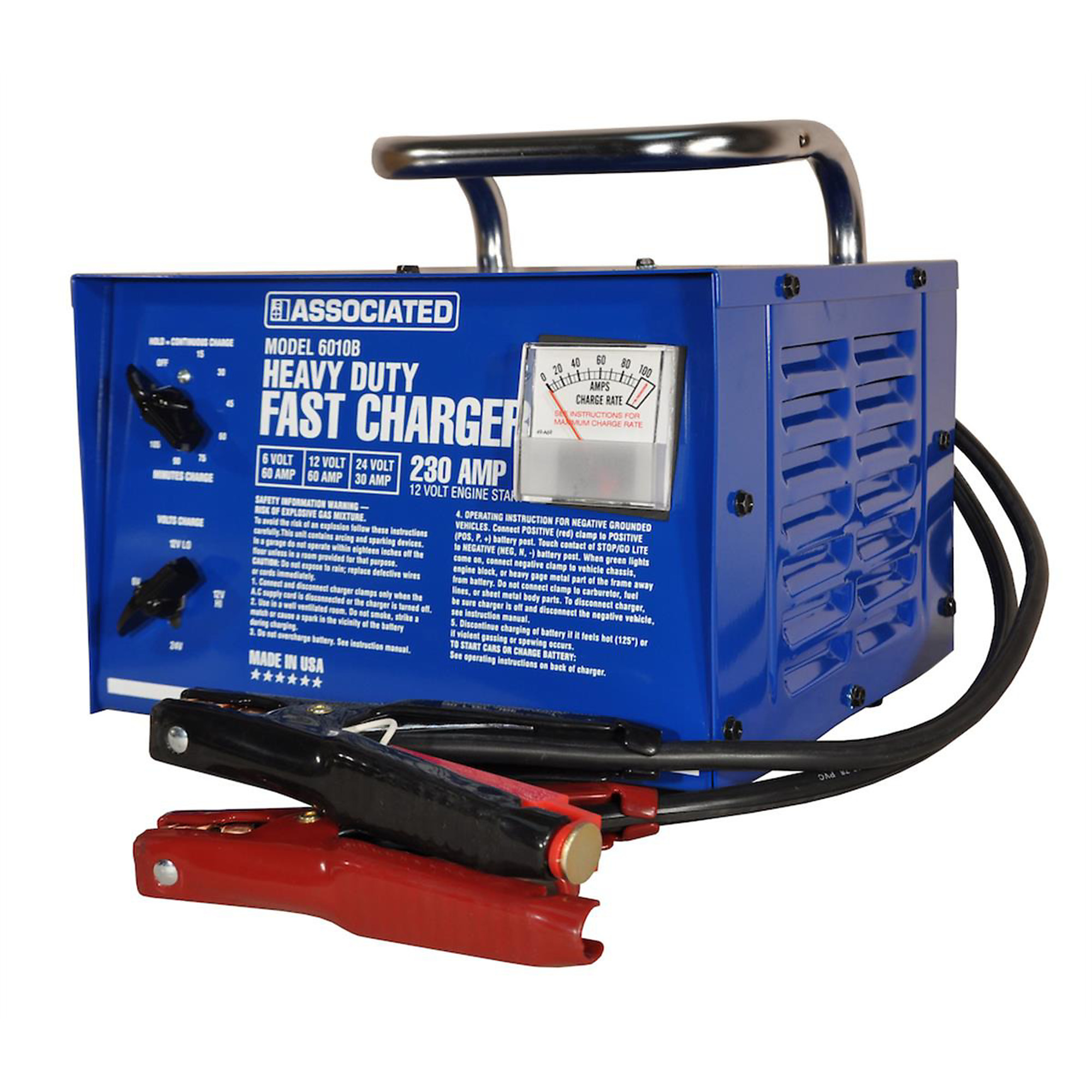
Item # 6502941
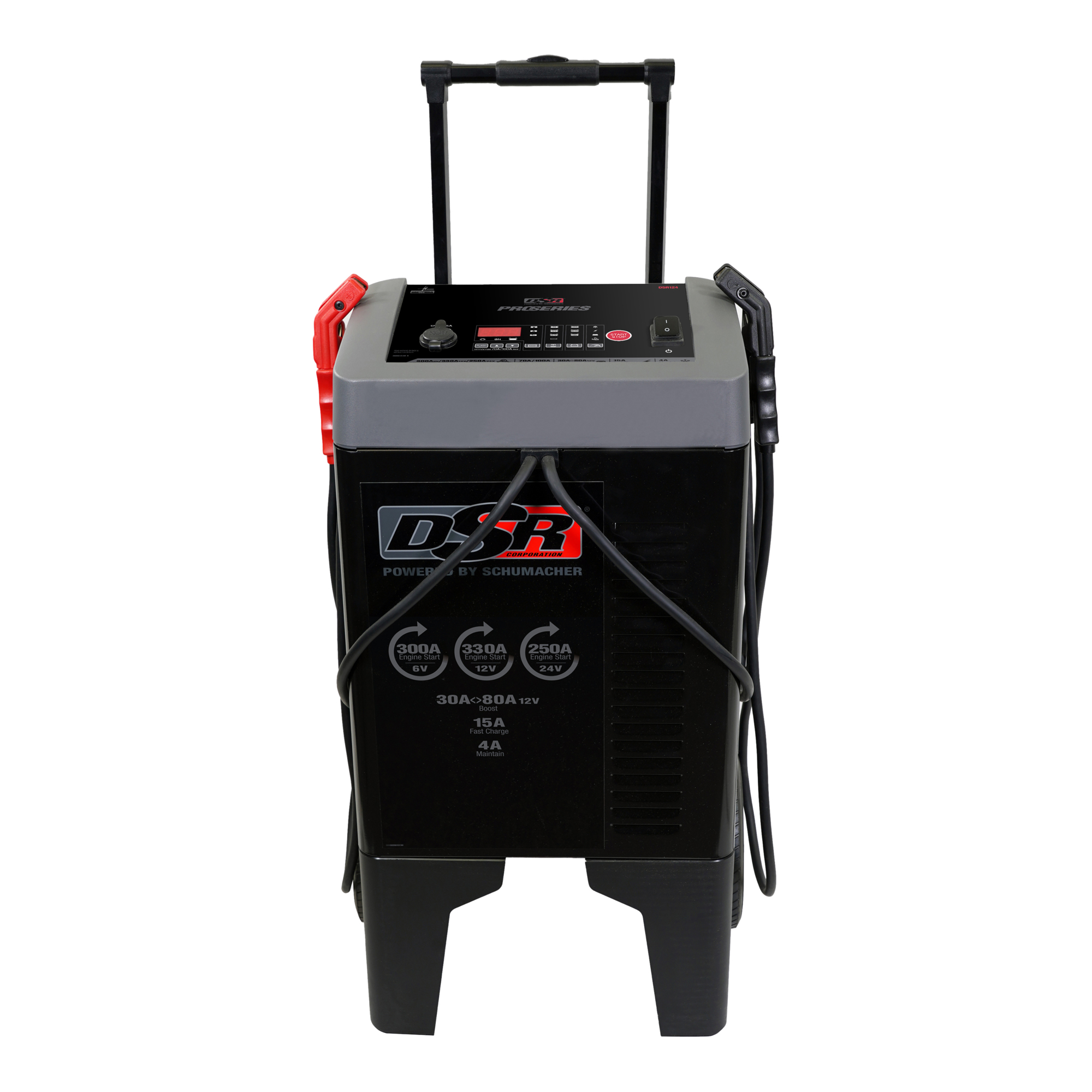
Schumacher DSR ProSeries Battery Charger/Engine Starter — 6/12/24V, 330 Amps, Wheeled, Model# DSR124
Item # 6625351
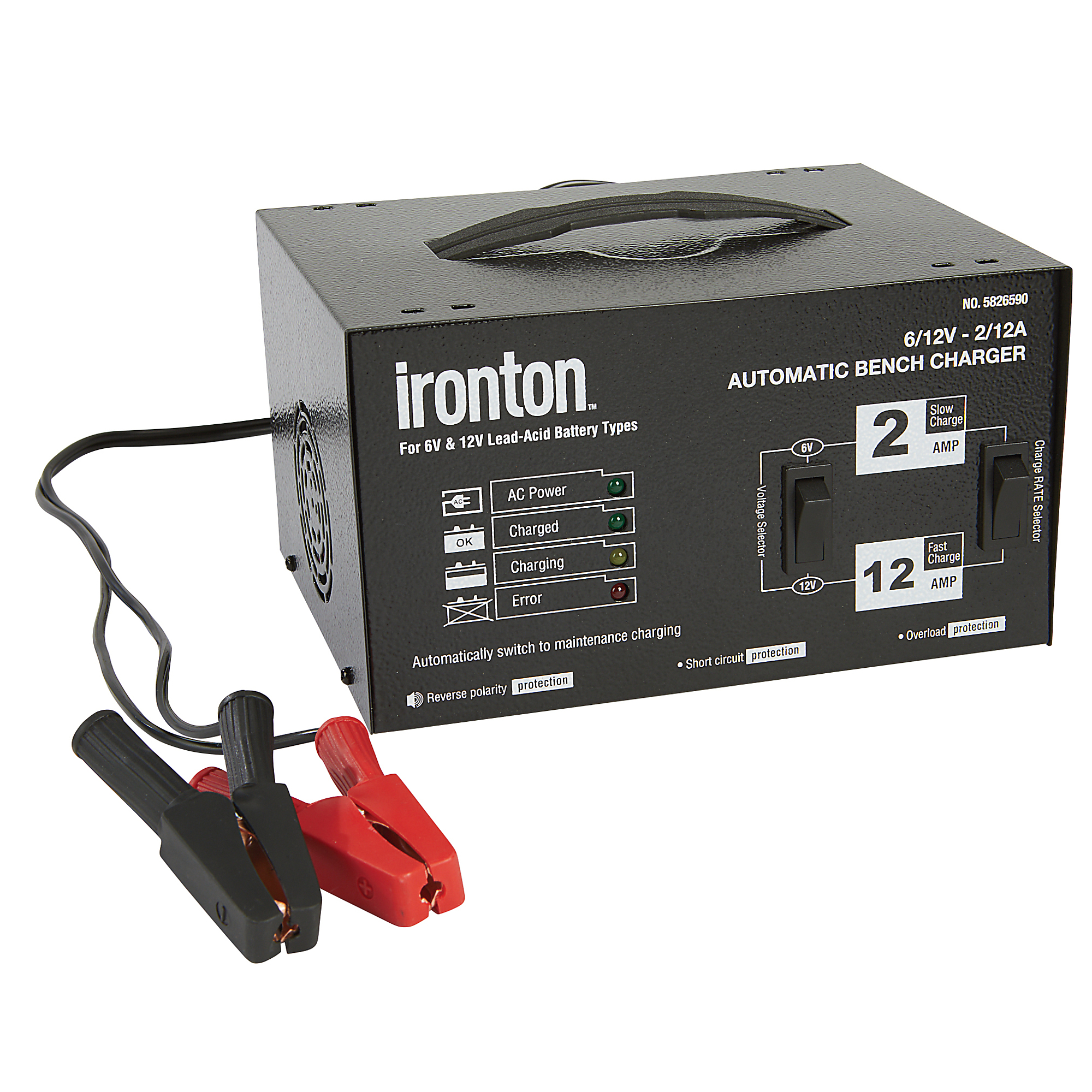
Item # 5826590
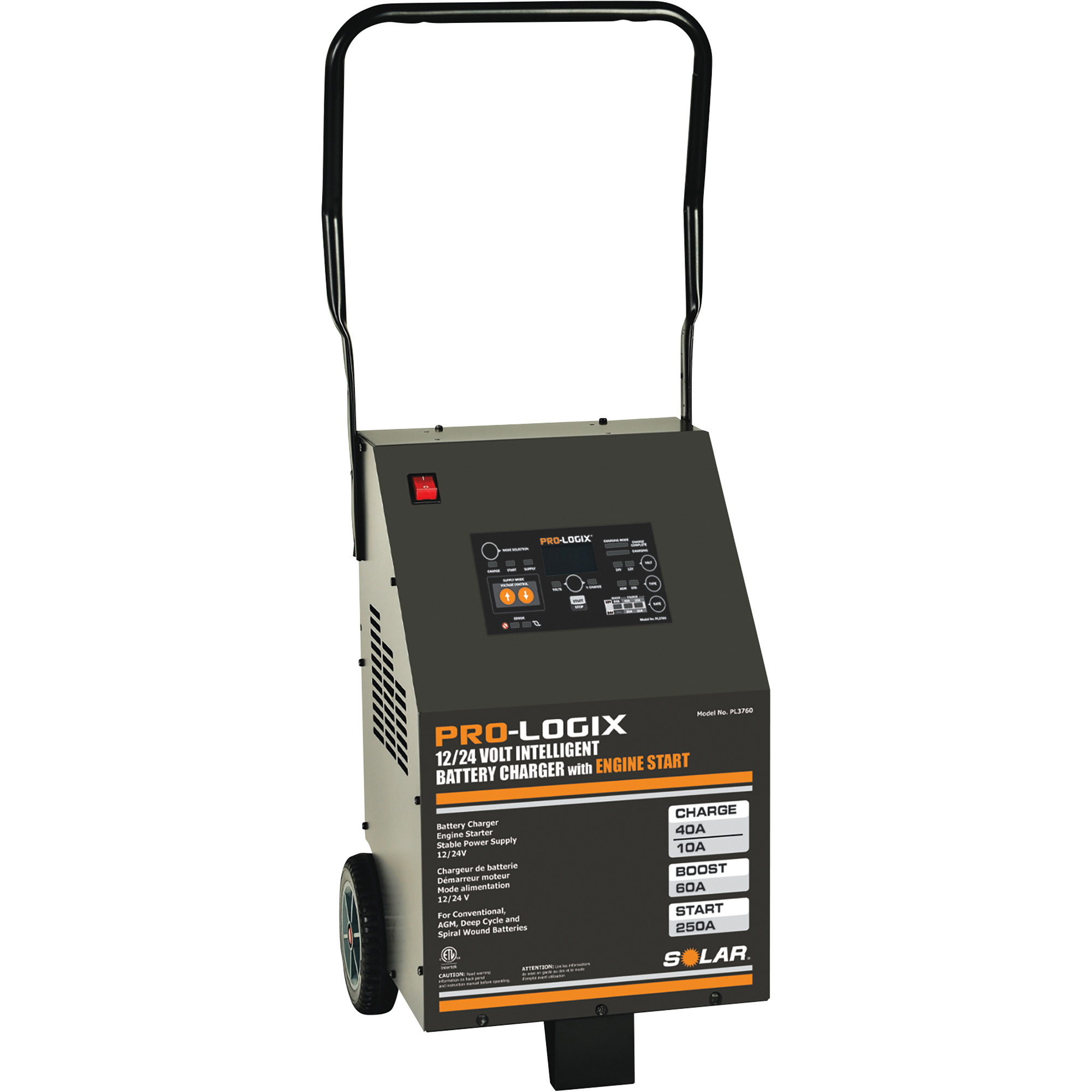
Item # 115189
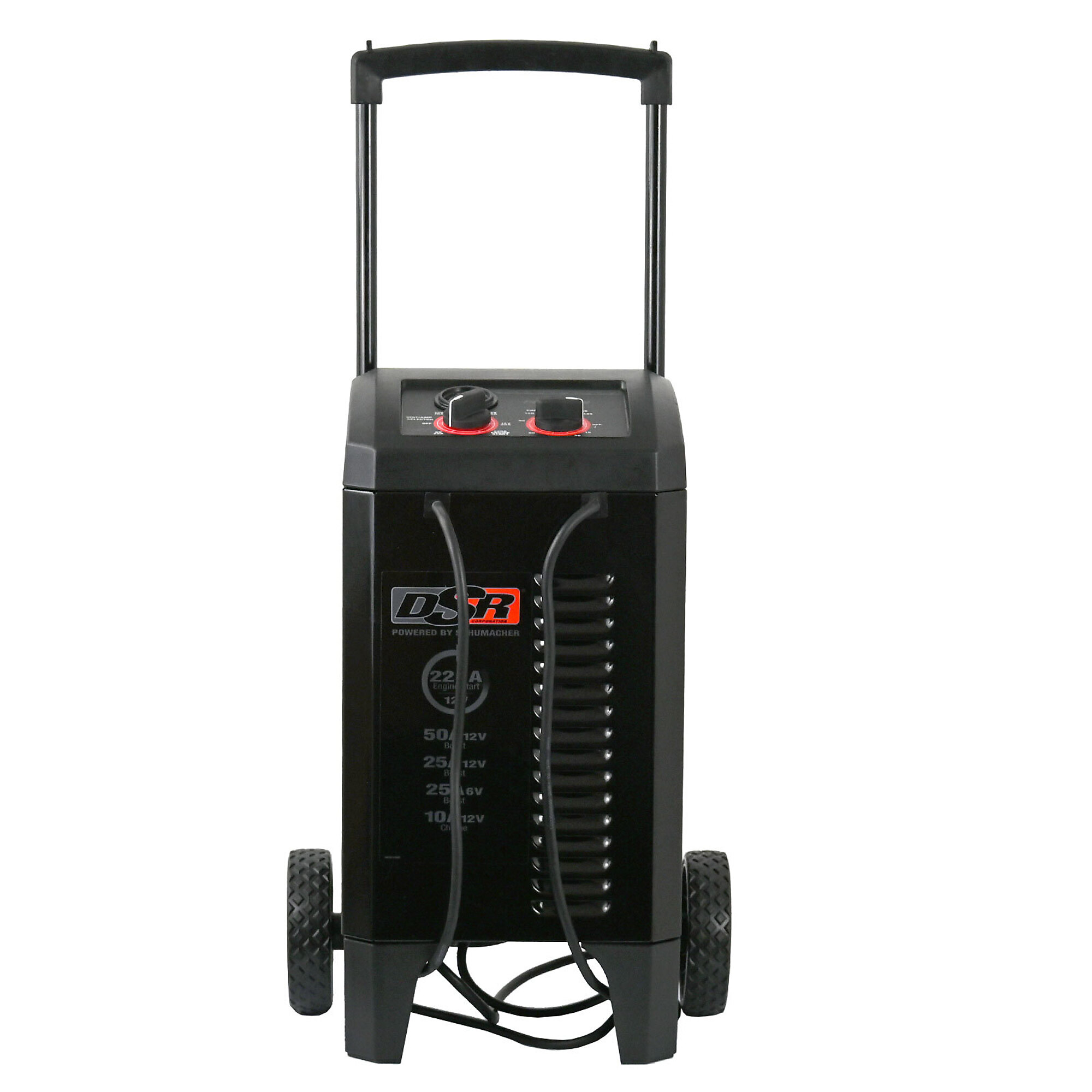
Item # 6612438
Item # 6625335
Item # 6612411
Item # 6136831
Item # 115183
Item # 109385
Item # 109388

Item # 115185
Item # 5472251
Item # 109389
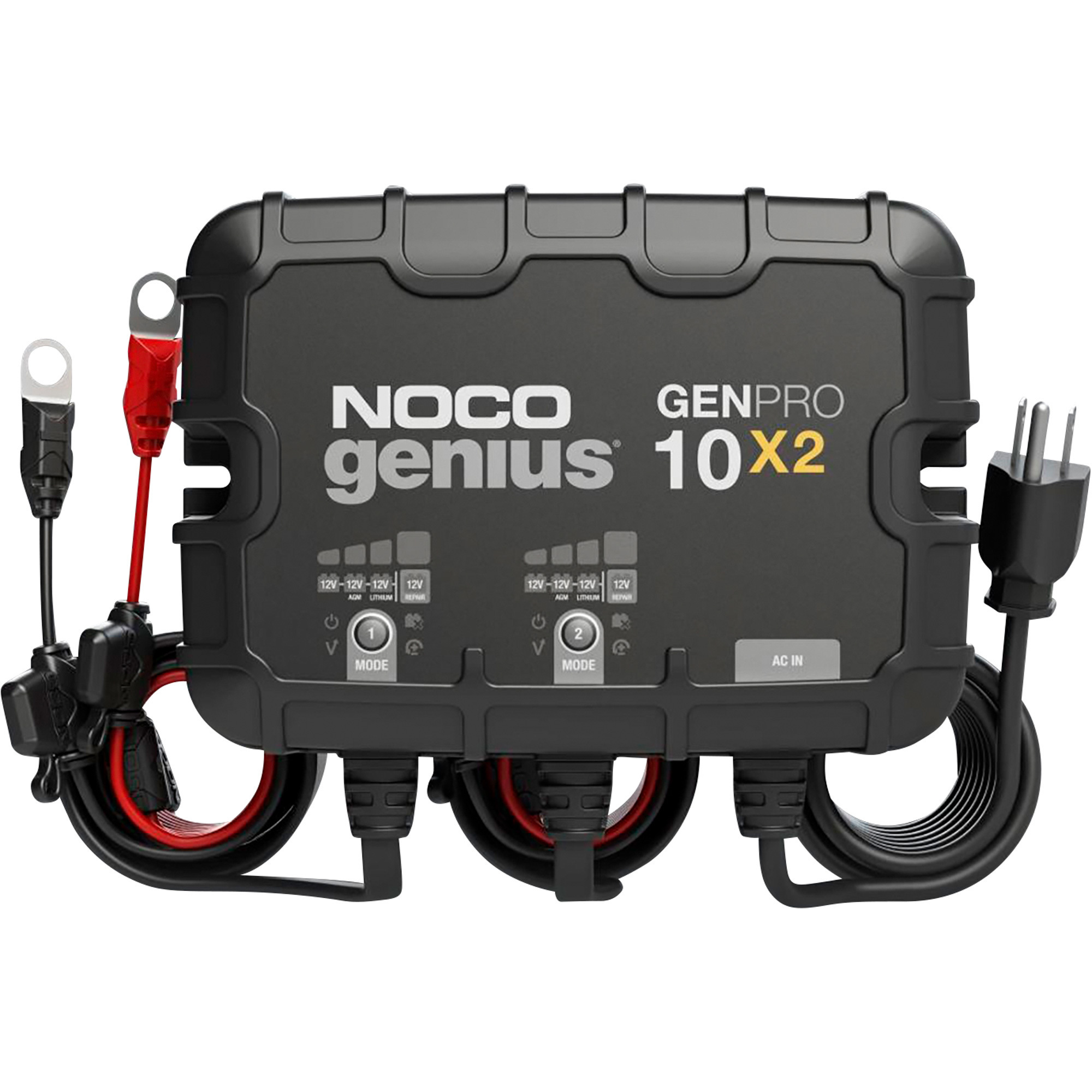
Item # 109386
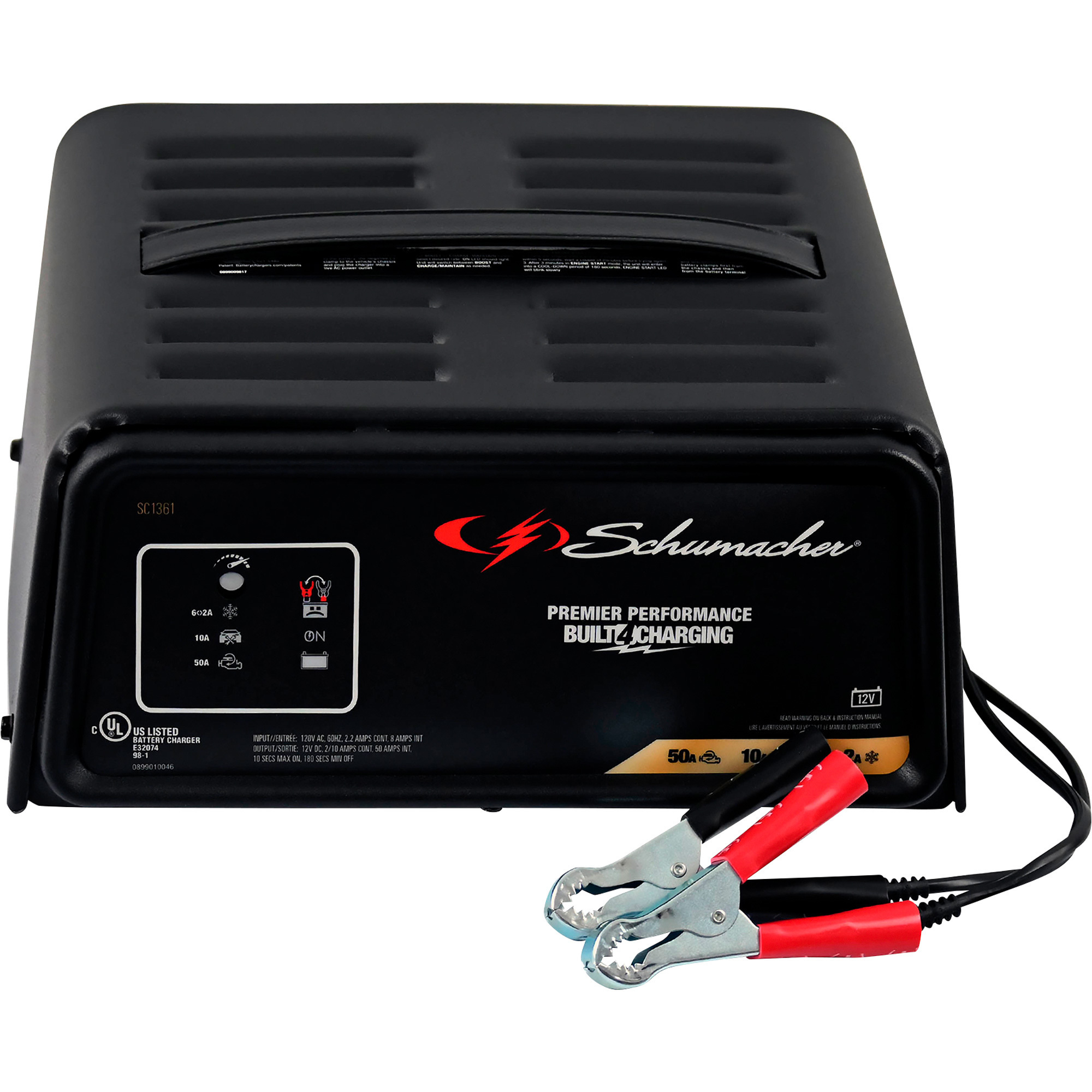
Item # 62079
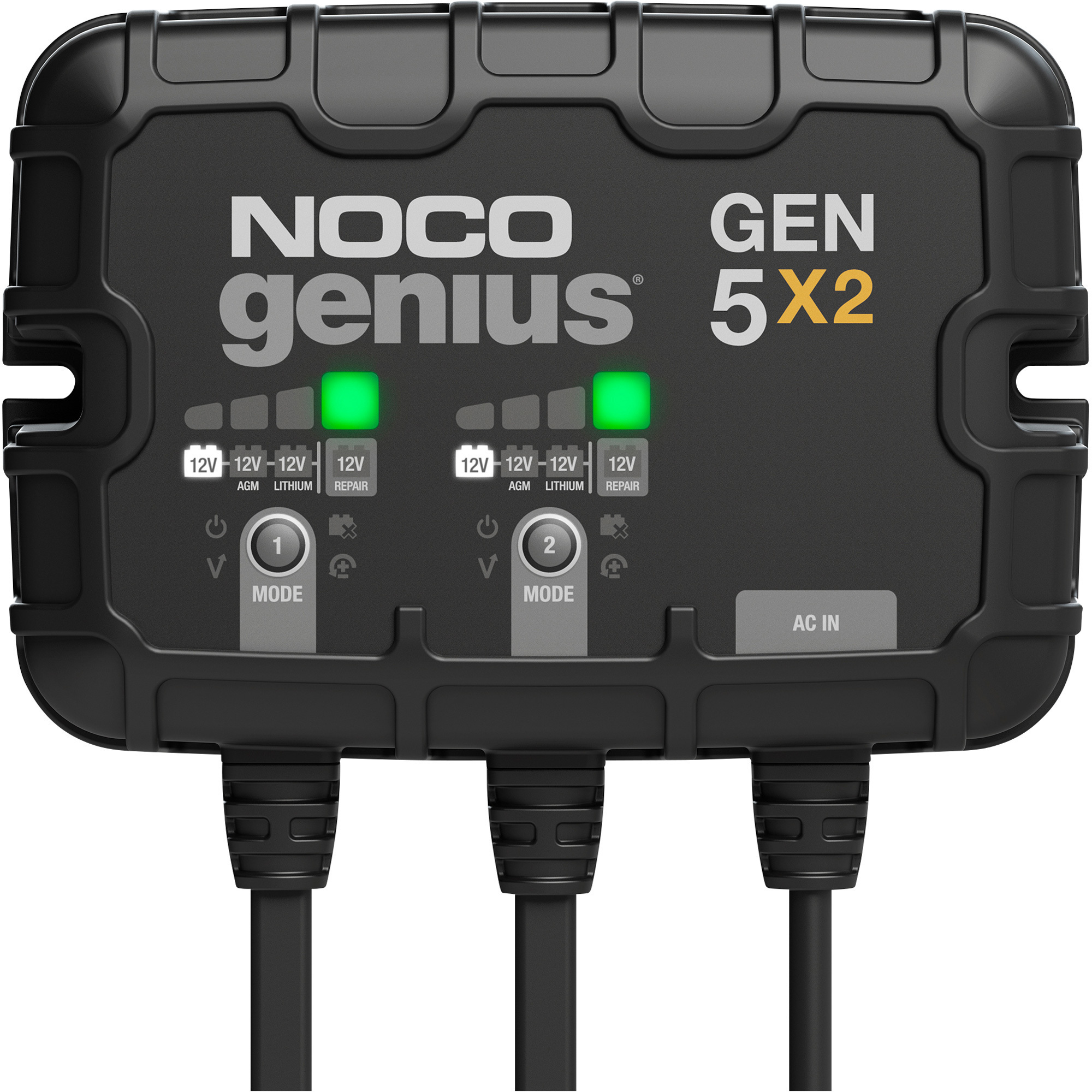
Item # 109390
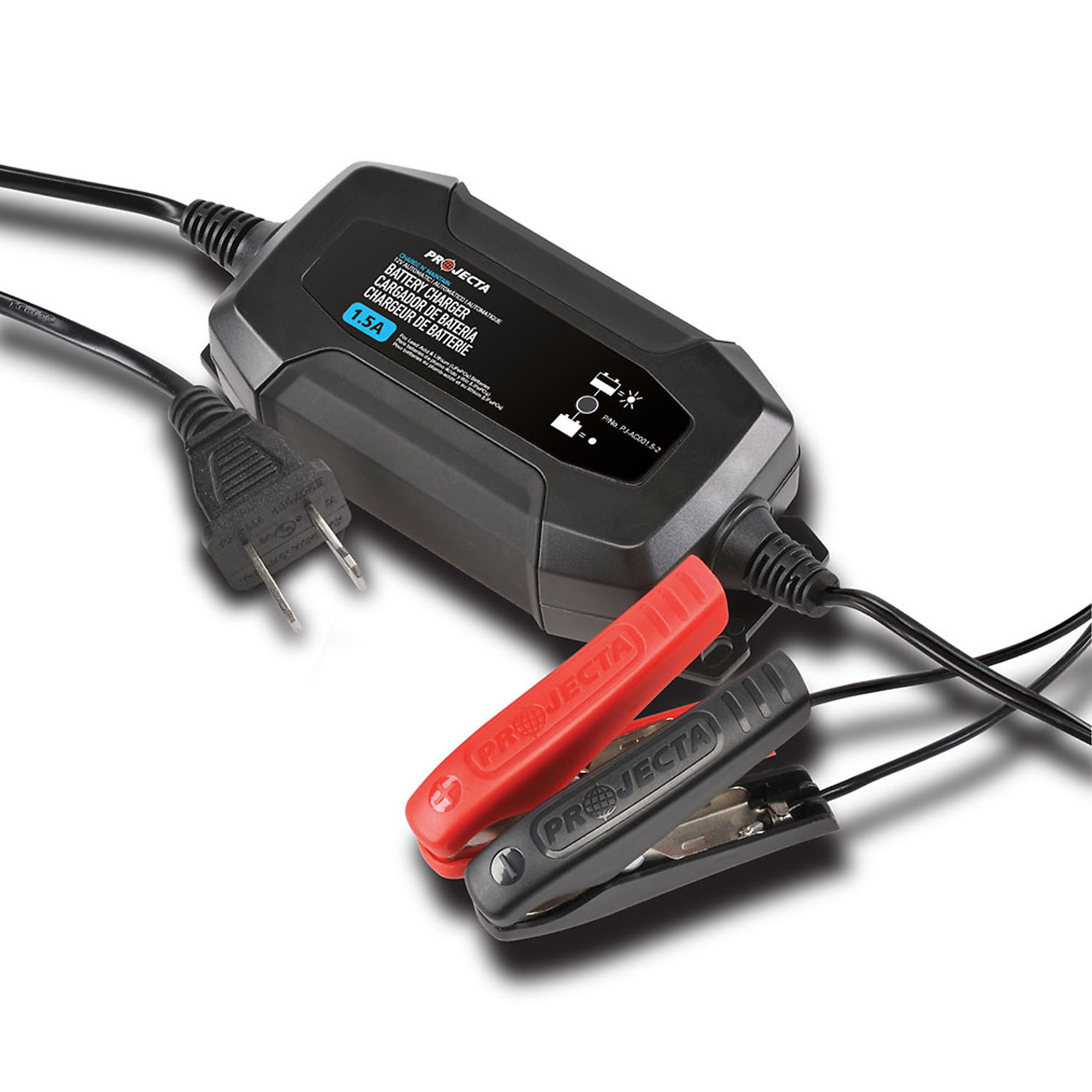
Item # 6029082
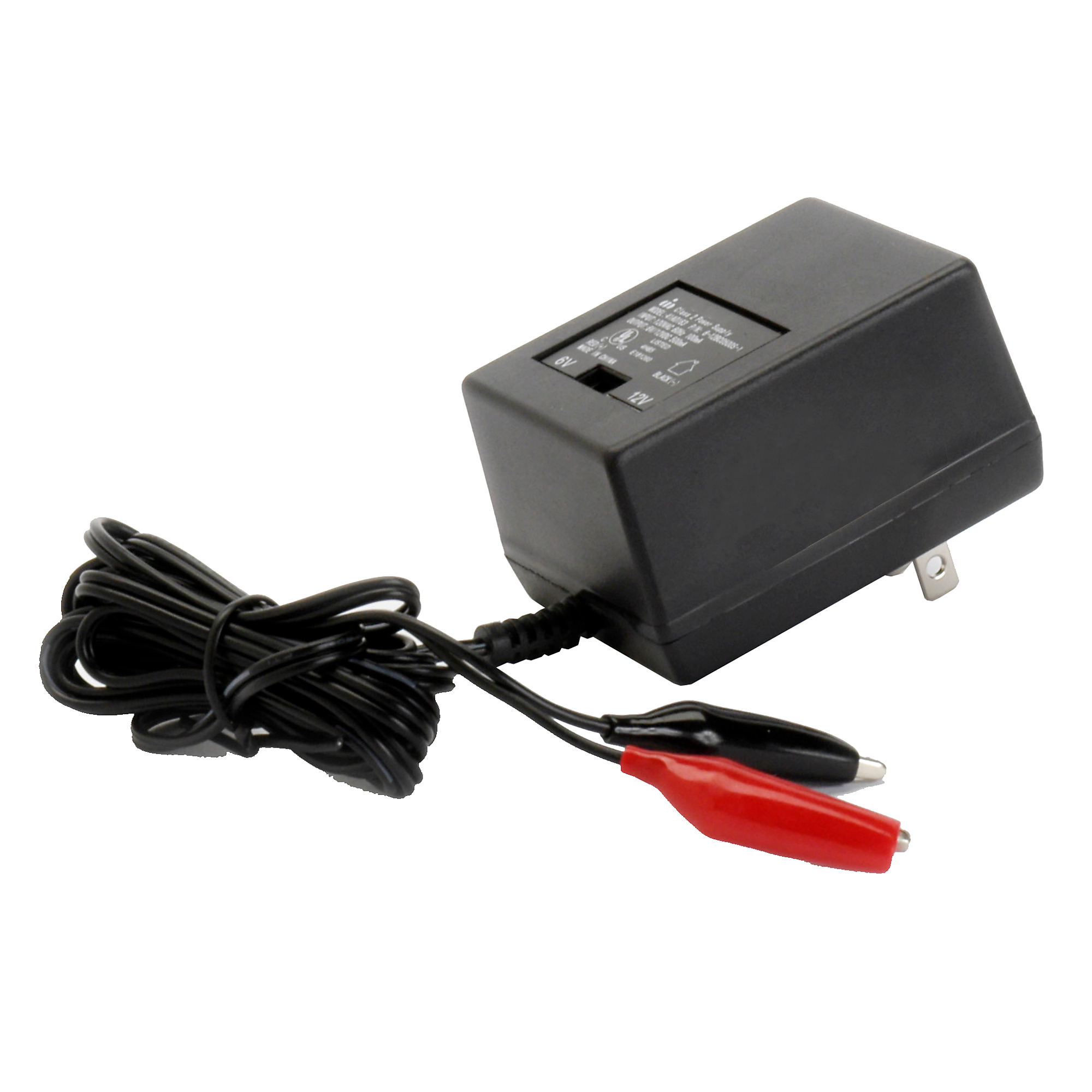
Item # 6136806
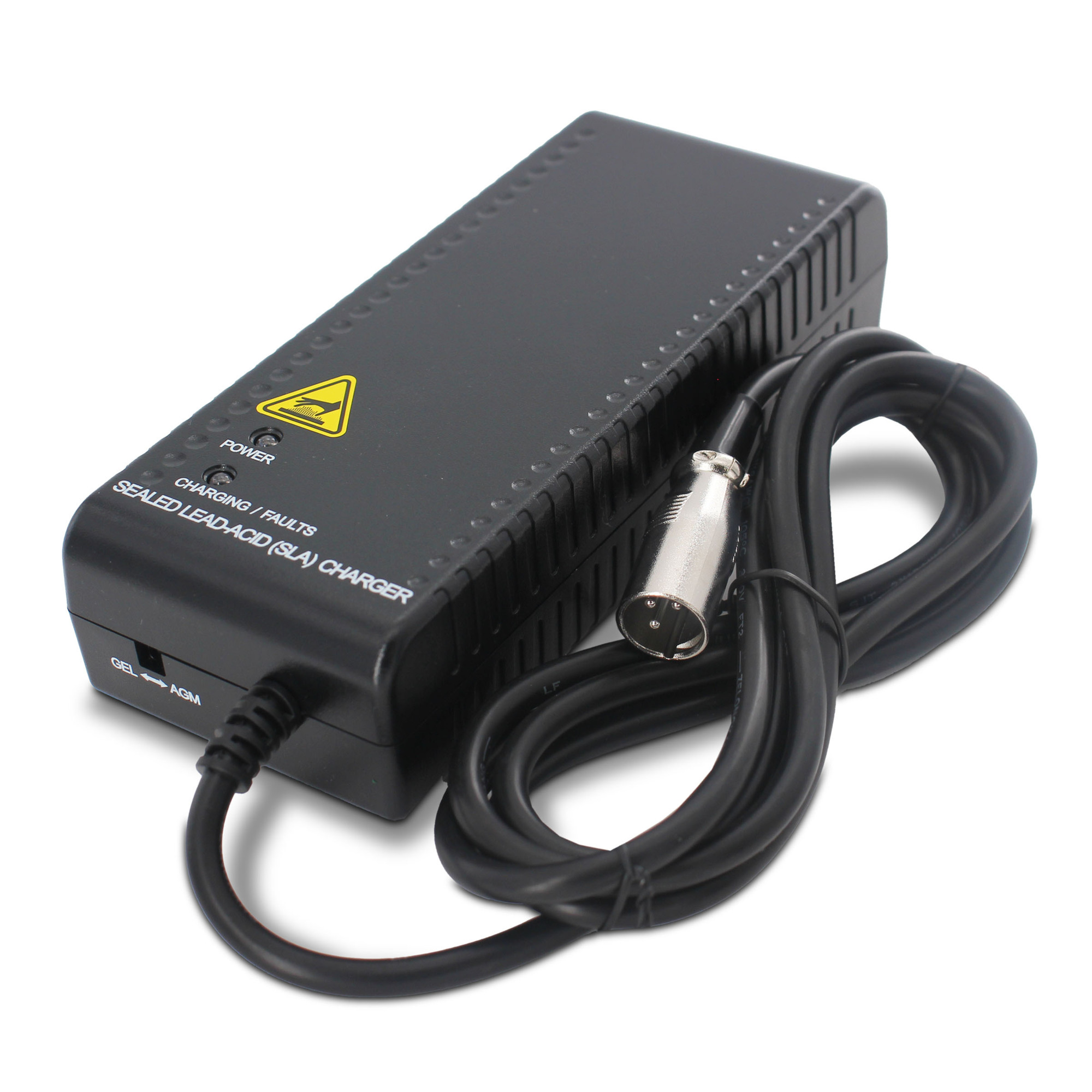
Item # 6136822
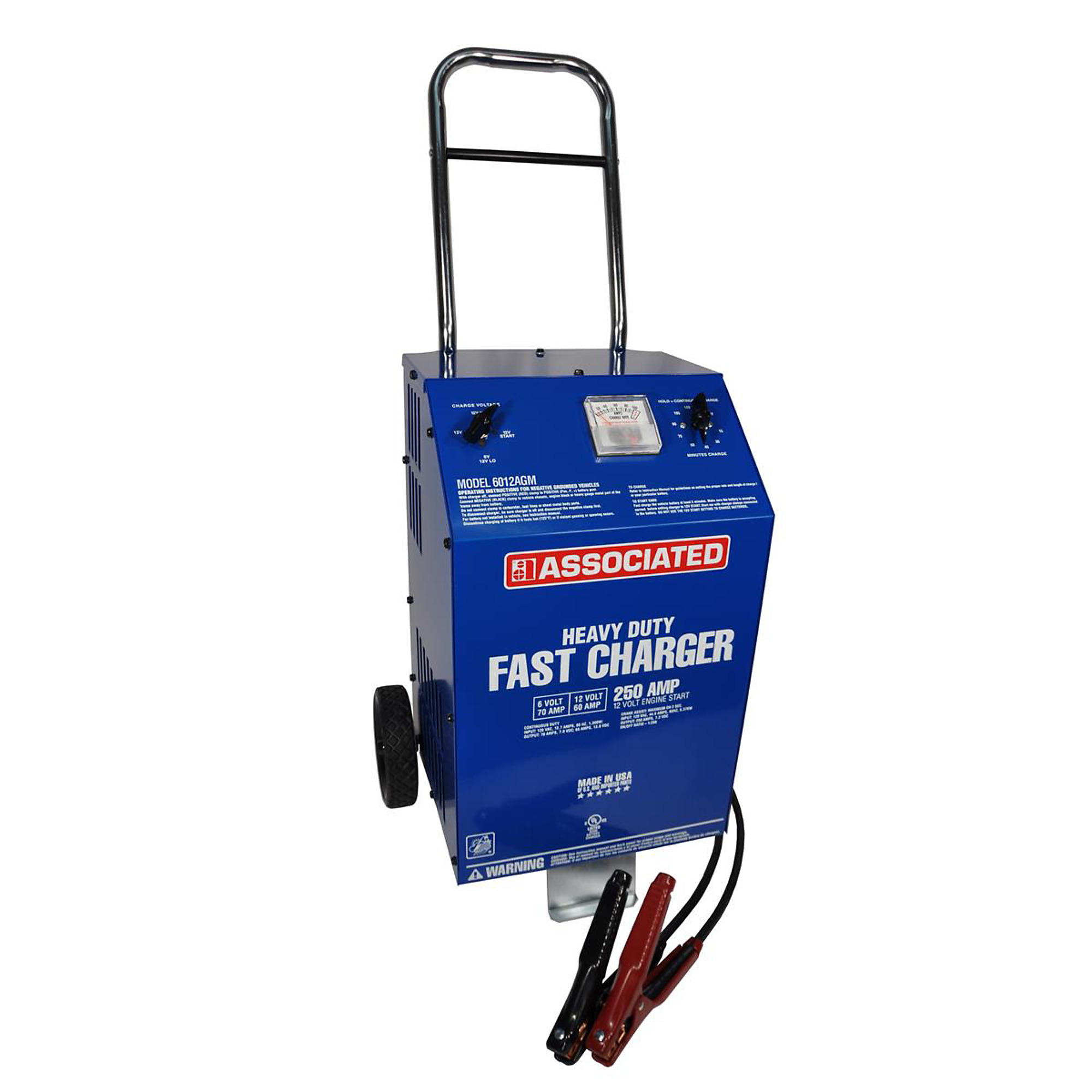
Item # 6502925
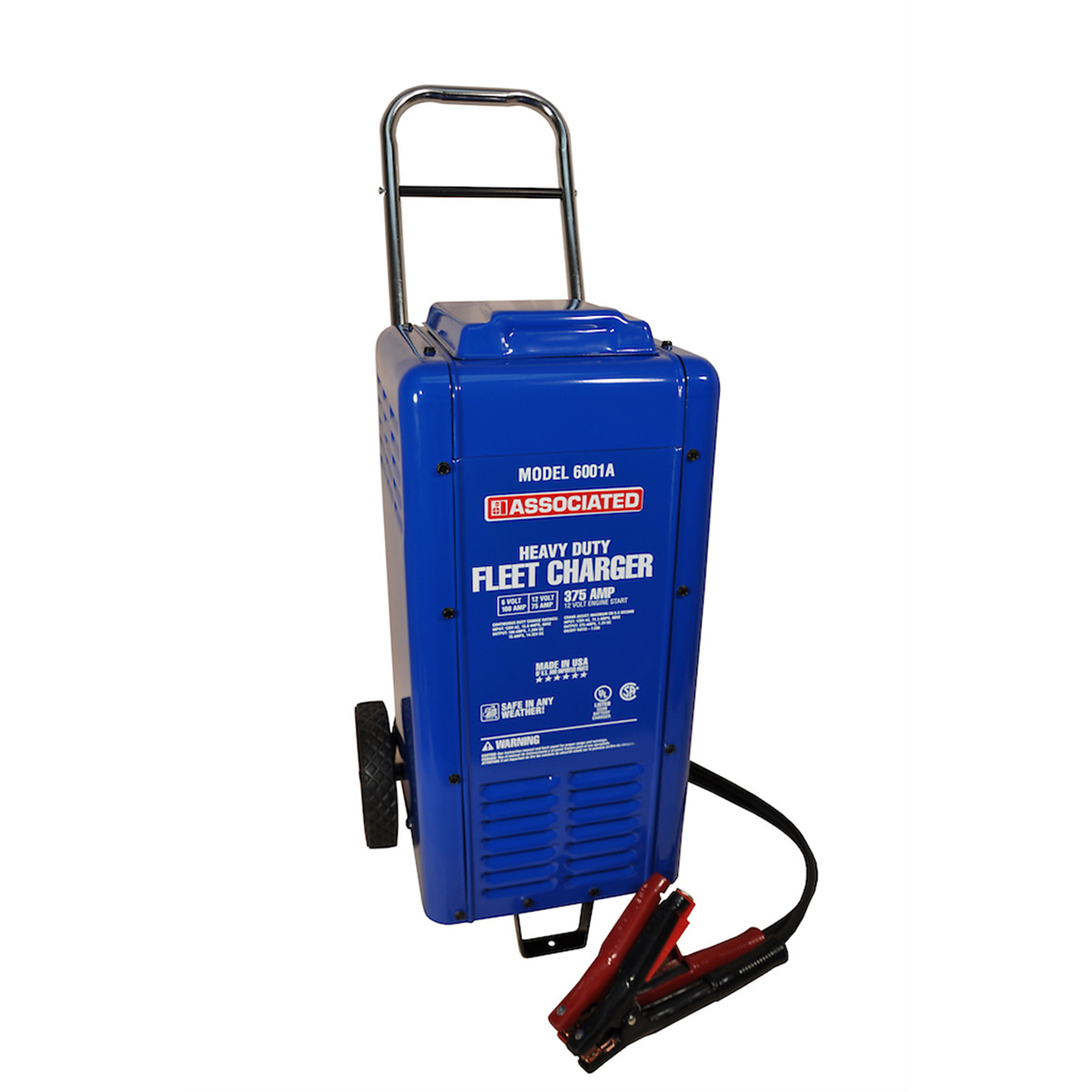
Item # 6502811
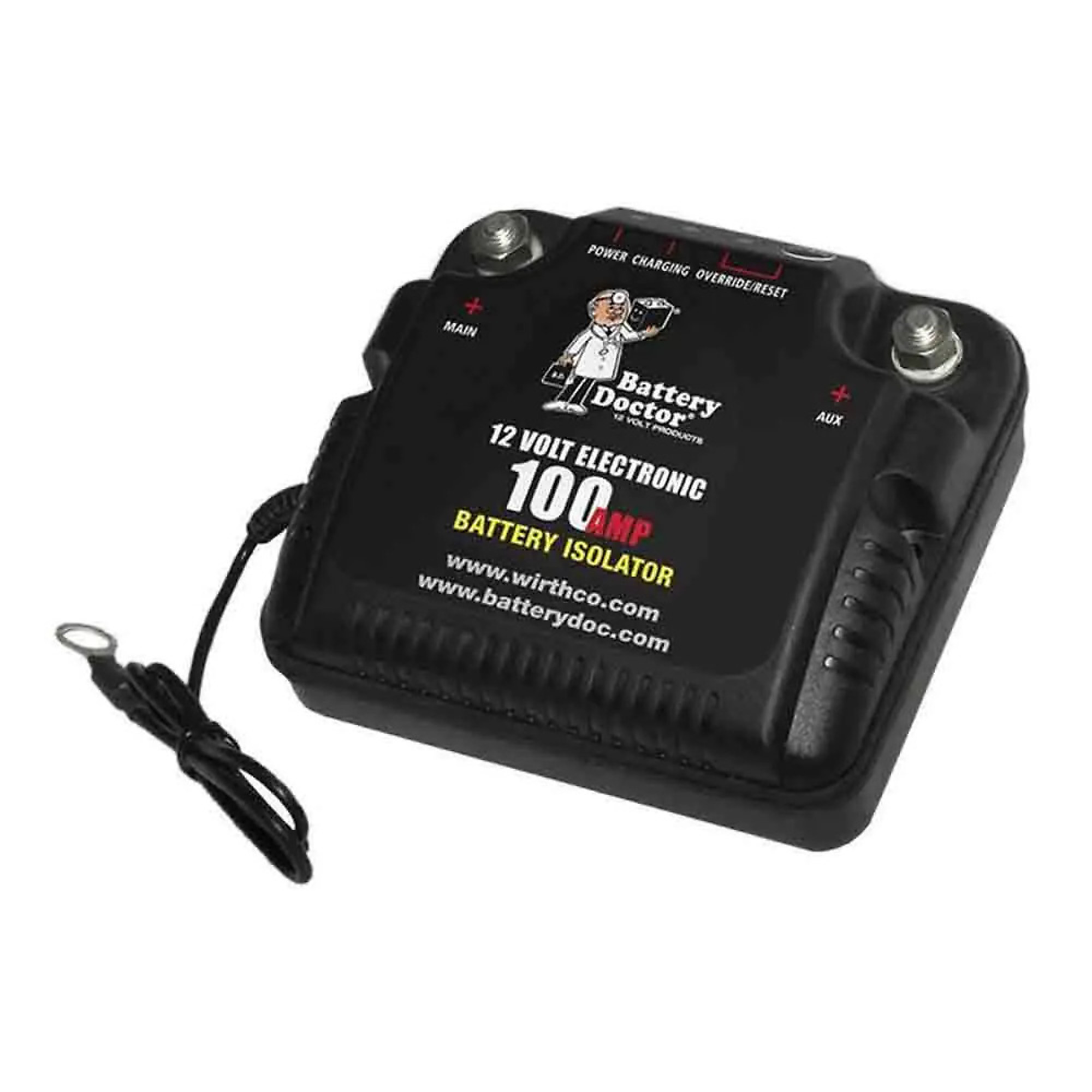
Item # 6843527
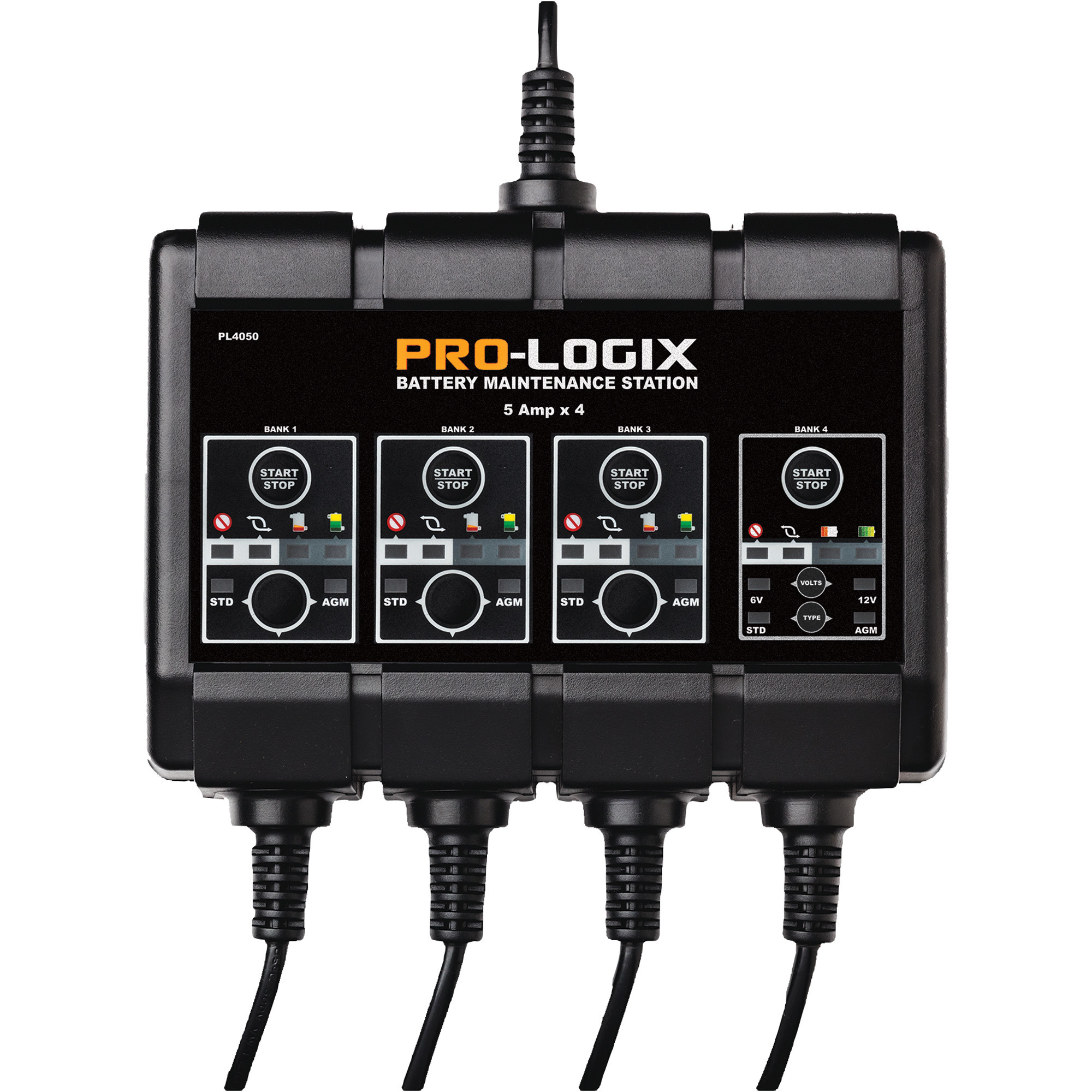
Item # 115191

Item # 115186
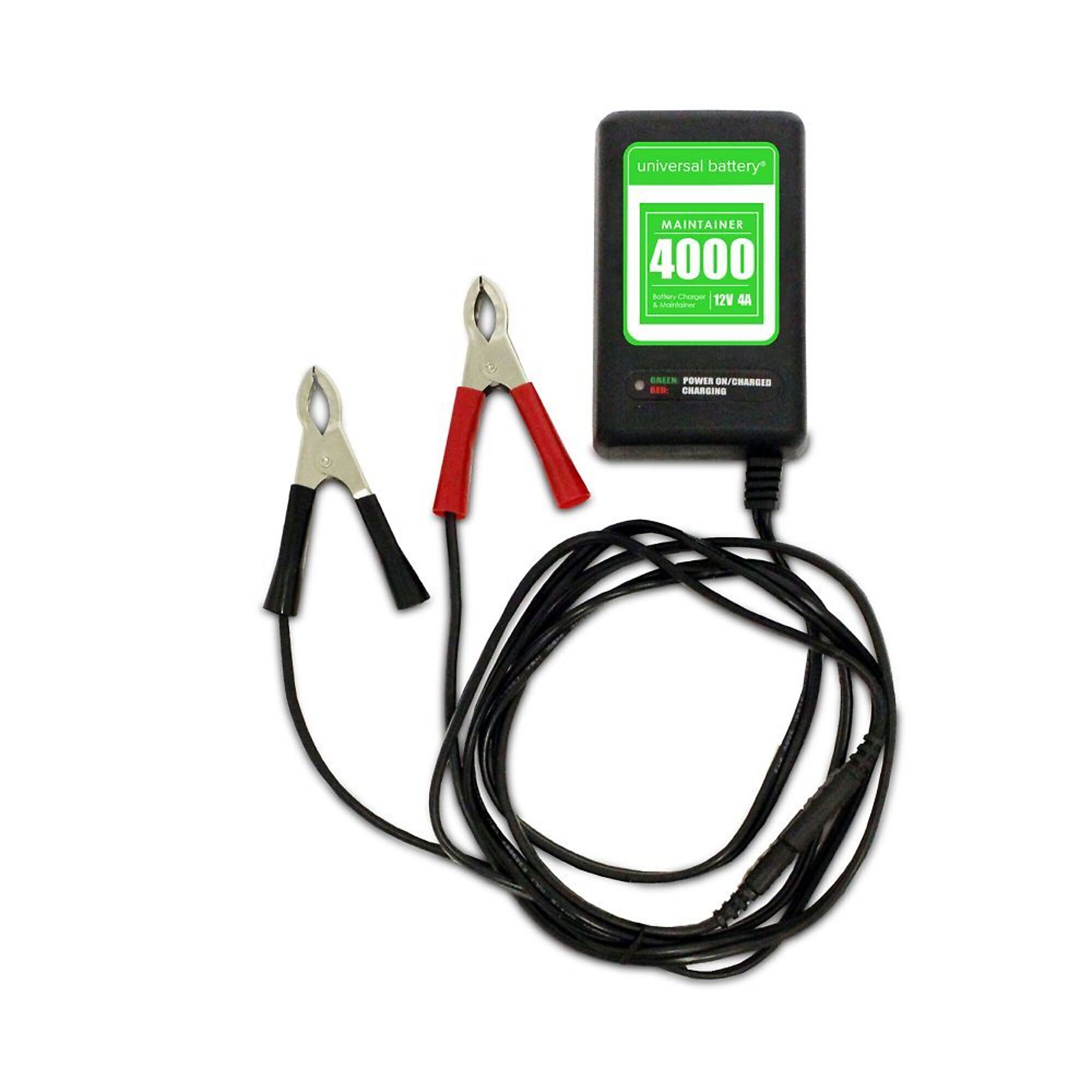
Item # 5871278
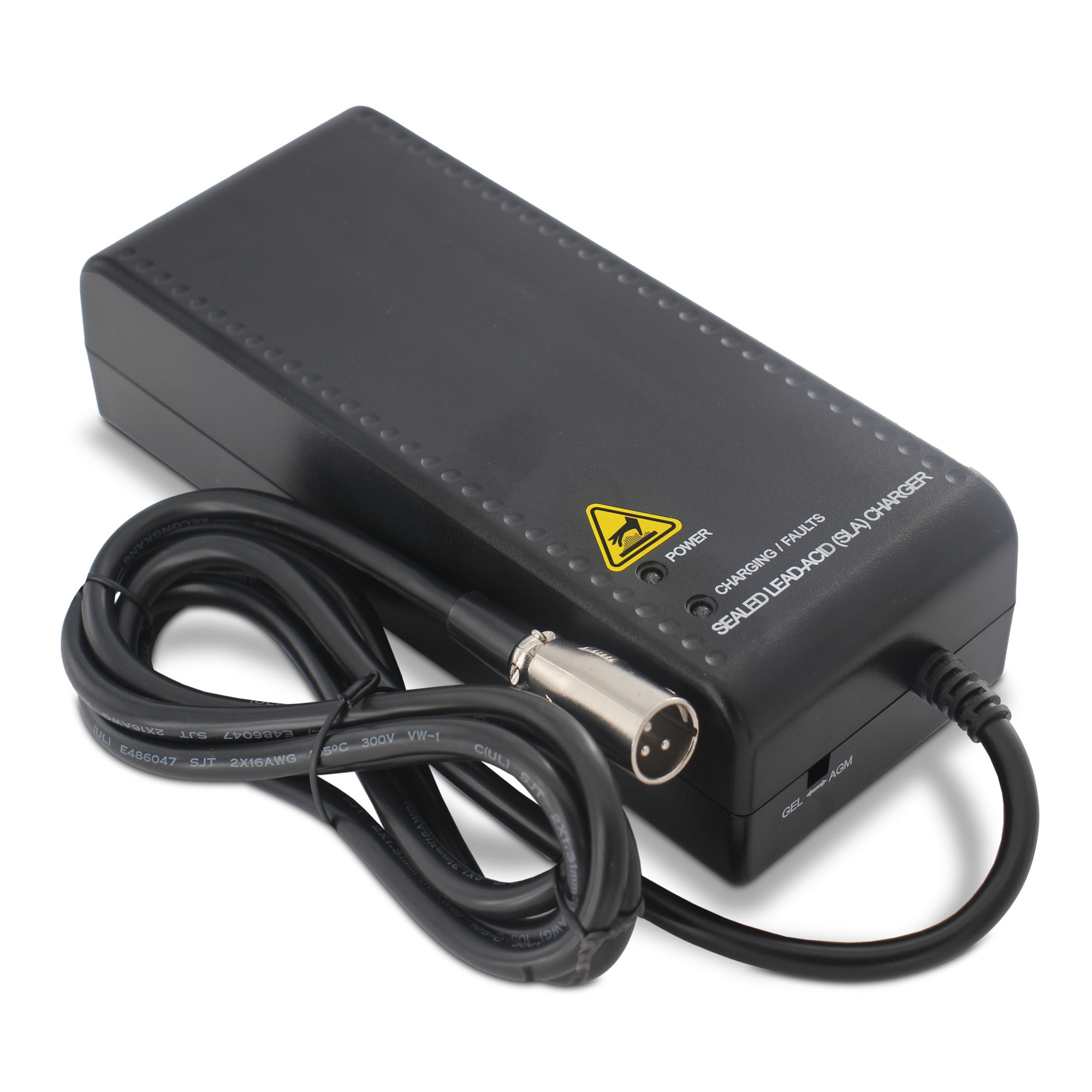
Item # 6136849
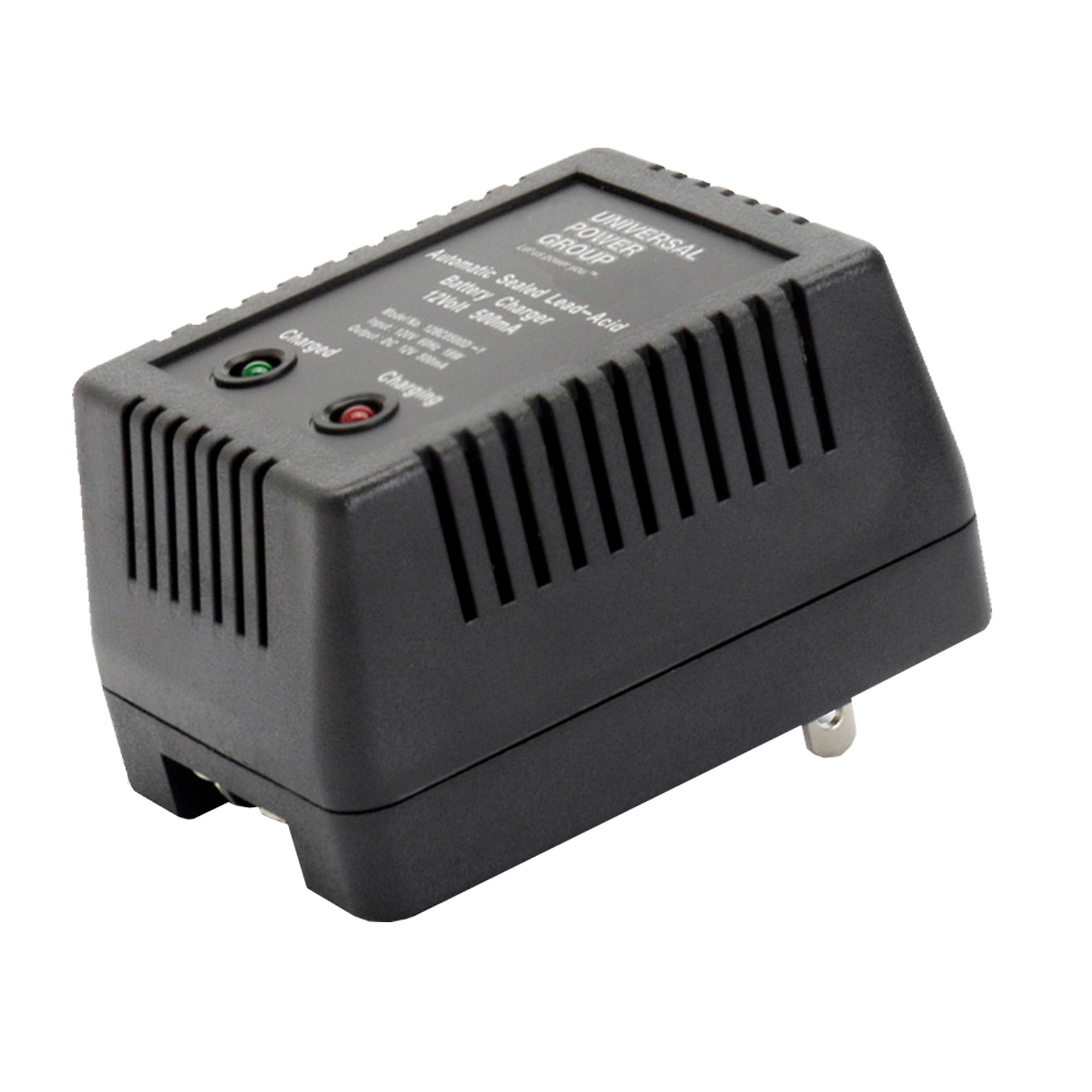
Item # 6136814
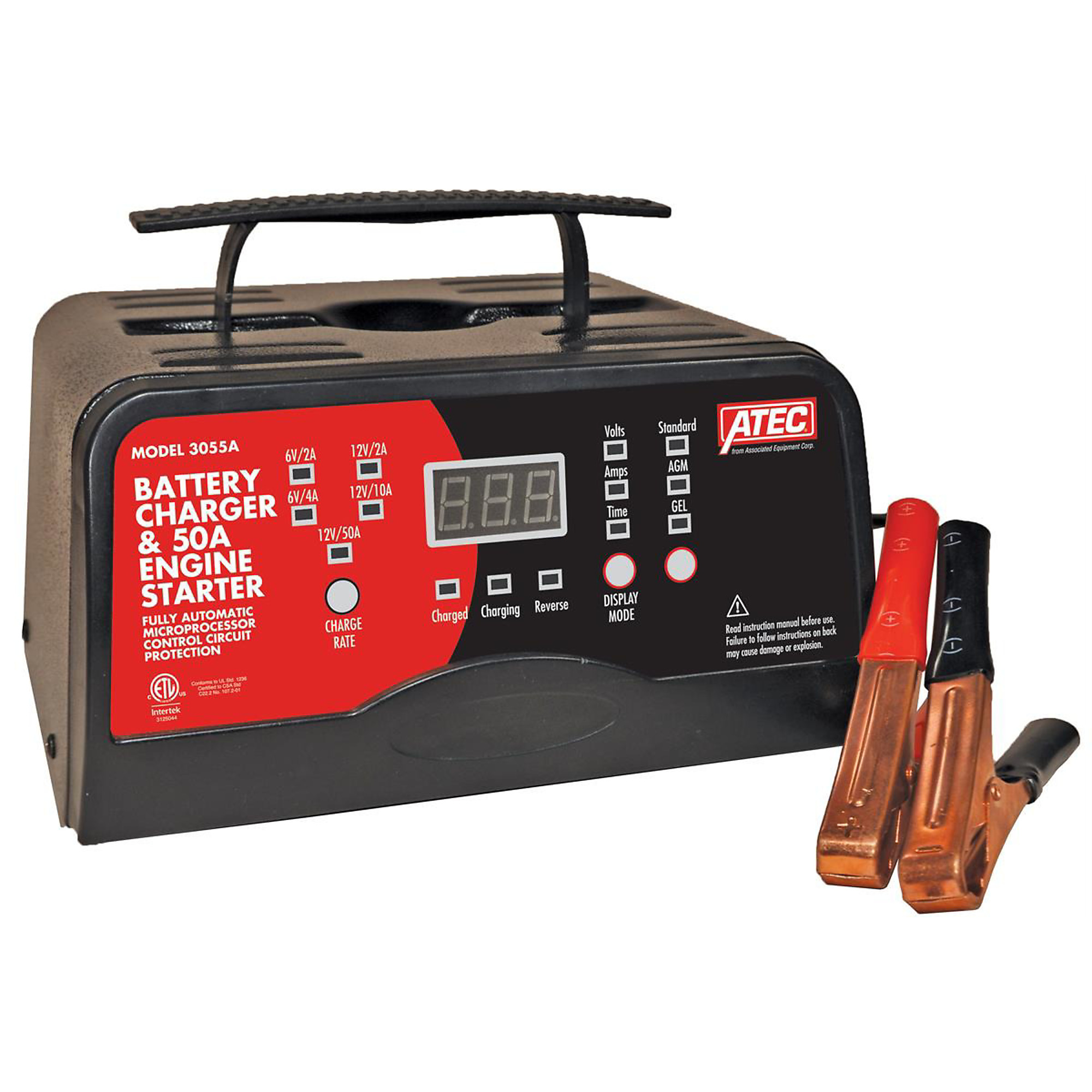
Item # 6502853
Battery Chargers
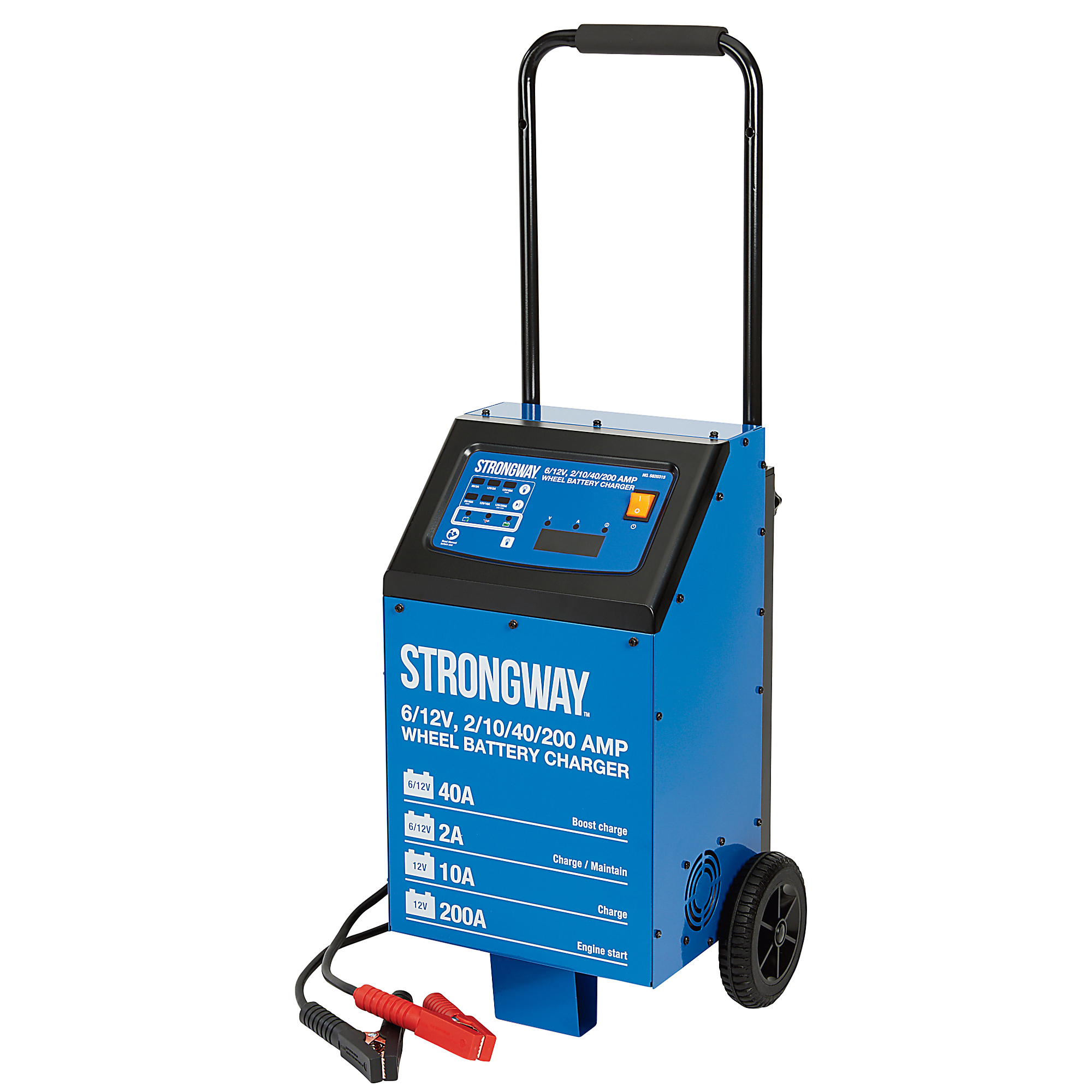
Voltage & Amperage
Voltage equals the electrical strength of the charger. Understanding voltage is important as it will help determine if a charger will have the power to recharge your vehicle's battery. Be sure to select a device with the same voltage as the battery you intend to charge. Higher than necessary voltage can damage the charger and your battery. Amperage measures the amount of electrical current that flows through the charger during operation and impacts charge time. Higher amperage equals faster charging while lower amperage equals slower charging.
Manual vs. Automatic
Manual chargers need to be monitored during the charging process and detached once the battery is full to avoid overcharging. Overcharging a battery degrades the charge that was just applied. Automatic chargers require less of your attention and will shut themselves off when the battery reaches full.
Weatherproofing
Investing in a weatherproof battery charger can go a long way to extending the life of the device. Many brands and models offer water, dust, and heat protection to keep the charger's interior components operating at peak performance. Weatherproofing also helps ensure the device can be used in inclement conditions.
Automotive Battery Chargers Frequently Asked Questions:
Are automotive battery chargers compatible with all vehicle makes and models, or do they require specific voltage or capacity requirements?
Not all battery chargers can be used with all batteries. First, make sure your battery charger is designed to work with the chemistry type of your battery. If you try to match a battery with the wrong charger, the result might not only be an uncharged battery, but it could also result in a damaged or ruined battery. Look for proper specs on both the battery and the charger to match them properly.
Also, make sure the amps of your charger properly match your battery’s amperage. In general, it is best to pick a charger that should deliver at least a 10% minimum of the battery’s Ah rating, with no more than a maximum of 20% of the battery’s Ah rating to prevent overcharging. For example, a 50Ah battery requires at least a 5 Amp charger, but don’t use a charger any larger than 10 Amps.
Is it safe to leave a vehicle battery connected to a charger for an extended period, or should it be disconnected once fully charged?
Are automotive battery chargers capable of jump starting a dead battery, or do they only work for maintaining and recharging?
Are there any safety features or precautions to consider when using an automotive battery charger?
There are some general safety precautions that should be followed every time you use any automotive battery charger.
- 1. Always use the charger in an open space or well-ventilated area. This practice allows any battery gases to dissipate into the air properly.
- 2. Never charge a battery near any sparks or open flames.
- 3. Always ensure that the charger is not plugged into any electrical outlets while you are connecting or disconnecting the charging cables. The unit should be plugged in AFTER the cables are properly connected when starting the charge, and unplugged BEFORE the cables are removed once the battery is fully charged.
NOTE: Please read the battery charger’s owner’s manual for all other safety precautions before use.