Unex Pallet Flow Racking Portable Conveyors
Filters
1-48 of 66 Products

Item # 4478757
Item # 4478626
Item # 4478984
Item # 4478511
Item # 4478394
Item # 4478520
Item # 4478458
Item # 4478669
Item # 4478554
Item # 4478600
Item # 4478571
Item # 4478431
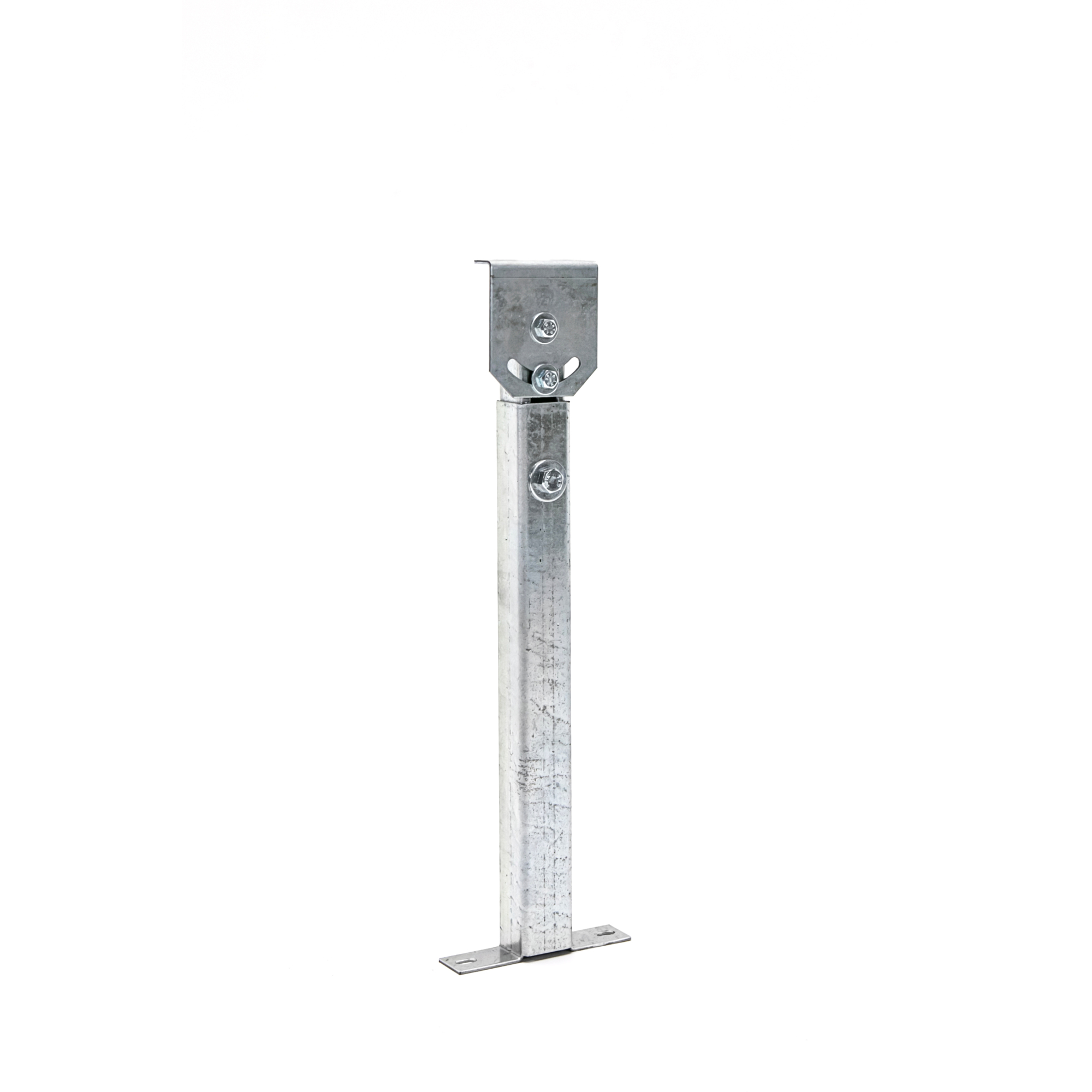
Item # 4479047
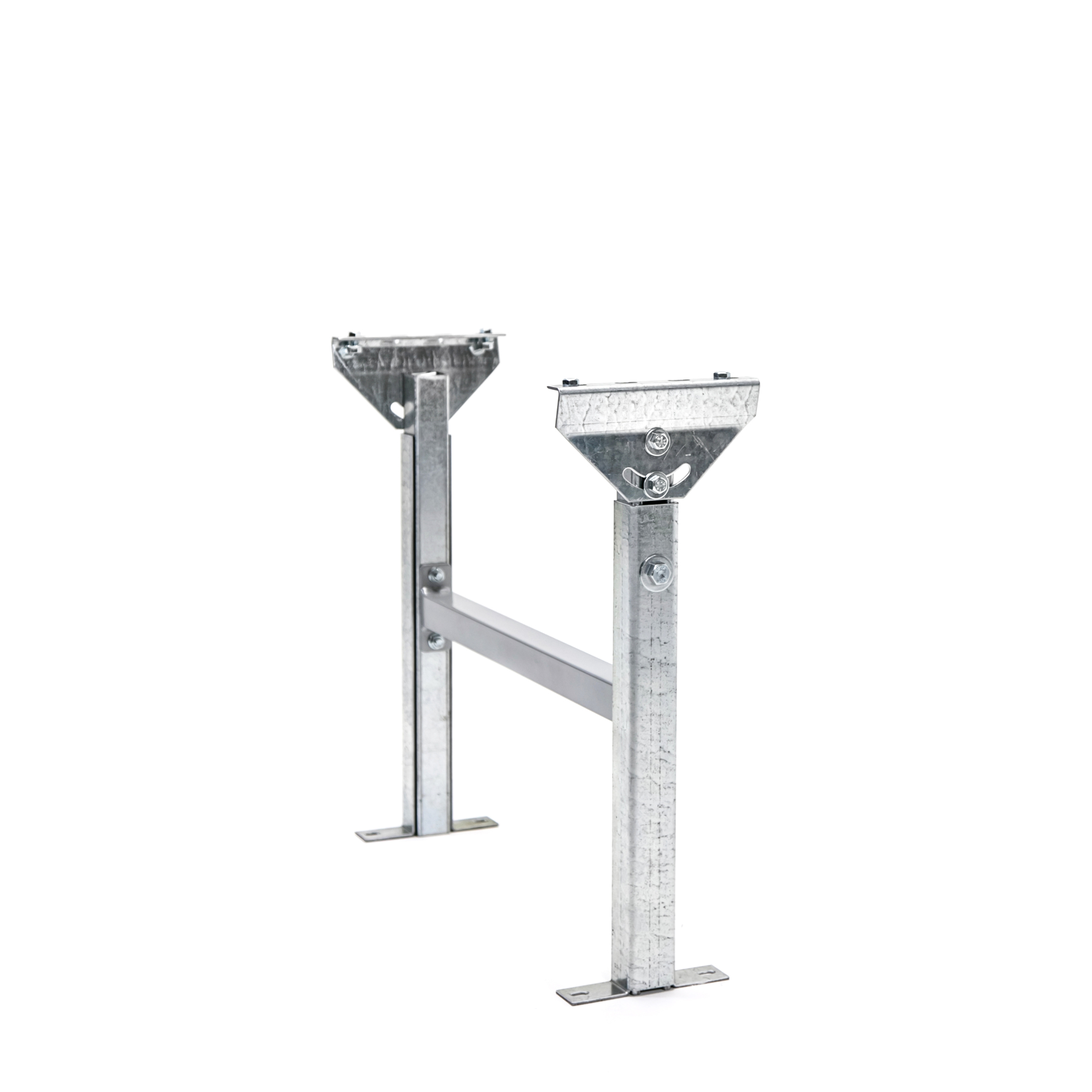
Item # 4479012
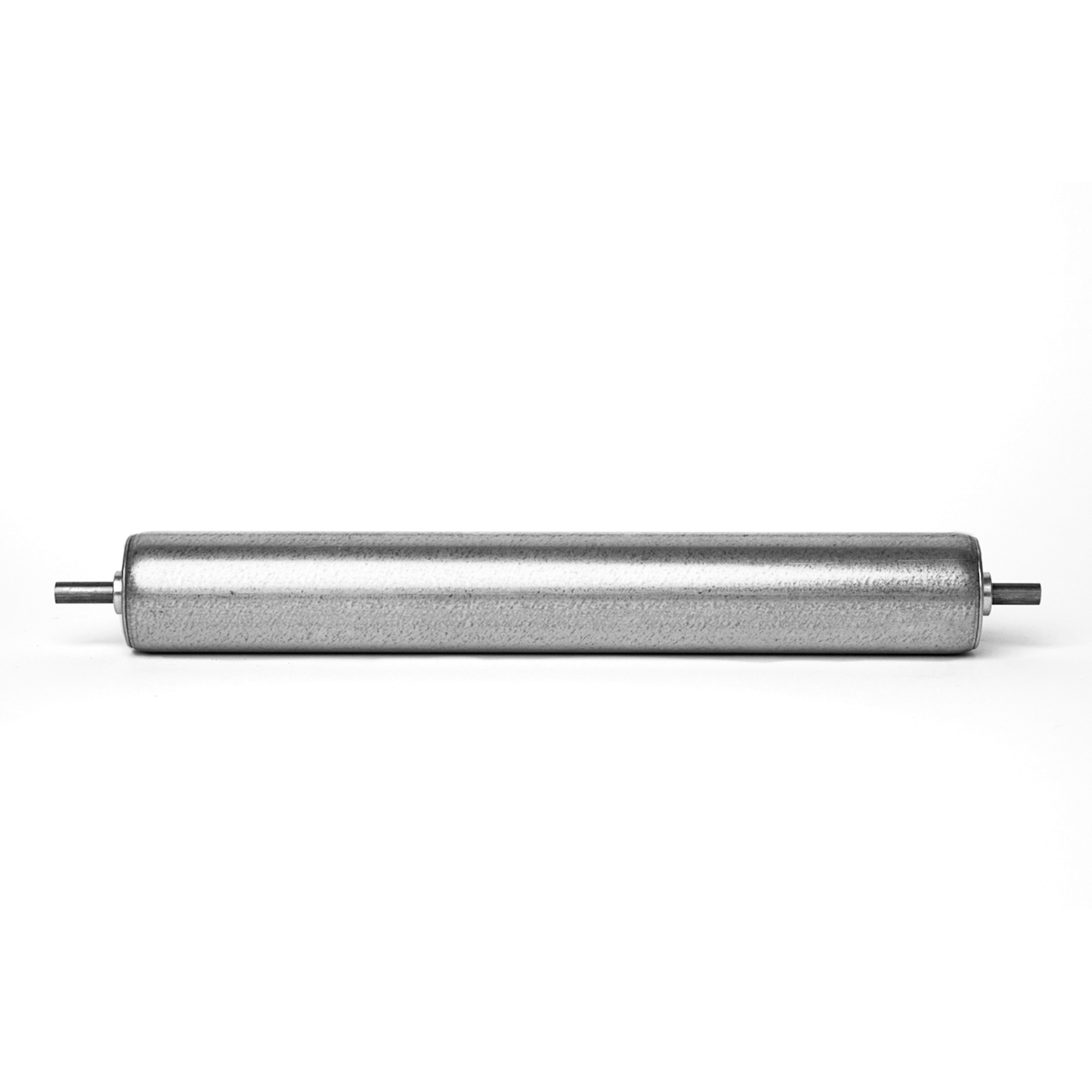
Item # 4478950
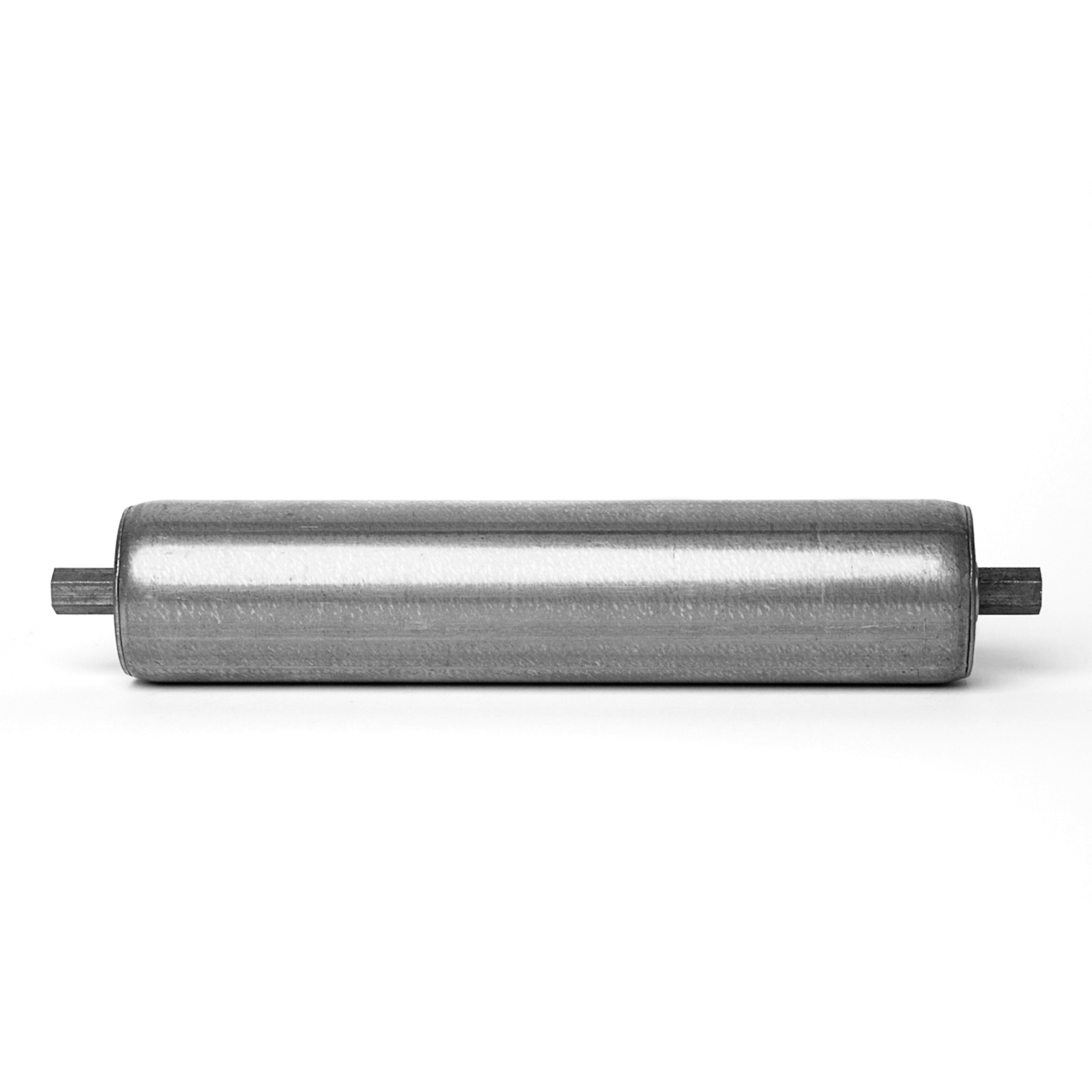
Item # 4478941
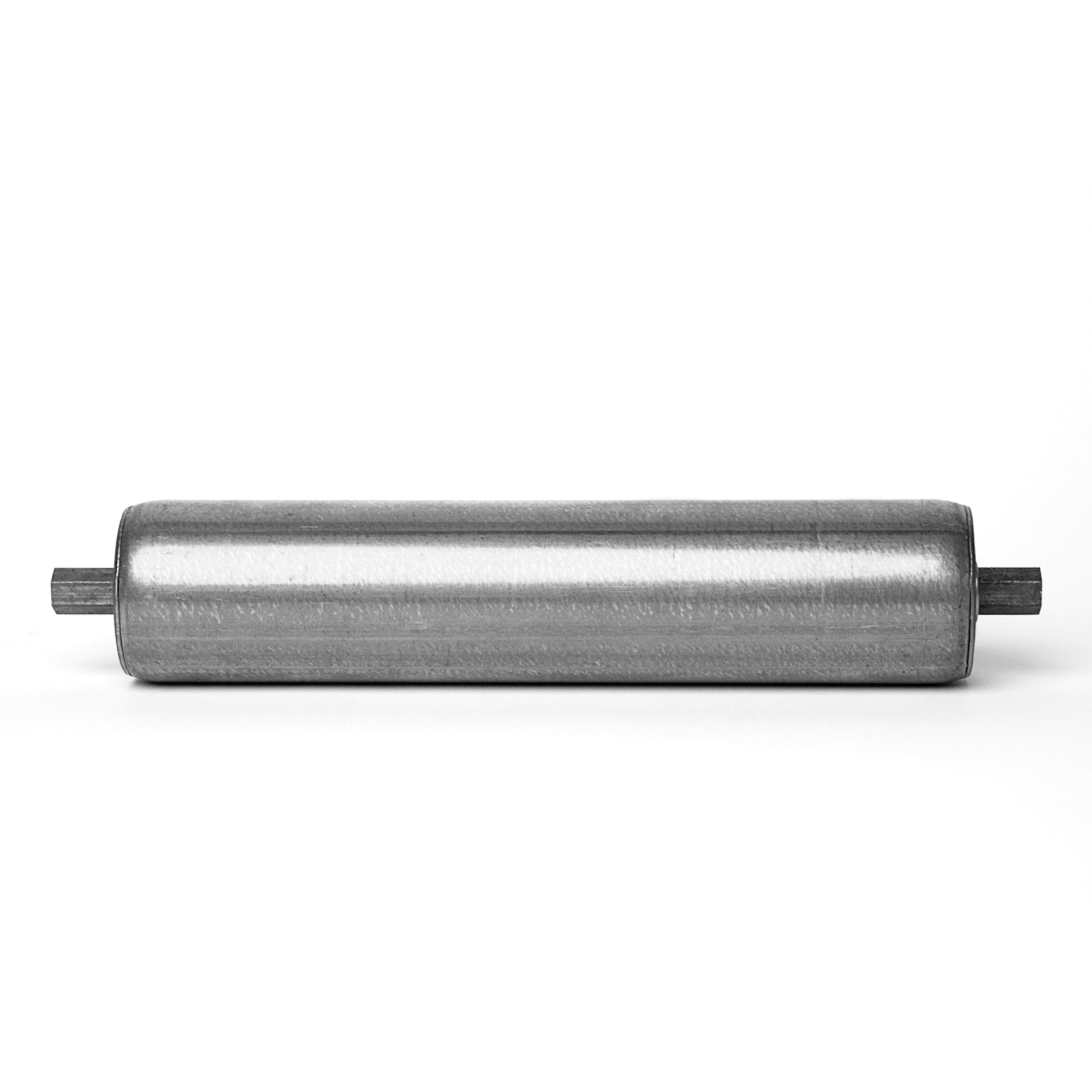
Item # 4478925
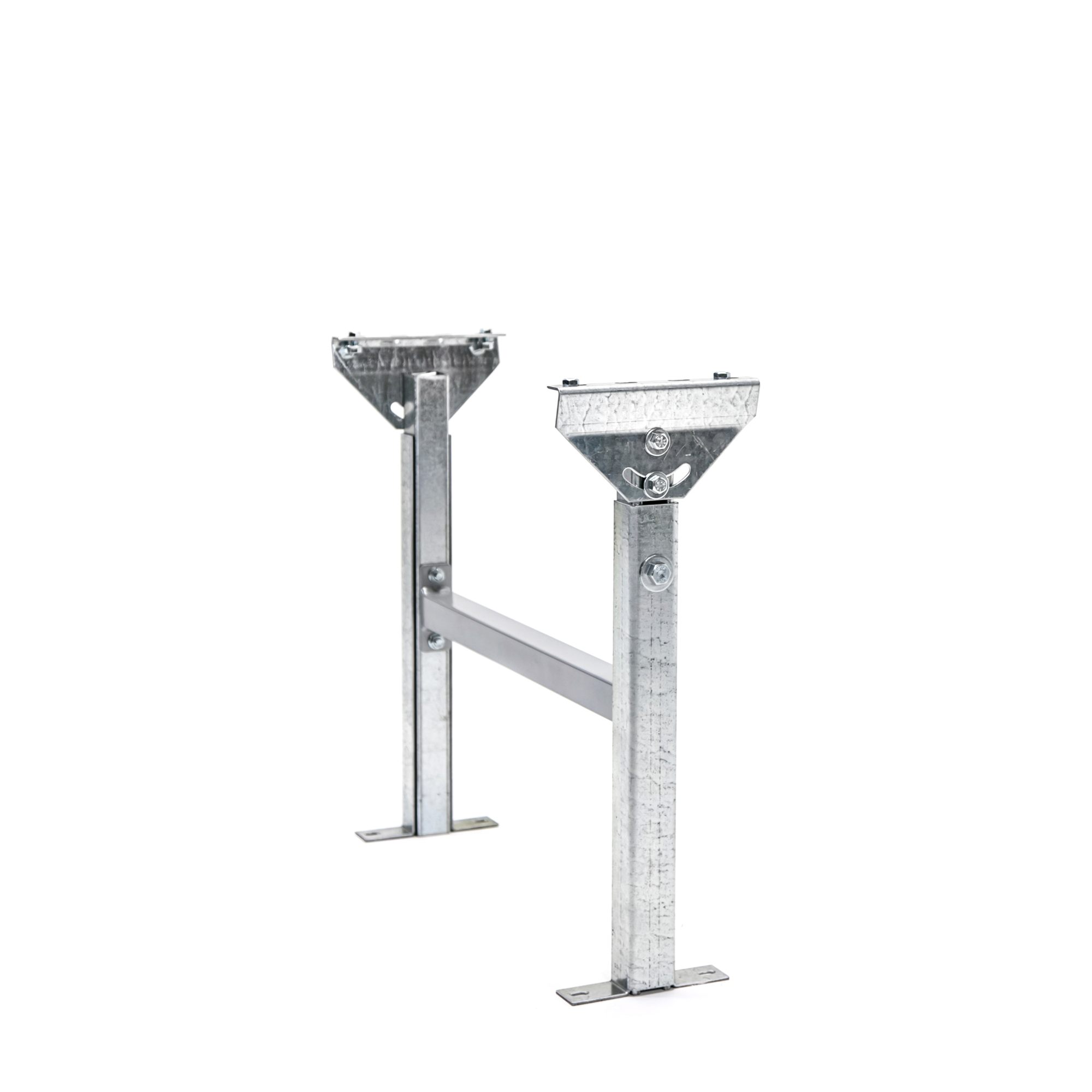
Item # 4478896
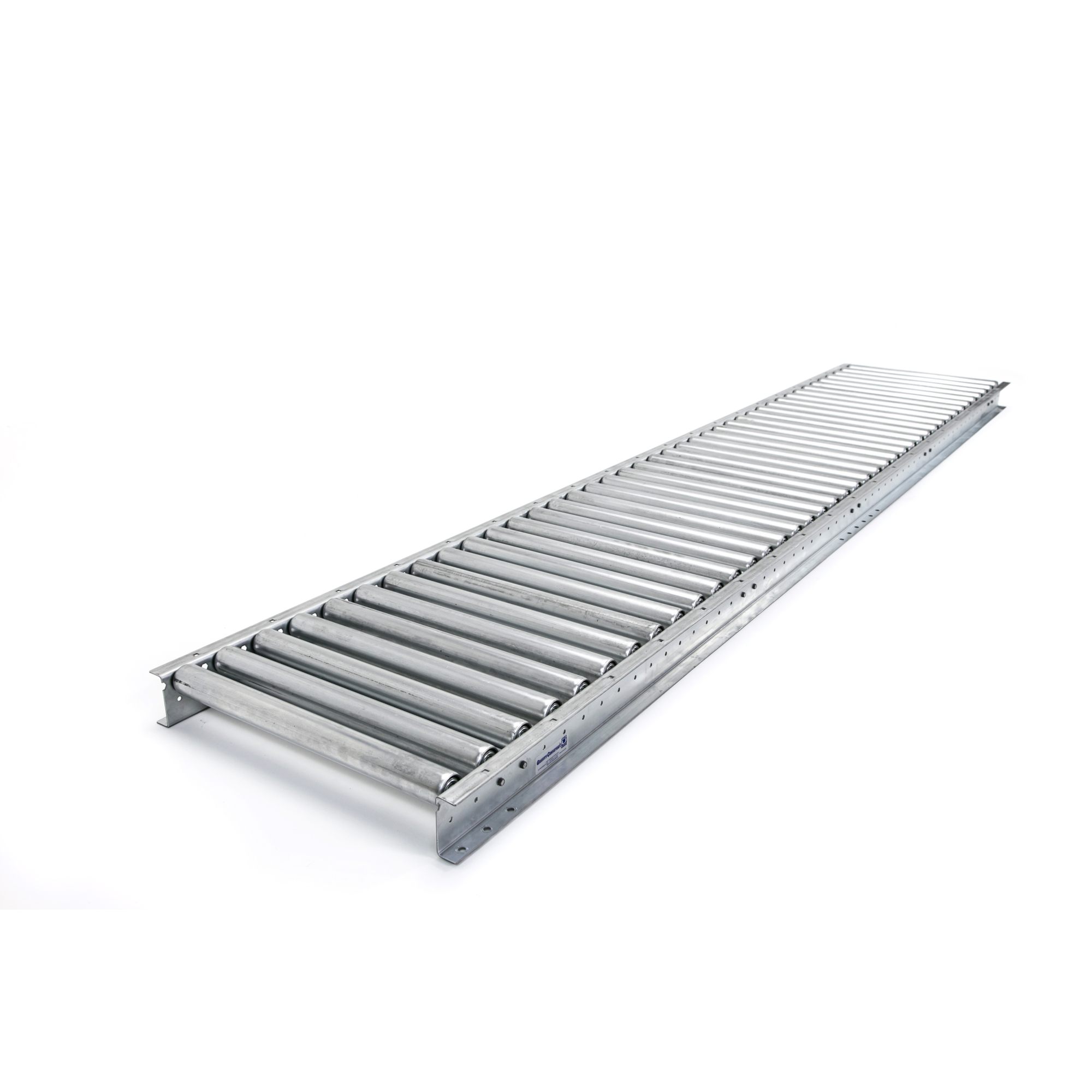
Item # 4478714
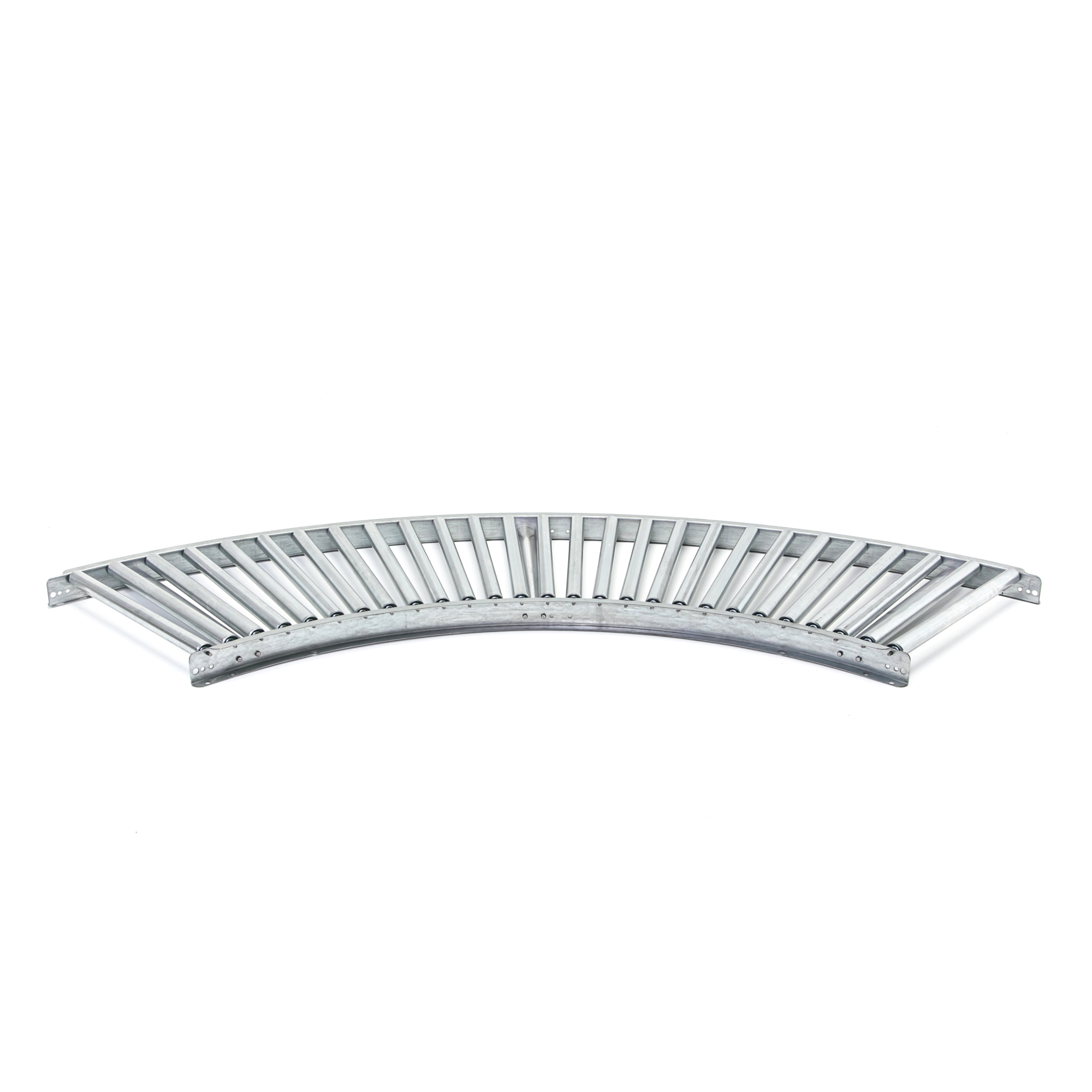
Item # 4478685
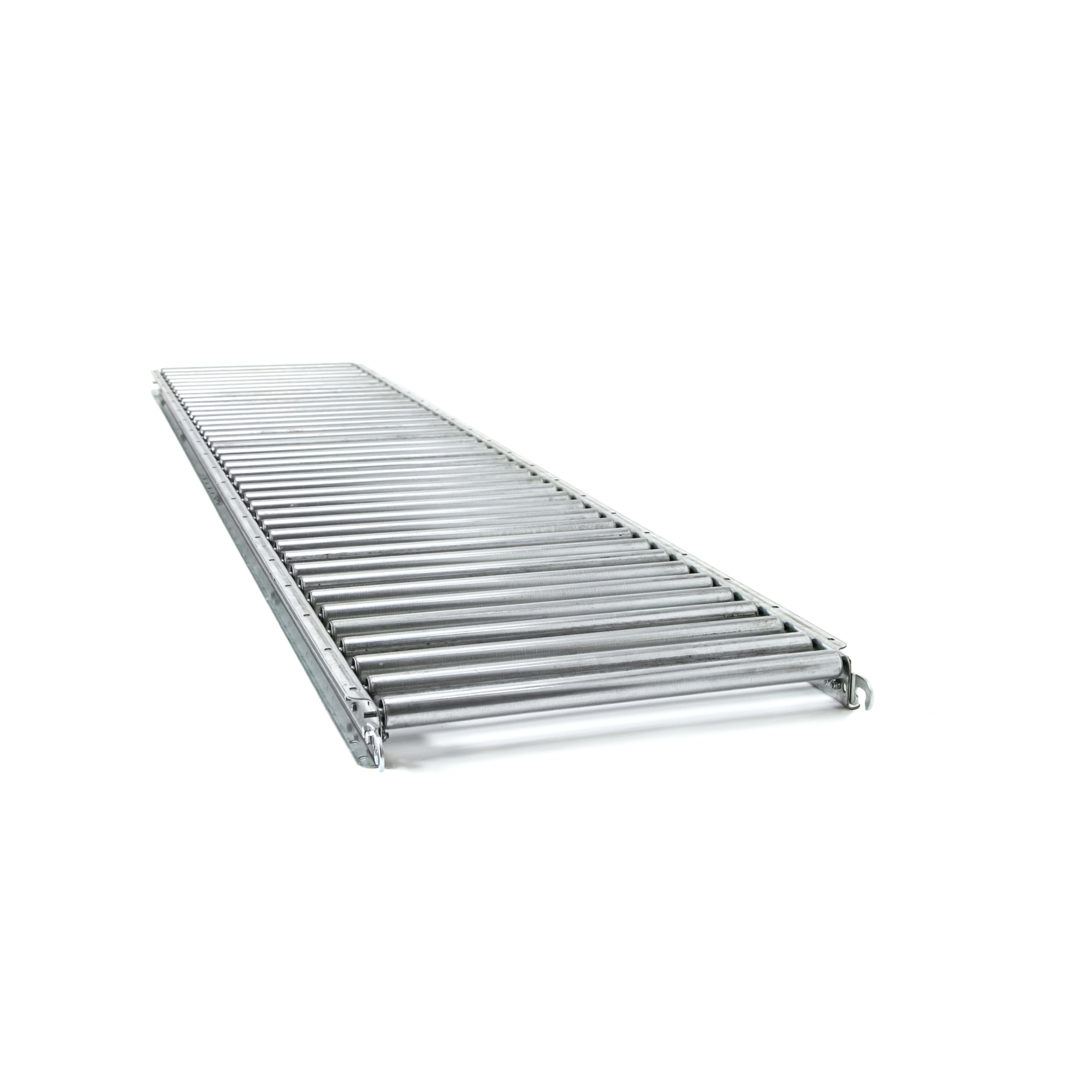
Item # 4478677
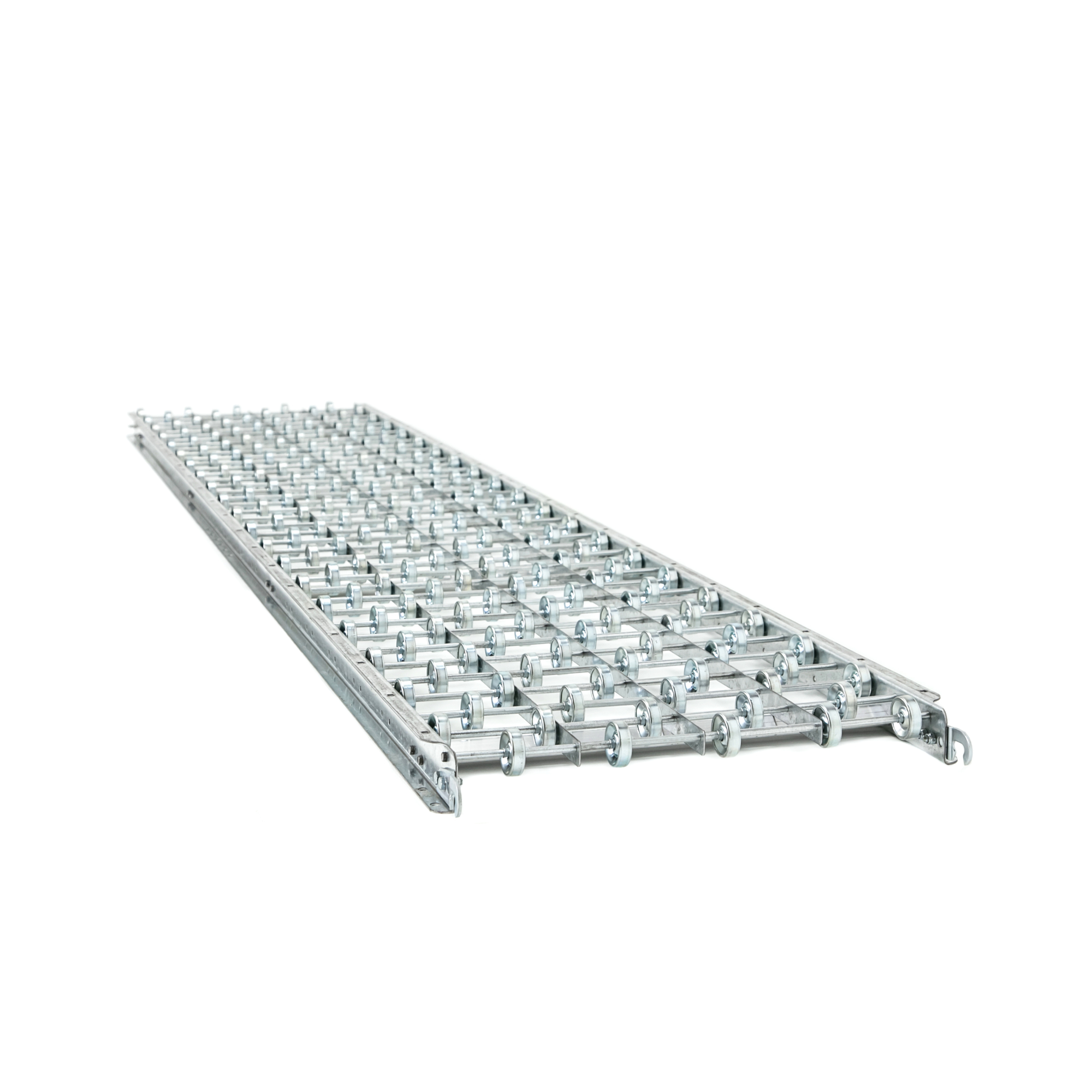
Item # 4478642
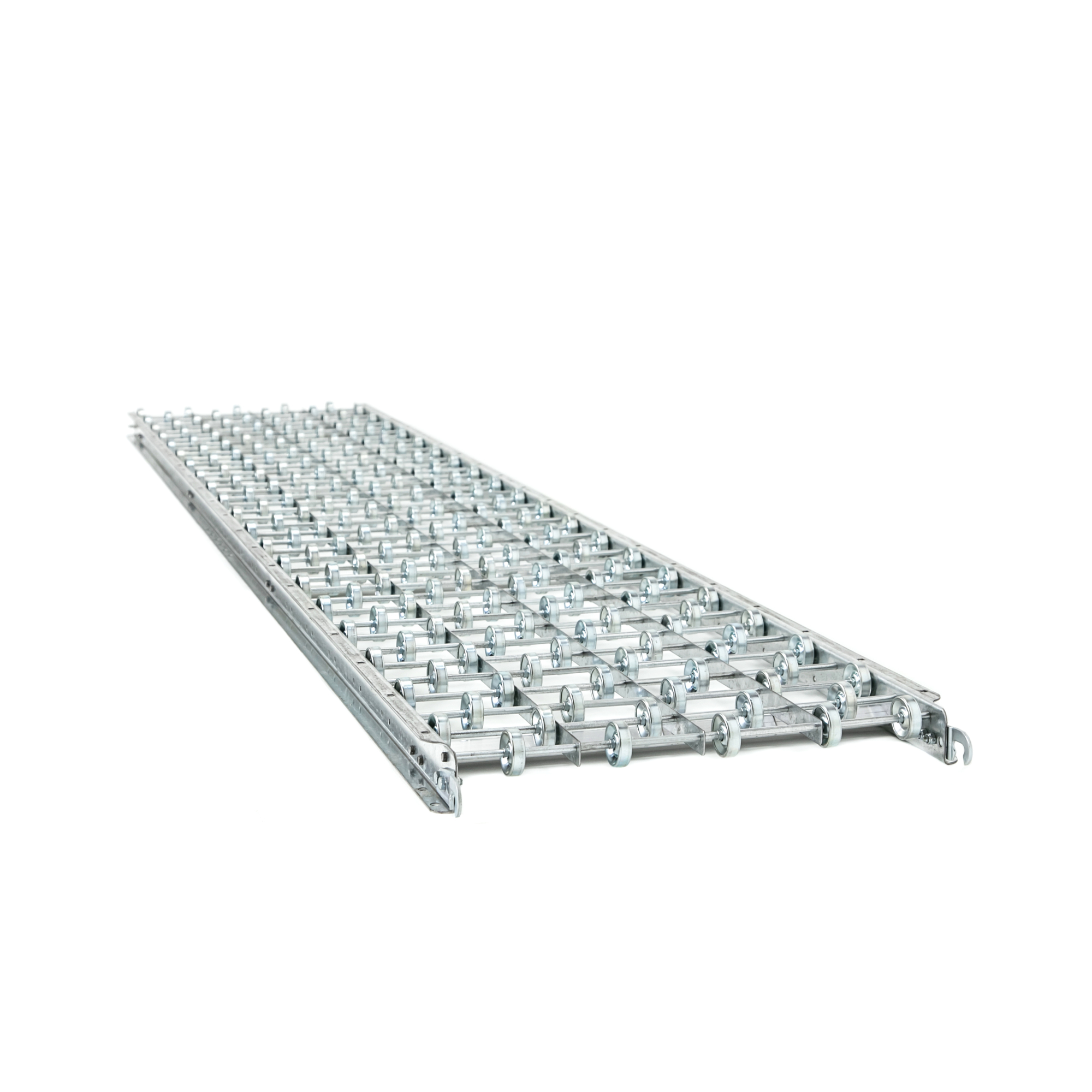
Item # 4478546
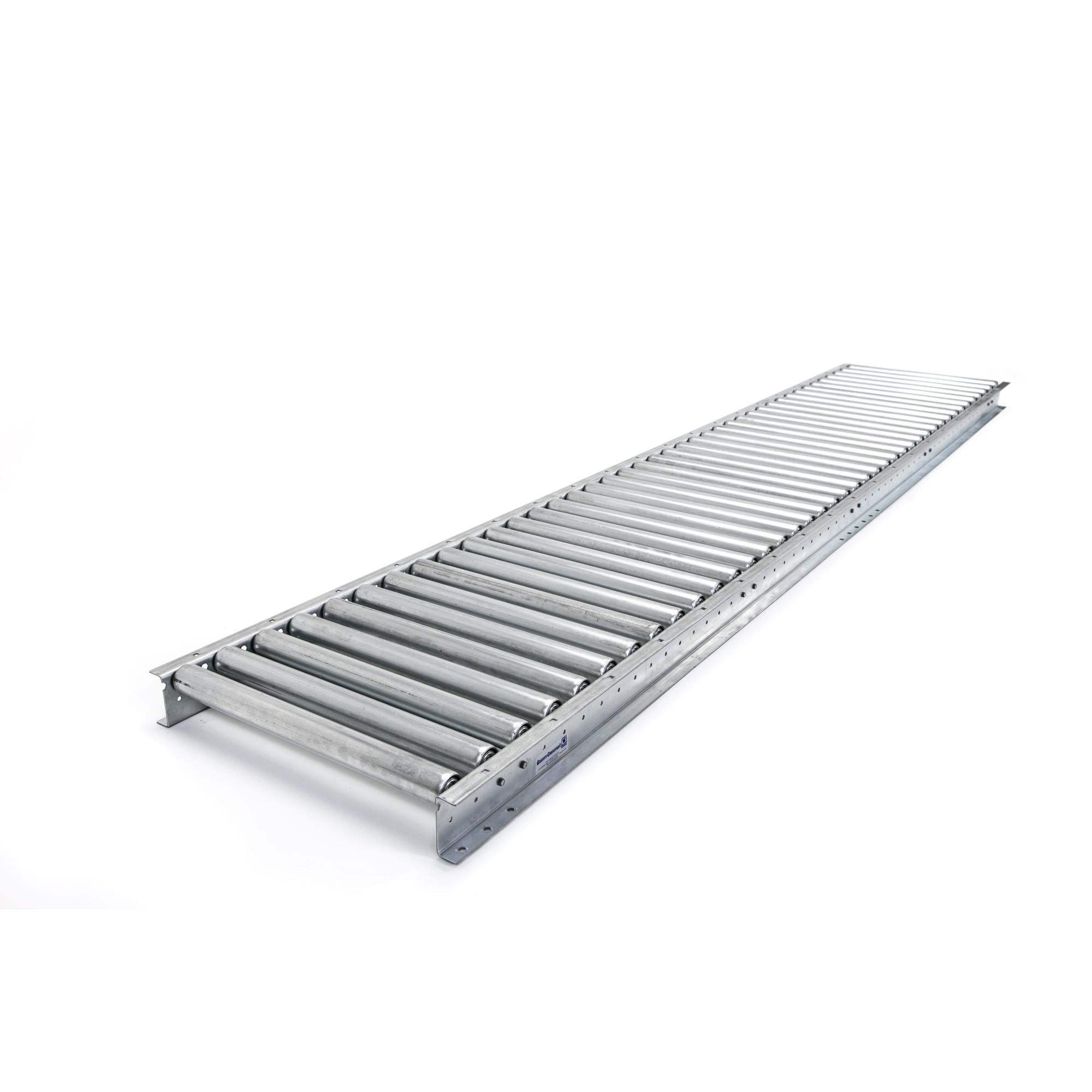
Item # 4478538
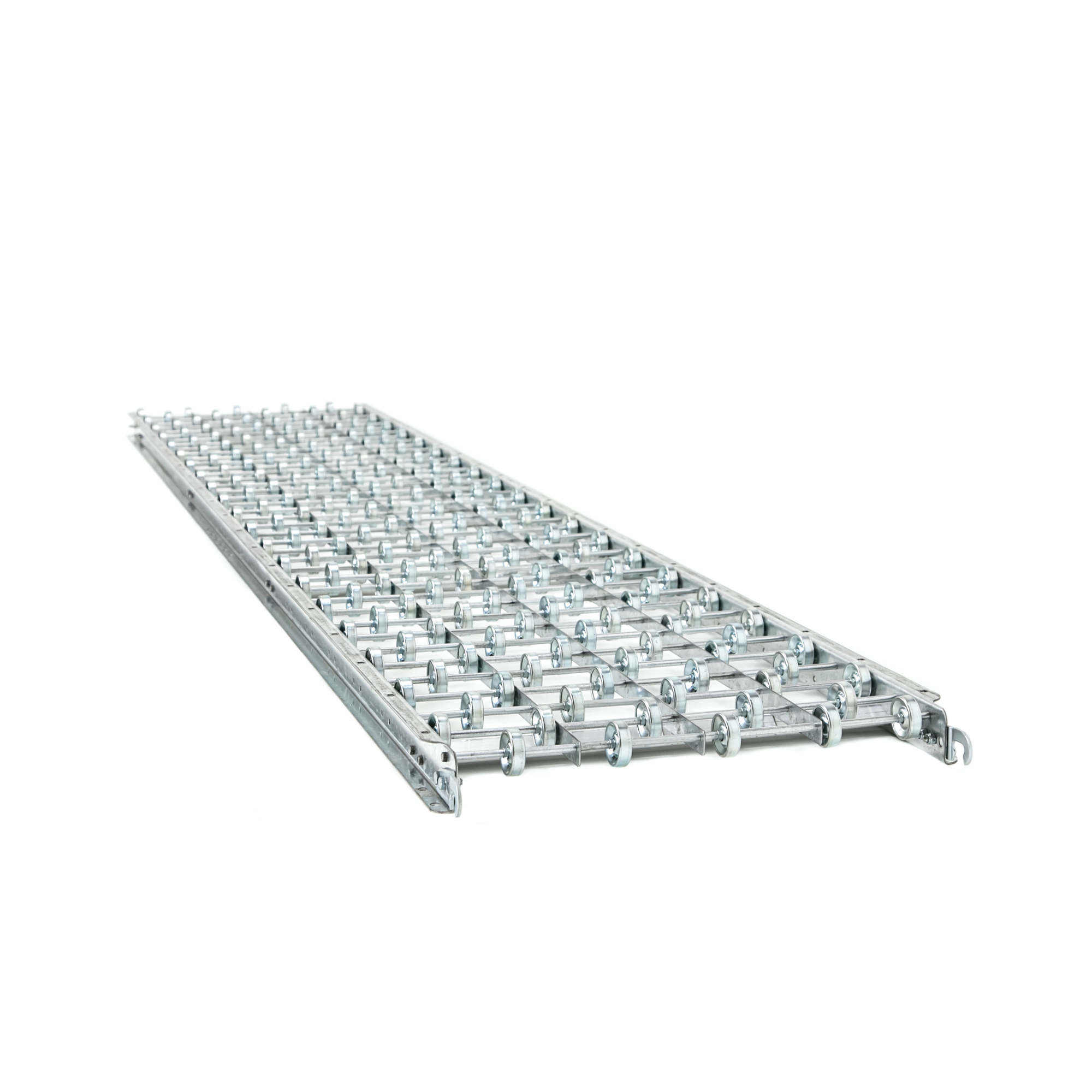
Item # 4478474
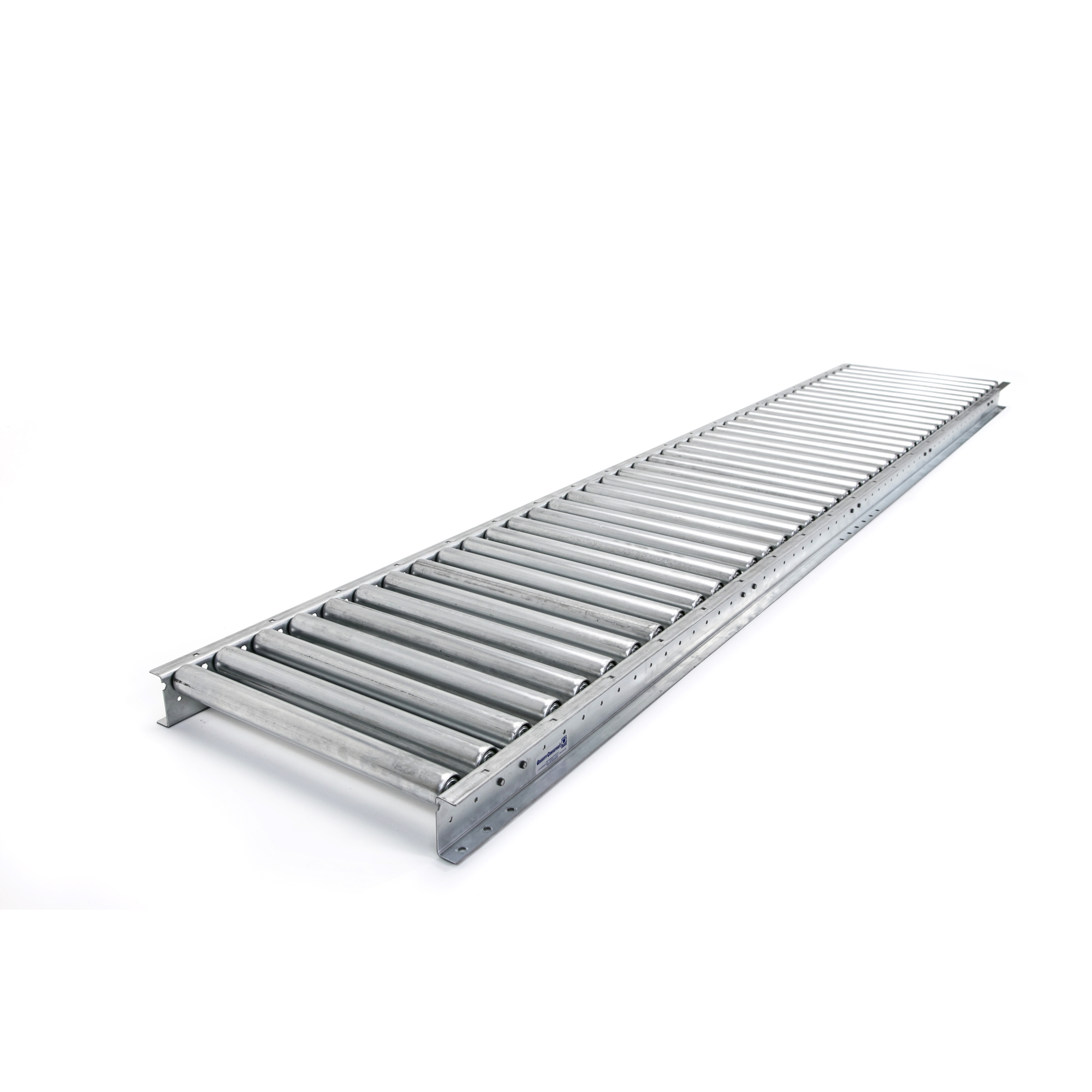
Item # 4478440
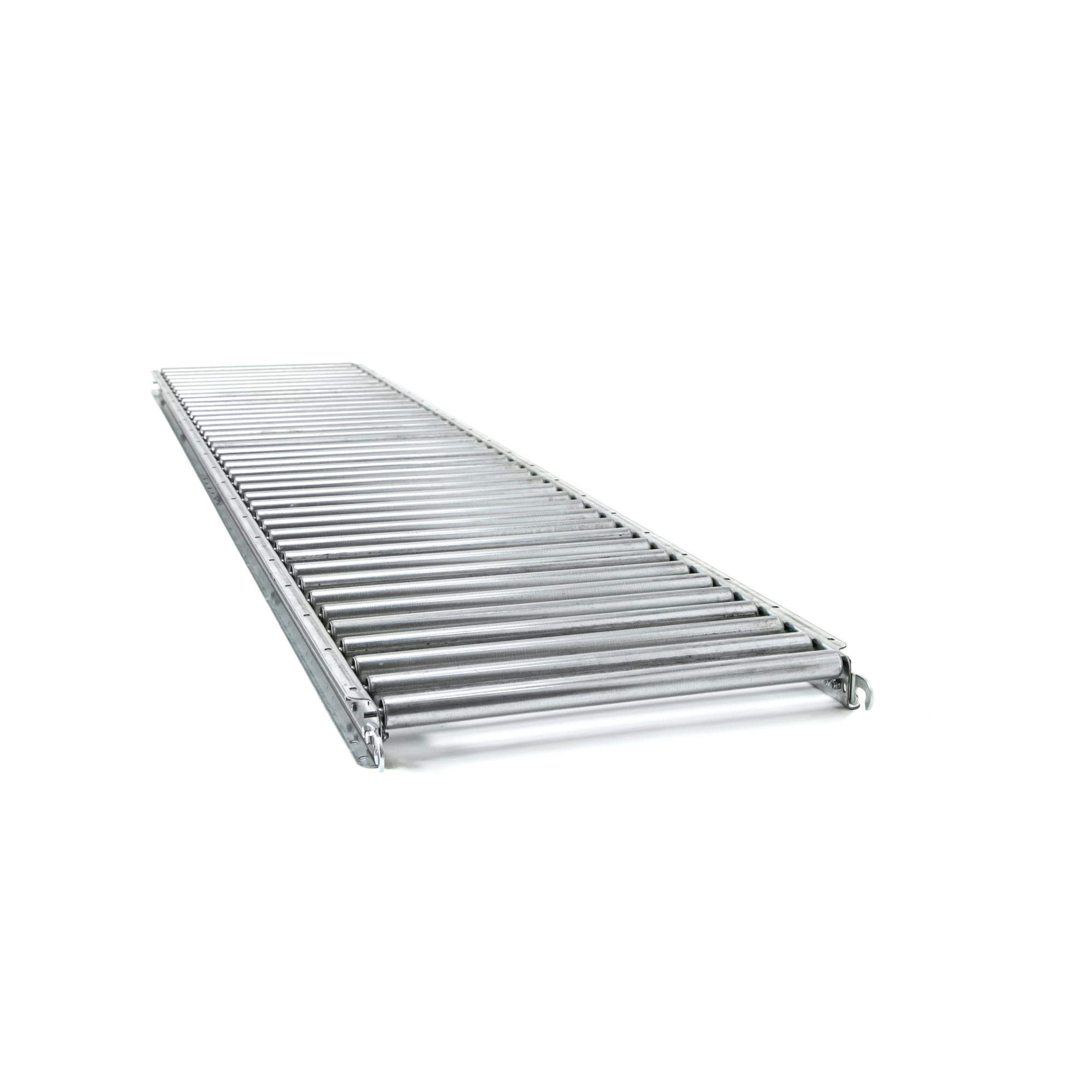
Item # 4478407
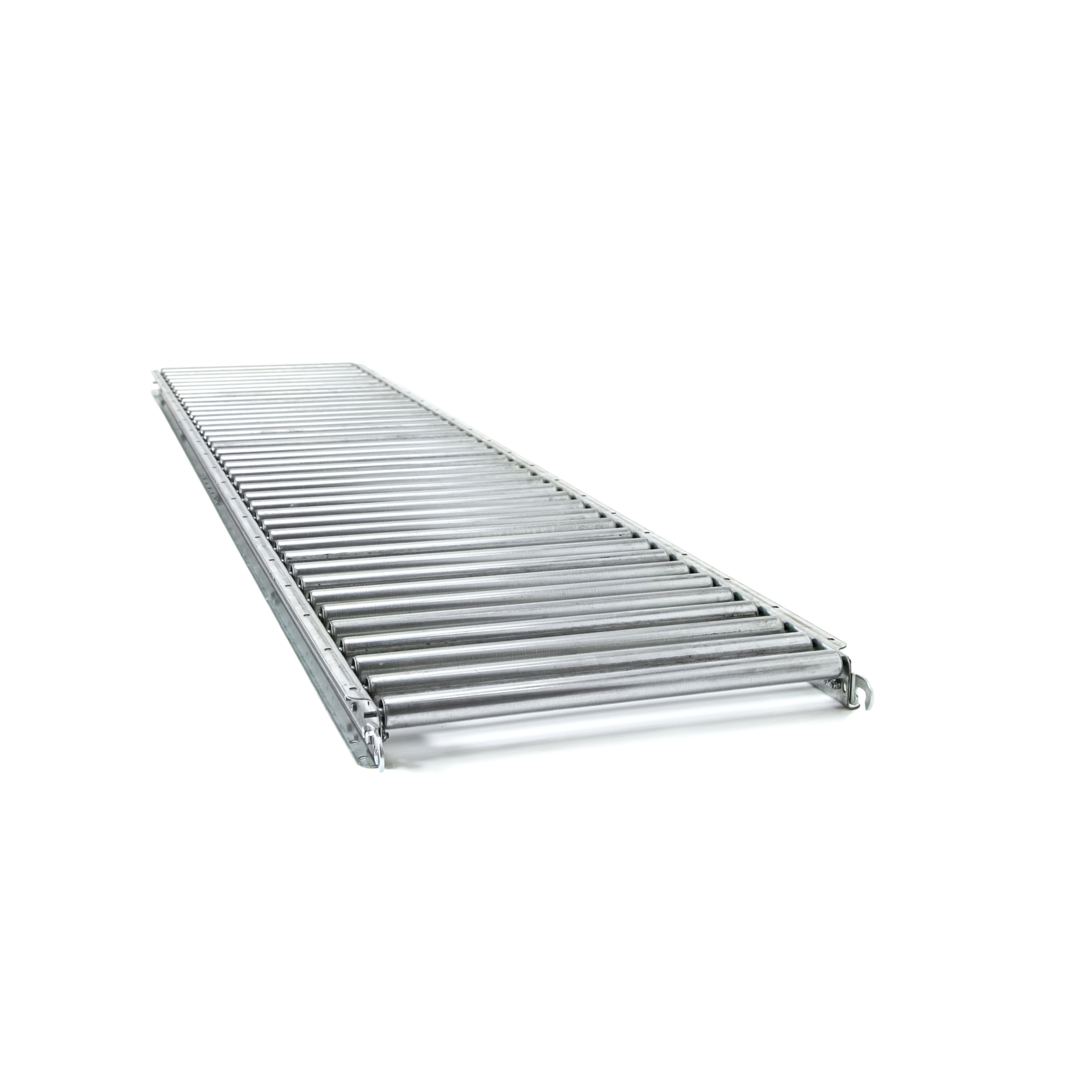
Item # 4479098
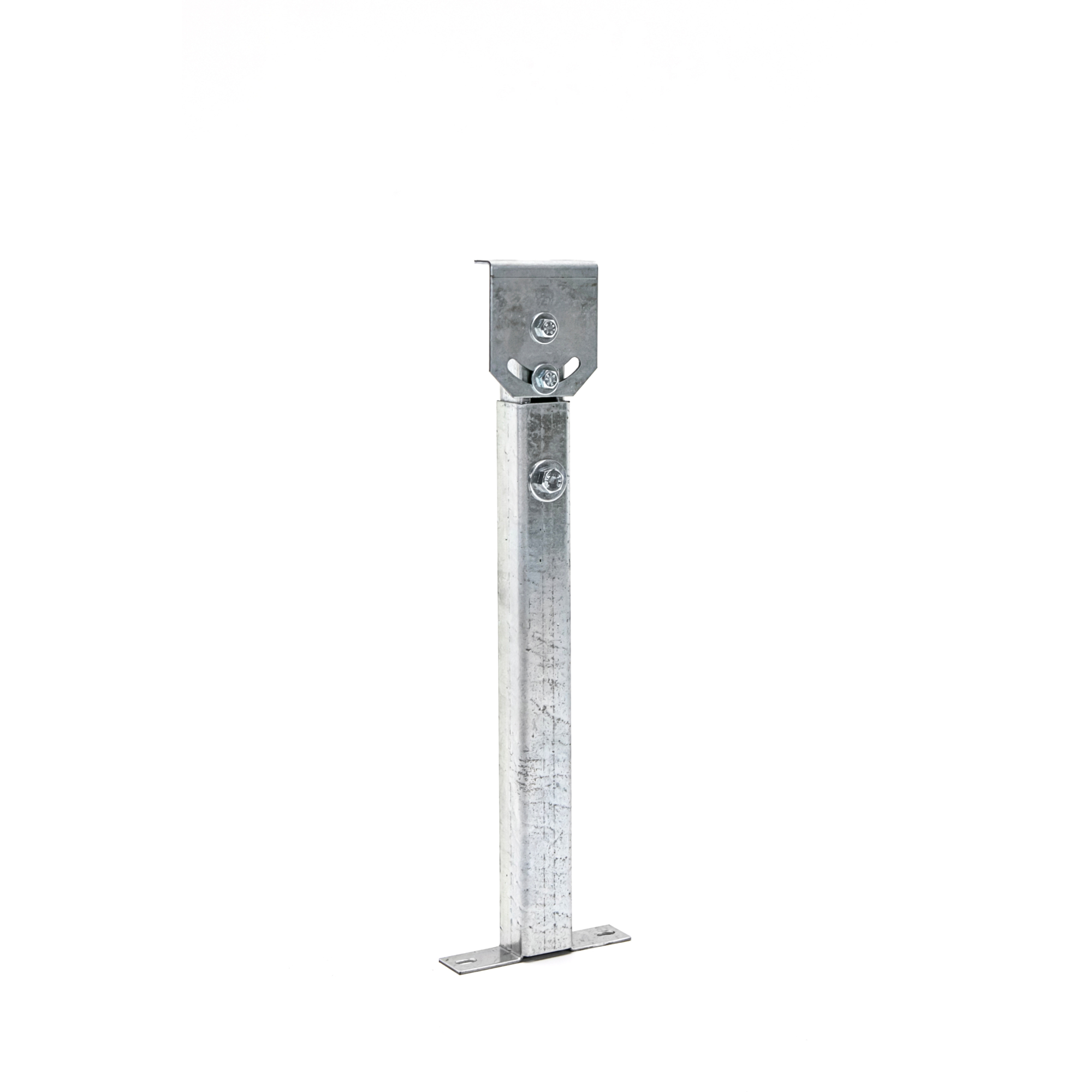
Item # 4479063
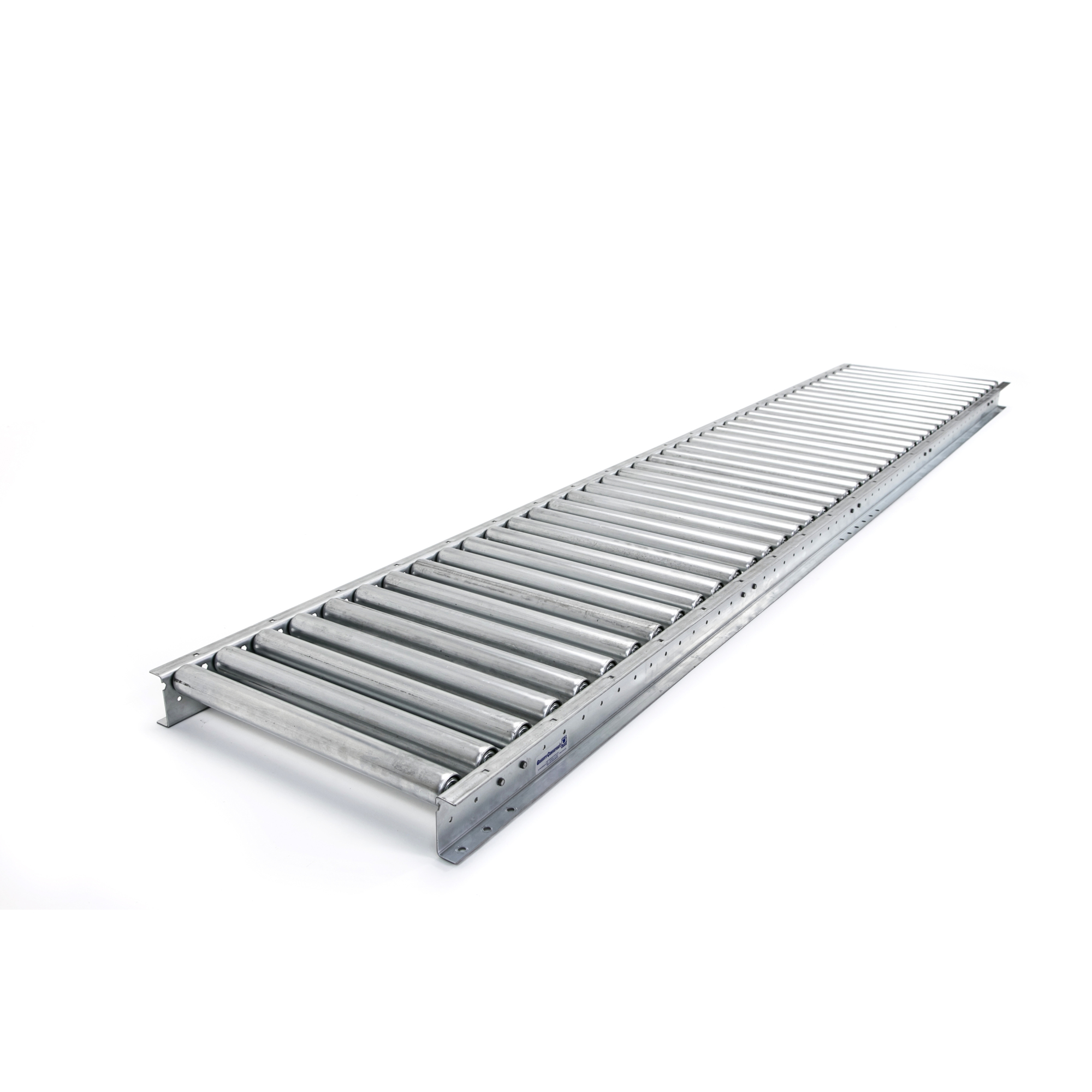
Item # 4478976
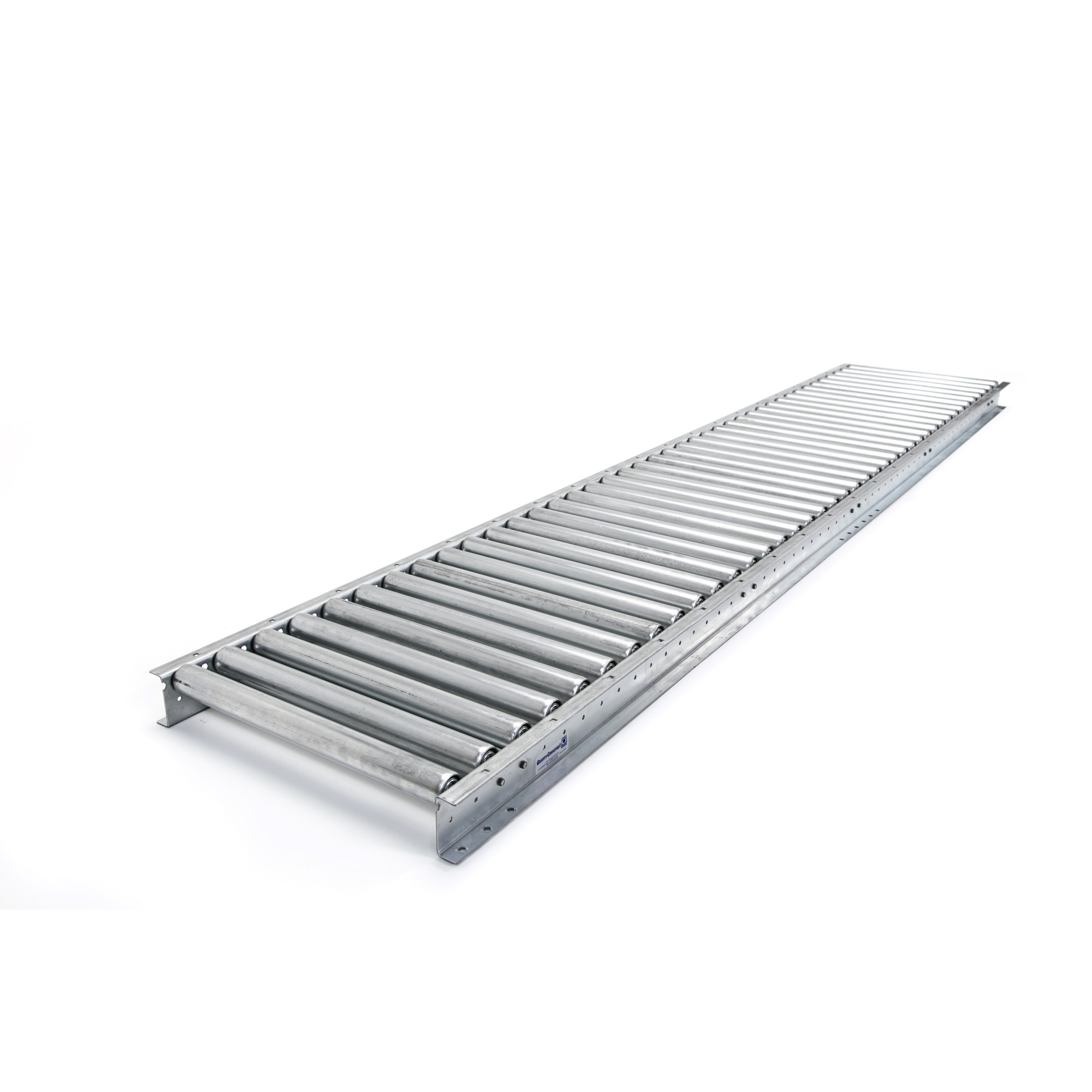
Item # 4478861
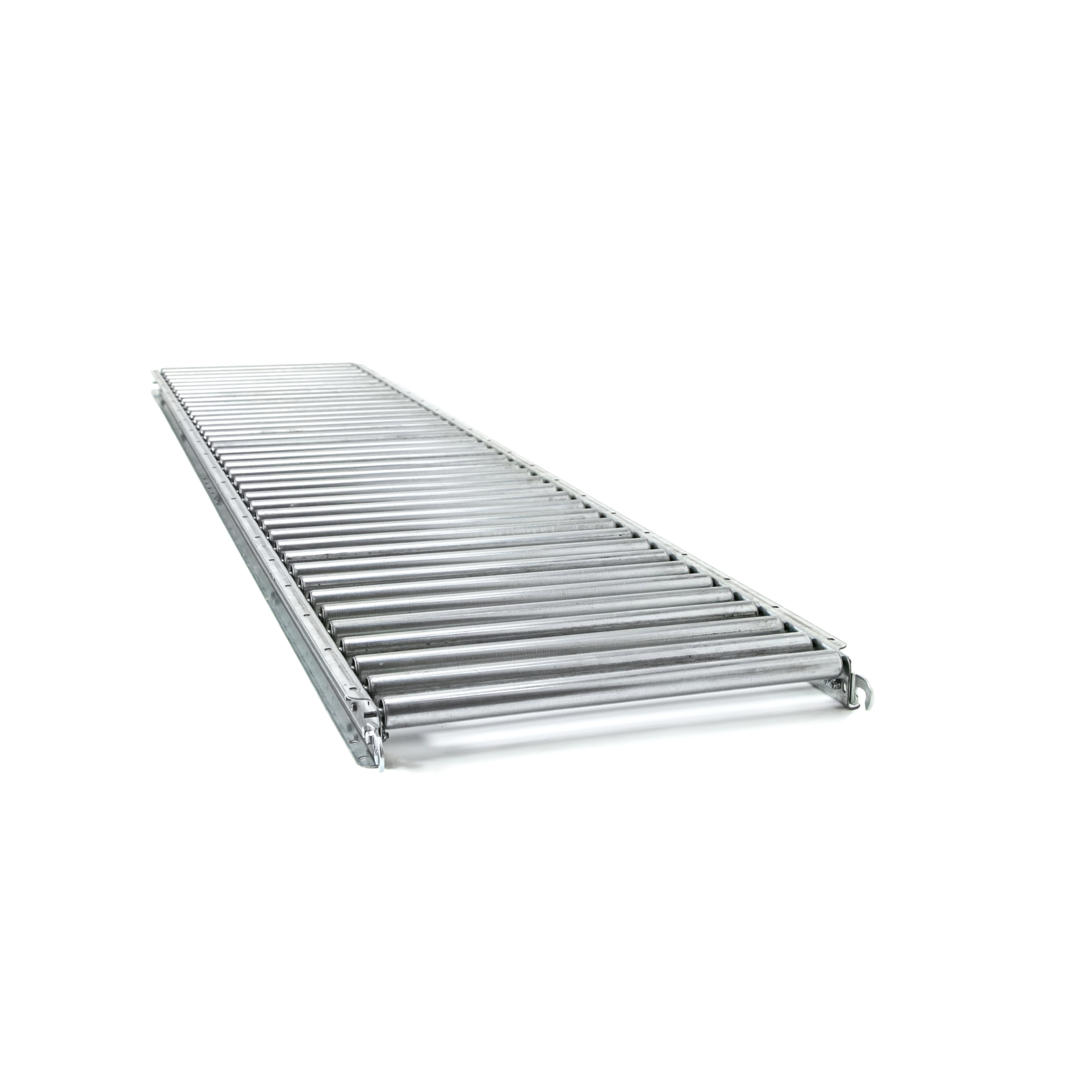
Item # 4478802
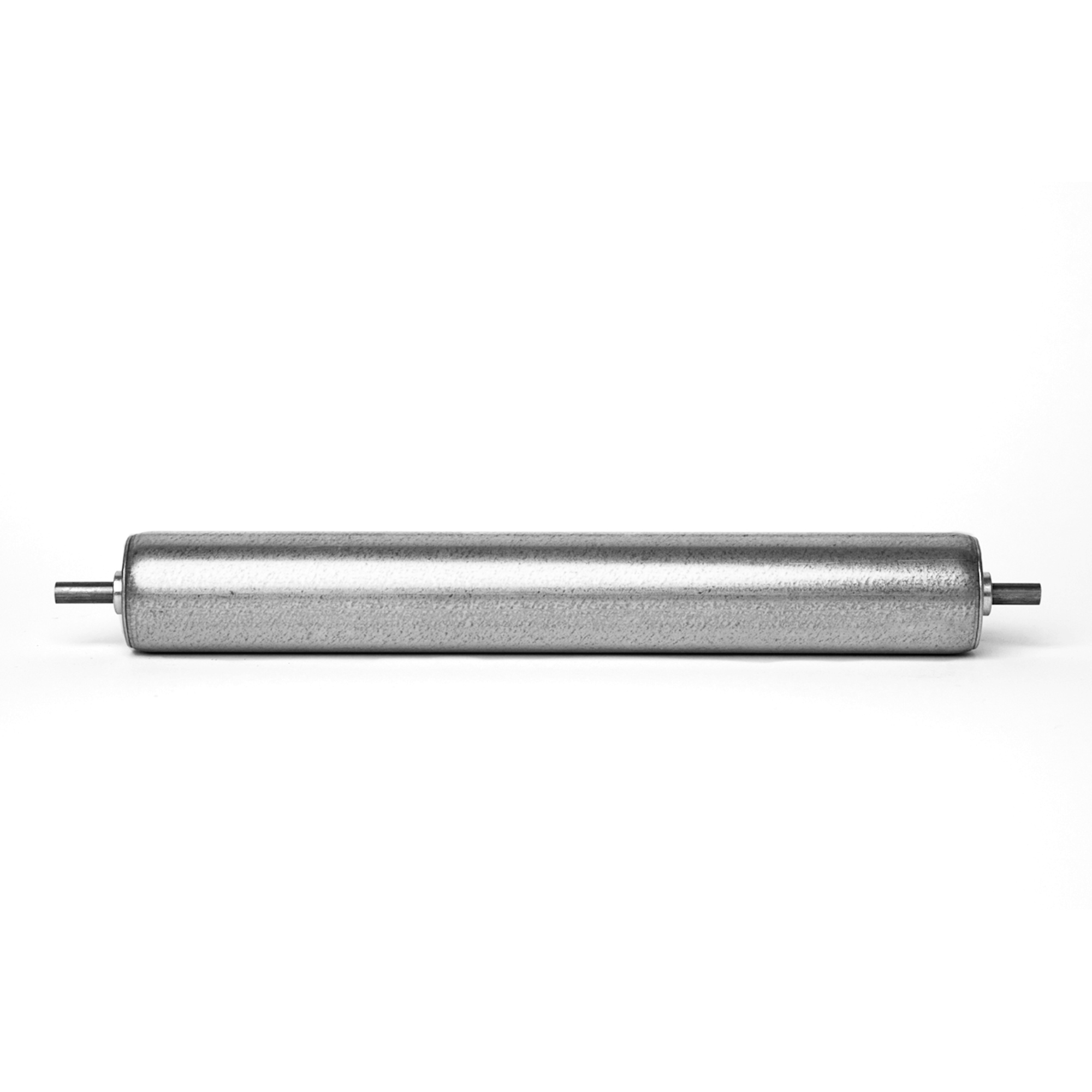
Item # 4478749
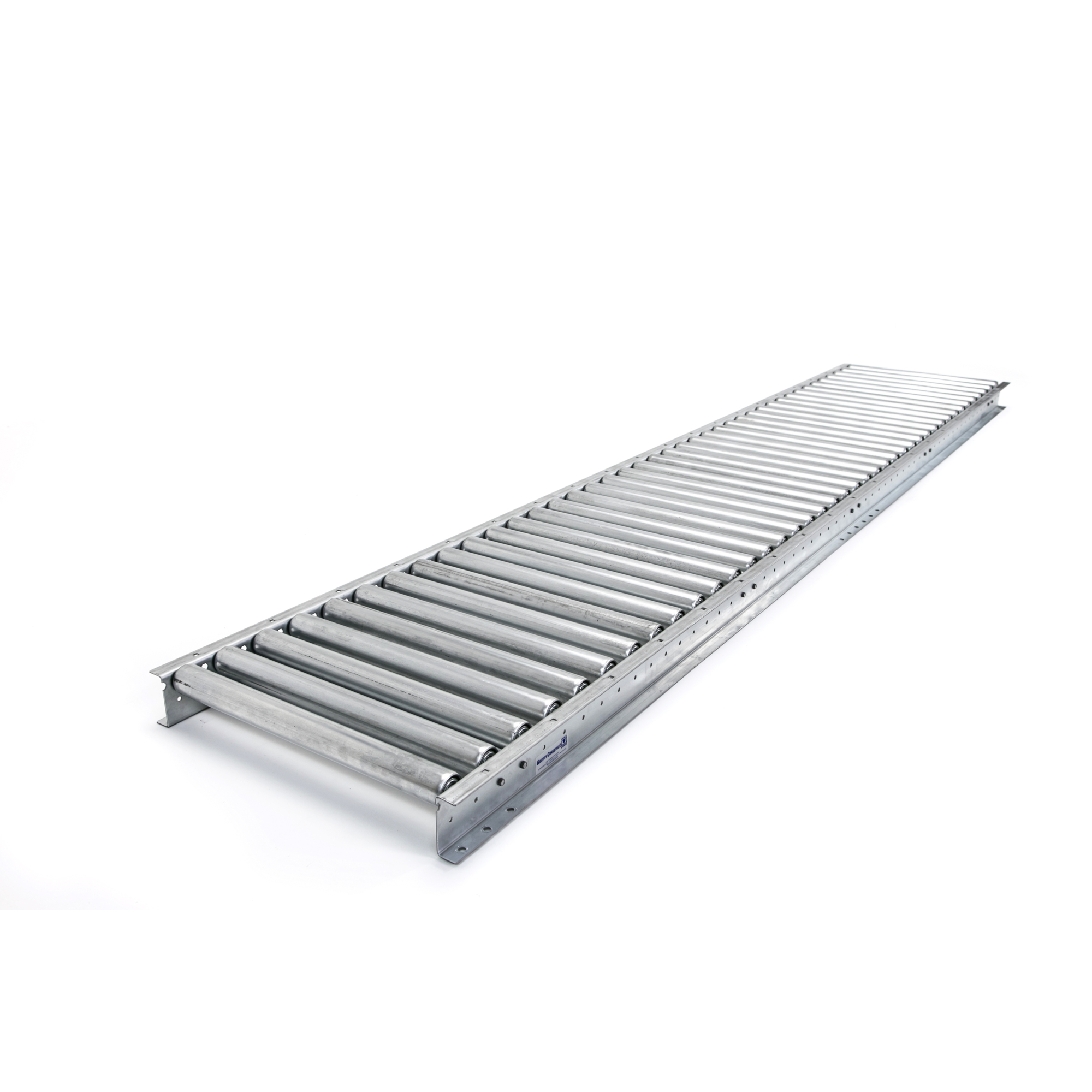
Item # 4478634
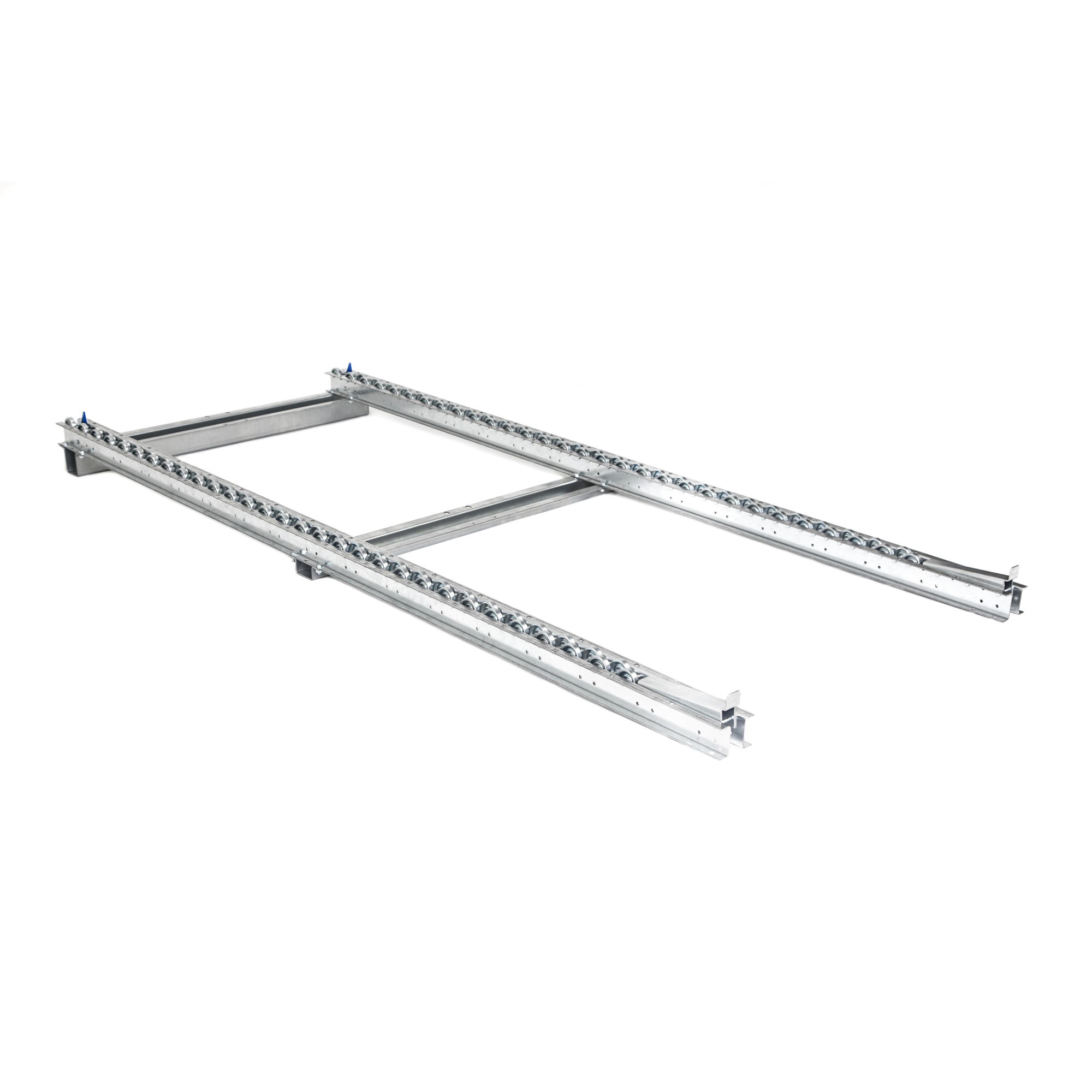
Item # 4478589
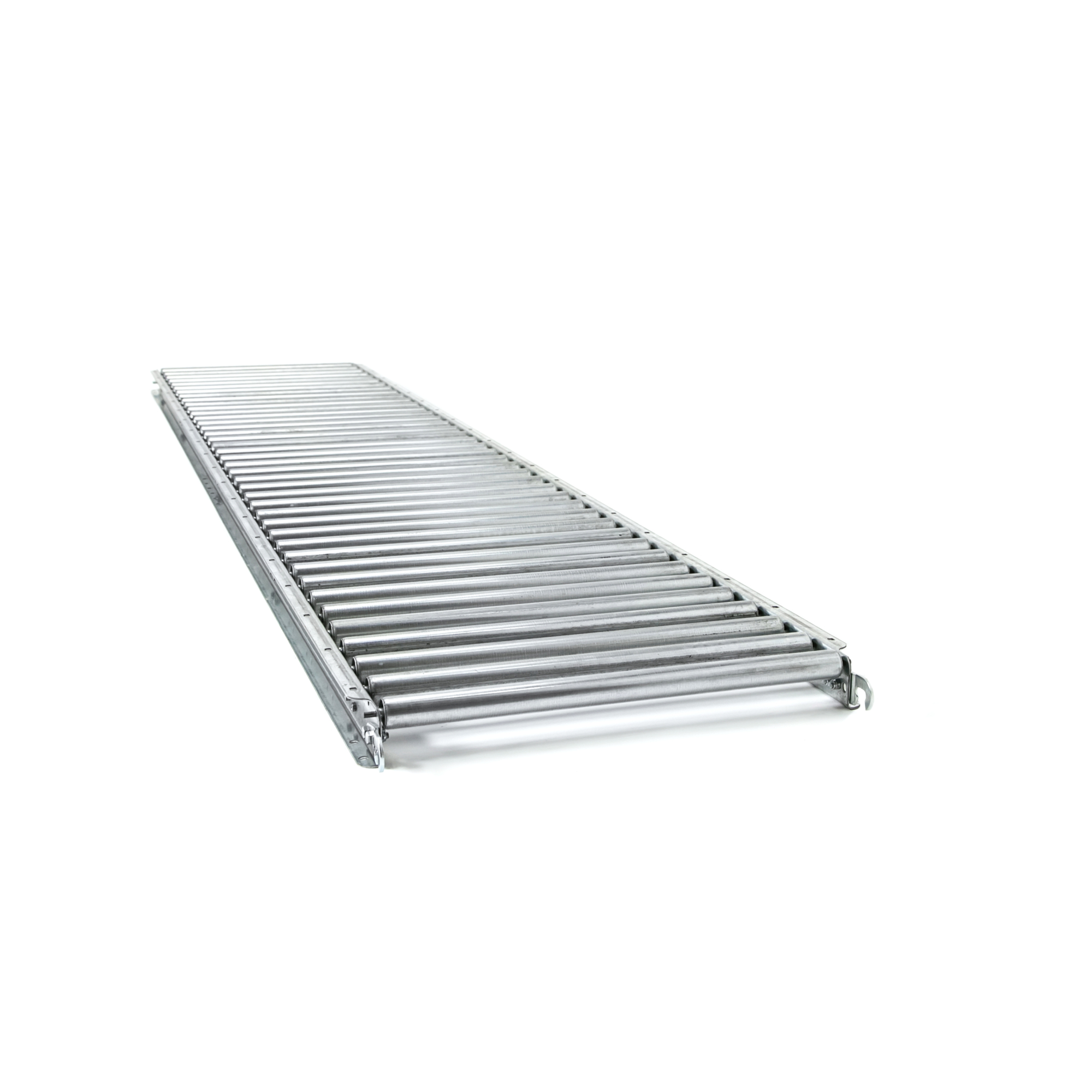
Item # 4478482
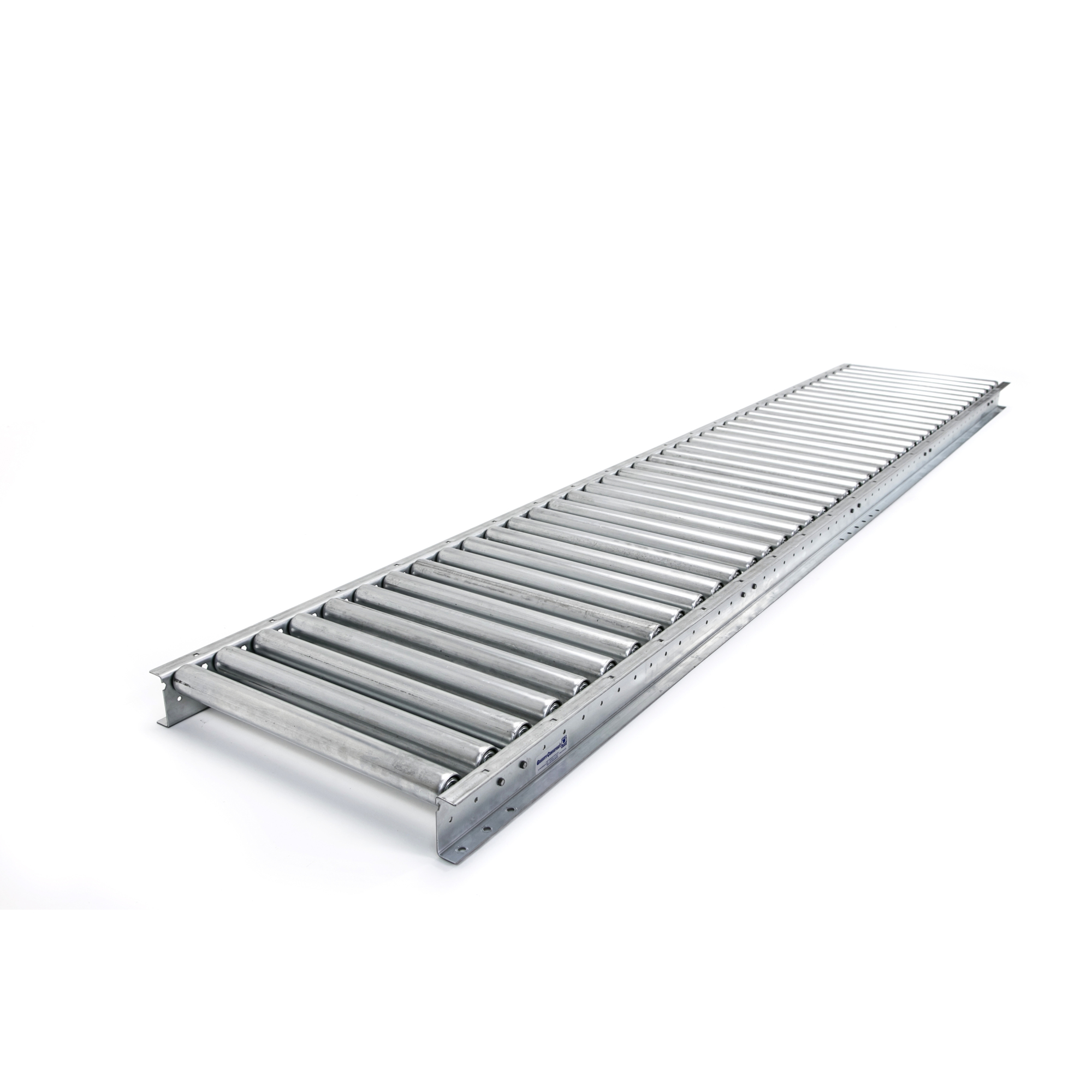
Item # 4478597
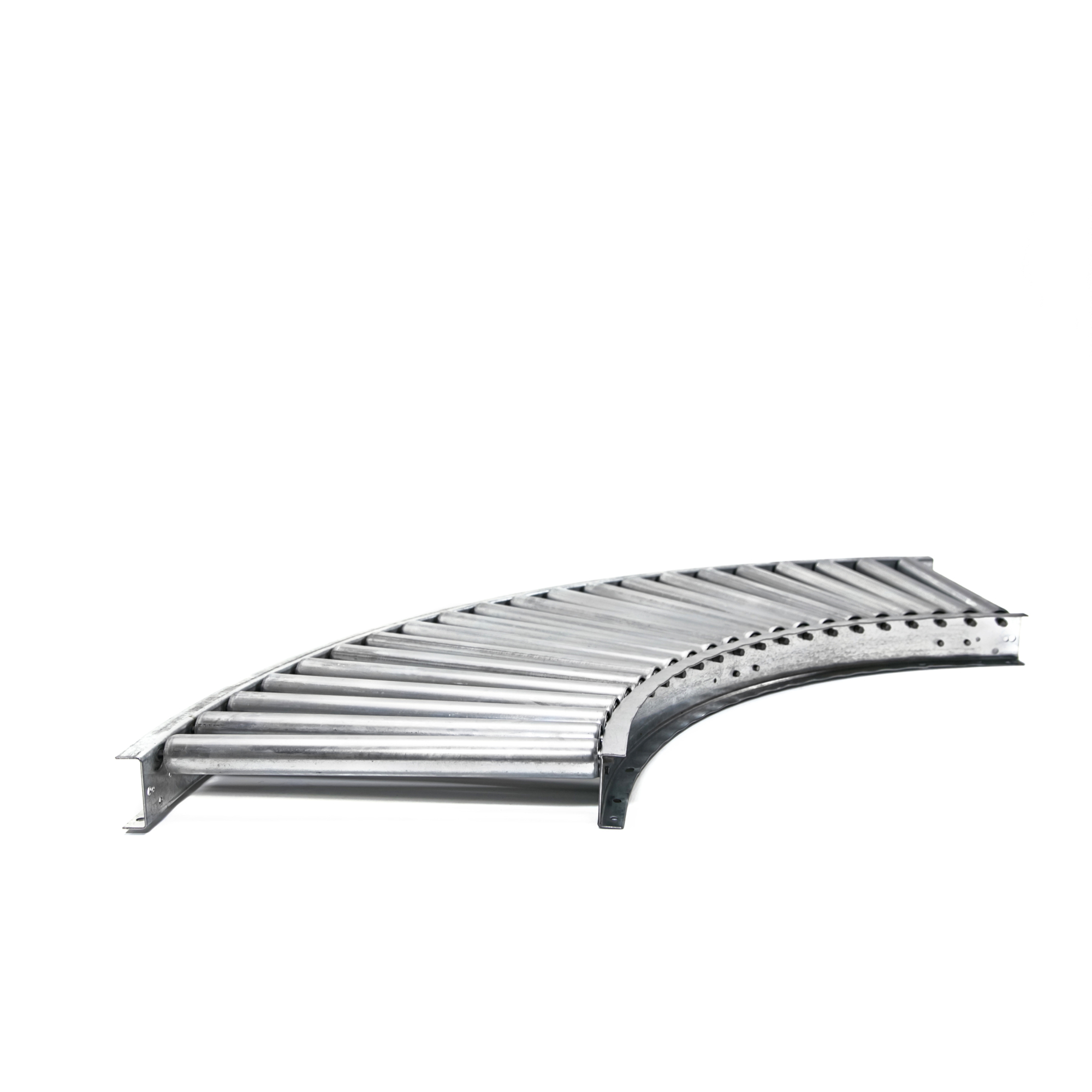
Item # 4478491
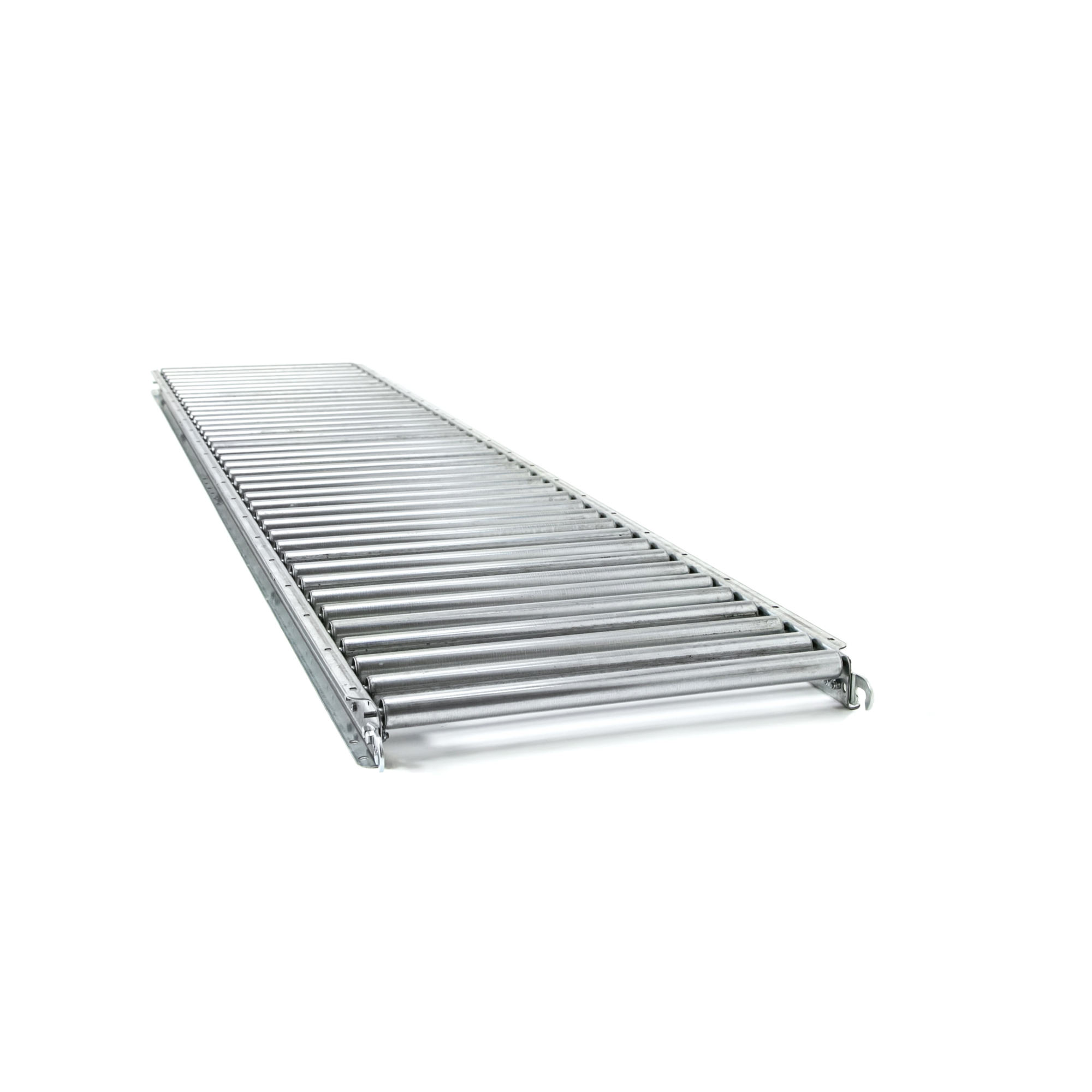
Item # 4478386
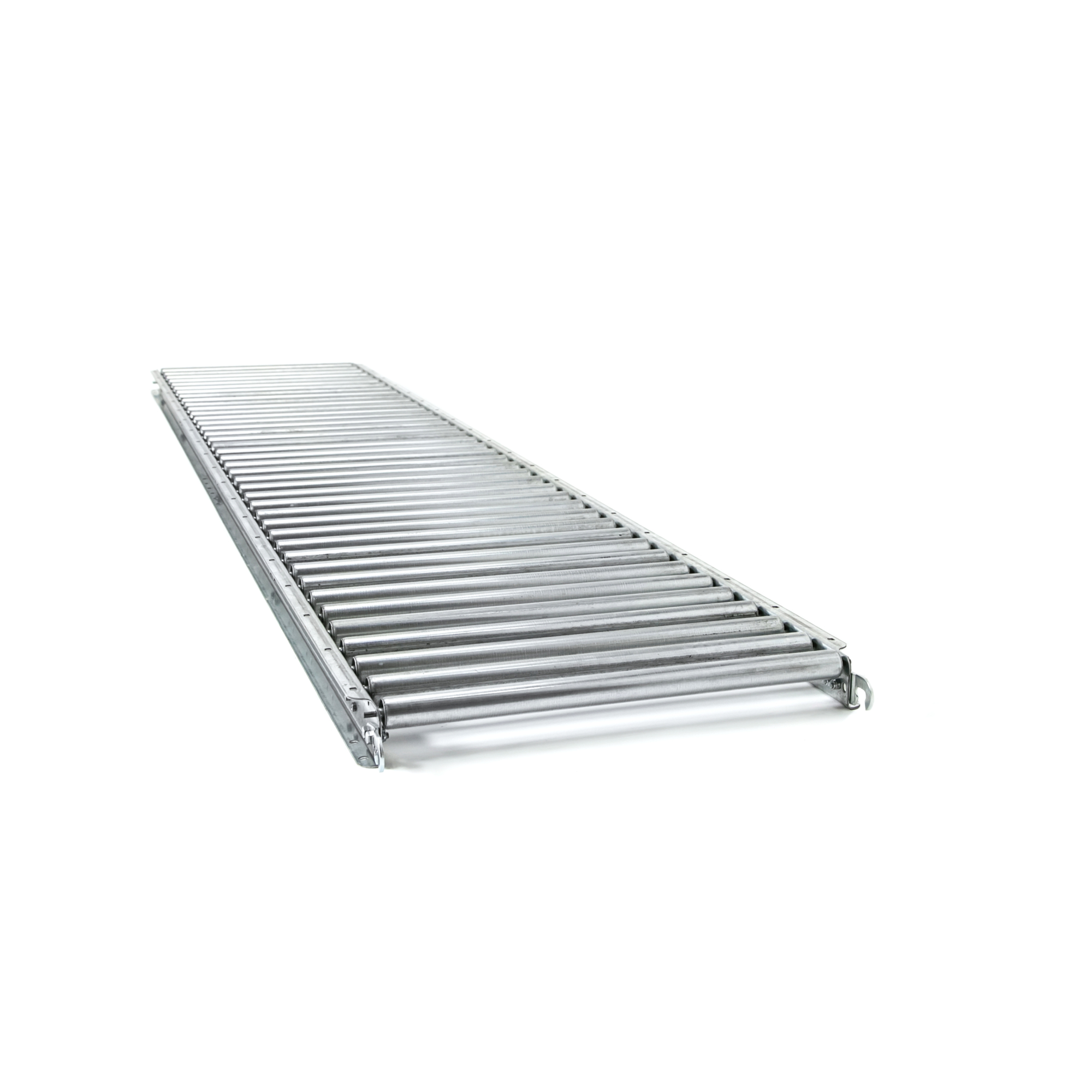
Item # 4479101
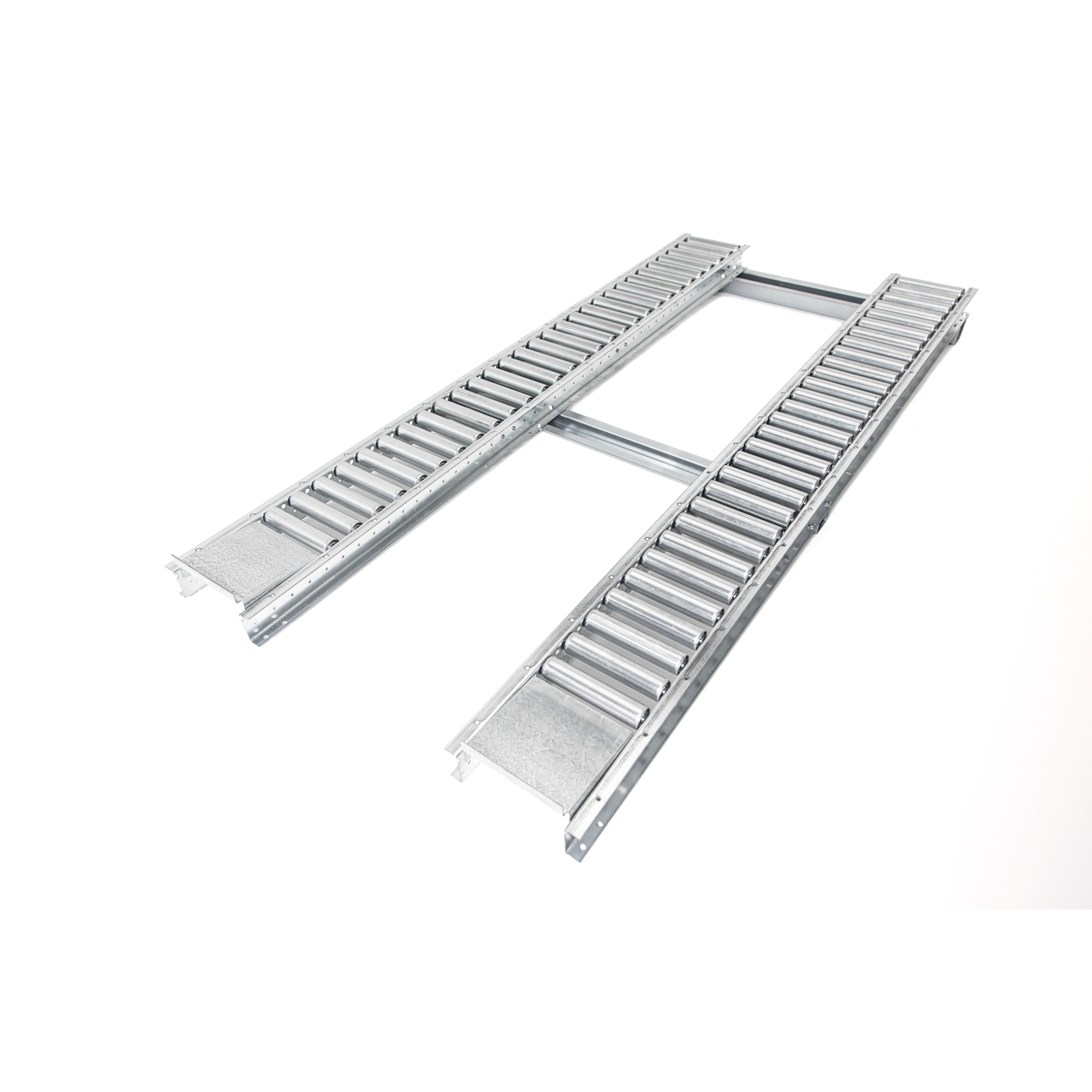
Item # 4479055
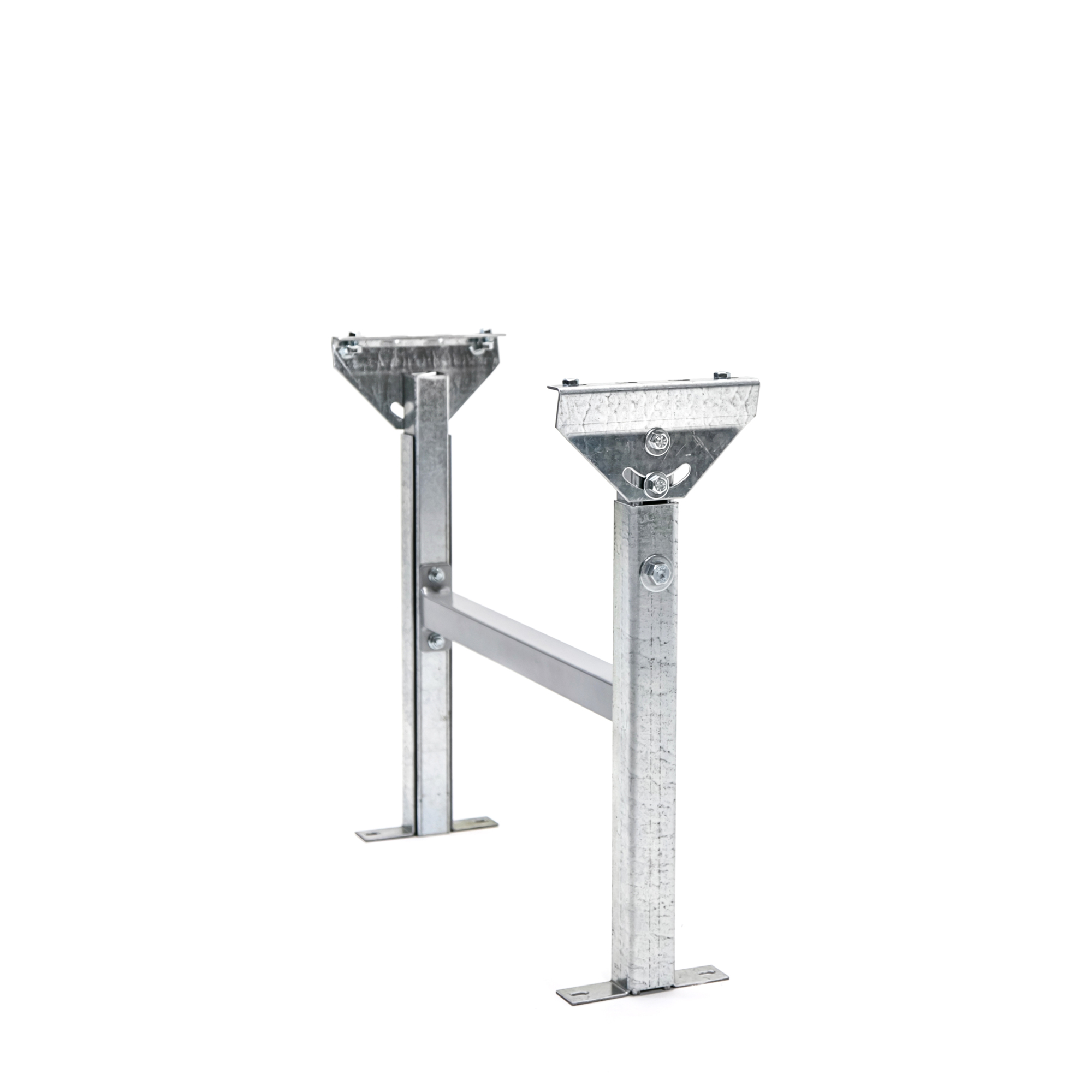
Item # 4478853
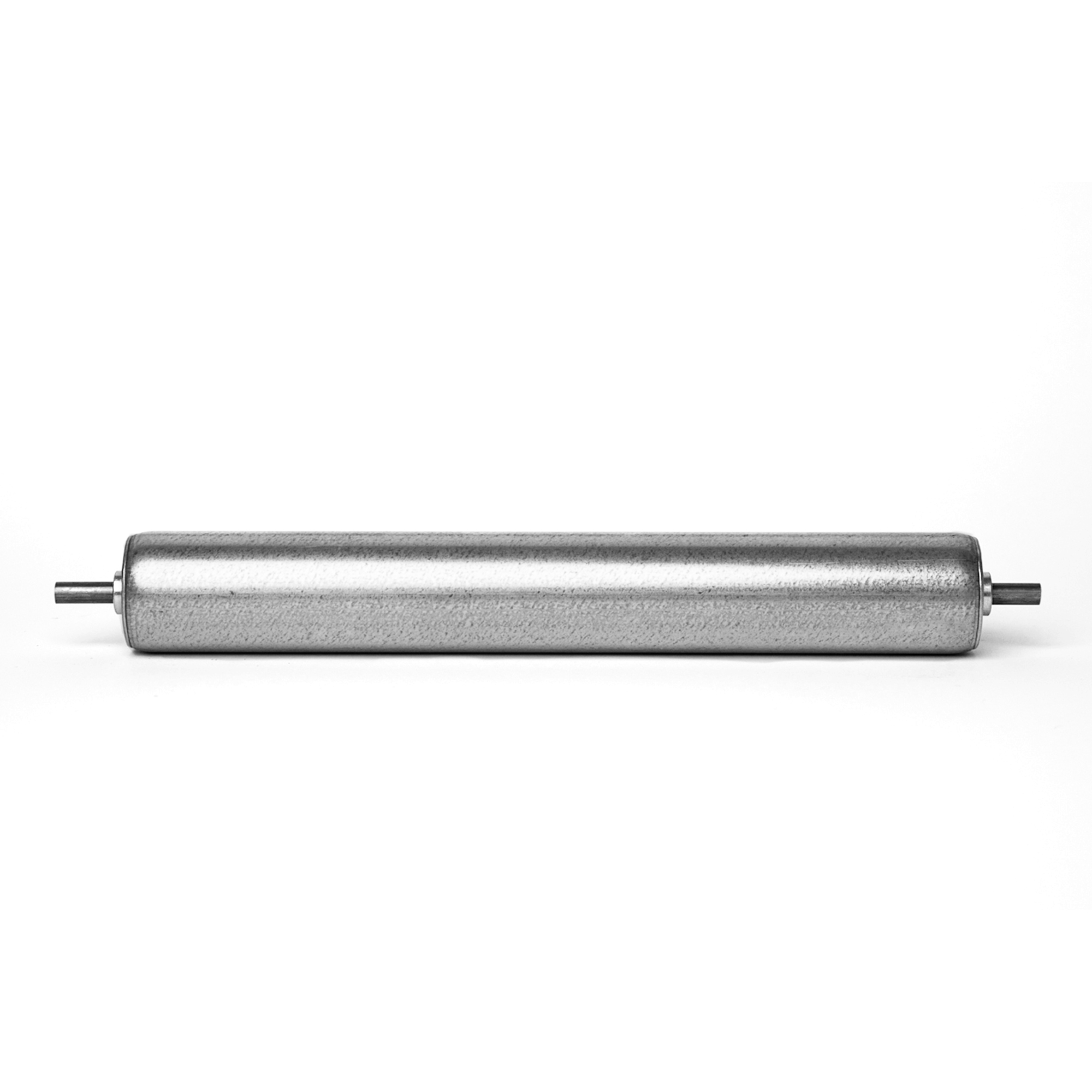
Item # 4478790
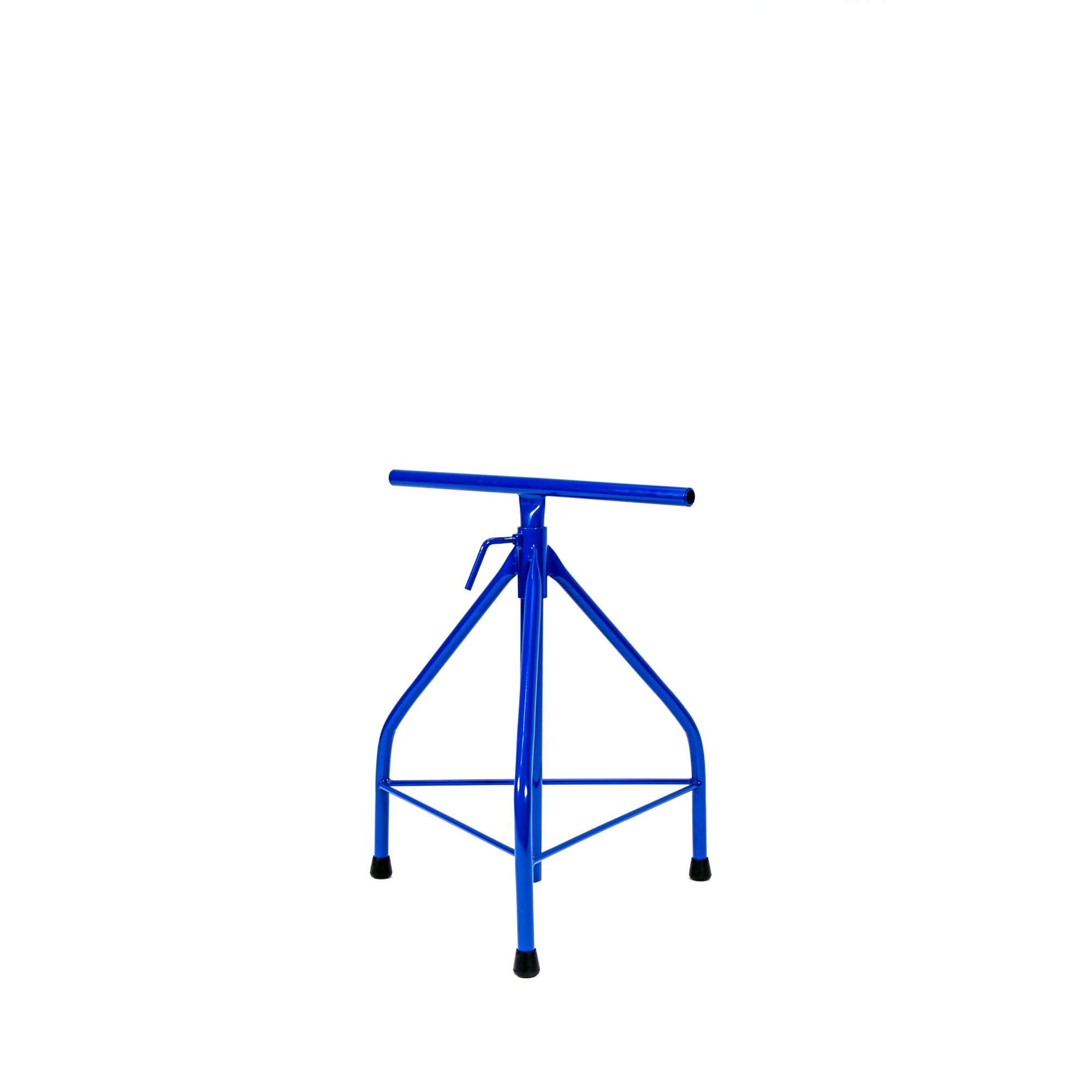
Item # 4479021
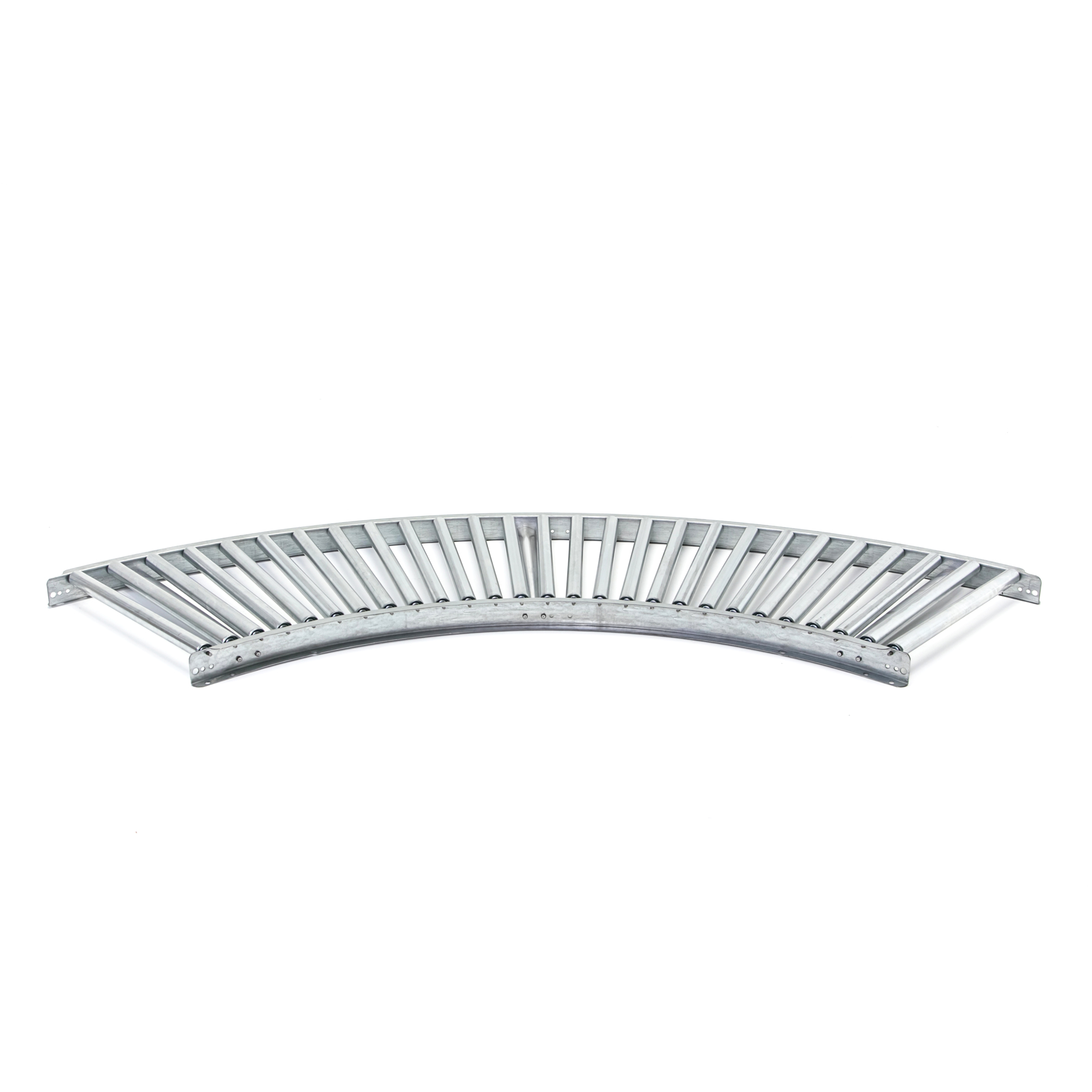
Item # 4478933
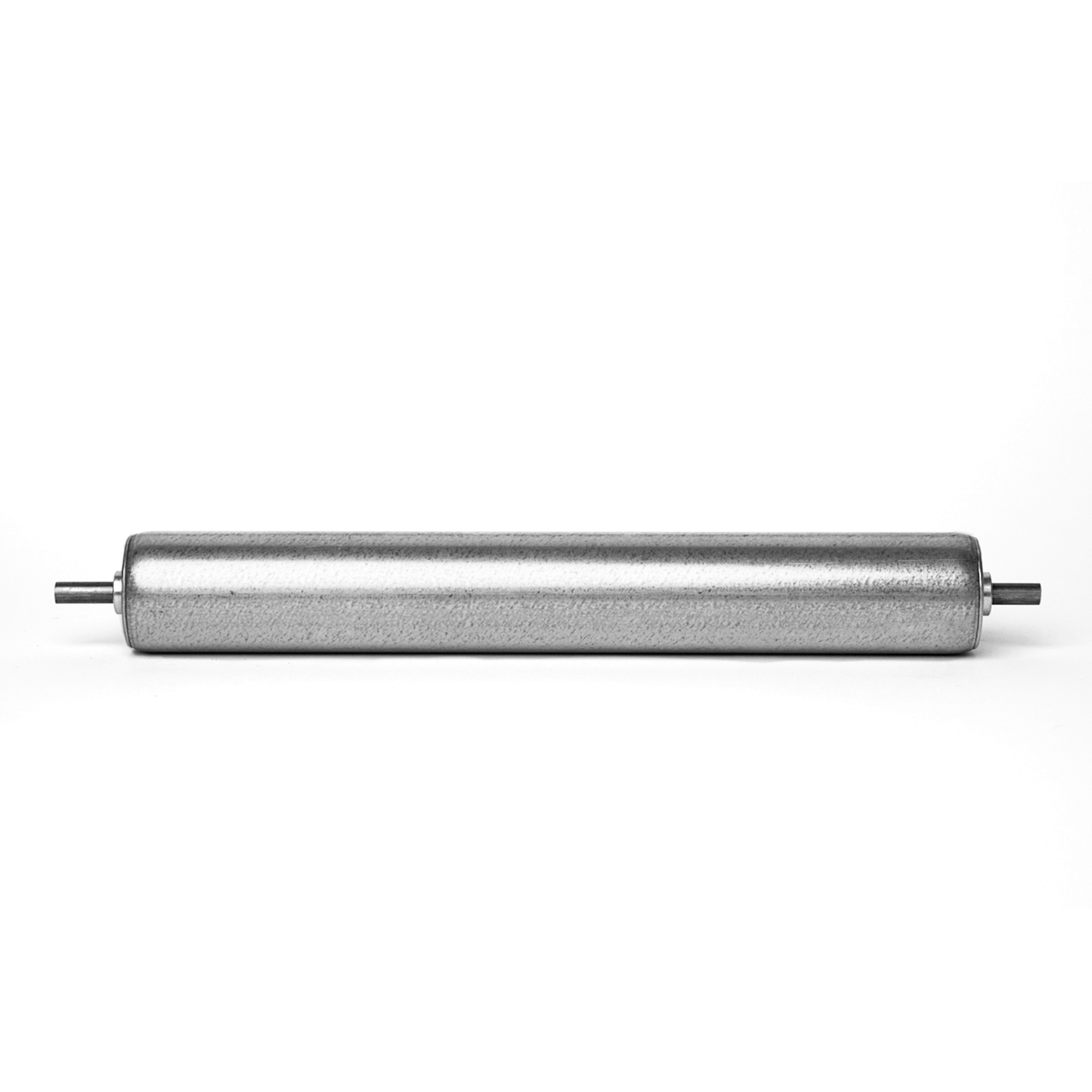
Item # 4478909
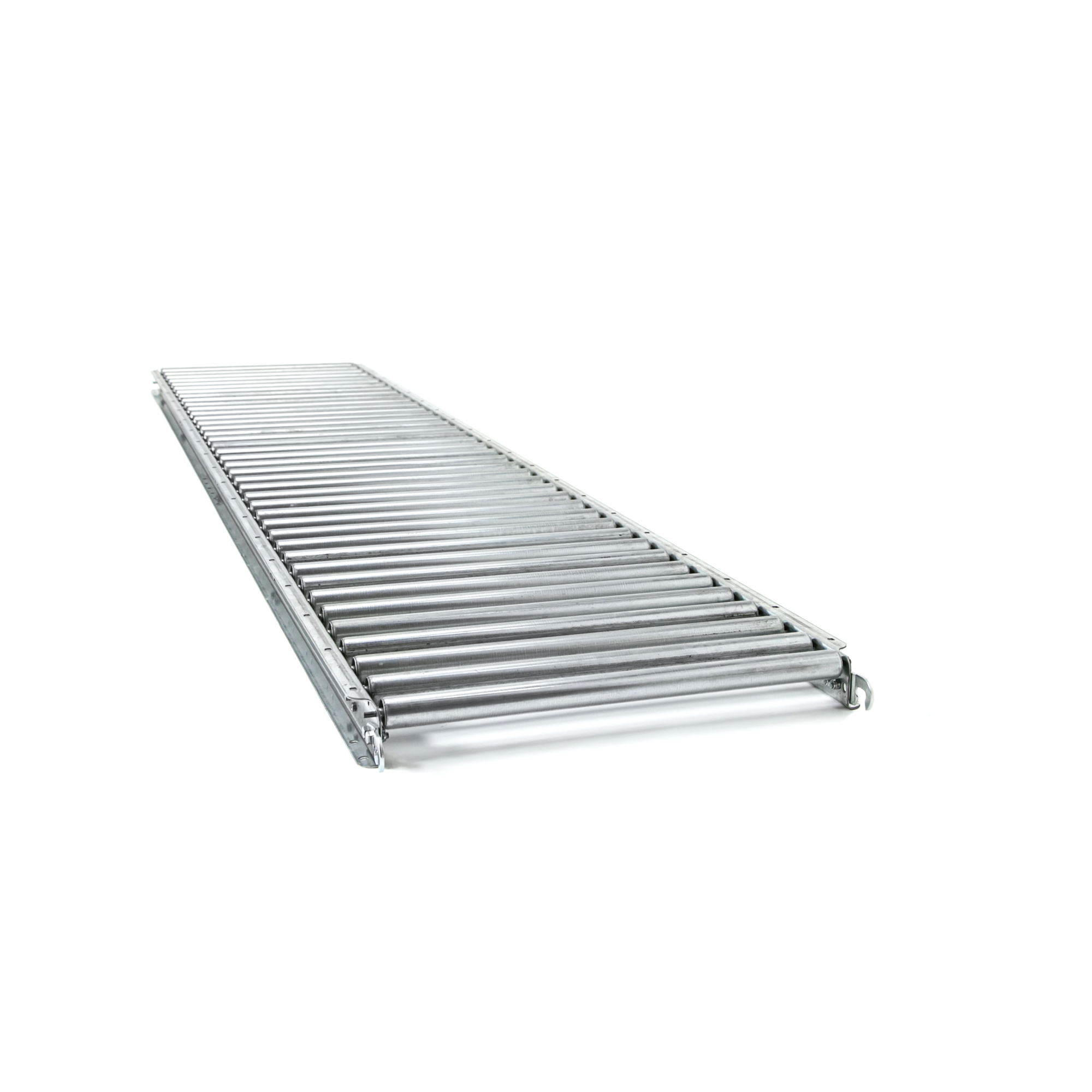
Item # 4478845
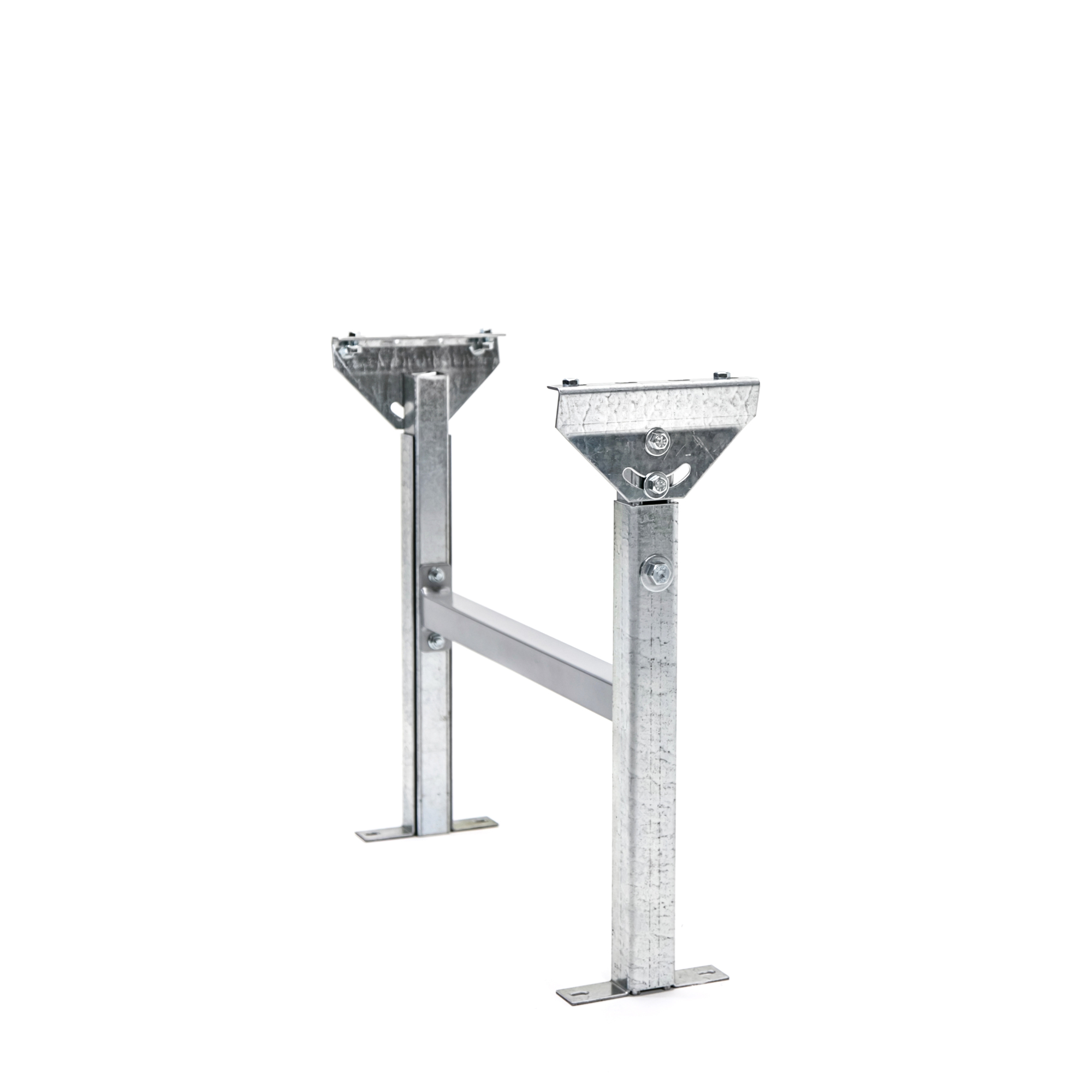
Item # 4478706
Roller Conveyors

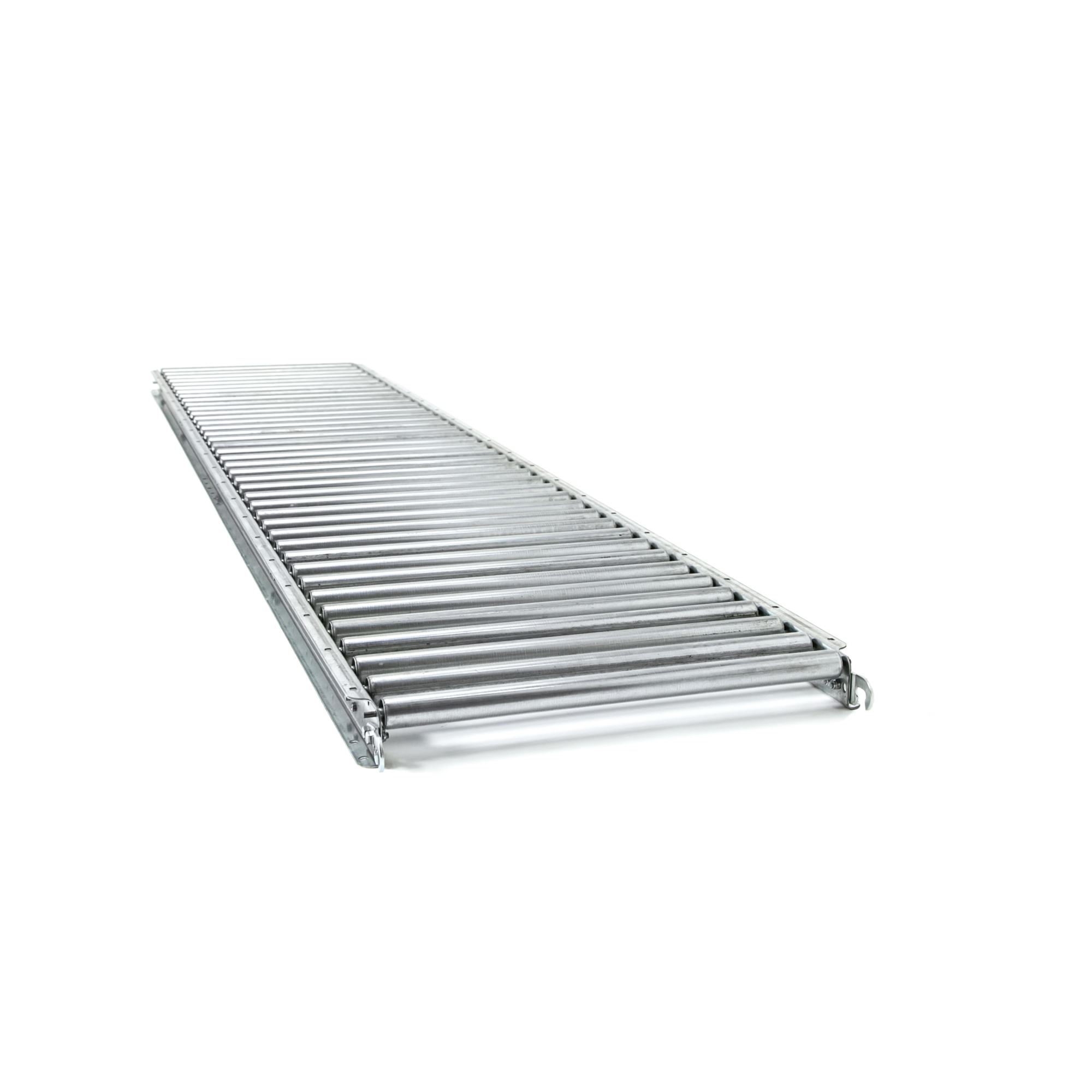
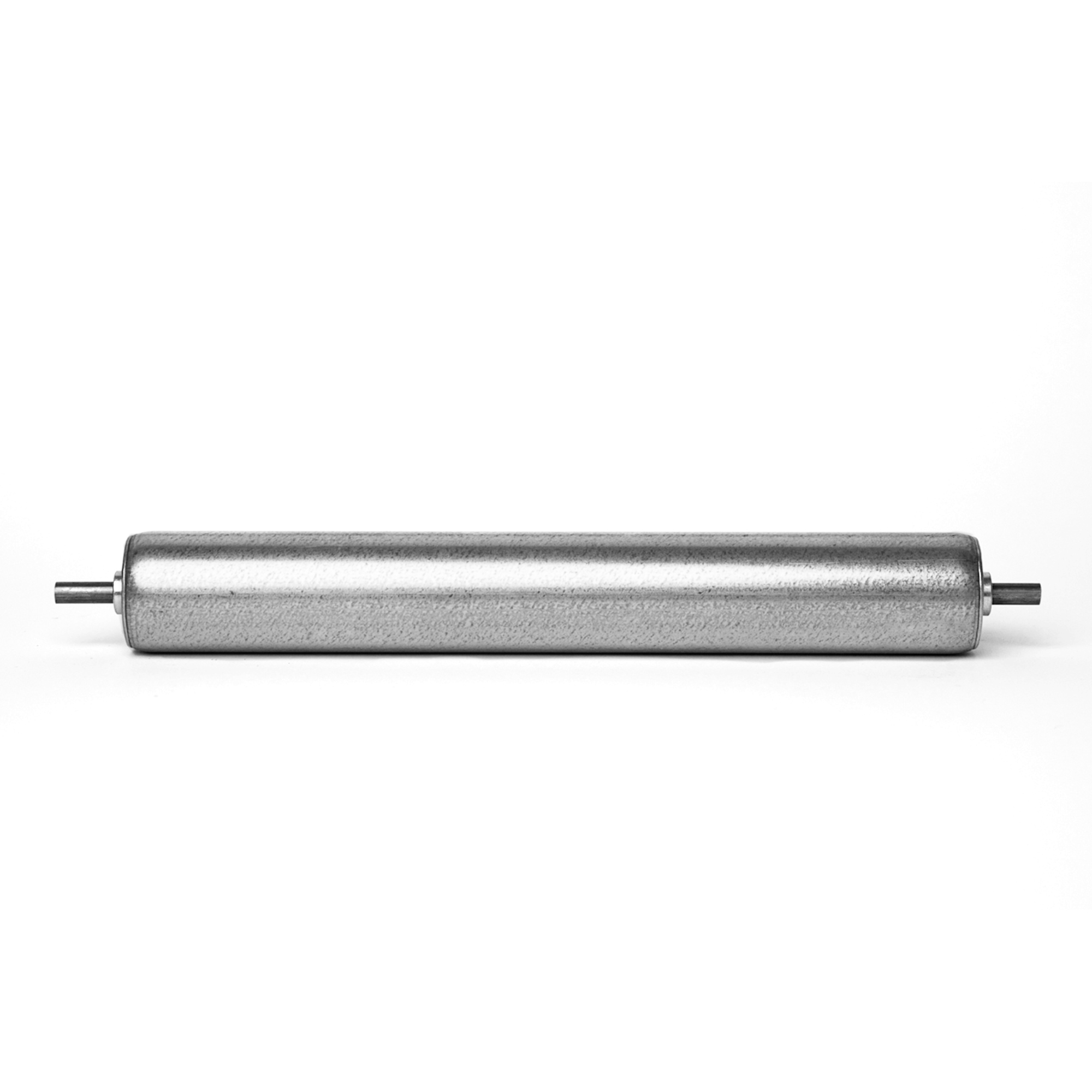
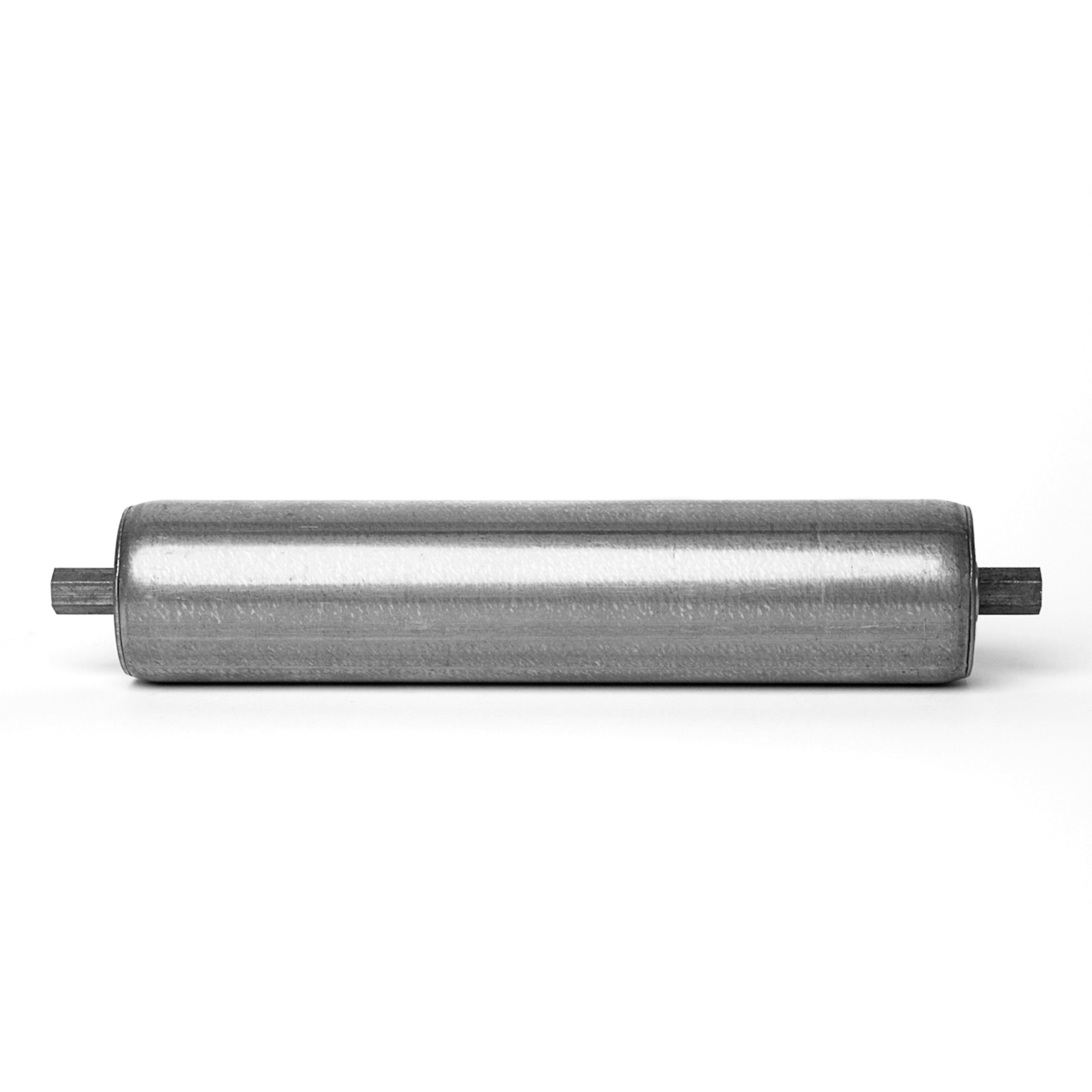
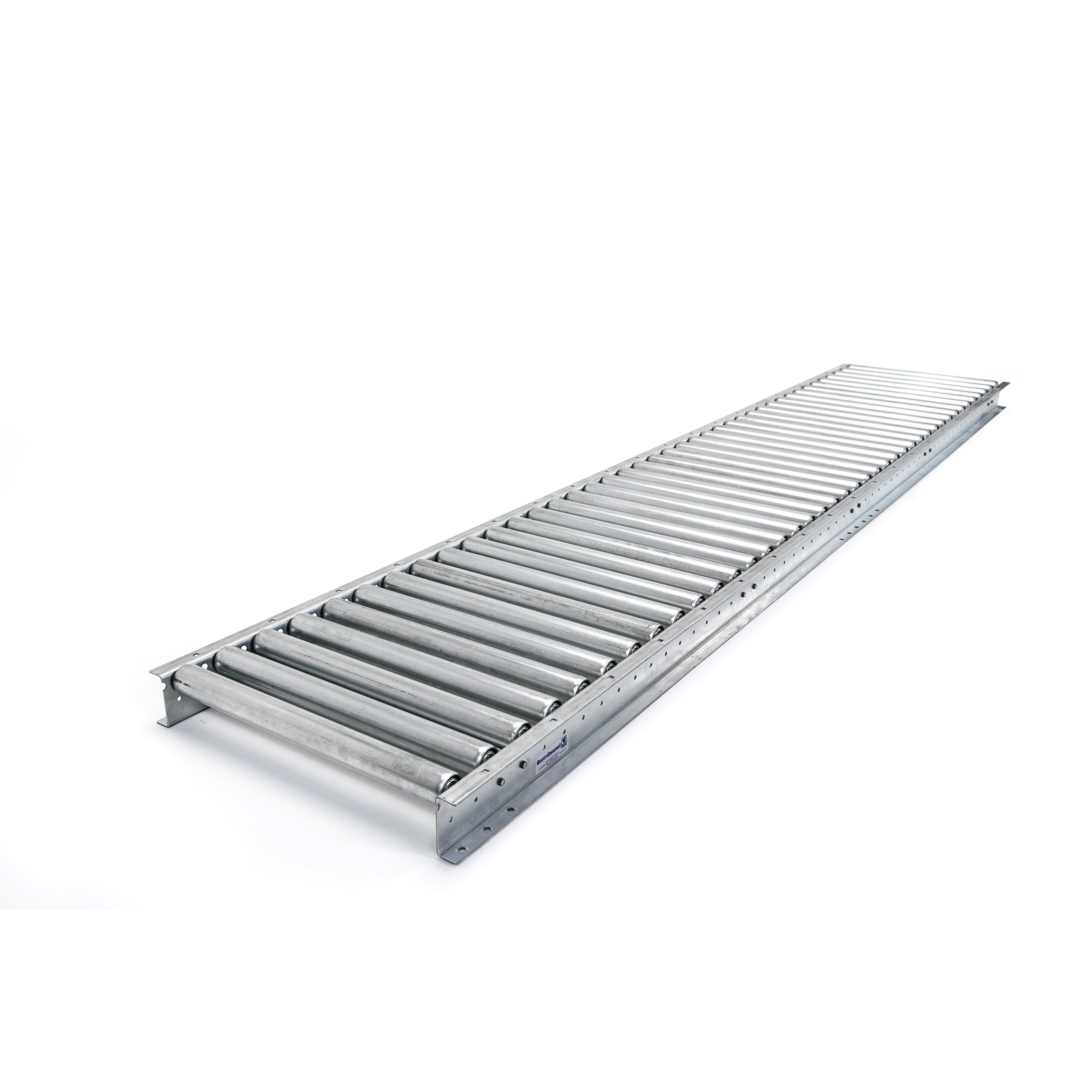
Conveyors are used in several industries, streamlining the movement of materials, efficiently. Rollers are the essential mechanisms that facilitate smooth transportation. These cylindrical devices, typically made of steel or aluminum, serve as the contact points between the conveyed load and the conveyor belt. The design and composition of rollers are crucial in determining the conveyor's performance, as they influence factors like friction, durability, and load capacity. Some rollers are equipped with bearings to reduce friction, ensuring a more fluid movement of materials. Depending on the specific application, conveyors can feature different types of rollers, such as gravity rollers, which rely on the force of gravity for movement.
Conveyors + Rollers Frequently Asked Questions:
What material is best for conveyor rollers? Steel or aluminum, and why?
If you want lighter rollers for lighter loads that are fast and easy to install, choose aluminum. If you need ultra-durable rollers for heavier loads, choose steel. You might also want to choose rollers that feature both aluminum and steel: lighter aluminum rollers with durable steel end caps. With the most expensive raw material only in the areas that need the greatest strength, you can reduce the cost of your rollers.
How are roller conveyors used
Typically, roller conveyors are used in manufacturing facilities or warehouses for transporting goods. Some commonly transported goods include boxes, boards, crates, pallets, totes and trays.
What tools will I need to replace rollers?
First of all, you will need gloves and goggles for safety. You’ll also need a wrench and pry bar to remove and replace a roller. Be sure to consult your owner’s manual for specific instructions from the manufacturer.
Generally, however, these are the steps to removing an old roller and replacing it with a new one:
• Loosen the tension bolts on each end of the roller with a wrench
• Using the prybar, carefully remove the shaft of the roller from its brackets
• Slide out the old roller
• Slide the new roller into position
• Once the new roller is positioned, put the shaft back through the brackets and into the roller, ensuring that it’s properly aligned.
• Using the wrench again, tighten the bolts on each side of the roller.
Are gravity conveyors adjustable in terms of height and configuration?
Yes. Gravity conveyors often feature legs that can be adjusted to different heights. They can also be sloped to different angles to allow optimal gravity to pull their loads along. A gravity conveyor can also be set flat on a surface, in which case staff push loads along it.