Trolleys
Filters
1-48 of 120 Products

Item # 57078
Item # 57084
Item # 57075
Item # 57076
Item # 8564361
From
Save up to $217.74
Item # 57134
Item # 65107
Item # 105655
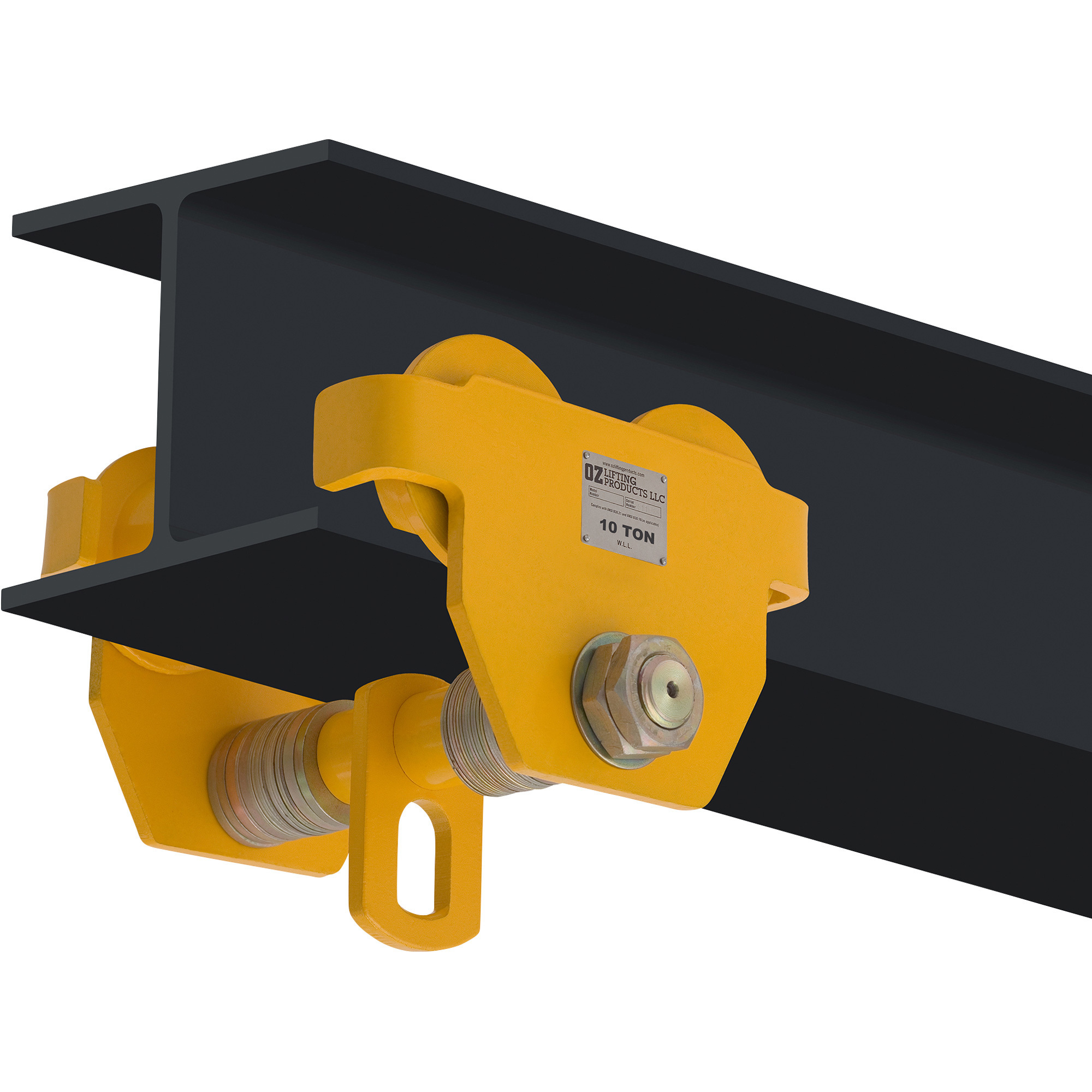
Item # 105481
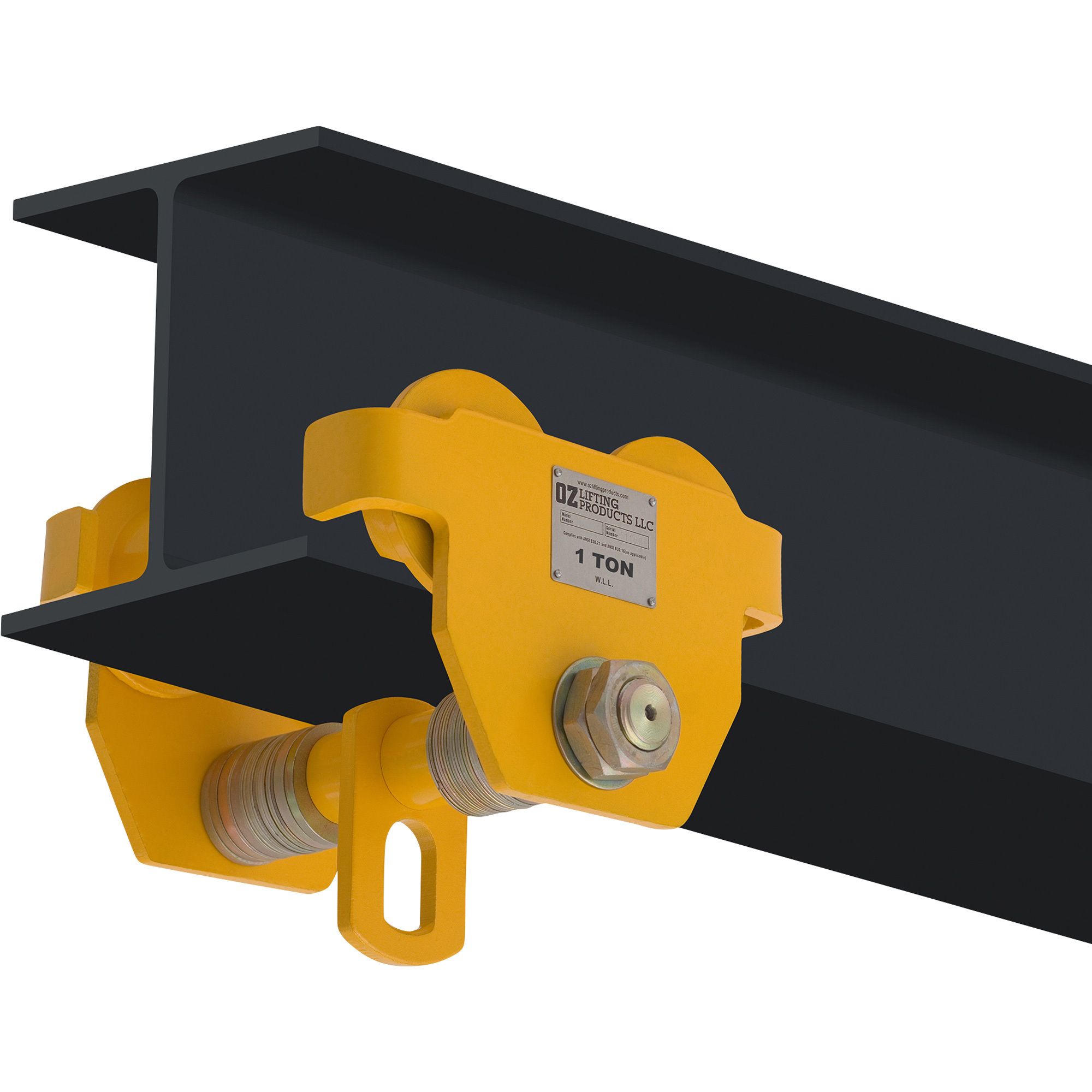
Item # 105471
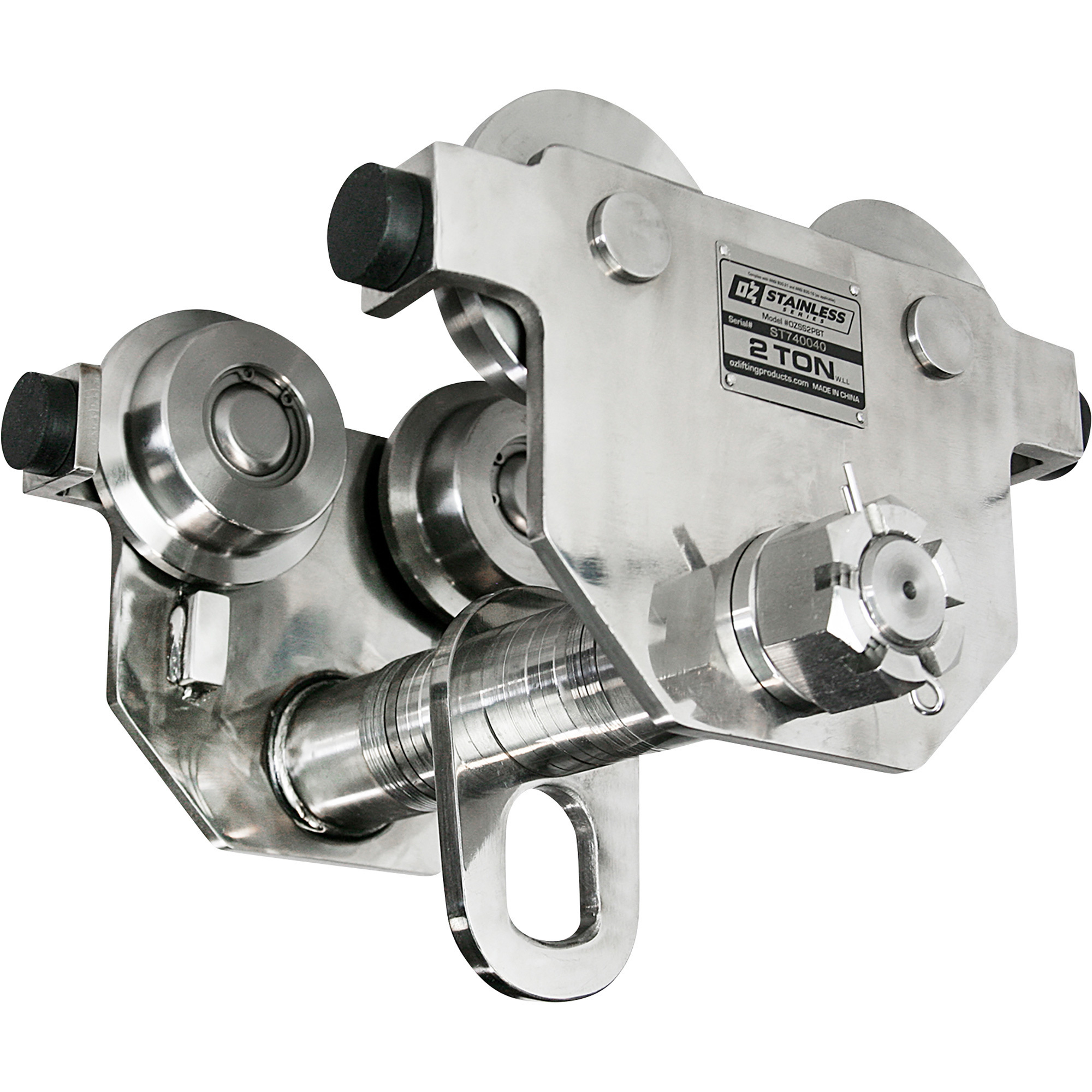
Item # 105223
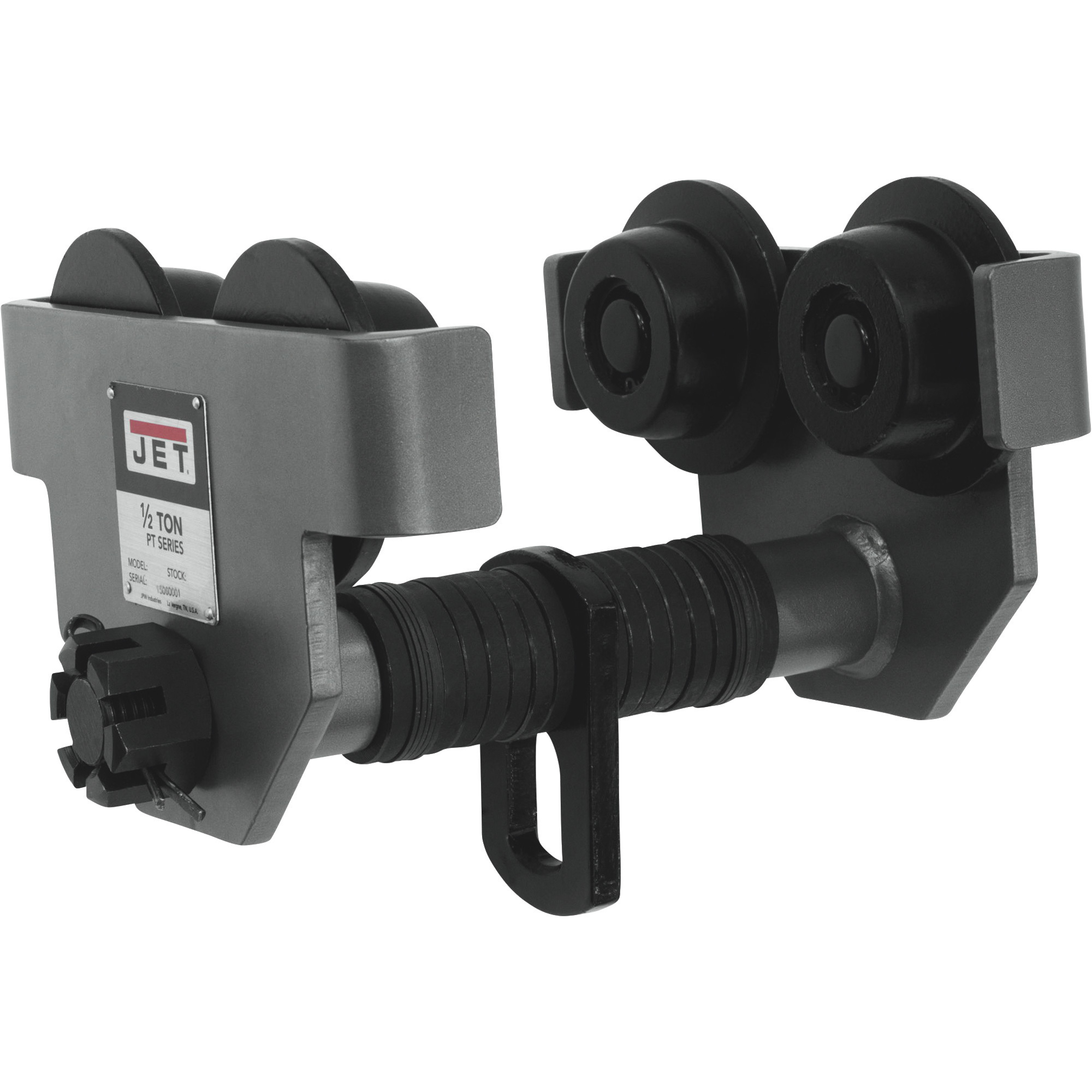
Item # 1450
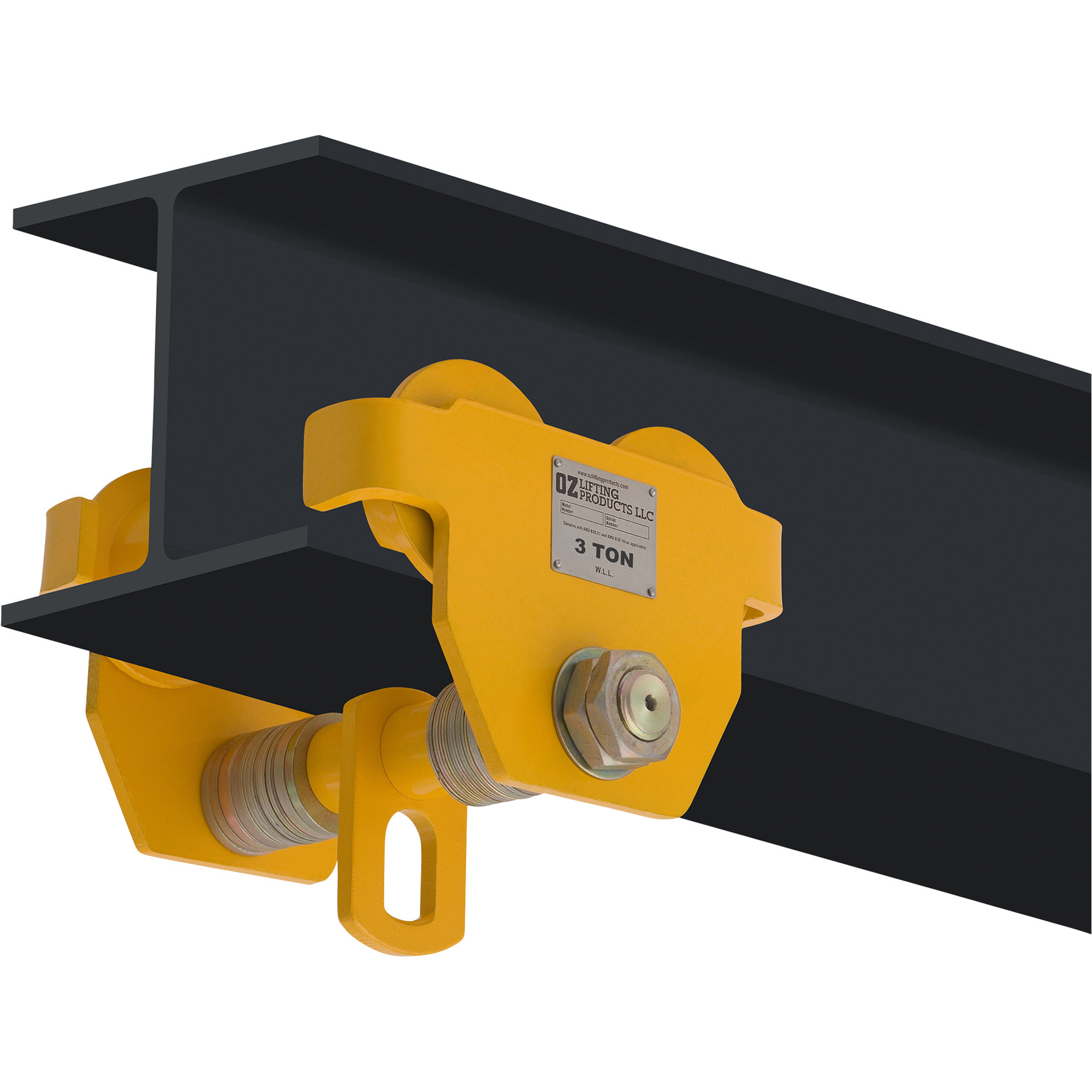
Item # 105638
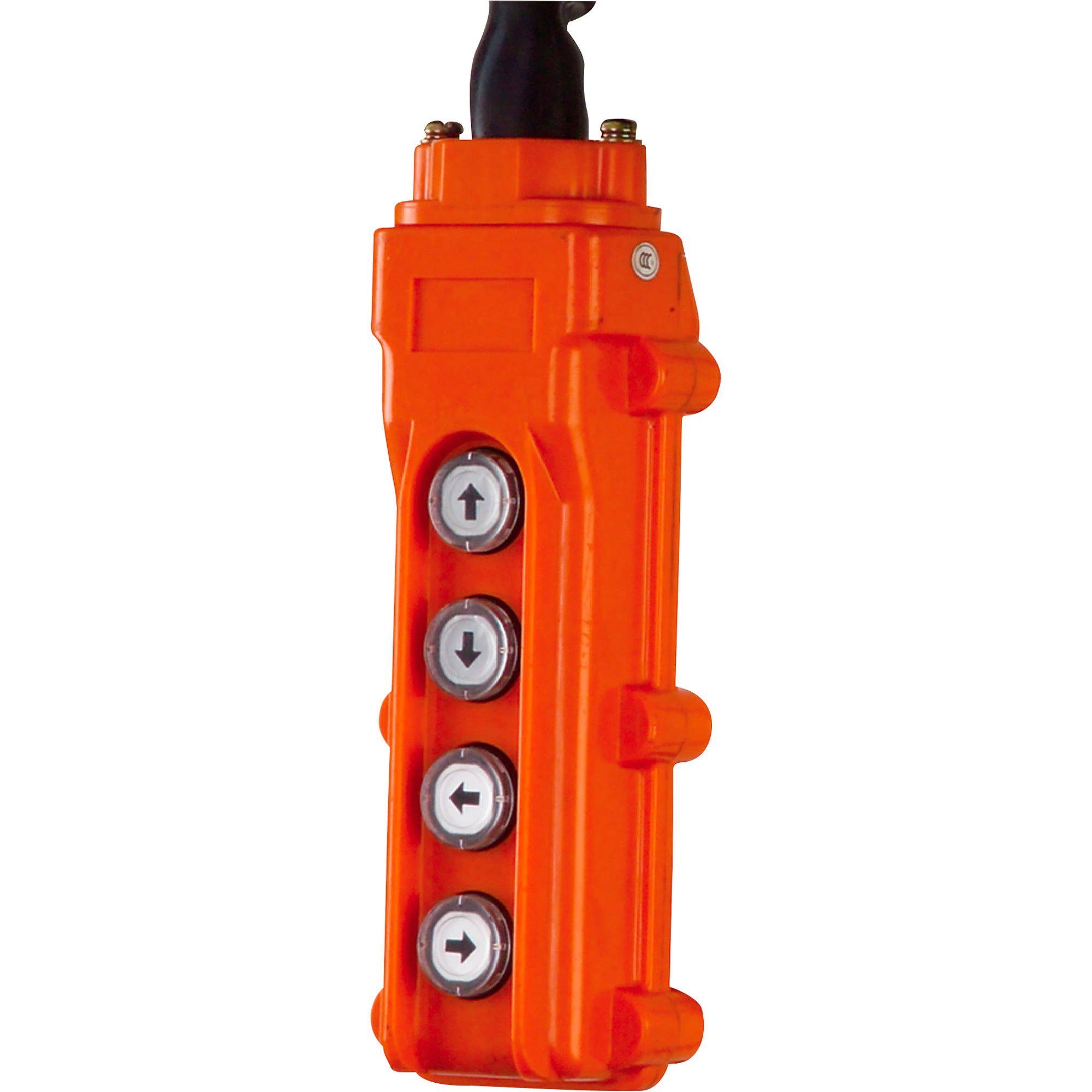
Item # 99151
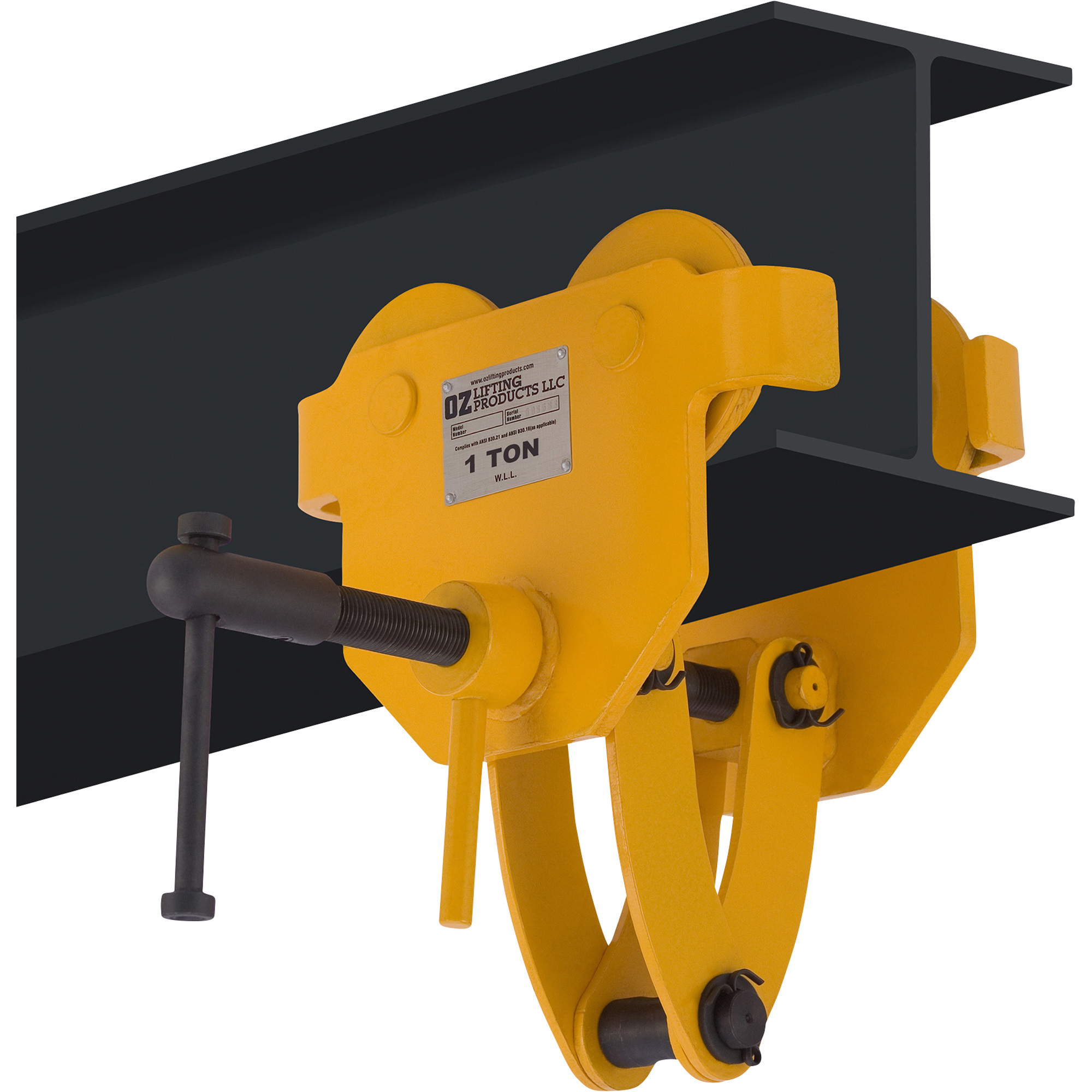
Item # 105476
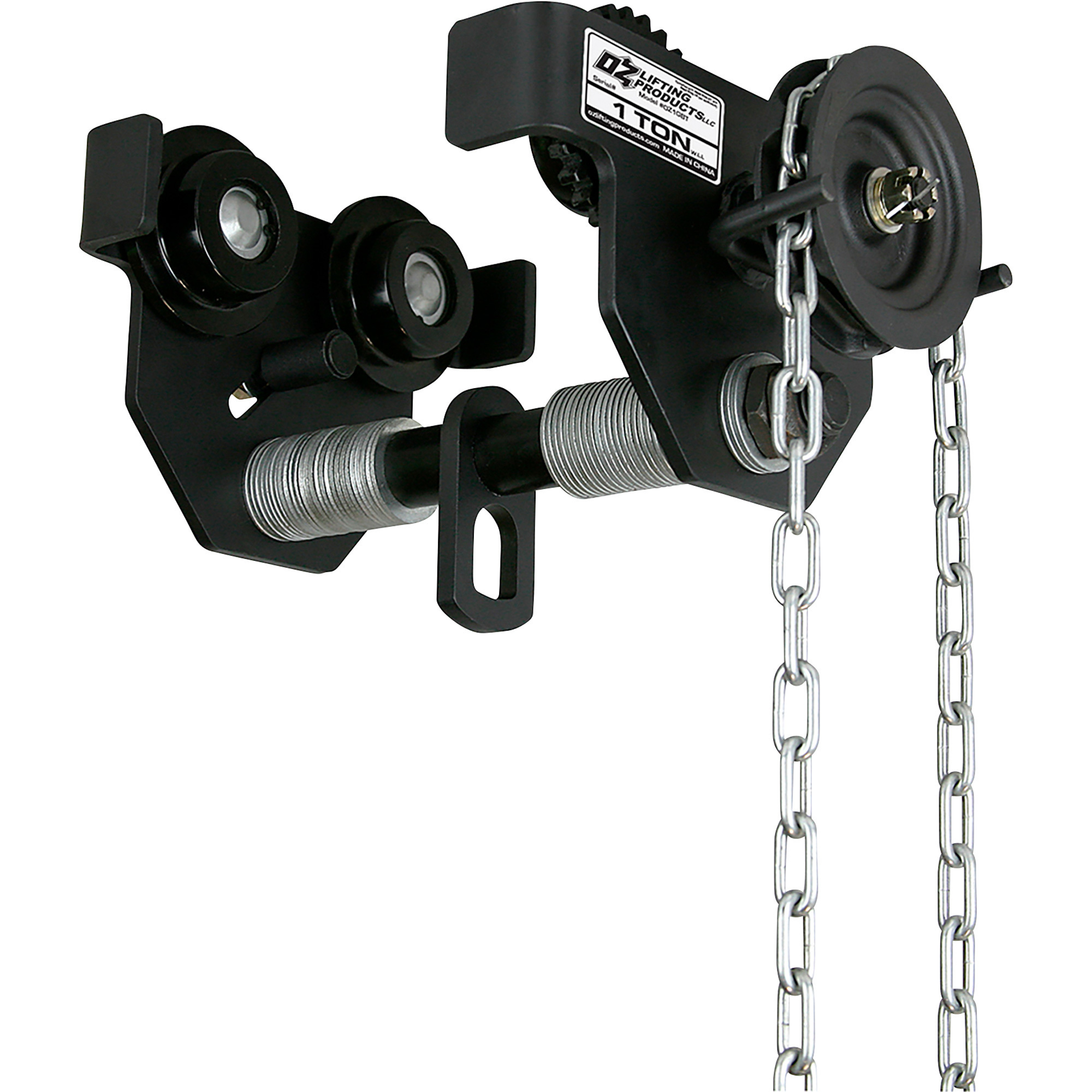
Item # 105470
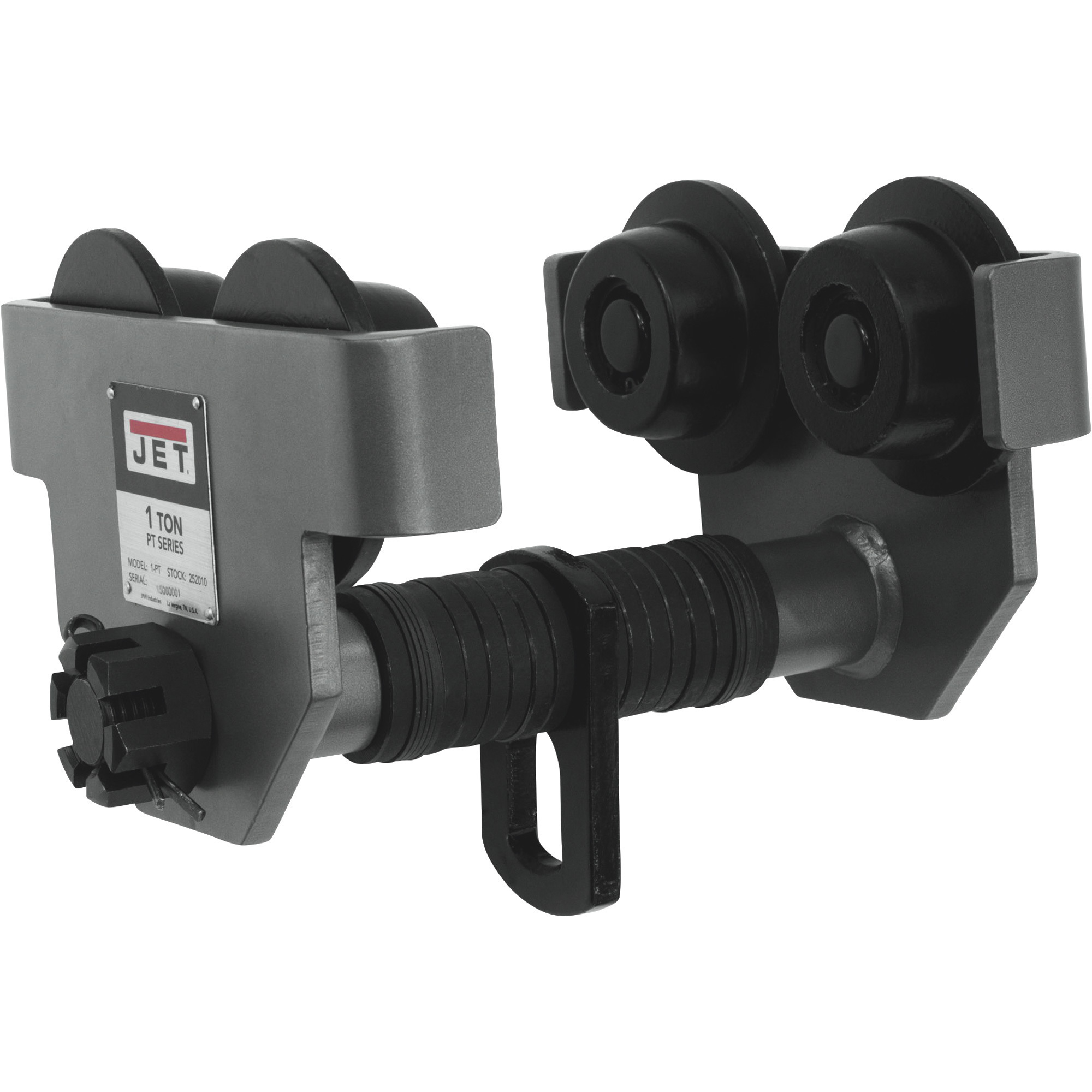
Item # 14511
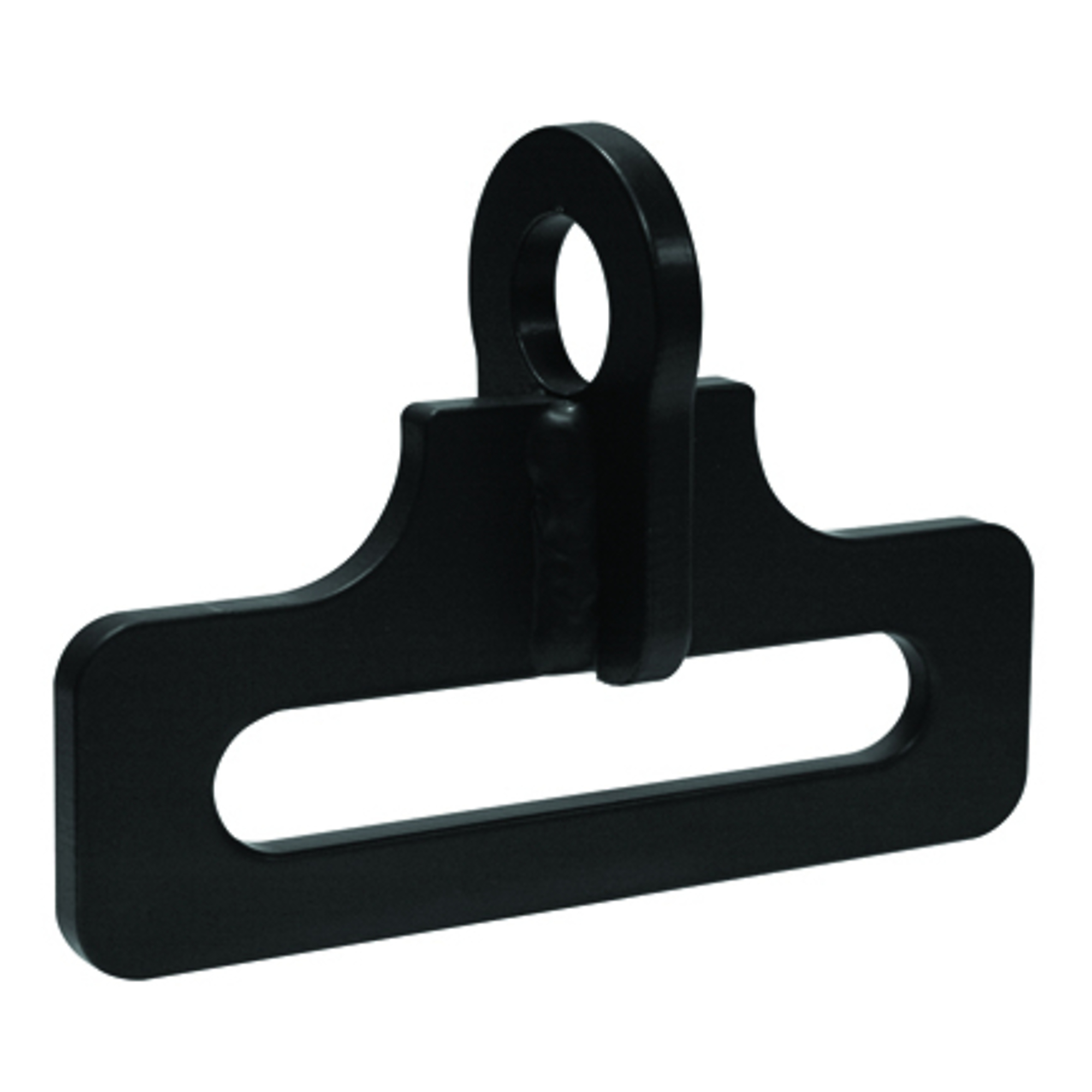
Item # 6473562
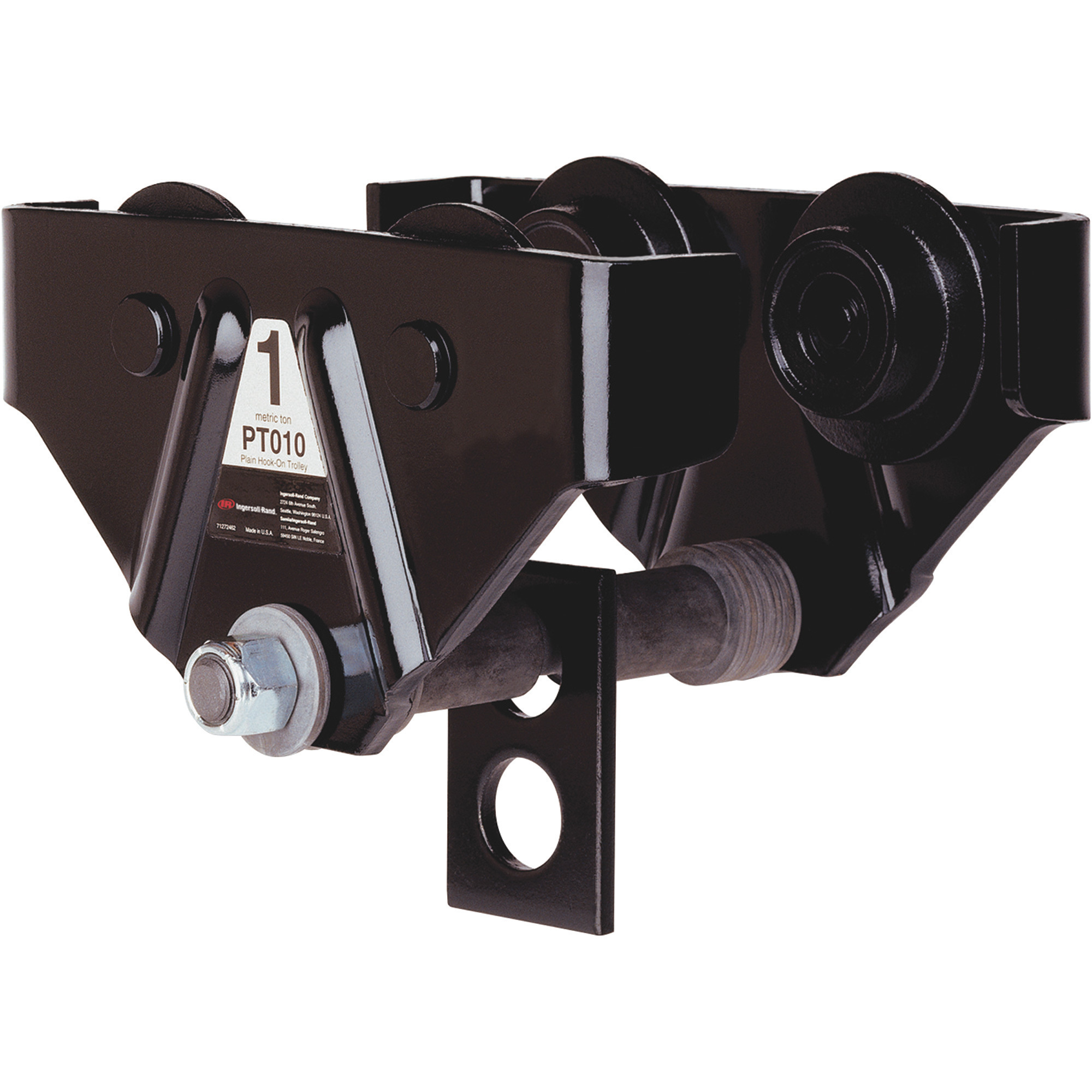
Ingersoll Rand Plain Push Trolley, 2-Ton Capacity, Fits 3 1/3in.W to 8 1/16in.W Beams, Model# PT0208
Item # 404772
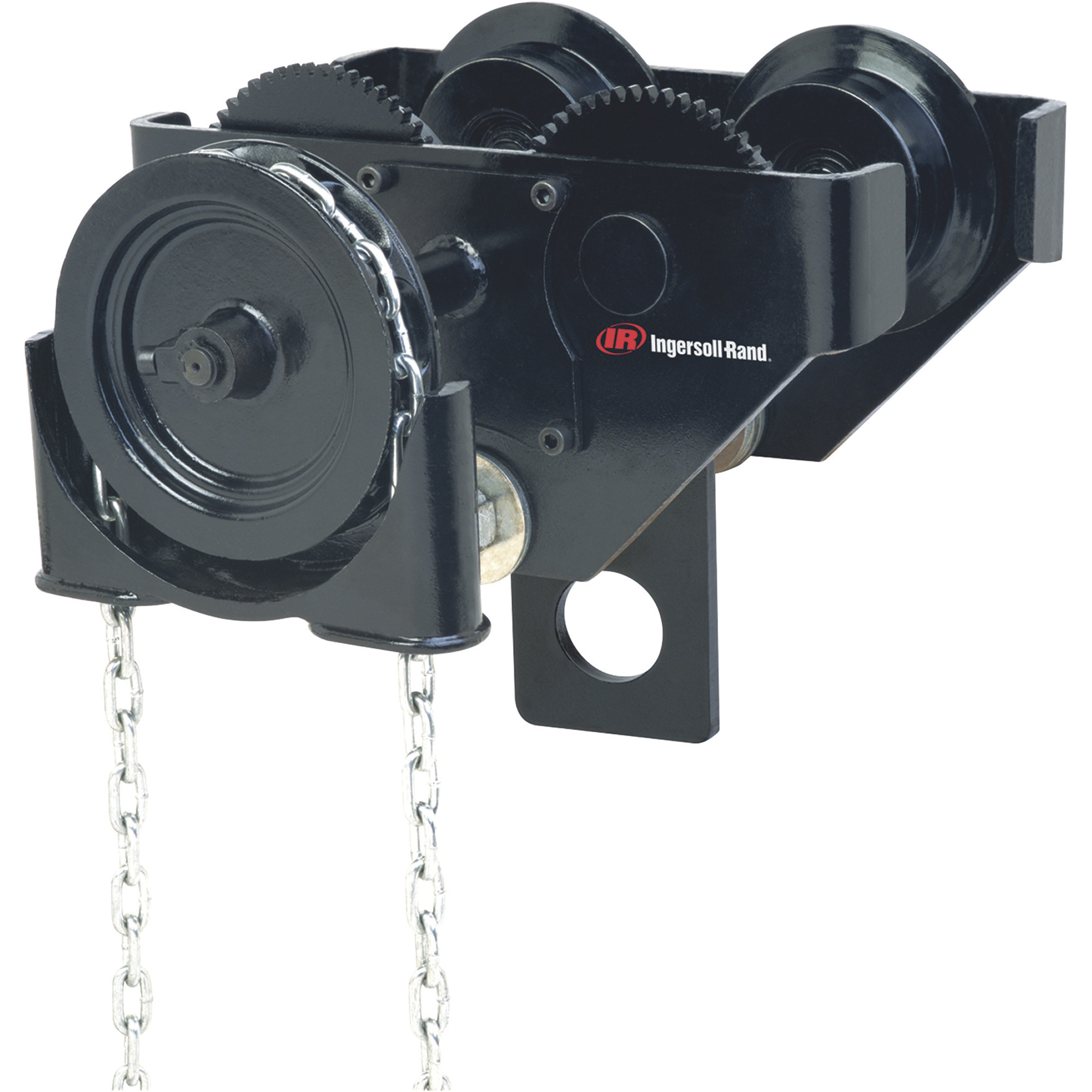
Item # 404762
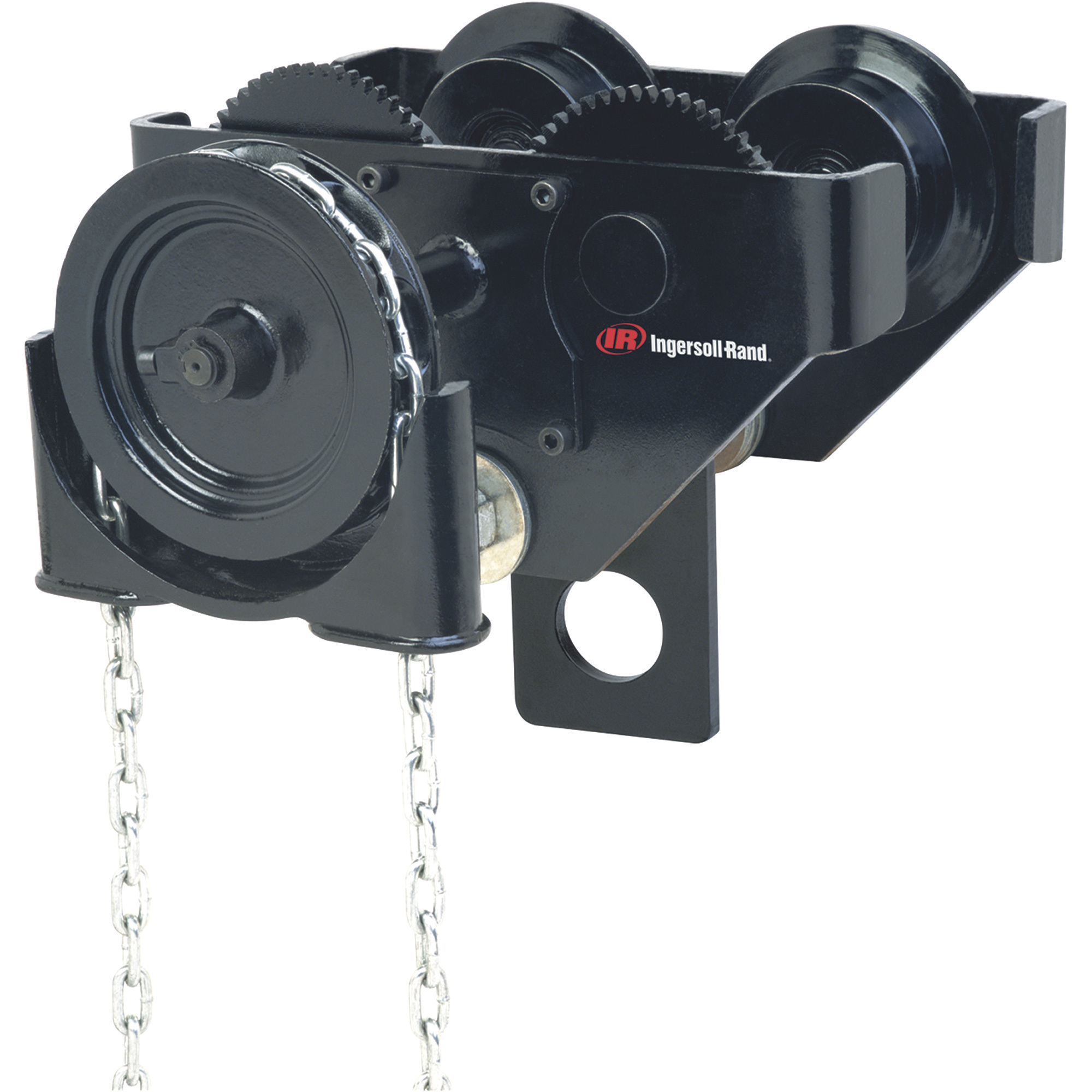
Item # 404763
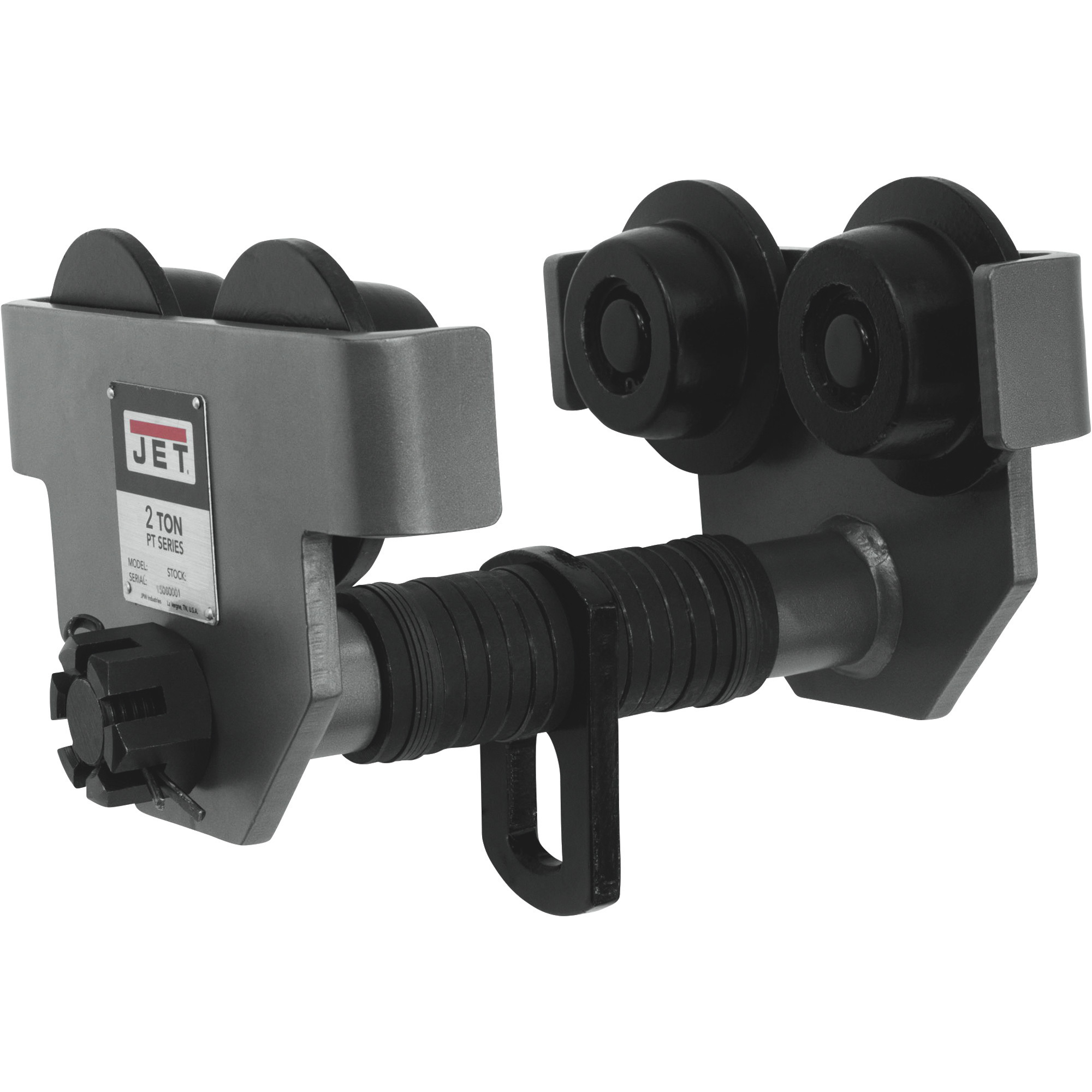
Item # 145205
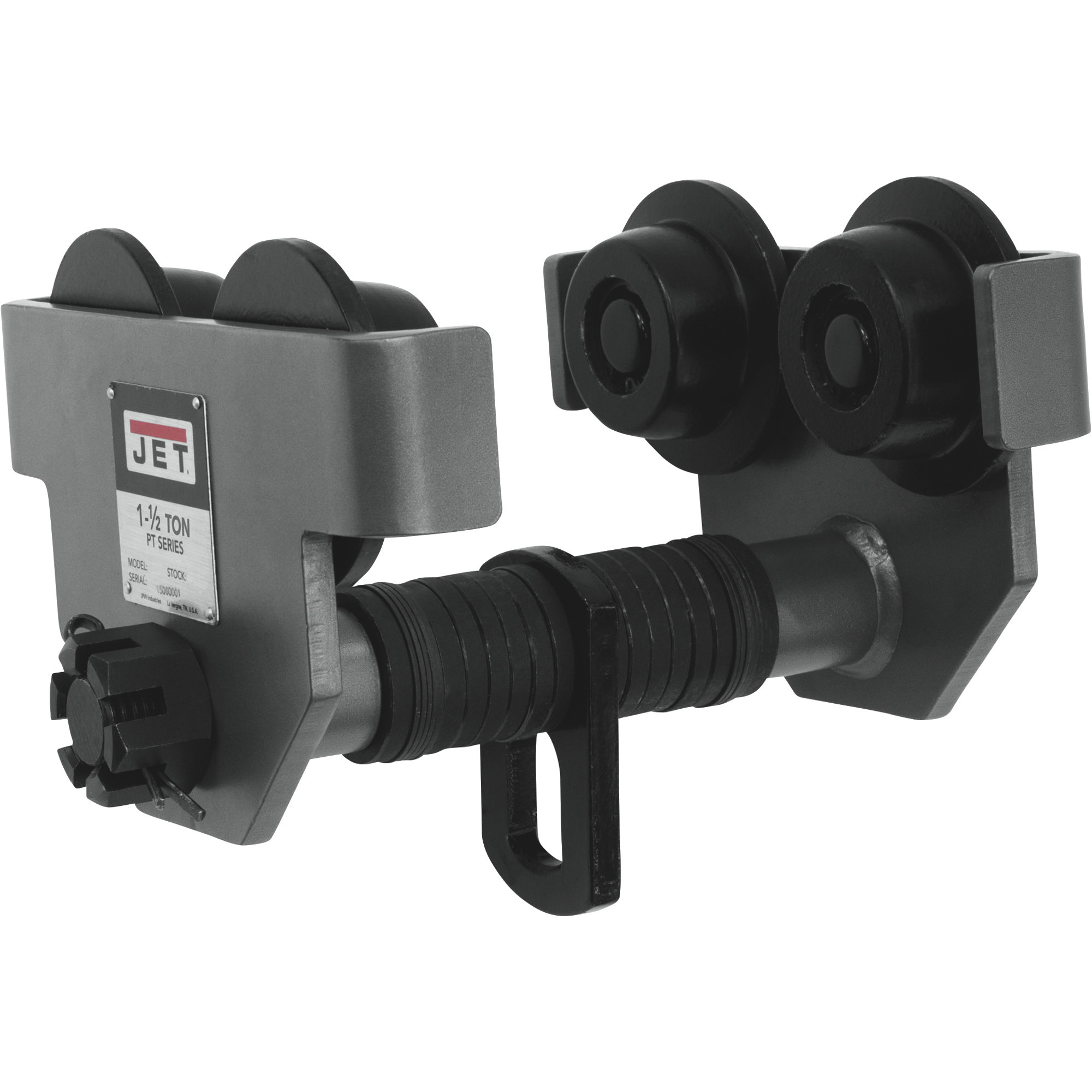
Item # 1452
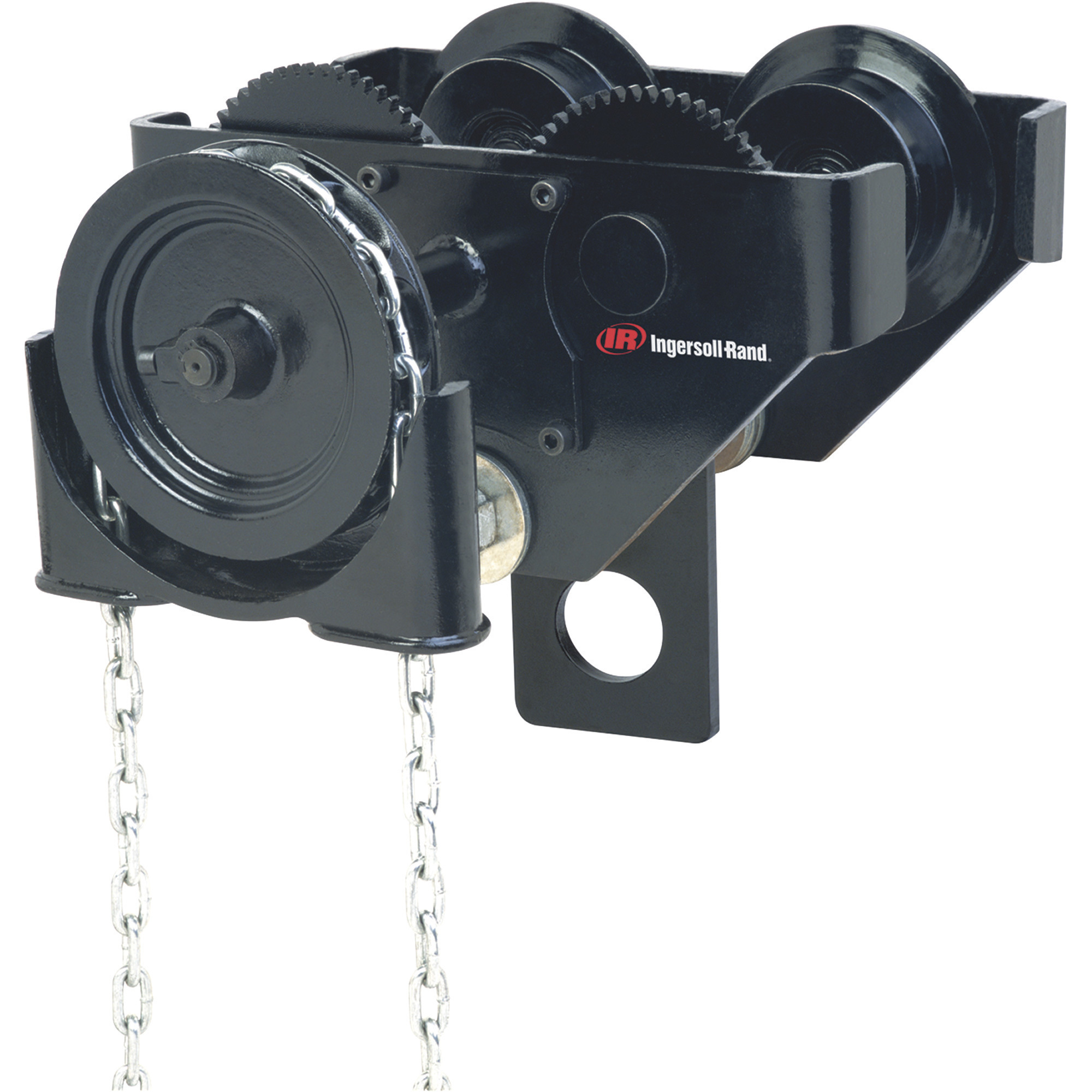
Item # 404766
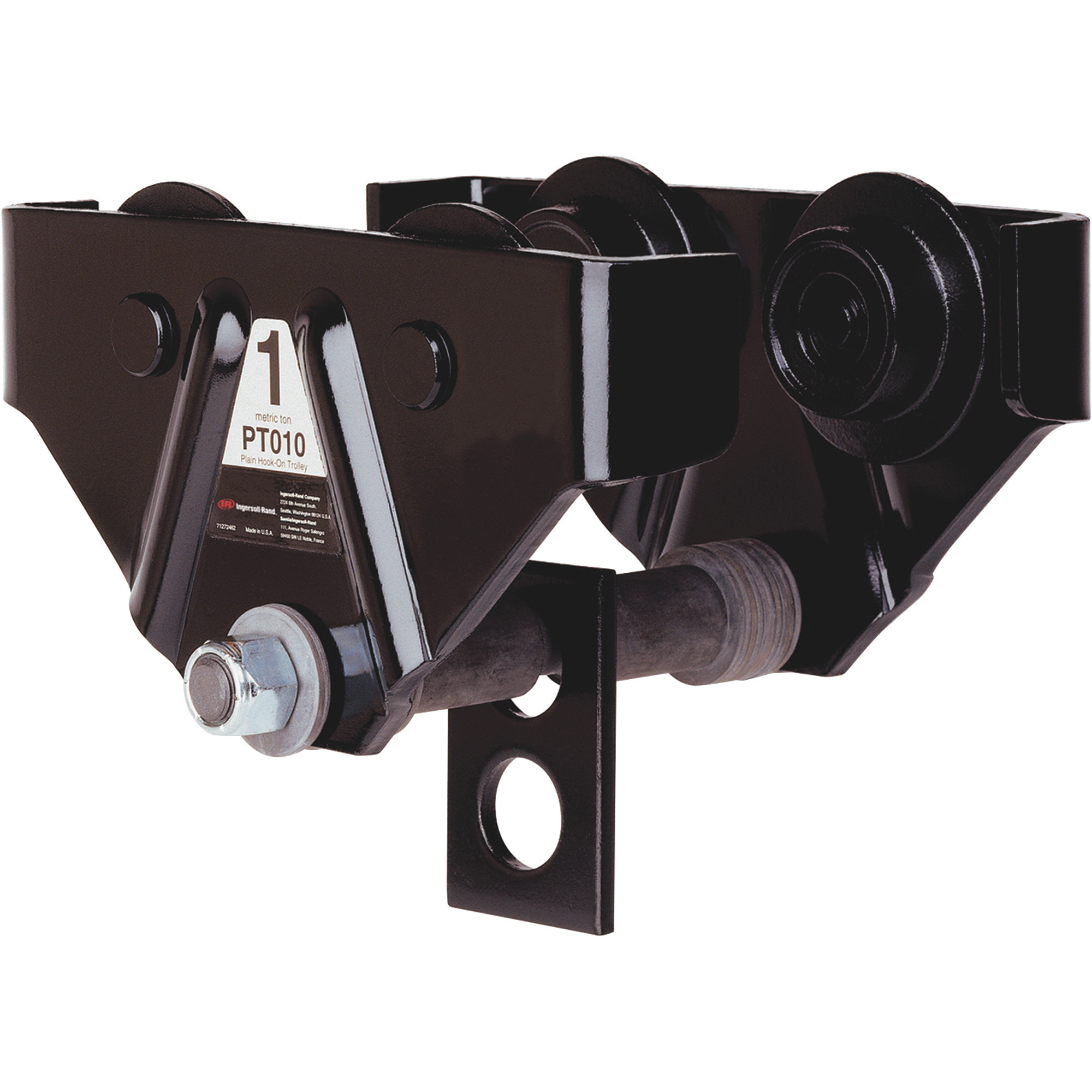
Item # 404771
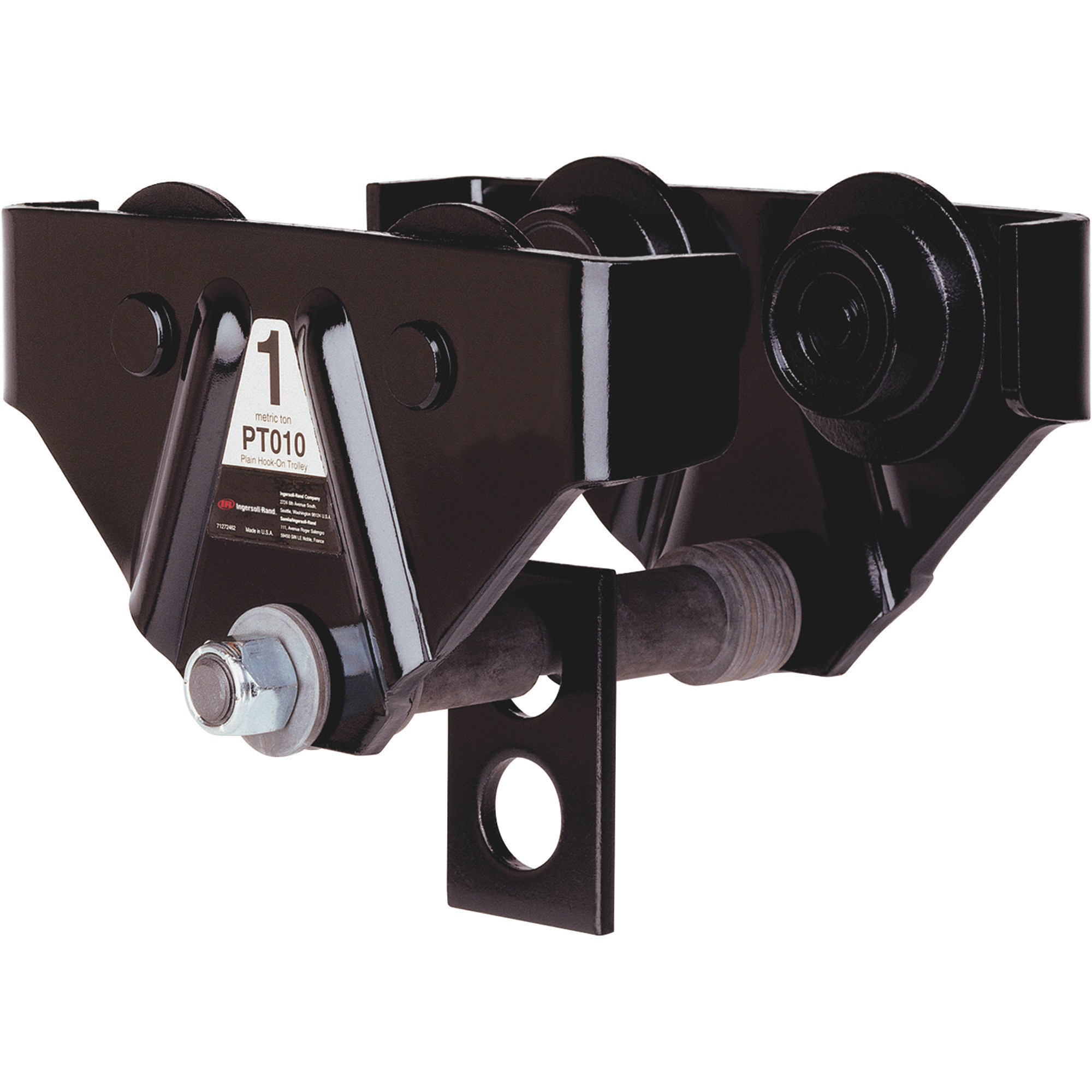
Item # 404770
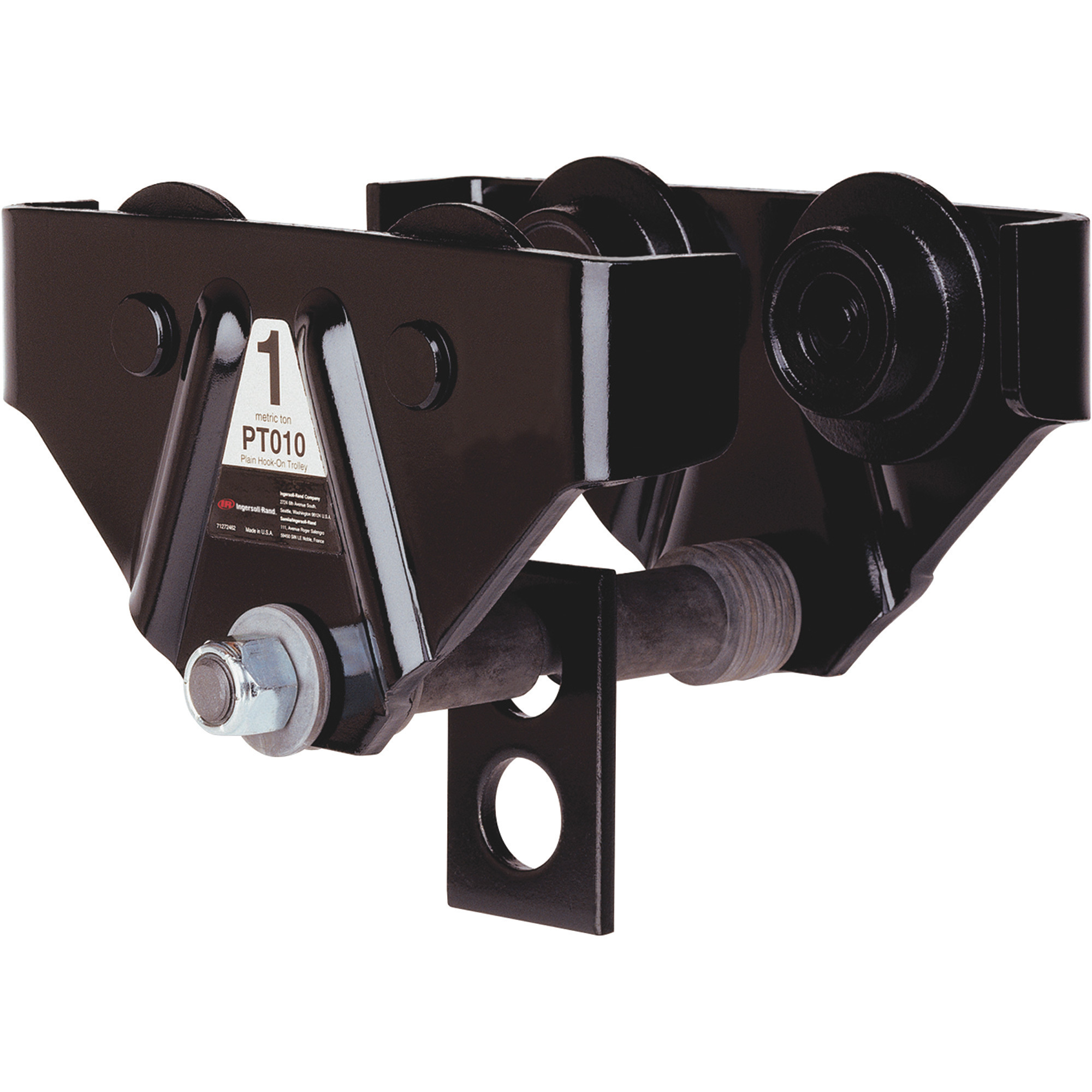
Item # 404773
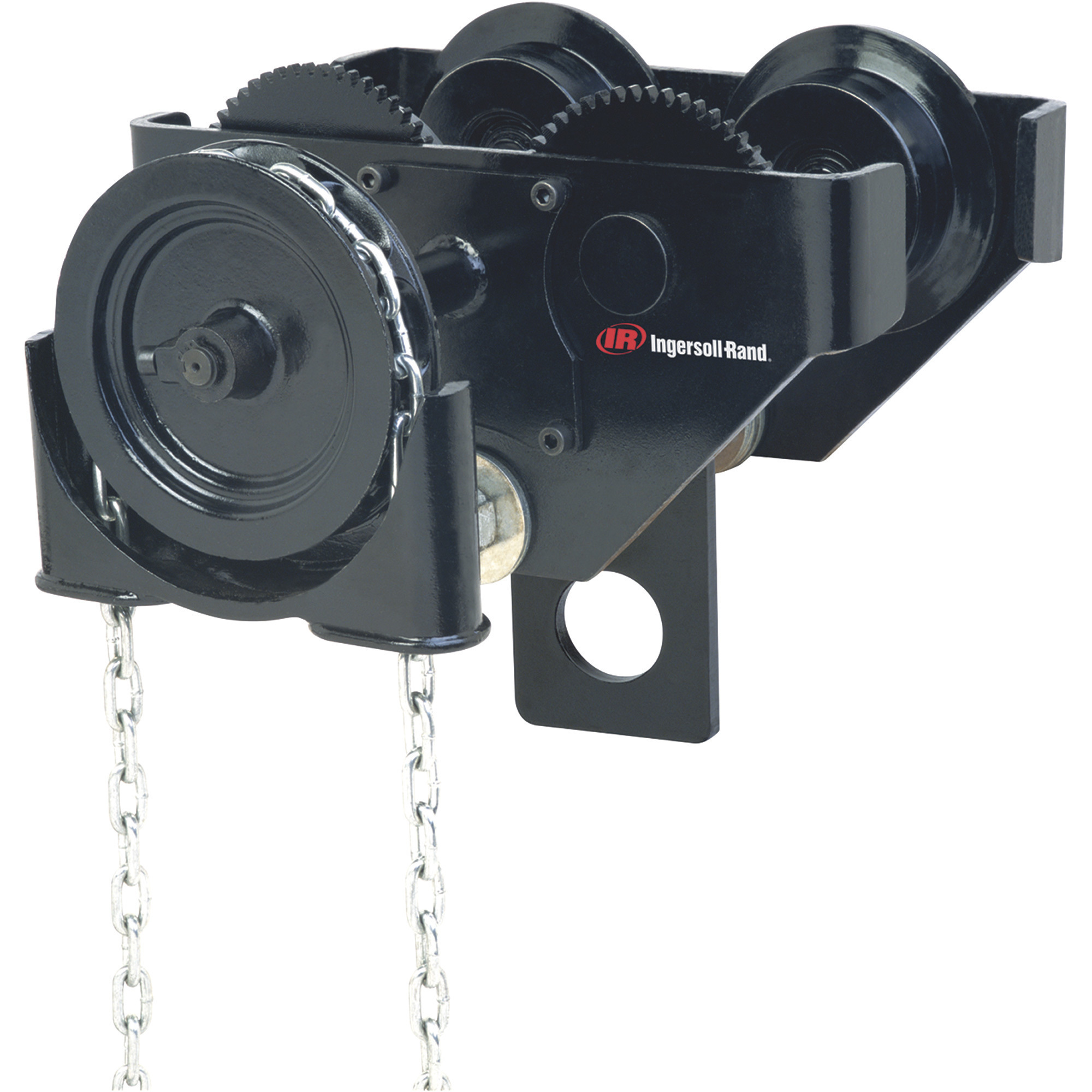
Item # 404765
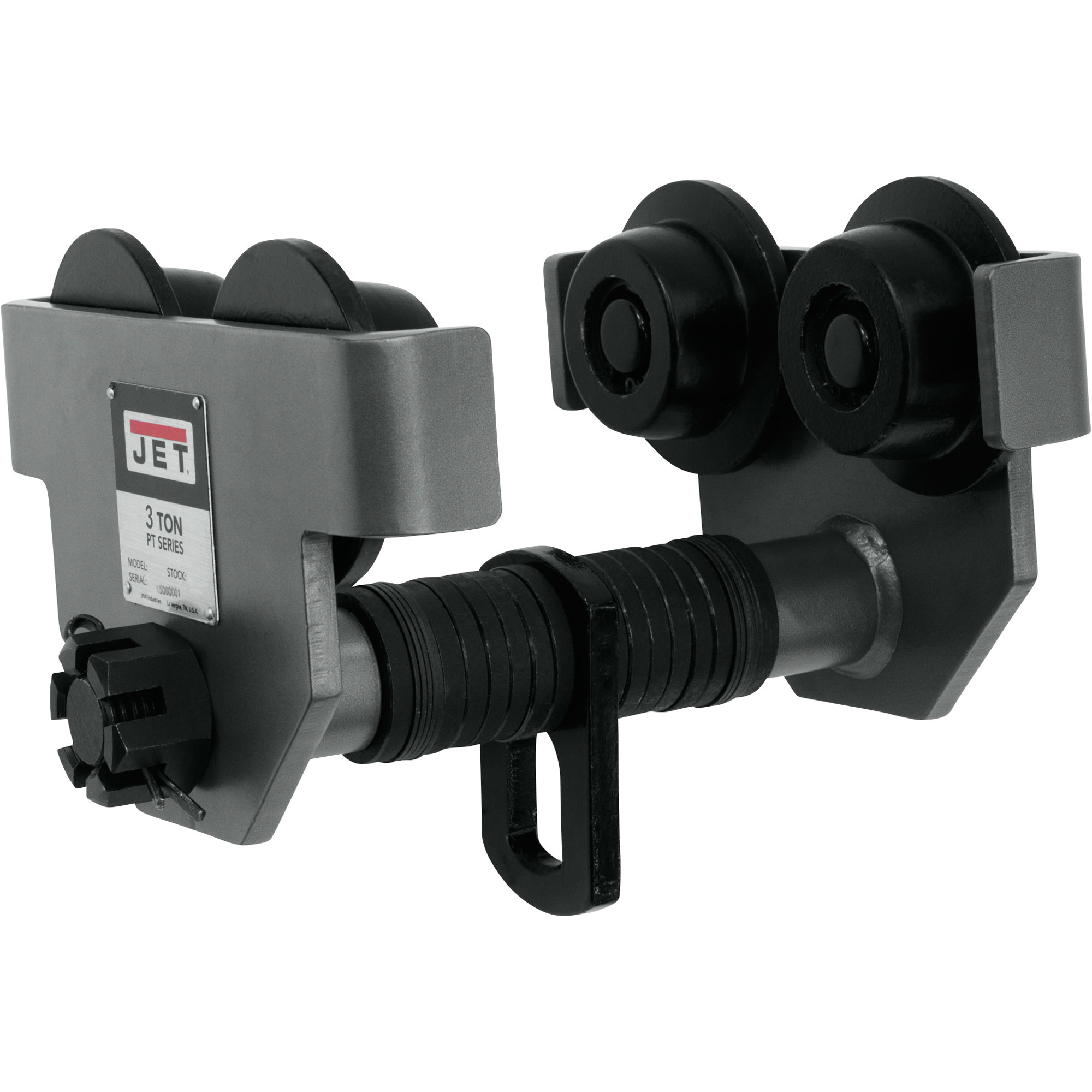
Item # 1451112
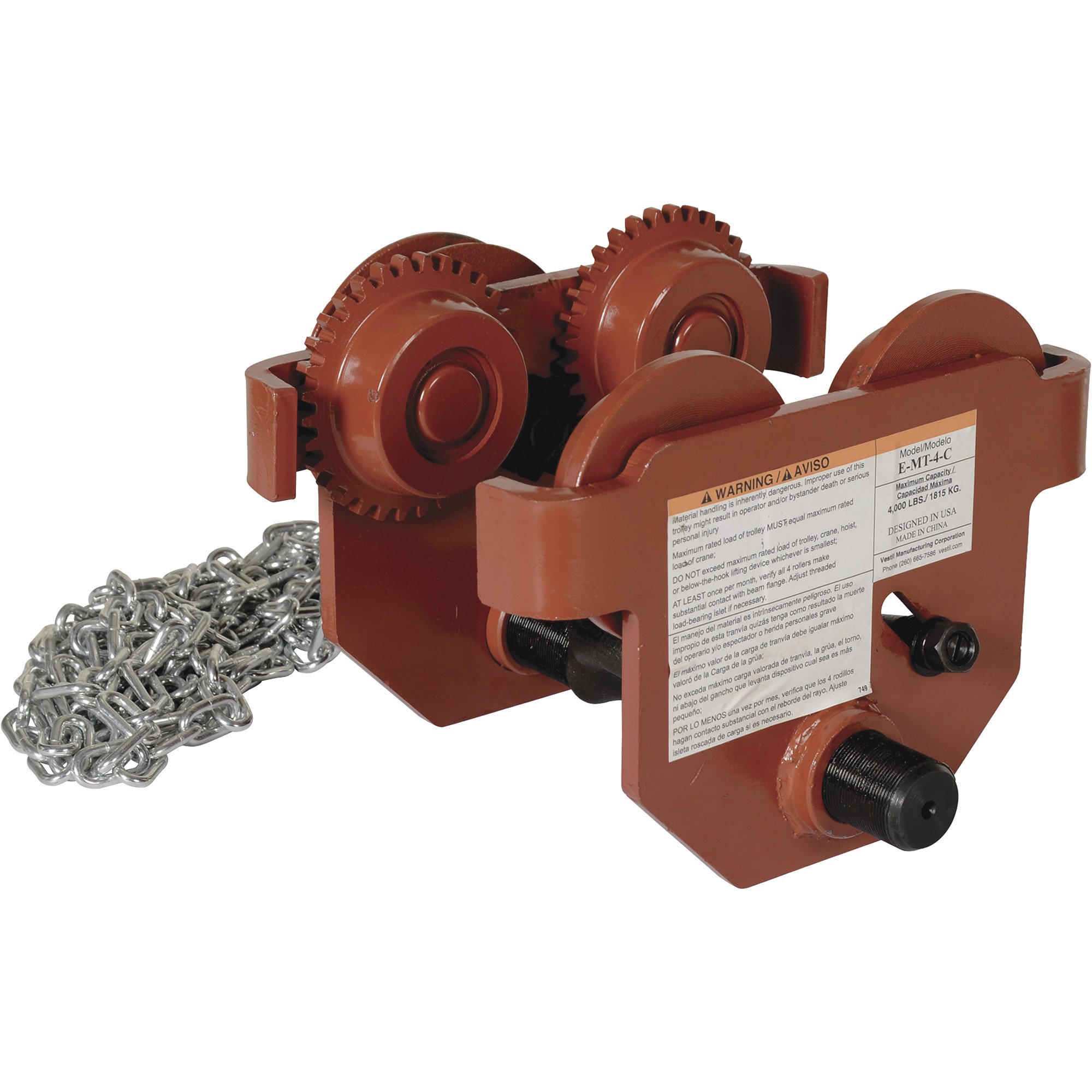
Item # 8567131
From
$179.99
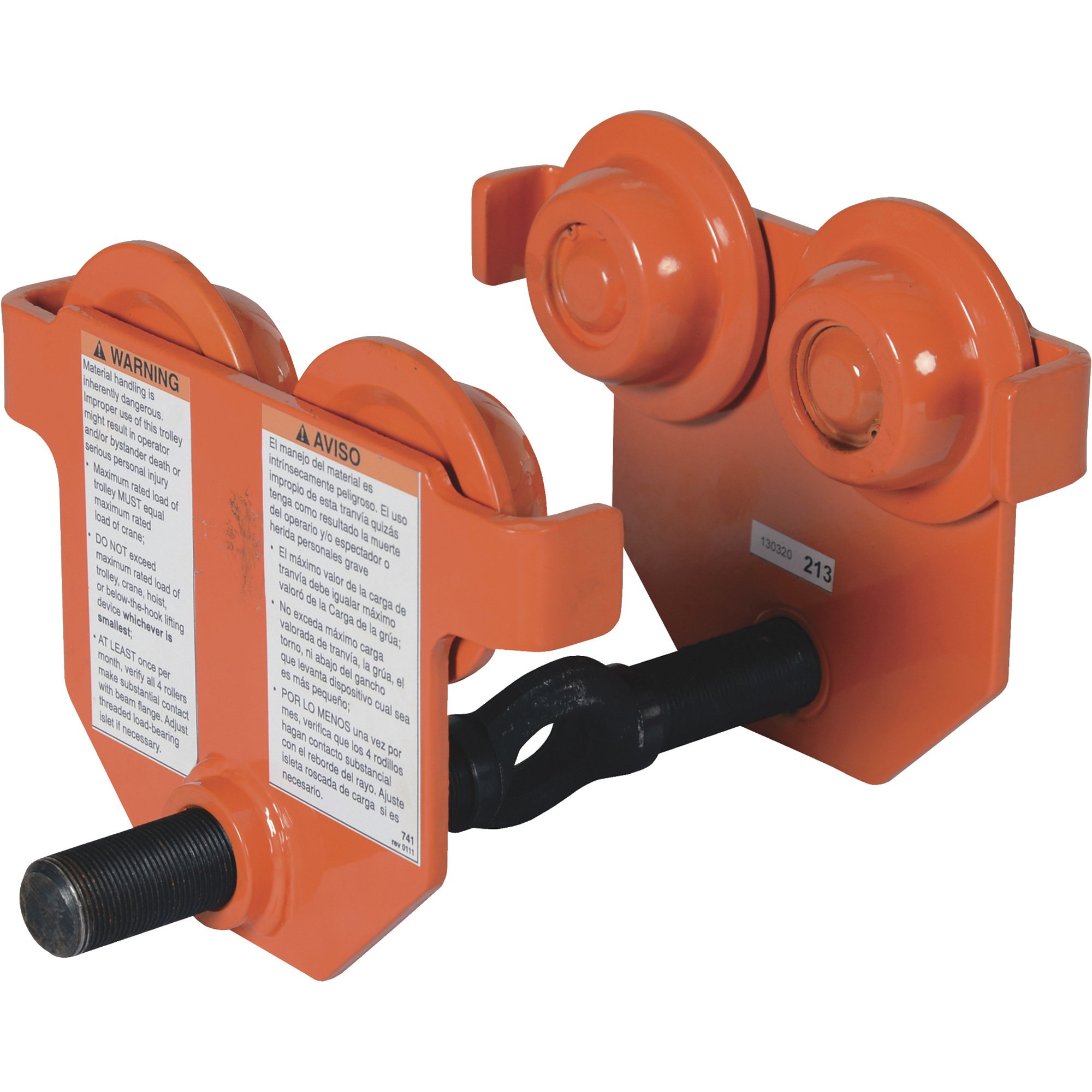
Item # 8567111
From
Save up to $308.36
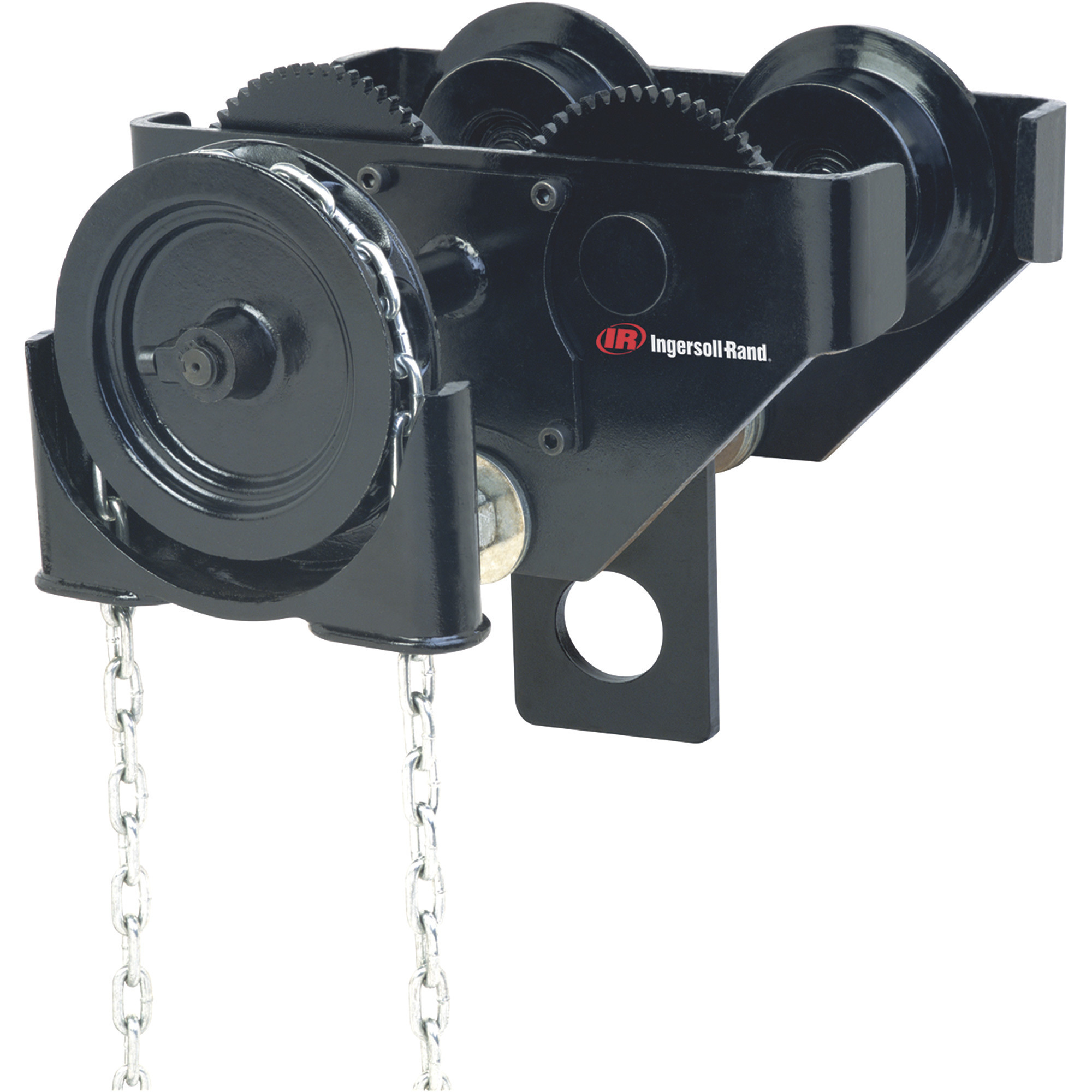
Item # 404764
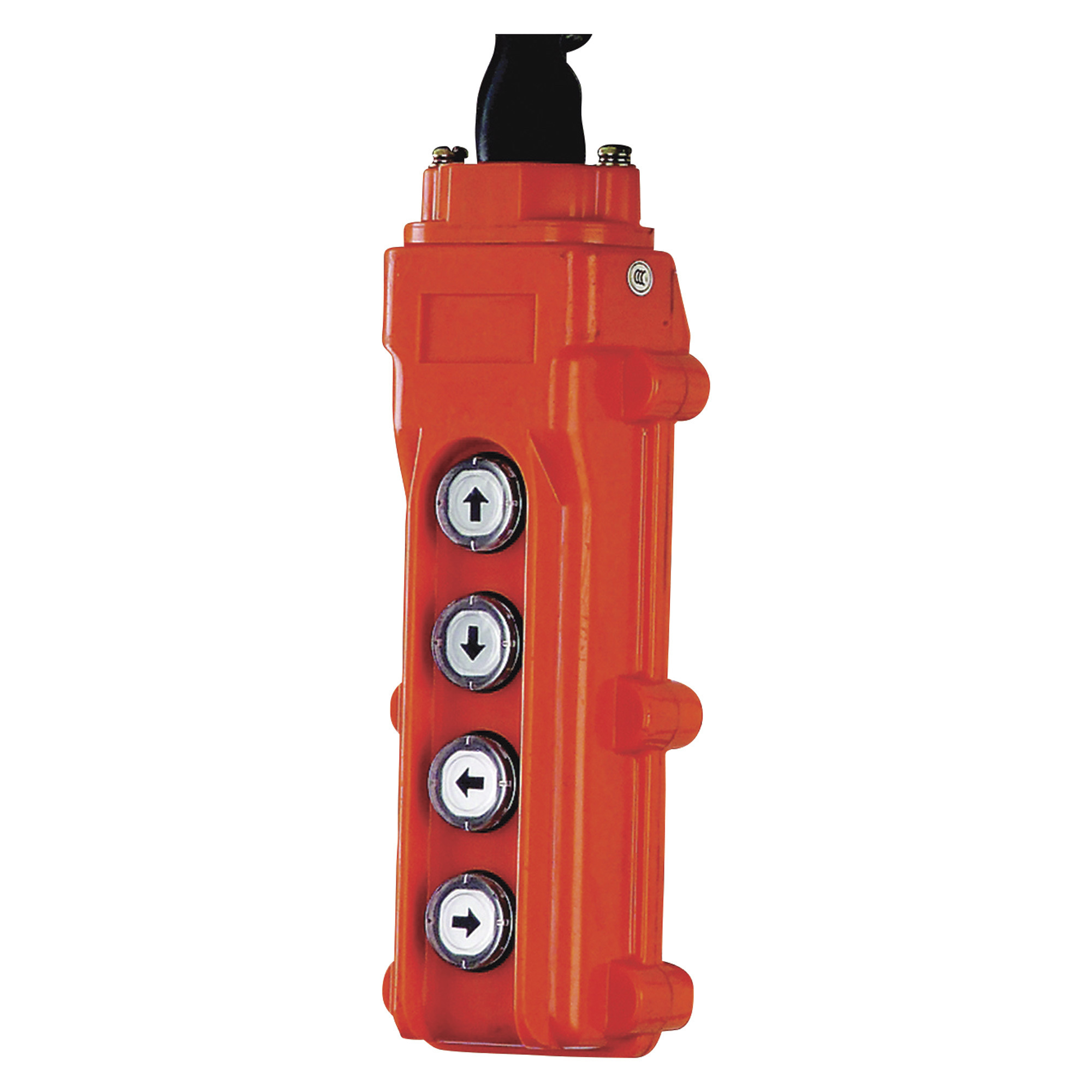
Item # 19100
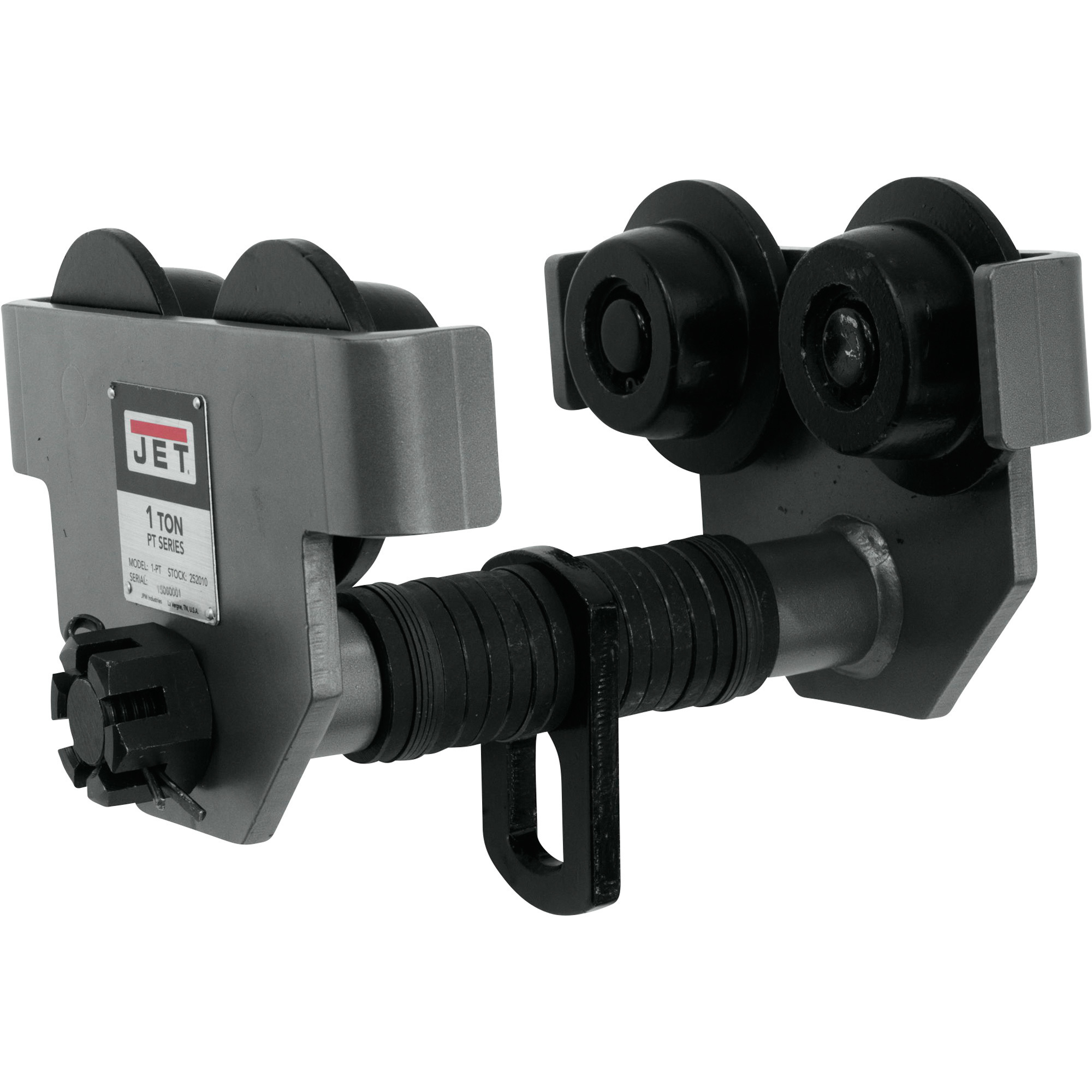
Item # 65104
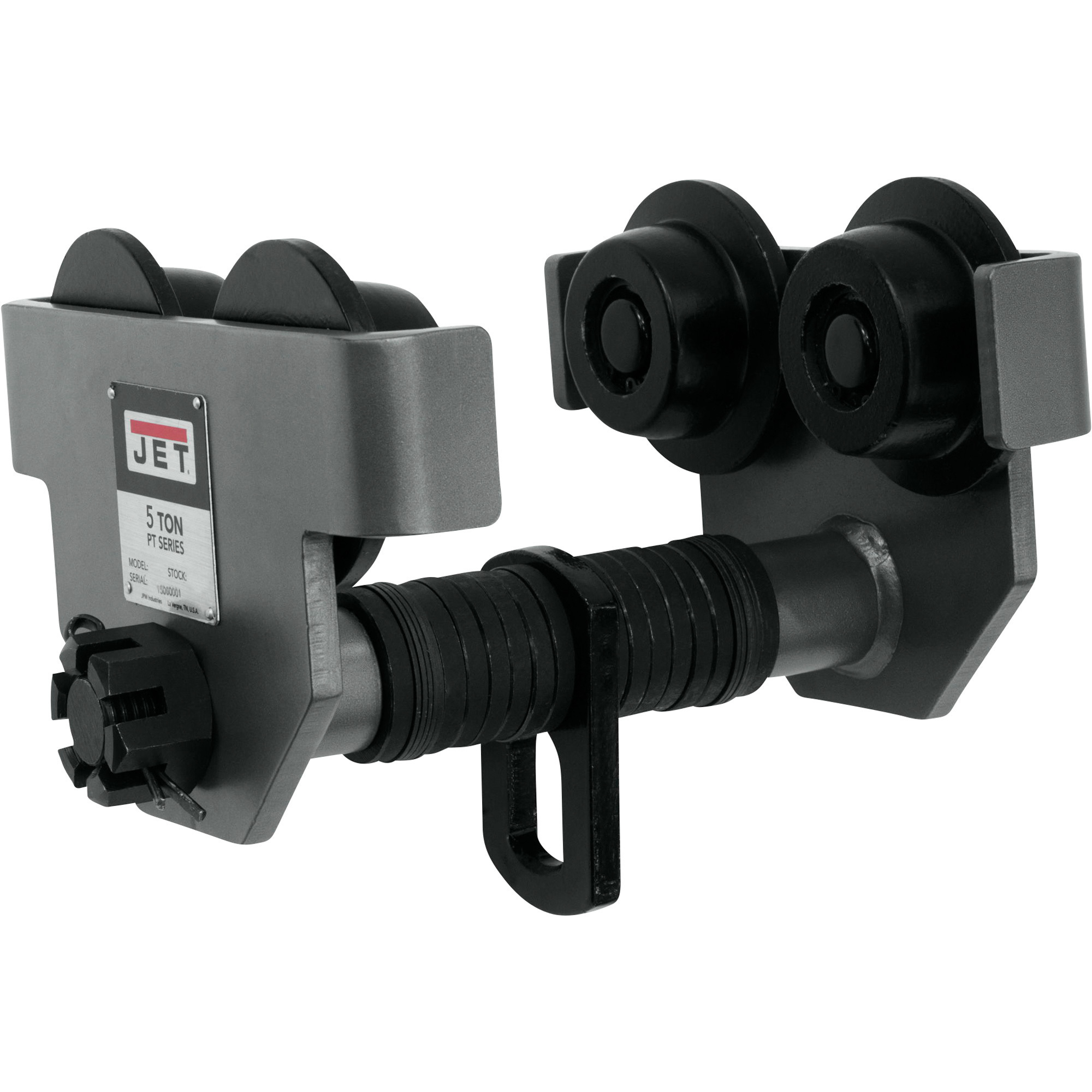
Item # 65103
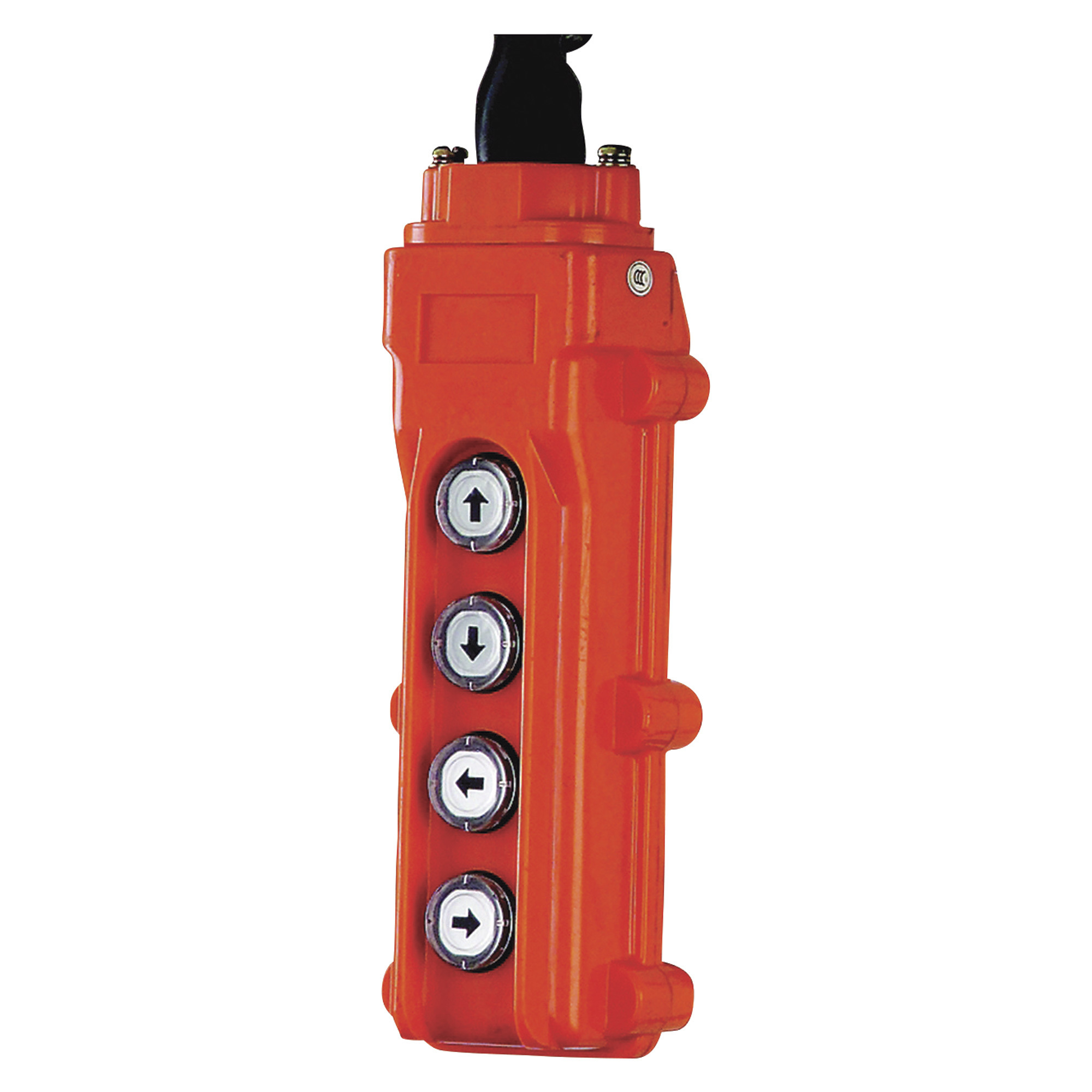
Item # 19102
Item # 19101
Item # 105637
Item # 105480
Item # 105456
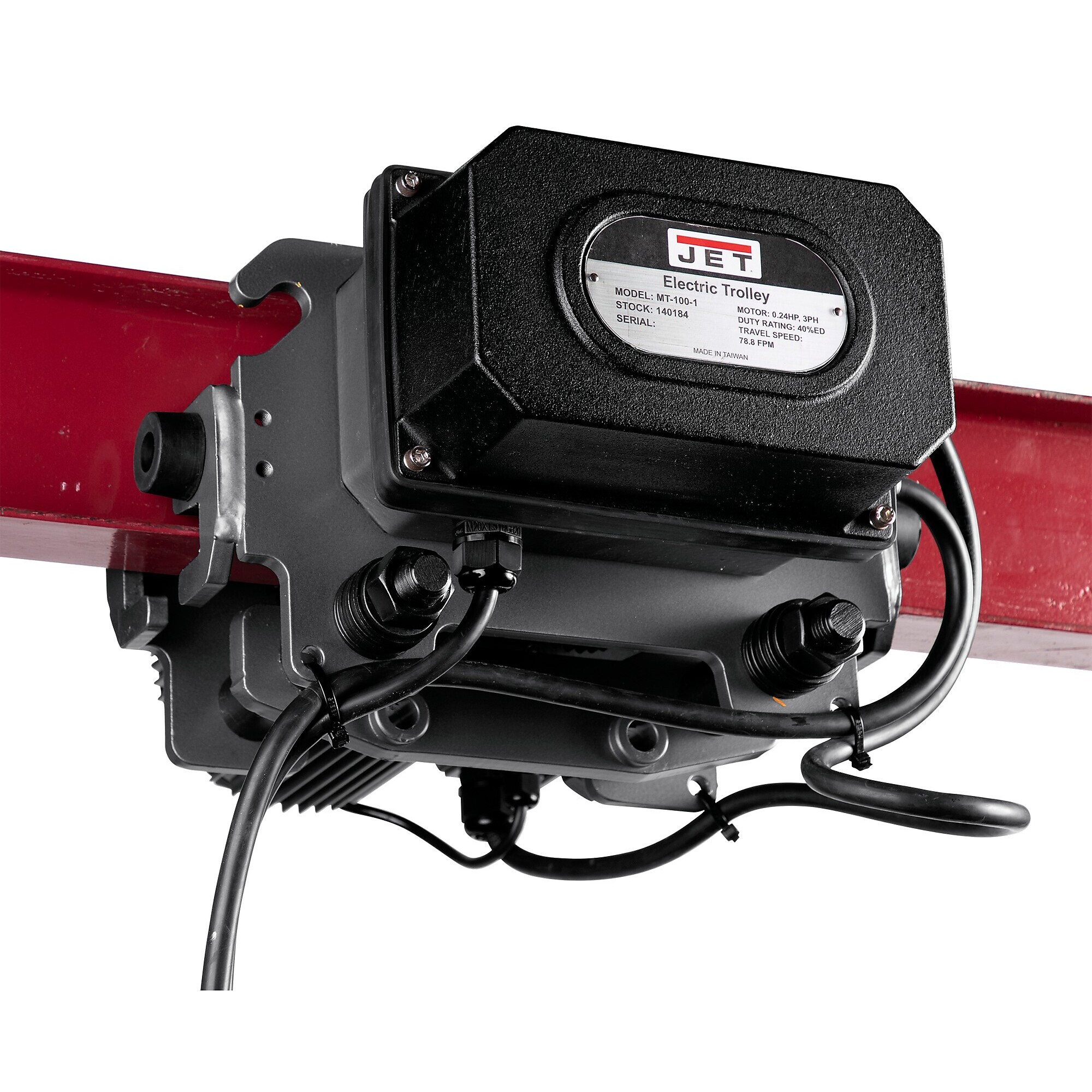
Item # 5032319
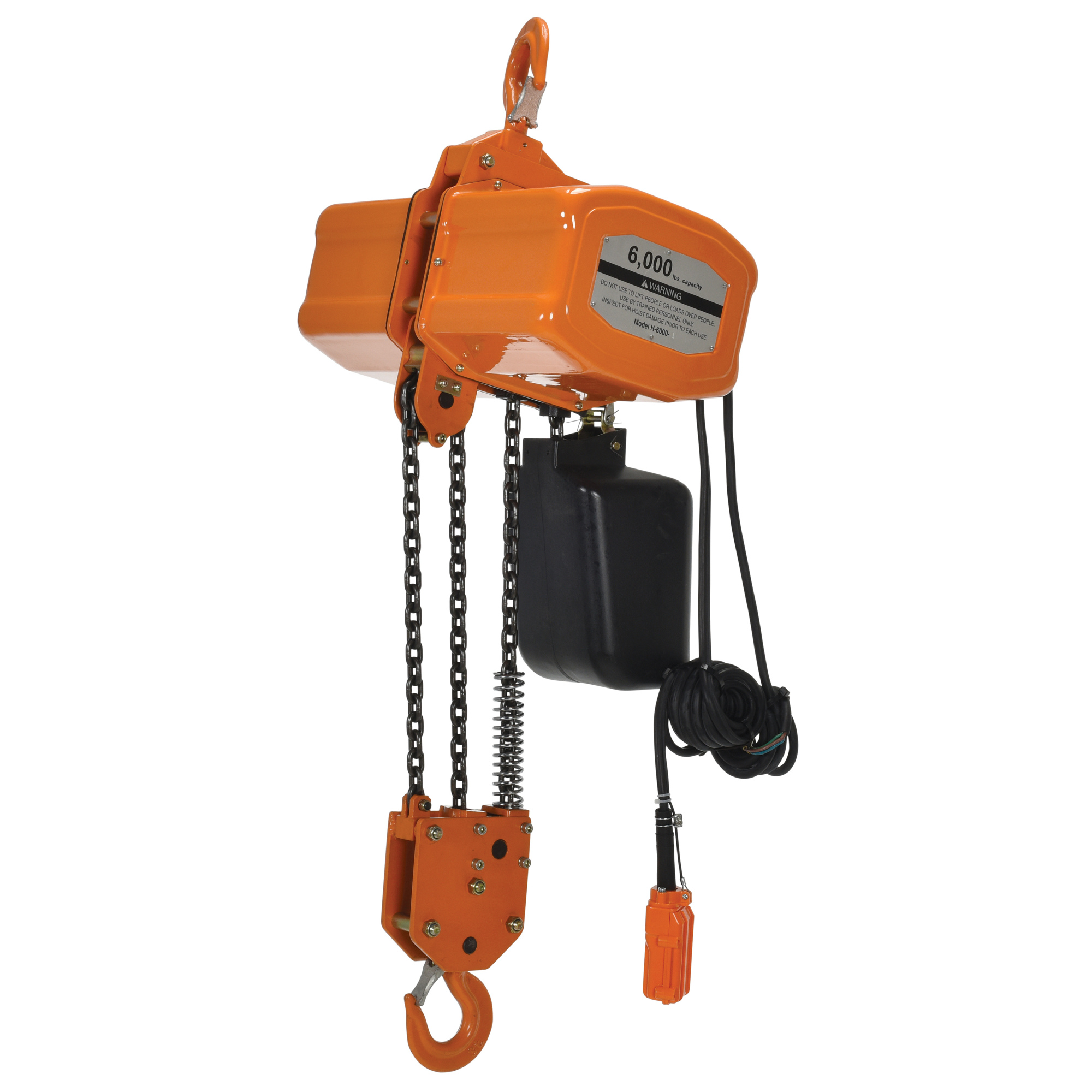
Item # 5256241
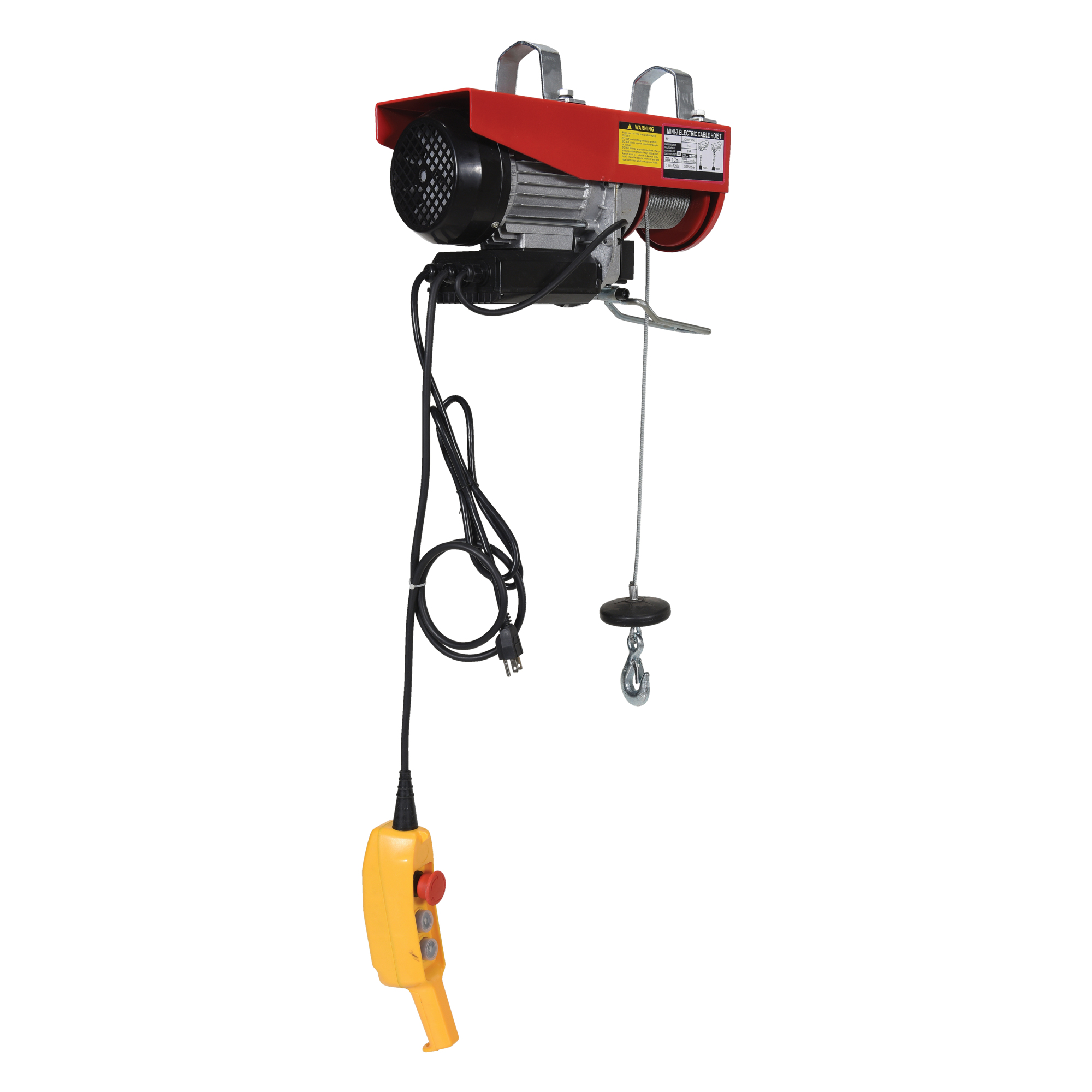
Item # 5251562
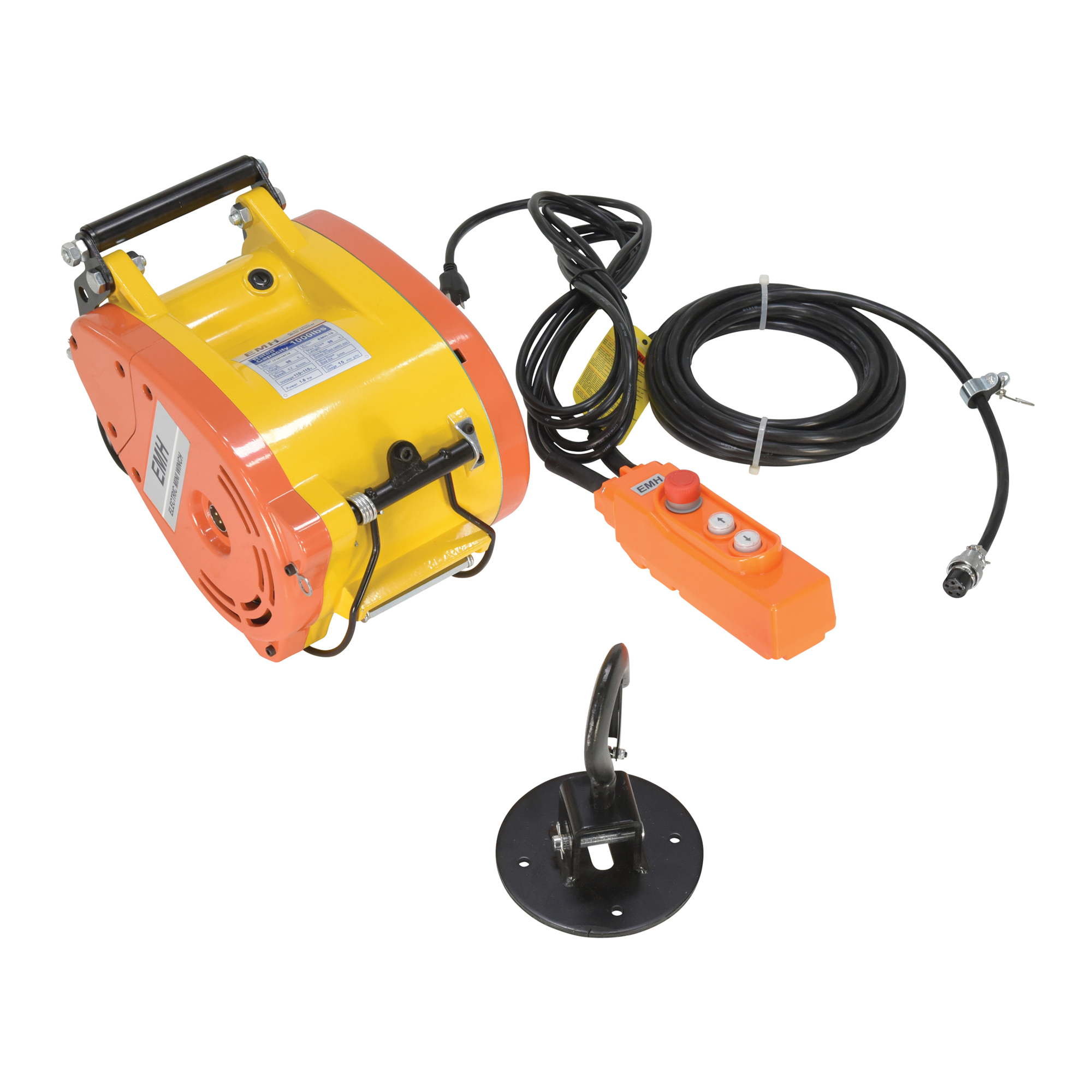
Item # 5251520
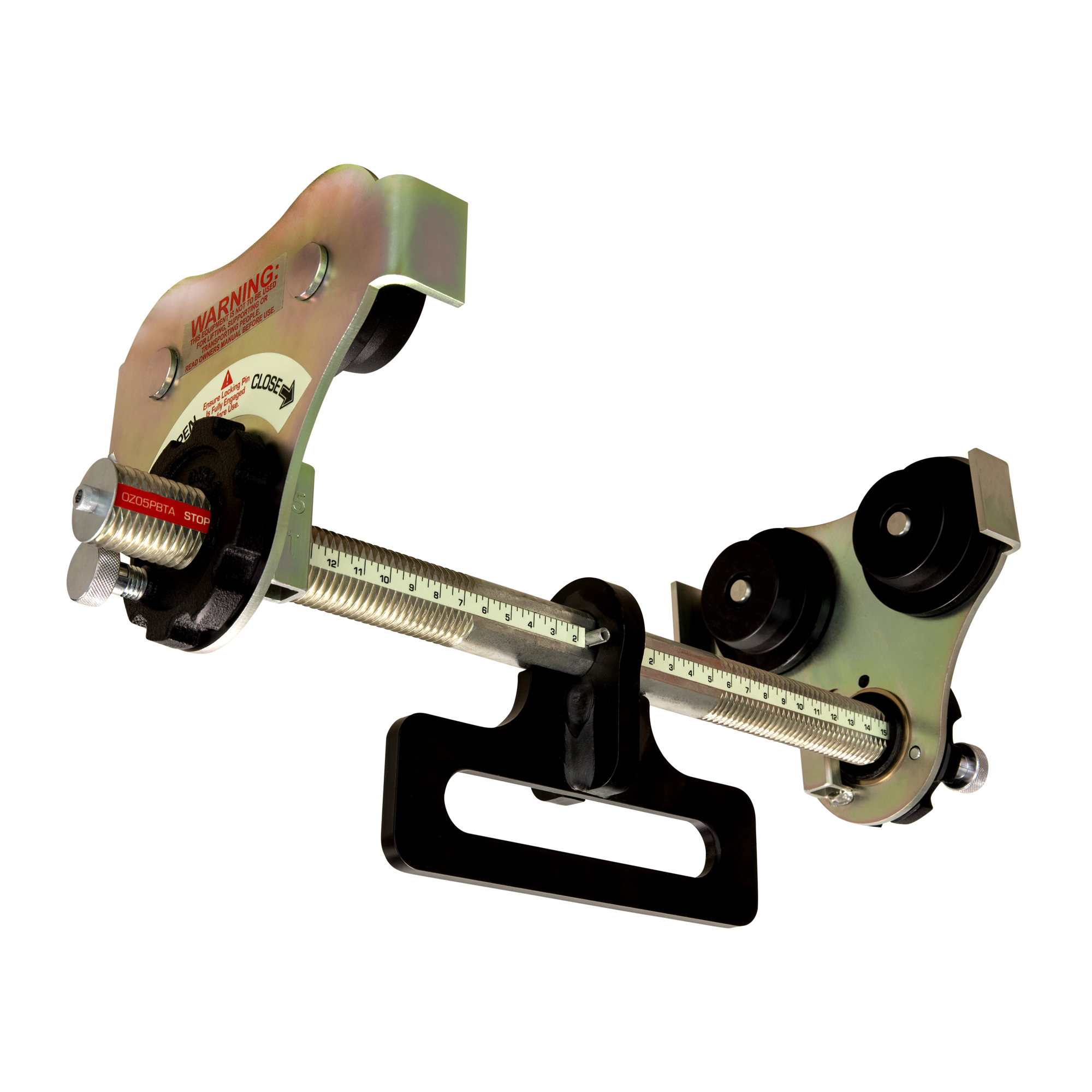
Item # 6474371
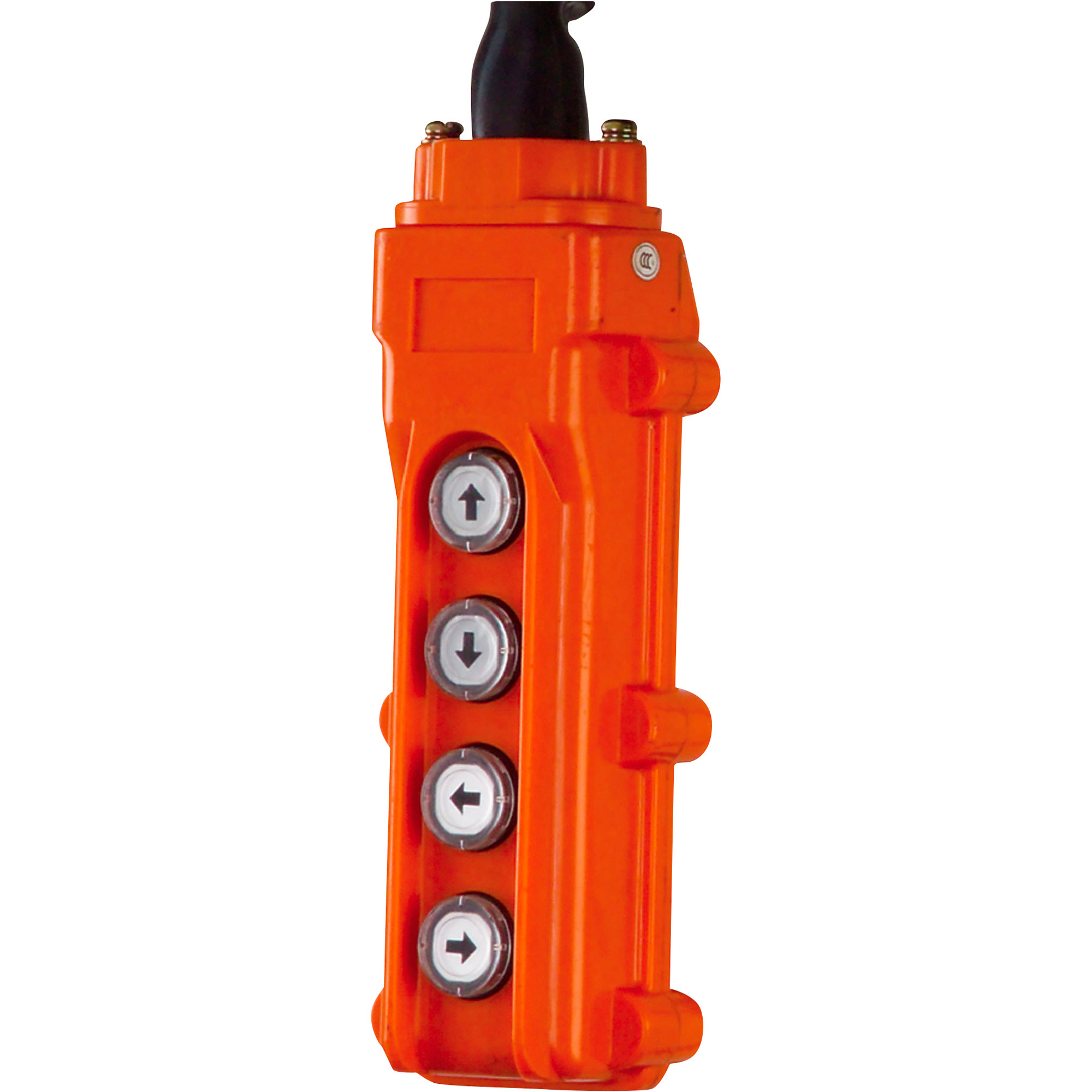
Item # 99150
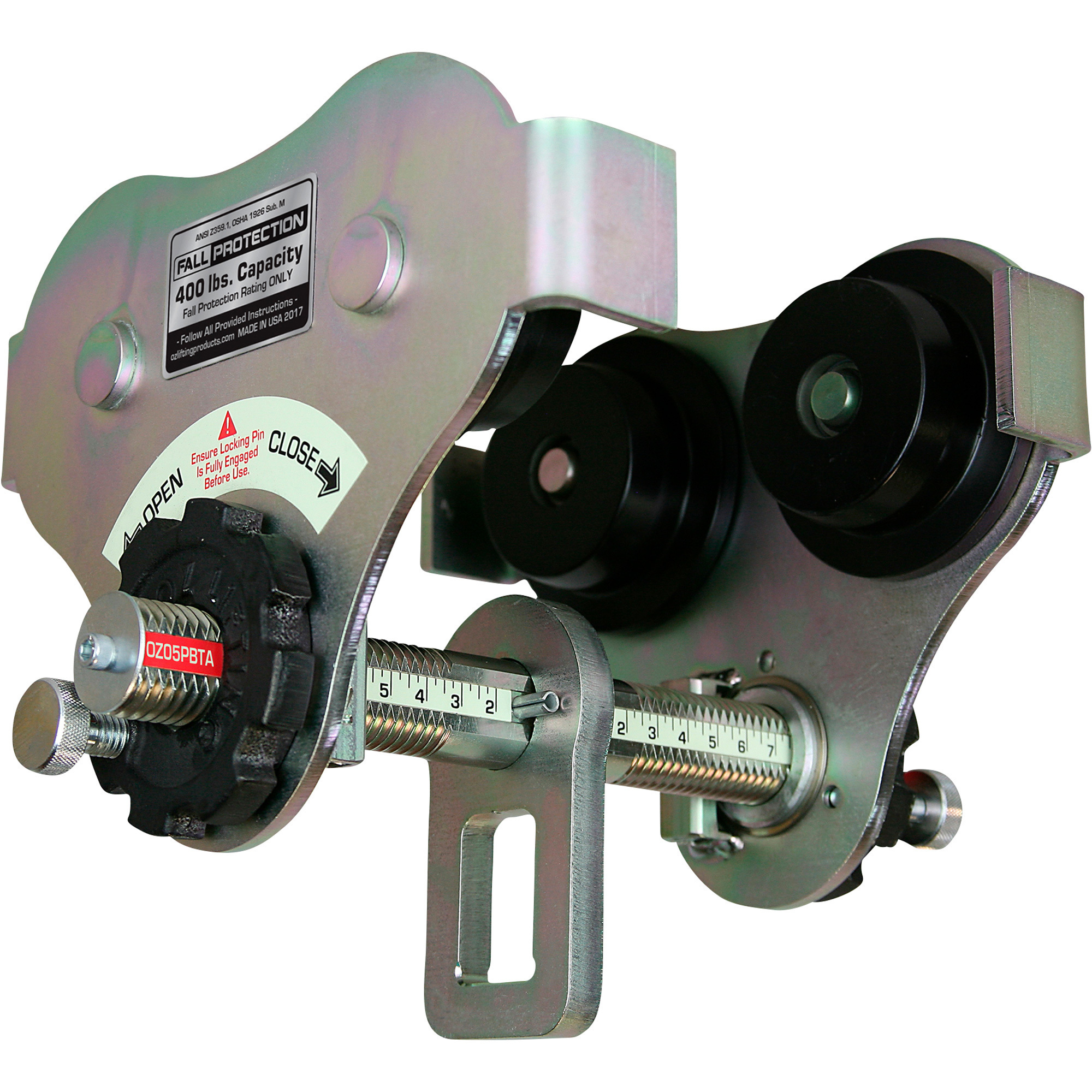
Item # 105473
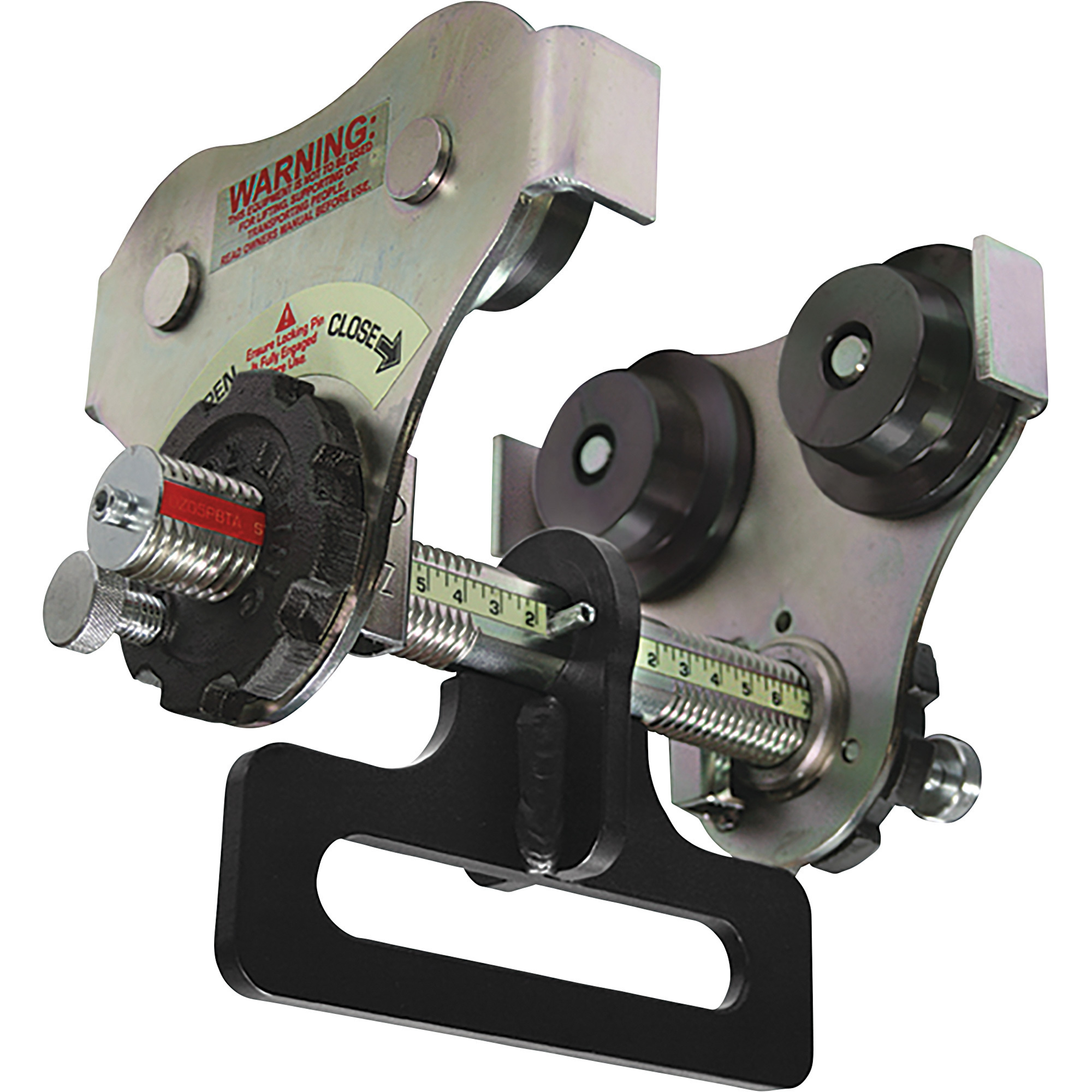
Item # 105455
Trolleys
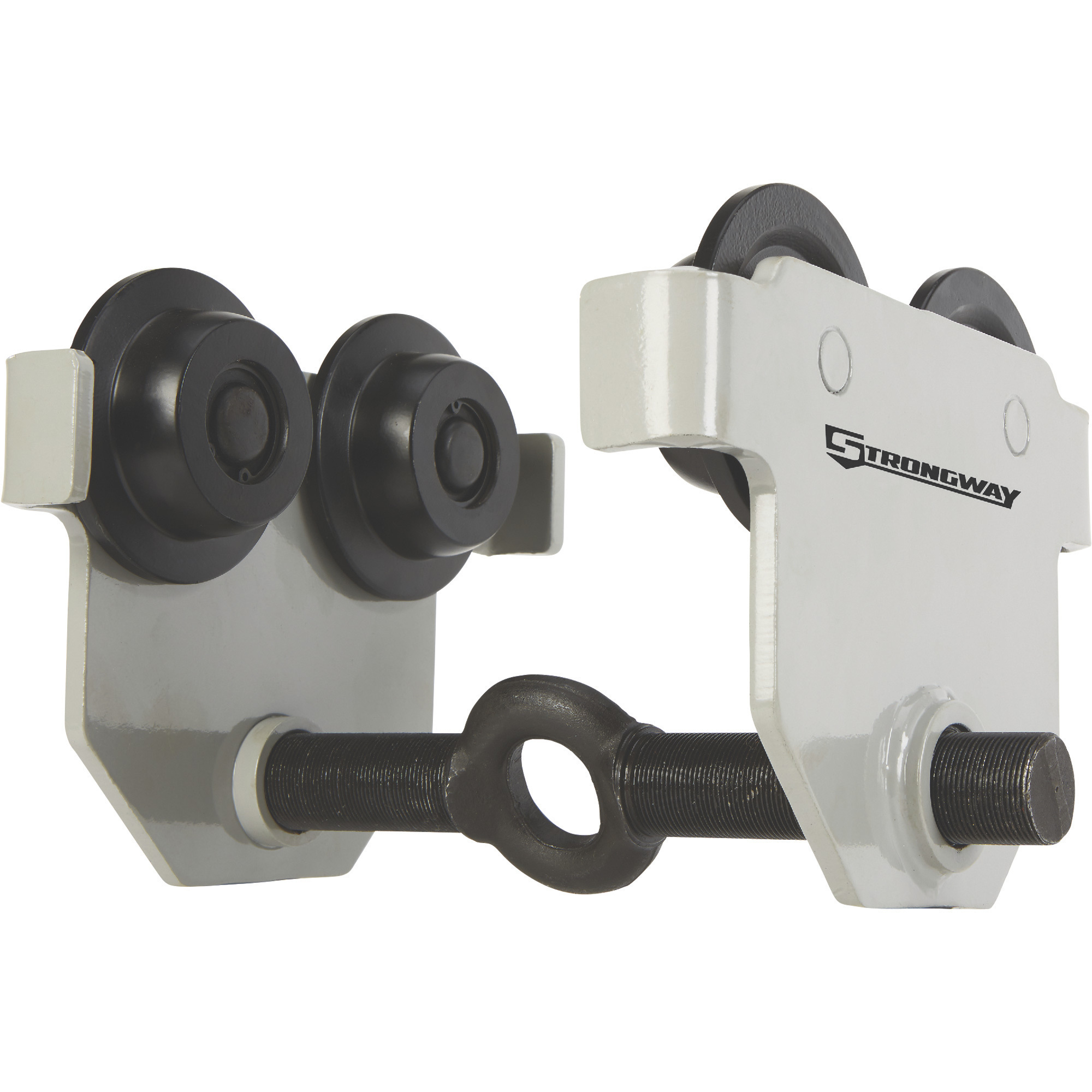
The push beam trolleys we carry are versatile solutions to move and position heavy loads. With an impressive weight capacity, I-beam trolleys are engineered for durability and performance. Adjustable design ensures compatibility with a variety of I-beam sizes, providing flexibility. The trolley is constructed from quality metal with precision and attention to detail, allowing it to navigate I-beam tracks effortlessly.
The user-friendly features, such as easy adjustment mechanisms and secure locking systems, make them a practical choice for industrial environments. Whether used in manufacturing facilities, workshops, or warehouses, Push Trolleys stands out for handling substantial loads with precision and safety.
Beam Trolley Frequently Asked Questions:
What should I look for in a push trolly? Specifically, an I-beam trolly?
There are specialized push and adjustable trolley designs made for use in factories, boatyards, warehouses and places where electricity is not available. Push trolleys can be adjusted to adapt to wide-flange H-beams, standard I-beams and even curved track I-beams. These trolleys can typically be installed or removed from any point along a beam. Push trolleys are also designed to accommodate a chain and lever for use with a load that needs to be suspended or lifted overhead.
What material is used for trolleys, (steel, aluminum or plastics), and why?
Stainless steel and cast iron are used for trolleys with large weight capacities and heavy-duty use, including beam trollies, while aluminum and polycarbonate are often used for lighter duty hand trolleys.
What are some safety features push, manual and adjustable trolleys have?
Several safety features are built in or can be added to these kinds of trolleys, including trolley guards to protect wheels and keep a beam free of debris; safety anchors for mounting self-retracting lifelines on horizontal I-beams; brakes which in the resting position don’t allow a trolley to move, and more.
What are the differences between manual, push and adjustable trolleys?
Manual trolleys move along a beam and are used to protect goods and products in transport, avoiding damage as loads are lifted and moved. Manual trolleys provide stability and security and don’t need additional power, so you can simply mount one at any point of an I-beam and start operating it. These trolleys can reduce the risk of sparking, so they can be used in some hazardous environments. They can be adjusted either with a spindle or automatically to fit the width of various beams. These trolleys are often used for assembly projects. They can also be paired with an electric chain hoist, lever chain hoist or hand chain hoist to assist with moving loads along a track in your facility.
Push trolleys, like manual trolleys, are used to move goods along a beam by simply pushing on the load secured on a trolley along a beam or monorail.
Both manual and push trolleys can be adjustable, often by simply removing a cotter pin and shifting spacers to fit your I-beam.