Commercial Generators
Filters
1-48 of 52 Products

Item # 48948
Item # 59891
Item # 59892
Item # 5997786
Item # 6004416
Item # 48949
Item # 48947
Item # 75213
Item # 5998076
Item # 5998041
Item # 6003510
Item # 6004441
Item # 6510298
Item # 6542020
Item # 7058889
Item # 6003501
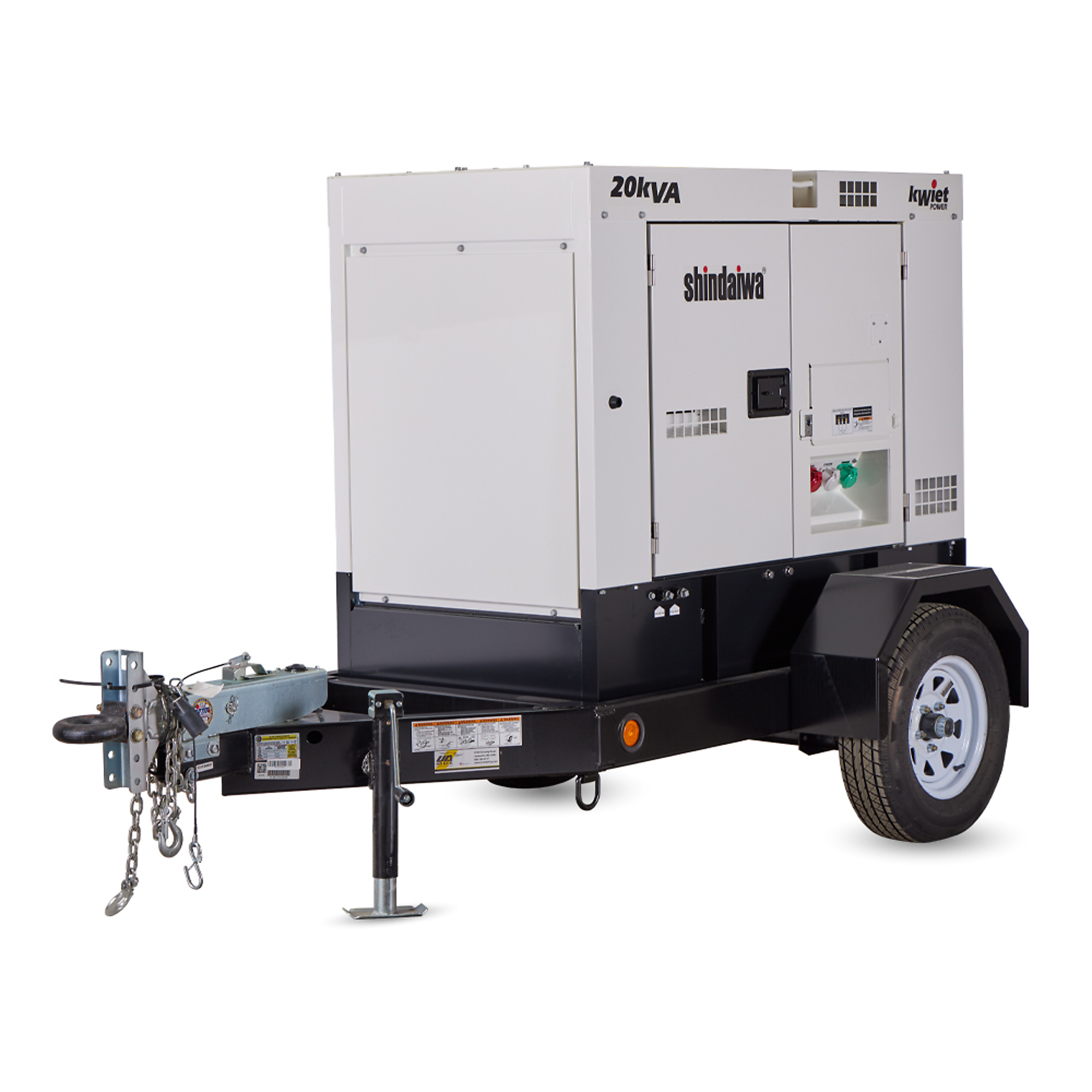
Item # 6004432
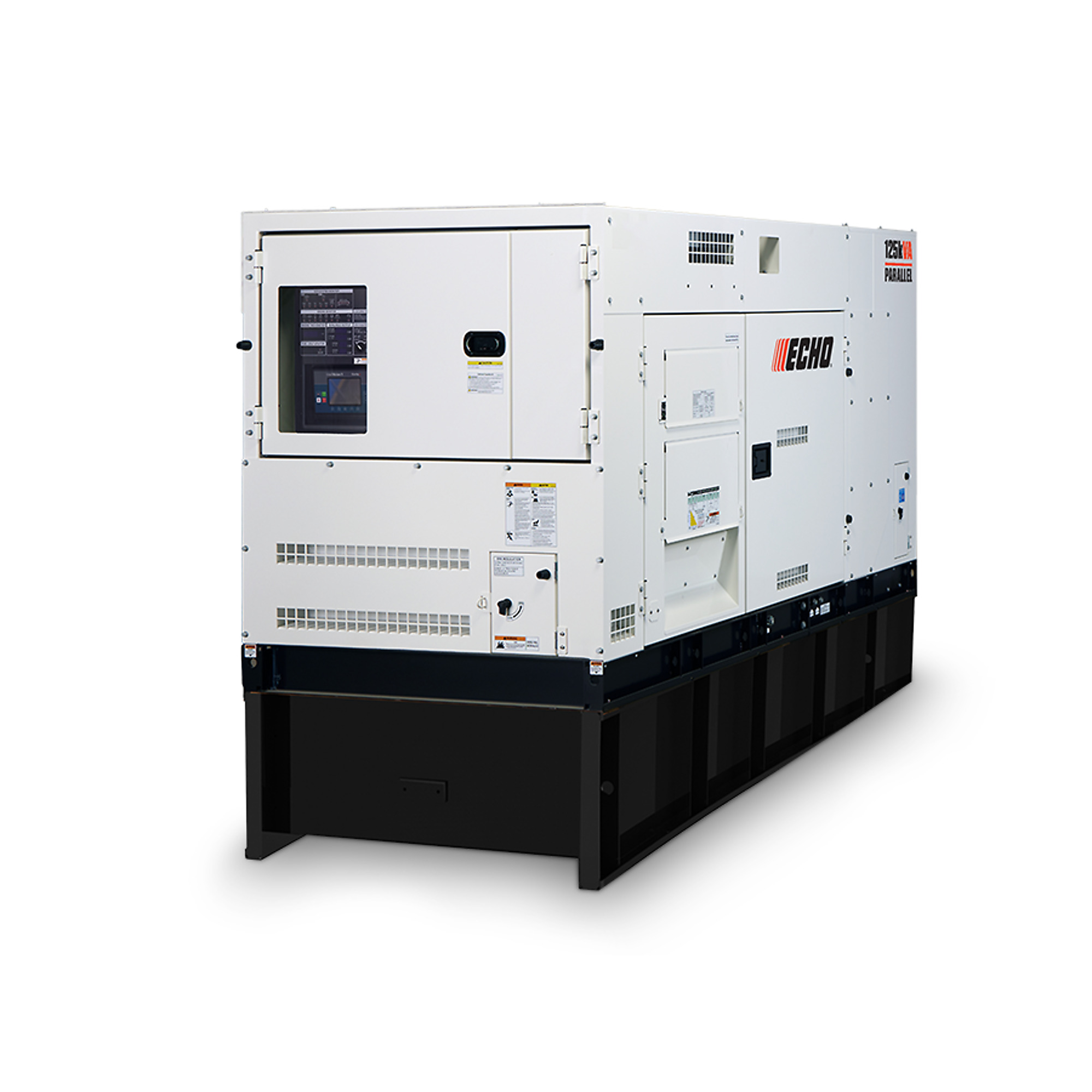
Item # 6690946
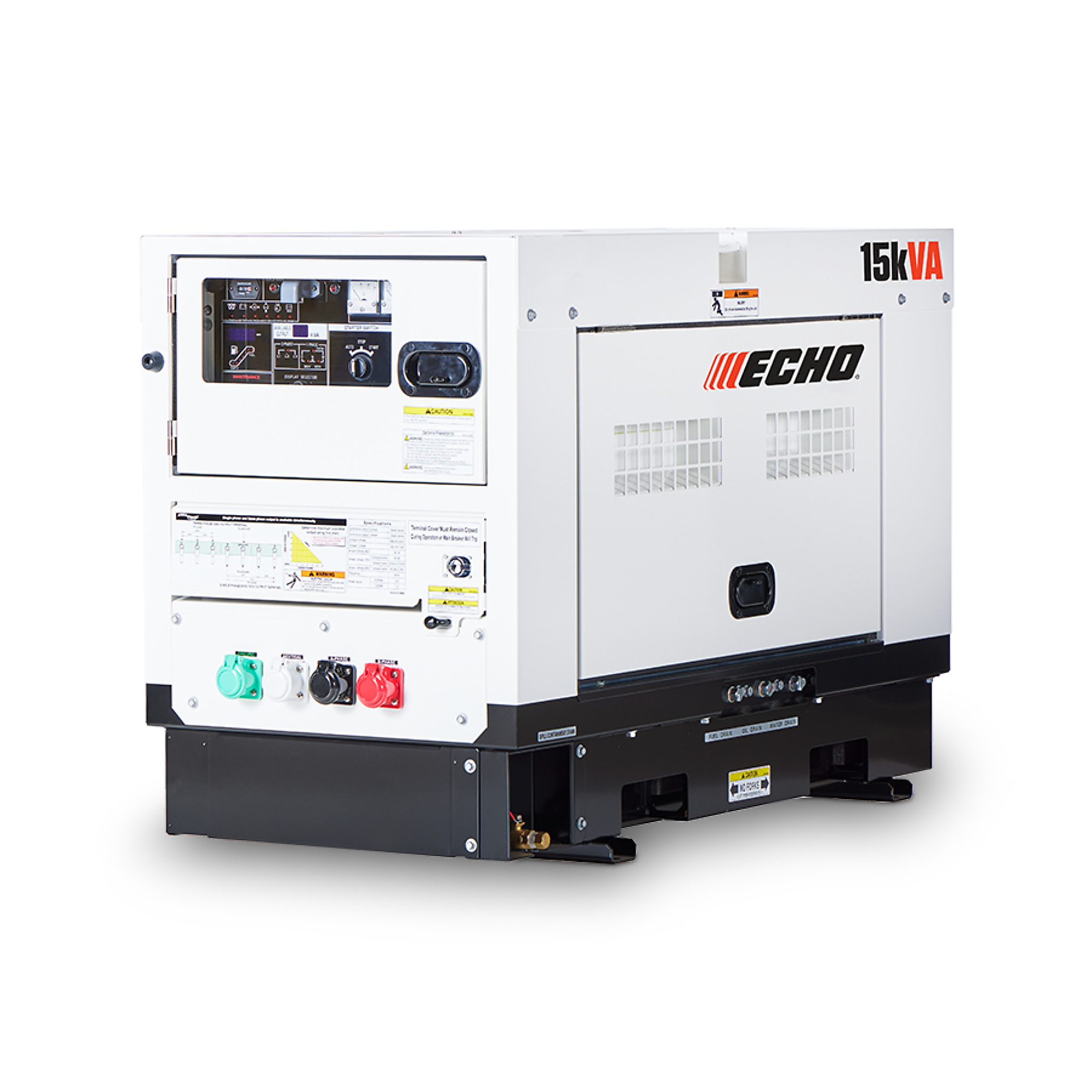
Item # 5998113
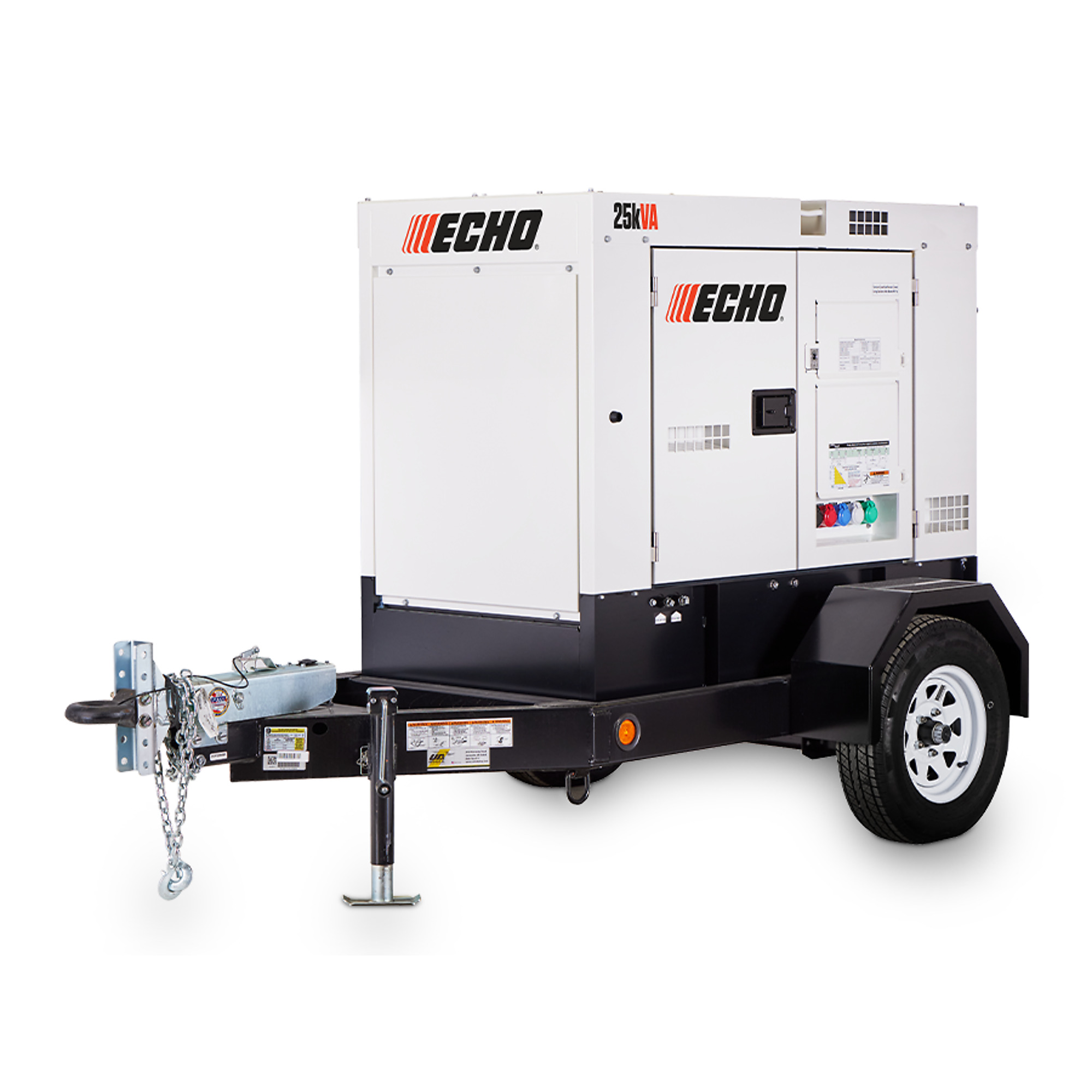
Item # 6003499
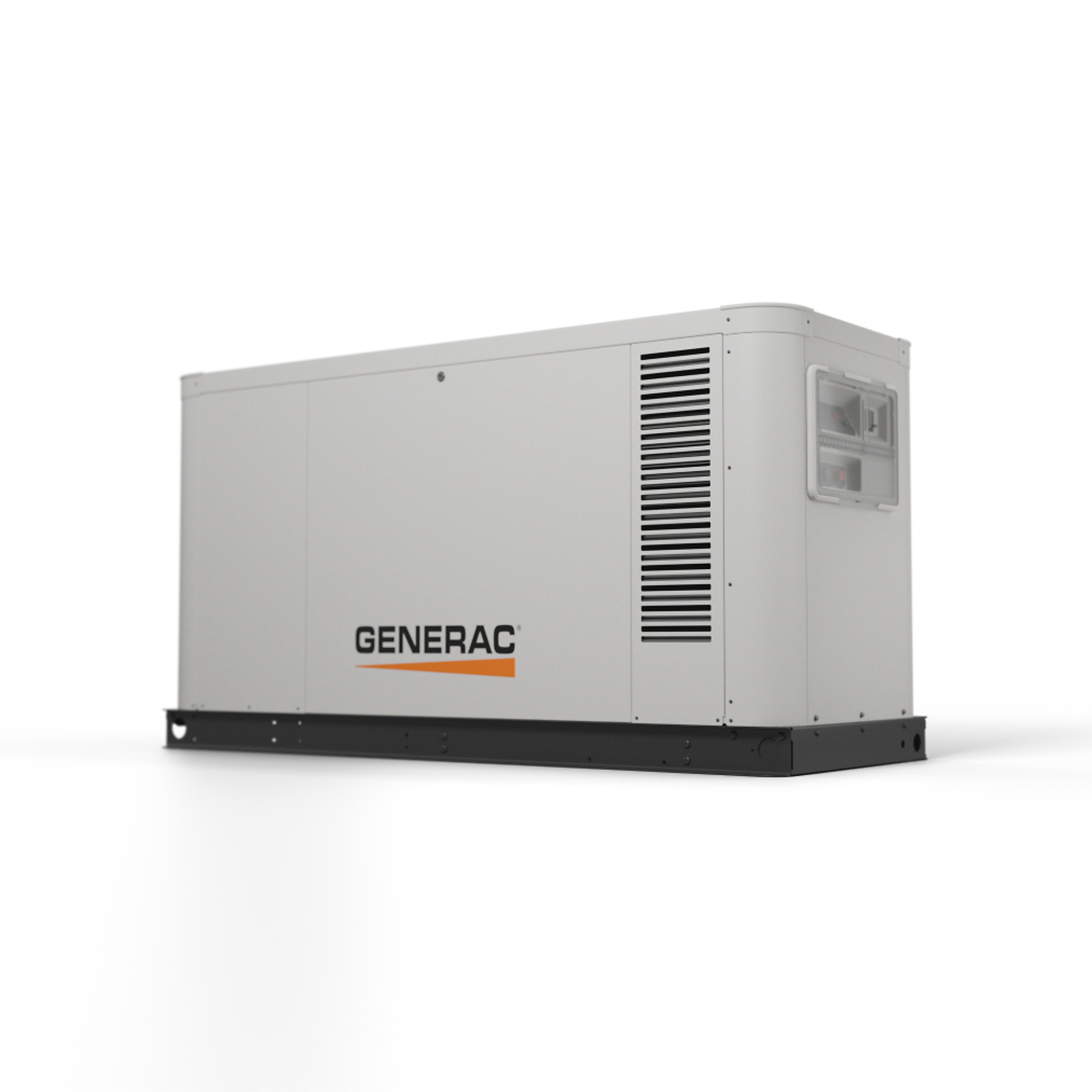
Item # 6814515
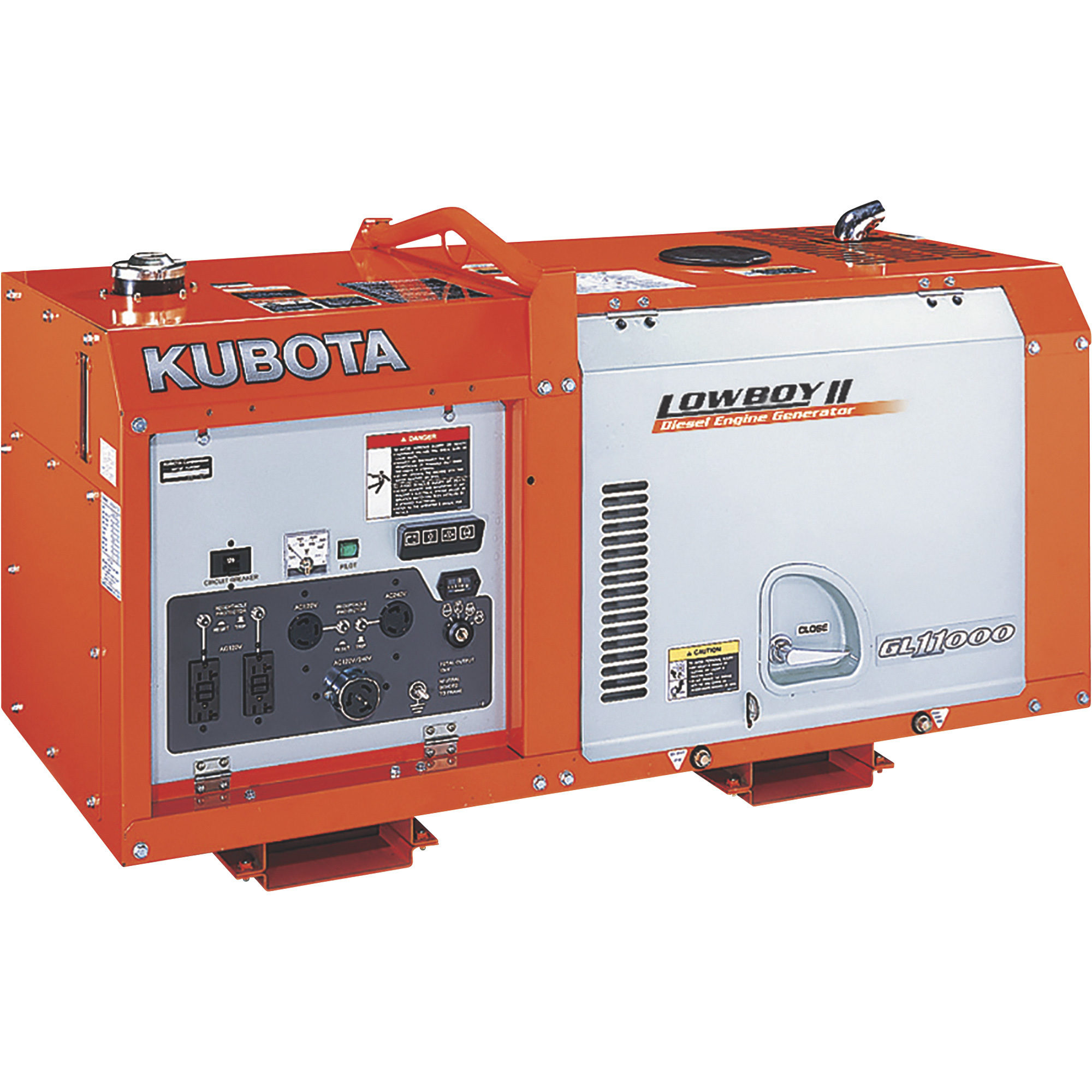
Item # 59890
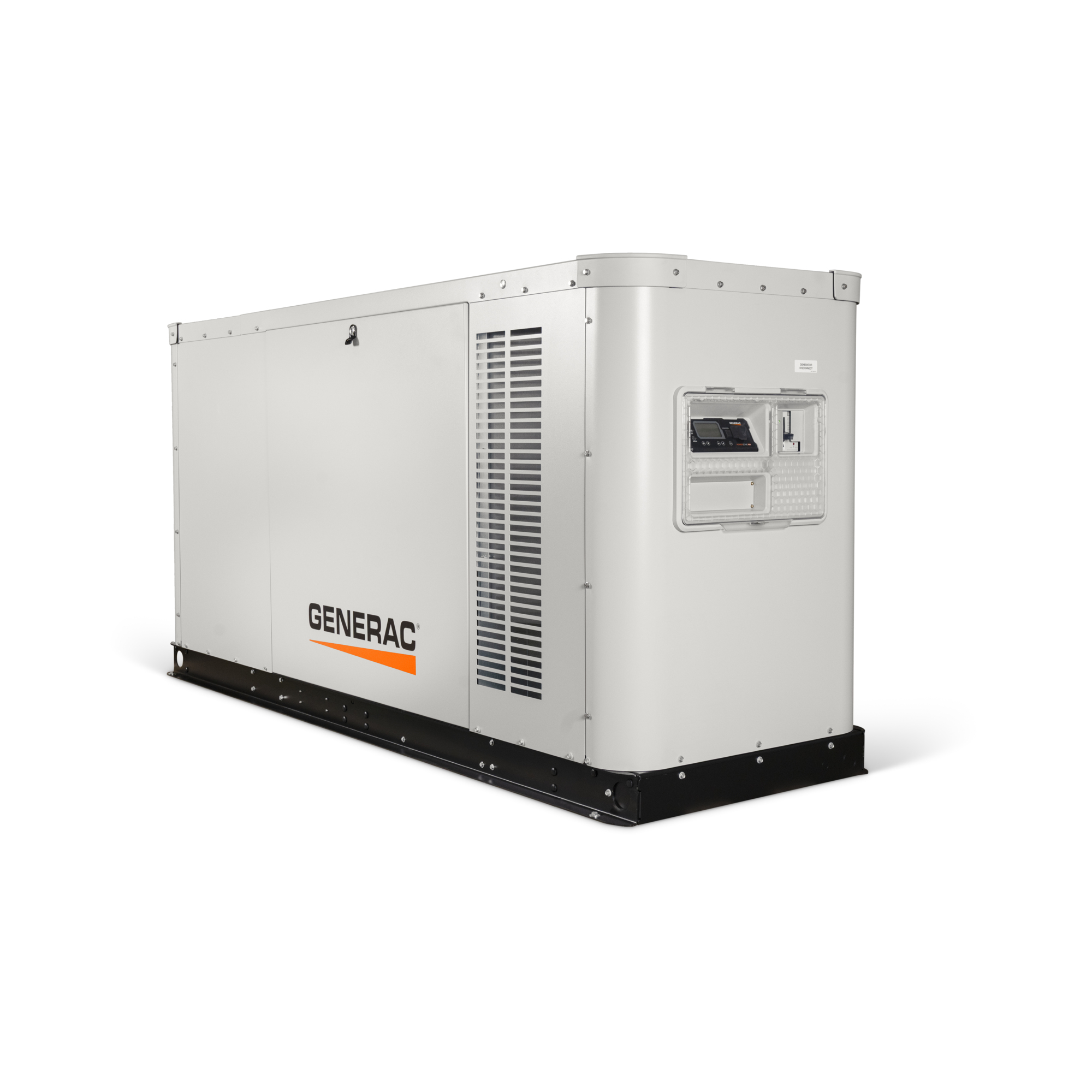
Item # 7058862
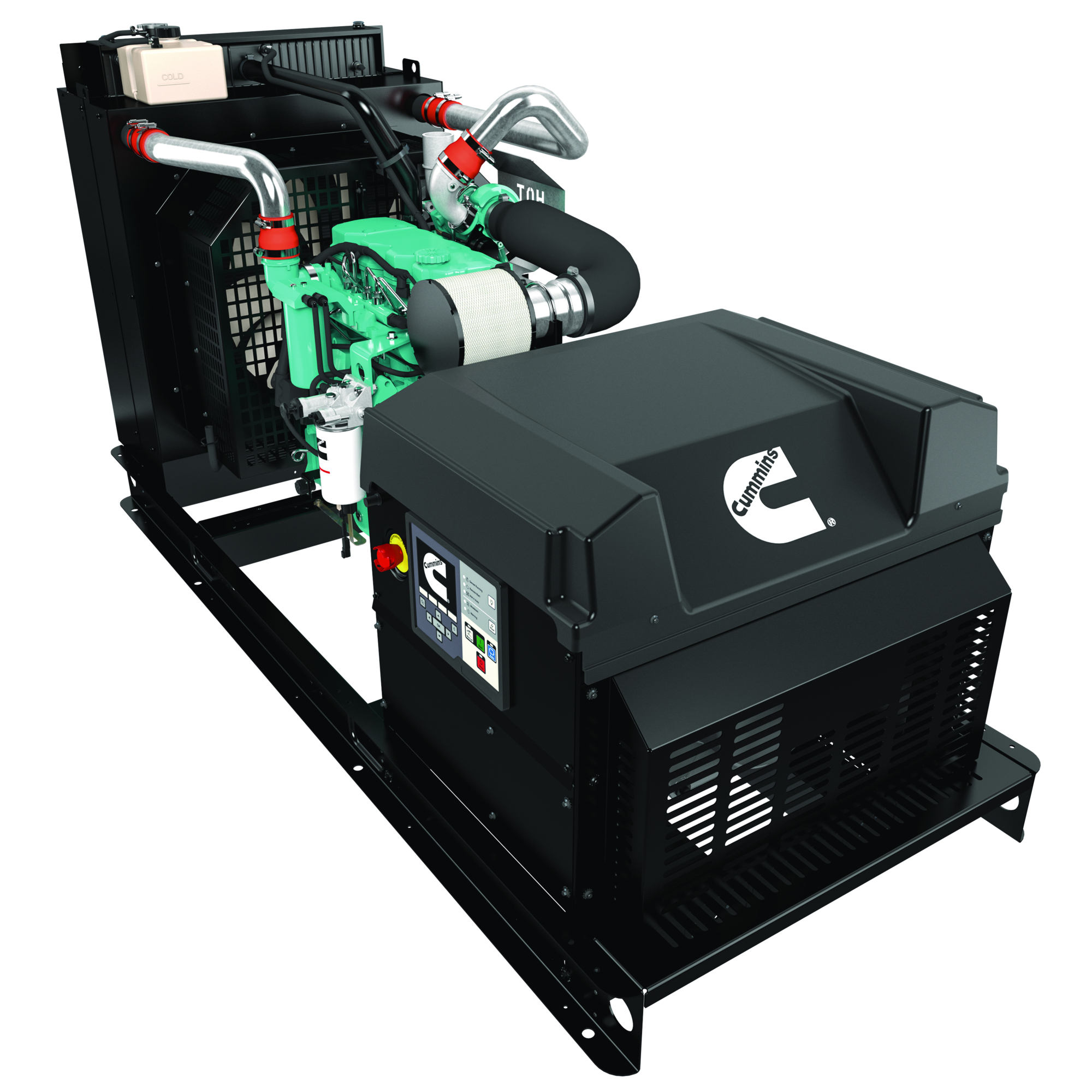
Item # 6510221
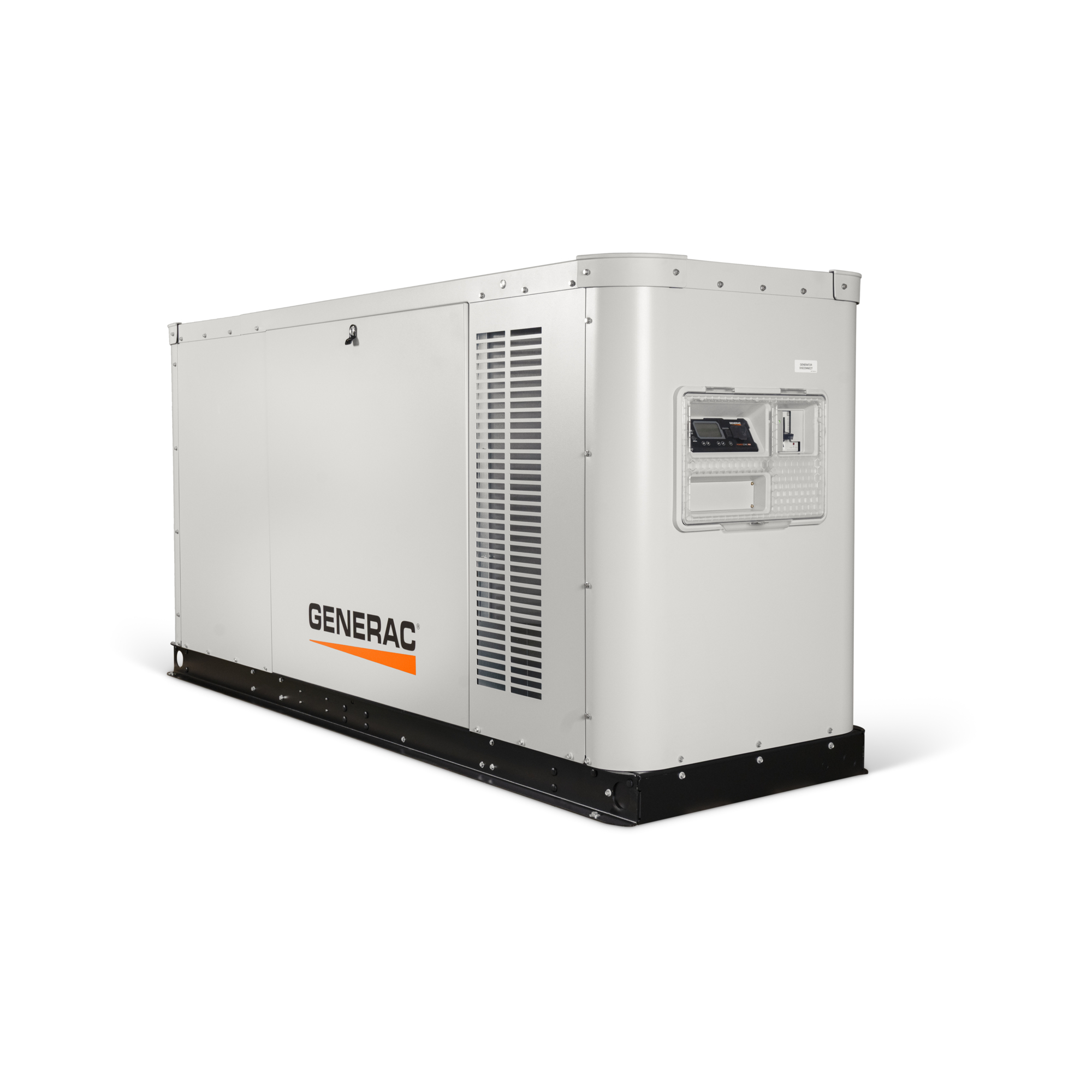
Item # 7058871
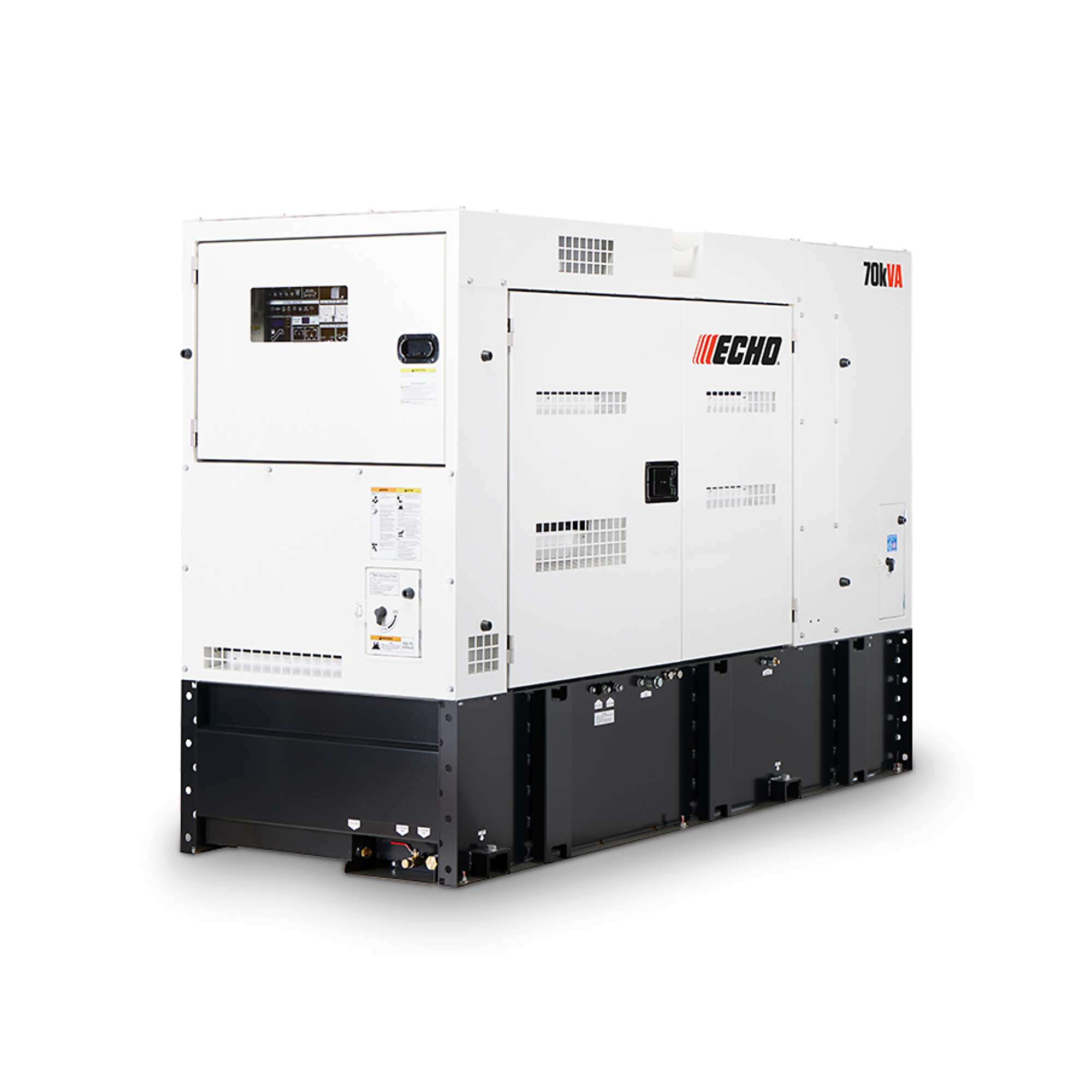
Item # 5998084
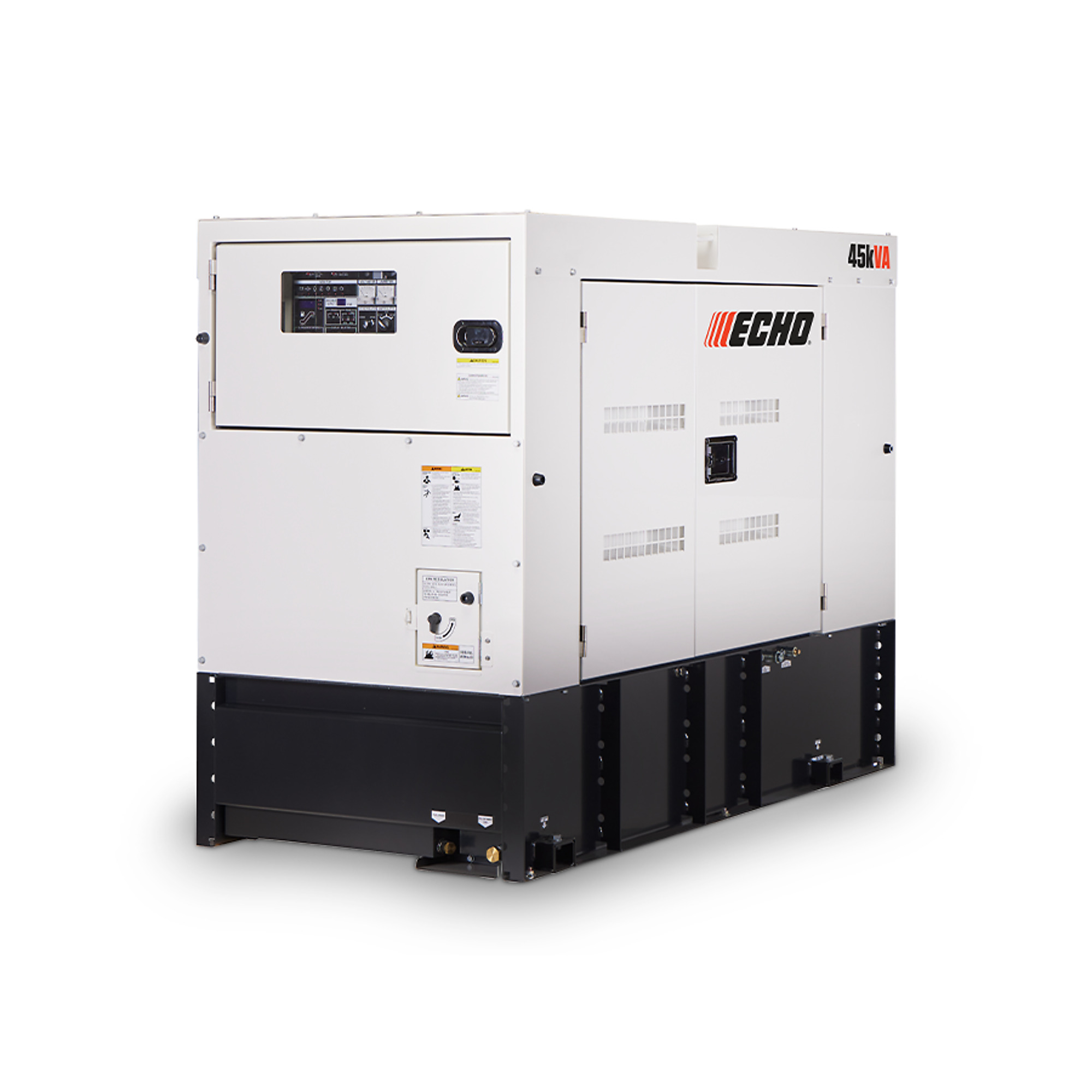
Item # 5998033
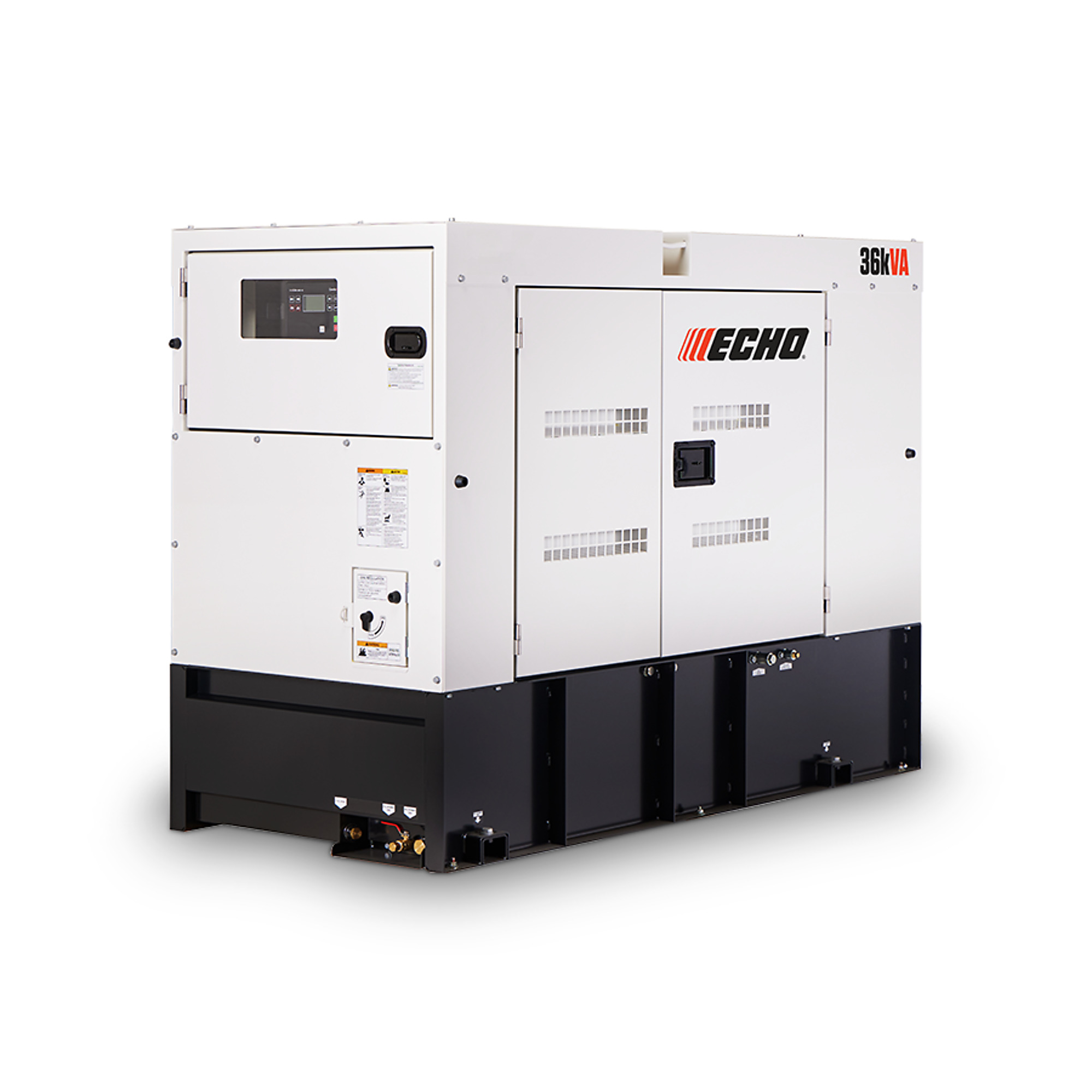
Item # 6003481
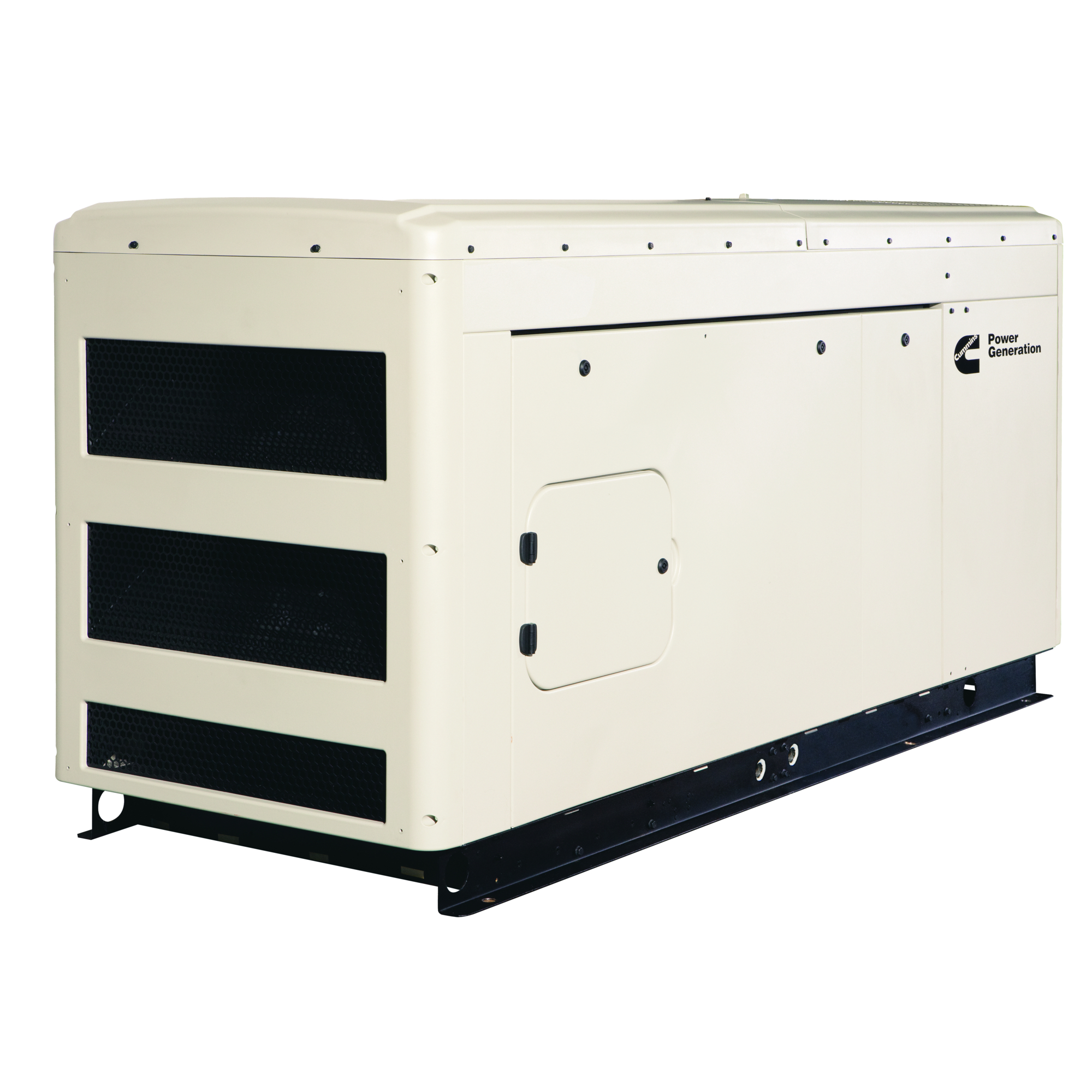
Item # 6510351
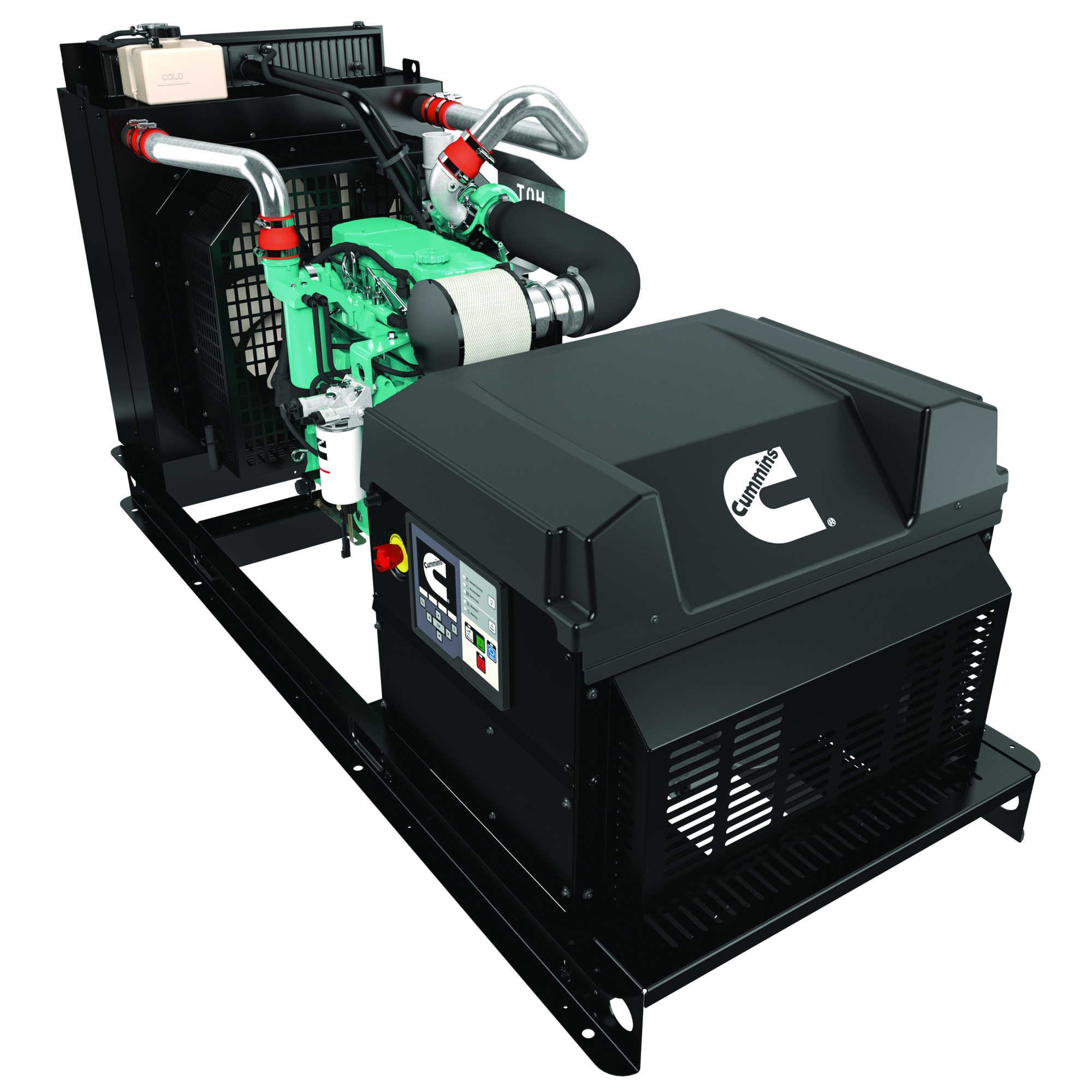
Item # 6510255
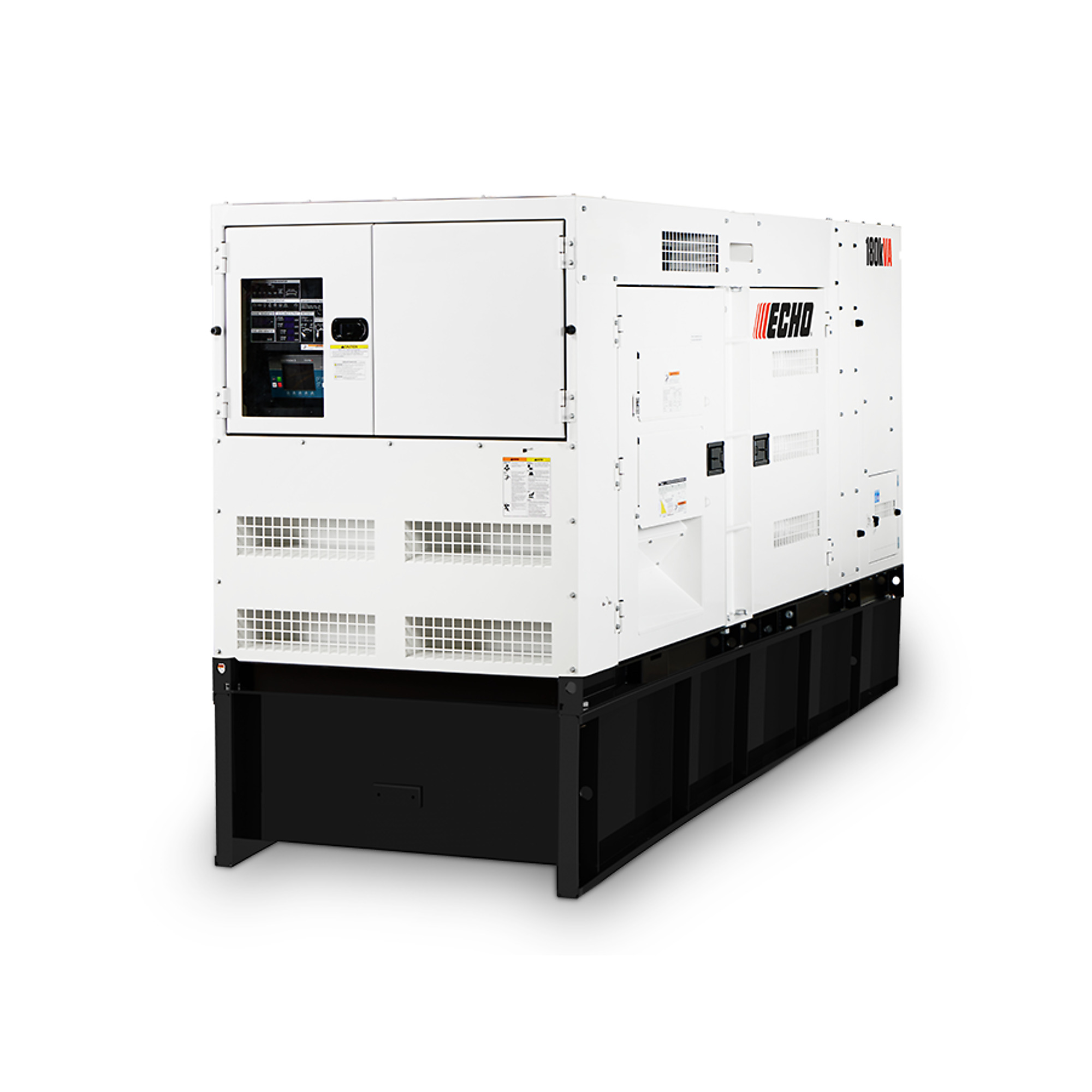
Item # 5998121
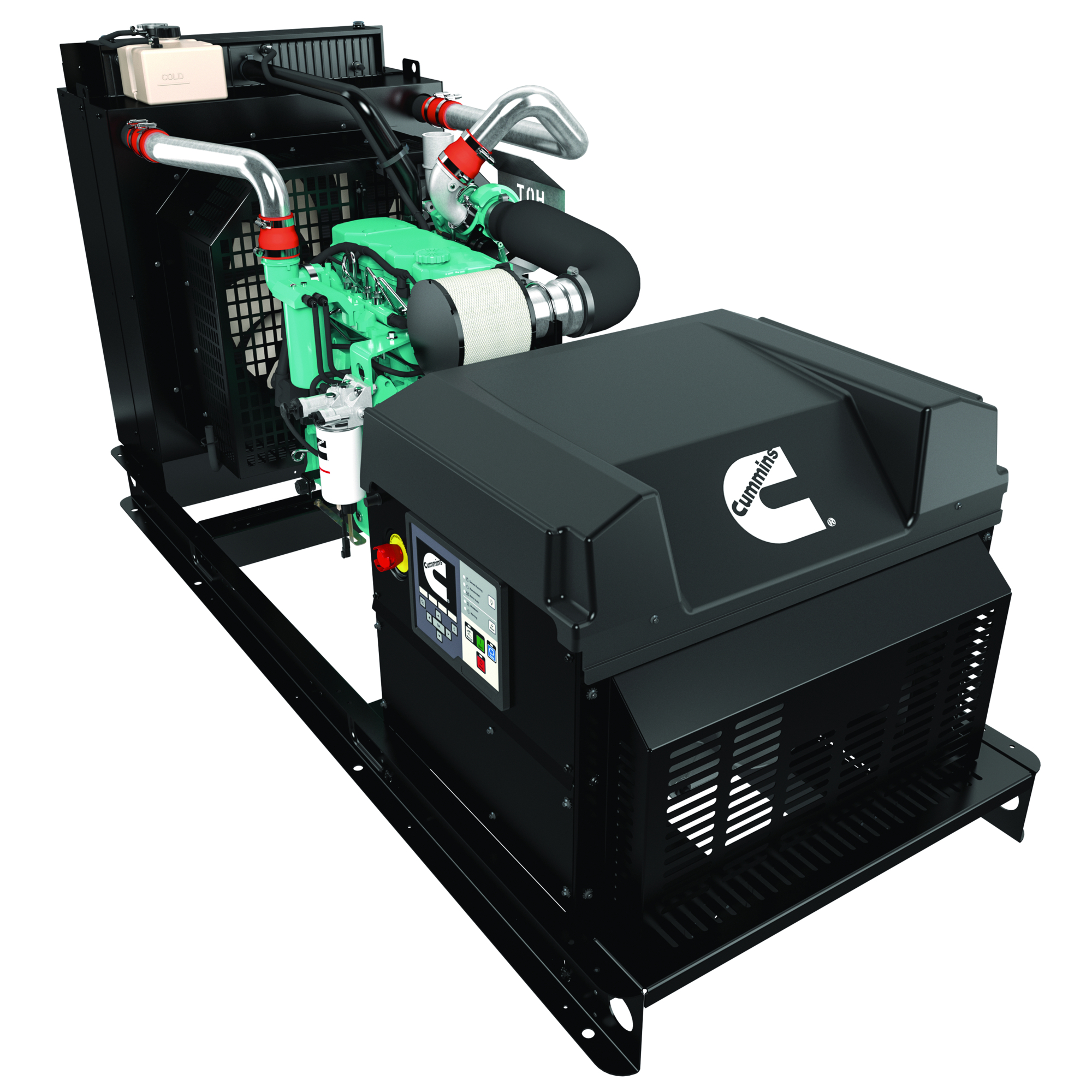
Item # 6510247
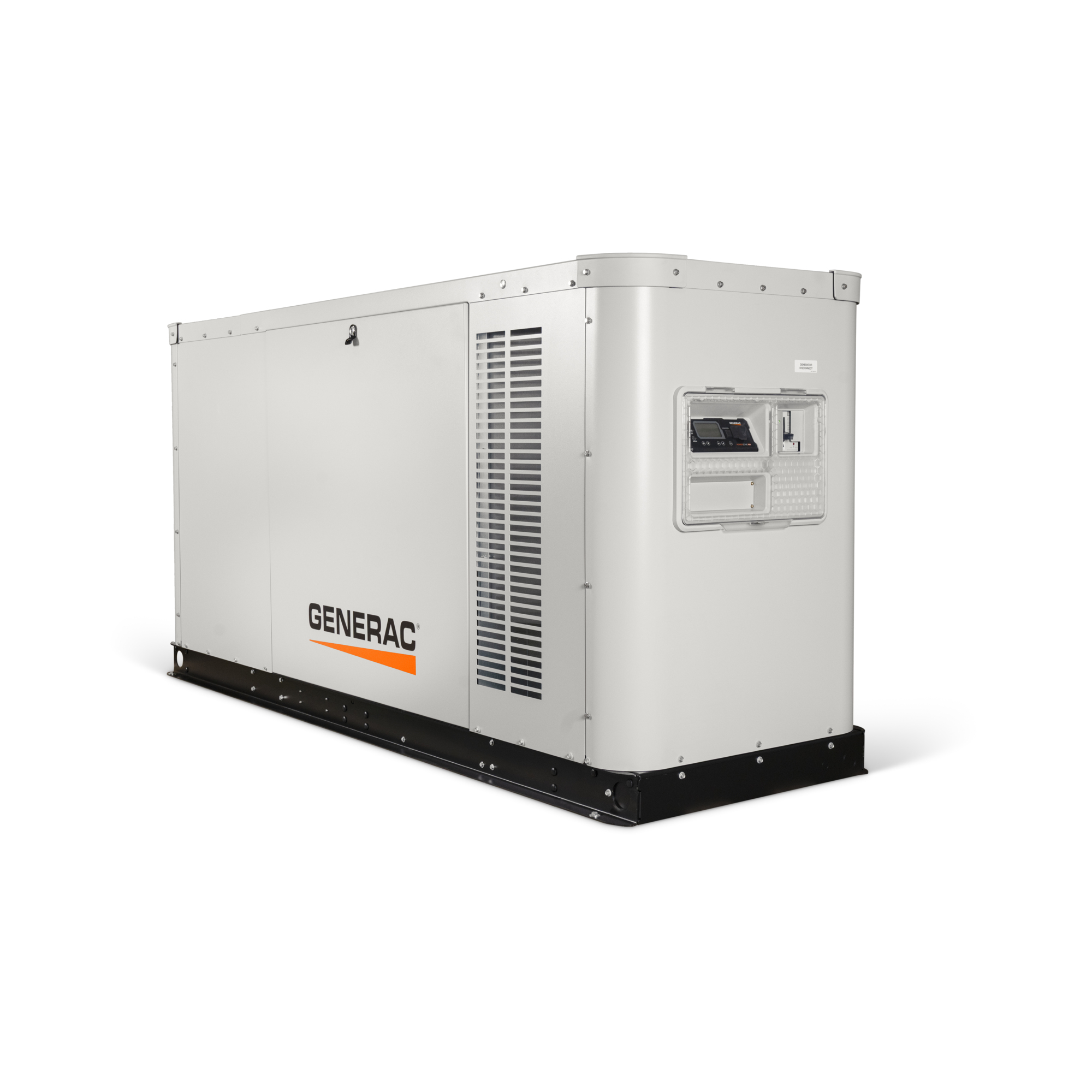
Item # 7059259
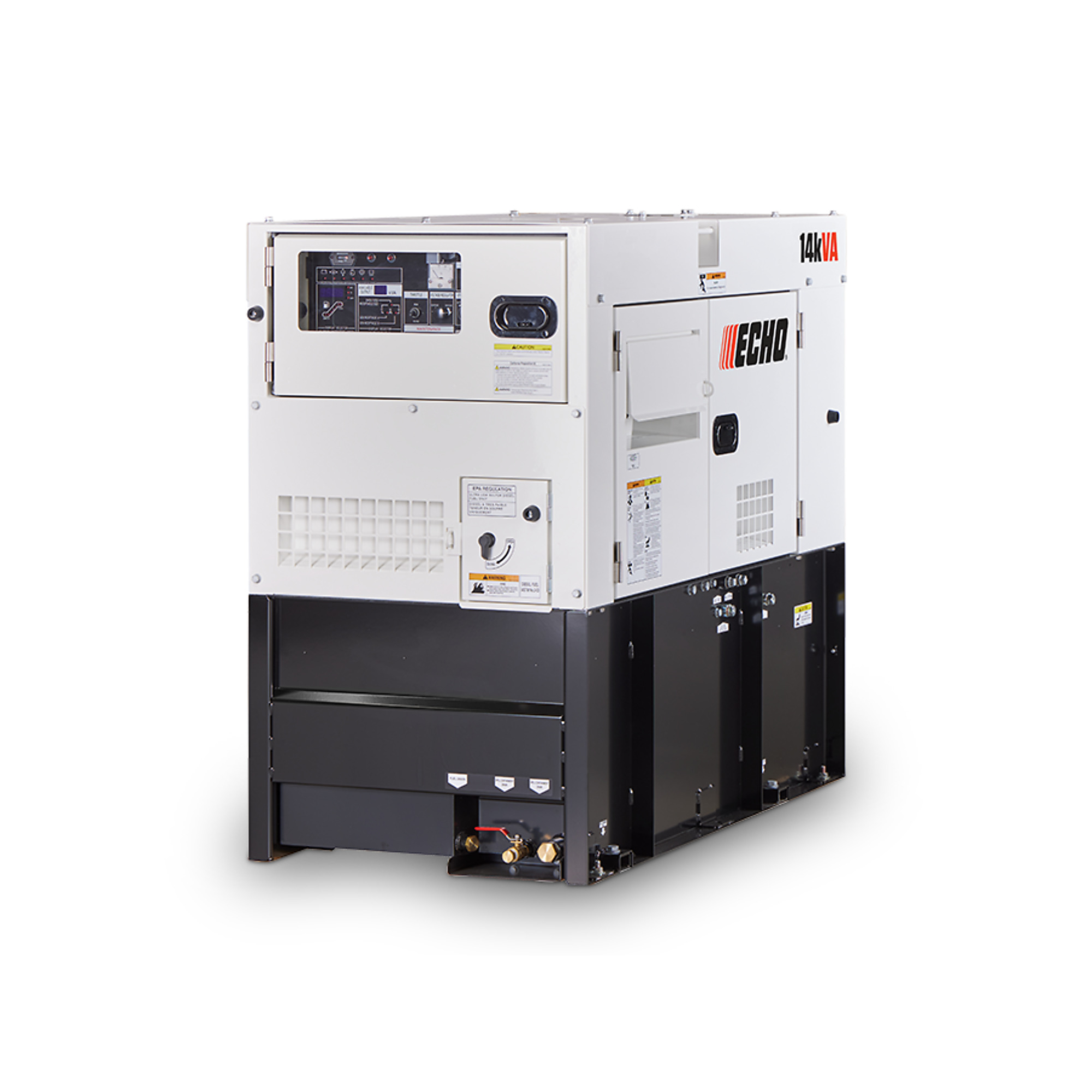
Item # 5998092
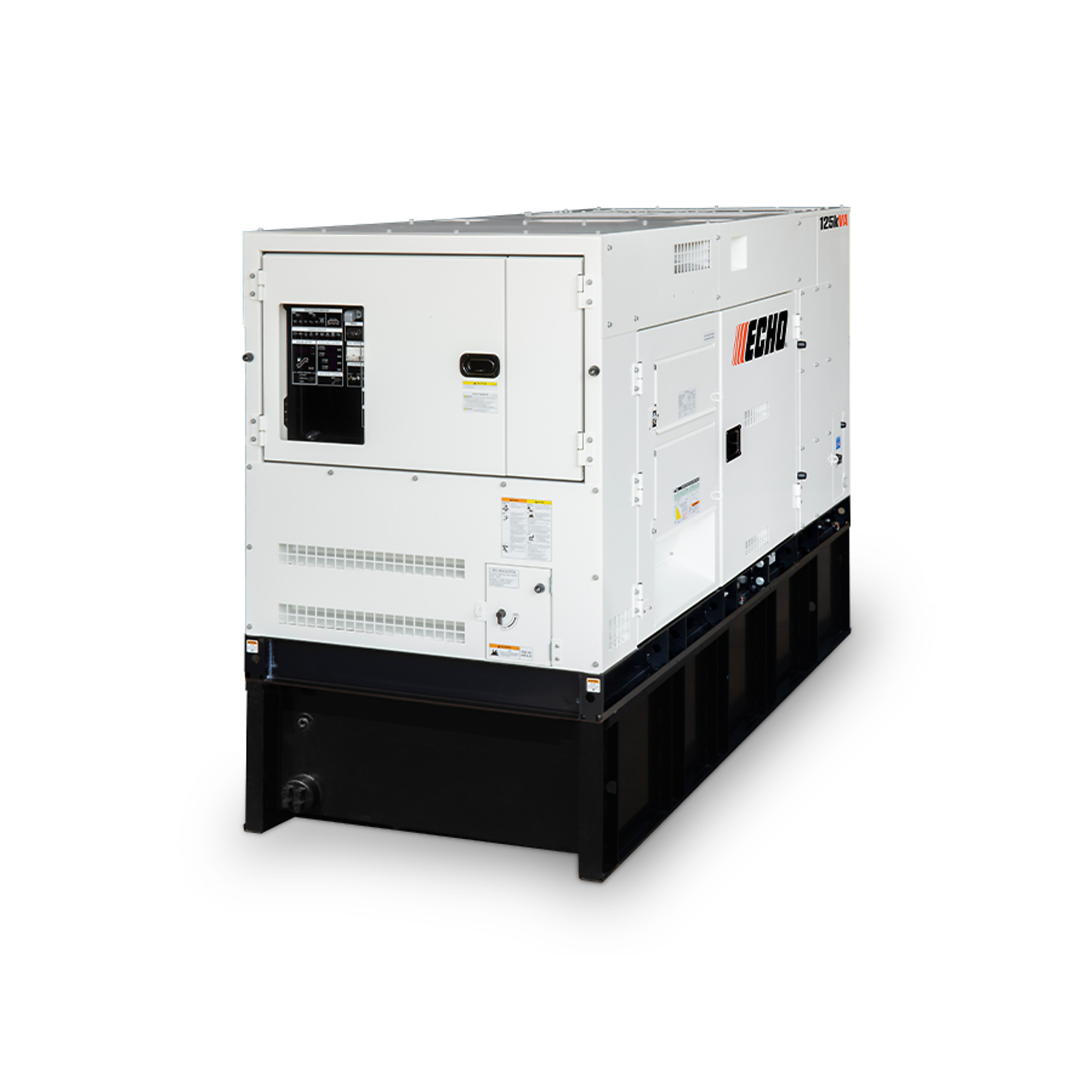
Item # 5998068
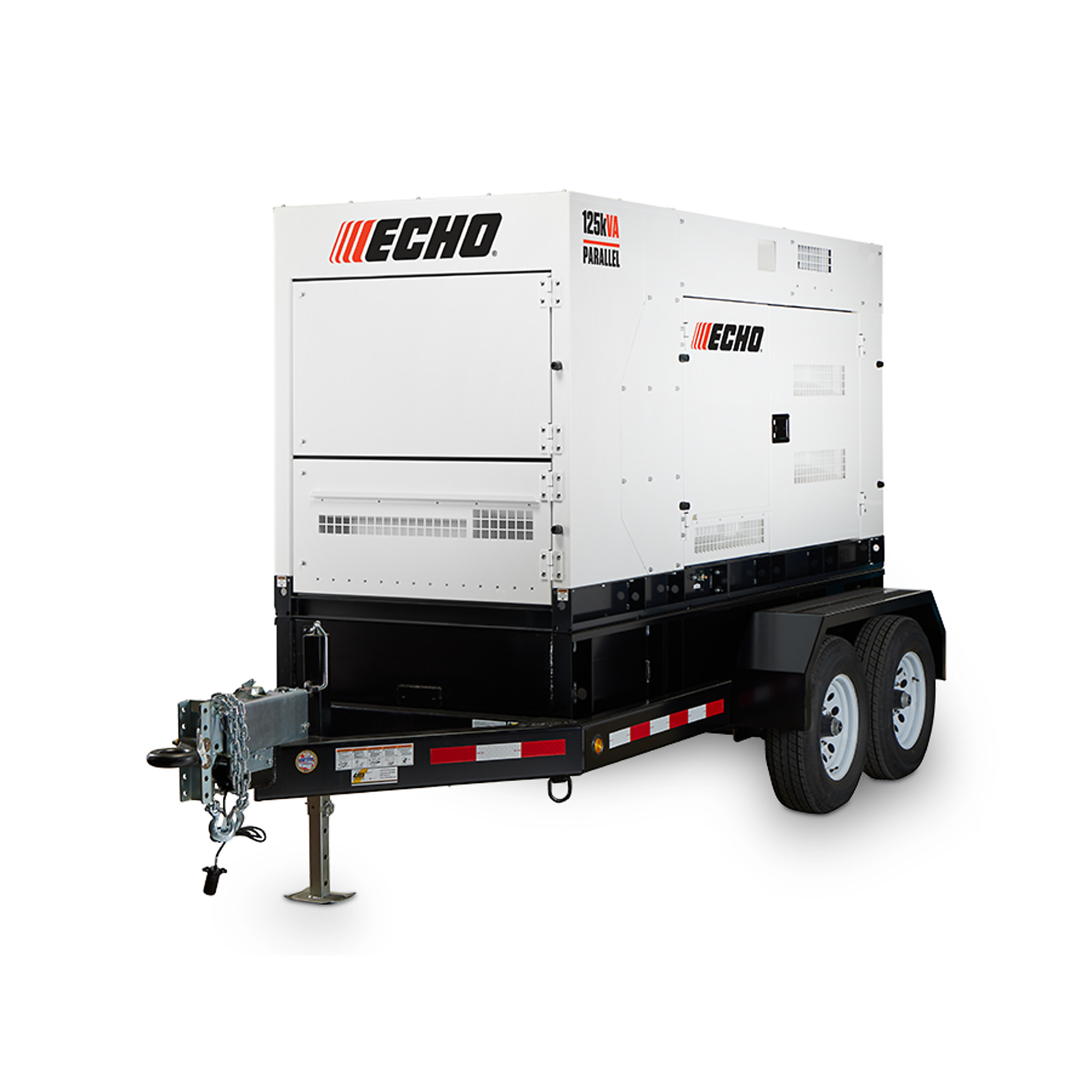
Item # 6733088
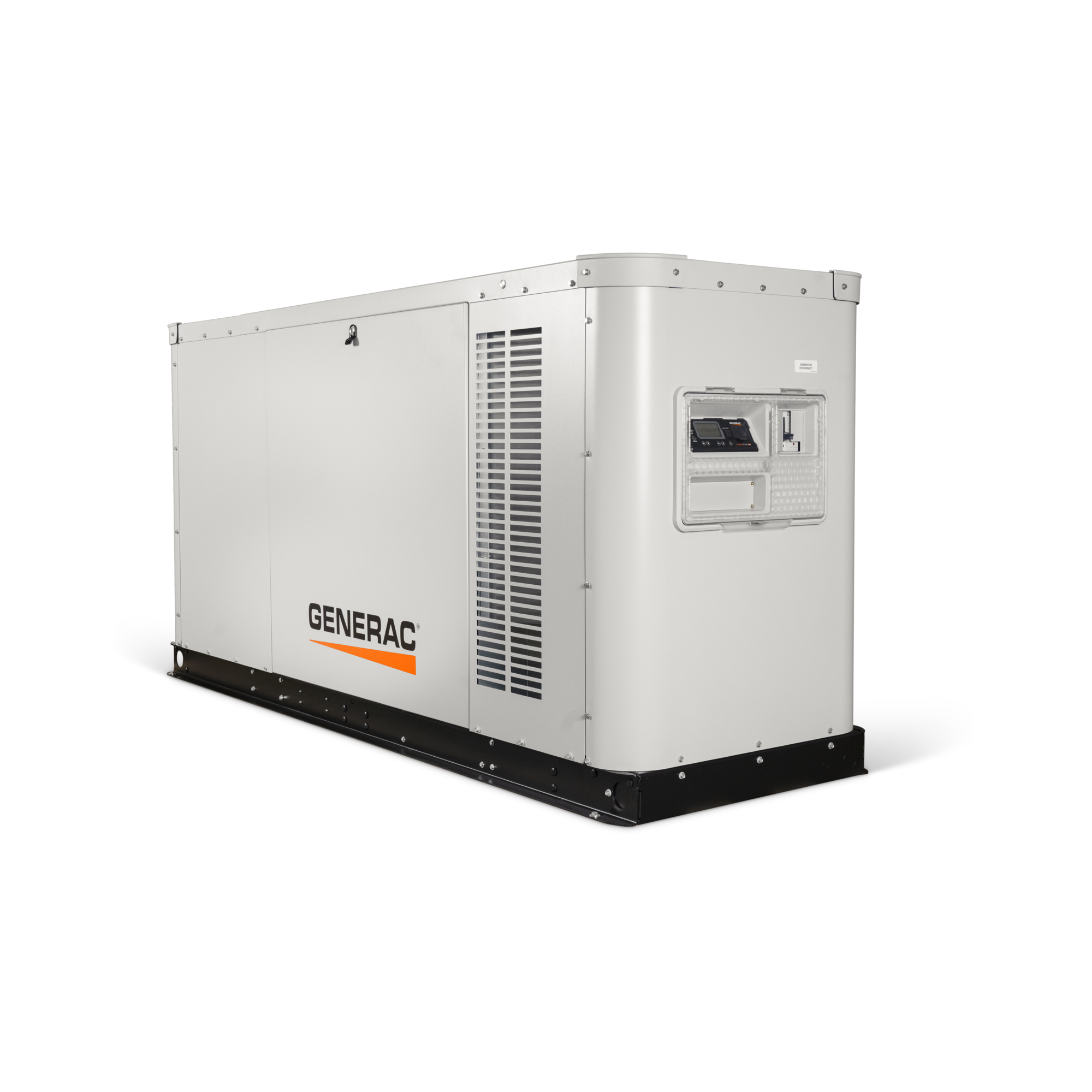
Item # 7059224
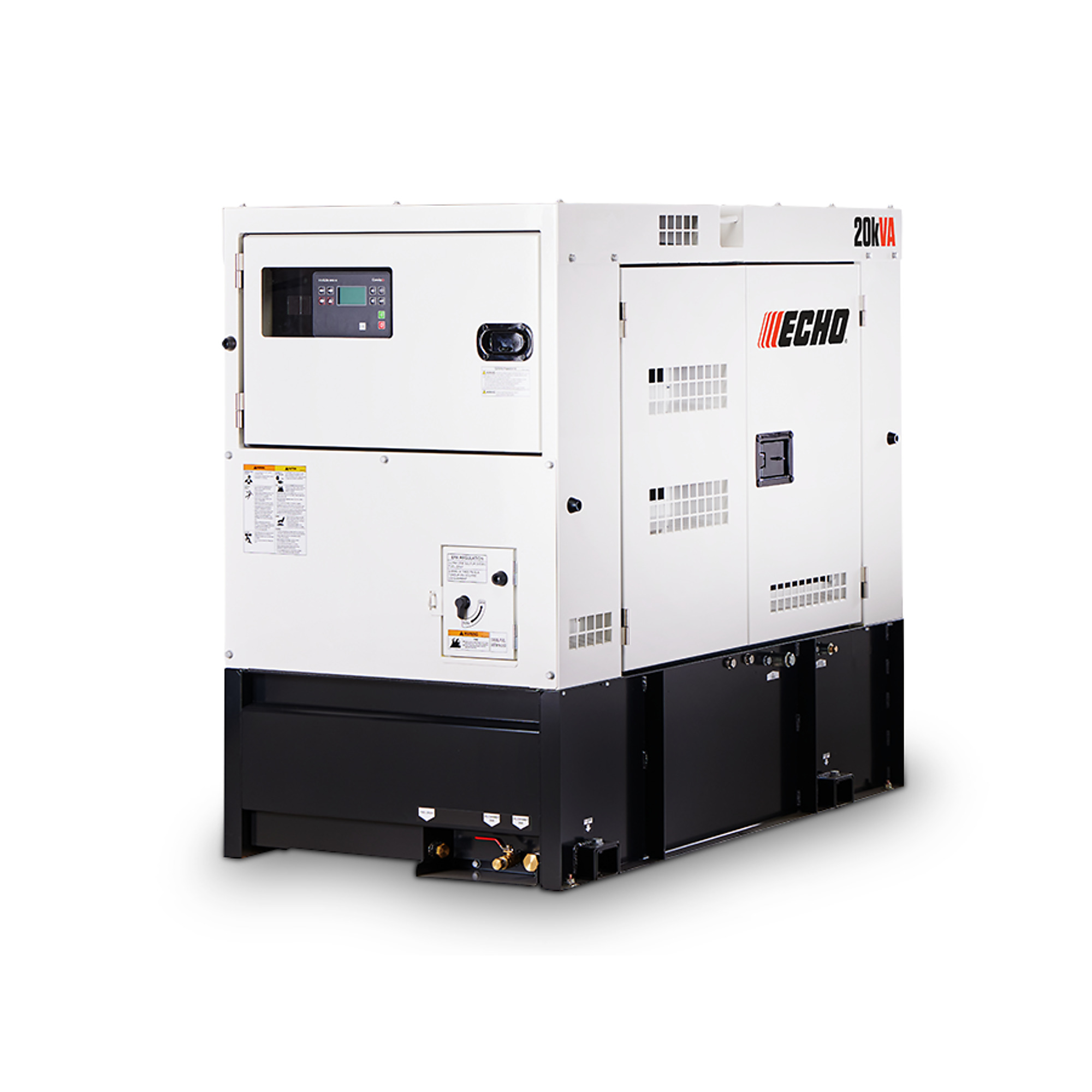
Item # 5998105
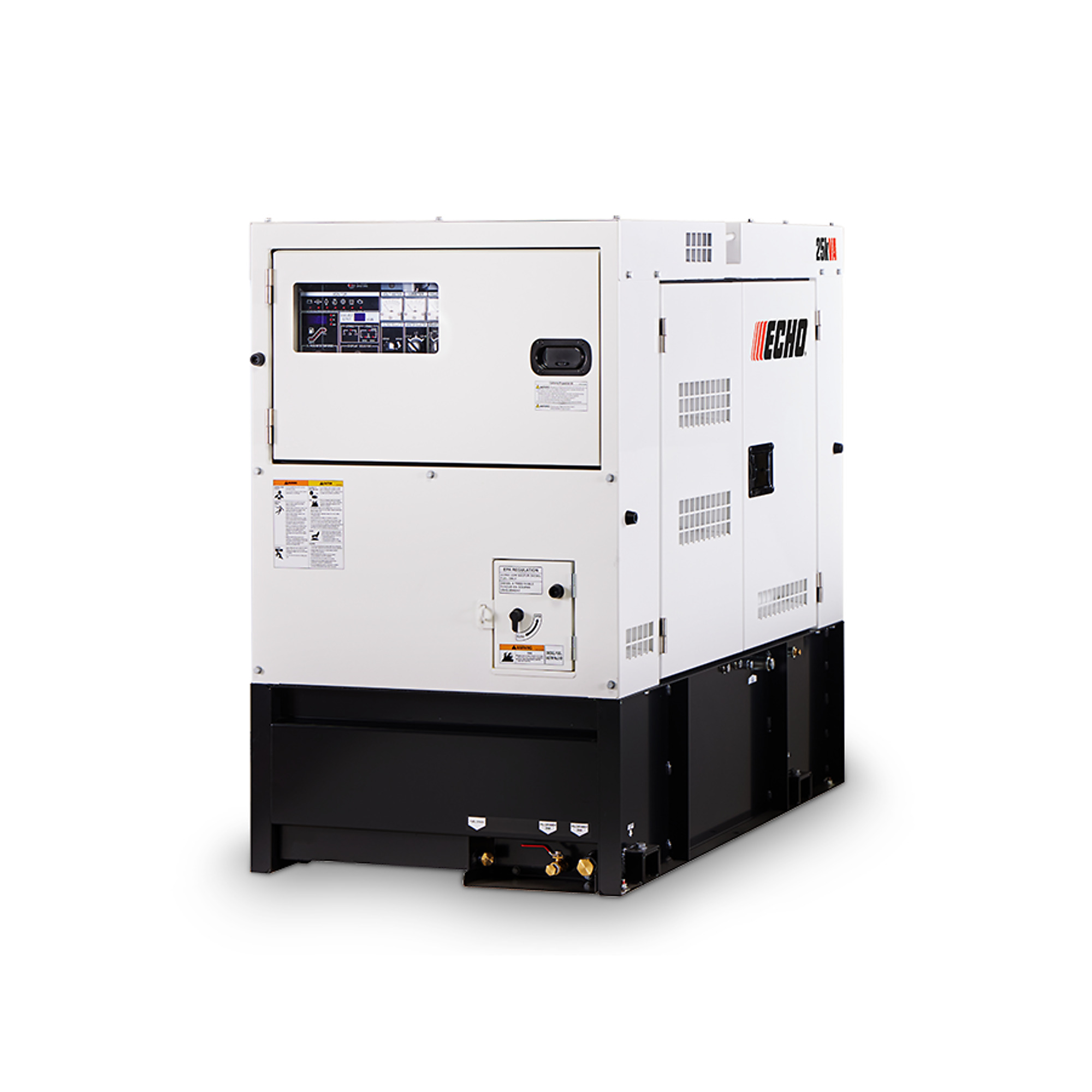
Item # 5998050
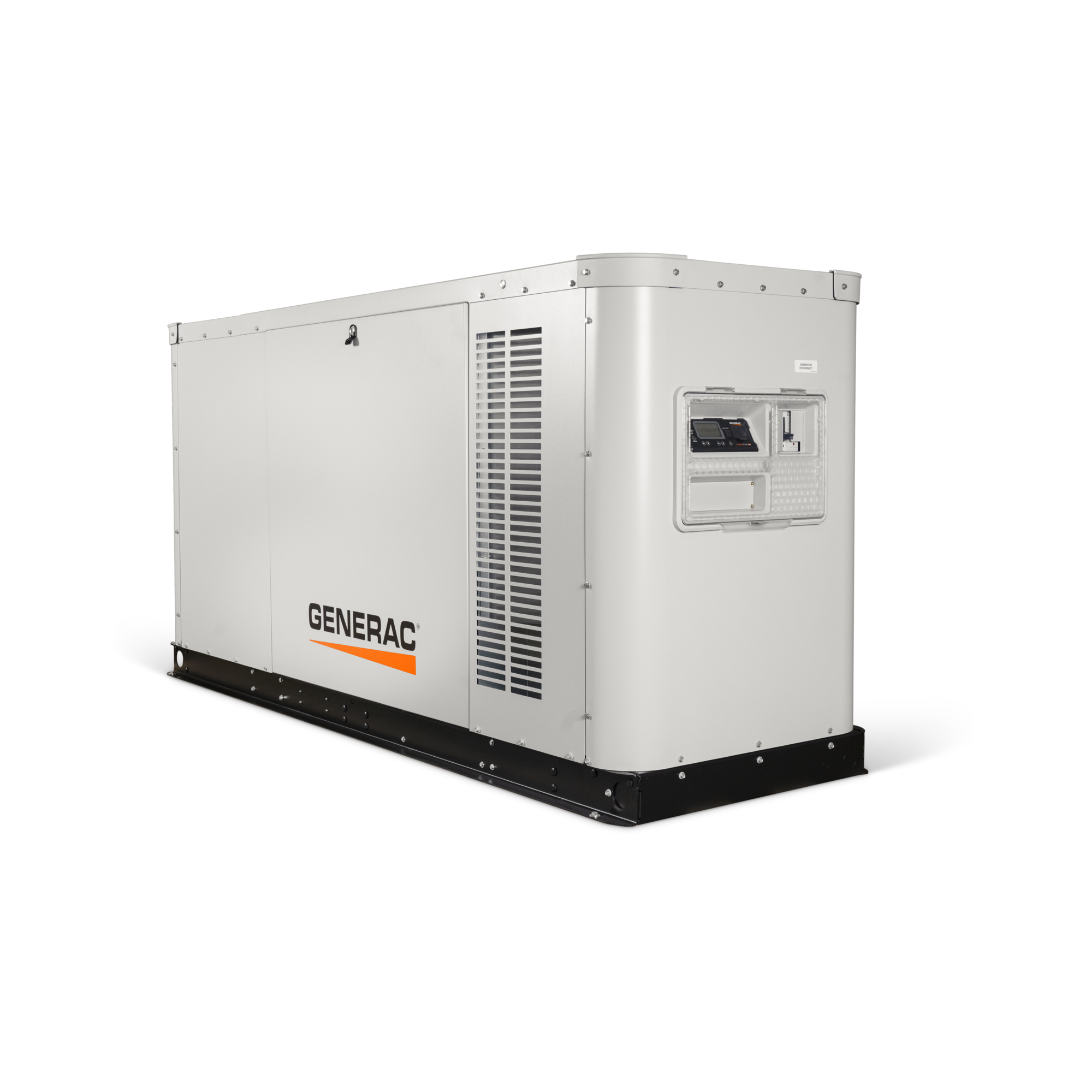
Item # 7059232
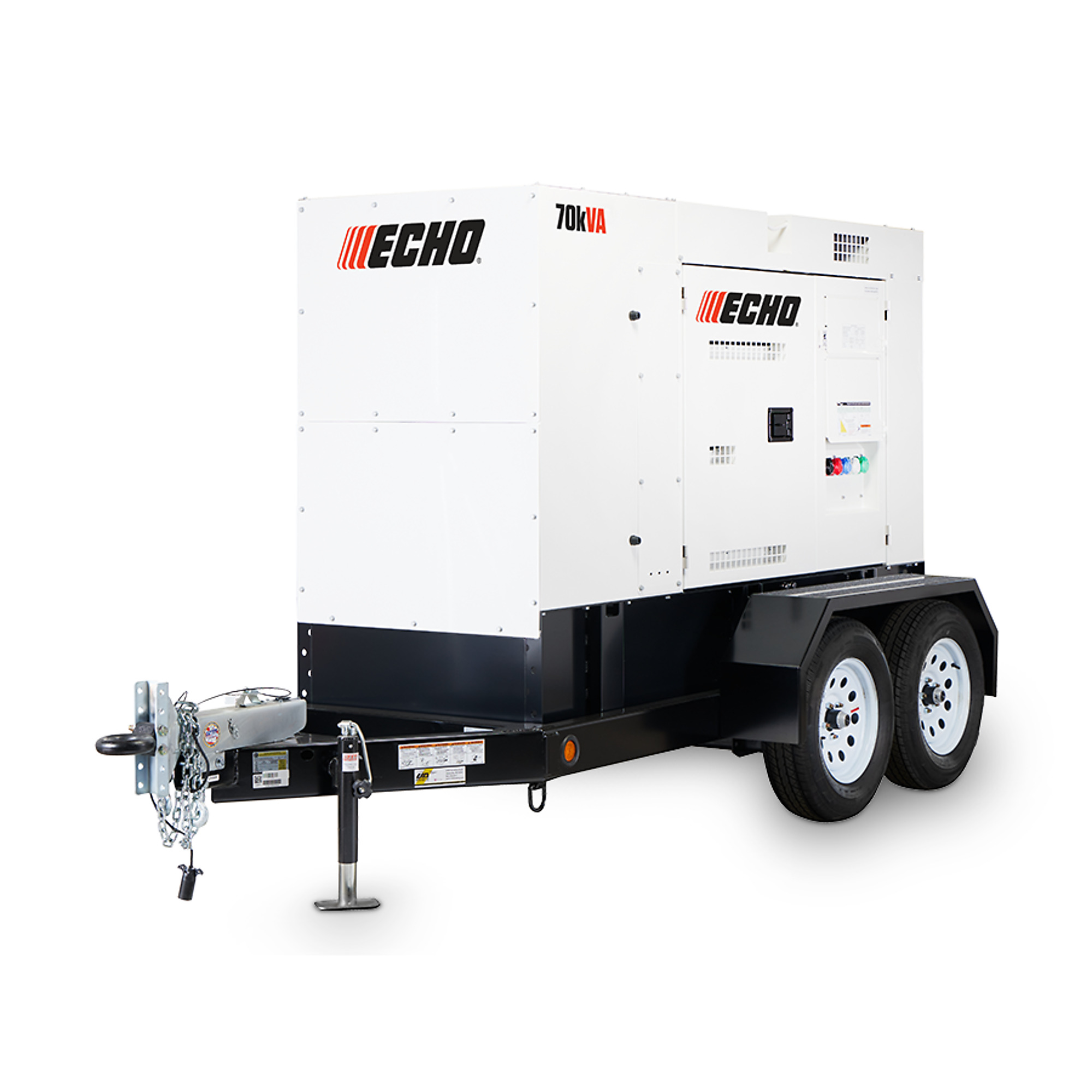
Item # 6004459
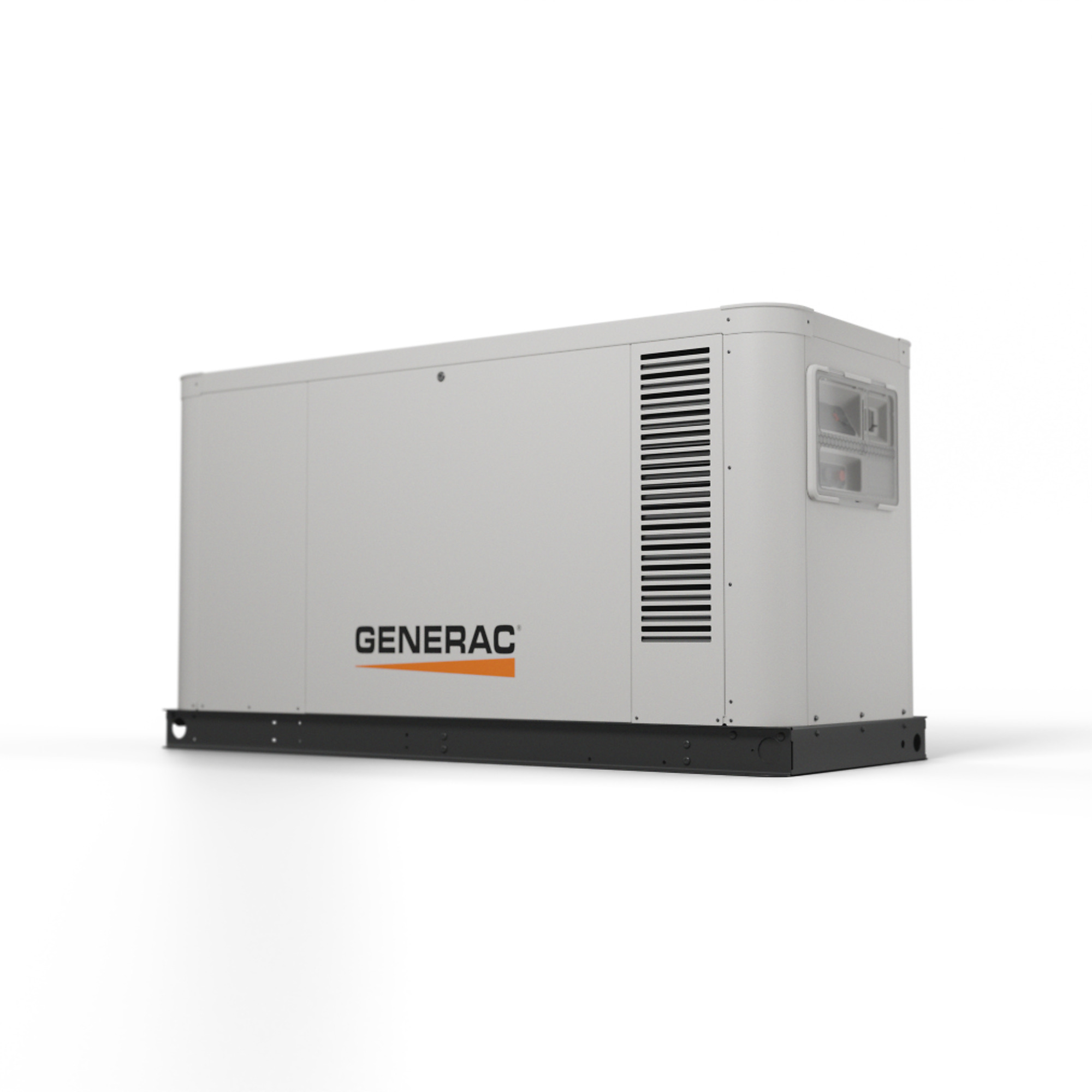
Item # 6288535
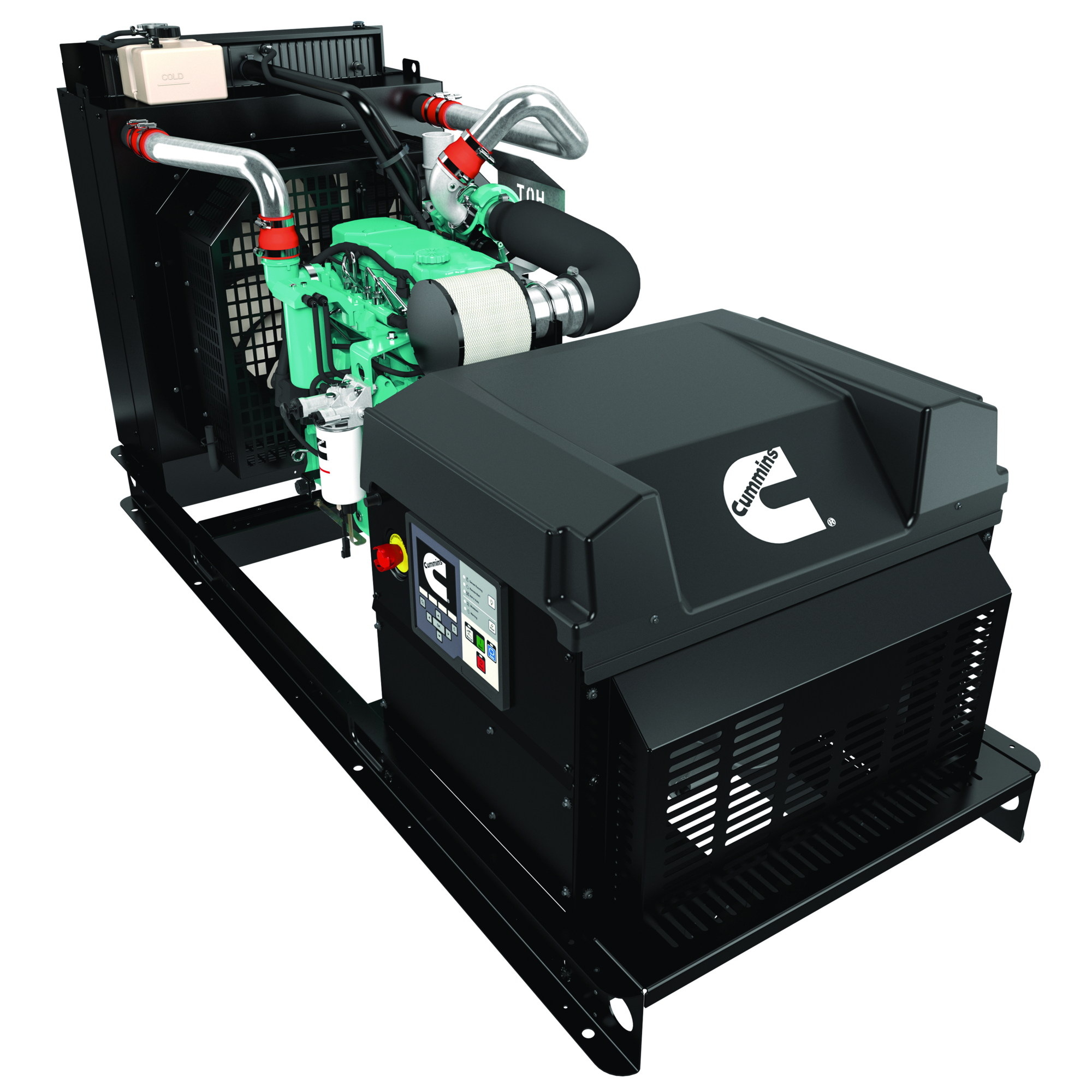
Item # 6510301
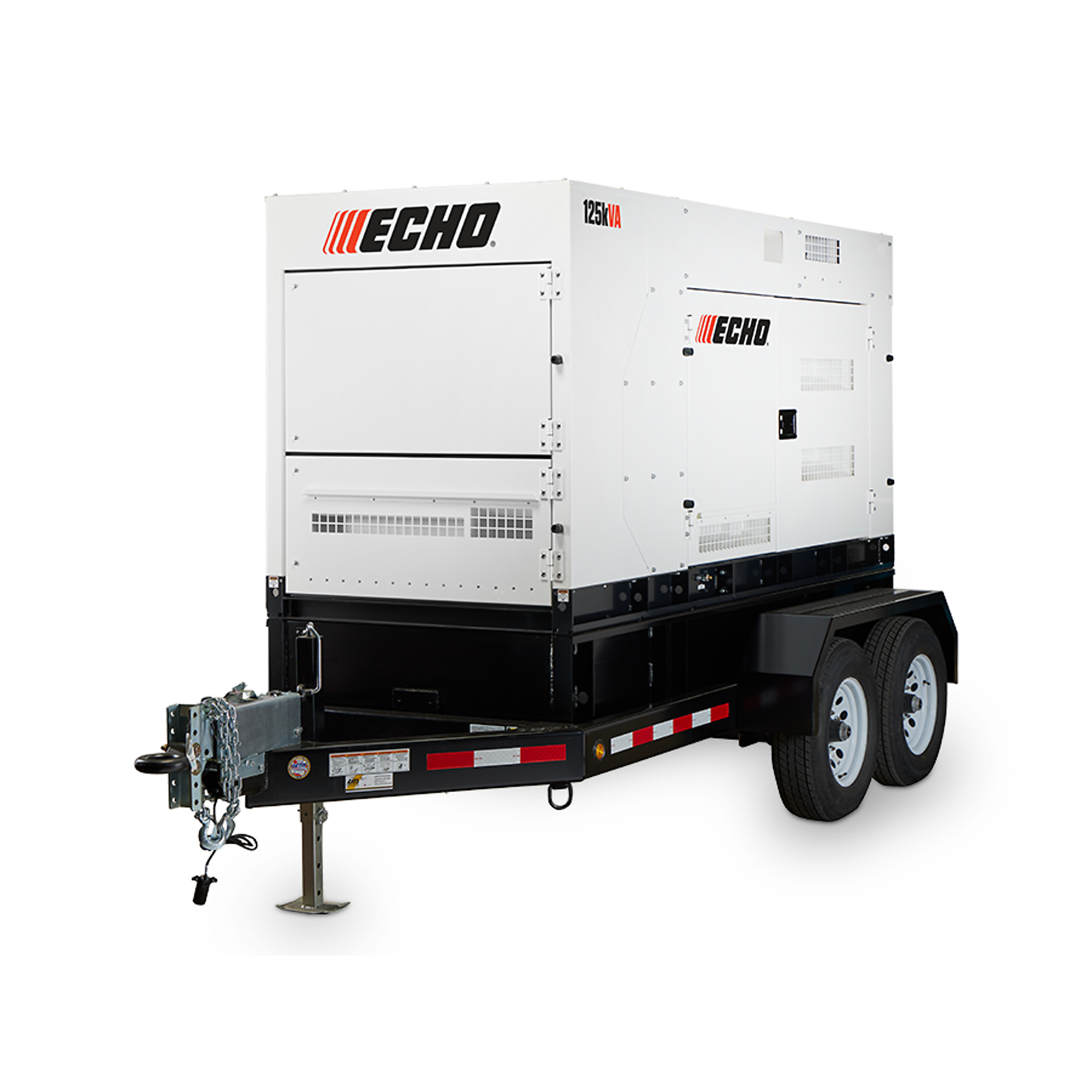
Item # 6004408
Item # 6510280
Item # 7058993
Item # 6814507
Item # 6814523
Powerful + Weather Resistant Commercial Generators
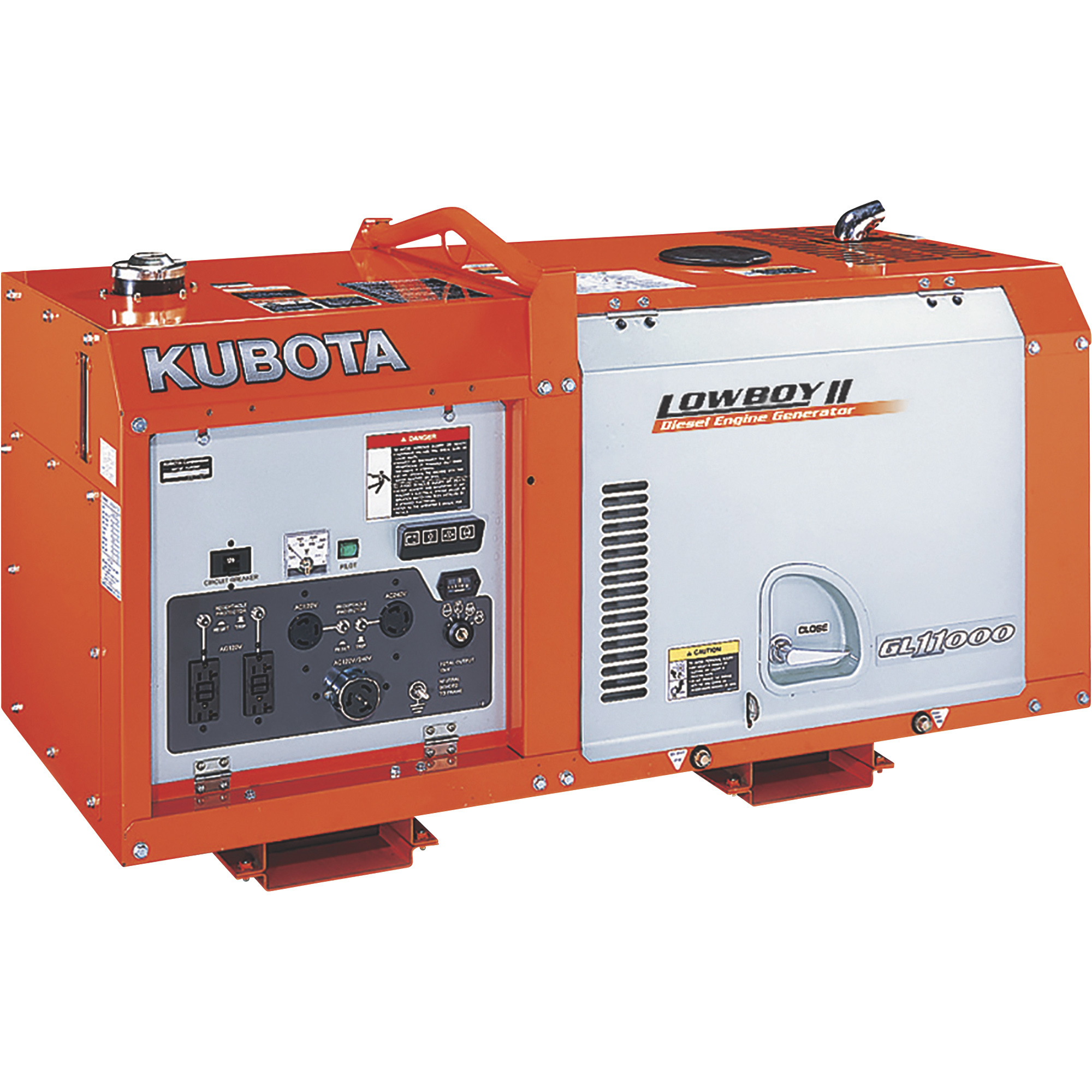
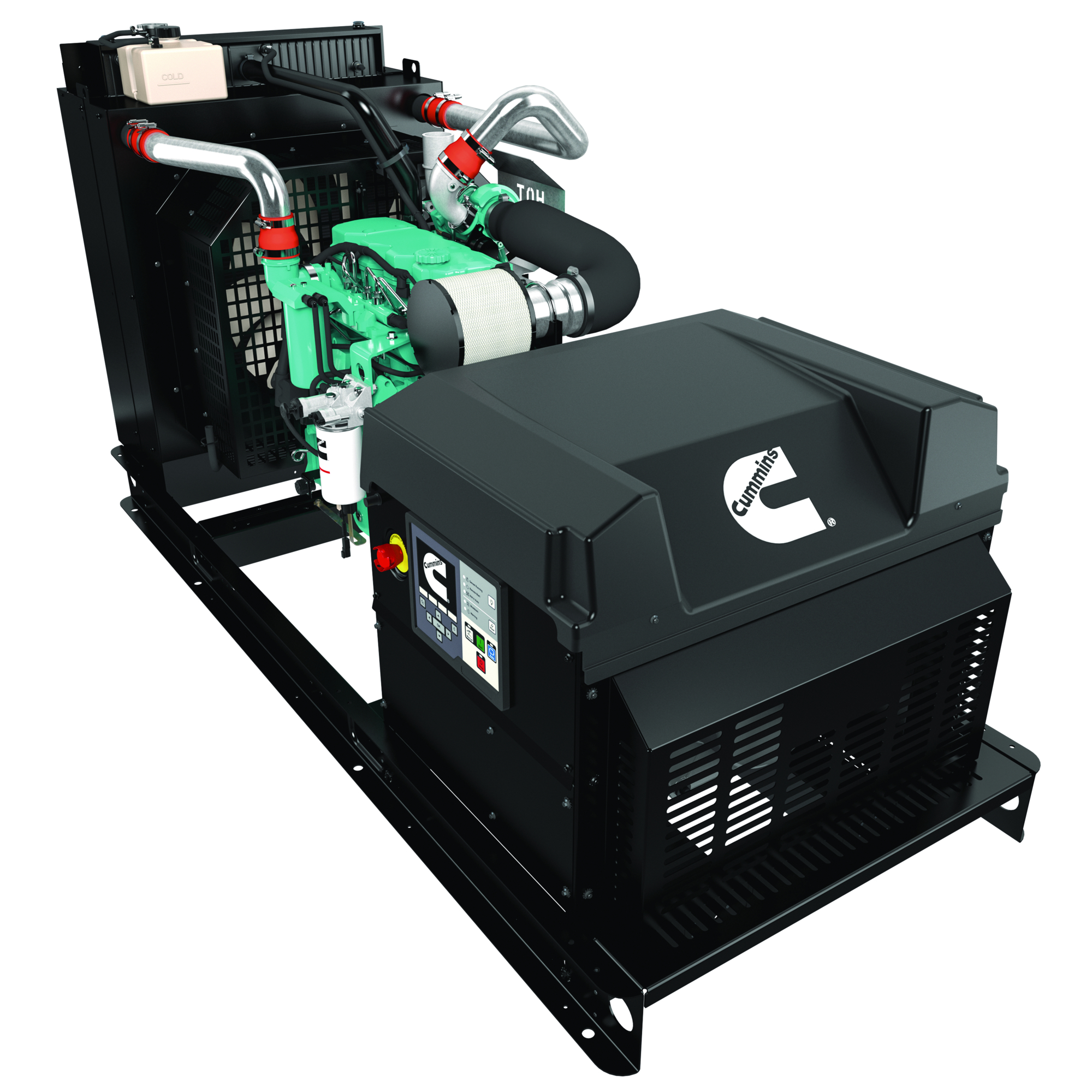
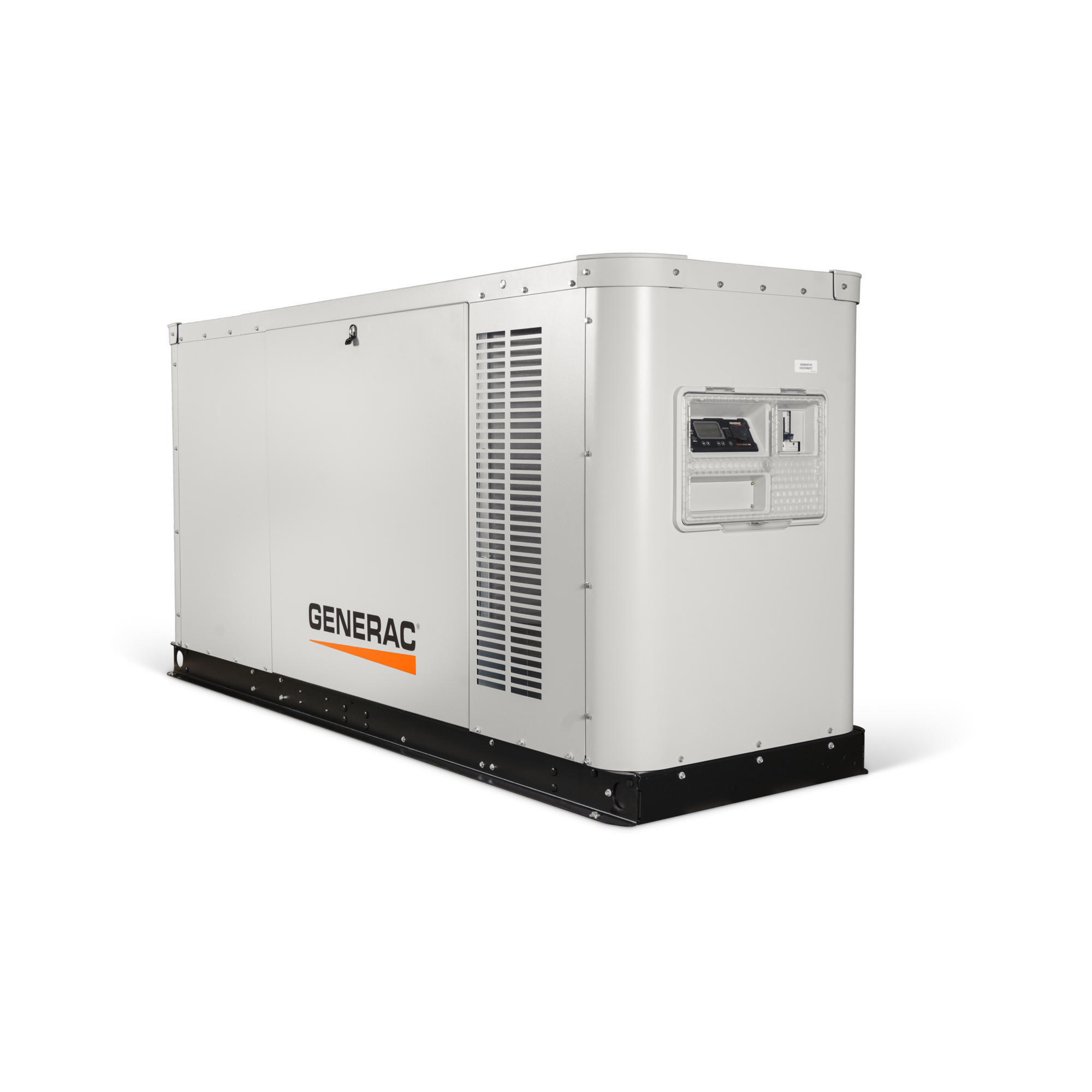
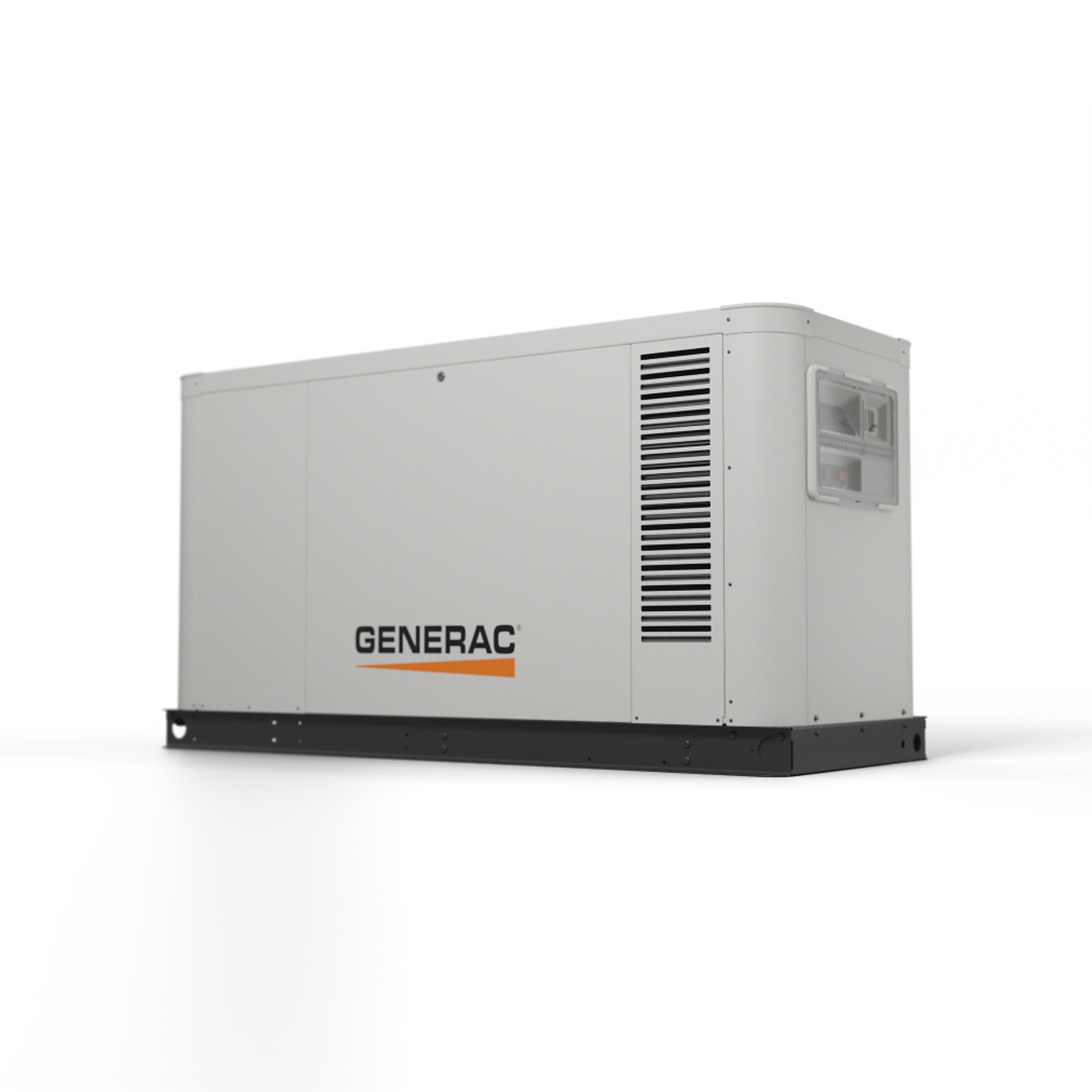
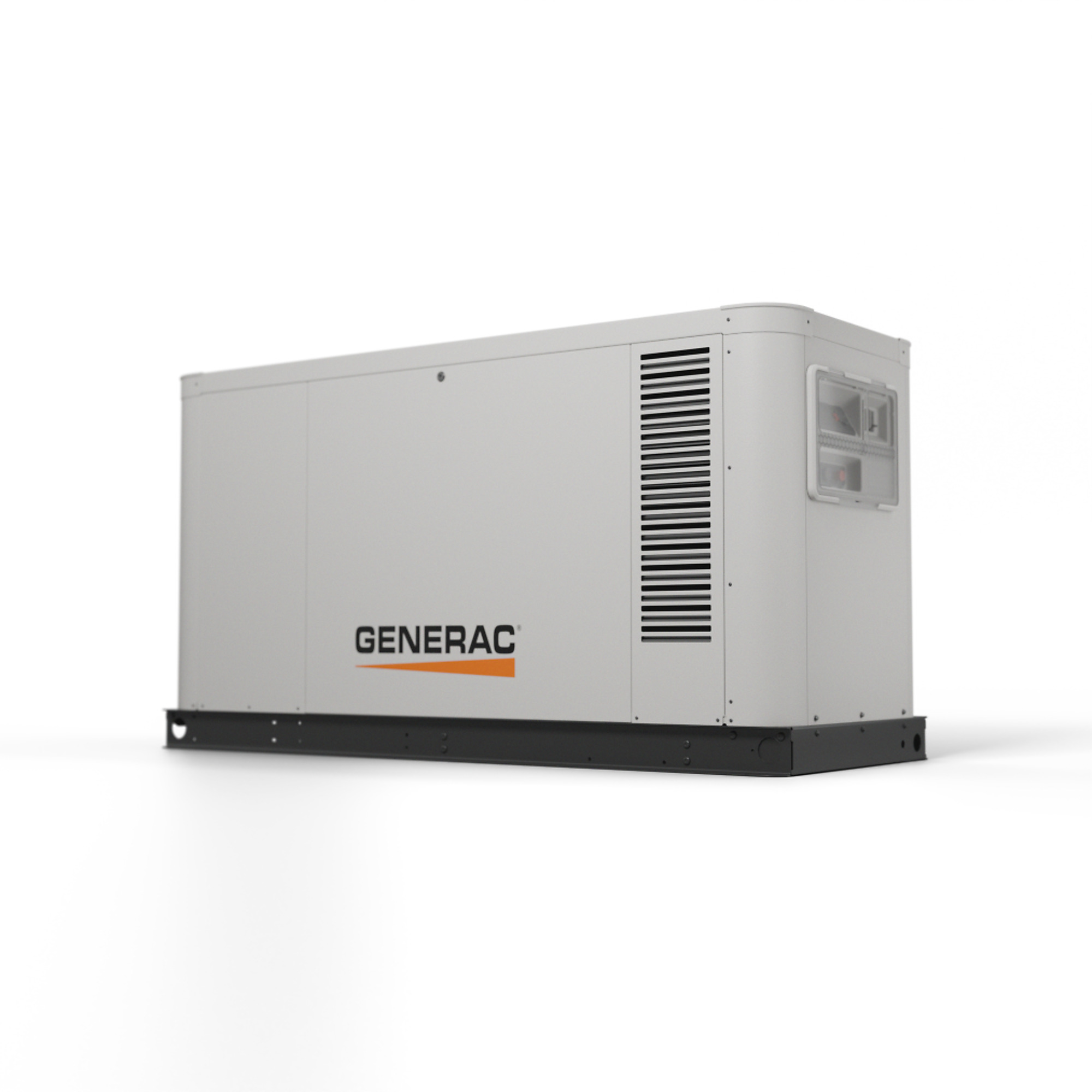
These top-of-the-line commercial generators are ideal for providing on-site power for large businesses, construction sites, hospitals, schools, and more. Choose from top brands such as Kubota, Generac, and Cummins Power. A commercial generator is critical for large businesses, hospitals, health care facilities, schools, construction sites, and other applications where uninterrupted, top-quality power is essential. Commercial generators deliver the continuous, reliable power required for safety and convenience. In addition to ensuring vital health care equipment remains operational during a power outage, a commercial generator is great for retail and hospitality applications, helping to maintain the comfort and convenience of customers. A commercial generator is also used in the restaurant and food industries to maintain refrigeration when the electricity goes out.
Commercial generators are available in either permanently installed or towable designs. Permanently installed units provide long-term security. Towable generators allow for taking from site to site for short-term solutions. Commercial generators are powered by gasoline, diesel, propane, or natural gas. Each fuel source has its advantage and provides users with options to meet their particular needs. Commercial generators are available in various power output ranges, voltages, and sizes, allowing customers to select the best solution for their needs and budget. Commercial generators are ruggedly built to provide years of service in any climate. Plus, these high-performance units include features, such as self-diagnostic capabilities and exercise modes, to ensure your generator continues to run at peak efficiency. Whatever your industry, Northern Tool + Equipment has the right commercial generator for you.
Commercial Generator Frequently Asked Questions:
How do I determine the right size or capacity of a commercial generator for my business?
- Make a list of all electrical equipment, appliances and lights in the business.
- Determine the total run wattage of the electrical items in your business by adding together the run wattage of each item. The sum of all will be your total run wattage requirements.
- Determine the surge wattage (power needed to start the motor) required for everything on the list with a motor. If a surge watt measurement is not immediately available, a standard surge watt calculation would be 3 times the running watts of an item (i.e., refrigerator with 700 running wattage x 3 = 2100 Watt surge wattage). Find the one item with the highest surge wattage on your list, then add that wattage number to the total run wattage. The result will be the total surge wattage for your business. For example, if the office had a total run wattage of 4000 Watts and the highest surge watt item on the list was a furnace that required 3500 surge Watts to start, your total surge watt requirement would be 7500 Watts (4000 + 3500).
- Once you determine the total running wattage number and the total surge watt requirement, look for a generator unit that meets or exceeds these numbers in both categories. Also check performance data charts on the unit you are contemplating and make sure that it meets the total load requirement for your business’ space.
What are the key factors to consider when choosing a commercial generator for my business?
1) Does the unit have enough power to handle the needs of my business? Will you need to keep the whole building running if there is a power outage? Can you get by with just running essential equipment? Knowing the total running wattage number and the total surge watt requirement for the entire building, as well as just for specific areas and for all essential equipment will come in very handy when making the decision on the ideal commercial generator for your business.
2) Decide on the fuel that’s right for your generator. Most emergency commercial generators are powered by diesel, propane or natural gas. Price, availability, run time and local laws can all be a factor in the fuel decision choice. Research and weigh all options before making a decision on fuel type.
3) Will the generator be used/stored indoors or outdoors? Indoor models will need a secured fuel supply, adequate ventilation and exhaust and a safe storage space away from combustible materials. Outdoor models will need protection from the elements (usually within some type of enclosure) and must take local noise ordinances into consideration.
4) Professional installation is recommended and often required by a licensed electrician plus a plumber if any water systems are hooked up to an electrical system. Check with nearby businesses that have similar power requirements/needs to your business and ask for recommendations for installers with experience setting up a similar system.
5) Does the generator have an ATS (Automatic Transfer Switch)? An ATS turns on the generator as soon as a power outage is detected at the main power source. No manual action is needed to turn on the commercial generator, which can be very important if a power outage takes place when a business is closed. To make life even easier, an ATS system automatically turns off the generator as soon as power is restored at the main power source.
6) Warranties are an important part of your commercial generator. In some areas you may not even use the generator for multiple years, so it would be best to still have an active warranty when the need finally arises. If the warranty on the model you chose isn’t up to your demands, consider looking into the possibility of extending the warranty or insuring the generator.