Jump Starters + Powerpacks
Filters
1-48 of 114 Products

Item # 53858
Item # 6653782
Item # 53861
Item # 6687018
Item # 167761
Item # 167764
Item # 1677503
Item # 53860
Item # 101922
Item # 6502773
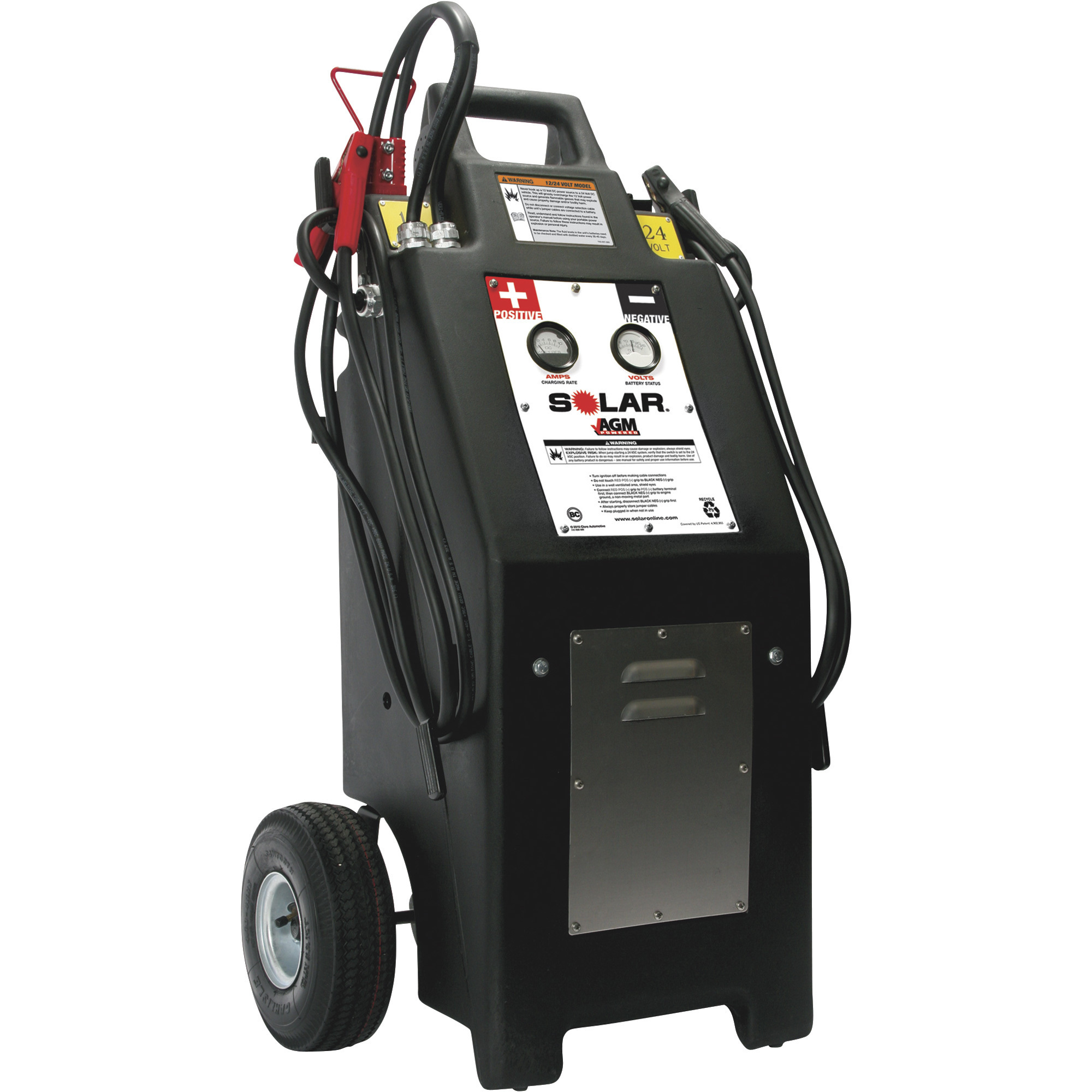
Solar Commercial Jump Starter, Wheeled with Onboard AGM Batteries, 12 Volt/24 Volt, Model# HT1224AGM
Item # 57025
Item # 81698
Item # 107527
Item # 6106084
Item # 6028338
Item # 6805117
Item # 6502749
Item # 109725
Item # 6345966
Item # 109723
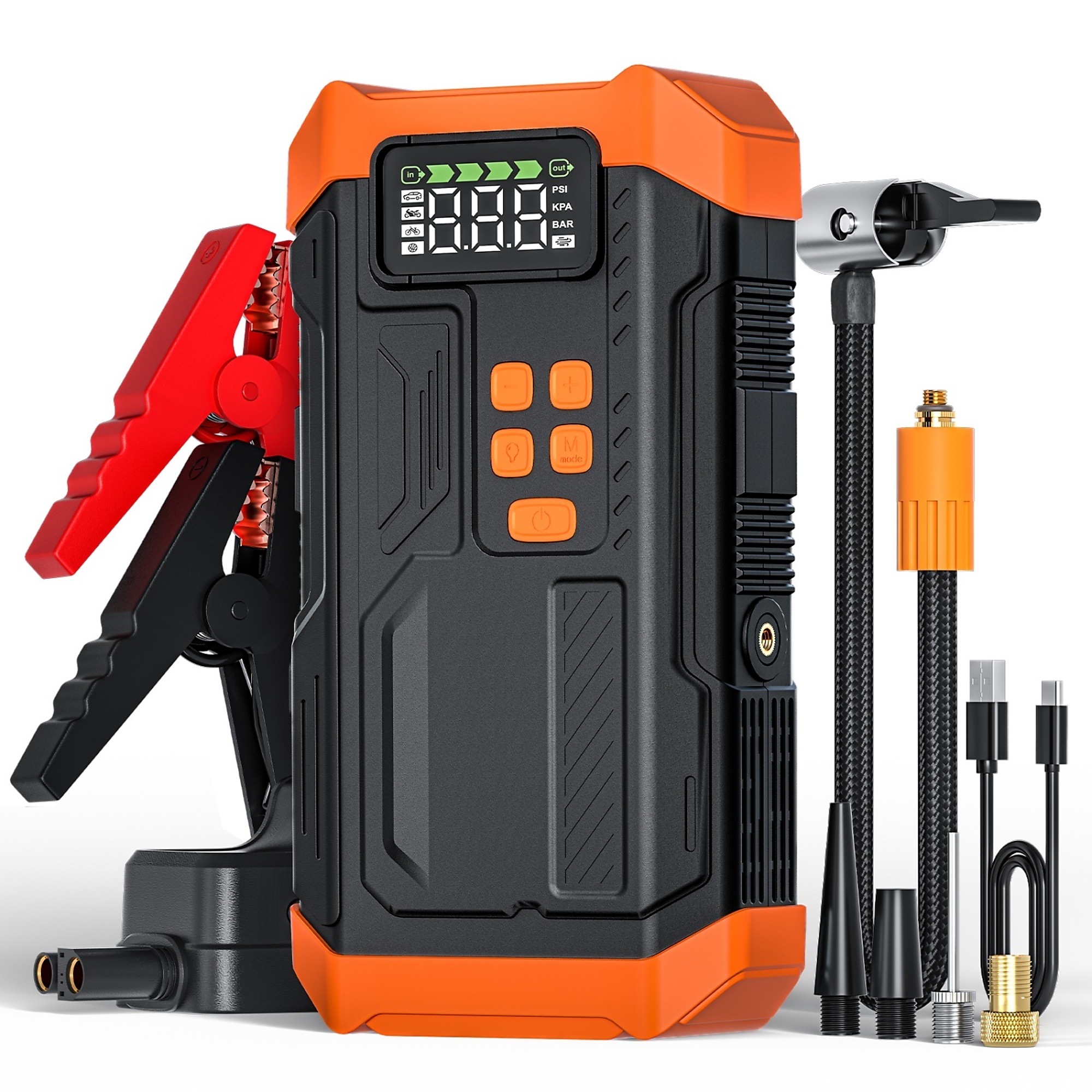
Item # 7044866
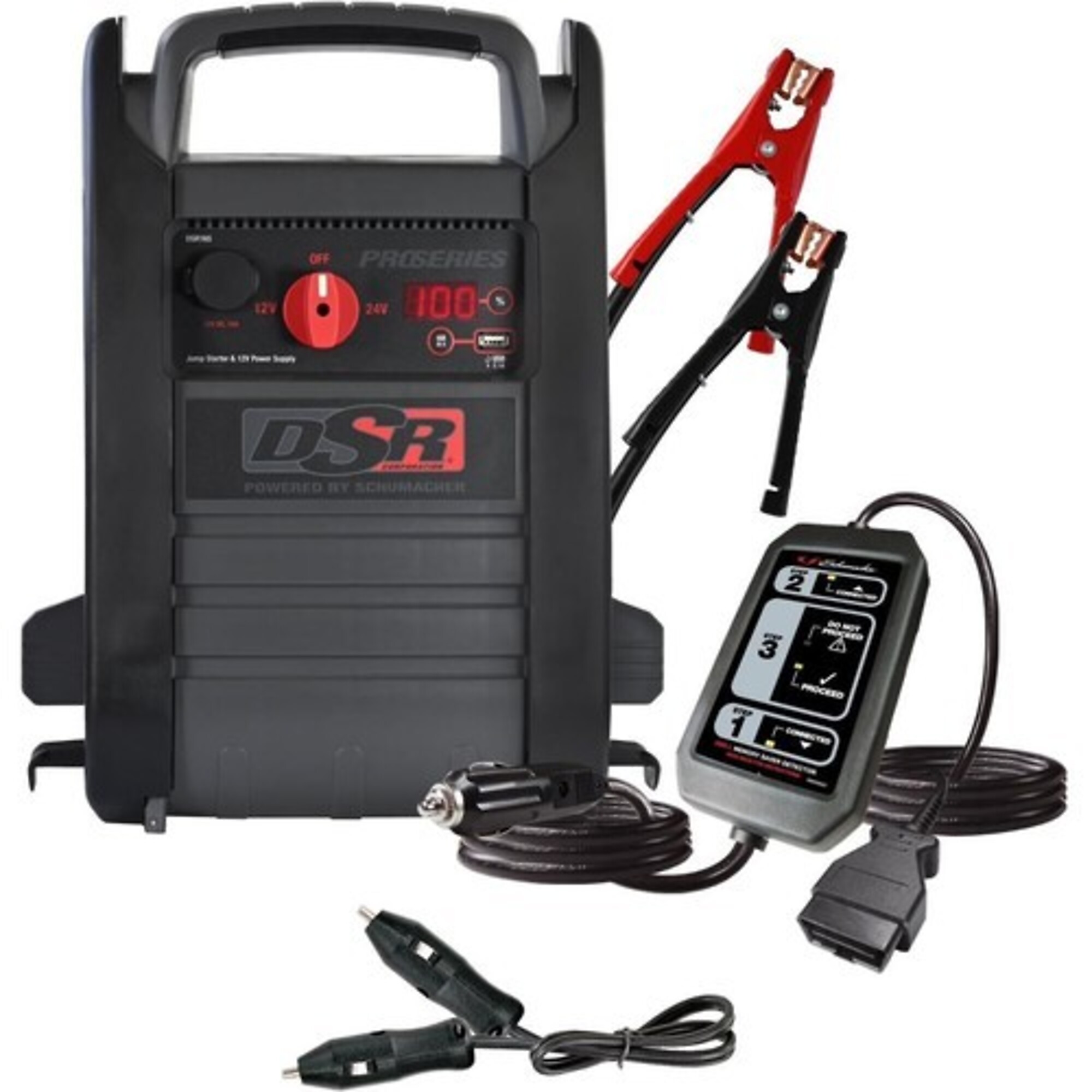
Item # 6832094
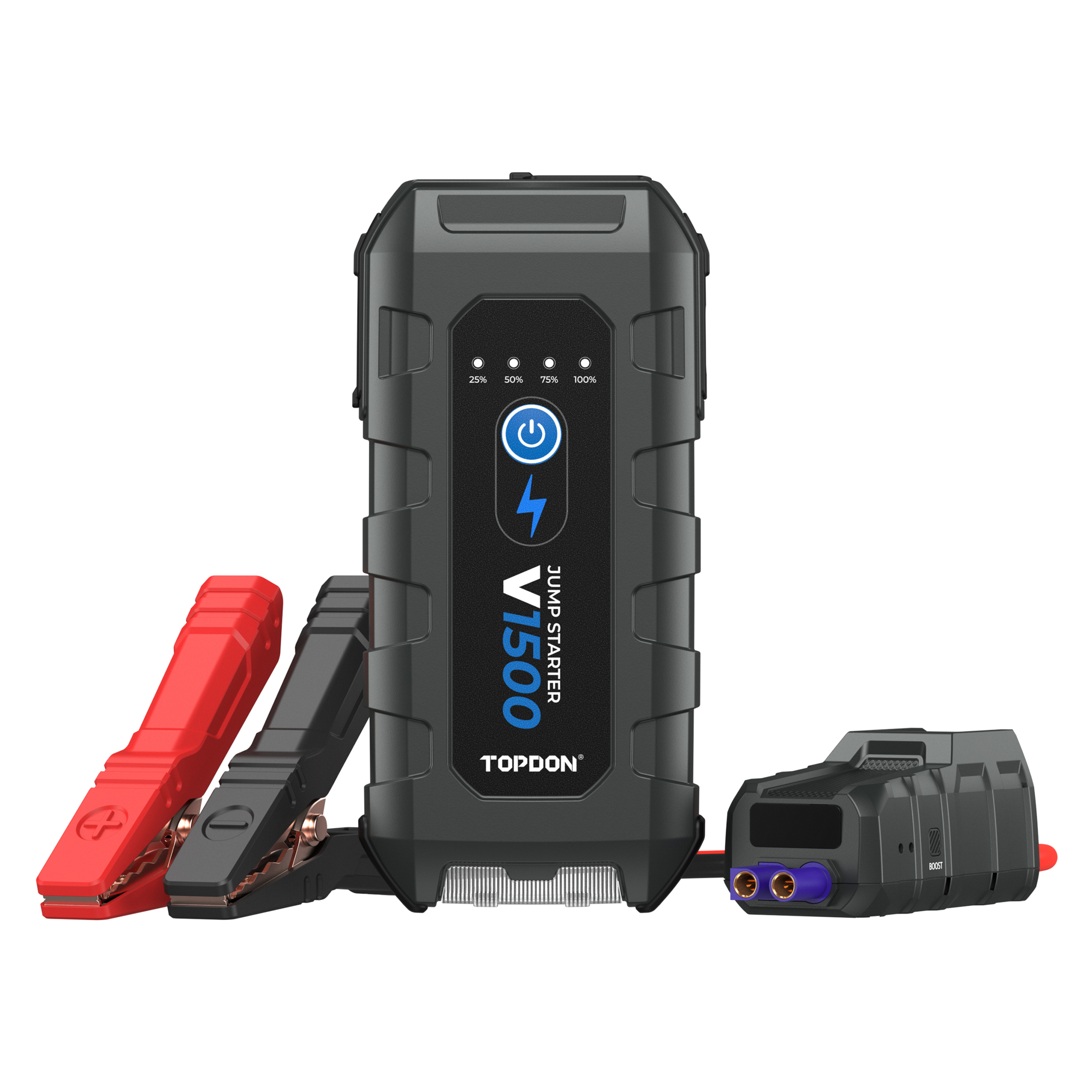
Item # 5973080
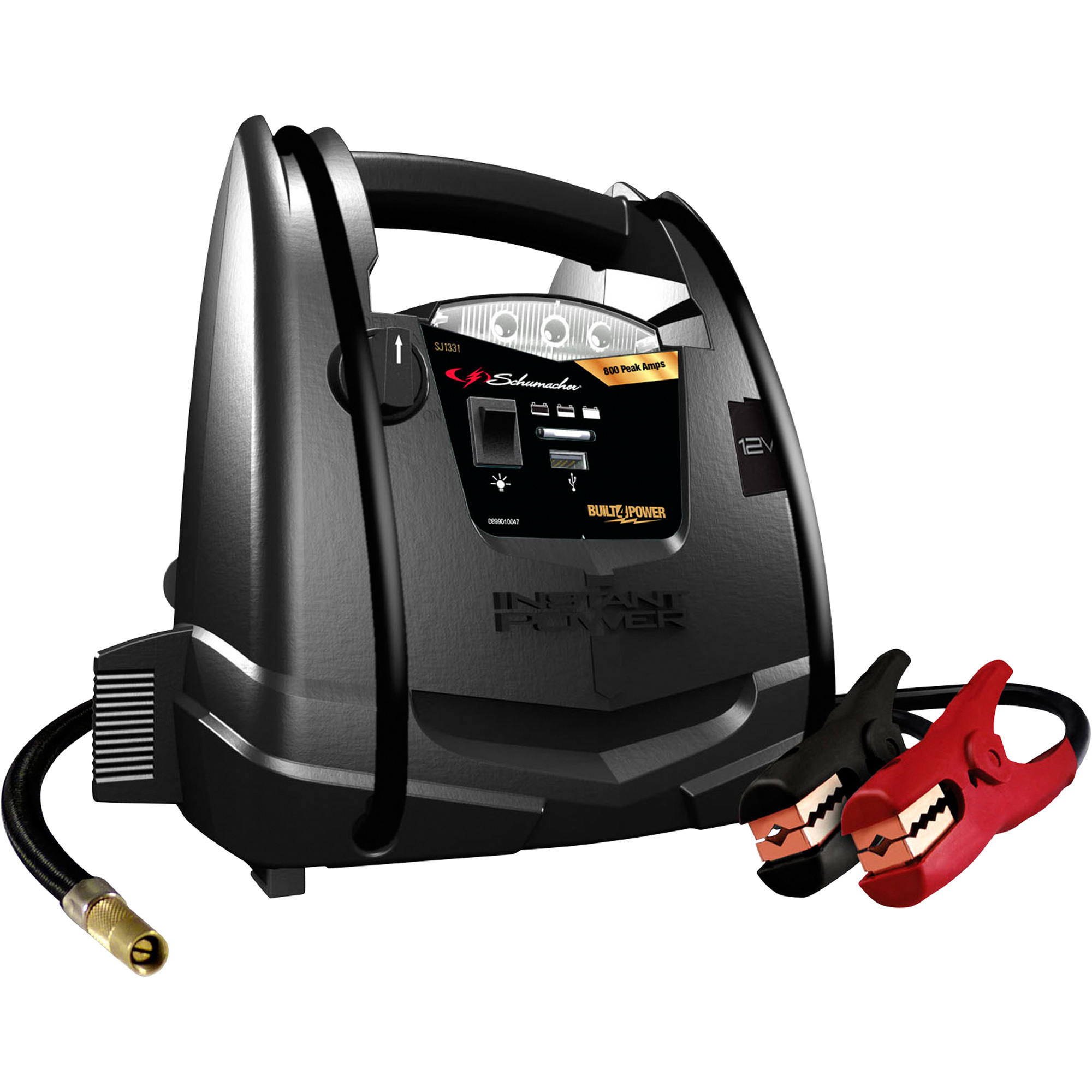
Item # 81945
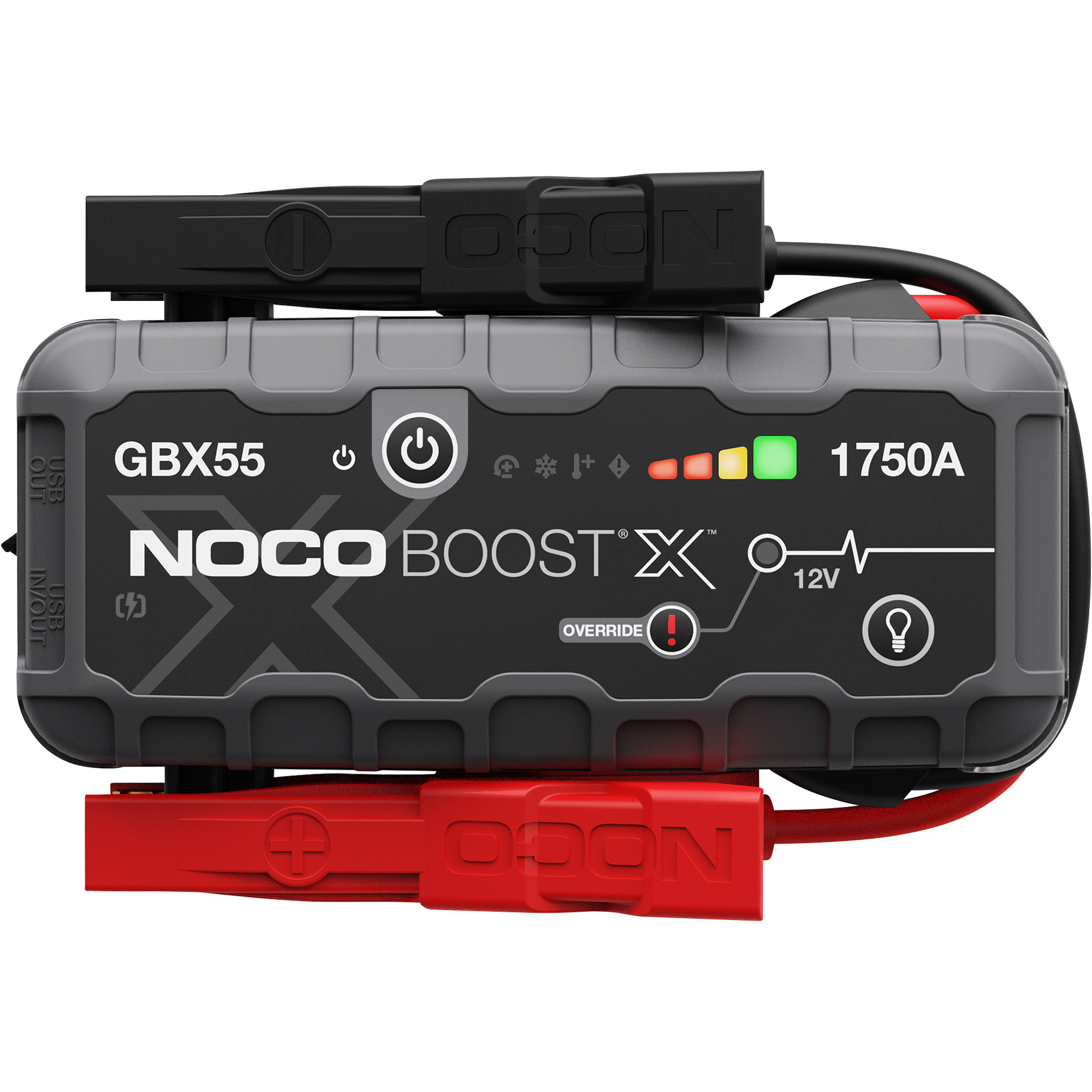
Item # 109724
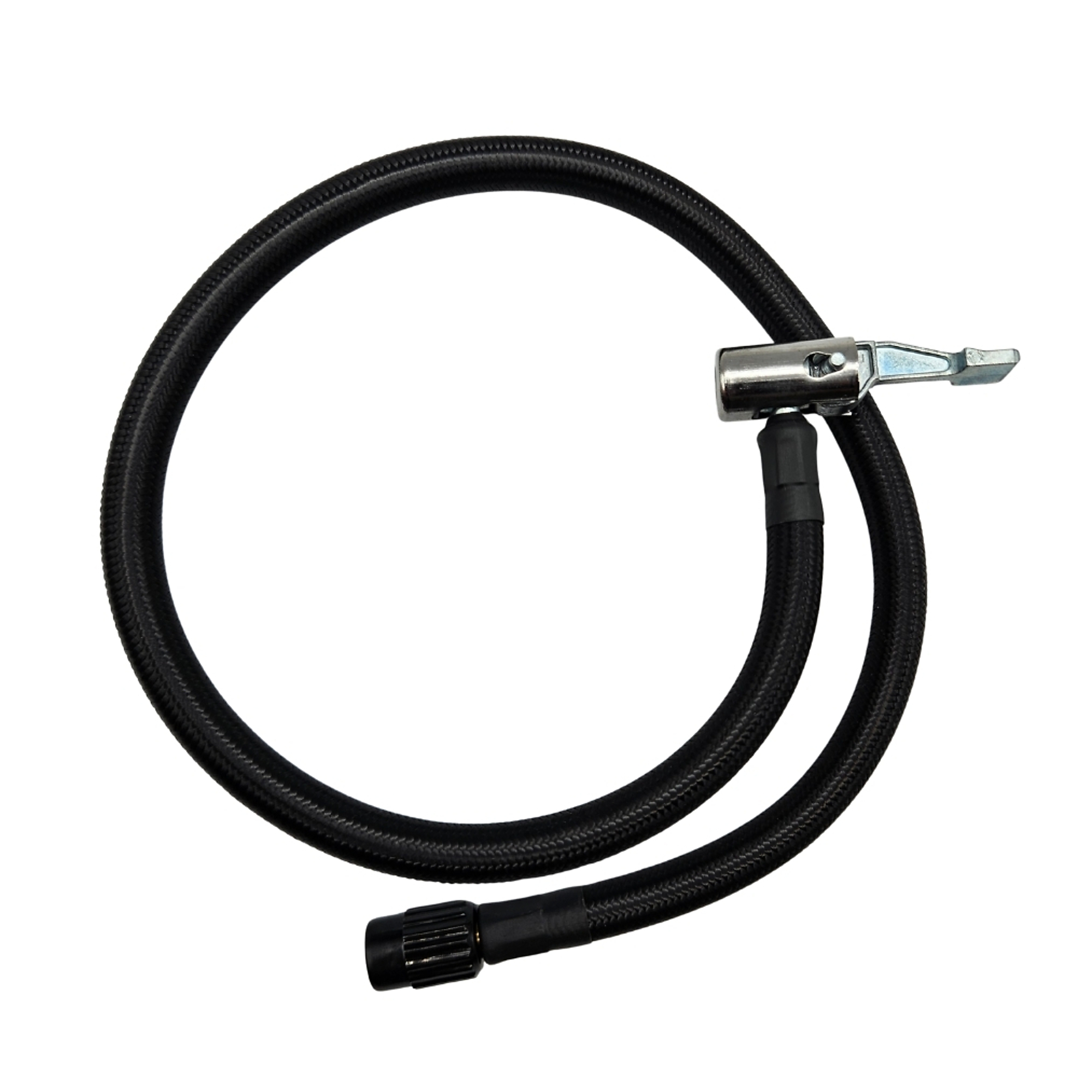
Item # 6840027
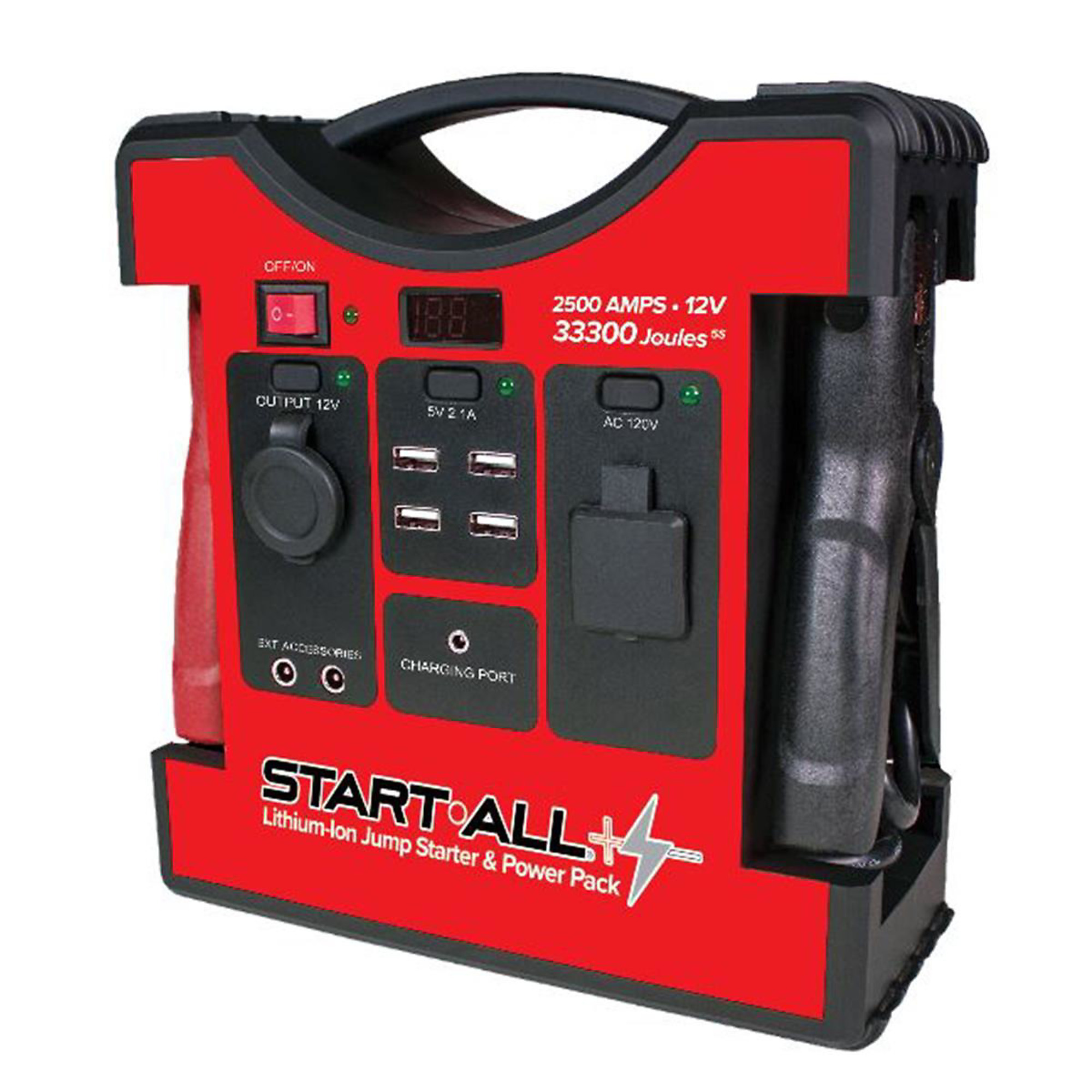
Item # 6502722
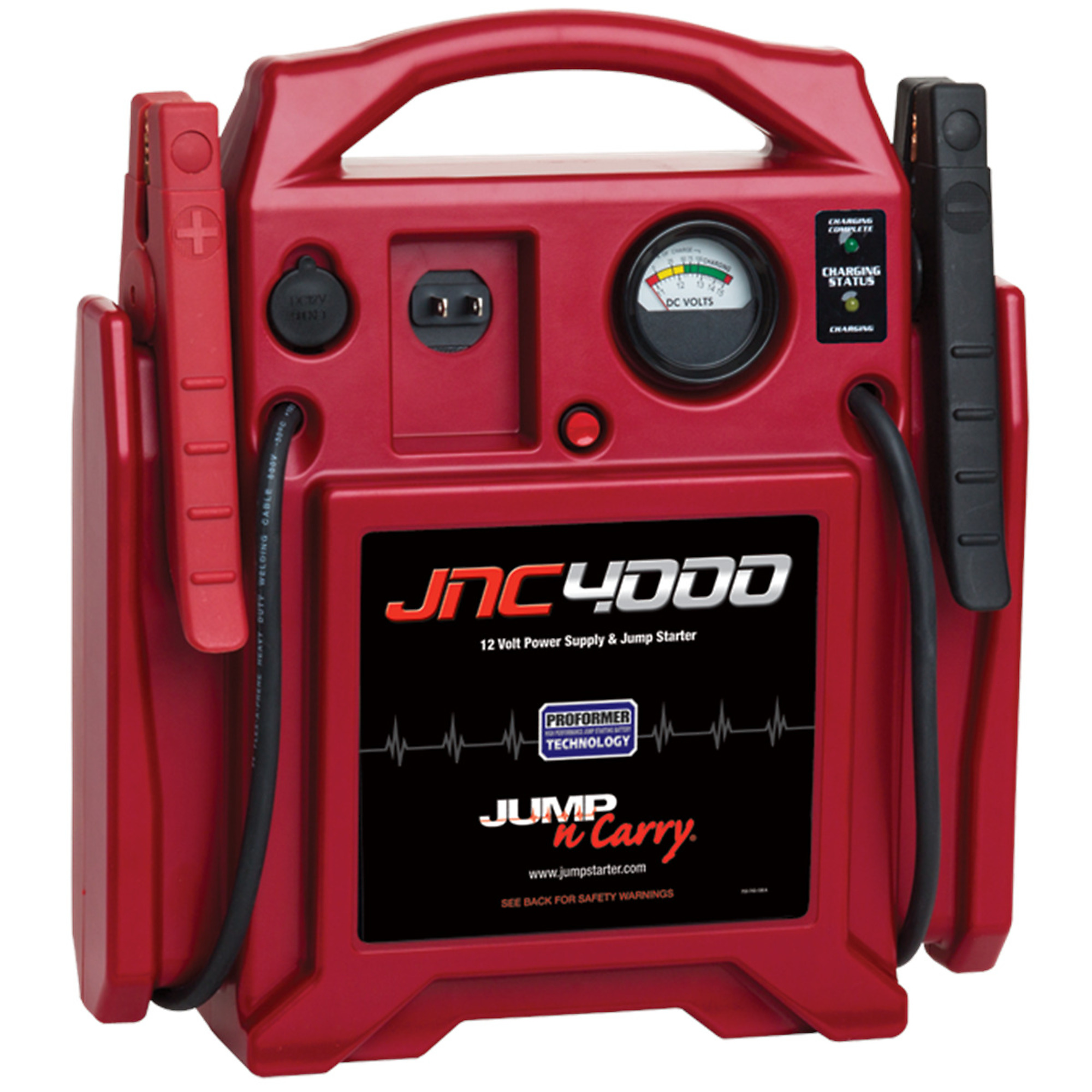
Item # 6806224
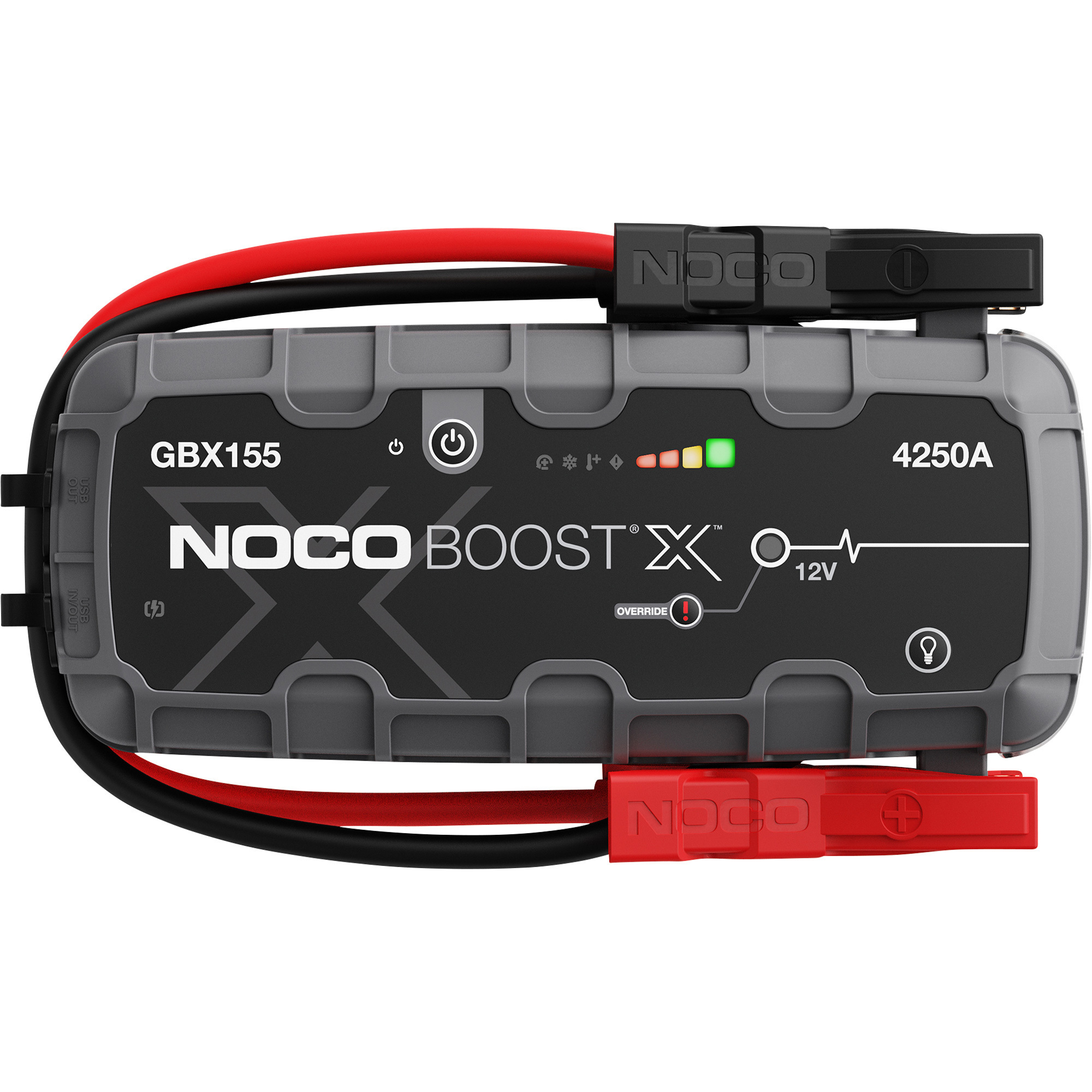
Item # 109722
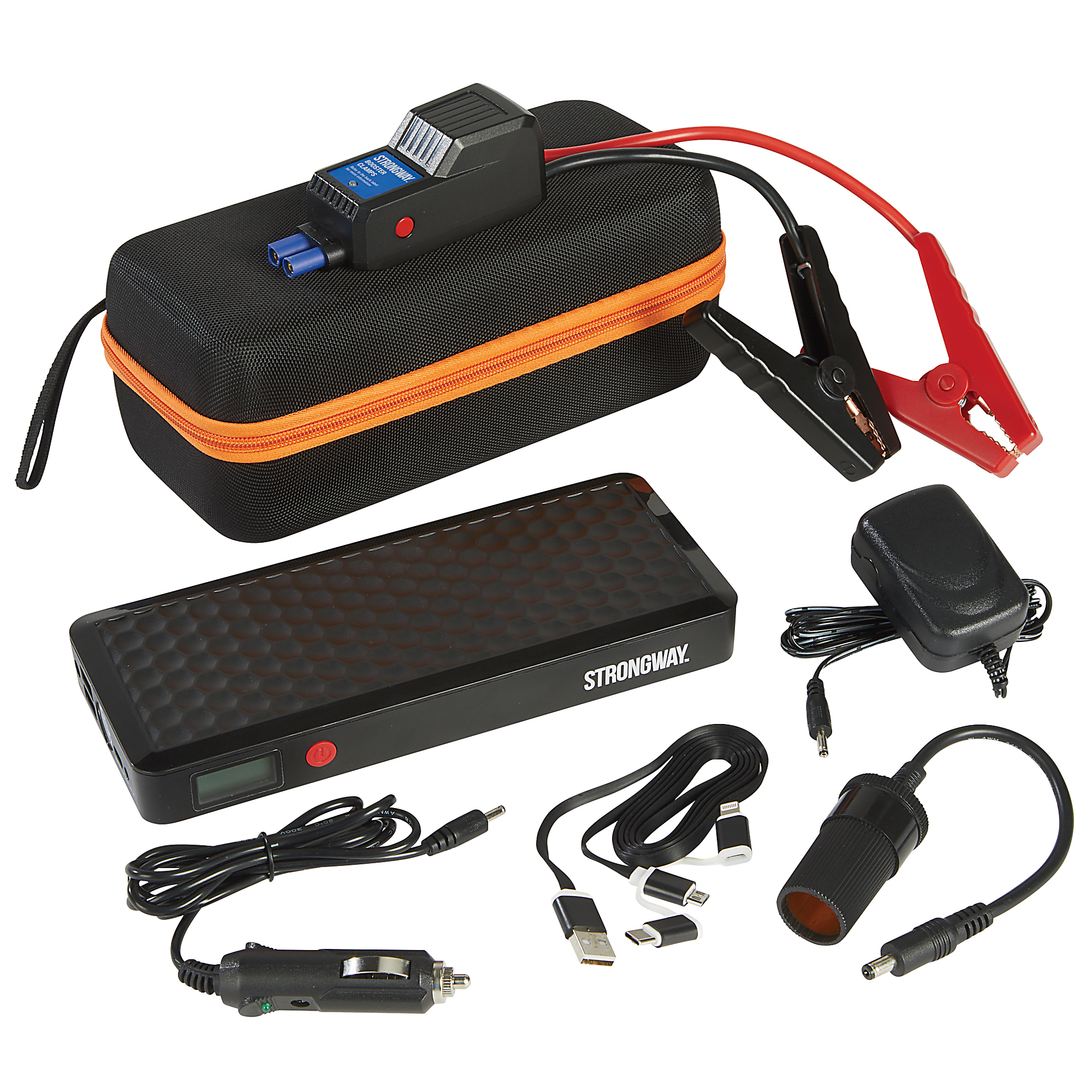
Item # 5826602
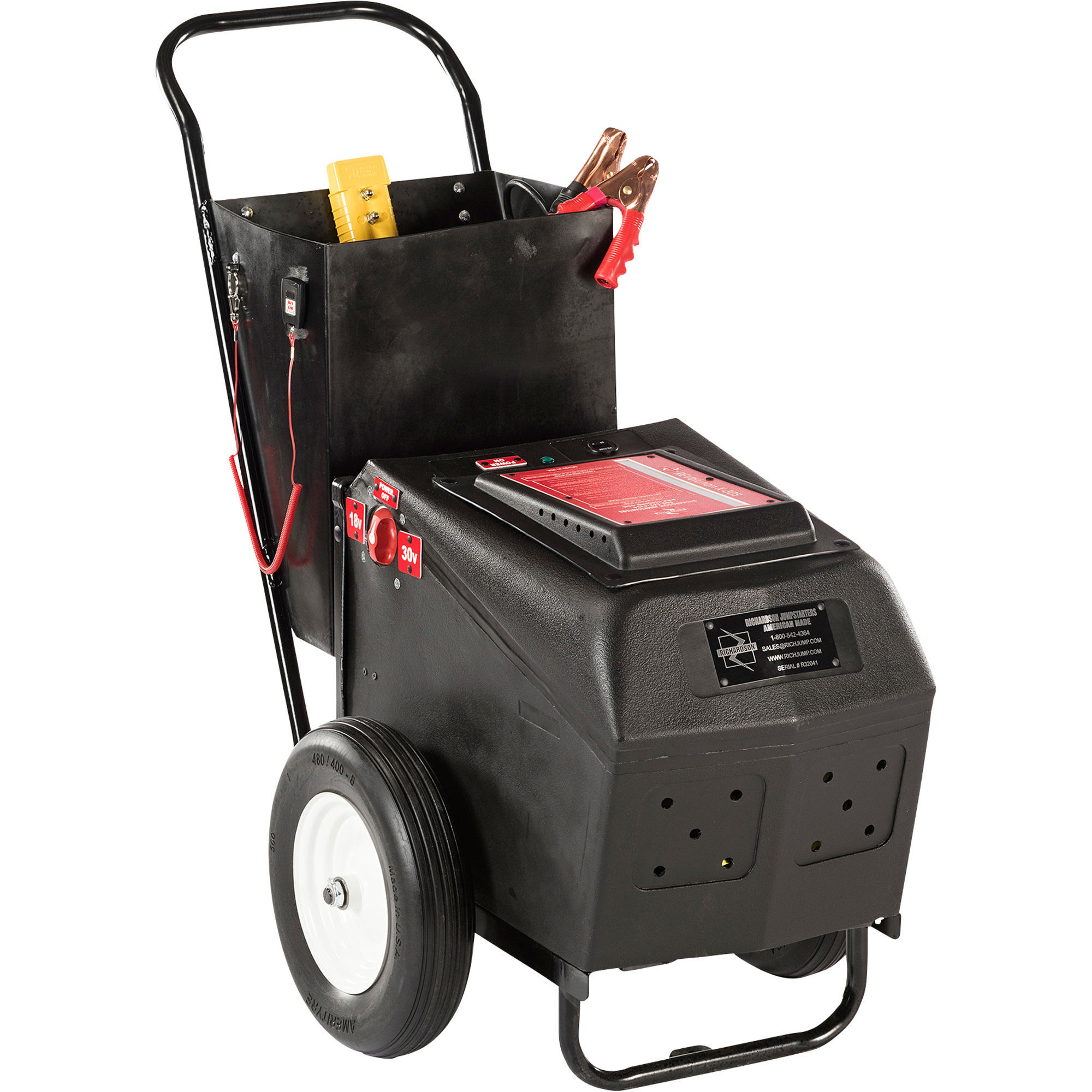
Item # 72056
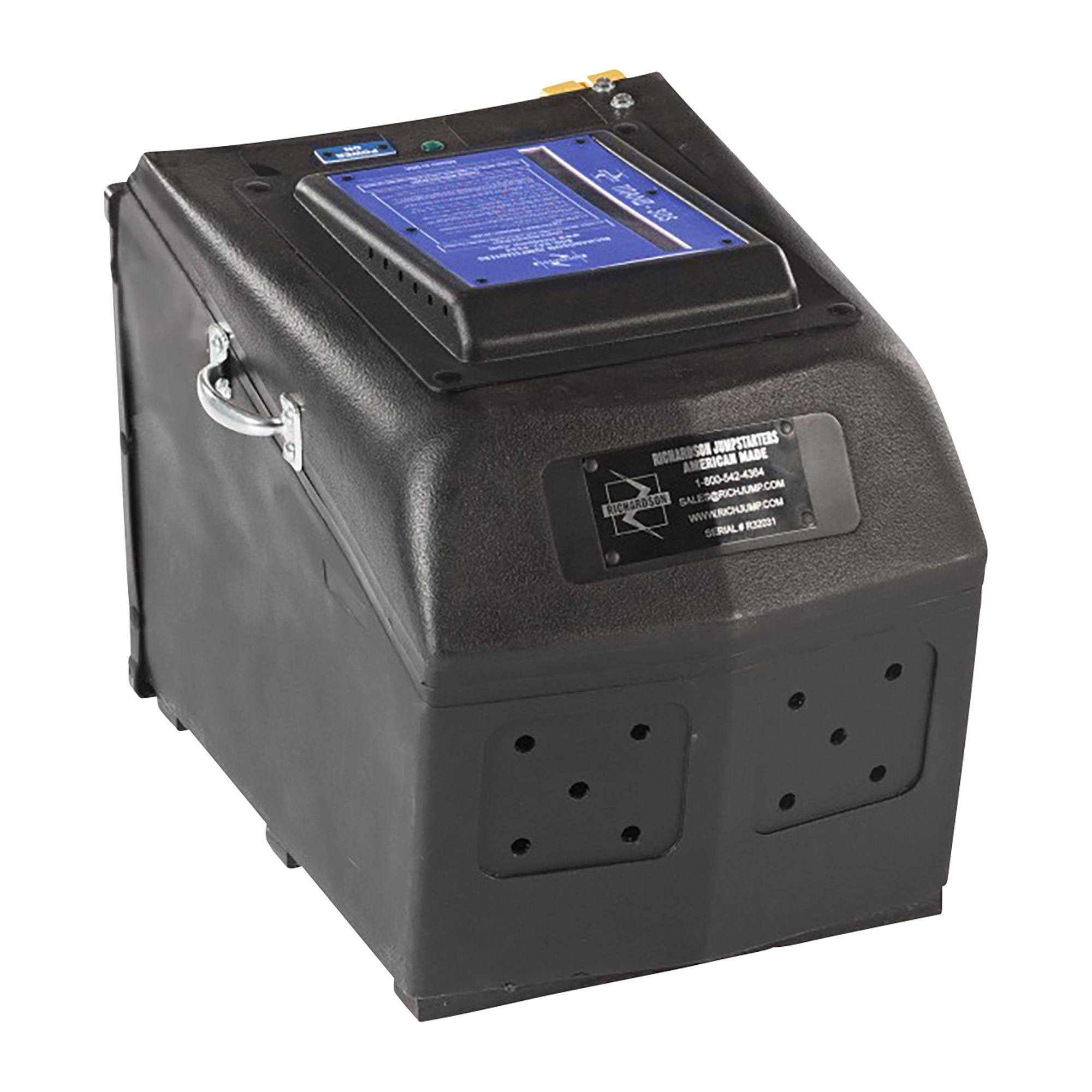
Item # 72057
Item # 72055
Item # 107342
Item # 5701885
Item # 6807201
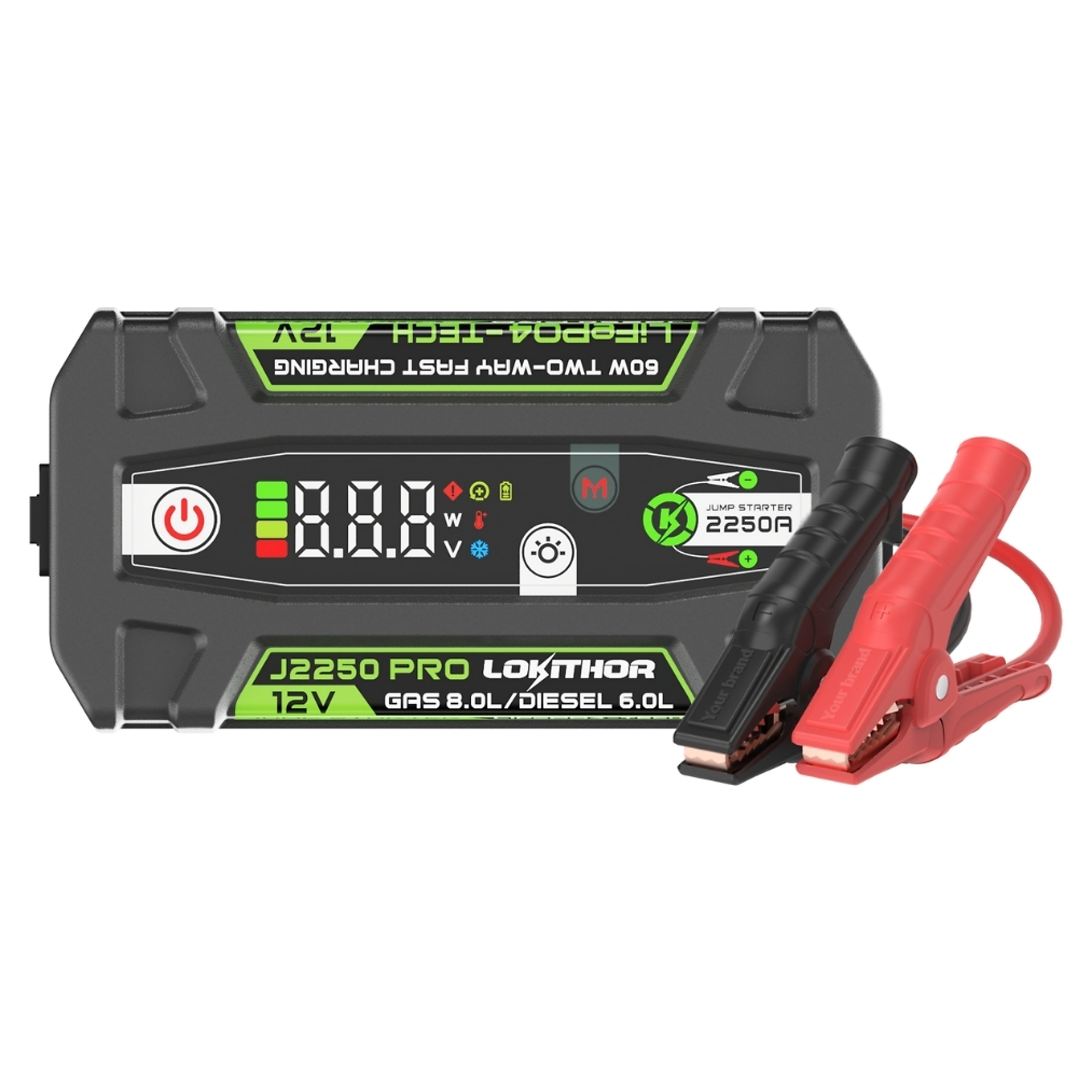
Item # 6832844
Item # 6840035
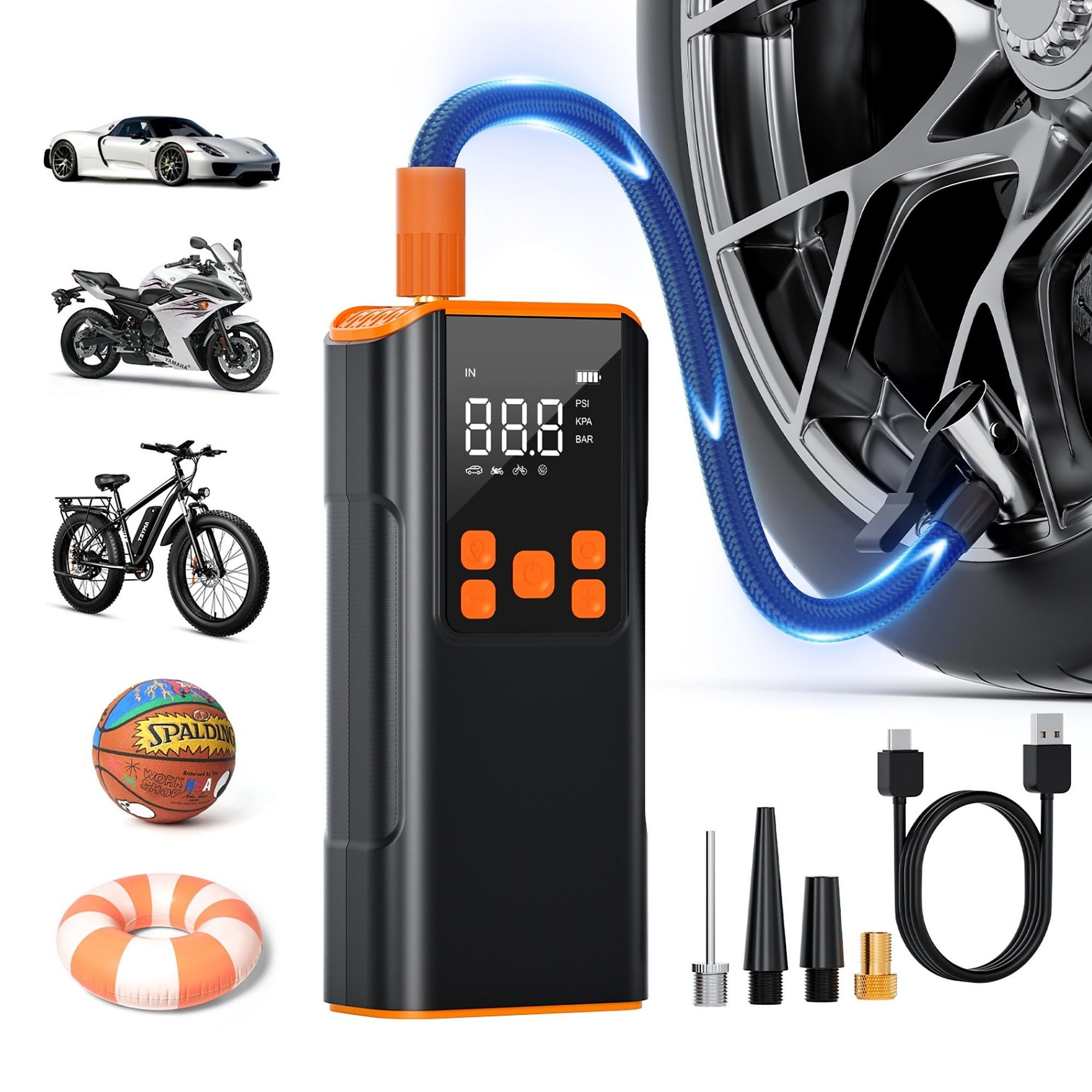
Item # 7044815
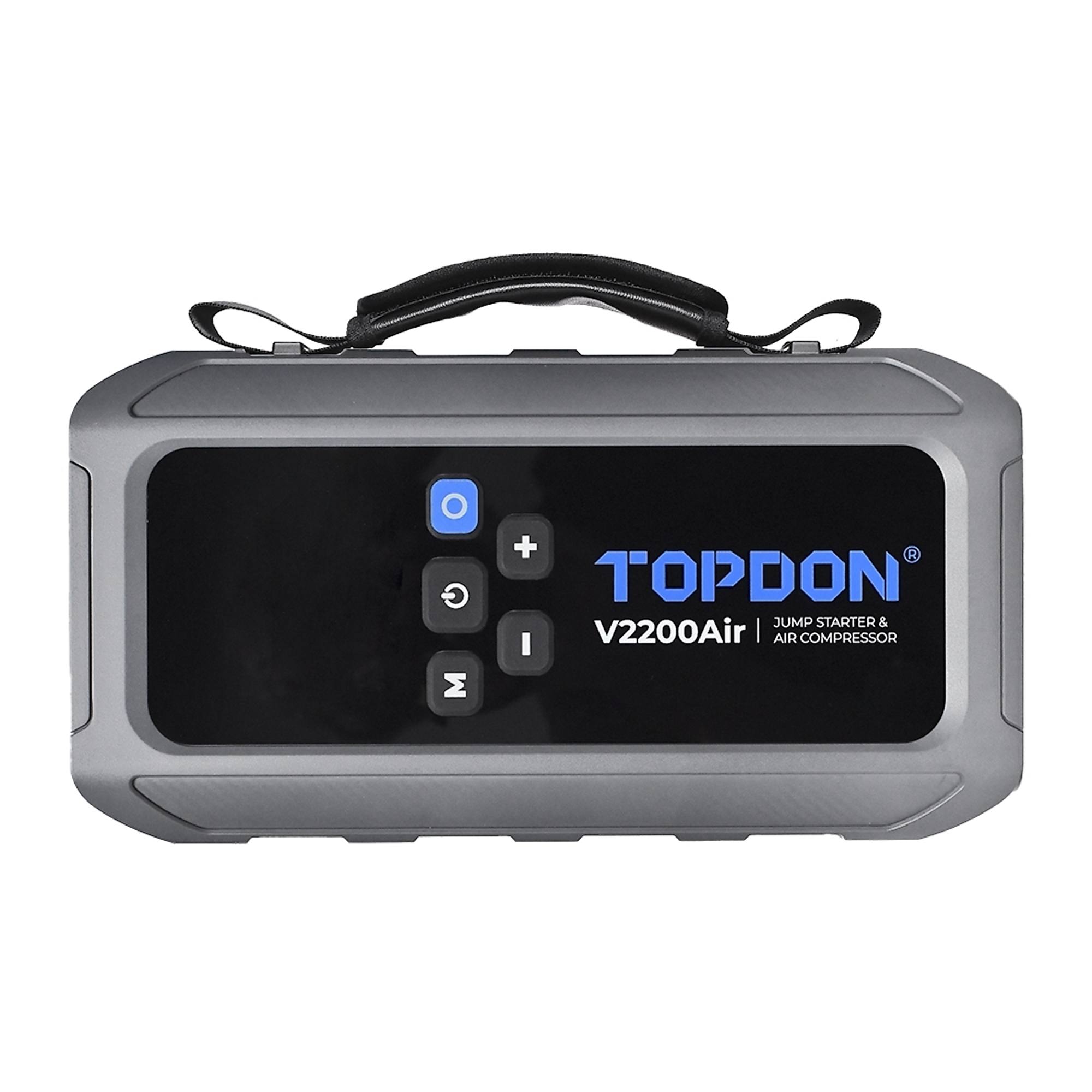
Item # 6136785
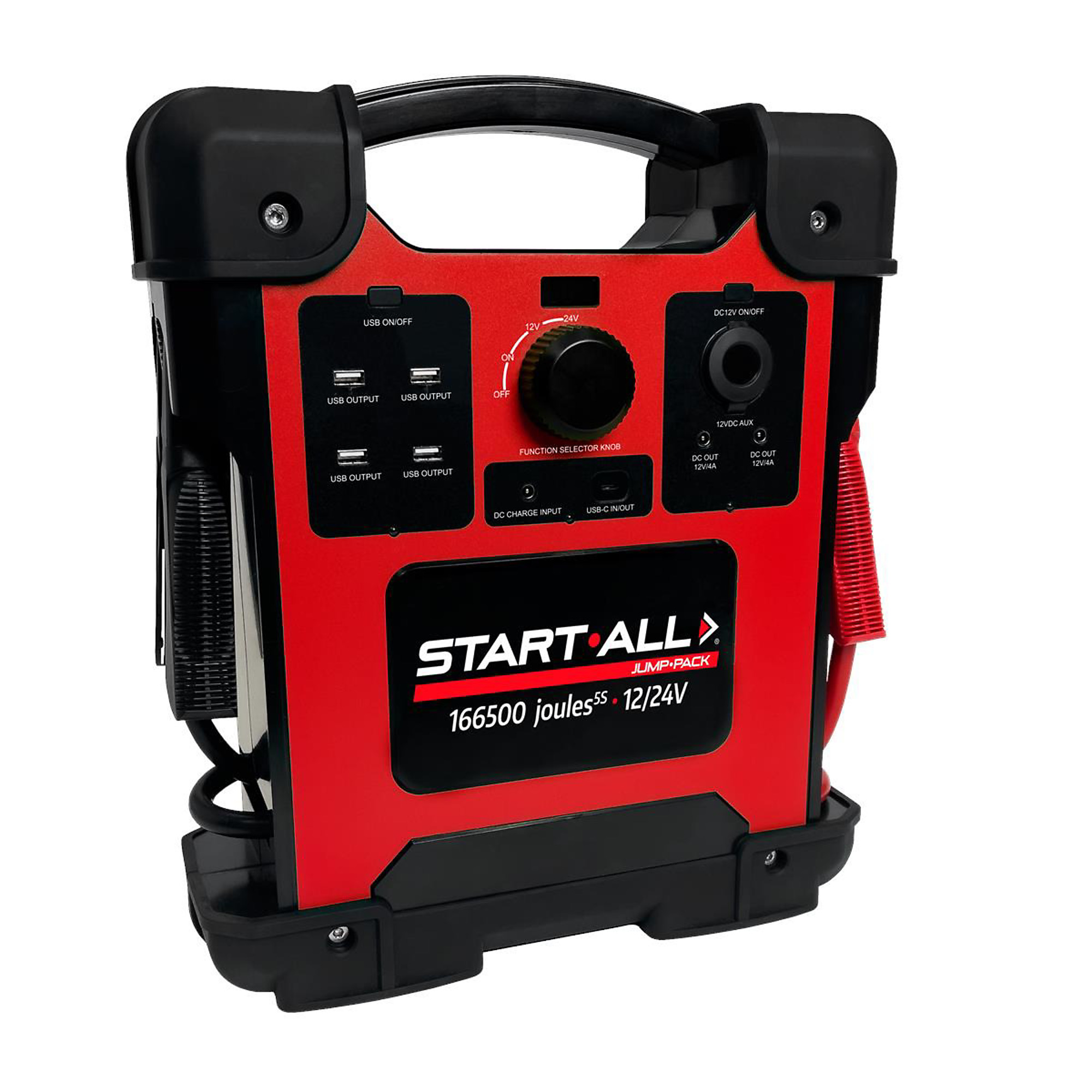
Item # 6502757
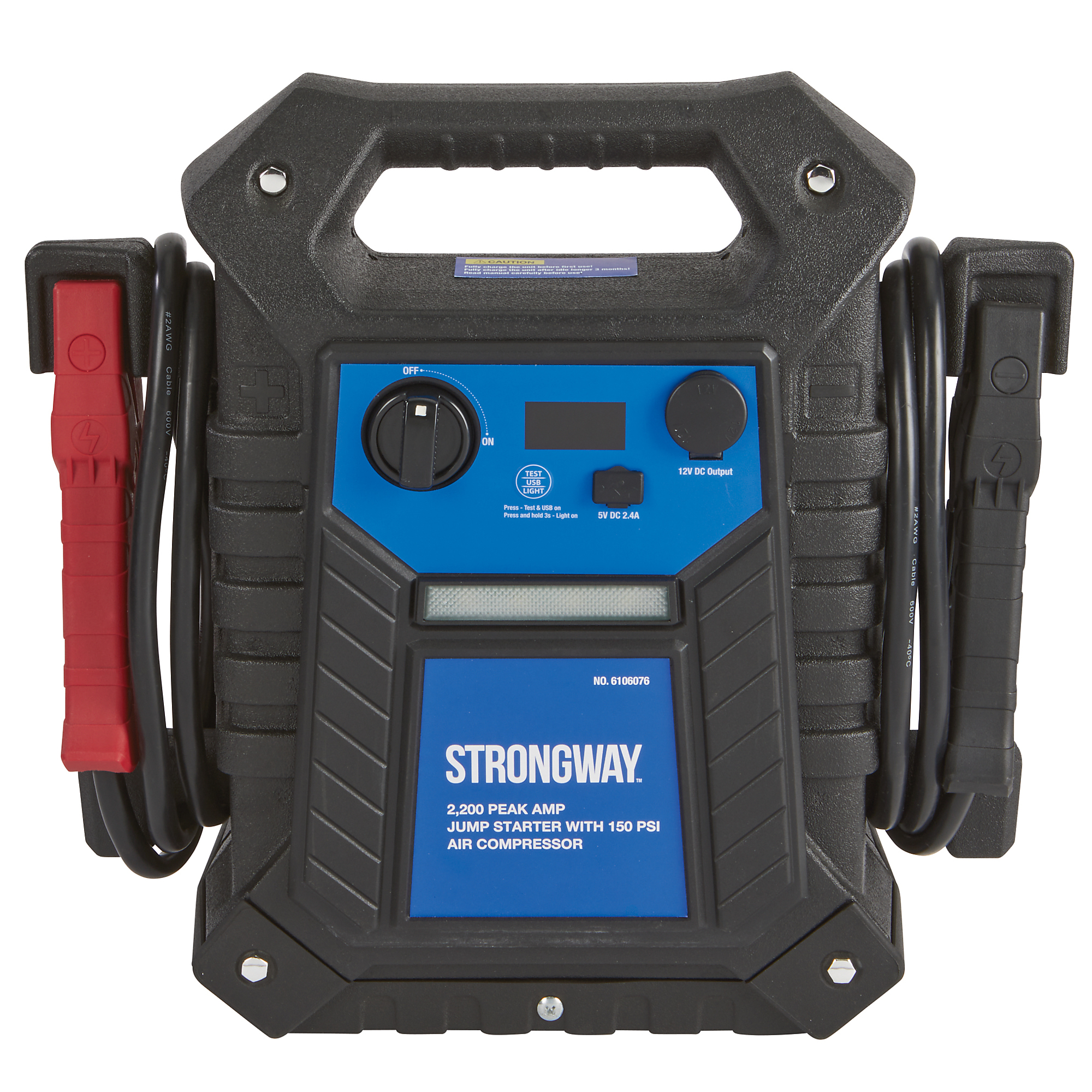
Item # 6106076
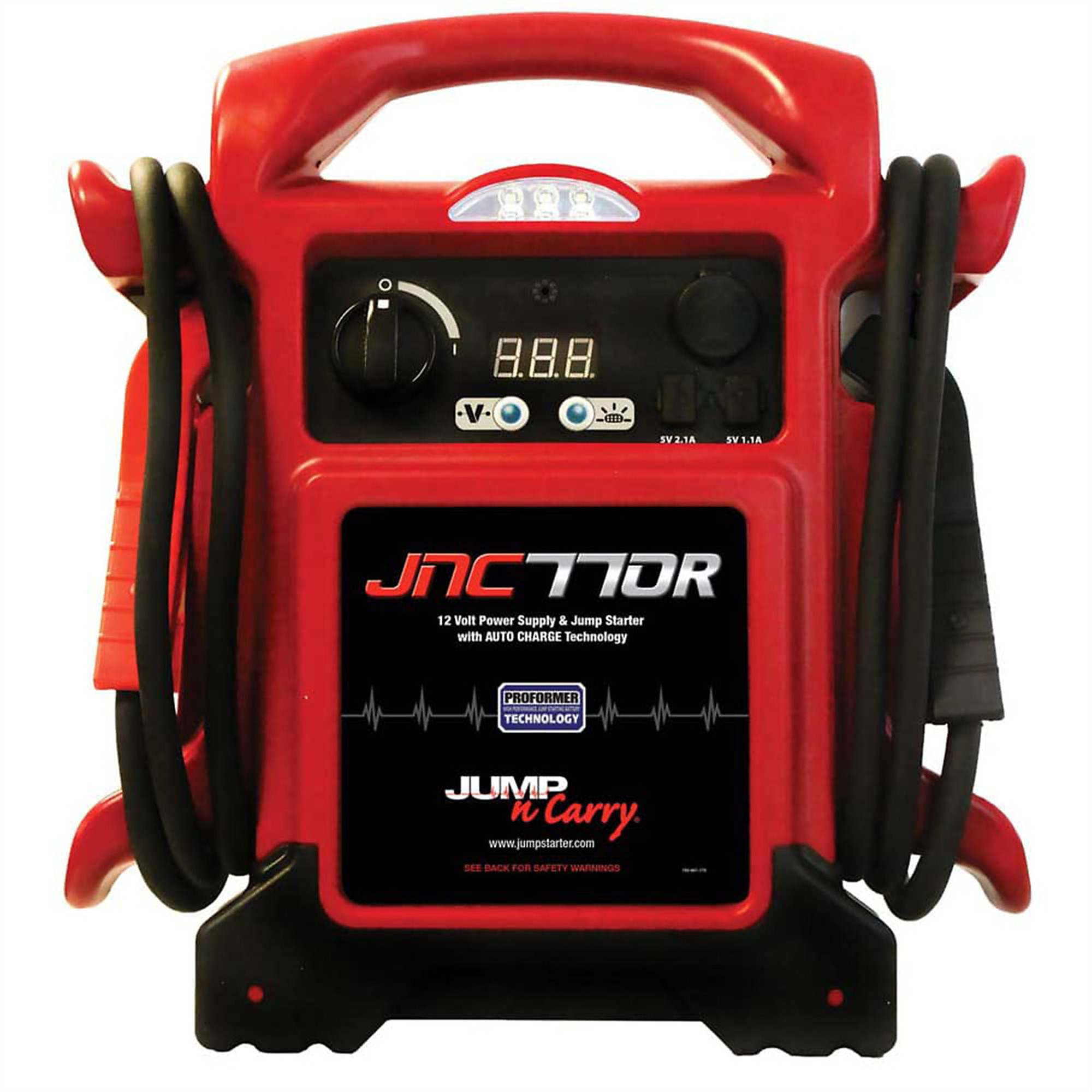
Item # 6805096
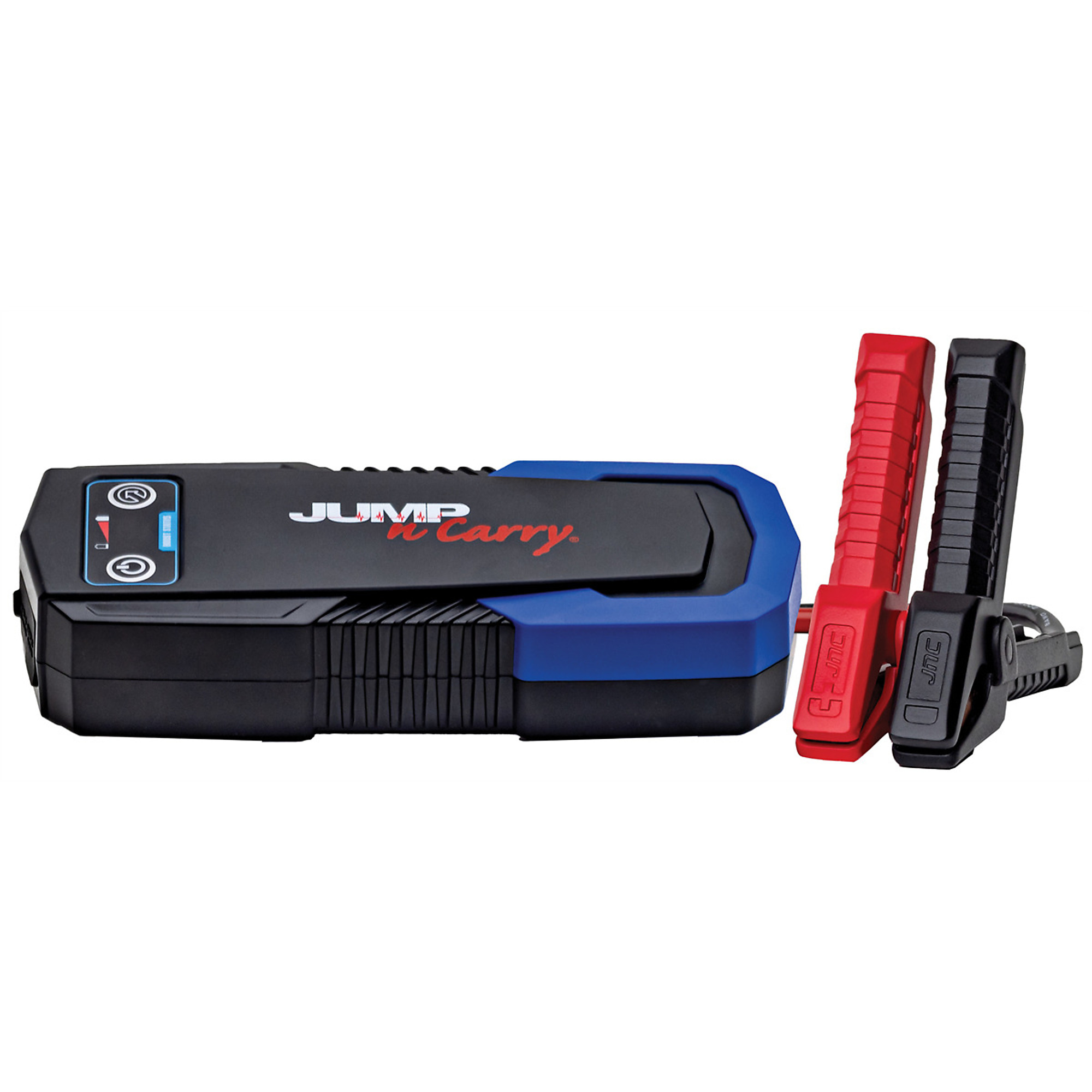
Item # 6807083
Item # 6831235
Item # 7054335
Item # 6028442
Item # 107525
Jump Starters + Powerpacks
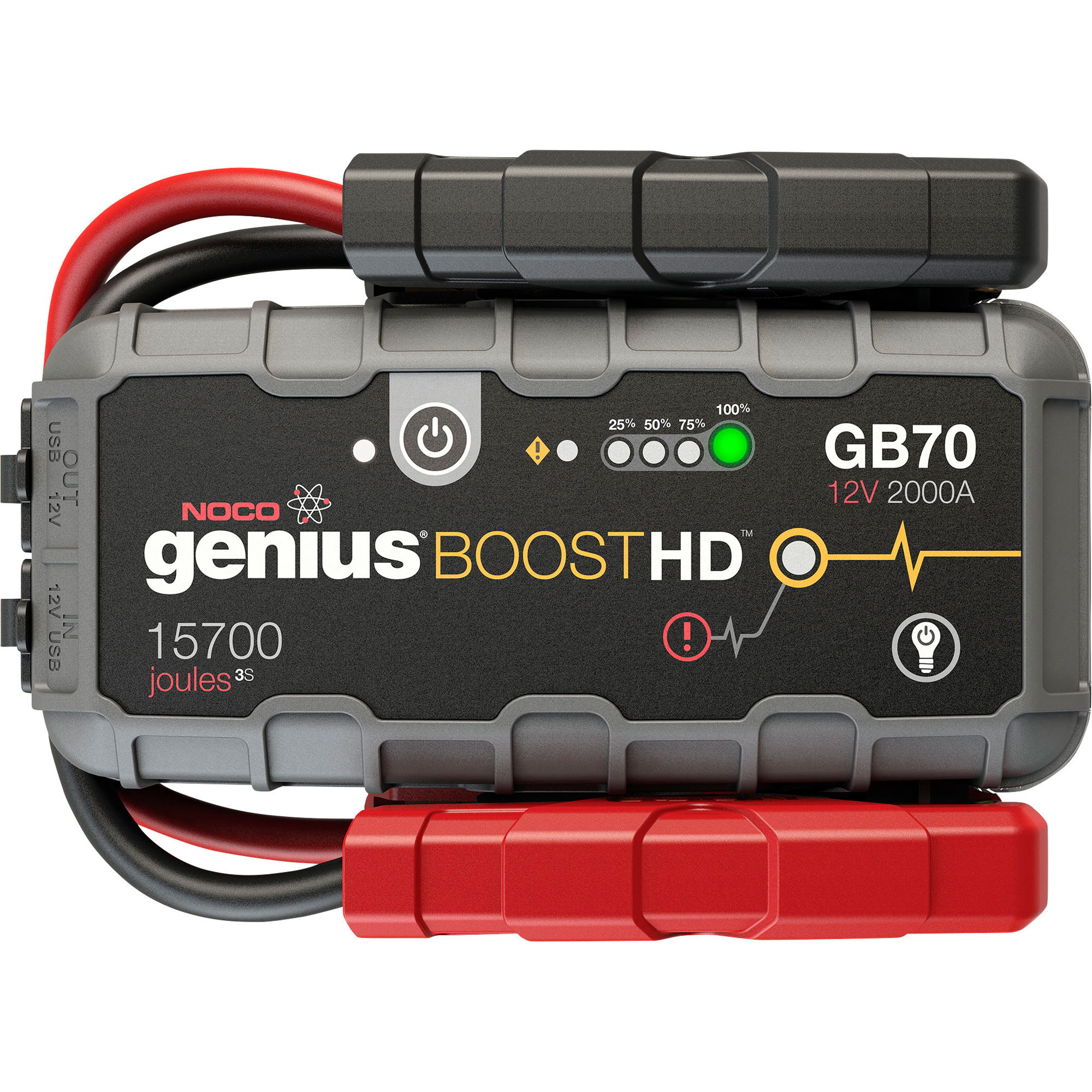
Safely jumpstart any battery without another vehicle using dependable portable jump starters. Perfect for emergency situations, these jump starters will work in any weather condition. Jump starters provide a quick and efficient way to jump-start your car, allowing you to get back on the road. Jump starters are portable and compact, making them easy to always carry in your vehicle.
They offer a solution in remote or isolated areas where finding help might be challenging. Modern jump starters often come equipped with built-in safety features, such as overcharge and reverse polarity protection, ensuring a safe and user-friendly experience. Shop from top brands like Schumacher, Ironton and more for dependable and fast charging.
Jump Starter Resources
Jump Starters + Powerpack Frequently Asked Questions:
Can an automotive jump starter be used for all types of vehicles, including cars, trucks, motorcycles and boats?
In short, yes. For example, a jump starter may be suitable for a variety of 12V vehicles, including cars, trucks, motorcycles, boats, snowmobiles and more. If you are uncertain about whether the jump starter you have is appropriate for charging a particular or unusual battery, consult the manufacturer’s information.
How do I properly connect the jump starter to my vehicle's battery, and what safety precautions should I take?
The positive cable on your jump starter is red and should be connected to the positive terminal on your vehicle’s battery. The negative cable on your jump starter is black and should be connected to the negative terminal on your vehicle’s battery.
As a precaution, turn off the ignition of your vehicle and set the parking brake. If your car has an automatic transmission, shift it into “park.” If your vehicle has a manual transmission, shift it into “neutral.” Put on safety glasses, gloves and full-coverage clothing before you begin to connect the cables of your jump starter with the cables of your battery.
Are there different sizes or capacities of automotive jump starters, and how do they affect their performance?
Yes. Jump starters come in different sizes with different capacities. A vehicle battery is rated for both cranking amps (CA) and cold cramping amps (CCA) ratings, which are typically listed somewhere on the top of the battery. Check those ratings and choose a jump starter with a CA and CCA rating near those respective numbers, which are usually around 400–500 for a typical passenger vehicle. If you can’t find ratings exactly the same as your battery’s, always choose ratings higher (not lower) than your battery’s. Note: CA refers to the number of amperes delivered by a lead-acid battery in 30 seconds at 32°F (0°C). CCA refers to the number of amperes delivered by a lead-acid battery in 30 seconds at 0°F (-18°C).
How do I properly store an automotive jump starter to ensure its longevity and readiness for use in emergencies?
It’s best to store your jump starter in a place with a moderate temperature (50°F–70°F/10°C–20°C). Extreme temperatures are hard on a jump starter’s batteries, even short term. It’s not a good idea to keep your jump starter in your car in extreme temperatures.
Can a jump starter be used multiple times on different vehicles before needing recharging?
The answer to this question depends on several factors, so we can’t be definitive. The status of your battery when you start to charge it will affect how much power it will consume from your jump starter. The size of the engines you charge will also have an effect. The bigger the engines, the more power they will consume from your jump starter. The temperature in which you use your jump starter will have an effect. A cold engine will take more power from your jump starter than usual. Other unique features of a particular engine can also have an effect on how many times you can use it before recharging. The best way to determine when your jump starter will need recharging is to pay close attention to its battery indicators, and the best way to help your jump starter keep its charge is to store it in a moderate temperature (50°F–70°F/10°C–20°C).