Home Standby Generators
Filters
1-48 of 124 Products

Item # 6842911
Order today to get this price.
Item # 7003731
Order today to get this price.
Item # 6842946
Order today to get this price.
Item # 6850049
Order today to get this price.
Item # 7013445
Order today to get this price.
Item # 7003722
Order today to get this price.
Item # 7003714
Order today to get this price.
Item # 7195314
Item # 6503469
Item # 7195322
Item # 7195306
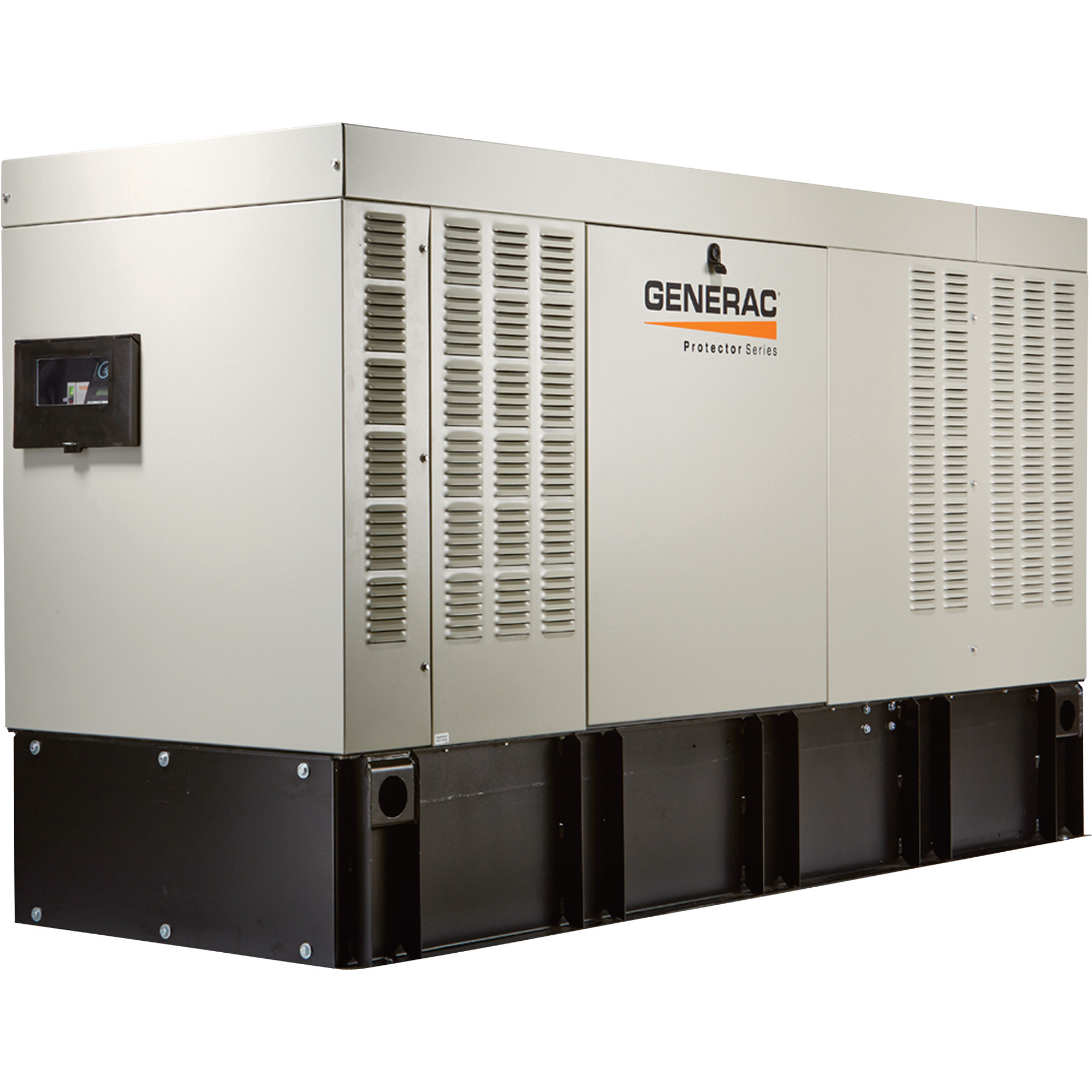
Item # 43415
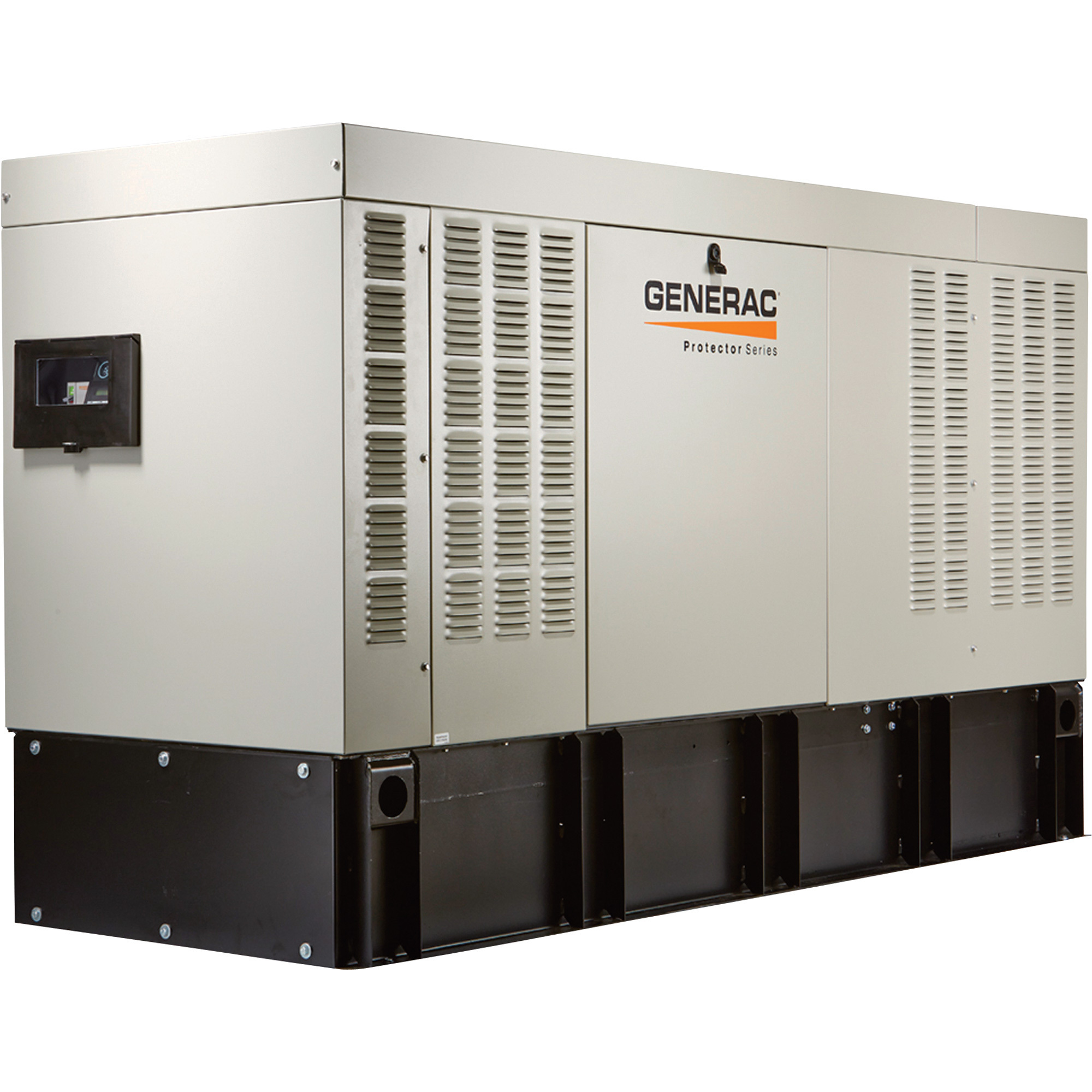
Item # 43419
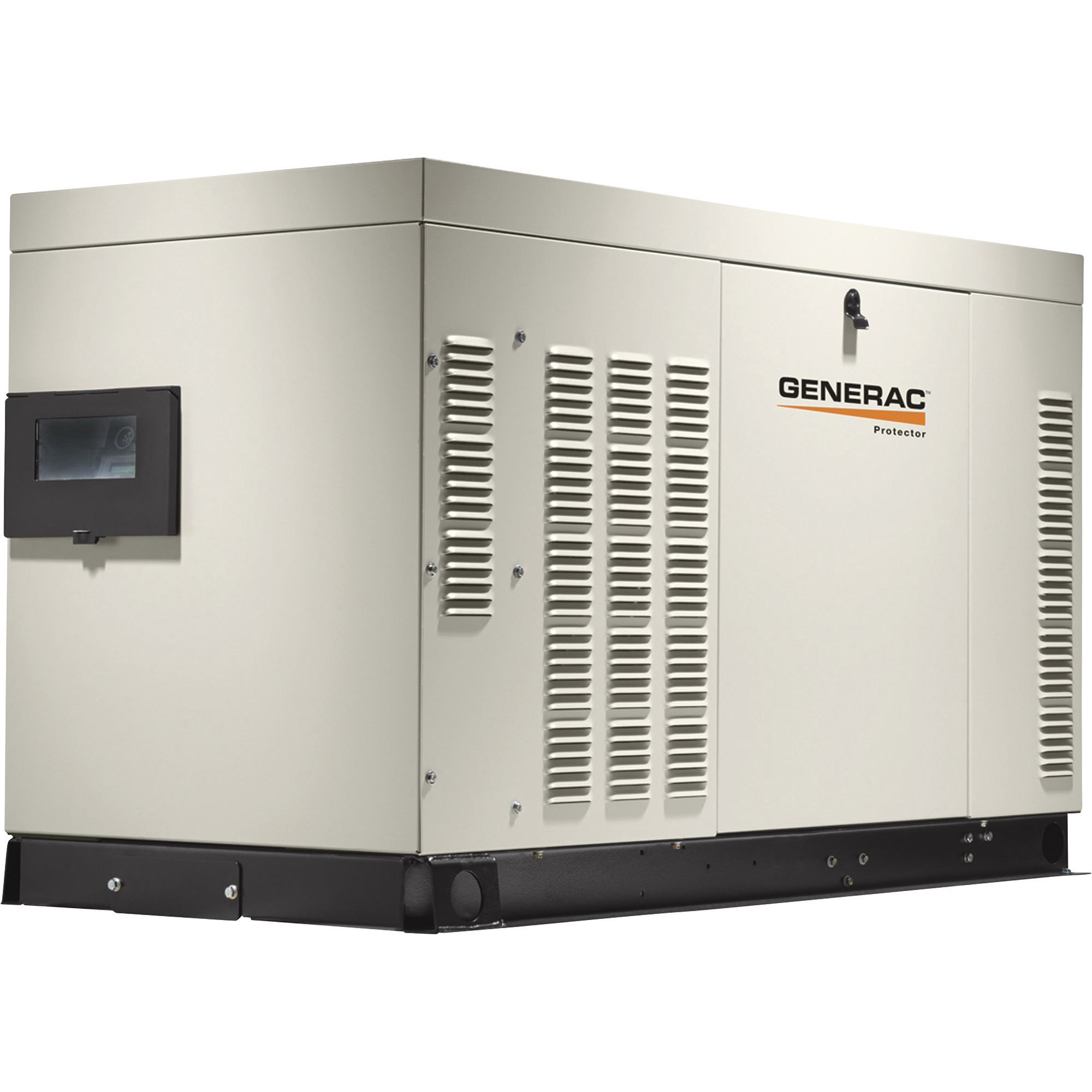
Item # 48907
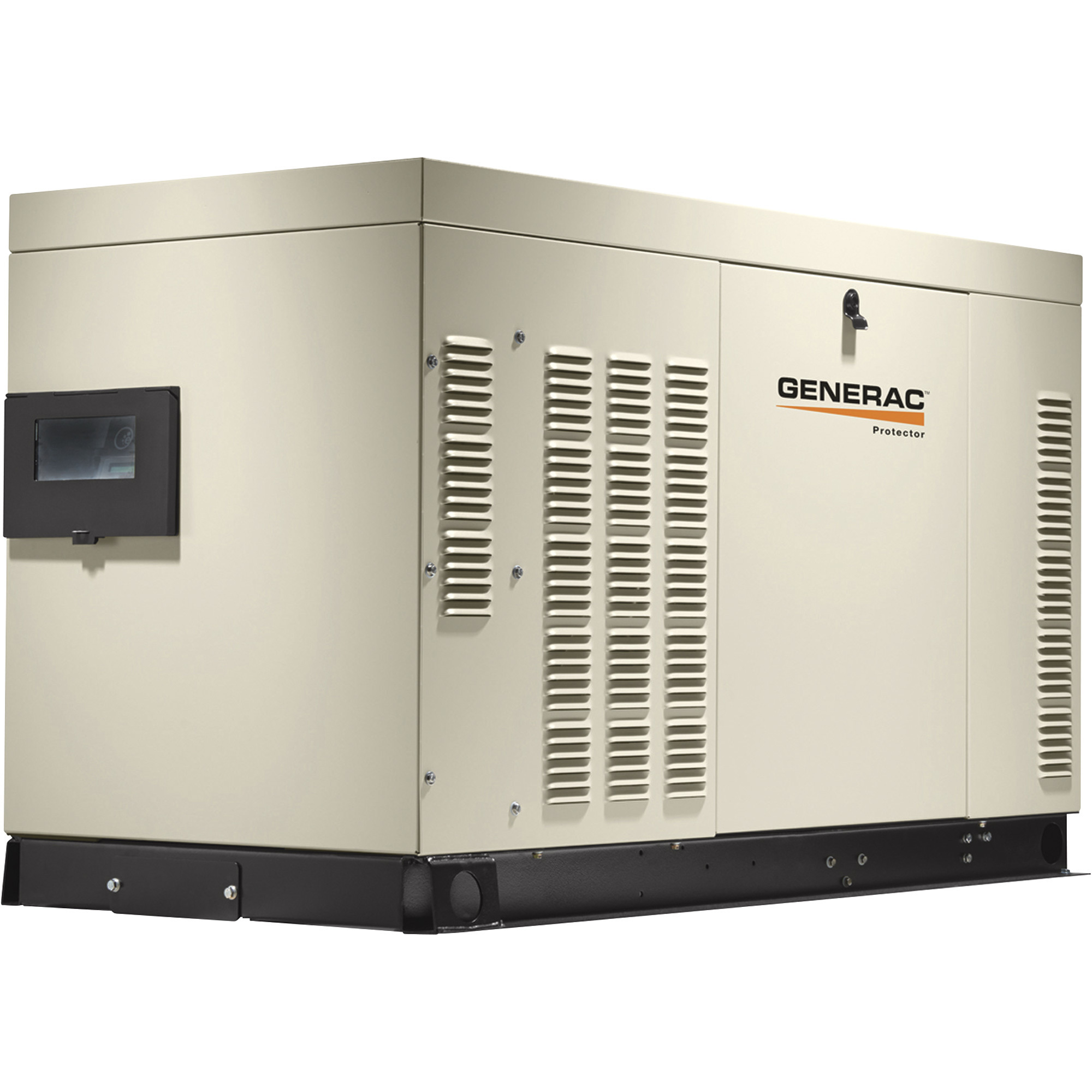
Item # 48910
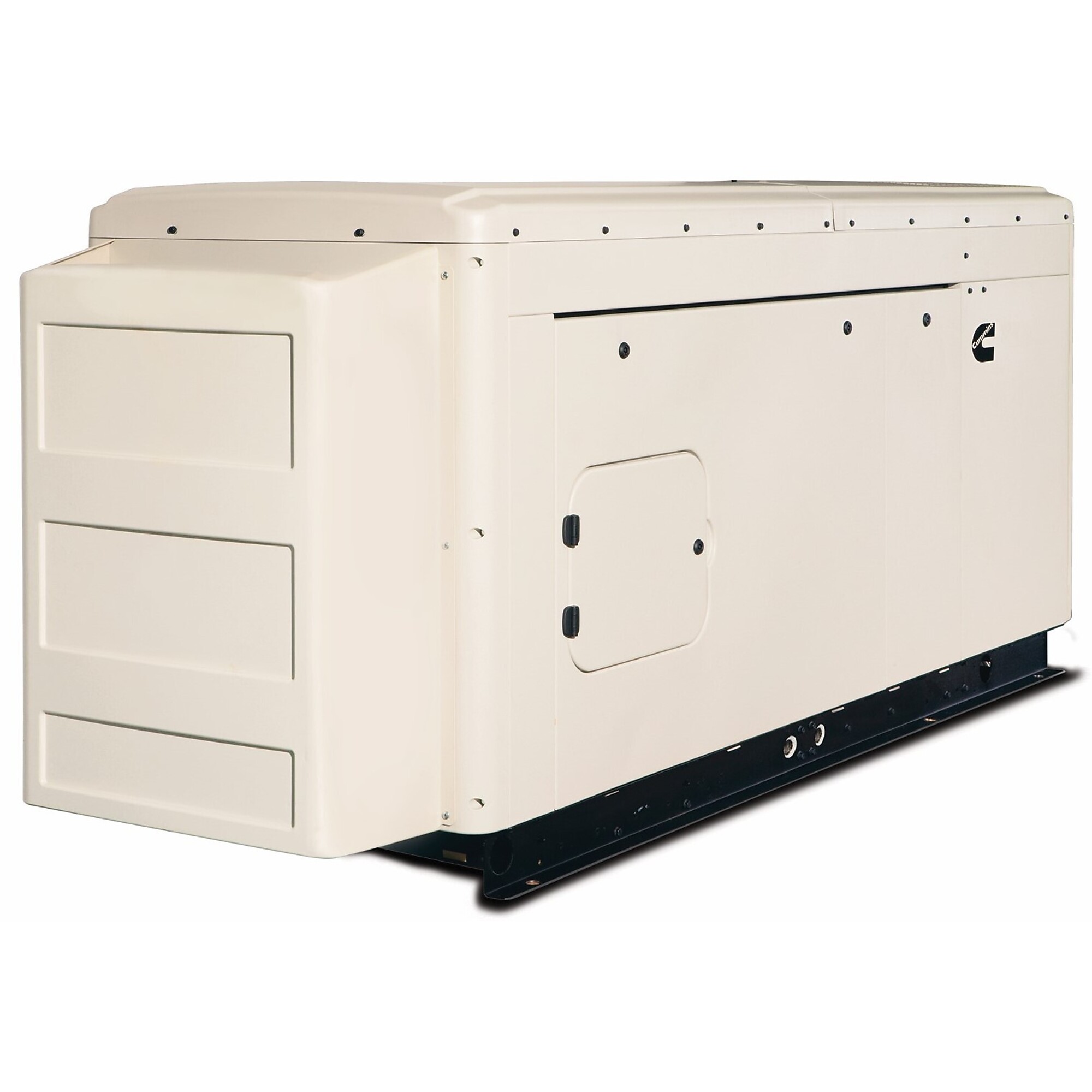
Item # 88794
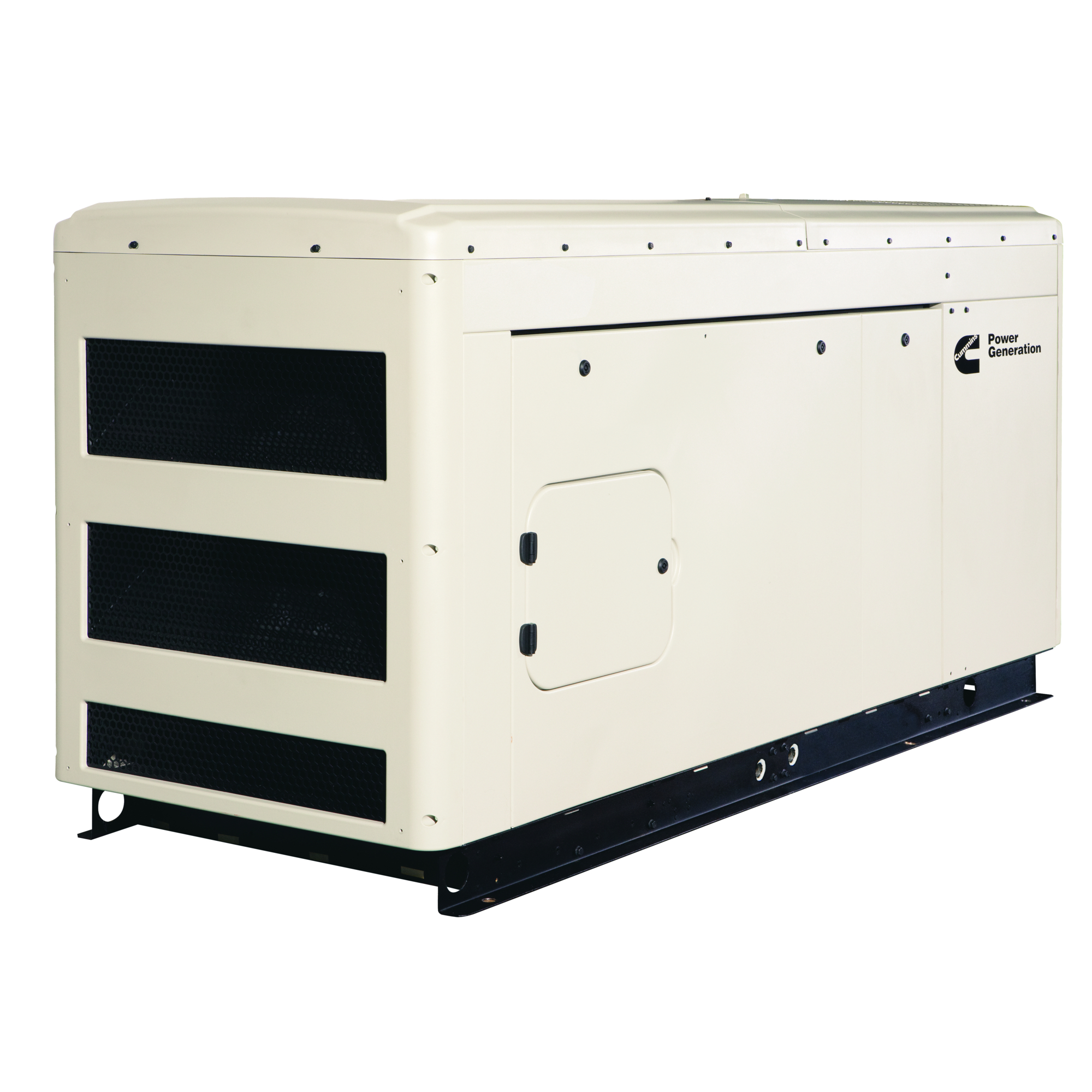
Item # 88802
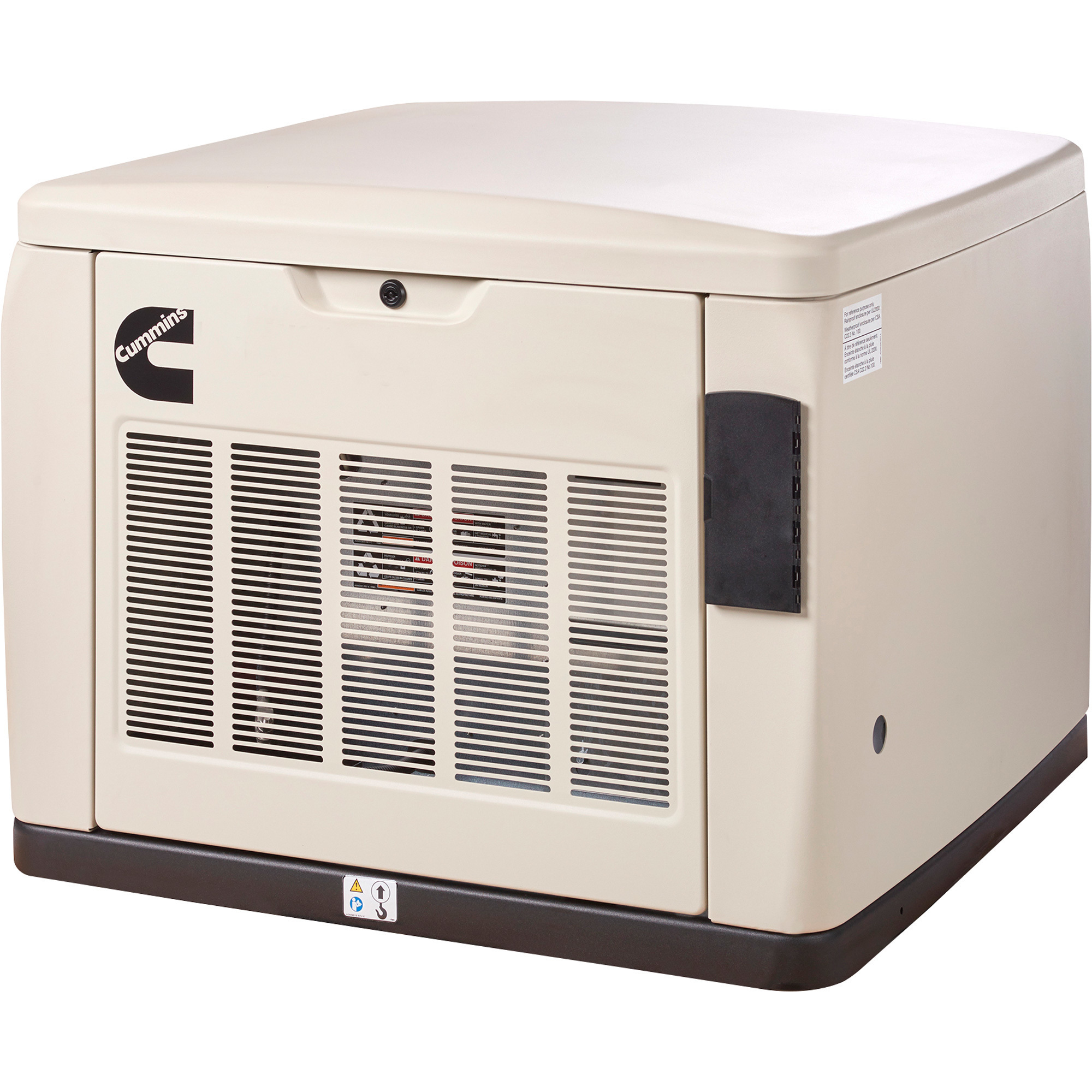
Item # 6432761
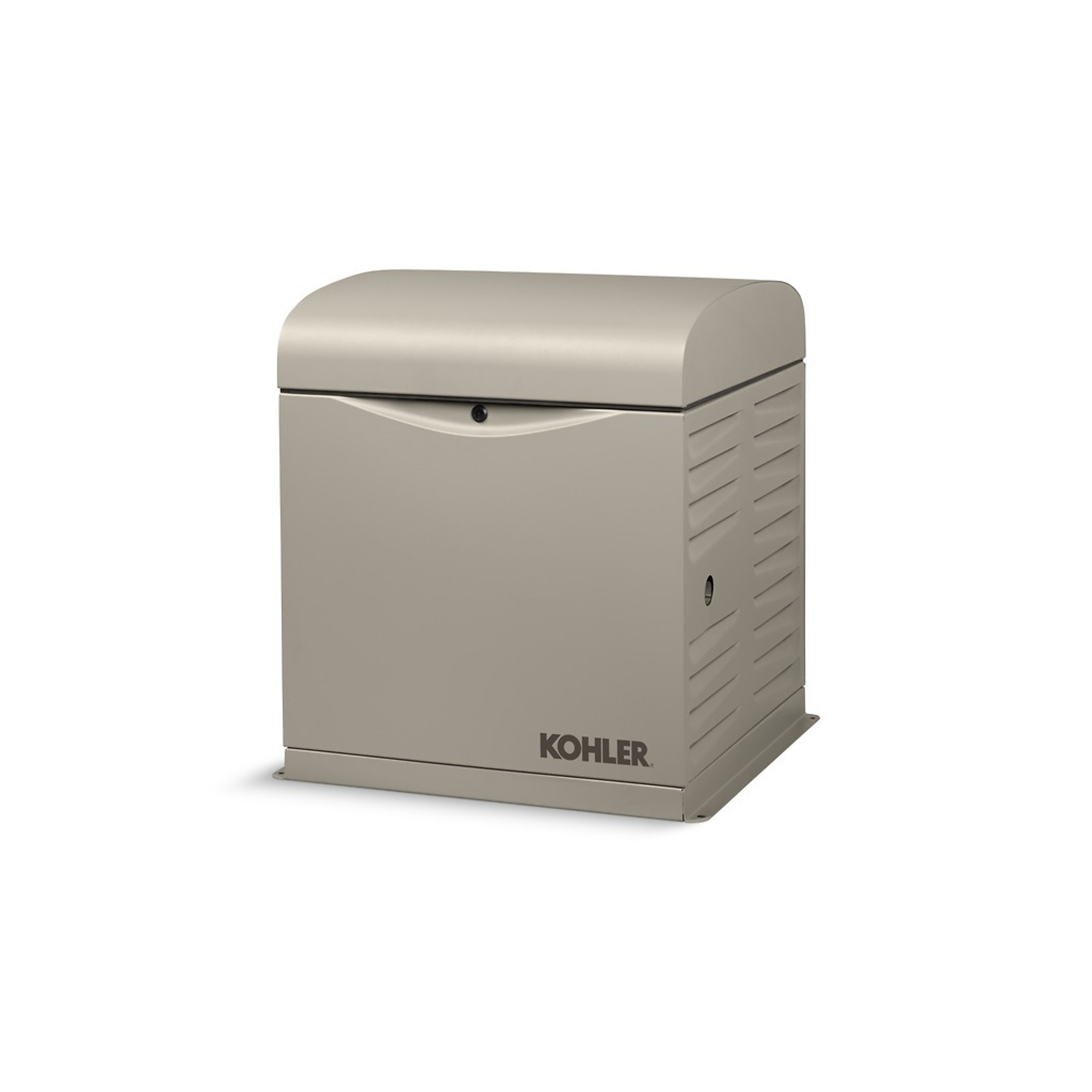
Item # 6478697
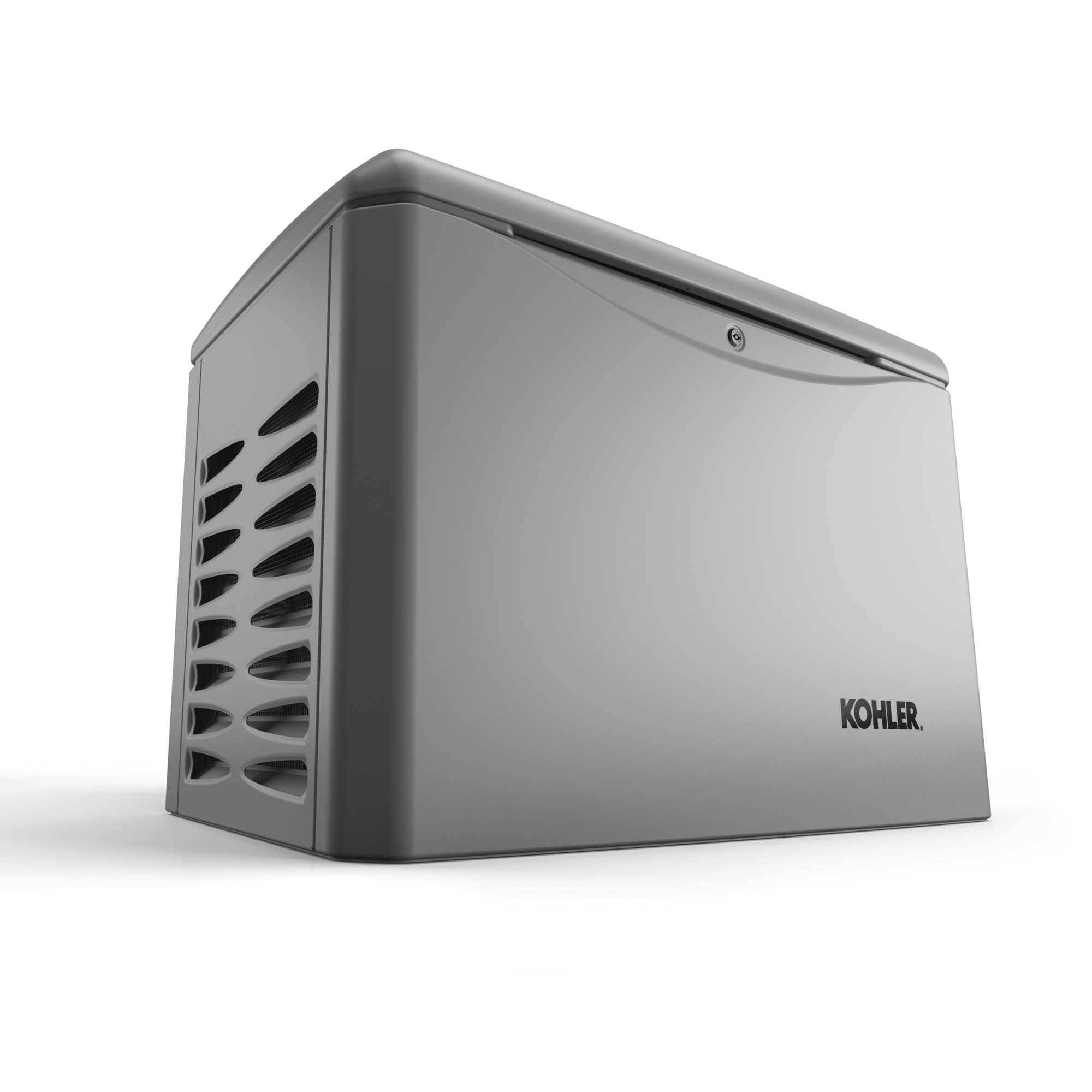
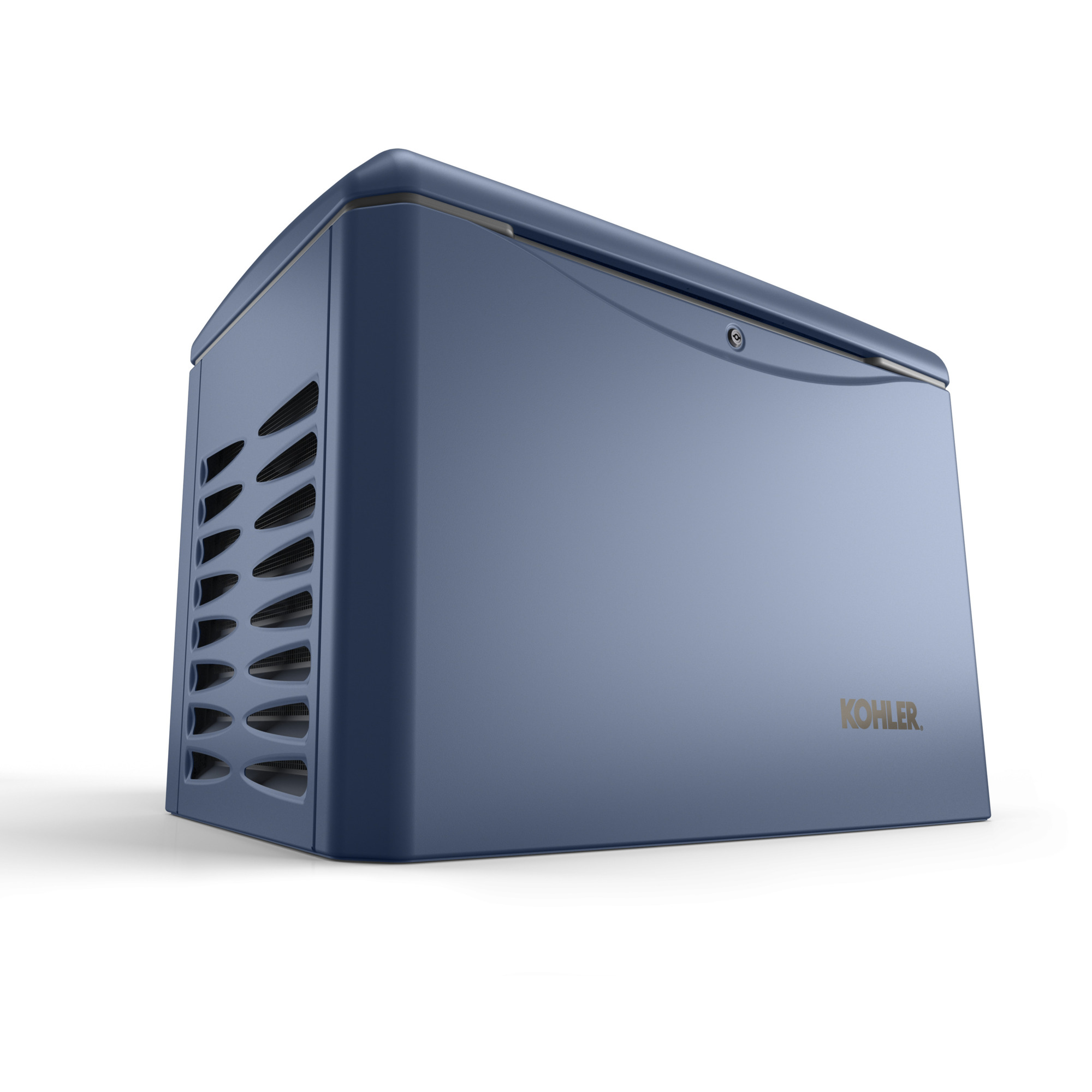
Kohler 20kW Standby Generator - 20kW LP, 18kW NG, Aluminum Enclosure, Dover Gray, Model# 20RCA-QS202
Item # 6488650
Item # 6495737
Item # 6495631
Item # 6495606
Item # 6503493
Item # 6508796
Item # 6508761
Item # 6510407
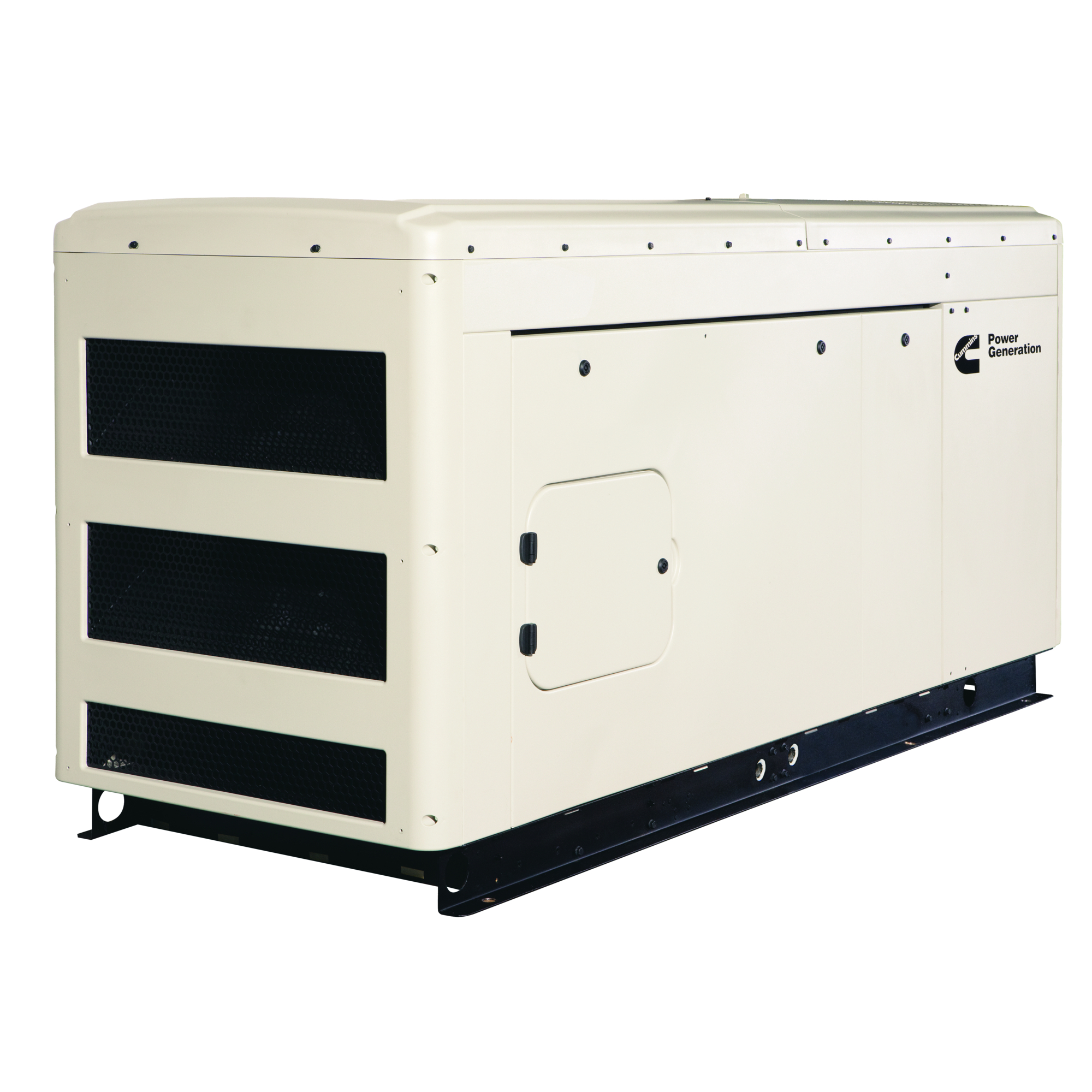
Item # 6512293
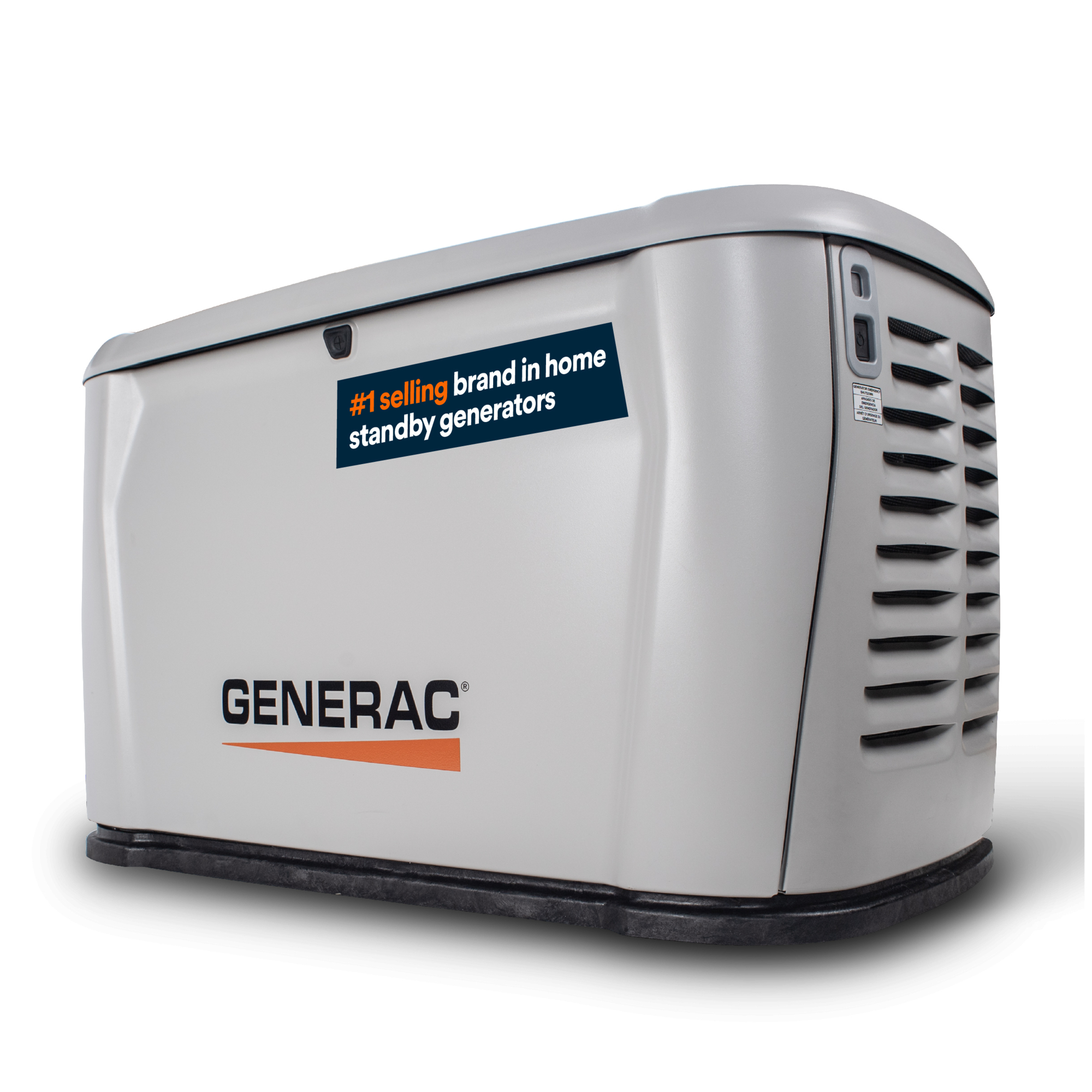
Item # 7013453
Order today to get this price.
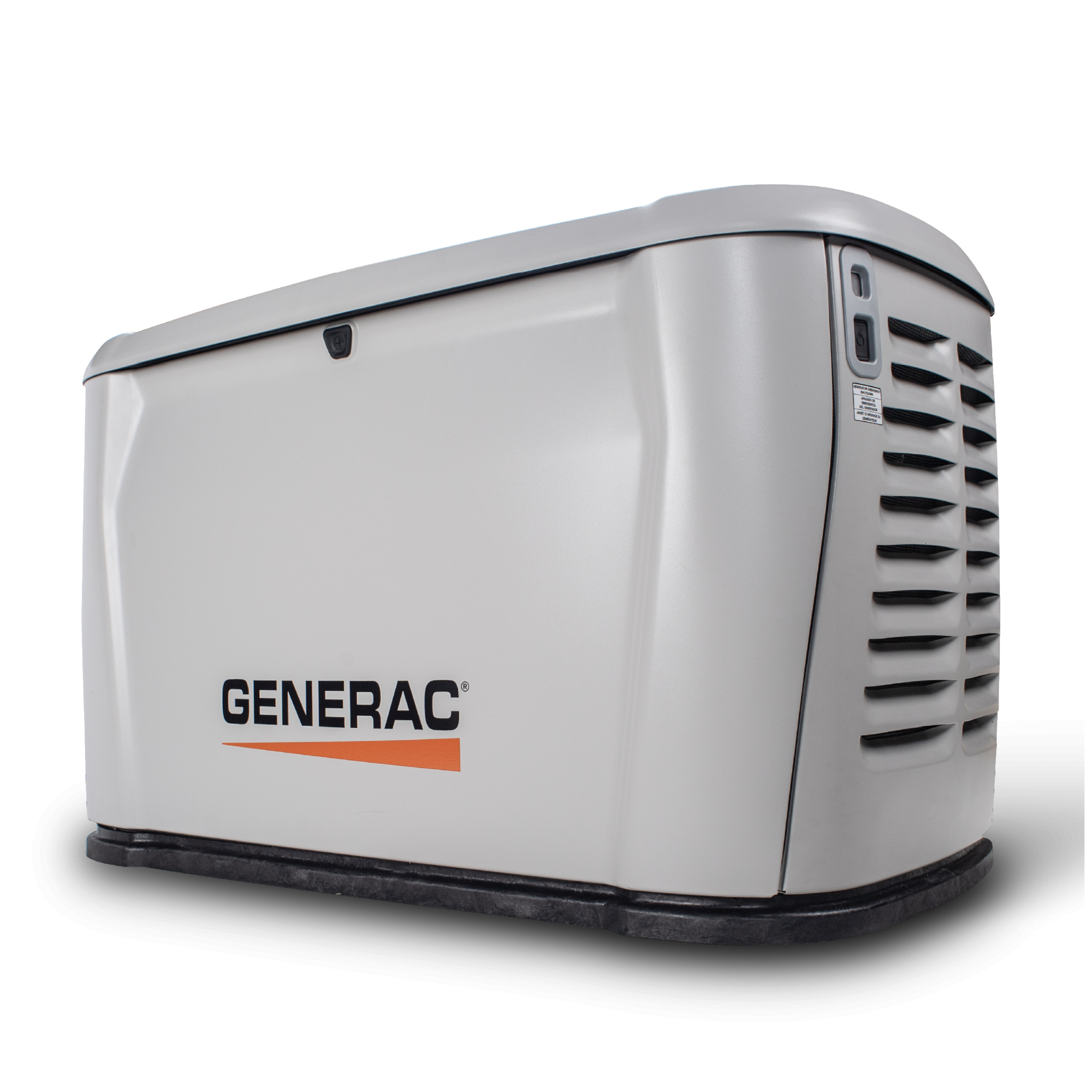
Item # 7050772
Order today to get this price.
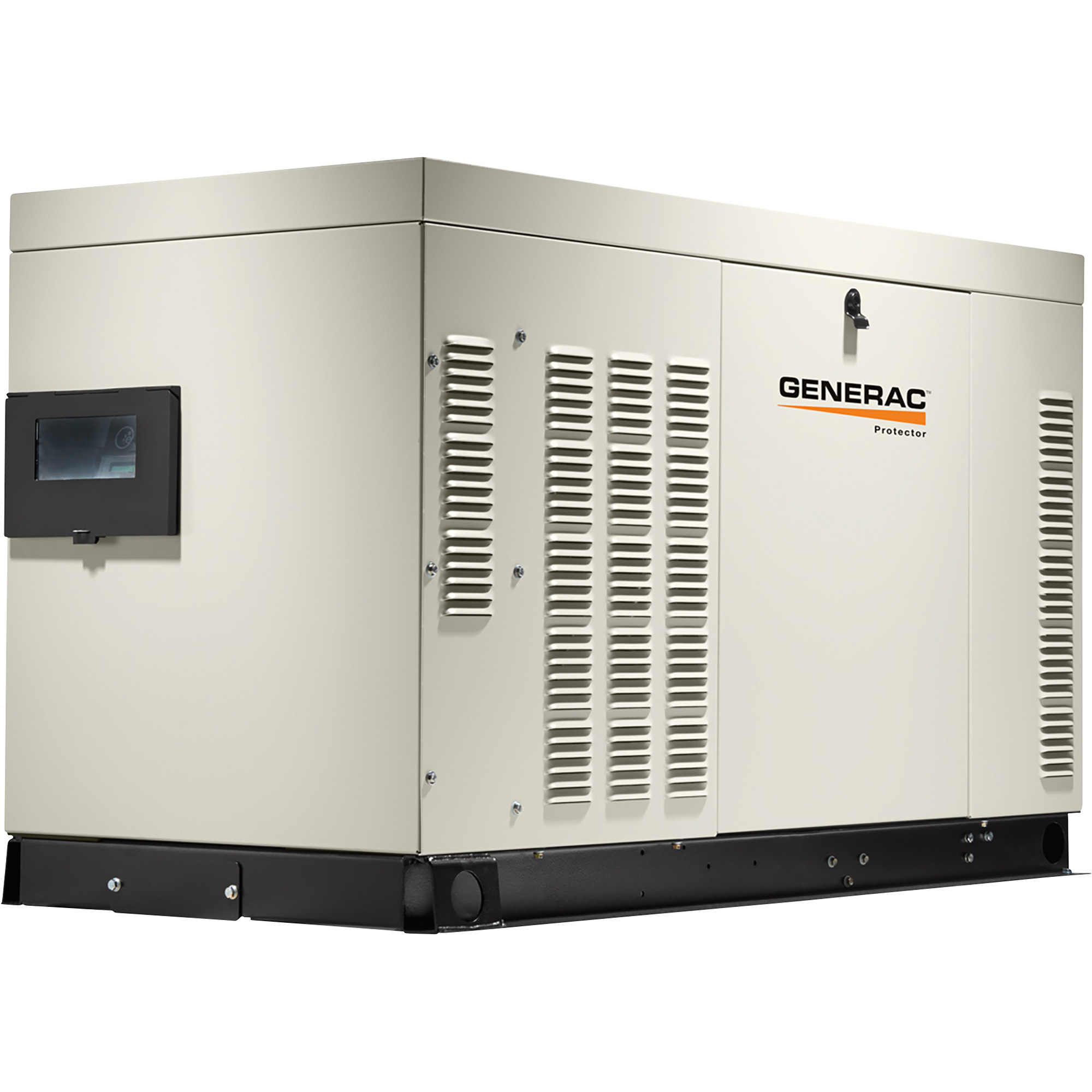
Item # 489081
Item # 88804
Item # 6488596
Item # 6495876
Item # 6495471
Item # 6495446
Item # 6510378
Item # 6510360
Item # 6510239
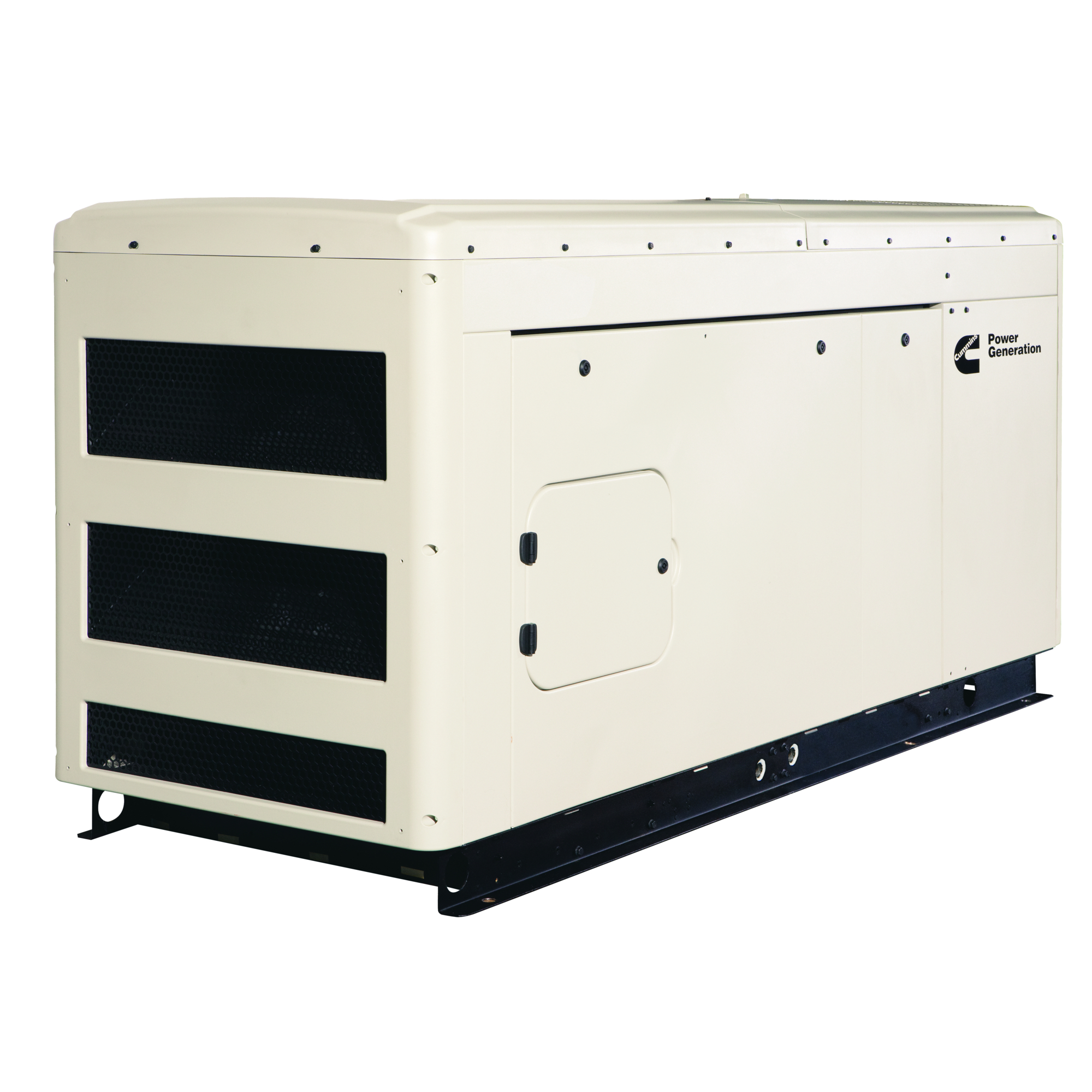
Item # 6512331
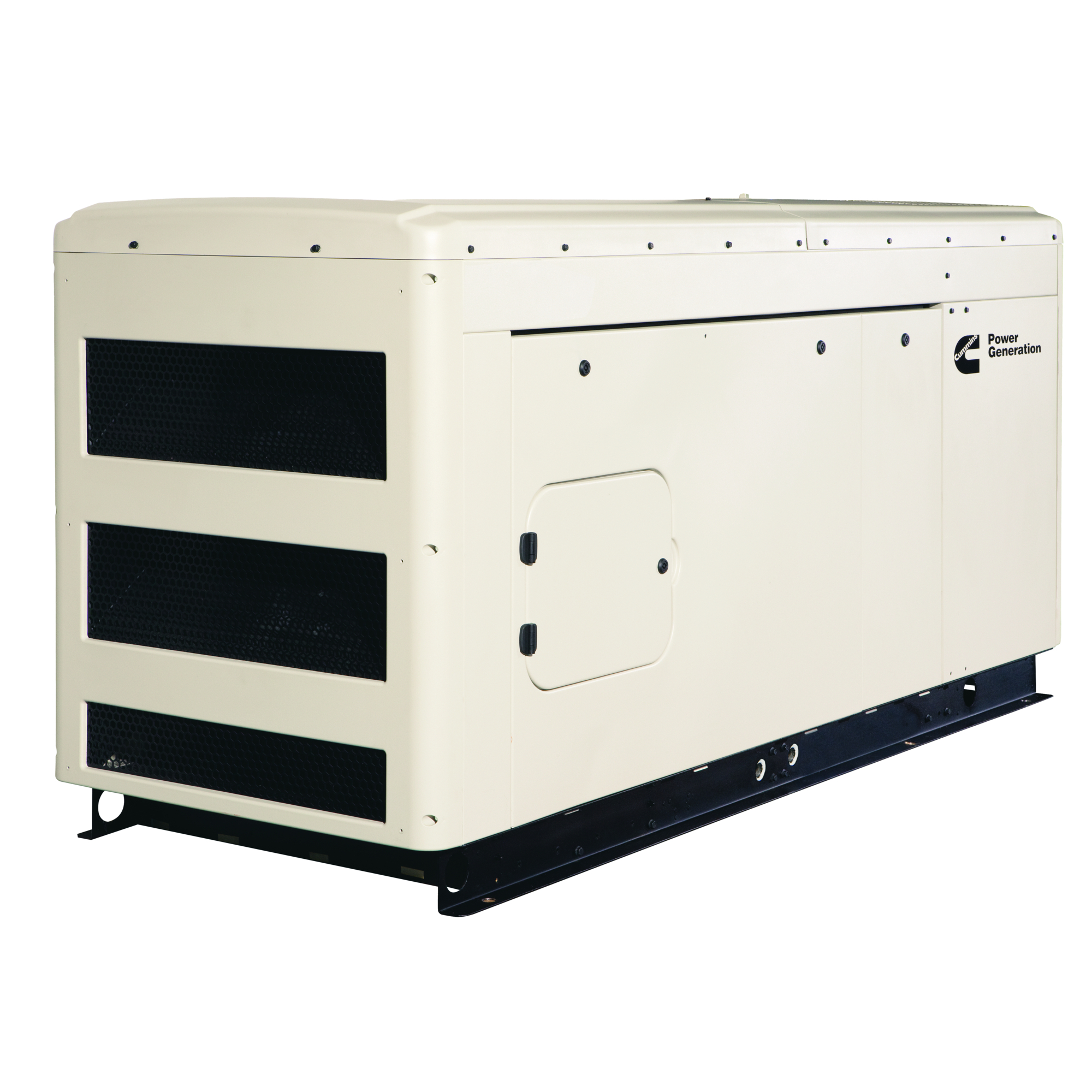
Item # 88805
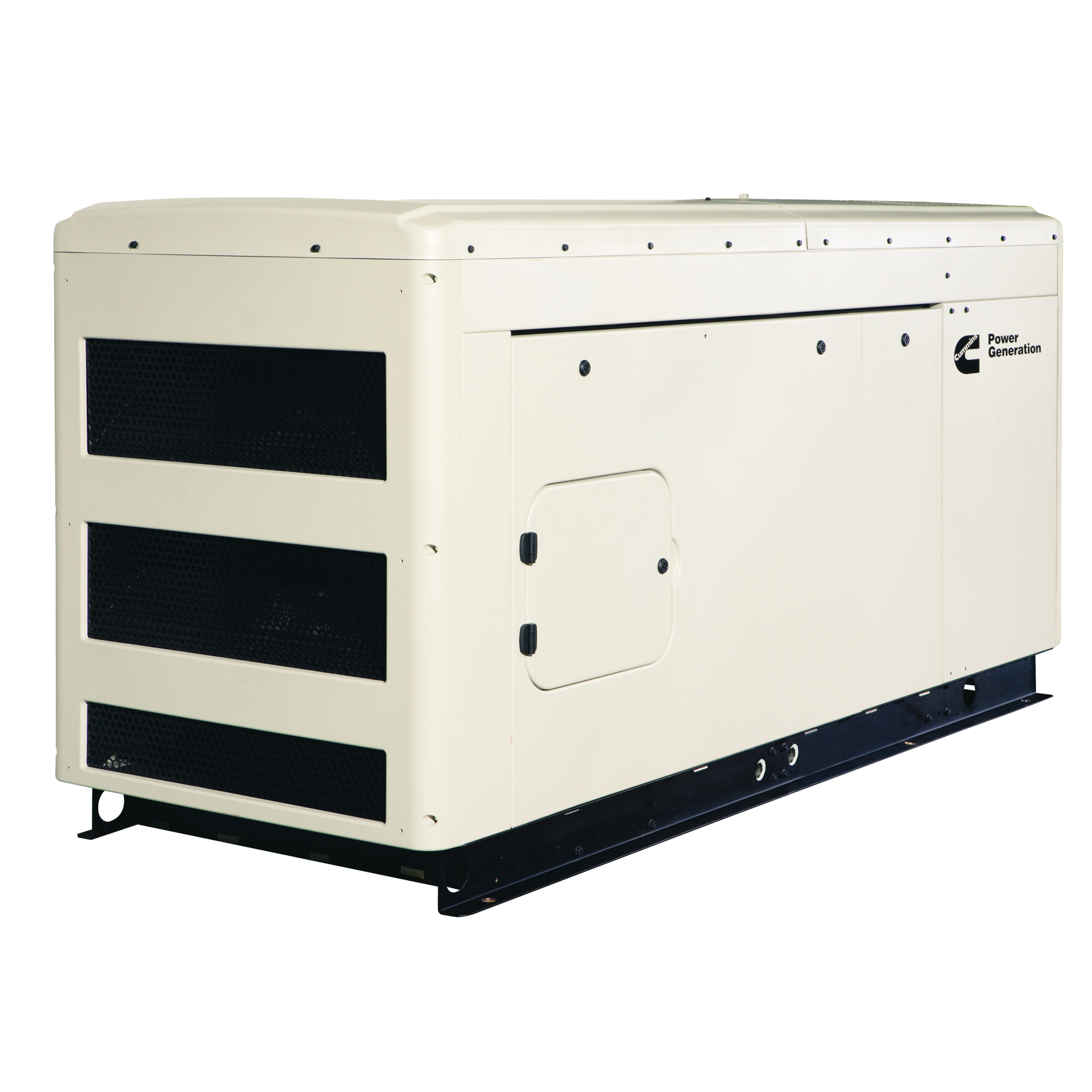
Item # 88810
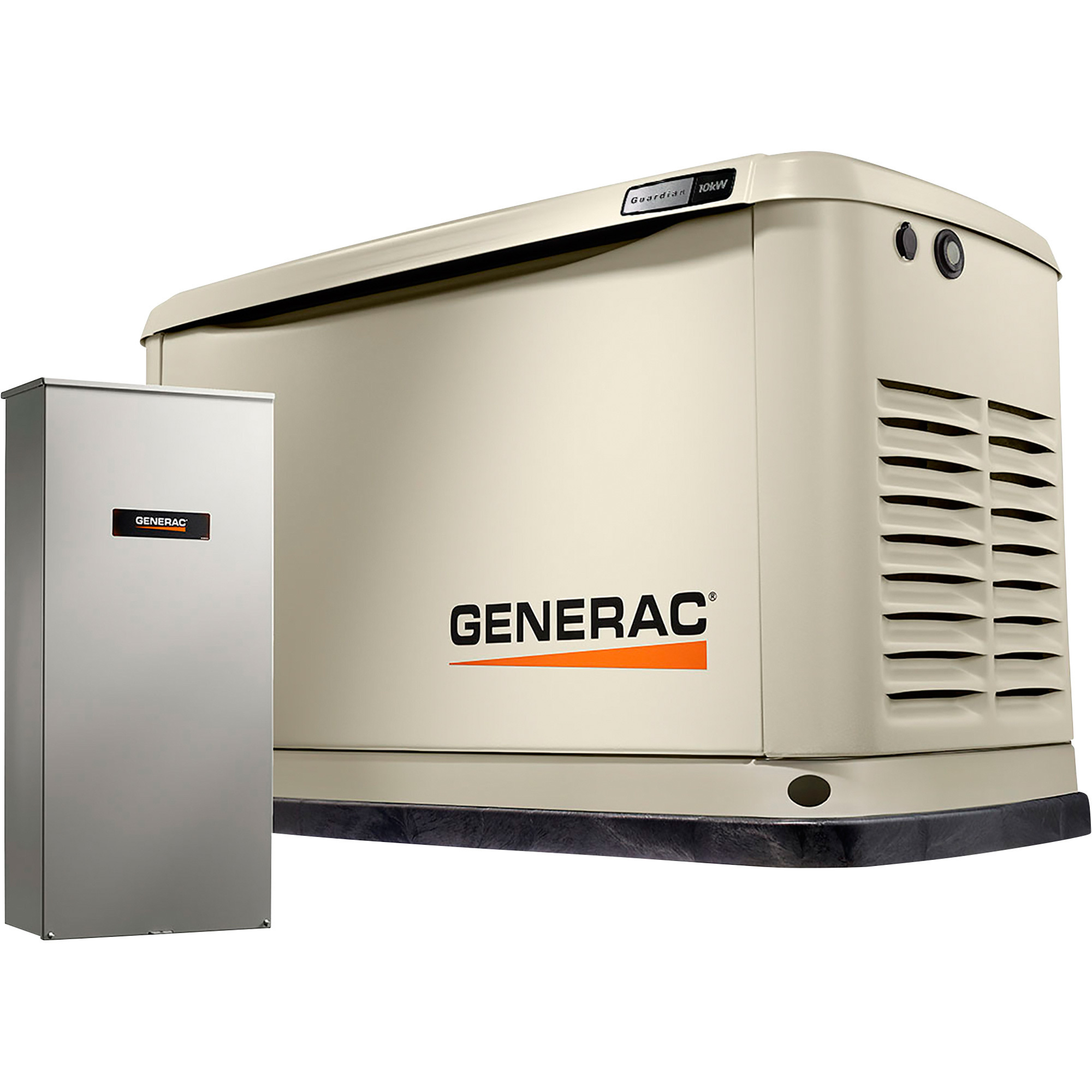
Item # 89720
Order today to get this price.
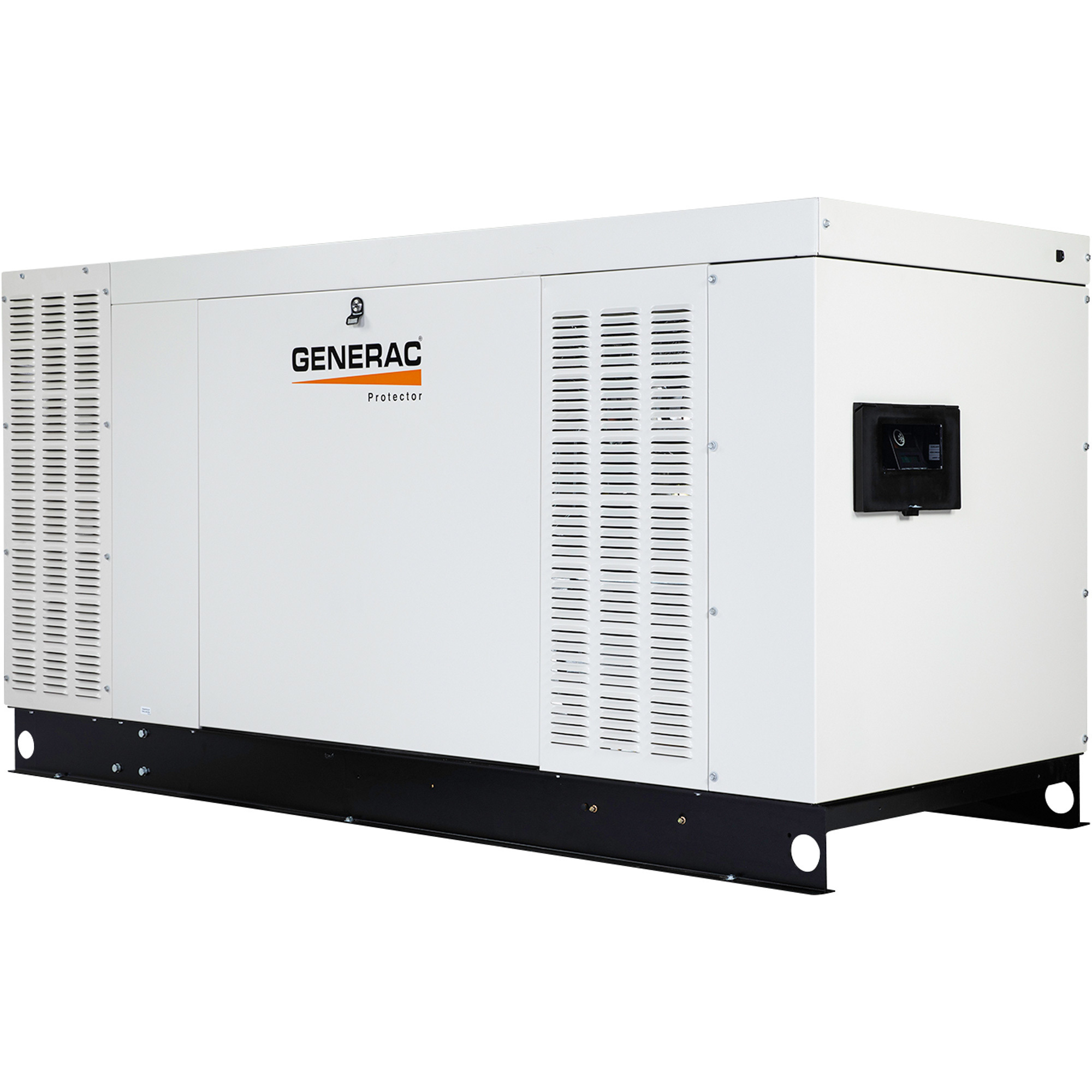
Item # 107431
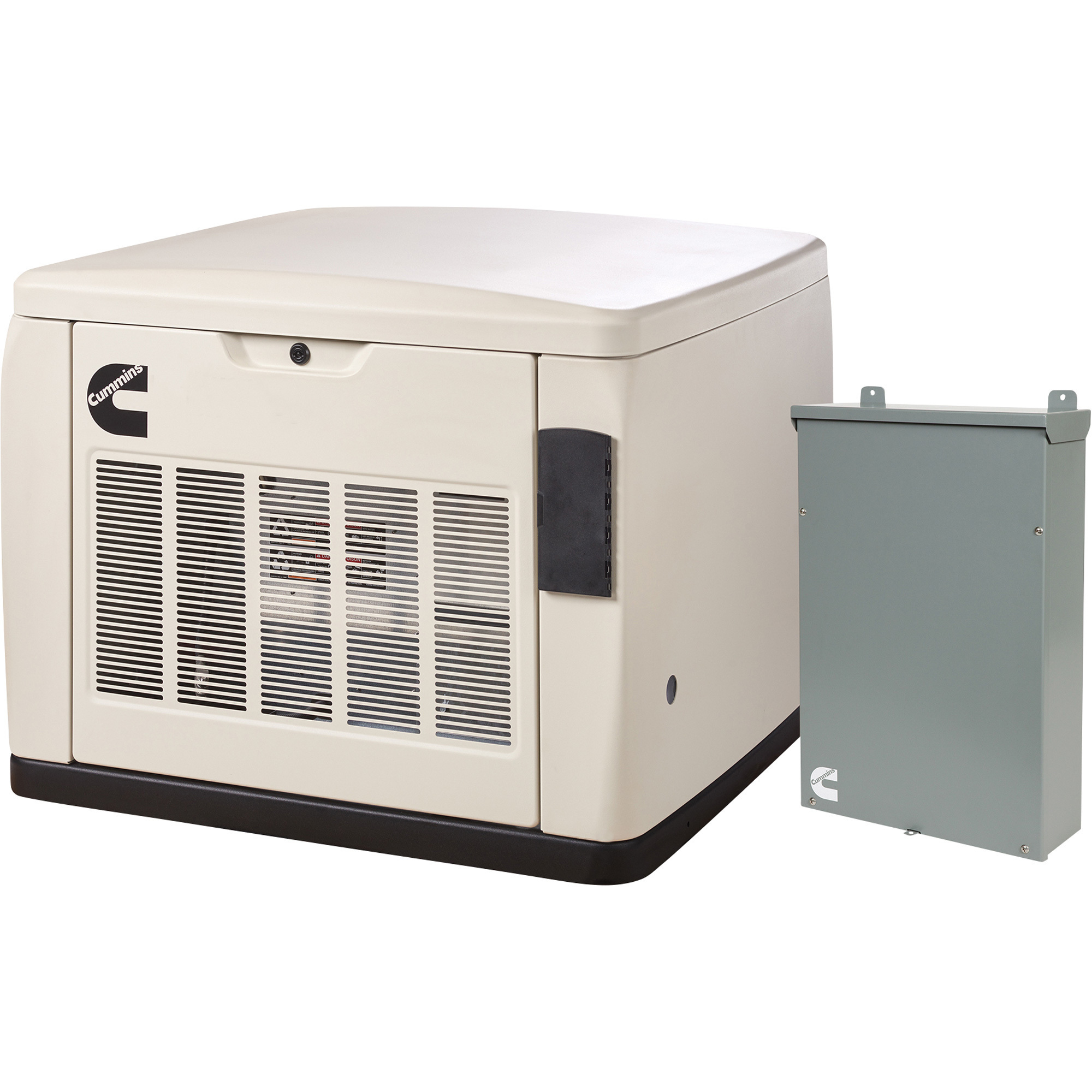
Item # 6432787
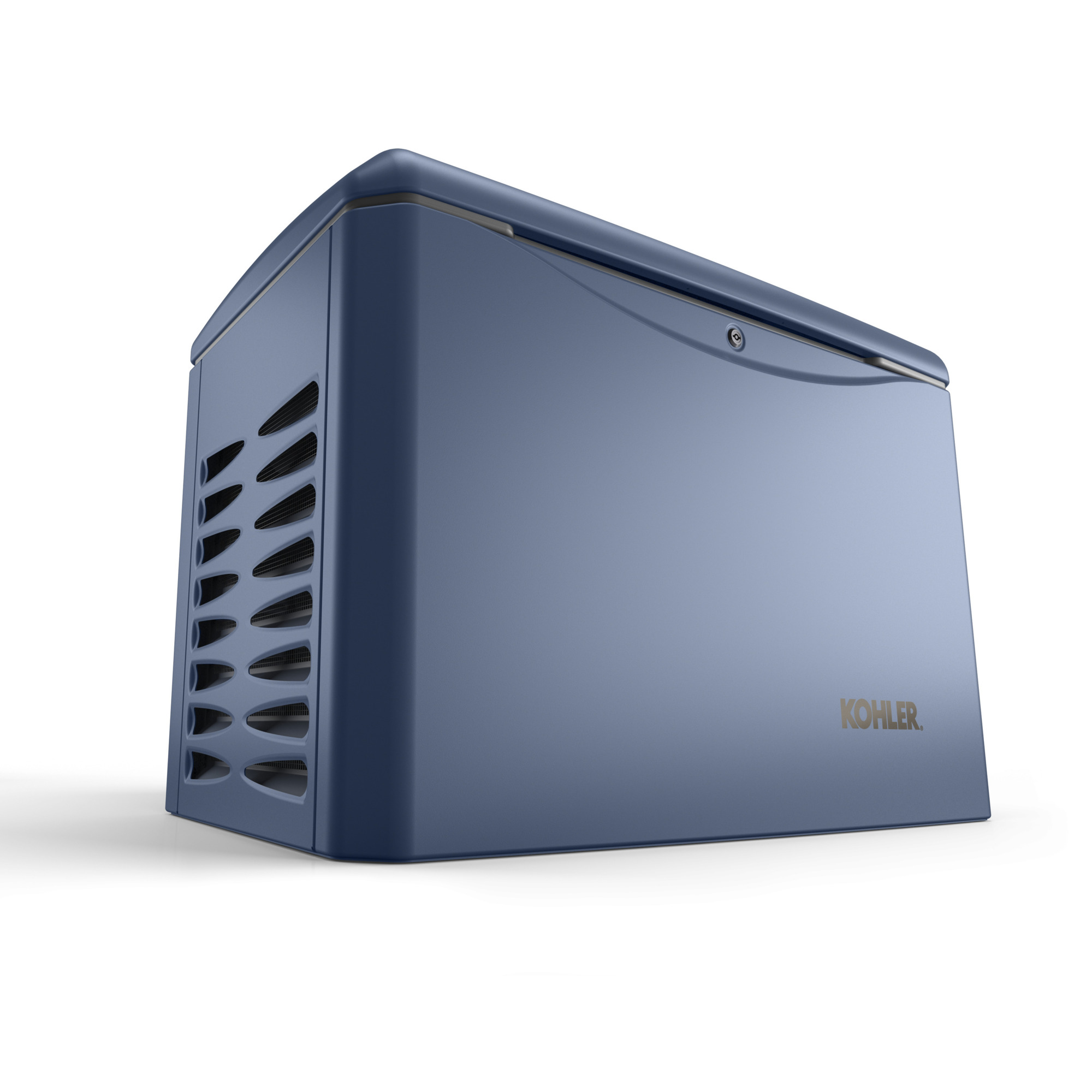
Item # 6474768
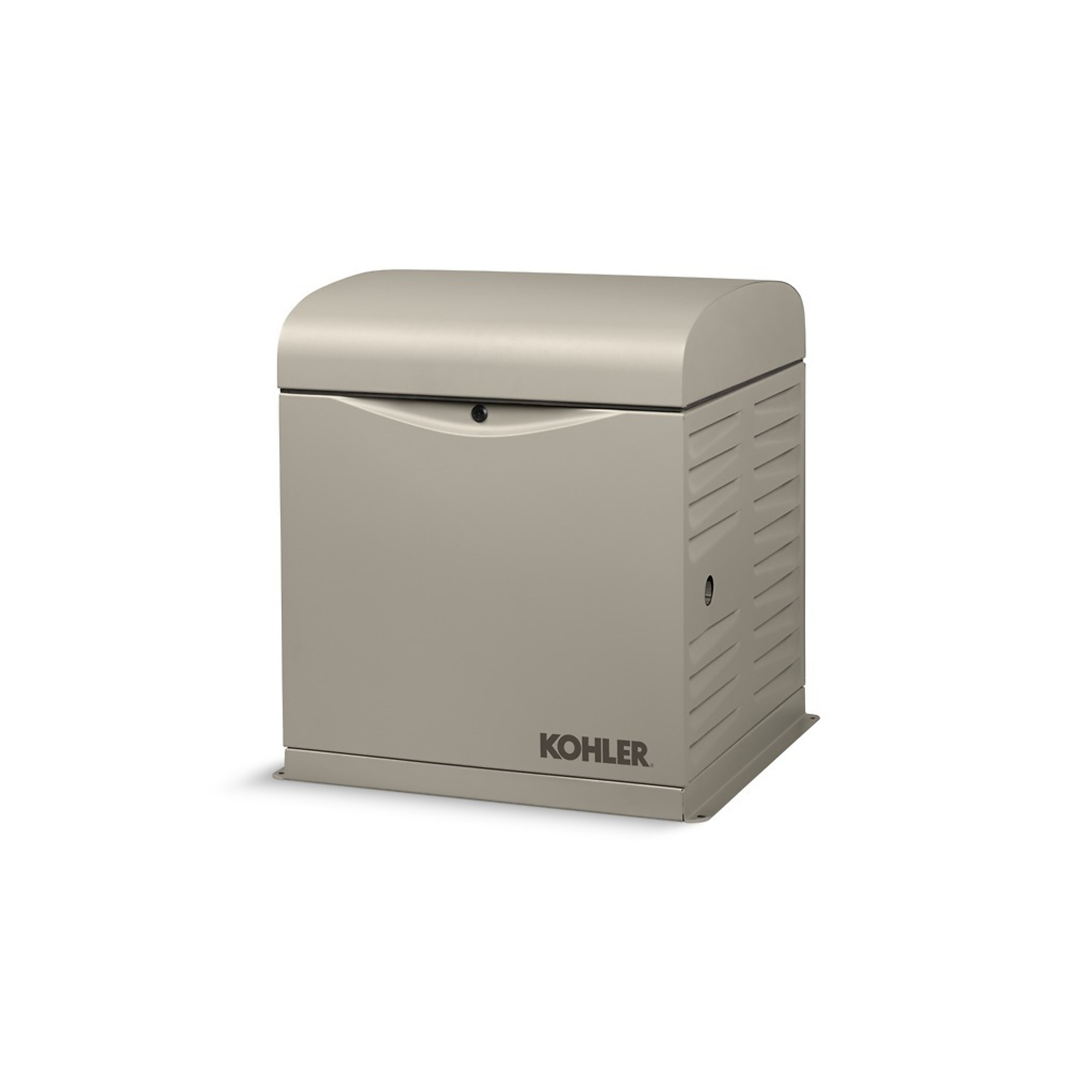
Item # 6478401
Item # 6488588
Home Standby Generators
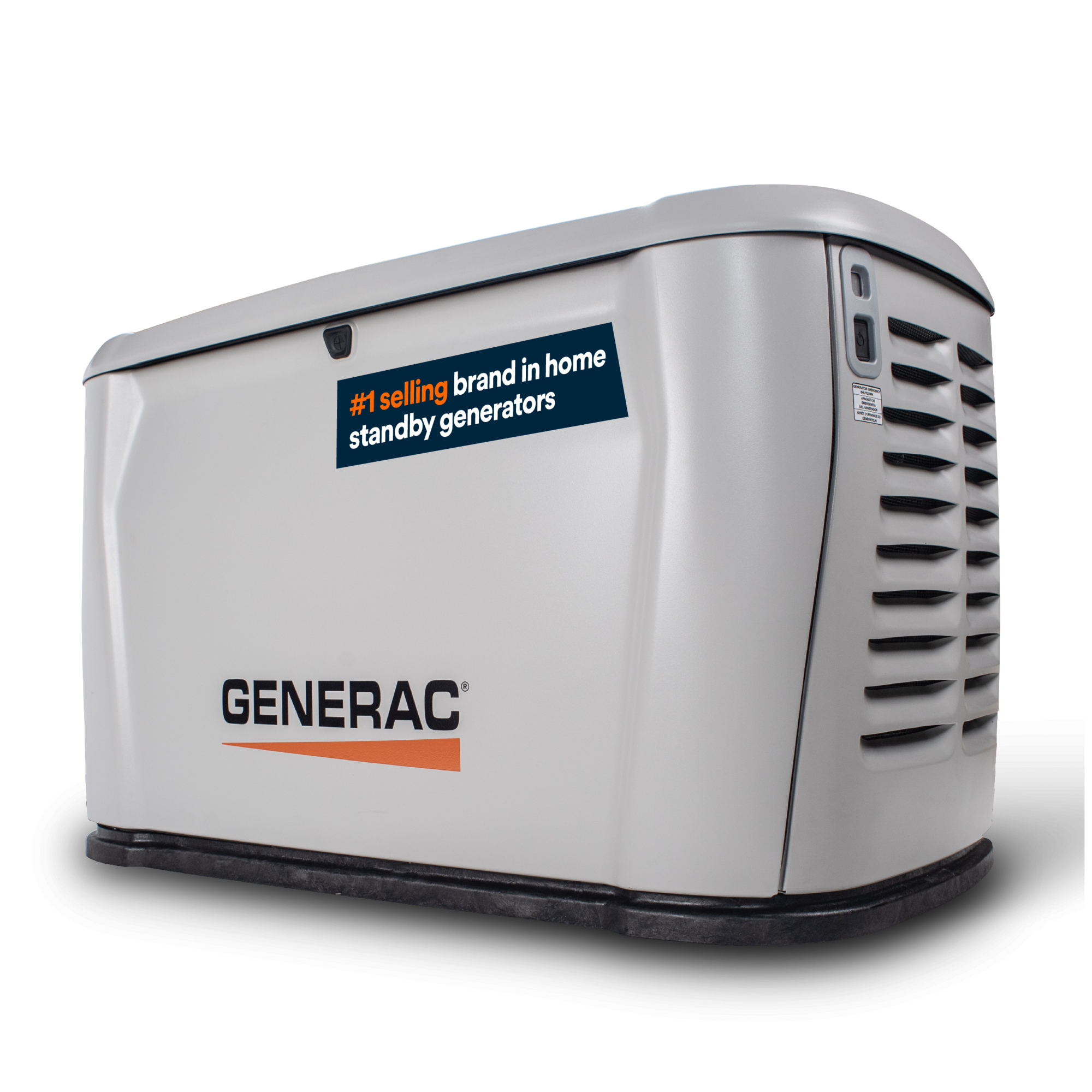
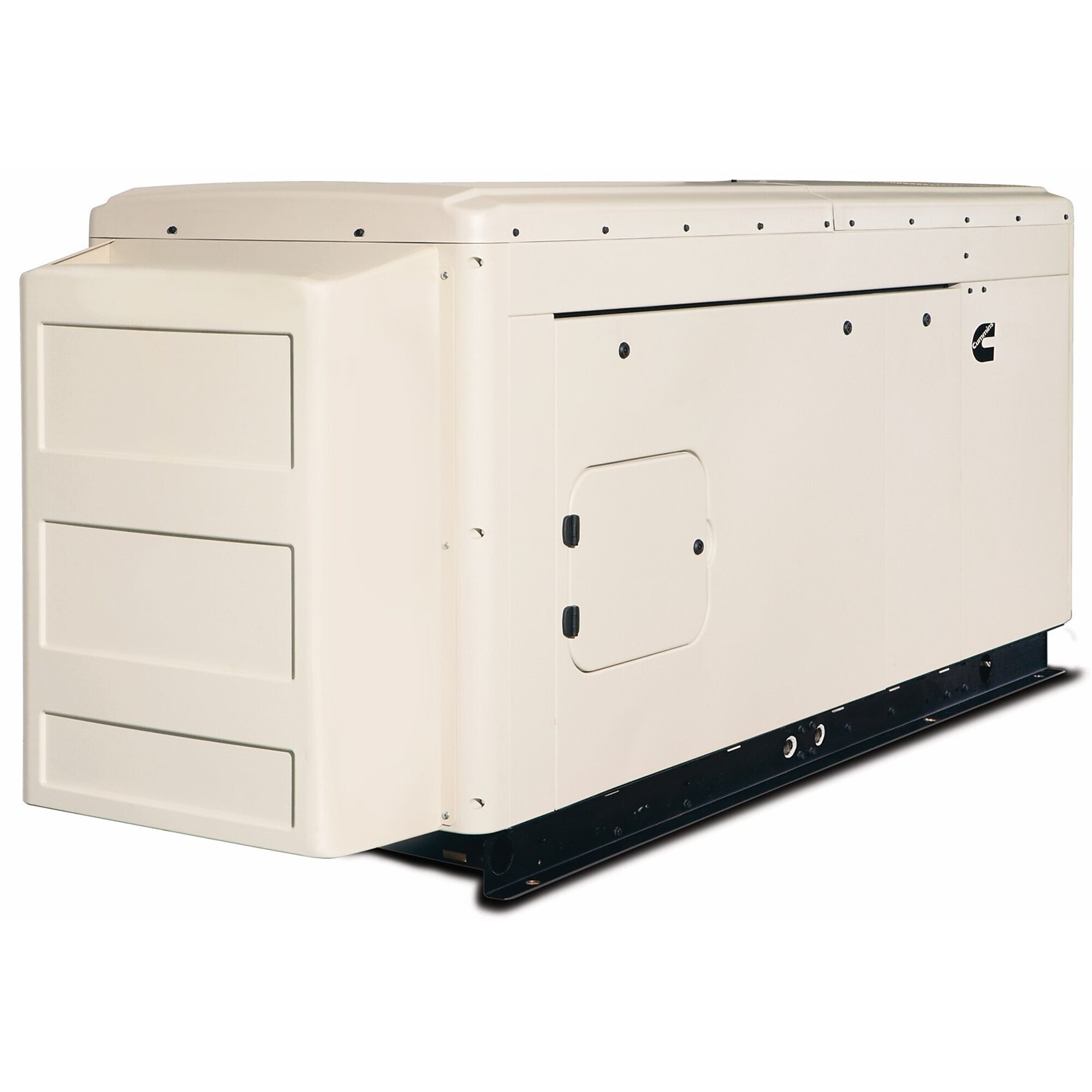
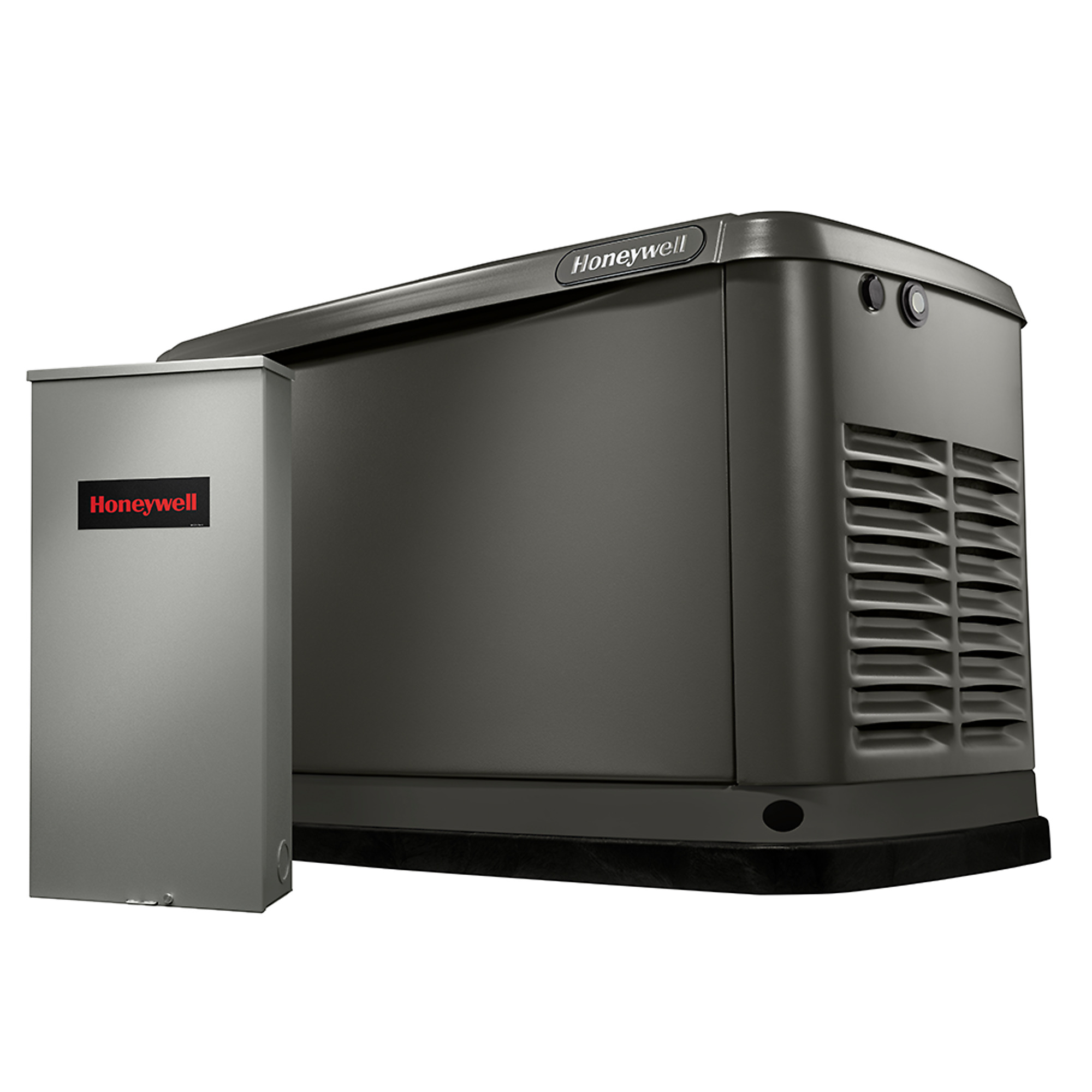
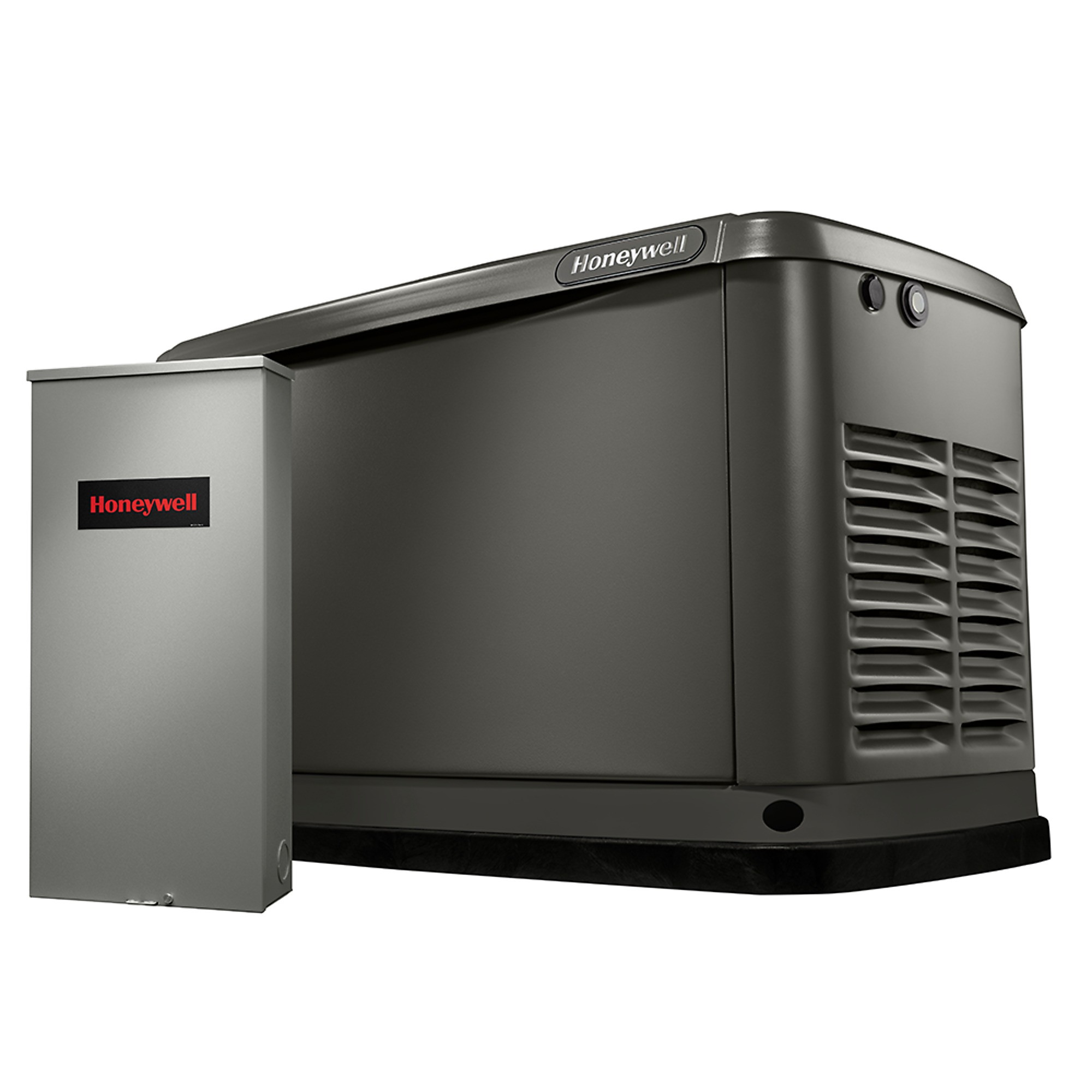
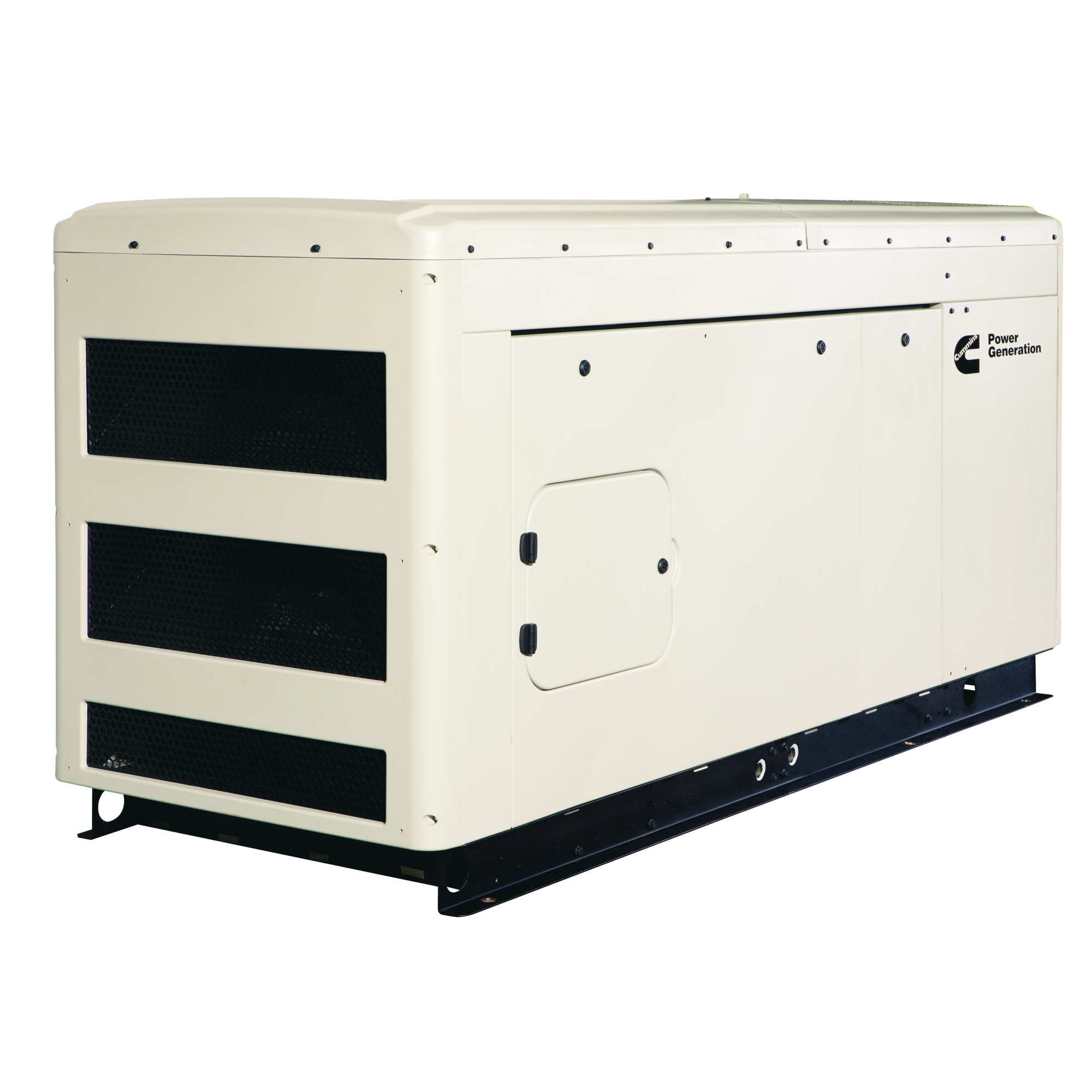
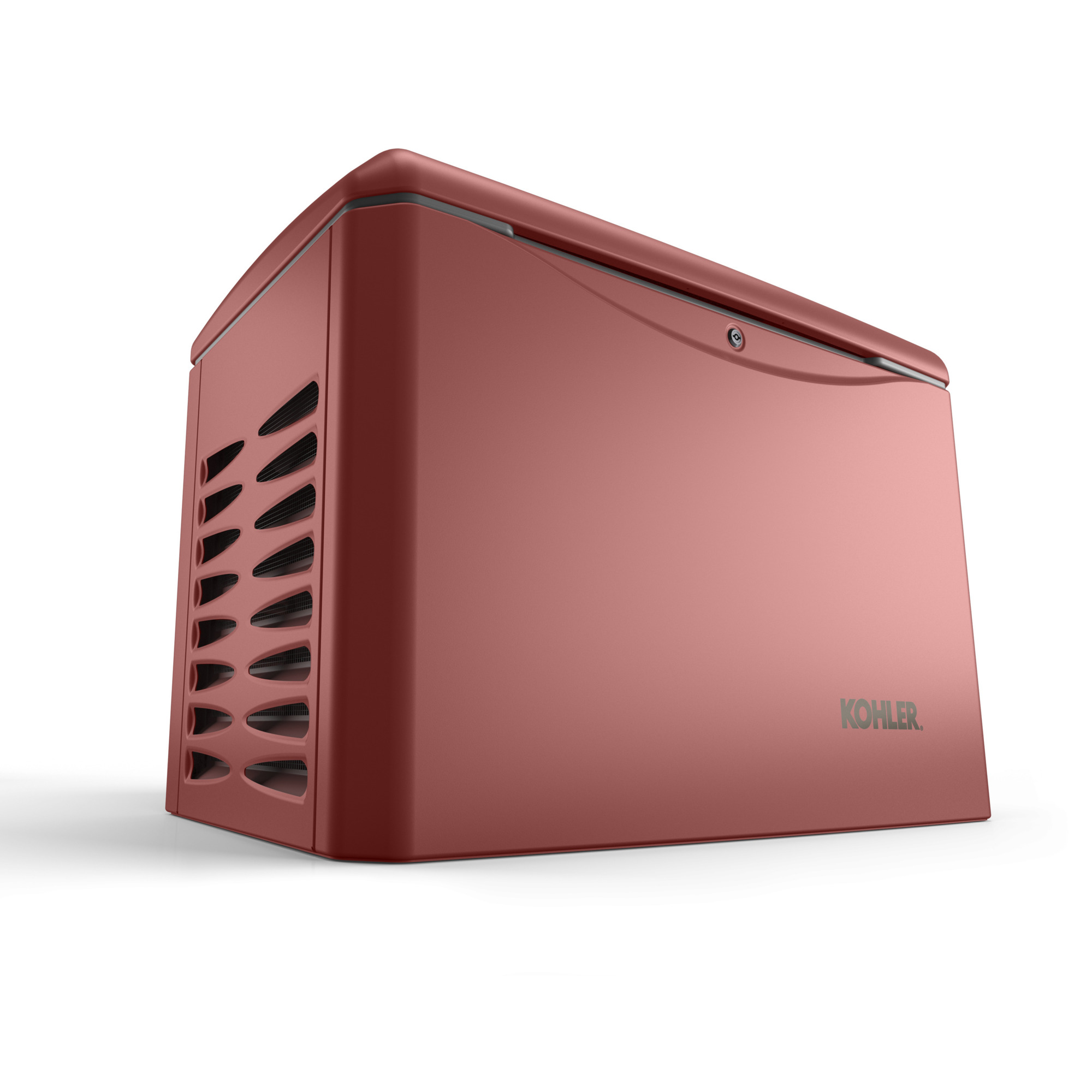
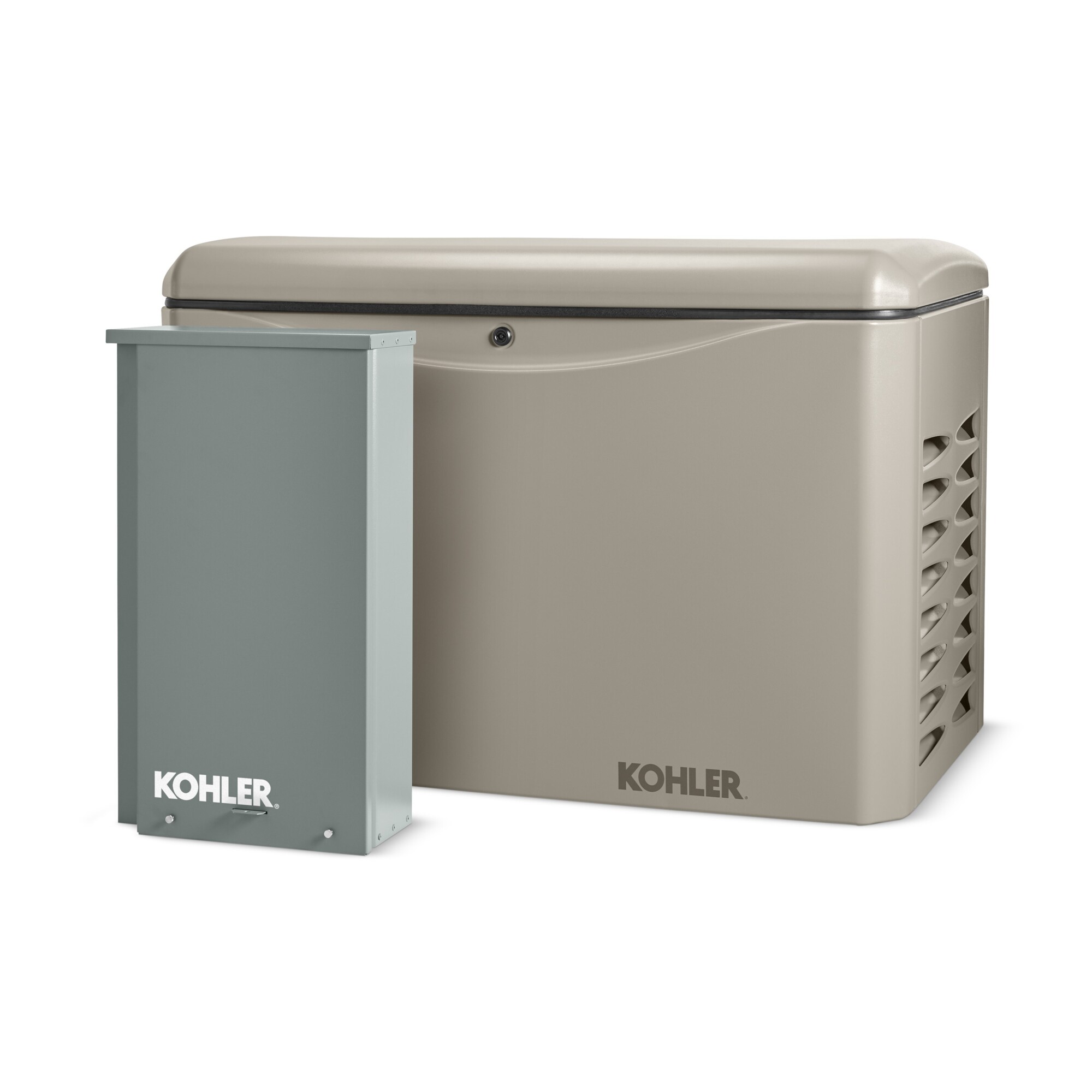
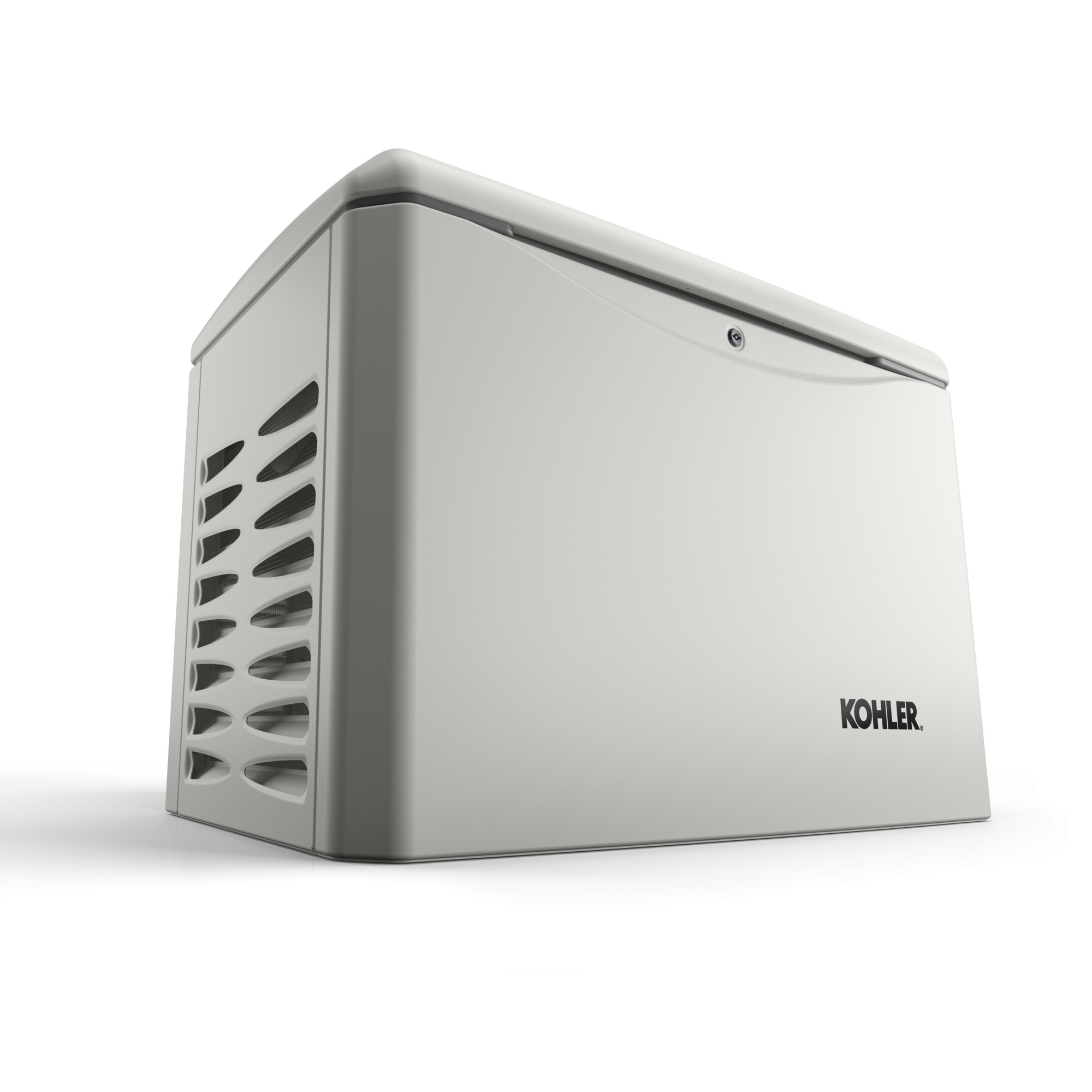
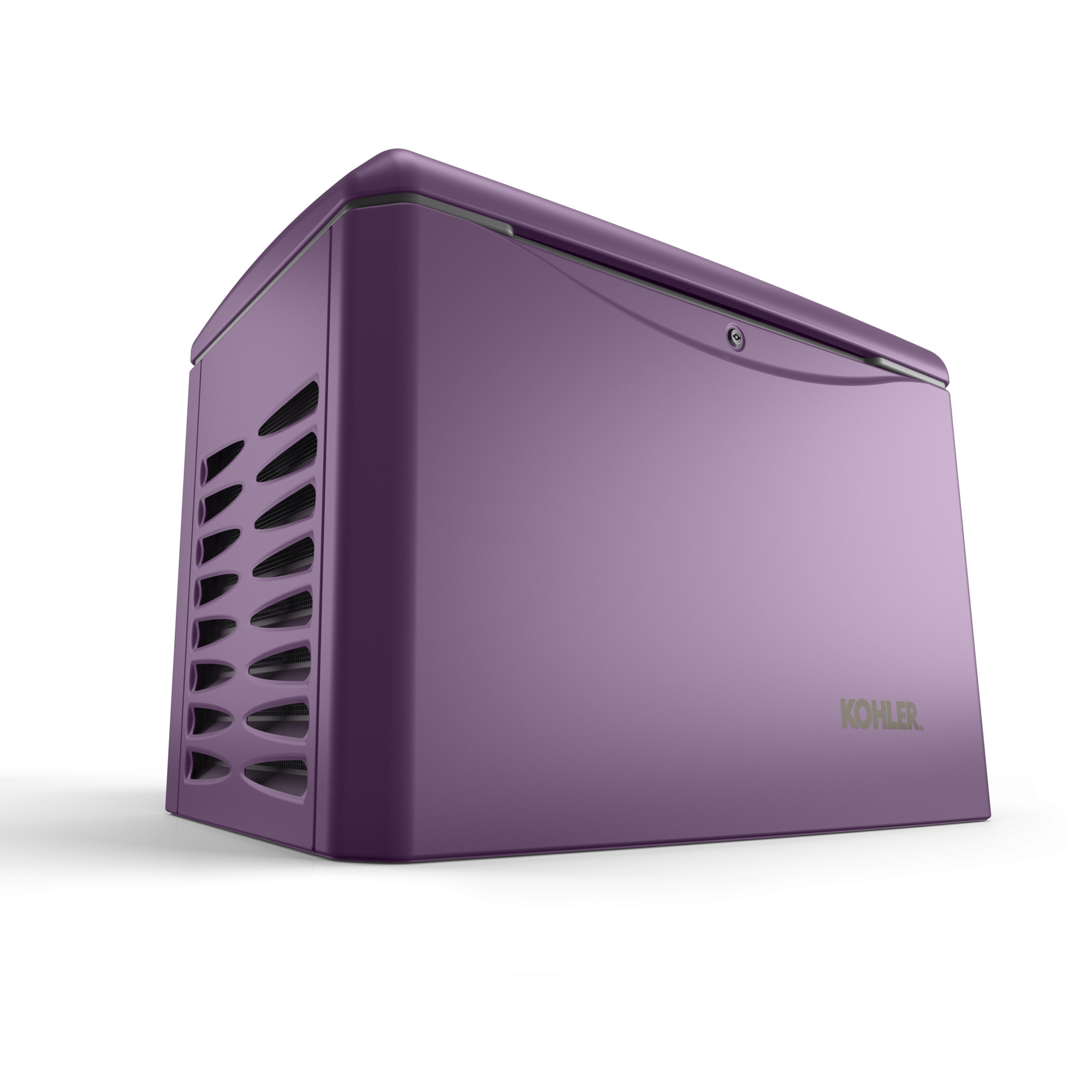
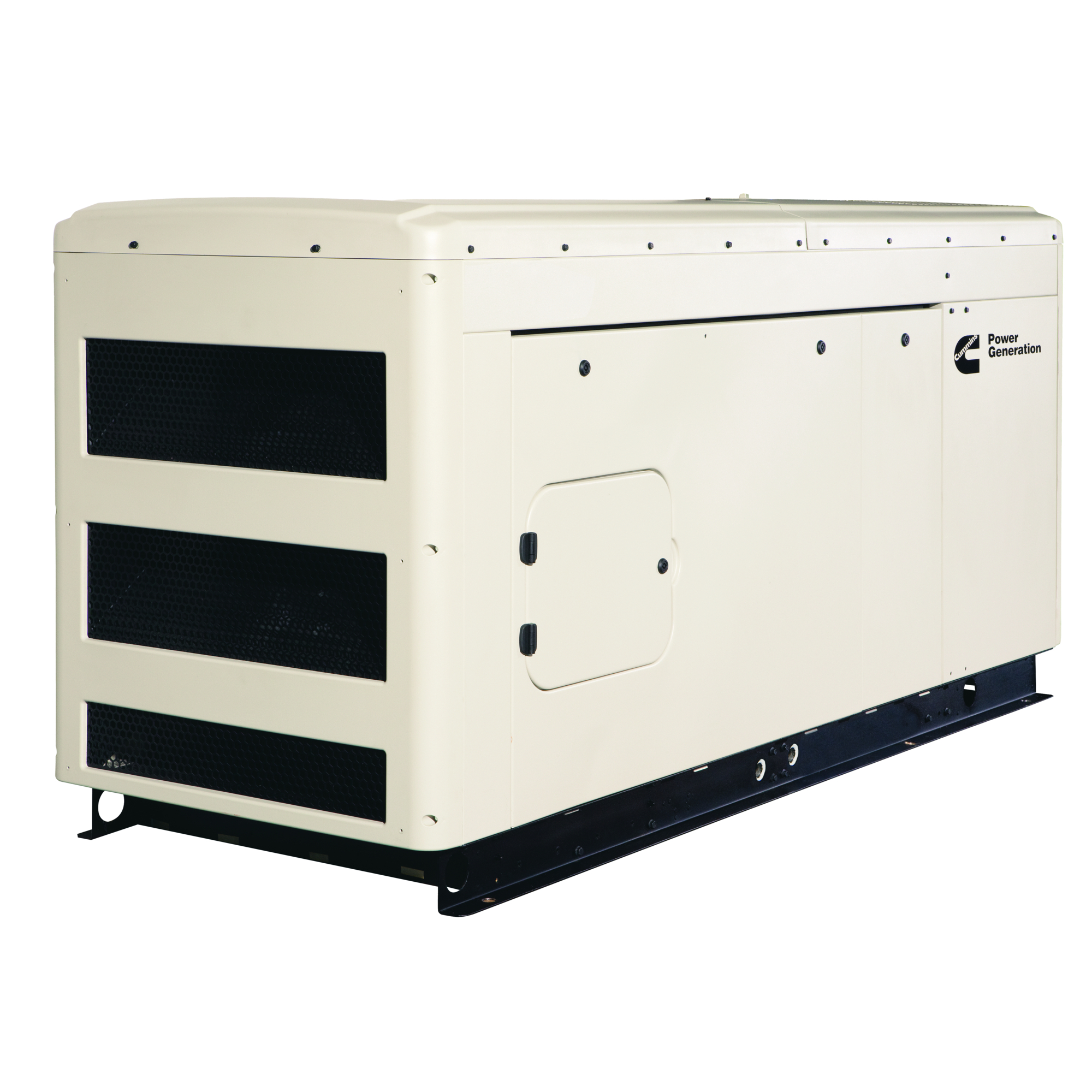
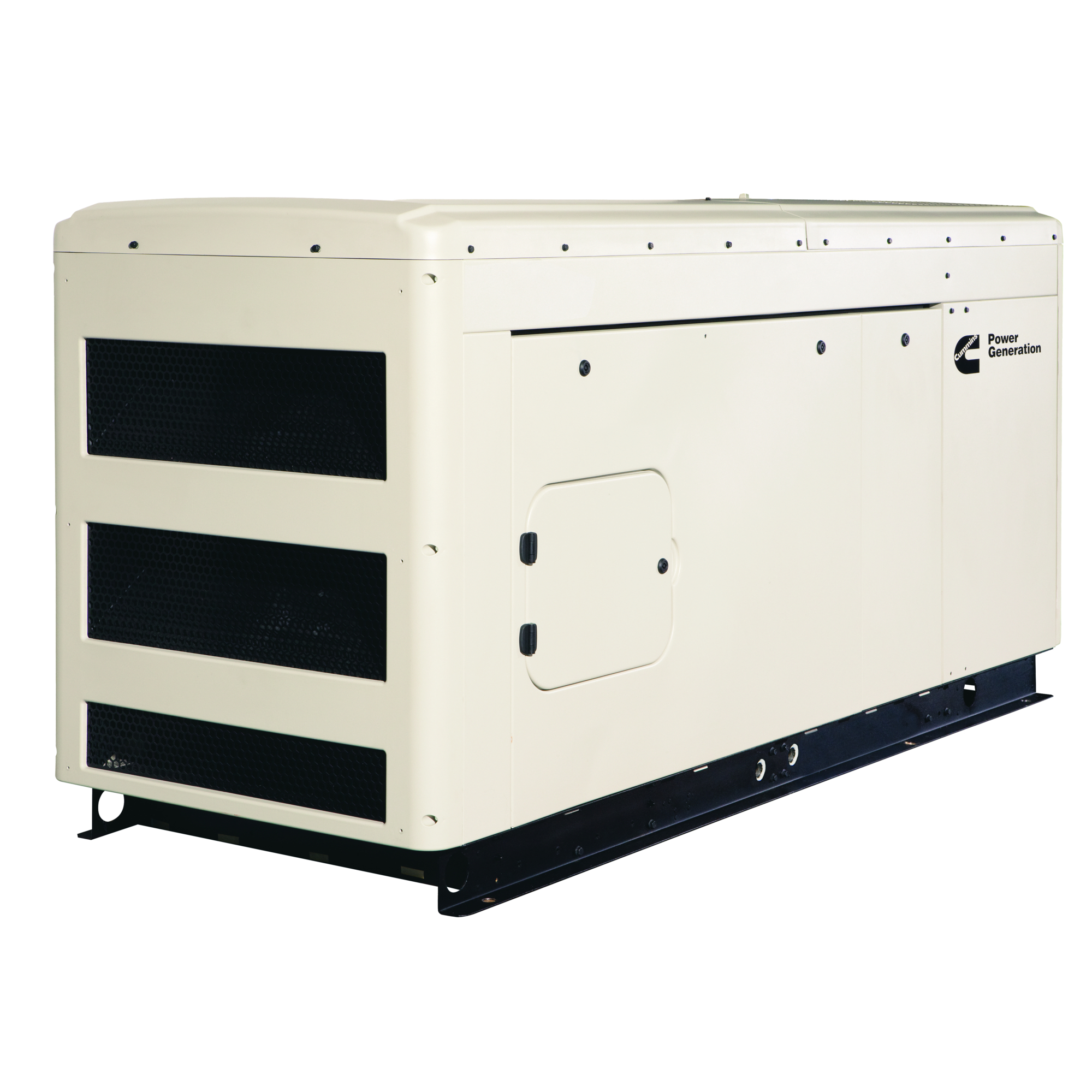
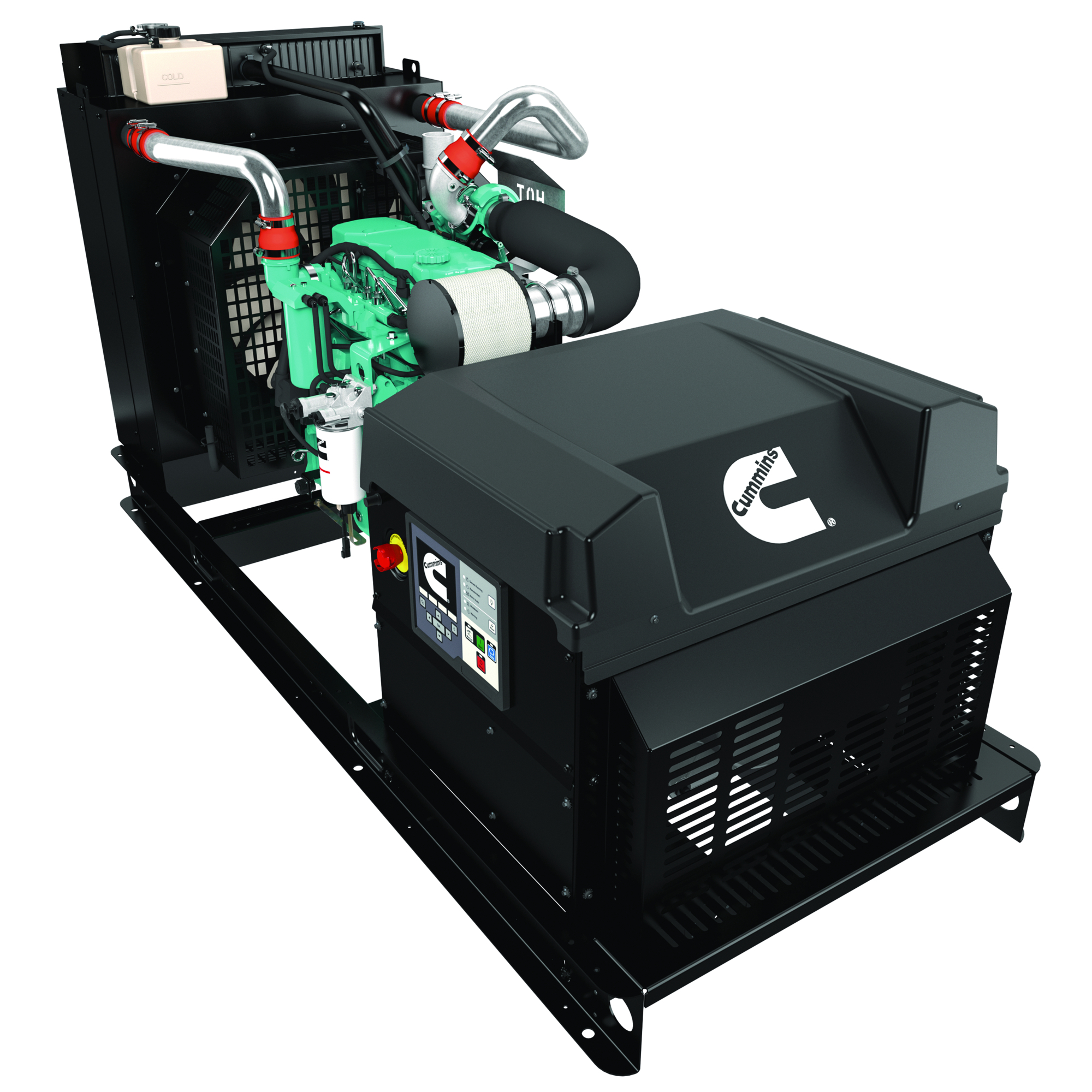
Home standby generators provide homeowners with security and peace of mind in the event of a power outage. They provide the convenience of everyday luxuries of modern-day life, even during prolonged power outages. These generator units are permanently installed outside homes and businesses. They are designed to automatically turn on when the power goes out to keep vital appliances running. Transfer switches are required to connect your home standby generator to your home's power supply.
Home standby generators come in many sizes, grades, and fuel selections. Home standby generators are powered by propane, natural gas, or diesel. Home standby generators come with corrosion-resistant aluminum or steel enclosures. Some models include mounting pads. Back-up generators that feature low total harmonic distortion allow for safely running sensitive electronics and appliances. Most models feature self-test functions to ensure proper operation, hour meters, and controllers for easy monitoring and management of generator functions. Look for the UL listed notation, this shows that the Department of Labor approves of the rigorous testing done by Underwriter Laboratories. "UL Listed" meets nationally recognized standards for sustainability and safety. Northern Tool + Equipment carries a full selection of top-quality home standby generators from leading brand, Generac.
Be sure to browse the Best Generators For The Home list which reveals our customer's favorites.
Home Standby Generator FAQs:
What size of home standby generator do I need for my house?
The Energy Information Administration (EIA) tells us that a typical household in the U.S. uses 10,632 kilowatt-hours (kWh) of electricity per year, or 29,130 Watts per day. Divide that by 24 hours for an average of 1,214 Watts to power a home throughout the day, so any standby generator you purchase should be capable of delivering at least that amount.
Another way to calculate the size of standby generator you will need: tally the total wattage you’re likely to use in your home during a power outage, i.e., the wattage of each appliance you’ll need to use. Next, divide the total wattage by 1000 to convert watts to kilowatts. Then multiply kilowatts by 1.25 to add extra for a safe margin and future power needs. The number you arrive at determines the number of kilowatts a generator must deliver to be an appropriate standby for your home.
What are the main benefits of having a home standby generator?
- You will have water from your well. Without electricity, your well pump and filtration system will not be able to provide safe water for household use.
- You will be able to save the food in your refrigerator and save hundreds of dollars in food replacement costs. Food in a refrigerator that’s no longer operating can spoil quickly, forcing you to use all the food quickly and throw out the rest.
- You will be able to continue working from your home or running your business with the power to run your computer network.
- If anyone in your household depends on a medical device that requires electricity for power, that power can continue and prevent risk to a loved one’s health.
- A generator can keep your sump pump running to prevent water from accumulating in your basement. Whether you have this problem continuously or whether it only happens occasionally, you know the importance of being able to run a sump pump.
- If you are going on a long camping trip and would like the benefits of electricity to cook or light up your campsite, a generator is a wonderful convenience.
- A generator can provide electricity for your power tools, so you can use them on jobsites without electricity.
- You will be able to keep your electric or hybrid car charged.
- It’s much better to have a generator ready to go when a storm hits than to have to source one in a hurry.
How often should a home standby generator be serviced or maintained?
- Battery condition and charge level
- Fuel system, for leakage and water intrusion
- Fuel and oil lines, for leakage
- Engine oil level, to ensure an appropriate level
What fuel options are common for home standby generators?
Common fuel options for a home standby generator are diesel, propane and natural gas. Many models on the market can use any of these three fuels.
What are the common reasons a home standby generator fails to start during a power outage?
There are several reasons a home standby generator may fail to start, many of which occur if one is not maintained regularly. It’s always a good idea to consult your manufacturer’s guide, but here are some common reasons a generator may fail to start:
- Battery failure, which may be caused by loose connections or lead sulfate buildup on battery plates
- Insufficient oil or fuel
- Closed or clogged fuel valve
- Clogged carburetor
- Faulty spark plug
- Unclean air filters