Engine Hoists
Filters
1-23 of 23 Products

Item # 46219
Order today to get this price.
Item # 46249
Item # 108667
Order today to get this price.
Item # 6664537
Item # 114940
Item # 99565
Item # 6974252
Item # 144233
Item # 155711
Item # 39729
Item # 114253
Item # 99566
Item # 6694197
Item # 6973794
Item # 88610
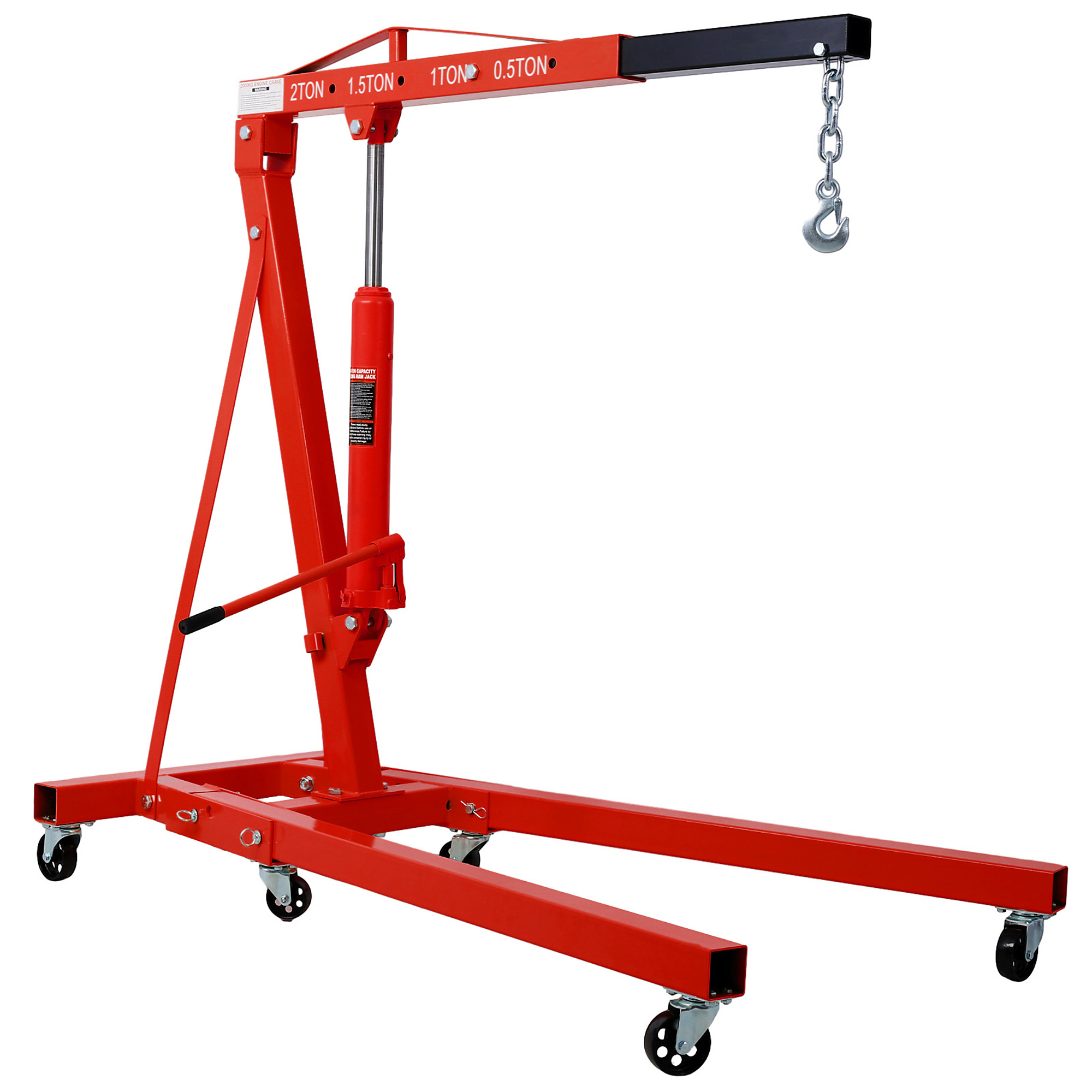
Item # 6664545
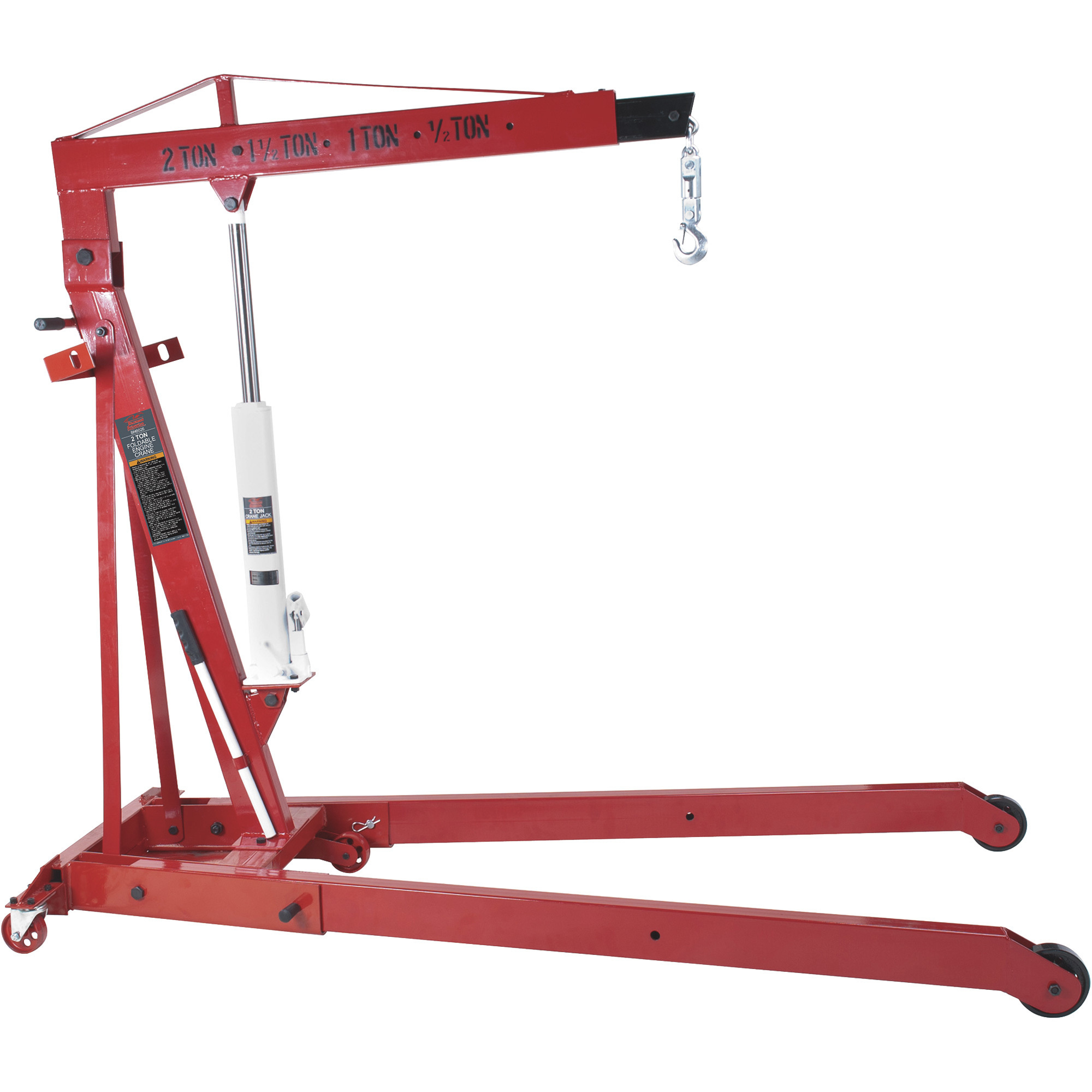
Item # 110825

Item # 112351
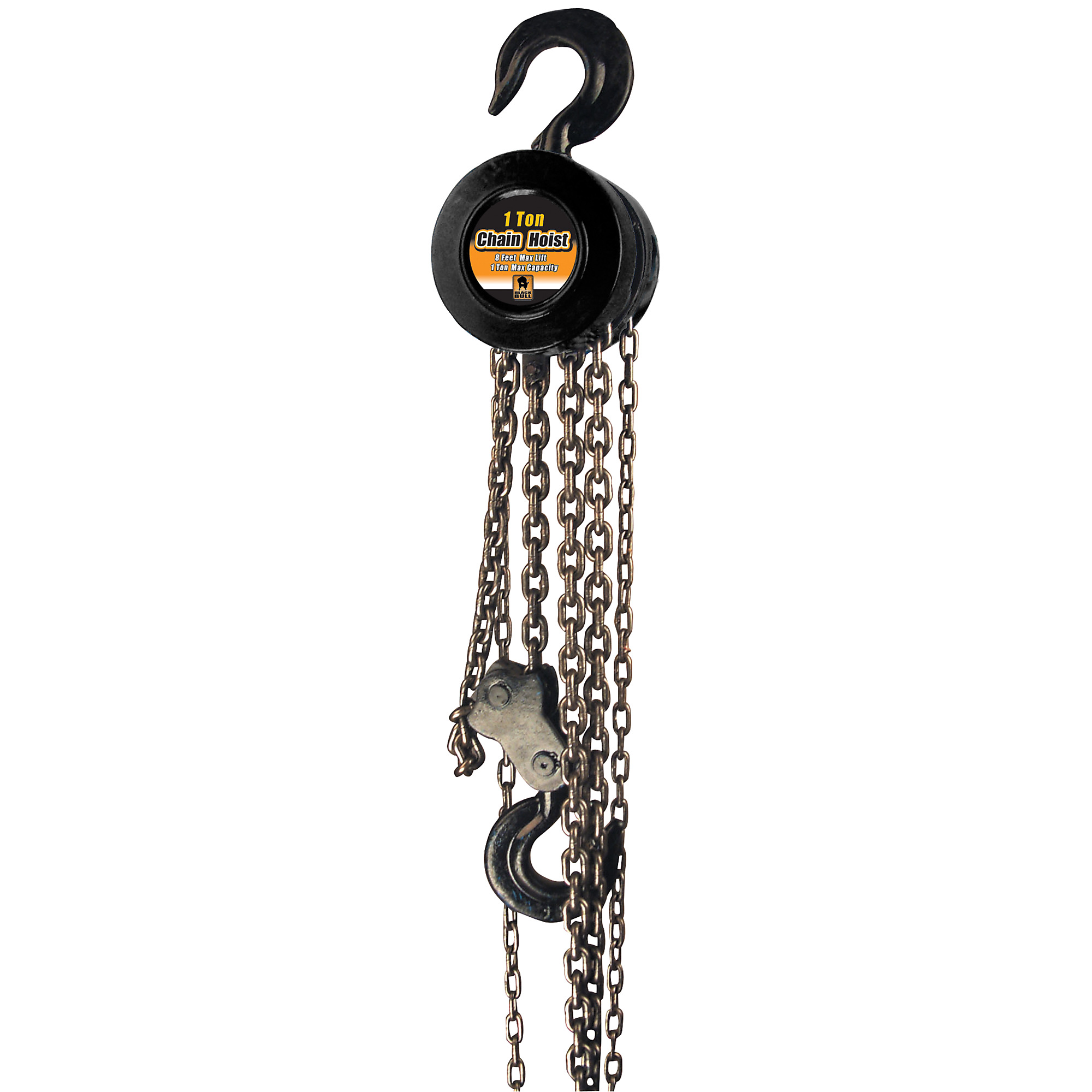
Item # 6765320
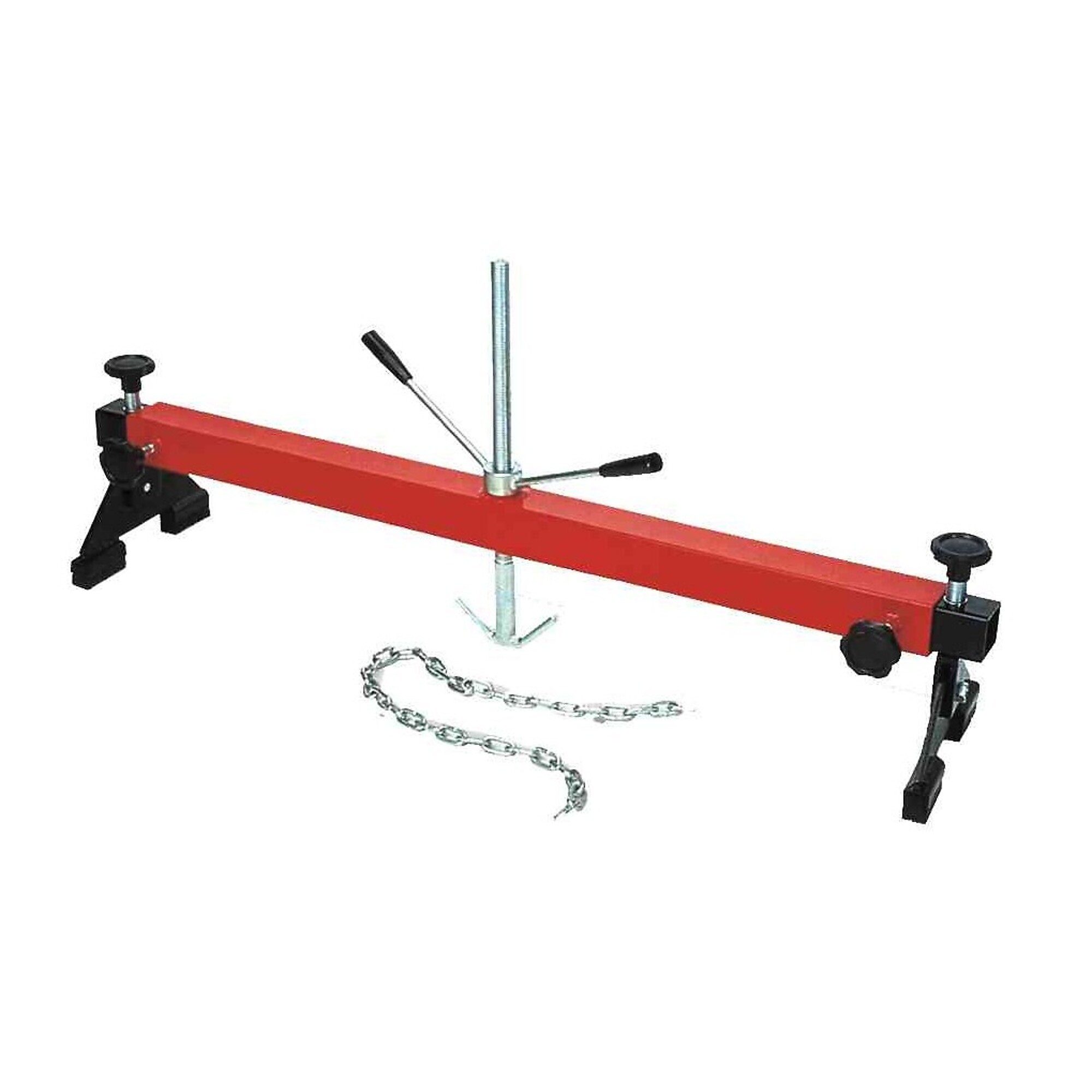
Item # 7114043
Item # 7114051
Item # 7114060
Item # 7114271
Engine Hoists
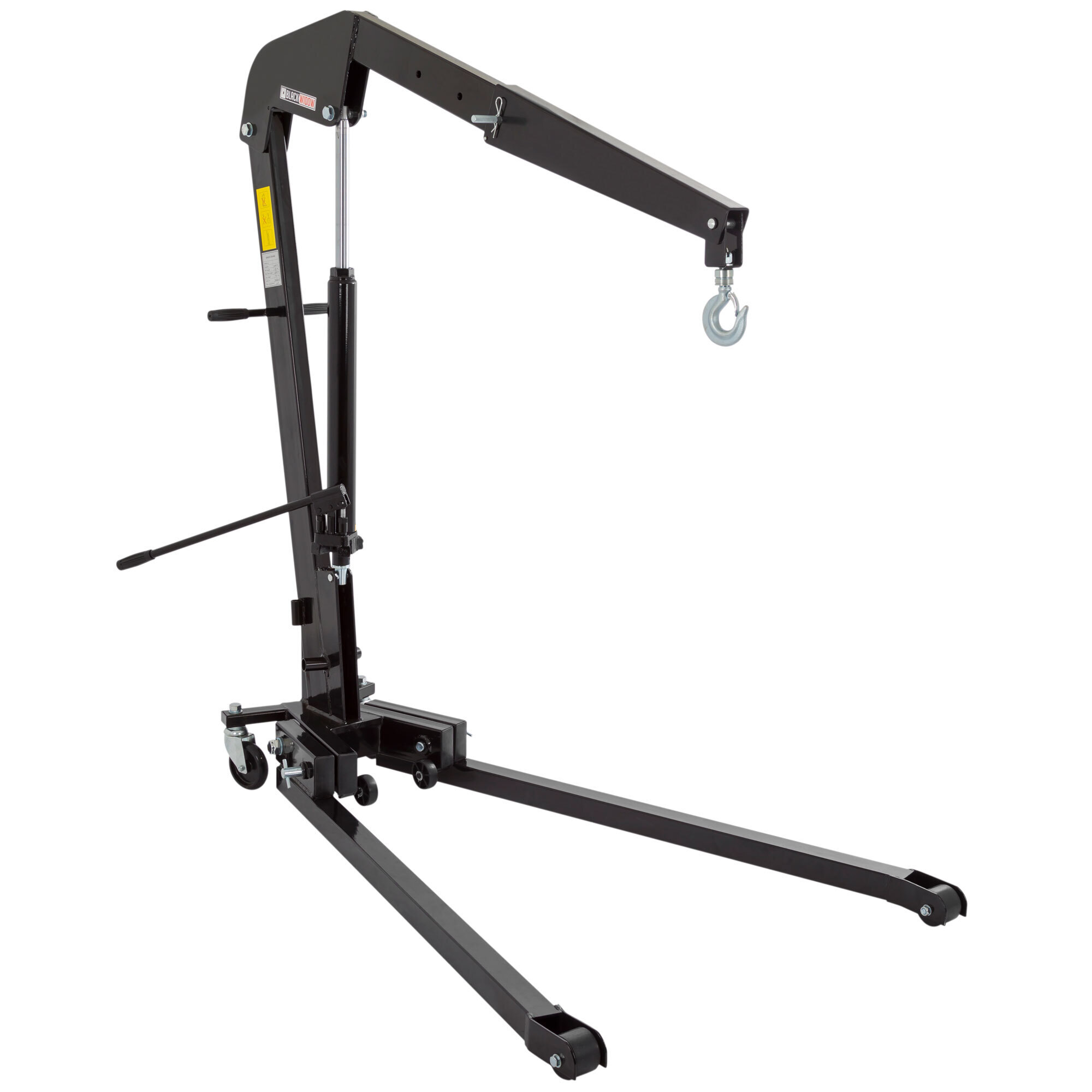
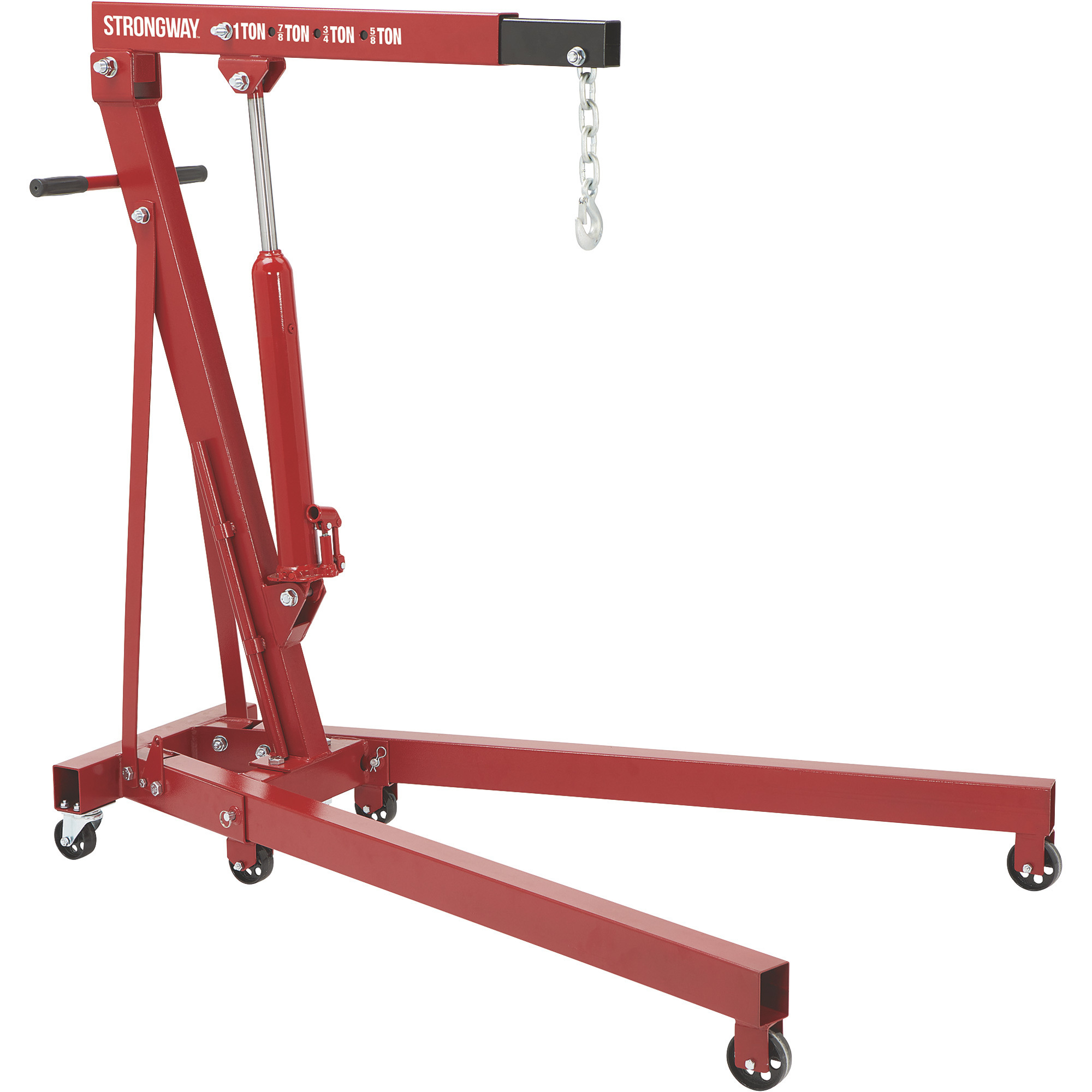
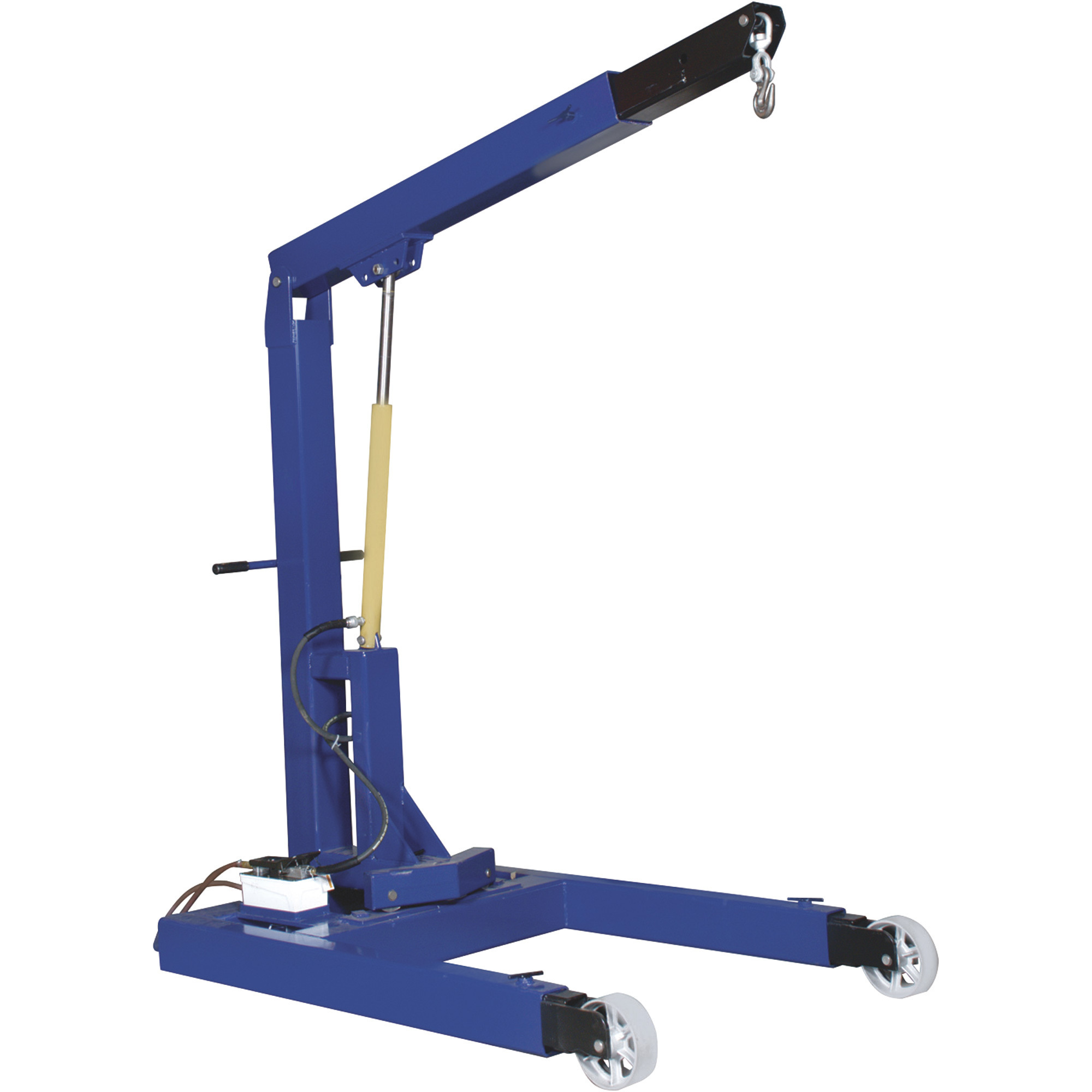
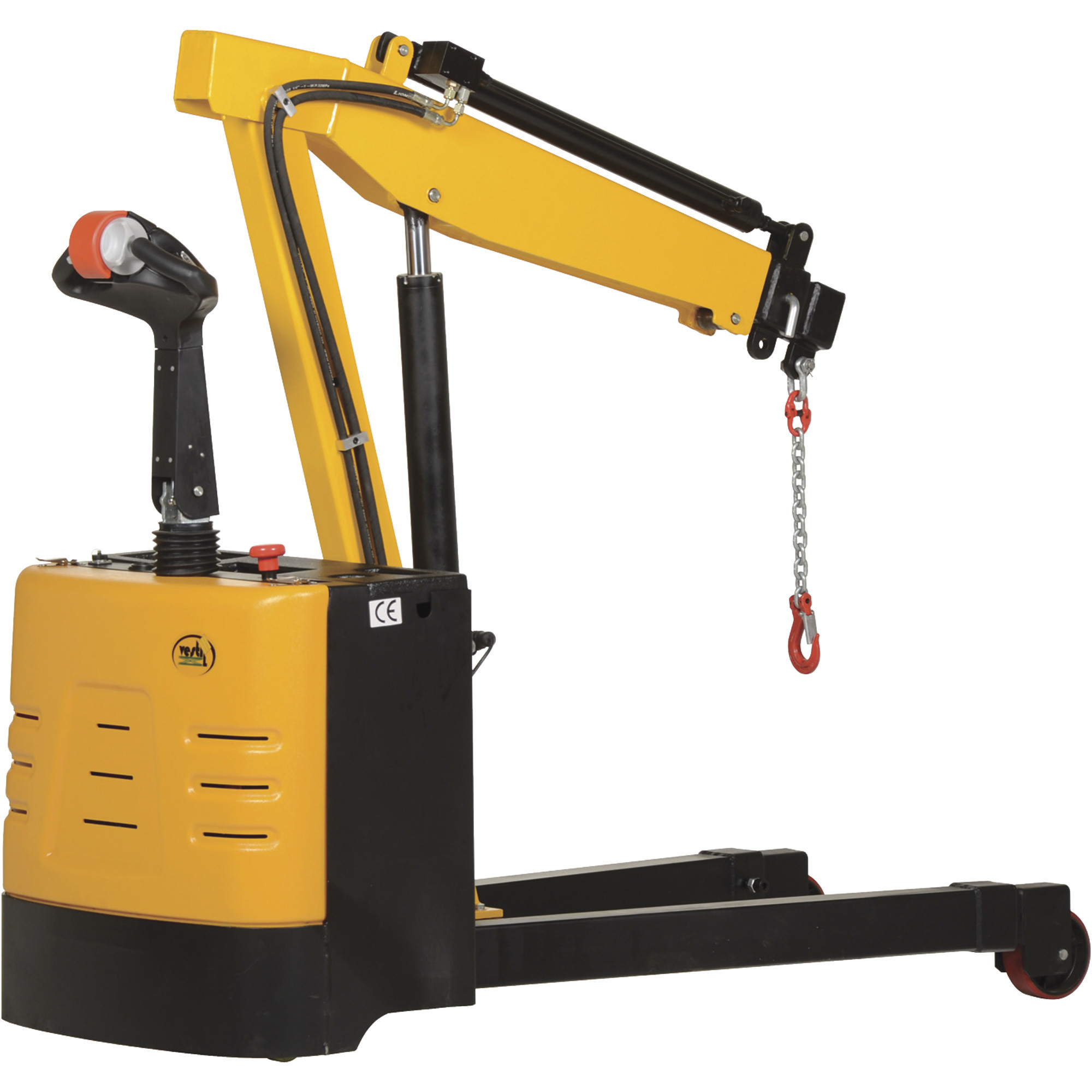
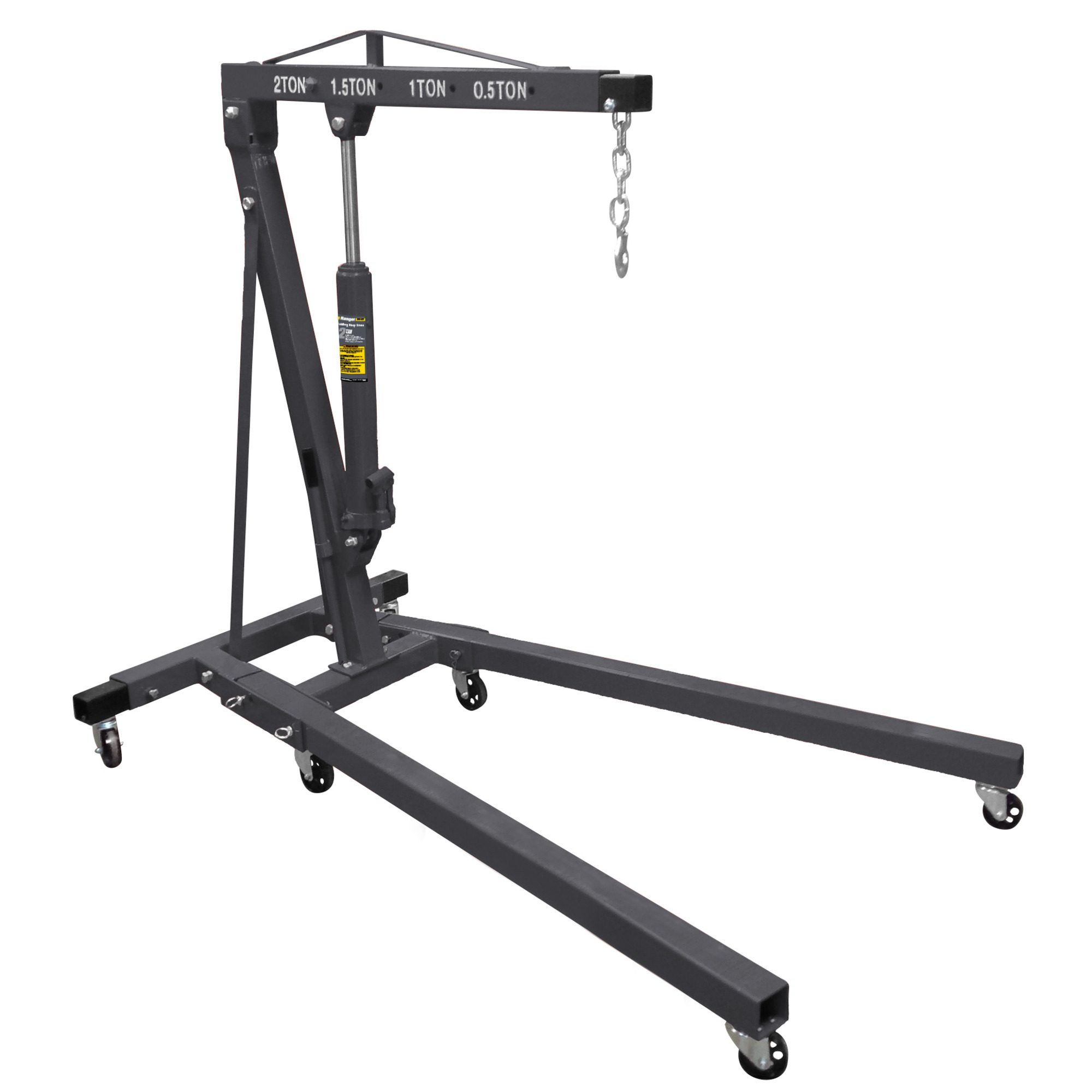
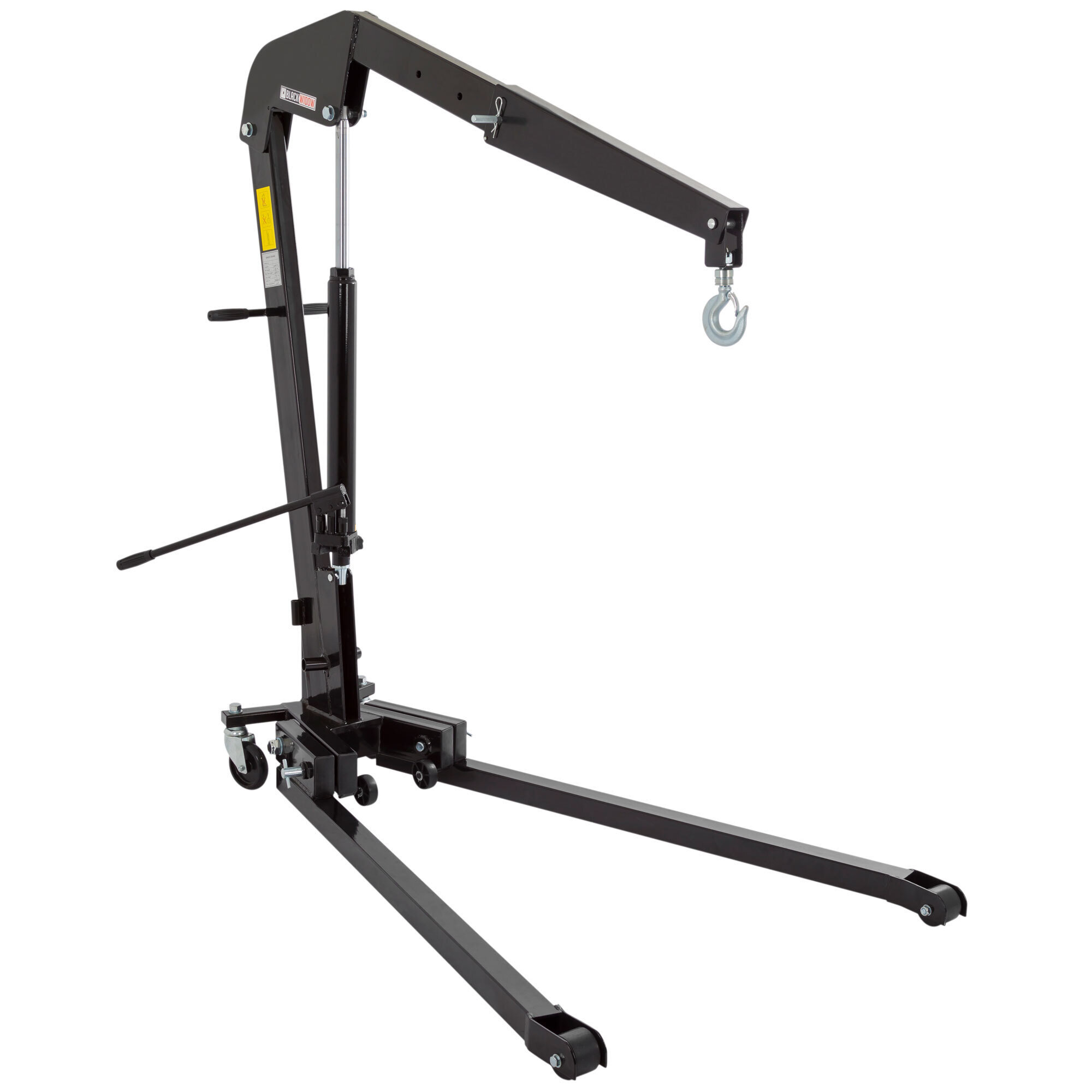
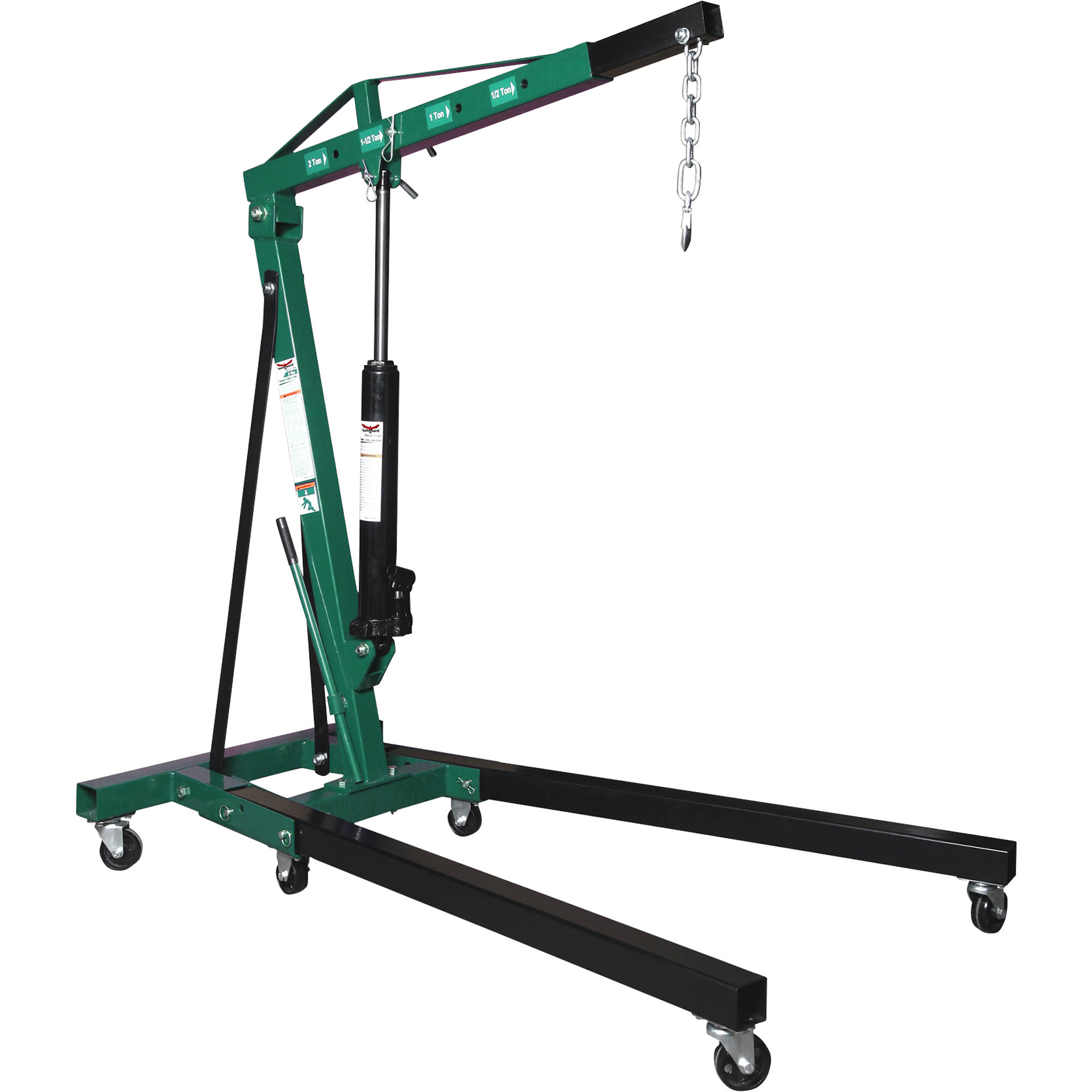
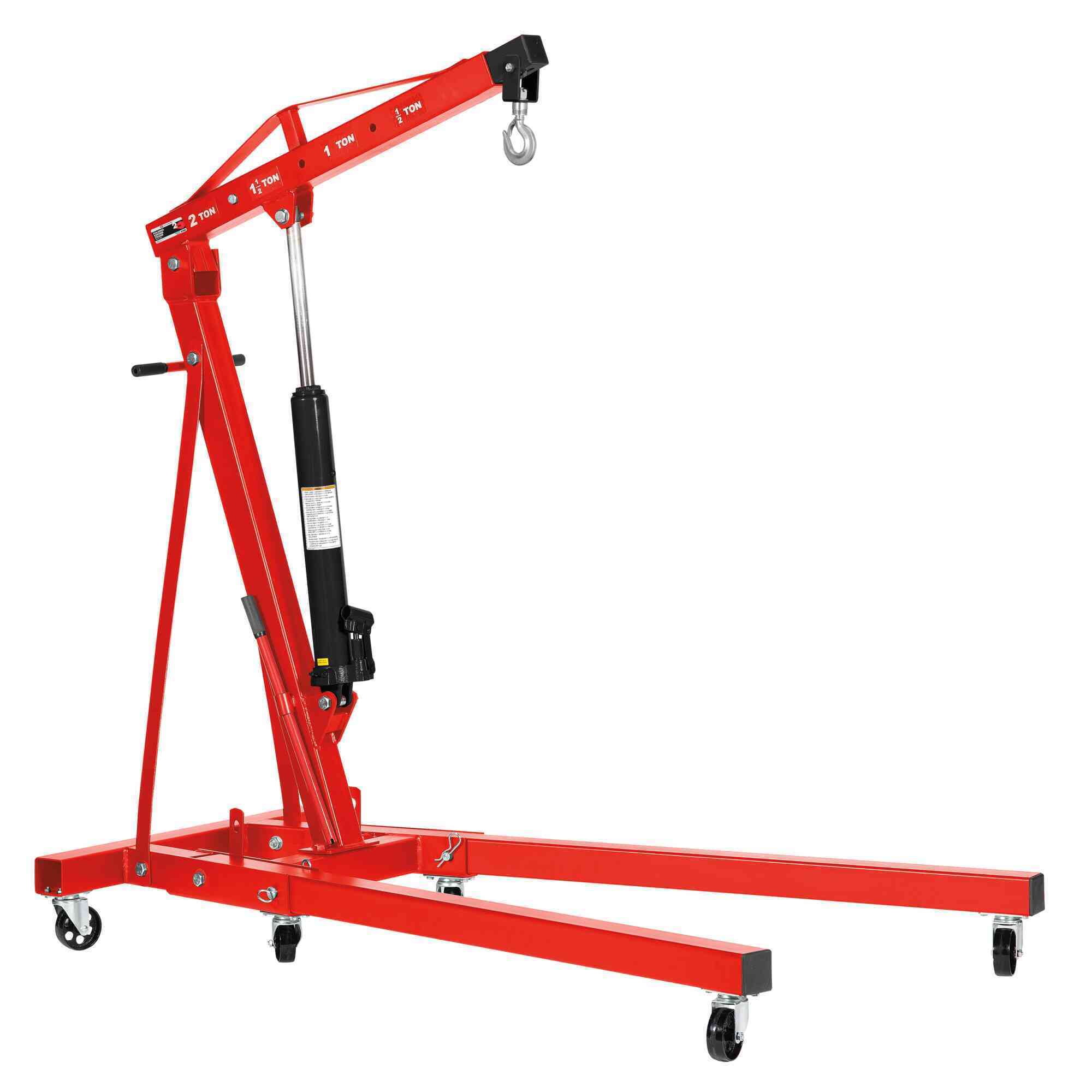
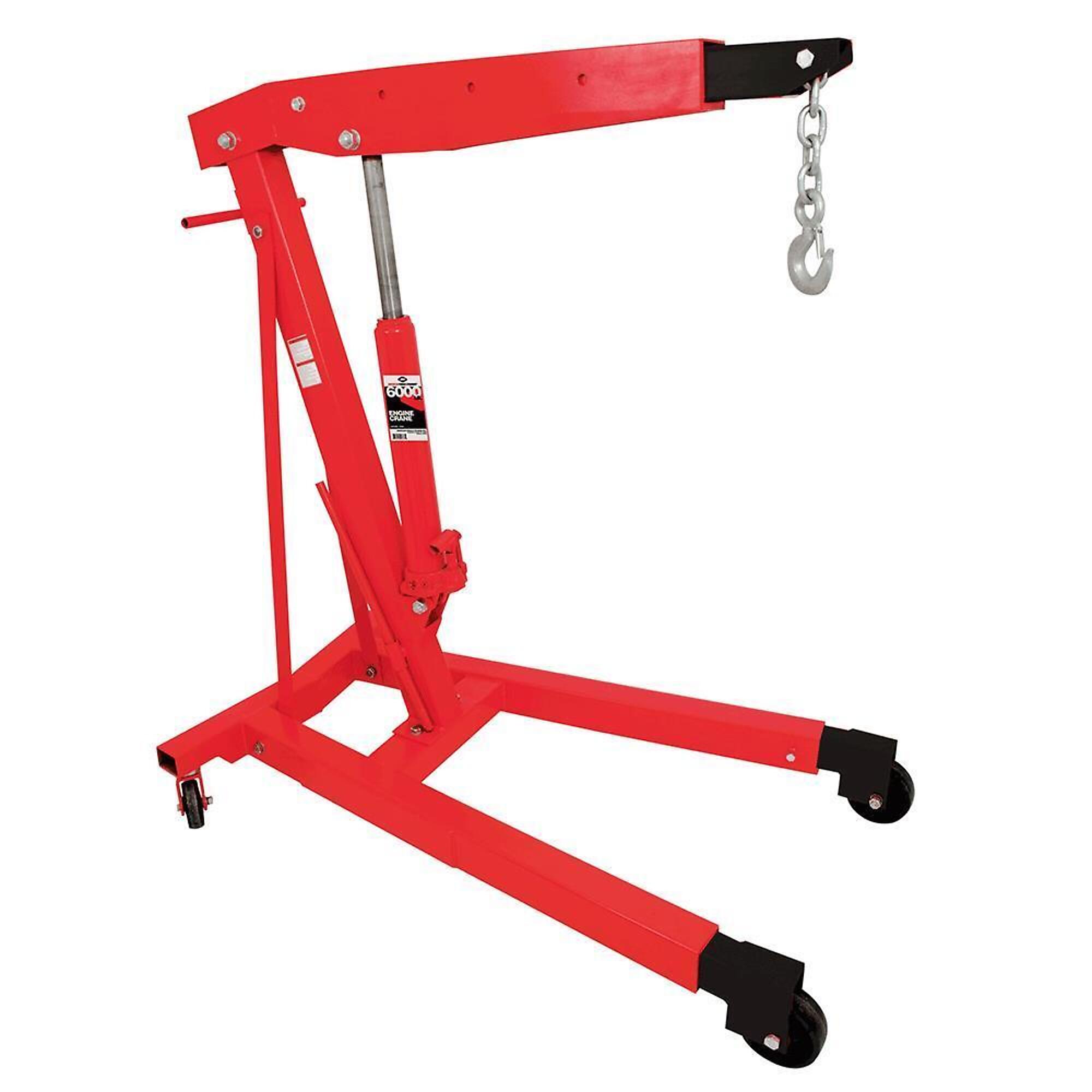
Safely remove your engine with heavy-duty engine hoists. These reliable engine hoists let you easily transport your engine for repairs or enhancements. Shop from top brands like Ironton, Strongway, Vestil and more for engine hoists that have a lift range up to 6,000 lbs. Our selection of reliable hydraulic engine hoists will allow you to easily transport an engine for repairs or replacement.
Hydraulic engine hoists are the most popular of all hoist styles for several reasons: they are easy to operate, affordable, require minimal maintenance, and can be used both indoors and outdoors so long as they have a hard, flat surface to operate on.
All hydraulic hoists within our selection feature casters, making them easily maneuverable around your home garage or professional automotive shop. Hydraulic hoists require more floor space than chain or electric hoists, however, some models are foldable for better storage.
Weight capacity should always be the top consideration prior to purchasing an engine hoist. Hydraulic hoists with 1- or 2-ton weight capacities are more commonly selected, but stronger 3-ton hoists are available for larger engines. Always choose a hoist with the capacity to lift more than the weight of engine(s) you will be transporting.
Engine Hoist Frequently Asked Questions:
How much weight can a typical engine hoist lift, and what factors should be considered when choosing the right hoist for a specific engine?
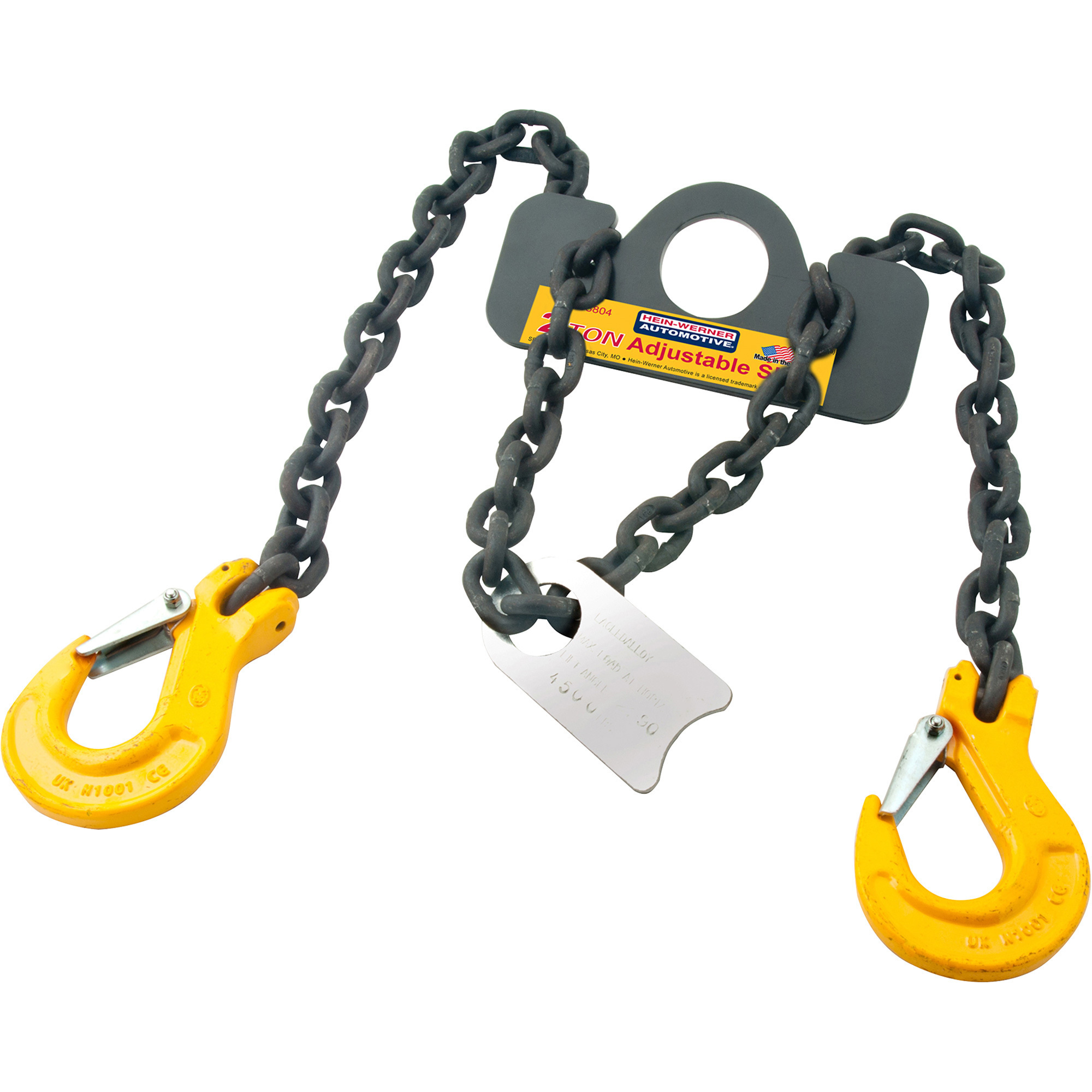
The typical standard hoist is categorized as a 1-ton or 2-ton hoist, meaning the capacity is 2000 to 4000 lbs., depending on the model. There are also a variety of chain hoists available that usually have lower weight capacity options and anything greater than 2 tons typically would require a crane or specialty hoist. When choosing a hoist for your needs, it is recommended that you choose a model with a weight capacity rating that is actually higher than the heaviest item you will be lifting with it to ensure you stay within a safe load range.
Are engine hoists portable and easy to store, or do they require significant space and assembly?
Are engine hoists adjustable in height, and what is the range of adjustment?
Can engine hoists be used for other tasks besides lifting engines, such as moving heavy objects or equipment?
An engine hoist is a versatile tool that can handle many additional chores that require the lifting or moving of heavy objects or the use of strong upward force. Some possible alternative uses to hoisting an engine could possibly be jobs that include removing/pulling up fence posts, raising/positioning/installing cabinets or large screen TVs, moving heavy machines such as lathes, welders, bandsaws and more around the shop, lifting transmissions, differentials and other heavy vehicle parts or a variety of other heavy-duty tasks that can be simplified with the strong lifting power of an engine hoist.