Pintle Hitches
Filters
1-48 of 94 Products

Item # 4809704
Item # 128300
Item # 128304
Item # 128302
Item # 4809051
Item # 4411771
Item # 4413339
Item # 6925881
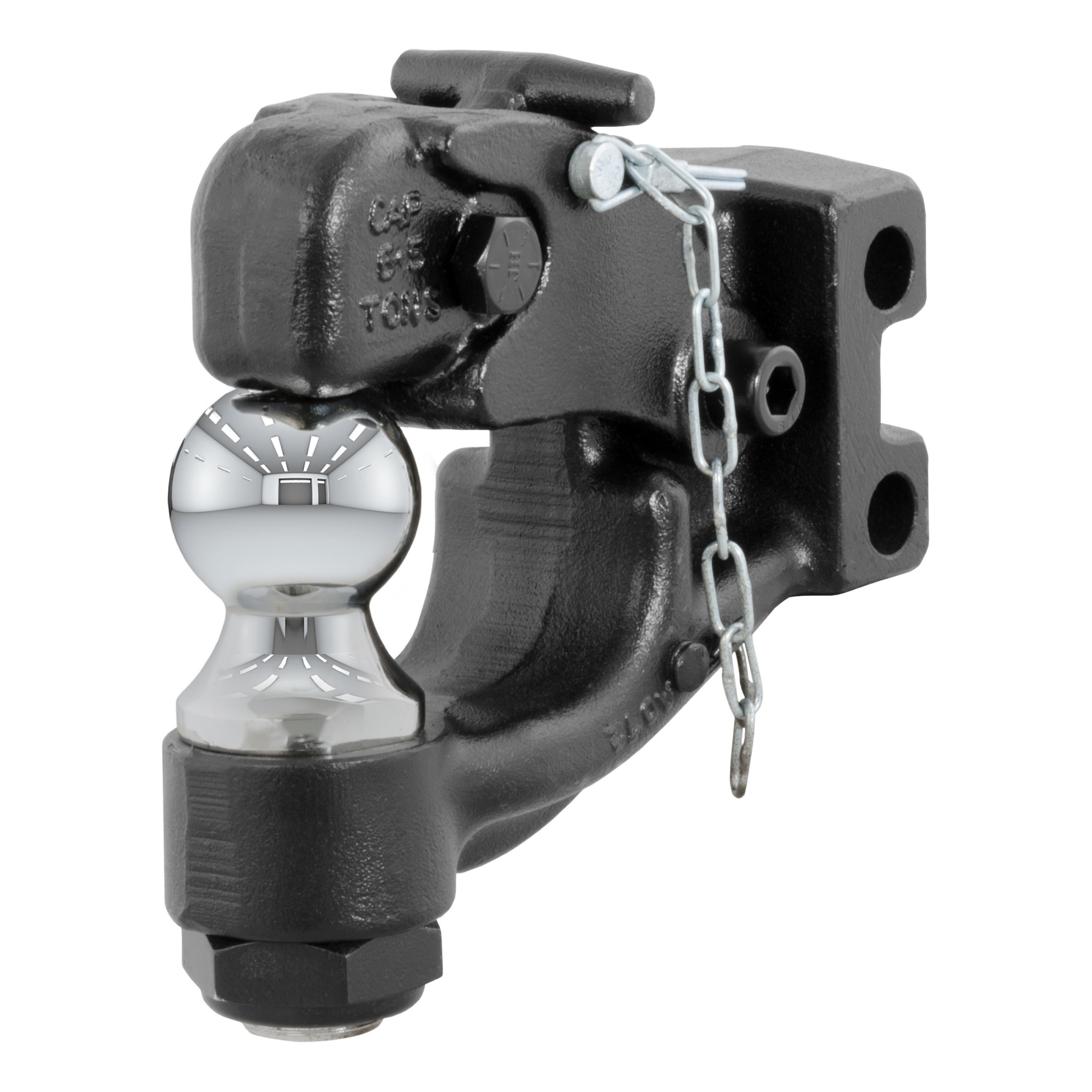
Item # 4412096
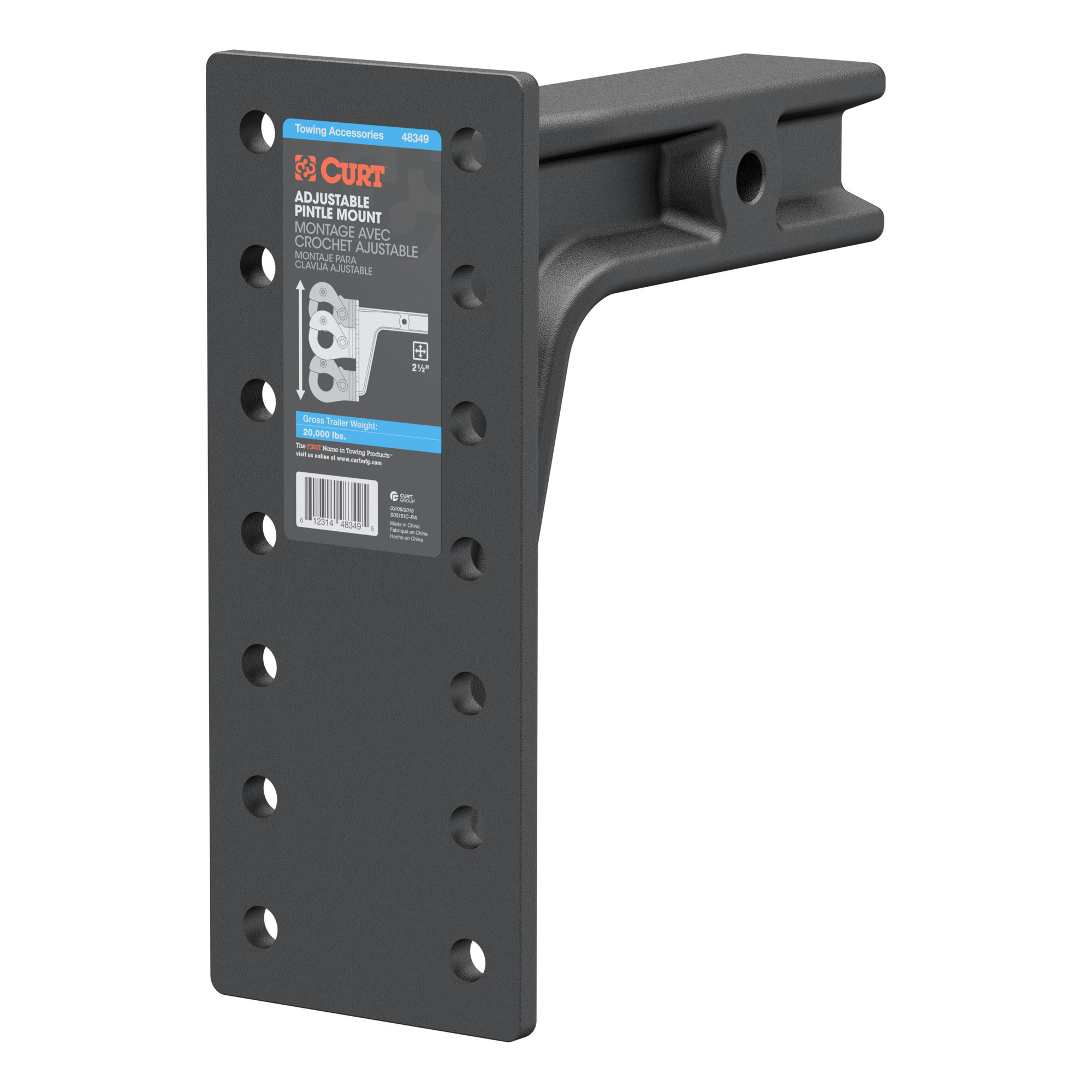
Item # 4413363
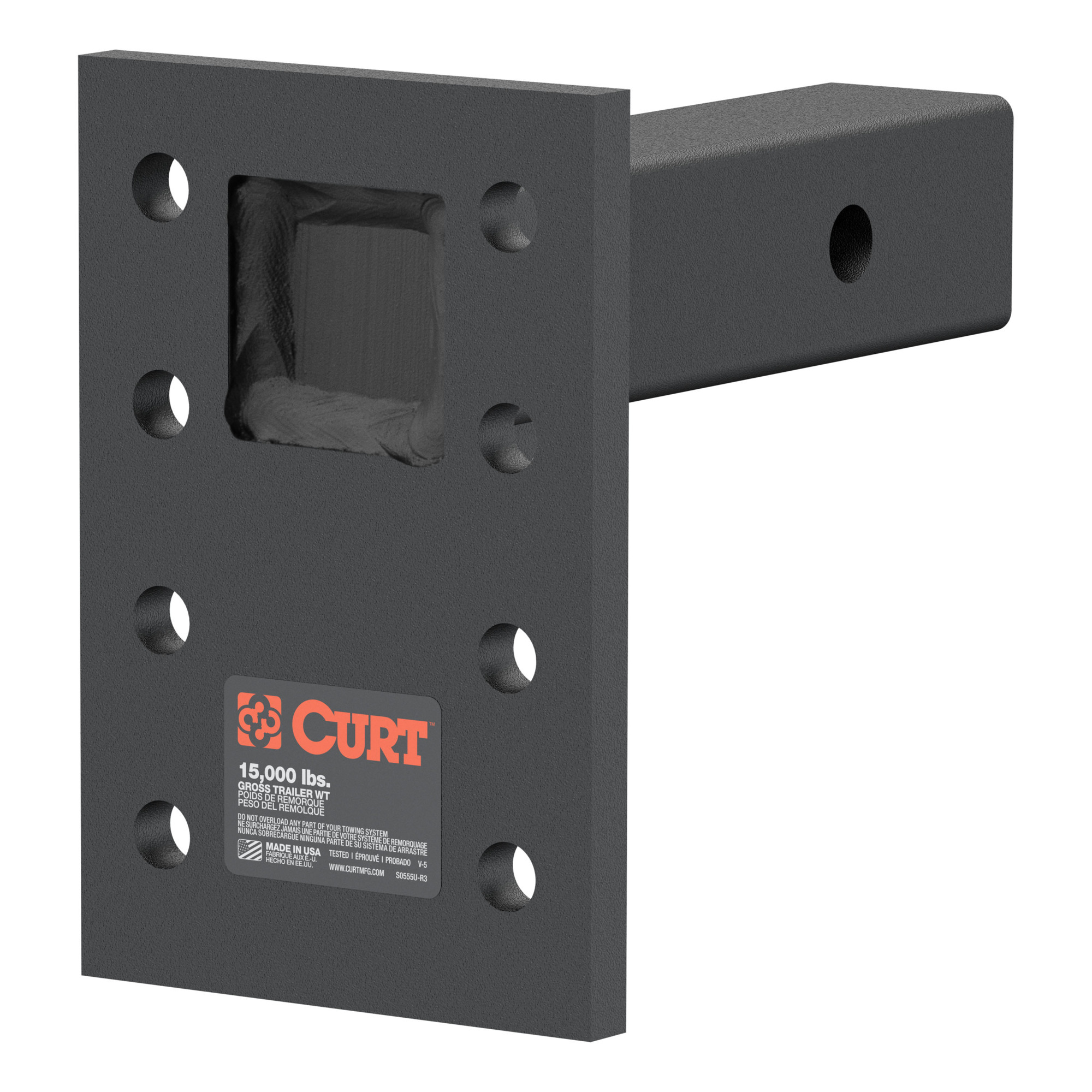
Item # 4413056
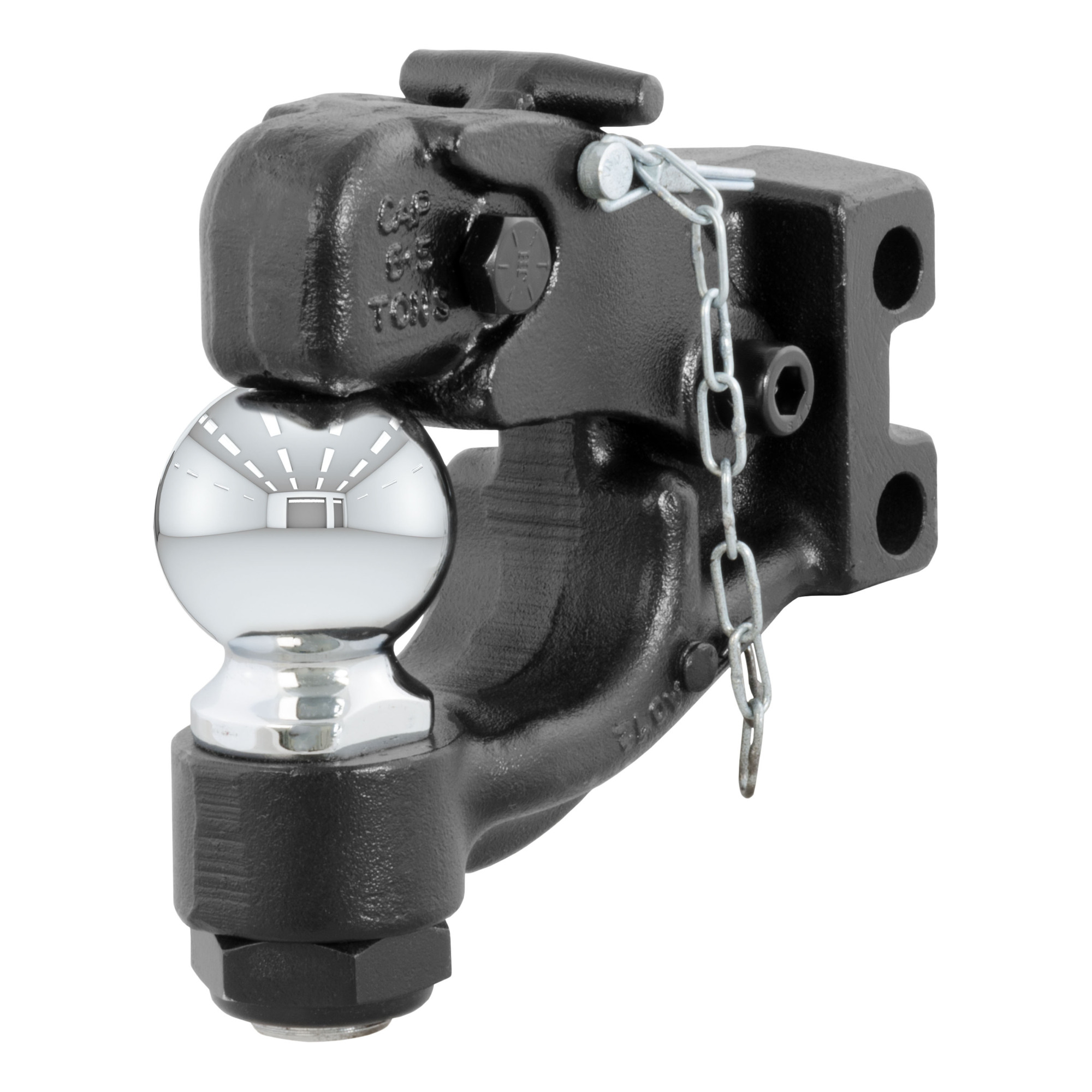
Item # 4412854
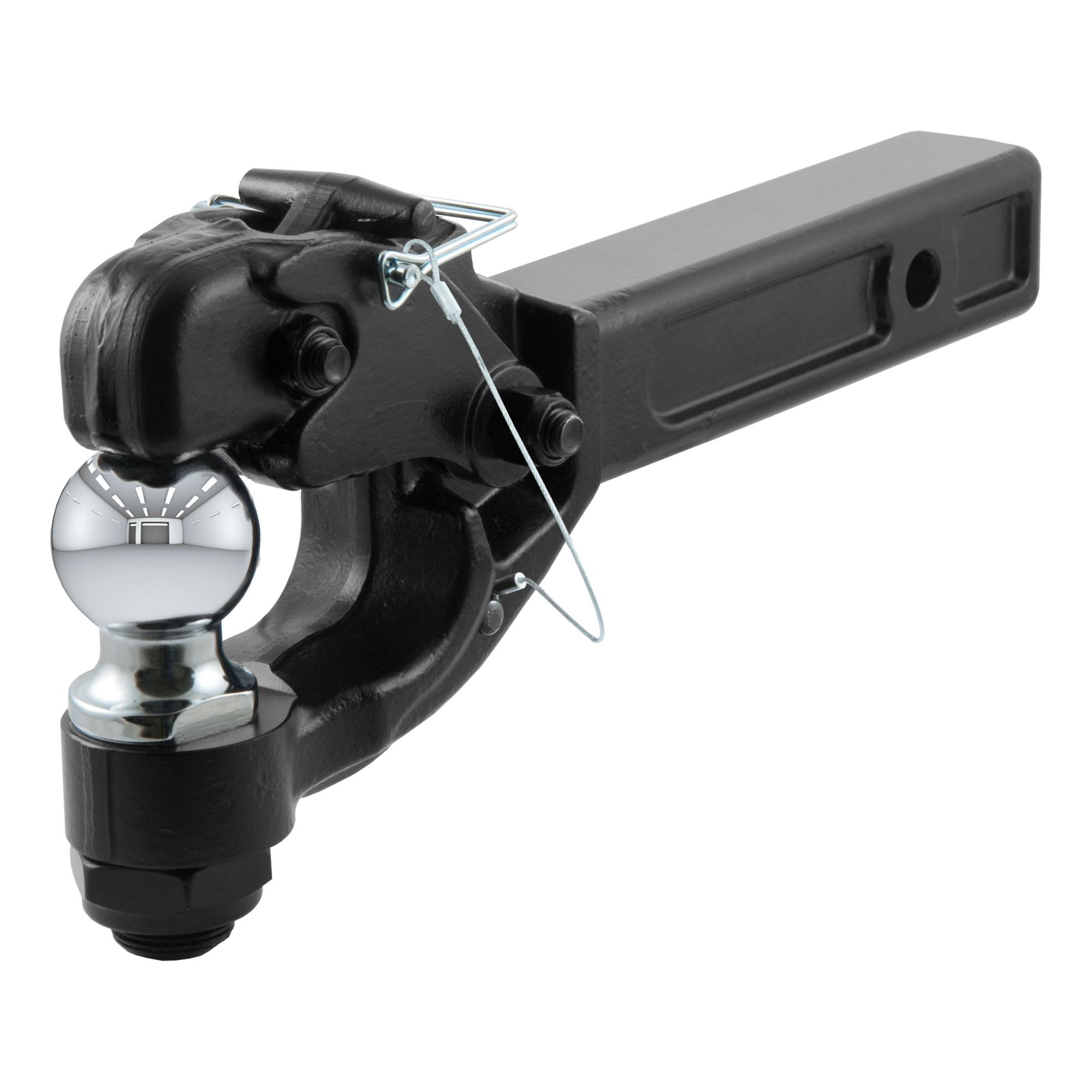
Item # 4413355
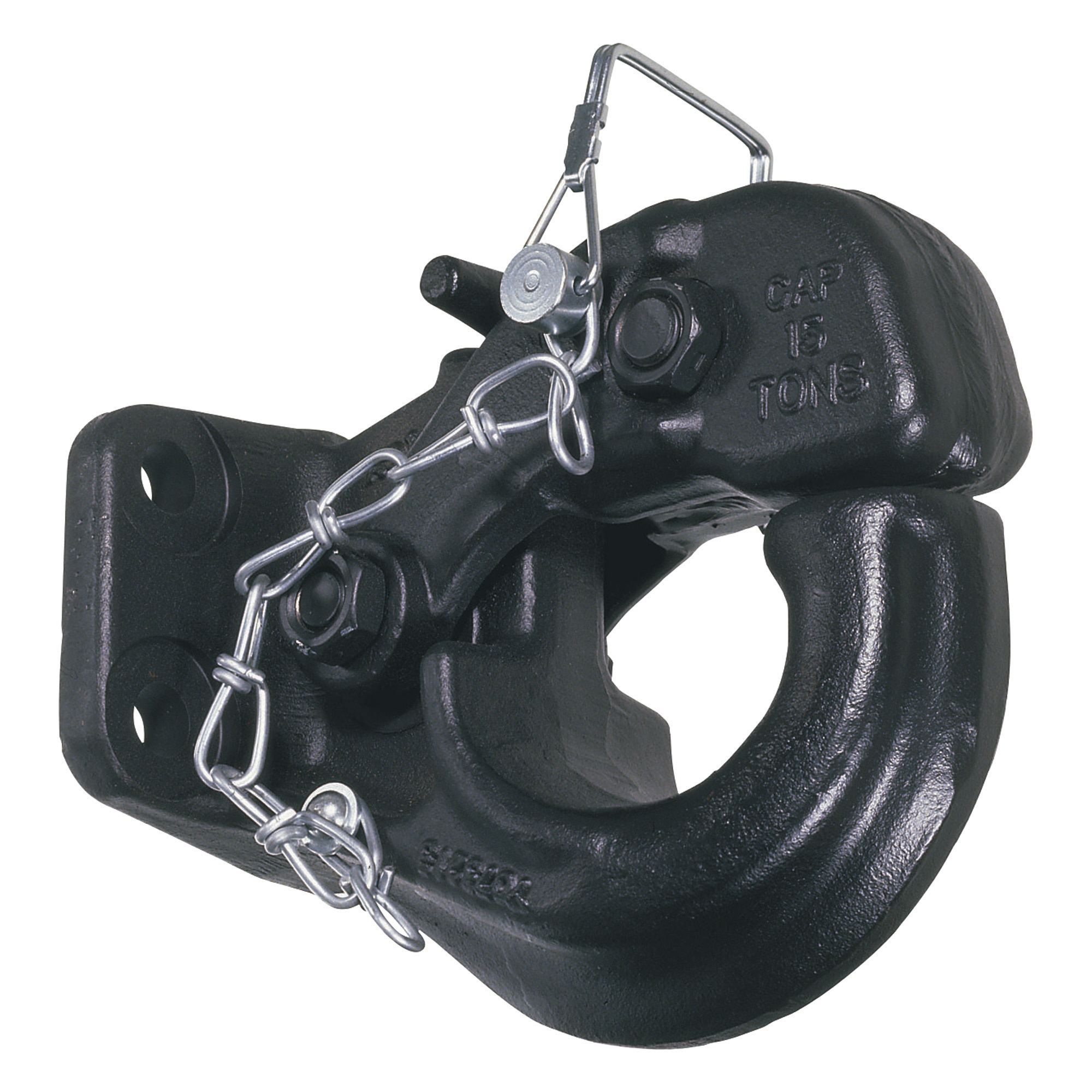
Item # 1284
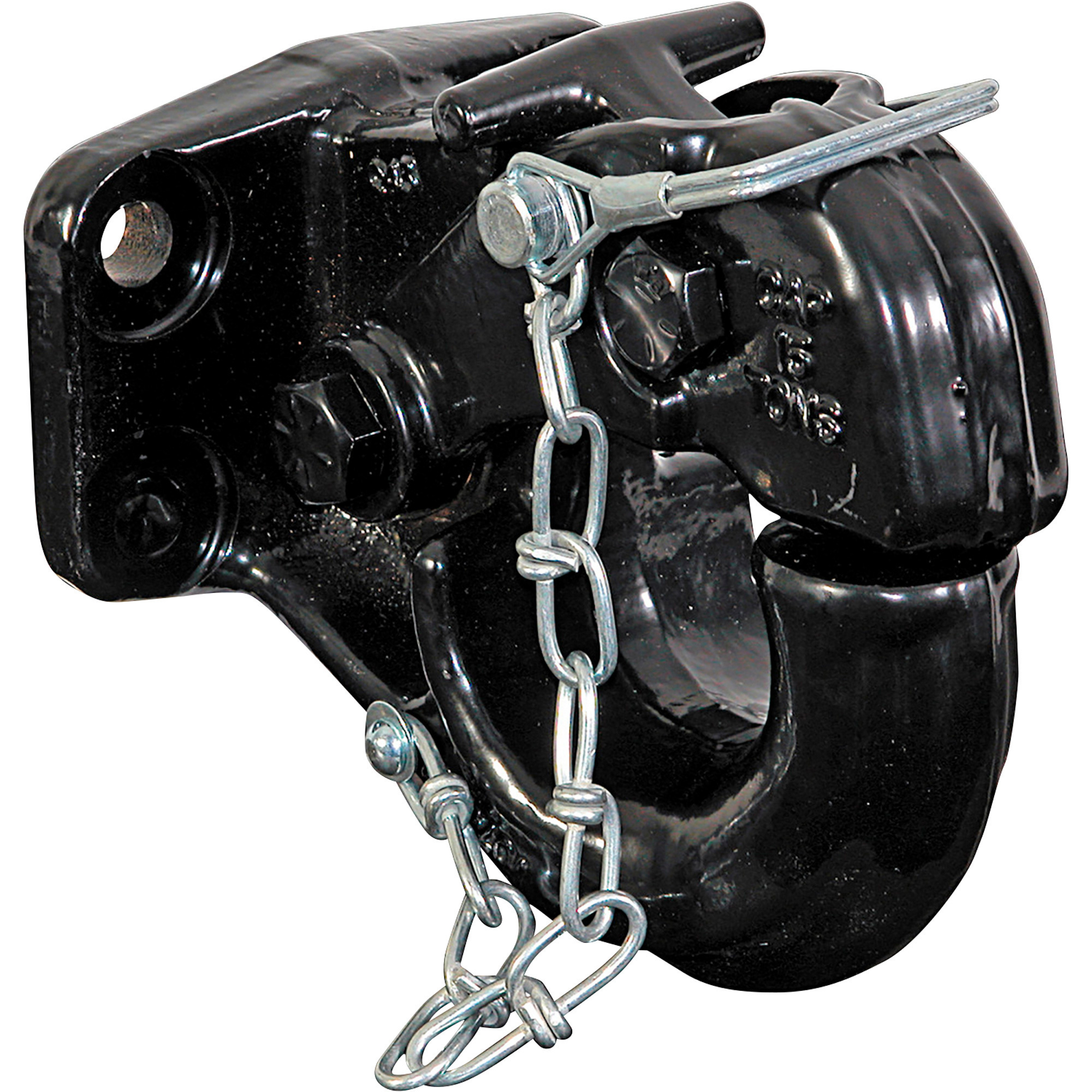
Item # 1285
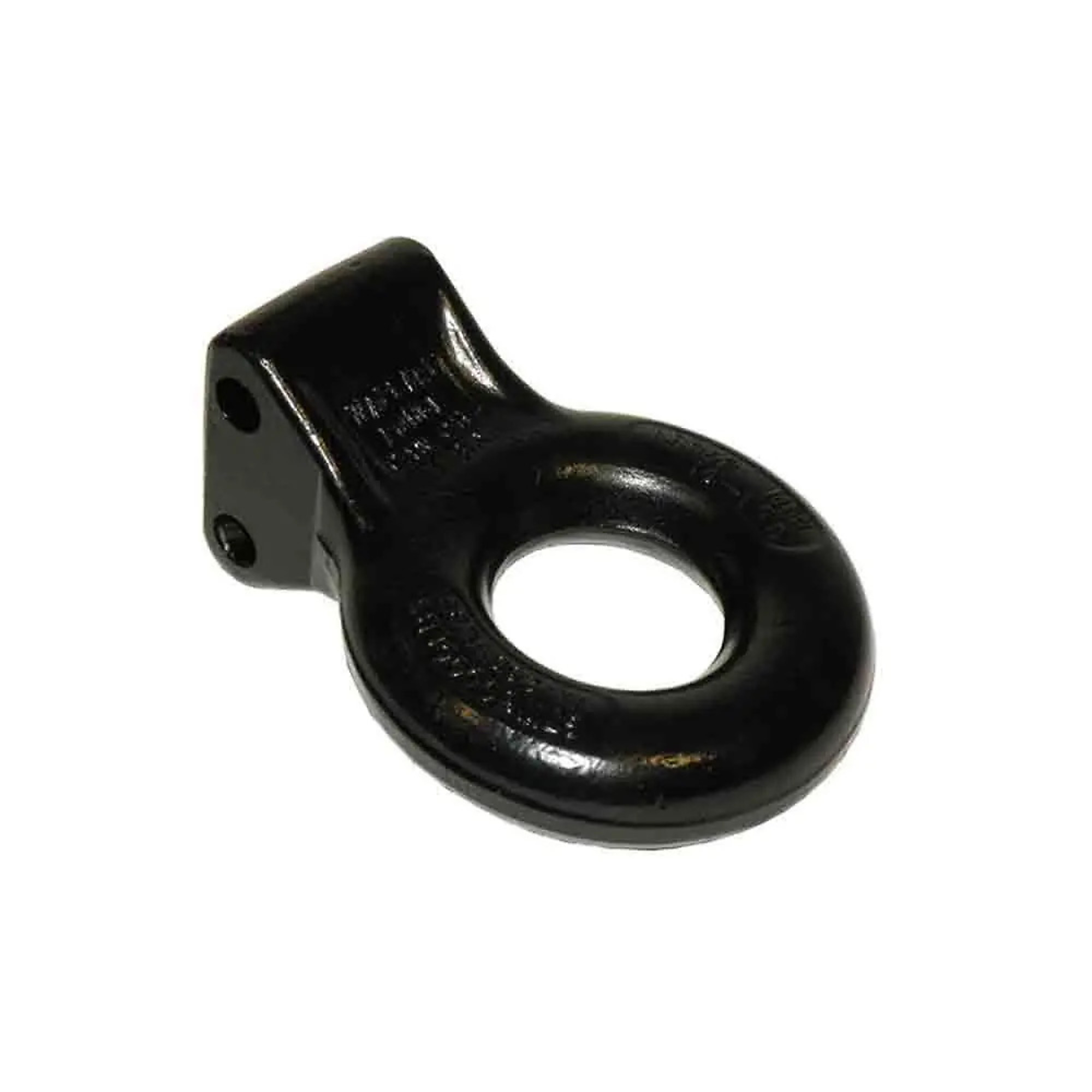
Item # 6924466
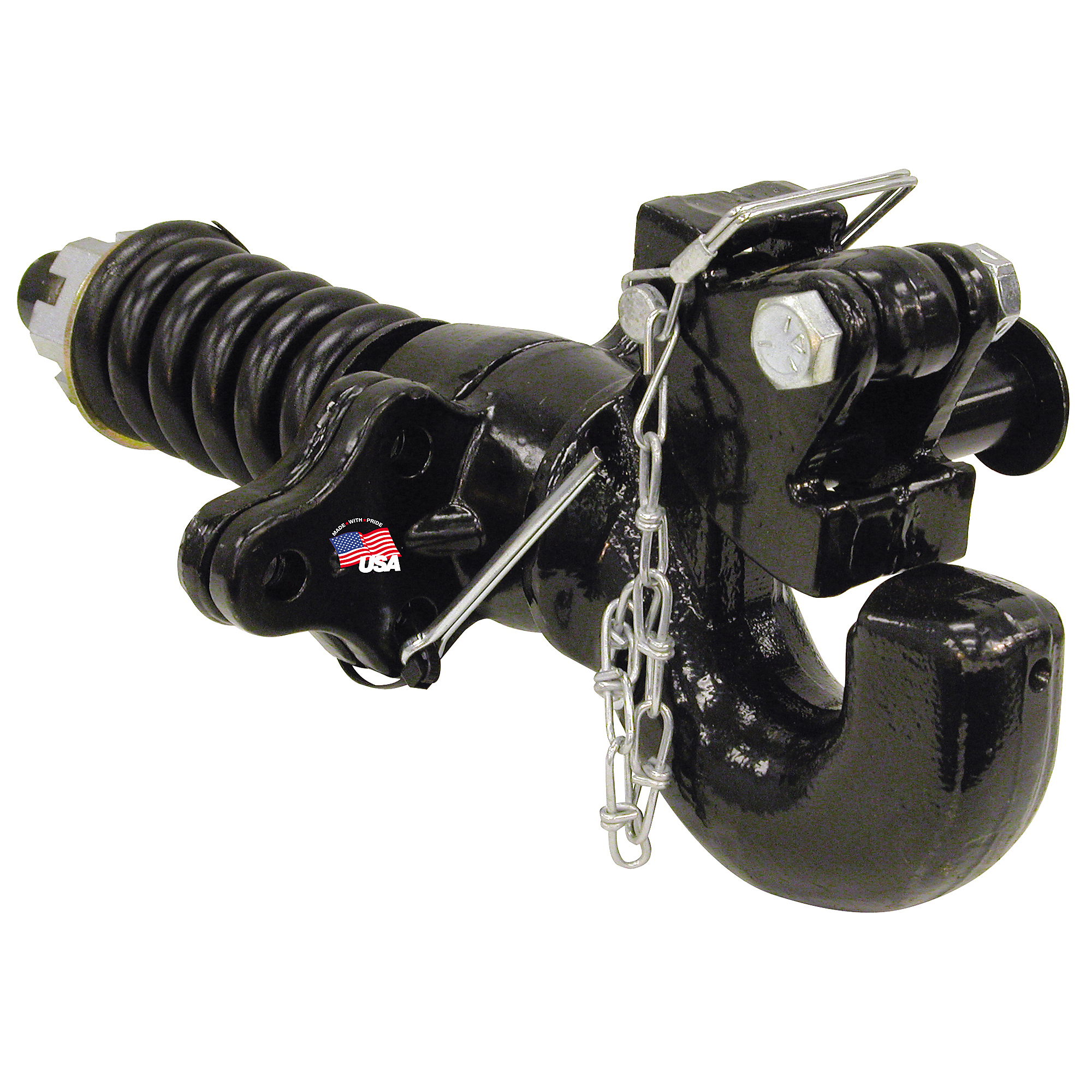
Item # 128340
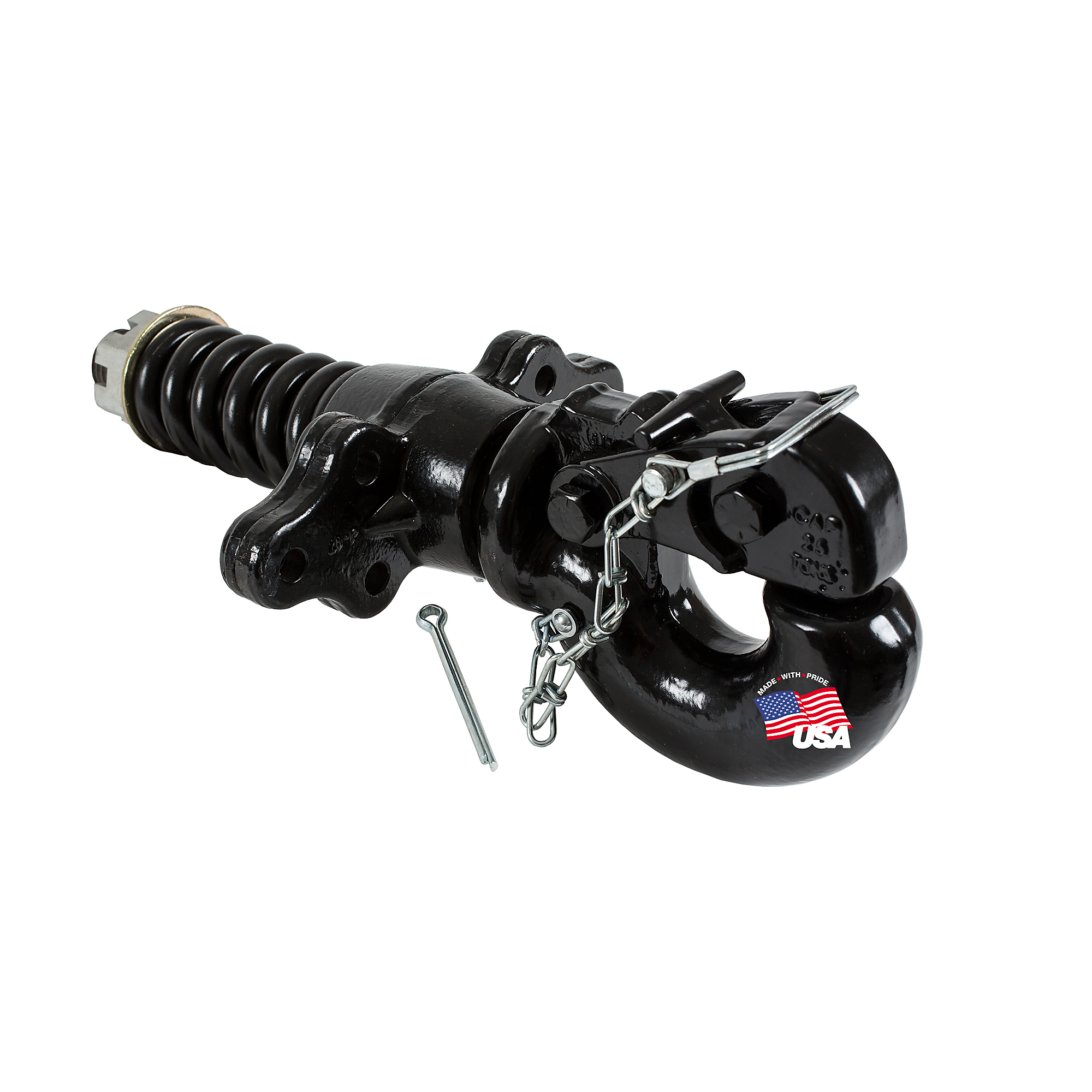
Item # 128341
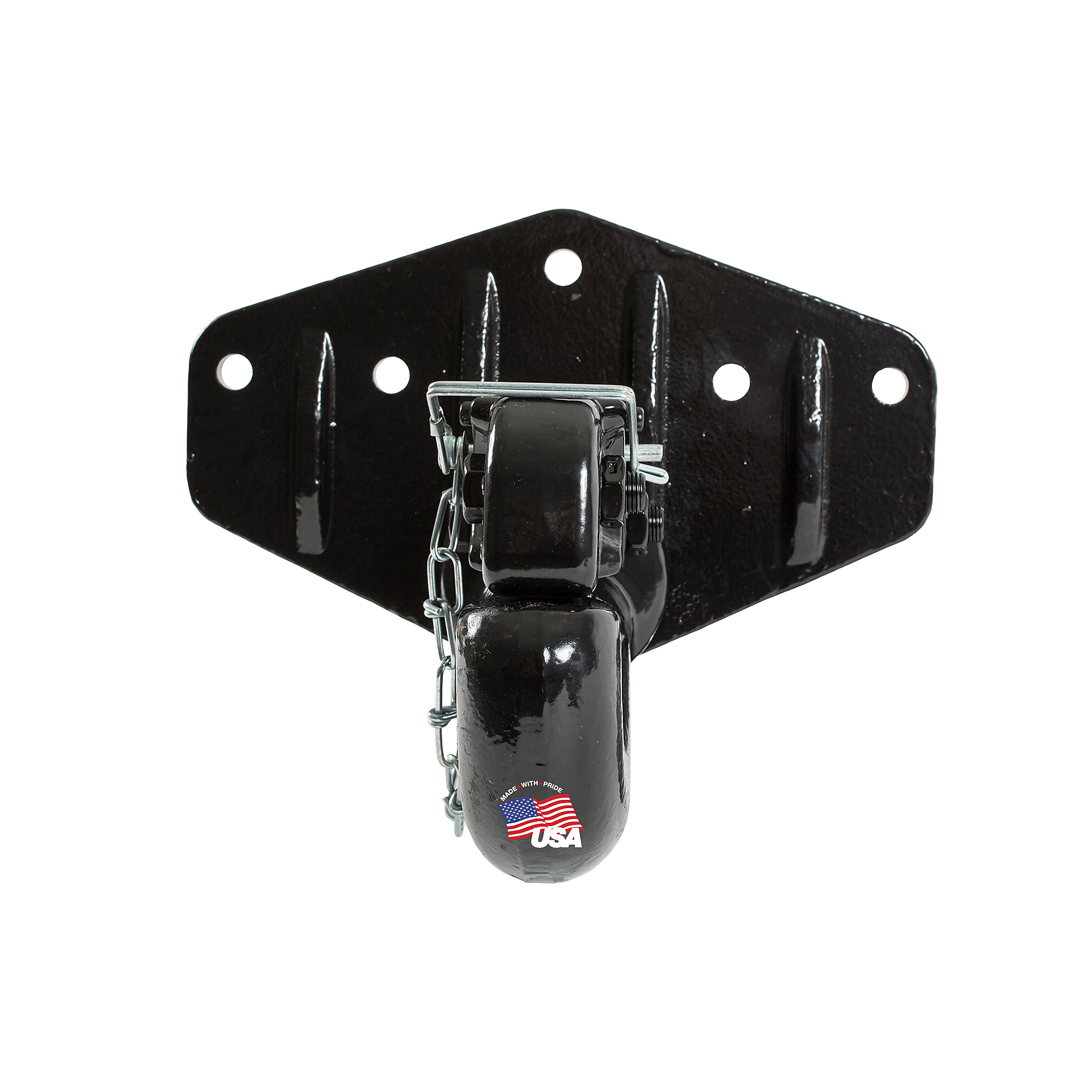
Item # 128343
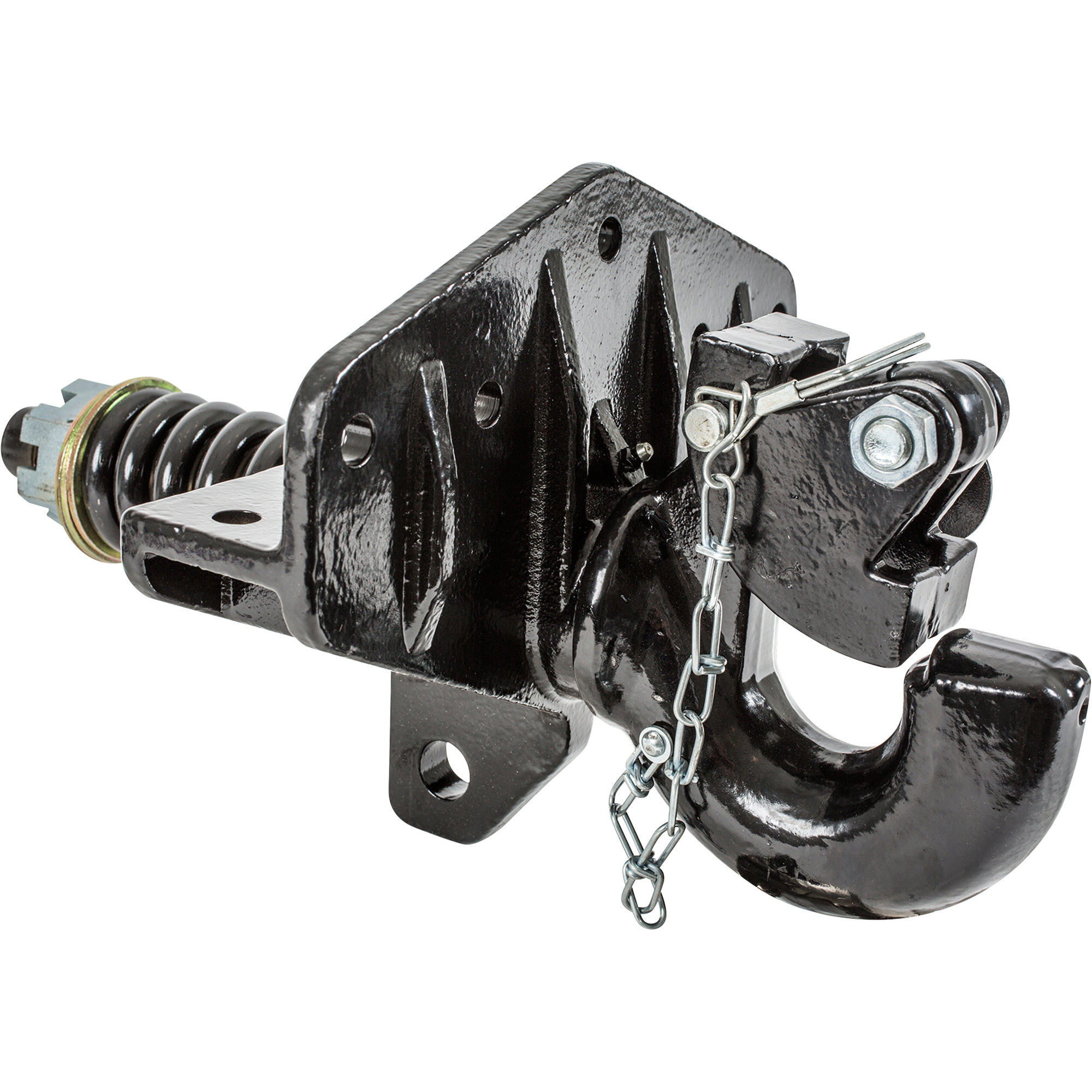
Item # 128342
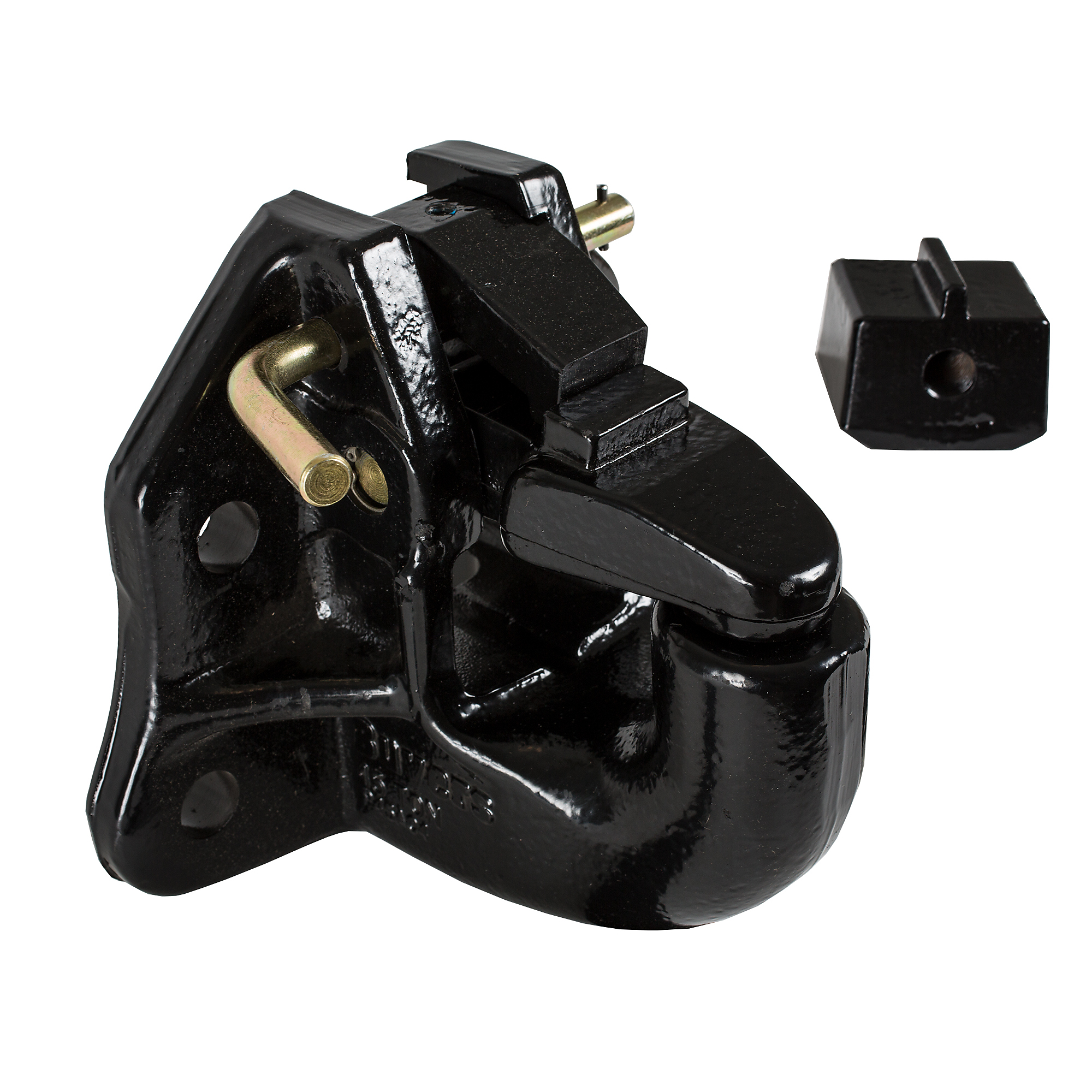
Item # 4810166
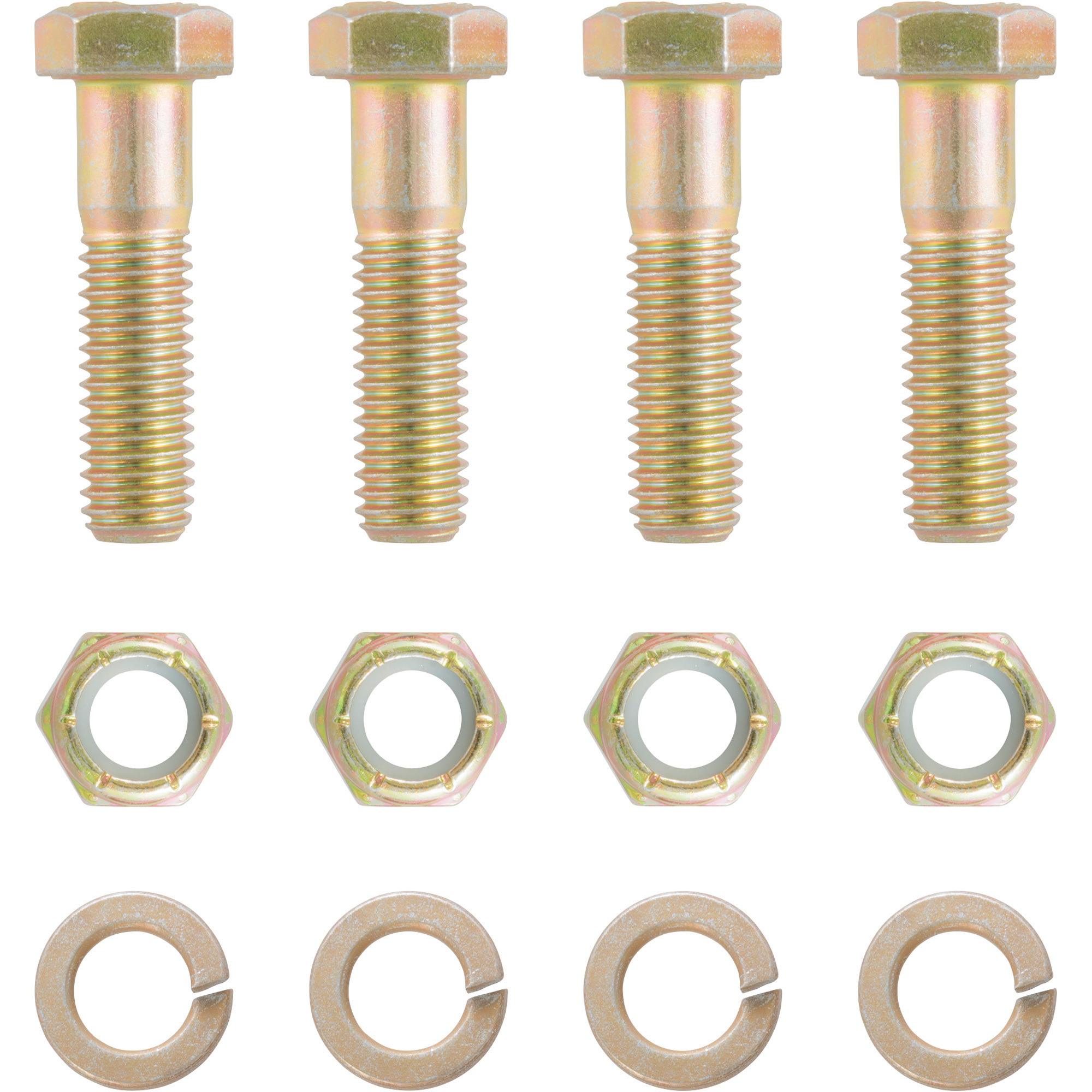
Item # 74951
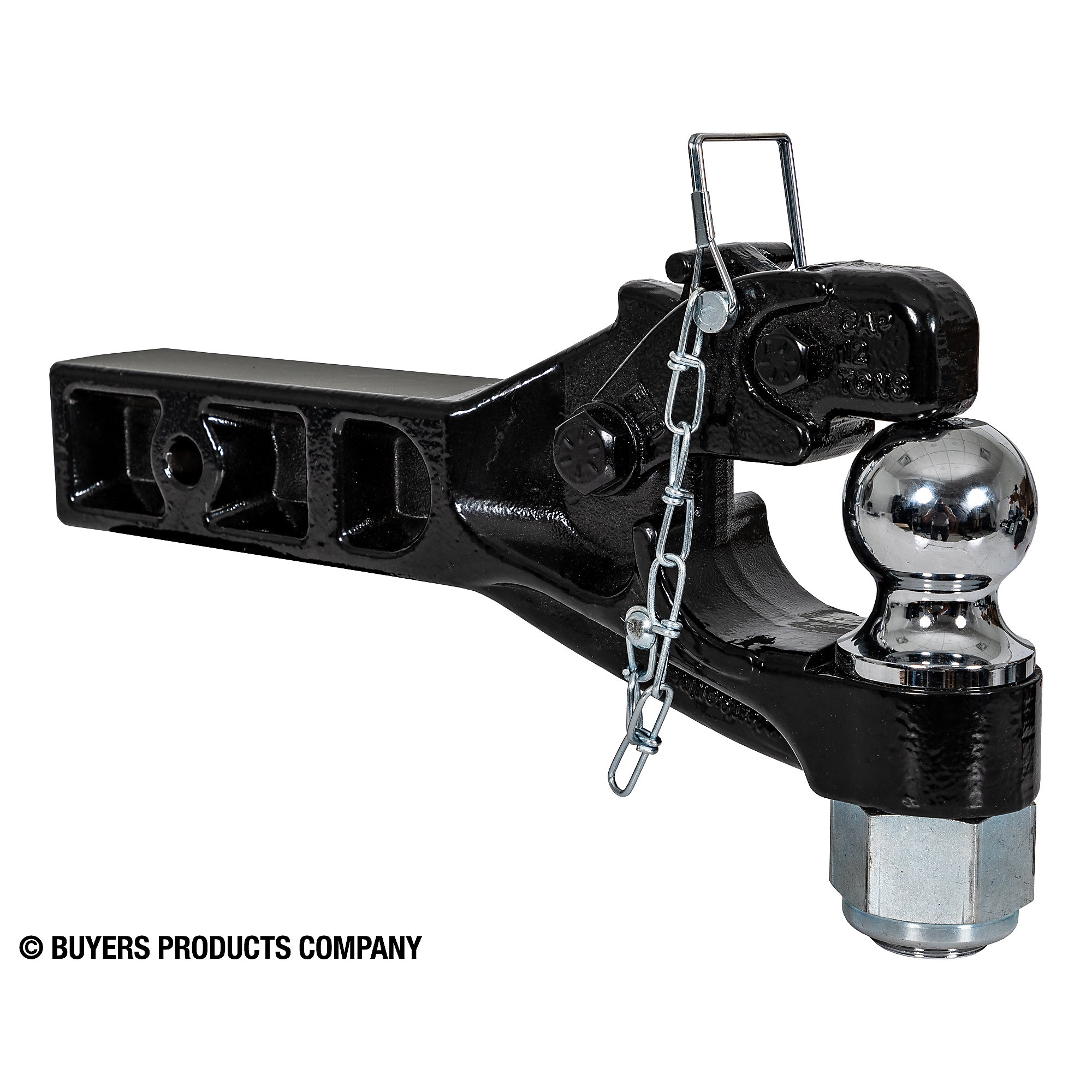
Item # 4809667
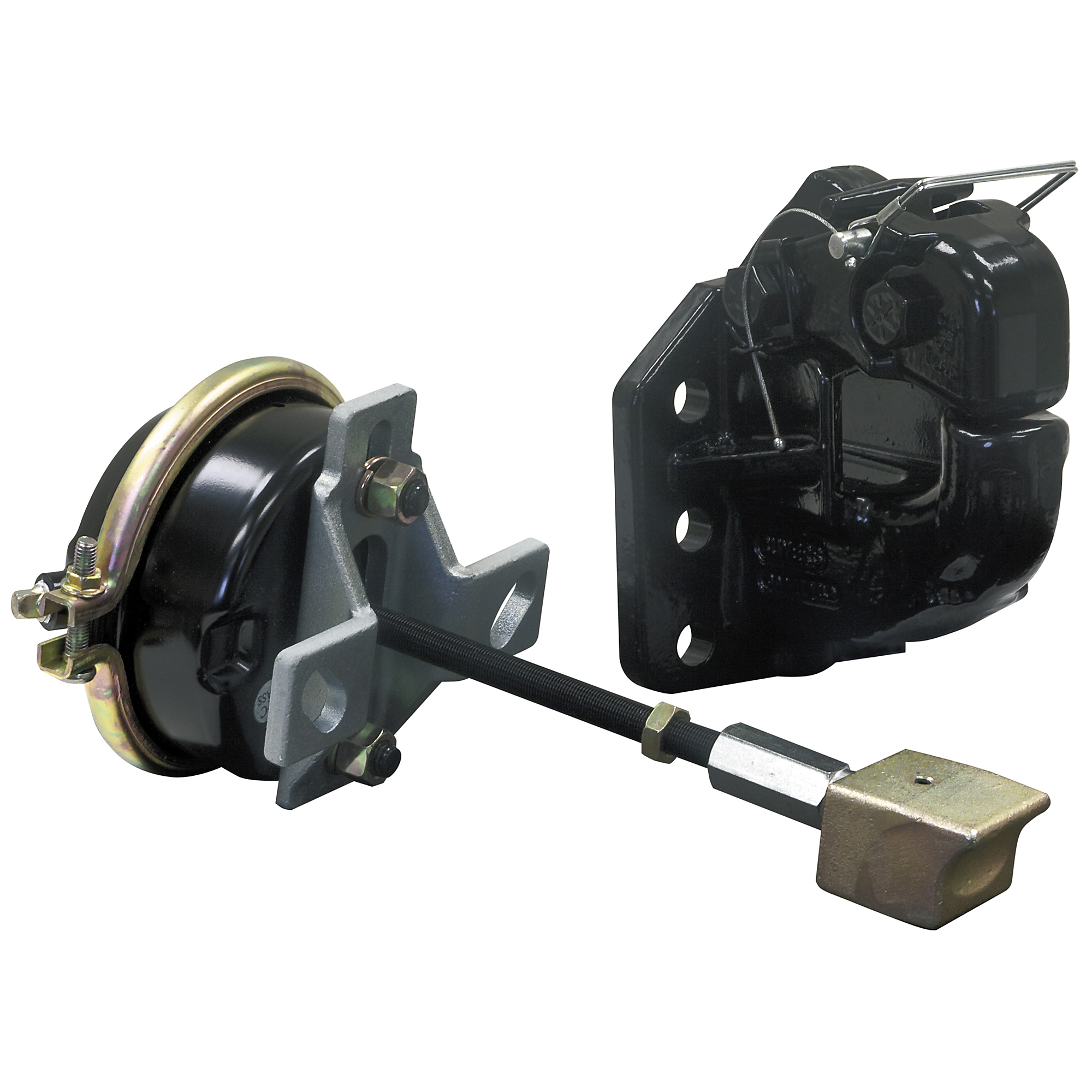
Item # 4809499
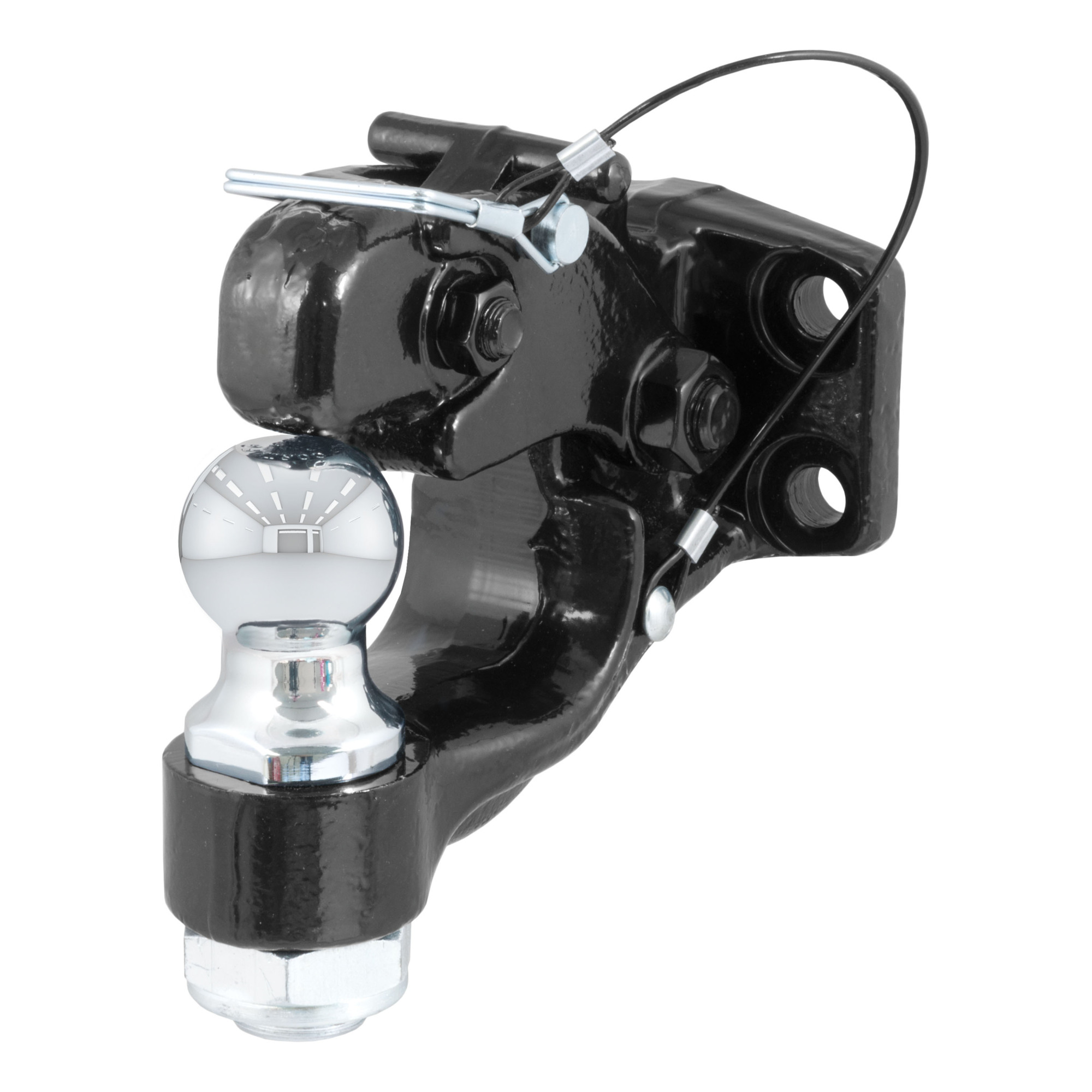
Item # 4413259
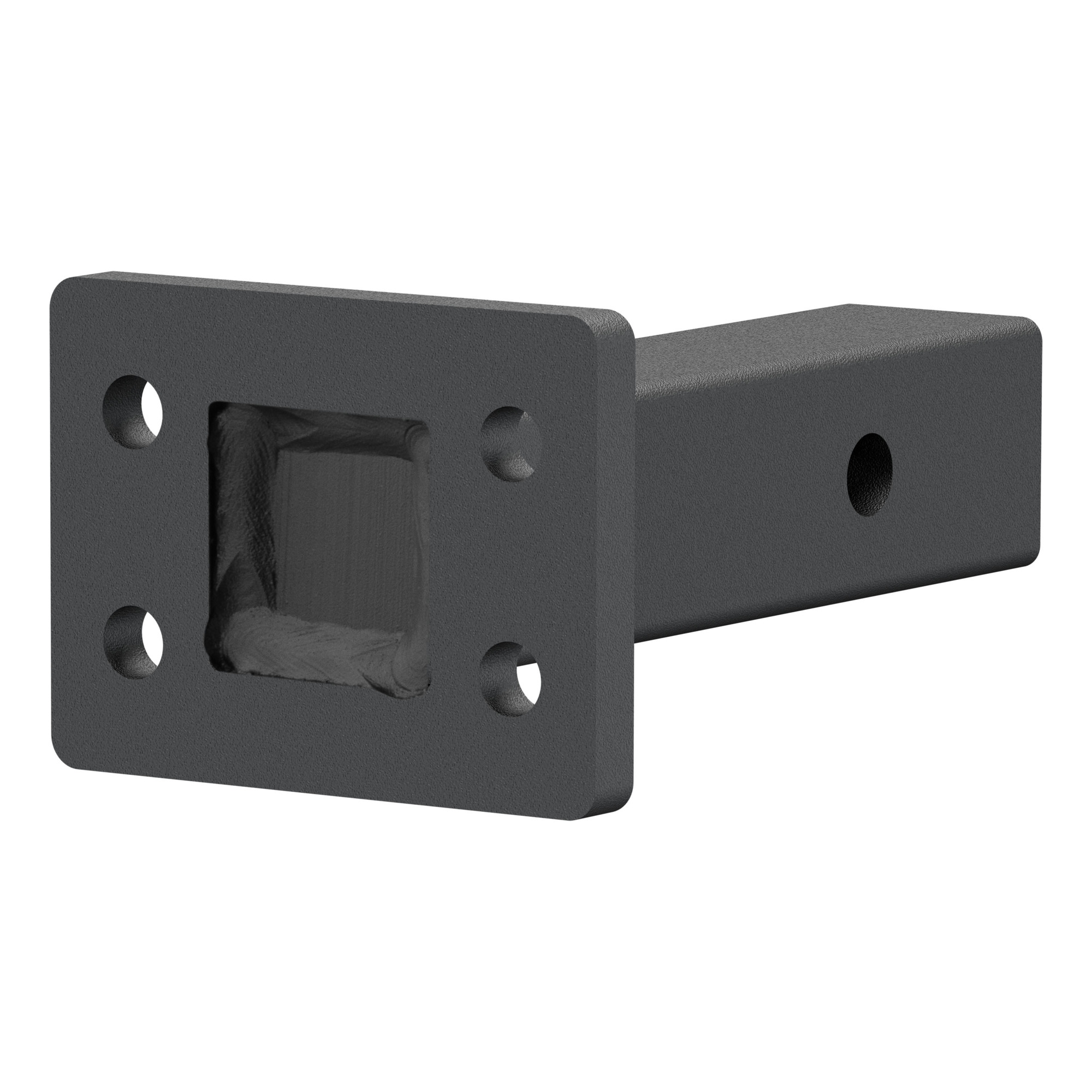
Item # 4413224
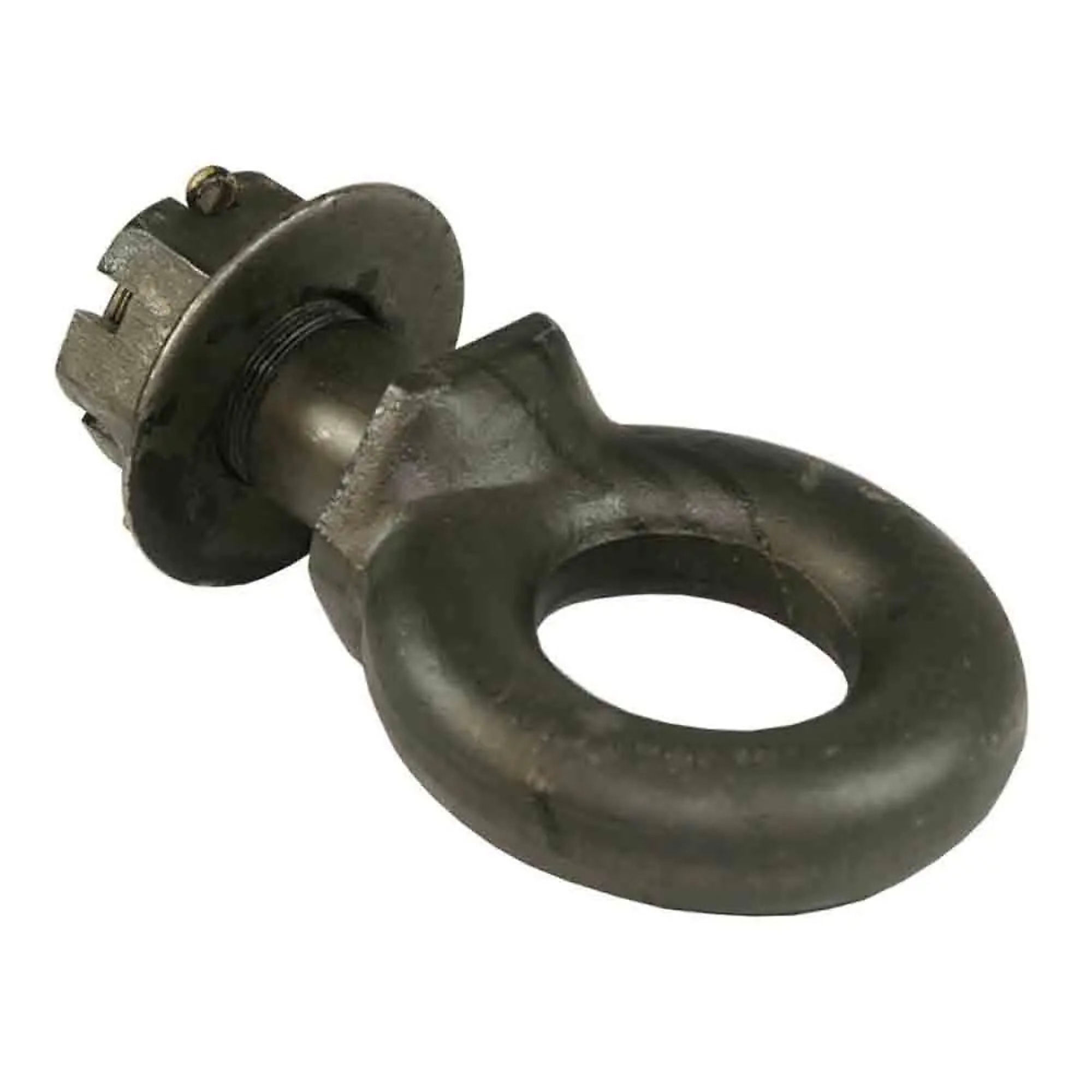
Item # 6908618
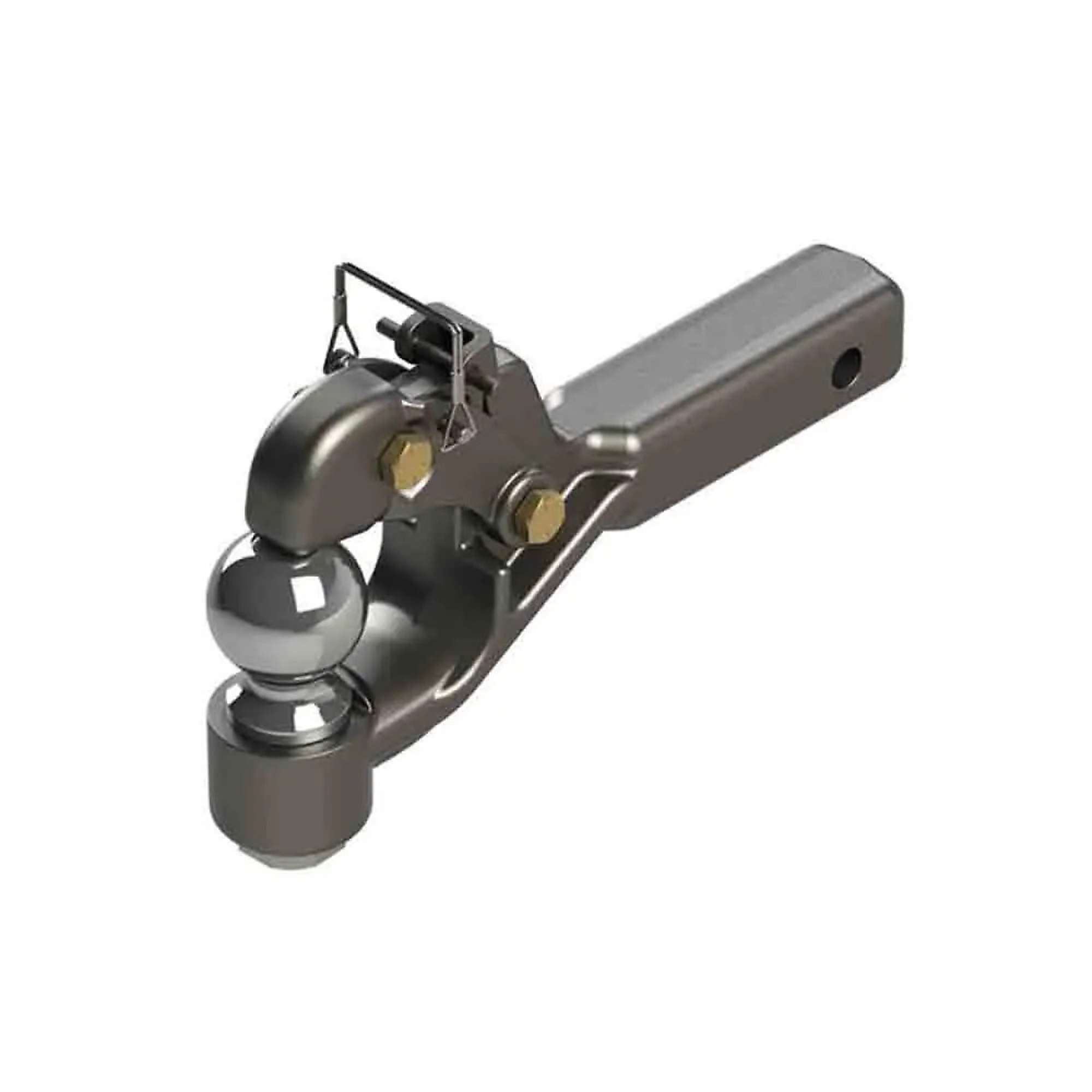
Item # 6923308
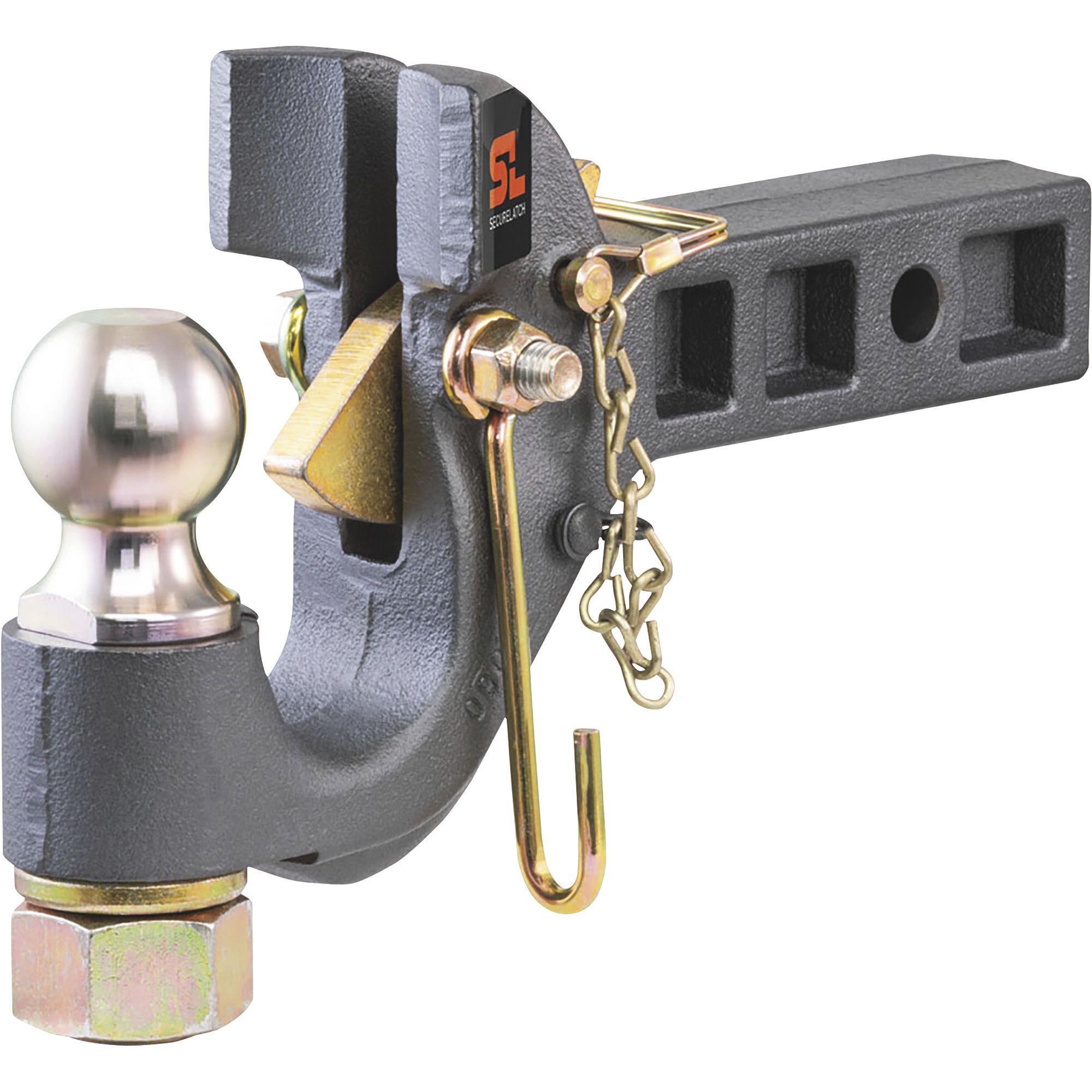
Item # 97617
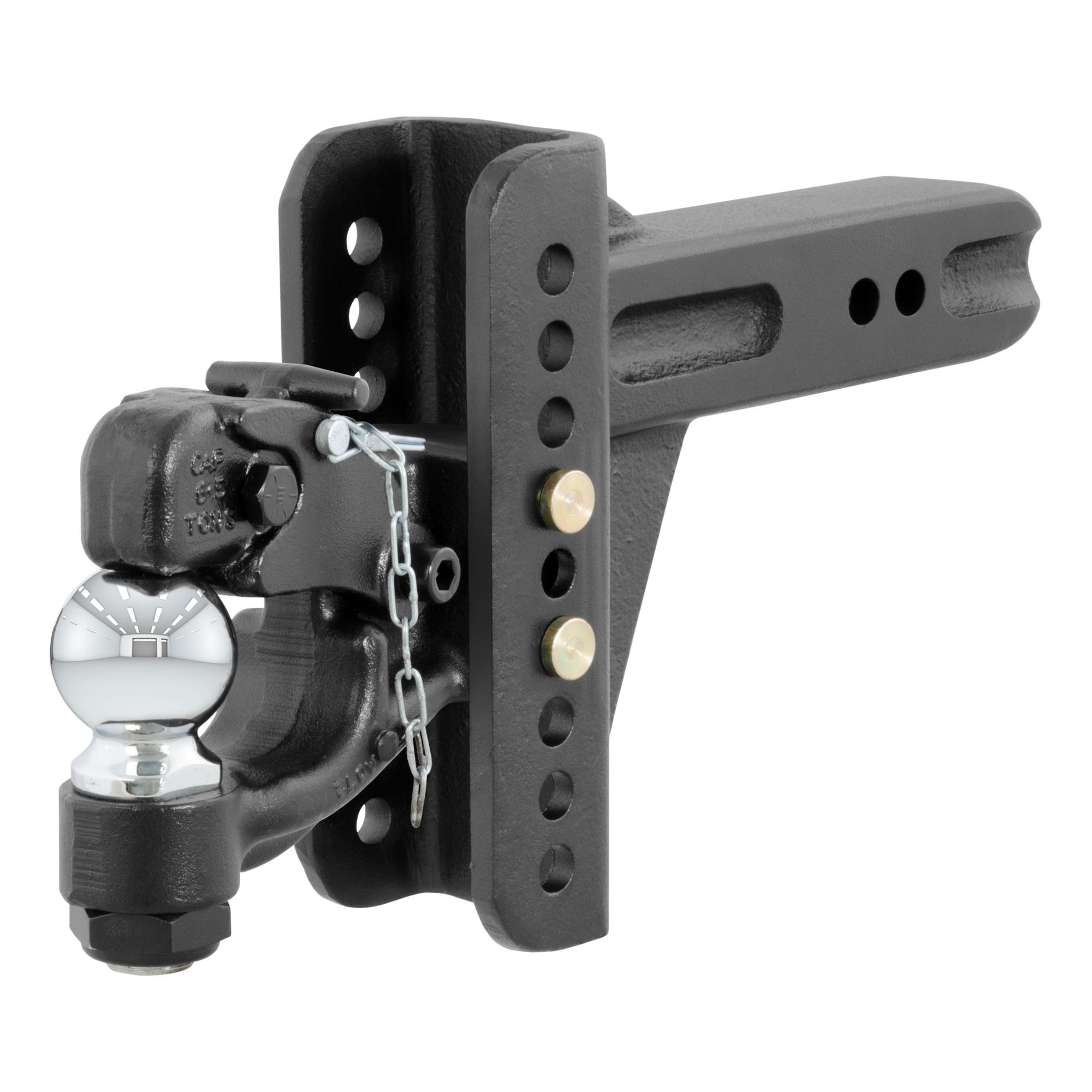
Item # 4411755
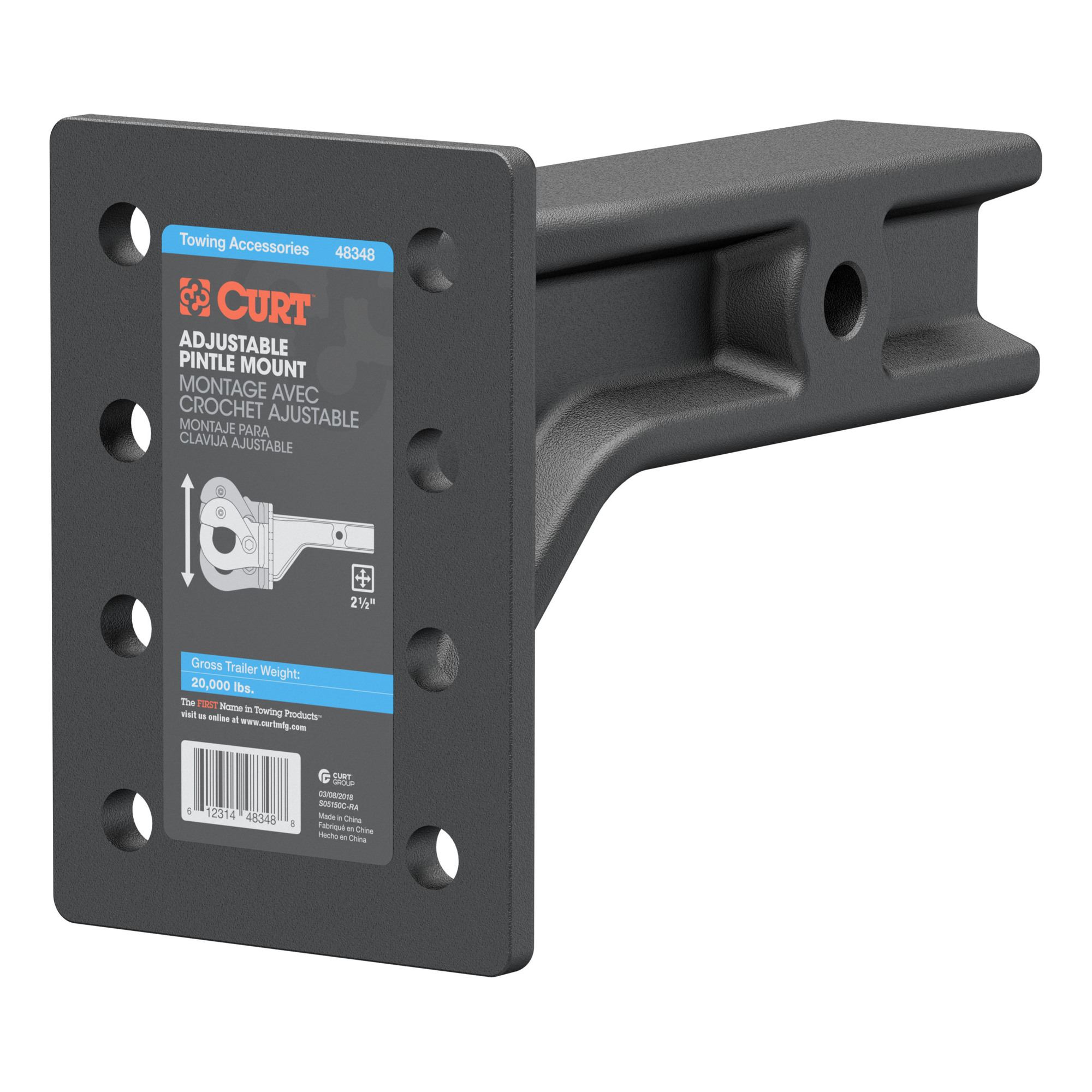
Item # 4413398
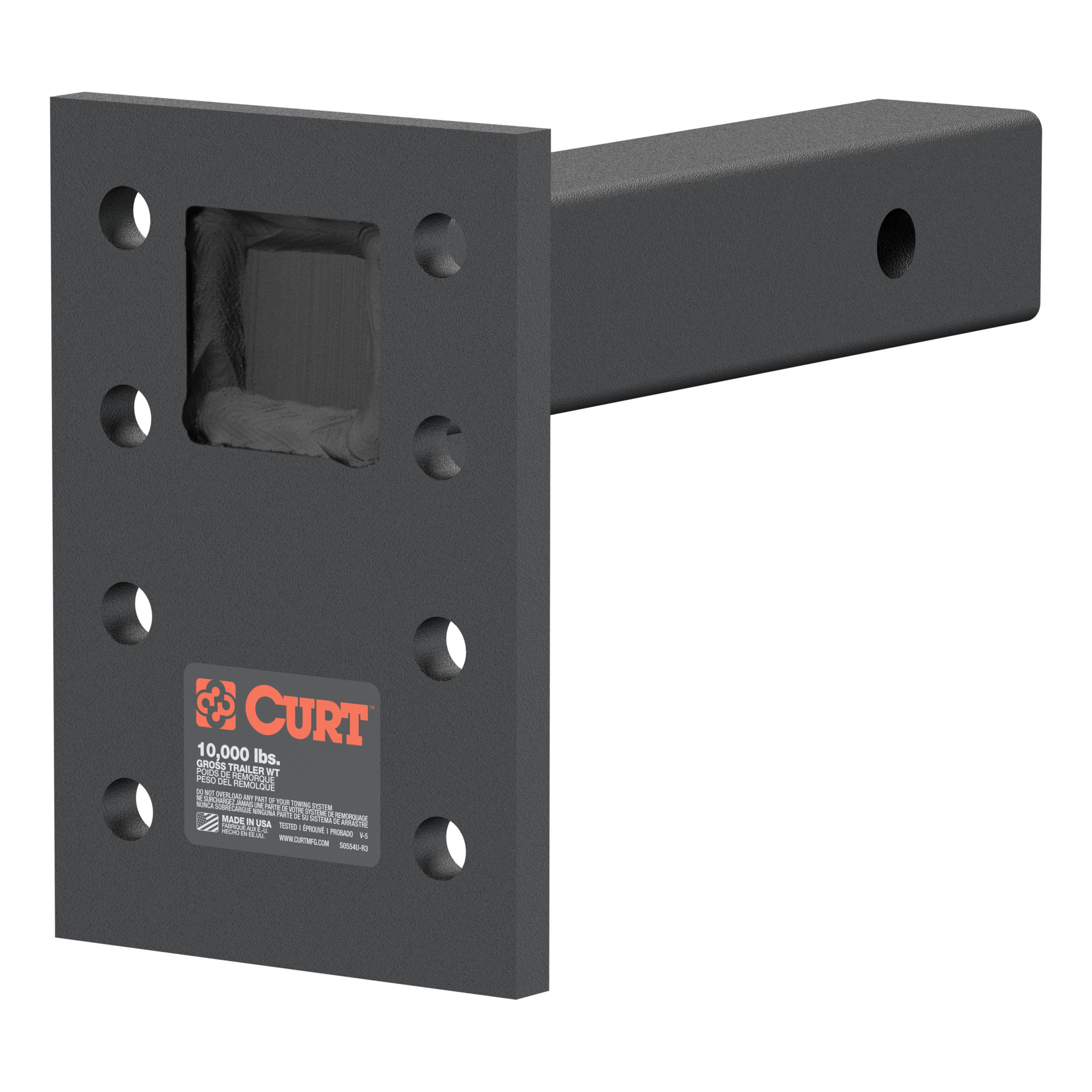
Item # 4413283
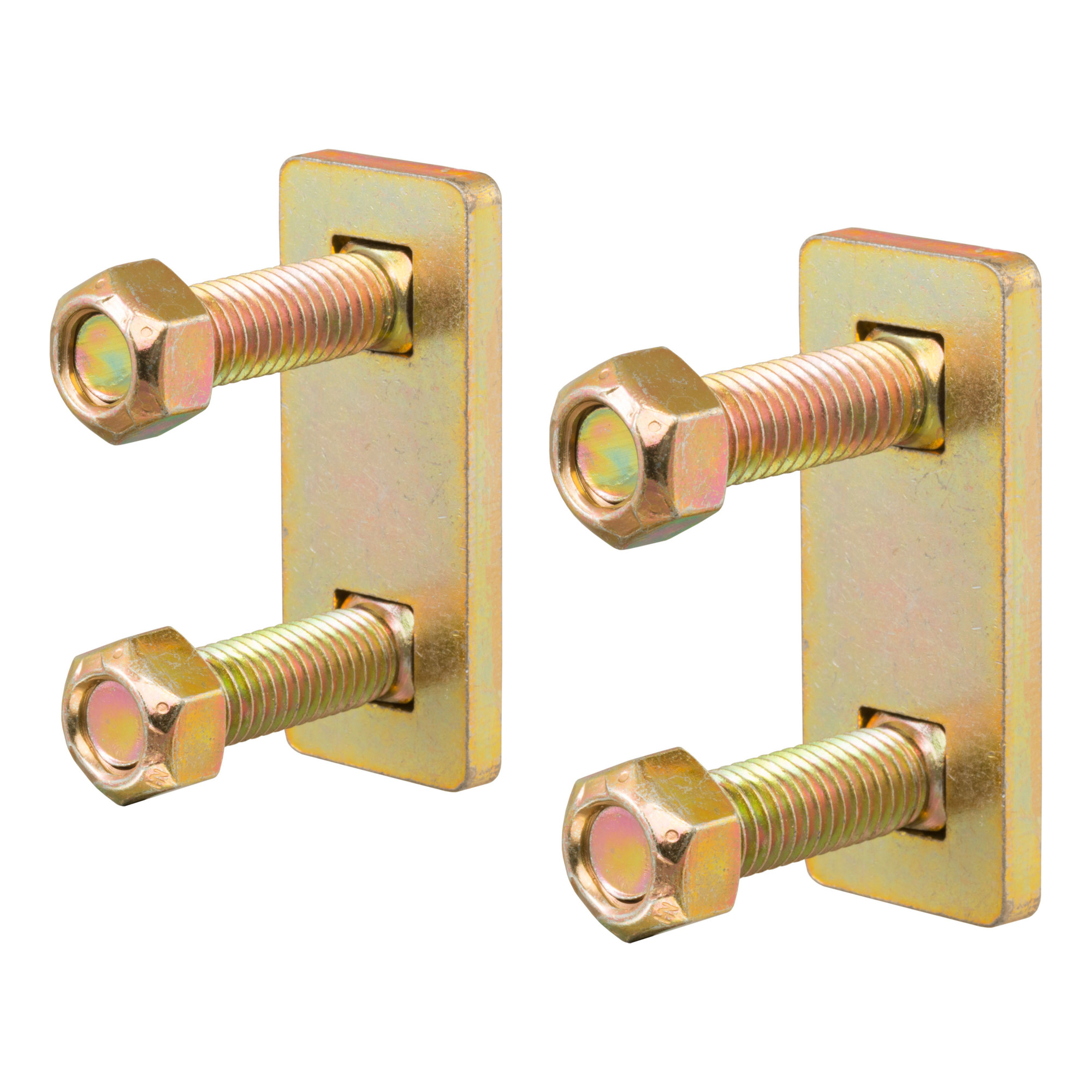
Item # 5276778
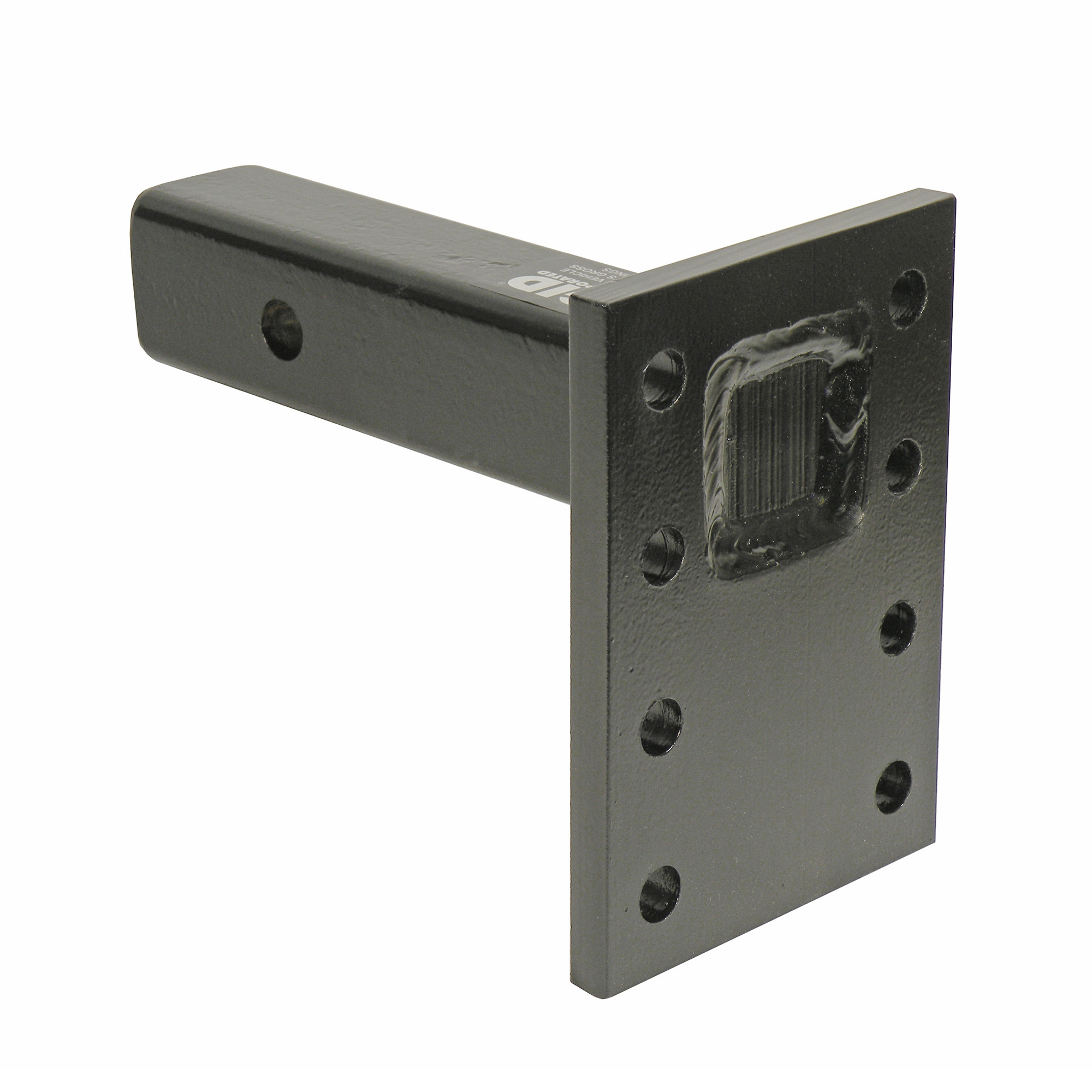
Item # 6307505
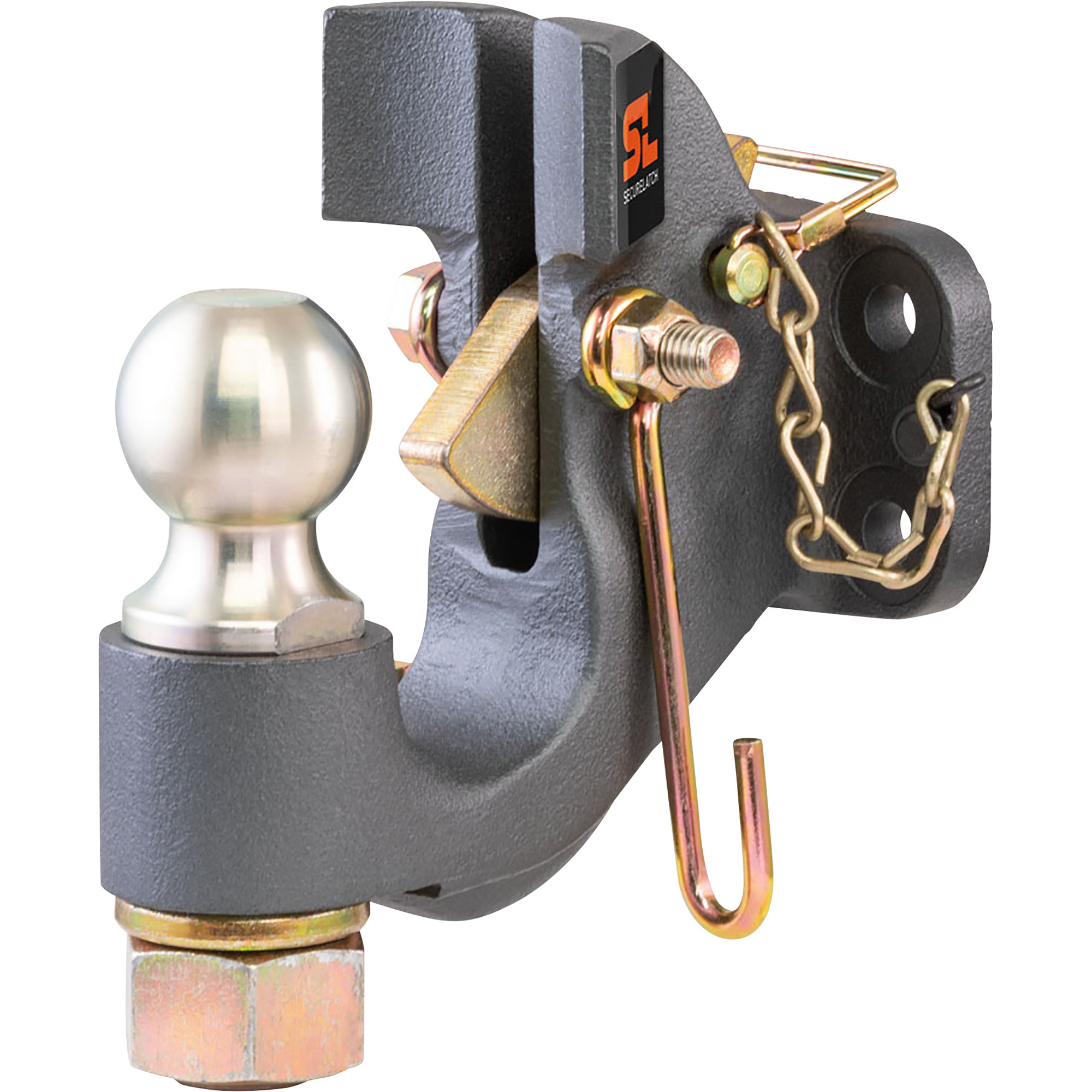
Item # 97758
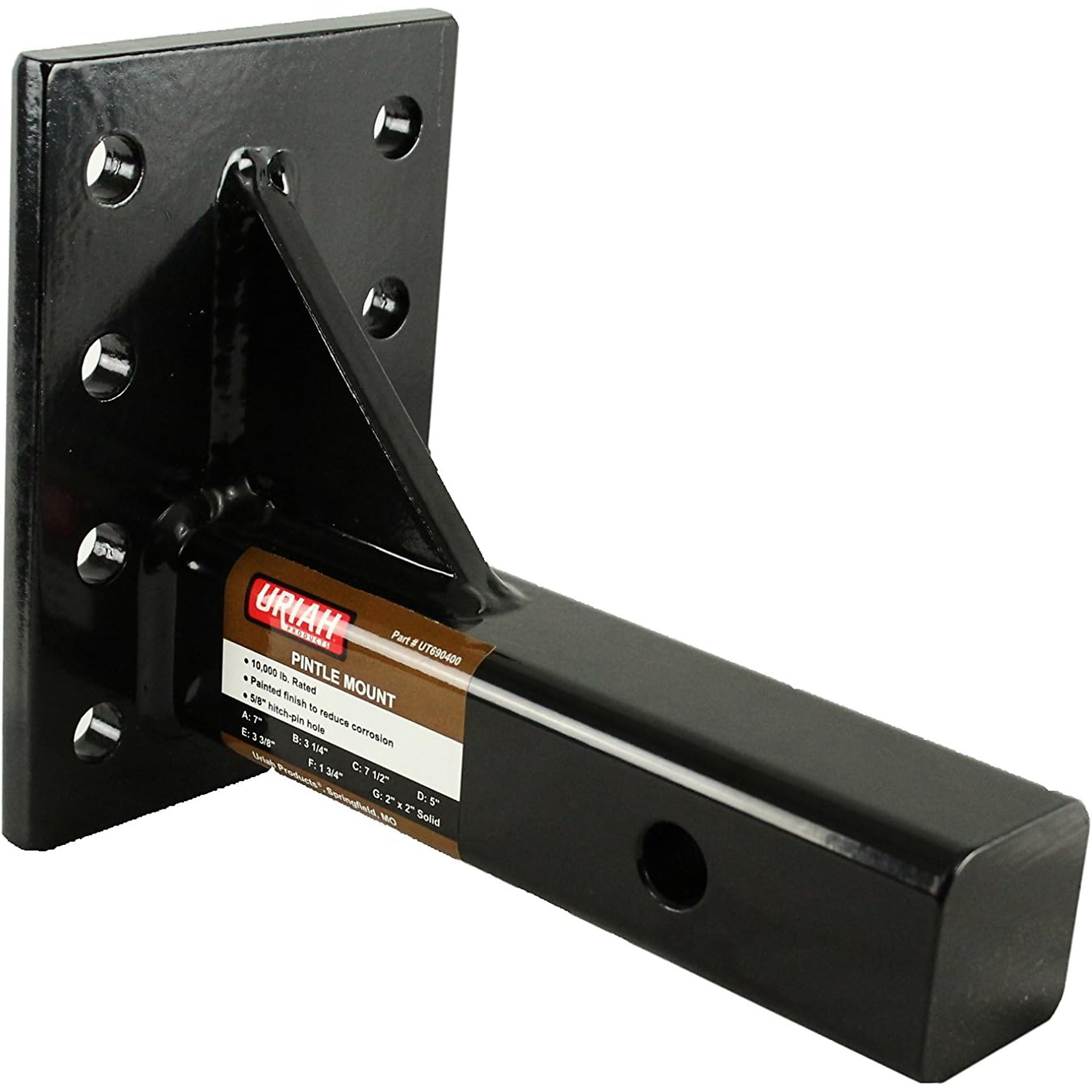
Item # 7045818
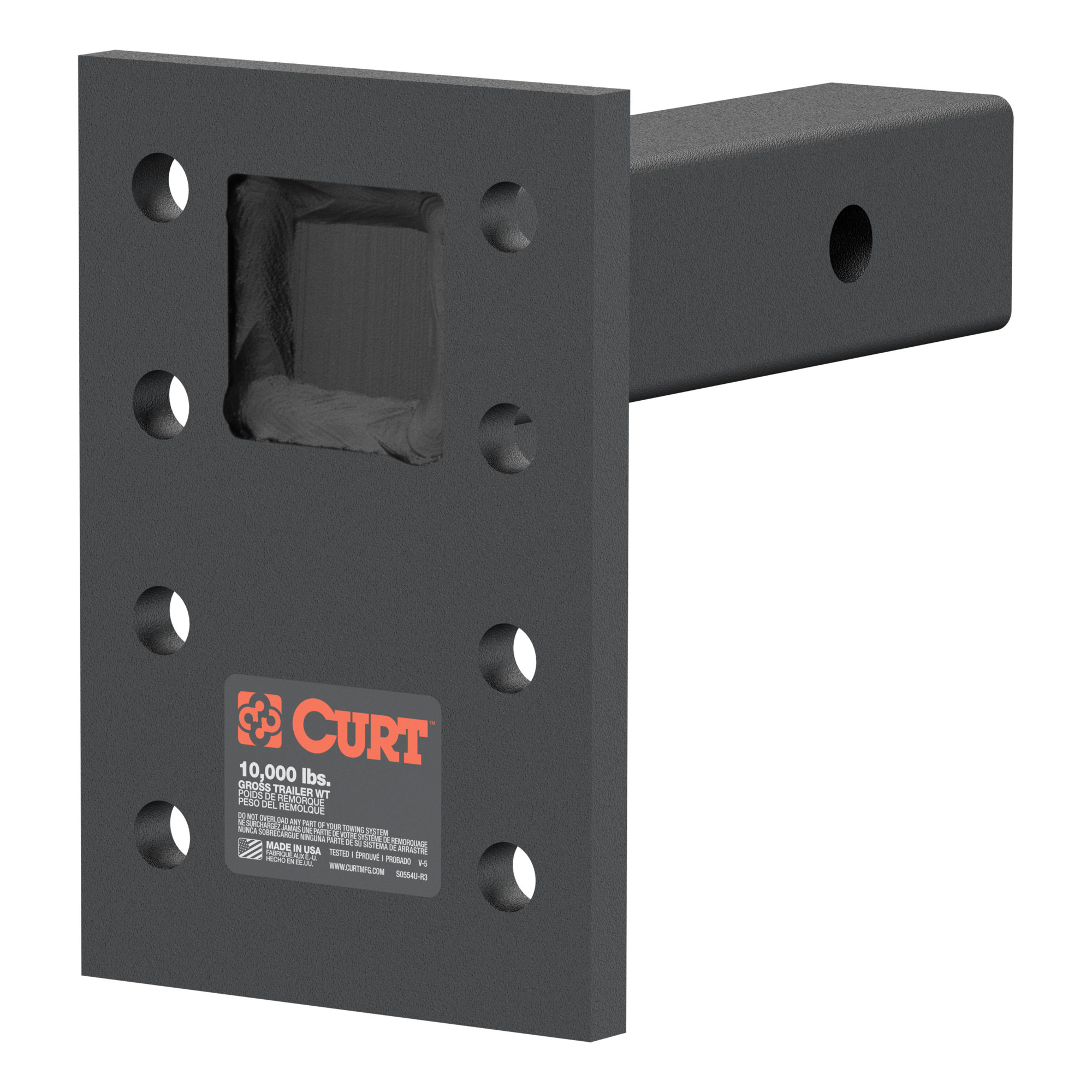
Item # 4413291
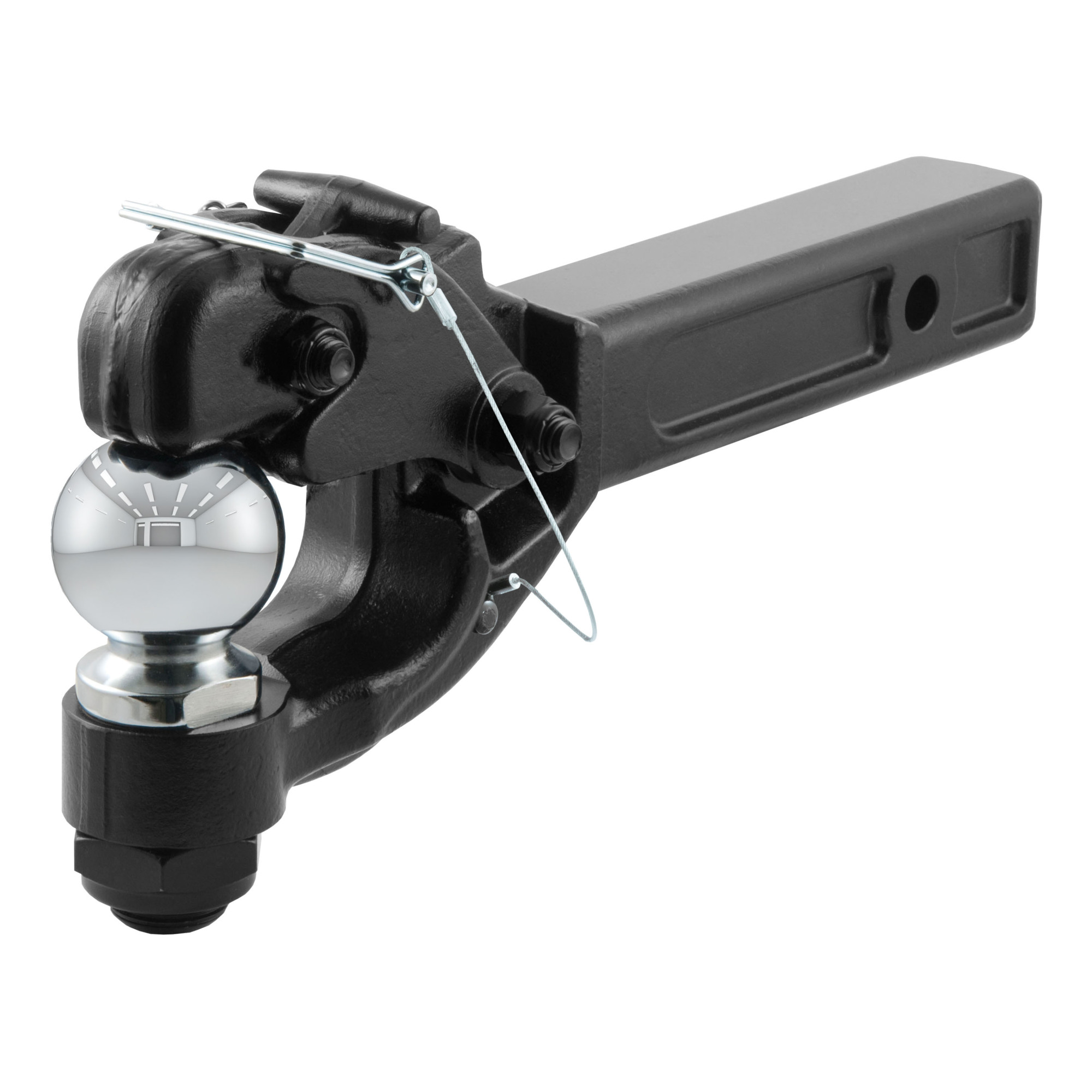
Item # 4413013
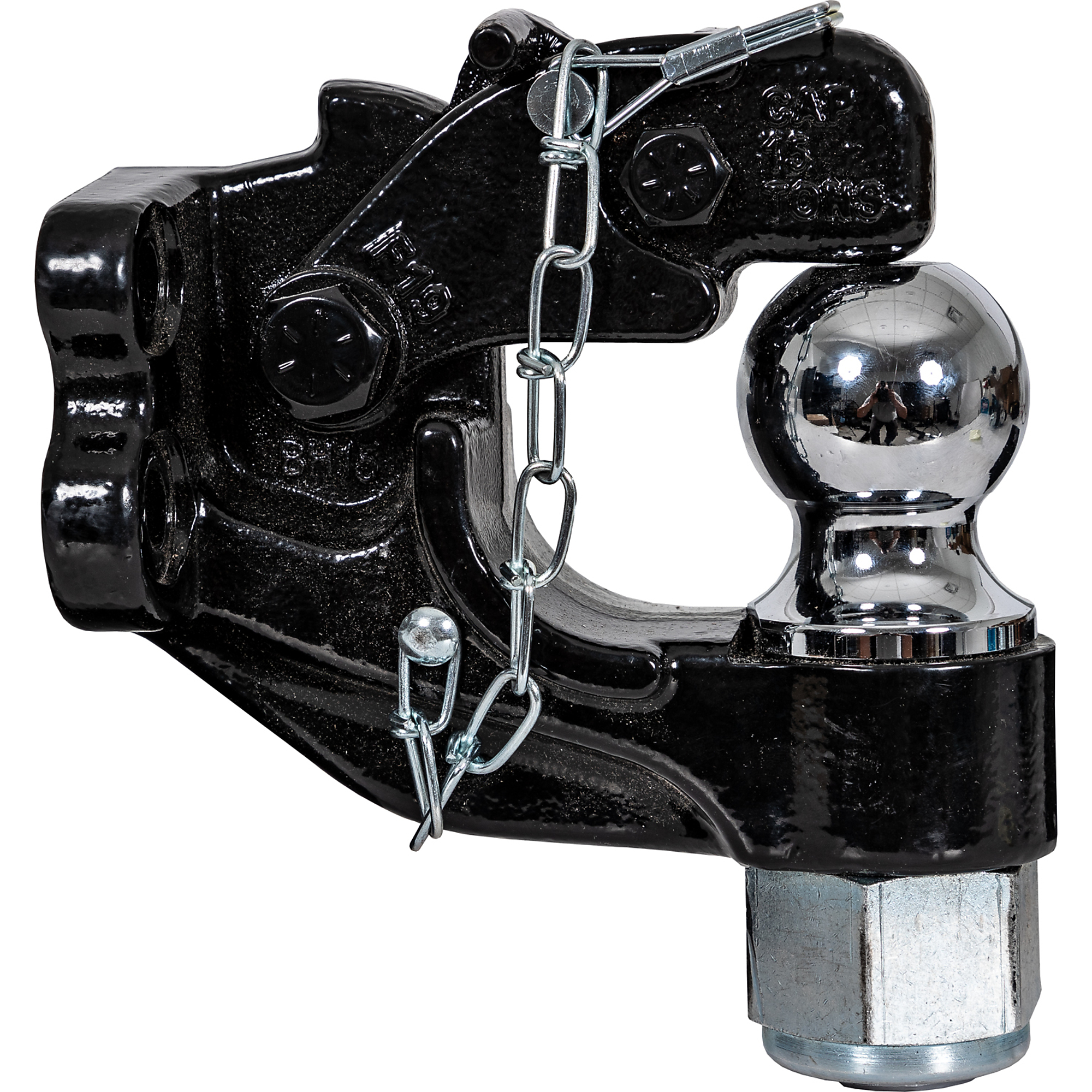
Item # 4809149
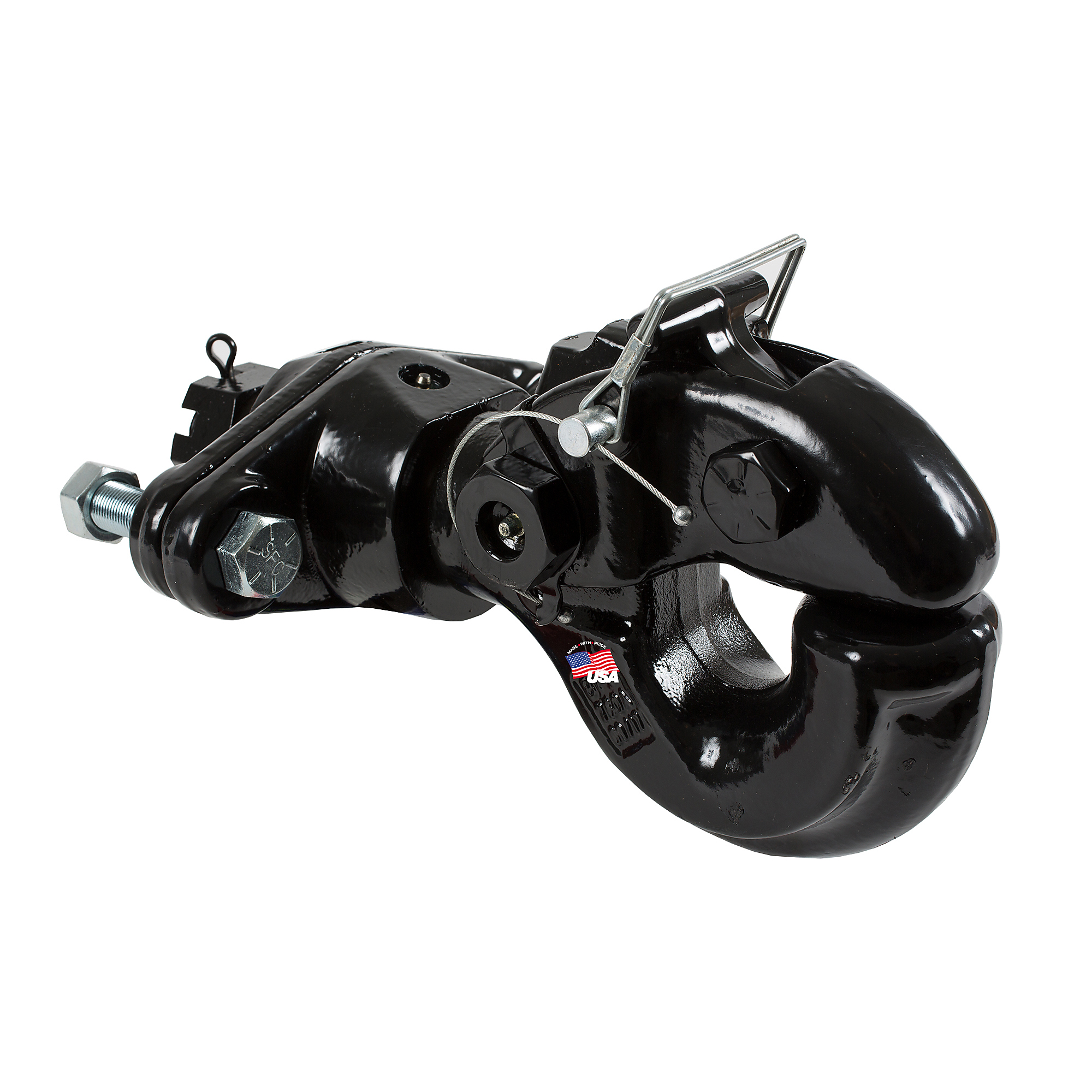
Item # 128344
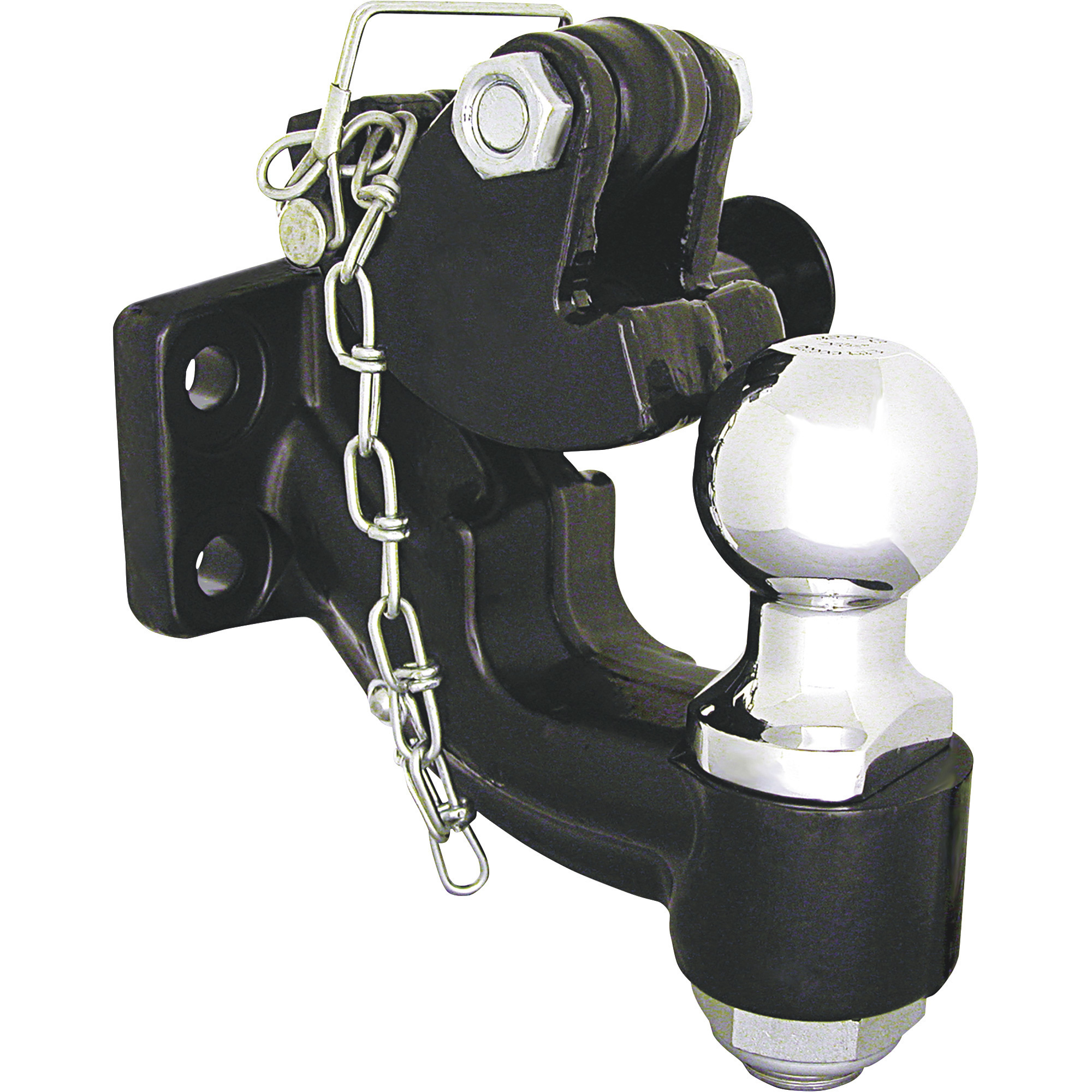
Item # 129218
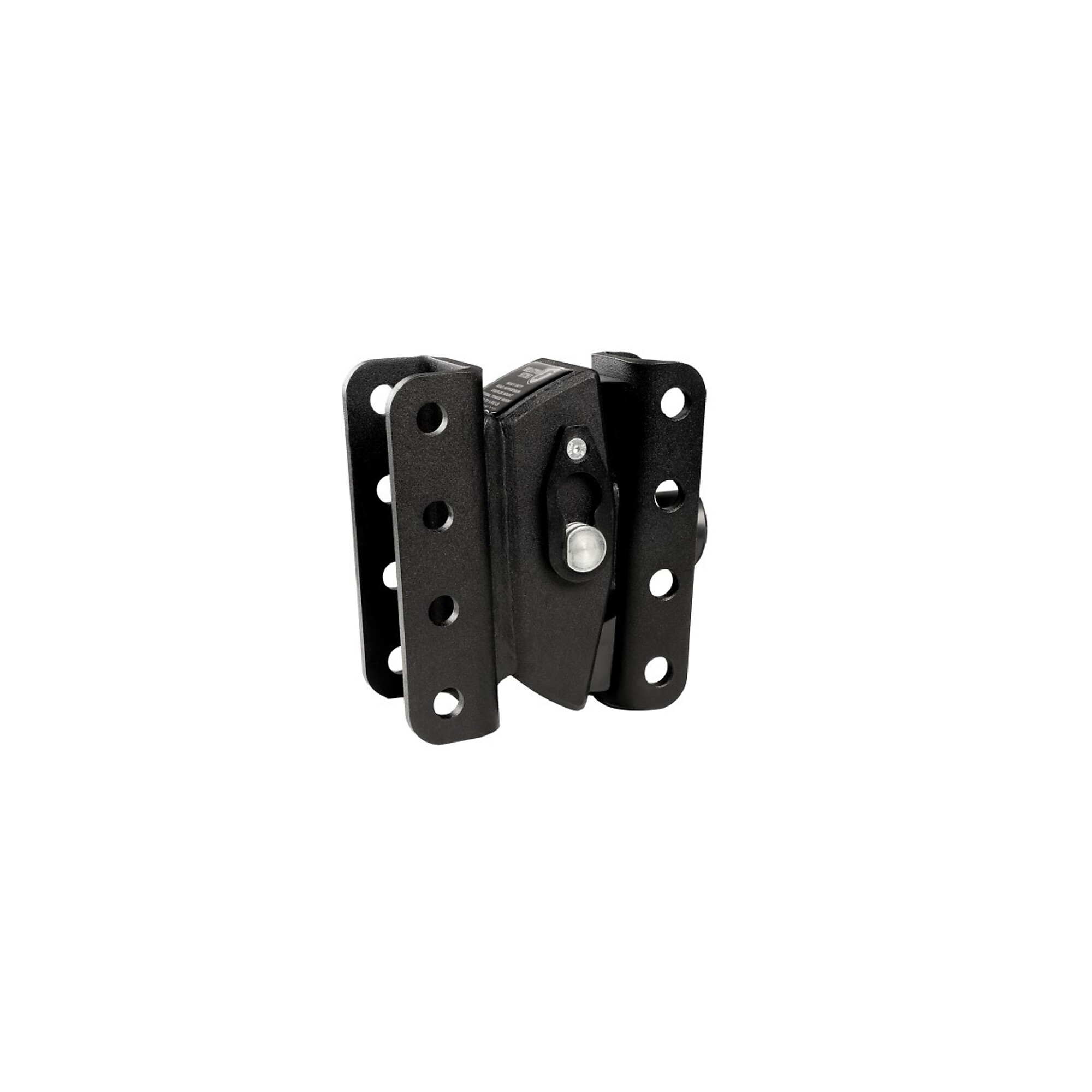
Item # 6716413
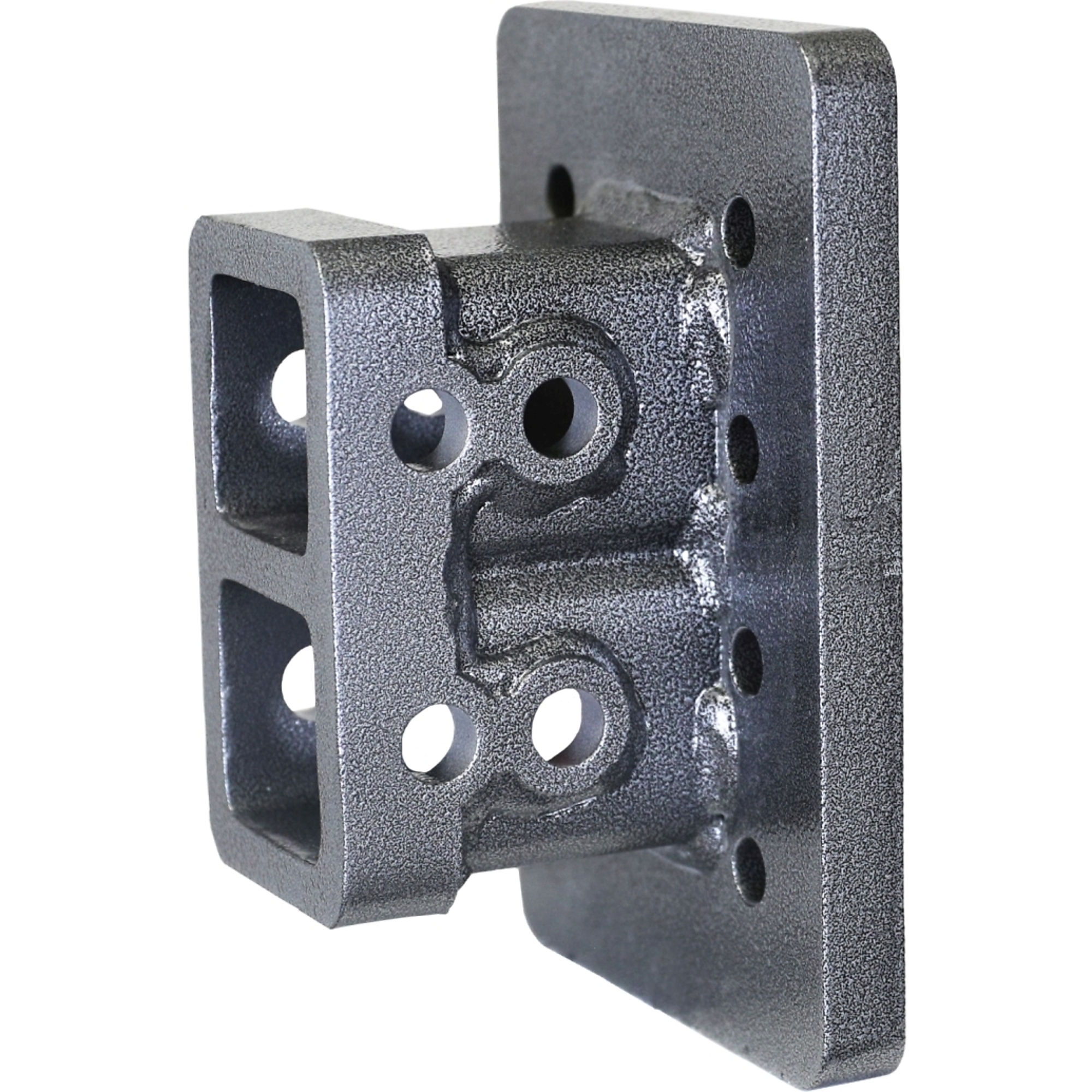
Item # 5874655
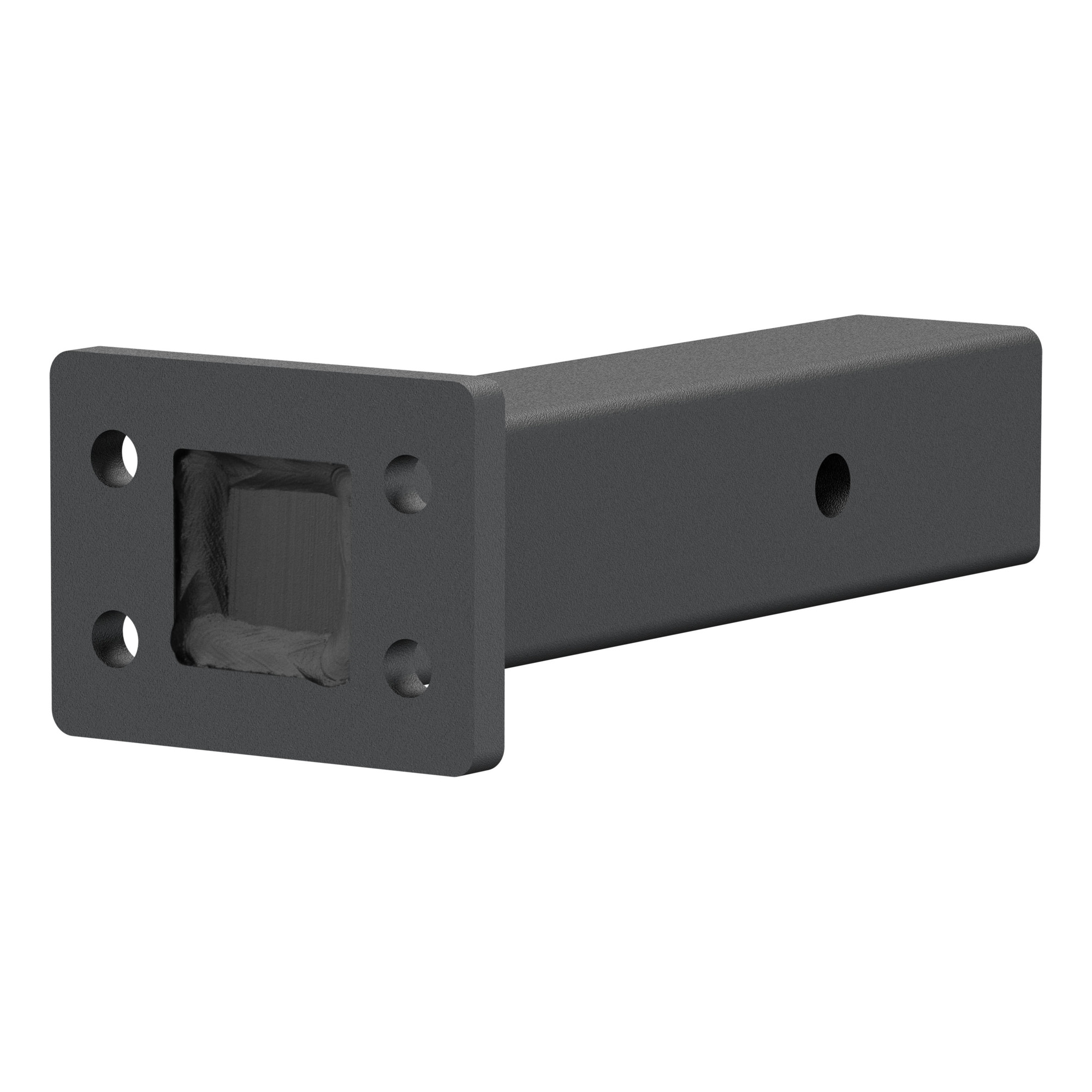
Item # 4413179
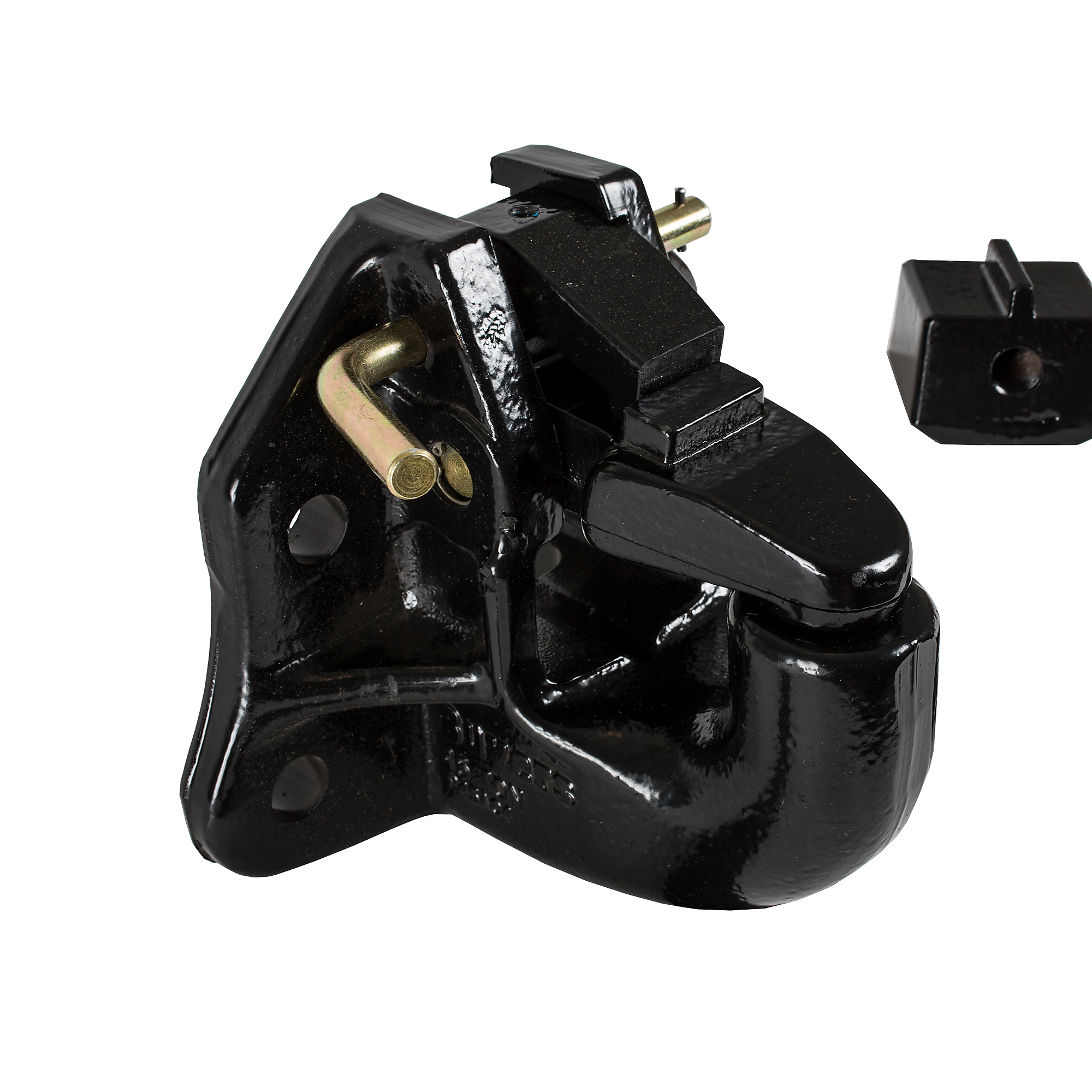
Item # 4809991
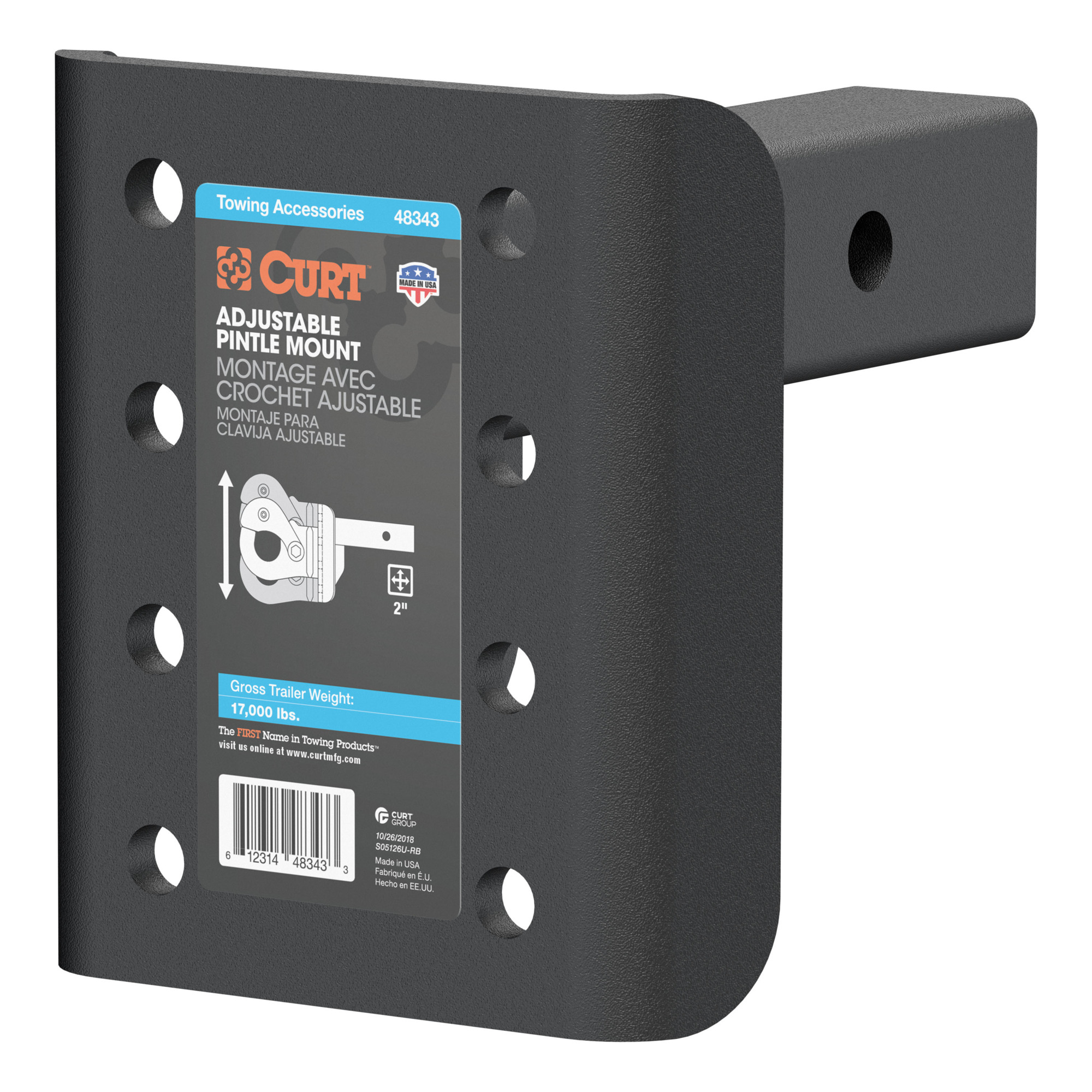
Item # 4413427
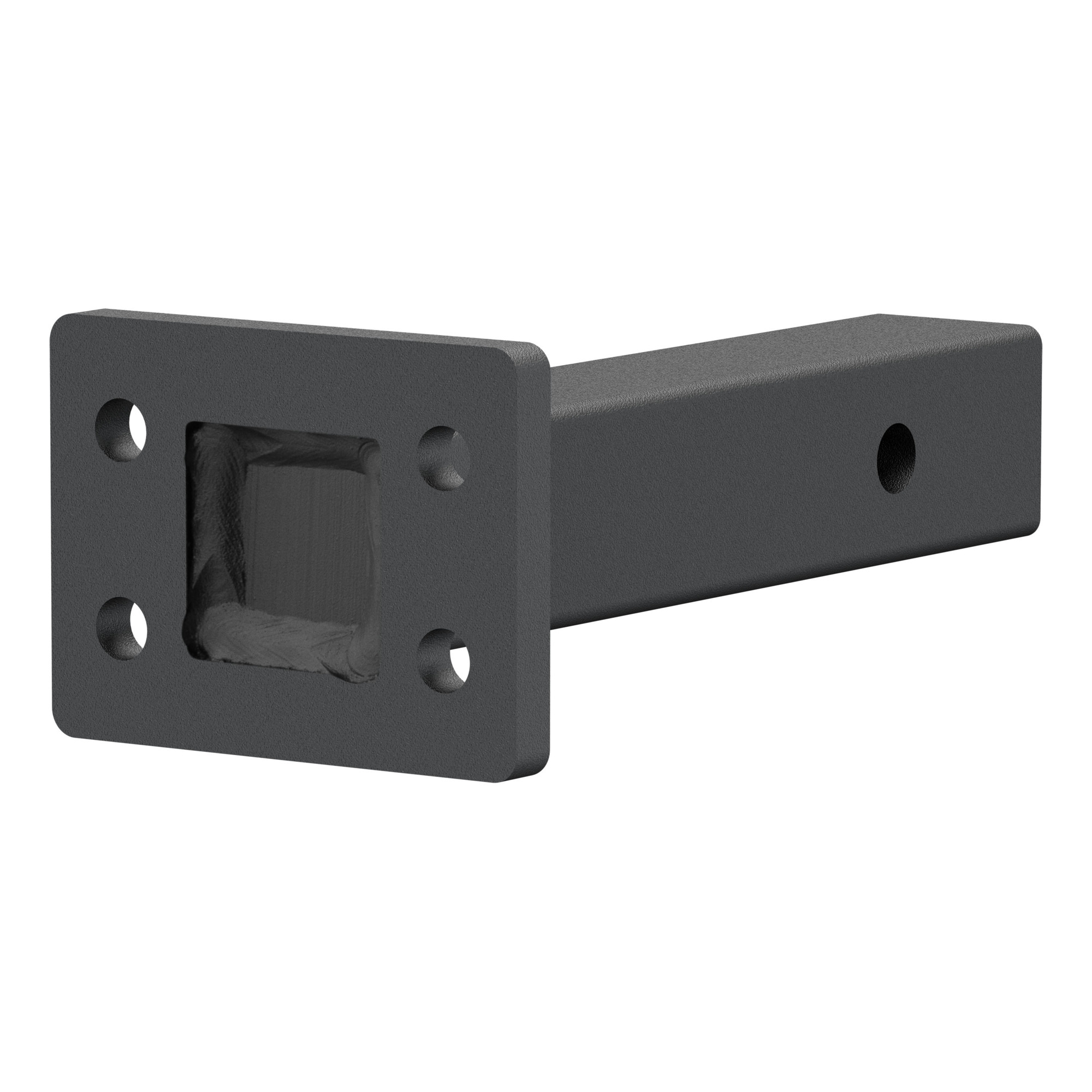
Item # 4413195
Item # 4413161
Pintle Hitches
Pintle hitches are a popular choice when towing larger trailers because of higher weight capacities. They are commonly found in industrial, military, and agricultural applications. This hitch type attaches to a lunette ring on the trailer to be towed, creating a design that allows for a wider range of movement at the attachment point than you'll get with a standard ball-type hitch. A pintle type tow hitch is ideal for use when towing on uneven surfaces like farm fields, dirt roads, and other off-road terrains. For those who do some standard on-road towing as well as off-road towing, Northern Tool has a selection of ball/pintle combination hitches available to help make it quicker and easier to change towing styles on the go.
Frequently Asked Questions:
What are the advantages of using a pintle hitch over a ball hitch?
Pintle hitches offer a number of advantages over a ball hitch:
They provide for a wider range of movement at the connection point than ball hitches, so they are ideal for towing on uneven and off-road terrain.
They feature a higher tongue weight capacity than ball pitches—up to as much as 60,000 lbs., so if you have a vehicle that can tow that much and plan to use that capacity, a pintle hook is a good bet.
The large lunette ring/drawbar eye of a pintle hitch makes it super easy to attach, so if you’re driving alone, it will be easier to handle.
Pintle hitches are considered safer, too, with more stable play over rough or uneven ground.
What types of vehicles or equipment are pintle hitches commonly used for?
Pintle hitches are typically used for heavy-duty agricultural, industrial and military towing vehicles and trailers because their wide and stable range of movement is ideal for off-road situations.
Are there different sizes of pintle hitches, and how do I choose the right size for my needs?
Yes, there is a wide range of sizes on the market with towing capacities ranging up to 60,000 lbs. and vertical lifting capacities up to 12,000 lbs. Choosing the right size is a matter of starting with your trailer’s weight capacity and choosing a hitch that matches those specs. (The underlying premise is that you have a chosen a trailer that your towing vehicle has the capacity to pull.)
How does a pintle hitch compare with other hitch types in terms of stability and sway control?
A pintle hitch does offer sway control effective for large trailers over rough terrain. Its attachment design provides side-to-side stability. The pintle hitch alone stacks up well with other hitch types in terms of stability and sway control. However, a pintle hitch cannot be used with a sway bar, while ball hitches and combination ball/pintle hitches can, so if the capacity to work with a sway bar is the critical factor by which sway control is measured, a pintle hitch may be less stable than a ball hitch or a combination ball/pintle hitch, if either of these hitches is used along with a sway bar.