Skip to content

Free Gift Card Details

$100 Order
$10
gift card
$250 Order
$25
gift card
$500 Order
$50
gift card
$1000 Order
$100
gift card
  • The promotion will be automatically applied on the Shopping Cart page.
  • To qualify for this offer, your order subtotal must equal $100 or more. Excludes gift cards, free item offers, warranties, Advantage memberships, tax and shipping.
  • Free gift cards will be issued in the form of e-gift cards only, not physical gift cards.
  • E-gift cards will be sent to the email address used in your billing address when your order ships or is picked up.
  • Free e-gift cards expire 10/01/26.
  • Promo code not valid on prior purchases or on Honda and STIHL products and cannot be combined with other promotional offers.
  • Valid online and in participating retail stores.
  • Limited-time offer. Subject to change without notice.

Personal Protective Equipment Basics for Welding

If you've decided to take up welding as a building or repairing solution, or as a method of fabricating metal artwork, you'll need to equip yourself with the gear necessary to prevent serious injury. Welding inherently carries several risks, all of which can be mitigated with appropriate personal protective equipment (PPE). Let's look at the dangers of welding and the PPE required to protect against them.

Inverter Generator

Protect Yourself Against Welding Fumes, Heat, Sparks + Spatter

Welding fumes can include aluminum, antimony, arsenic, beryllium, cadmium, chromium, cobalt, copper, iron, lead, manganese, molybdenum, nickel, silver, tin, titanium, vanadium and zinc. Shielding and process gas fumes released by welding include several hazards to your health including beryllium, cadmium, fluorides, fluorine compounds, lead, mercury and zinc.

Another danger is hexavalent chromium, a component of stainless steel, nonferrous alloys, chromate coatings and some welding consumables. Chromium converts to its hexavalent state during welding and is highly toxic, causing damage to eyes, nose, skin, throat and lungs.

Exposure to any of these elements is inherently hazardous and possibly fatal. In addition, the temperature range employed by welding is a dangerous range of 2000–15,000°F. In addition to wearing snug-fitting pants such as jeans and closed toed shoes, working in a well-ventilated area, indoors or out, is critical.
Welding Screen

Welding Screens or Curtains + Fume Extracting Equipment

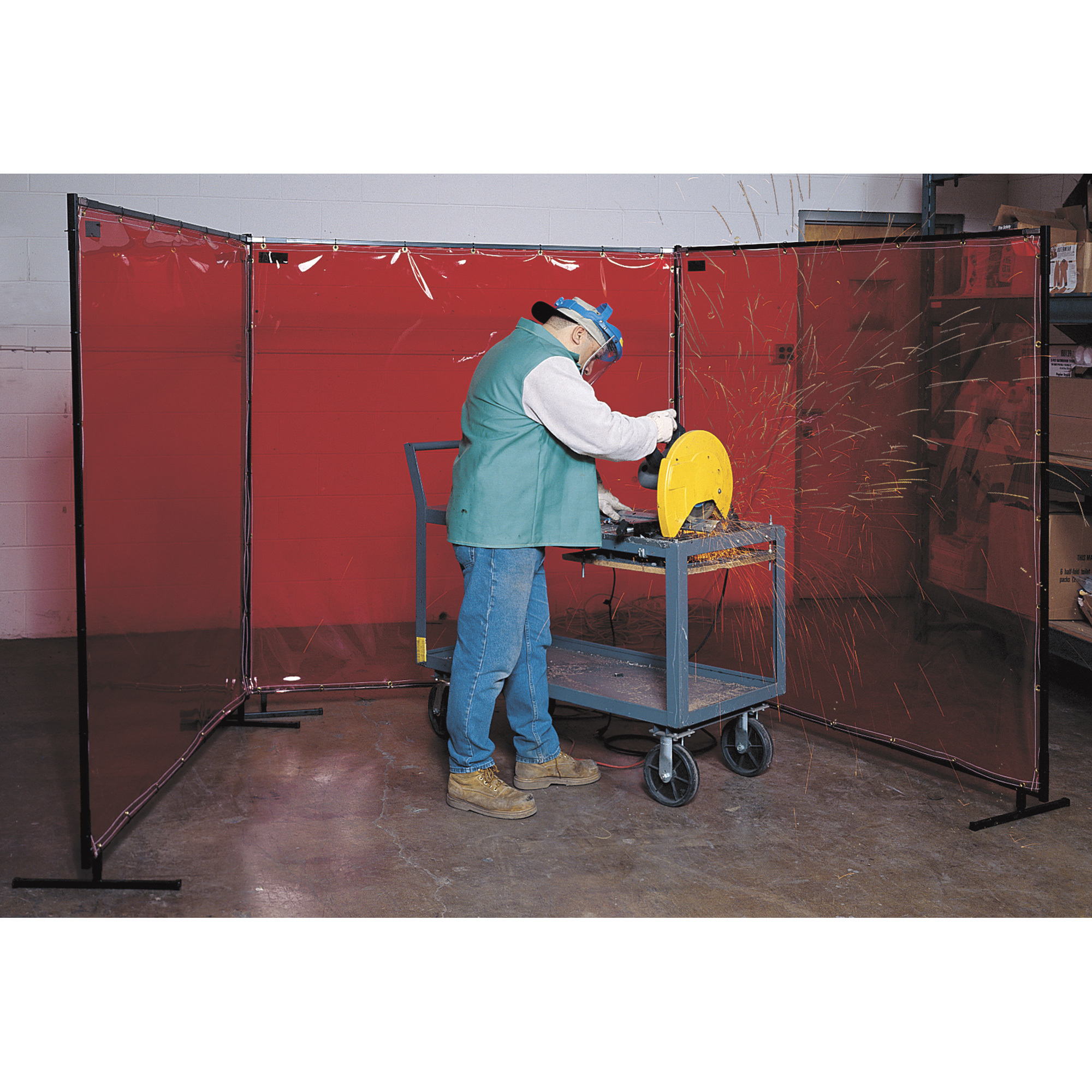
For indoor welding, people next to a welding area may need protection from UV rays and fumes. This important protection can be achieved by welding screens and curtains and fume extraction equipment. Welding in your work area may also require a “Hot Work” permit as a means of fire prevention. Be sure to check local laws on indoor welding.


Welding Helmet

How to Protect Your Face and Eyes While Welding

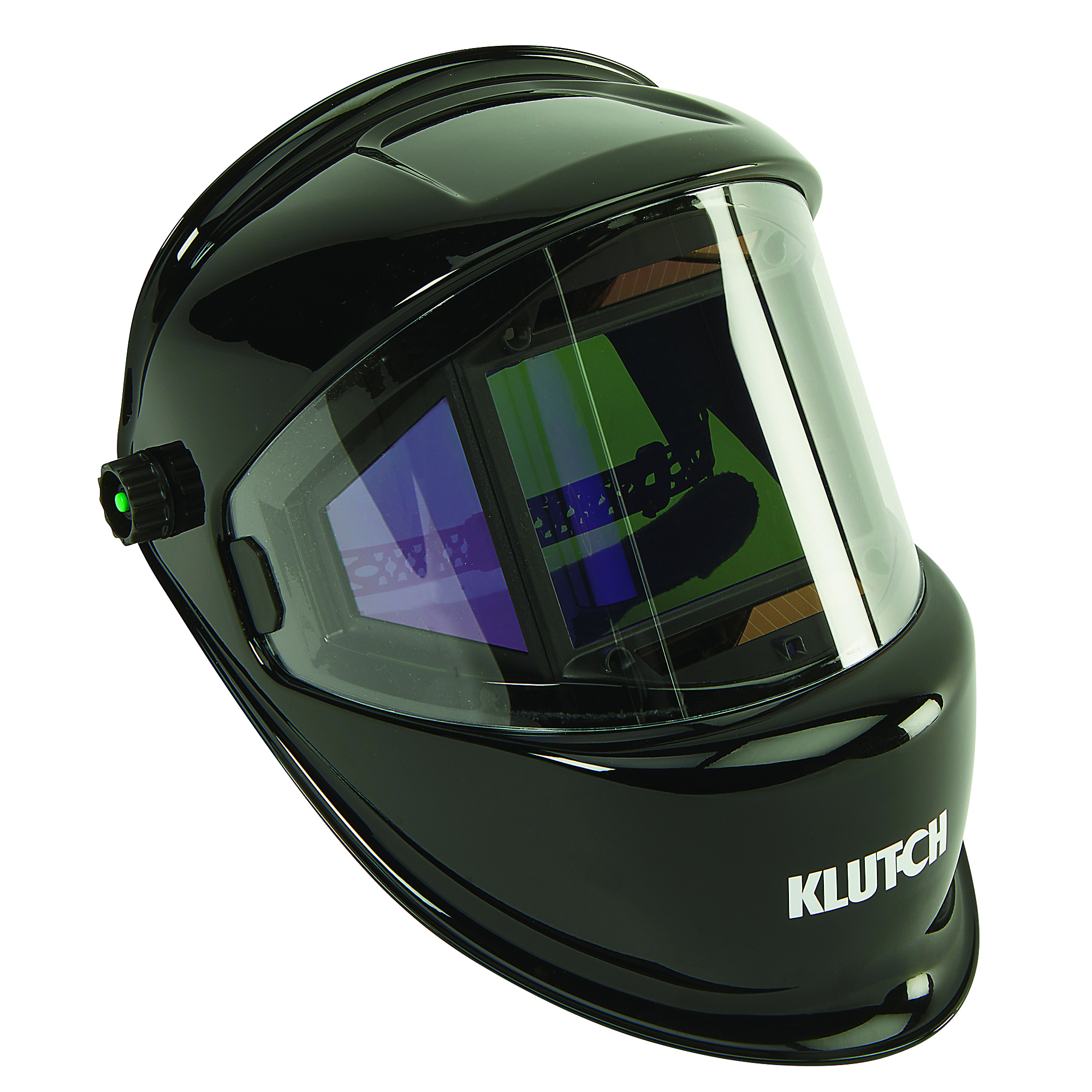
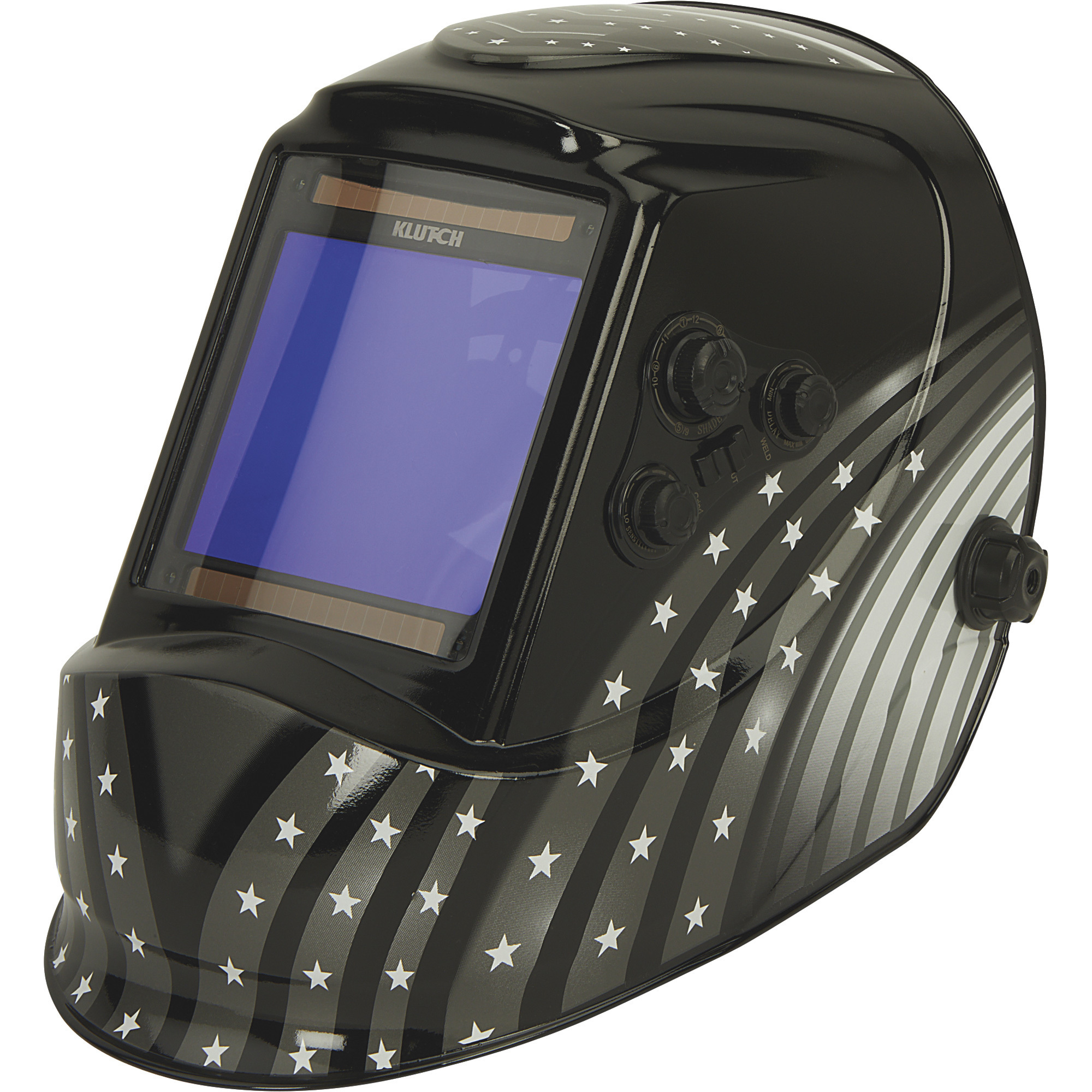
Wearing either an auto-darkening helmet or a fixed shade helmet protects your head and eyes, but be sure that any welding helmet you use complies with ANSI Z87.1-1989 standards. The difference between a fixed shade helmet and an auto-darkening one is that an auto-darkening helmet is variable based on the setting the user programs into the helmet either with the dial or digital control.

Regardless of which type of welding helmet you use, either will protect your eyes against the brightness emitted by both the welding arc and sparks. If a welder doesn't use a helmet, or at minimum, fixed shade goggles, they can suffer permanent eye damage, including blindness. Check out a great selection of welding helmets to find one that suits you best.


How to Protect Your Lungs While Welding

A powered air purifying respirator (PAPR System) is a good choice for preventing respiratory damage from fumes emitted while welding. As mentioned earlier, many of these fumes are highly toxic and capable of causing severe injury or even death. Airway and lung protection is vital, so you want to be sure you've got excellent protective gear.


Welding Gloves

How To Protect Your Hands While Welding

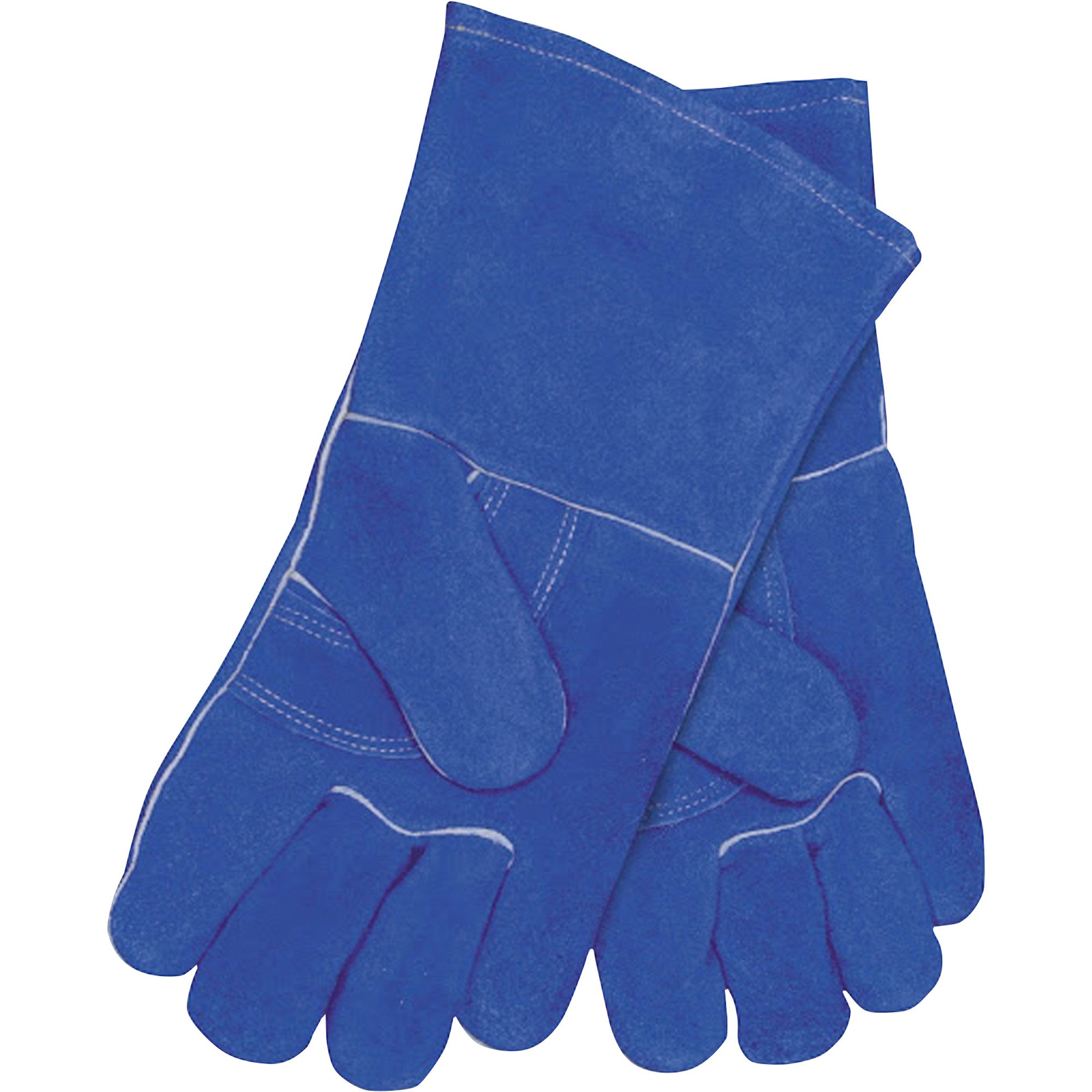
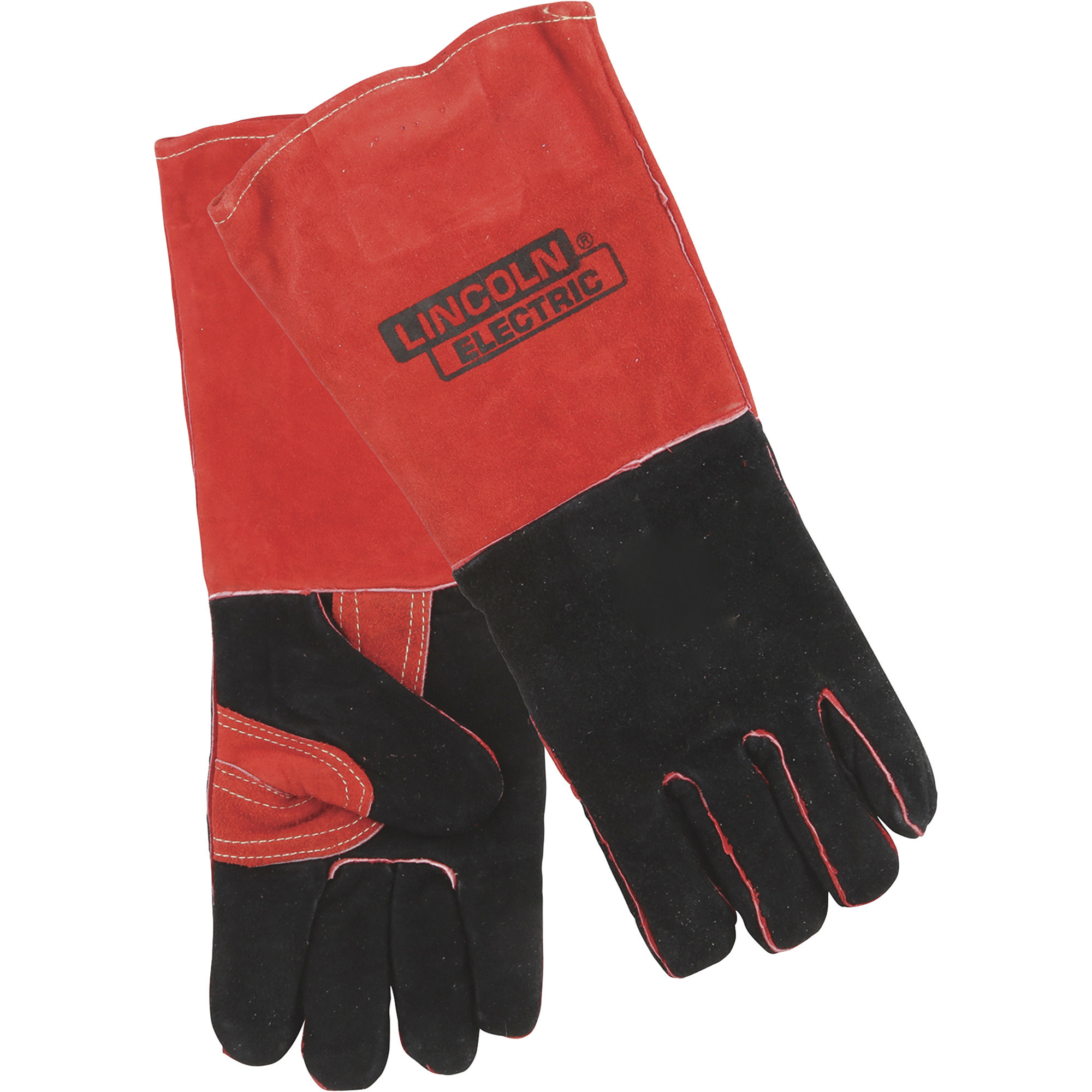
For hand protection, if you're a beginner, start with thick gloves also designed specifically for welding. Experienced welders using the TIG process might choose thinner welding gloves for better dexterity when working with thin metals. Be sure to consult ANSI guidelines on the specific type of welding process you're doing.

For example, ANSI /ISEA 105 compliance is critical for cut resistance and Arc Flash protection. For TIG welding, TIG fingers are critical, as they allow you to rest your hand on your workpiece without worrying about it heating up and burning you.


Welding Jacket

How to Protect Your Torso, Arms and Legs While Welding

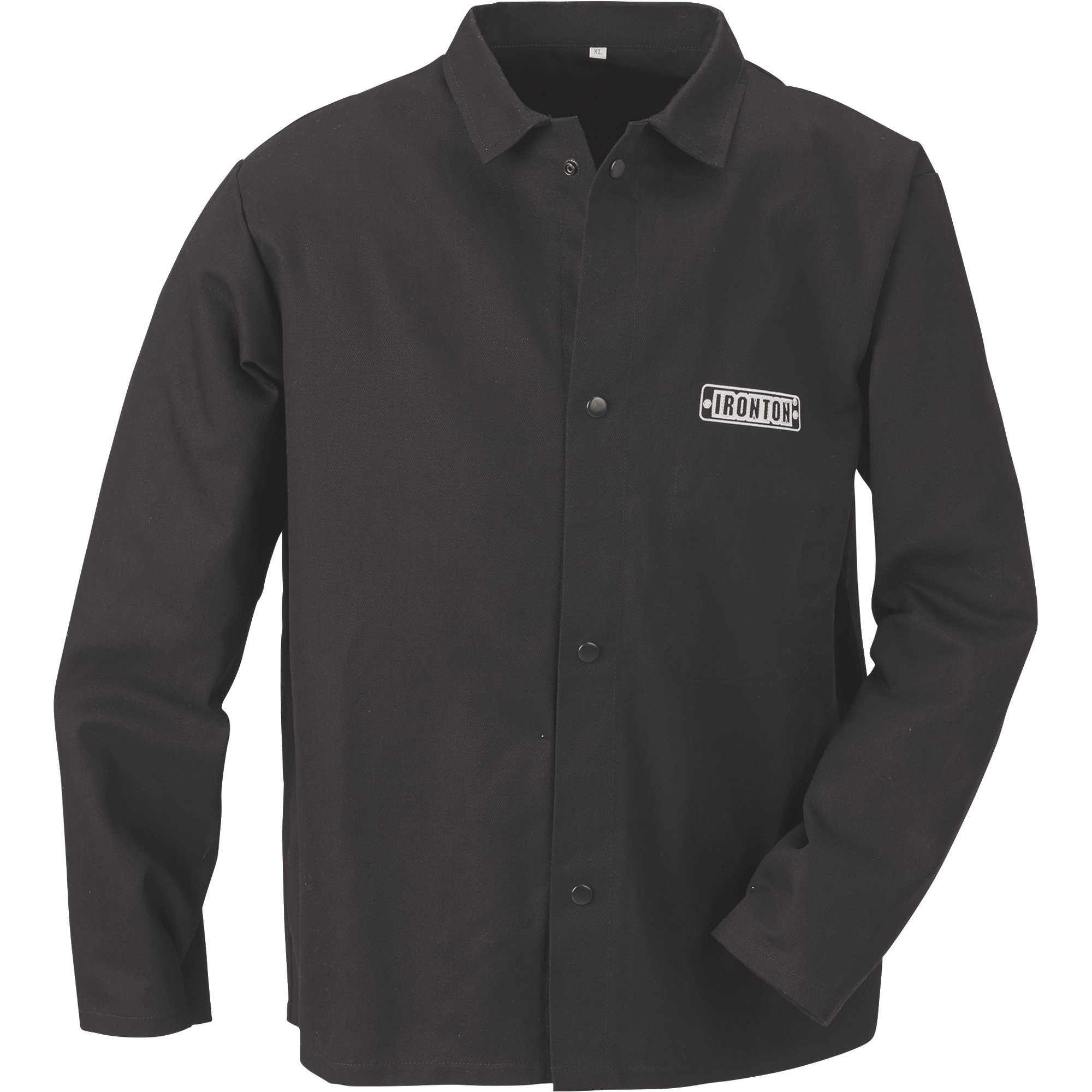
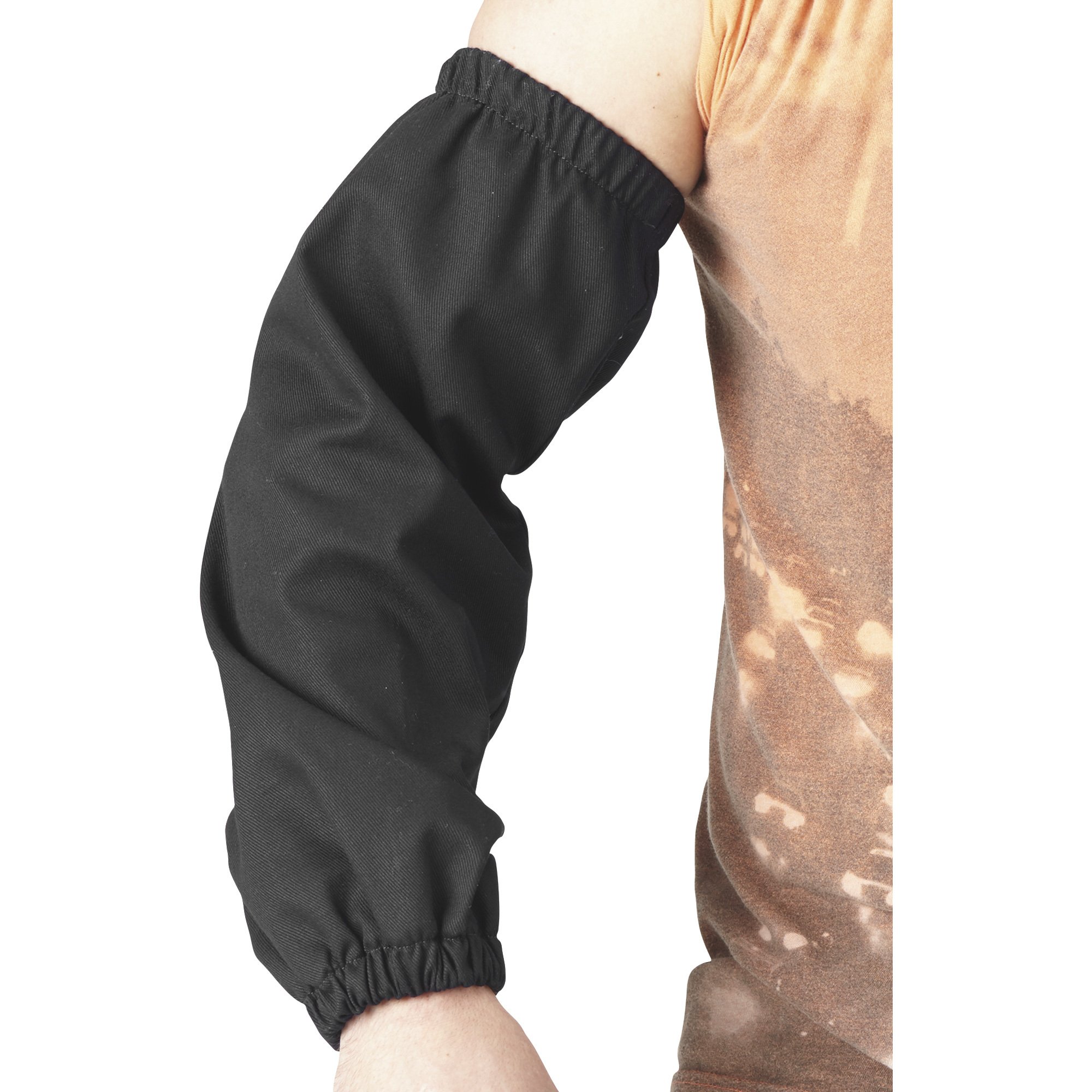
Flame-resistant clothing is critical to avoiding skin damage. Avoid acetate, acrylic and polyester or any combination of these fibers with cotton or wool, as their extreme flammability causes them to melt into skin as they burn. Densely woven cotton or wool fabric treated with flame-retardant provides effective protection against welding heat, sparks and spatters.

Many welders wear shirt/jackets with leather sleeves. Legs should be protected by snug-fitting pants, such as jeans. Shorts should never be worn while welding.


How to Protect Your Feet While Welding

Feet need protection, too— from all kinds of things: slag, sparks, falling objects and more. Any footwear for welding should be closed toed, high topped and preferably leather. The ANSI Z41.1-1991 or ASTM F2413-05 standards offer guidance on footwear for welding. Flame-resistant socks should also be worn.


Additional Resources

The Center for Disease Control and the National Institute of Occupational Safety; the American National Standards Institute (ANSI); and the Occupational Safety and Health Administration (OSHA) are all excellent sources to check for further information on protective measures that should be taken for welding.

Shop Comprehensive Welding PPE