Dressing for the Job

Staying warm on the jobsite should always begin with dressing appropriately for the cold. Layers are key—three layers, to be exact: a base layer, mid-layer and outerwear.
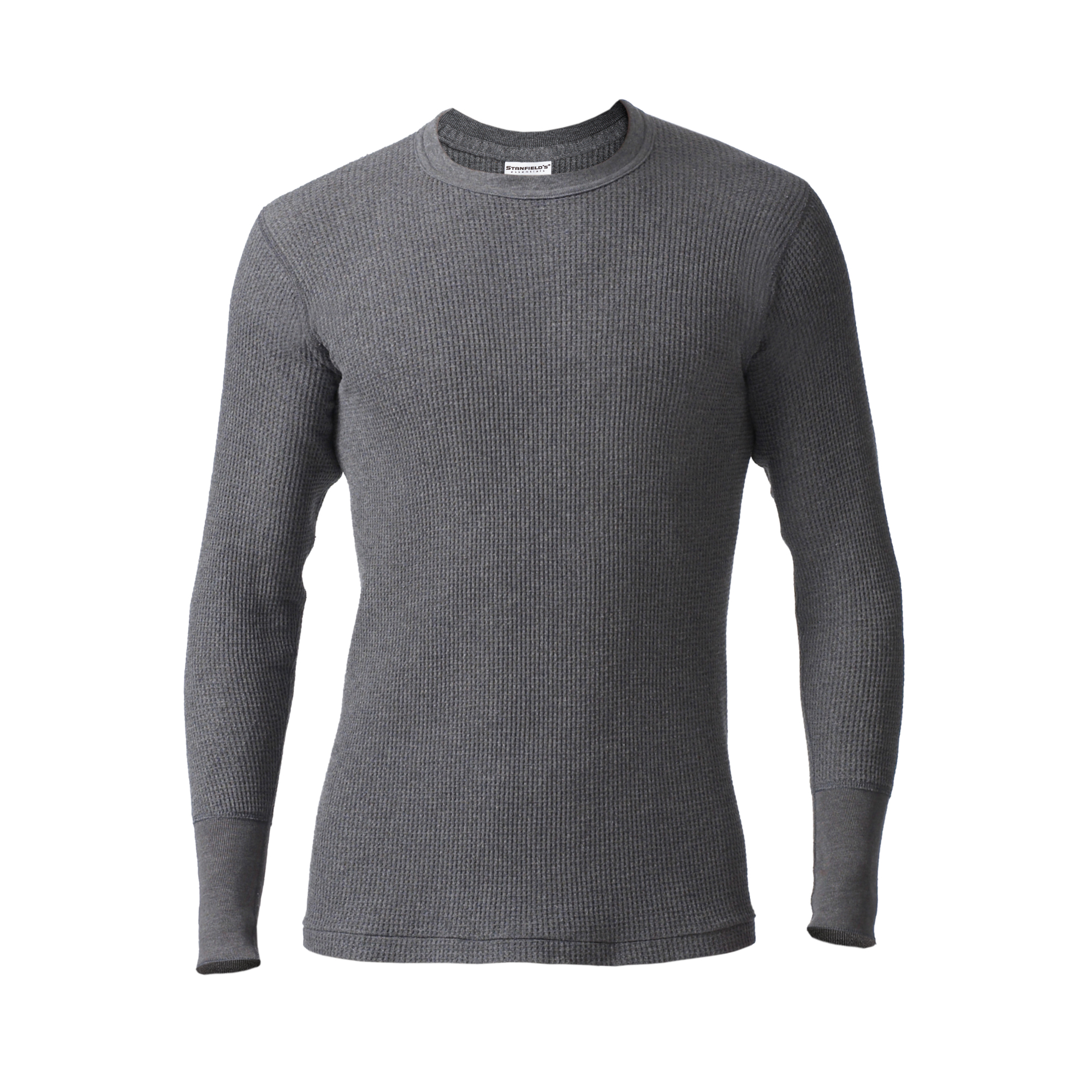
The base layer’s role is moisture wicking. Dry skin is warm skin, and if your base layers are not lifting perspiration and quickly drying, your body temperature will drop. Polyester base layer clothing or thermal underwear are great options among synthetic materials. If natural fibers are more appealing, opt for merino wool. Fit should also be considered. To do its job correctly, the base layer needs to have contact with the skin. Select a size that fits snugly but not uncomfortably tight. Base layer pants and shirts are available in multiple thicknesses. Your activity level should dictate the weight of your base layer. For high activity, wear a lightweight base layer, as this will minimize the amount you sweat. For time spent outside with low activity, opt for a heavier base layer.
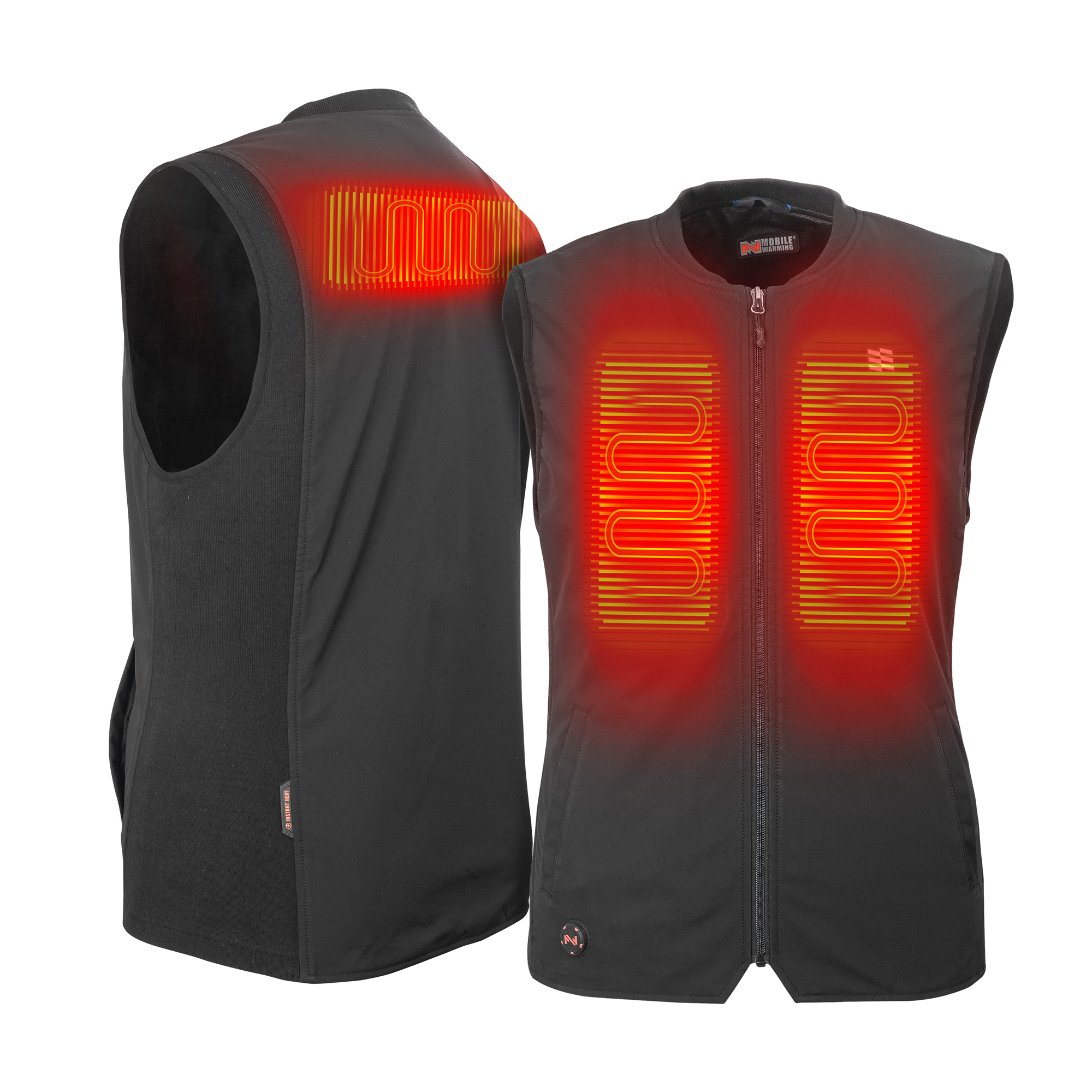
The mid-layer provides insulation. Fleece pullovers and puffy jackets are the most popular options. But if conditions are wet, avoid down-filled layers and reach for a synthetic insulating layer instead. It is easy to forget this layer on your lower half, so take time to find a good pair of insulated pants such as fleece-lined jeans or a pair of bibs.
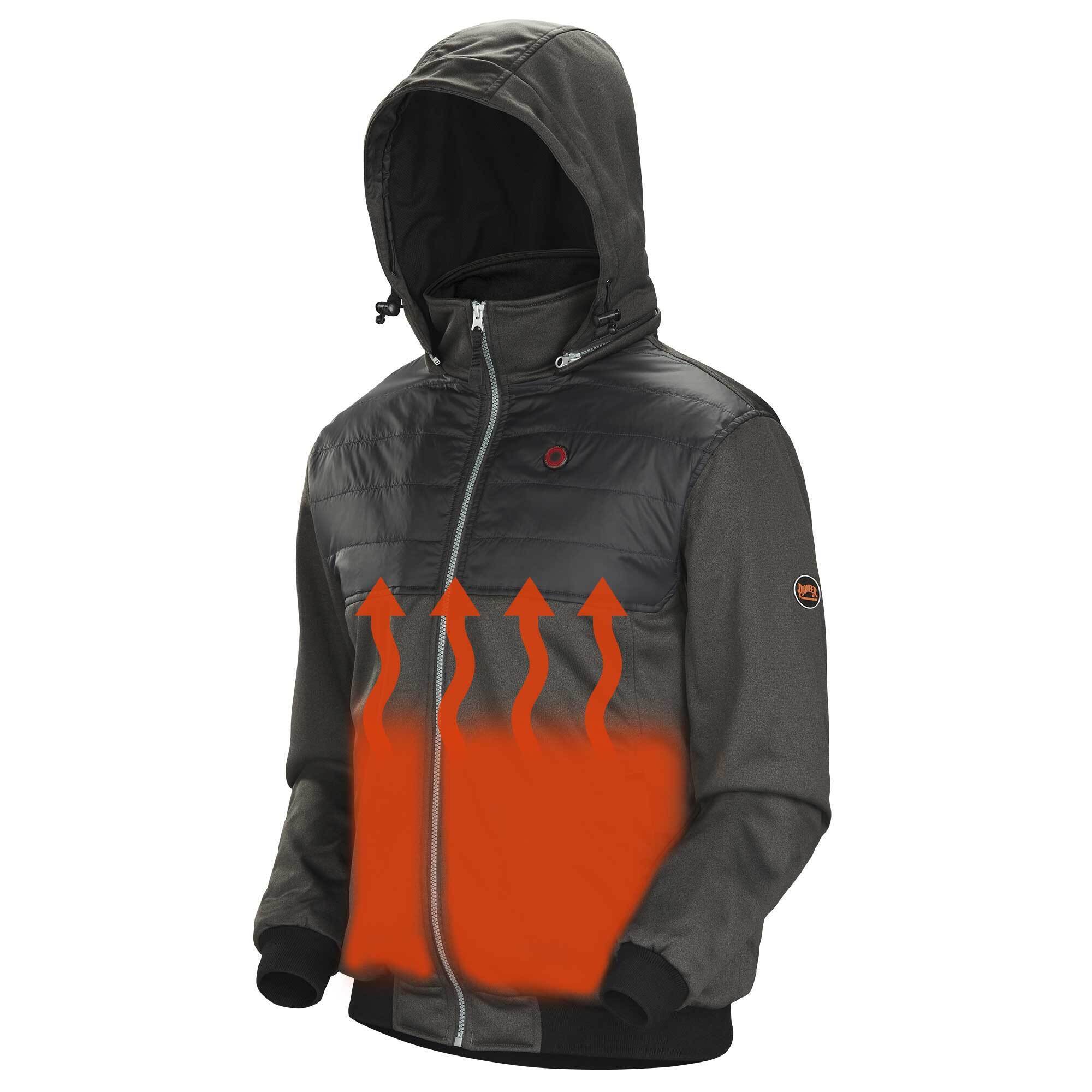
Outerwear acts as a shield. It is the first and only layer with direct contact to the elements. Your outerwear needs to protect you from precipitation while also remaining breathable. If the moisture your baselayer is wicking away from your body cannot escape, a chill will soon follow. When shopping for outerwear, know that items marked waterproof are also windproof, so there is no need to hunt for tags displaying both benefits. Just as with the mid-layer, a hard shell will further protect your legs from windchill. If you prefer to keep things simple with a one-piece outer layer, try some coveralls. It is imperative that the outerwear fits properly—too much wiggle room and the cold can get in but too tight and your movement will be impaired. Not to mention, you risk damaging the clothing.
Last but not least, don’t forget a hat, gloves and insulated footwear. The cold weather layering system won’t do much good without these accessories. For even greater cold protection between your footwear and pants, try a pair of gaiters. Pocket/hand warmers may also be helpful if your work can’t be done wearing gloves.