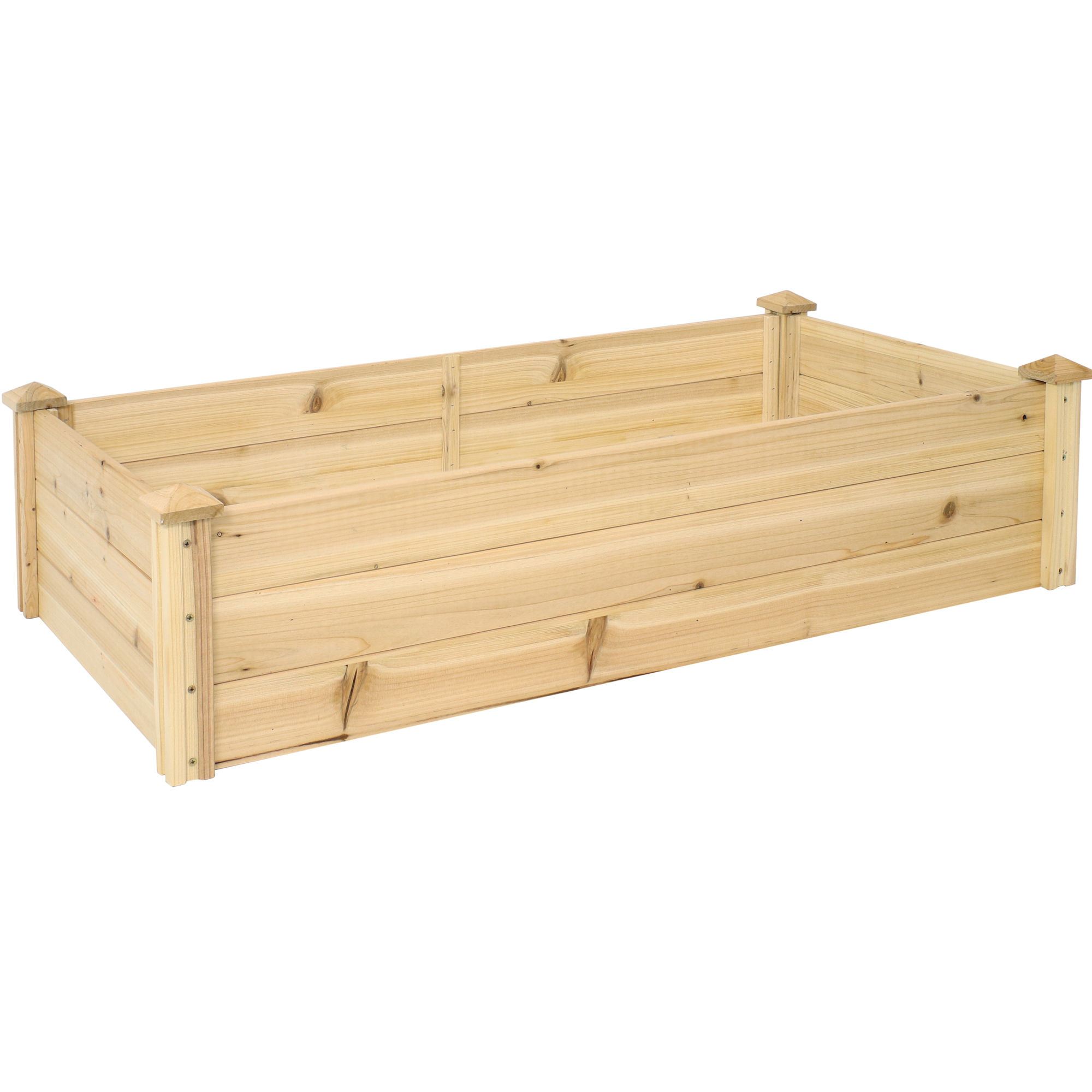
Natural rot-resistant wood is an excellent material for constructing a healthy raised garden. Wood known for resistance to decay includes cedar, black cherry, oak (bur, chestnut, post and white), black locust, Osage orange and redwood. You can also use natural pine from a safety perspective, but it is not rot resistant, and you may need to replace it in about five years.
Raised Garden Bed
Construction Material is Critical: Constructing your own raised garden allows you to adjust its height and size to your preference and its depth to the preference of your favorite root vegetables. You’re not left to the mercy of raised garden specs on the market. You can also control weeds easily. Whether you choose to build or buy, safe construction materials are critical. Let’s look at some great options to consider, as well as some hazardous materials to avoid. You want to grow healthy plants that aren’t subject to toxins leaching out of your raised garden.
Natural Wood Raised Garden Beds
Treated Wood Raised Garden Beds
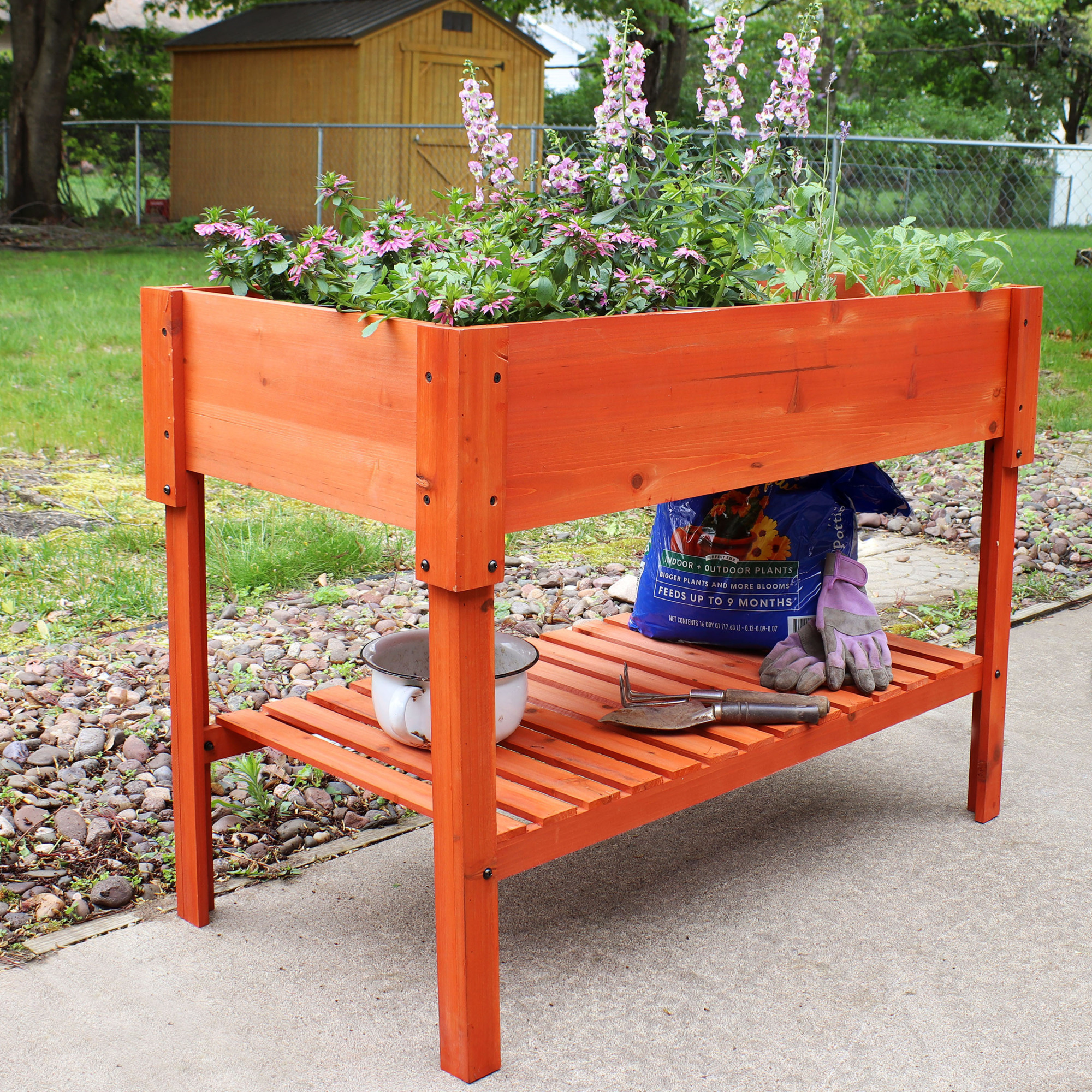
Wood treated with Alkaline Copper Quaternary (ACQ) is also considered safe for vegetable gardening. ACQ is durable and nontoxic, making it great choice. Wood treated with Chromated Copper Arsenate (CCA) is NOT considered safe. CCA is a well-documented health hazard, making it unacceptable for a raised garden or for contact with anything edible.
Metal Raised Garden Beds
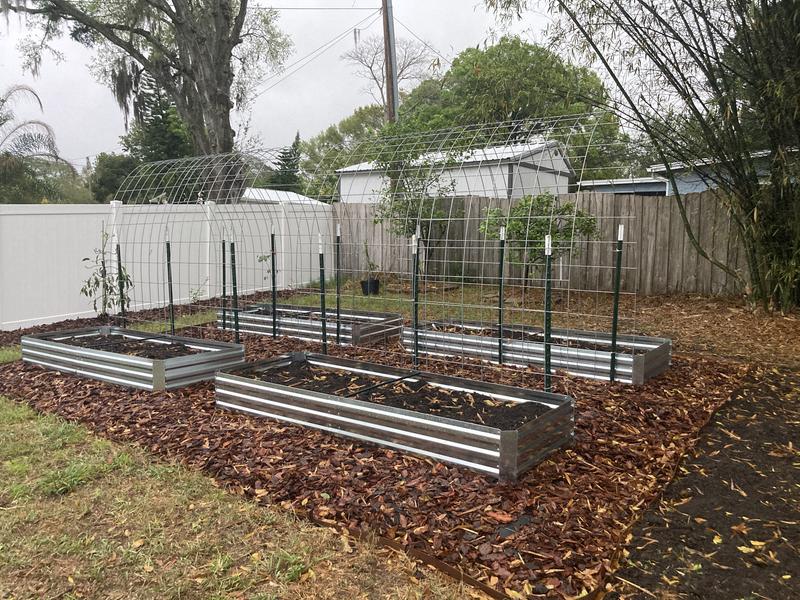
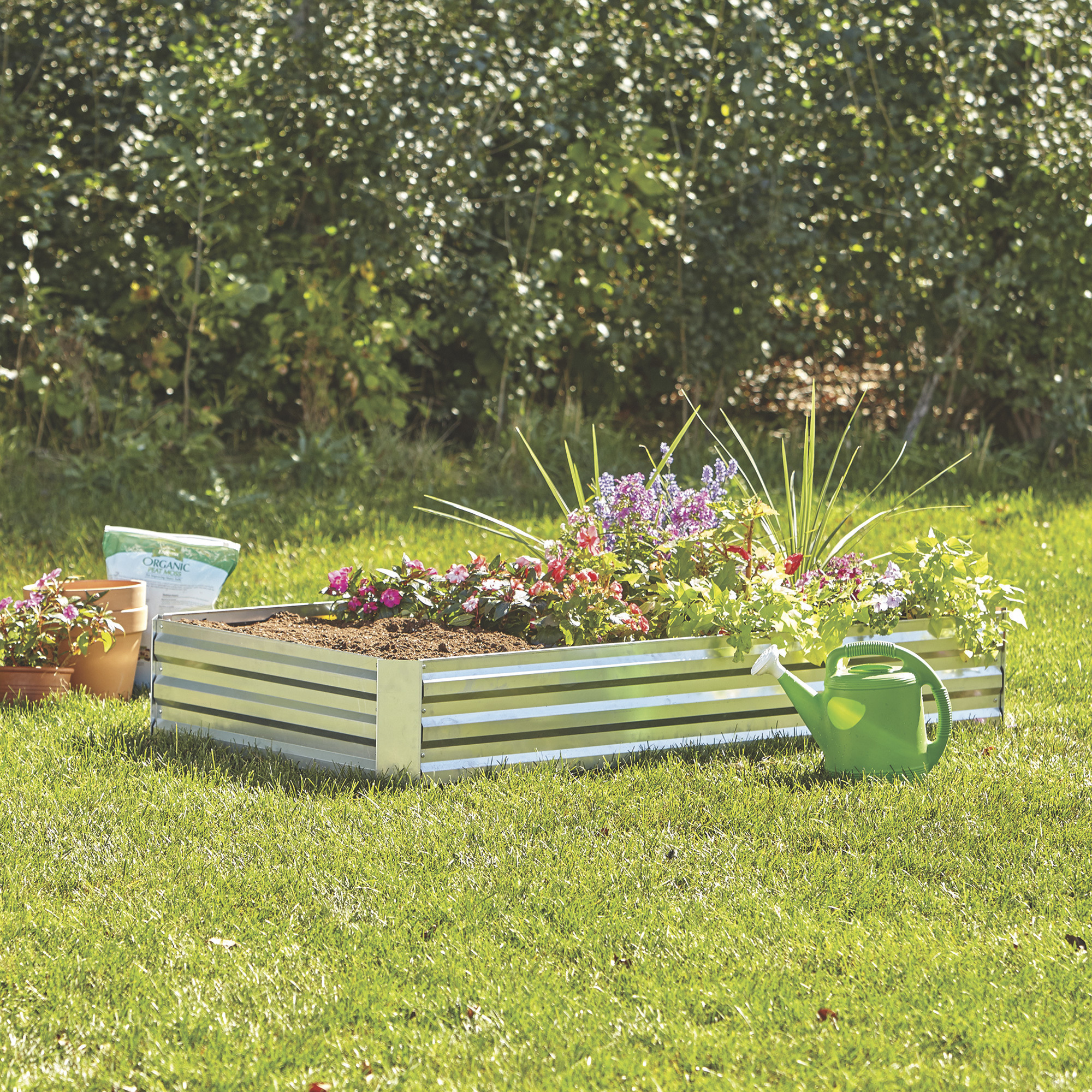
Galvanized steel is an excellent material for a raised garden. The zinc coating of galvanized steel requires acidity to break it down, but since most garden soils are not acidic, they would have zero to minimal effect on the zinc. As an essential plant micronutrient, zinc is also a normal part of the soil. Unlike galvanized steel, aluminum is not appropriate for a raised garden, as it can leach into the soil, causing a toxicity that can damage roots and hinder plant growth. Although experts agree that it would require a lot of aluminum for this damage to occur, it’s best to avoid aluminum altogether.
Plastic Raised Garden Beds
There are seven types of numbered plastic. The number you see inside the triangle on the bottom of a plastic object indicates its plastic type. Numbers 2, 4 and 5 are considered safe for raised gardens while numbers 1, 3, 6 and 7 are not.
#1 is Polyethylene Terephthalate (PET). Since this type of food-safe plastic is intended for one-time use before it starts to break down, it’s not an appropriate raised garden material.
#2 is High-Density Polyethylene (HDPE). UV and heat resistant, this plastic holds up from -148 to 176° F and is not known for leaching chemicals into food or soil. #2 plastic is a great choice.
#3 is Polyvinyl (PVC). This plastic contains phthalates, which are known health hazards unsafe for food or garden soil.
#4 is Low-Density Polyethylene (LDPE). Food-storage safe and not known for leaching chemicals into food or soil, LDPE is a very safe material for a raised garden.
#5 is Polypropylene (PP). Although it is not generally as heat tolerant as HDPE (#2) or LDPE (#4), #5 plastic is considered safe for food and garden soil.
#6 is Polystyrene (PS). Although it is used for food packing, #6 isn’t considered good for a raised garden because it is porous and less durable than other recommended plastic choices.
#7 is the designation for any kind of plastic not identified by #s 1–6. Some of the plastics in this category are safe, but you can’t tell by the #7. Some #7 plastics contain BPA, a dangerous compound associated with many health problems. DO NOT use #7 plastic as a food or garden container.
Check out Northern Tool’s selection of construction and lawn + garden tools, including garden beds + planters.