Top 5 Reasons for Popcorn-Looking Welds
1. Speed Dial on Wire Feed Welder Is Set Too High
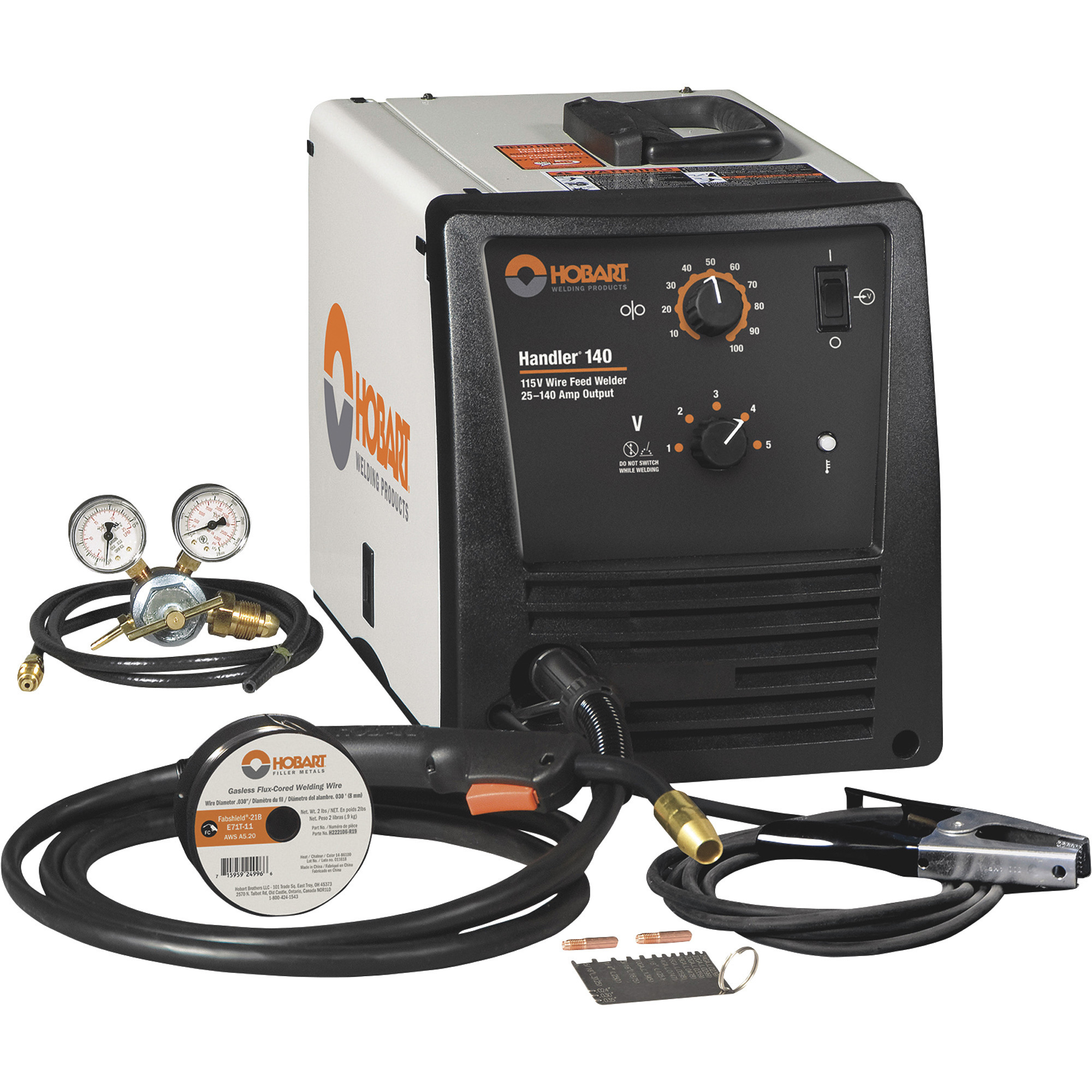
If you’re feeding wire faster than your workpiece materials and wire are melting, the wire end deposits itself in little blobs with nowhere else to go. Double-check the manufacturer’s manual on recommended speed for the type and thickness of metal you’re welding. Adjust your wire speed accordingly and do a test to see if that prevents the popcorn effect. We carry a great selection of wire feed welders that are easy to use and make great welds.
2. Weld Amp/Volt Setting is Too High or Too Low
Some experts say that after an inappropriate speed setting, the next factor most likely to cause popcorn welds is an inappropriate amp/volt setting. Thin materials require higher speeds and thinner wire which carries lower amps. Thicker materials require lower speeds and thicker wire which carries higher amps. If your manufacturer’s guide does not provide explicit amp/volt direction for the welding you need to do, consult an expert and/or test and take notes.
Record the thickness of your parent metals, your wire and your speed and volt/amp settings. At what settings is your welding free of popcorn beads, roping, spatter, or overly flat or deep troughs? Hold onto those settings for future work that requires the same type of weld with the same type of parent metals and wire. Your own trial and error can yield valuable lessons to carry forward.
3. Workpiece Metal Is Too Thin or Too Thick for the Process
Typically, thinner materials can be welded at faster speeds, while thicker materials require slower speeds. Going either too slowly for thinner materials or too quickly for thicker materials will cause popping. An old rule of thumb is that you should consider one amp for 1/4in. thick material. This setting is best unless you hear differently from an expert or from your manufacturer’s guide.
4. Incorrect Wire Size and/or Type
Different types of welding require different sizes and/or types of wire. Again, this is a great place to stop and ask for directions — from your manufacturer’s manual. Solid wire is different from flux wire, and recommendations for size vary according to the parent metal type and thickness. Flux wire is good if you want to weld with a large diameter and relatively high amps. Solid wire is often not as powerful as flux wire. Experts say that a 0.035in. wire works best with amps set at 50 to 180 at a speed range of 80 to 380 inches per minute. Look for directions at least this specific for the type of weld you need to perform.
| Wire Size | Amps | Wire Speed |
|---|---|---|
| .023in. | 30-90 | 100-400 |
| .030in. | 40-145 | 90-340 |
| .035in. | 50-180 | 80-380 |
| .045in. | 75-250 | 70-270 |

5. MIG or TIG Welding Without Shielding Gas
Sometimes a beginner welder will decide to experiment with a welding process by leaving out an essential ingredient. For example, you might wonder whether you can just crank up your MIG or TIG welder without a tank of shielding gas. Not a great idea. You will soon hear hissing and popping and experience extreme spatter in addition to popcorn-looking deposits. The problem of porosity also occurs, and that means your weld not only looks bad, but it’s also weak. Remember, the shielding gas is essential to keeping oxygen and water out of the weld spot, and without it, serious oxidation occurs. Oxidation causes your weld to be porous and brittle.
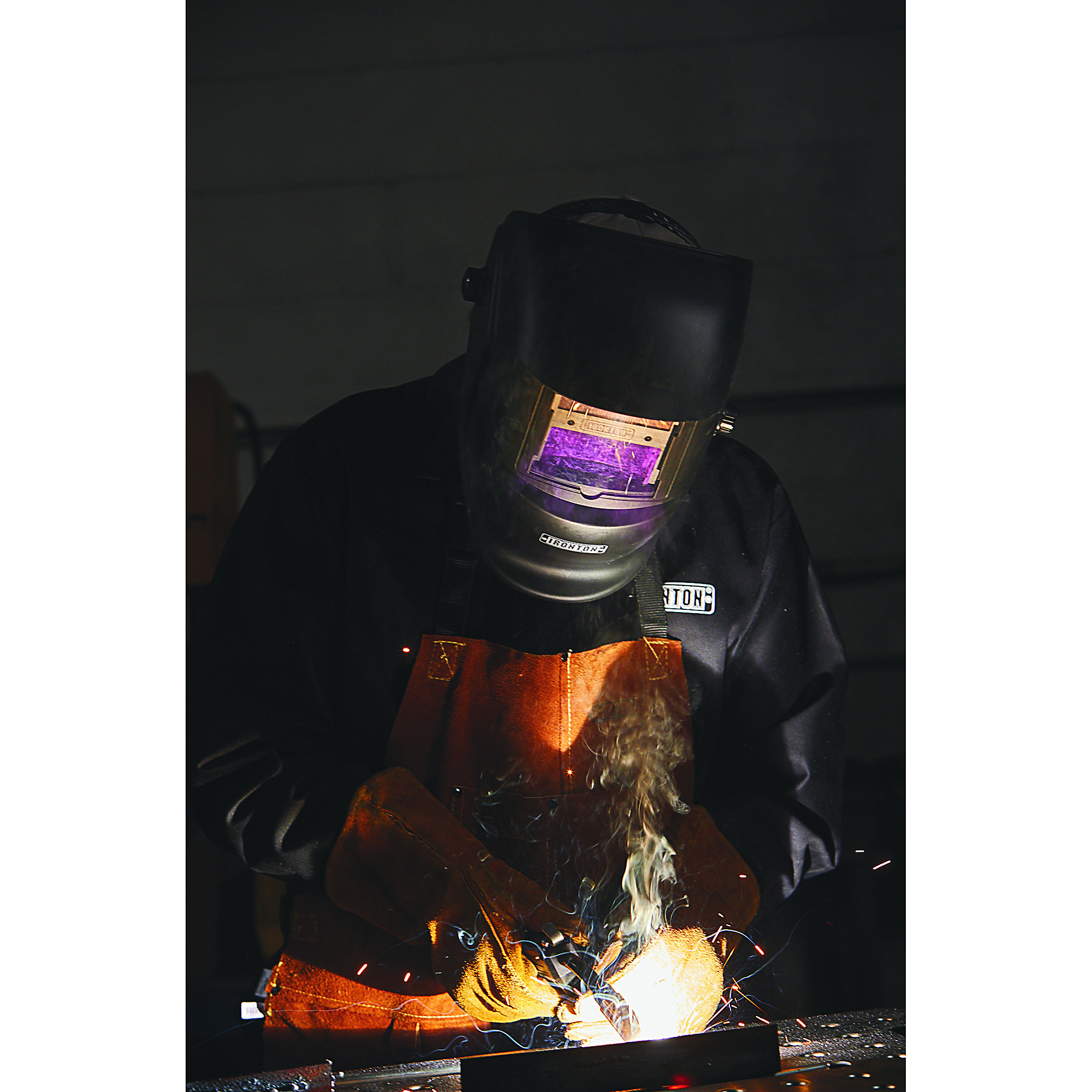
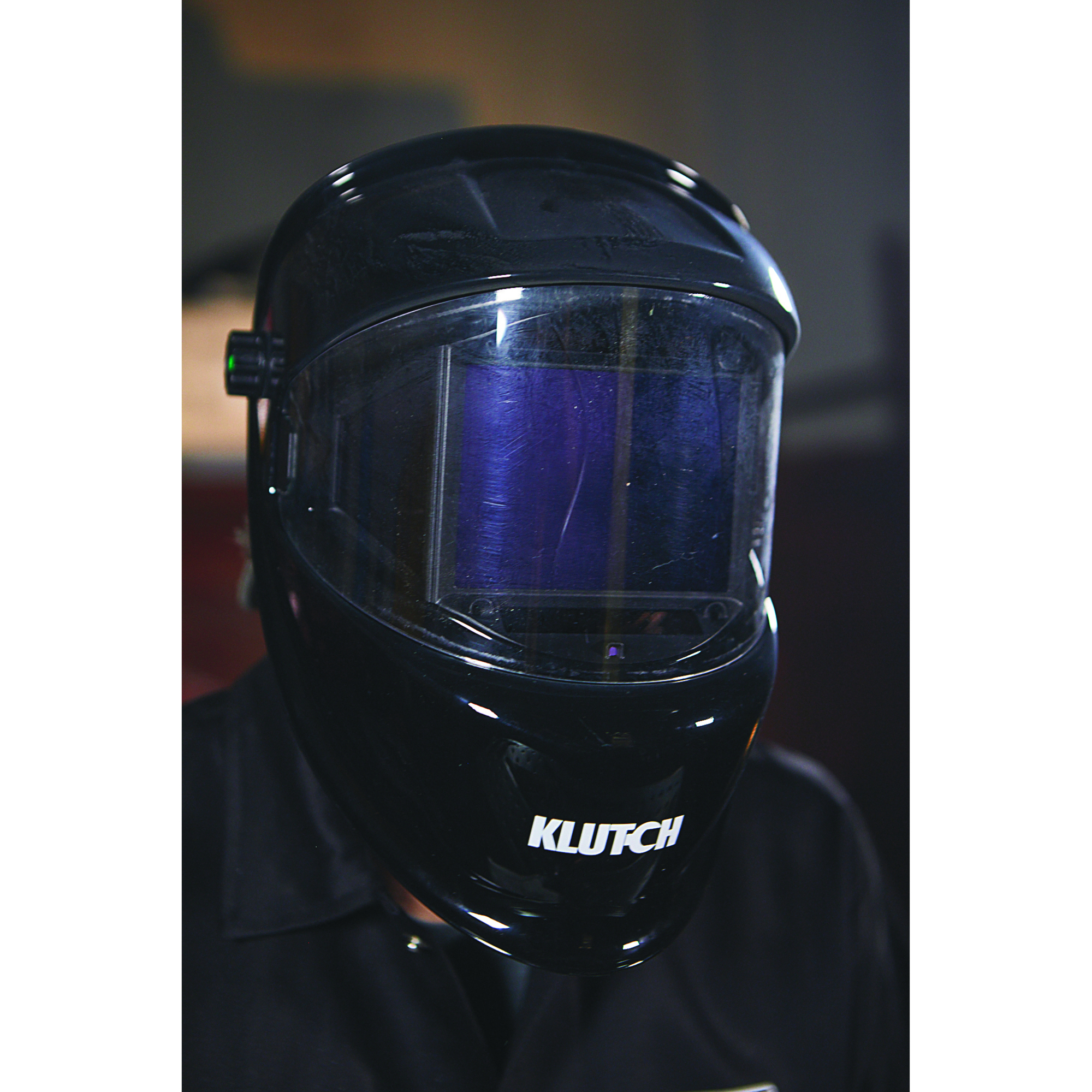
Enjoy researching and adjusting settings, wire and process to meet your welding tasks at hand. There’s nothing like learning firsthand what a good weld looks and feels like: straight and consistent without popcorn, cracks, holes, troughs or slag. Be sure to wear appropriate personal protective equipment, welding helmet, work in a space clear of flammable materials and ensure you have good ventilation before doing any type of welding.
Interested in more welding slang terms? Check out this list of some common welding slang terms you might hear in this highly skilled trade.