What do industry standards say?
Three organizations weigh in: A) The Occupational Safety and Health Administration (OSHA) is comprehensive in its assessment of the need for eye protection. According to OSHA, any time there's a reasonable chance an activity will cause injury, protection should be worn. While this discussion centers around the risk of light to your eyes, OSHA provides guidance on several other risks, so it’s an excellent reference for all kinds of safety in addition to eye protection. B) The American National Standards Institute (ANSI) has developed standards for eye and face protection against optical radiation: ANSI Z87.1 and ANSI 2136.1, with ANSI 2136.1 addressing laser light specifically. These standards provide information on designing, using, testing, marking, choosing and maintaining eye protection. C) The International Safety Equipment Association (ISEA) uses ANSI standards to identify specific types of eye protection for optical radiation. All three organizations are clear: eye protection is vital.
Ultraviolet Light Eye Protection
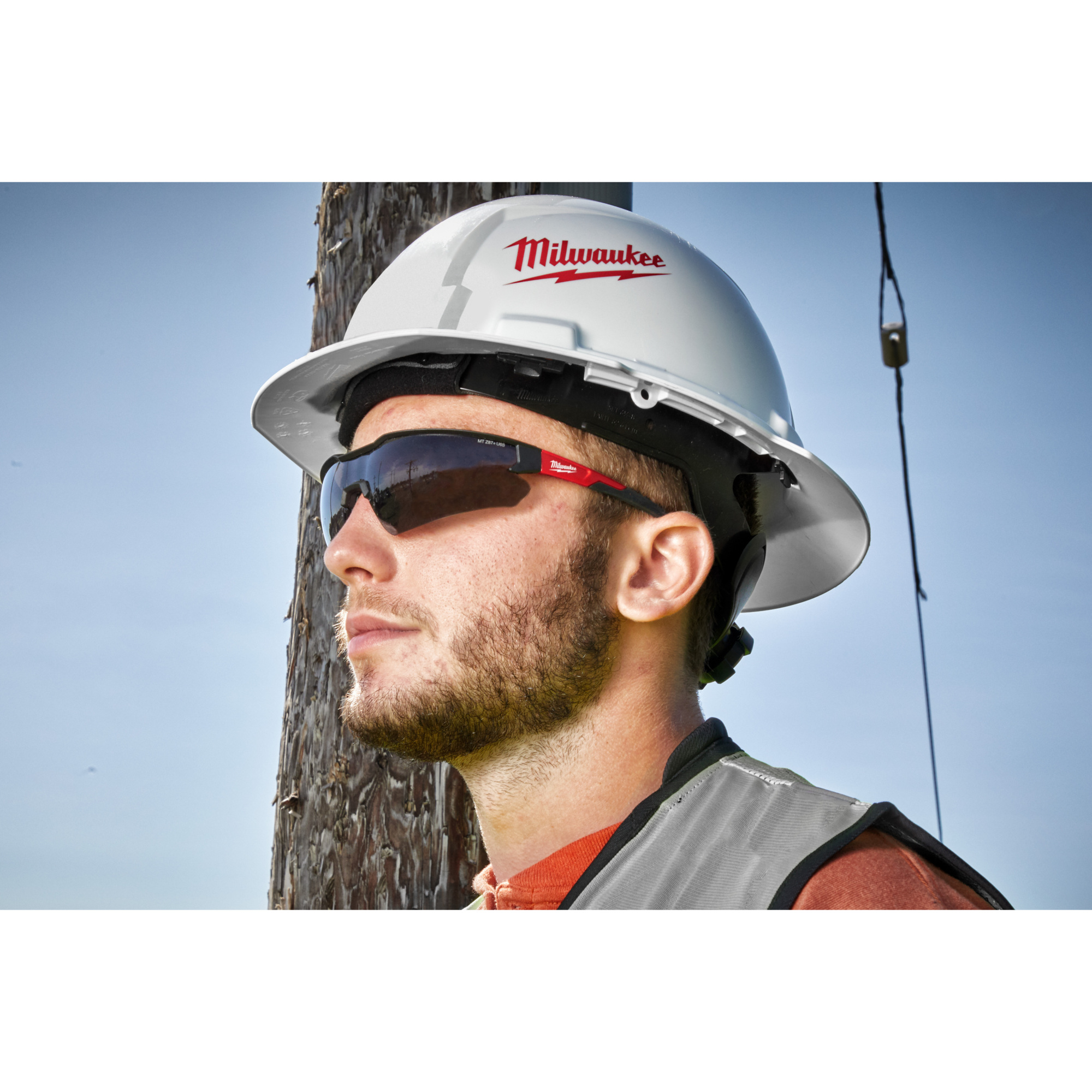
For protection against ultraviolet light, look for the letter U and a scale number from 2 to 6 with 6 being the highest level of protection.
Visible Light Eye Protection
For protection against visible light (including glare) look for the letter L and a scale number from 1.3 to 10 with 10 being the highest level of protection.
Infrared Light Eye Protection
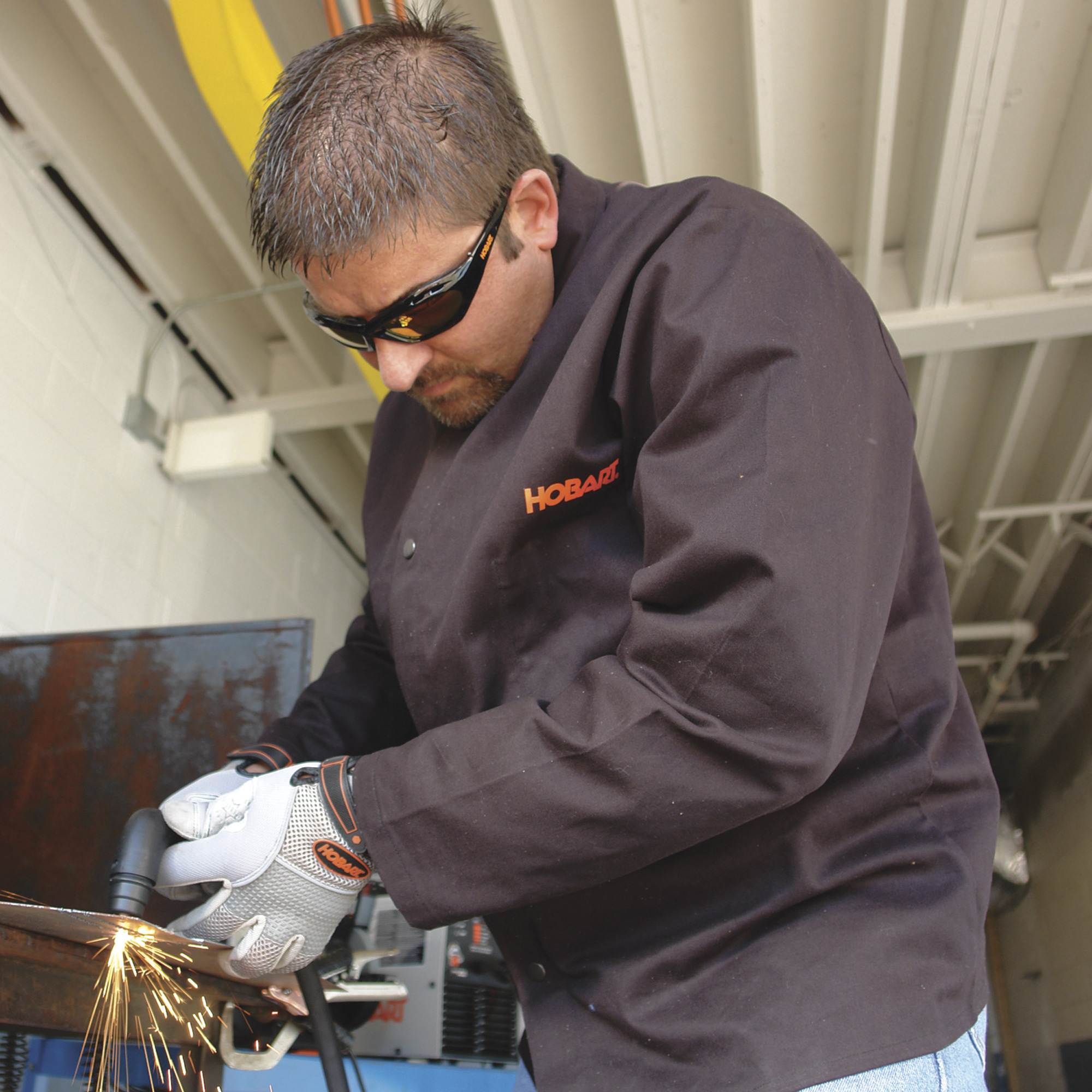
For protection against infrared light, look for eyewear with the abbreviation IR plus a scale number in the range of 1.3 to 10, with 10 being the highest level of protection.
On safety eyewear, markings can be found on either a sidearm of the frames or on the right side of the lens. If a particular pair of safety glasses has passed the high-impact standard in addition to the light protection standard, a “+” will be found next to the ANSI Z87.1 mark.
Laser Light Eye Protection
For protection against laser light, find out the wavelength and optical density of the laser tool you will be operating and look for those measurements on the eye protection you choose. Wavelength is stated on eyewear in nanometers or micrometers along with optical density (OD) measurement, which ranges from OD1 to OD7, with OD7 being the highest level of protection. OD5 protects against some powerful lasers, while OD2 and OD3 can be effective against many lasers. Laser safety glasses are critical to protecting your eyes, so it is vital to find out the strength of the laser you will be operating and find eye protection marked to protect against it. If in doubt, check with a laser safety expert.
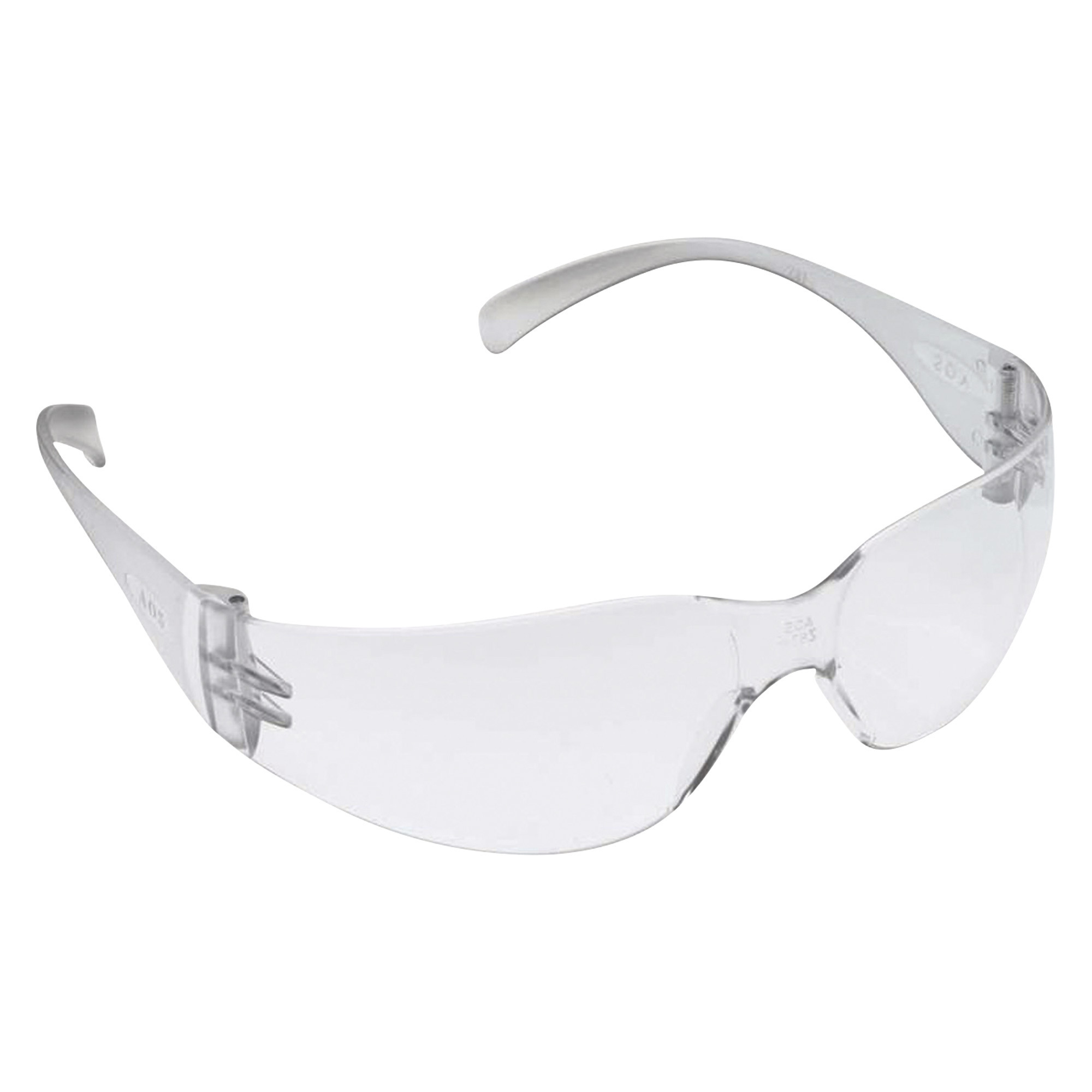
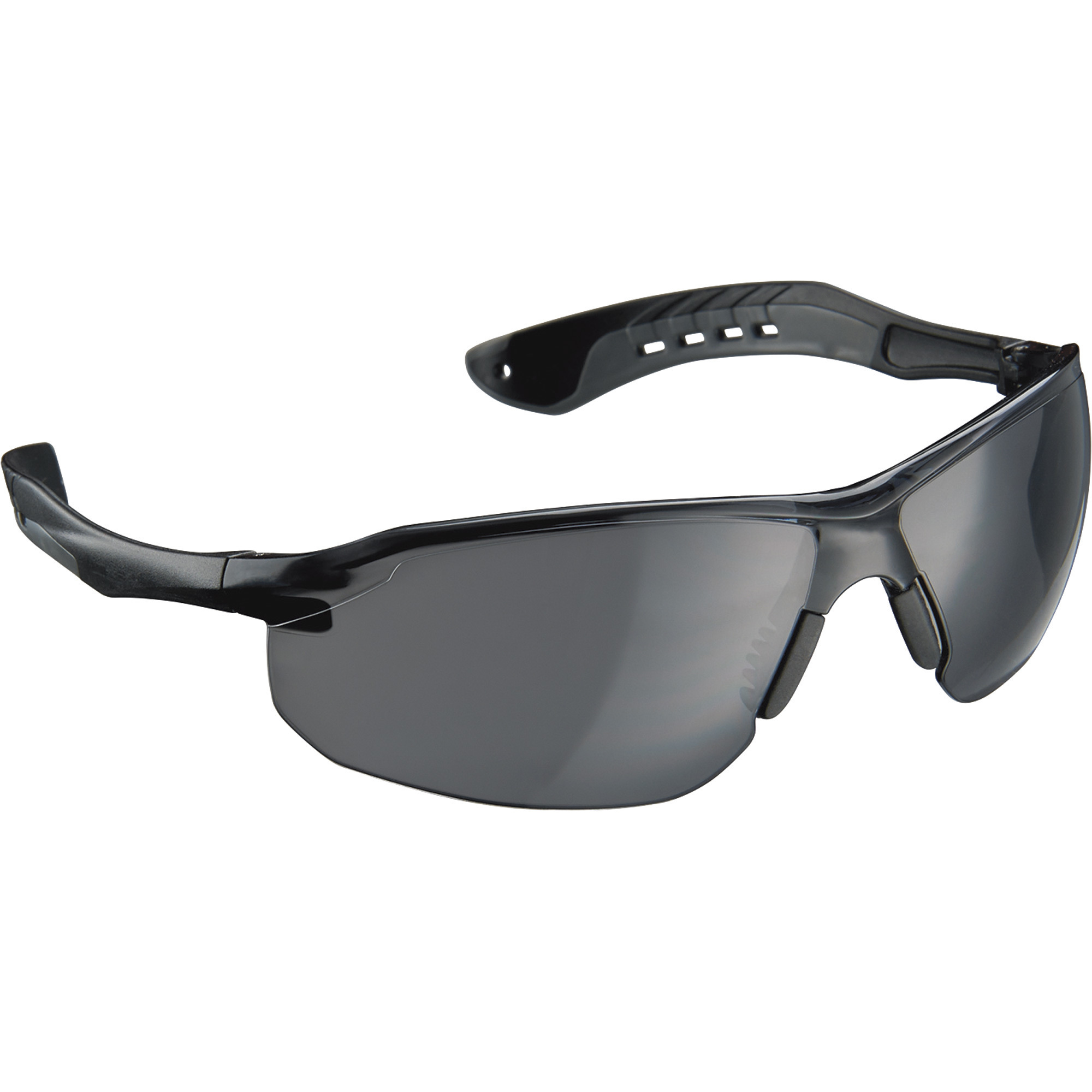
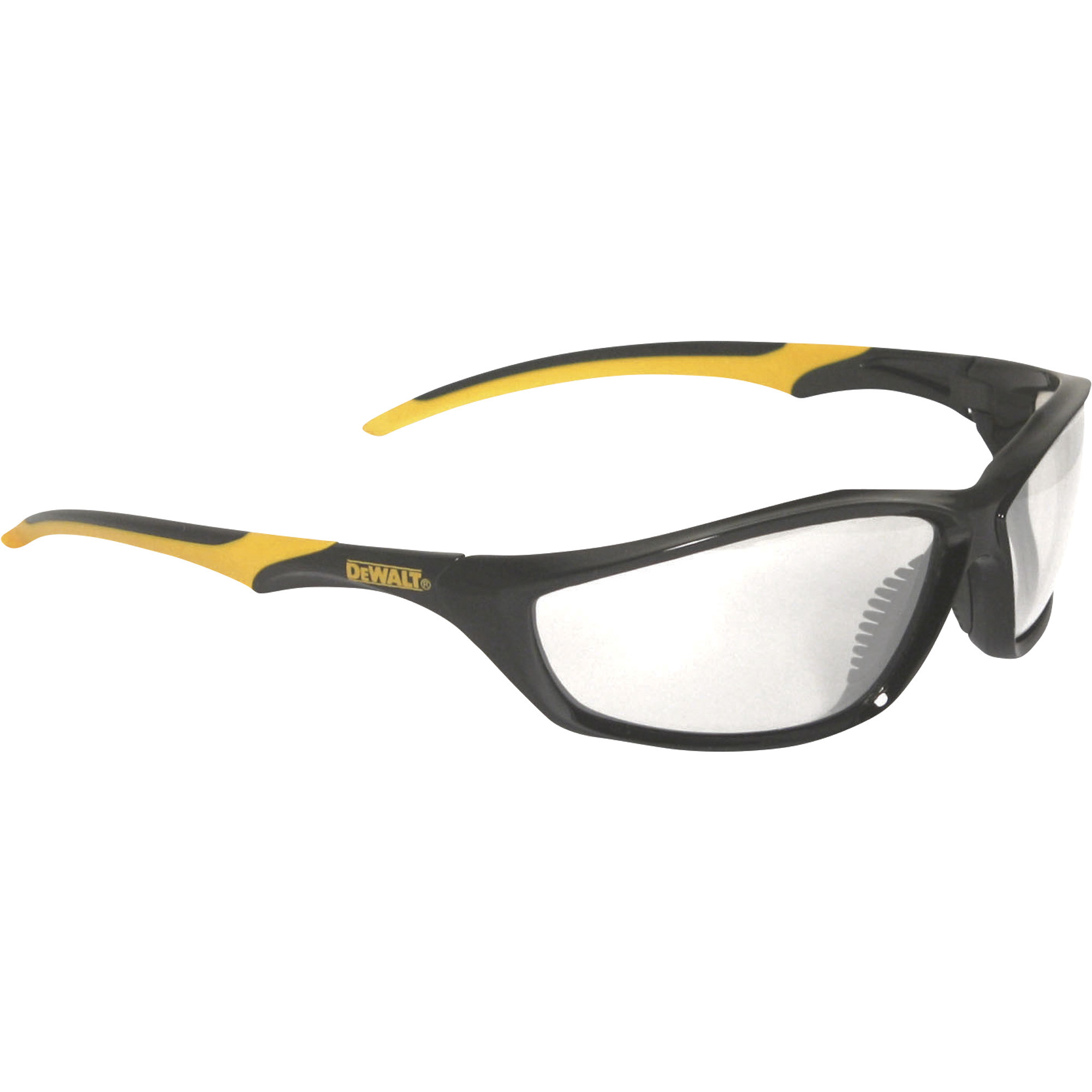
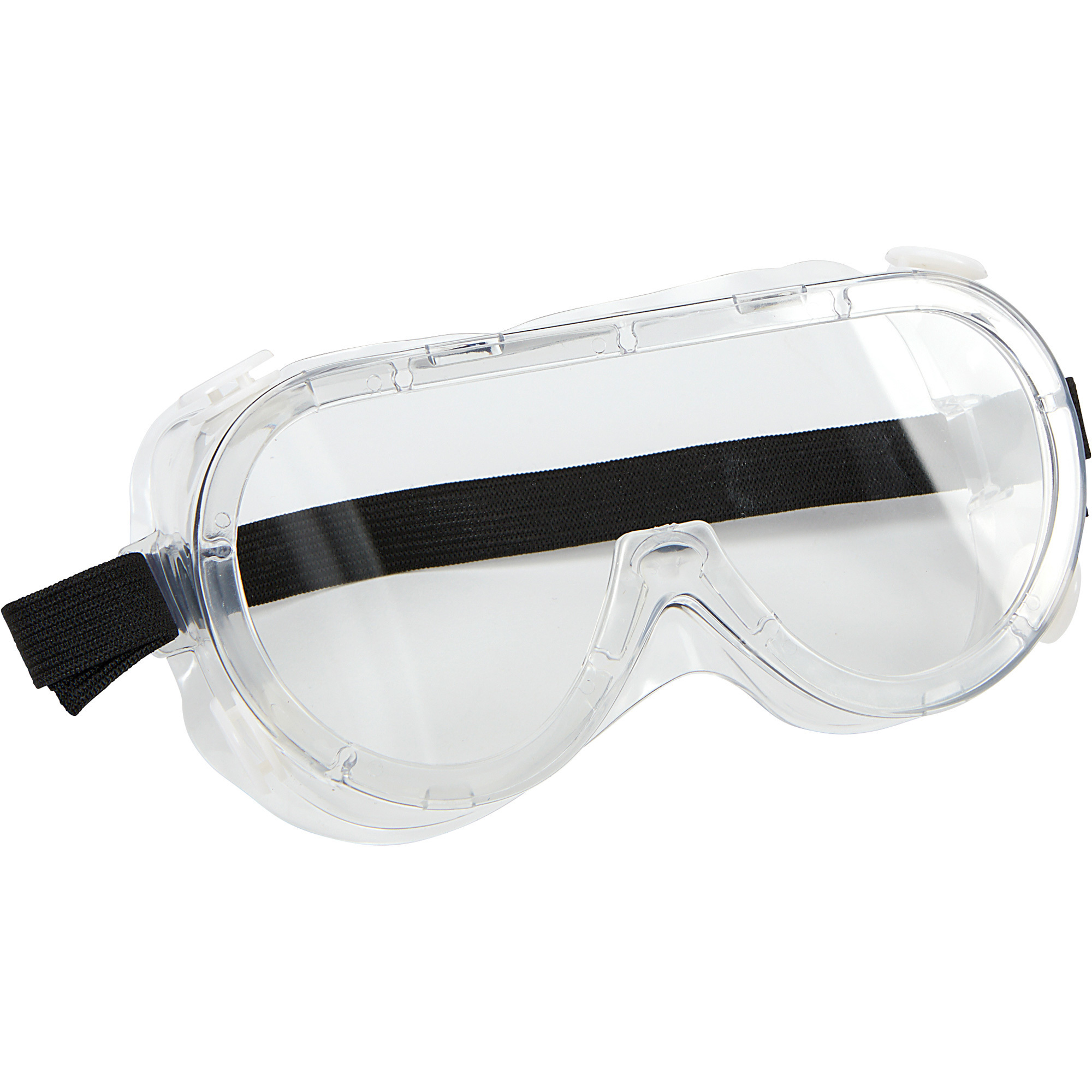
Protection against optical radiation can be anything from safety glasses with side protection to goggles with ventilation, to a face shield or helmet worn over safety glasses, to a respirator over safety glasses or a full-face respirator. The amount and duration of exposure to optical radiation are critical in determining the strength of your protection. Keep in mind that metal frames can become hot; that protection should be snuggly fitted; and that any side shields should offer as much light filtering capacity as lenses. You may need to vacate an affected area safely to wipe fog from your eye protection should that become a problem.
When it comes to eye protection, don’t go to work without it. You want to keep on seeing those beautiful sunsets and friendly smiles.
*Ultraviolet light in natural form comes from the sun, and most of us are aware of the need for sunglasses to protect against it. It also comes from tanning beds; some fluorescent, halogen and incandescent lights; mercury vapor lights (often installed in school gyms and stadiums); and some types of lasers.
*Visible light, including glare, comes in such forms as incandescent light bulbs, fluorescent lights and neon lights. Glare is reflected visible light.
*Infrared light is emitted by things such as electrical heaters, cookers and short-range communications utilities such as thermal imaging cameras, security systems, optical fibers and security systems.
*Laser light, a special type of focused light, is commonly used in manufacturing for various purposes including cutting, cladding, drilling, soldering, welding, hardening, surface modification or marking and other tasks.