Metal Welding Basics
Whether you’re constructing furniture frames, mending farm machinery or fabricating metal sculpture, welding is a superior solution. An excellent way to seal joints and fuse metal pieces together, welding provides an alternative to hardware assembly, riveting, brazing, soldering or gluing. If you’ve never welded before, some introductory information is in order. Let’s look at the basics, including the four main types of metal welding and some of their applications.
Joining and Fastening for Strength
Welding is a process for joining or fastening two pieces of similar metal (referred to as workpieces or parent metals) through heat, pressure or both. Typically, workpieces are welded when both are melted together with a filler metal to form a blended pool. When cooled, that pool forms a strong joint or seal. The energy used in welding most often comes from a gas flame or an electric arc. Welding can be used on either ferrous or non-ferrous metals, depending on the method, and entails a temperature range of 2000–15,000°F. Welded joints are usually stronger than, or as strong as, the parent metals being joined. Many welding machines combine the capacity for two or more types of welding. All types of welding require appropriate personal protective equipment, a workspace cleared of flammable materials and adequate ventilation. Without these prerequisites, welding is dangerous and can even be deadly.
Metal Welding in Brief
| Method | MIG (Metal Inert Gas) | FCAW (Flux-Cored Arc) | Stick | TIG (Tungsten Inert Gas) |
|---|---|---|---|---|
| Skill Level Required | 1 | 1 | 2 | 3 |
| Gas Tank Required | Yes | No | No | Yes |
| Personal Protection Equipment (PPE) Required | Yes | Yes | Yes | Yes |
| Works with:* | ||||
| Steel | Yes | Yes | Yes | Yes |
| Carbon steel | Yes | Yes | Yes | Yes |
| Stainless steel | Yes | Yes | Yes | Yes |
| Hard surfacing alloys | No | Yes | Yes | Yes |
| Iron | No | No | Yes | No |
| Cast Iron | Yes | Yes | Yes | Yes |
| Aluminum | Yes | No | Yes | Yes |
| Copper | Yes | No | Yes | Yes |
| Magnesium | Yes | No | No | Yes |
| Nickel | Yes | No | Yes | Yes |
| Bronze | Yes | No | No | Yes |
| Gold | No | No | No | Yes |
| Most non-ferrous metals | Yes | No | No | Yes |
*If you have a question about your specific welder, please consult with the manufacturer’s user manual.
Metal Inert Gas (MIG) Welding — for Beginners
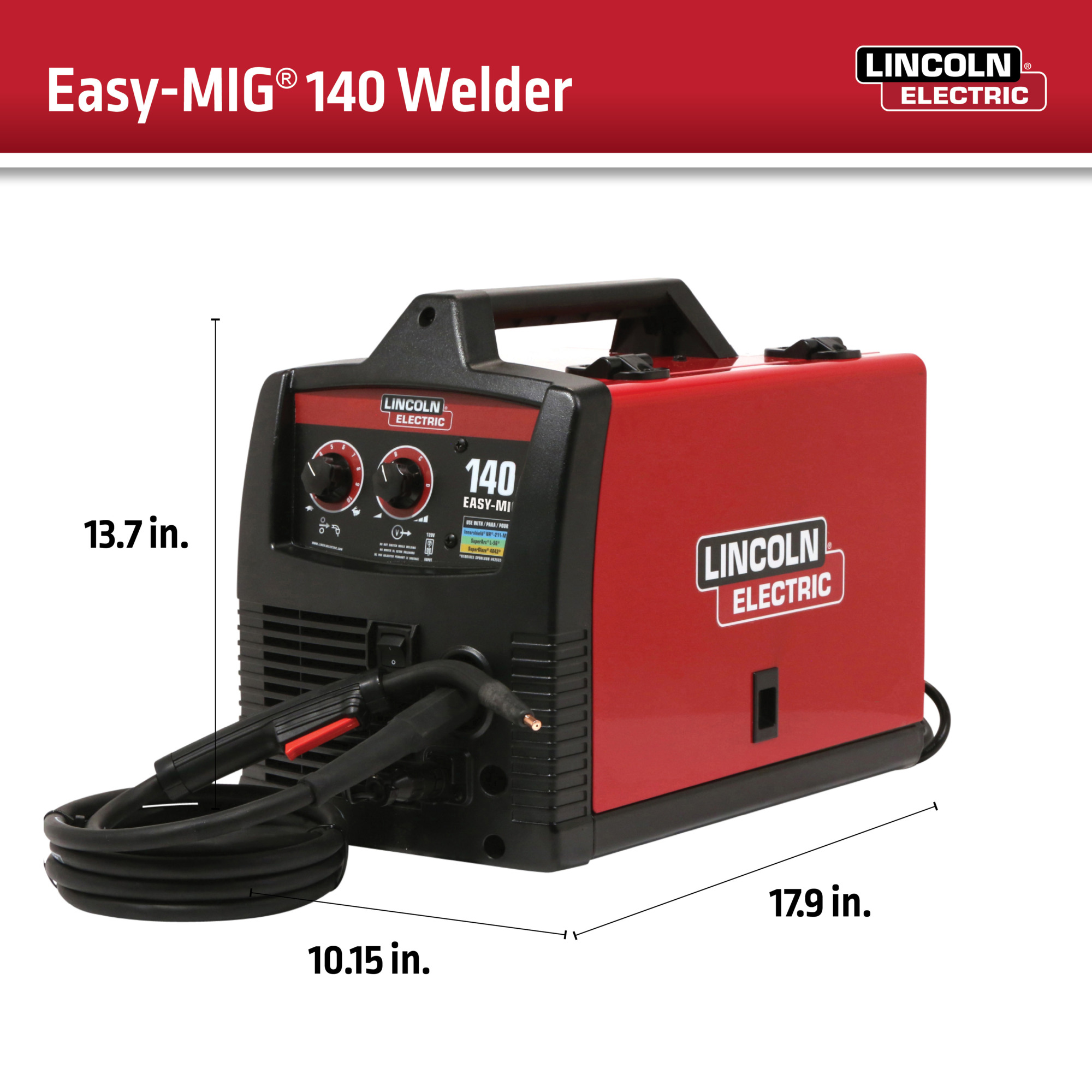
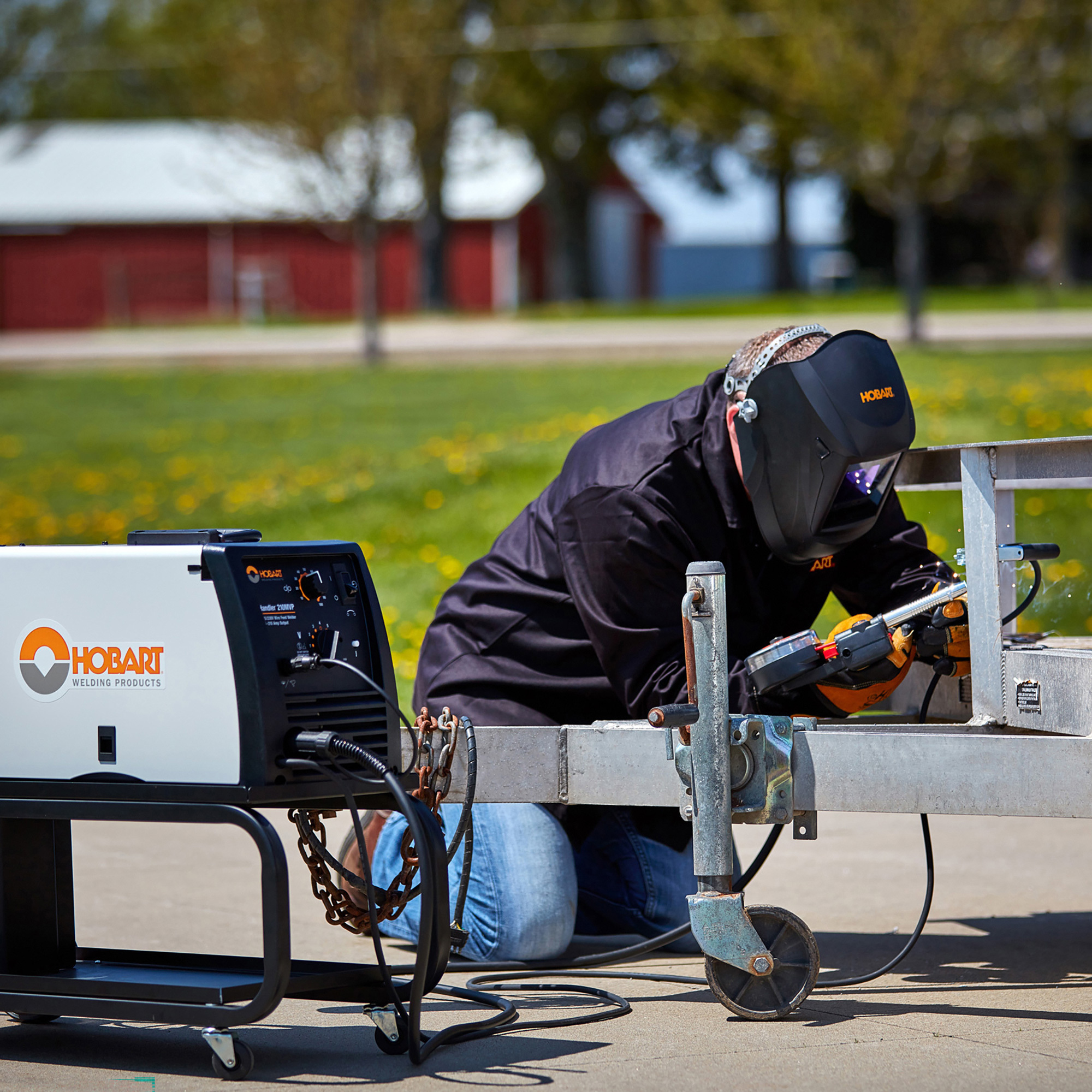
Also known as Gas Metal Arc Welding (GMAW), the MIG welding process uses an electric arc to heat and melt metal, and a gas shield to protect the weld spot. The arc originates between a consumable electrode wire and the workpieces as they are heated by electricity. In this process an inert gas (typically a combination of carbon dioxide and argon and/or helium) and the electrode wire are both fed continuously to the weld spot. The gas is fed through the weld gun, and the wire is fed by a spool attached to the weld gun. The electricity melts the wire along with the parent metals, and the gas protects the weld in the arc area. Neither argon nor helium react to combustion, so they keep oxygen, nitrogen and hydrogen away from the weld area to prevent oxidation and porosity. MIG welding is considered the easiest welding process to learn. It’s also considered the default process because it allows for high-speed work and requires less-than-clean workpieces. MIG welding does generate fumes, smoke and sparks, so it requires cleanup. MIG welding works well for the following metals:
Most common:
- Carbon steel
- Stainless steel
Possible but less common:
- Aluminum
- Copper
- Magnesium
- Nickel
- Bronze
- Most nonferrous metals
Flux Core Welding — for Beginners
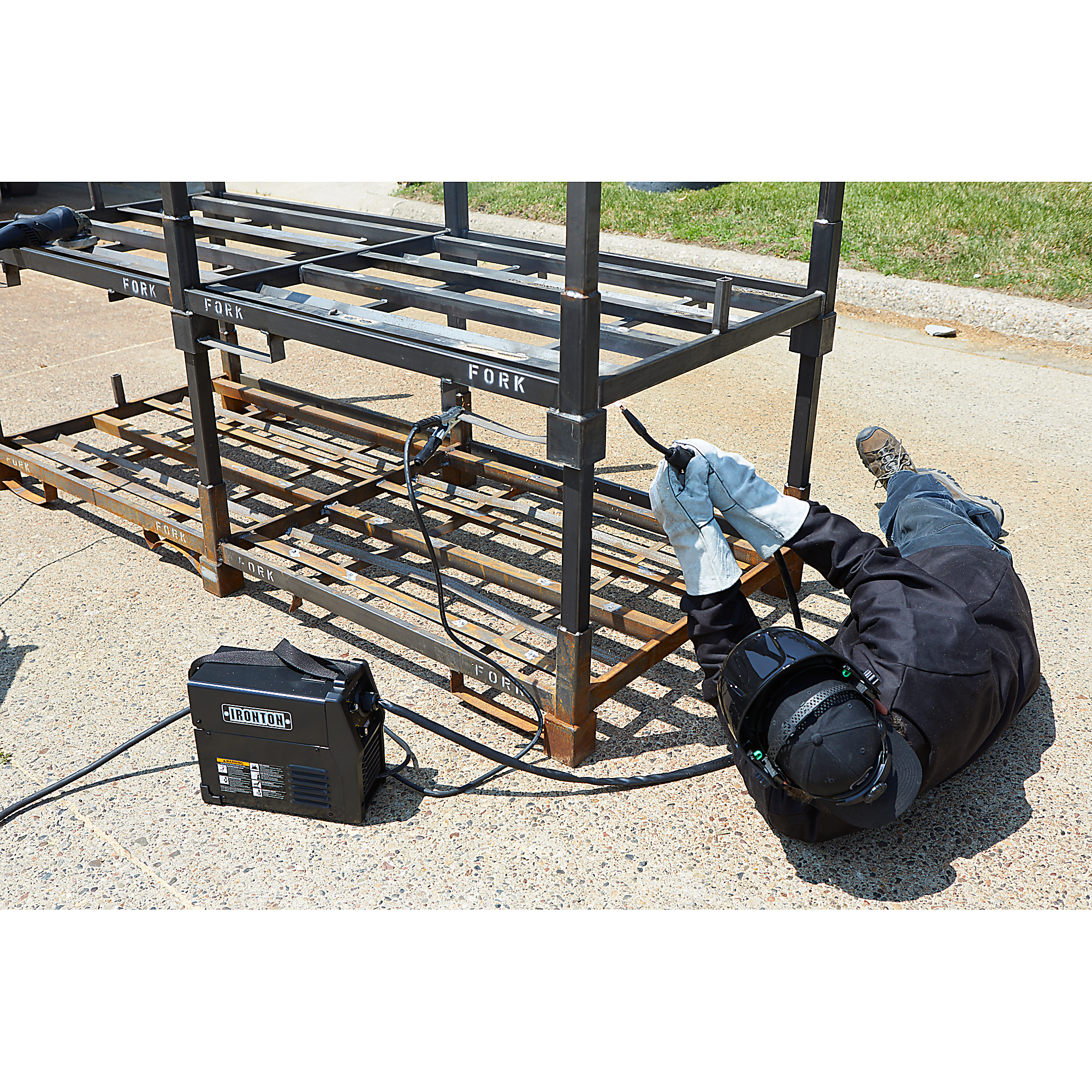
Flux-Cored Welding is like MIG welding, except it doesn’t require a tank of shielding gas. Instead, a flux compound inside the electrode filler wire, which is fed by a spool attached to the weld gun, acts as a shielding gas. The flux core of the wire also generates a slag formation that provides an additional shield during the welding process. With its built-in, self-shielding function, flux-cored welding can be done outdoors, even in windy conditions, and on metals that are less than clean. Outdoor use ventilates the smoke generated by this process. The slag must be chipped away after the weld cools. Flux-cored welding works well for joining these metals, no thinner than 20-gauge:
- Steel
- Carbon steel
- Stainless steel
- Hard surfacing alloys
- Cast Iron
Stick Welding — for Moderately Skilled Welders
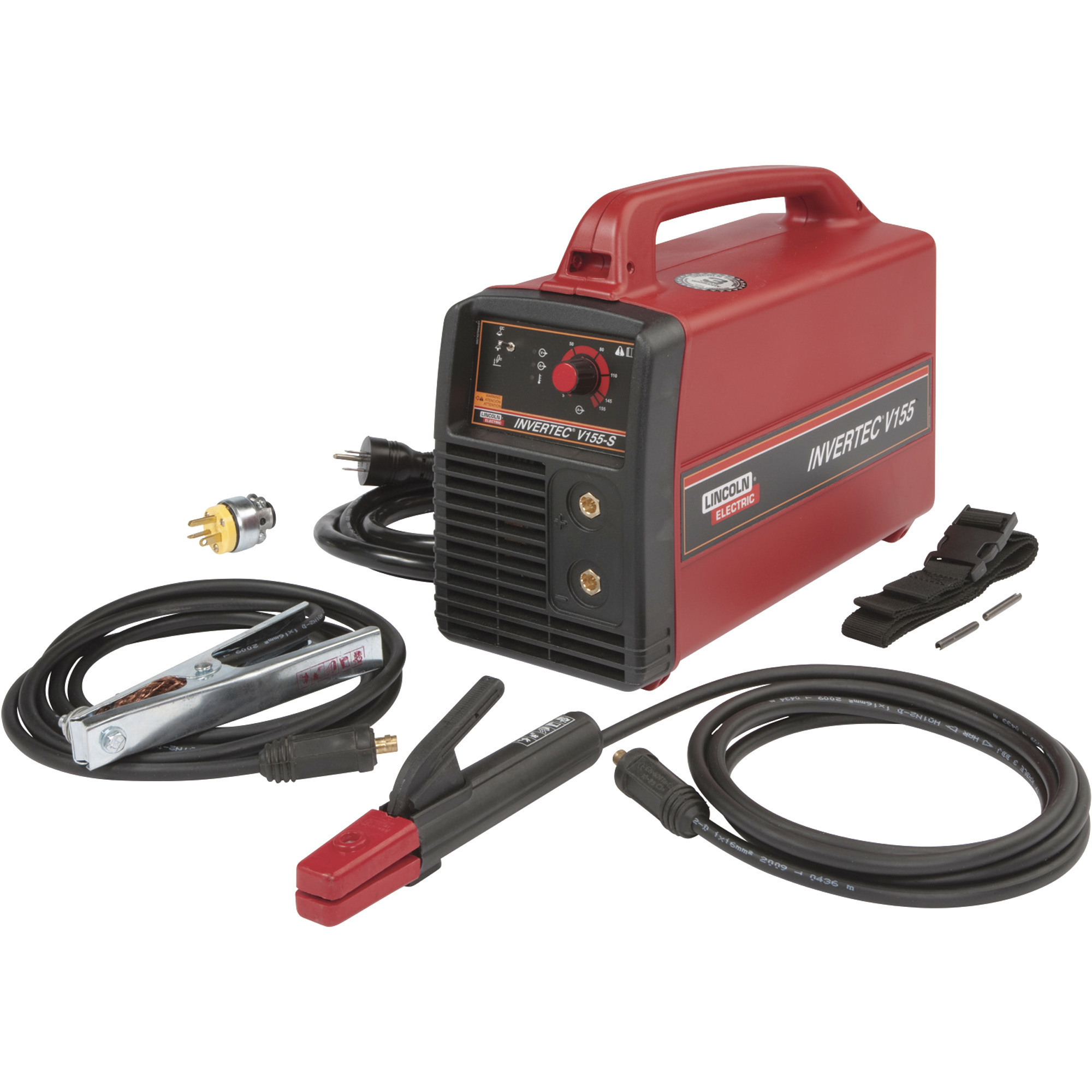
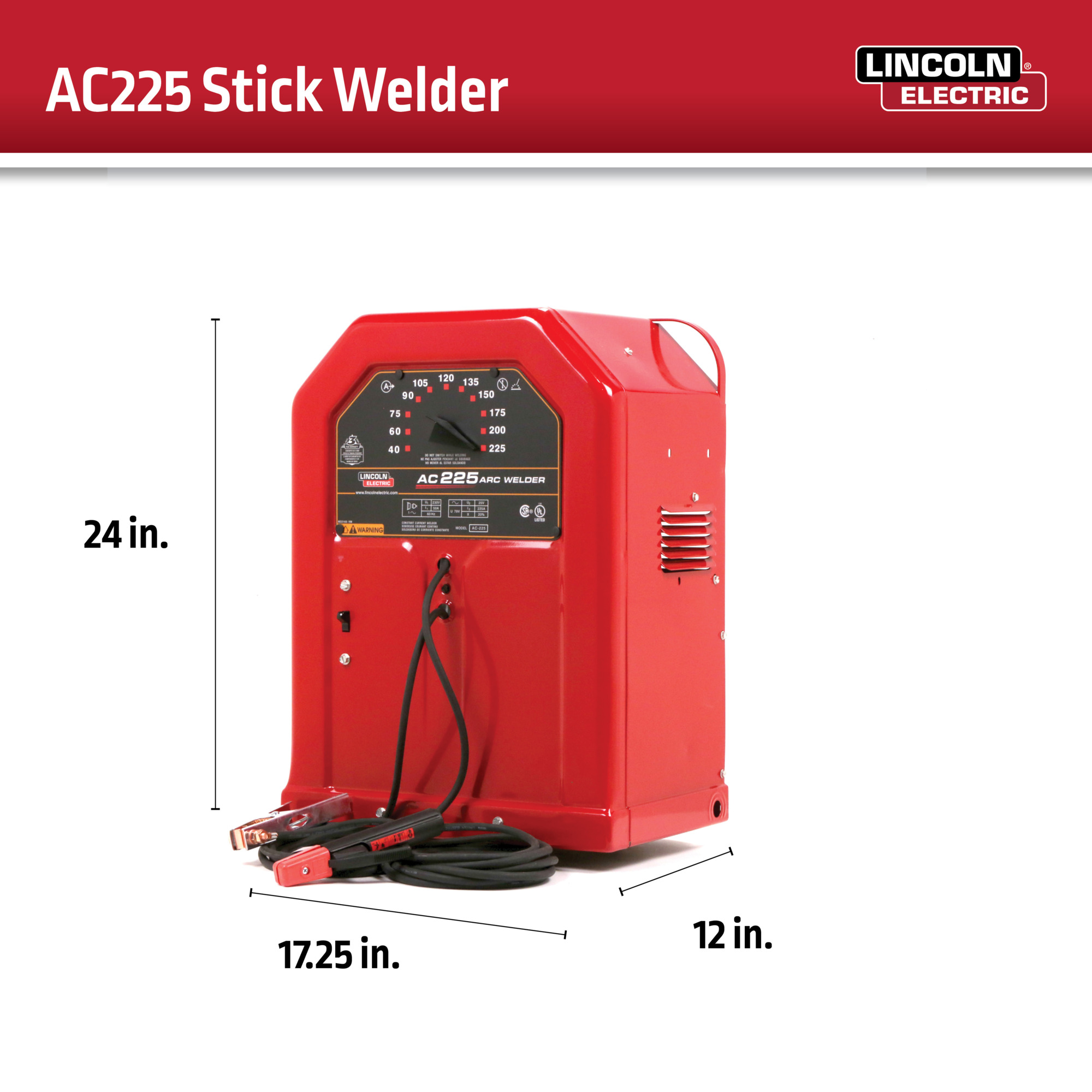
Stick welding is sometimes referred to as shielded-metal arc welding (SMAW). This process features an electric current flowing from an electrode holder through the gap between the parent metals and the consumable metal filler stick. The stick, also called a rod, is fed manually by the welder rather than by a spool on the weld gun. For this reason, stick welding requires a bit more skill than MIG or flux-cored welding. Like flux-cored welding, this process does not require the use of additional gas. Instead, the electrode filler stick is constructed with a metal core surrounded by a flux compound which, when heated, creates a gas shield against oxidation during the weld process. (The construction of this wire is the reverse of flux-cored wire, which features a flux core surrounded by metal.) During welding, this flux material also generates a protective slag which needs to be chipped away when cool. Stick welders are ideal for use indoors, but they can also be used outdoors, even if it’s a bit windy. Each project typically requires several welding sticks, so be sure to have plenty on hand. This process also typically generates spatter and requires cleanup. Stick welding can be used on the following metals, some with greater ease than others.
- Steel
- Carbon steel
- Stainless steel
- Hard surfacing alloys
- Iron
- Cast Iron
- Aluminum
- Copper
- Nickel
Tungsten Inert Gas Welding (TIG) — for Highly Skilled Welders
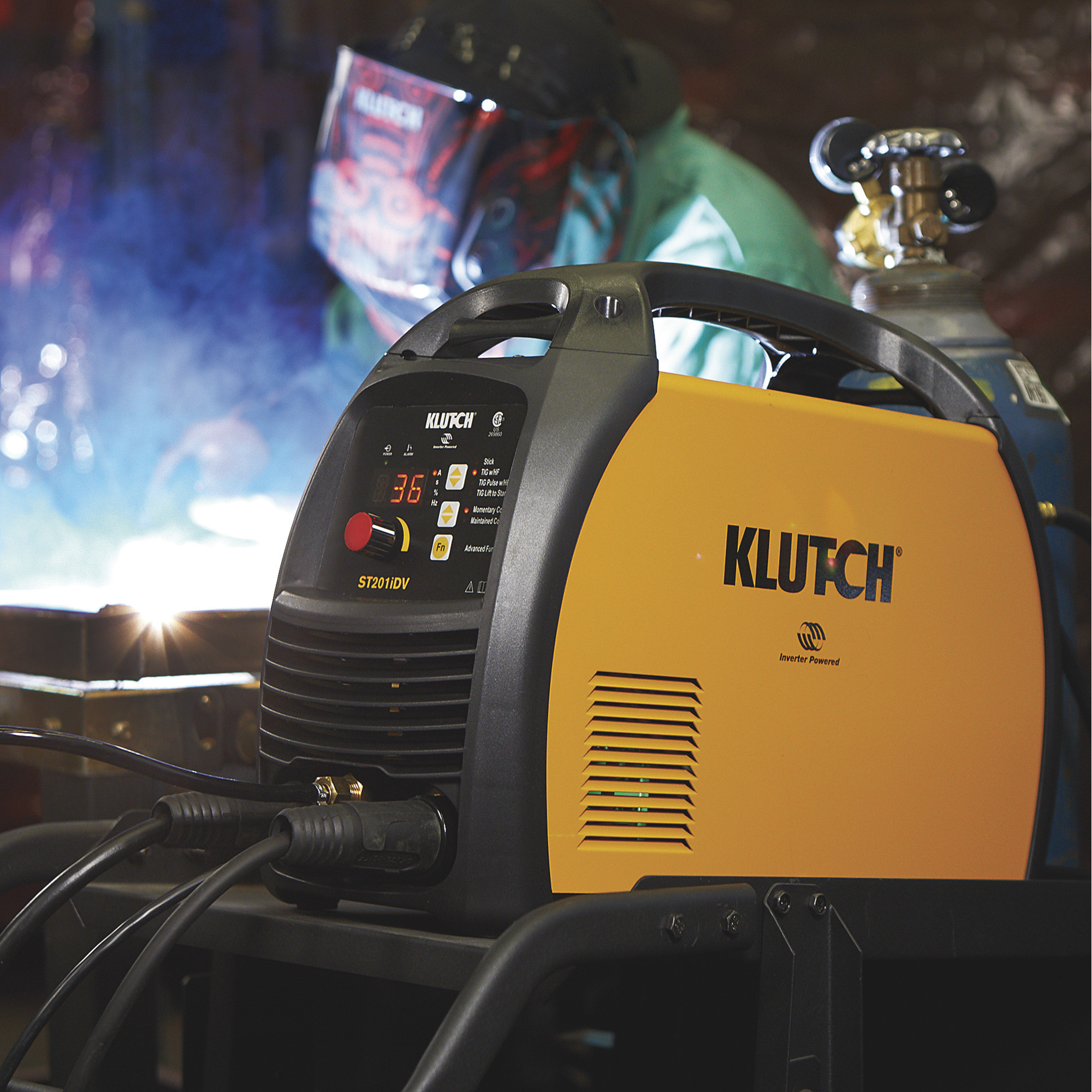
Unlike the MIG process, TIG welding uses a non-consumable electrode made of tungsten that is held securely in place by the TIG torch. Since the tungsten electrode is not consumable, it does not become part of the welded piece, although it is used to heat and melt both the parent and filler metal. Like stick welding, this process requires the welder to feed a filler rod directly into the molten puddle of parent metal. The filler is then melted and blended with the parent material. This process is highly effective for thin metal pieces and allows the welder to add only the precise amount of filler needed for the job. Like MIG welding, the TIG process requires a tank of inert shielding gas (typically argon) to protect the weld area against oxidation. The gas is fed through the weld gun which also holds the non-consumable tungsten electrode. This process requires a continuous power supply. TIG welding is the go-to process for high-quality, high-precision welds on thin, clean sections of metal. This precision process requires the welder to manage the TIG torch and filler separately while welding on thin sections of metal, so it requires a high degree of welding skill. The TIG process typically does not generate spatter or sparks, as the welder is feeding only the precise amount of filler metal necessary to the weld pool. TIG welding is sometimes done without filler; instead, the parent materials are just melted and fused. TIG welding can be used for the following metals.
Most common:
- Steel
- Carbon steel
- Stainless steel
- Hard surfacing alloys
- Aluminum
- Most nonferrous metals
Less common:
- Copper
- Magnesium
- Bronze
- Gold
Welding for your own furniture construction, machinery repair or artistic creation is a rewarding endeavor, but it requires serious preparation. All methods of welding require appropriate personal protective equipment; plenty of clear, nonflammable workspace and good ventilation. Be sure all these requirements are met before embarking on any kind of welding project. They’re critical to preventing serious injury.
For even more safety while you weld, don’t forget protective welding gear, welding helmets, goggles and face shields.