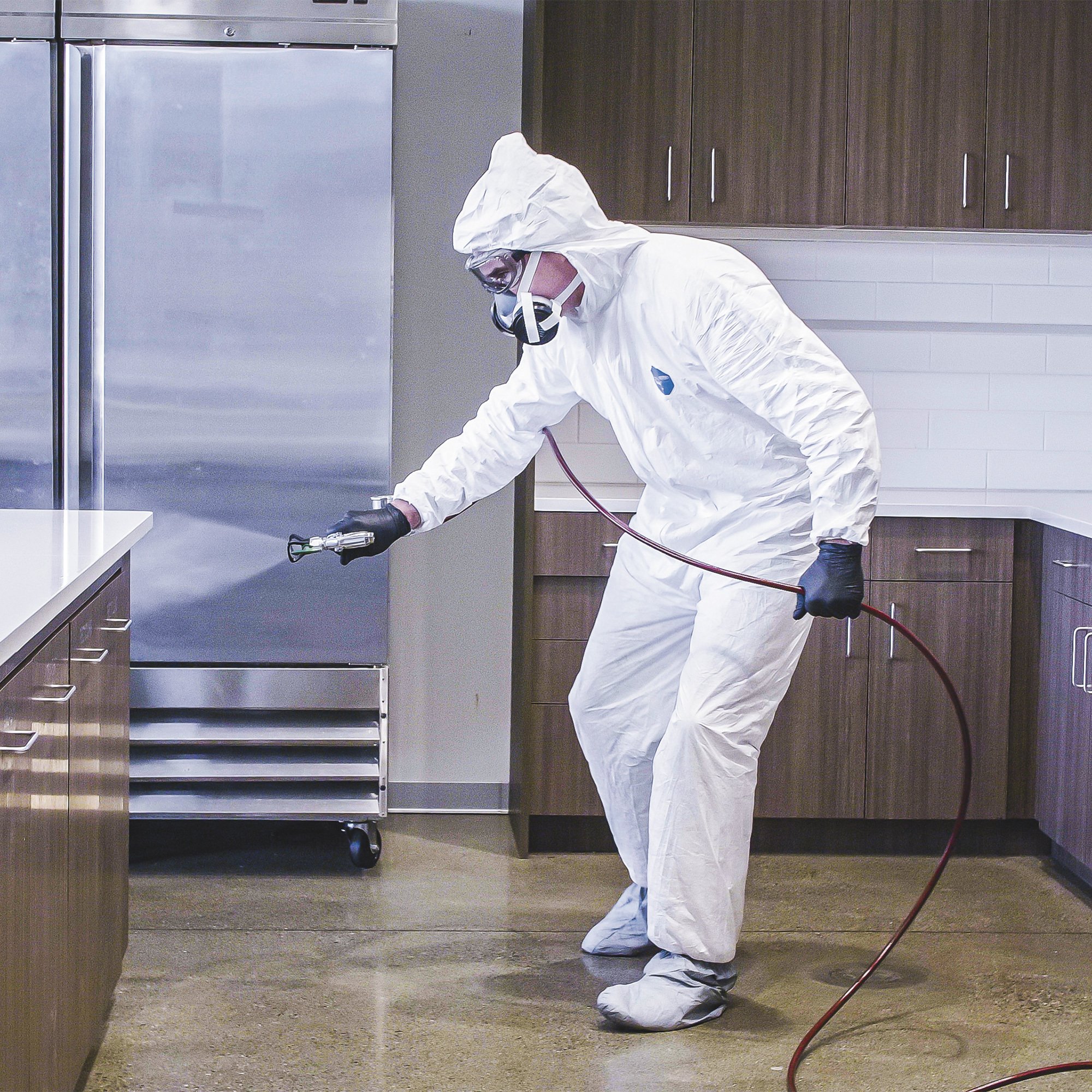
According to the Center for Disease Control, when you determine the need to disinfect a space, you should choose the safest process that’s also effective. That process should not necessarily be the most sophisticated or high-powered, as that may be beyond your expertise if you’re a non-professional. In most private spaces such as your home, disinfecting with a cloth or sponge prepared with disinfectant; commercial disinfectant wipes; or a commercial spray bottle of disinfectant, is sufficient to lessen exposure to viruses and germs. When choosing a disinfectant, be sure to check the Environmental Protection Agency’s List N which lists disinfectants effective against Coronavirus (COVID-19). Be sure, also, to wear personal protective equipment recommended by the manufacturer of the disinfectant you’re using. That equipment could include anything from chemical-resistant gloves and safety glasses or goggles to complete skin coverage, added ventilation and possibly further measures.
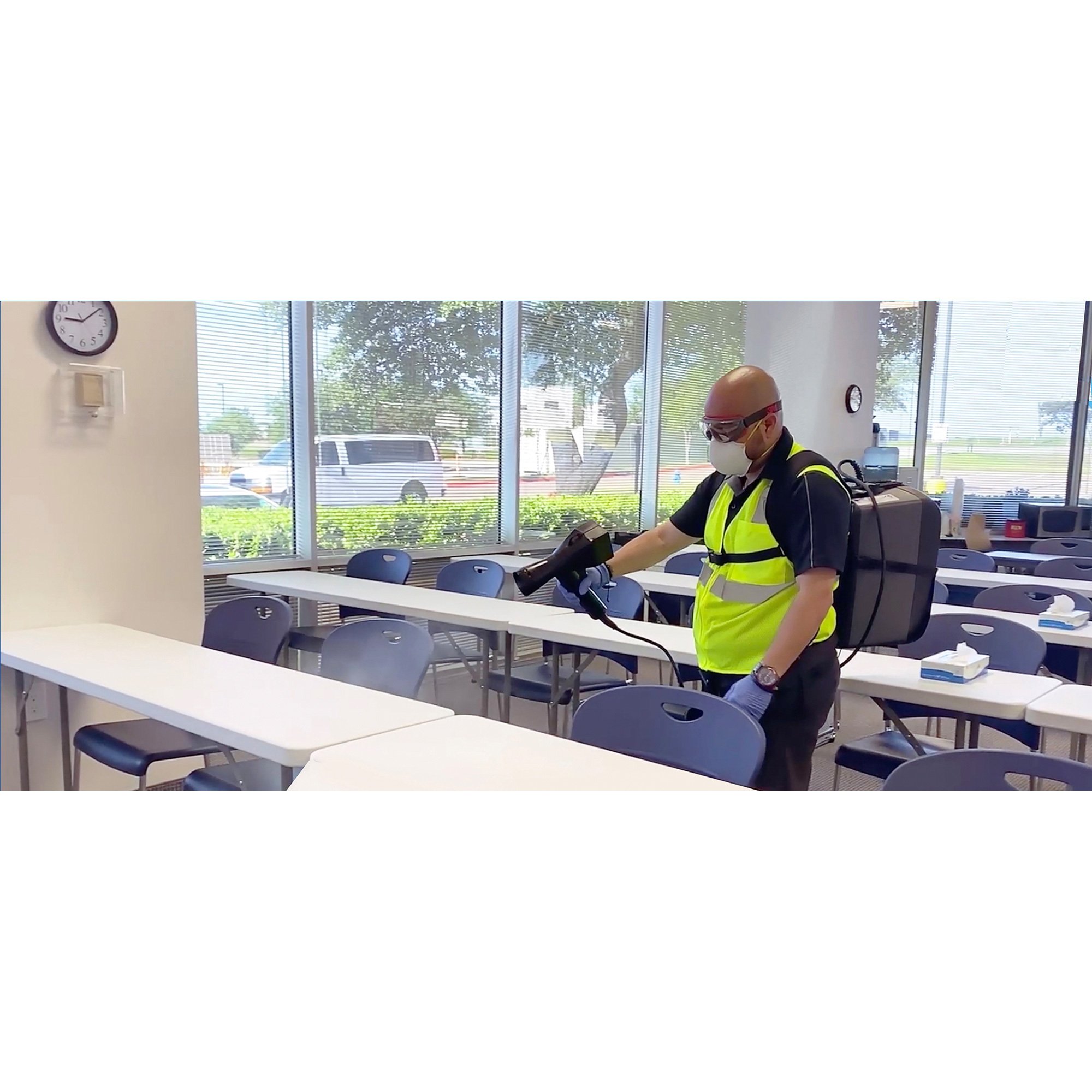
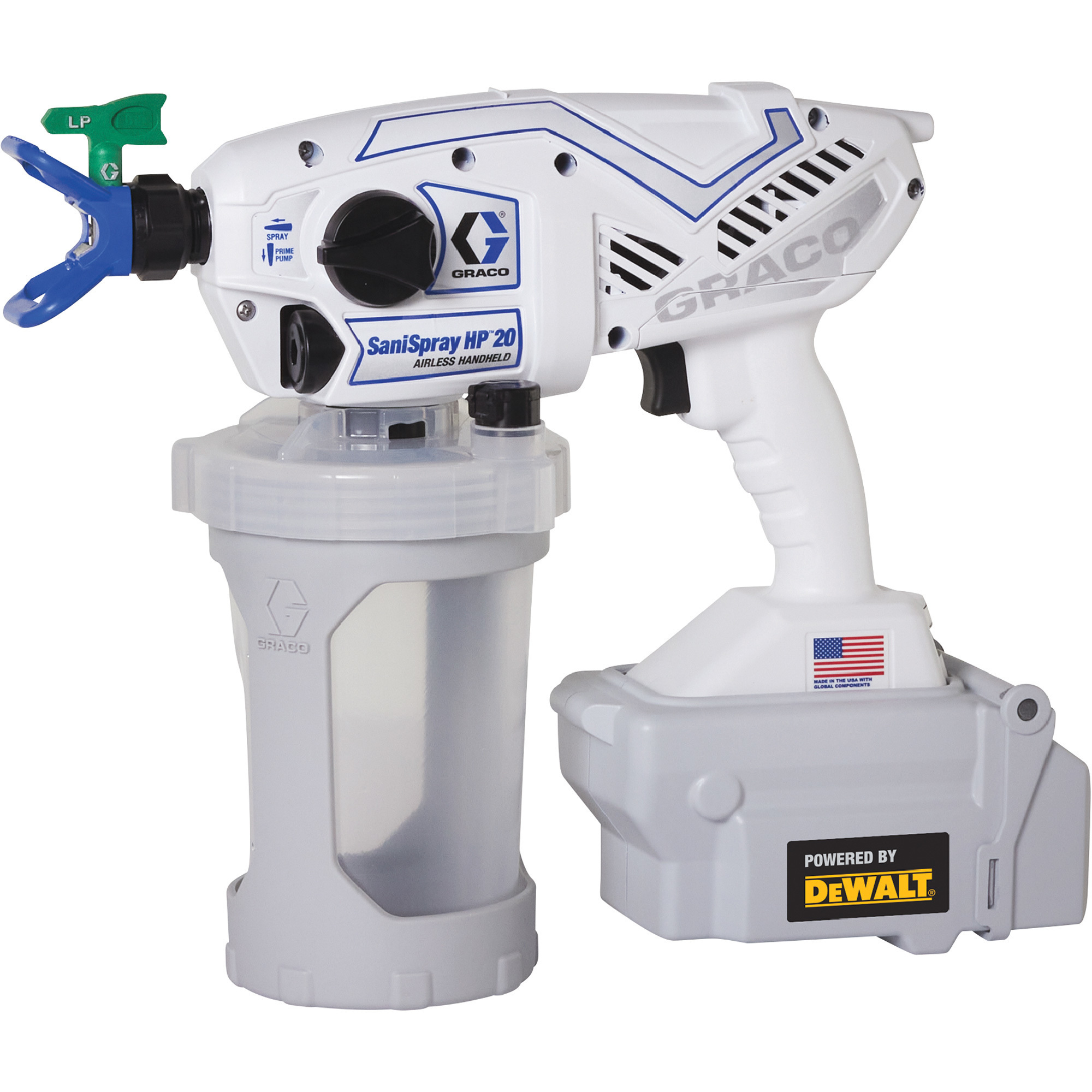
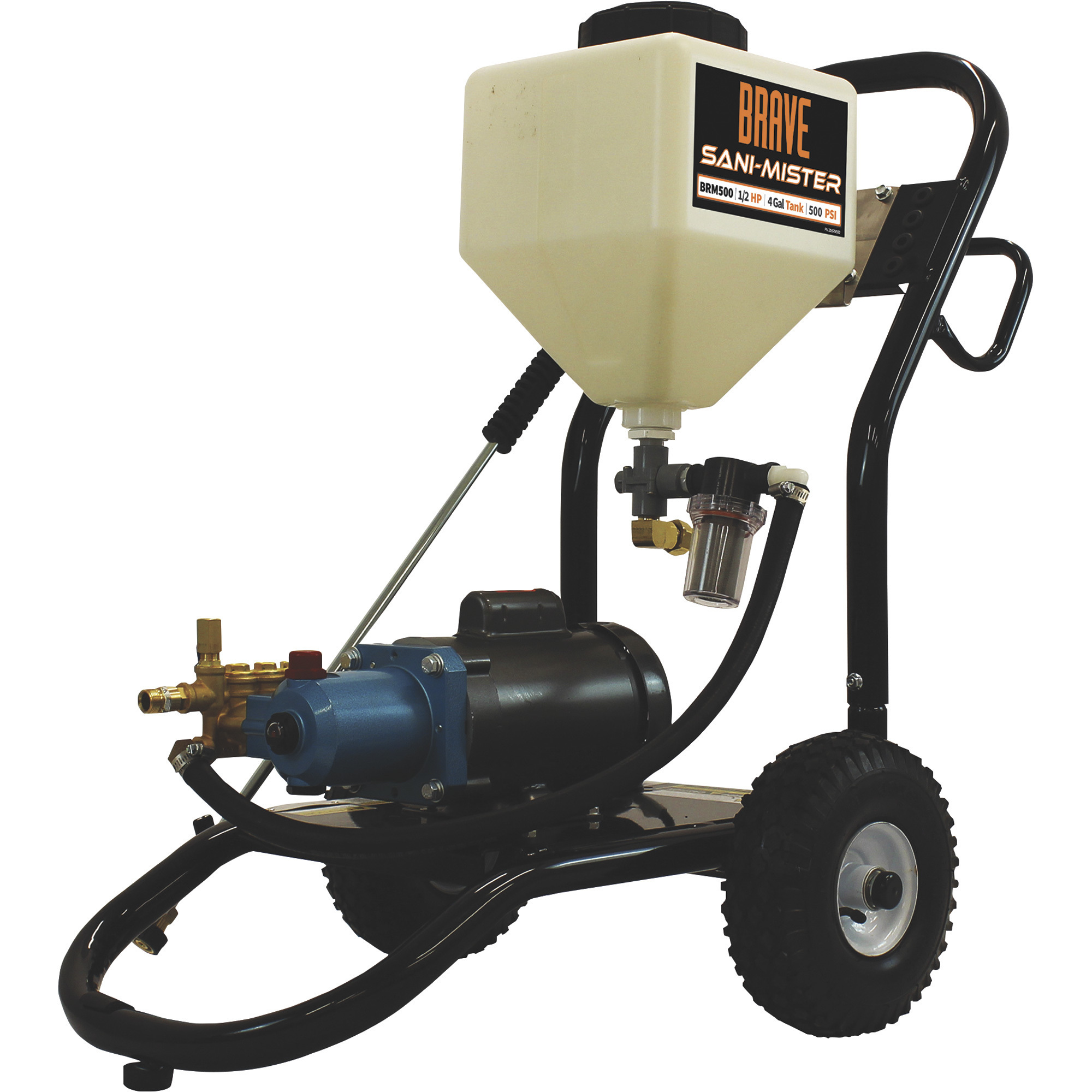
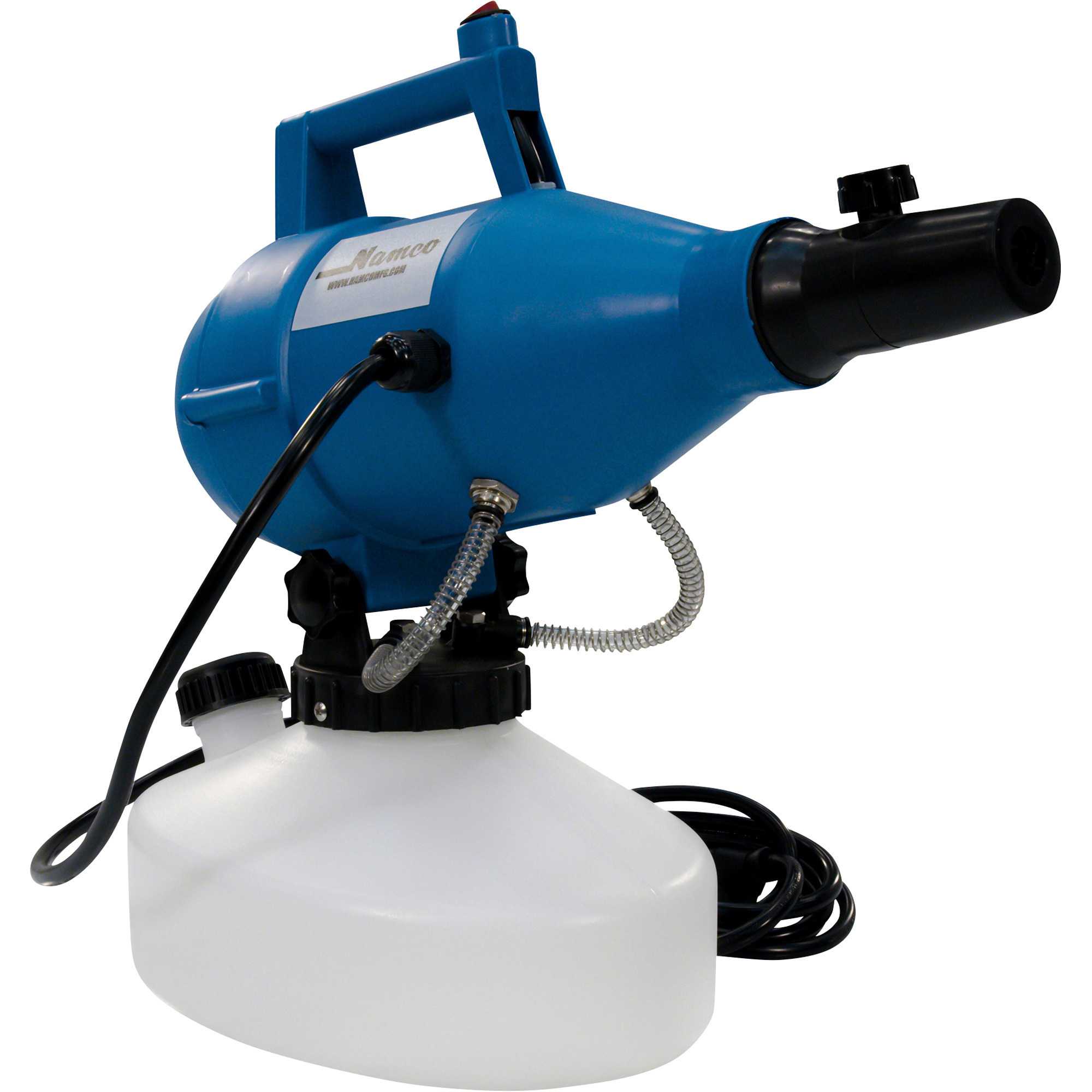
If you’re responsible for disinfecting a large community space quickly, you might choose to use a large non-electrostatic sprayer for efficiency. In this case, large sprayers can be a safe and effective method if the manufacturer’s product information specifically states that it’s suitable for the application of the disinfectant you’ll be using. If the manufacturer’s information does not state that your sprayer is appropriate for applying disinfectant, the Environmental Protection Agency recommends NOT using the sprayer for that purpose. Also important is vacating spraying area of all people except the person operating the sprayer and following all of the manufacturer’s recommended precautions. A backpack sprayer, a tank sprayer on wheels or a towable sprayer is effective for high coverage quickly.
It would be remiss not to mention electrostatic sprayers here. In case you’ve been considering one, some important considerations are in order. The CDC, although it does not promote or discourage electrostatic spraying for disinfecting, does note the professional level of expertise required to use one. Electrostatic sprayers electrically charge disinfectant as it passes through the nozzle, creating aerosols that often remain suspended in the air for long periods of time. These suspended aerosols can increase the risk of irritating eyes, airways and skin or causing other health problems to those who breathe that air. For these reasons, a professional level of expertise is necessary to use an electrostatic sprayer. This discussion will focus on non-electrostatic spraying, which is considered a more accessible process to a do-it-yourselfer.