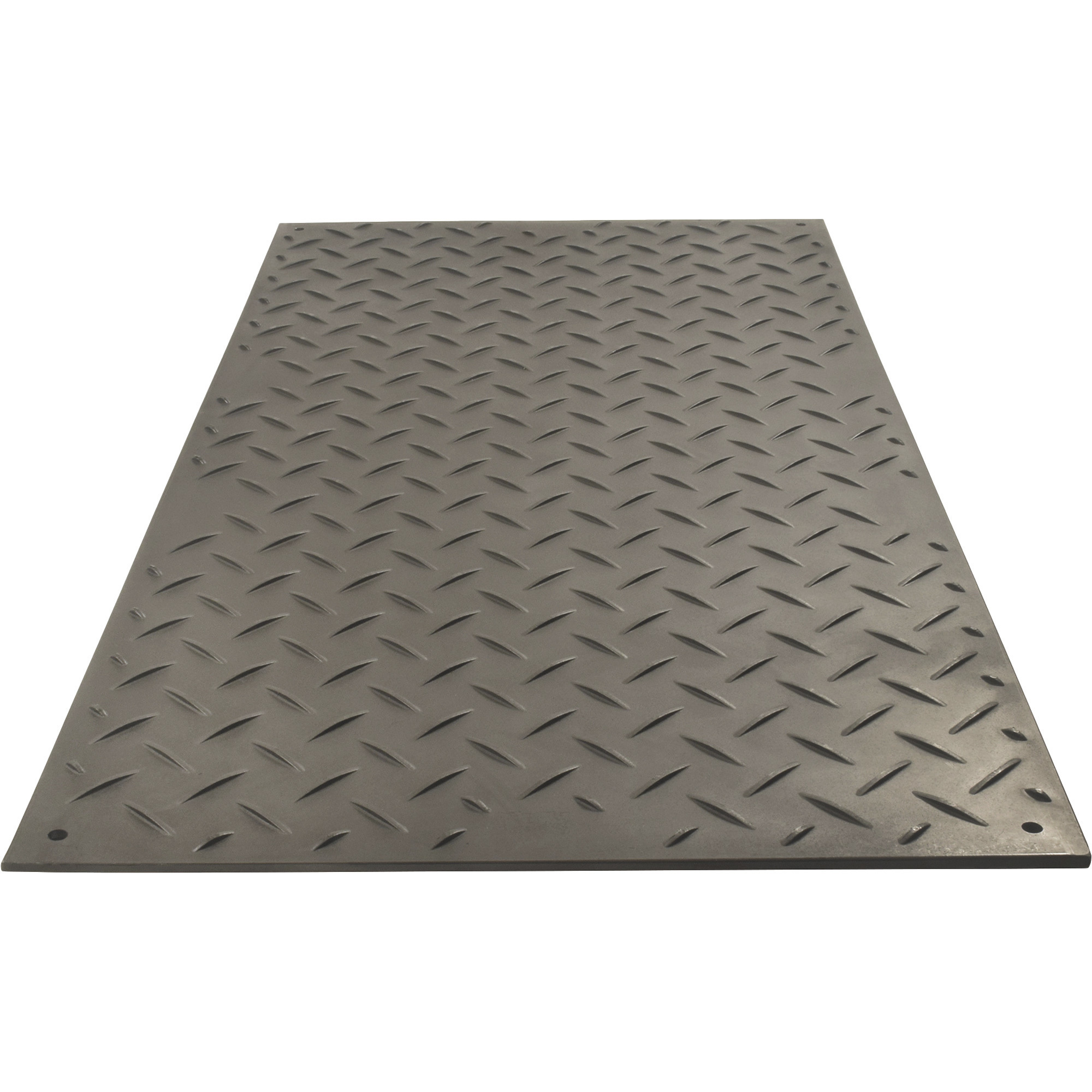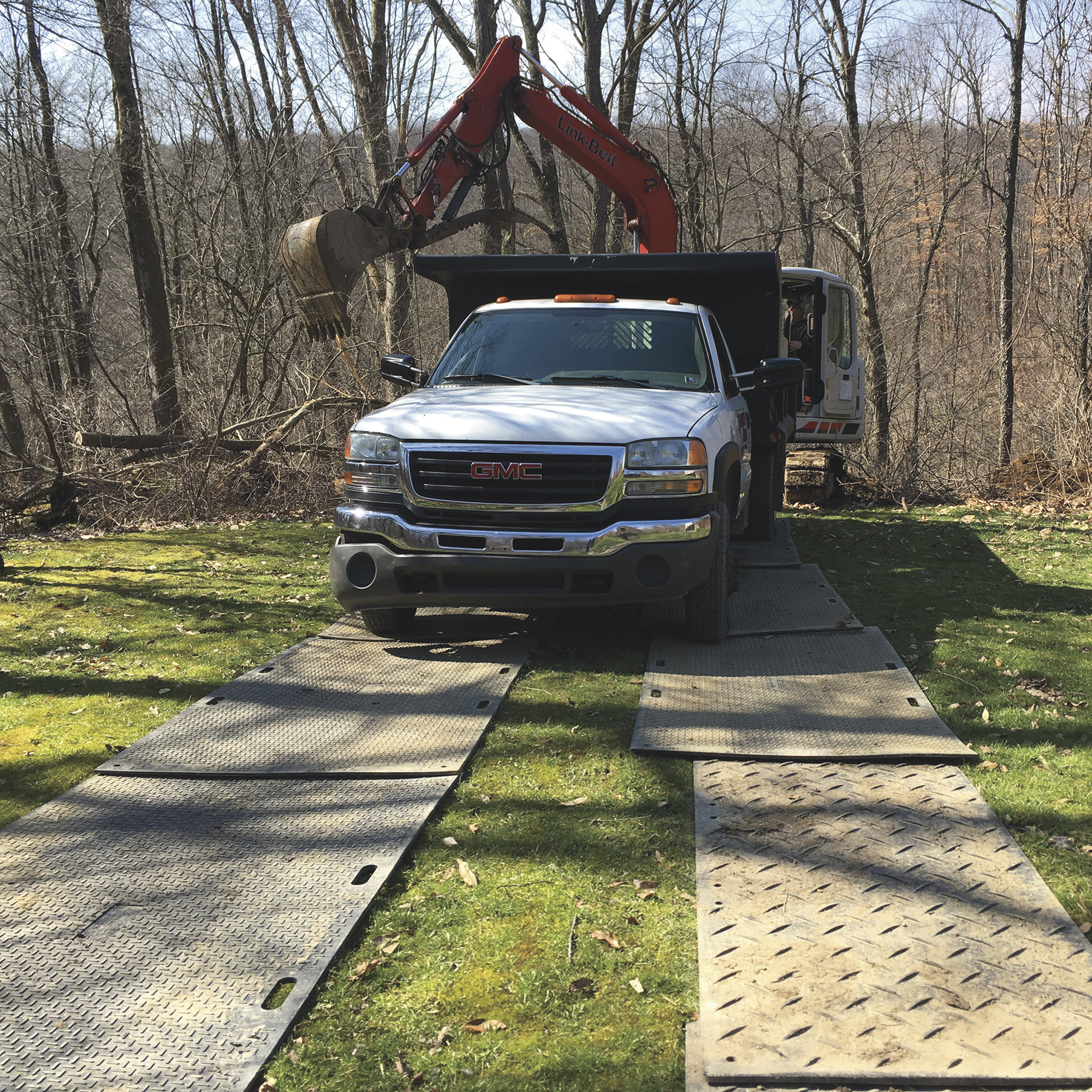
Ground protection mats are an invaluable tool for many industries that utilize heavy equipment including construction, landscaping, municipal maintenance and outdoor event management. These trades use ground protection mats to prevent damage to jobsites (particularly finished commercial and residential properties), avoid soil compaction and erosion, and give their crew a more stable nonslip base on which to operate machinery. Also, ground protection reduces project costs as no additional funds are needed to repair damage or for time spent freeing equipment if/when stuck.
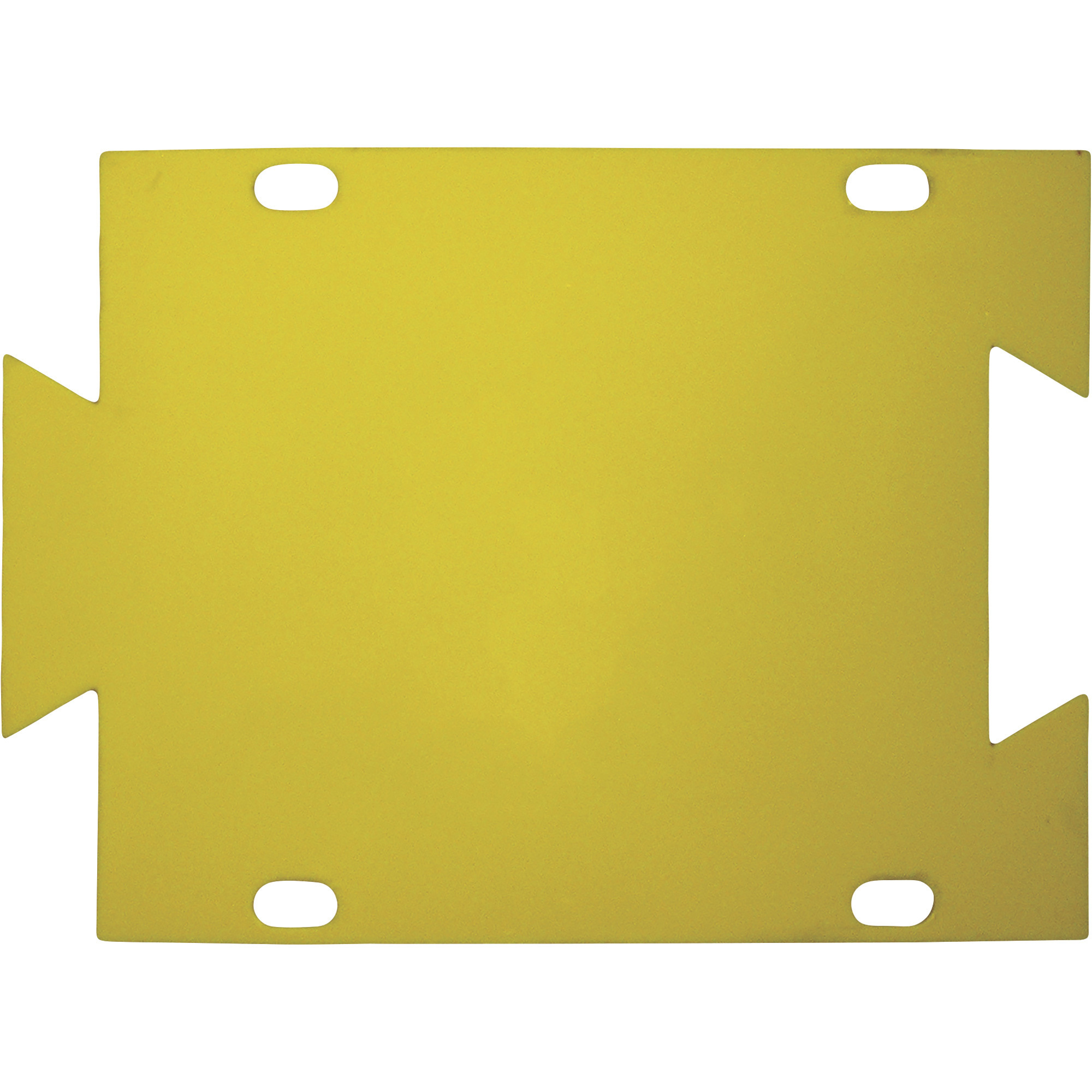
There are three primary materials from which ground protection mats are manufactured: HDPE (high-density polyethylene), composite and rubber. HDPE mats are most popular due to their strength, chemical and UV resistance and flexibility that allows them to withstand extreme weather. They can be used as either a temporary or permanent ground cover solution. Rubber ground protection mats offer similar features but are heavier than HDPE mats. They do have the added benefit of high cushioning which gives them an advantage on certain surfaces where enhanced traction is needed. Composite ground protection is the recommended solution for industrial worksites and commercial equipment. These mats have a higher load-bearing capacity and are often manufactured with an interlocking design that helps keep the mats from shifting. Machinery mats, similar to ground protection mats, may also be well-suited to this type of jobsite.
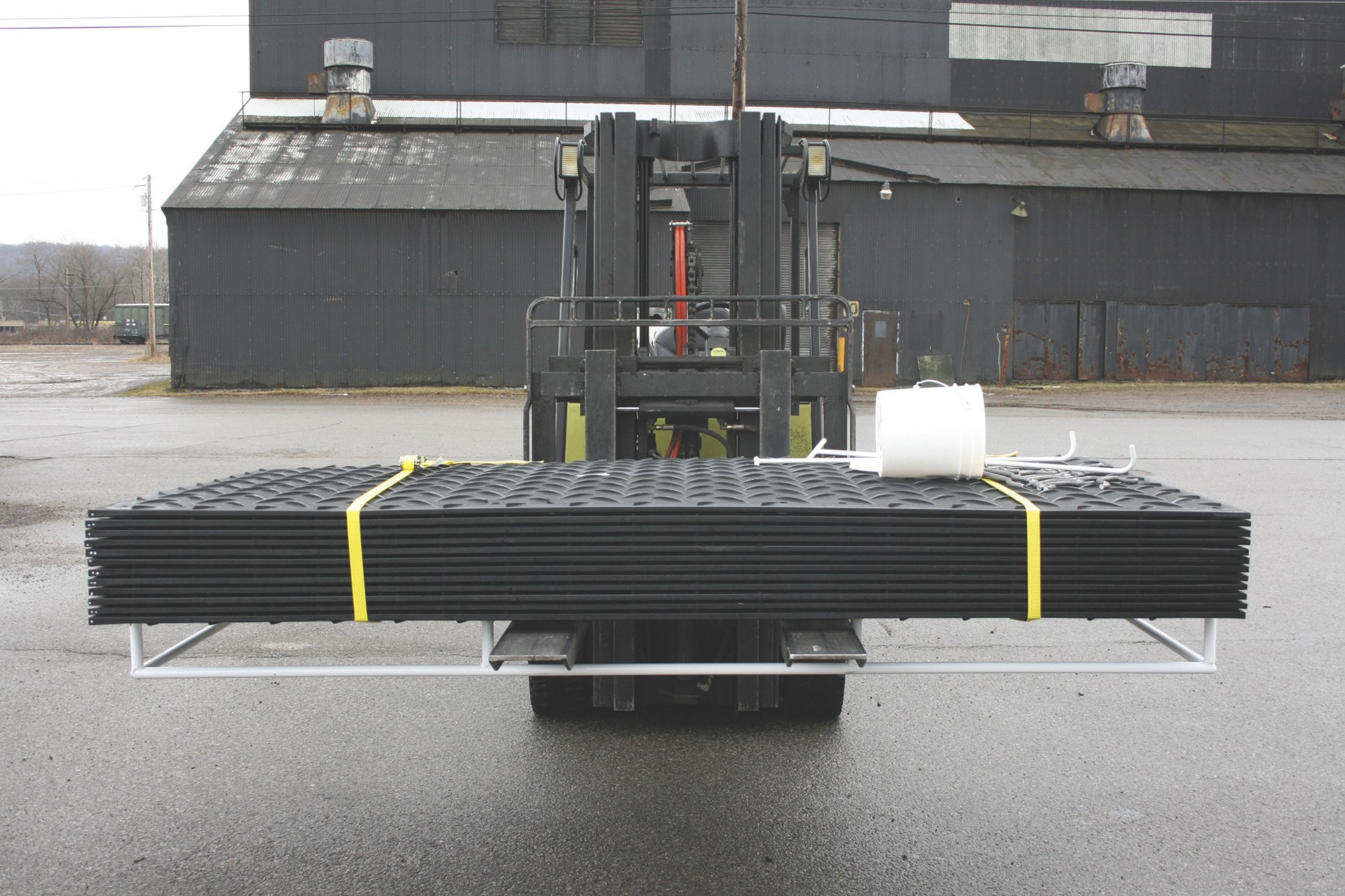
Many industries have found the 4ft. x 8ft. sheets of ground protection mats to be the most useful because they cover a lot of ground quickly and are still relatively easy to store and transport. However, alternate sizes are available to suit a variety of jobsites and machinery. Ground protection mat sizes increase in 1 ft increments and can be purchased as large as 8ft. x 14ft.
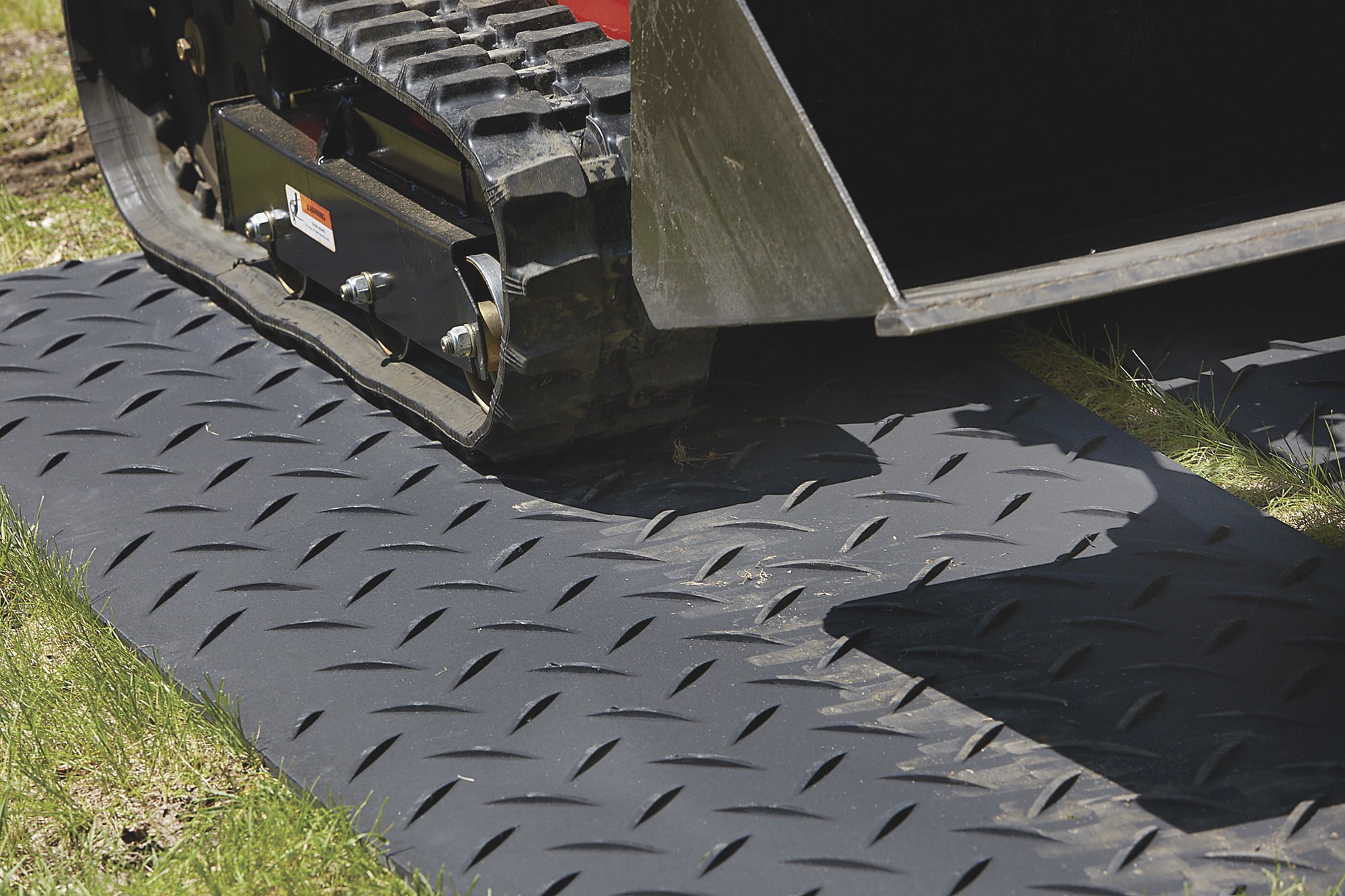
Ground Protection - Made for Every Trade
Many trades extensively use and benefit from ground protection solutions. Here’s just a sampling of use cases for these versatile pieces of equipment.
Construction, Excavation + Demolition
- Stabilize surface for machinery and prevent sinking into soft ground (mud, sand, snow)
- Protect concrete, asphalt, turf and other finished surfaces from damage by heavy equipment
- Create temporary roadways over difficult terrain
Landscaping + Tree Care
- Avoid creating ruts and compacting soil when using skid loaders, mowers, chippers, etc.
- Provide a stable base for tree removal and pruning equipment, including boom lifts
- Prevent damage to root zones of surrounding trees and shrubs
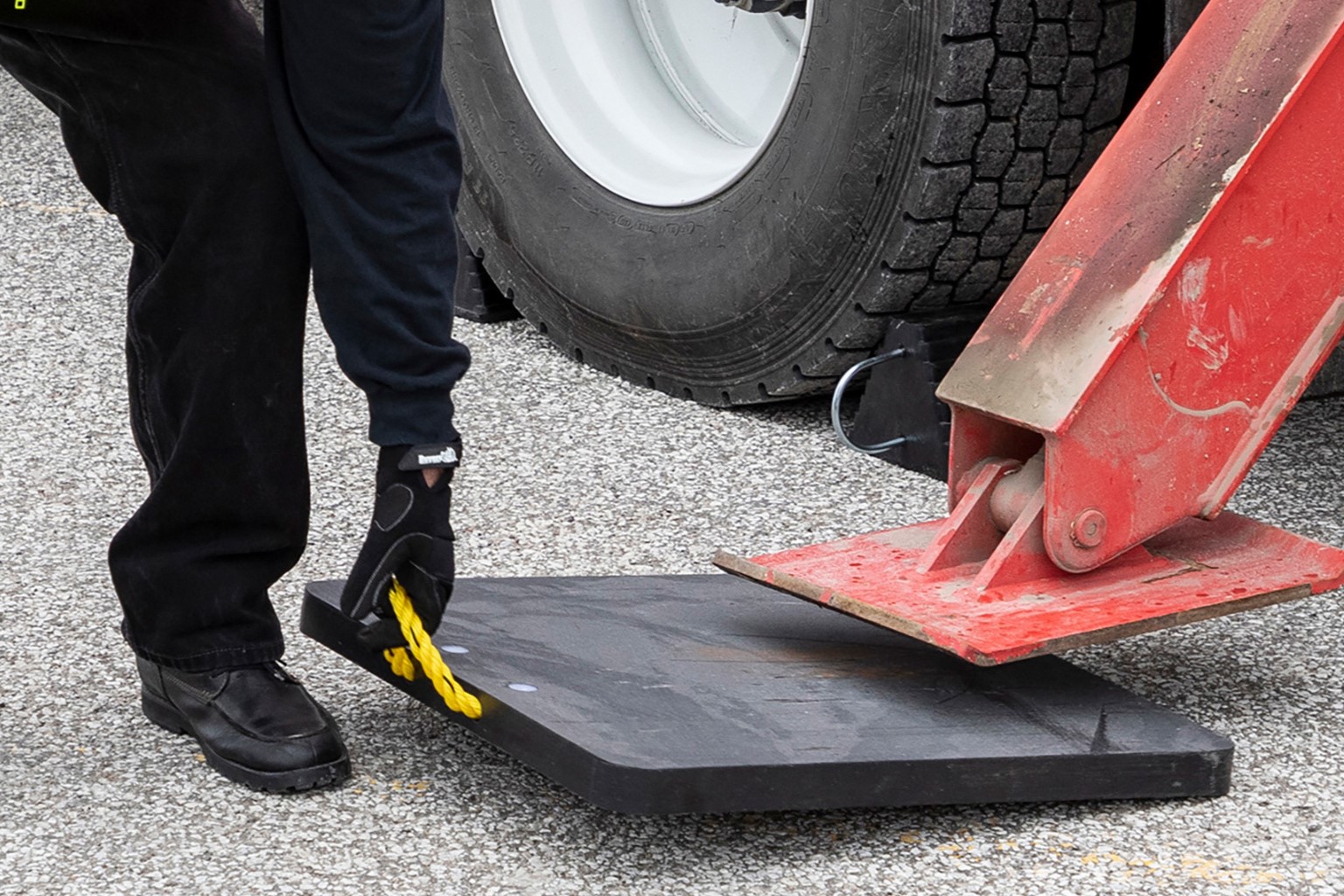
Utilities + Pipeline Work
- Create access roads for utility trucks in wet areas
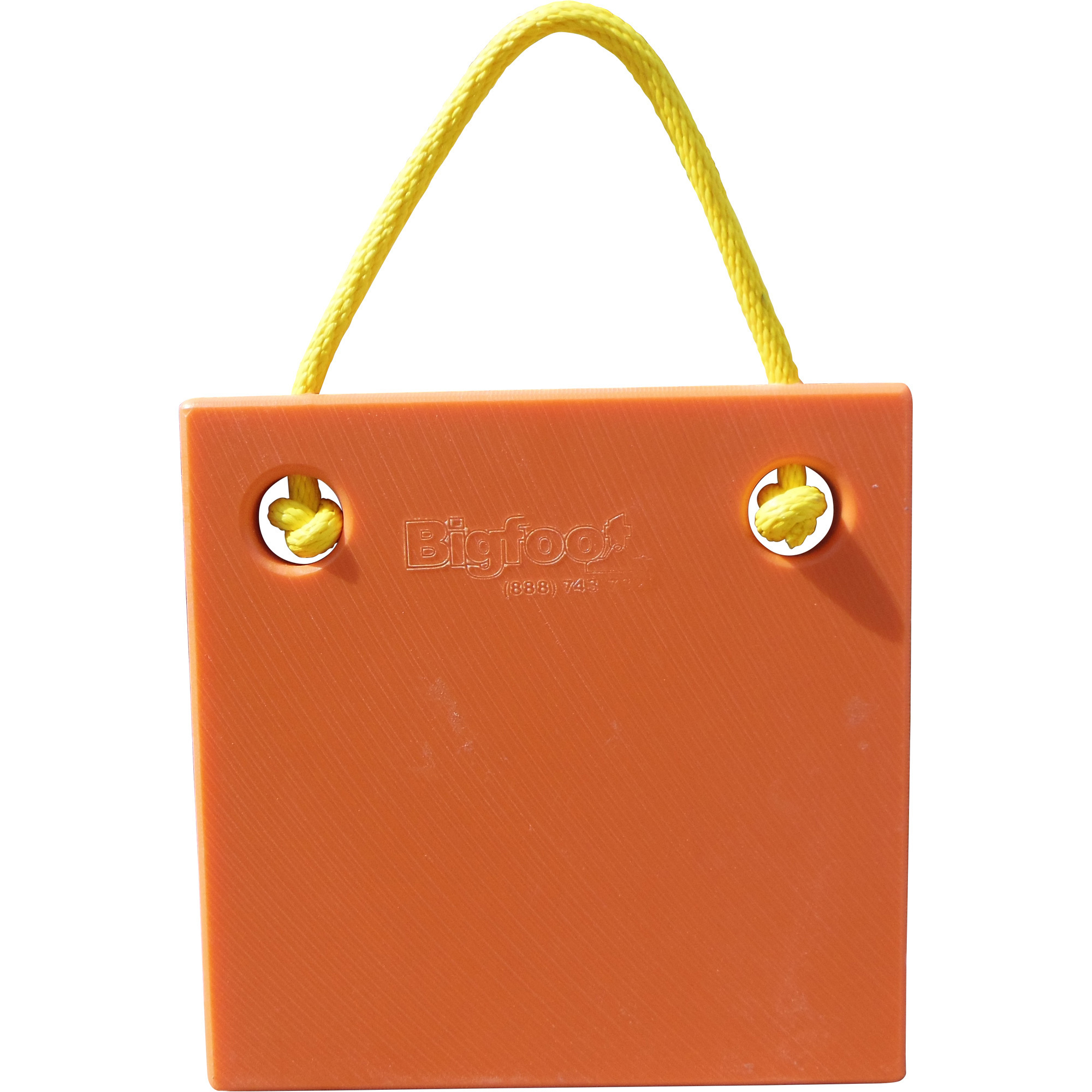
- Stabilize the ground for drilling rig and trenching machinery; see also, outrigger pads
- Protect underground utilities from compression by heavy equipment
Oil + Gas Industry
- Prevent soil contamination in environmentally sensitive areas
- Provide stable service for rigs and service vehicles on marshy or unstable ground
Events + Temporary Structures
- Avoid potential damage to lawns and pavement during stage, tent and seating setup
- Prevent landscape damage from heavy pedestrian traffic
- Create ADA-compliant pathways over uneven or wet ground
- Protect flooring in stadiums or arenas during vehicle load-ins
Agriculture + Farm Operations
- Protect pastures or crop fields from heavy vehicle traffic
- Create stable pathways for staff, livestock transport and/or feeding equipment
- Provide solid base for feed storage and temporary shelter structures
Mining + Quarrying
- Support haul trucks and loaders by stabilizing areas with loose sand or gravel
- Reduce wear on existing roads from high traffic of heavy equipment and haulers
- Improve worker safety by reducing slip hazards in mud or areas of standing water
Maintenance + Storage
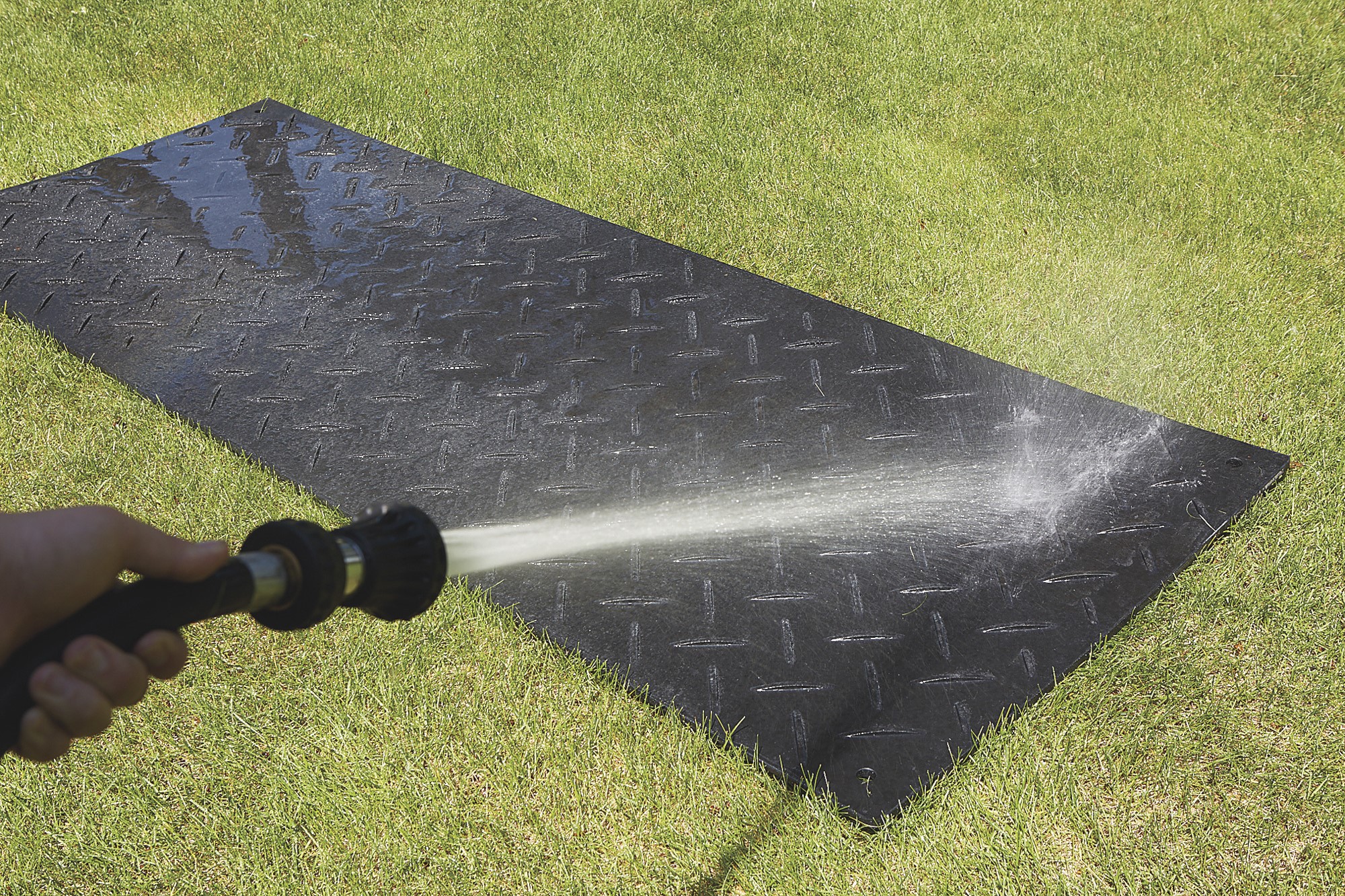
Ground protection mats are incredibly easy to clean with a shop vac, hose, or pressure washer. After all soil debris has been removed, we recommend stacking them neatly for storage. Preferably indoors. While most mats are UV resistant it is best to keep them out of direct sunlight and extreme weather to get the longest life out of them. If outdoor storage is the best available, covering the mats with tarps can be helpful. Ground protection mats, when well maintained, can serve your business for 10 years or longer. Check with the manufacturer of a specific mat you’re interested in to see if it offers the service life you need.