Dockboards + Dockplates
Filters
1-48 of 313 Products

Item # 8555721
From
$799.99
Item # 8565401
From
Save up to $992.13
Item # 8565291
From
Save up to $50.98
Item # 8566451
From
$249.91
Item # 8550801
From
$339.99
Item # 8553261
From
$894.79
Item # 8550841
From
Save up to $745.00
Item # 8551621
From
$819.99
Item # 8564141
From
Save up to $780.00
Item # 5041750
Item # 6959301
Item # 4219641
Item # 4219747
Item # 4219771
Item # 4219974
Item # 4220086
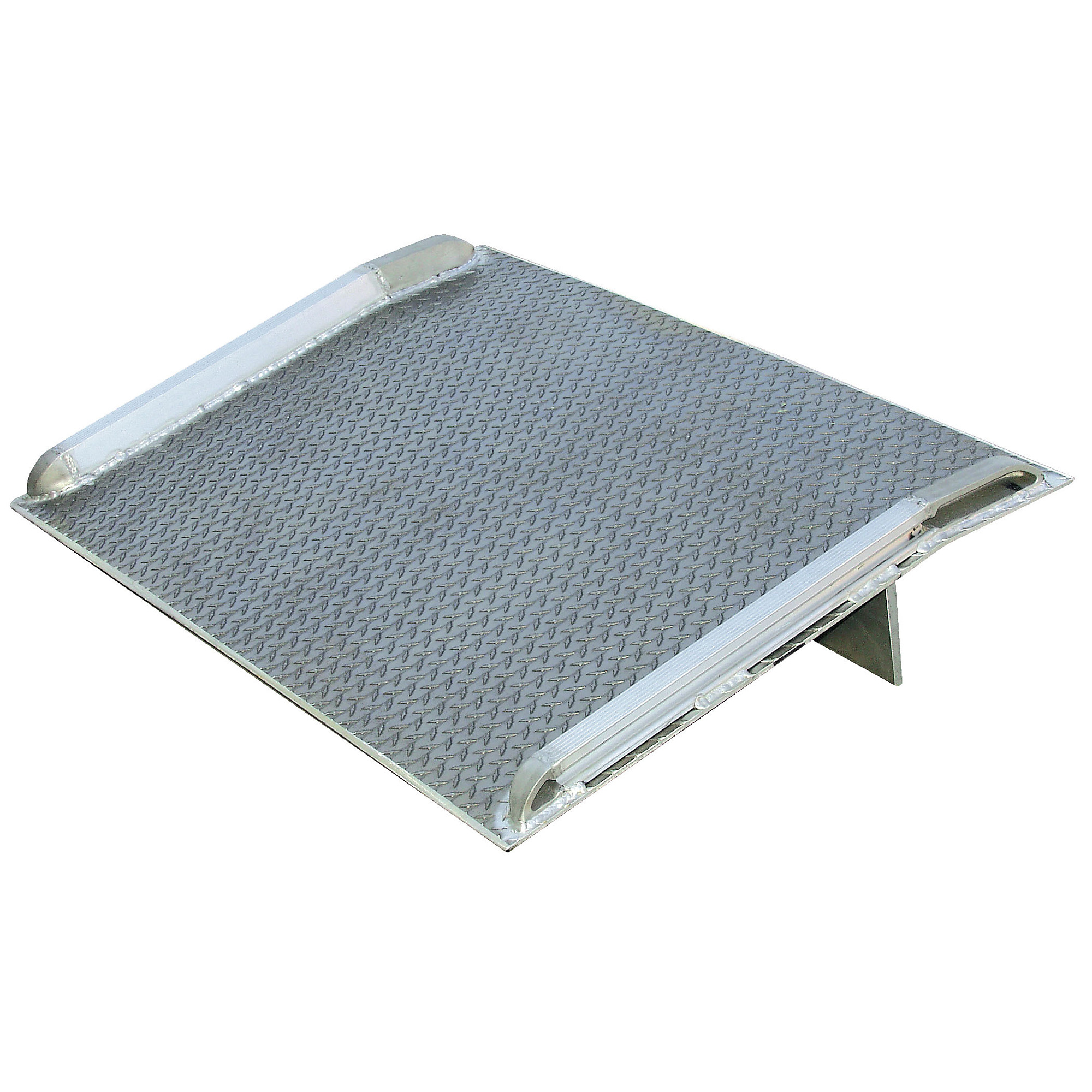
Item # 4220991
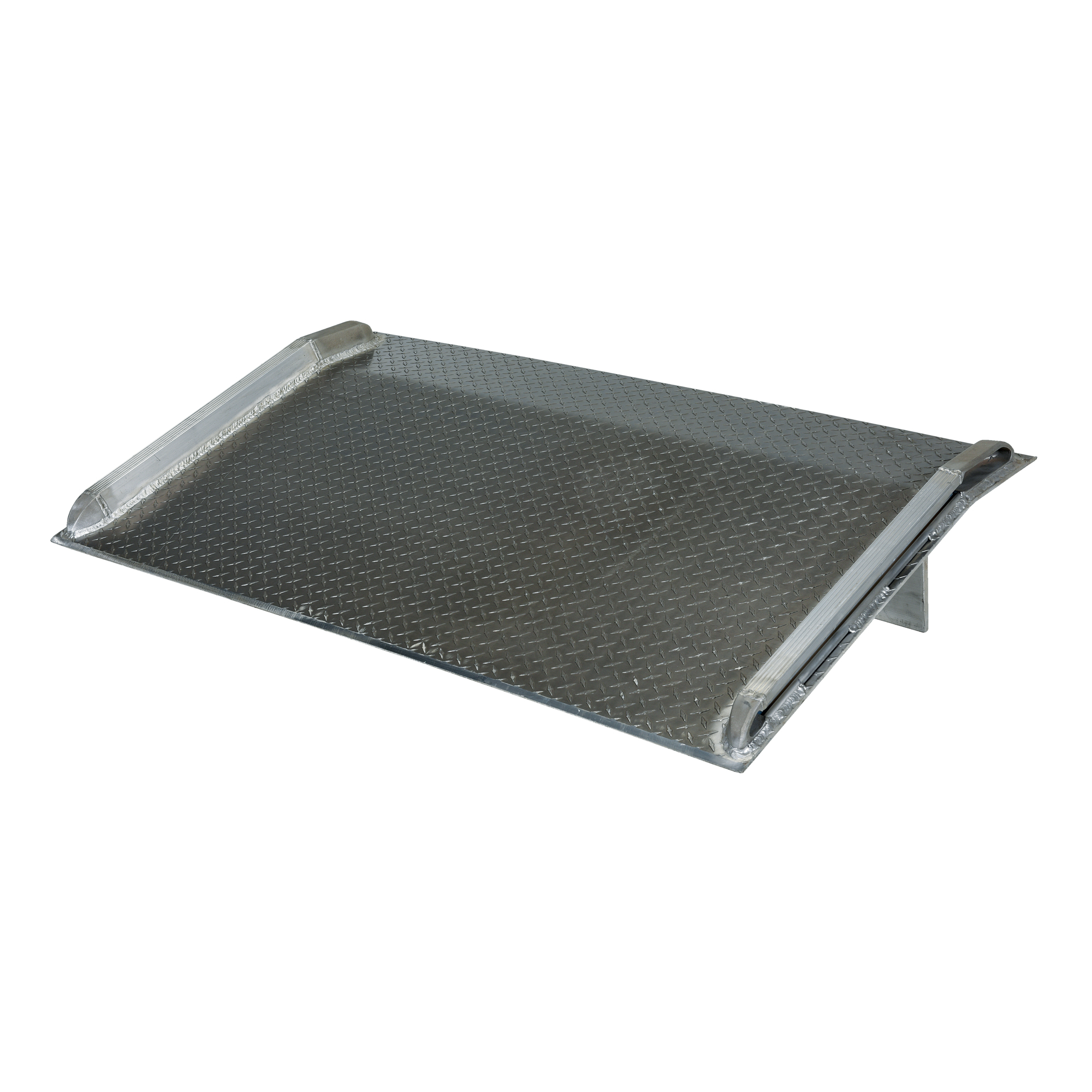
Item # 4221492
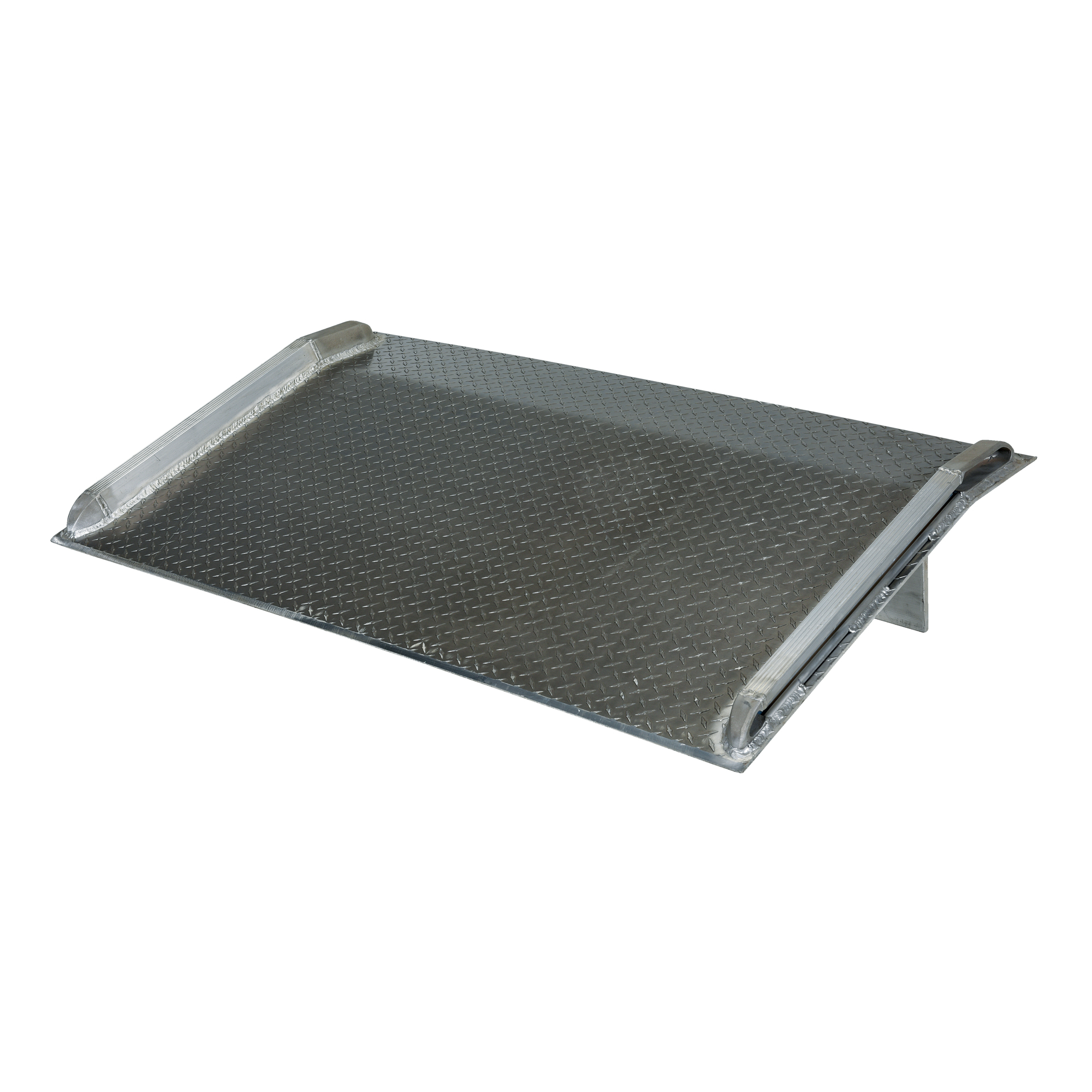
Item # 4221821
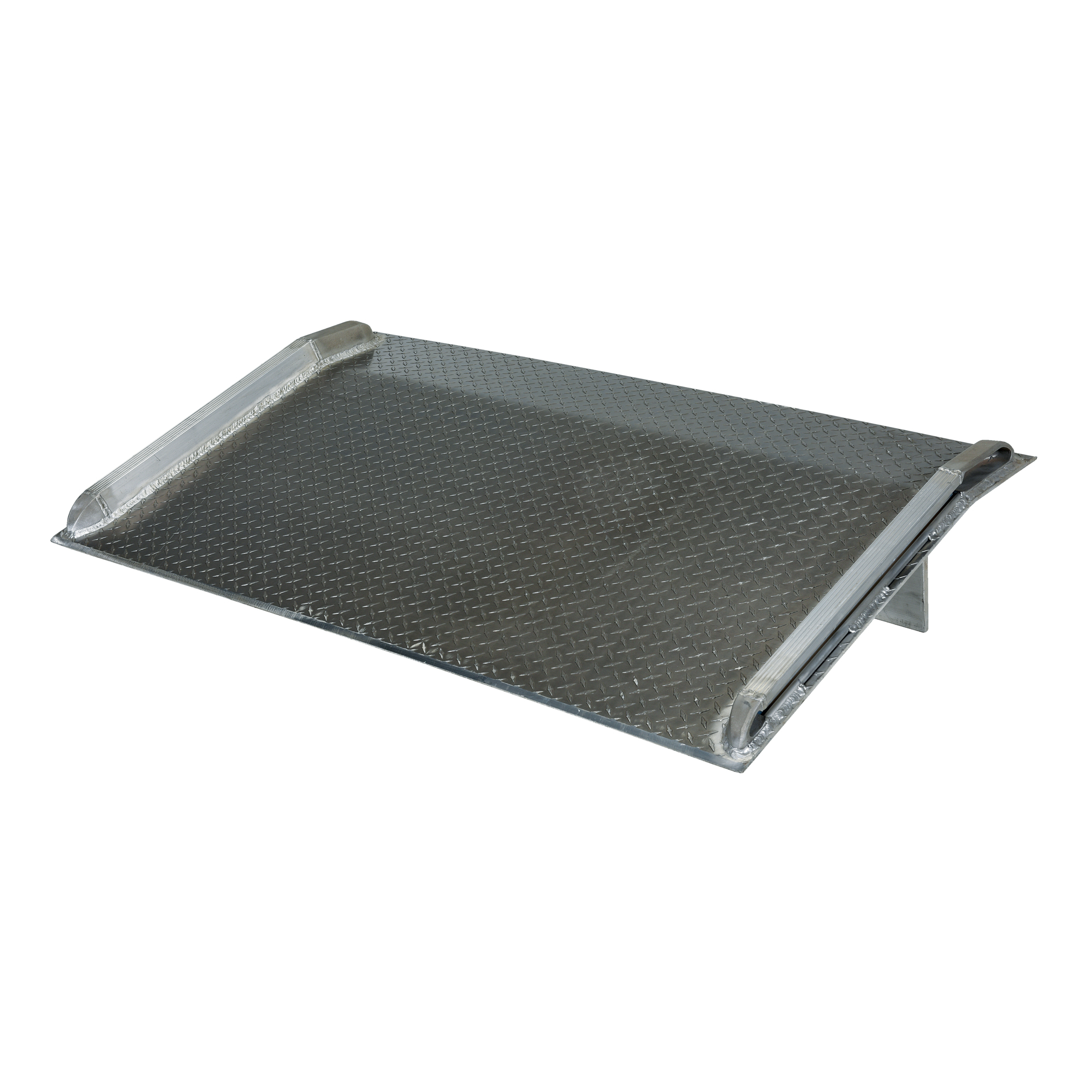
Item # 4221935
Item # 4222090
Item # 4222962
Item # 4223025
Item # 4223164
Item # 4223906
Item # 4219721
Item # 4219755
Item # 4219958
Item # 4220051
Item # 4220801
Item # 4221513
Item # 4221636
Item # 4221695
Item # 4221847
Item # 4222022
Item # 4222073
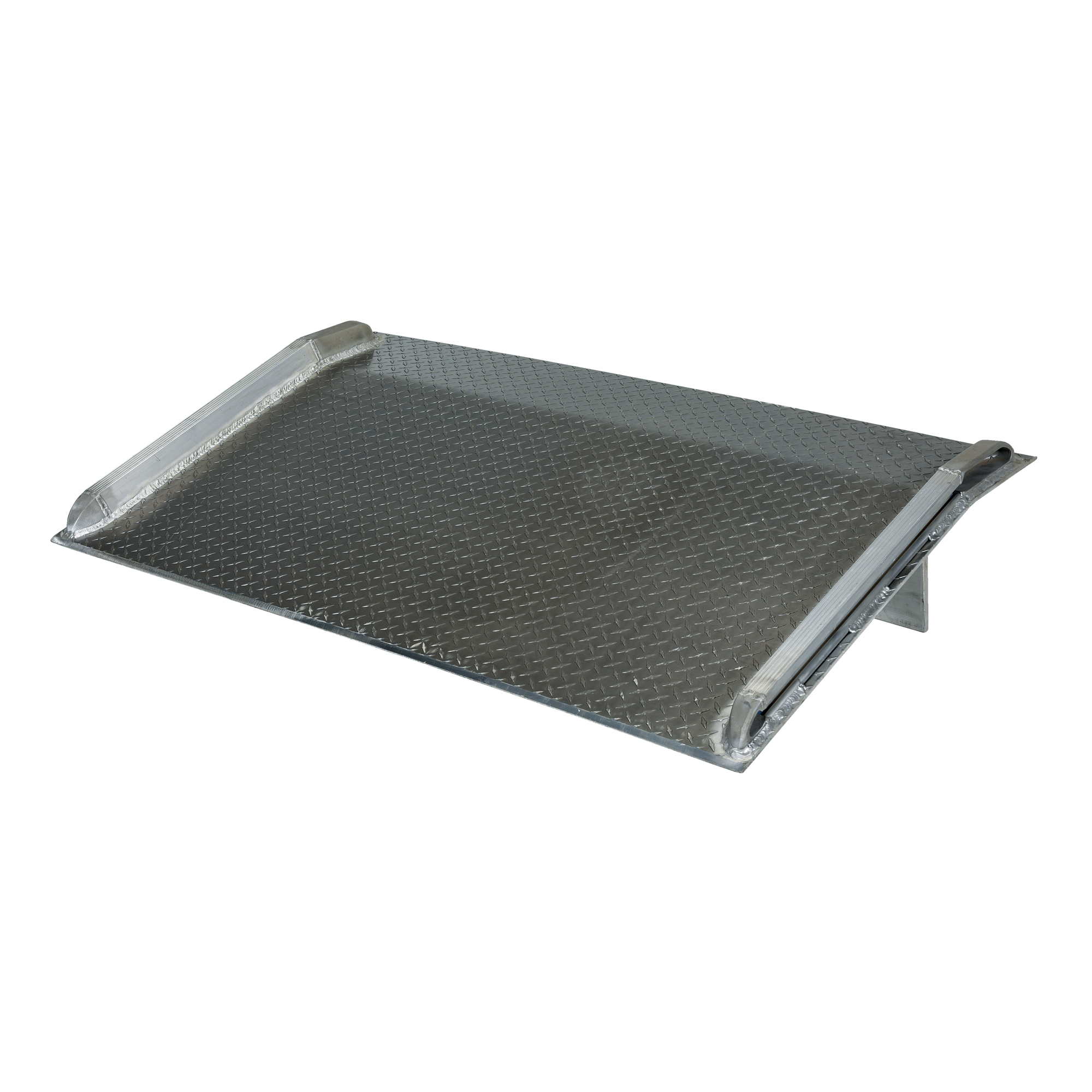
Item # 4222815
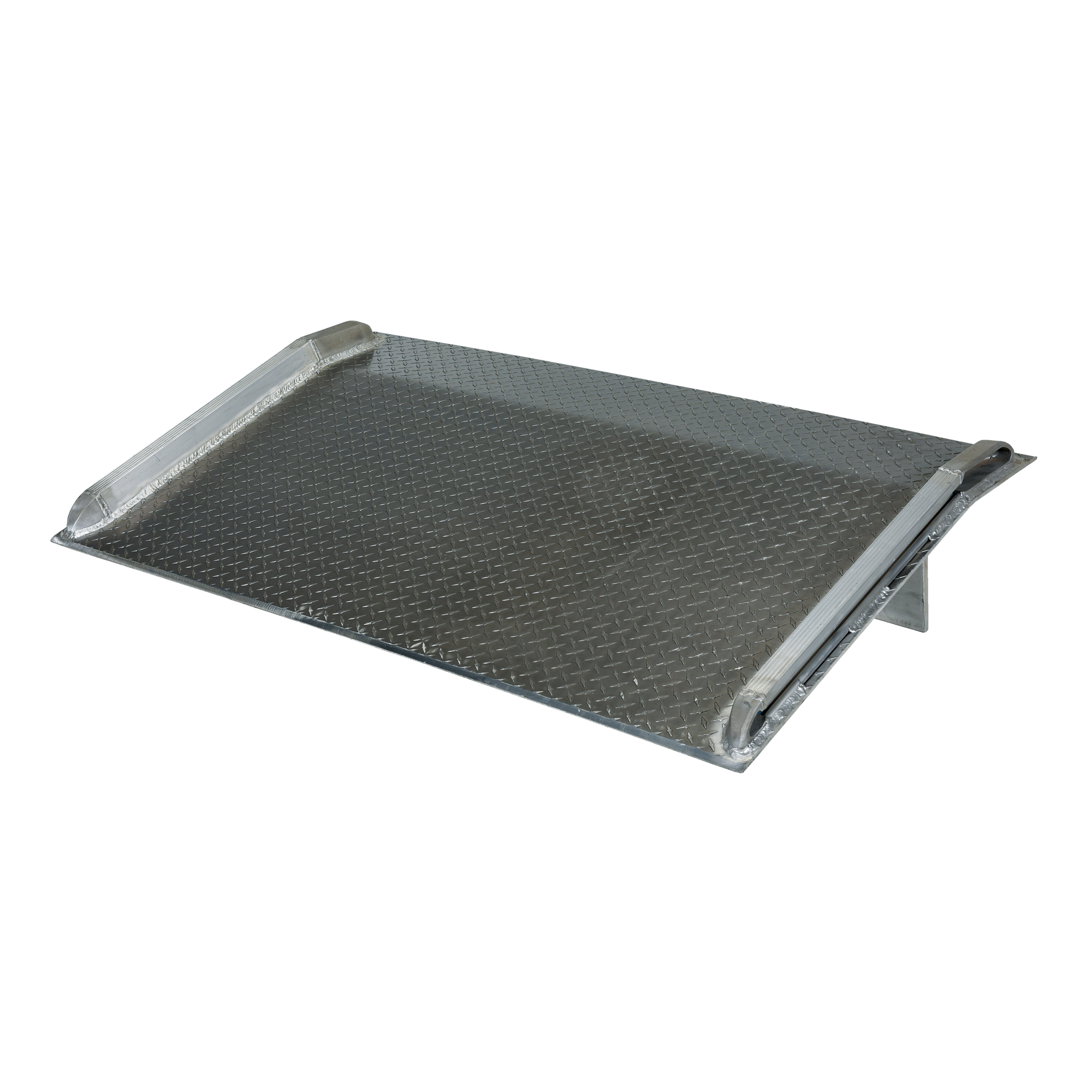
Item # 4222946
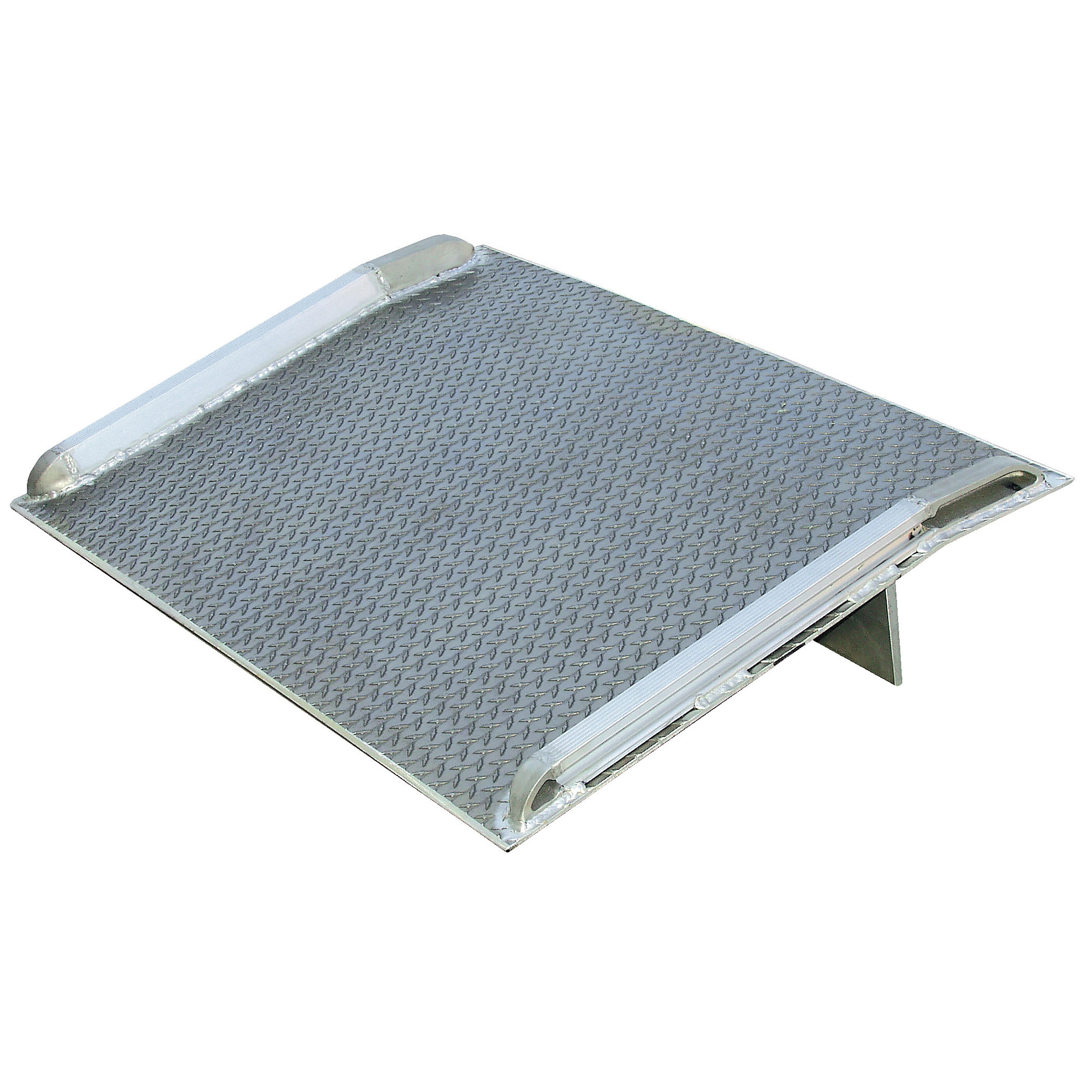
Item # 4223148
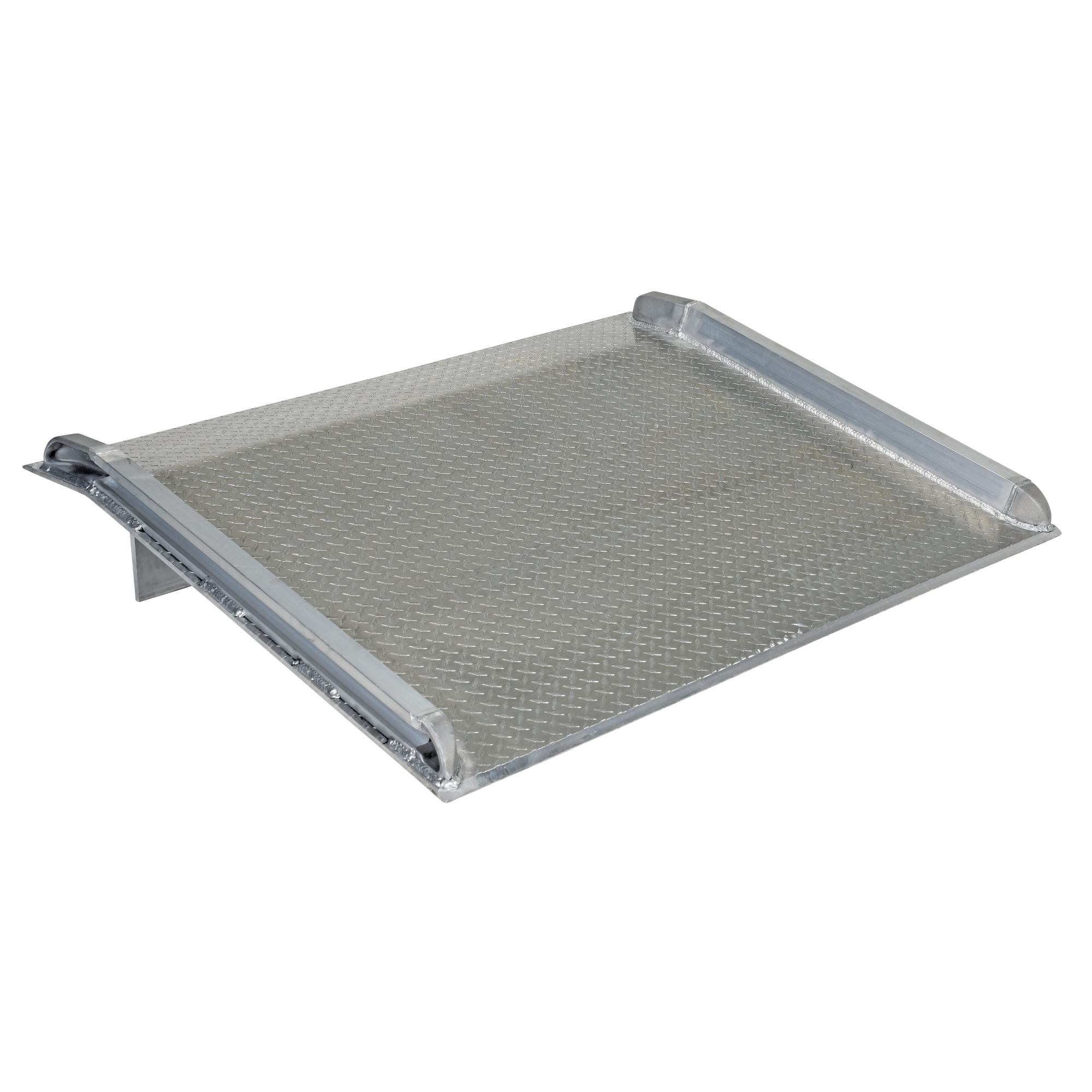
Item # 4223931
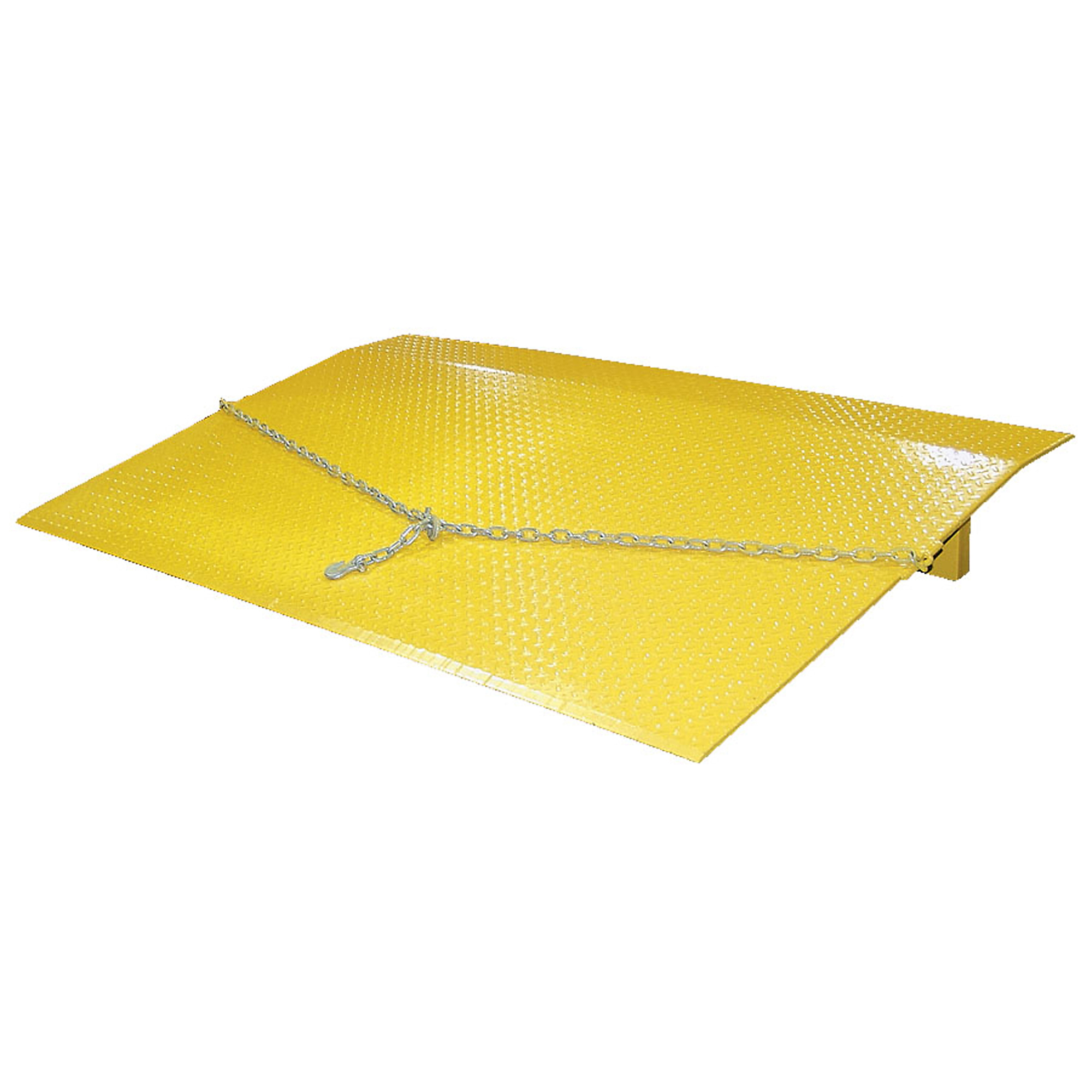
Item # 4703483
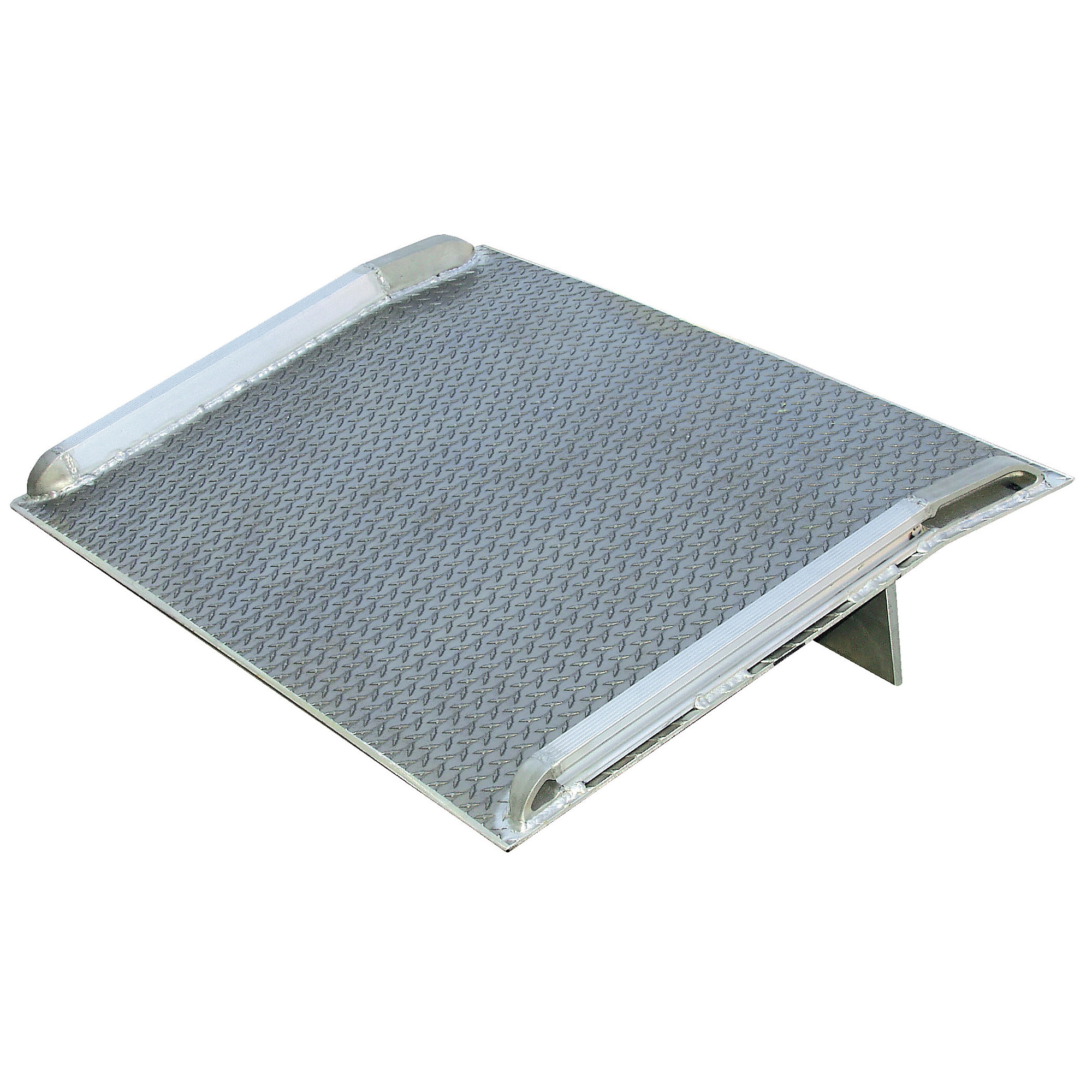
Item # 4223421
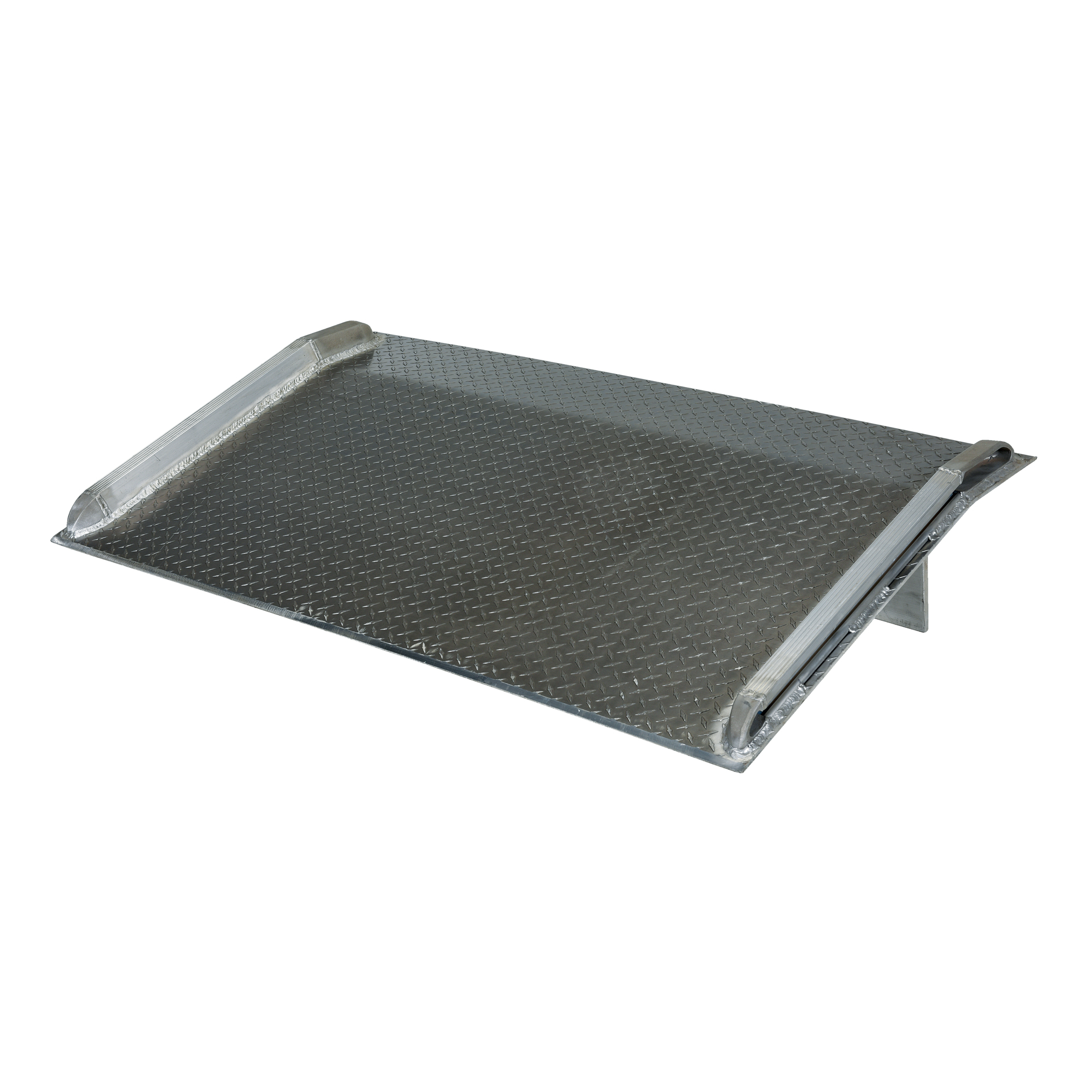
Item # 4220107
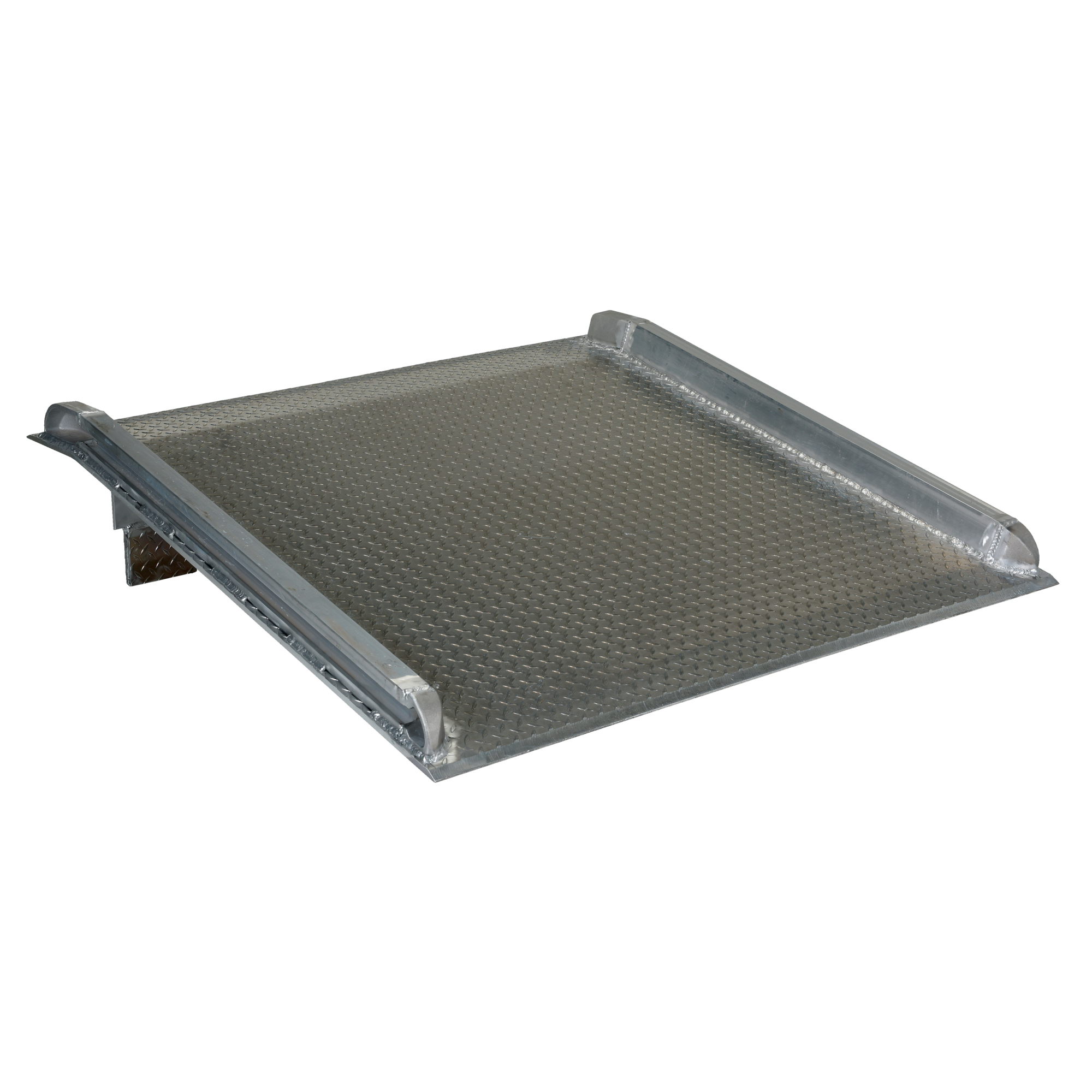
Item # 4219843
Item # 6865988
Item # 4219587
Item # 4219616
Item # 4219675
Loading Dockplate
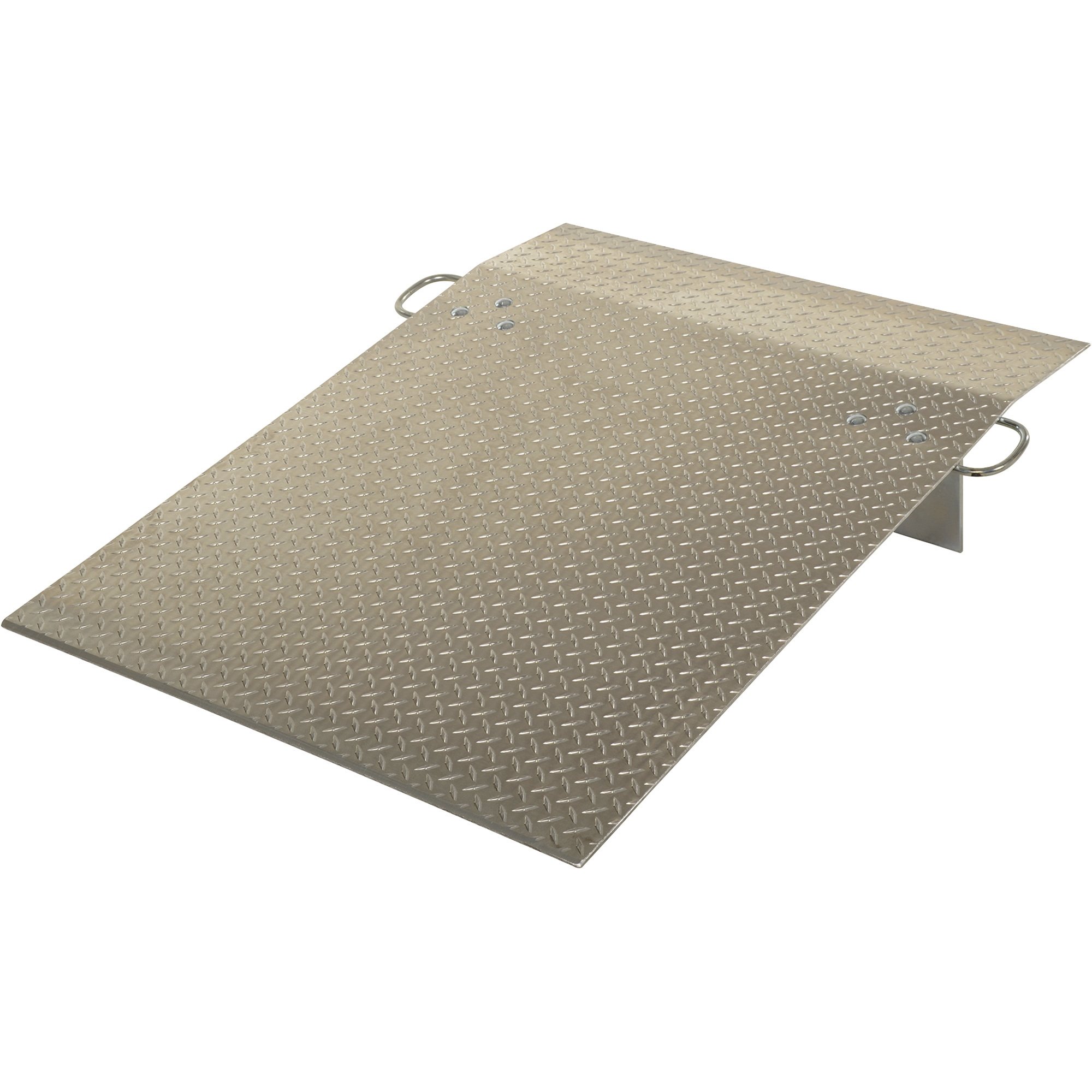
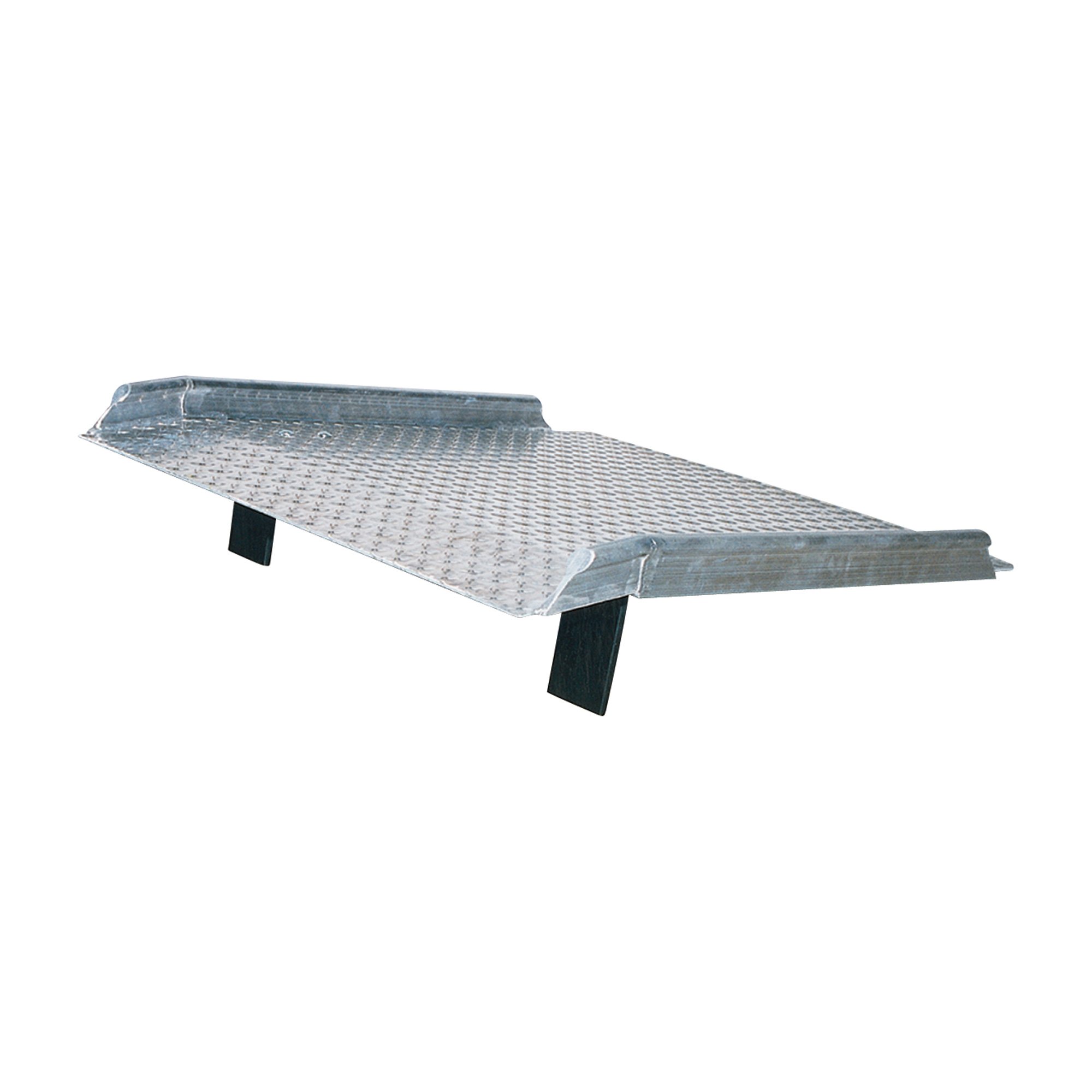
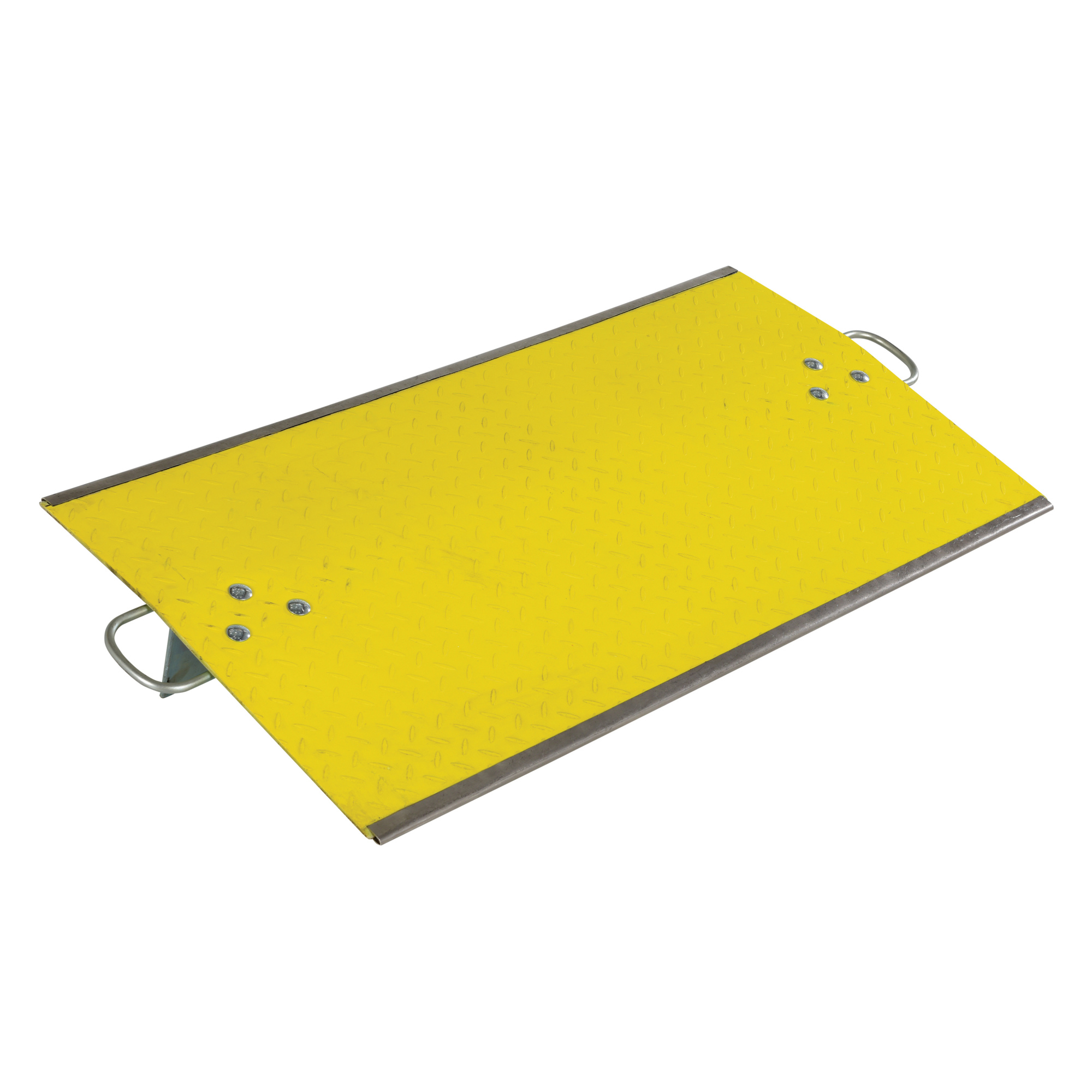
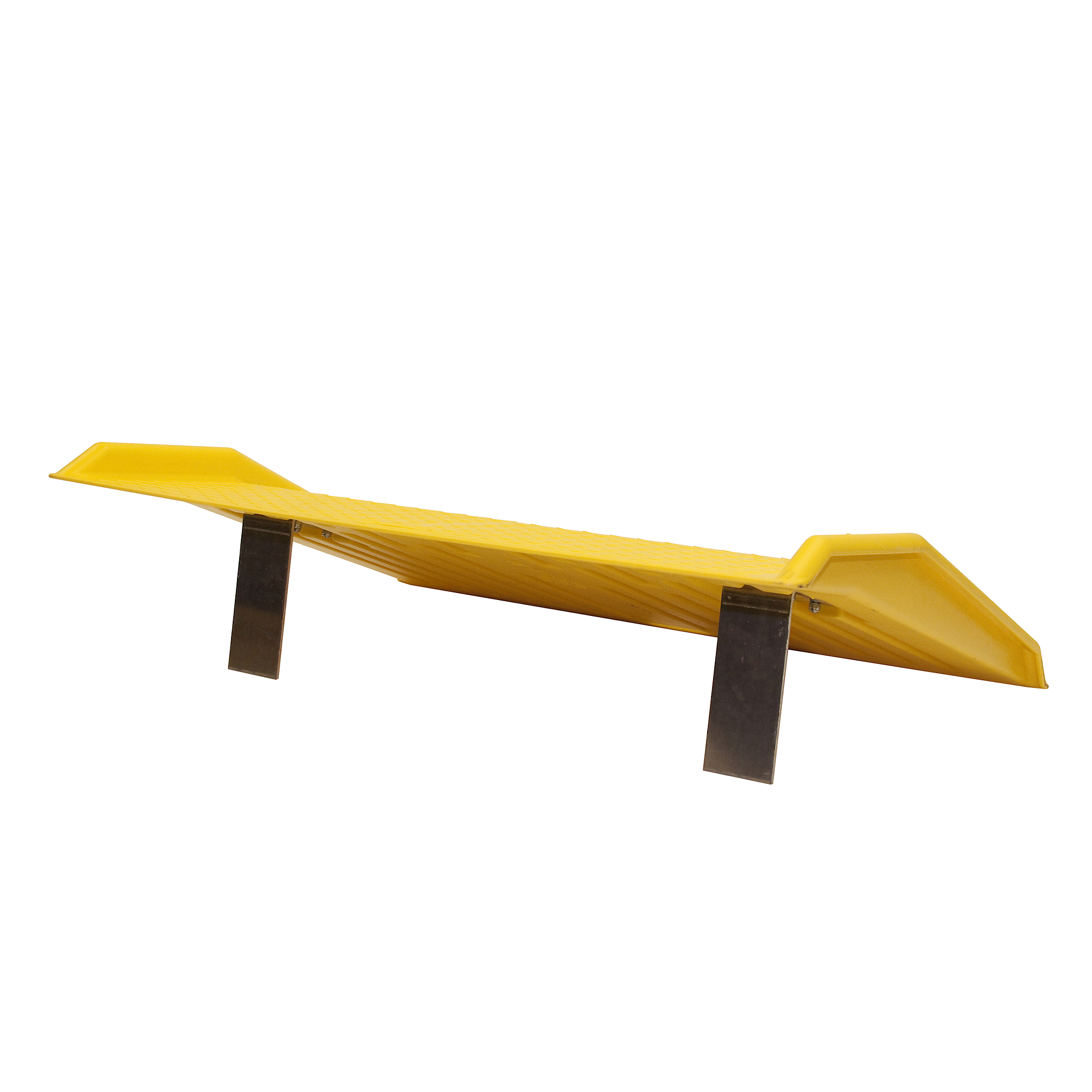
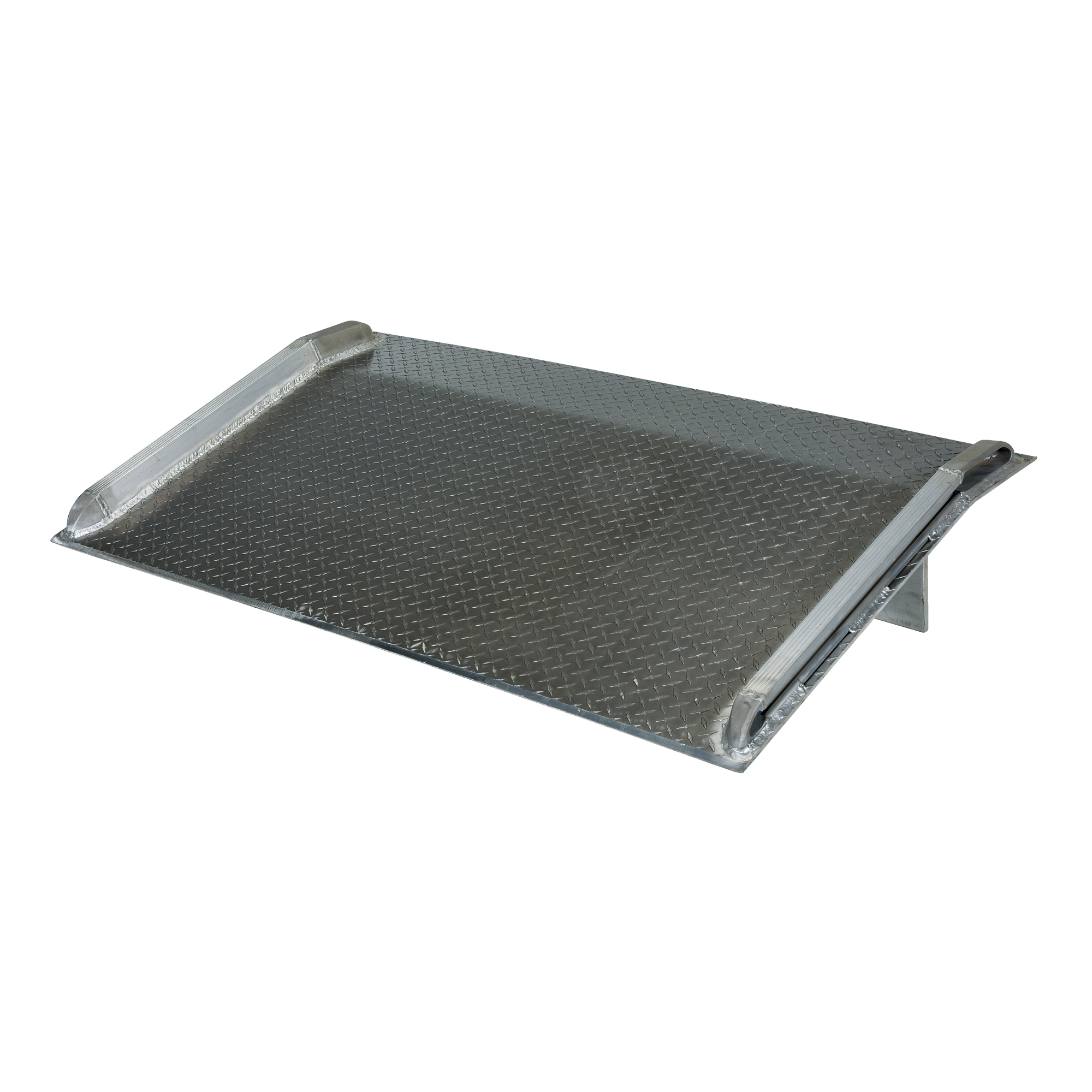
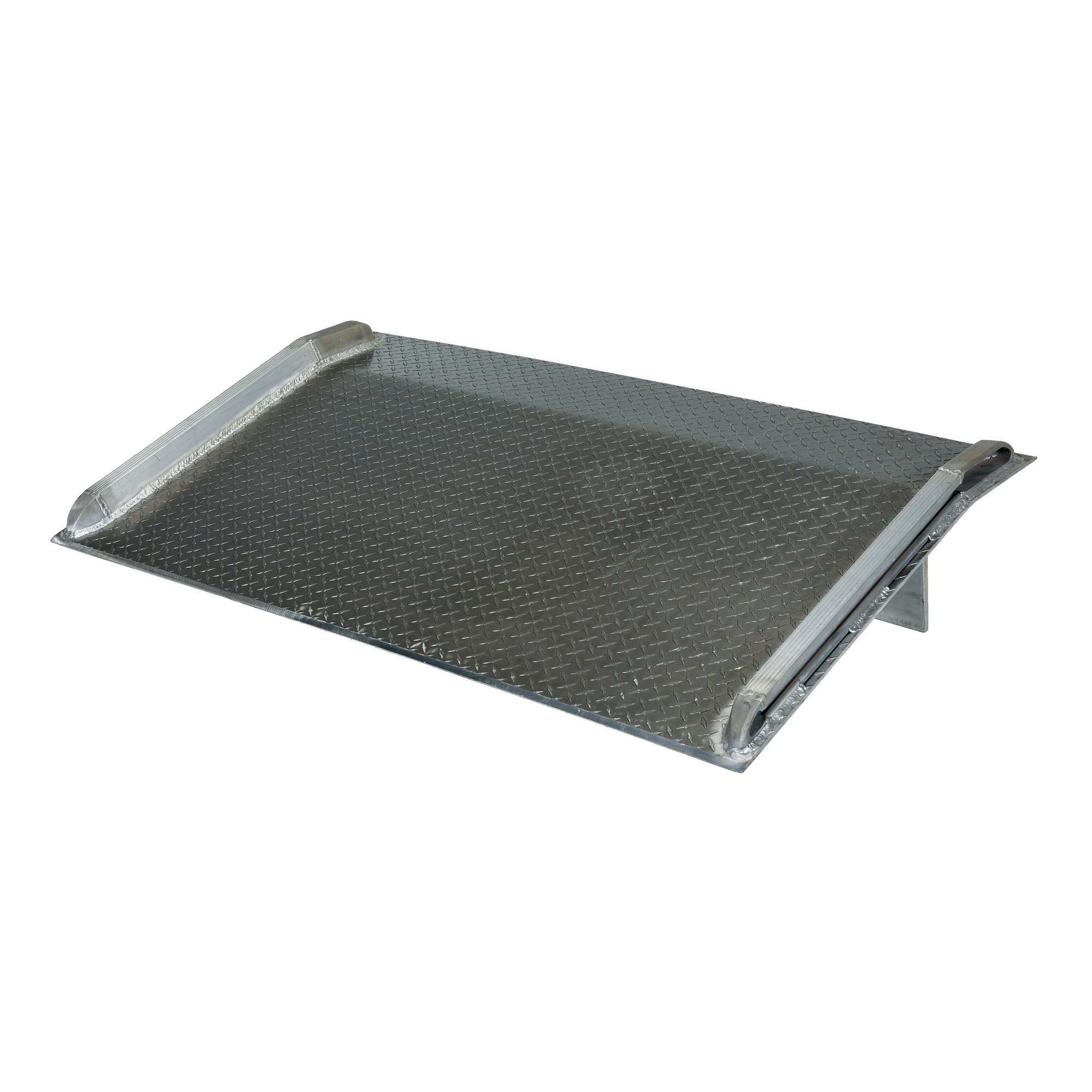
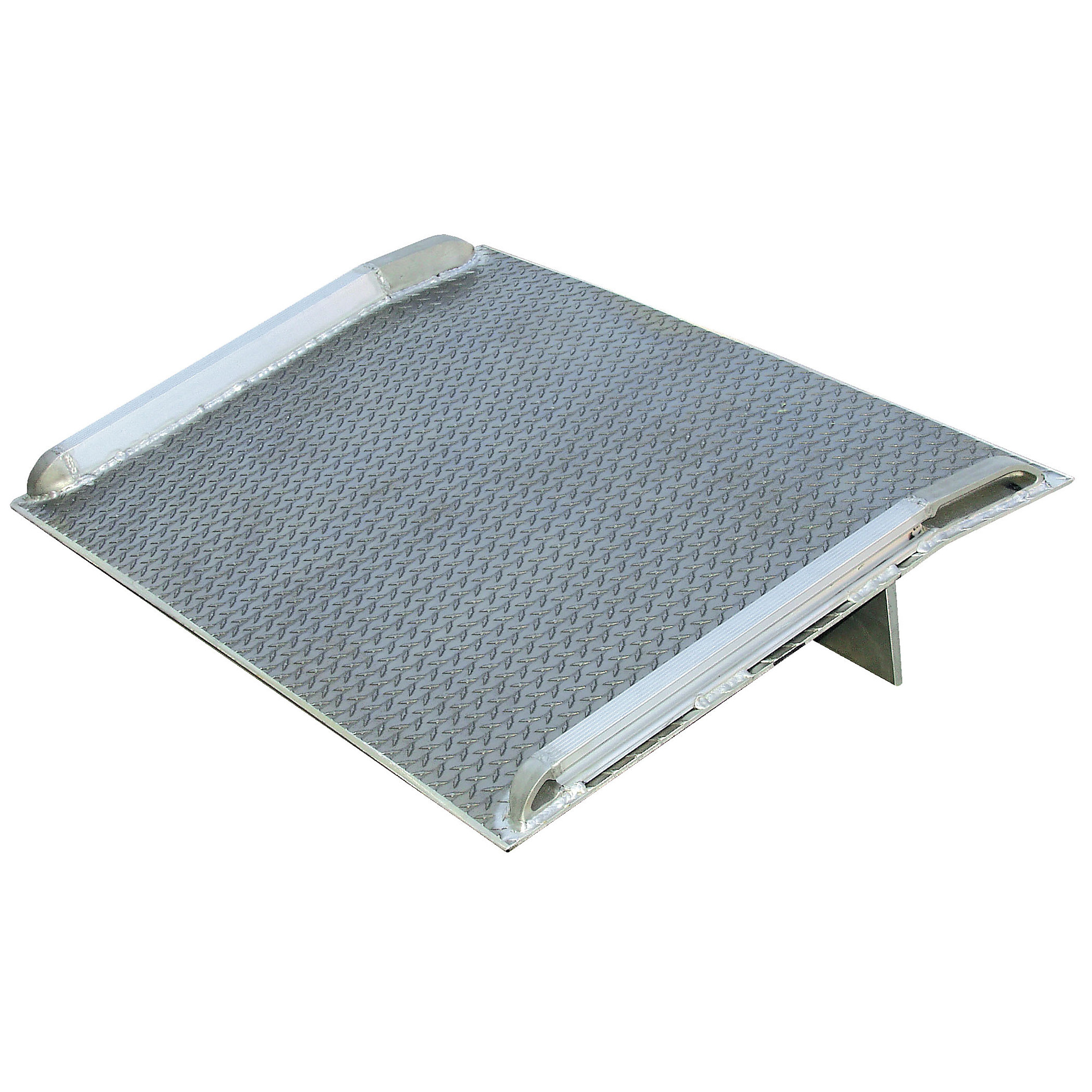
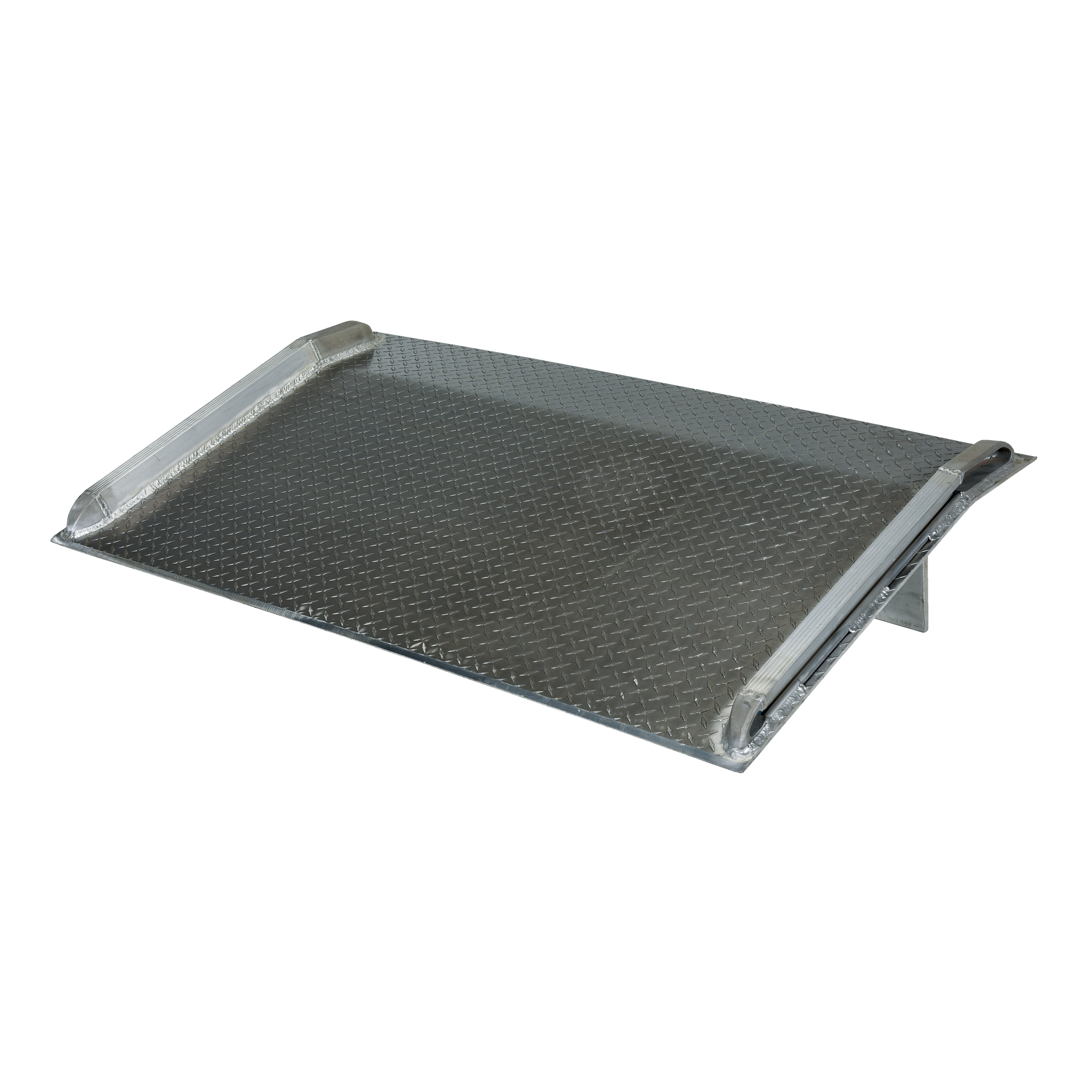
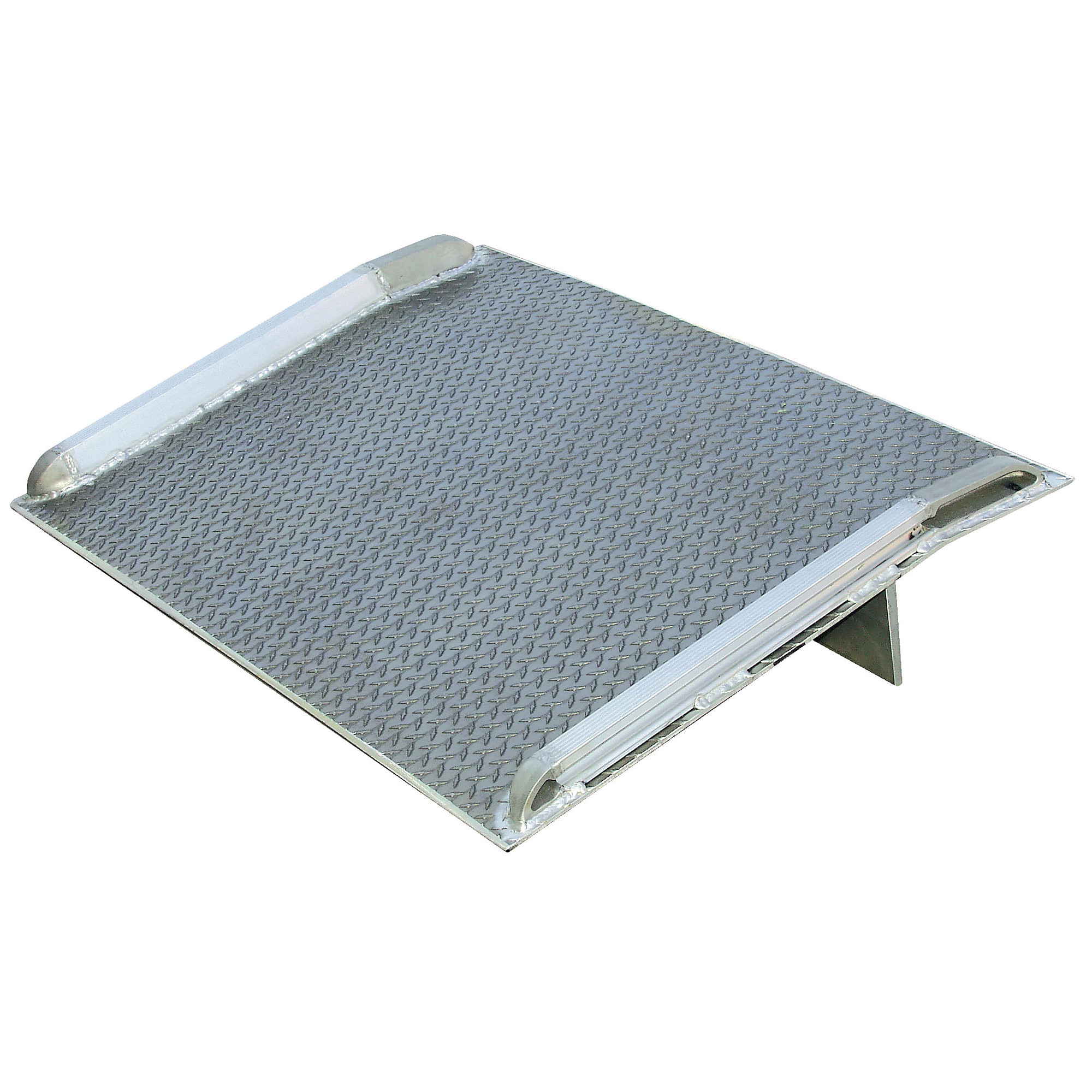
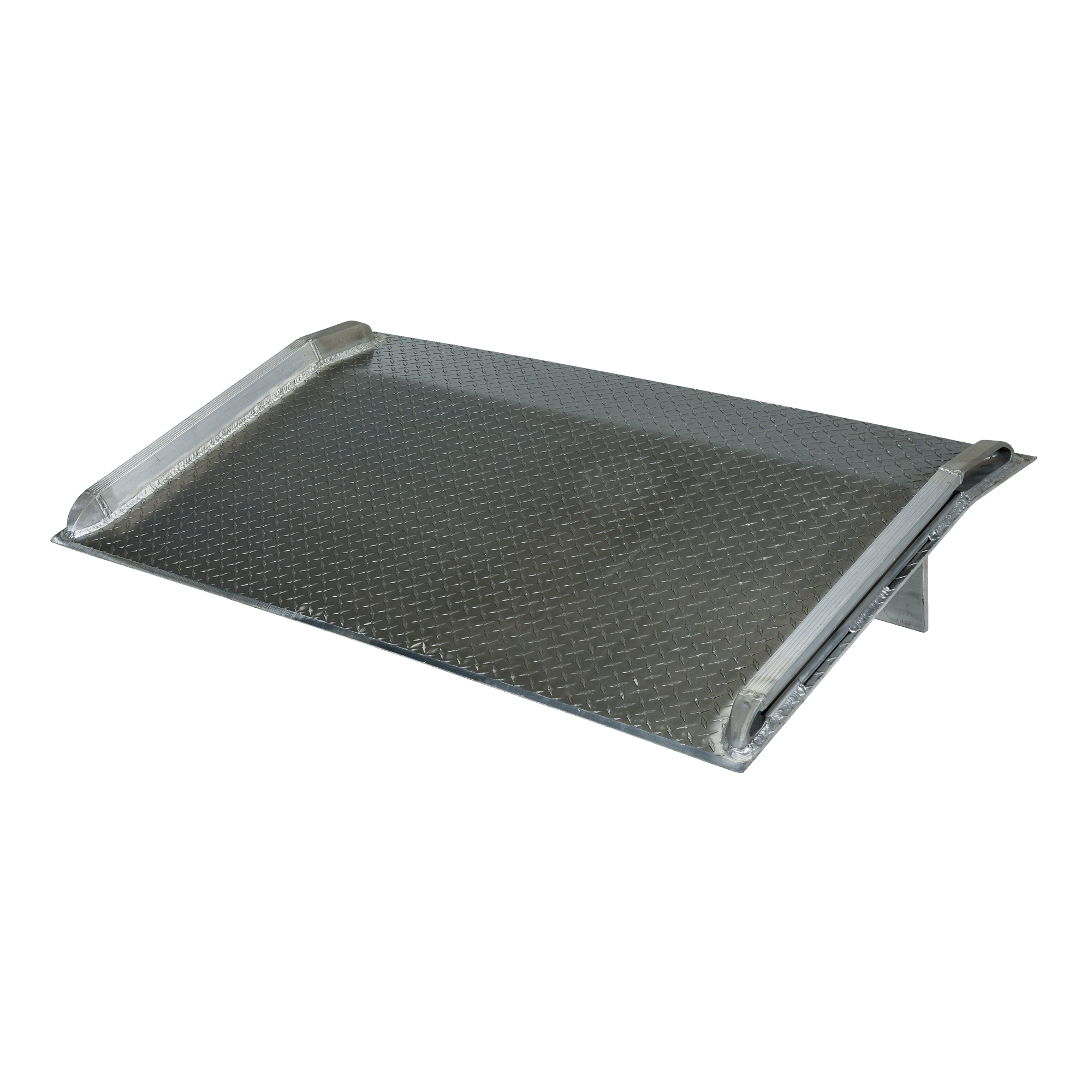
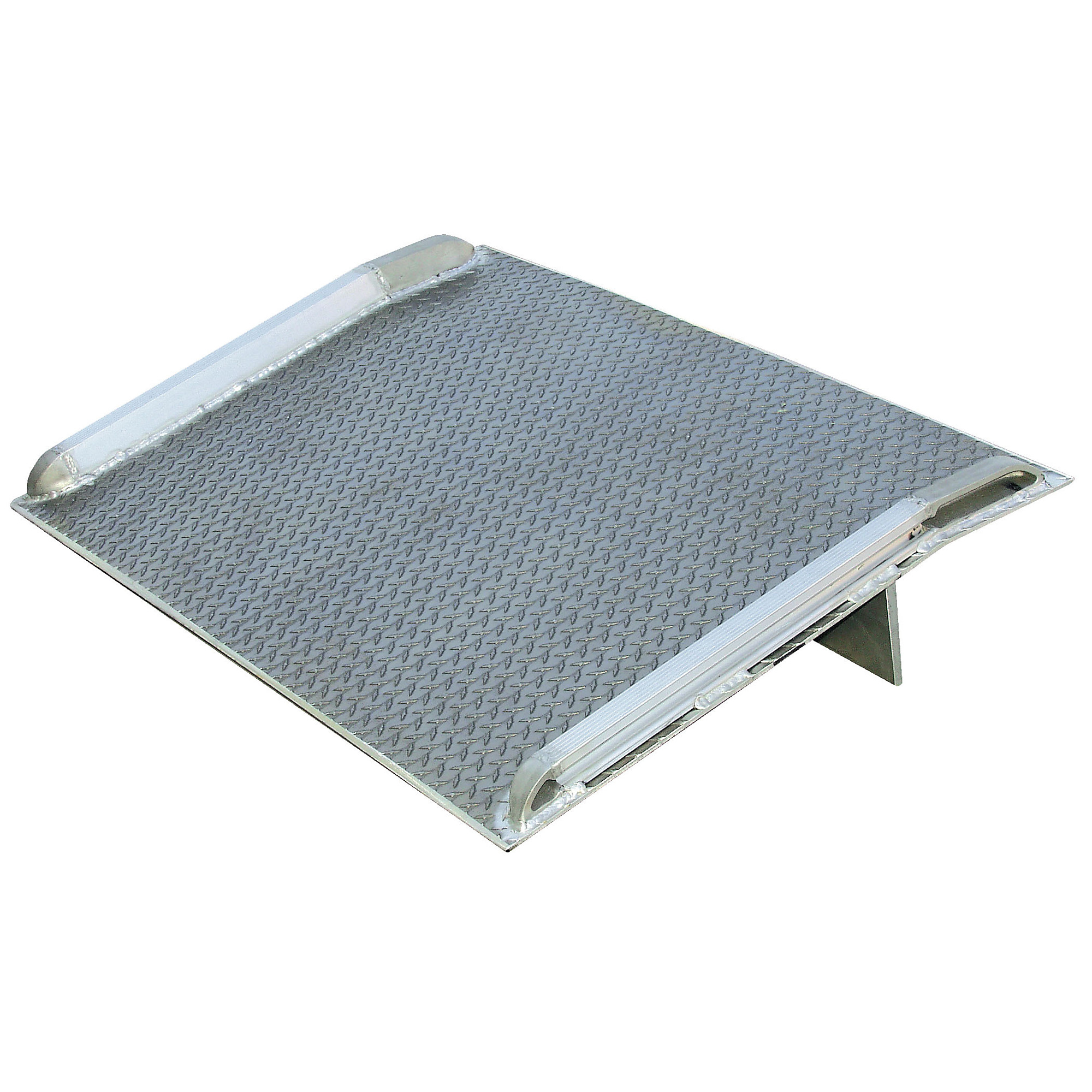
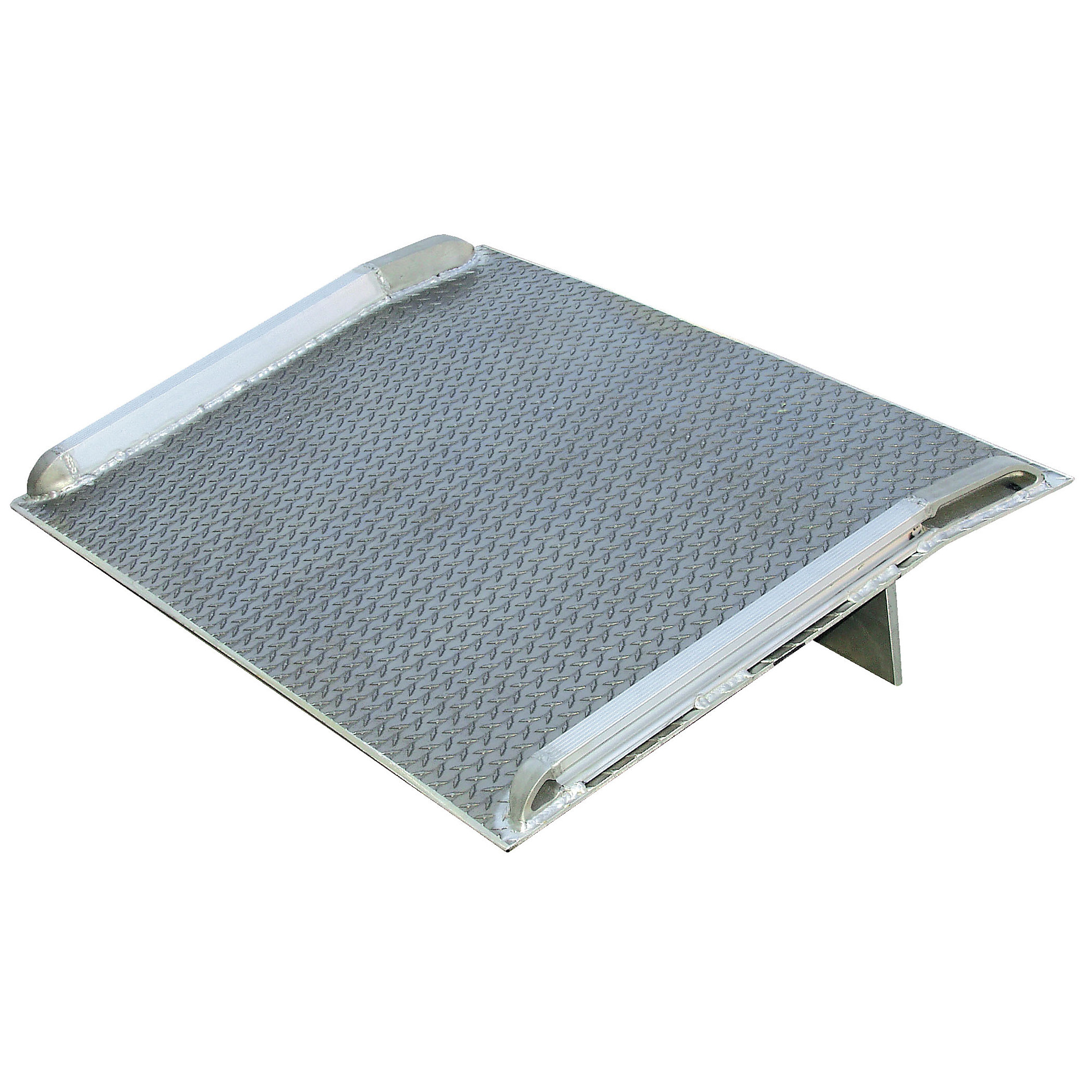
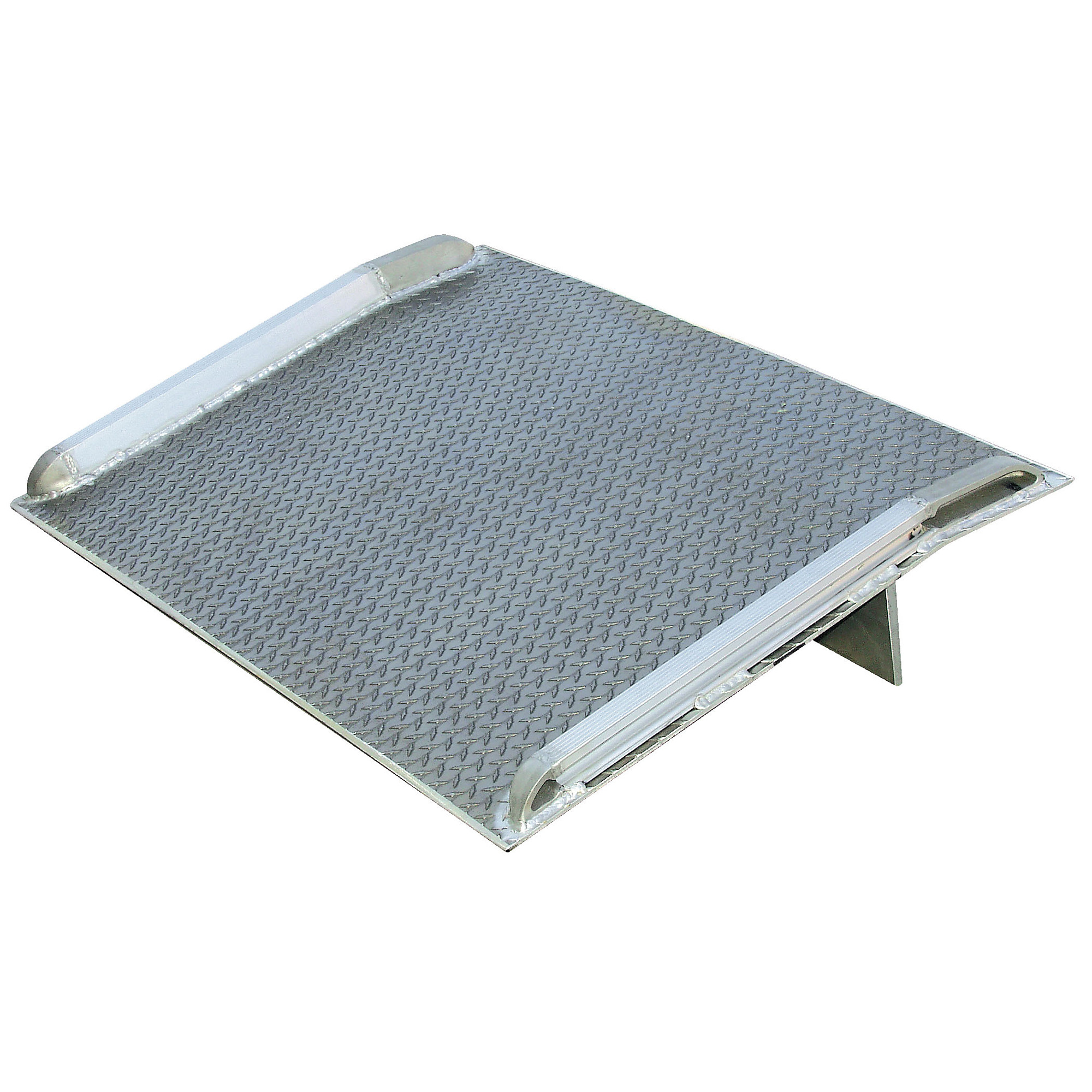
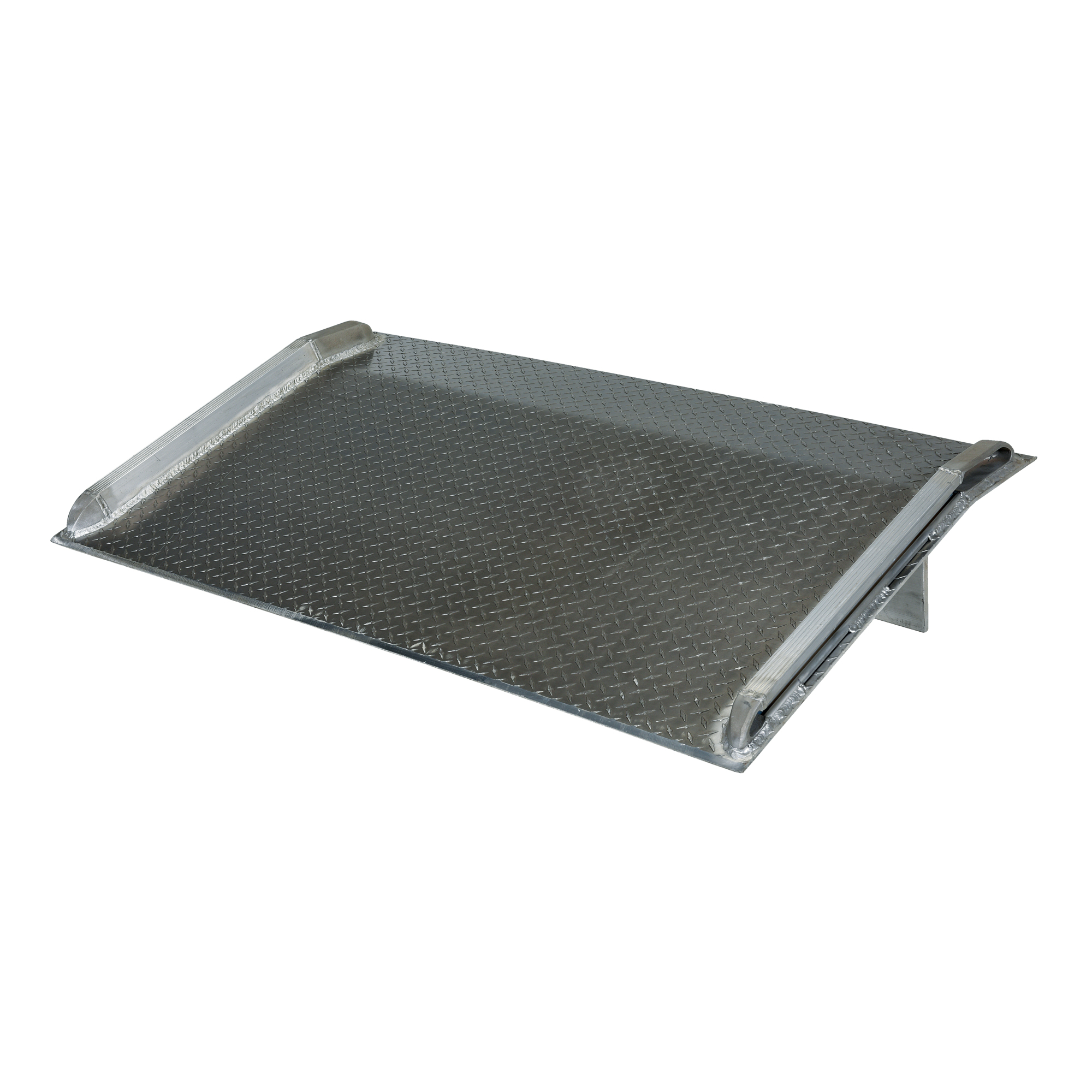
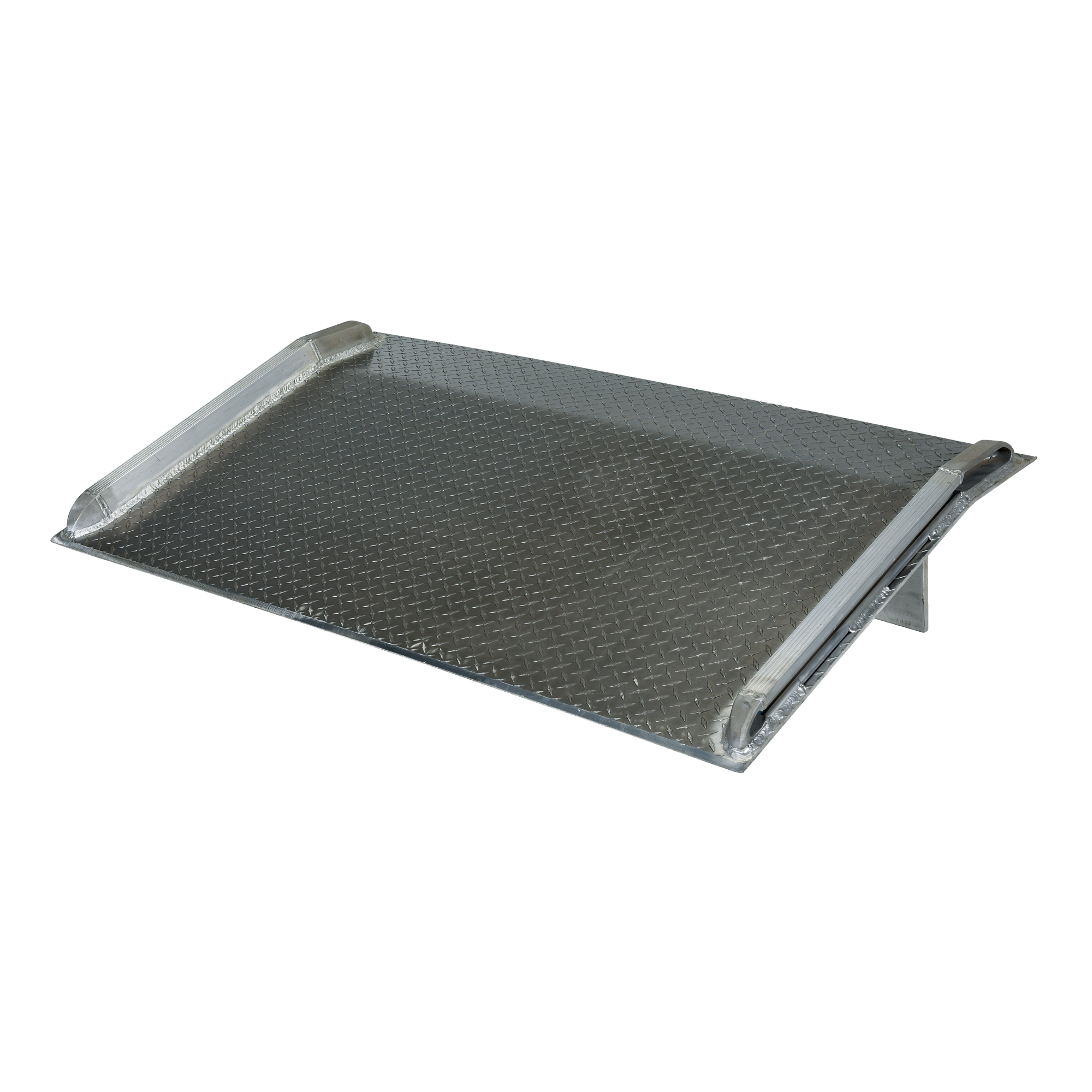
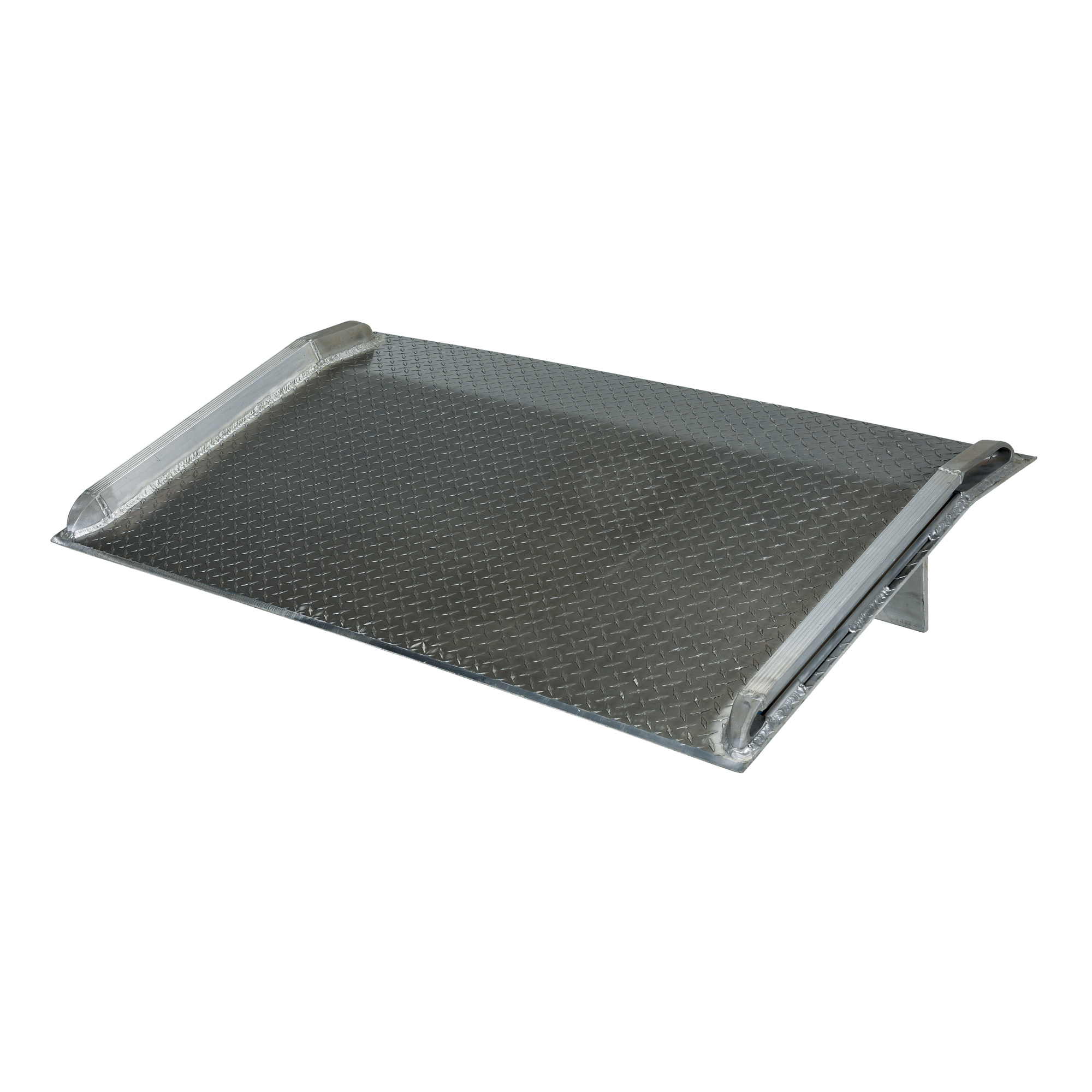
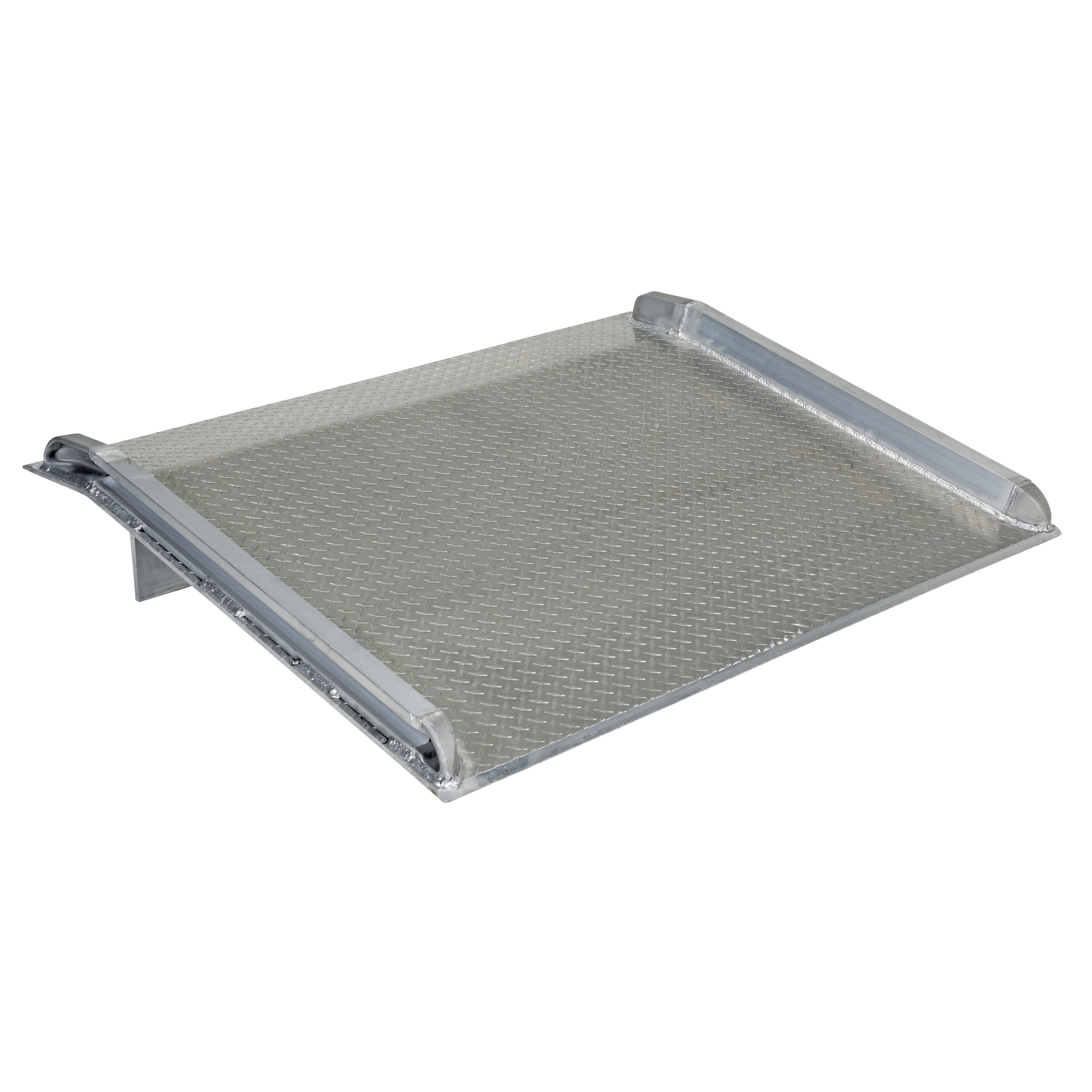
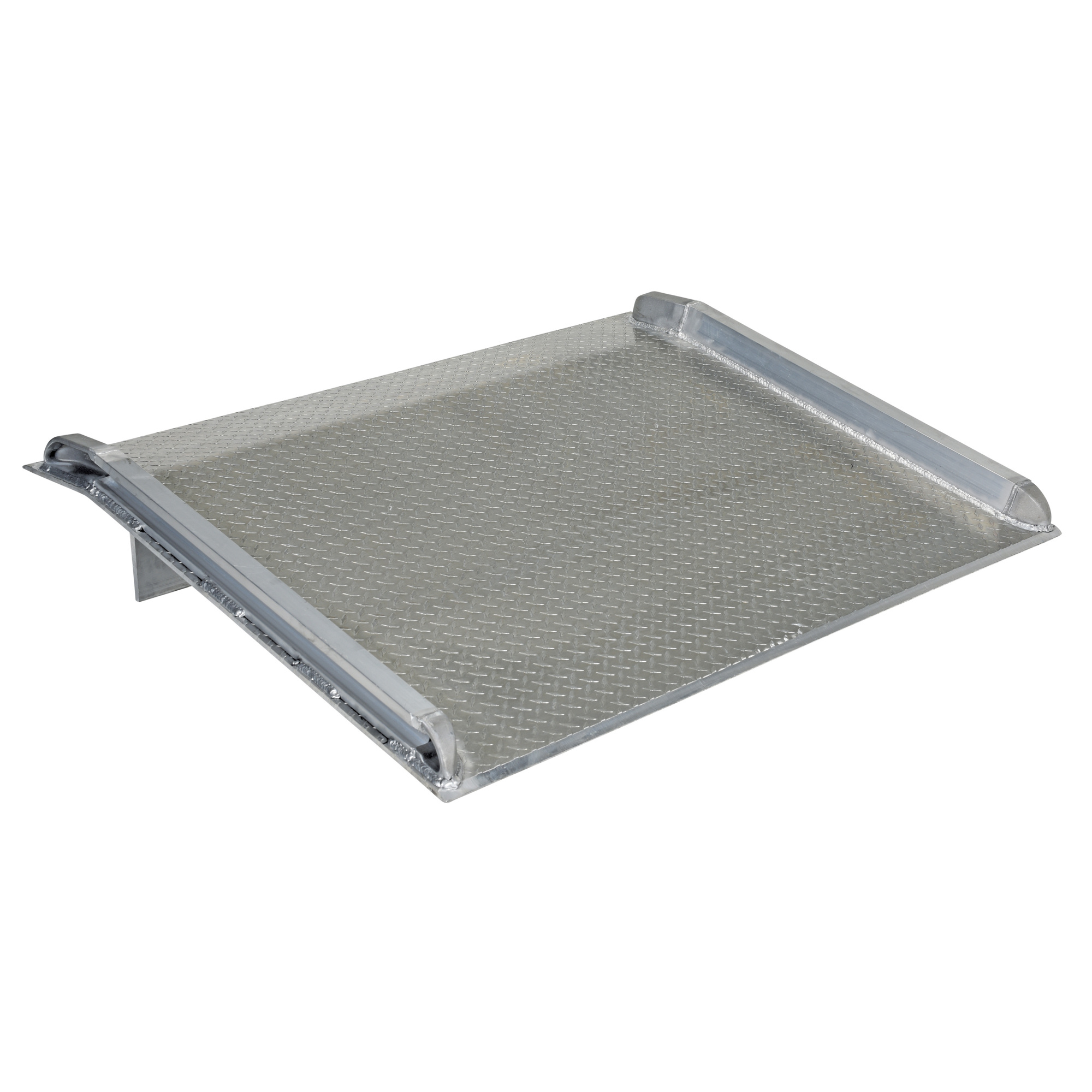
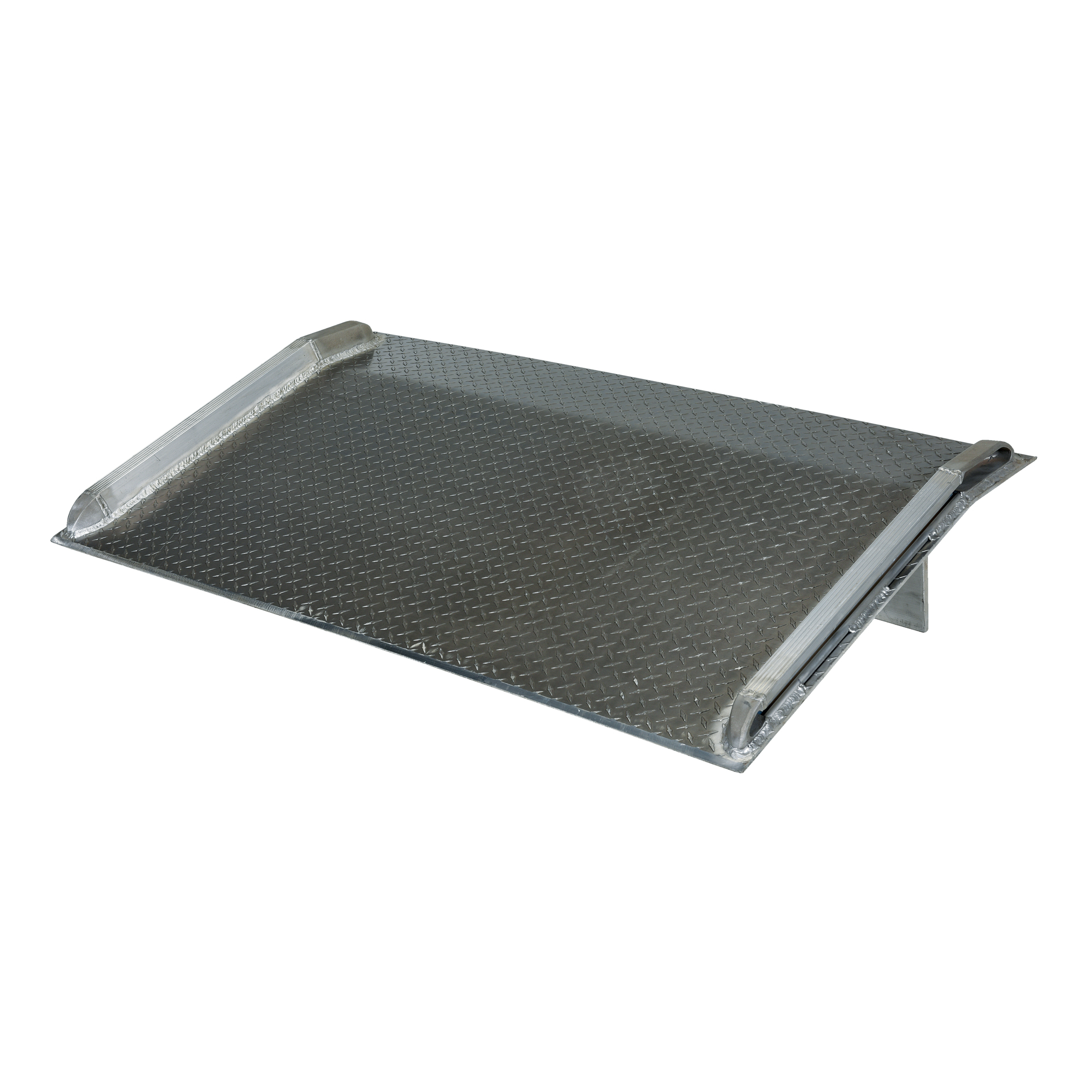
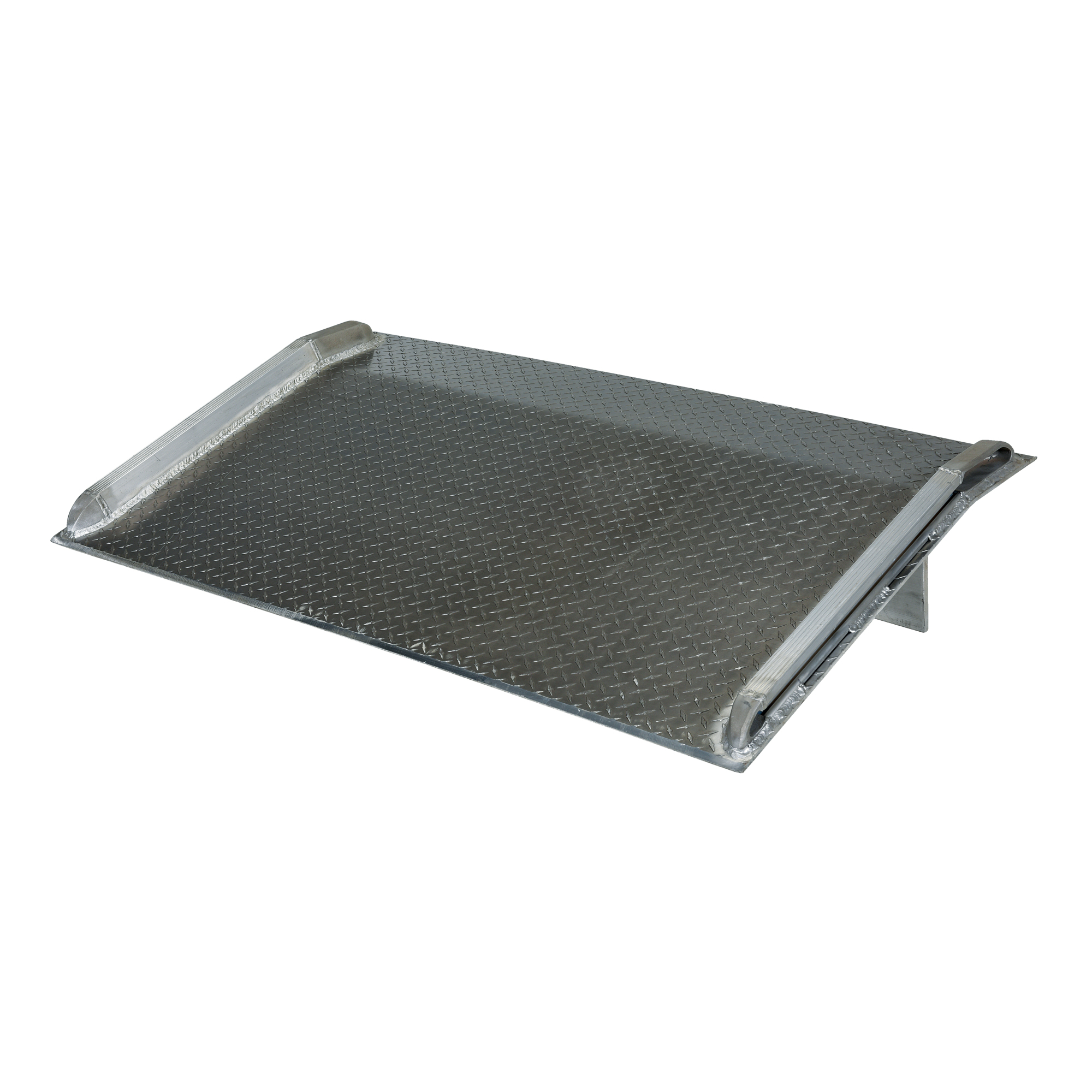
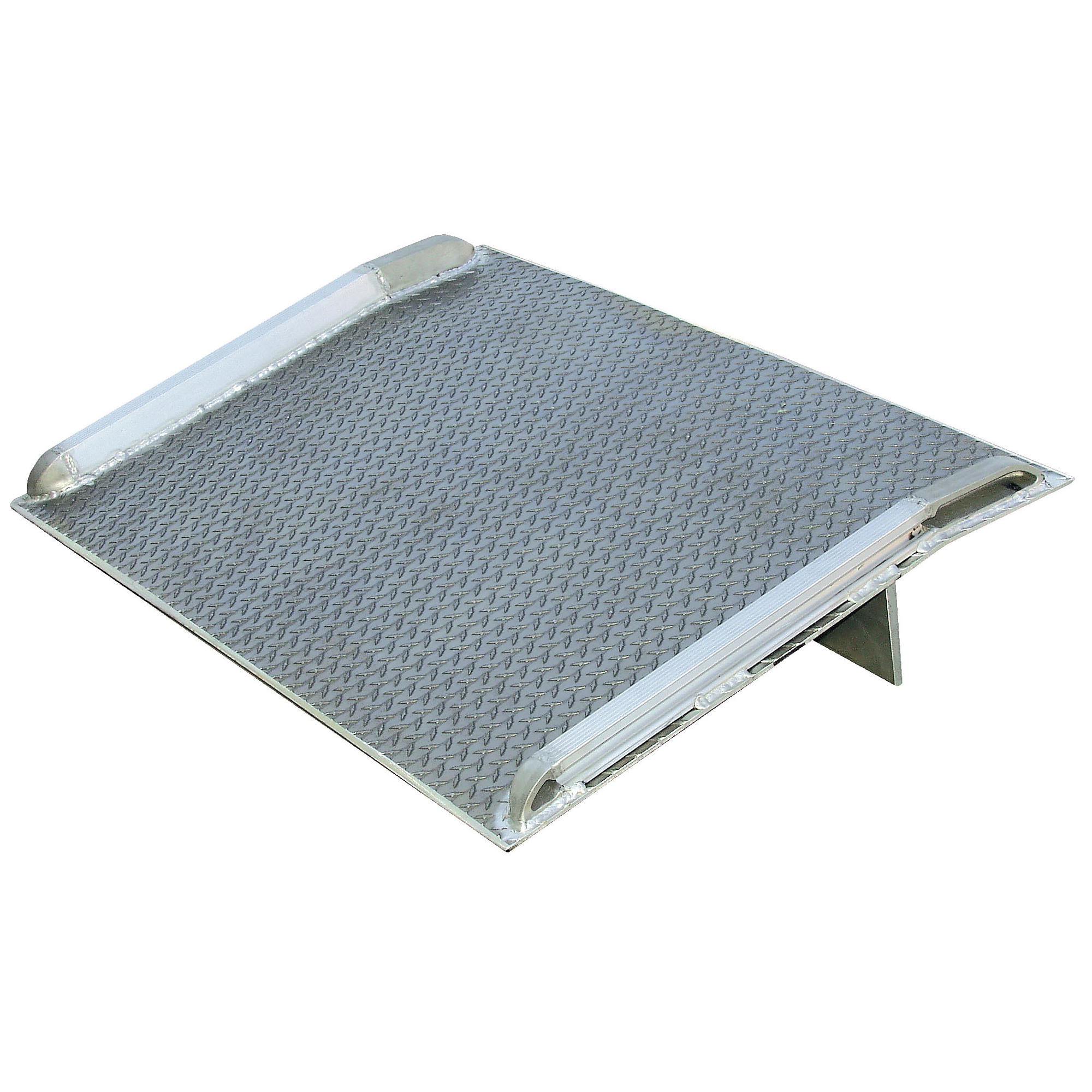
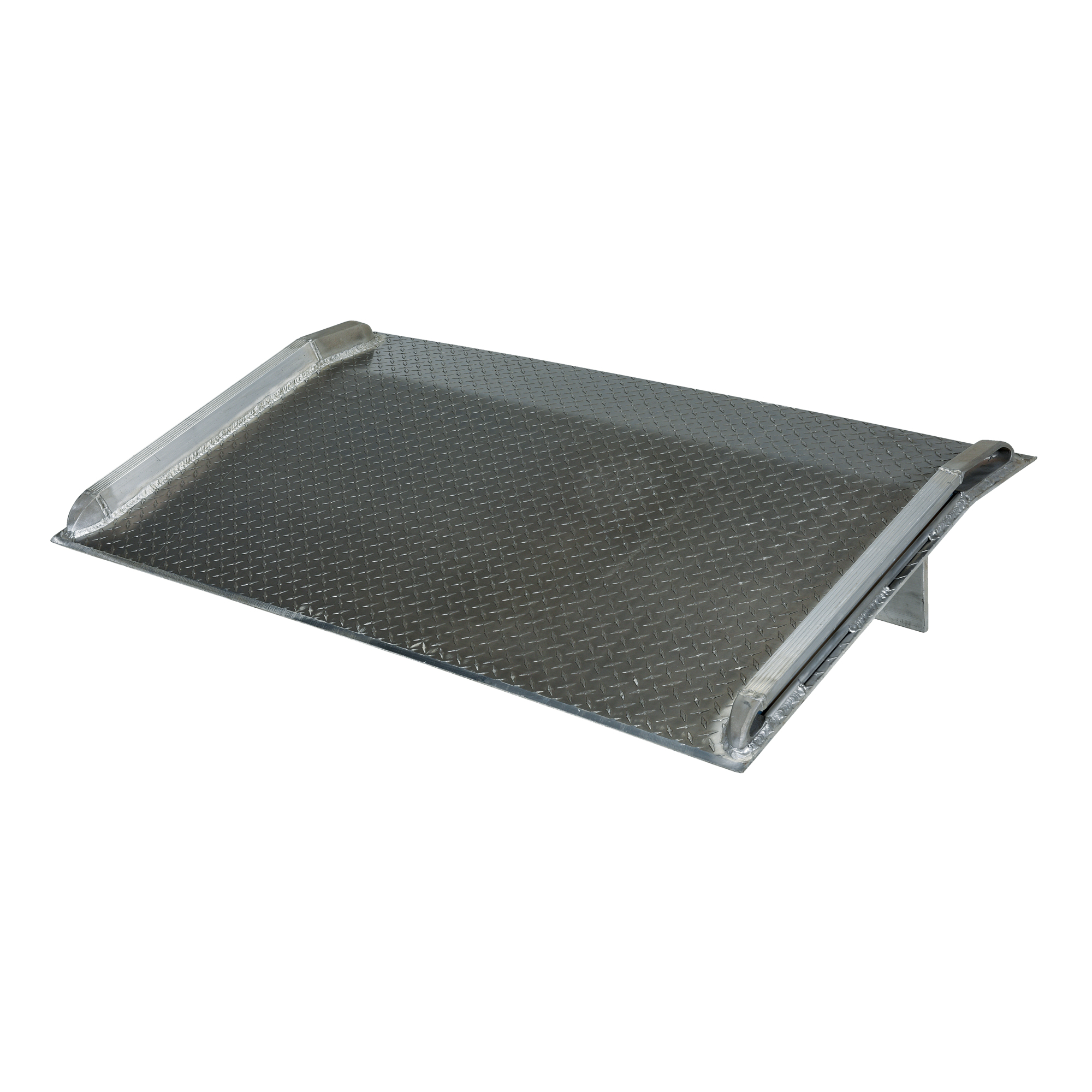
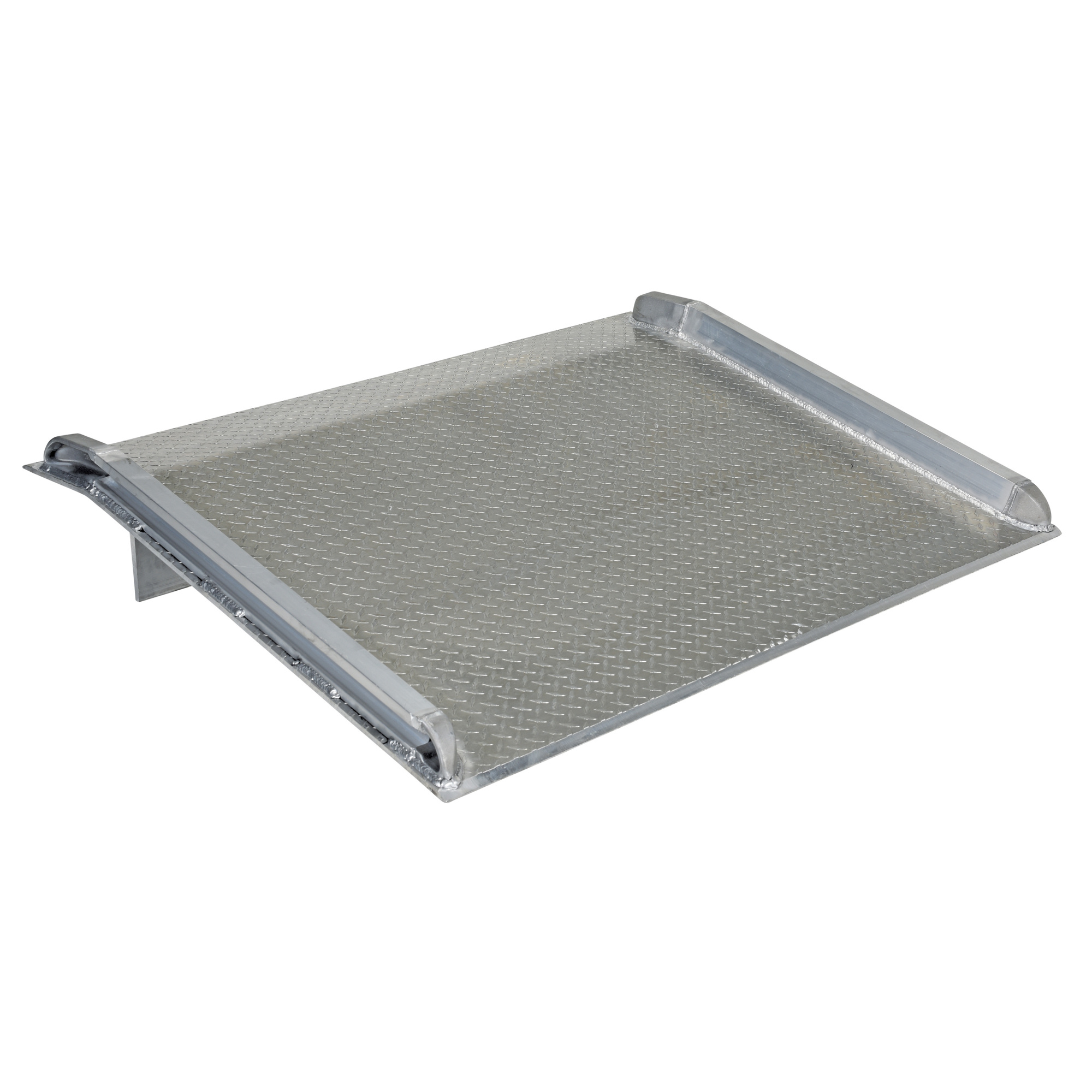
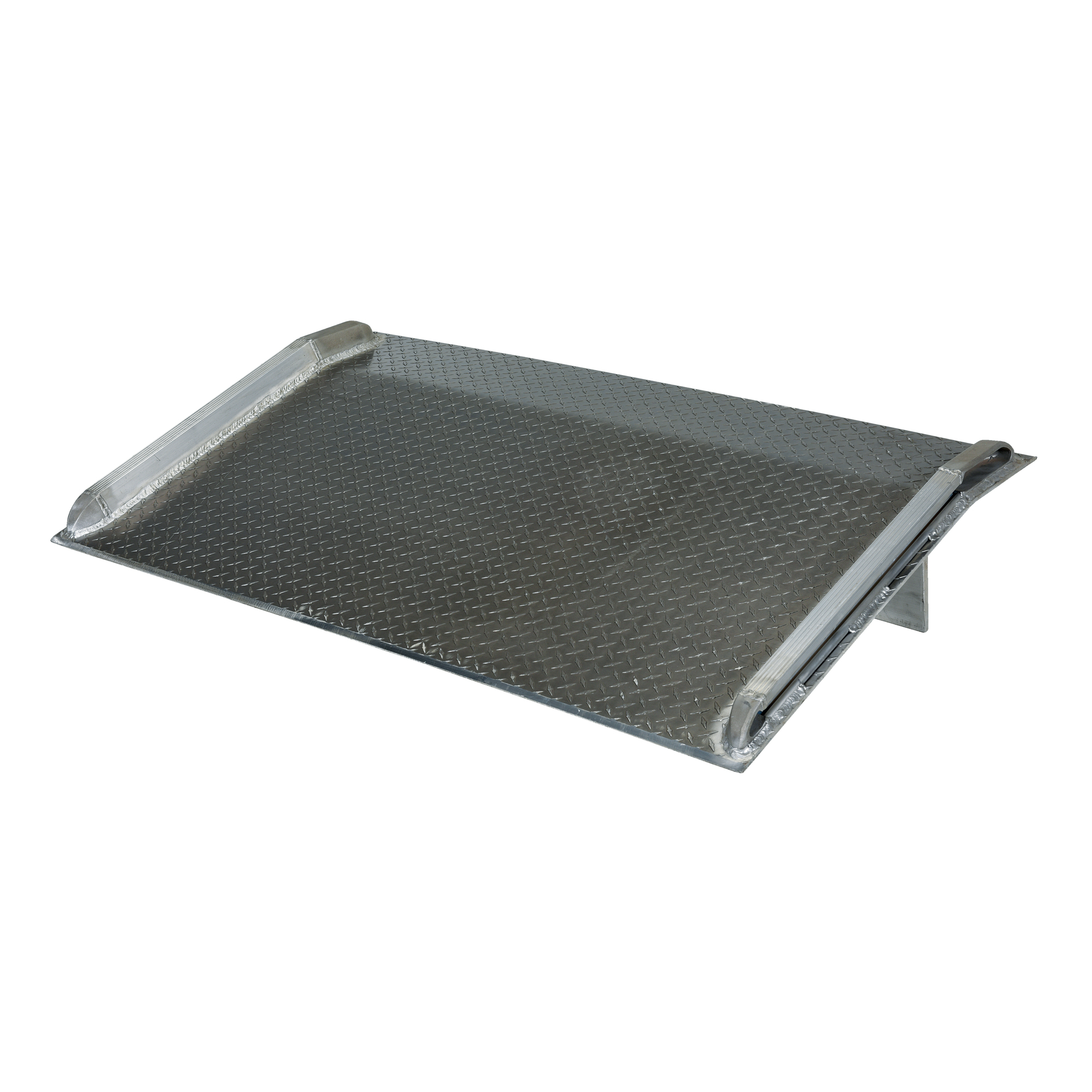
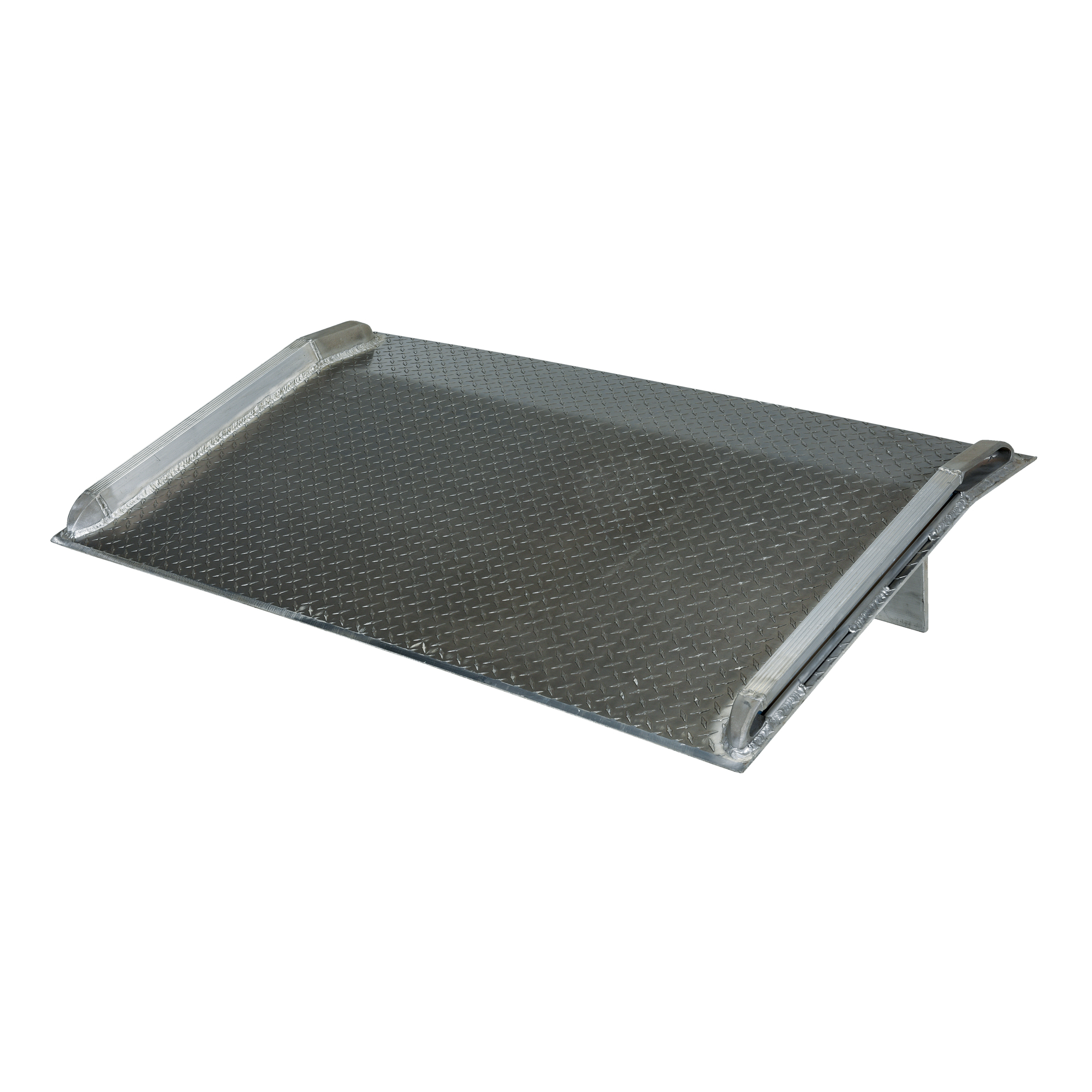
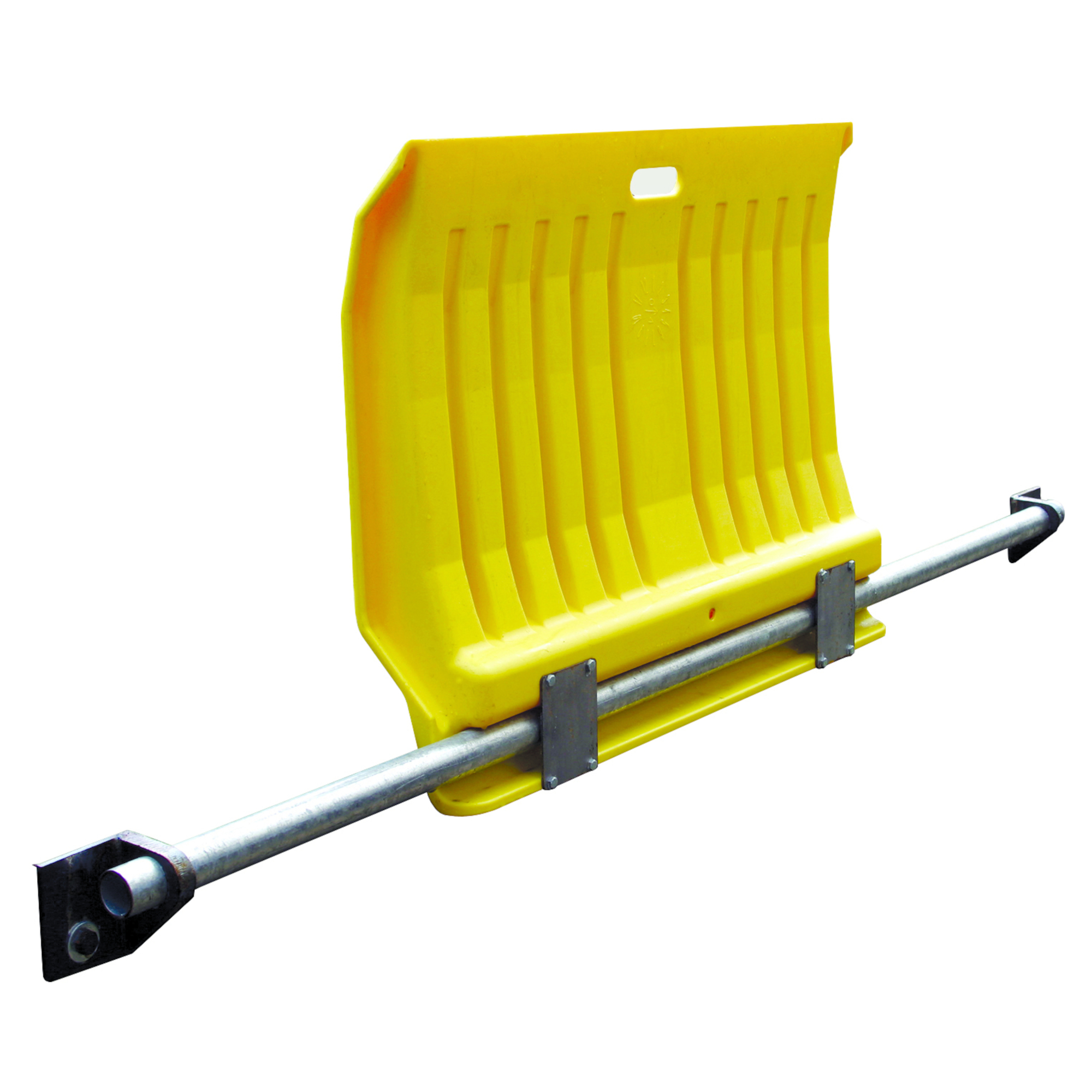
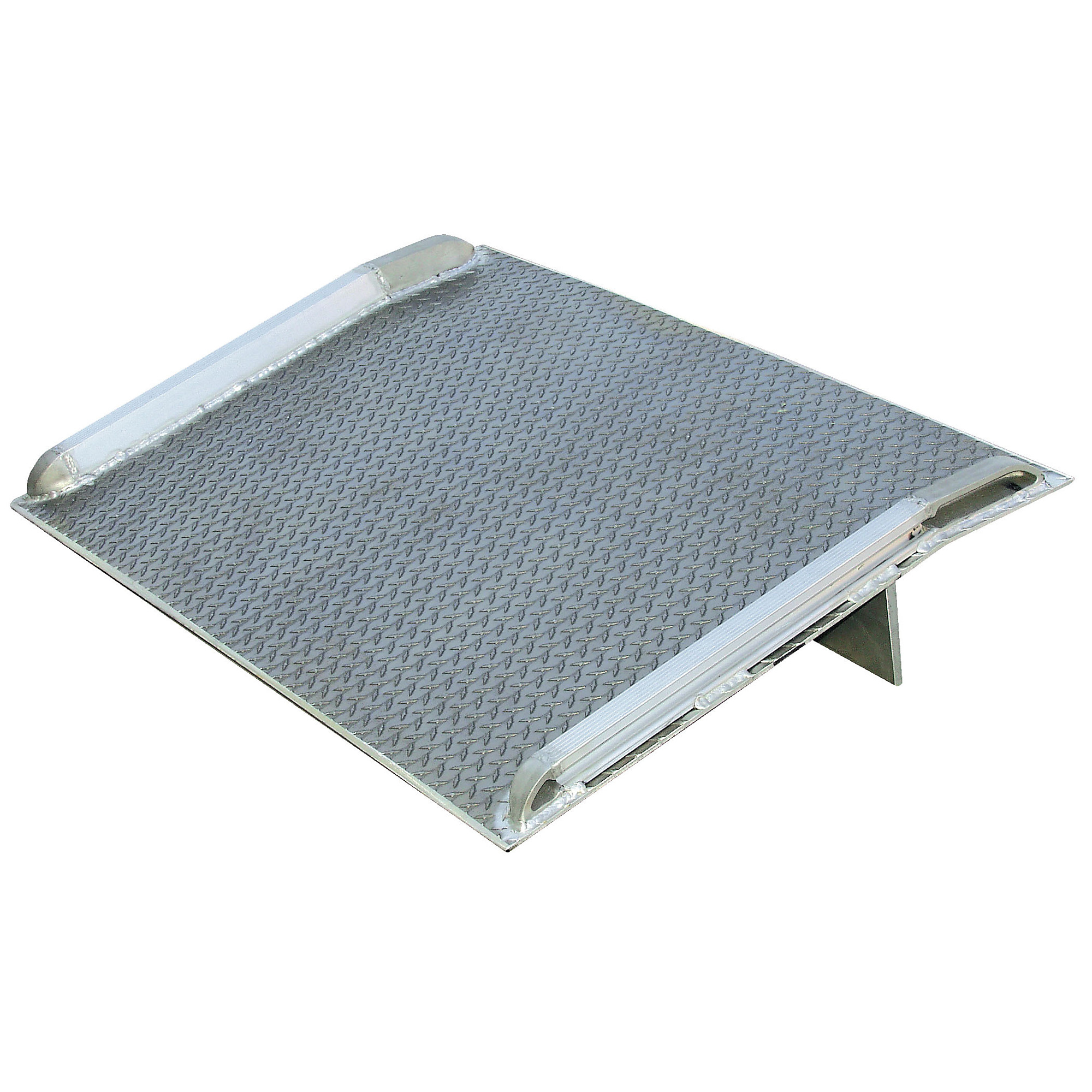
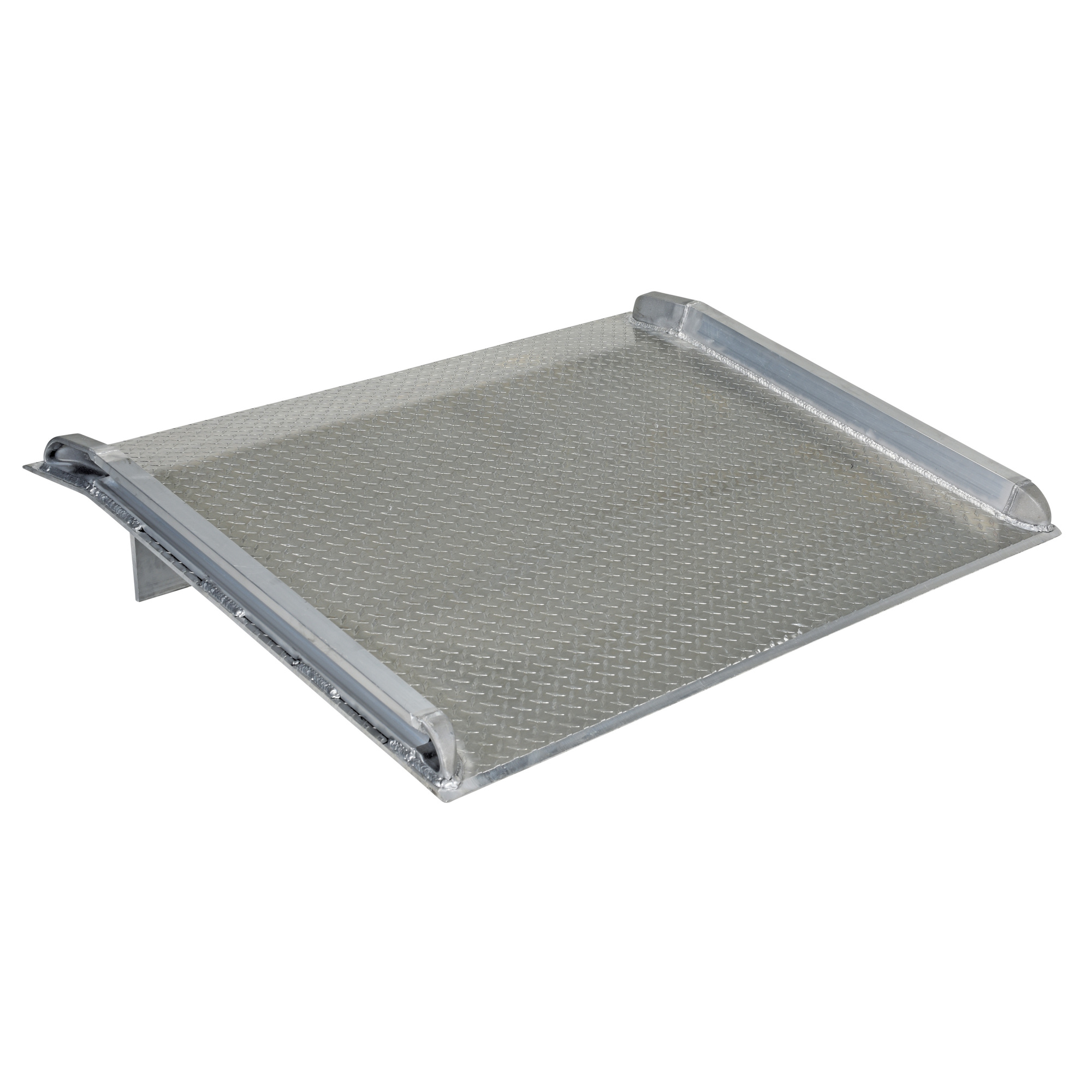
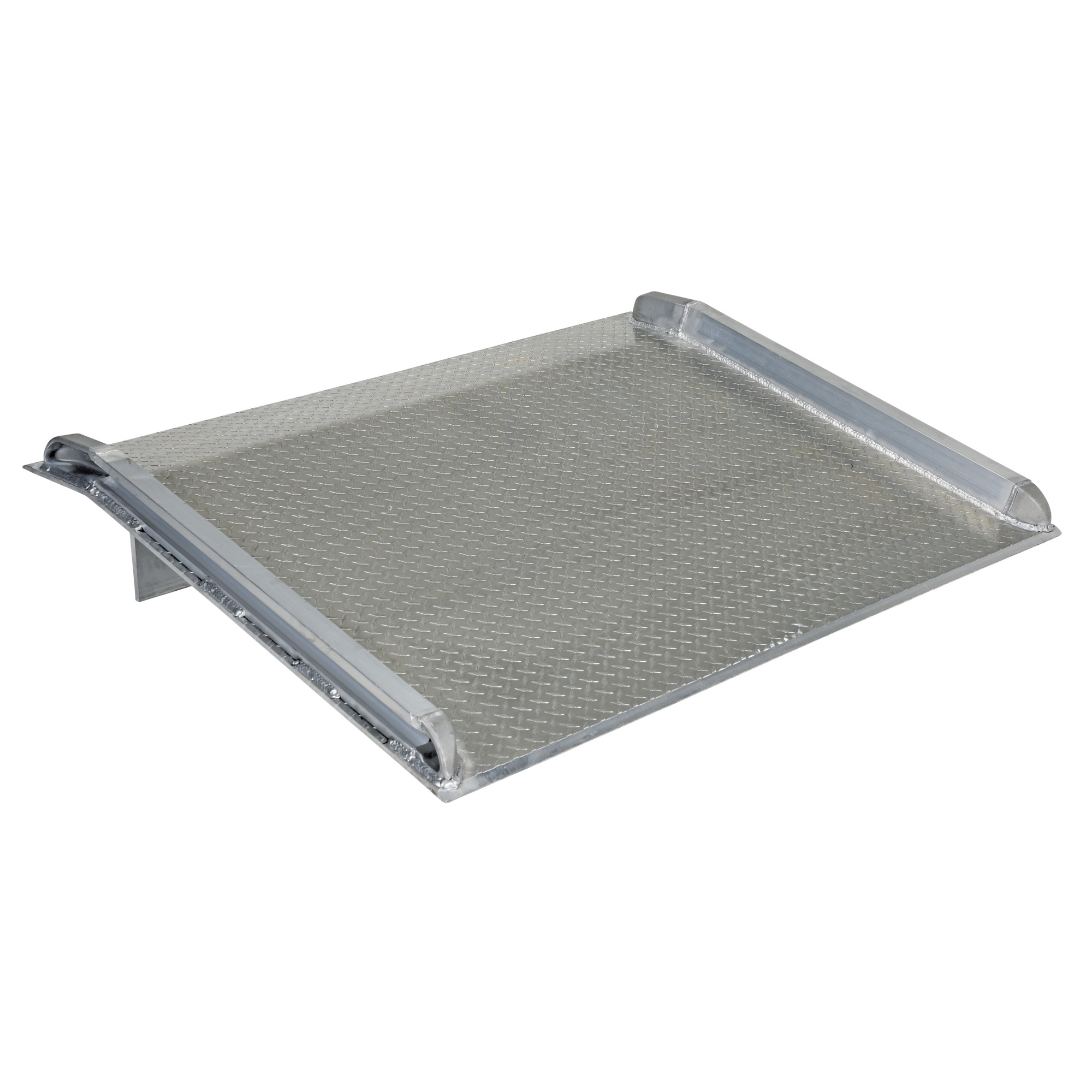
Loading dock dockplates streamline the movement of goods between trucks and warehouses. These metal or aluminum plates bridge the gap between the dock and trailer, facilitating the safe transfer of cargo. Engineered with durability in mind, dockplates can withstand the weight and impact associated with the loading and unloading process. These dockplates allow you to roll two-wheel hand carts and other haulers easily between trucks and loading docks. Locking legs and slip-resistant surfaces provide safety and corrosion-resistance. The capacity of the dockplates offered here range from 500lbs.–30,000lbs. to accommodate even the heaviest hauling vehicles. These dockboards and dockplates are made of aluminum, aluminum/steel in high strengths. Dockplates are often constructed of high-strength INX-55 (55,000 PSI) steel and feature safety locking legs to prevent slippage between a truck and the dock. The raised pattern safety tread plate helps provide positive traction. Their non-slip surfaces provide traction for people and equipment. Dockplates often feature beveled edges for seamless transitions, reducing the risk of tripping accidents and damage to goods. Note: some dockplates are not designed for use with fork trucks.
Loading Dockplate Frequently Asked Questions:
How to choose a dockplate to bridge the gap between the dock and a truck or trailer?
Although size is a critical consideration in choosing a dockboard, it’s not the only important consideration. Others include capacity and material content. Let’s clear up the size consideration first, however. Your dockboard should be a minimum of 15% wider than the widest equipment that will travel over it. For height, your dockboard should be determined from the distance of the dock height to the floor height of the loading/unloading trailer. The maximum height difference should be the trailer height minus the dock height.
Next let’s consider capacity. Your dockboard must be able to hold the weight of the loading vehicle (three- or four-wheel forklift) plus the weight of its load. A rule of thumb sometimes used is that your dockboard must be able to hold four times the carrying capacity of a four-wheel forklift and three times the carrying capacity of a three-wheel forklift.
Another important consideration is the construction material of your dockboard. Aluminum and steel are two commonly used materials, and each has advantages and drawbacks. Lighter in weight, aluminum also resists rust. Steel is heavier and can hold more weight, but it is not rust resistant unless appropriately treated.
What are the differences between dockboards and dock levelers? Do I need both?
Dockboards are movable bridges used for loading and unloading. These units feature curbs on opposite sides and a steel chain to prevent runoff. They typically have higher weight capacities than dock plates, which do not have curbs. Dock levelers are attachments permanently secured on the loading dock bay. These units also offer heavier weight capacities than dock plates. They are designed for safe use with forklifts and other heavy machinery to load and unload trucks. They do not typically feature side curbs. They bridge the gap between the trailer and the dock. The advantage of dockboards over levelers is that they are portable, so they can be used in more than one location. Even if you have dock levelers, you may still want dock boards simply because they’re portable. You most likely won’t need both dockboards in addition to dock levelers if you don’t need a mobile solution to loading and unloading trucks/trailers.
Are there requirements for dockboards, such as anti-slip surfaces or safety curbs?
Here is a summary of the list included in OSHA’s statute 1910 that lays out several requirements for employers whose businesses use dockboards:
- • Dockboards must be able to support the maximum weight of the intended load.
- • Any dockboard used on or after 1.17.2017 must be created and maintained to prevent vehicles from running off the dockboard edge. (Only if an employer can demonstrate that there’s no risk of runoff, the employer is exempt from runoff protection.)
- • Dockboards must be secured in place by anchors, equipment or devices to prevent the dockboard from unsafe movement.
- • Precautionary devices must be used to prevent a transportation vehicle on which a dockboard is positioned from moving while crew members are on that dockboard. Wheel chocks or sand shoes are examples of devices that can be used to stabilize a transportation vehicle.
- • Dockboards must include handholds or other mechanisms that allow safe handling of dockboard 1910.26(e).
How do temperature or environmental conditions impact the choice of materials for dockboards?
Typically, either aluminum or steel is used to construct dockboards. Both of these materials become weaker in higher temperatures, and both are vulnerable to corrosion from salt, moisture and dirt. The good news is that both of these materials can be treated with powder-coat or lacquer to prevent corrosion. Aluminum wears out quicker than steel, and aluminum dockboards are typically available with a maximum weight capacity of no more than 15,000lbs. Aluminum dockboards are designed for light, infrequent use. Steel offers heavier duty than aluminum and is good for constant use. Steel dockboards are on the market with maximum weight capacities ranging from 50,000lbs.–100,000lbs. You’ll also find on the market various safety accessories to use with a guardrail gate to underscore safety, including bumpers, sleeves, toe boards, clamps and much more.
Can a dockplate be used with all types of trucks and trailers?
In short, no. Dockplates cannot be used with all types of trucks and trailers. They are best used for light duty with hand trucks and pallet jacks – not with power equipment such as forklift trucks.