Breaker Hammers
Filters
1-48 of 67 Products

Item # 4972843
Item # 399200
Item # 9992401
Item # 61474
Item # 6503063
Item # 61587
Item # 73166
Item # 9992403
Item # 1540340
Item # 404769
Item # 106014
Item # 74495
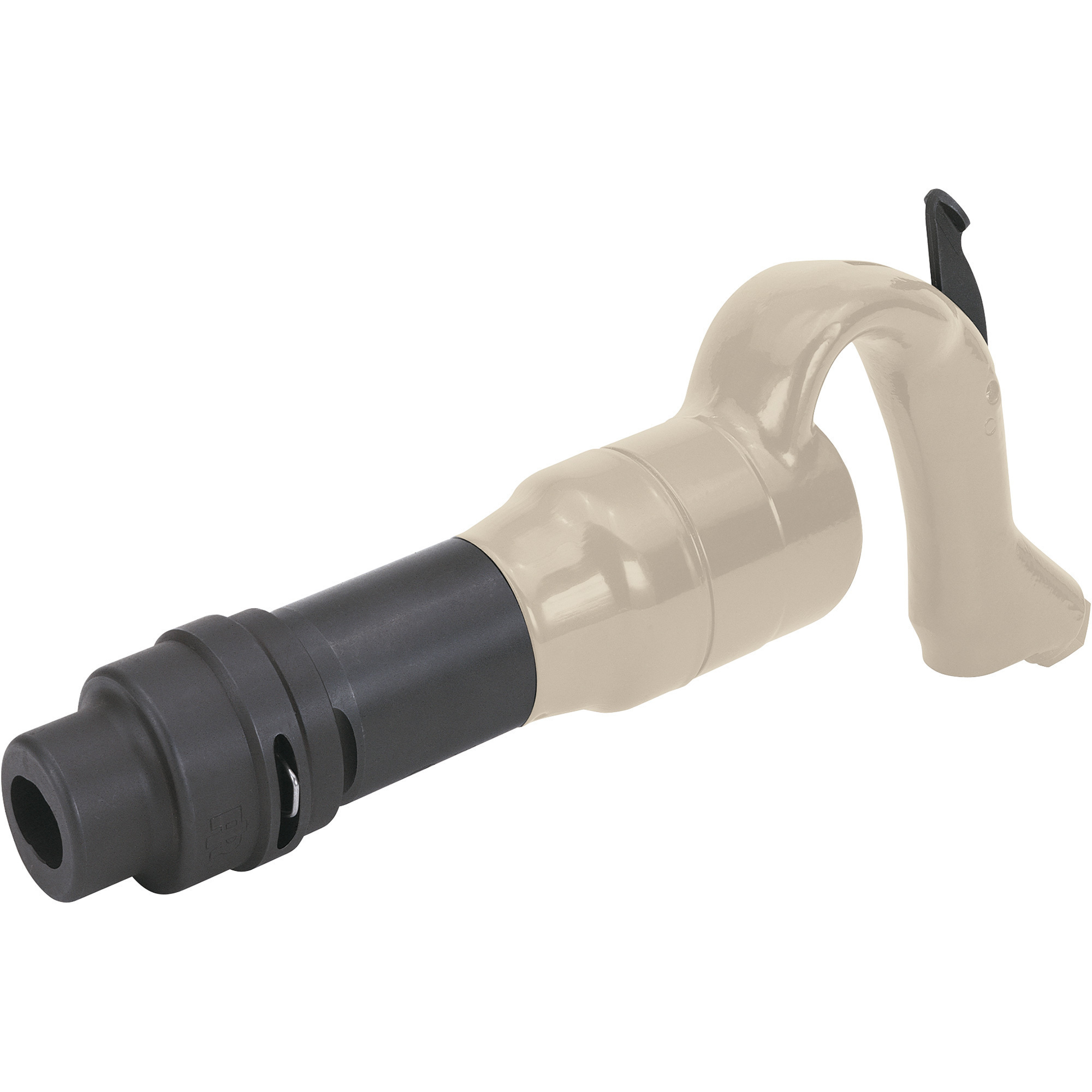
Item # 74490
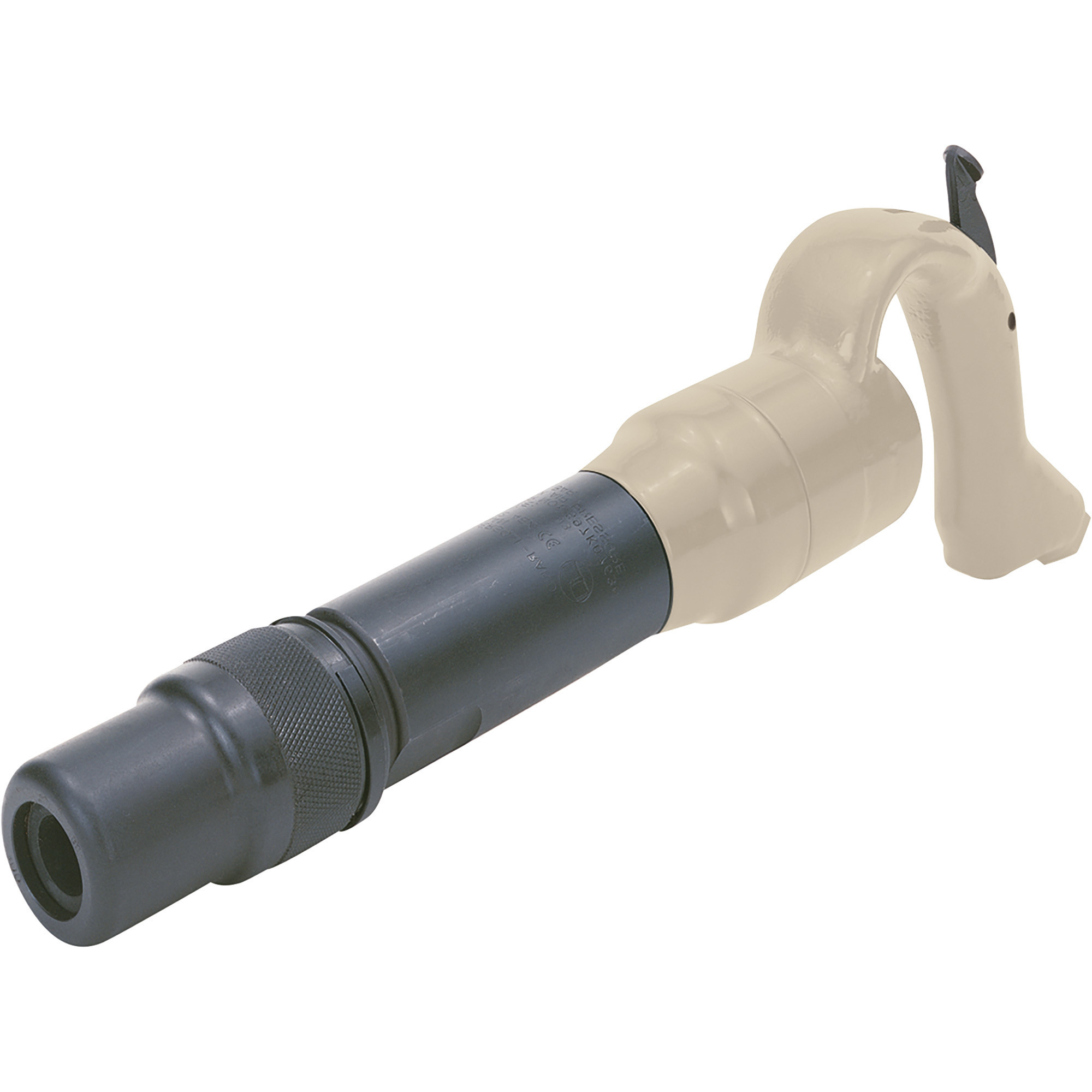
Item # 74484
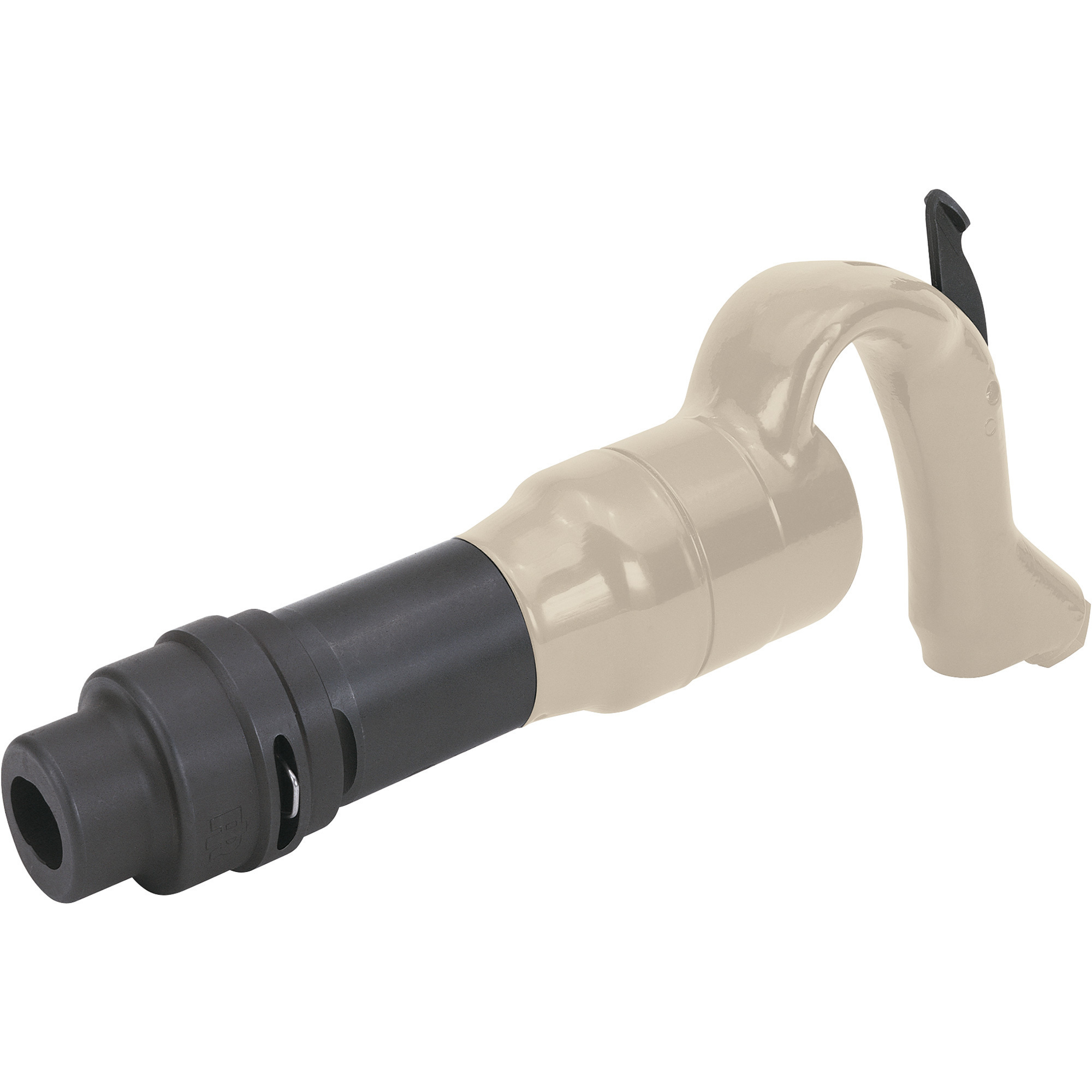
Item # 74486
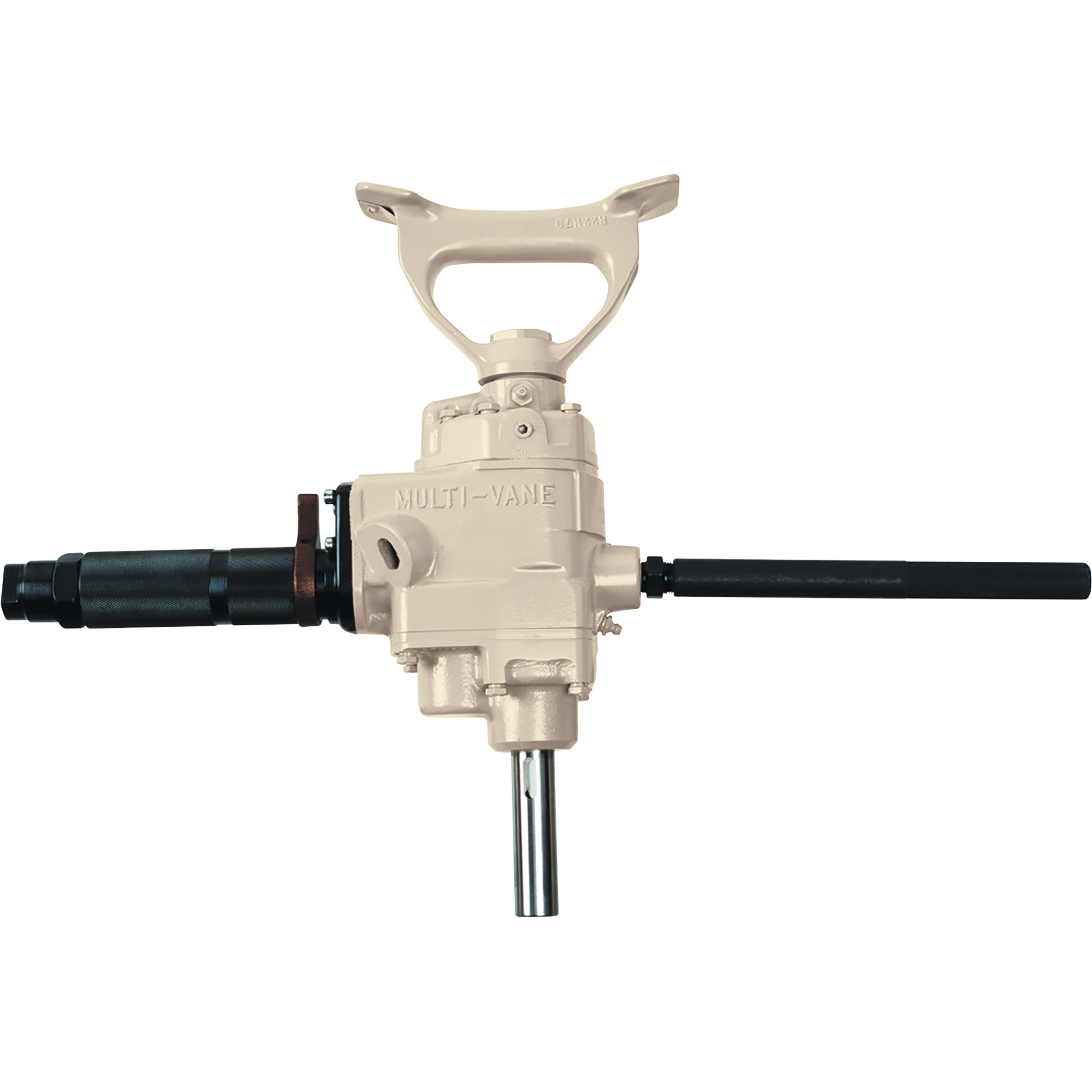
Item # 74494
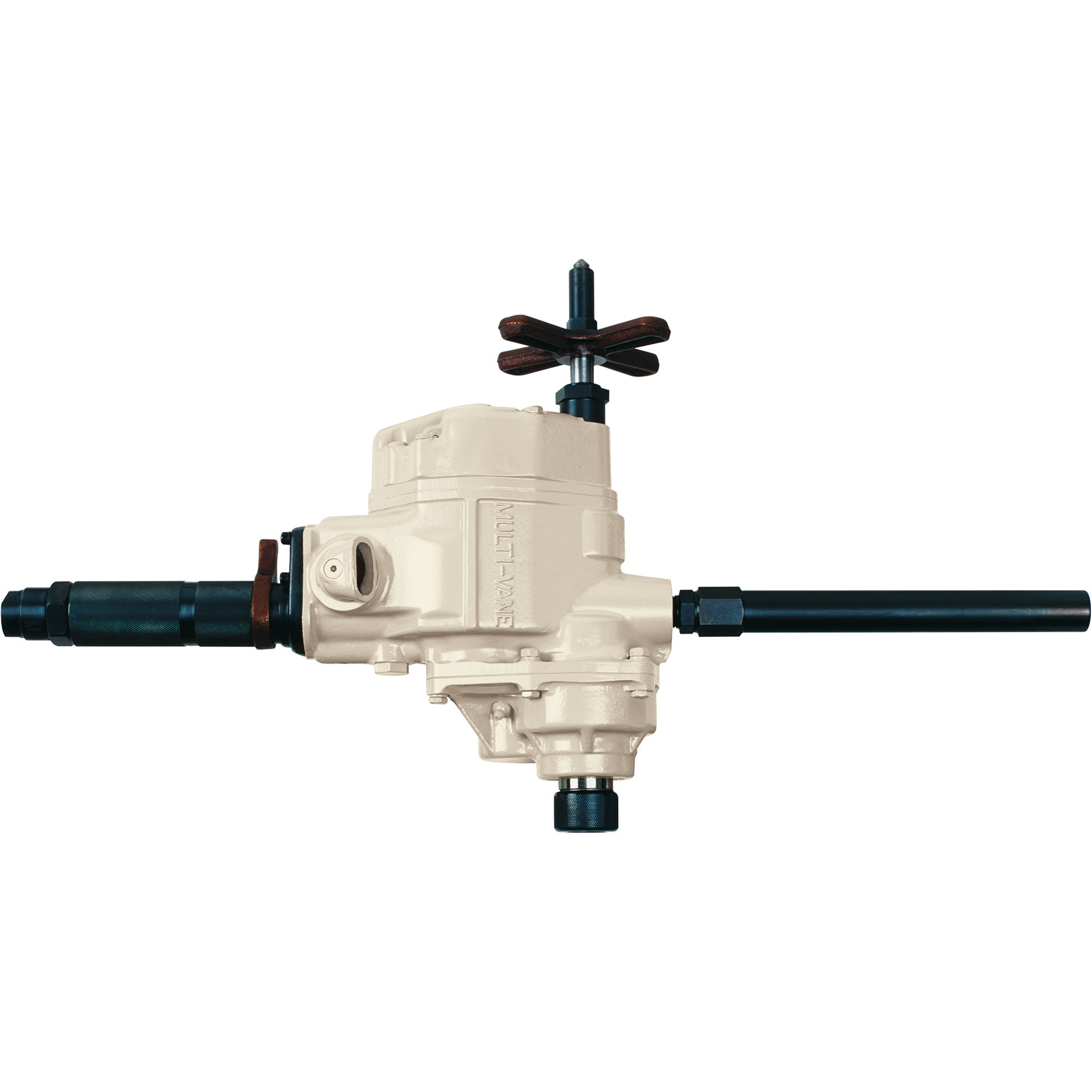
Item # 74497
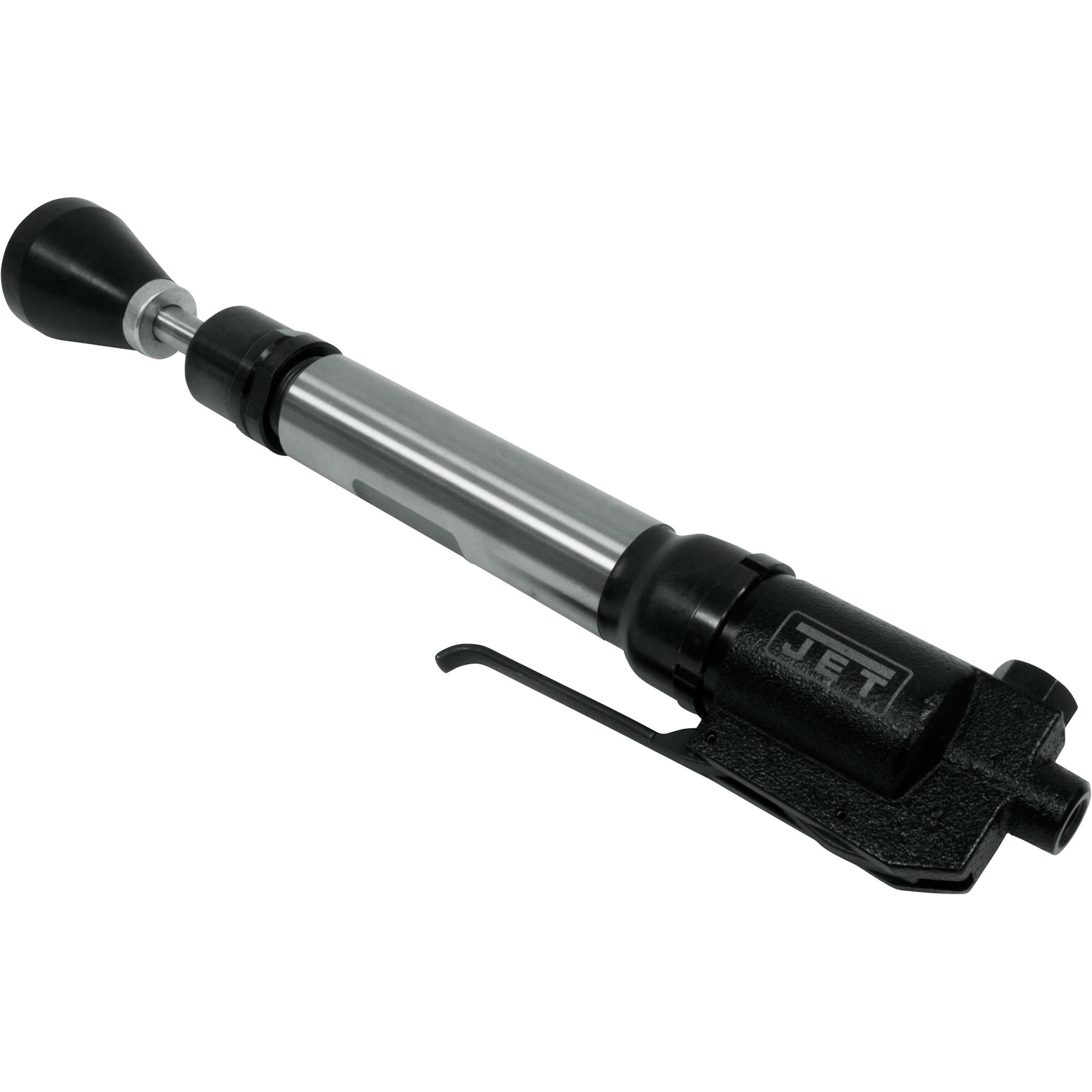
Item # 106015
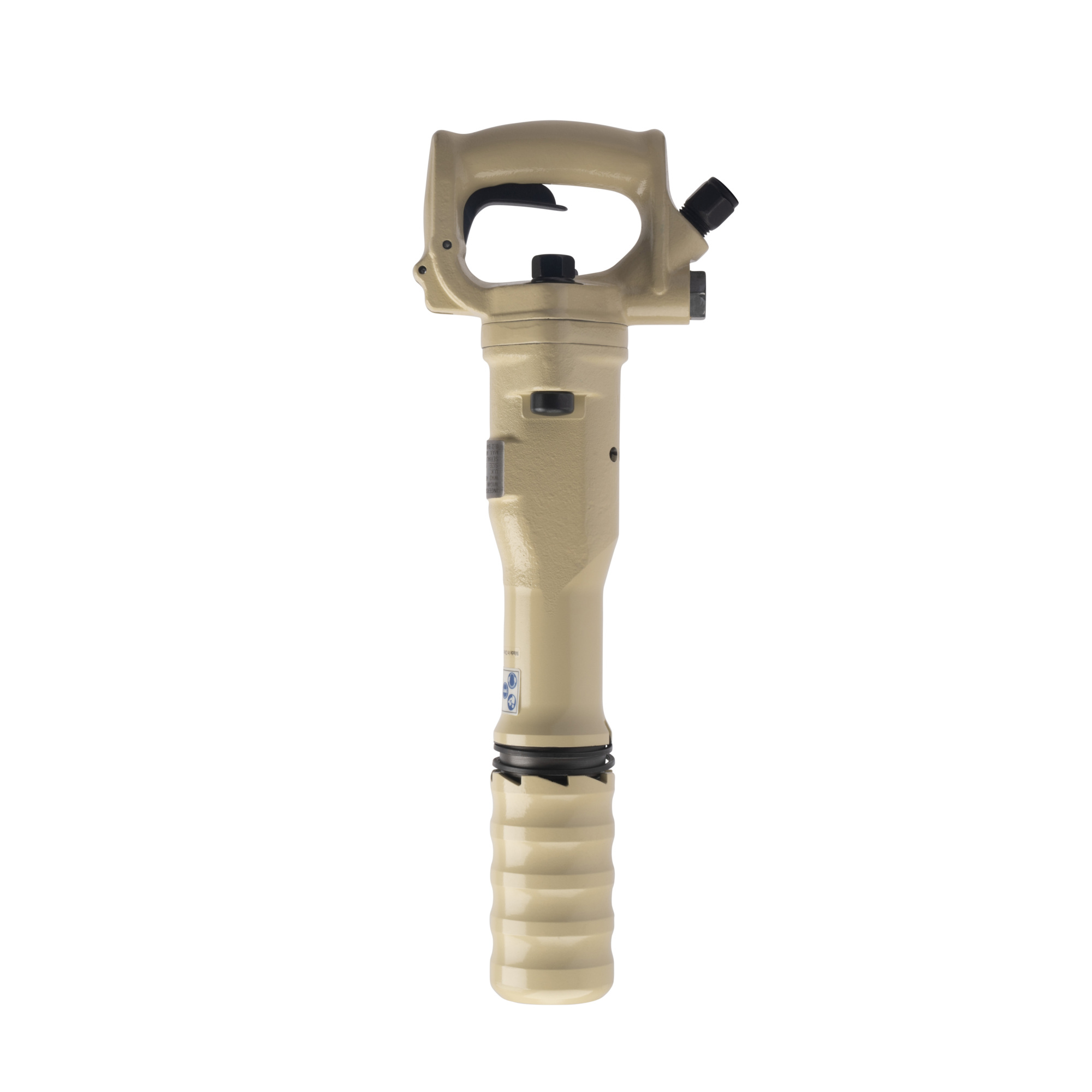
Item # 83166
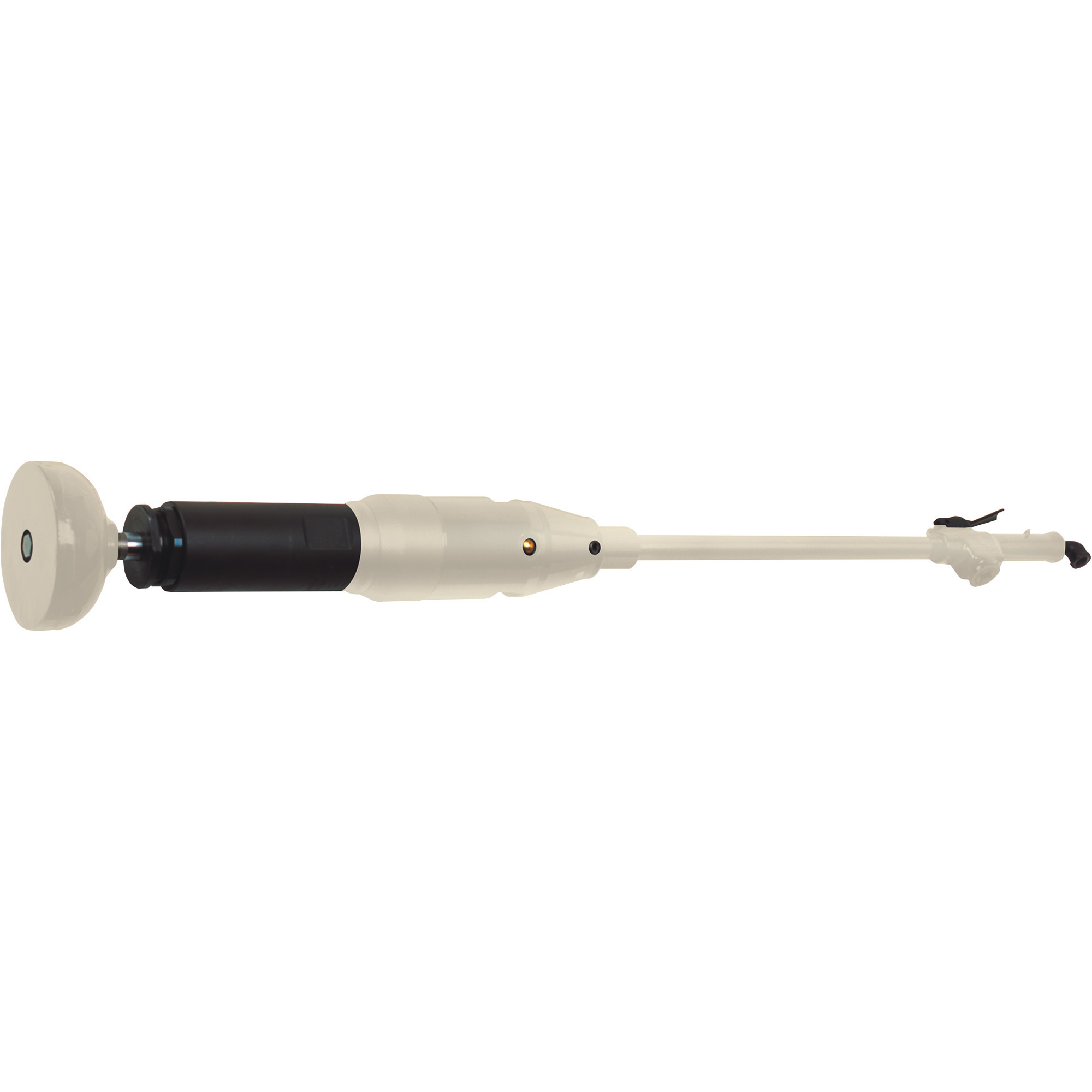
Item # 74501
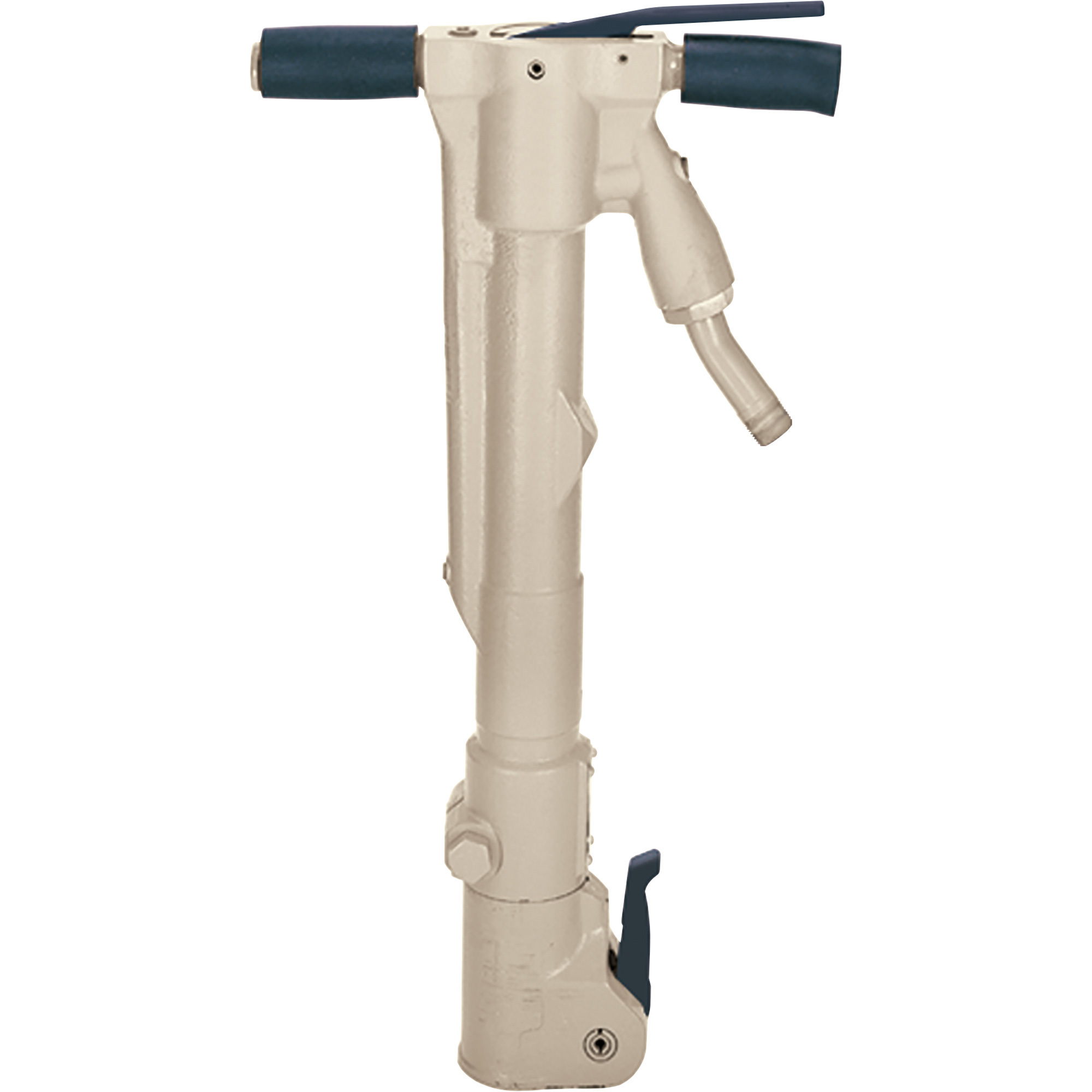
Item # 74479
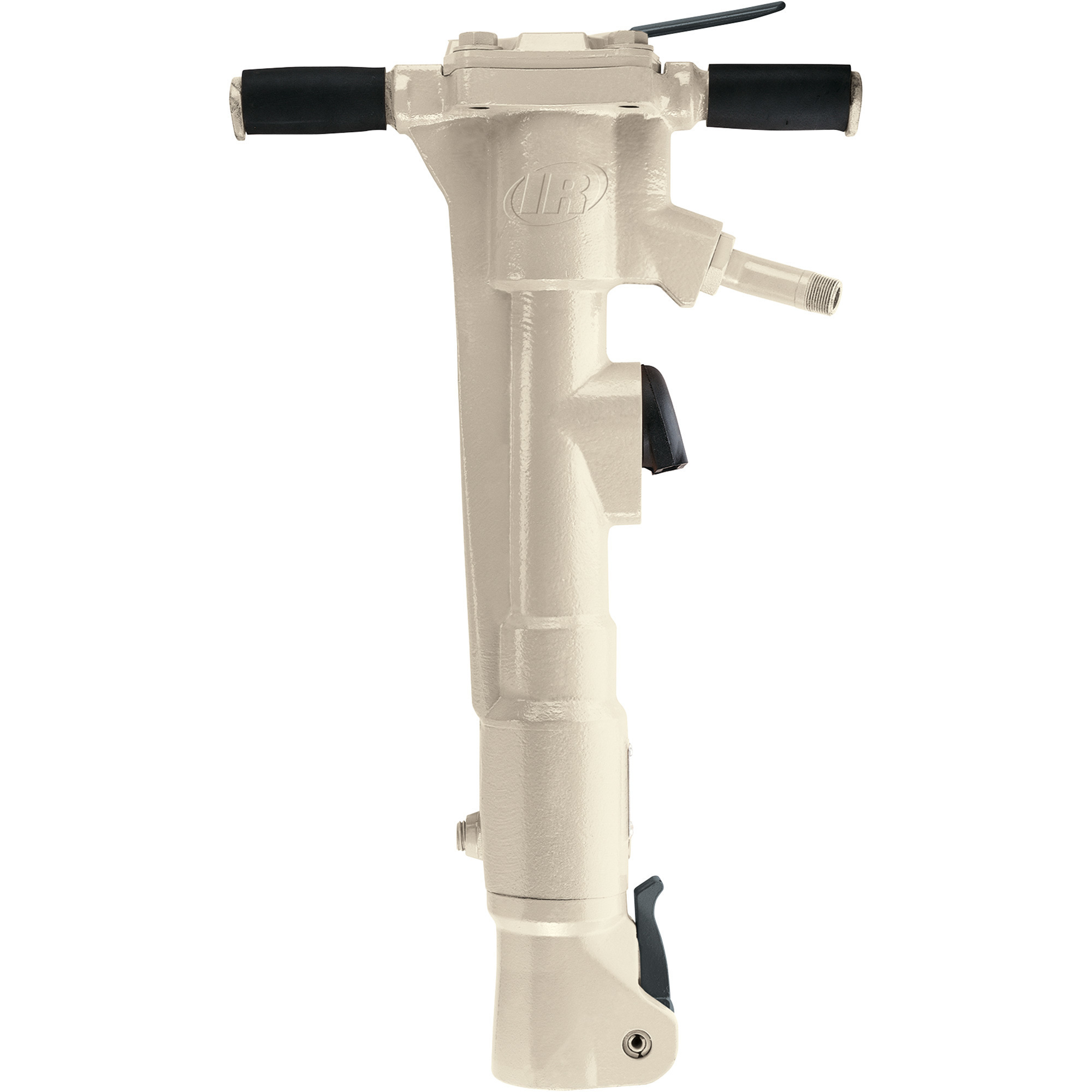
Item # 74475
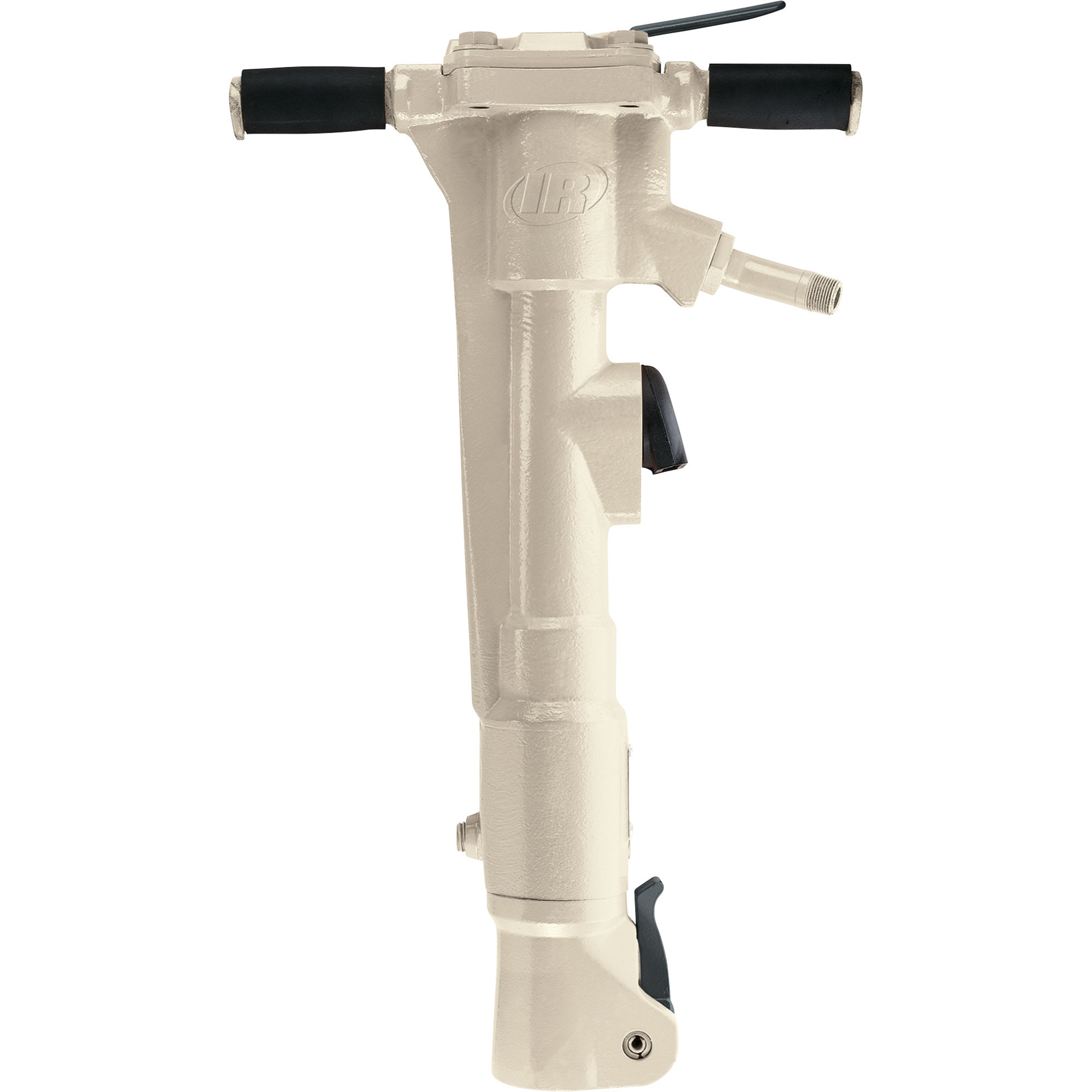
Item # 74473
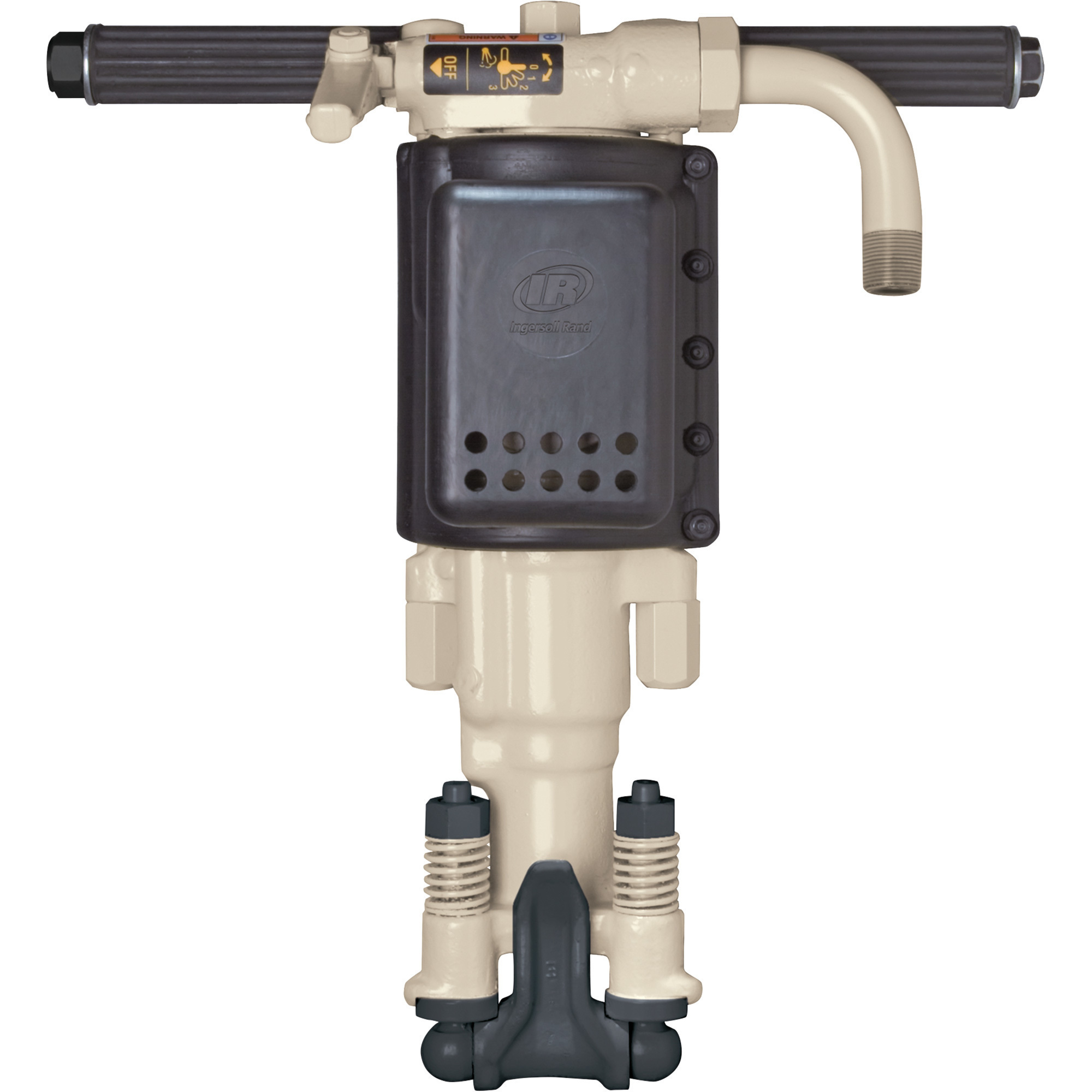
Item # 74471
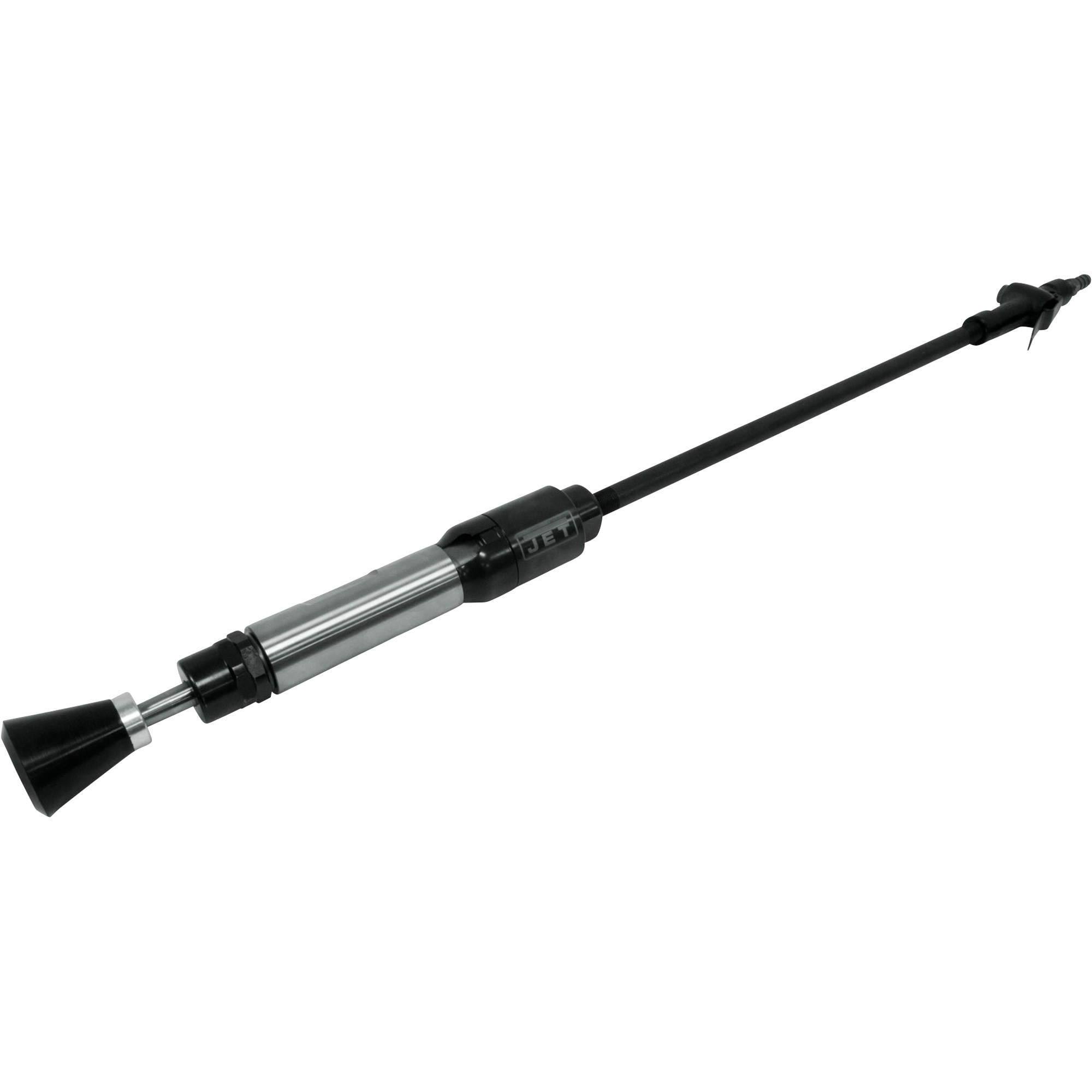
Item # 106016
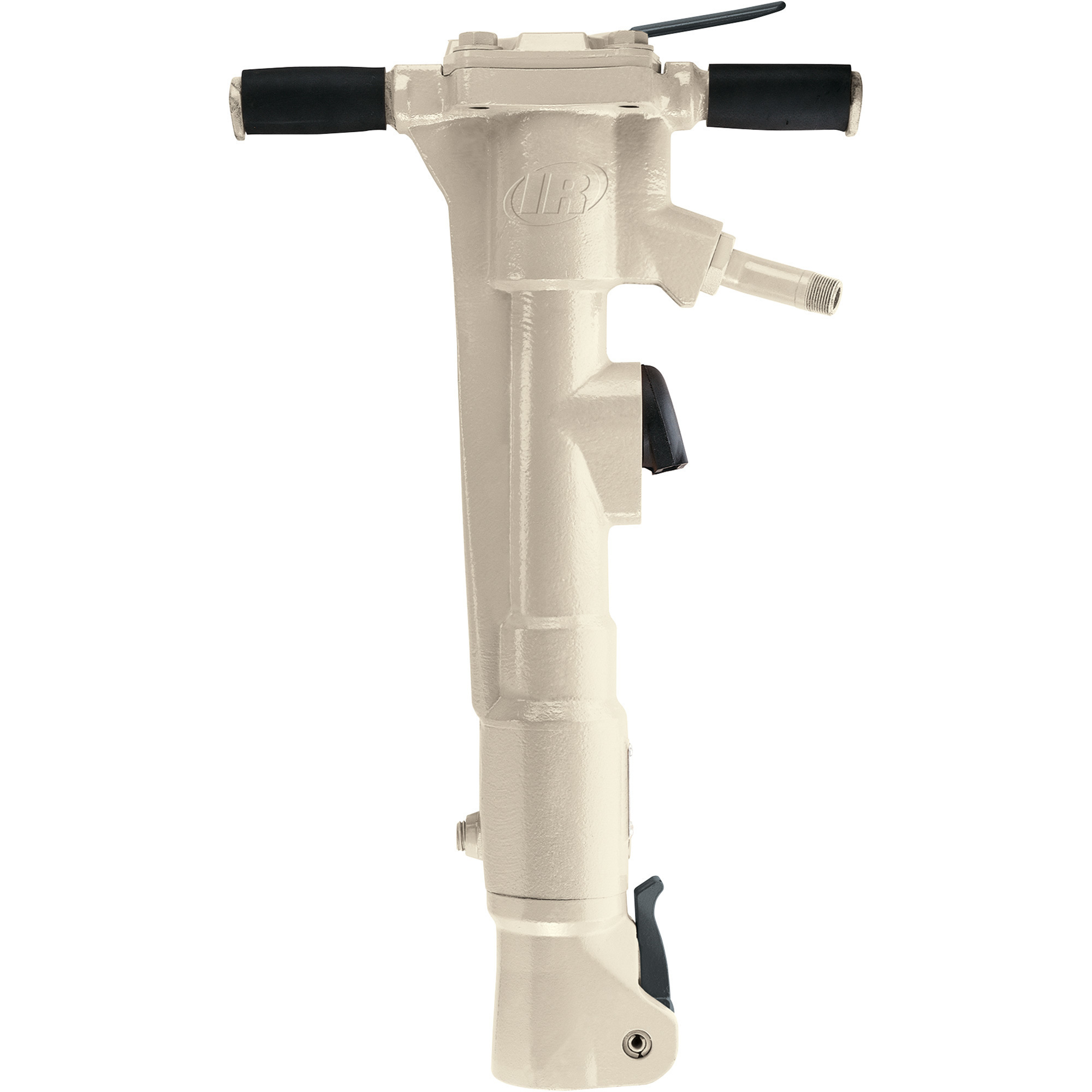
Item # 74474
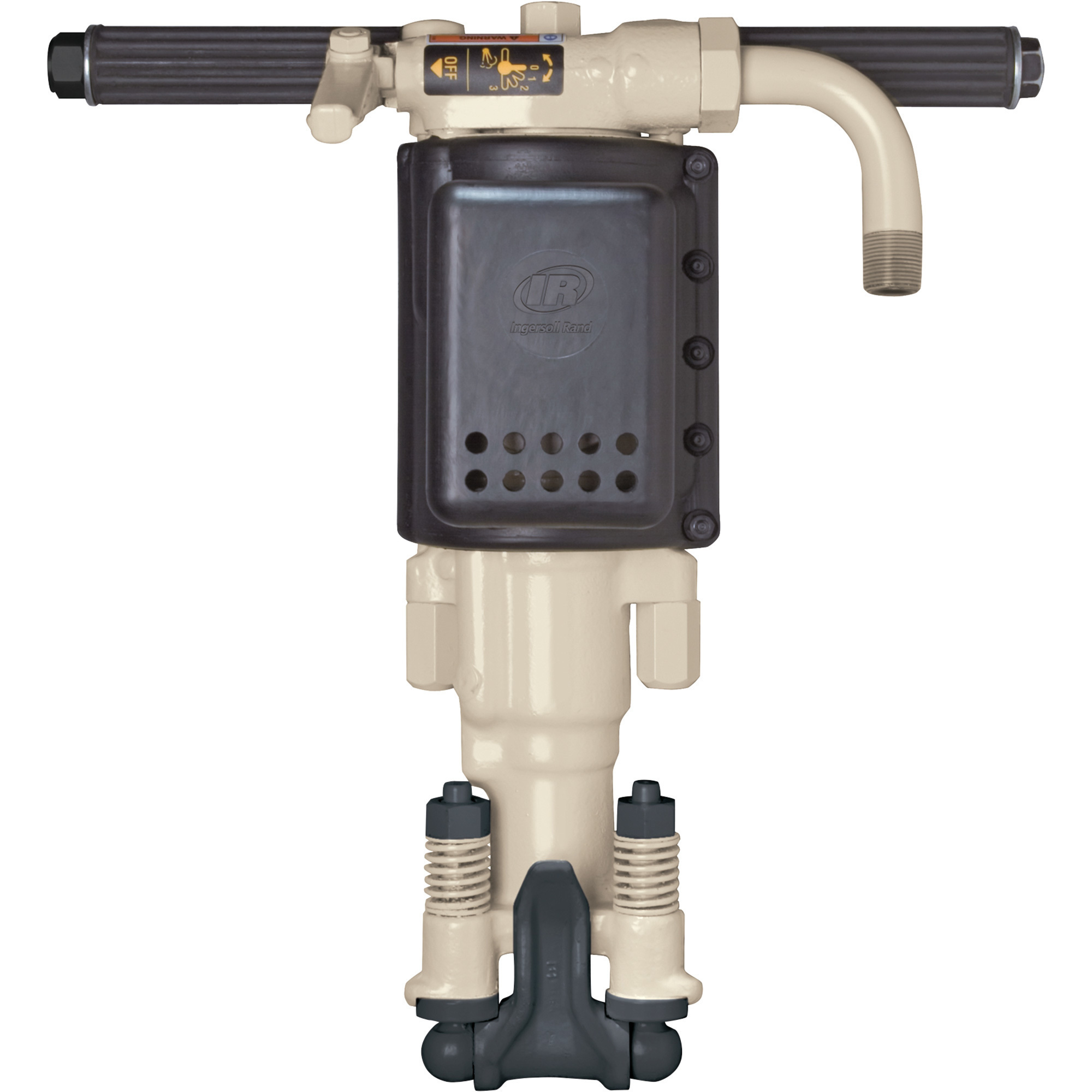
Item # 74472
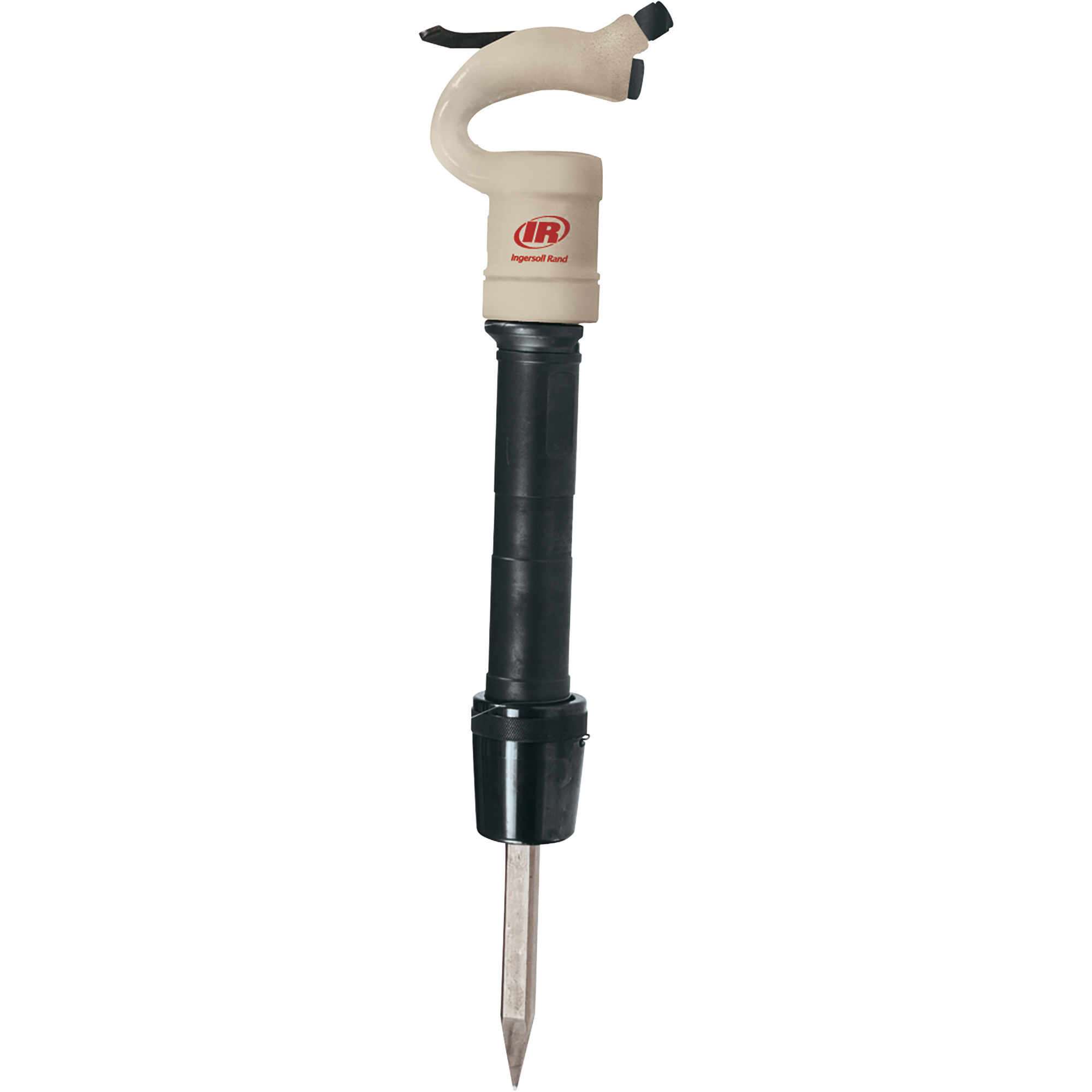
Item # 74488
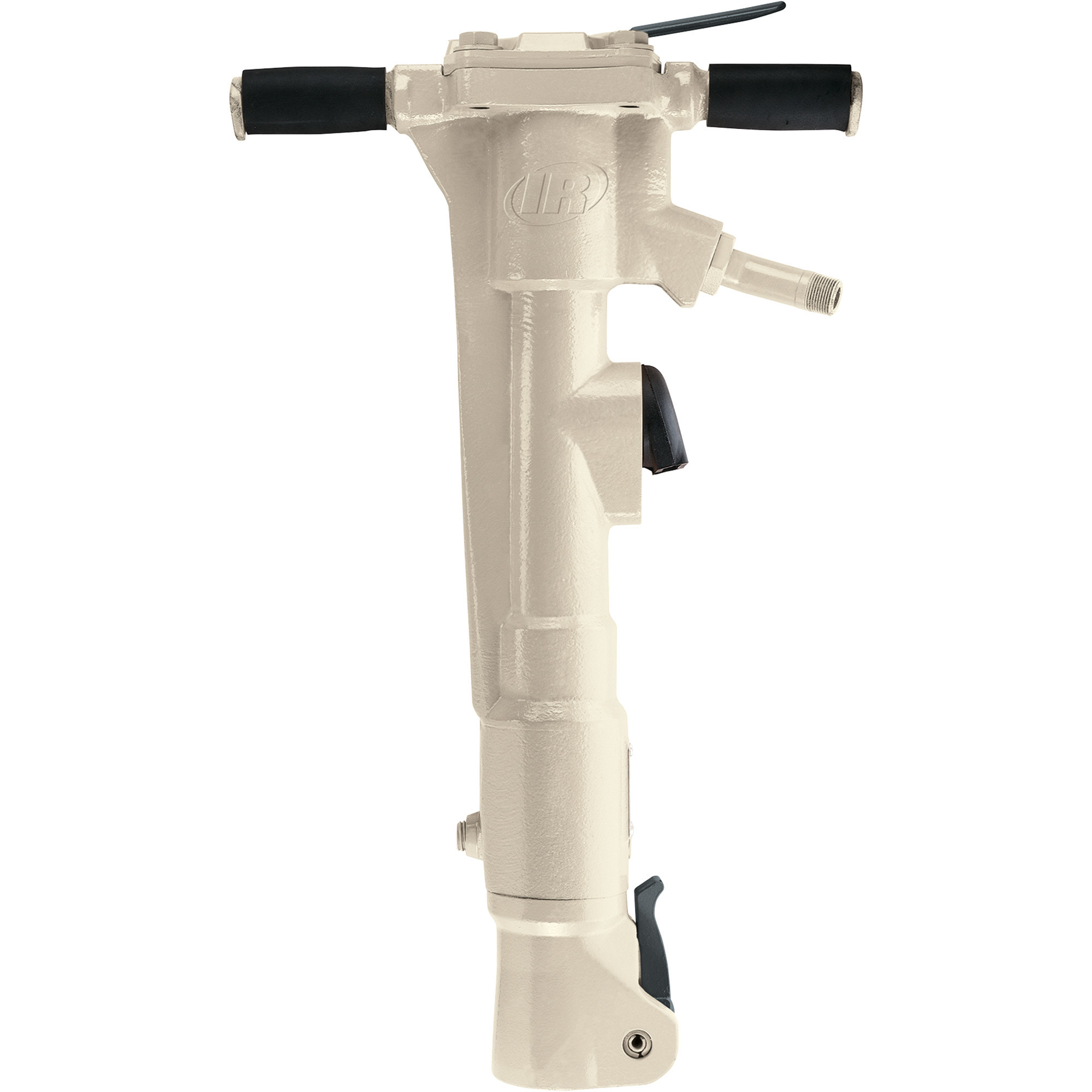
Item # 74476
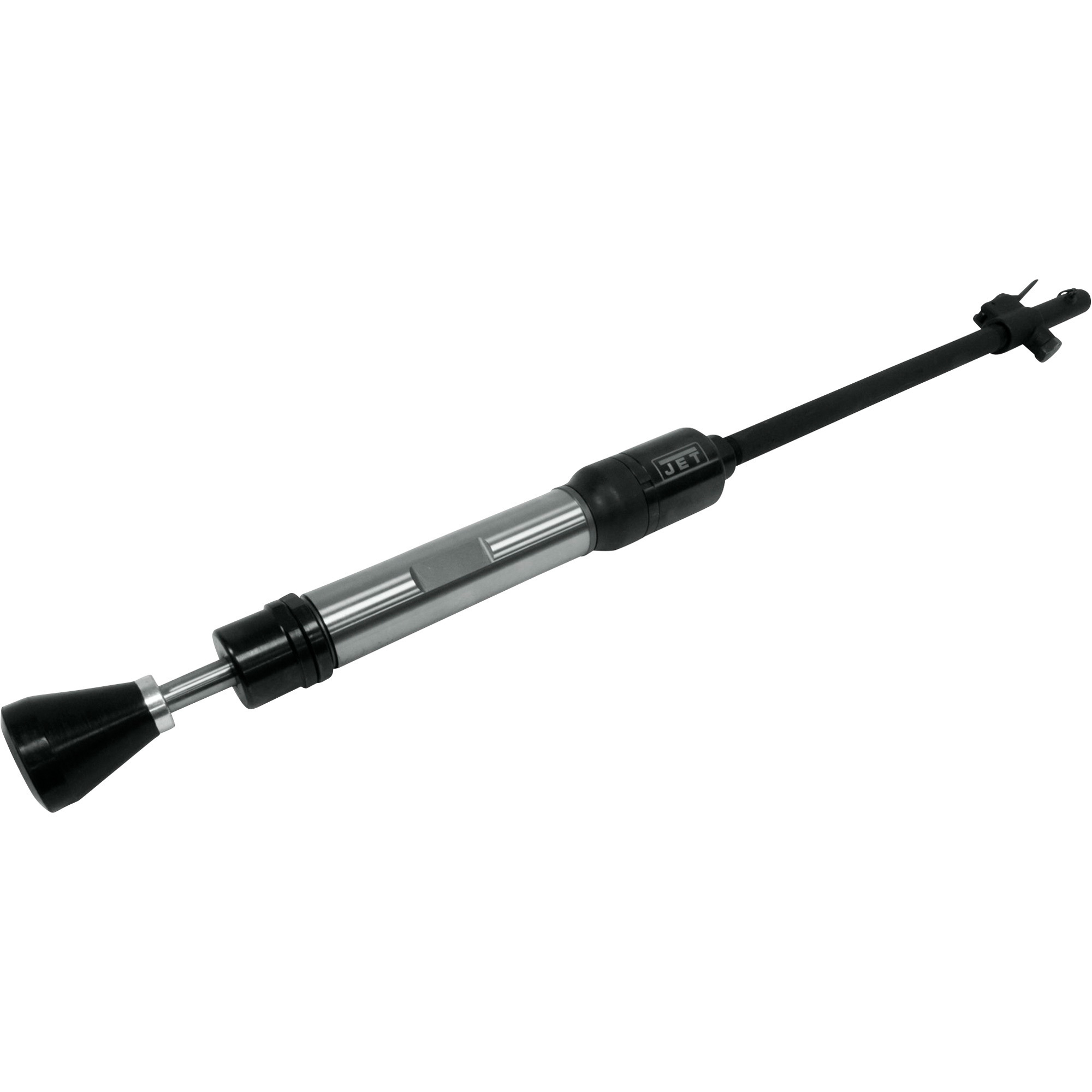
Item # 108144
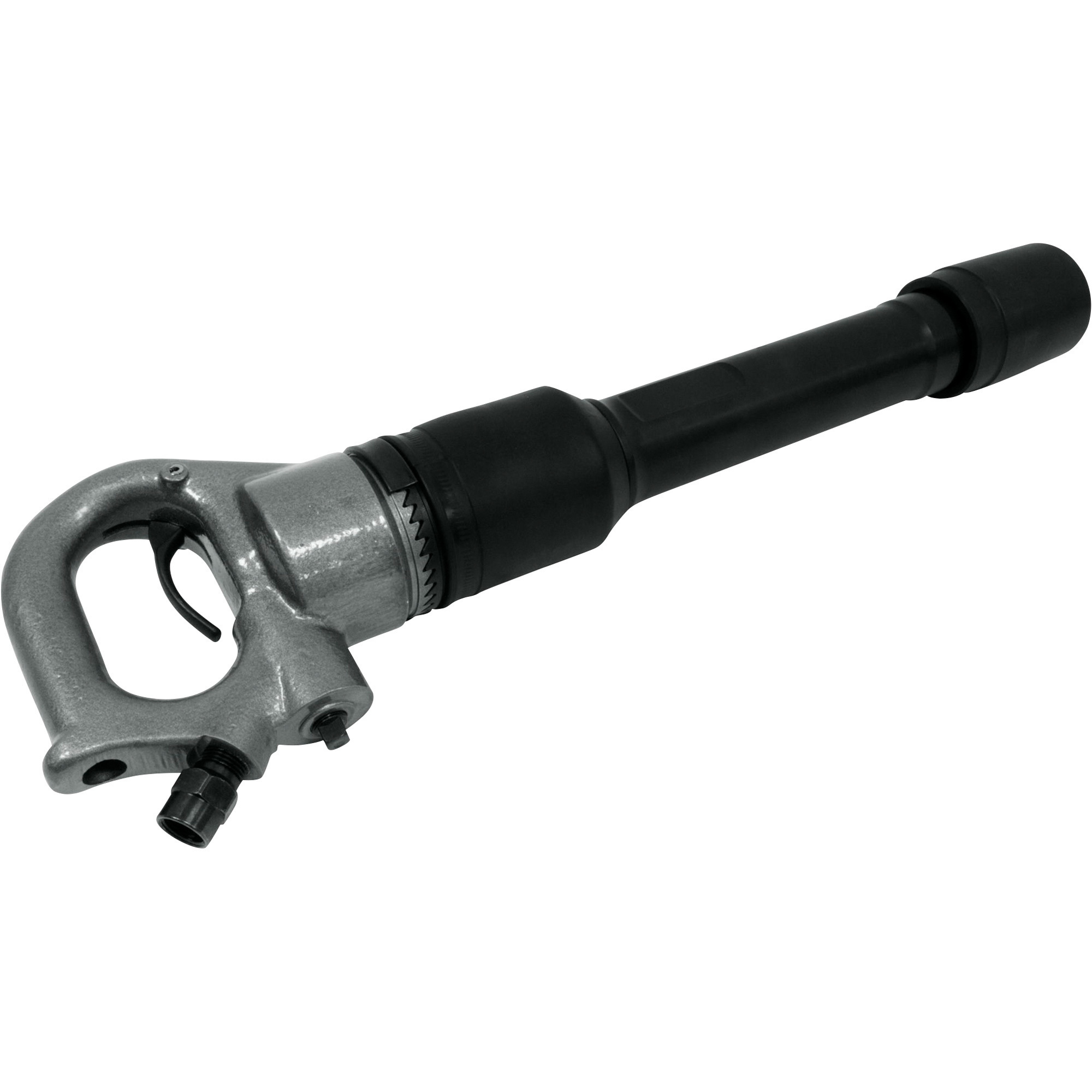
Item # 105993
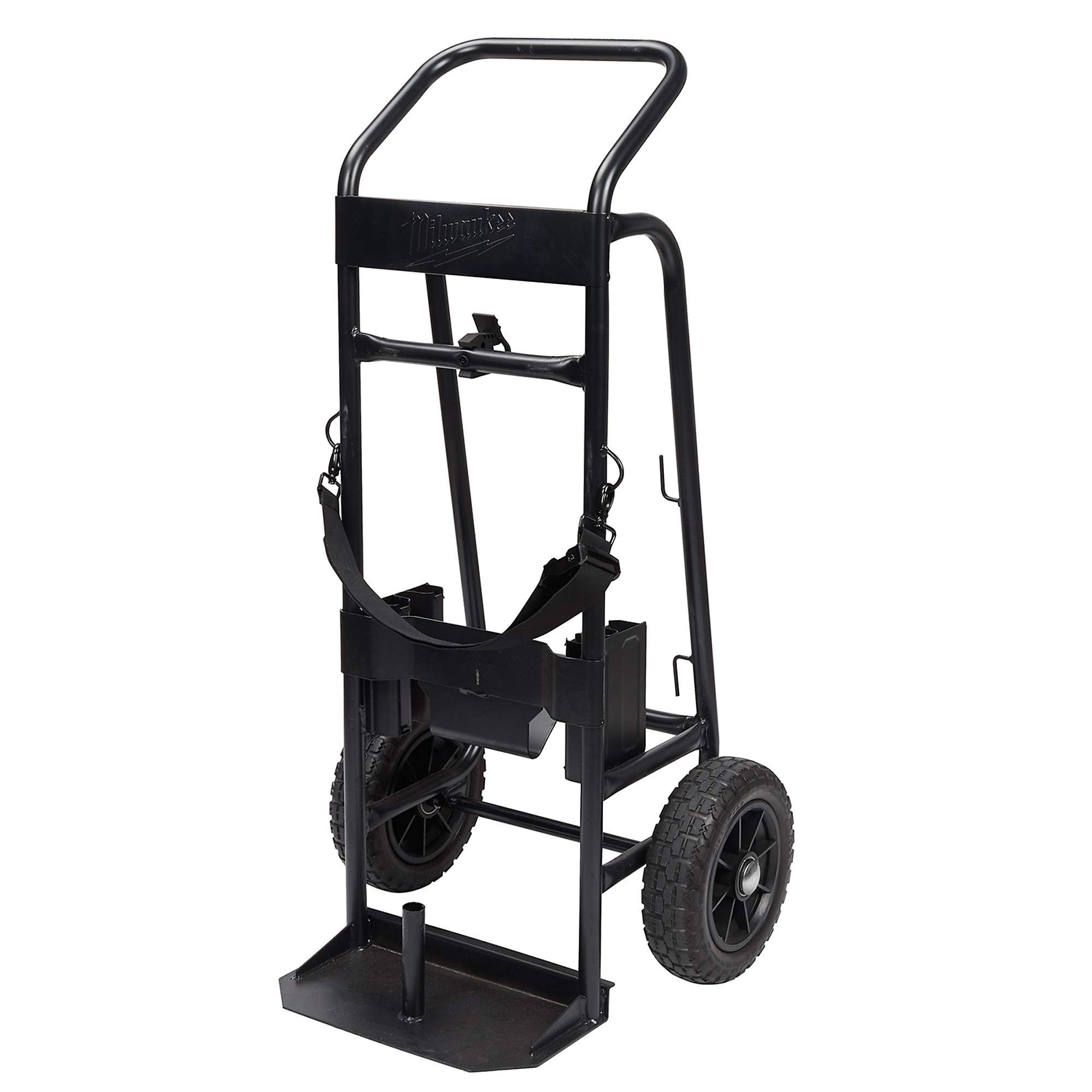
Item # 89979
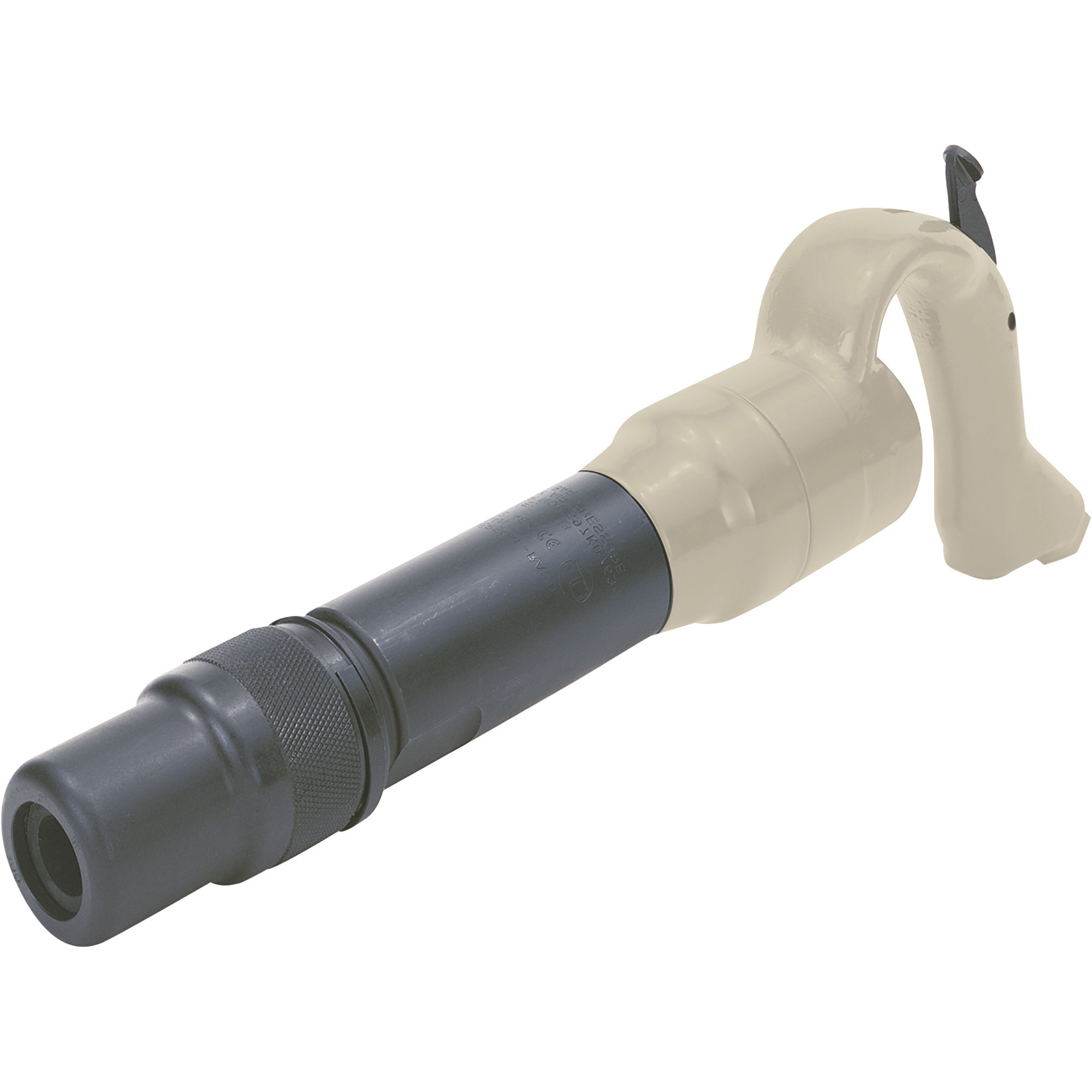
Item # 74510
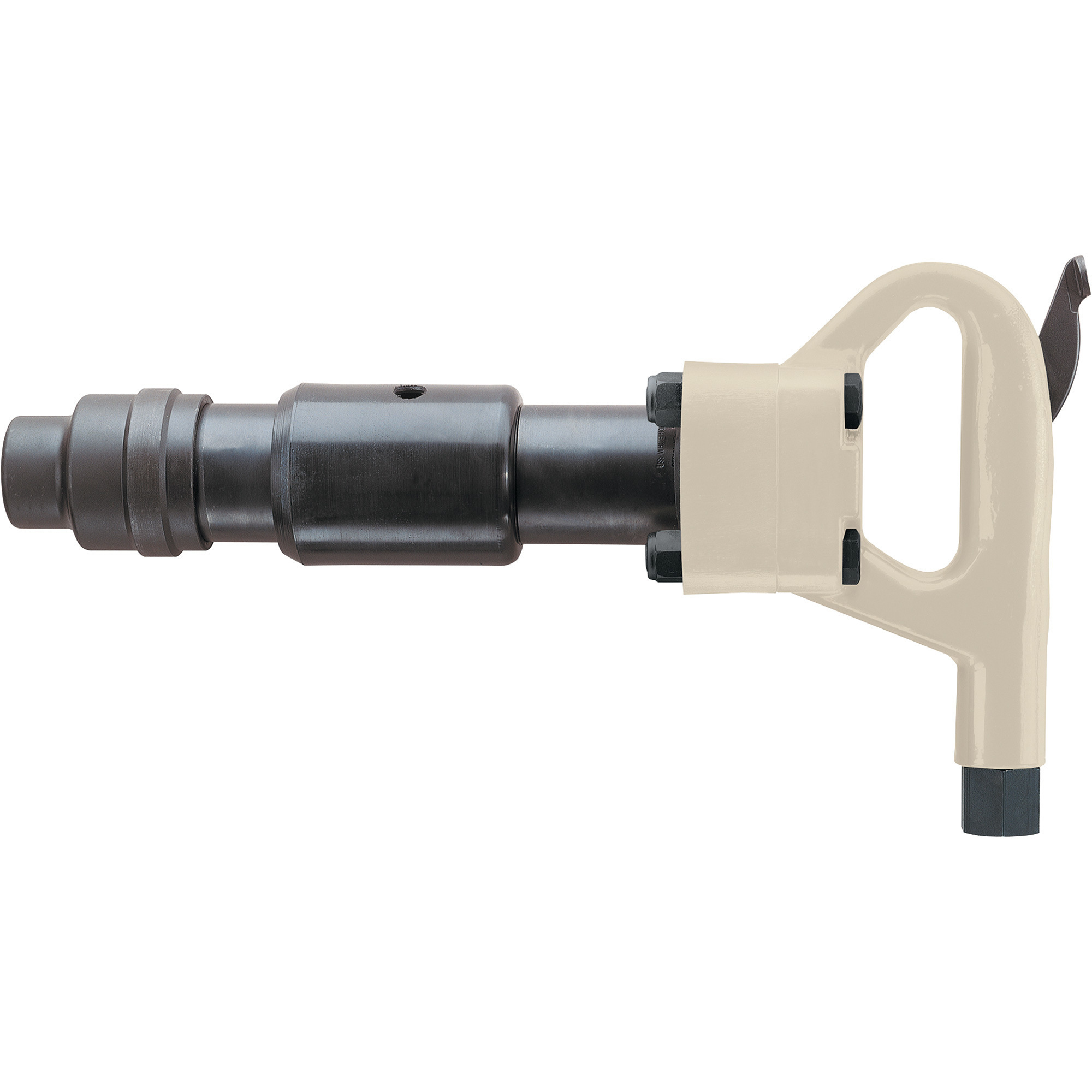
Item # 74492
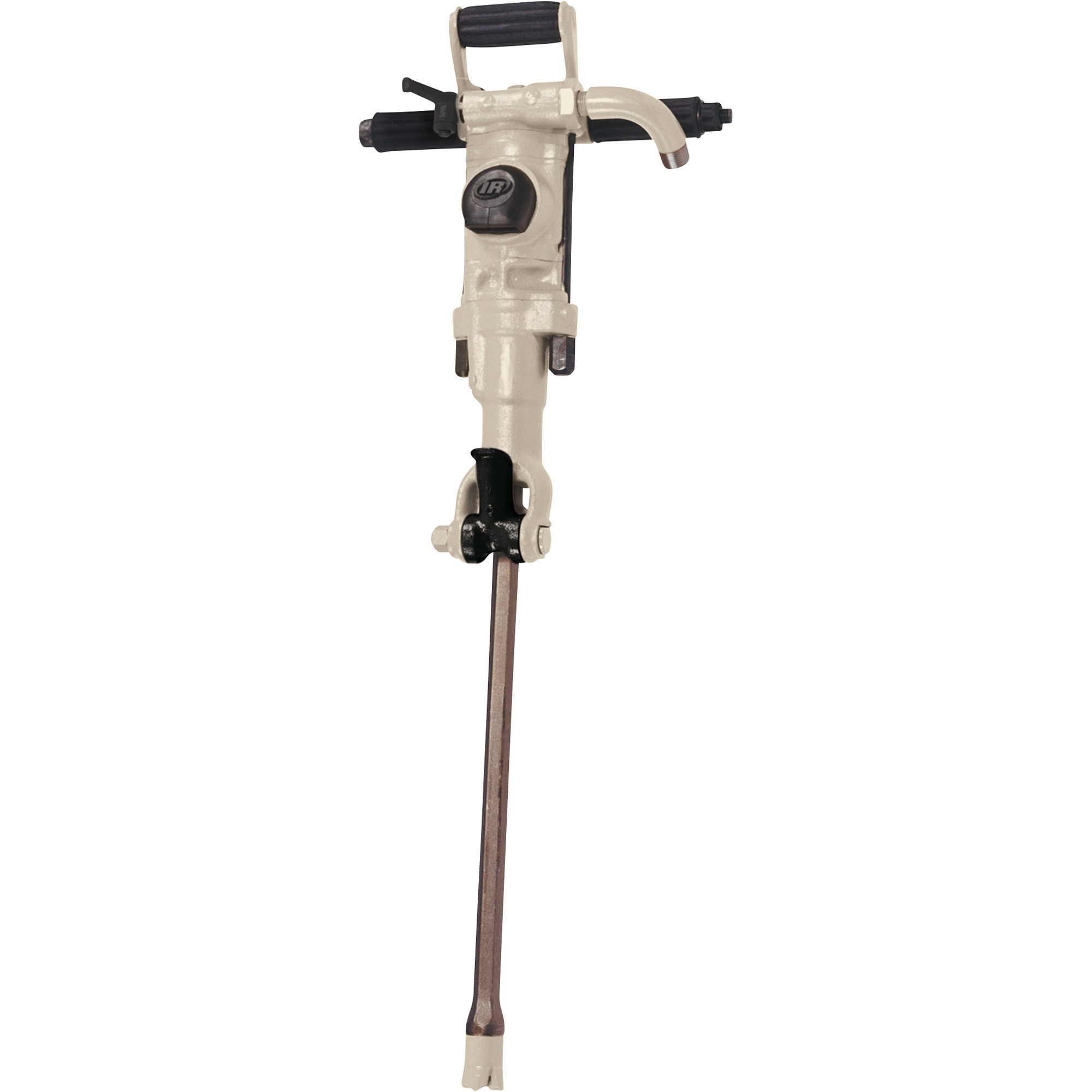
Item # 74470
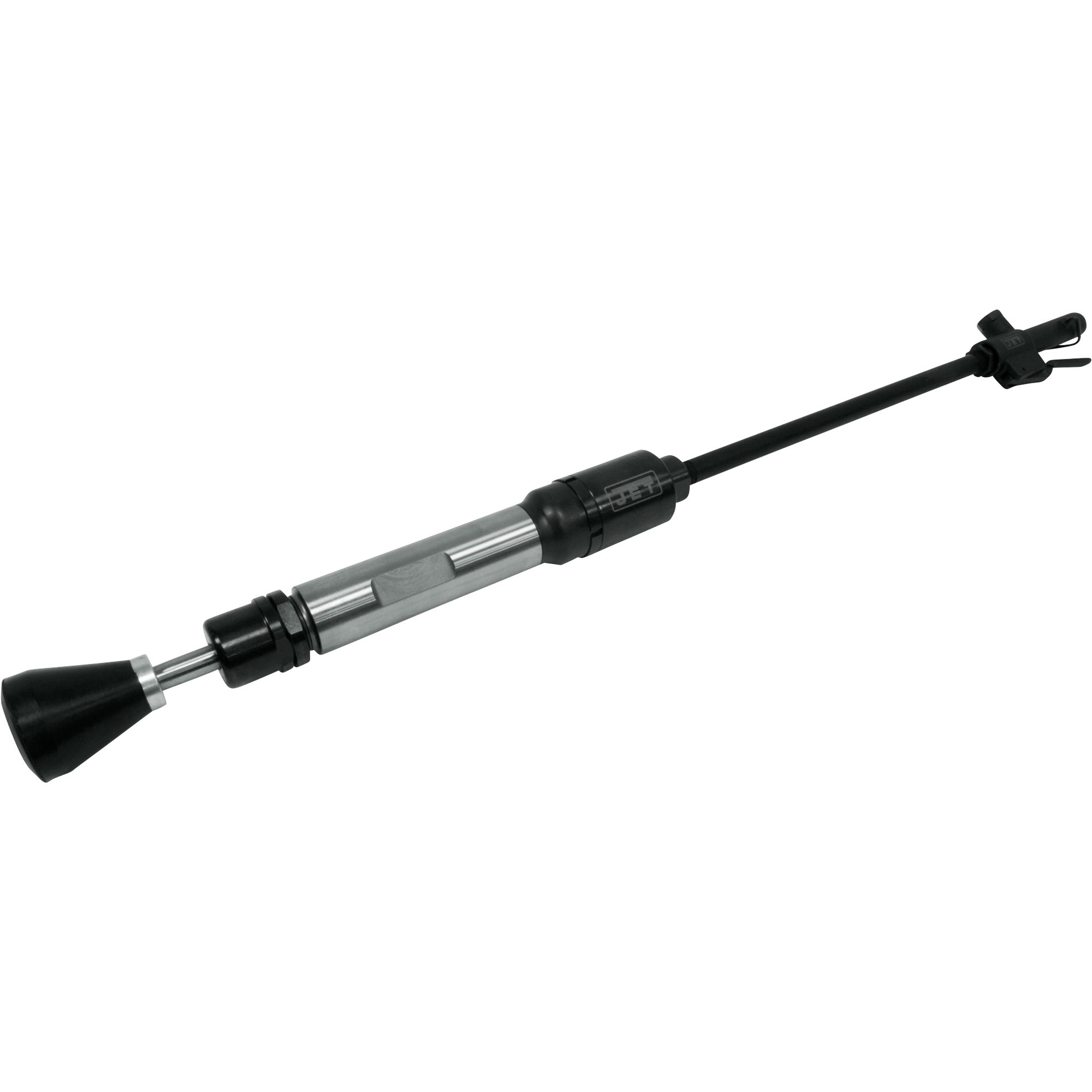
Item # 106017
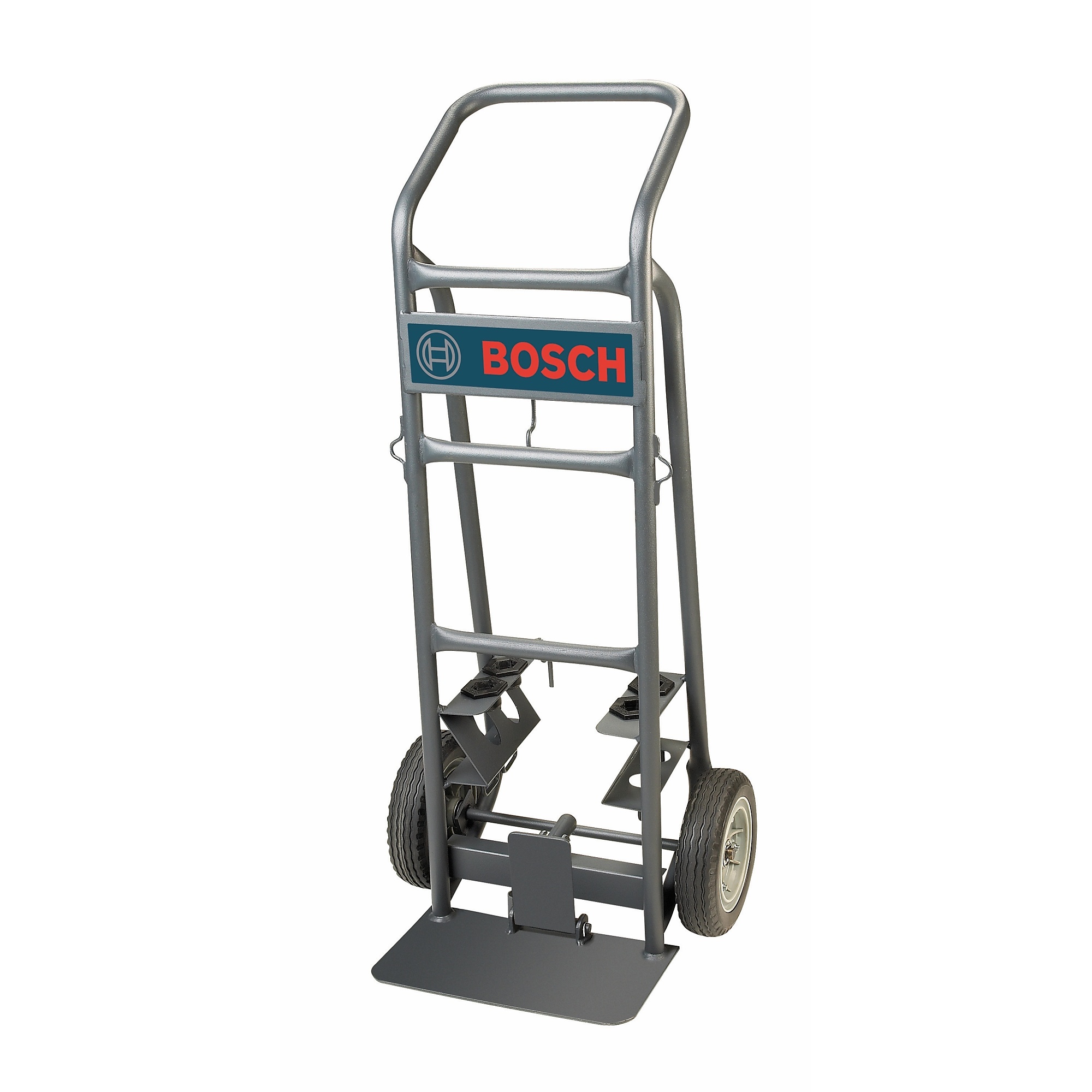
Item # 4973424
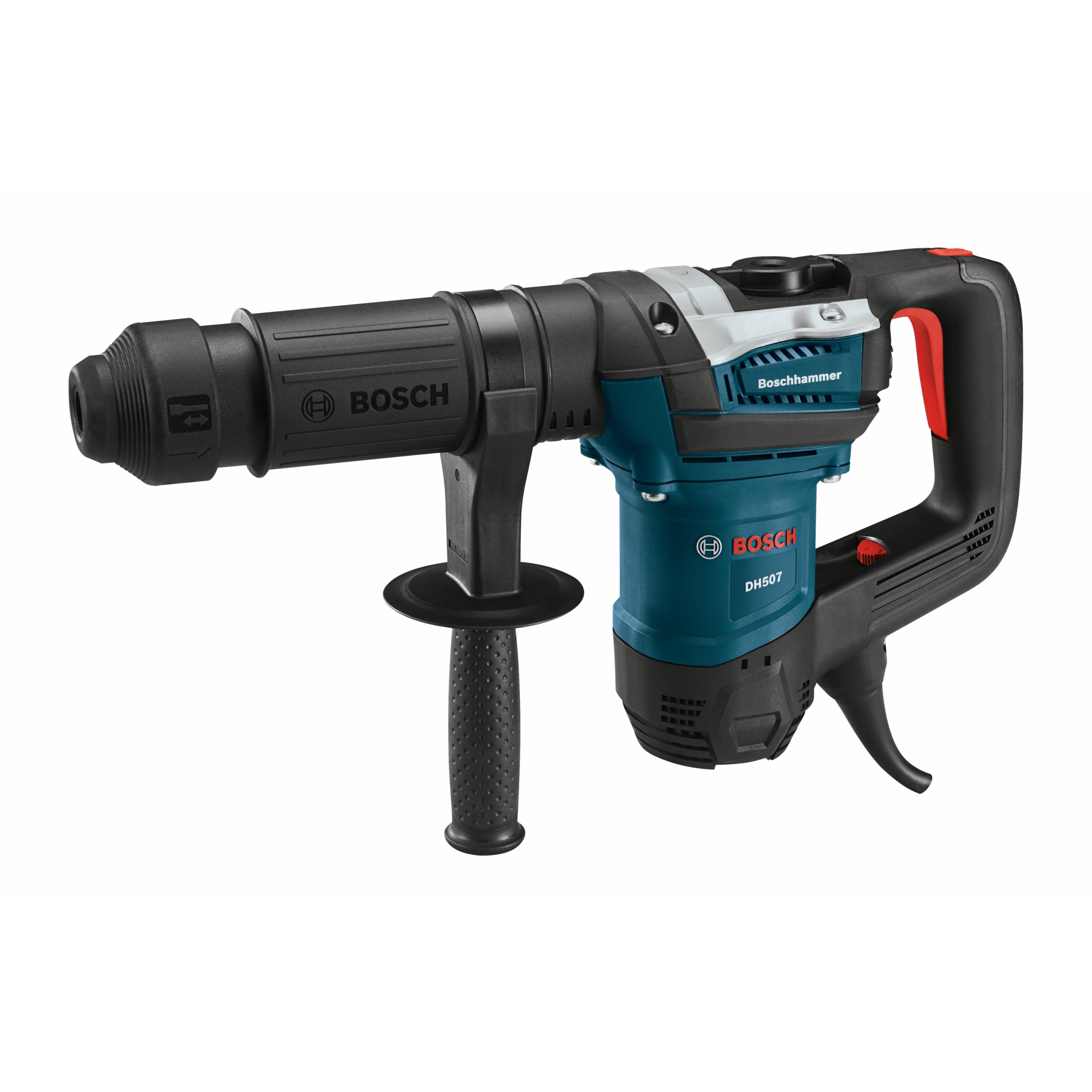
Item # 4973184
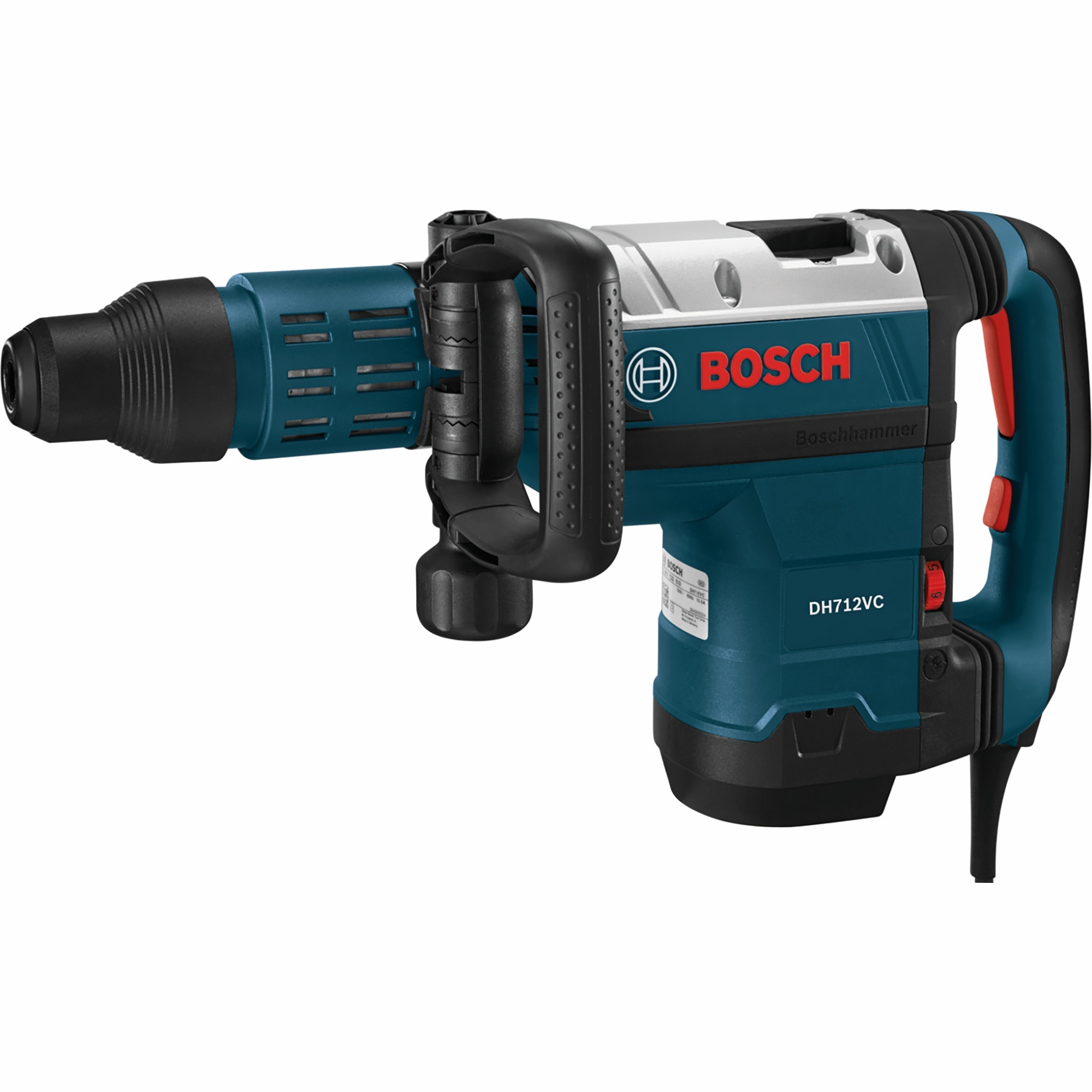
Item # 4973176
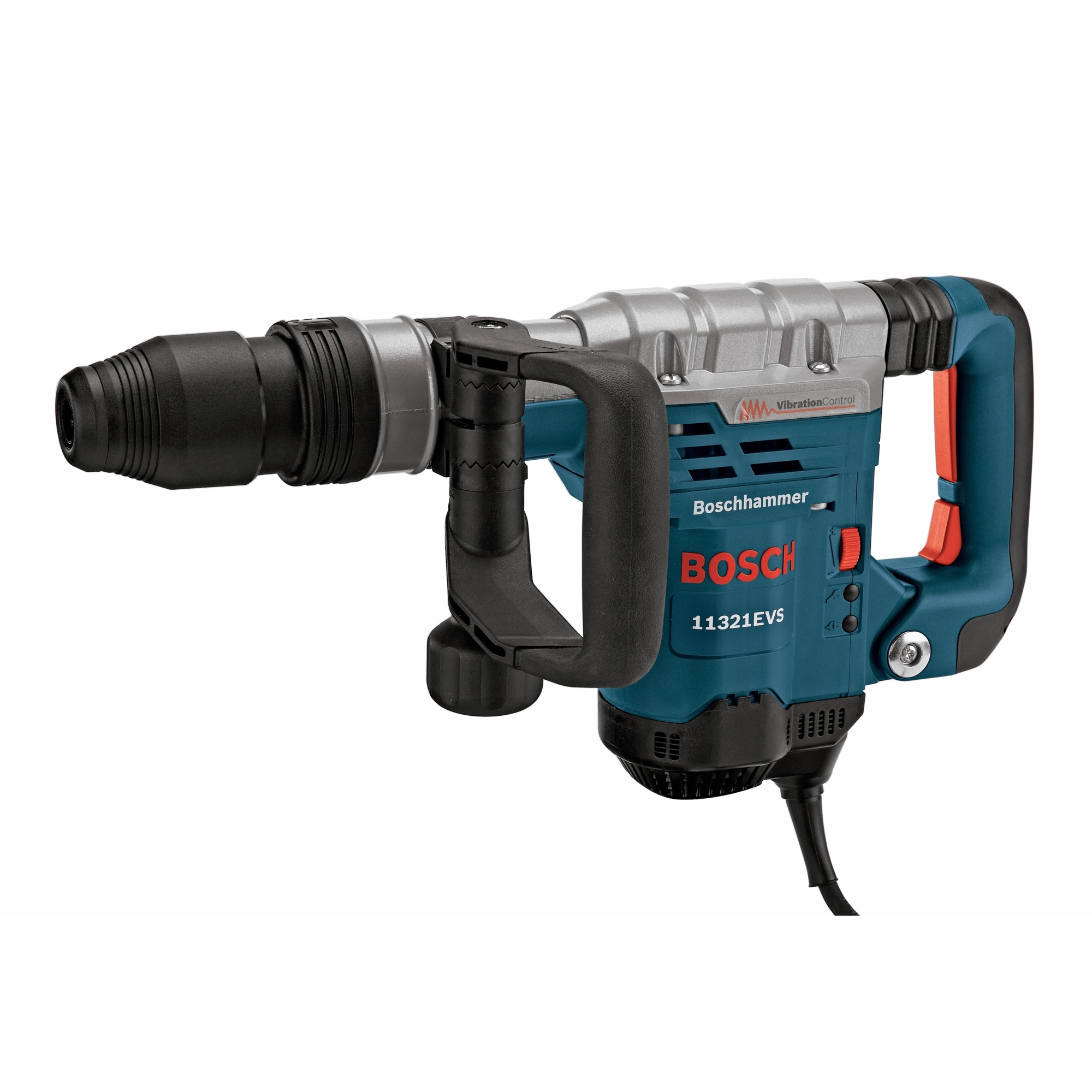
Item # 4972827
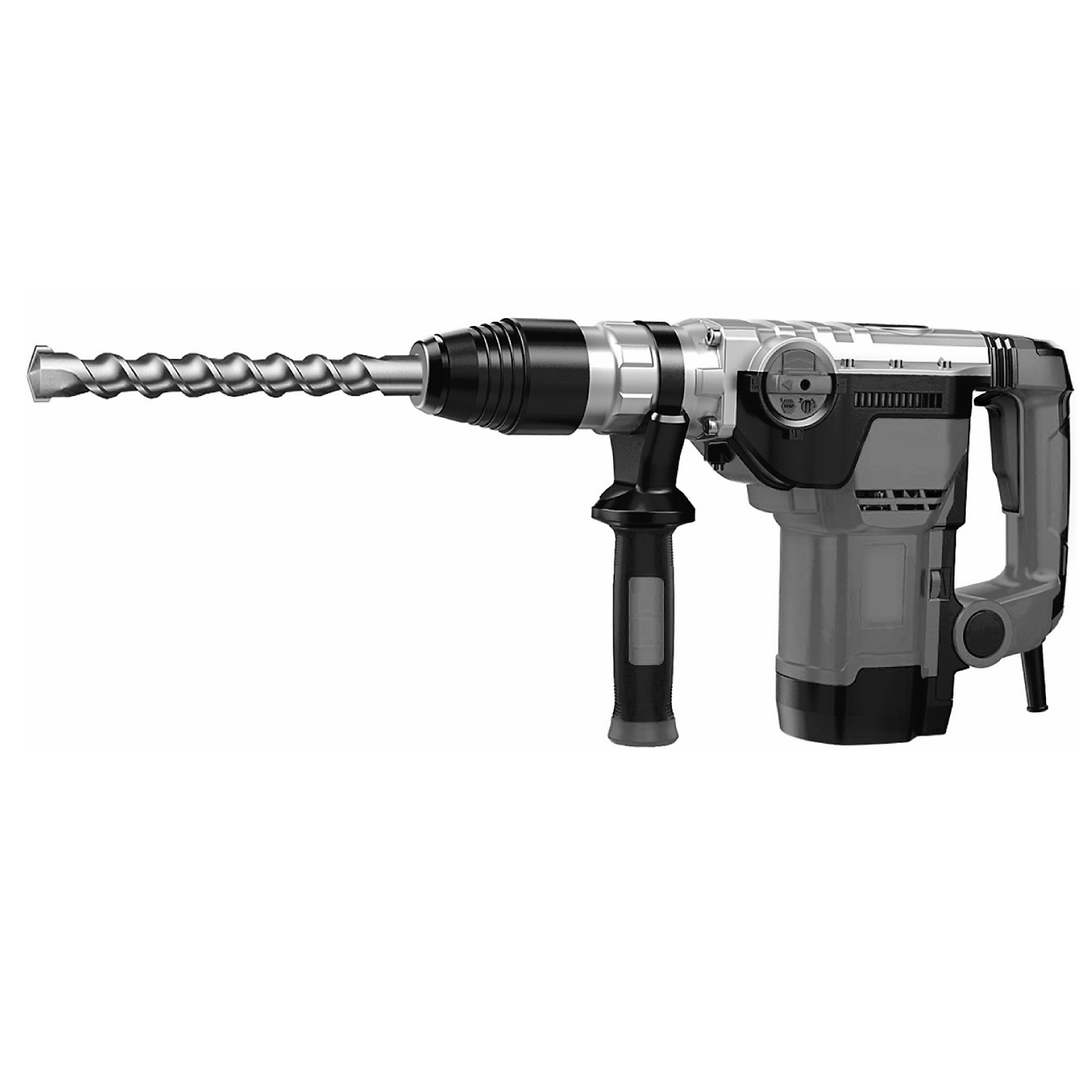
Item # 6194889
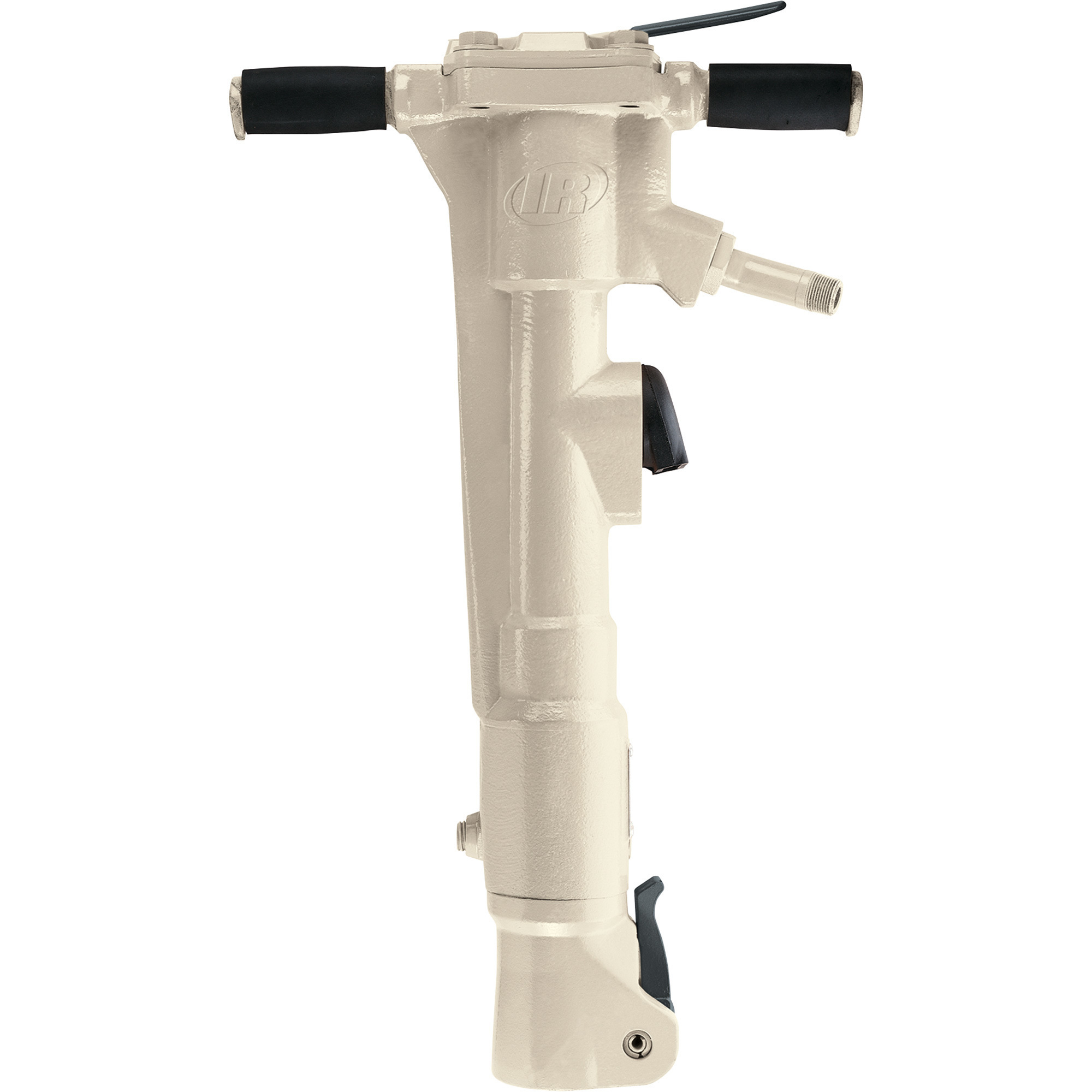
Item # 74478
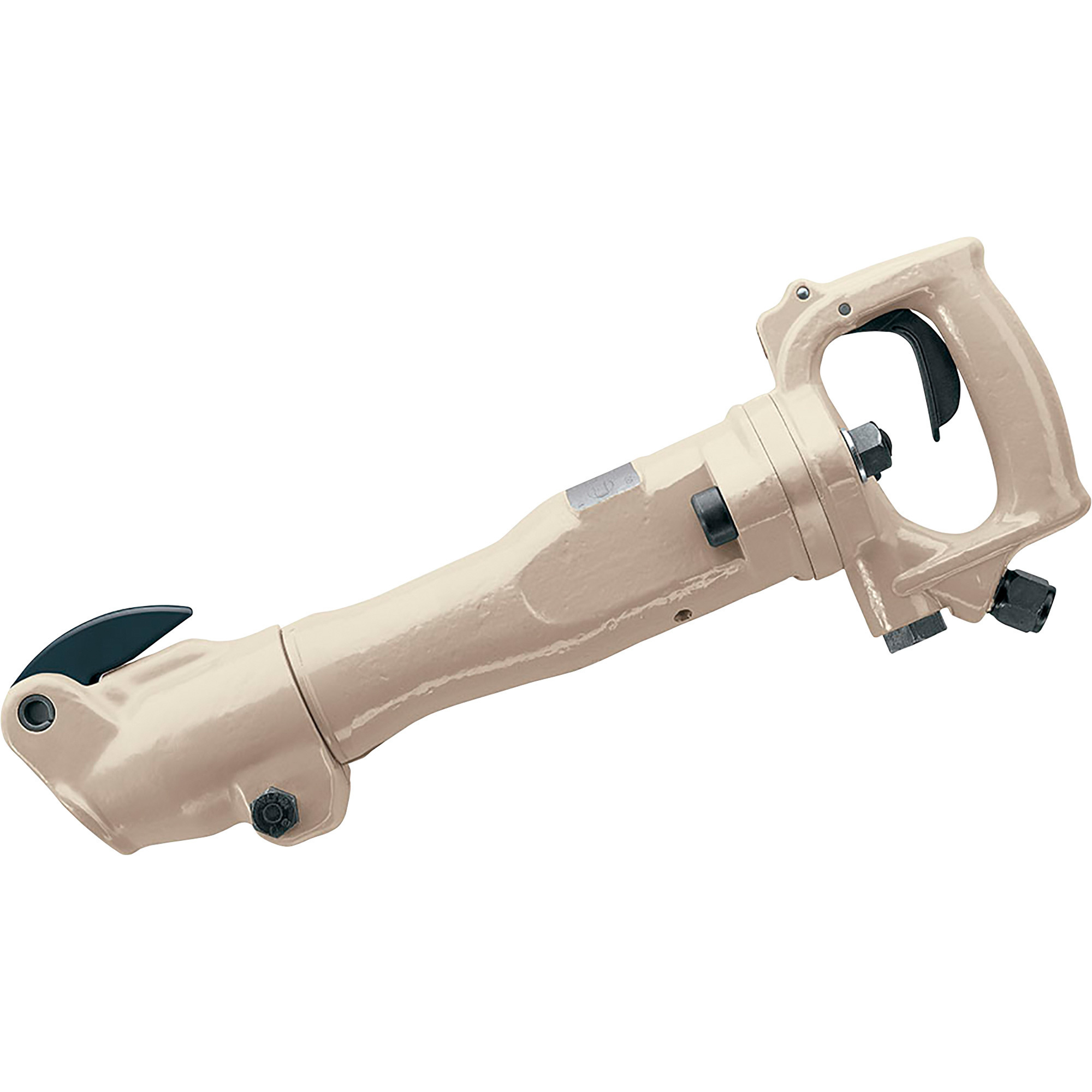
Item # 83167
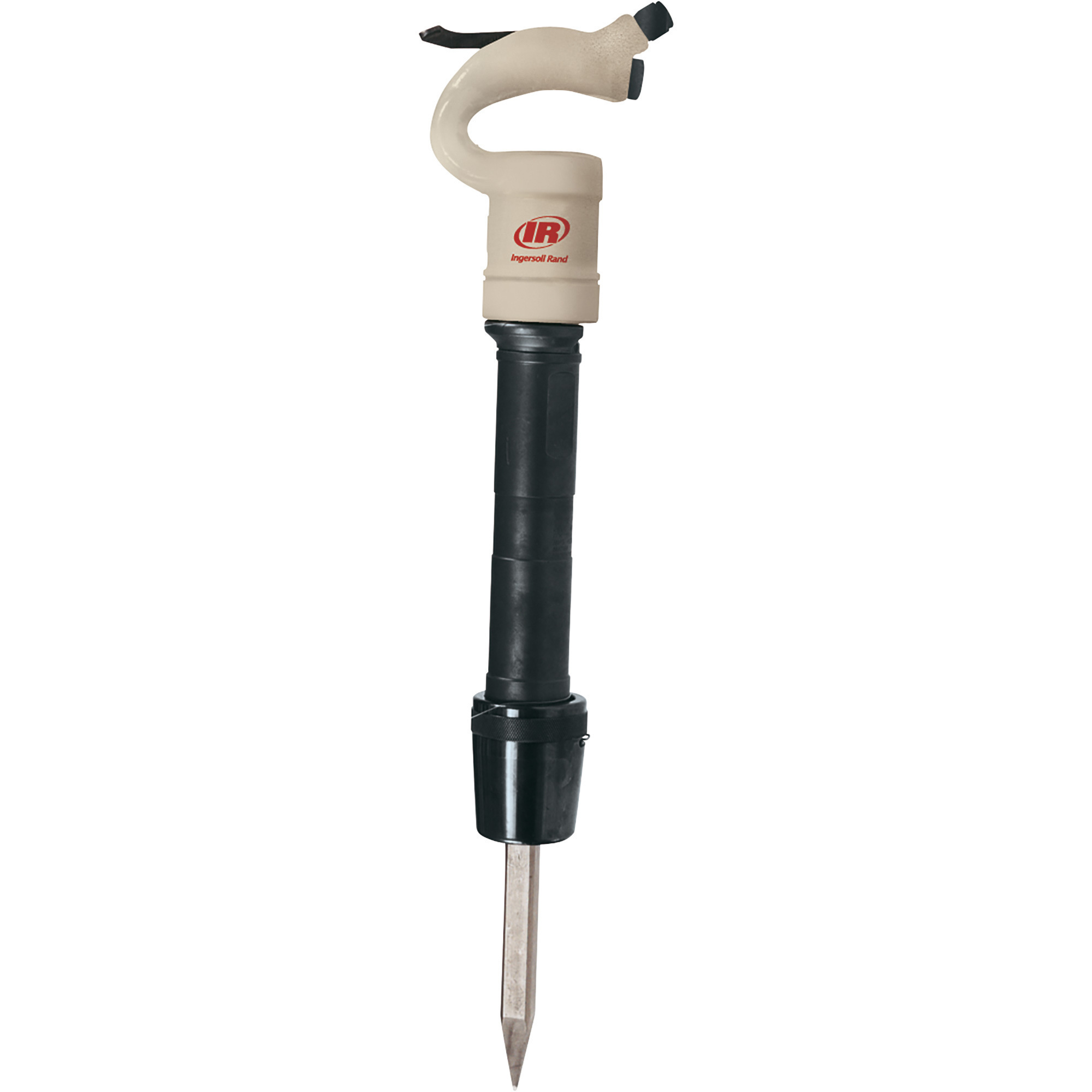
Item # 74489
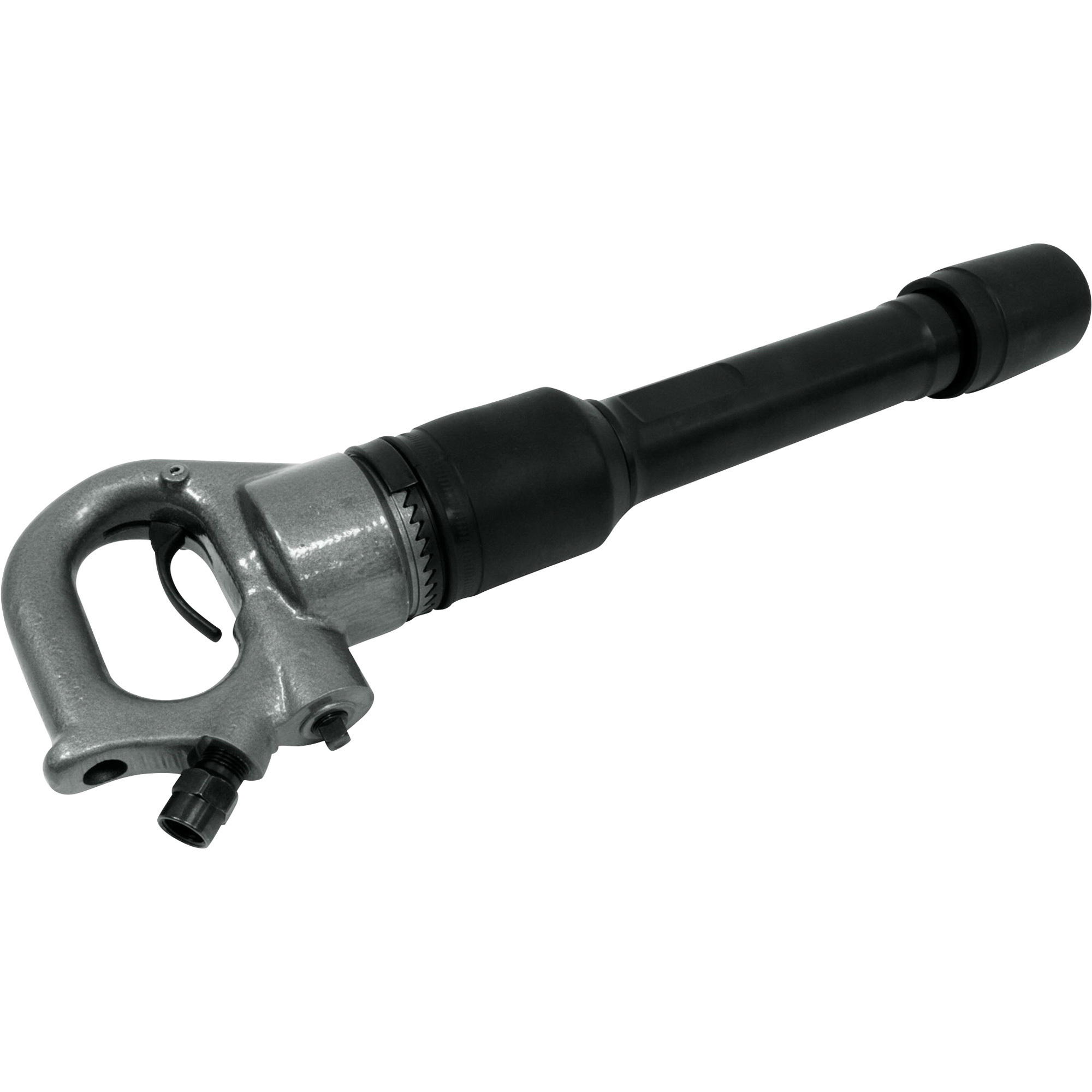
Item # 105994
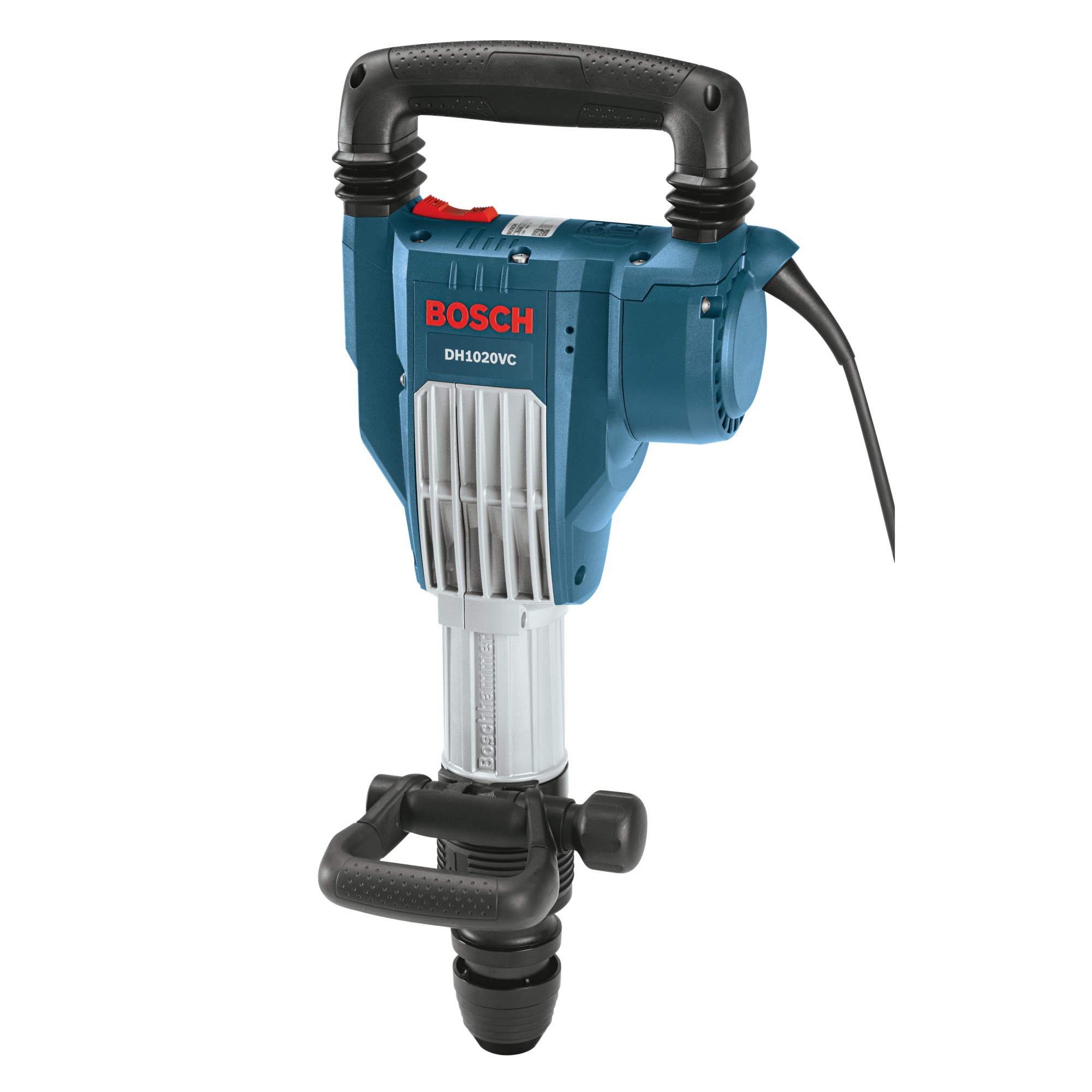
Item # 4977812
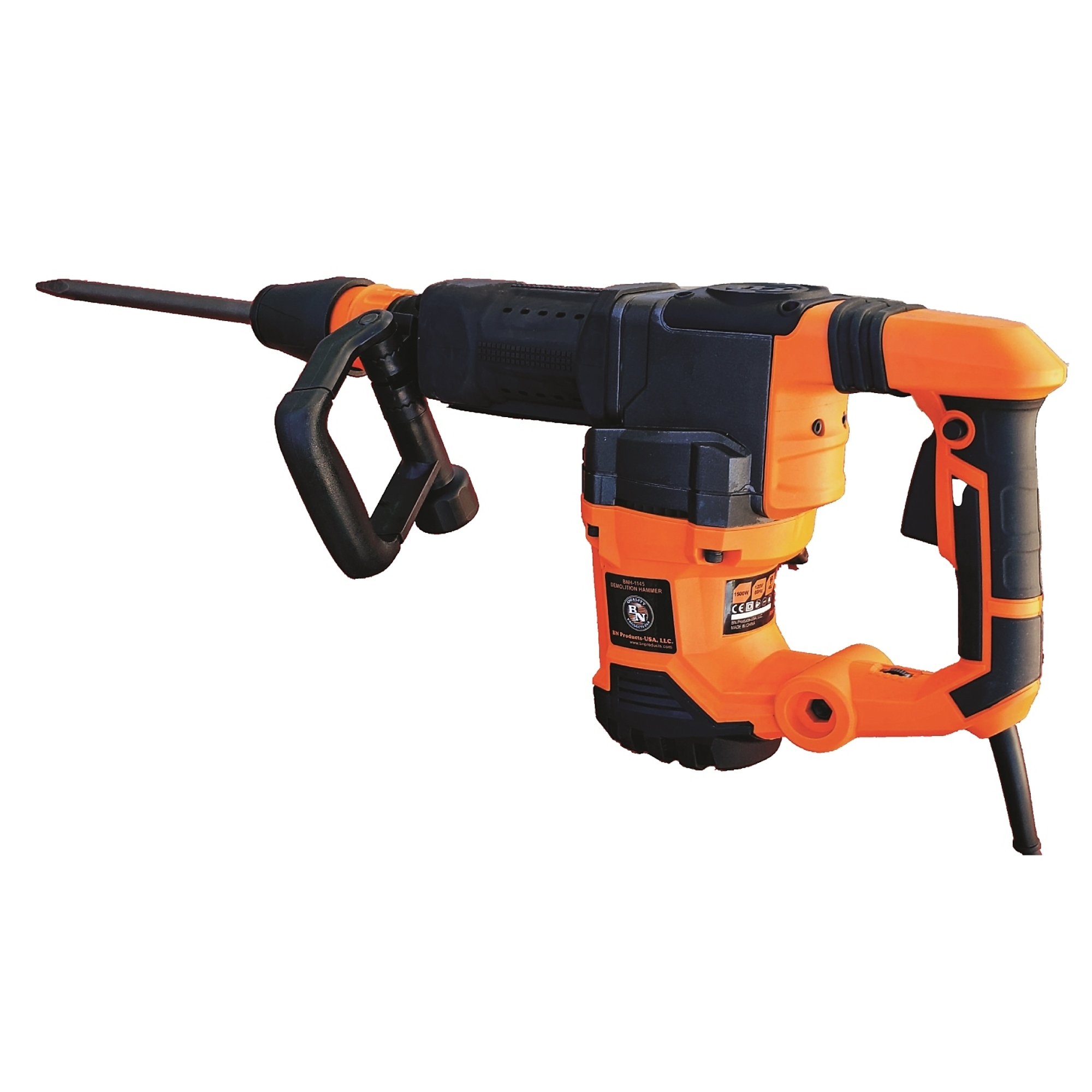
Item # 6194926
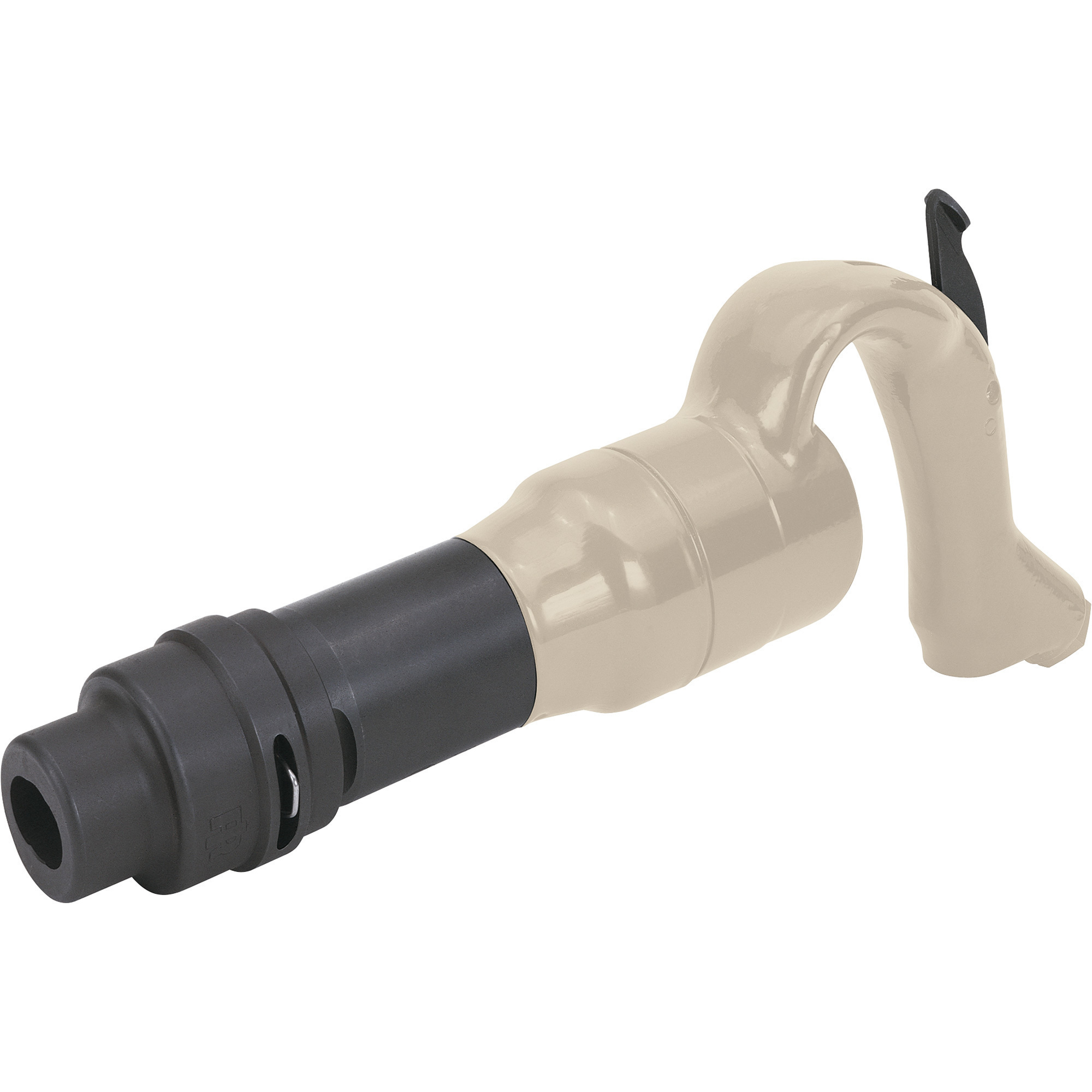
Item # 74498
Breaker Hammers
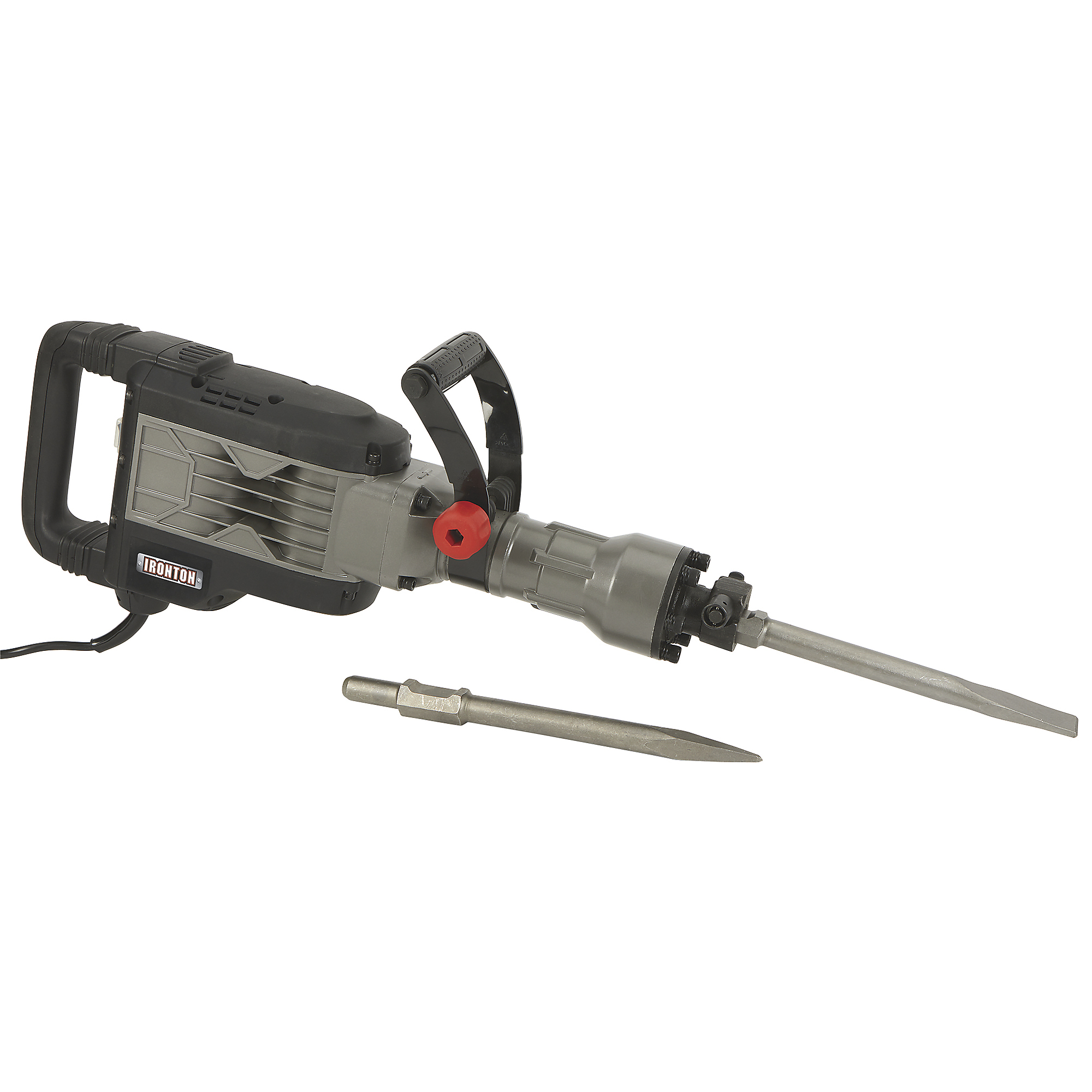
A breaker hammer is a tool to reach for when you shouldn’t cut corners; you should demolish them. Whether you’re chipping up old concrete, busting out a cracked slab, or tackling general demolition work, a quality breaker hammer saves serious time and effort. Built for the heavy-duty impact of running into a brick wall, repeatedly, all day. These tools deliver the force you need without breaking your back or the bank.
Breaker hammers are a go-to for contractors who want fast progress with manageable clean-up results. Look for features like variable speed control for precision or fast smash, ergonomic handles and vibration reduction to reduce user fatigue, and quality housing and components to withstand rugged use. Toolless bit changes and compatibility with a range of chisel sizes help keep downtime to a minimum. When you’re choosing one, it’s all about power, durability, and comfort. On the job site, you need equipment that can take a beating, so you don’t have to.
Breaker Hammer Frequently Asked Questions:
What are the different types of break hammers?
Is there a main use for a breaker hammer?
What safety items are needed when using a breaker hammer?
How do I maintain my breaker hammer?
- Shock absorbers
- Tie rods (if applicable)
- Saddle locking pins and bolts: are they tight?
- Piping and fittings: are they leaking?
- Body, saddle, tool, and arm: are any of these parts cracked?
- Bits: are they sharp enough for your next job?
- Lubrication: lubricate your breaker hammer each time you use it, hourly if necessary.
- Cover your breaker hammer with a tarp when it’s not in use to prevent dust buildup.