Skip to content

Free Gift Card Details

$100 Order
$10
gift card
$250 Order
$25
gift card
$500 Order
$50
gift card
$1000 Order
$100
gift card
  • The promotion will be automatically applied on the Shopping Cart page.
  • To qualify for this offer, your order subtotal must equal $100 or more. Excludes gift cards, free item offers, warranties, Advantage memberships, tax and shipping.
  • Free gift cards will be issued in the form of e-gift cards only, not physical gift cards.
  • E-gift cards will be sent to the email address used in your billing address when your order ships or is picked up.
  • Free e-gift cards expire 10/01/26.
  • Promo code not valid on prior purchases or on Honda and STIHL products and cannot be combined with other promotional offers.
  • Valid online and in participating retail stores.
  • Limited-time offer. Subject to change without notice.

Woodburning or Pellet Burning Stove: Which Meets Your Needs Best?

If you’re looking to install either a wood or pellet stove for the first time or to upgrade the heating stove you have, there are several points to consider. Let’s look at both types of stoves in terms of aesthetics, location, cost, green factor, BTU output and day-to-day safety. Although there are pellet stoves that burn corn, hulled wheat, cherry pits, grass, wastepaper and other materials, the discussion here will focus on pellet stoves that burn wood pellets. After examining each of the issues below, you will have a better idea of the type of stove that’s best for you.

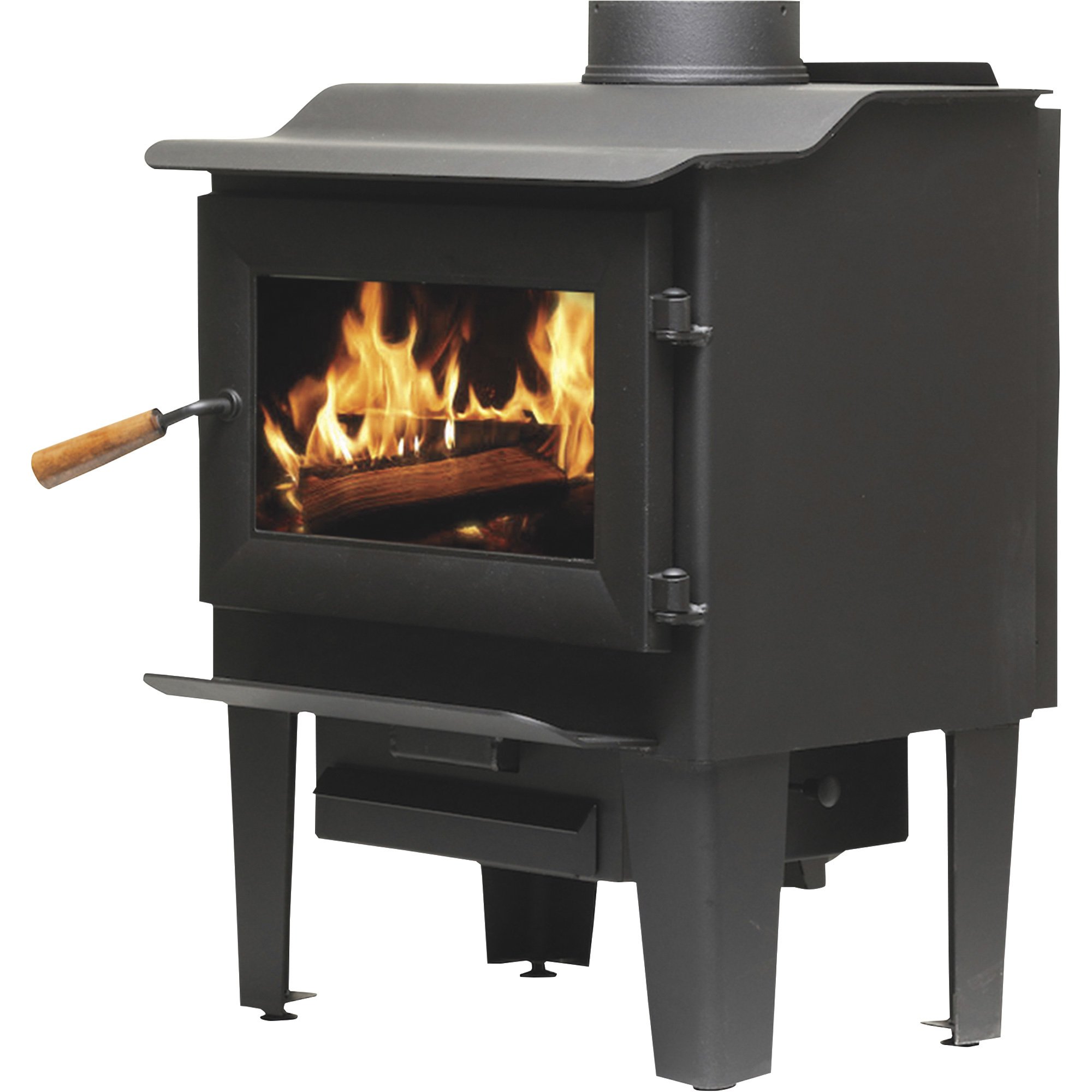
Wood burning stove

Aesthetics

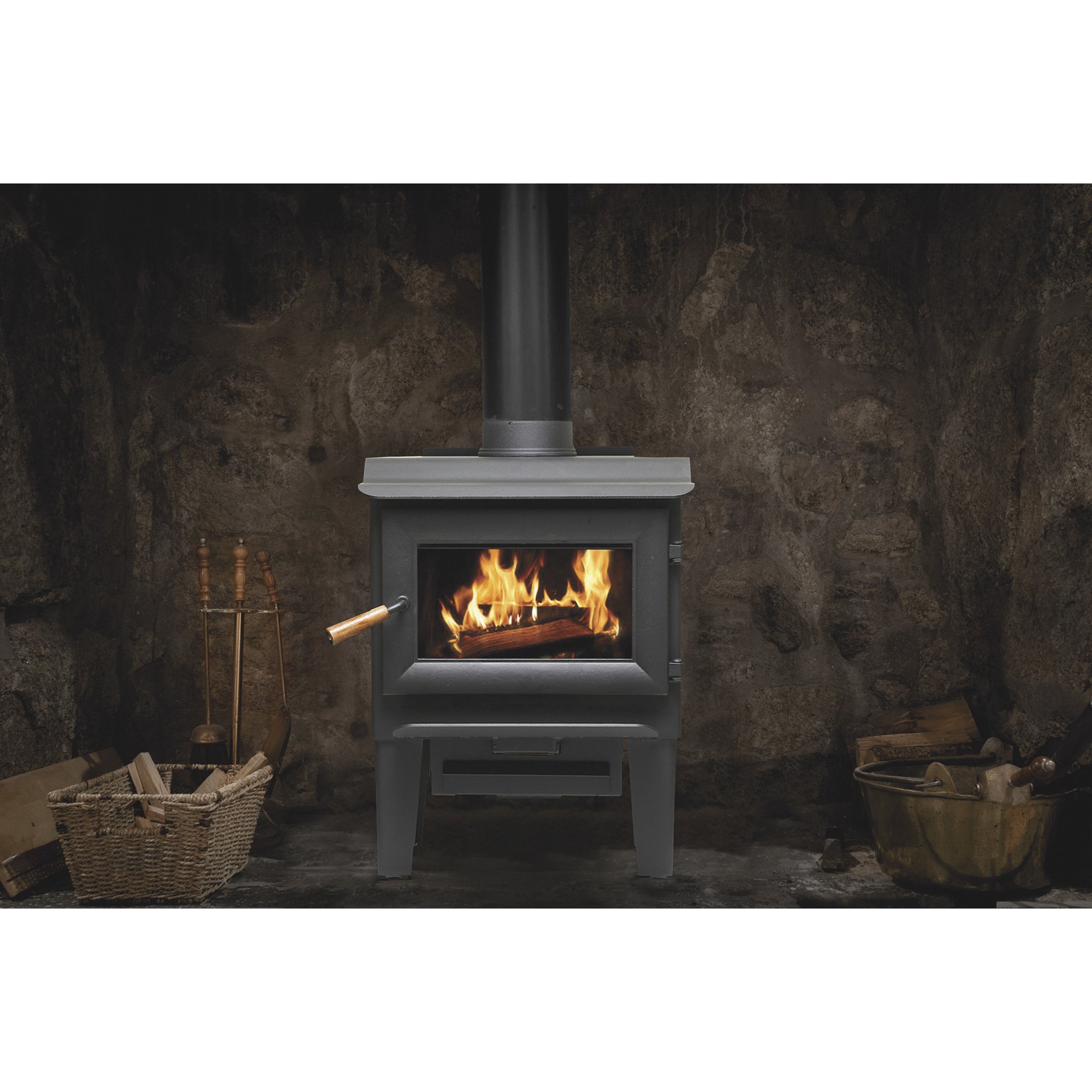
There’s nothing like viewing flames through a stove window and basking in their warmth as you curl up with a good book or go about your daily work. The question is whether logs are a critical part of your vision of an ideal heating stove.

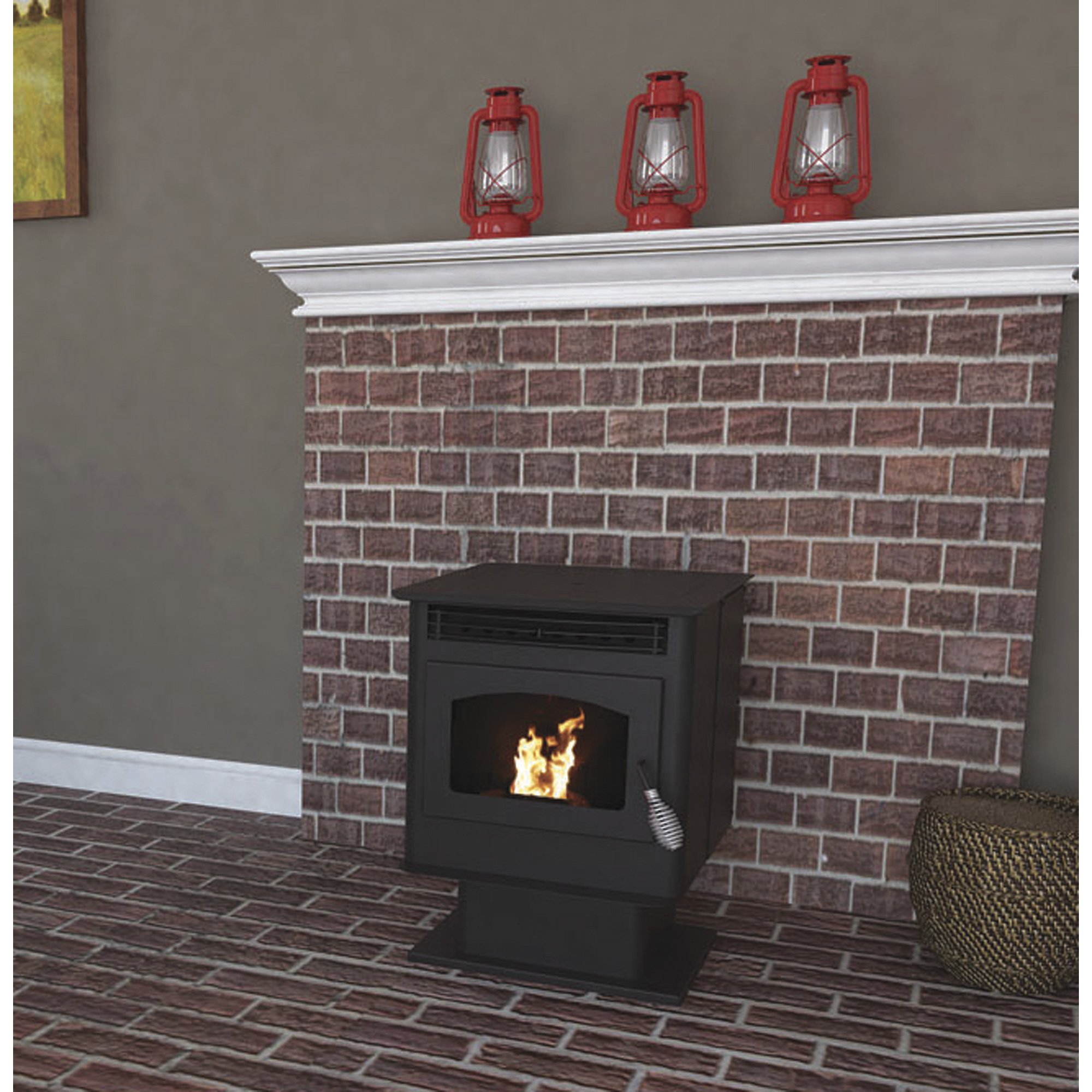
With a wood stove that has a fire-viewing window, you’ll see flames wrapping around logs and smell their earthy fragrance. With a pellet stove, you’ll see a pile of flaming wood pellets, which is also a lovely sight, but definitely different from logs burning. With a pellet stove, you will typically not smell an earthy scent as they burn. Ask yourself whether these aesthetics are deal breakers for you. Windowless stove options are also available.
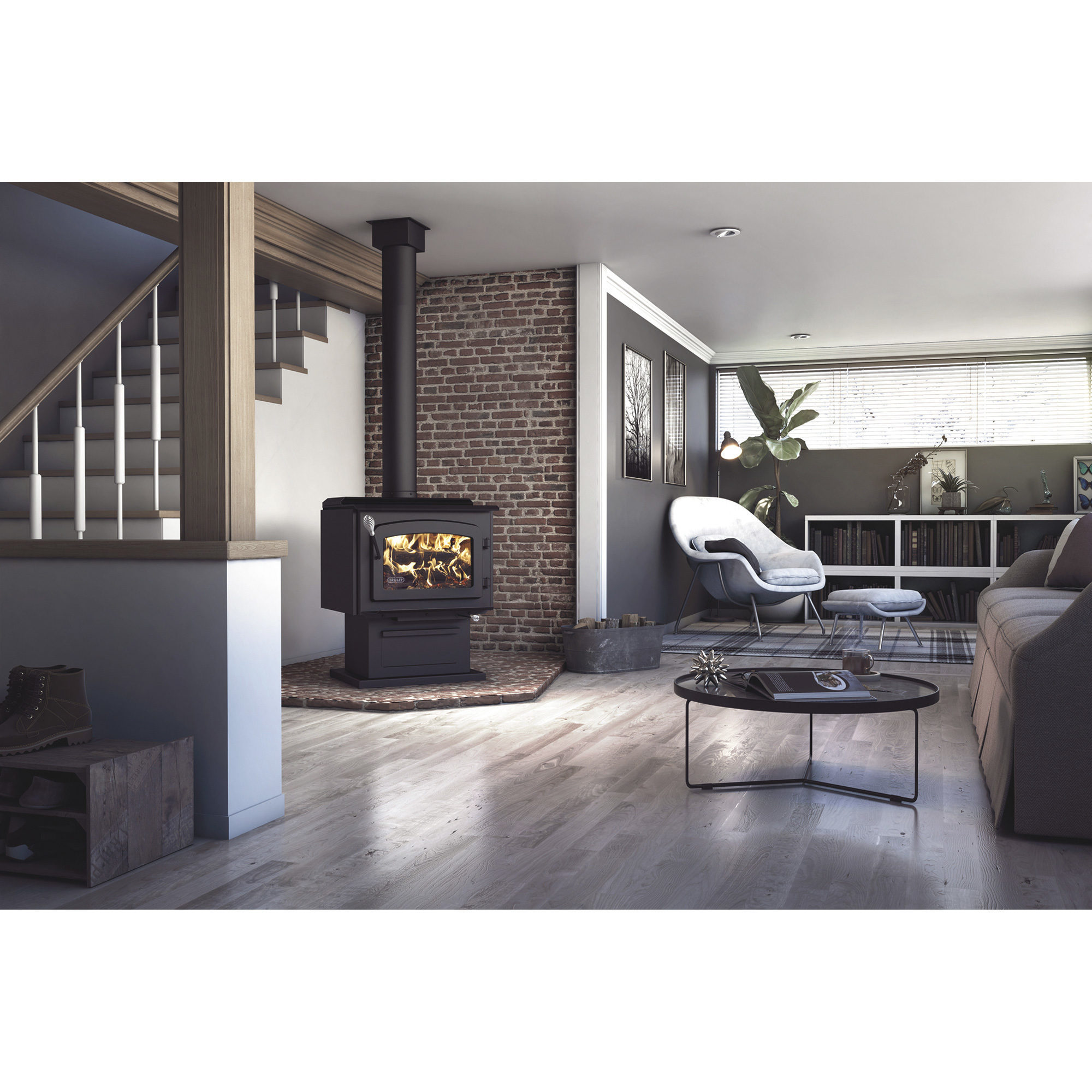
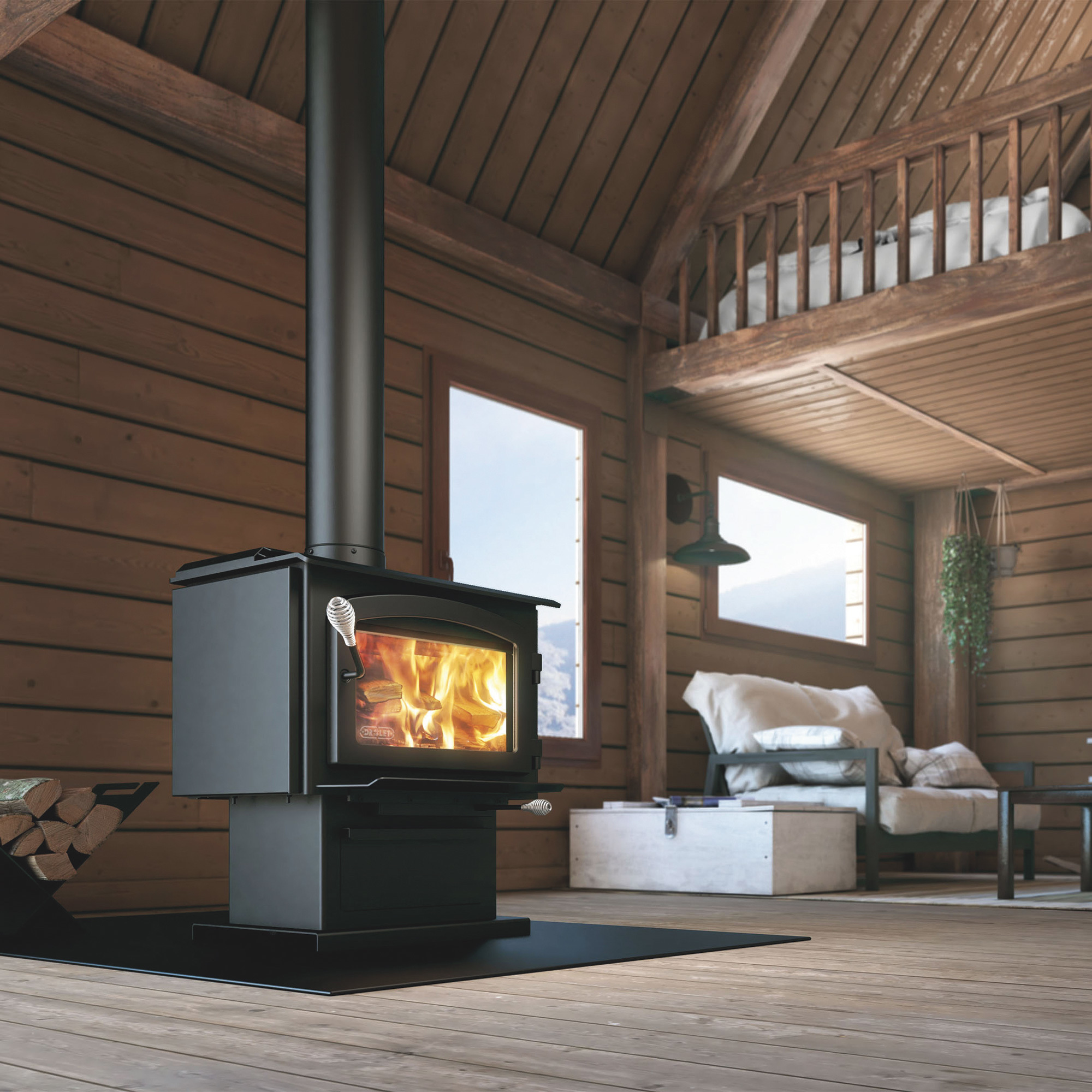
Wood burning stove in home

Location

Next let’s look at where you’re aiming to position your heating stove. If you’re planning it for your getaway stuga that isn’t wired, and you have no plans to wire it, then be sure to choose a pellet stove that requires no electricity. Most pellet stoves do require electricity to ignite, although the electricity bill for a pellet stove is typically less than $10 per month. On the other hand, a wood stove in that same stuga could meet your needs beautifully.


Wood burning stove in cabin

Fuel Cost

In terms of cost, there are also some significant differences between a wood and pellet stove. Typically, the cost of a new wood stove runs $3,000–$5,000, including installation, whereas the cost of a new pellet stove runs $3,500–$4,000, including installation.

If you already have a chimney and wood stove and are replacing the stove, you might save some money on installation. According to the Environmental Protection Agency (EPA), logs for an EPA certified wood stove costs an average of $1,508 per year, whereas pellets for a pellet stove cost an average of $1,987 per year.


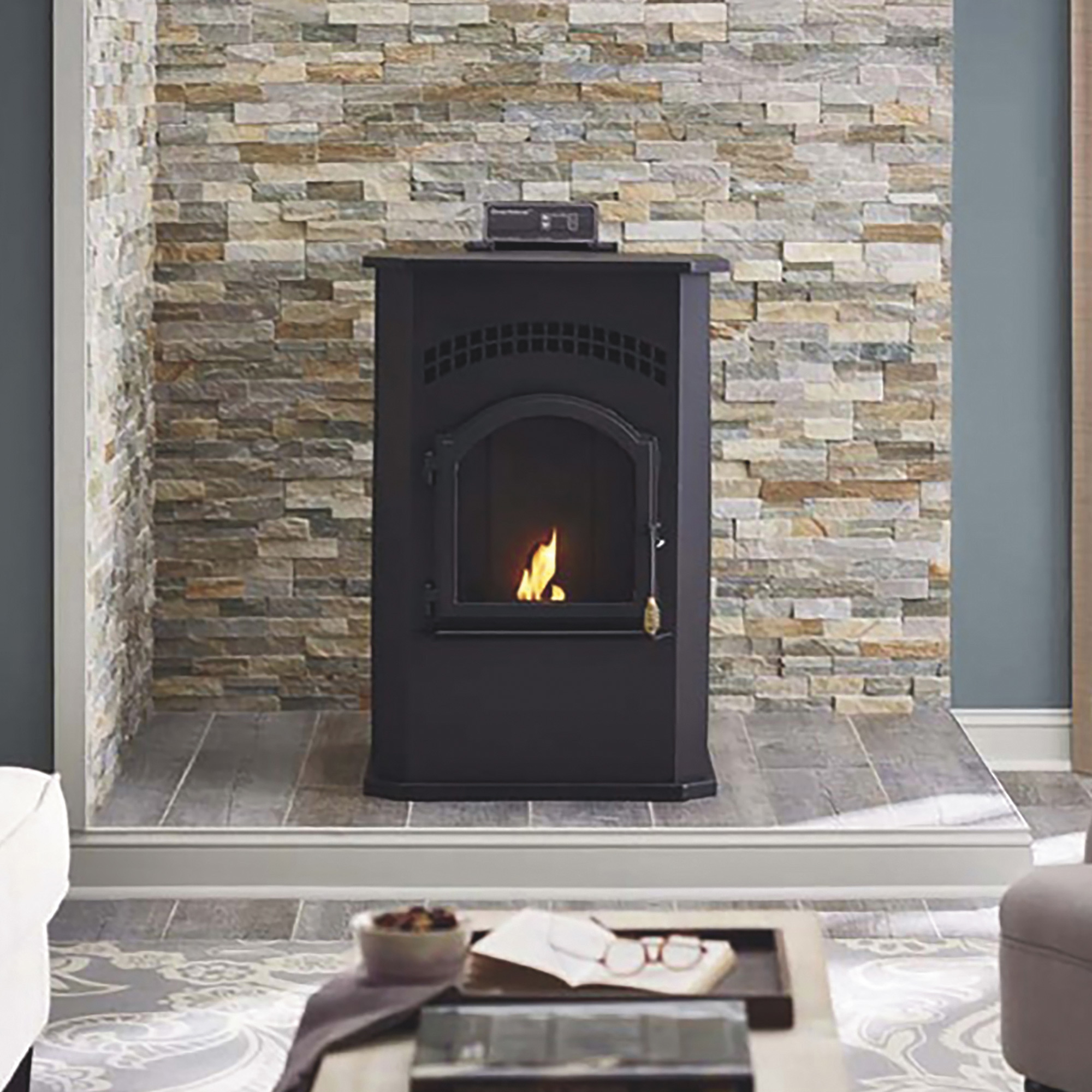
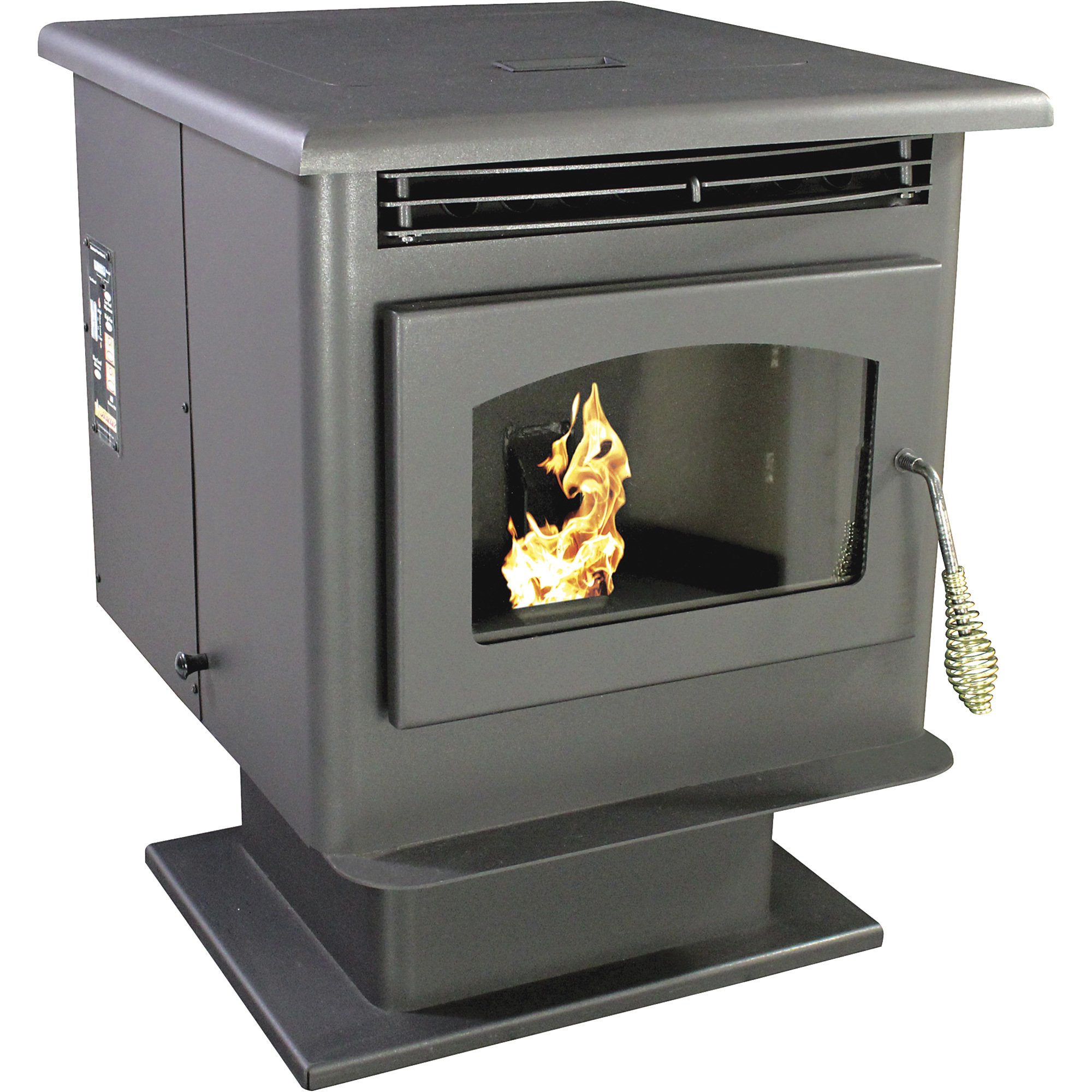
Pellet Stove in home

Green Factor

Another major difference between a wood stove and a pellet stove is its eco-friendliness. In order for a wood stove to meet EPA certification as of May 15, 2020, it must produce no more than 2 grams of smoke per hour. (This new standard reduced, by more than half, the previous standard of 4.5 grams per hour.)

Pellet stoves typically produce less than 1 gram of smoke per hour and are by nature so eco-friendly that the EPA does not monitor them. Another important consideration is that wood pellets are considered wood waste, so burning them in a pellet stove is a great way to recycle them. If minimizing the environmental footprint of your heating system is a top priority for you, a pellet stove may be the right solution for you.


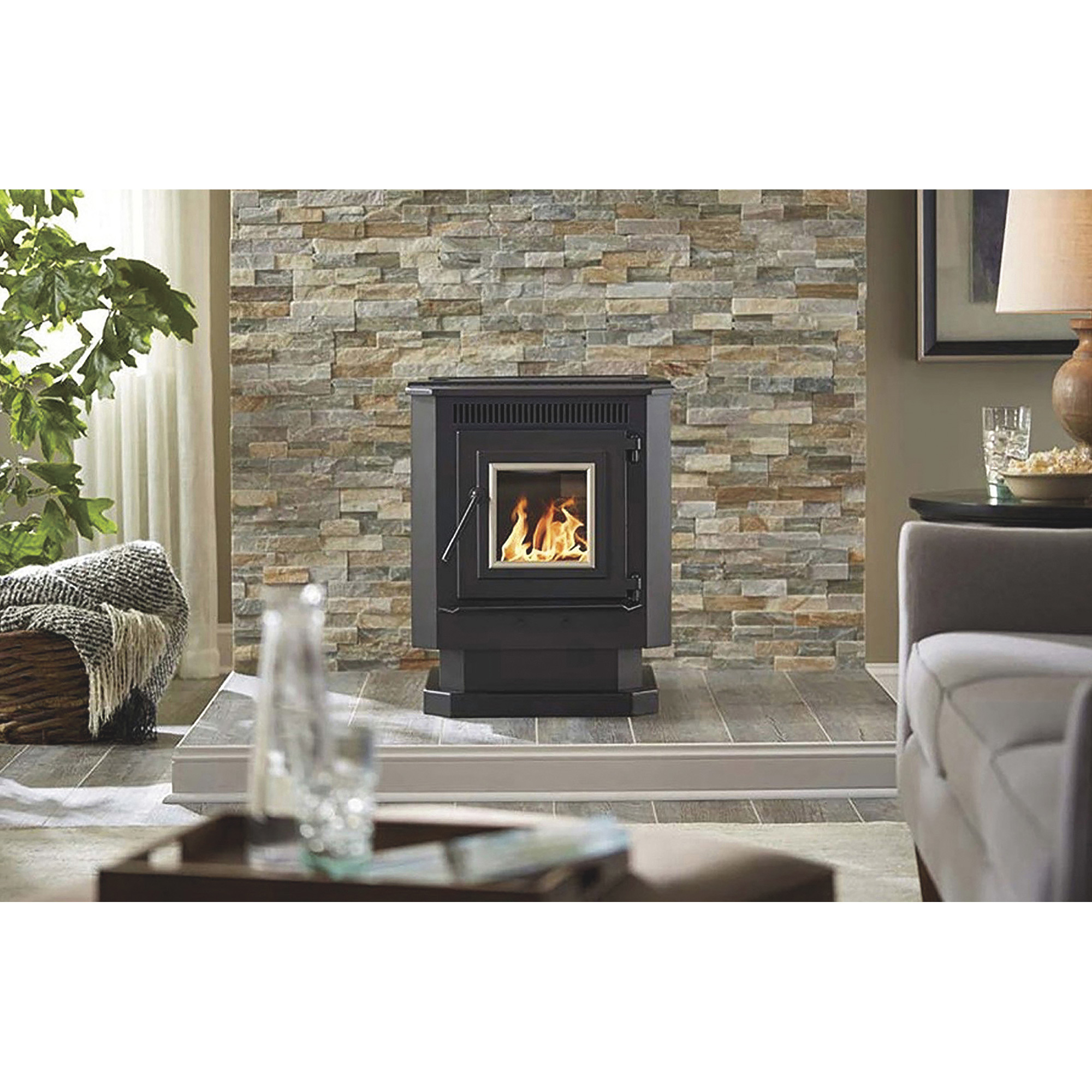
Pellet stove in living room

BTU Output

According to the Department of Energy (DOE), the output of a woodstove ranges anywhere from 30,000–120,000 BTUs, whereas the output of a pellet stove ranges anywhere from 10,000–90,000 BTUs. The EPA tells us that the output per hour needed to heat (or cool) a 100 sq. ft.–150 sq. ft. room is 5000 BTUs whereas the output needed for a 2000 sq. ft.–2500 sq. ft. space is 34,000 BTUs per hour. Be sure to calculate the square footage of the space you need to heat and check it against the BTU capacity of any stove you’re considering.


Pellet stove in home

Day-to-Day Safety

As with the other points of comparison between wood- and pellet-burning stoves, there are some major differences in terms of operation and safety. Wood stoves not only produce more smoke than pellet stoves, but they can also produce sparks and airborne embers and accumulate creosote faster, which can lead to house fires unless carefully monitored and cleaned regularly.

Pellet stoves burn cleanly, with contained flames, so they do not create the risk of sparks and airborne embers. They produce creosote buildup, too, but less rapidly than a wood stove.

Both types of stoves require maintenance according to manufacturer’s instructions, and both types are hot to the touch, so protecting yourself, your kids and pets is important with either type.

As with any heating appliance you use, it’s critical to keep a carbon monoxide detector nearby. You want safety in addition to warmth and pleasant ambiance.


Shop Stoves