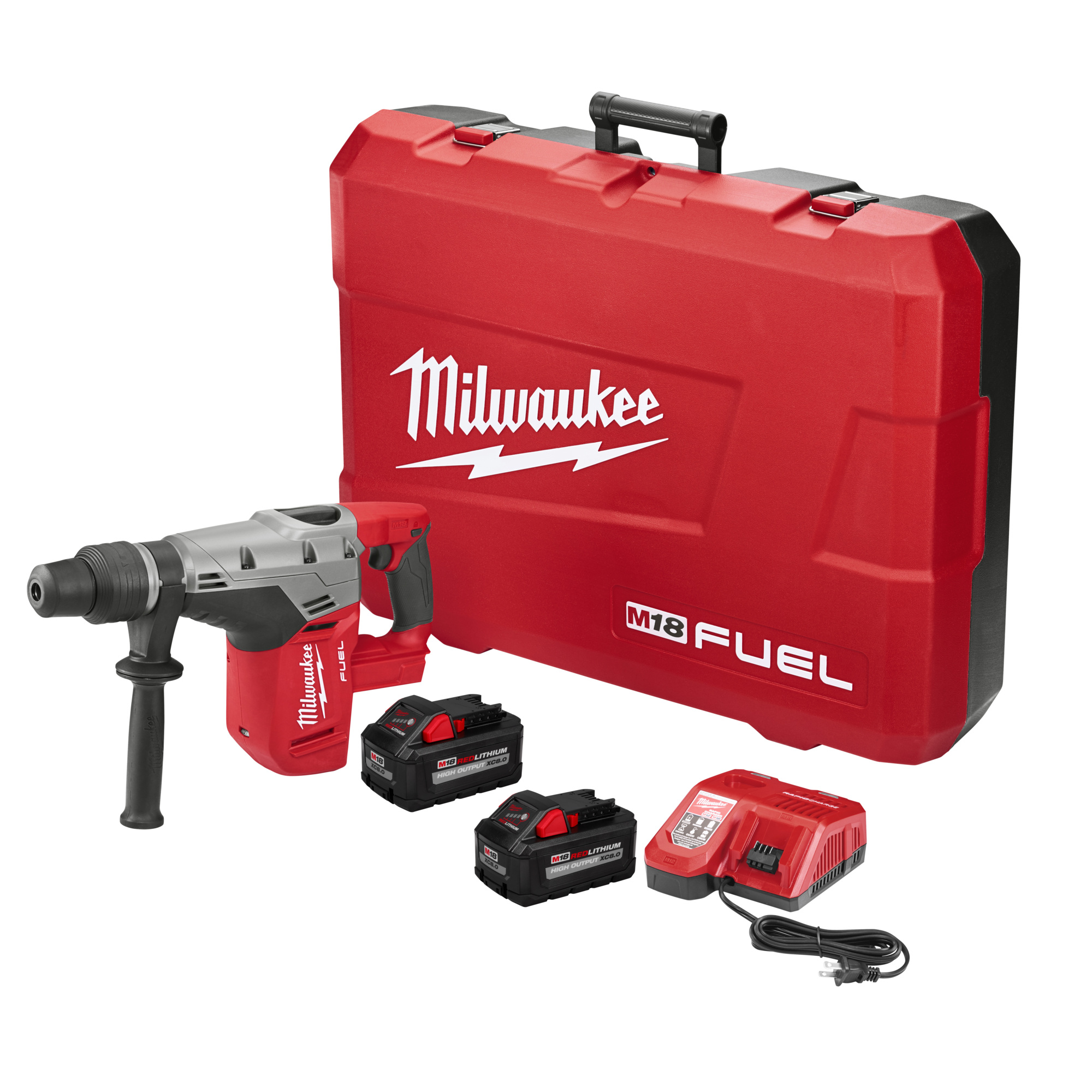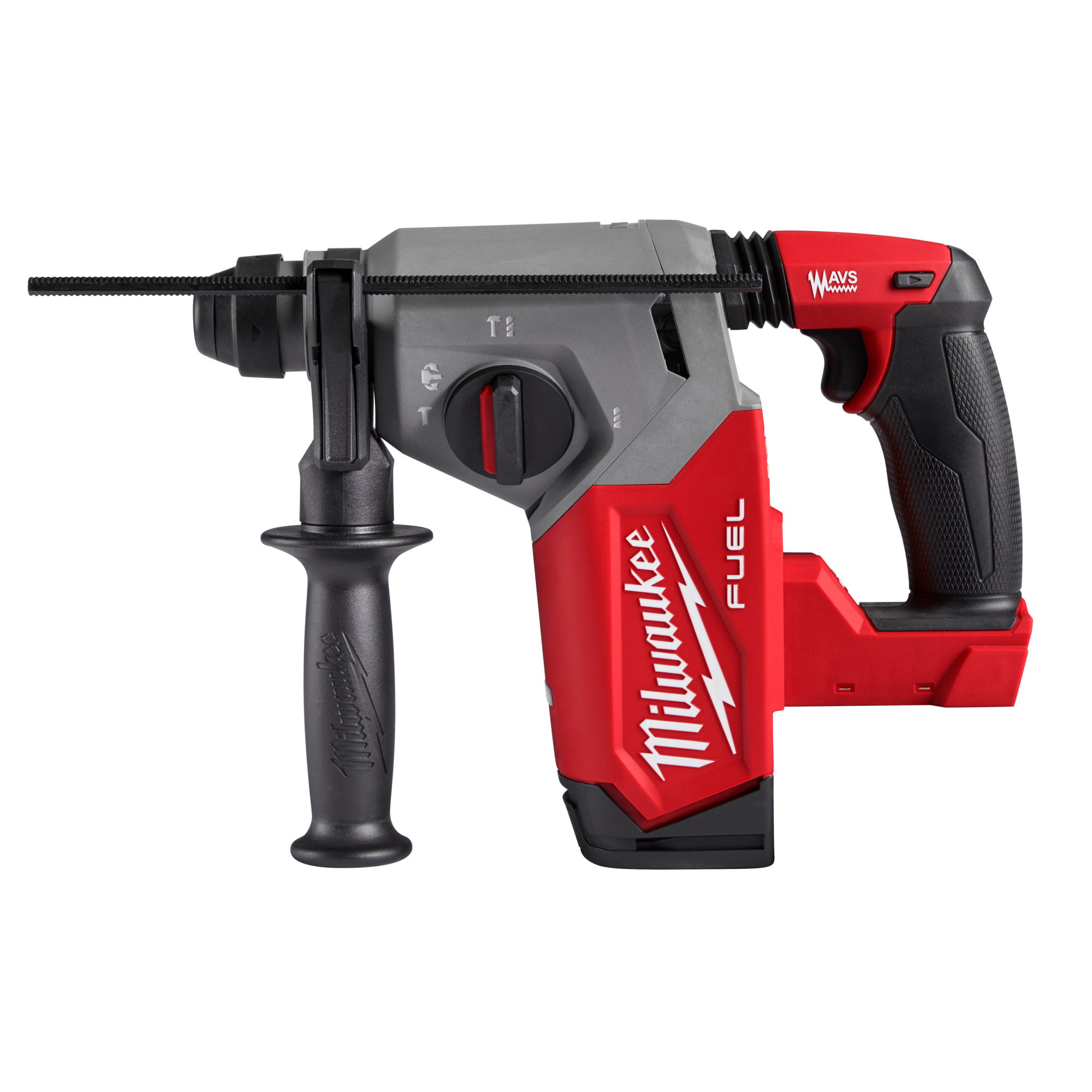
Which Do I Need?
Rotary drills and hammer drills can be used interchangeably for some functions, depending on the mode needed. Both tools pound through heavy-duty materials, including masonry. However, in a head-to-head comparison, a rotary drill is the stronger, more multi-function tool. The tool that fits your needs best depends on the types of projects you need to tackle. Let’s look at the functions, features and cost considerations of each tool.
Piston vs. ClutchBoth a rotary drill and a hammer drill pound a drill bit while rotating, but the mechanisms by which they perform are different. A hammer drill uses a clutch whereas a rotary drill uses a piston that delivers more powerful impact with each blow, so it’s possible to drill holes larger and faster than with a hammer drill. Rotary drills are extremely powerful tools capable of drilling sizeable holes in thick concrete without stress on the tools. Hammer drills, on the other hand are great for drilling smaller holes in wood, metal and some masonry materials.
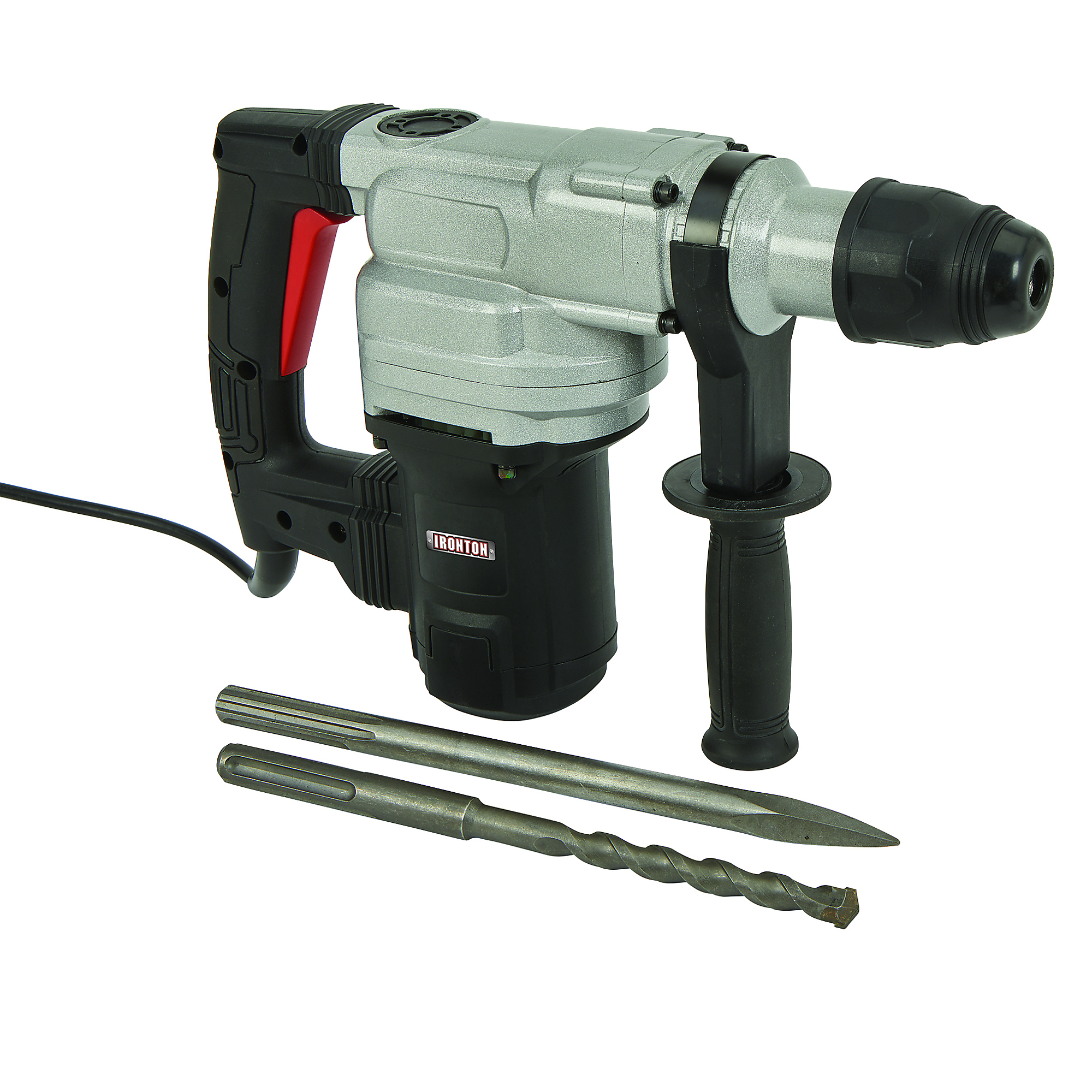
A rotary drill typically uses a spring-loaded slotted drive shaft, also known as a slotted drive system (SDS) type of chuck that uses special drill bits that move back and forth within the chuck as you drill. A hammer drill, on the other hand, typically features two ridged metal discs that slide by each other, rising and falling and causing the chuck to pound back and forth as it rotates with drill bit held in firmly inside it. A rotary drill operates with more motion and more power, allowing it to make more headway more quickly into the toughest materials.
Modes + AttachmentsMost rotary drills include three modes: drill, hammer drill or just hammer, which allows them to function as a tiny jack hammer when necessary. A hammer drill, on the other hand, has just one mode: hammer. As far as attachment capacity, a rotary drill can accept many different types, including a clay spade, cold chisel, tile removal and a bull point, among others. A hammer drill can accept various types of drill bits, including carbide, hardened steel and diamond tip, but it cannot accept the various tool attachments that a rotary drill can.
Measures of PowerA rotary drill’s power is measured in ft./lbs. of impact, with 1 ft./lb. of impact being the force of 1 lb. acting through 1ft. in the direction of the force. A hammer drill’s power, on the other hand, is measured in blows per minute (BPM), and averages around 3,000 BPM. As one would expect, the higher the rating, in terms of either ft./lbs. or BPM, the more powerful the tool.