Skip to content

Maintaining Your Welding Equipment - Basic Guidelines

As with any machinery you use, good upkeep is critical to your welding equipment’s performance. Regular maintenance, both short- and long-term, are vital. Although it’s important to read the manufacturer’s manual for instructions specific to your welder, let’s review some general guidelines for maintaining your welding equipment. We’ll look first at care of electrical and gas components followed by a list of other maintenance activities that should be done at intervals based on weeks of use. These guidelines will help you keep your welder operating at peak performance, so you can continue to execute high-quality welds as you create, build and repair.

Electrical + Gas Components of Welding Equipment
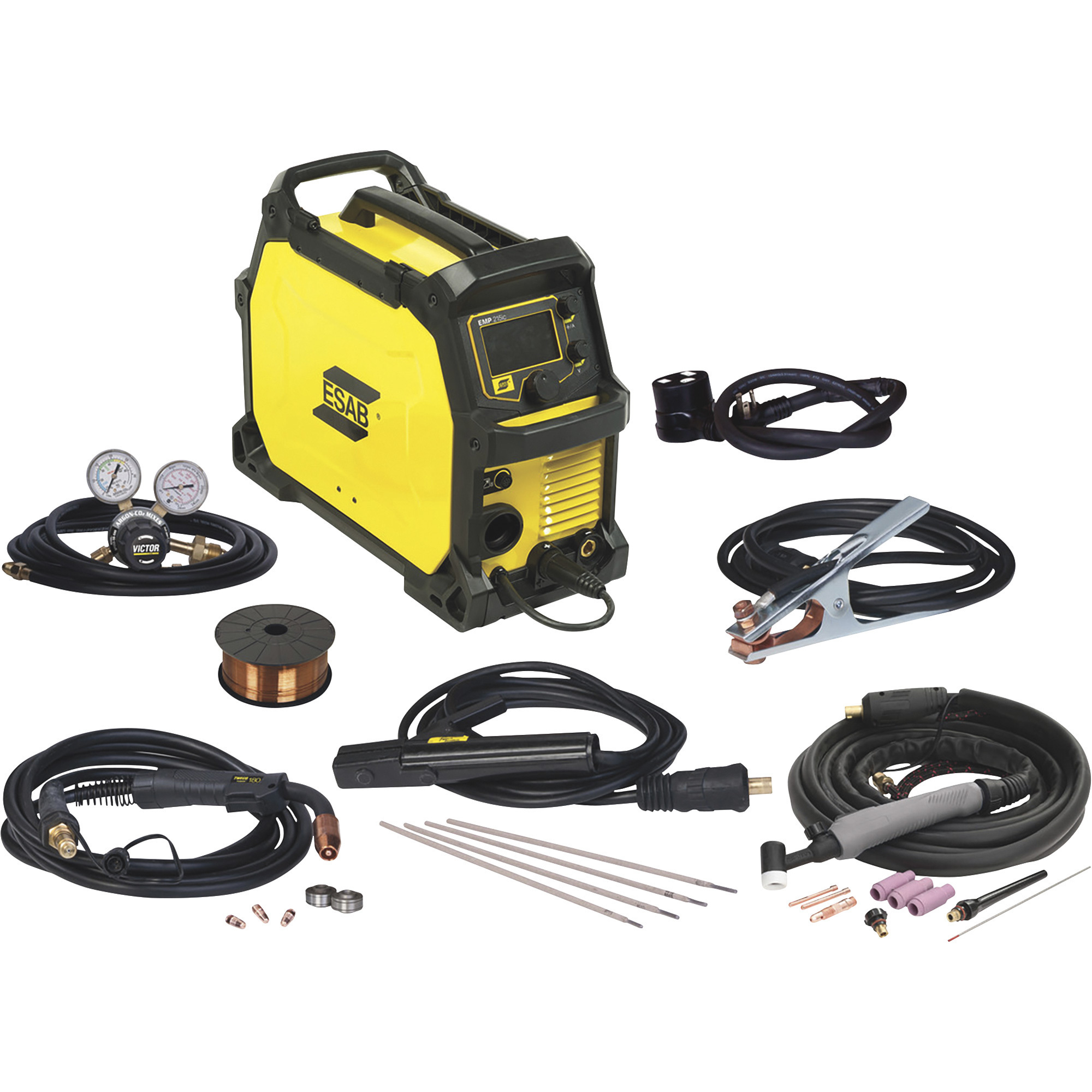

Welding Equipment

ELECTRICAL WELDING COMPONENTS

Because electricity plays such a critical part in most types of welding, let’s look at electrical components first. Listed below are the parts you’ll need to monitor, fix and replace if issues develop.

  • Cables: Inspect monthly for breaks, cracks and other wear, such as compromised insulation. Replace any cables with extreme wear or damage.
  • Circuit breakers and interlocks on safety equipment: Check monthly to ensure all are working.
  • Wire feeder and drive rolls: Check and clean with a wire brush (if dirty) every few months.
  • Inlet and outlet guides: Check and clean with a wire brush (if dirty) every few months.
  • All power units: Disconnect every six months and vacuum or blow out a welding machine’s interior.
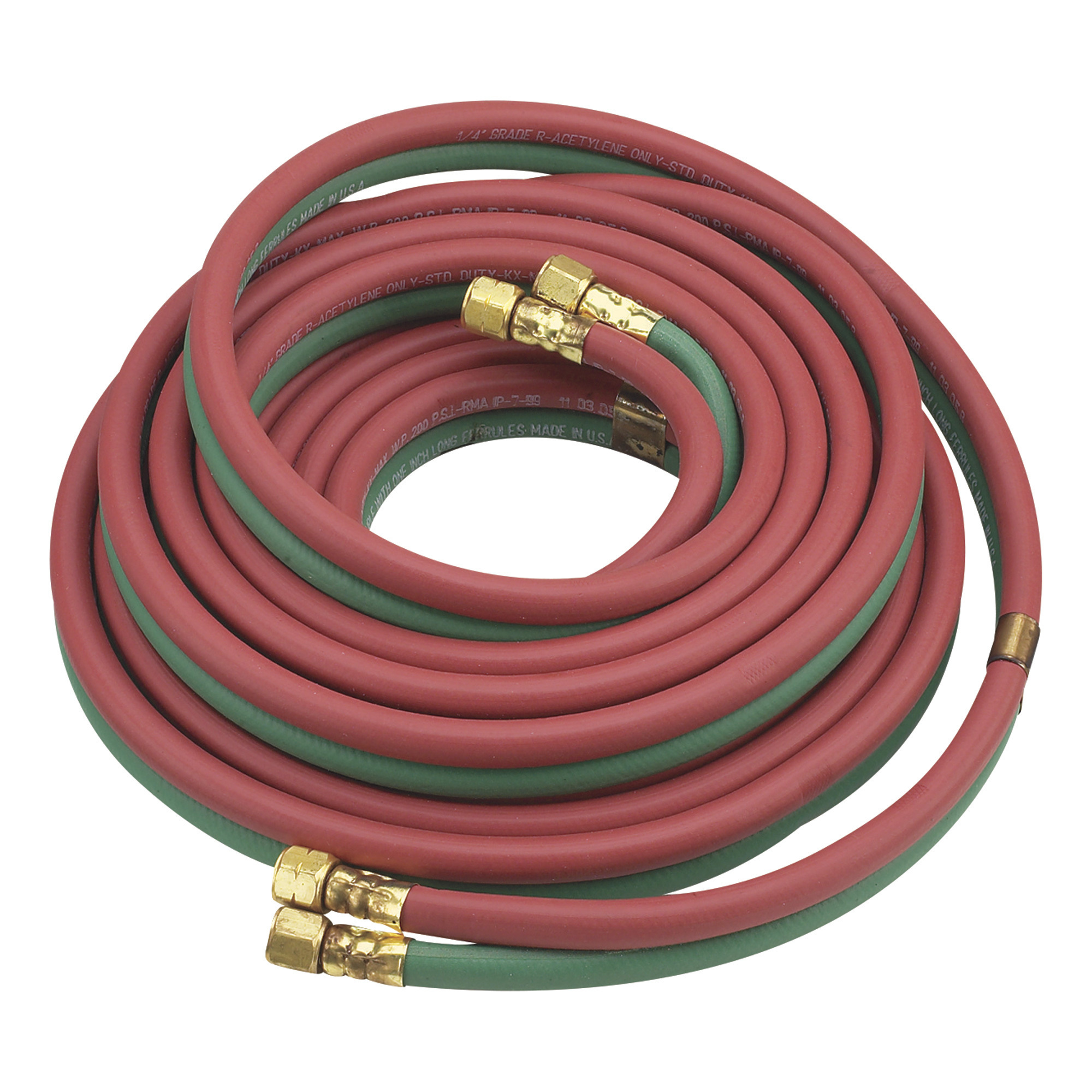
Welding Hoses

GAS WELDING COMPONENTS

If your welding method requires shielding gas, this part is important.

  • Shielding gas cylinders: Store all cylinders upright in a cool, dry place.
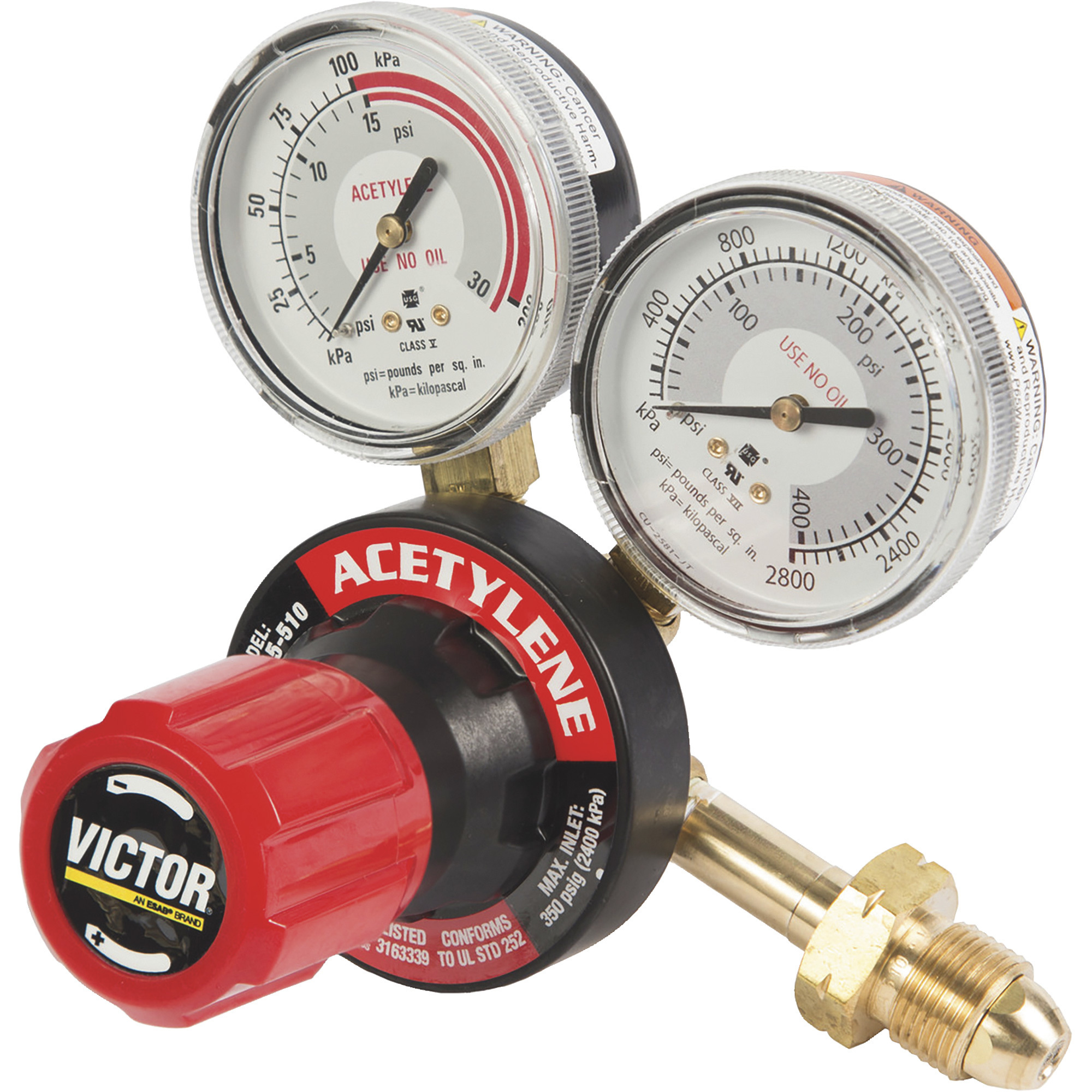
  • Valves and regulators: Check these a couple times a year. If you find leaks or other issues.
  • Hoses: Coil up hoses prior to storage to avoid stepping on them and creating kinks. If a hose becomes damaged, replace it before your next weld.
Welding Equipment Maintenance Schedule by Duration of Use

Every Day:

  • Wipe up fluid spills.
  • Check fluid levels; top off as necessary.
  • Check condition of air filter; service as necessary.

Once A Week:

  • Clean and tighten terminals.

Every 2 - 2 1/2 Weeks:

  • Change and tighten battery connections.
  • Clean cooling system of an engine-driven welder.
  • Change oil of an engine-driven welder. (Some welders change oil filters at this interval, too; others change oil at this interval and wait to change a filter every 5 weeks. Review your manufacturer’s manual.)

Every 5 Weeks:

  • Change oil and oil filter of an engine-driven welder.
  • Check all labels and replace any that are not readable.
  • Replace fuel filter of an engine-driven welder.
  • Make sure valves have proper clearance.

Every 6 Weeks:

  • Check spark arrestor of an oxyacetylene welder; clean it if necessary.

Every 12 Weeks:

  • Clean injector and reset it if necessary.

Appropriate and thorough maintenance of your welding equipment is easy and keeps it running safely and reliably for a long time. Welding carries inherent risks that can cause serious injury or even death. For that reason, you want to minimize the risk of equipment failure with conscientious maintenance – in addition to wearing appropriate personal protective equipment.

Check out Northern Tool’s complete selection of welding equipment and maintenance tools: