Step 1A) Gas engine won't start or stay running
- A) Check gas/oil levels. Fill or replace if needed.
- B) Check Spark plug. Clean or replace.
- C) Check Filters. Clean or replace.
- D) Perform other small engine maintenance as indicated in manual, if needed.
When/if engine starts and remains running but still doesn’t split properly, move to troubleshooting step #2.
Gas Engine Troubleshooting
You’ll have trouble pinpointing any problem with your log splitter if you can’t get the engine started or keep it running. The best practice is to follow regular engine maintenance. But when that old 4-cycle won’t fire up, your first step should be to check gas and oil levels. Before topping them off, think about how long those fluids have been stored in the engine without use. If it’s been a while, it’s probably best to completely drain and replace the gas and oil with a fresh fill. Old gas and oil can clog a carburetor, quickly choking the life out of an engine. If the gas and oil have only been in the engine for an acceptable timeframe, top them off and move on to the next step.
Still Spark in the Spark Plug?
How does the spark plug look? Carbon buildup on the plug often indicates a weak spark or overly rich fuel mixture, which can point you toward other possible causes in the choke, carburetor, coil, wires and more. You can attempt to clean the spark plug with a wire brush or a piece of sandpaper, but may need to completely replace the plug to get the engine back to top operating form.
Don't Forget the Filters
Checking the filters with each use and replacing them whenever necessary is also a great practice. Log splitters tend to create a ruckus, kicking up dust and producing fine sawdust that can easily clog a filter. Clogged filters block needed airflow resulting in bogged down engines. Once the engine is running properly you can move on to Step #2 of the troubleshooting process.
Step 1B) Gas engine won't start or stay running
- A) Check switch – Ensure it is turned on and seems to be operating properly
- B) Check circuit breaker/fuse to ensure it isn't tripped. Reset breaker if necessary.
- C) Check outlet to ensure it is producing power. If not, try another outlet/power source.
- D) Check plug/cord to ensure proper rating and no damage. Replace cord if needed.
- E) Other electric motor issues may require an expert for repair.
- A) Check the log you are trying to split.
- Is the wood too green? Doesn't split fully through? Cure/dry wood longer or switch to a machine with more splitting force.
- Is the log the right size? If too long, cut to fit properly on splitter or discard the log.
- Is it loaded properly? Reposition log so it is straight, not angled.
- B) Check the splitting wedge.
- Is the blade damaged or dull? Remove the splitting wedge and replace or sharpen as needed.
- A) Vibration or shaking during use
- Check hydraulic levels. Fill if necessary.
- Possible air in lines. Open bleed valve and run a few cycles/recheck levels and tighten bleed valve.
- B) Loss of driving force/pressure plate moves slowly
- Possible air in lines. Open bleed valve and run a few cycles/recheck levels and tighten bleed valve.
- Check oil level. If low, refill. If a reoccurring problem, pinpoint oil leak and fix.
- Check filters. Clean or replace as needed.
- C) Cylinder rod won't move
- Check for shipping plugs. If still present, remove and reconnect hoses. If no plugs present, flush hoses to clear possible blockage.
- Check to see if shaft coupling came loose. Reattach/tighten shaft coupling and tighten the engine pump alignment to prevent recurrence.
- D) Ram won't return to start position
- Ram is extended and won't retract. Check nuts to see if any came off piston. Turn engine off and hold valve open. Push ram back using a narrow rod. Reattach loose or dislodged nuts.
When/if engine starts and remains running but still doesn’t split properly, move to troubleshooting step #2.
Electric Engine Troubleshooting
If you use an electric log splitter, the most common reason for starting issues is the power source. Is the unit plugged in and turned on? Check the switch first, as sometimes the switch will have gotten knocked into the “off” position or was never plugged in to begin with.
Electrical Source Checks
If the switch isn’t the issue, start from the fuse box and work your way back to the machine. Replacing a blown fuse or flipping a tripped breaker is a quick and easy fix, but for safety reasons, be sure to investigate what the real cause of this failure at the fuse box was before progressing much further.
Next check the outlet. Is this particular outlet producing power? Plug a lamp or something else with an on/off switch into the same outlet for a quick and easy power check. If the outlet doesn’t work, switch to another one. If the outlet does work, your electrical issues lie somewhere else down the line and require additional investigation.
Can the extension cord you’re using handle the power output necessary to run the splitter? Check the rating to ensure your cord choice is up to the task. Does it have a functional plug? Is the coating on the cord cracked or worn? Any of these things can cause a cord to short out or malfunction. If you feel the cord might be the problem, but can’t be certain, it never hurts to give another stronger, higher rated cord a try.
Problem for the Pros?
Still haven’t found the issue? Sometimes electric motors are complicated and require expert service or repair. Our in-store service and repair team is on hand at your nearby Northern Tool + Equipment store to lend a hand for just these types of situations.
If you did diagnose and fix an electrical issue, but your log splitter still isn’t operating properly, move on to troubleshooting step #2.
Step 2) Gas or electric engine runs but there are still splitting issues
Log Issues
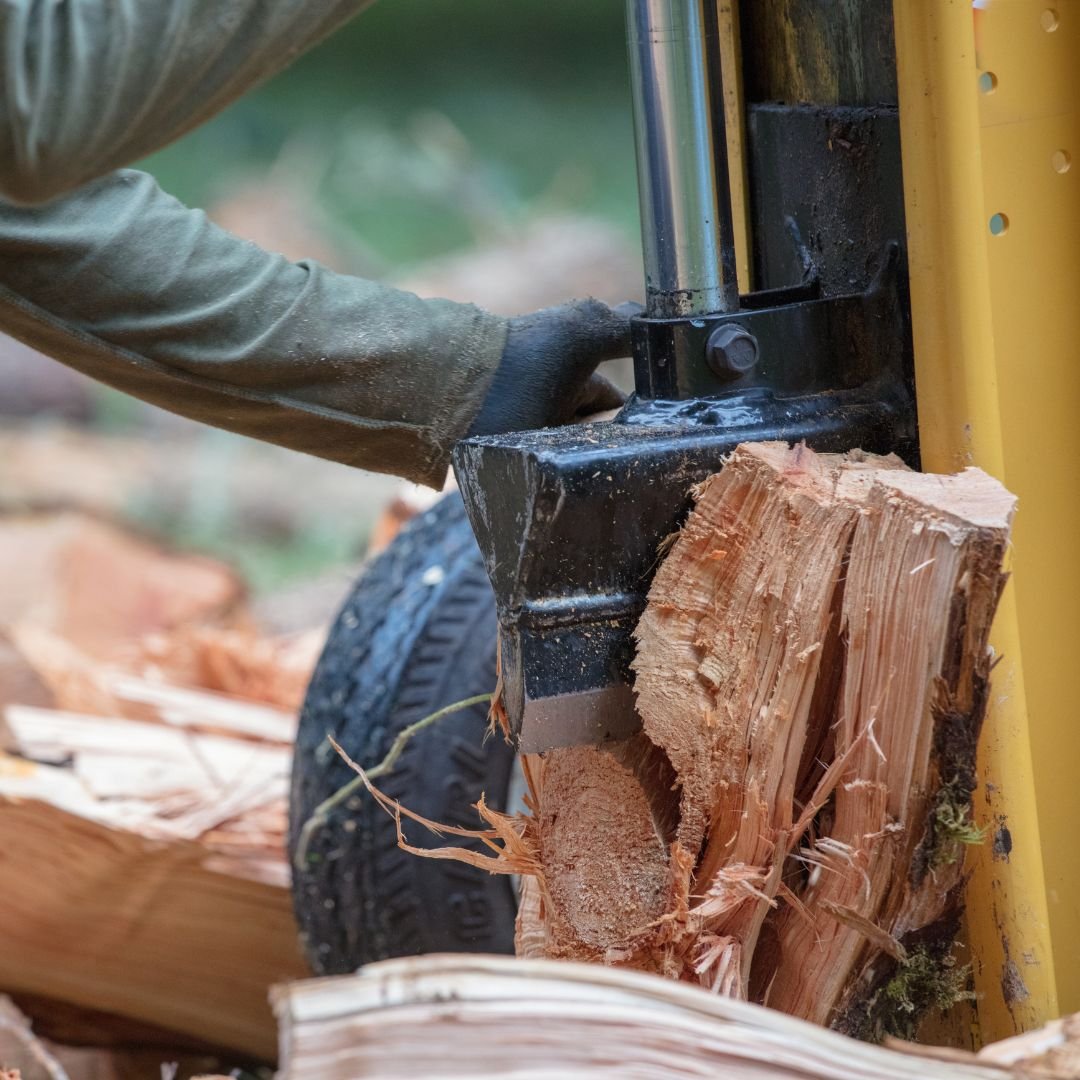
Before diving into tougher problems, start by checking the easy fixes. One common issue can be the wood you’re trying to split. Very green, wet wood is tough to split with any unit, but with an underpowered splitter the task can be nearly impossible. Check a tonnage recommendation chart for the size and type of wood you are splitting to ensure you have adequate force. Another solution for green wood is simply to let it dry/cure longer. Properly seasoned wood is much easier to split.
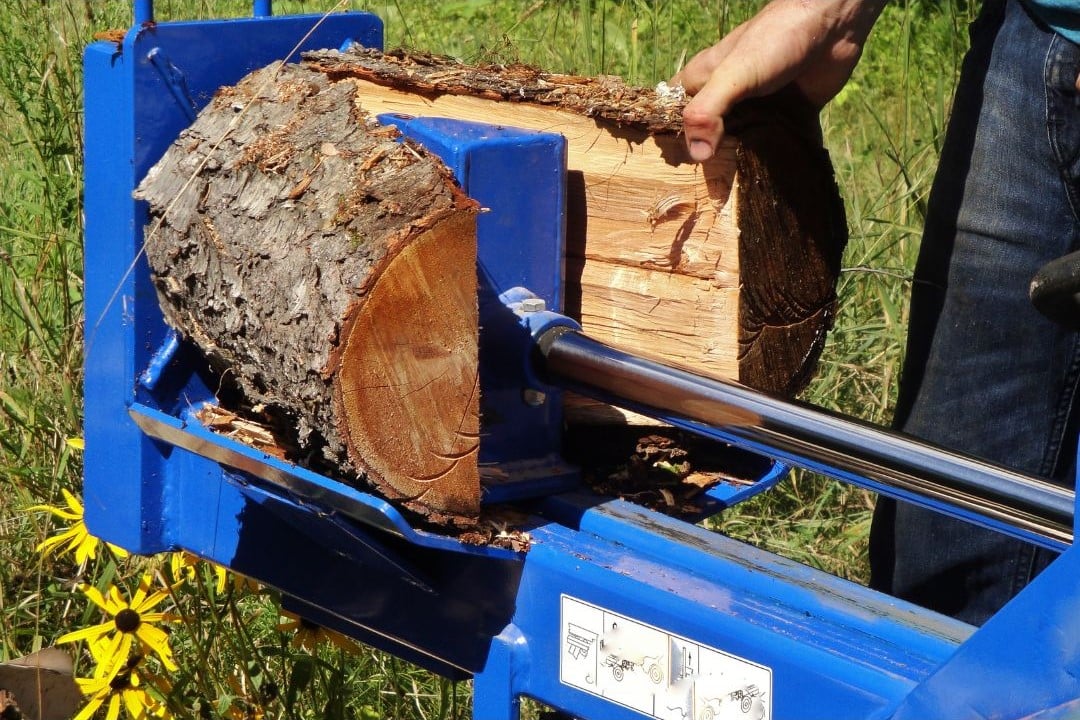
Don’t forget to examine the size of the wood. Is your log too long for the space that the ram needs to travel on the machine? “It won’t split if it doesn’t fit.” Use a saw and cut the log to the proper size before proceeding. Once it’s an acceptable size, make sure it’s properly loaded onto the splitter. Keep the log as straight as possible, repositioning to reduce any angles. And spin the log to optimally work with the ideal grain for splitting.
Trouble with Wedges
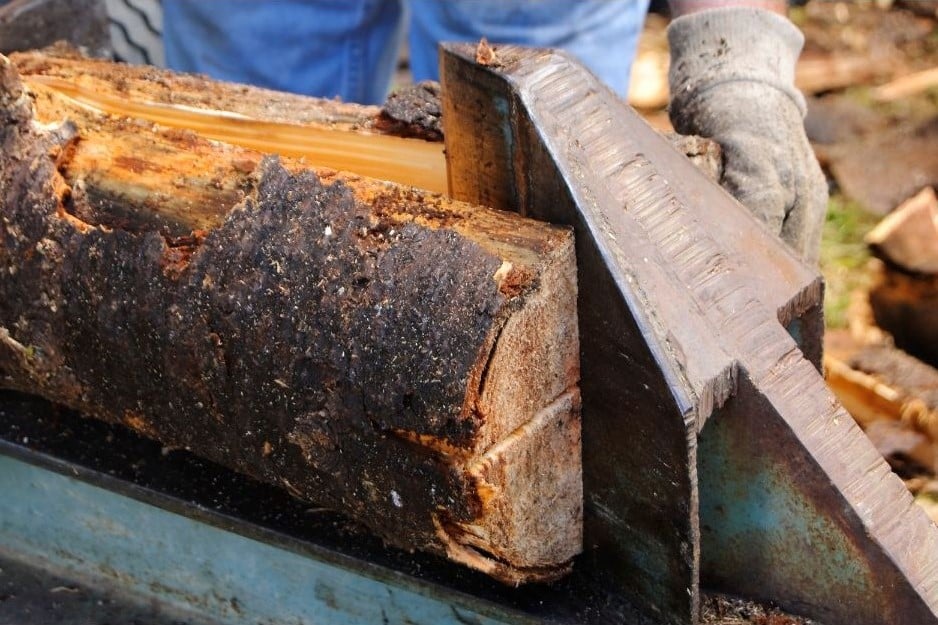
The logs aren’t always the only problem. Your splitting wedge can also create a splitting headache. Continuous use in green or knotty logs are tough on a wedge and can quickly damage or dull the cutting edge into a very blunt piece that tries to plow through wood instead of splitting it. Check the cutting edges of the wedge before you begin and sharpen or replace the wedge when needed to obtain optimal performance.
Once any issues with the wood or splitting wedge have been resolved, it’s time to move on to troubleshooting step #3.
Step 3) Hydraulic Issues/Bogging Down Under Pressure/Not Developing Normal Power
Hydraulics System Troubleshooting
If you still haven’t pinpointed the problem with your log splitter after the first 2 steps, it’s time for a closer look at the unit’s hydraulic system. Hydraulics are the key to delivering the force needed to split your log. The system creates a pressurized fluid that, when released, propels the wedge forward with enough force to get the splitting job done. If your splitter isn’t developing the power it is designed to deliver, chances are something is awry with your hydraulic system.
Vibration + Shaking
One of the most common symptoms of hydraulic problems that you will encounter is vibration or shaking of the unit during use. Your first point of investigation in this case would be to check the level of hydraulic oil. If the level is low, add fluid and resume splitting. If the level looks correct it could indicate that there is air present in the hydraulic lines. To remove this troublesome air, you will need to open the bleed valve, then cycle the pressure plate back and forth a couple of times while the valve remains open. Check to ensure the oil levels are still correct (add fluid if they’re now low) and secure/tighten all valves before further operation of the log splitter takes place.
Driving Force
A loss of driving force combined with a very slow-moving pressure plate is another common symptom of low hydraulic fluids or other hydraulic problems. Again, you would start by checking hydraulic oil levels, proceeding with the previous problem-solving routine if there appears to be air in the lines. If low oil levels become a recurring problem, make sure to check for oil leaks. Also, cold temperatures could be the culprit. Hydraulic oil is more viscose in cold weather, so the result could be a drop in force until the machine warms up.
After verifying proper oil levels, move on to your filters. Check all filters on the unit and clean or replace as needed. It’s amazing what problems can be caused by excessively dirty or worn filters that don’t allow the proper amount of air or oil to flow through the unit. At this point if all the previous check points (oil levels/air in the lines) seem to check out OK, you could possibly have a bigger issue like the need for a piston or a pump replacement.
Cylinder Rod Issues
This may sound a bit obvious or silly, but one of the most common problems that occurs with a brand-new log splitter experiencing a cylinder rod problem isn’t really a problem at all, it’s usually a customer oversight, instead. Check the unit to ensure that the shipping plugs have been removed before use. If they’re still present, remove the plugs and reconnect hoses. If there aren’t any plugs present, but you are still experiencing cylinder rod issues, flush all hoses to clear any possible blockages.
Next, check to see if a shaft coupling came loose. A quick visual check should supply your answer. If the coupling is loose or unattached, reattach or tighten the shaft coupling, then tighten the engine pump alignment to prevent recurrence.
A Ram That Won't Un-Ram
If your log splitter has a ram that is extended, but won’t fully return to its starting position, most likely a nut has come loose or come off the piston. A visual check should give you the answers you need. If a nut did come off the piston, turn the engine off and hold the valve open. Push the ram back into place using a narrow rod. Examine the nut and the ram to determine if either is damaged and need to be replaced. If you feel they are OK and simply vibrated off, then reattach the loose or dislodged nut to get the splitter back up and running.
Concluding Your Troubleshooting
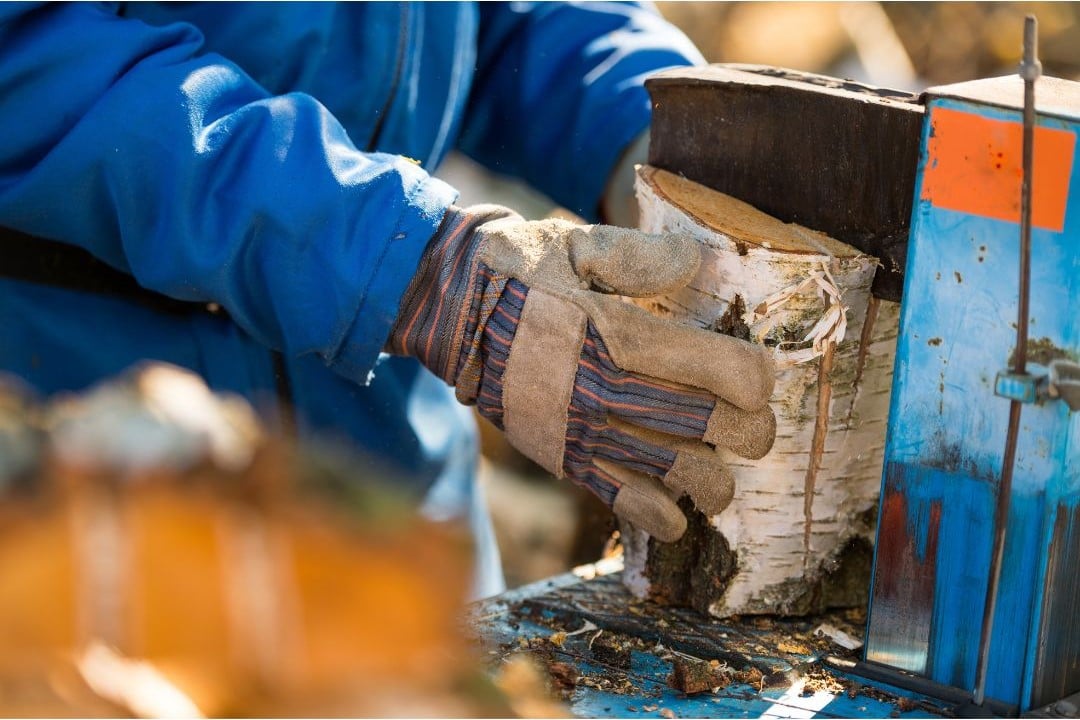
General knowledge of how your log splitter operates and the basics of small engine repair are major steps toward fixing a troublesome log splitter. Many of the problems you will encounter occur simply from wear and tear on the machine. That’s why it’s important to stay on top of engine maintenance schedules and the replacement of filters, seals and hoses when needed.
But when all else fails, progressing through this systematic step-by-step checklist might be just what you need to get splitting again. And for those problems that may seem hopeless to you, Northern Tool has pro service technicians on hand in most store locations, as well as a mobile parts, service + repair team available in many areas that can come right out to you. From tune-ups and maintenance to parts and repairs, the team offers comprehensive repair and service solutions on problems that go beyond a checklist.