Inverter vs. Standard Generator: Which Type Do You Need?
Few things are more annoying than to be humming along with a power tool or appliance when a sudden power outage brings your project to a grinding halt. You've decided to work around these outages with a portable generator. How do you decide whether to get an inverter or standard generator? Answers to the following questions can help you pick the solution right for you.
What kind of electrical current is critical to your needs?
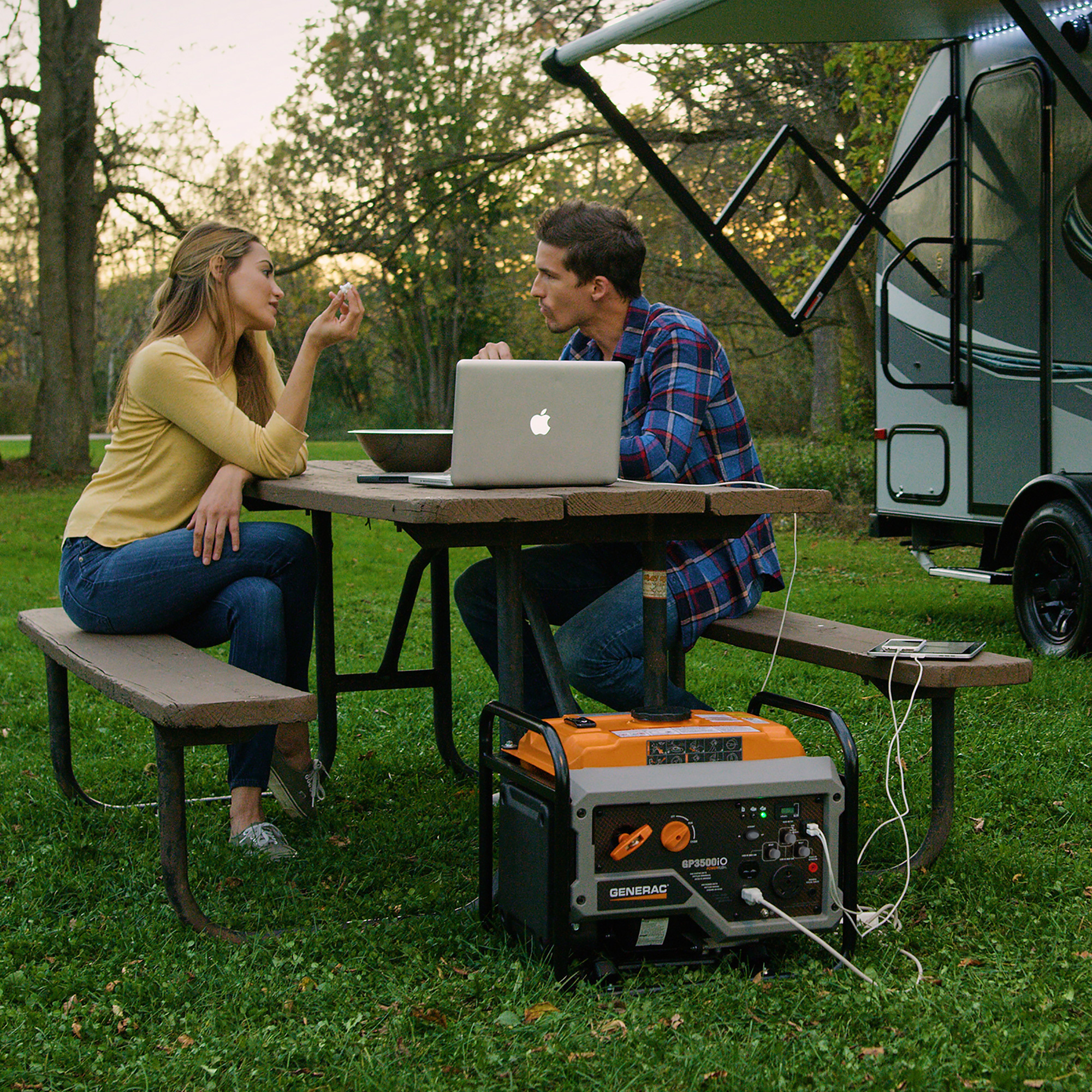
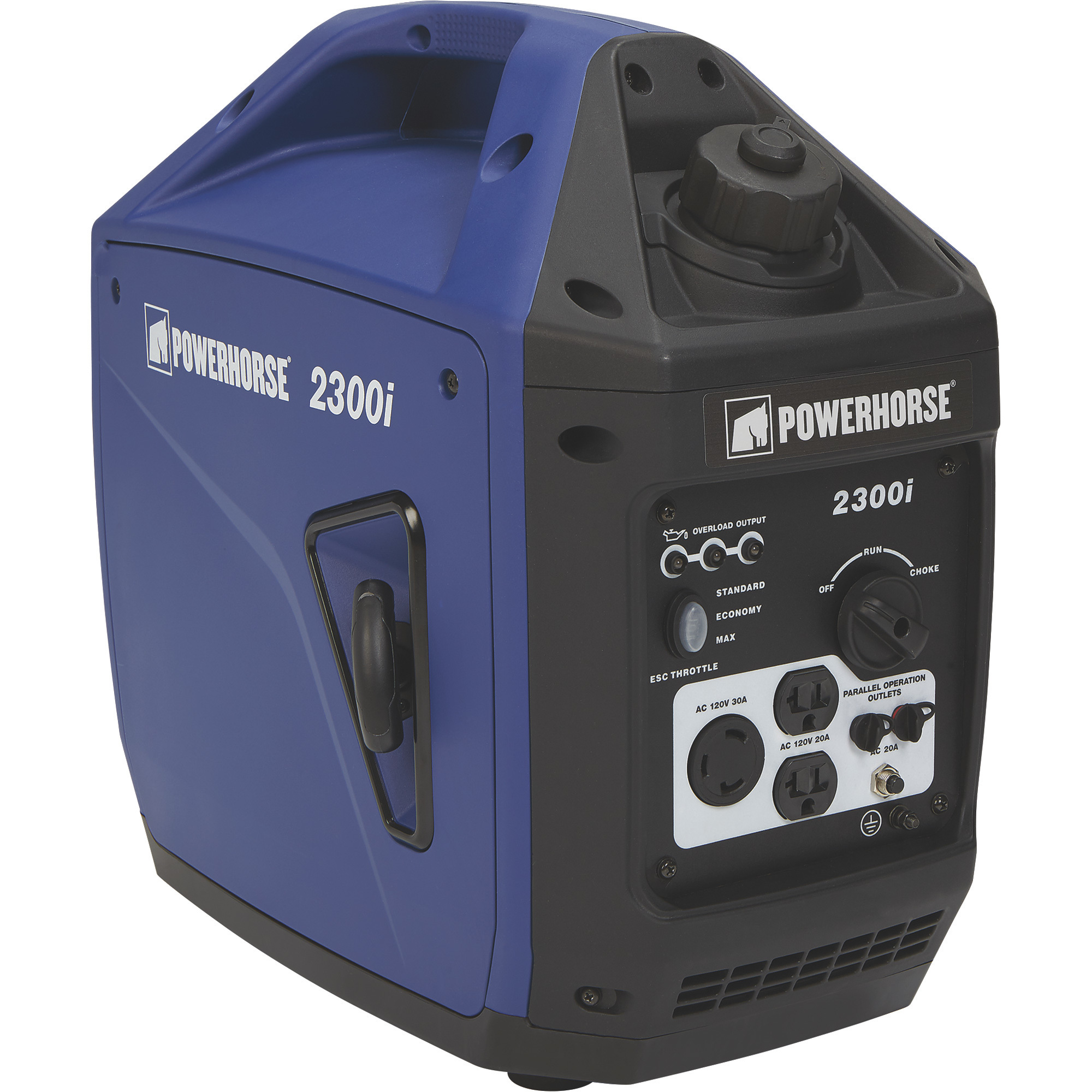
Inverters create a stable sine wave for "clean" electricity without harmonic distortion, making them safe for sensitive devices with microprocessors, including your mobile phone, tablet or laptop. Inverters are the most efficient generators, as they can adjust automatically to your electricity load. In turn, they use less fuel and require smaller tanks than standard generators. Portable inverters produce an average of 1200–1400 Watts of power.
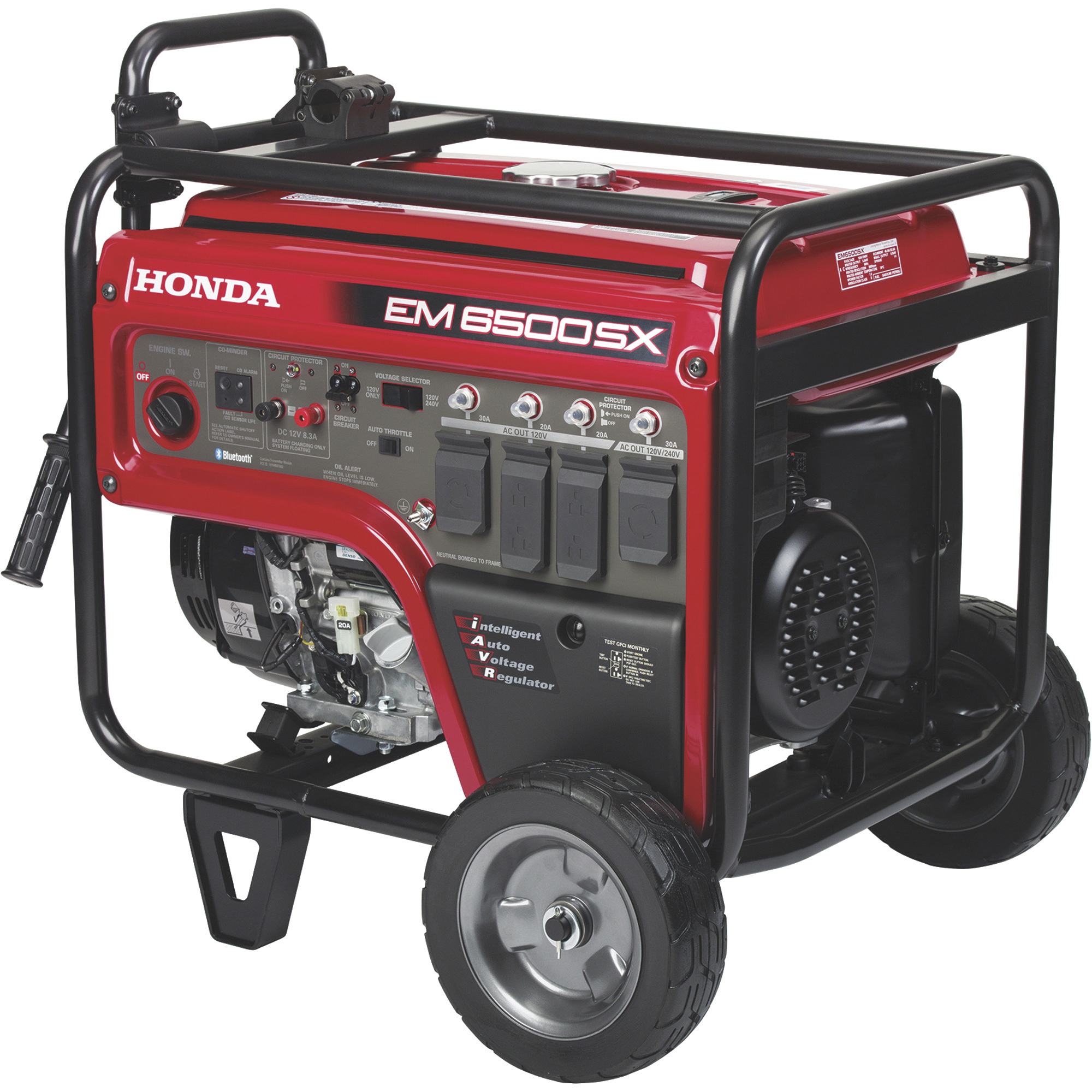
A standard generator produces only an AC current and an irregular sine wave with harmonic distortion and less stable current that can harm sensitive devices. This sine wave won't harm electrical tools and appliances, but could damage devices with microprocessors, including your mobile phone, tablet or laptop. Standard generators cannot automatically adjust to your electricity load, so they require more fuel and larger tanks. The upside is that portable standard generators can produce an average of more than 10,000 Watts of power.
Chances are, you have now already decided which type of generator you need based on electrical current. Answers to these questions will help clarify your choice.
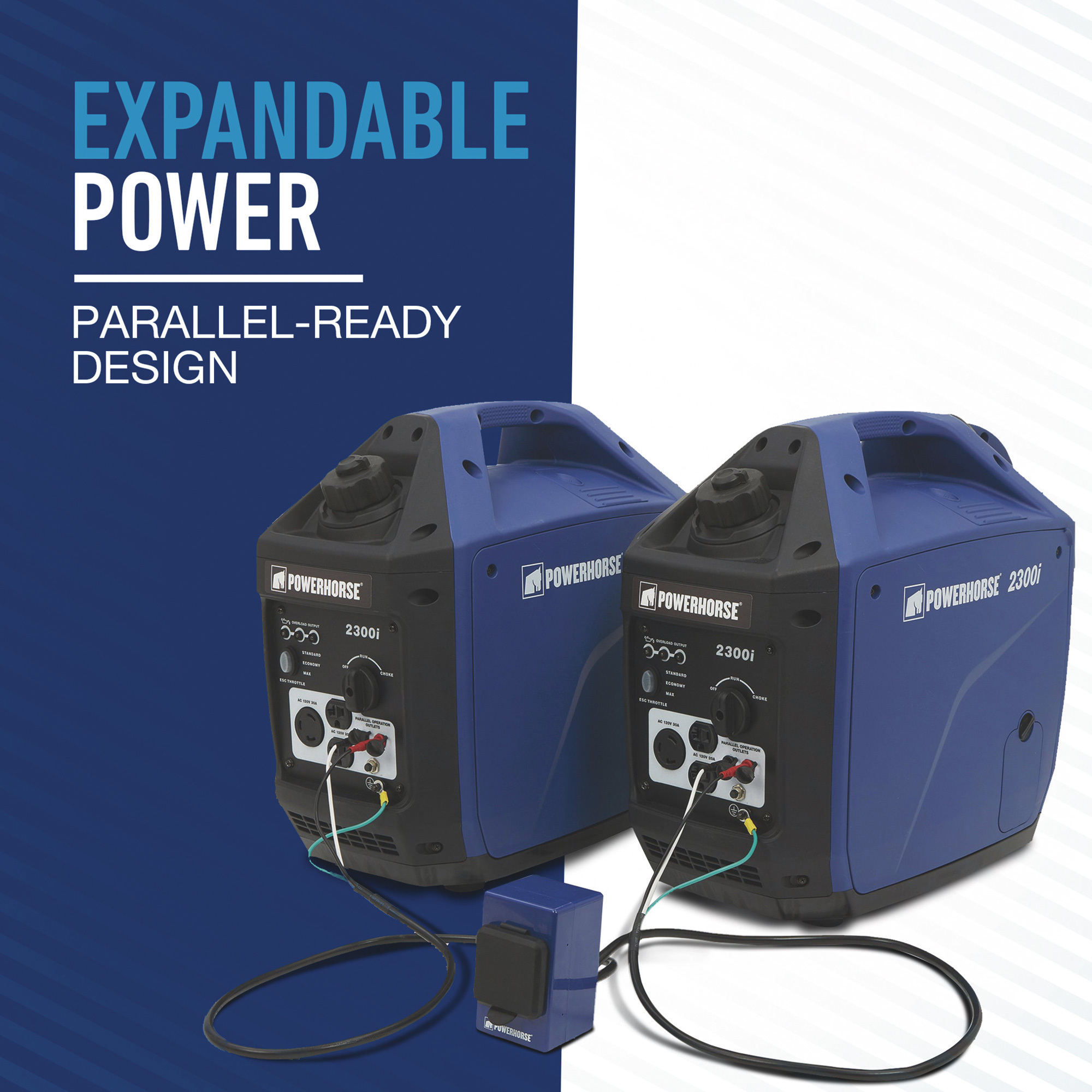
What is parallel connection and what does it accomplish?
Unique to inverter generators is their parallel connection capacity which allows two units to be connected. Together, they produce double the power each would deliver on its own—for an average of 2400–2800 Watts.
Standard portable generators don't have the capacity for parallel connection. Keep in mind, though, that their average output of more than 10,000 Watts can be significantly higher than the output of two inverters connected by parallel connection.
What's the average weight of each generator type?
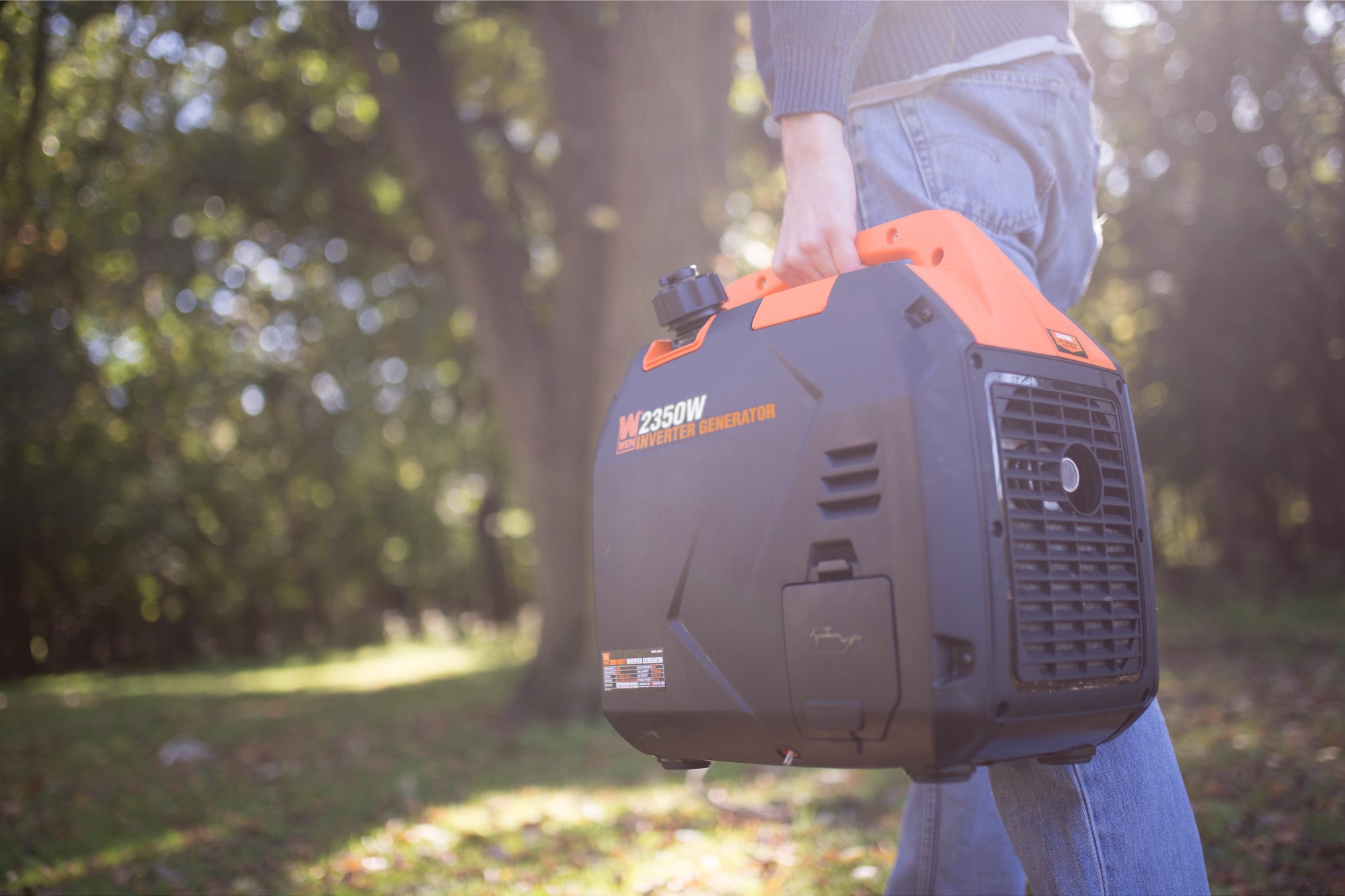
A typical inverter generator weighs around 40–60 lbs.; most weigh less than 100 lbs. and can be carried by handle.
Standard generators need larger fuel tanks and bigger engines, so they usually weigh over 100 lbs. and include both handle and wheels for transport.
How much noise and emissions does each type of generator produce?
Hands down, the standard generator, which produces an average of 60–70dB at 23 feet, is noisier than the inverter. Due to its unstable sine wave and larger, less efficient engine, the standard generator uses more fuel and produces more greenhouse gas emissions than the inverter.
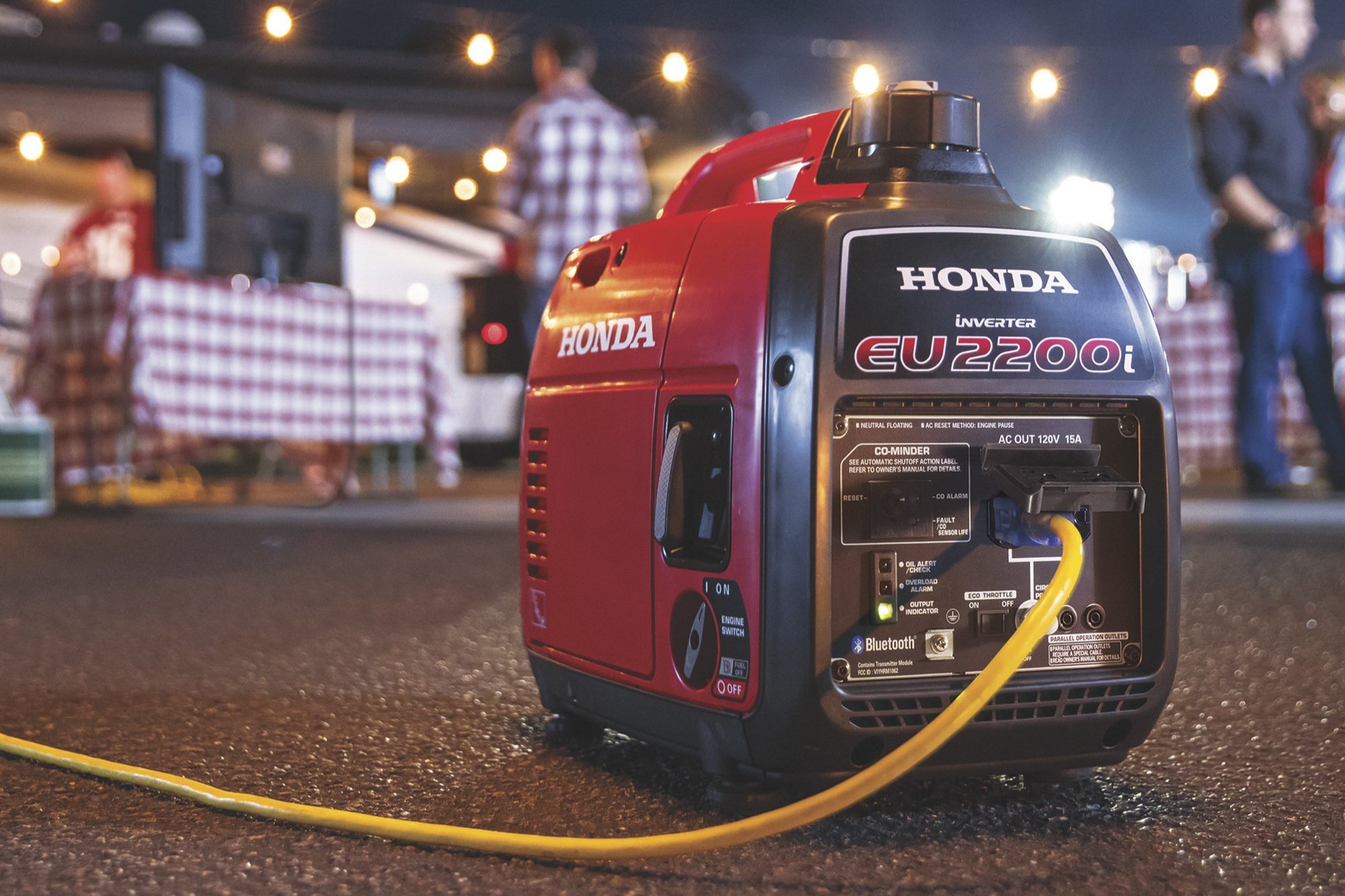
Inverter generators run at a steady rate of RPM which reduces noise to an average decibel count of 48–52dB. Due to its stable sine wave and increased fuel efficiency, an inverter generator emits a lower level of greenhouse gas than a standard generator.
Each state regulates emissions independently, but in most cases, a portable generator needs to be compliant with EPA regulations. California law requires generators to be also CARB compliant.
How do prices compare between inverter and standard generators?
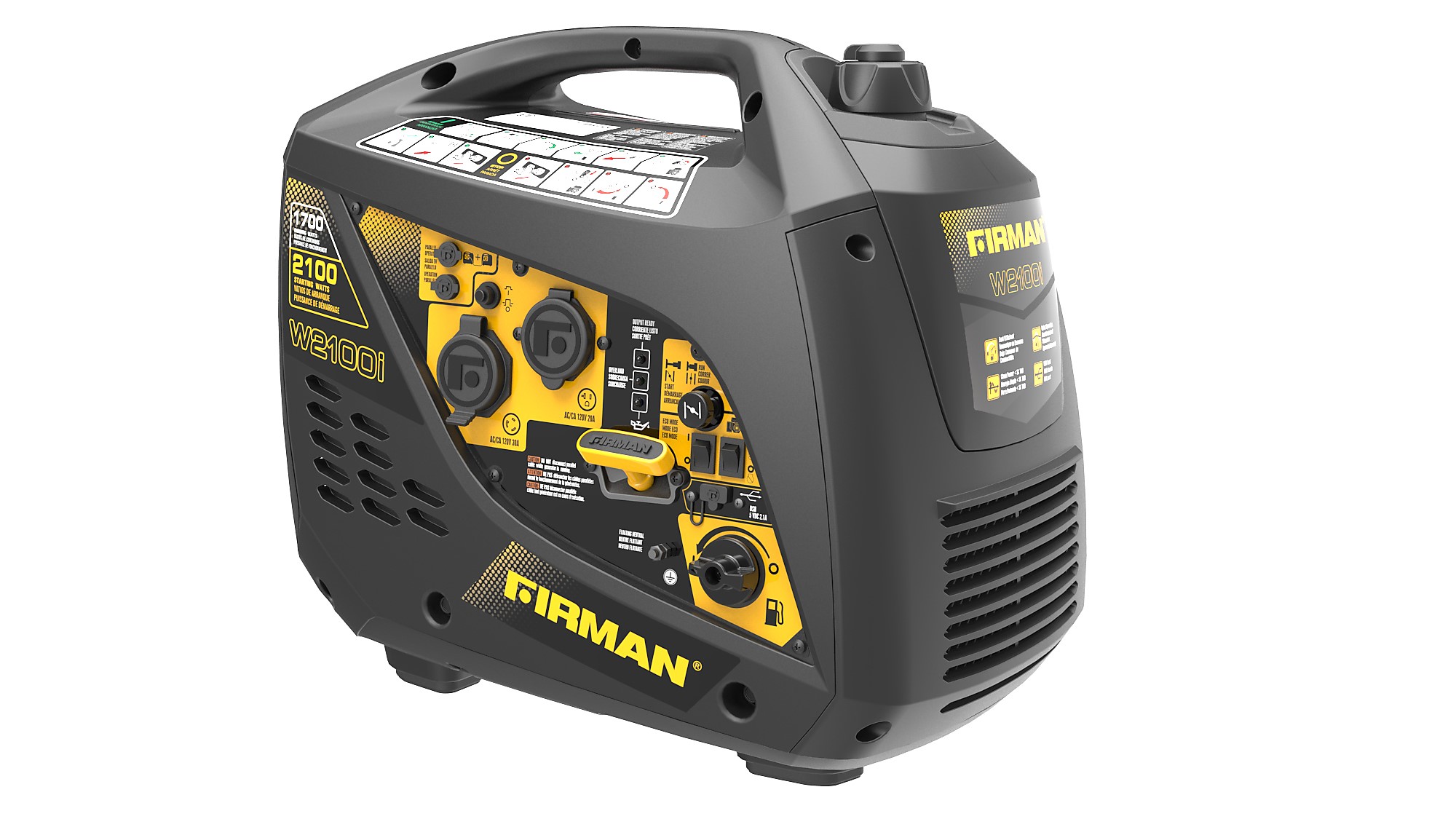
Inverter generators are usually more expensive per wattage level. They use newer technology and offer several benefits including stable sinewave, minimal harmonic distortion, quiet operation and optimal fuel efficiency. Standard generators are technologically simple and have been on the market for much longer, so they can be offered at lower prices per wattage level. However, with their capacity for maximum wattage, their prices can be more expensive than those of lower wattage inverter generators.