Step 1: Learn about your equipment.
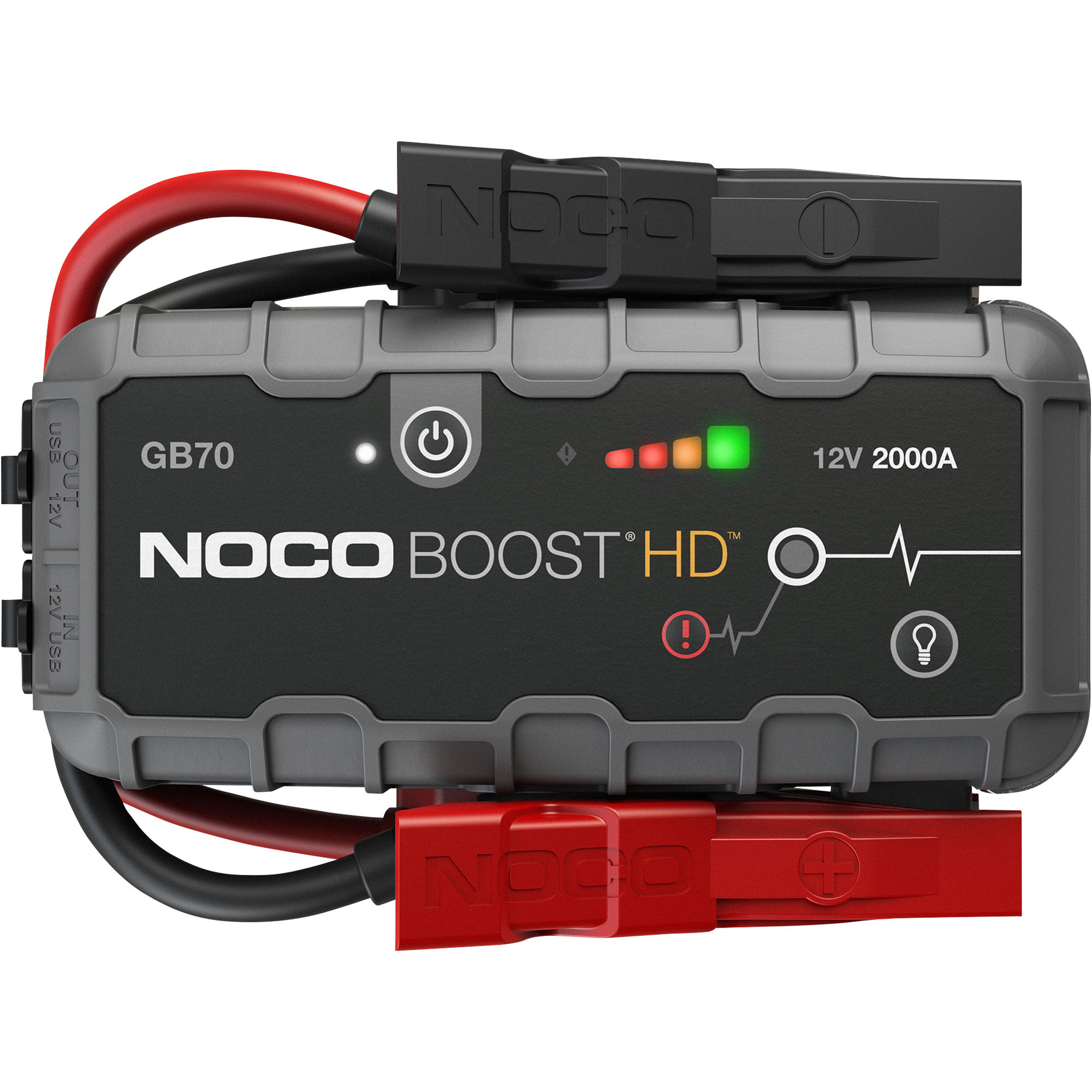
Never skip the manufacturer’s instructions. This is necessary for understanding how to use your equipment and avoiding dangerous situations. For jump starters specifically, you’ll need to know what each of the lights means and be able to find your positive and negative cables. Typically, they are marked with a (+) or (-) sign. If these symbols are not present, the positive cable is usually red and the negative cable black.
Step 2: Connect the cables to the dead battery.
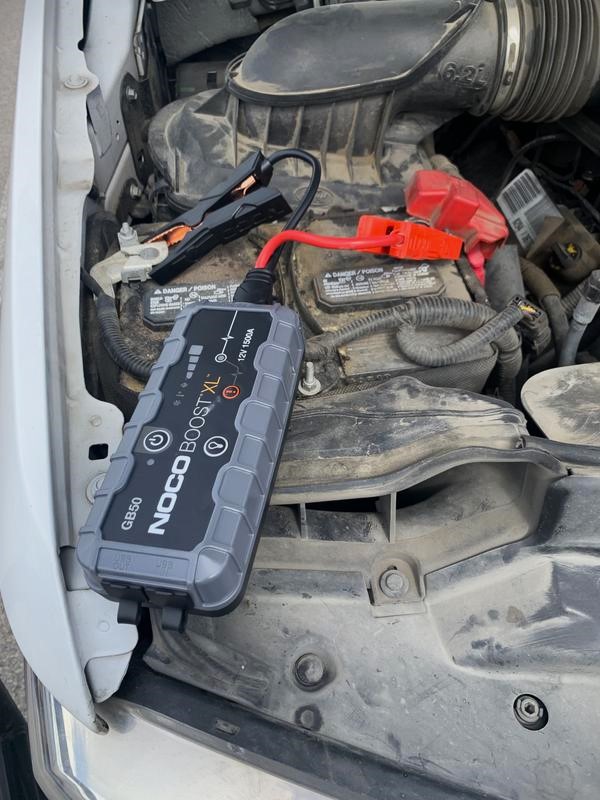
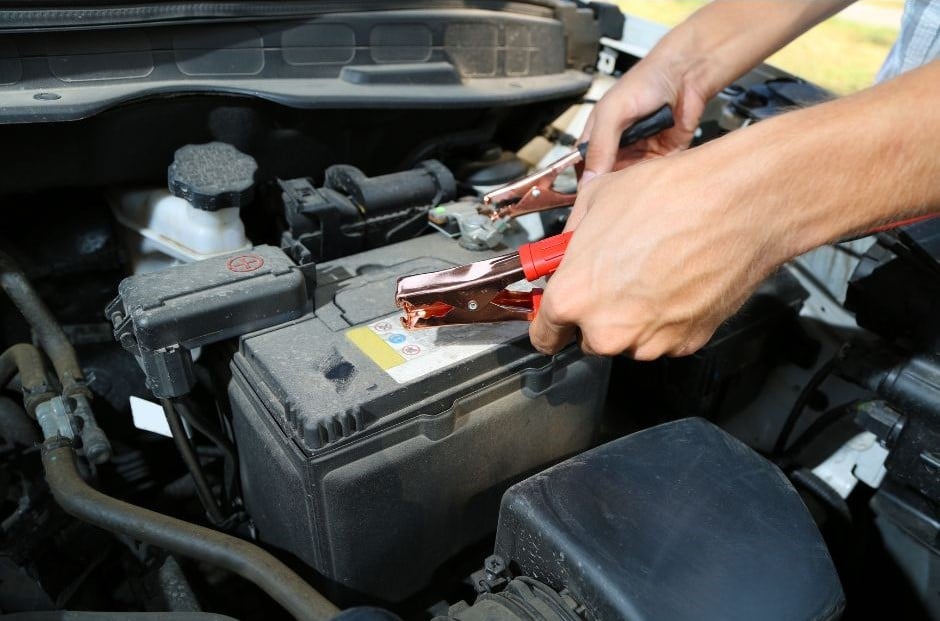
Attach the portable jump starter’s clamps to your vehicle’s battery terminals—positive first, negative second. Automotive battery terminals are usually color coded, making them easy to correctly connect—red to red and black to black. But if the terminals and/or cables are not color coded, default to looking for the (+) and (-) symbols for a safe connection.
Step 3: Start your vehicle.
Make sure the portable starter is placed in a secure area where it cannot accidentally fall into the engine bay. Wait a moment after connecting the starter to the battery prior to starting. If the vehicle doesn’t start on the first attempt, do not repeat. Instead, disconnect the jump starter and check its power level. If needed, charge before reconnecting.
Your jump starter’s indicator lights should illuminate, signaling your connection was successful. Again, check your equipment’s operation manual to ensure you can correctly interpret the jump starter’s lights.
Step 4: Disconnect the jump starter.
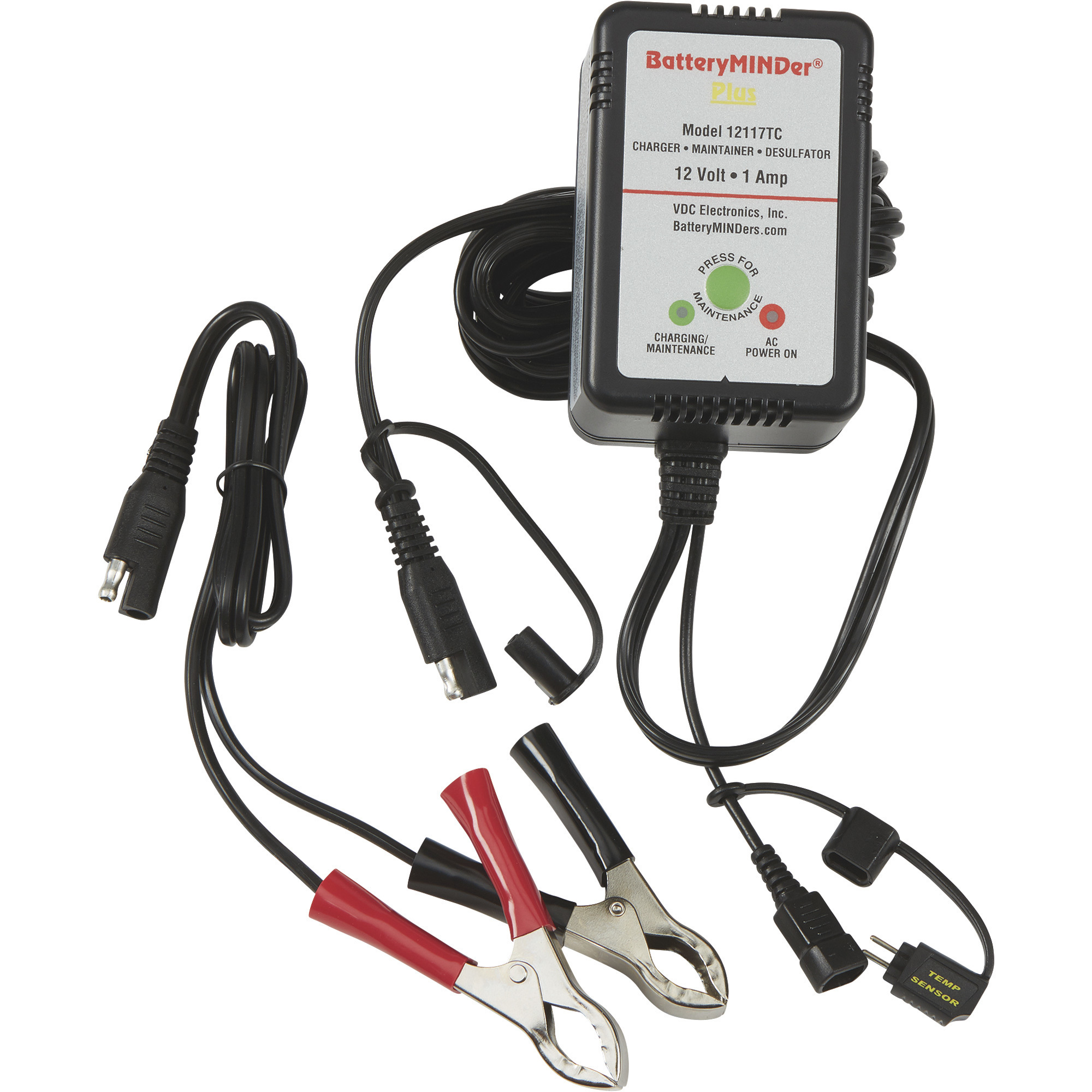
The engine is running. Great! Now it is time to disconnect the jump starter. To do so, complete step 2 in reverse. Disconnect the black (negative) clamp first, then the red (positive) clamp. Do not allow either clamp to touch the battery or other components. Jump starters should always be recharged after use. If you cannot do this at home, try to complete this task at your next stop.
Step 5: Get a battery test.
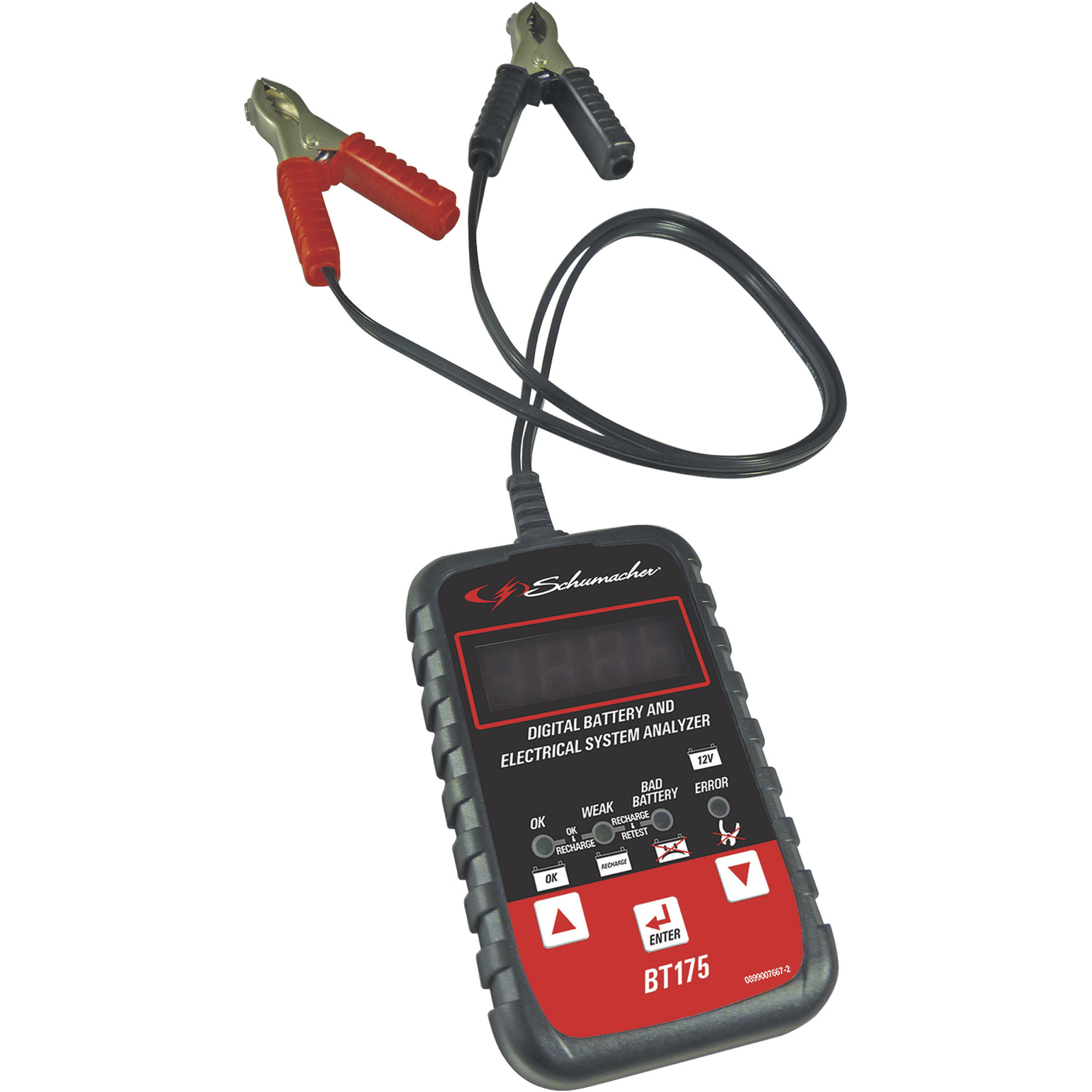
When a jump start is needed, oftentimes this signals trouble with the battery itself. Whenever you use a jump starter, it is best to have the battery tested. These tests can be completed at any battery store and most auto parts stores. During this test, the battery power level is measured, and the charging system and electrical systems are also checked. This analysis can help determine if the battery needs replacing or if there is a larger issue that requires professional inspection and/or auto repair.
Jump Starter Storage
Portable jump starters use Lithium-ion batteries, which are especially vulnerable to extreme temperatures. Be sure to store your jump starter indoors where it will not be exposed to or damaged by extreme heat or cold. This will also protect it from moisture. While it can fit inside the glove box and other parts of your vehicle’s interior, it should not be stored there permanently—only when travelling. Remember to bring it inside with you when you’ve arrived at your destination.