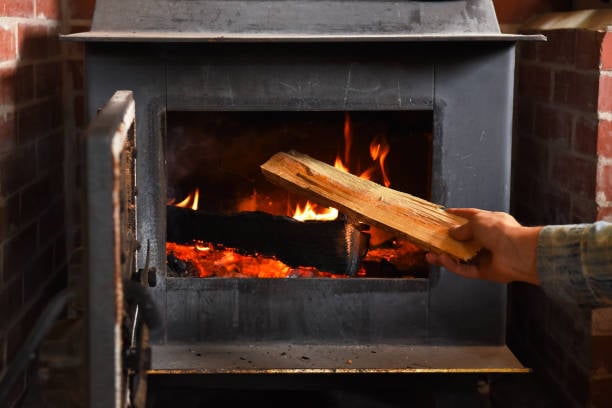
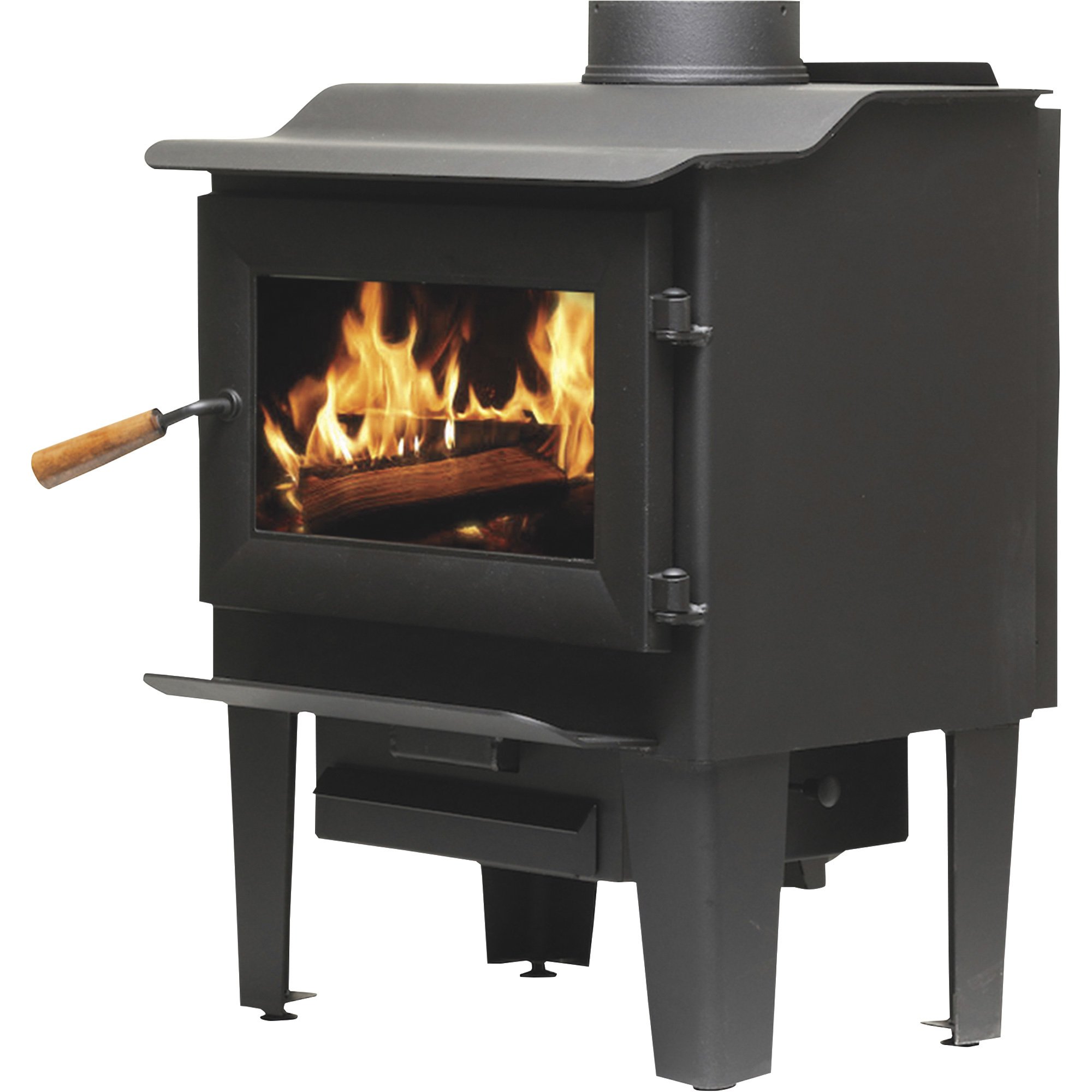
Nothing beats the cozy ambiance of a wood stove burning on a cold day. Whether or not your stove has a window that allows you to view the fire, the warmth of a wood stove is comforting in a singular way. Keeping your stove in safe working order means cleaning it on a regular basis. Here we’ll examine the basics of maintaining your wood stove both short- and long-term. Important to note upfront is that the frequency with which you use your stove is an important factor in how often you clean it. We’ll discuss cleaning the interior, exterior, hearth, pipe and chimney brushes. Of critical importance is that you wait until your wood stove is cold before you start cleaning it.
Remove Ashes Daily
If you use your wood stove daily, you’ll need to clean out ashes daily with a shovel and store them in a metal container with a lid. As you remove ashes, place them in the container, cover it and take it outside at least 10 feet from any building. If your stove features an ash box, it is designed to be removed when full and emptied without cooling down your stove, and that may be a sufficient daily cleaning. If you see additional ash buildup, be sure to clean that, too, but wait until your stove is cold.
Regardless of the frequency with which you clean the interior of your wood stove, all ashes should be carefully placed in a metal ash container with a tight-fitting lid and set outside away from buildings for a few days before disposal. Ash containers should be kept at least 10 feet away from the nearest building. Some wood stove users remove ashes once they’re a few inches deep and clean out creosote when it reaches a buildup of 1/8in.
Deep Clean Your Stove Weekly (or as Needed)
For weekly cleaning, some preparation is in order. You don’t want the area surrounding your stove to end up a filthy mess after you do a thorough stove cleaning. Let’s look at the protection, tools and supplies you’ll need for weekly cleaning.
- Protection: You’ll need protective covering for your floor and yourself. Old sheets, towels or tarps can be used to protect your floor against the ash, creosote and debris you’ll be removing from the interior of your stove. You’ll also need cleaning clothes (that you don’t mind getting dirty) and protective gloves.
-
Tools + Supplies: A small spray bottle; some cleaning cloths; a small metal shovel; a metal ash container with a snug metal lid; a metal dustpan; and a dust brush. A shop vacuum is also handy but not required.
Once your wood stove is cool, you’ve dressed for the job and prepped your floor, you’re ready to start cleaning. First spray a fine water mist over the top layer of ash in your stove’s firebox. That mist will help keep ashes from flying around as you work. Going slowly also helps.
Use your ash shovel to remove as many ashes as possible from your stove’s firebox, putting them all in your metal ash container. (If your stove has an ash drawer, it’s important to dump it whenever it fills up. An ash drawer is designed to be removed and emptied into a metal container with a metal lid even when your stove is warm.) For good measure, scrape the interior edges of your stove with your shovel to remove as much creosote buildup as possible.
Also, remember that even if your stove is cold, live embers can be hidden among the ashes, so be prepared to cover your metal ash container with a tight-fitting lid and set it outside for a few days (at least 10 feet from any building) before disposing of the ash. Some people choose to dump ashes on a designated area of their yard or garden if it’s covered in ice and snow. Wood ash increases the acidity of soil, so you may not want to do that.
A small shop vacuum is an ideal last step for your stove’s firebox. As stated earlier, it’s not a necessity, but it provides an additional layer of deep cleaning. Your shop vac canister should also be emptied into a metal ash container with a tight cover and treated the same as the ashes removed earlier.
If your stove features a flame-viewing window, you’ll need to clean its interior side before you pick up your floor protection. Using a damp cloth dipped in ash (the same that you just removed from the interior of the stove), gently wipe the interior glass of the stove. Ash works beautifully to keep this glass clean and sparkling. For a final wipe, use just a damp cloth.
Finally, pick up your floor protection and submerge it in a bucket of cold water to douse any potentially live ash on it. Last, sweep up your hearth area with the dust brush and metal dustpan to clear it of any rogue ashes, bark or wood dust. Whenever you’ve cleaned any debris that could include hidden live embers, it needs to be treated with caution: placed in a metal container with a tight metal lid and positioned outside, 10 feet away from any building, for a few days before disposal.
Clean Your Stove Pipe as Needed
- Protection: Sheets, towels or tarps to cover the floor and nearby furniture.
-
Tools + Supplies: A wire bristle brush that fits the diameter of your stove pipe; pipe extenders.
A good way to test whether there’s much creosote buildup in your stove pipe is to tap on the flue when it’s cool. If you can hear anything fall, then your stove pipe needs immediate cleaning. How often you need to clean creosote from your stove pipe depends on how often you use it. You’ll need a durable wire bristle brush that fits the inner diameter of the stove pipe snuggly and extensions to screw onto the brush to achieve the reach you need for the entire inside of your stove pipe. You’ll also want to cover nearby furniture to avoid accidentally soiling it with creosote.
Next, remove your stove pipe from both your stove and its wall mount. Take the stove pipe outside and brush it out thoroughly from both ends, running the brush back and forth several times from each end and emptying creosote in a trash container. Add as many extenders to a pipe brush as you need to ensure a thorough end-to-end cleaning. Next, brush out the interior and exterior installation points. A good way to capture the creosote when cleaning these points is to use a sturdy bag and poke a hole in it for a brush extender to fit. Insert the brush extender into the bag so the brush end is inside and the pipe end outside. As you run the brush up and down. the pipe creosote buildup will fall into the bag. The U.S. Environmental Protection Agency (EPA) says that creosote can be disposed of with regular trash unless a state or local ordinance forbids it.
Some people clean their stove pipe every few months; others more or less frequently than that. It’s important to check for creosote once a month during heavy use. Again, the way to do that is to tap the flue when the stove is cold and listen. If you hear anything fall inside your stove, the pipe needs cleaning. Creosote is nothing to ignore as it can cause a chimney fire that spreads.
Signs of creosote buildup:
- Black soot in and near the stove
-
Extra-dark smoke from the chimney
- Lessened draft in the firebox
- Reduced ash and more wood in the firebox after a fire
- More than 1/8in. of visible soot buildup in your stove
Some things that can cause creosote to build up:
- Restricted air supply in your stove pipe or chimney
-
Unseasoned wood
- Cooler chimney temperature than usual
Have Your Chimney Inspected Once a Year
According to the EPA, fire officials recommend that you have your wood-burning appliance, chimney and vent professionally inspected once a year and that you follow all professional recommendations. These recommendations may be related to installation; distance from walls or ceilings; creosote buildup that needs to be removed; or other concerns.
In Case Your Wood Stove Has a Catalytic Converter
Not all wood stoves have a catalytic converter, but if yours does, it needs to be removed and cleaned thoroughly at least every two years, possibly more frequently. Be sure to check with the manufacturer.
To clean your converter, remove it per the manufacturer’s instructions and vacuum both sides thoroughly. Next take a soft bristle brush and brush each side carefully and lightly to avoid damaging the converter. Use a pipe cleaner to remove any ash still clinging to the converter. Use as many pipe cleaners as you need to complete the job. As one gets dirty, swap it for a fresh one.
Next, soak the converter in a 50:50 mixture of water and vinegar for 30 minutes. Rinse thoroughly with boiling water for 15 minutes. Repeat rinse if necessary. Your converter is now ready to re-install.
Owning and using a wood stove is for many of us a great joy as it brings a cozy rustic aesthetic to our home or cabin. Cleaning and maintaining a wood stove are the best ways to keep it operating safely for years of enjoyment.