How To Build A Disaster Emergency Kit
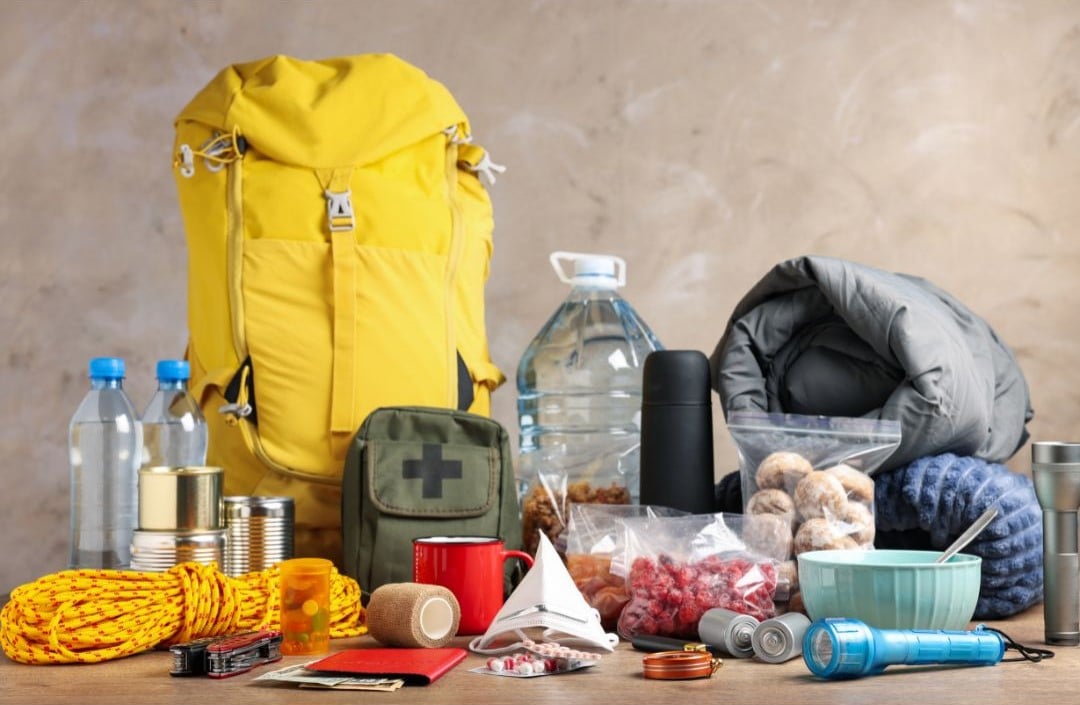
A Disaster + Emergency Kit: Basic Yet Specific to Your Family
Wherever you live, disaster can strike, leaving you suddenly stranded or forced to evacuate with minimal supplies. Here are disaster and emergency kit basics, including special considerations that may be relevant to your family.
Keep in mind as you assemble kit items that they should be stored in airtight plastic bags and fit in one or two portable plastic bins or storage totes, or more as appropriate for your family. Each filled container should be transportable by a designated person or alternate. Everyone in the family should know the container location.
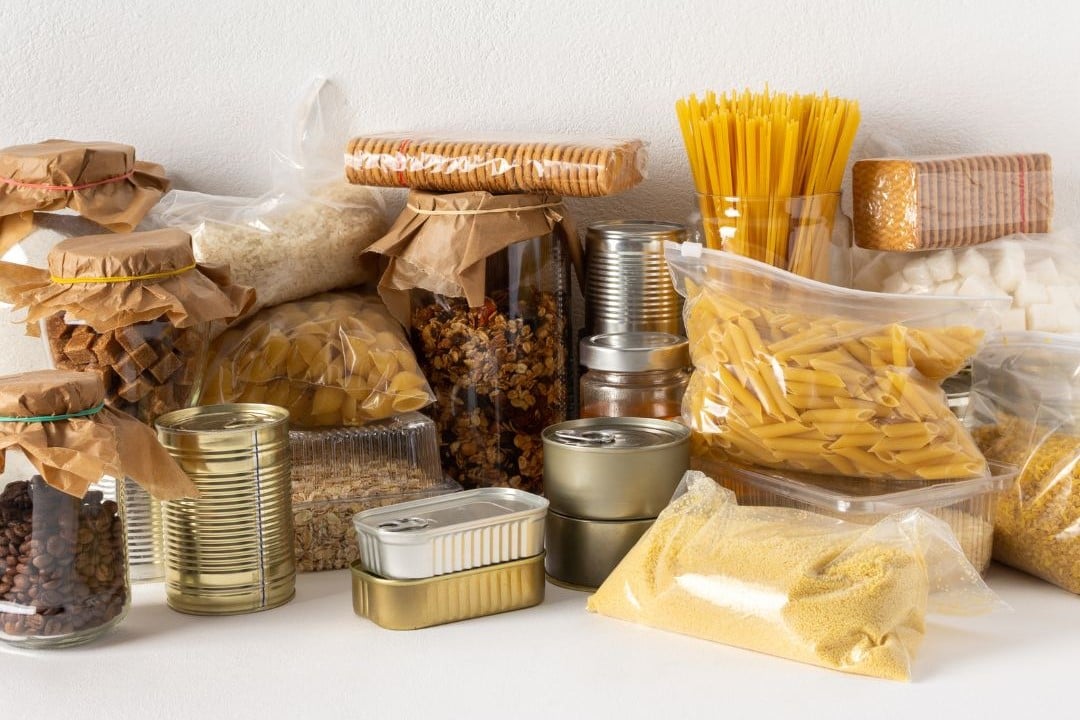
Food + Water
Pack at least three days' worth of non-perishable food for everyone in your family, including pets. All food should be free of allergens for everyone in the family. One gallon of water per person per day is recommended by the CDC for drinking and sanitizing. Be sure to include a can opener, mess kits and paper towels.

Communication + Information
Your cell phone with chargers and a backup battery are critical to keeping you connected. A battery-powered or hand-crank radio with NOAA weather alerts is useful for keeping you apprised of conditions in your immediate vicinity and nearby. A local map is essential in case you need to move quickly to a specific location. A flashlight (and extra batteries ) can be used to signal your presence and see your way around, and a whistle can be used to call for help. Family documents such as copies of insurance policies, identification and bank account records saved electronically or in a waterproof portable container provide important backup.
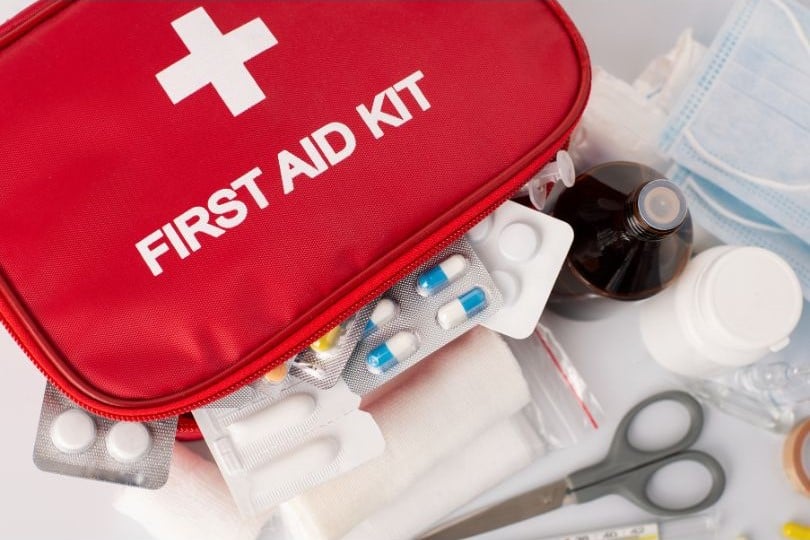
Medical Attention + Sanitation
Pack soap, hand sanitizer, disinfecting wipes and moist towelettes for quick hand, body and surface cleansing. Bring a first aid kit for wounds and other medical needs. Your first aid kit should include dust masks (N95 masks are even better) for filtering contaminated air. Pack anything specific to a family member such an inhaler, antidote to allergies, prescription drugs and contact lens solution. Include garbage bags for refuse disposal.
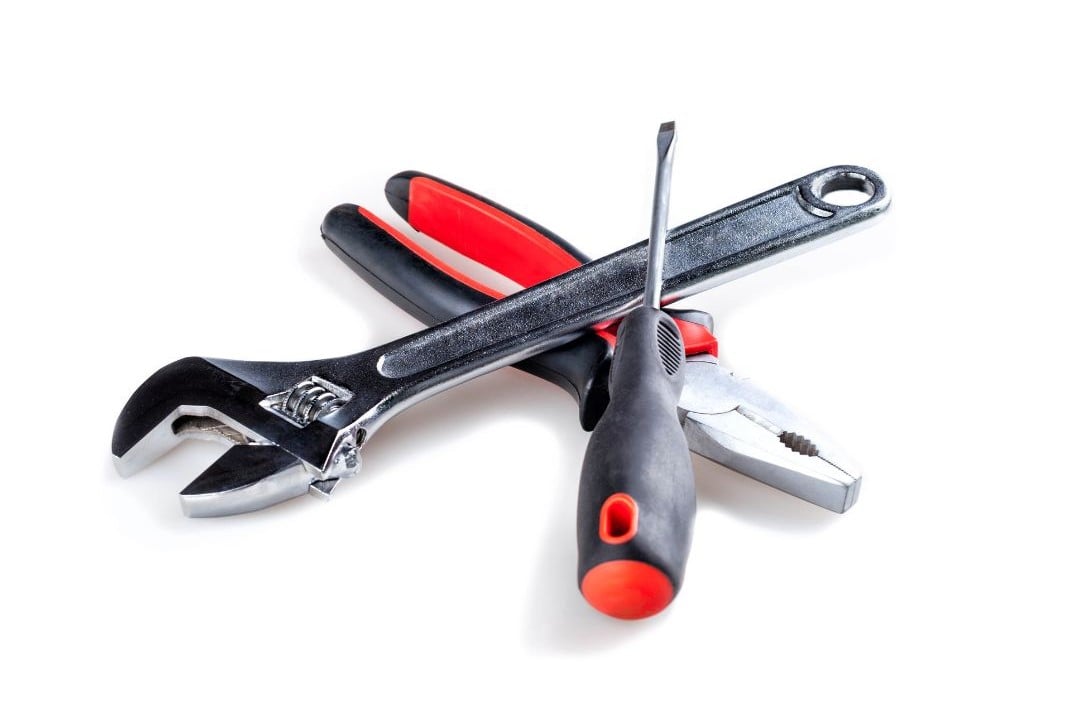
Turning Off Utilities
Include a large adjustable wrench and combination pliers to turn off utilities that could pose a danger during an emergency. Faucets may be corroded and require the leverage of a sturdy tool. A basic tool kit with a small hammer, some nails and a box cutter could prove vital.

Sheltering in Place
Your kit should include plastic sheeting and duct tape, or a large tarp and 50ft. of nylon parachute cord for creating protection against the elements. A sleeping bag or warm blanket and a change of clothes and sturdy shoes for each person provide further protection. Include matches for lighting fires for warmth or cooking and a fire extinguisher for safety. If you have room, a small bow saw could cut wood for fire or shelter. Bring paper and pencils for leaving notes, and games, puzzles and books for kids to keep them occupied during stressful times.

Kit Maintenance + Storage
Keep canned food in a cool, dry place and boxed food in tightly closed containers made of plastic or metal. Be sure to replace expired items as necessary. Re-evaluate your family's needs each year and adjust kit contents as appropriate.