Skip to content

Free Gift Card Details

$100 Order
$10
gift card
$250 Order
$25
gift card
$500 Order
$50
gift card
$1000 Order
$100
gift card
  • The promotion will be automatically applied on the Shopping Cart page.
  • To qualify for this offer, your order subtotal must equal $100 or more. Excludes gift cards, free item offers, warranties, Advantage memberships, tax and shipping.
  • Free gift cards will be issued in the form of e-gift cards only, not physical gift cards.
  • E-gift cards will be sent to the email address used in your billing address when your order ships or is picked up.
  • Free e-gift cards expire 10/01/26.
  • Promo code not valid on prior purchases or on Honda and STIHL products and cannot be combined with other promotional offers.
  • Valid online and in participating retail stores.
  • Limited-time offer. Subject to change without notice.

Hearing Protection On The Job: When You Need It And How To Choose It

Most of us have experienced sound so loud that when it ends, or we walk away, we have a tough time hearing even normal conversation. Even a single occurrence of loud noise, such as an unexpected, up-close explosion or firework detonation can cause permanent hearing loss. The importance of ear protection against prolonged exposure to loud noise in the workplace is vital. Let’s look at what the experts say about damaging noise and how to protect your ears against it.

According to the Center for Disease Control (CDC), approximately 22 million workers in the U.S. each year are exposed to noise sufficient to damage their hearing. The good news is that even if you are exposed to high-level noise all day long at your job, you can still prevent hearing loss with the right protection.

Determine the Noise Level in Your Workplace: Is It Within Acceptable Limits?
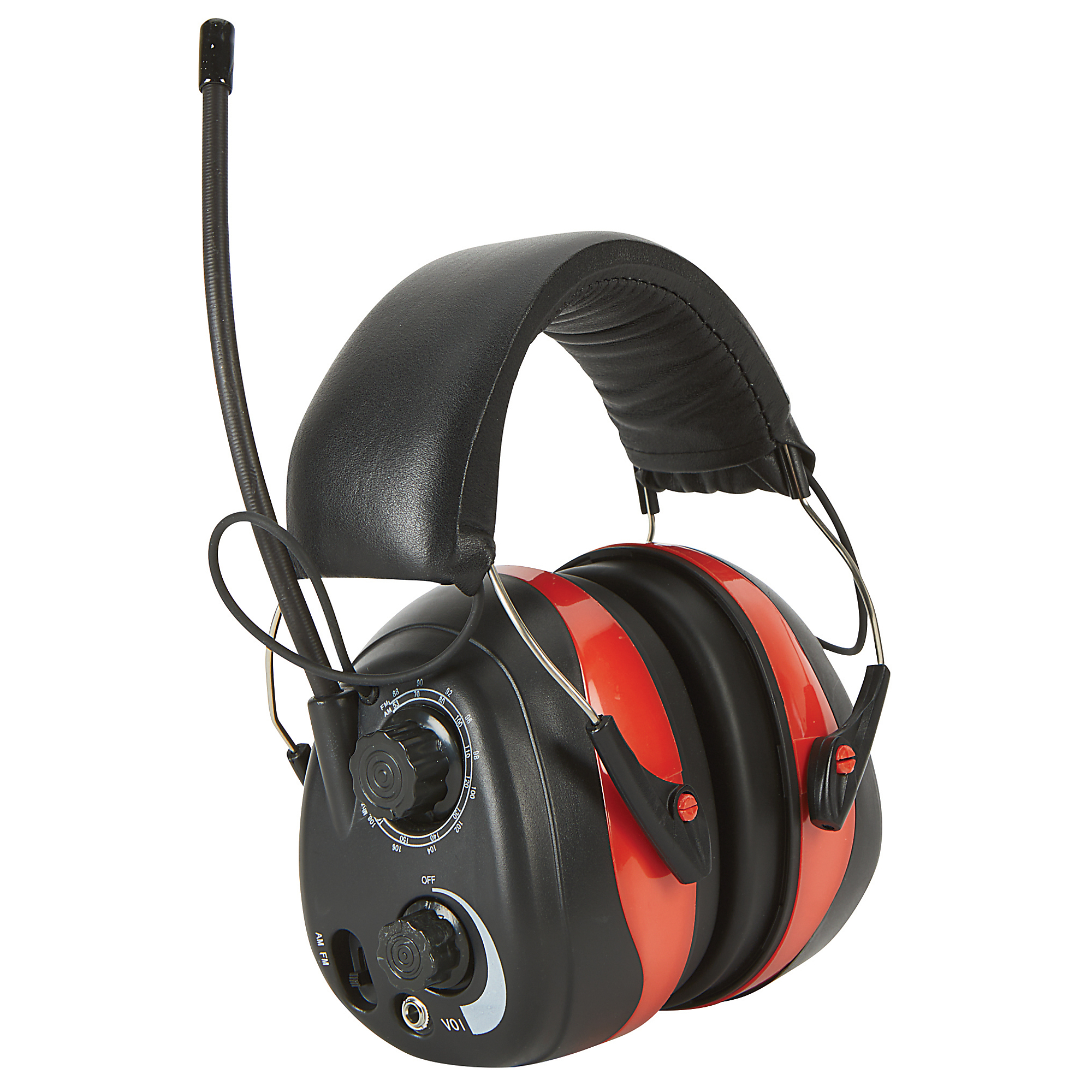
3M Hearing Protection

The National Institute for Occupational Safety and Health (NIOSH) offers an app for the public to download on iOS devices to measure workplace decibel levels. In addition to measuring decibels, the Sound Level Meter App offers guidelines for reducing work-related hearing loss.

The Occupational Safety and Health Administration (OSHA) is responsible for setting legal limits on exposure to noise in the workplace. Based on a weighted 8-hour shift, OSHA’s permissible exposure limit (PEL) is 90dBA, and whenever the noise level is raised by 5dBA, the PEL is reduced by 50%. Anything outside these parameters requires noise-reducing hearing protection.
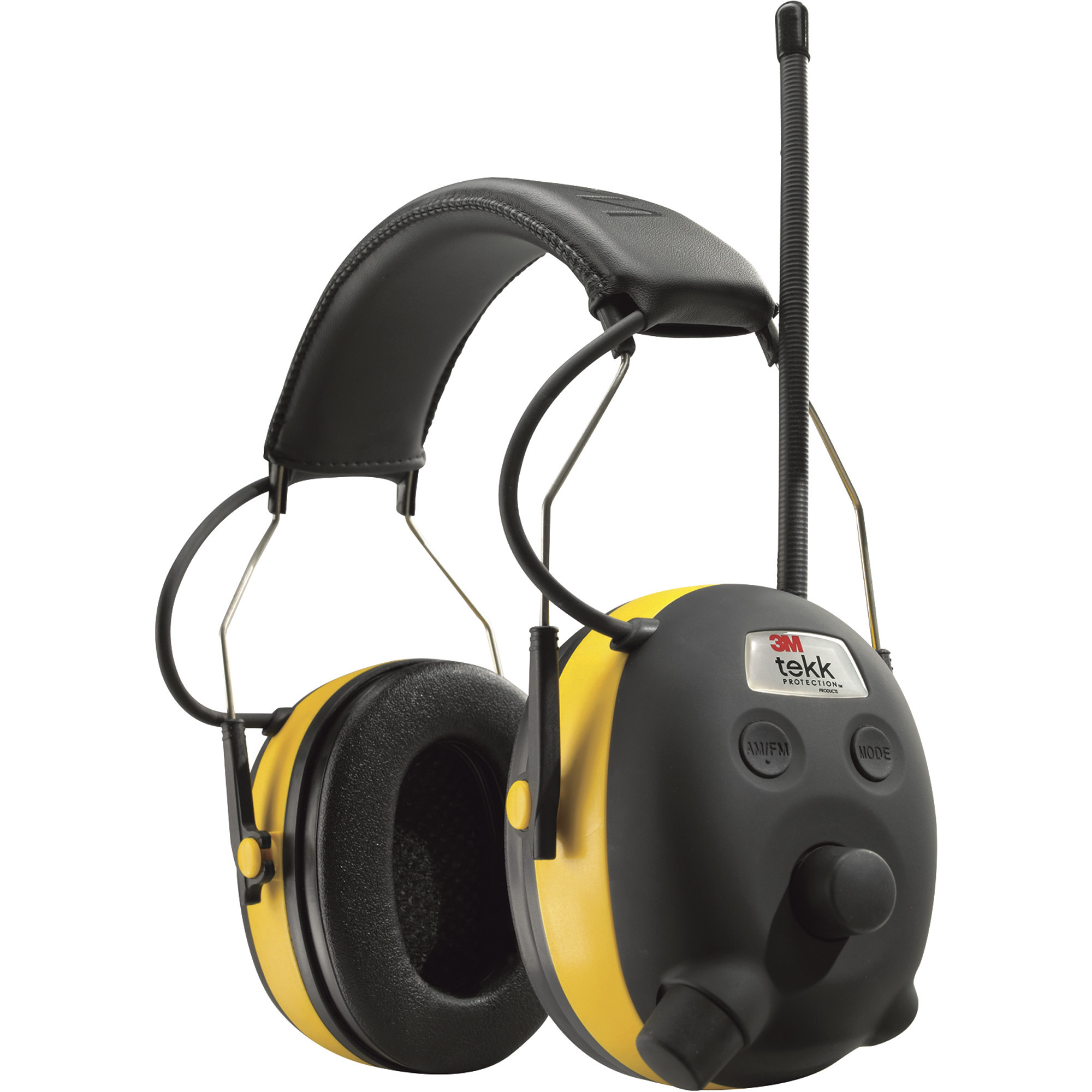
Choose the Right Hearing Protection

Ear Protection

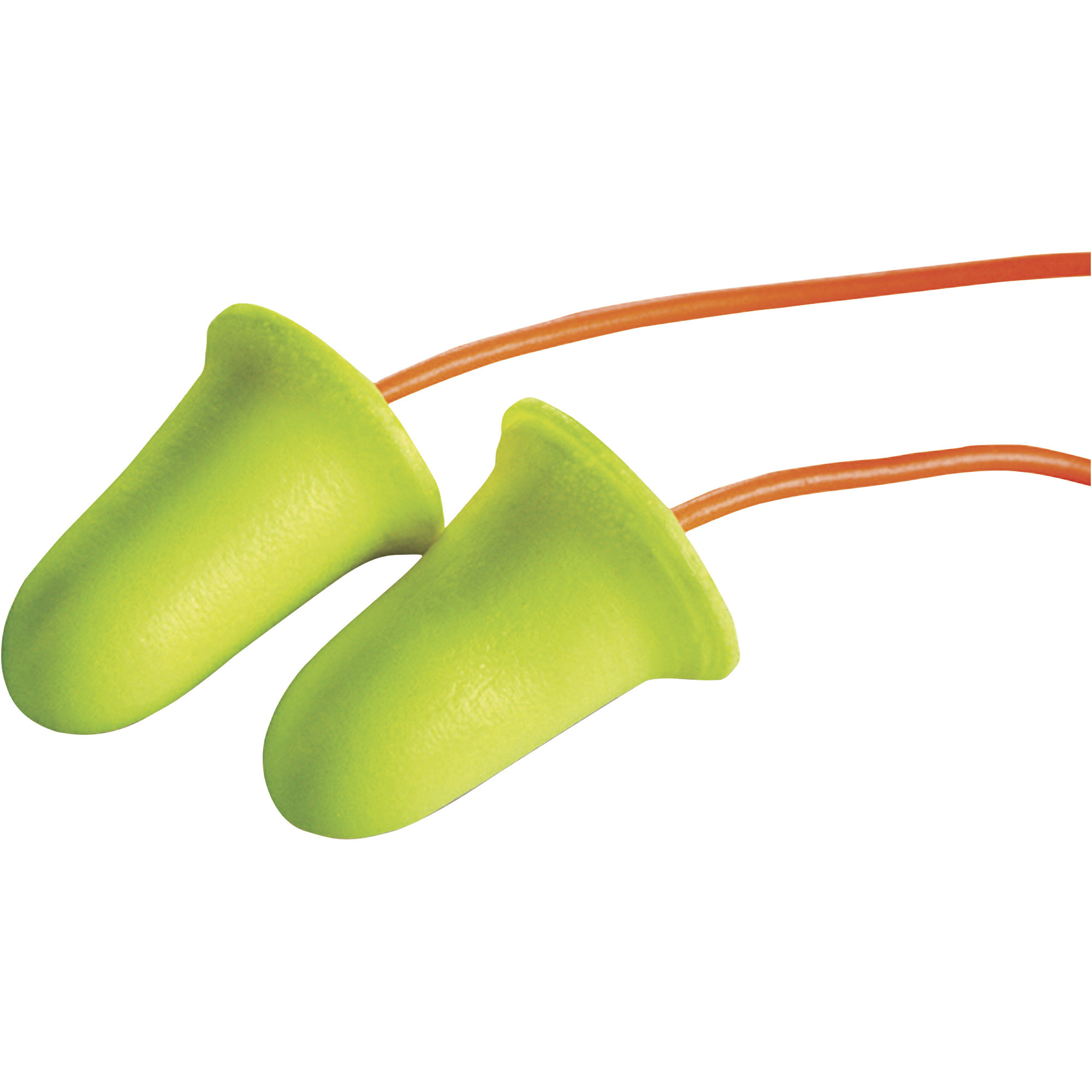
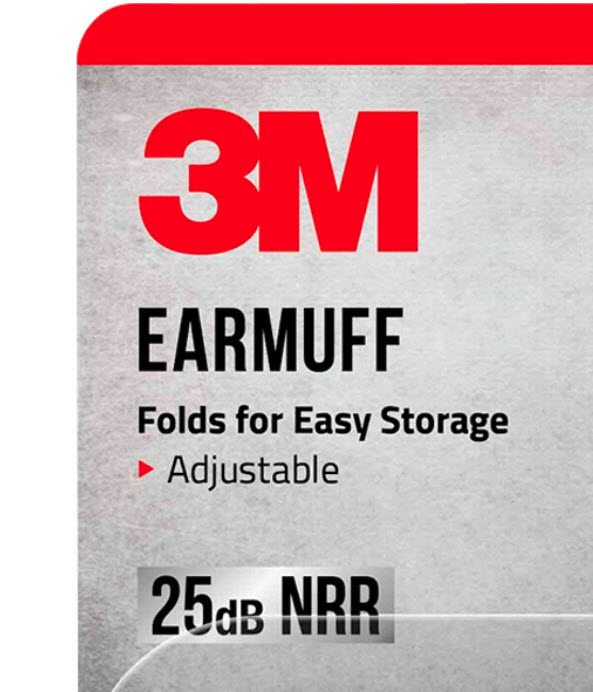
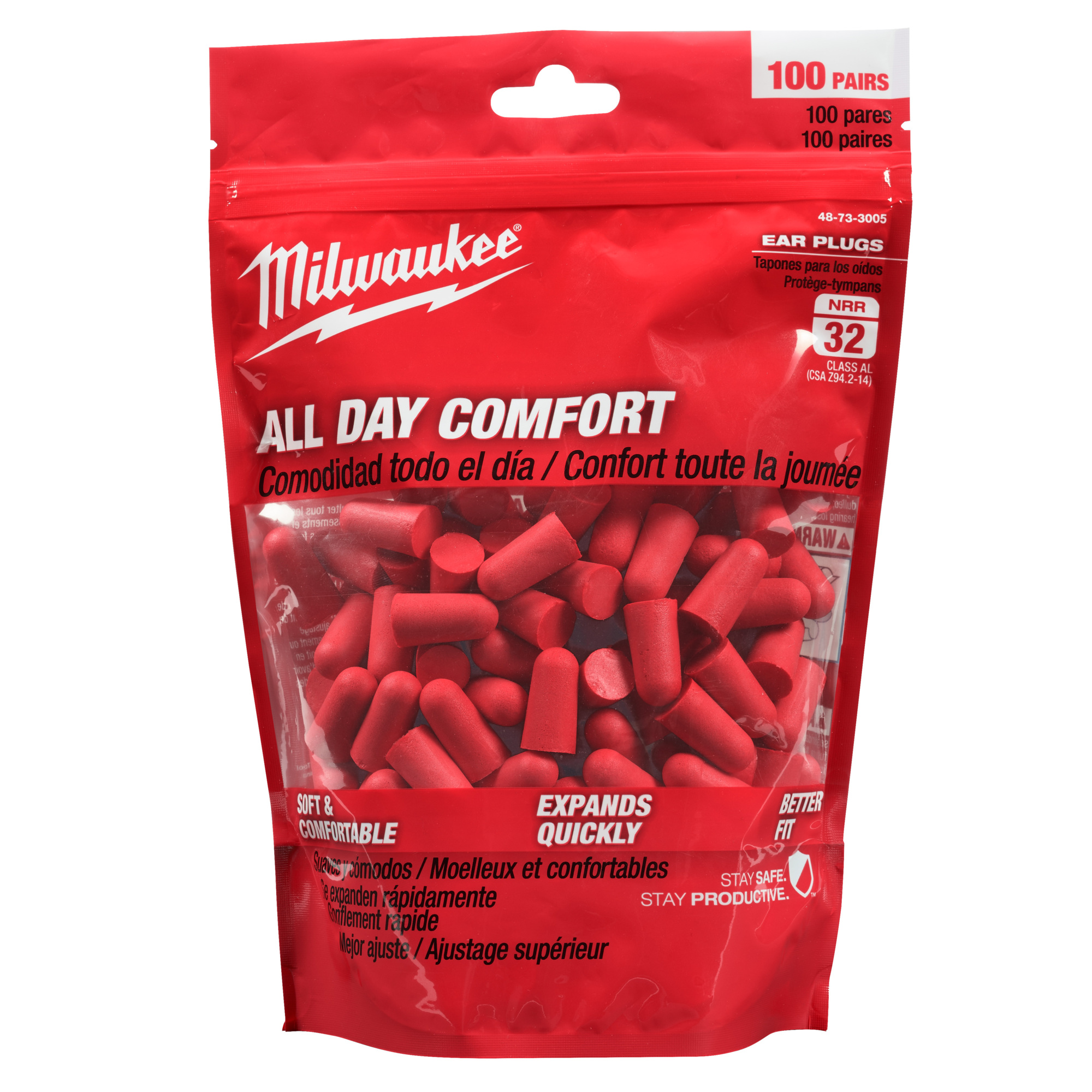
The American National Standards Institute (ANSI) sets standards for manufacturing, testing, using and maintaining ear protection. ANSI’s standard for ear protection is ANSI S3.19, which tells us to look for the Noise Reduction Rating (NRR) when selecting ear protection. The NRR typically ranges from 22-33dB, although some equipment offers an even higher rating. Although NRR is commonly mistaken for the dB amount by which noise is reduced, that is not the case. To calculate decibel reduction, subtract the NRR by 7 and then divide that number by 2. Next, take the dB level on your worksite and subtract that number. For an example, ANSI uses a worksite dB of 100 and hearing protection of NRR of 33, so the calculation works as follows: 33-7/2=13. 100-13=87dB. This means your worksite noise level has been reduced to 87dB, a permissible level, with your hearing protection. This calculation can be used for either earplugs or headphones.


The Effect of Wearing Both Earplugs and Headphones

Earplugs and Headphones

Let’s say you decide to wear earplugs in addition to headphones. ANSI says the NRR from both items isn’t calculated by adding the NRR of both earwear items. In this case, you would calculate the protection you receive by taking the item with the higher NRR rating and adding 5 to it. Let’s say a workplace has a dB of 100, and you wear earplugs with an NRR of 22 and headphones with an NRR of 33. Add 5 to 33, subtract by 7 and divide by 2. Then subtract your answer from 100, calculating as follows: 38-7/2=15.5. 100-15.5=84.5dB. Your worksite noise level is reduced to 84.5dB with both items of hearing protection. Earplugs added to headphones reduce noise by additional 2.5dB. For some jobsites, this difference may be exactly what you need to maintain the legal limit of 90dB or less.