Woodworking Sanding + Abrasives
Filters
1-48 of 925 Products

Item # 5534669
Item # 42242
Item # 61532
Item # 6199401
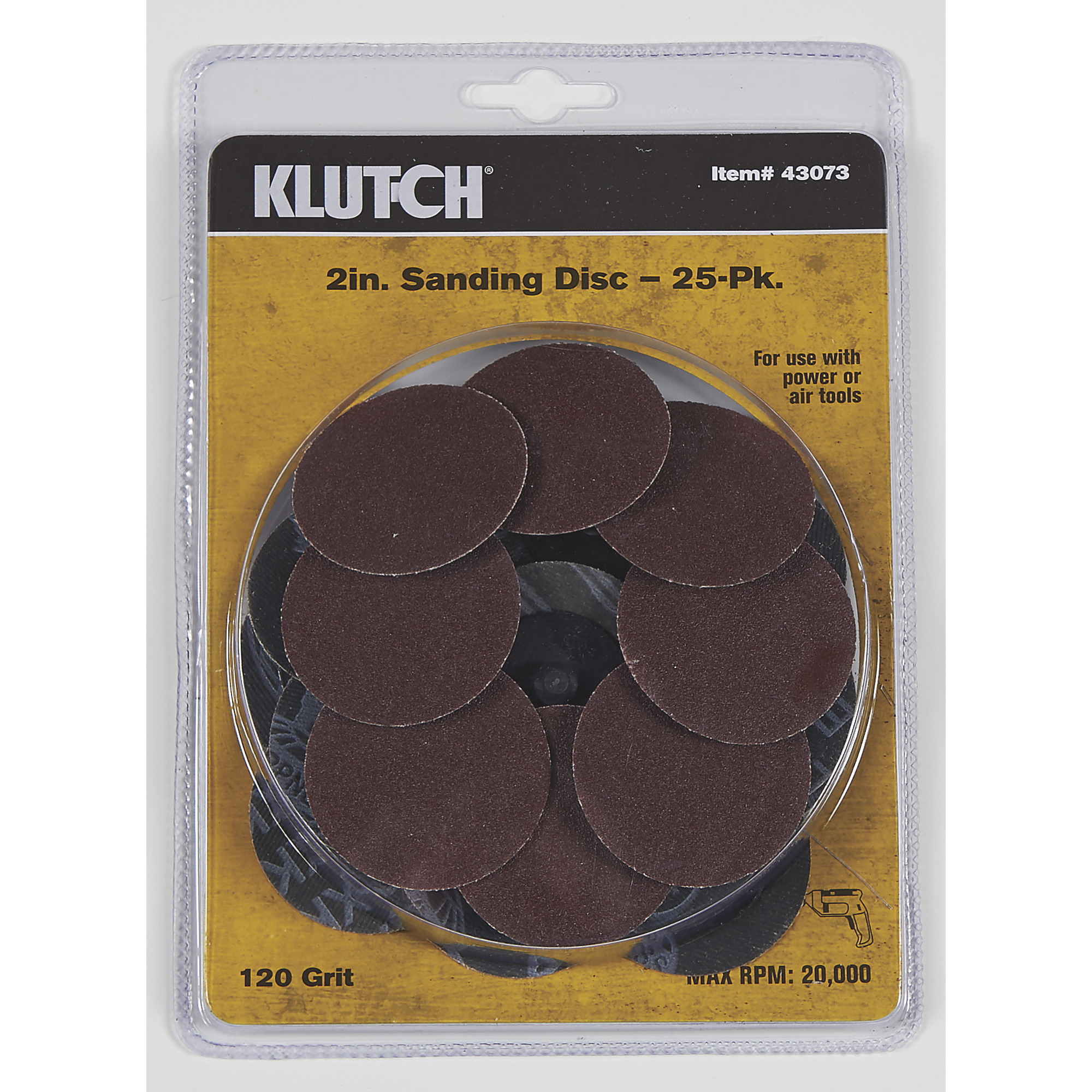
Item # 43073
Item # 42250
Item # 6199372
Item # 6199364
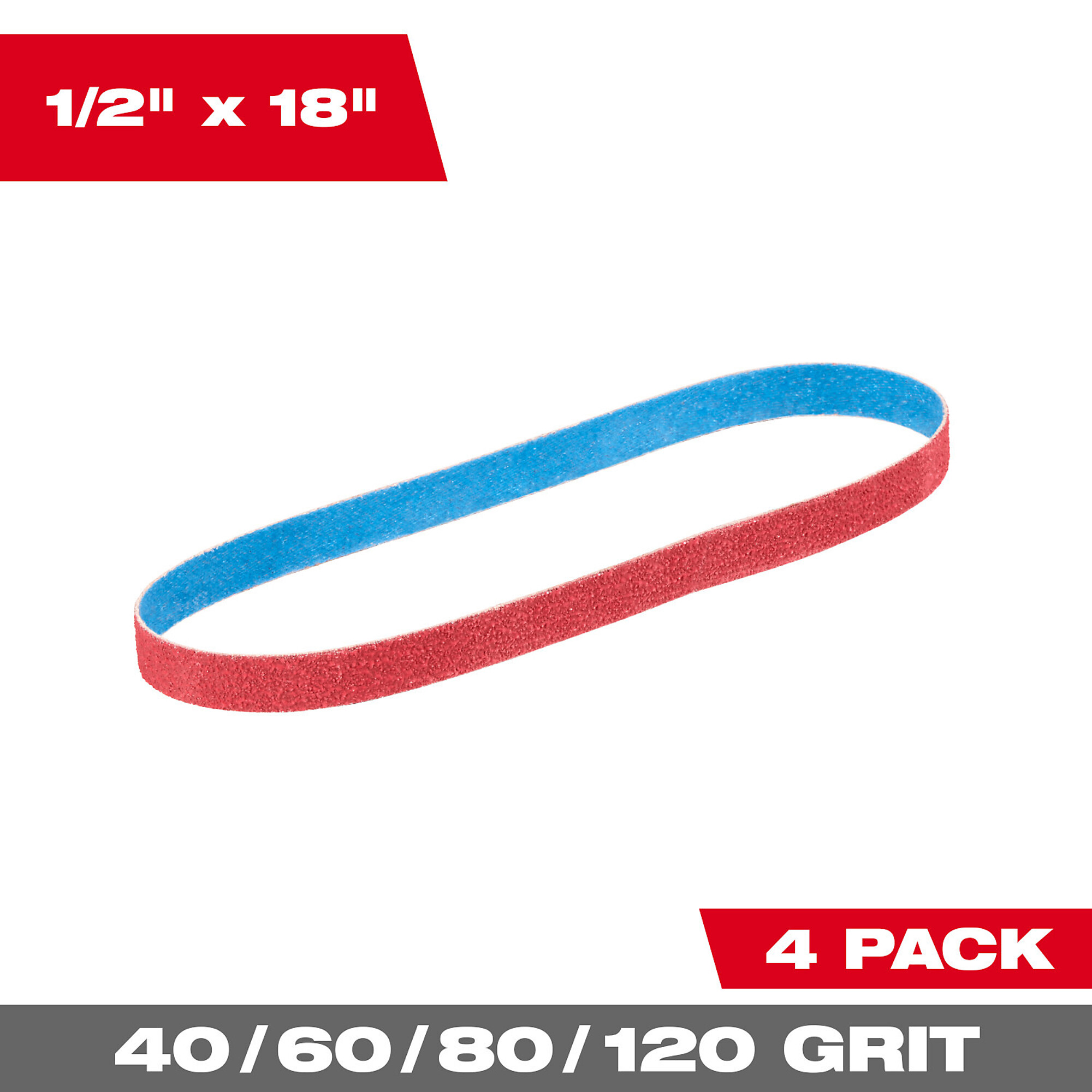
Item # 6069957
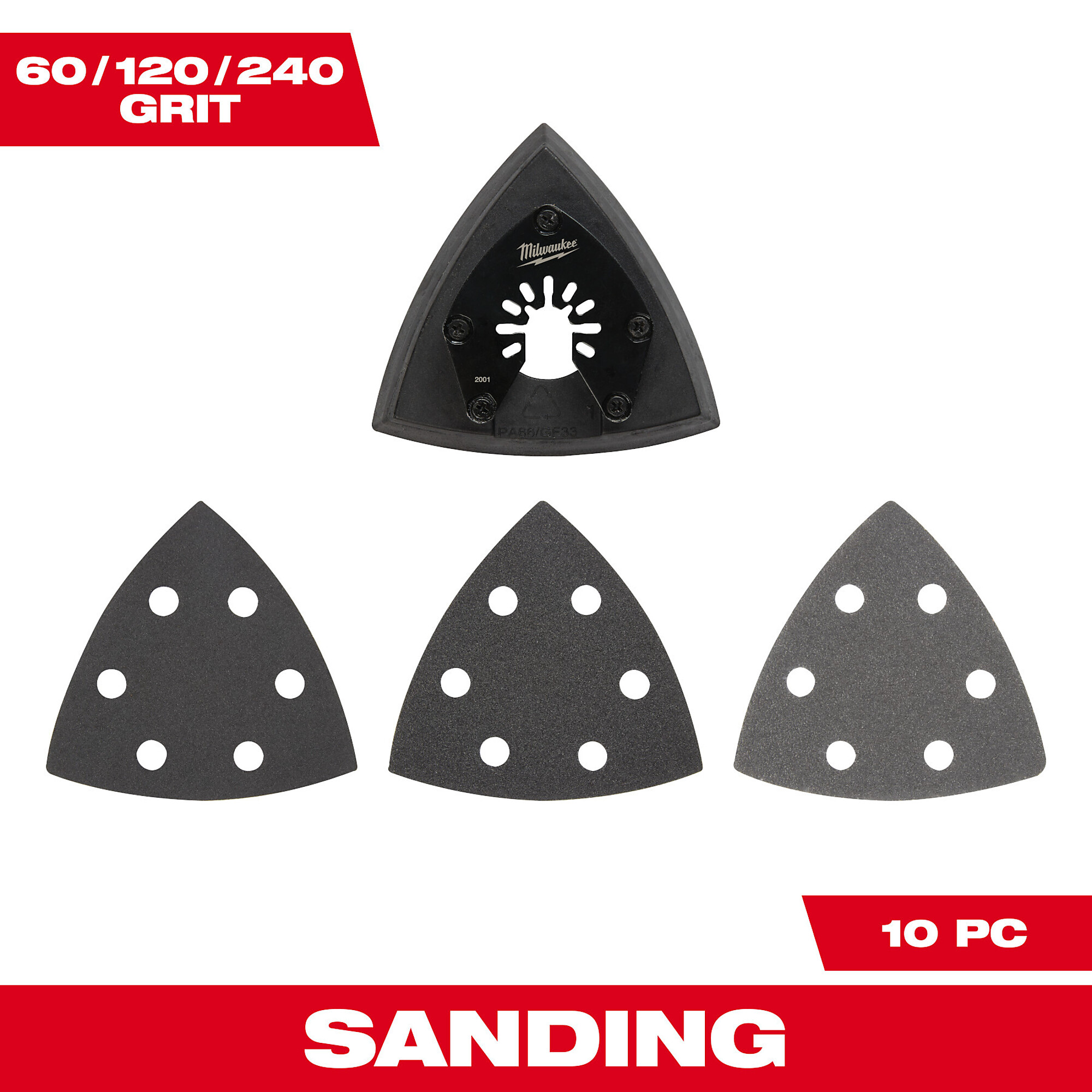
Item # 5869792
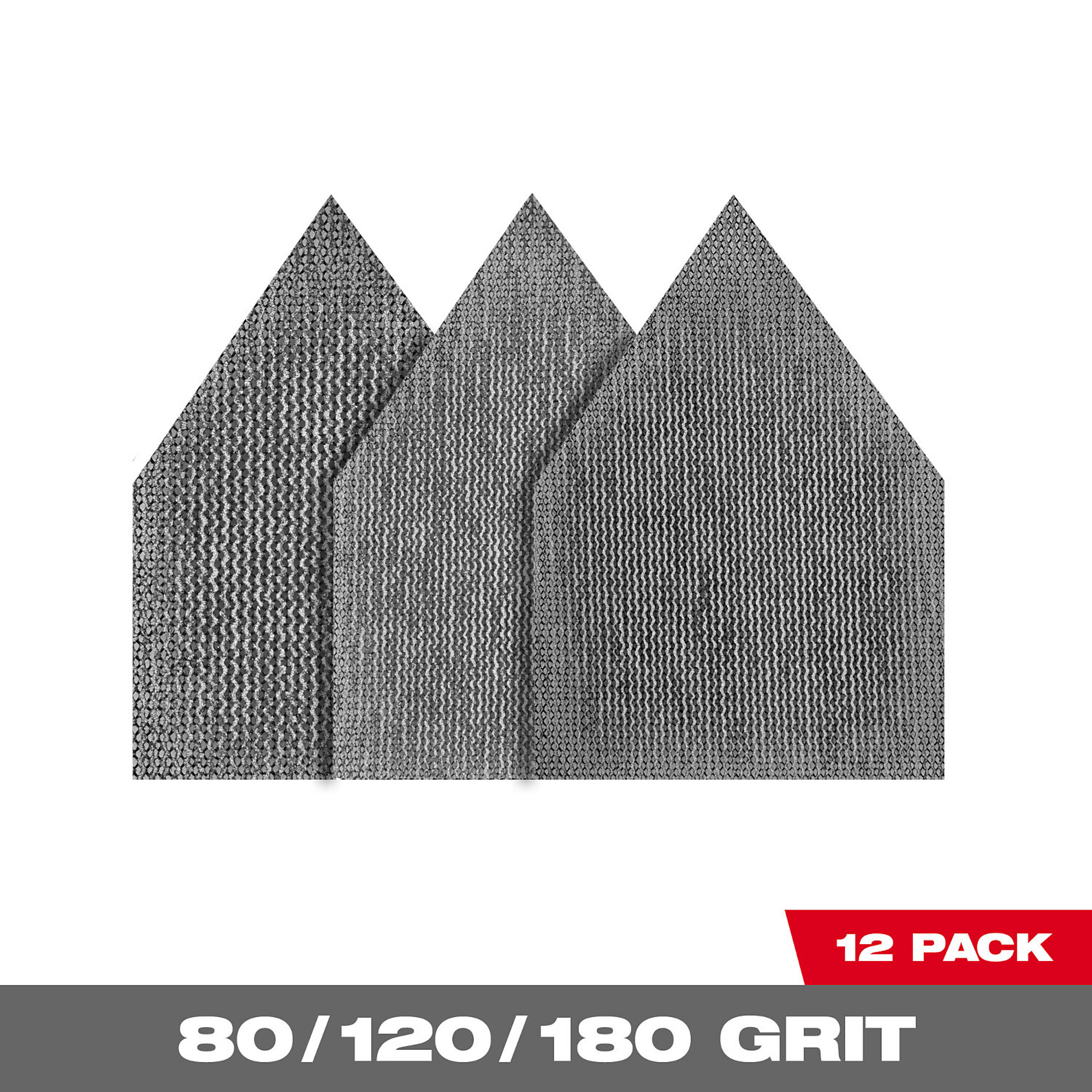
Item # 5058703
Item # 6185595
Item # 6184779
Item # 5993072
Item # 6185608
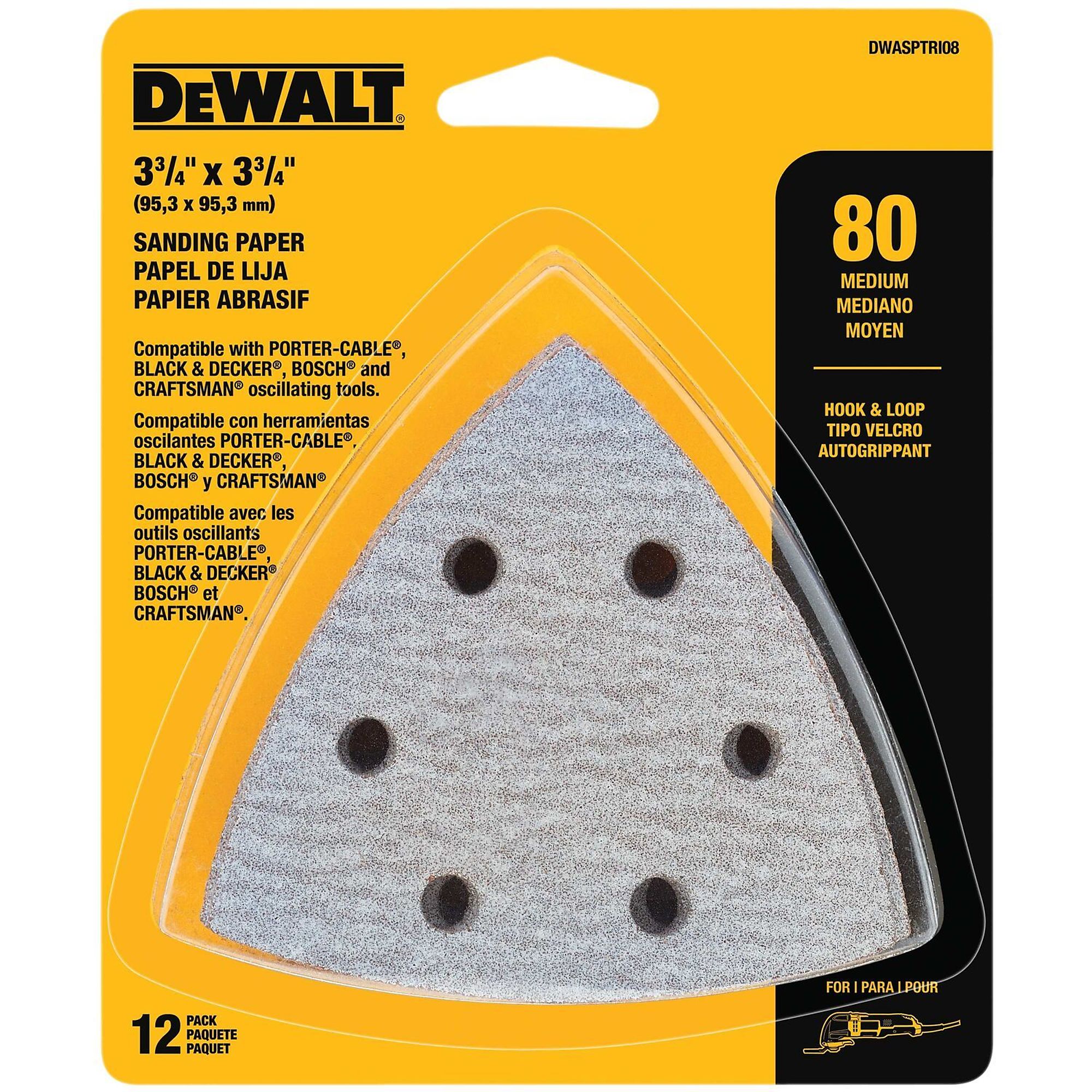
Item # 5993064
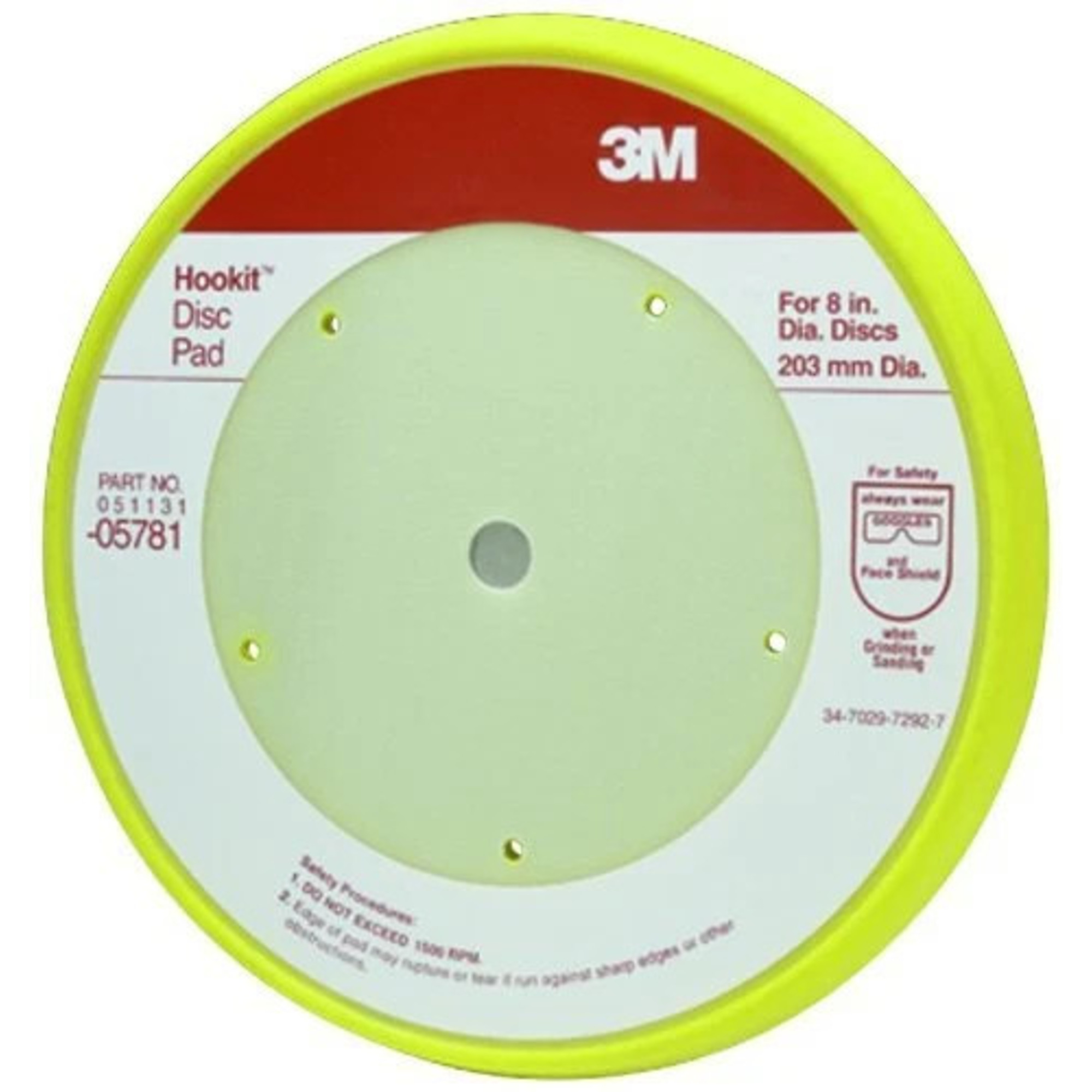
Item # 7030704
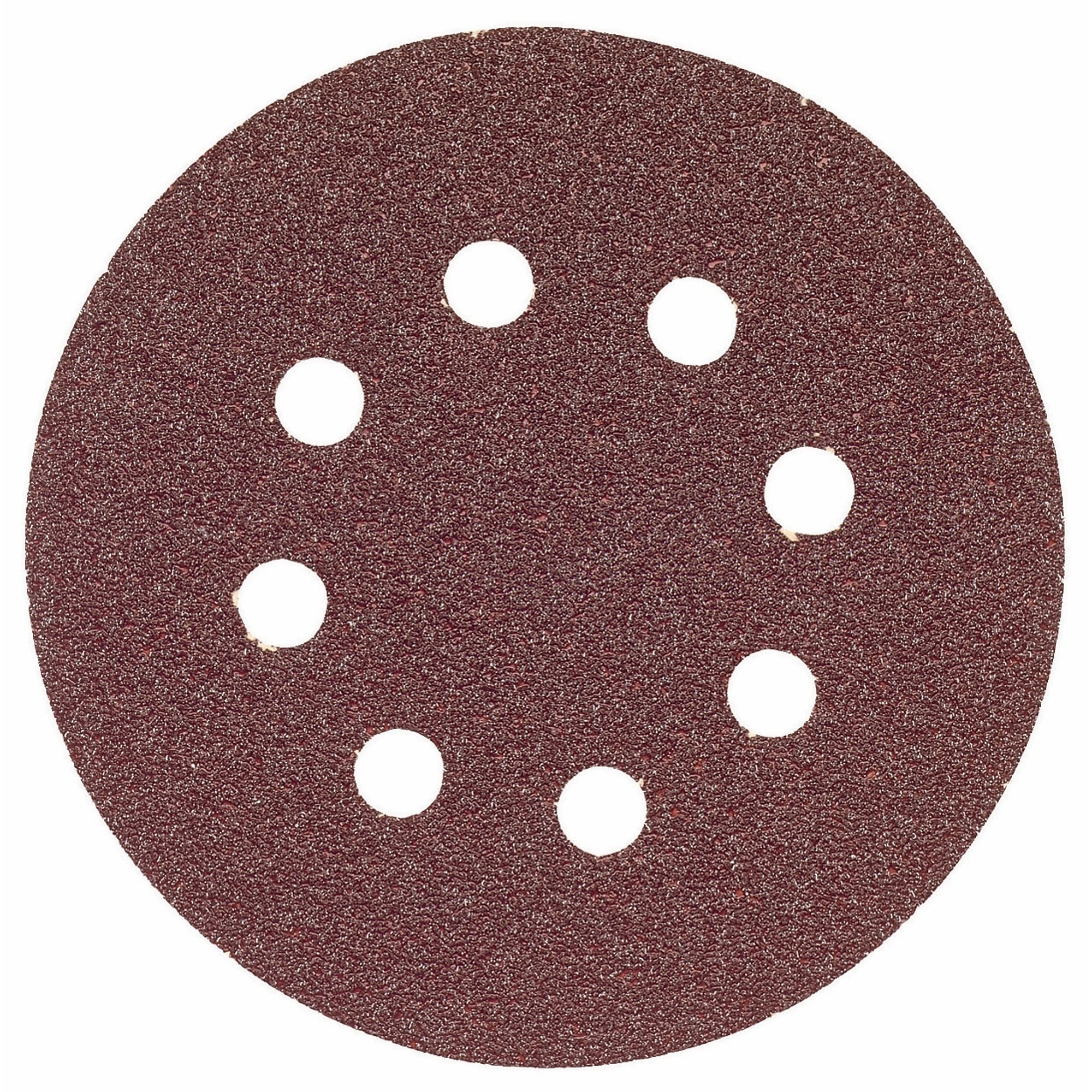
Item # 6897066
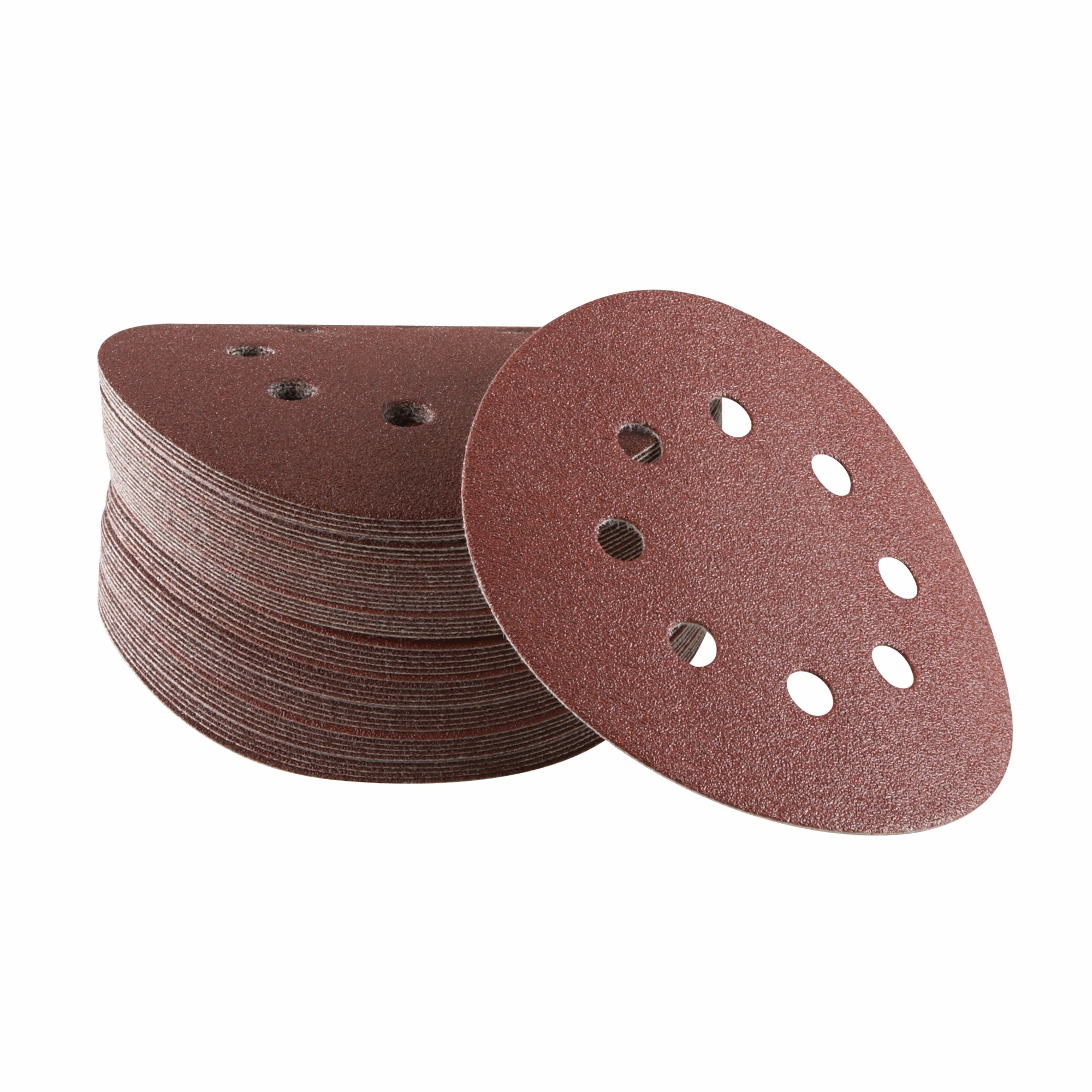
Item # 6896856
Item # 5993056
Item # 5889890
Item # 5979457
Item # 5979385
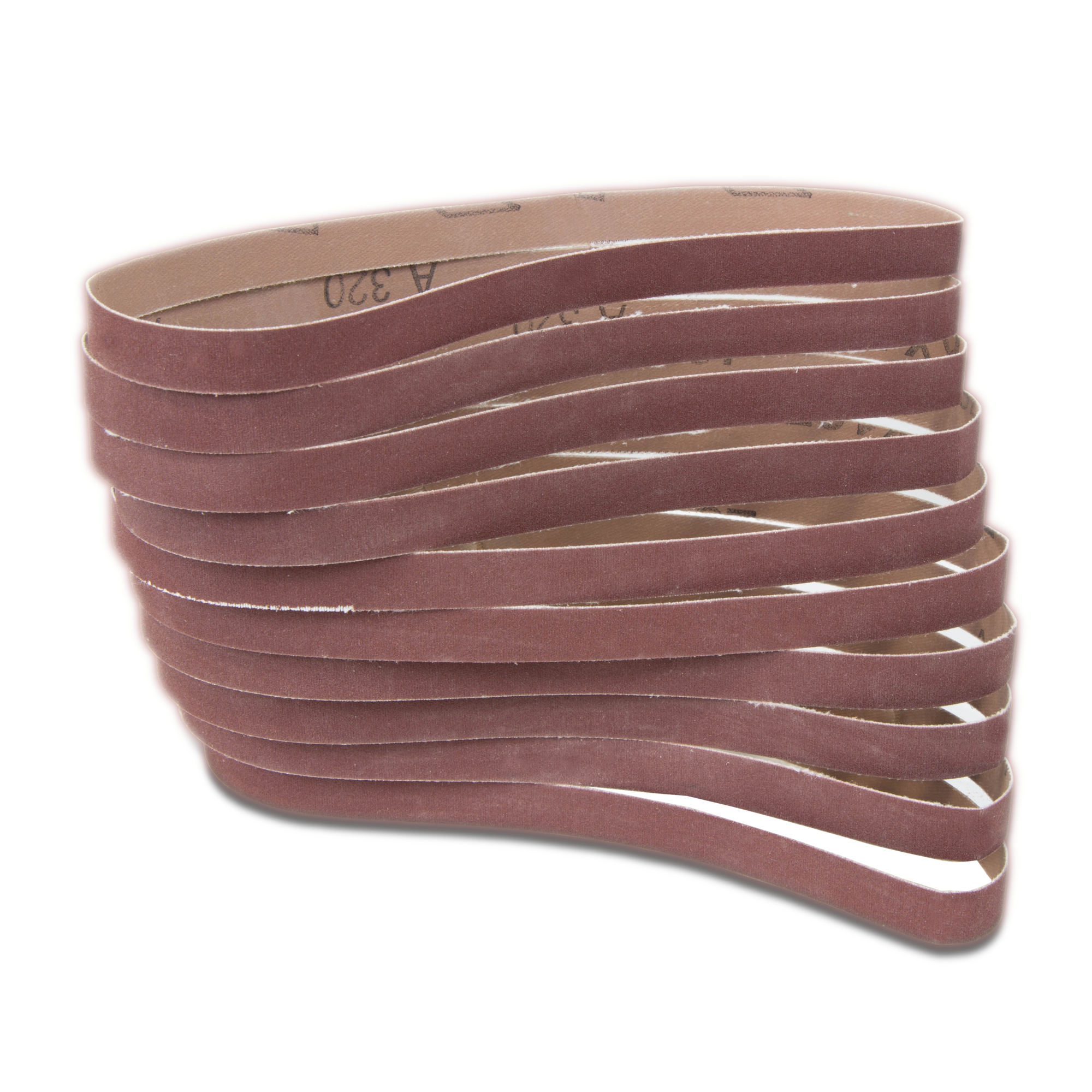
Item # 5979414
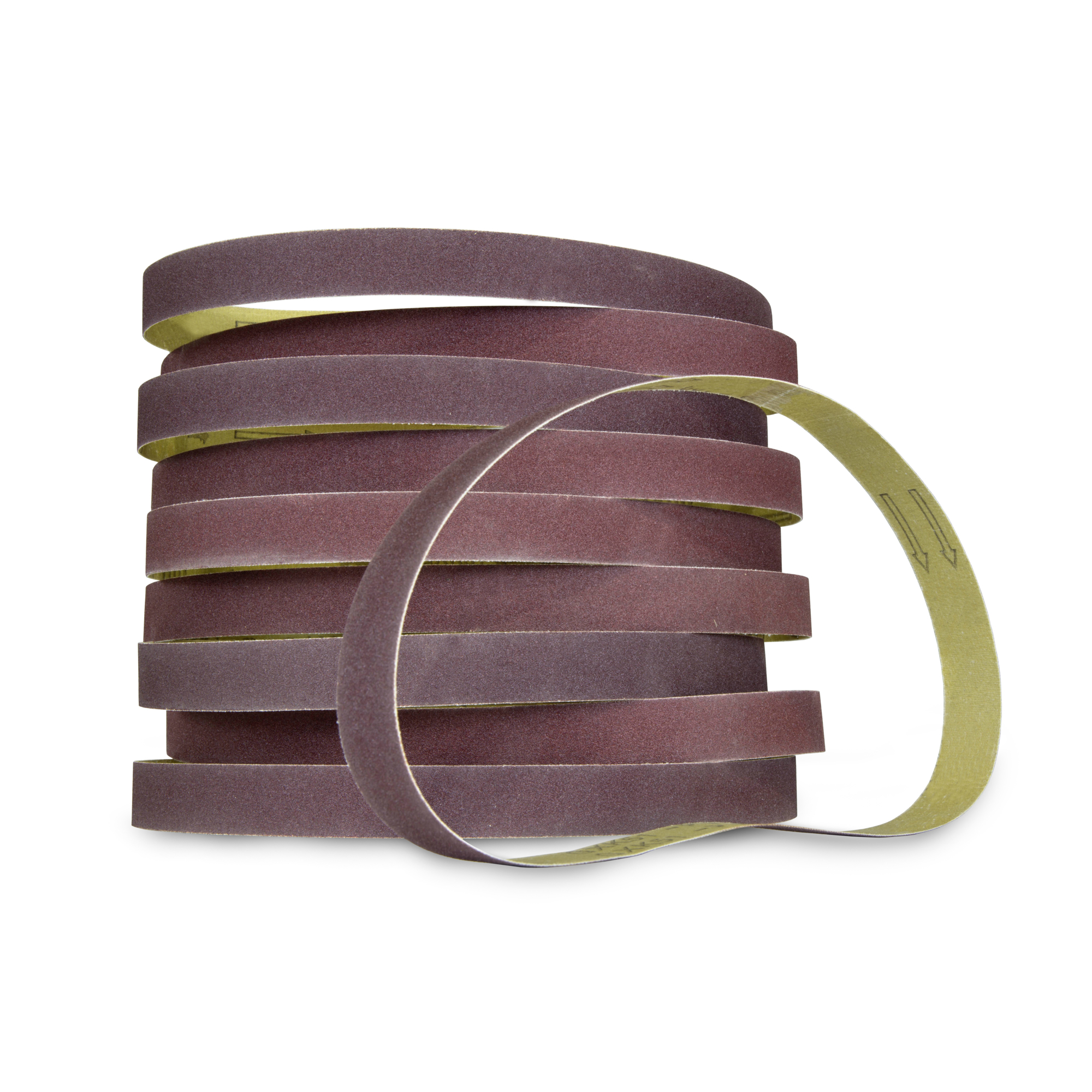
Item # 5979431
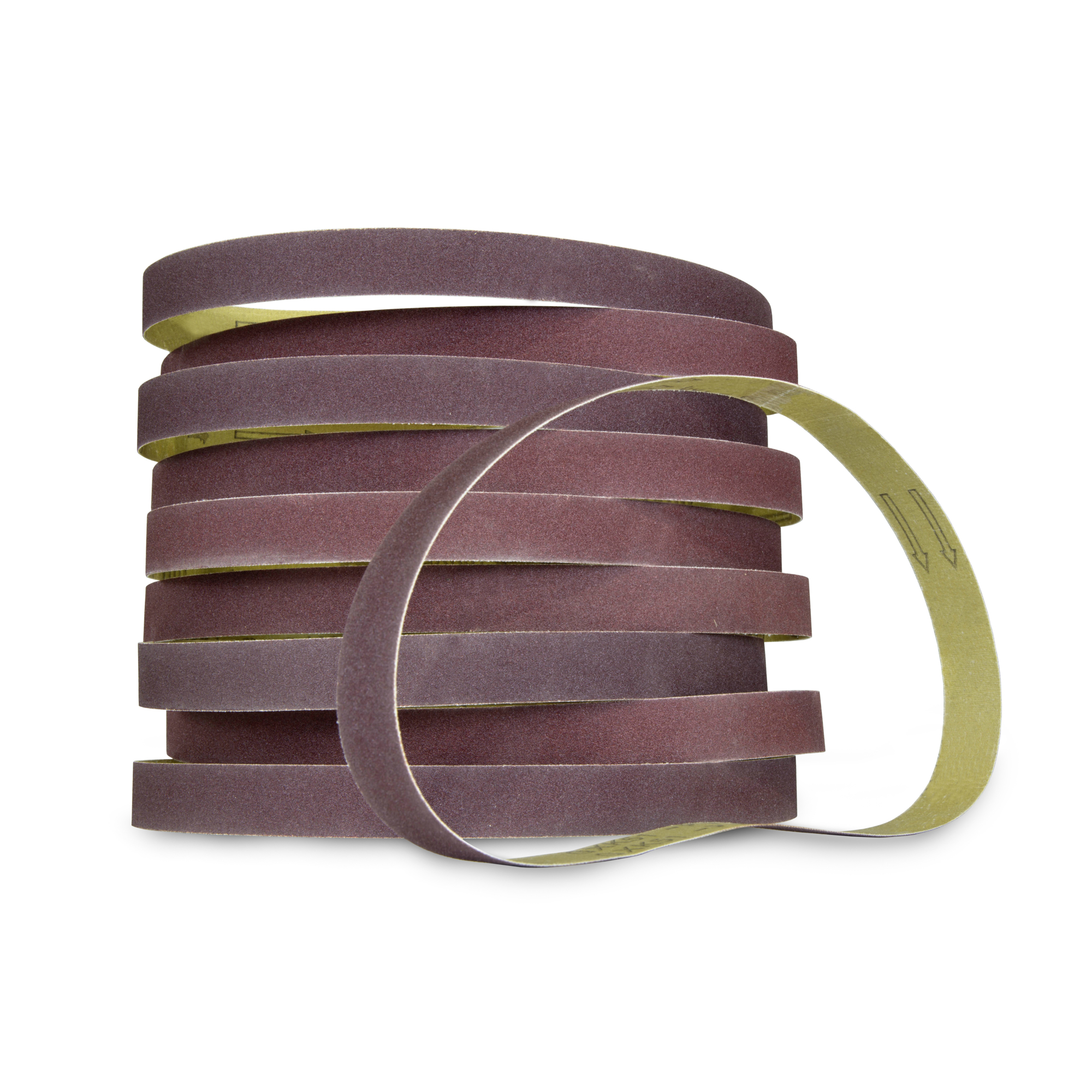
Item # 5979369
Item # 6212098
Item # 6212442
Item # 6212573
Item # 6743180
Item # 6212750
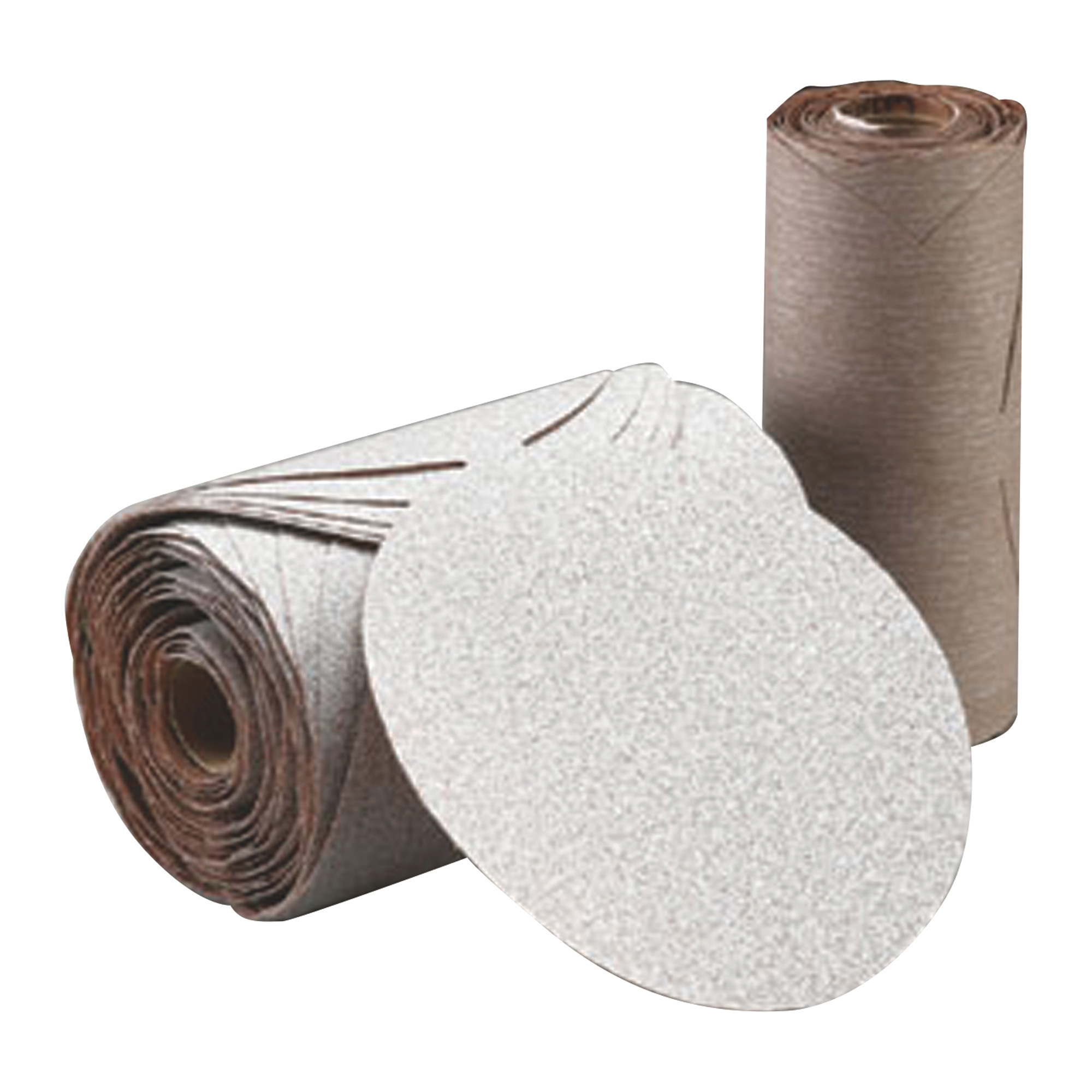
Item # 148576
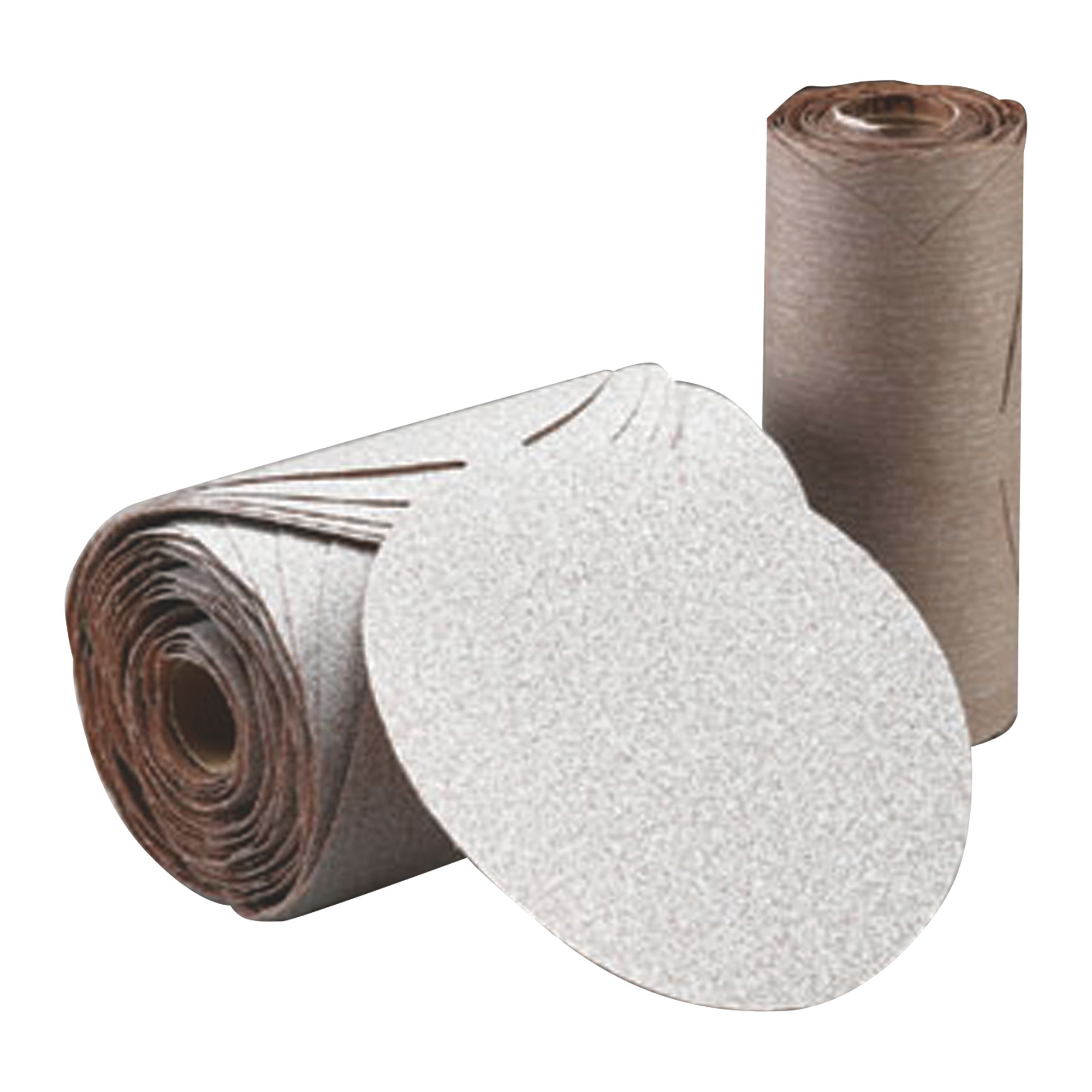
Item # 148577
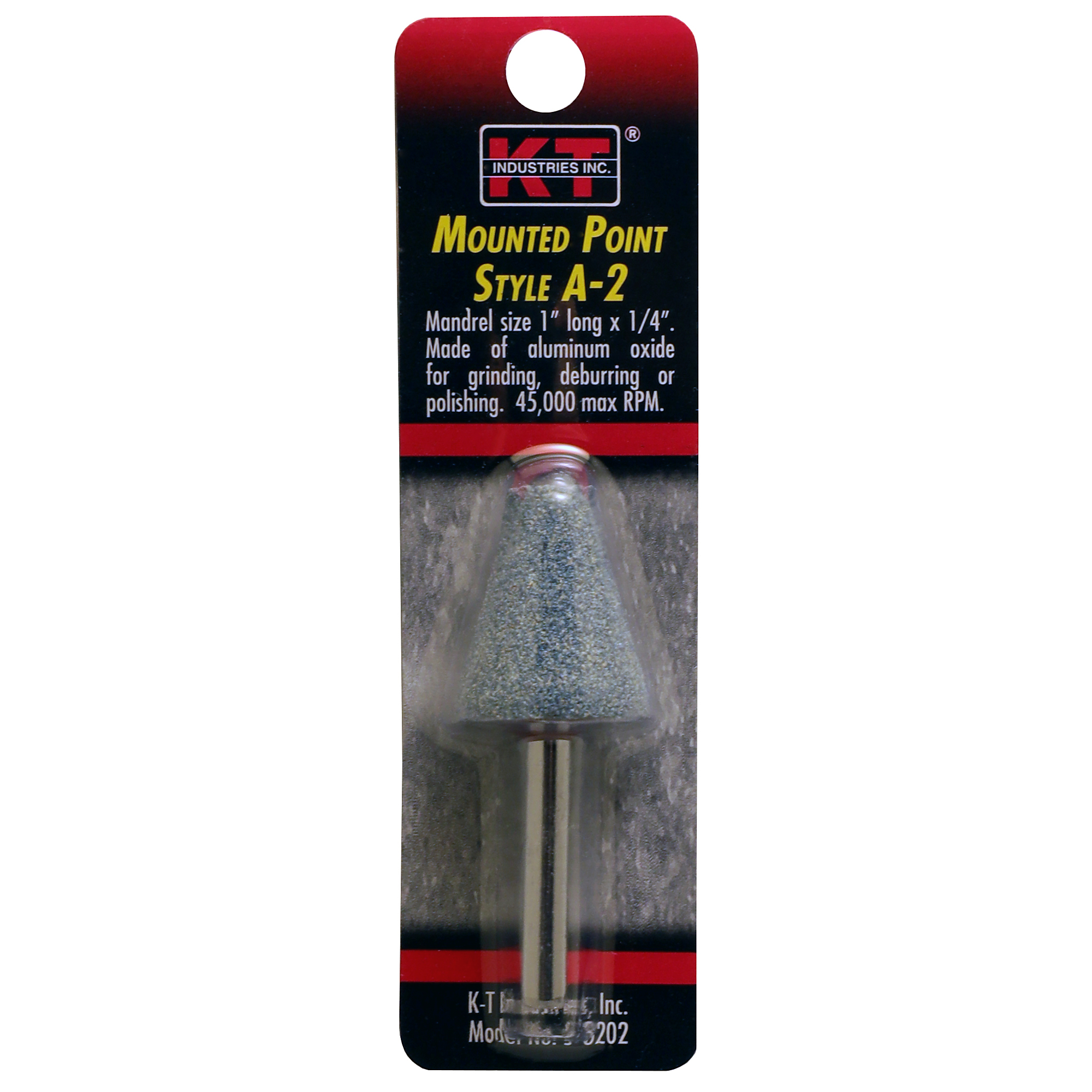
Item # 6743315
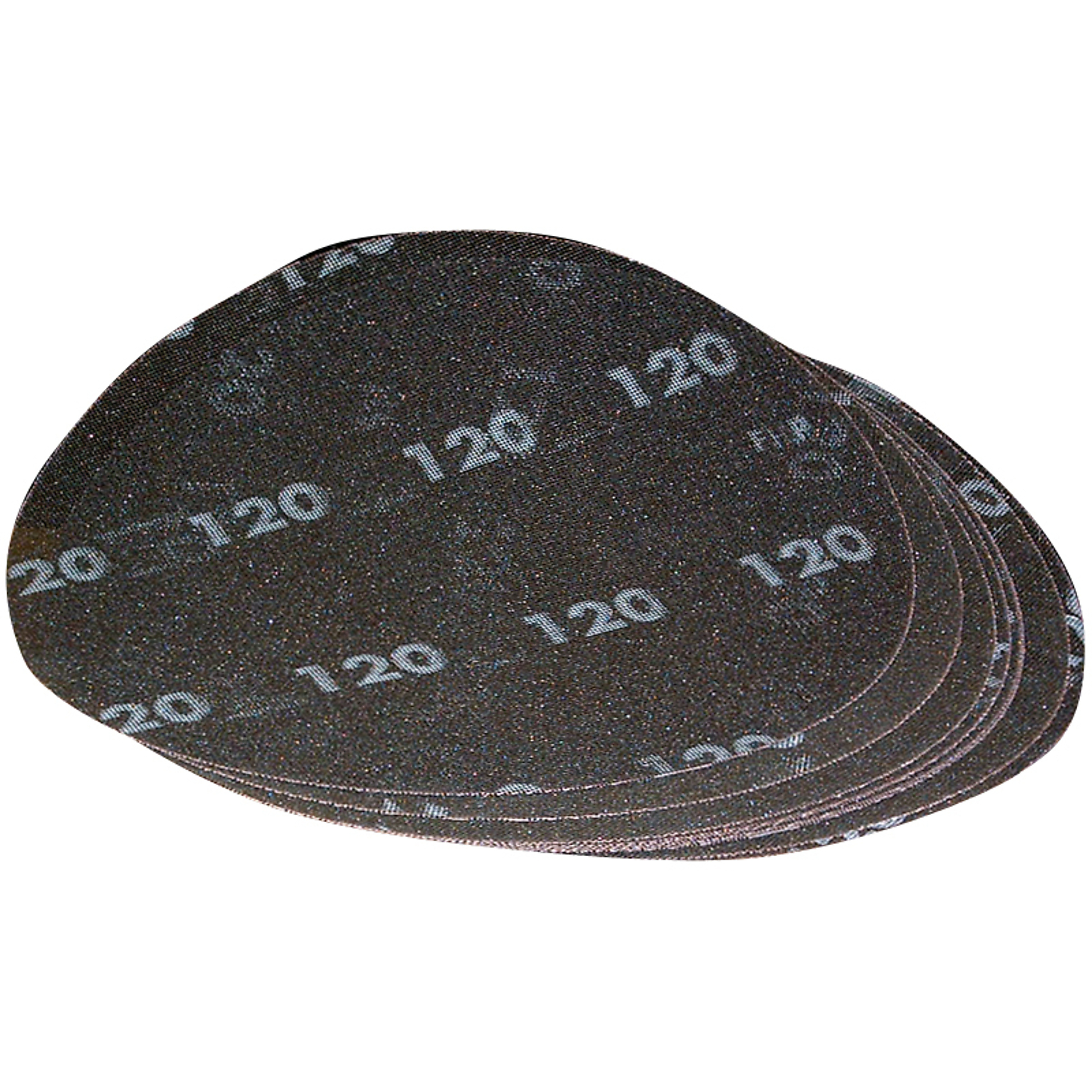
Item # 6212119
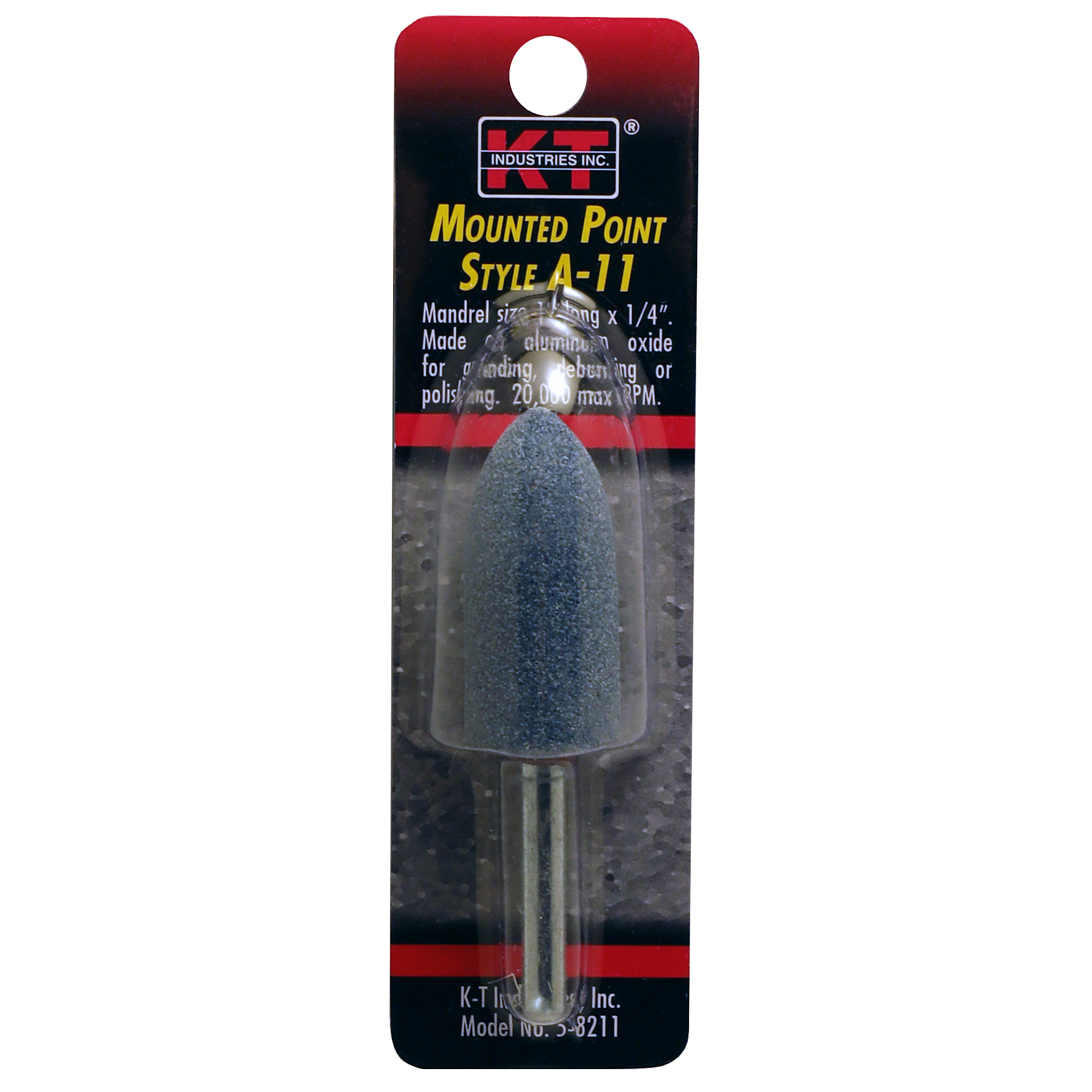
Item # 6743171
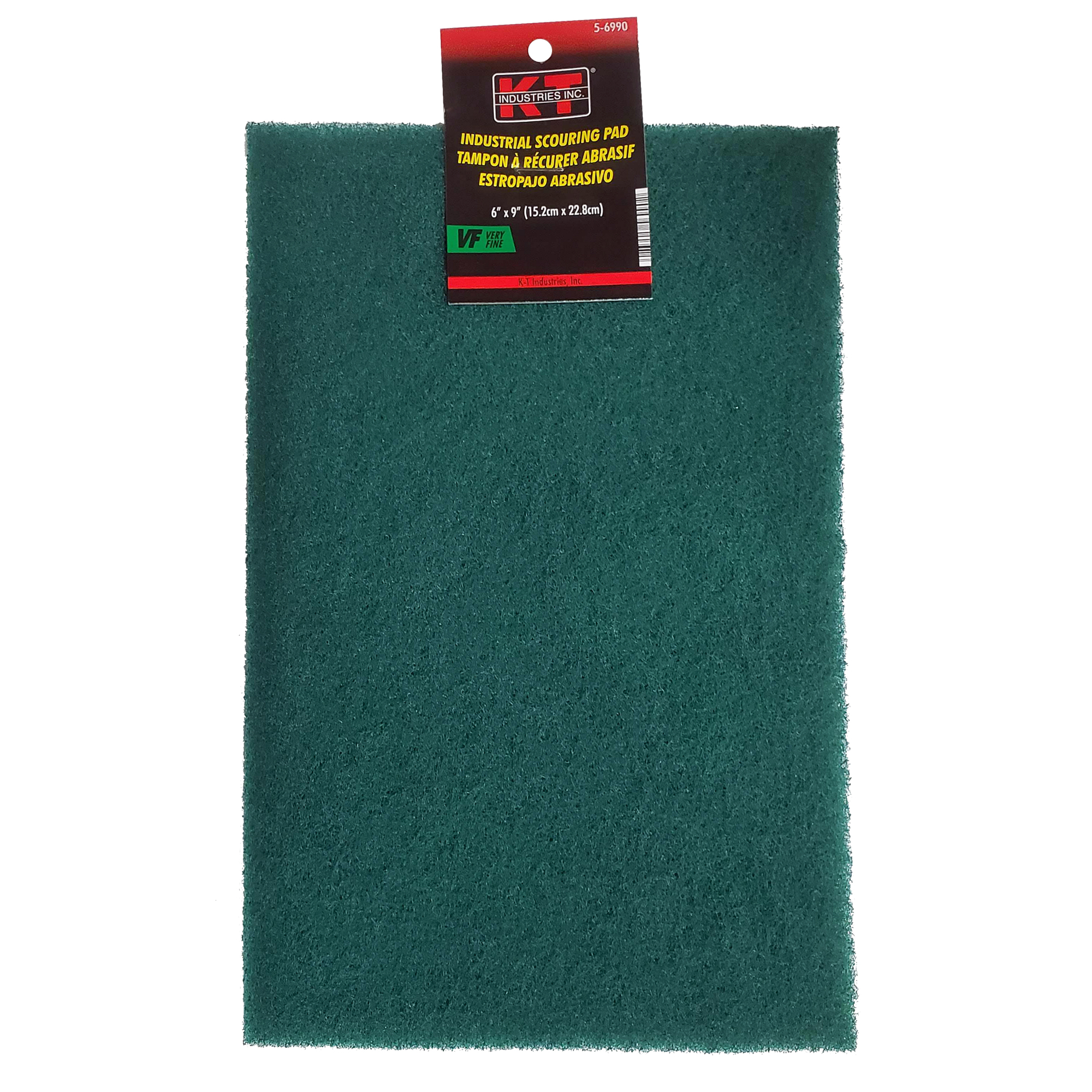
Item # 6743198
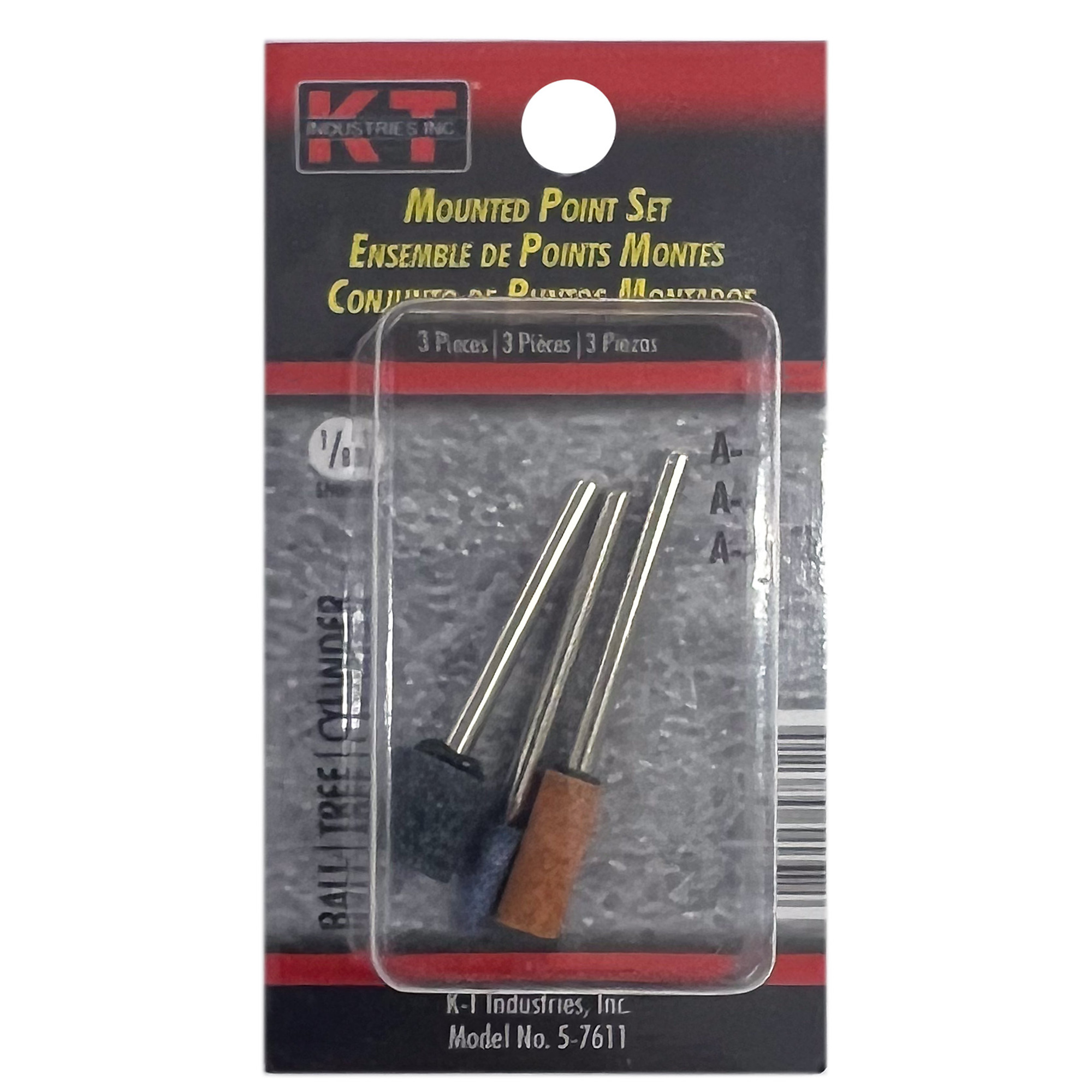
Item # 6743227
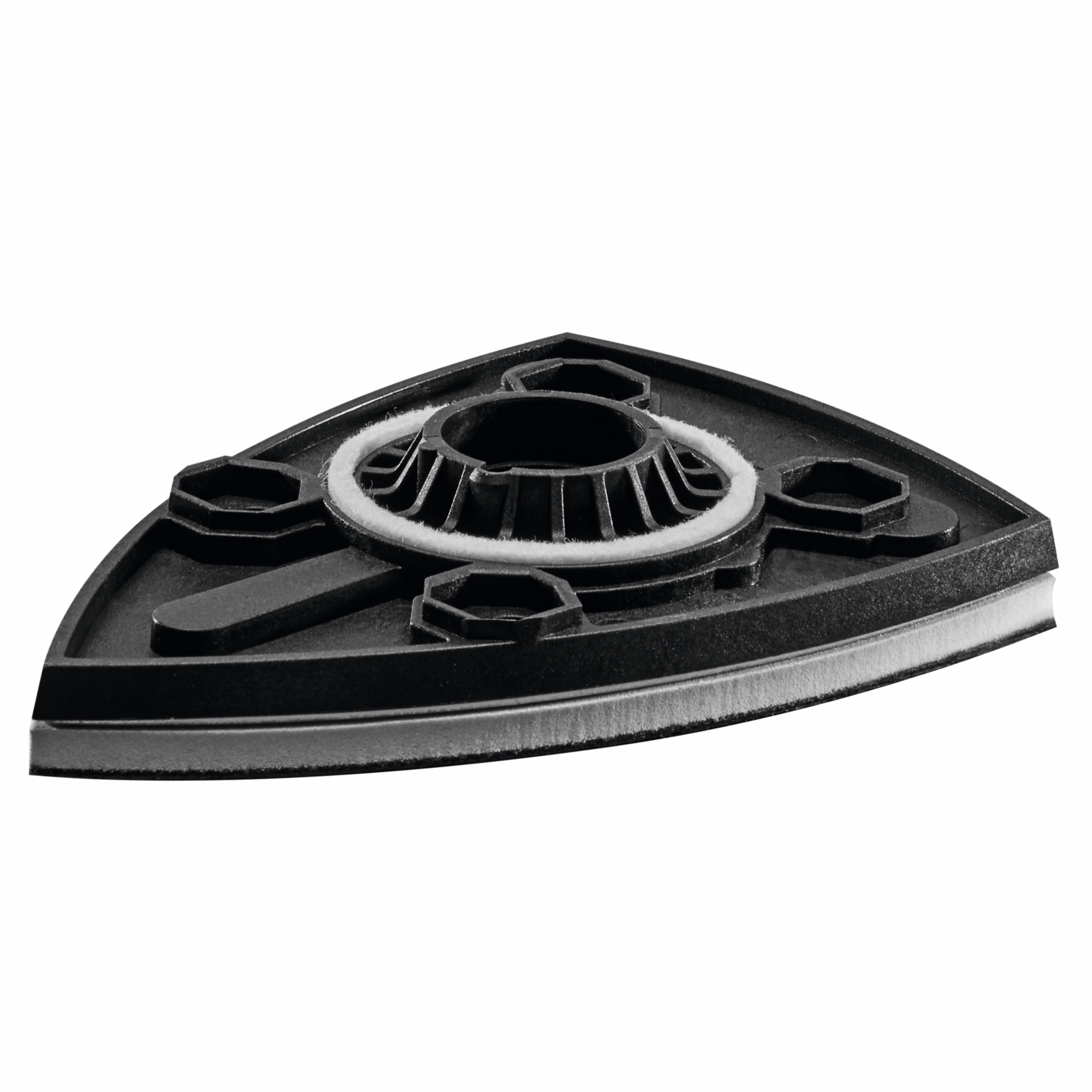
Item # 6896522

Item # 6810080
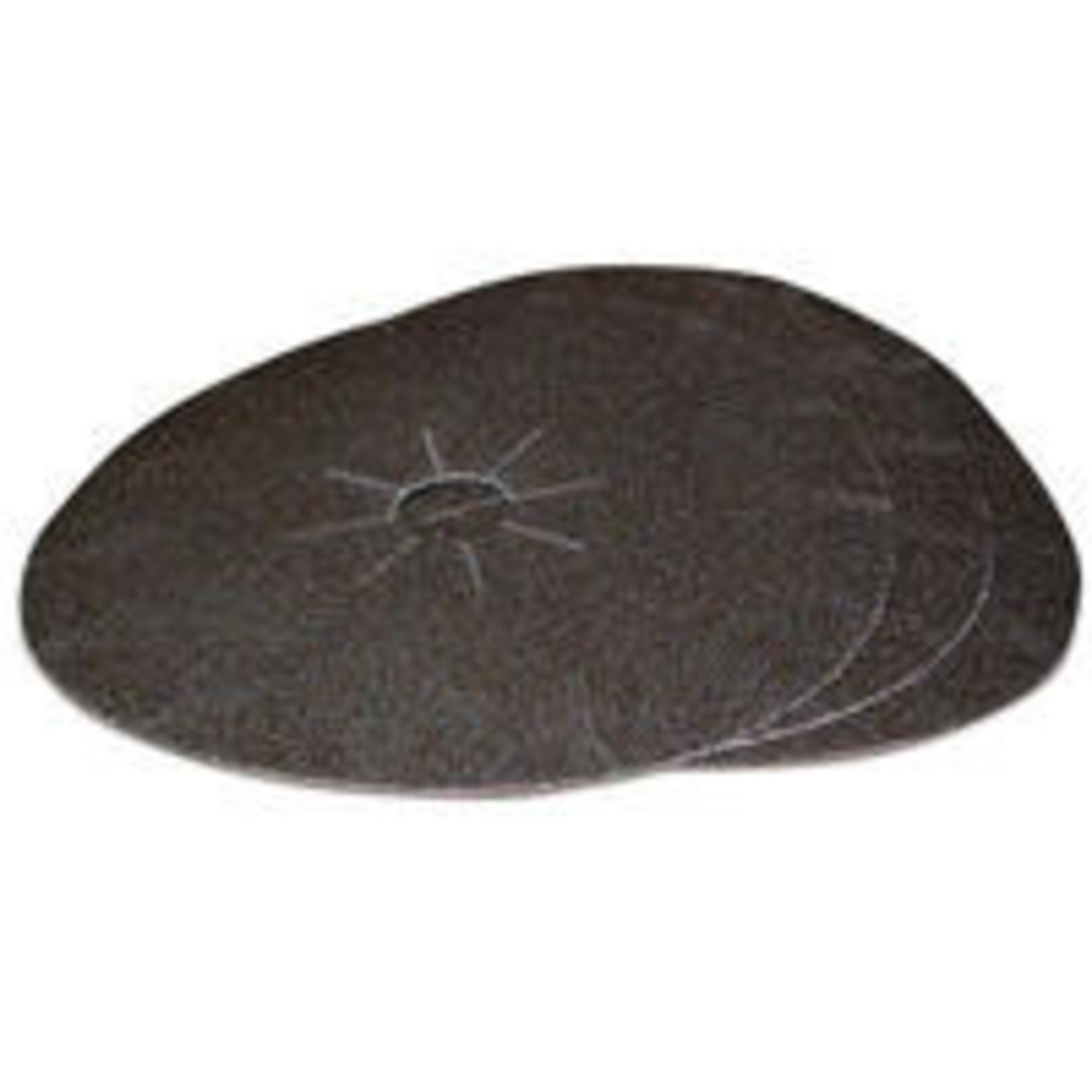
Item # 6209665
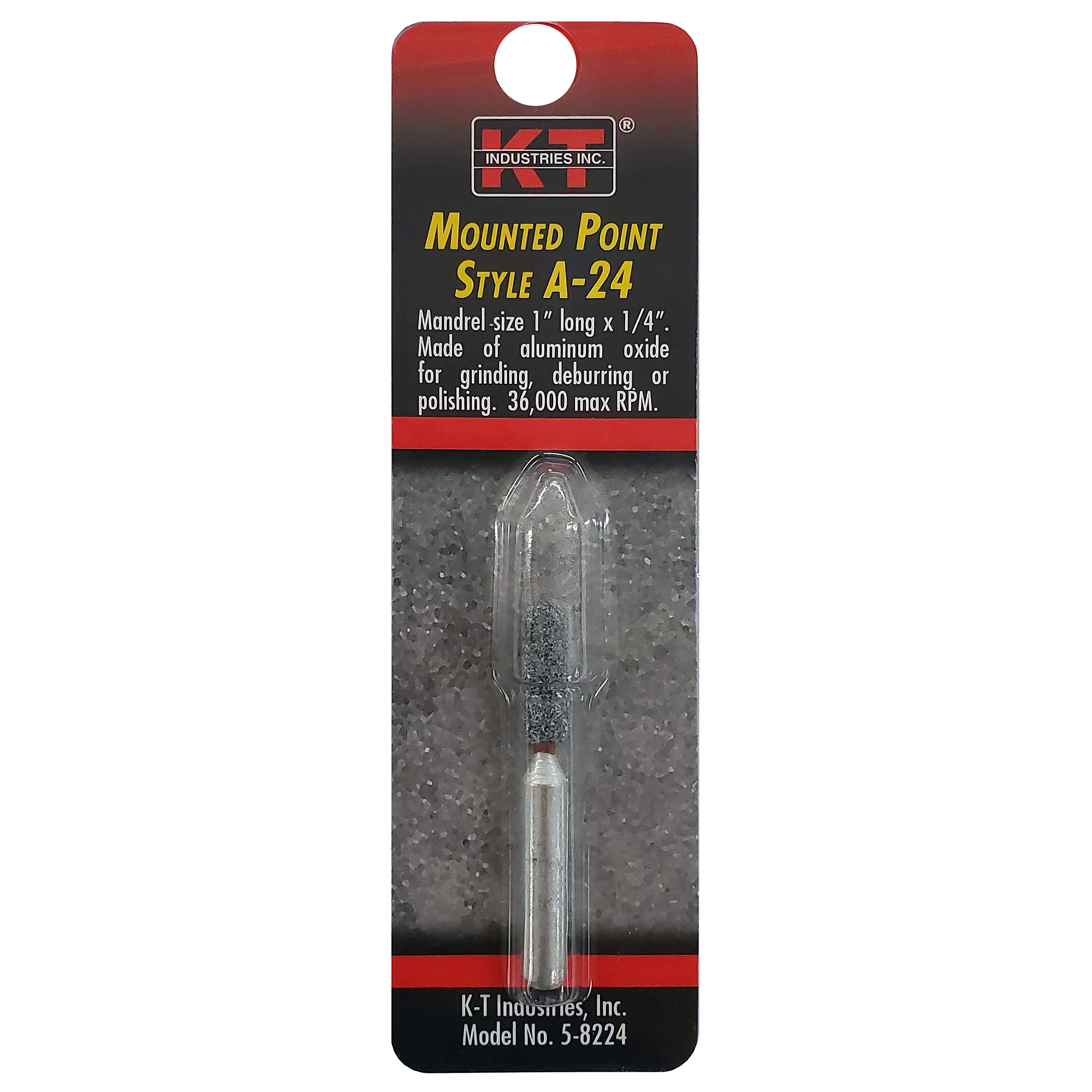
Item # 6743323
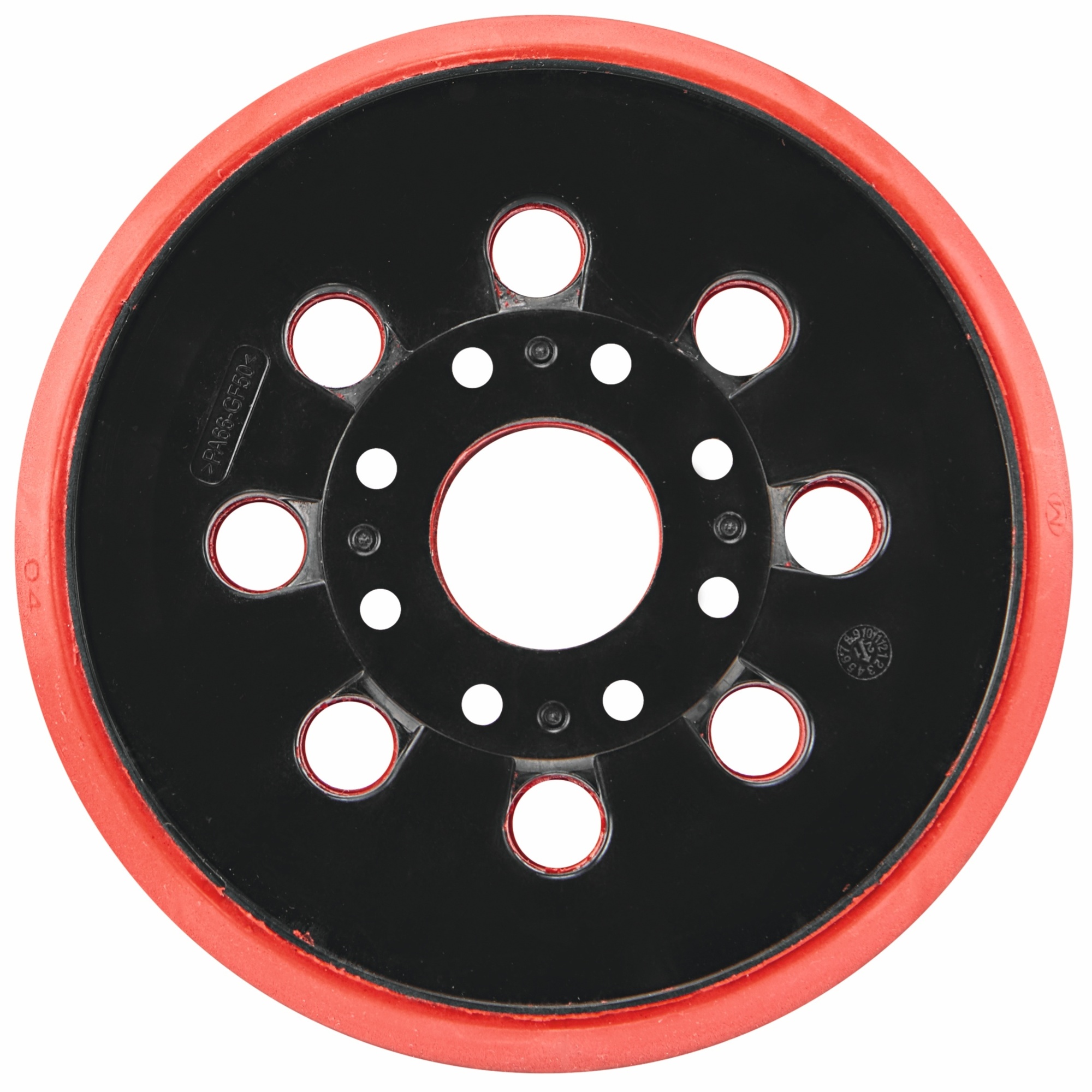
Item # 6897226
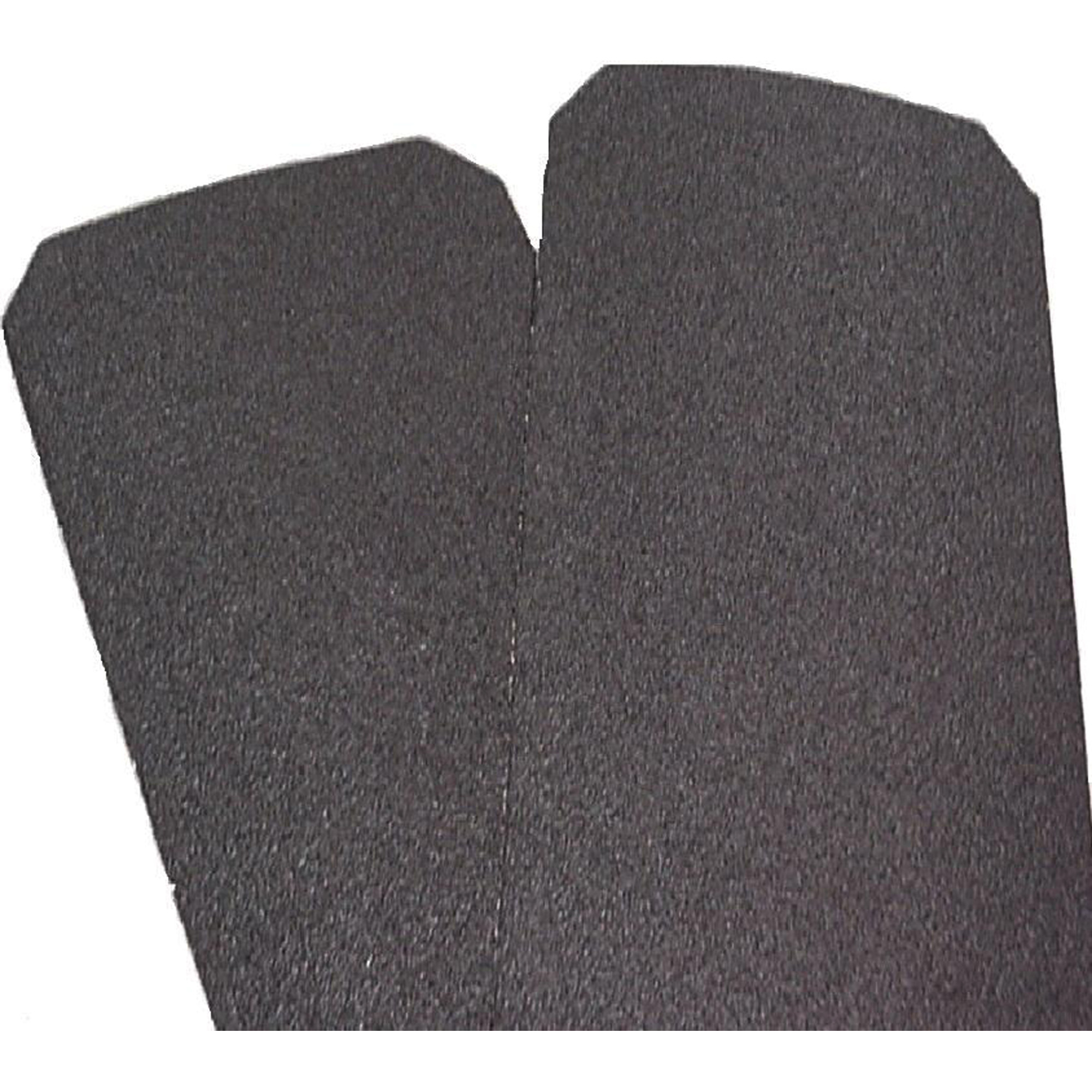
Item # 6209631
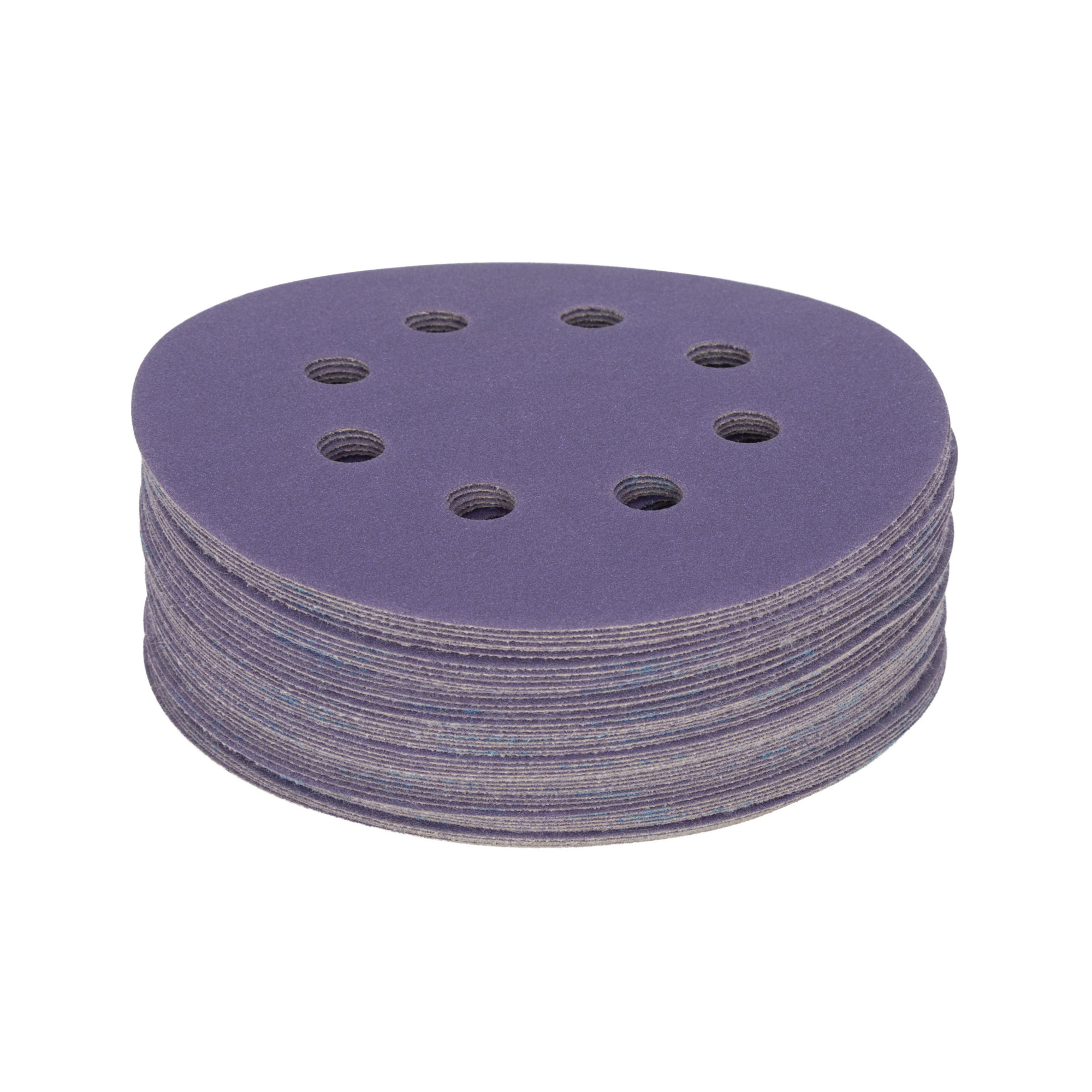
Item # 7026561
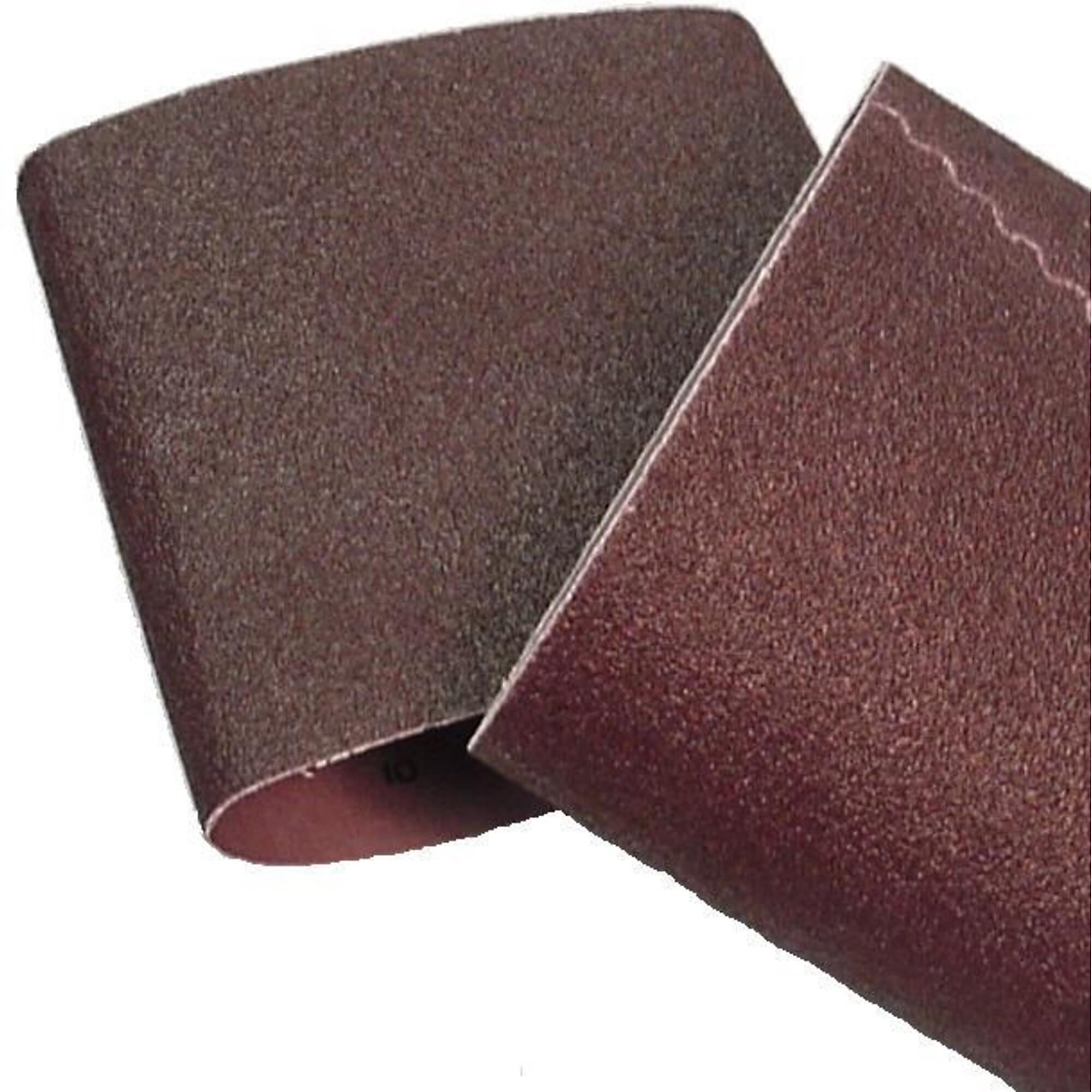
Item # 6211028
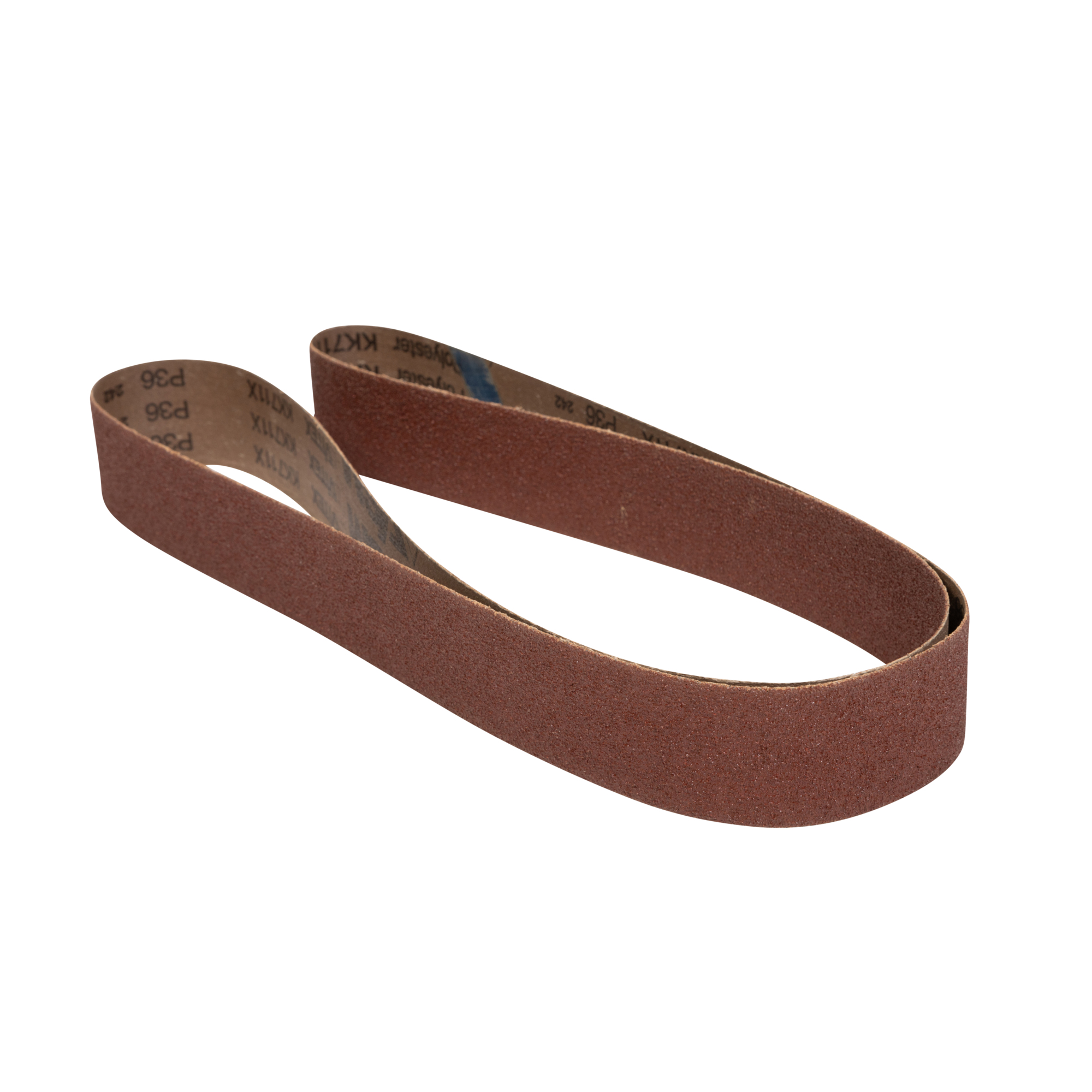
Item # 5889136
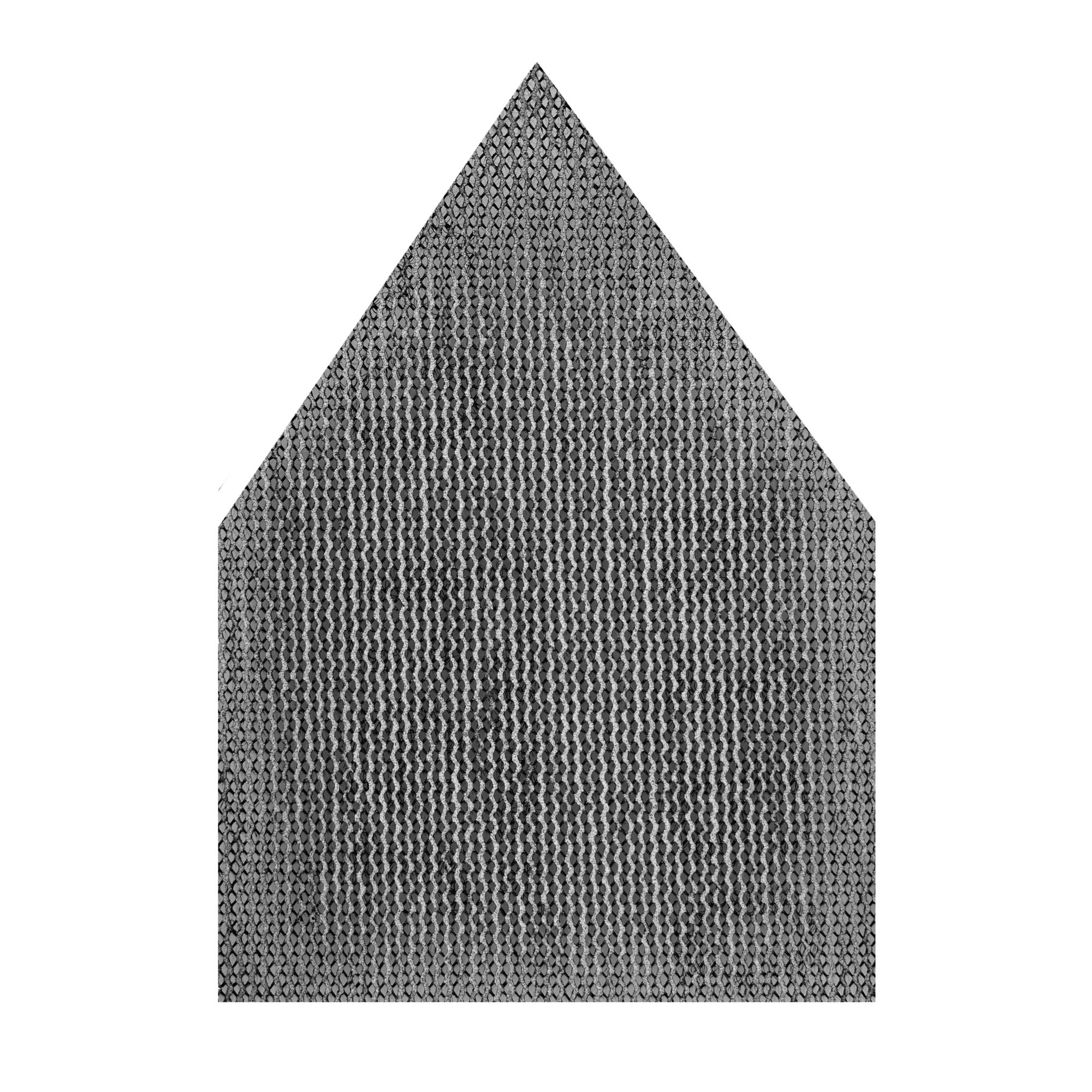
Item # 5058674
Woodworking Sanding
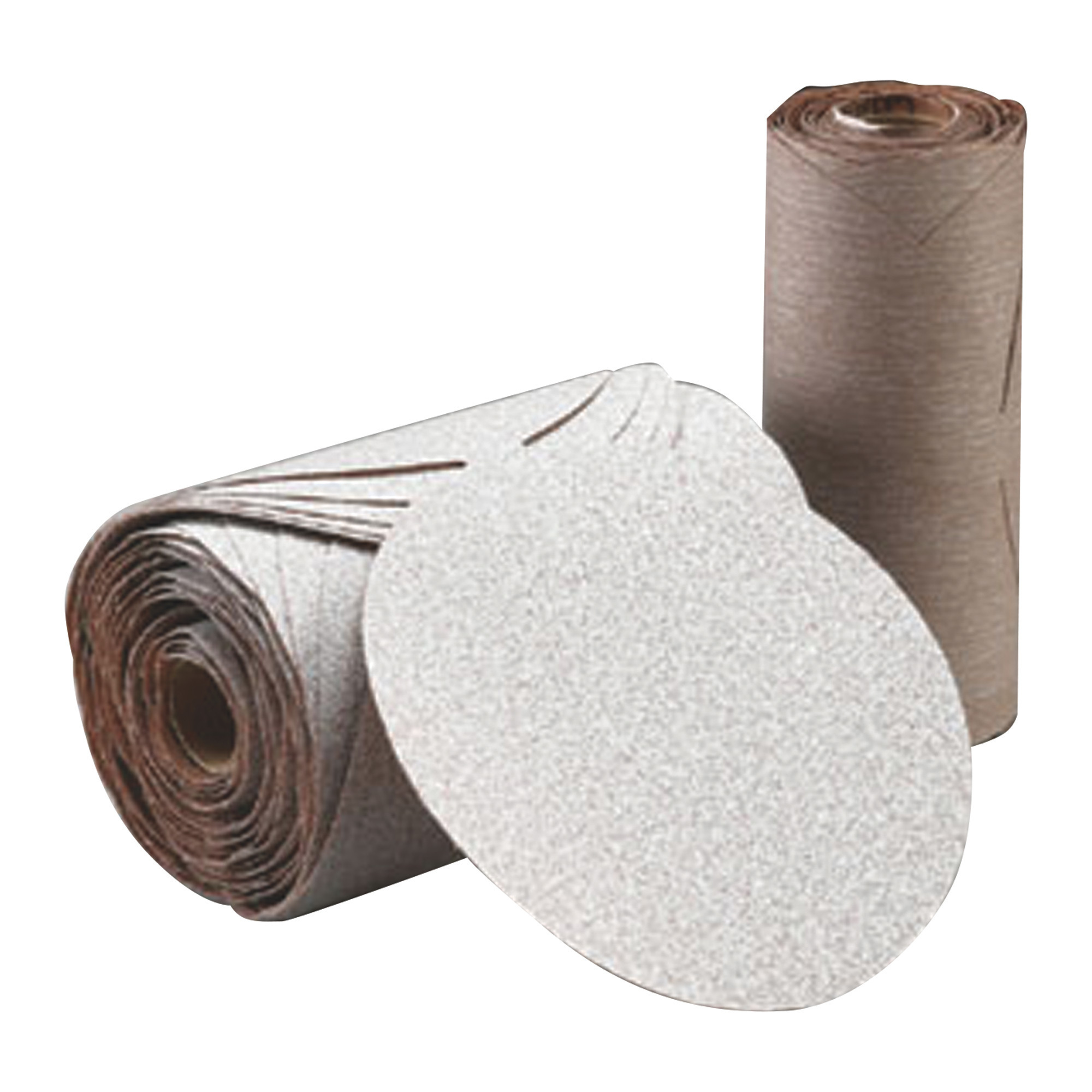
Good surface prep and sanding is key to a professional-looking result and Northern Tool offers a complete lineup of the best wood sanding supplies. Abrasives include sanding belts, blocks, discs and sheets with grits ranging from course as can be 36 to smooth as silk 400. This selection also includes ceramic mesh sanders. A 6-pack of sponge sanding blocks for general purpose, light to moderate sanding is good for a dresser refinishing job. If you’re looking for a contractor size 100-pack of sandpaper, check out the pressure sensitive adhesive (PSA) 6in. diameter sanding discs packaged in a convenient roll form. Simply tear off and apply the self-adhering abrasive woodworking sander discs to a backup pad.
If you’re looking for packs that include multiple-grit abrasive sanders, it's a good idea to cover your bases and get an assorted pack of grits: 60 grit, 80 grit and 120 grit are designed for up to 20,000 max RPM. Ceramic mesh power discs feature a special technology that works to prevent clogging for a great finish and a long life. The abrasive discs allow the grain to wear evenly and faster, more consistent results. Check out this complete lineup now. You’ll find top names in sanding and abrasives including Klutch, Diablo, Norton, Ironton, and Milwaukee.
Wood Sanding Frequently Asked Questions:
What are sanding discs and sheets?
Wood sanding discs and sheets are abrasive materials designed for use with power sanders to smooth and finish wood surfaces. They come in various grits, sizes, and types to accommodate different sanding needs.
What types of power sanders are compatible with these discs and sheets?
Wood sanding discs and sheets are compatible with various power sanders, including random orbital sanders, belt sanders, palm sanders, and detail sanders. The specific type and size depend on the sander's design and requirements.
How to get sanding discs and sheets to last longer?
To make sanding discs and sheets last as long as possible, it's important to use the right grit for the task. Cleaning the wood surface before sanding, keeping the sander at a consistent speed, and applying even pressure can also contribute to longer disc life. Additionally, avoiding excessive heat buildup and periodically cleaning or replacing the sandpaper as it wears down can enhance longevity.
What are the different grits in wood sanding discs and sheets?
Grit refers to the coarseness or fineness of the abrasive particles on the sanding surface. Lower number grits (coarse) are suitable for removing material quickly, while higher number grits (fine) are used for finishing. Woodworkers typically use a progression of grits, starting with a coarse grit and moving to finer ones for a smooth finish.
How do I choose the right grit?
The choice of grit depends on the initial condition of the wood and the desired finish. Coarse grits (40-60) are for removing paint or heavy material, medium grits (80-120) are for general sanding, and fine grits (150 and up) for final finishing and smoothing. It's common to start with a coarse grit and progressively move to finer grits.