Plombco Wheel Balancing Equipment
Filters
1-47 of 47 Products

Item # 6968320
Item # 6968186
Item # 6968549
Item # 6968531
Item # 6968506
Item # 6968477
Item # 6968362
Item # 6968354
Item # 6968338
Item # 6968303
Item # 6968240
Item # 6968231
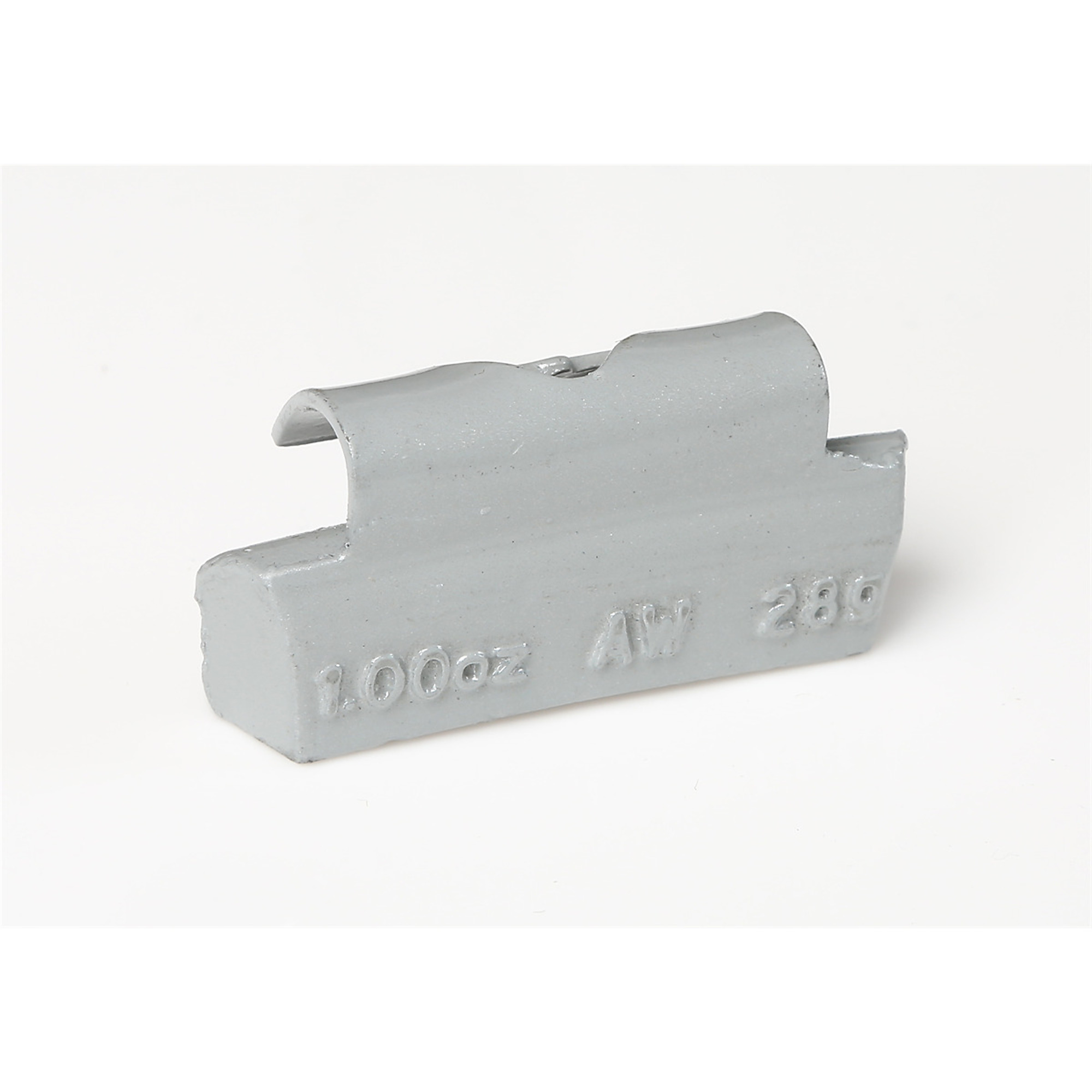
Item # 6968135
Item # 6968039
Item # 6968012
Item # 6967984
Item # 6968223
Item # 6968119
Item # 6968055
Item # 6968400
Item # 6968194
Item # 6968143
Item # 6967976
Item # 6968418
Item # 6968282
Item # 6968442
Item # 6968645
Item # 6968434
Item # 6968611
Item # 6968514
Item # 6968469
Item # 6968653
Item # 6968426
Item # 6968274
Item # 6968215
Item # 6968063
Item # 6968565
Item # 6968346
Item # 6968258
Item # 6968071
Item # 6967992
Item # 6968311
Item # 6968178
Item # 6968397
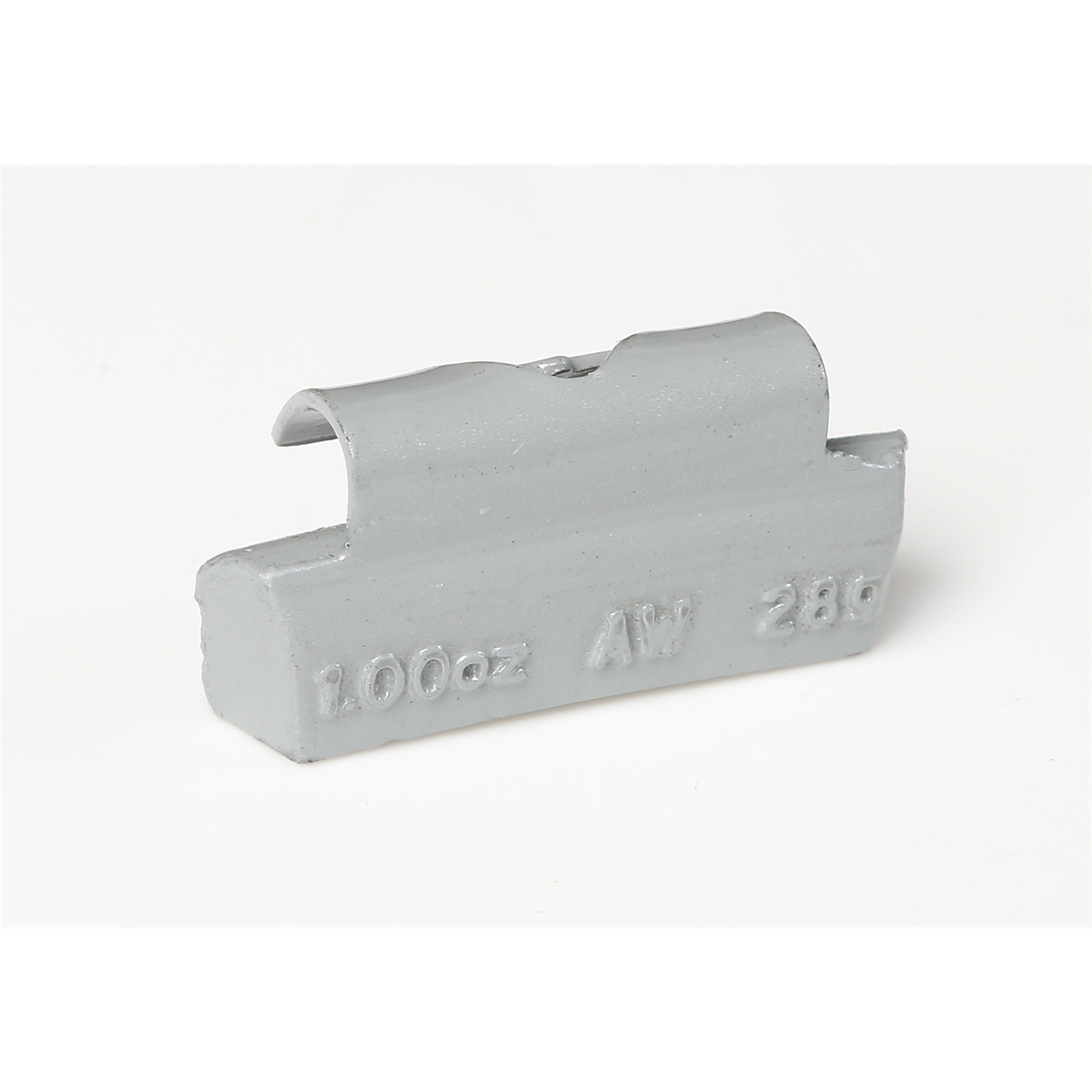
Item # 6968266
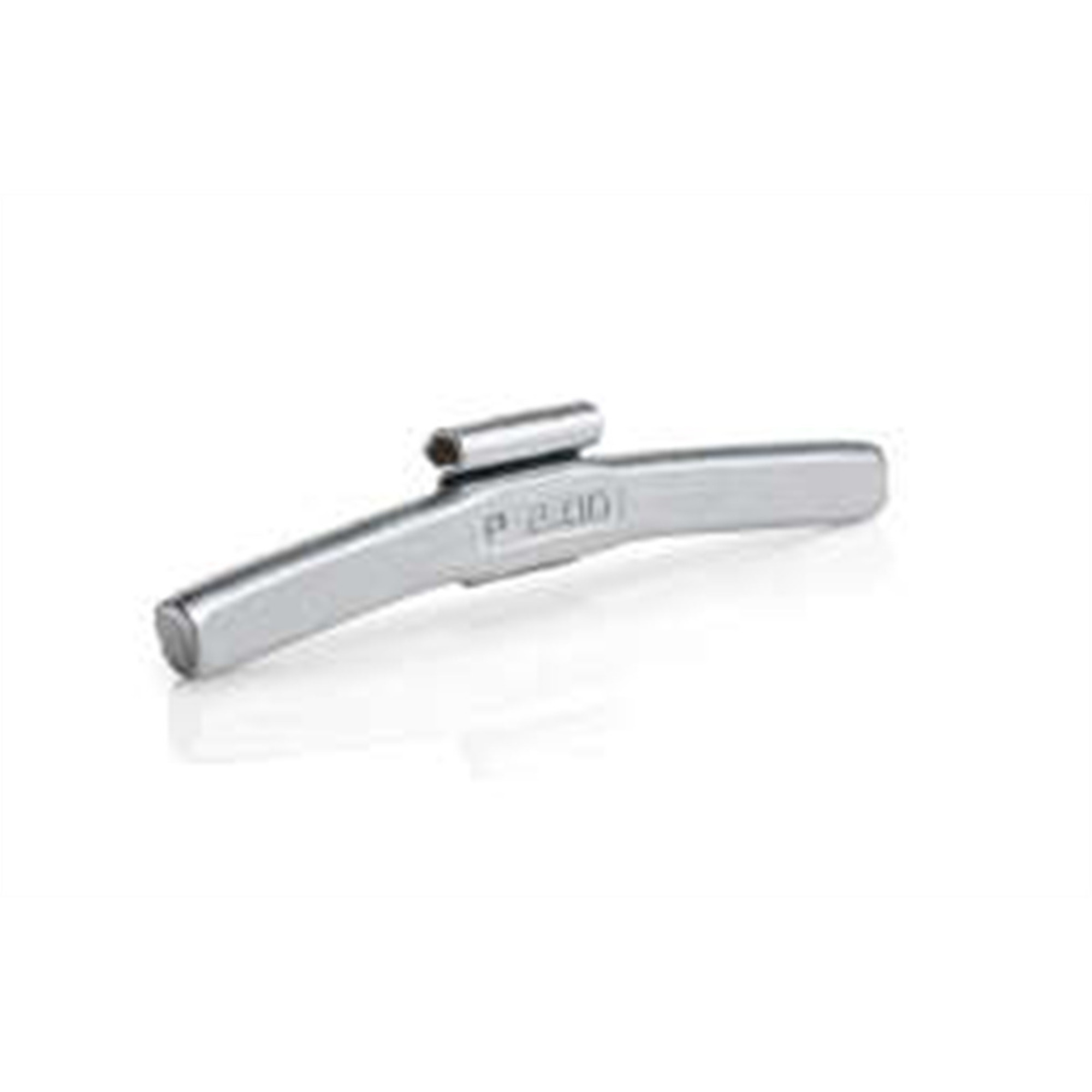
Item # 6968207
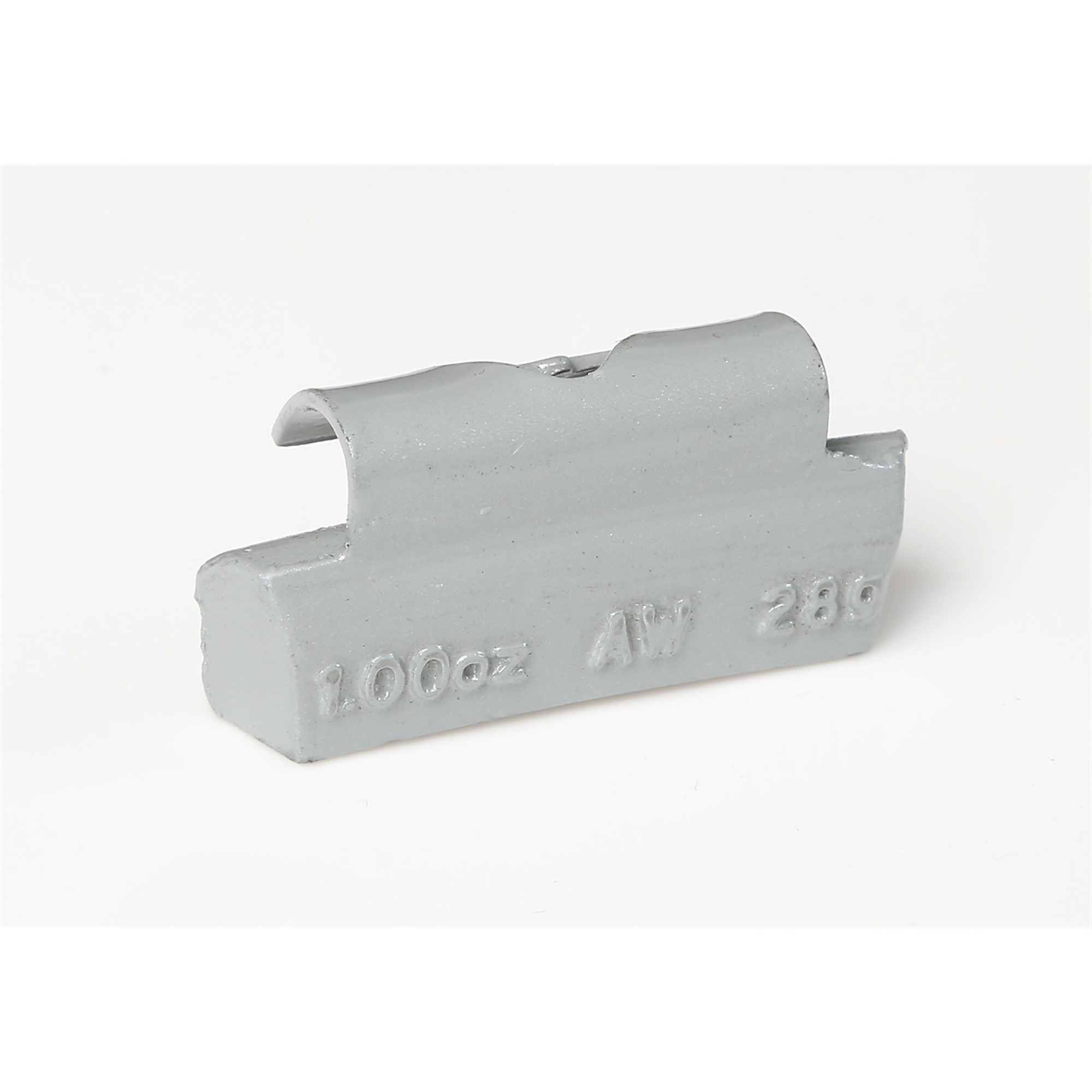
Item # 6968127
Wheel Balancers
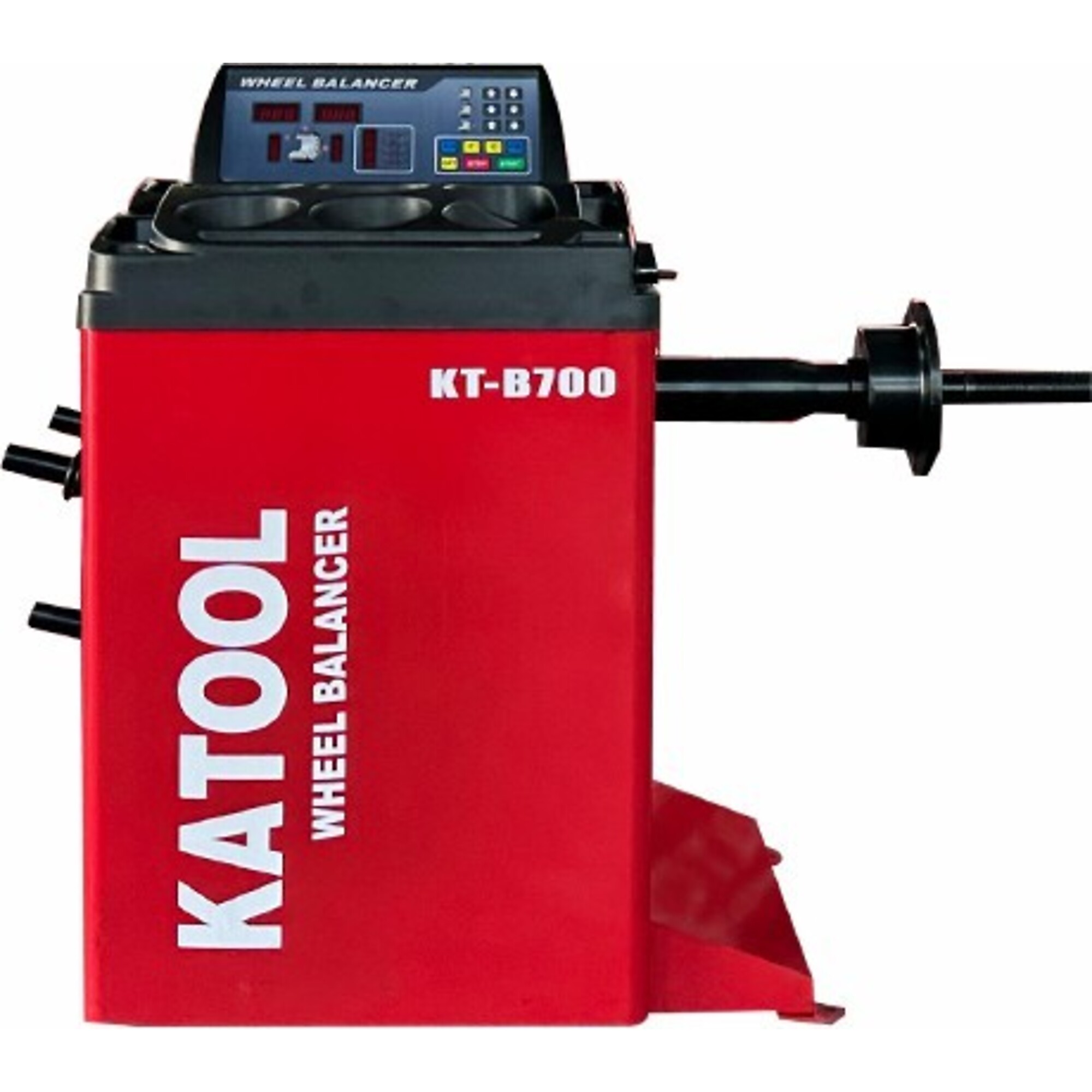
With a wheel balancer, you can service any vehicle including cars, trucks, farm equipment, recreational vehicles and construction equipment. Which wheel balancer you select depends on your budget, size of your shop and the skill level of your technicians. Plus, it’s important to consider how much of your business you want to devote to wheel balancing for the future. It pays to spend a little more upfront for greater potential in the future.
Wheel balancers can accommodate tire diameters from 24in. to 47in. and rim widths up to 30in. Static and dynamic are the two common wheel balancing types. Static models are more affordable, easier to use and perform the balancing procedure without the wheel moving. This is especially convenient for large commercial/industrial vehicles. Dynamic wheel balancers, on the other hand, check for balance while the wheel is in motion. These models are more expensive but can handle a wider variety of vehicle types and require less technical skill. This allows less experienced technicians to achieve accurate results. Many wheel balancers come with options for both static and dynamic modes. Northern Tool + Equipment carries top brands including Tuxedo, Ame International, Ranger Products, ESCO and more, plus accessories, including wheel weight pliers, tire mounting clamps and truck cone kits.
Wheel Balancing Frequently Asked Questions:
How does wheel balancing equipment work to ensure even weight distribution in tires and wheels?
Wheel balancers spin the tire to measure the weight distribution of the tire and wheel assembly to determine where wheel weights should be placed to achieve correct balance. Proper balancing helps eliminate the vibrations that wear tires and suspension.
Can wheel balancing equipment handle different tire sizes and weights?
Wheel balancers are available with varying capacities to handle virtually all types of wheels on cars, trucks, motorcycles and motorhomes.
What are the signs that indicate a wheel needs to be balanced, and how often should wheel balancing be performed?
Vibration felt in the steering wheel while driving and uneven tire wear are two of the most common signs that could point to an unbalanced wheel. Many experts recommend having tires balanced every 6,000 to 8,000 miles.
How do I properly calibrate and maintain wheel balancing equipment to ensure accurate results?
Specific steps to calibrate and maintain your wheel balancing equipment may vary according to your model. Check the owner’s manual for precise instructions. A couple reasons your wheel balancer may require recalibration is if it was moved to a new location or if your machine asks for more weight after weight has been added.
How do static and dynamic tire balancers differ in terms of functionality?
Static wheel balancers are suitable for slight imbalances, measuring the balance of the tire assembly without the wheel spinning. Dynamic wheel balancers, on the other hand, use computers and sensors to take measurements while the wheel is spinning, measuring both statically and dynamically. Dynamic wheel balancers are considered more accurate and comprehensive.