Pacific Trailer Towing Couplers
Filters
1-13 of 13 Products

Item # 6973014
Item # 6921732
Item # 6924491
Item # 6923543
Item # 6921564
Item # 6972986
Item # 6922946
Item # 6927309
Item # 6927325
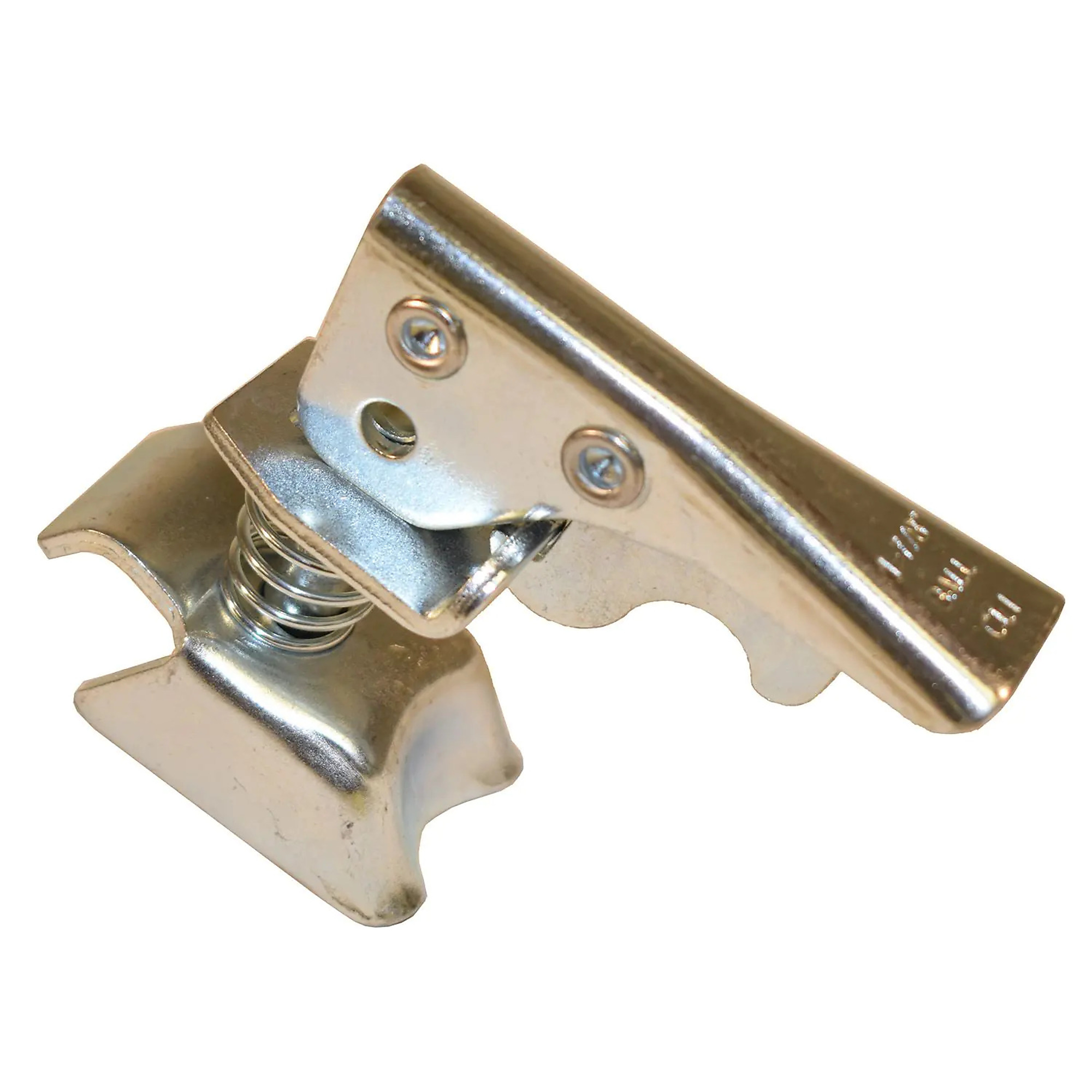
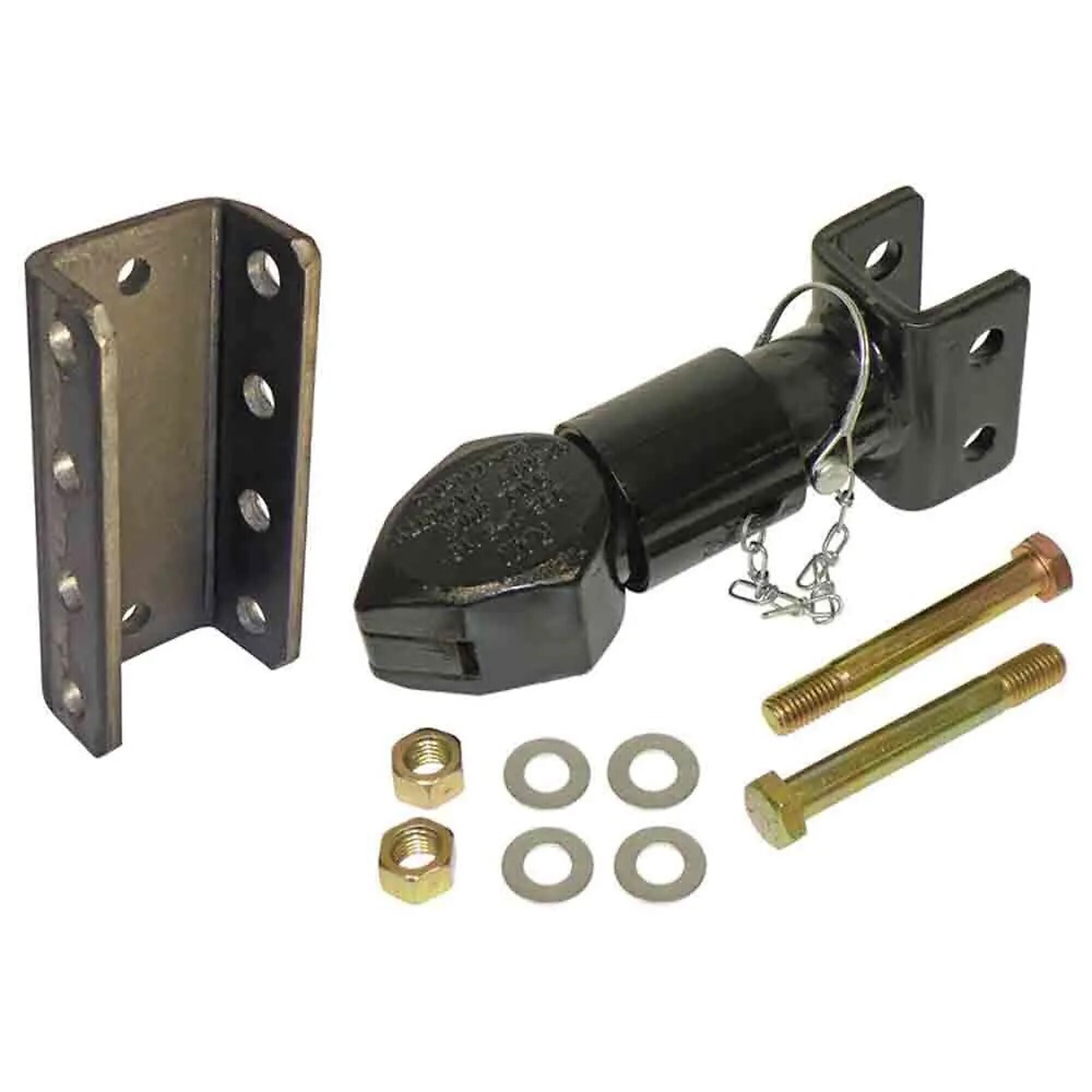
Pacific Trailer Coupler Repair Kit — 1-7/8in. Straight Coupler, Zinc-Plated Steel, Model# CT-2000-RK
Item # 6927296
Item # 6924538
Item # 6972901
Item # 6972062
Towing Couplers
Enable fast trailer hookups with couplers, designed to quick-lock onto towing balls. Trailer hitch couplers are mounted to the trailer you will be towing and provide a secure connection point between the trailer and a hitch ball. Corrosion and rust-resistant materials ensure a long lifespan. Trailer towing couplers also includes a variety of styles for the proper mounting on your trailer. From traditional straight tongue designs to A-frame, V-type, bulldog, and channel-mount styles. The right size coupler is imperative to a smooth, safe towing experience. A coupler that's too small or tight may cause binding or difficulties when turning. A trailer coupler that's too loose presents the possibility of the trailer separating from the tow vehicle while enroute. Latching mechanisms, posi-lock, and other locking coupler options for quickly and easily securing your trailer to the tow vehicle. Replacement latches, repair kits, and other trailer coupler parts and accessories allow you to customize to your towing needs.
Towing Coupler Frequently Asked Questions:
How do I choose the right towing coupler for my trailer?
First, ensure that your vehicle is outfitted with a receiver ball appropriate to the size and weight capacity of your vehicle. Then look for a manufacturer’s stamp or label, on any coupler you’re considering, to match the ball on your vehicle. (Trailer couplers are typically rated for gross trailer weight (GTW), but some are also rated for a maximum tongue weight [TW]).
Are there any legal regulations or standards that towing couplers must meet?
Yes, the Federal Motor Carrier Safety Administration (FMCSA) provides guidelines that towing couplers must meet. The FMCSA says that safety devices must be used in such a way that towed/towing vehicles will not separate if the safety devices fail or become disconnected. Separate safety devices attached to front and rear draw bars can be used to satisfy this requirement (§ 393.70(d). If a drawbar design includes bolts, connecting pins or other means to connect the drawbars, those connectors must extend from the frame of the towed or towing vehicle to a joint beyond the bolts, pins or other devices. If a draw bar is extendable, additional connectors must be used near or at the midpoint of the drawbar. For more detail, visit https://www.fmcsa.dot.gov/safety/section-39370d
Are there locking mechanisms available for towing couplers to prevent theft?
Yes, you’ll find multiple anti-theft locking mechanisms for couplers on the market.
Can a towing coupler be used on different towing vehicles, or is it vehicle-specific?
A towing coupler is specific to a vehicle’s specs, including load capacity and attachment style. Some couplers are multi-functional but that doesn’t mean they can be used universally. Please refer to Q# 26 for choosing the right towing coupler for your vehicle.
What is an added benefit to using a towing coupler?
Towing couplers often feature self-latching mechanisms. These automatically lock into place when the trailer is lowered onto the hitch ball, reducing the risk of user error during the set-up process, this helps prevent accidental uncoupling.
Why choose an A-frame coupler?
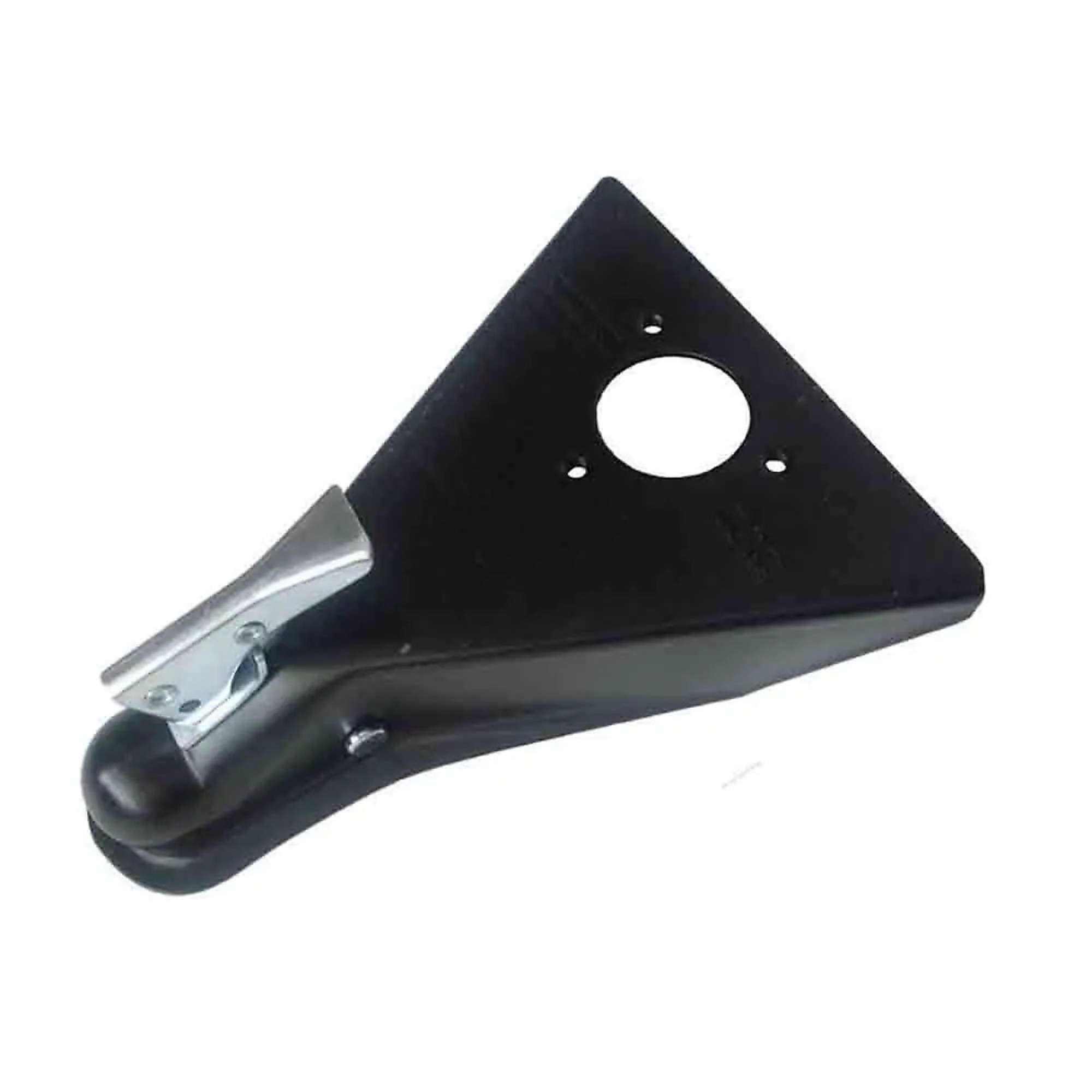
The triangular design of an A-frame tongue, with the coupler, provides a stable connection that distributes the load evenly. The A-frame coupler allows for easy on and off from the towing vehicle. A-frame couplers are designed to work with standard trailer balls and, thus, are compatible with most towing vehicles.