Caulk Guns
Filters
1-48 of 73 Products

Item # 45407
Item # 5952115
Item # 5952123
Item # 7290442
Performance Tool Ratcheting Caulk Gun — Built-In Tube Tip Cutter, Ergonomic Handle, Model# PRTW54250
Item # 7156534
Item # 50709
Item # 63554
Item # 7290522
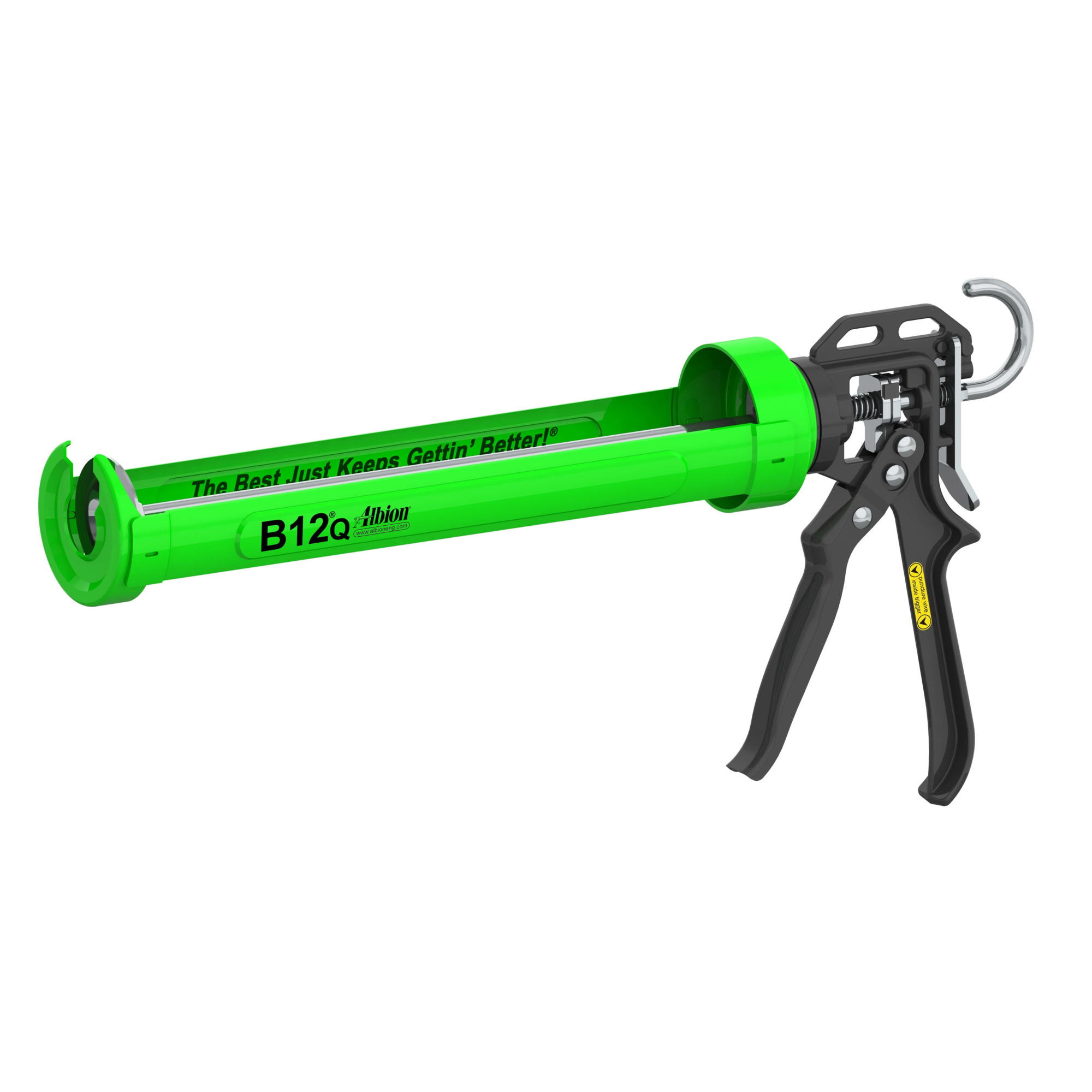
Item # 7289388
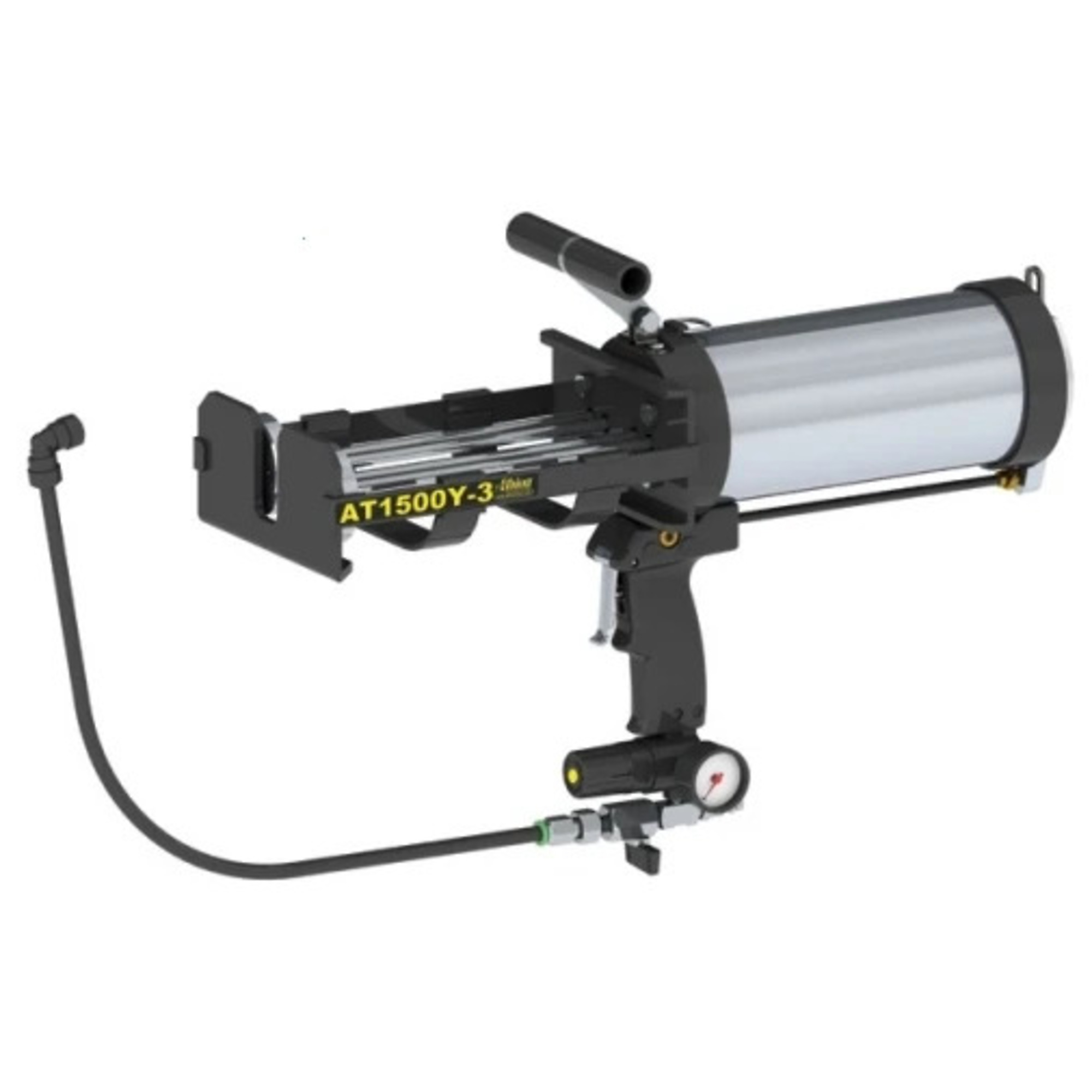
Item # 7289290
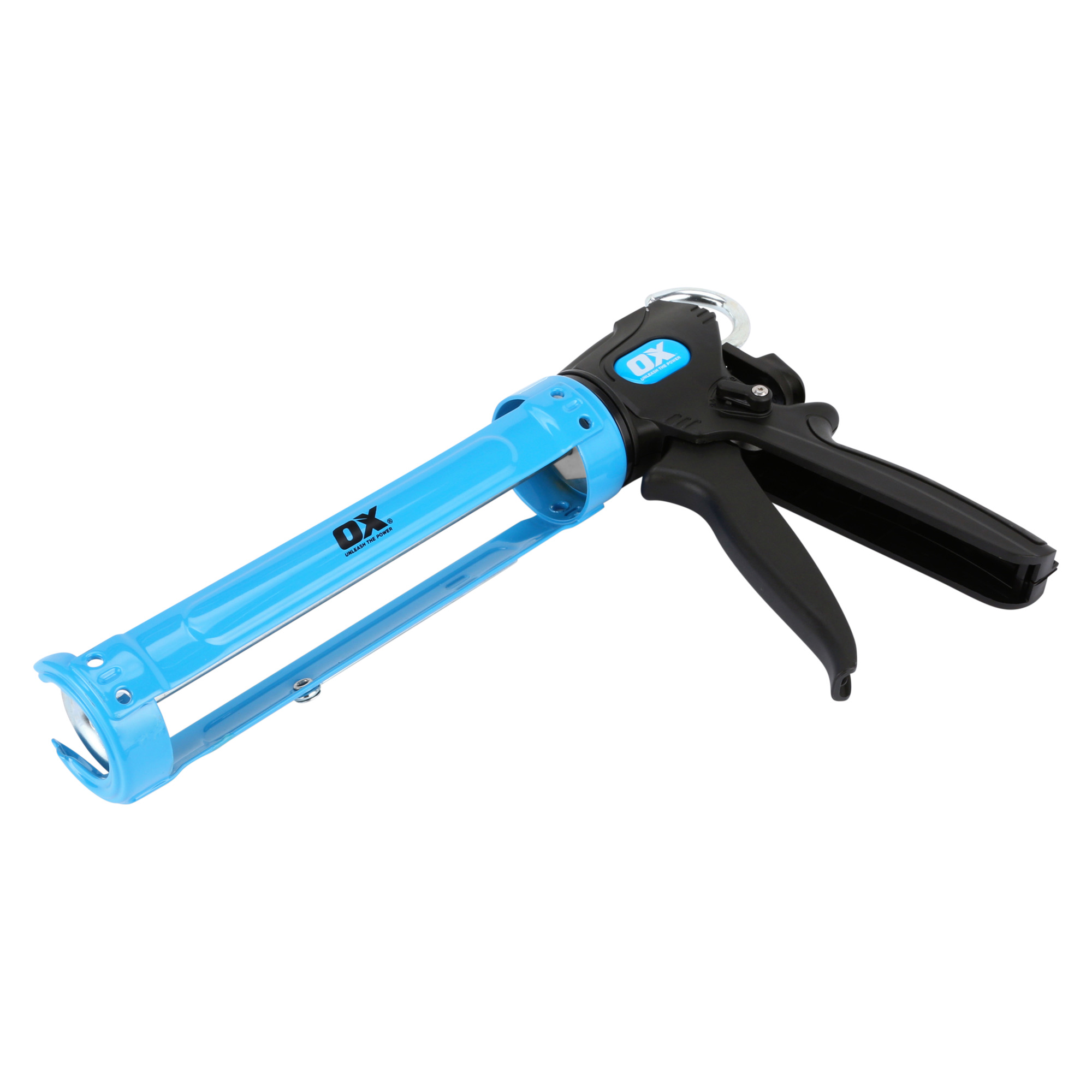
Item # 6118704
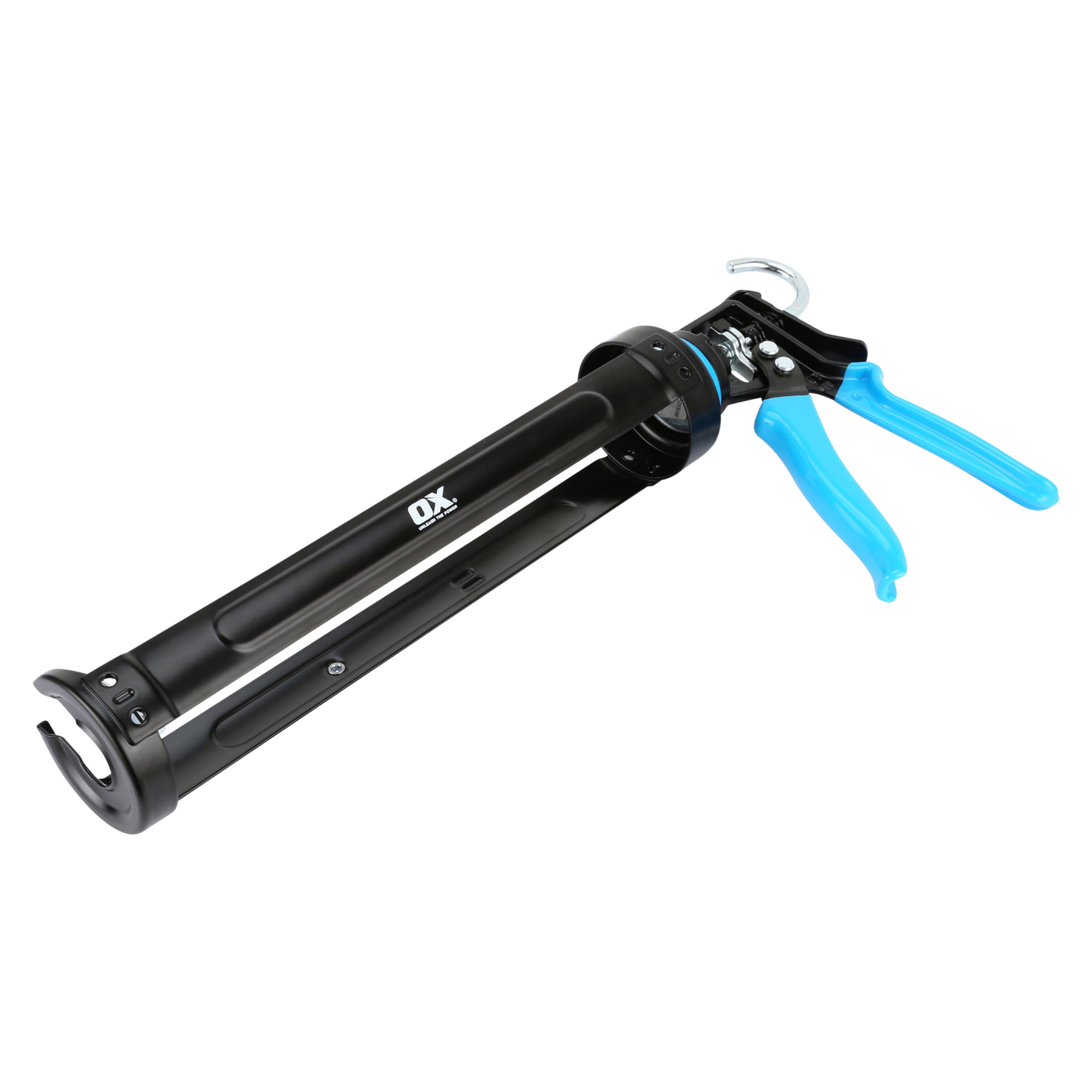
Item # 6118675
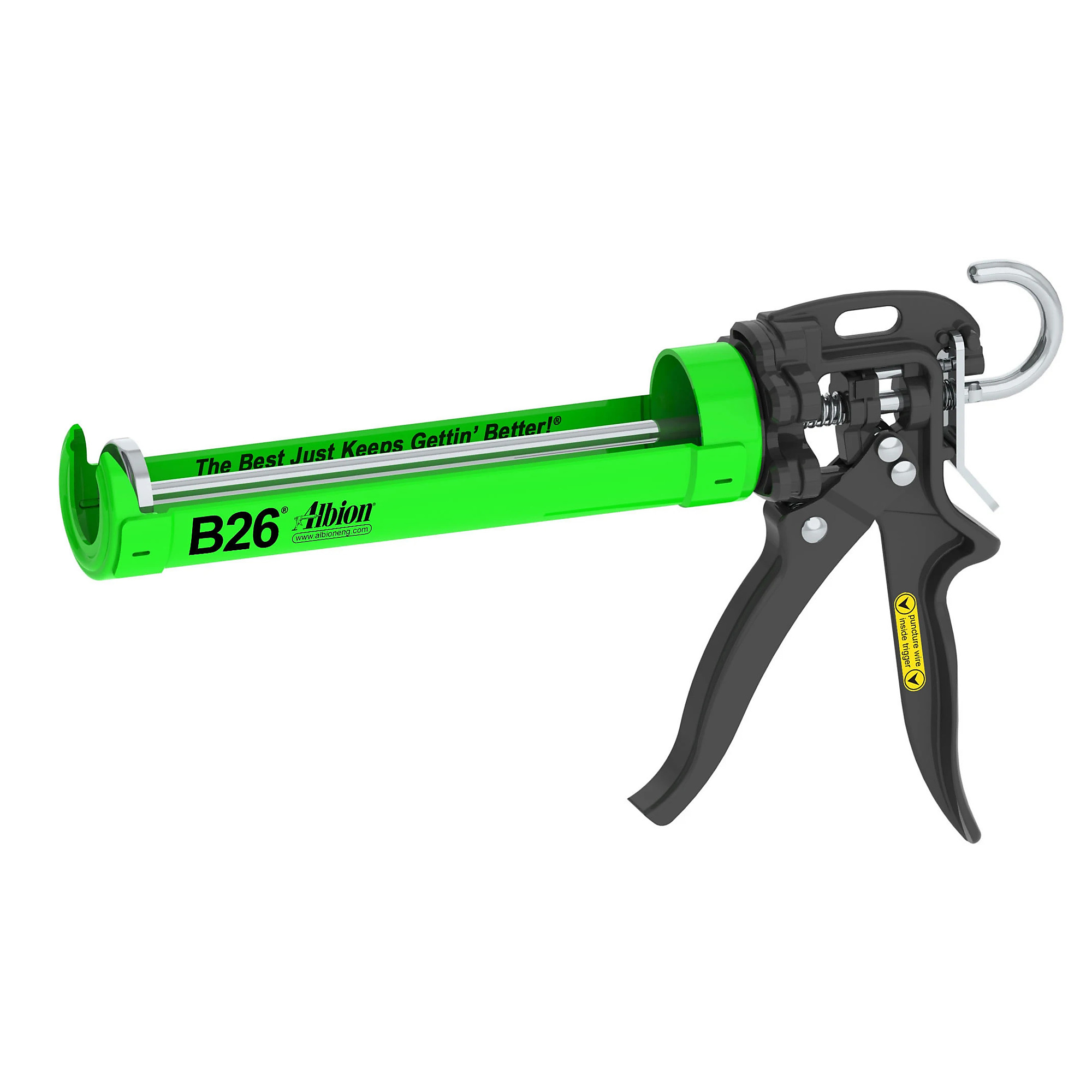
Item # 7290151
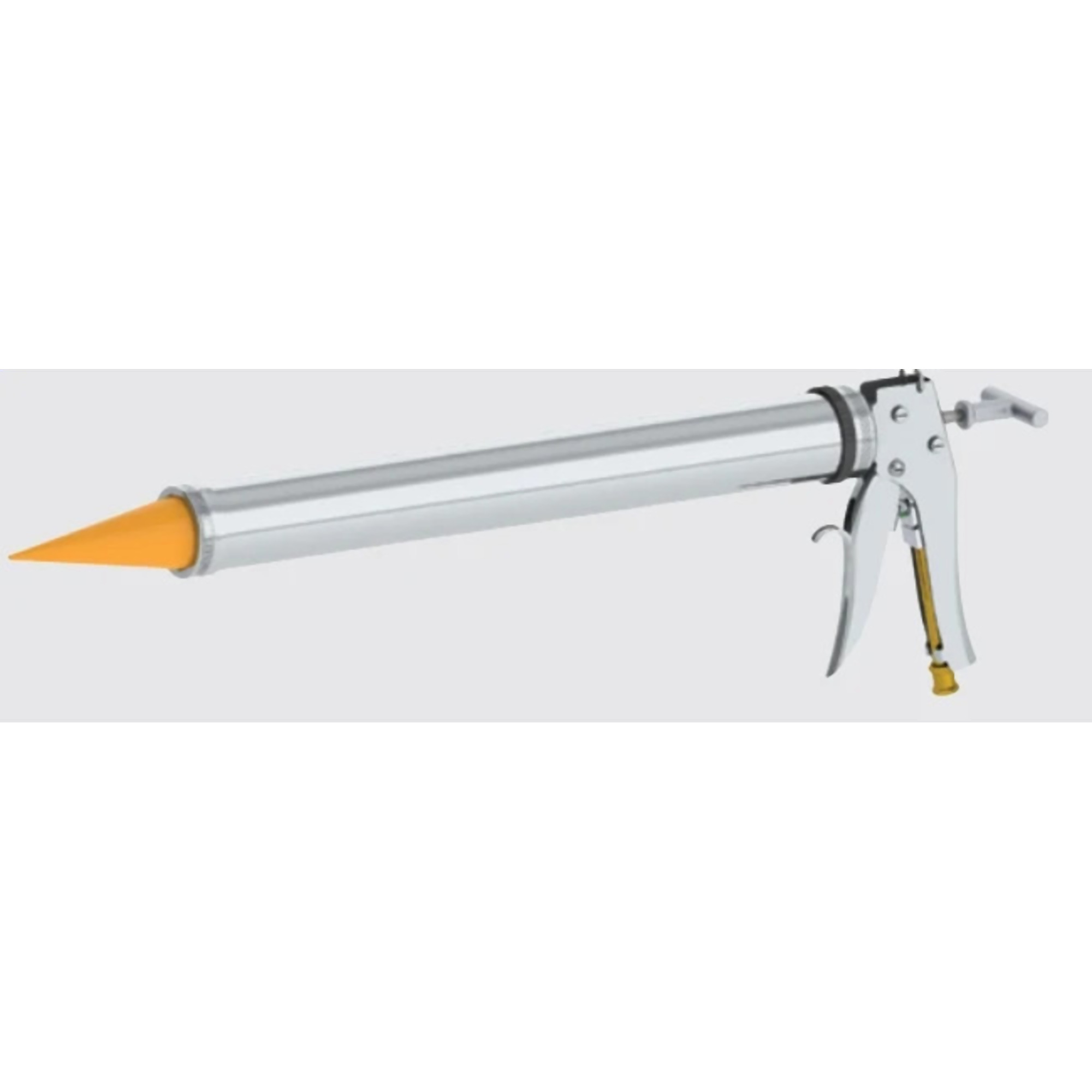
Item # 7290047
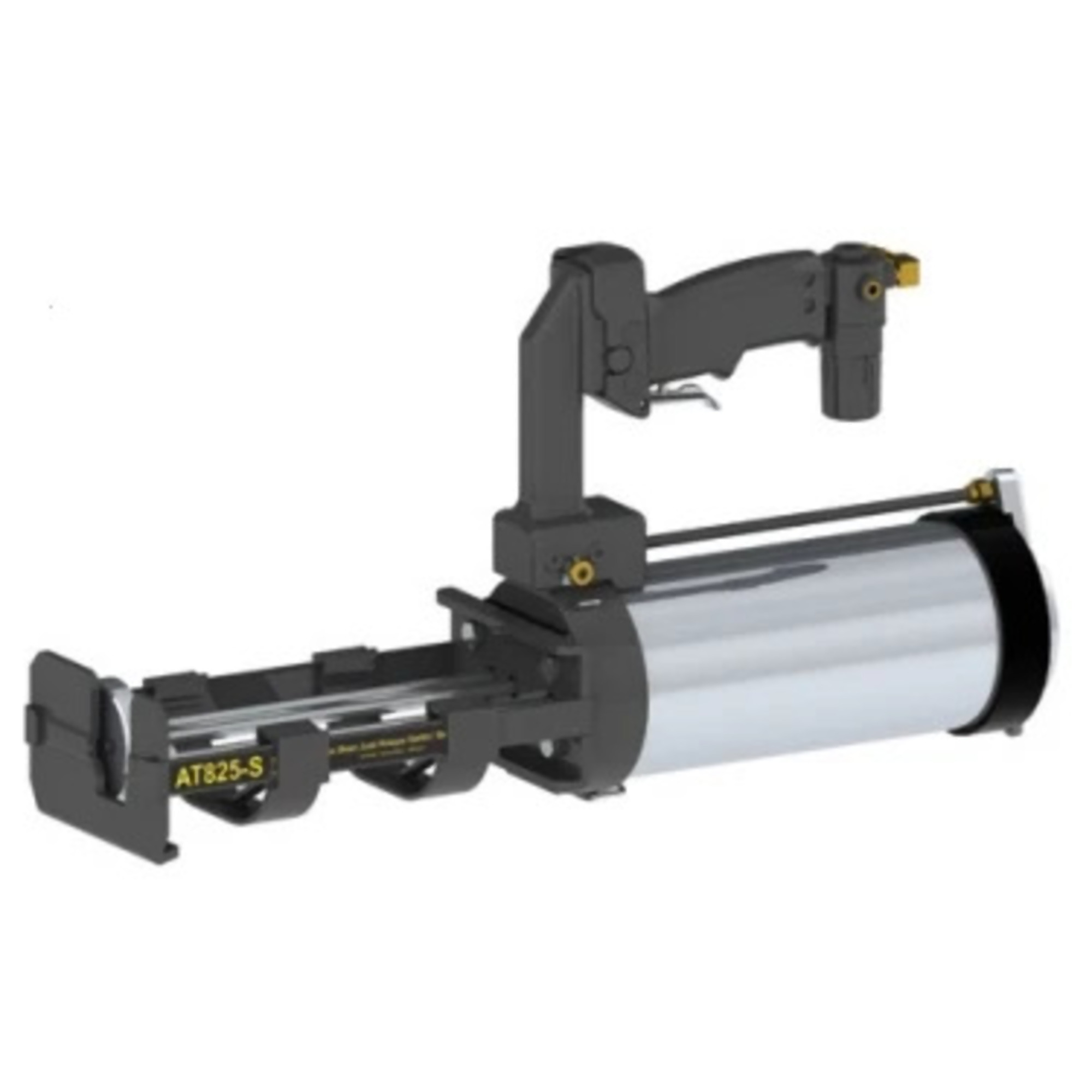
Item # 7289337
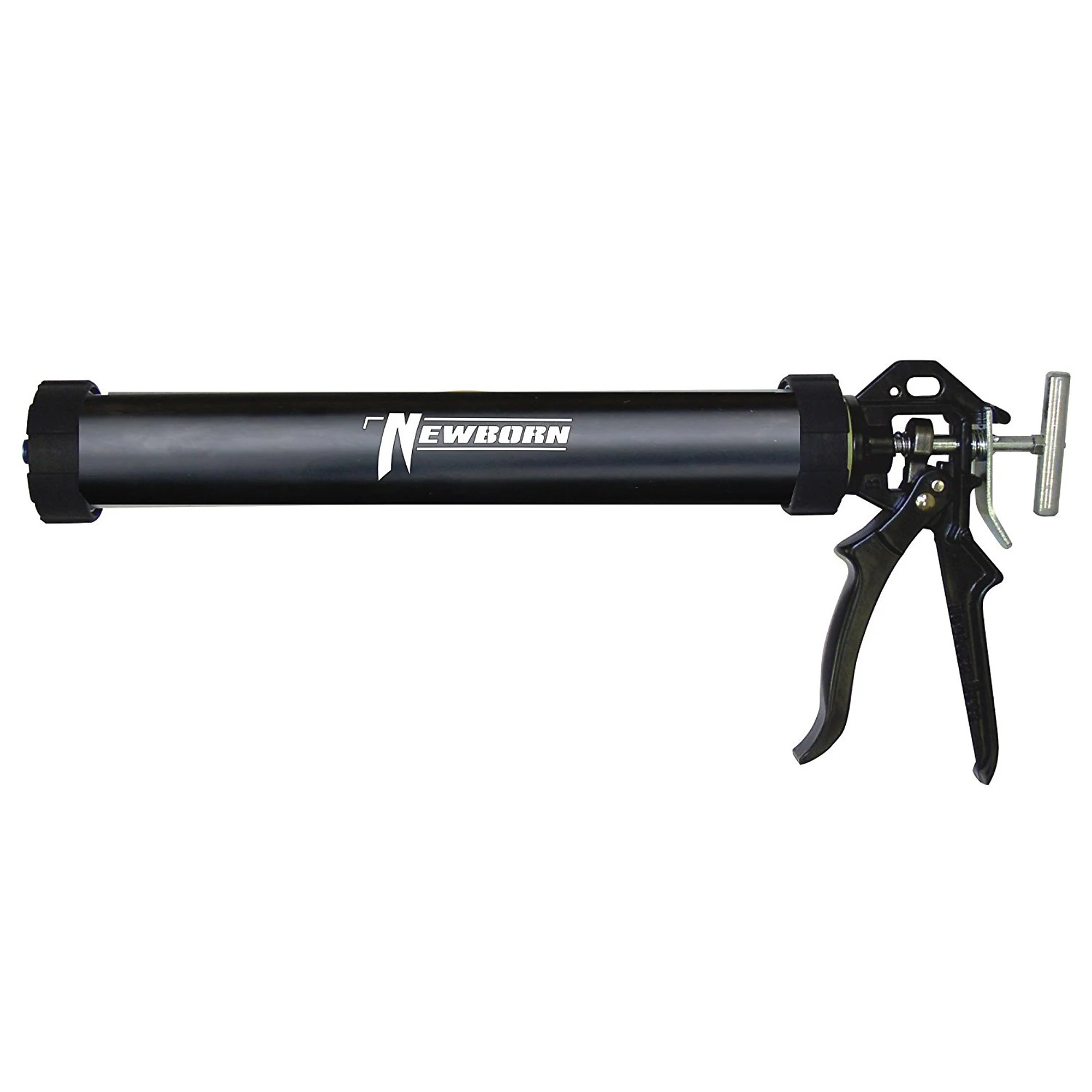
Item # 7288262
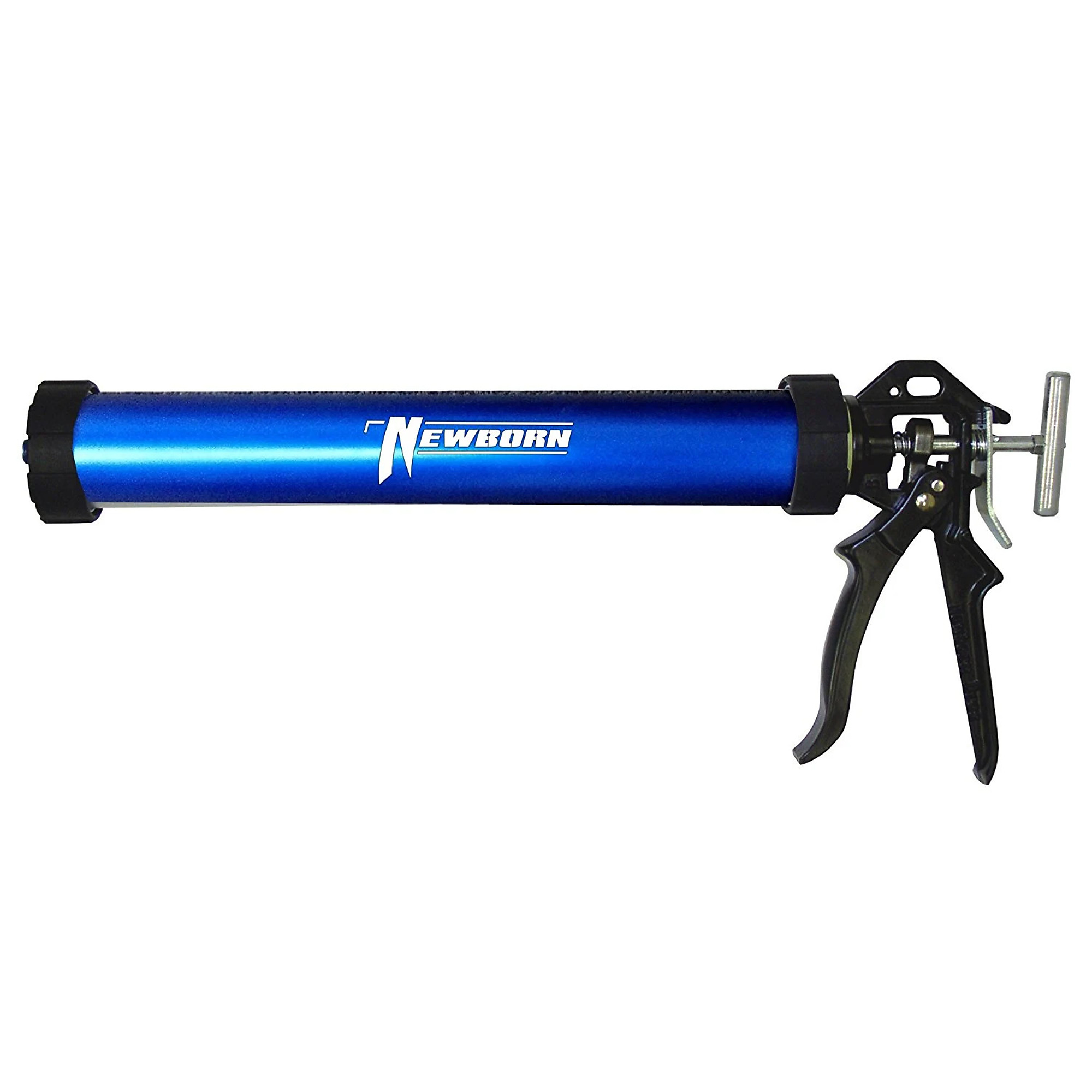
Item # 7288203
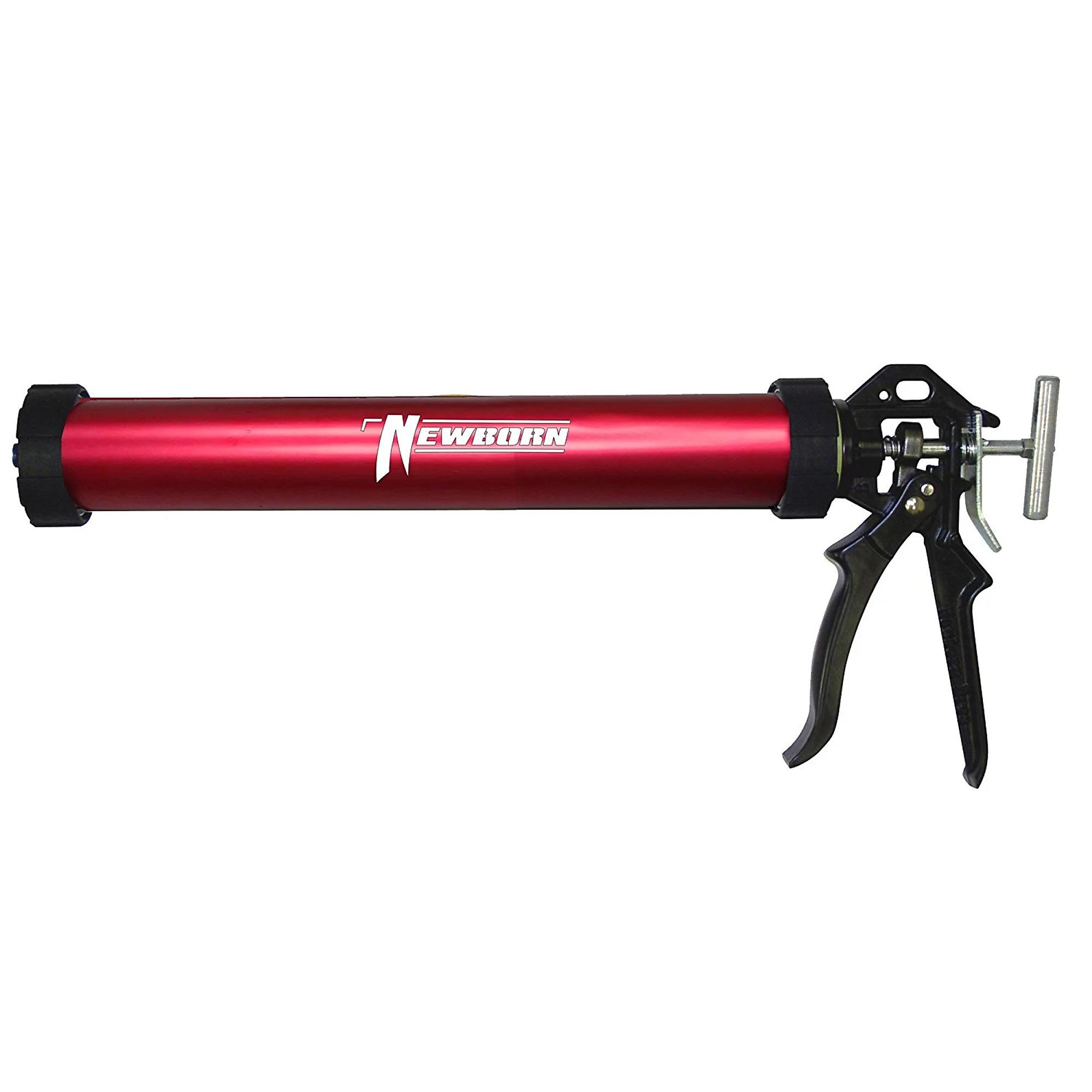
Item # 7288094
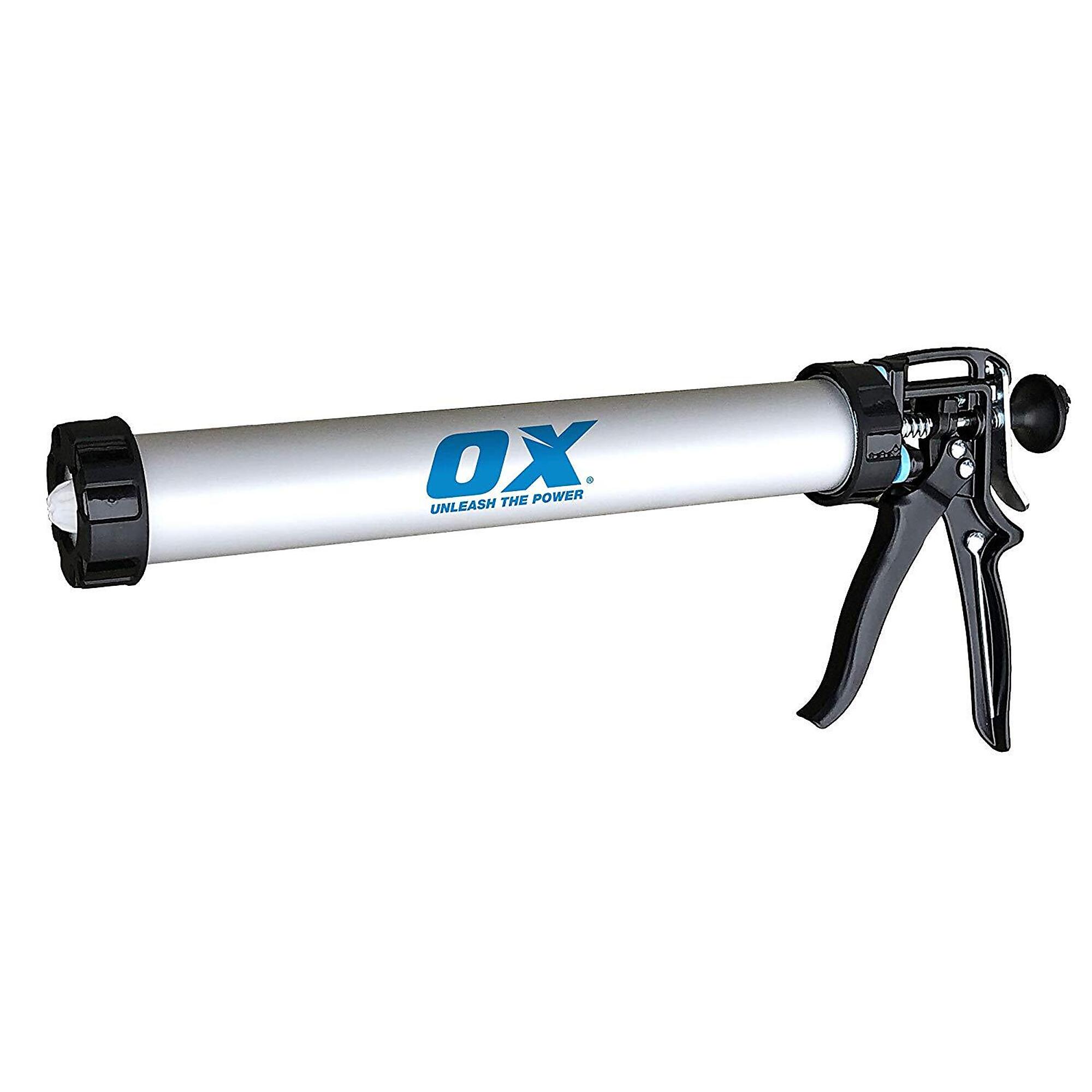
Item # 6118667
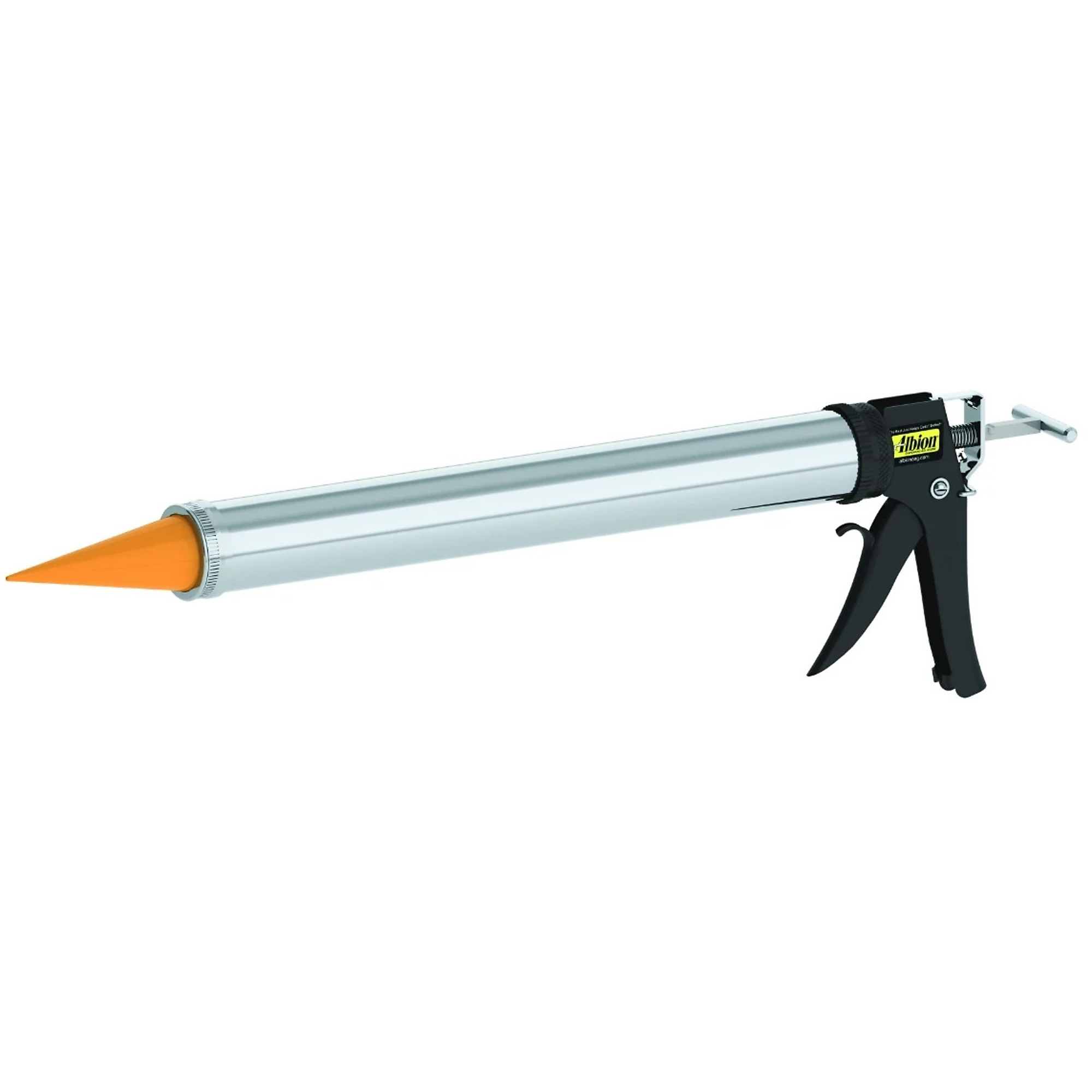
Item # 7290400
Item # 7290143
Item # 7290055
Item # 7288300
Item # 7287315
Item # 7286793
Item # 7289978
Item # 7287551
Item # 7289919
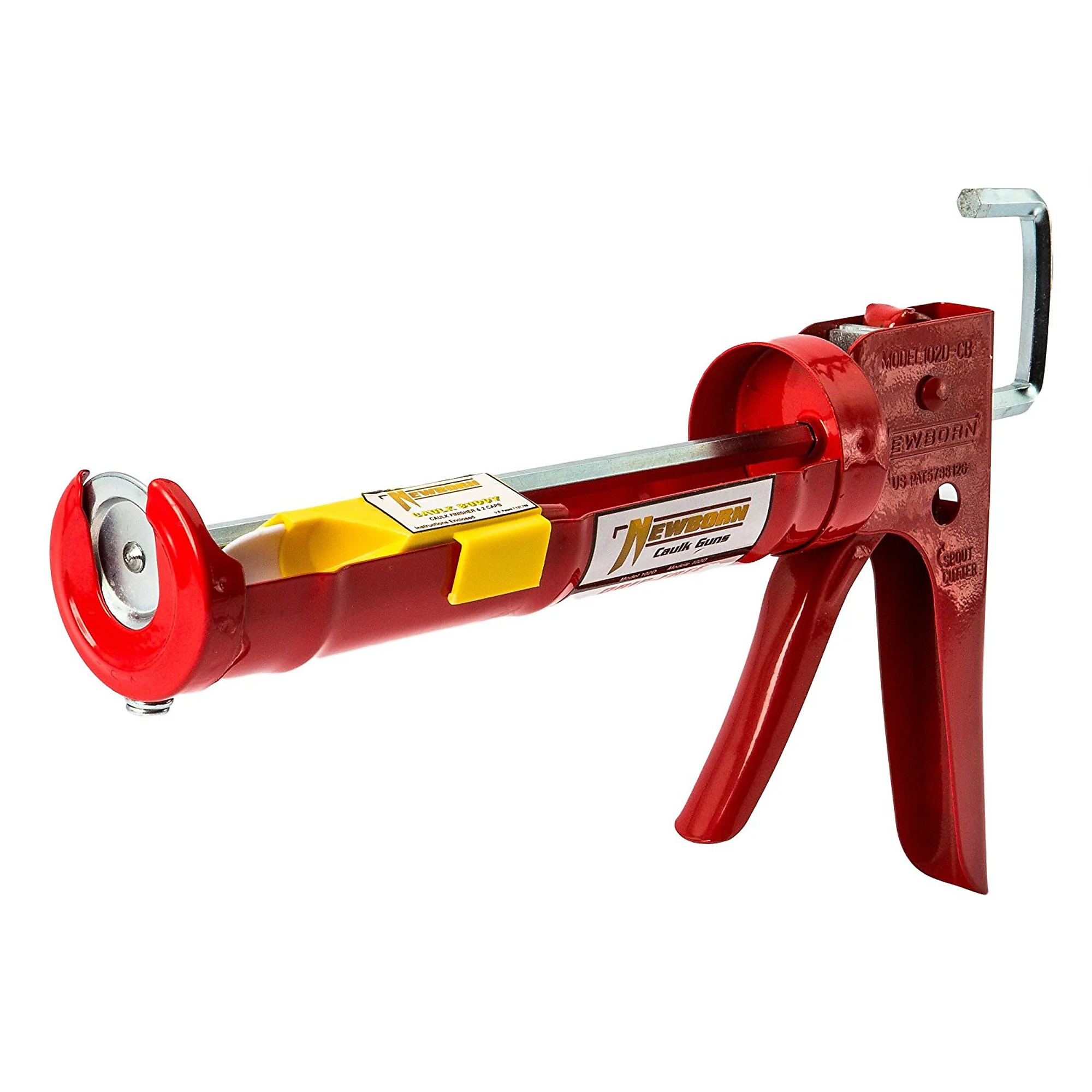
Item # 7286646
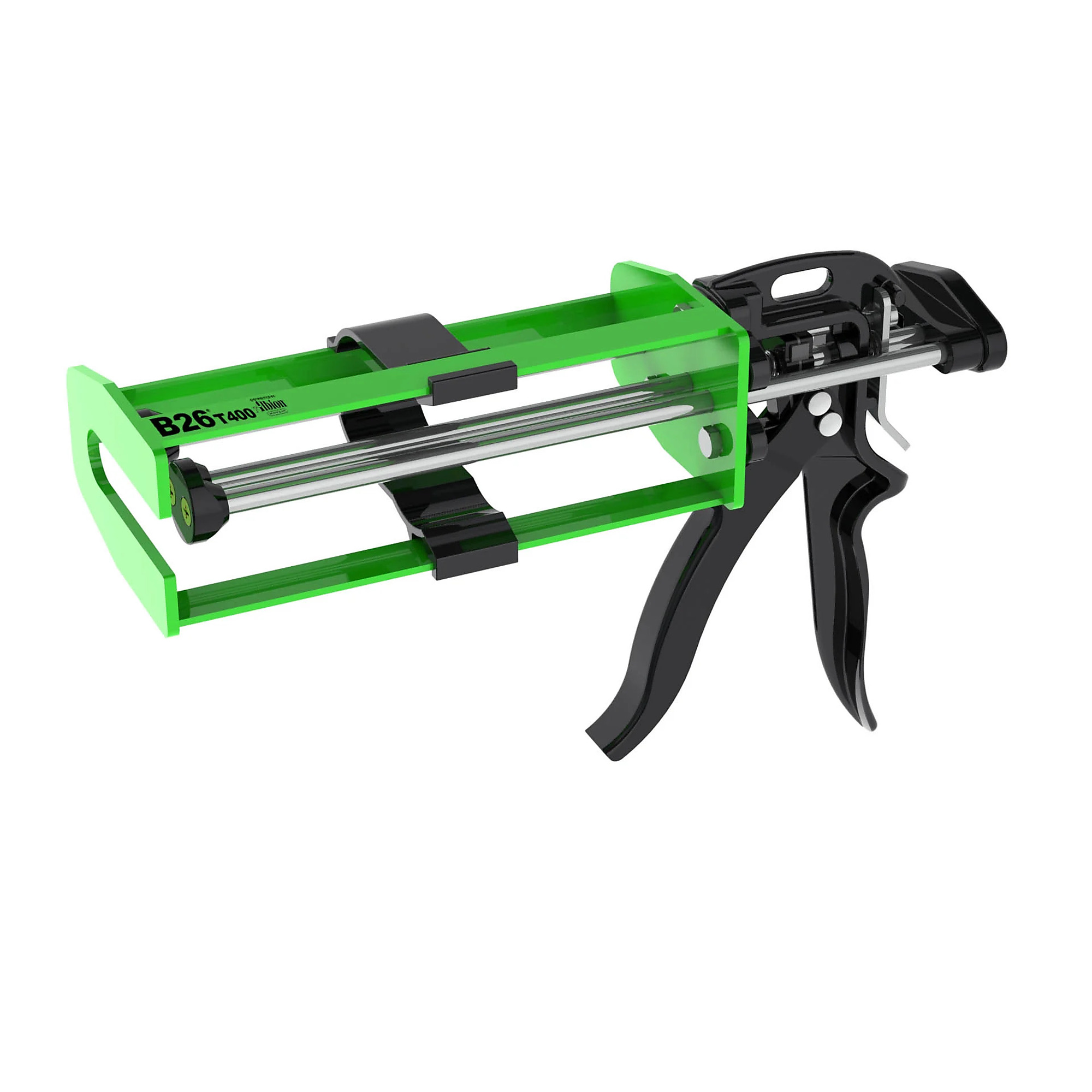
Item # 7289687
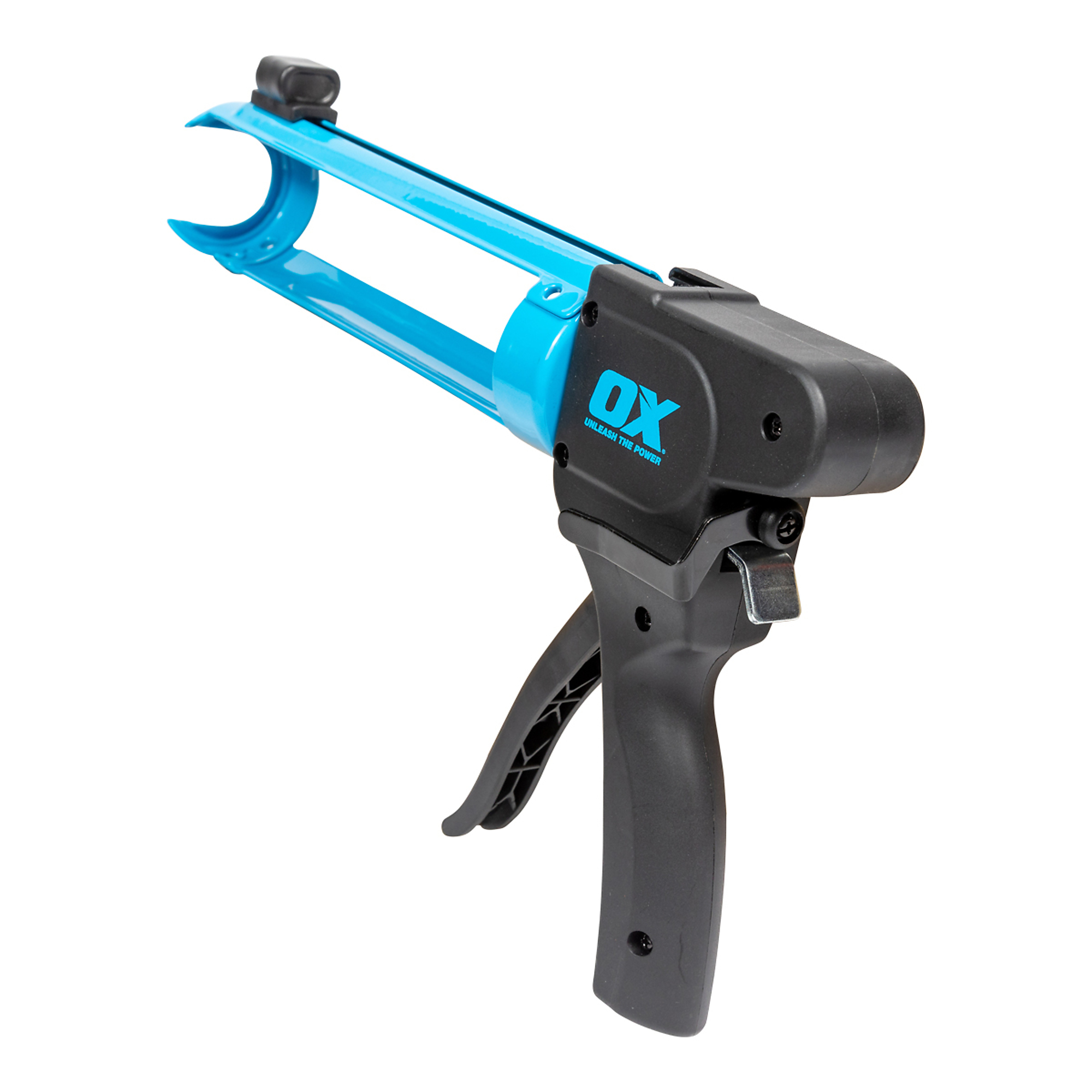
Item # 6118691
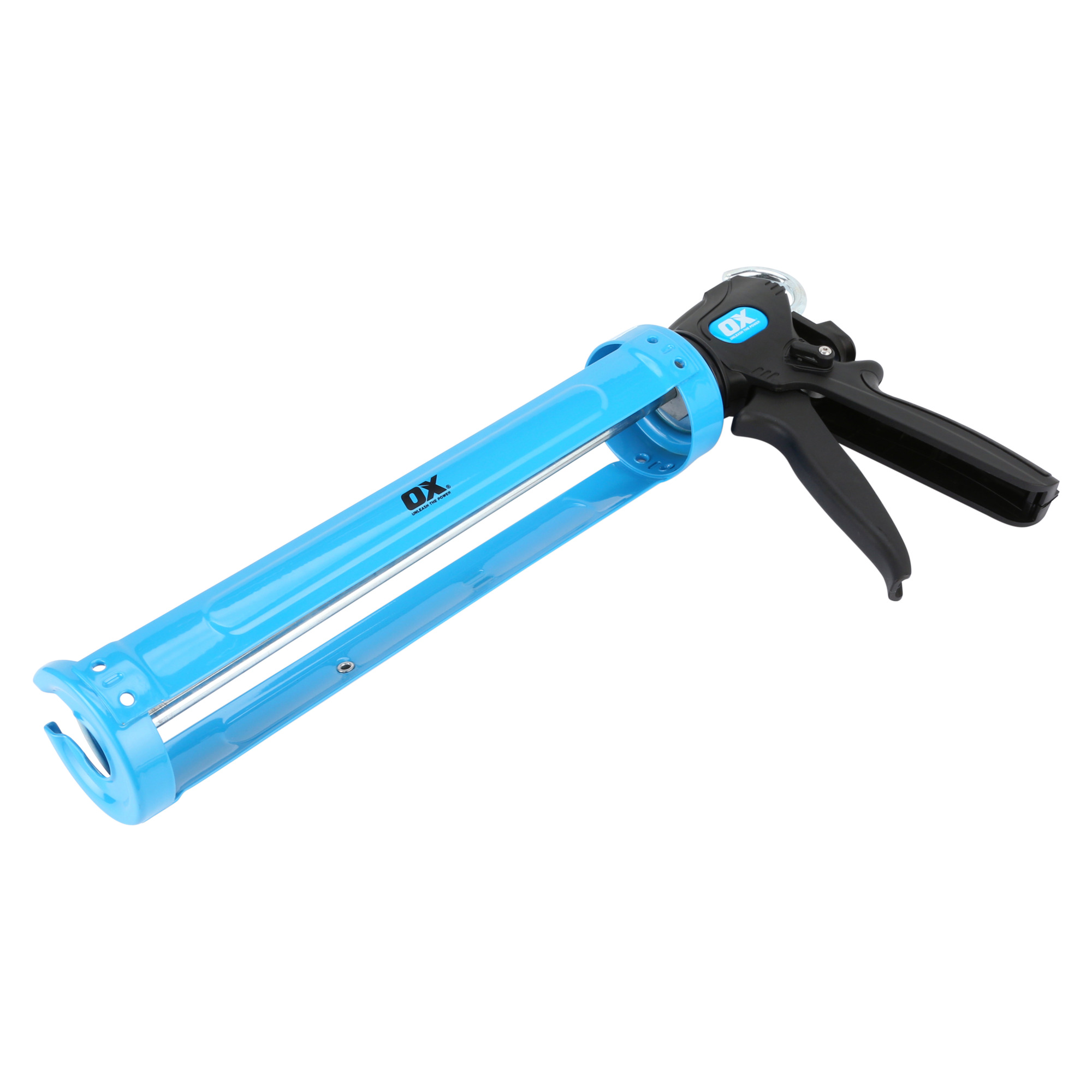
Item # 6118641
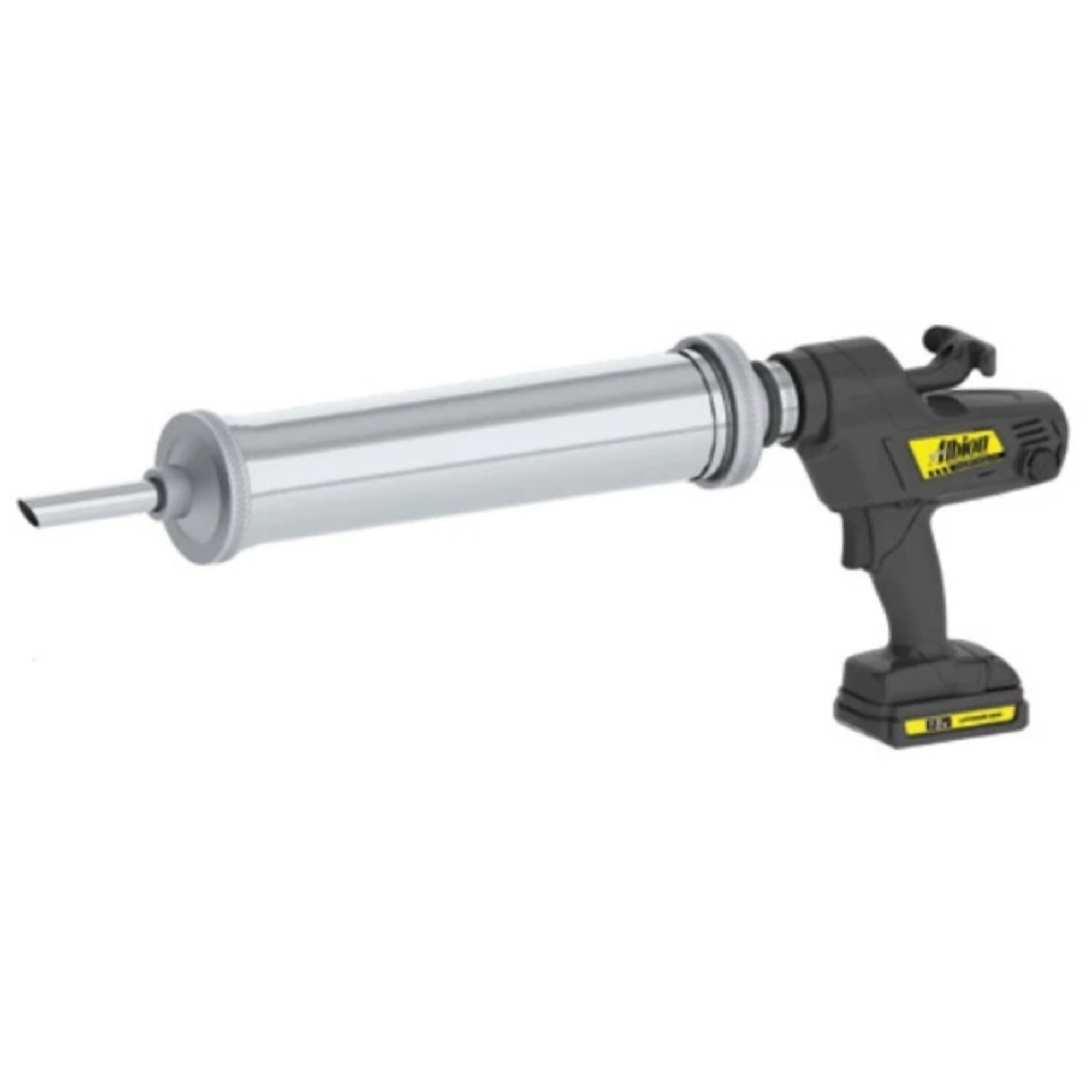
Item # 7286531
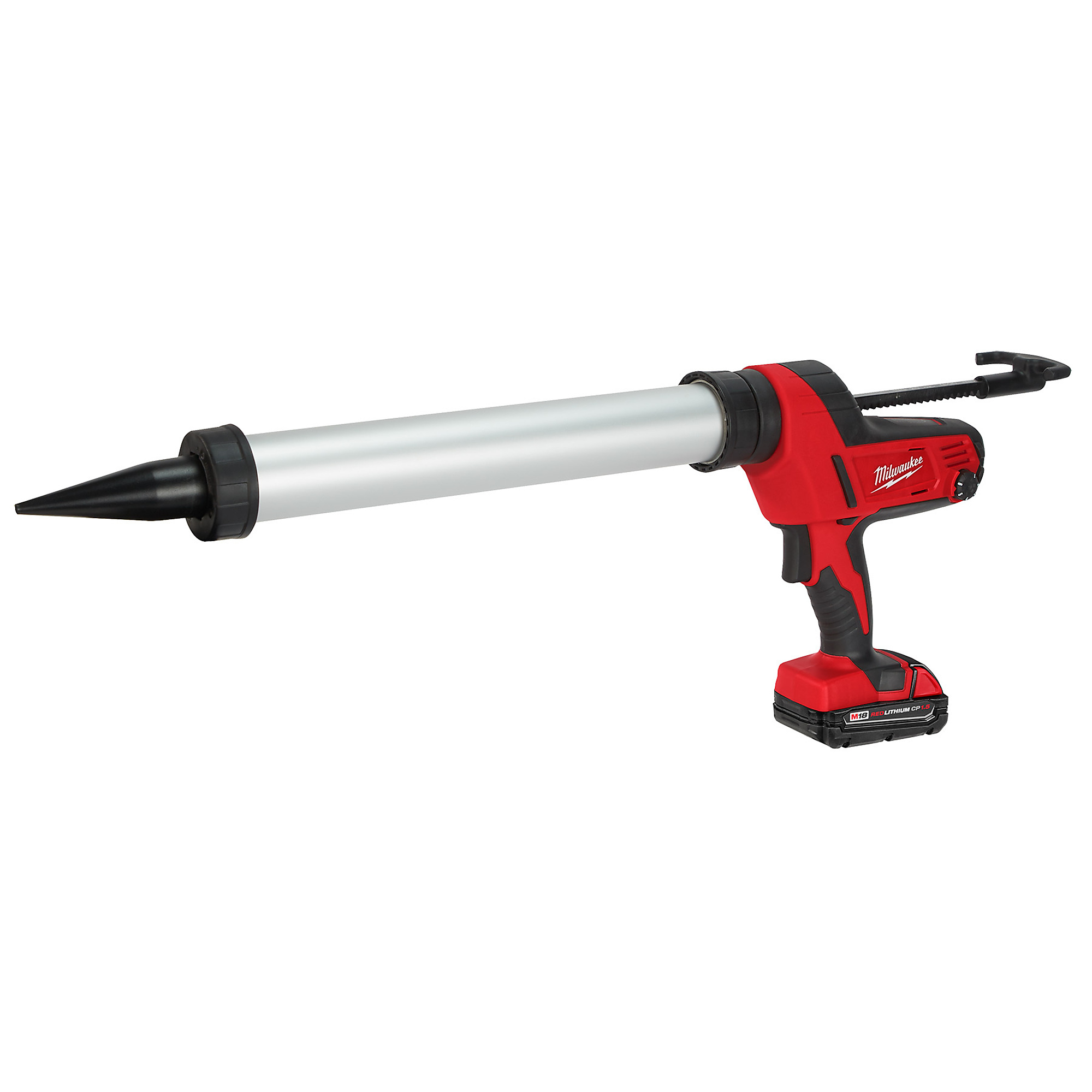
Item # 10192016
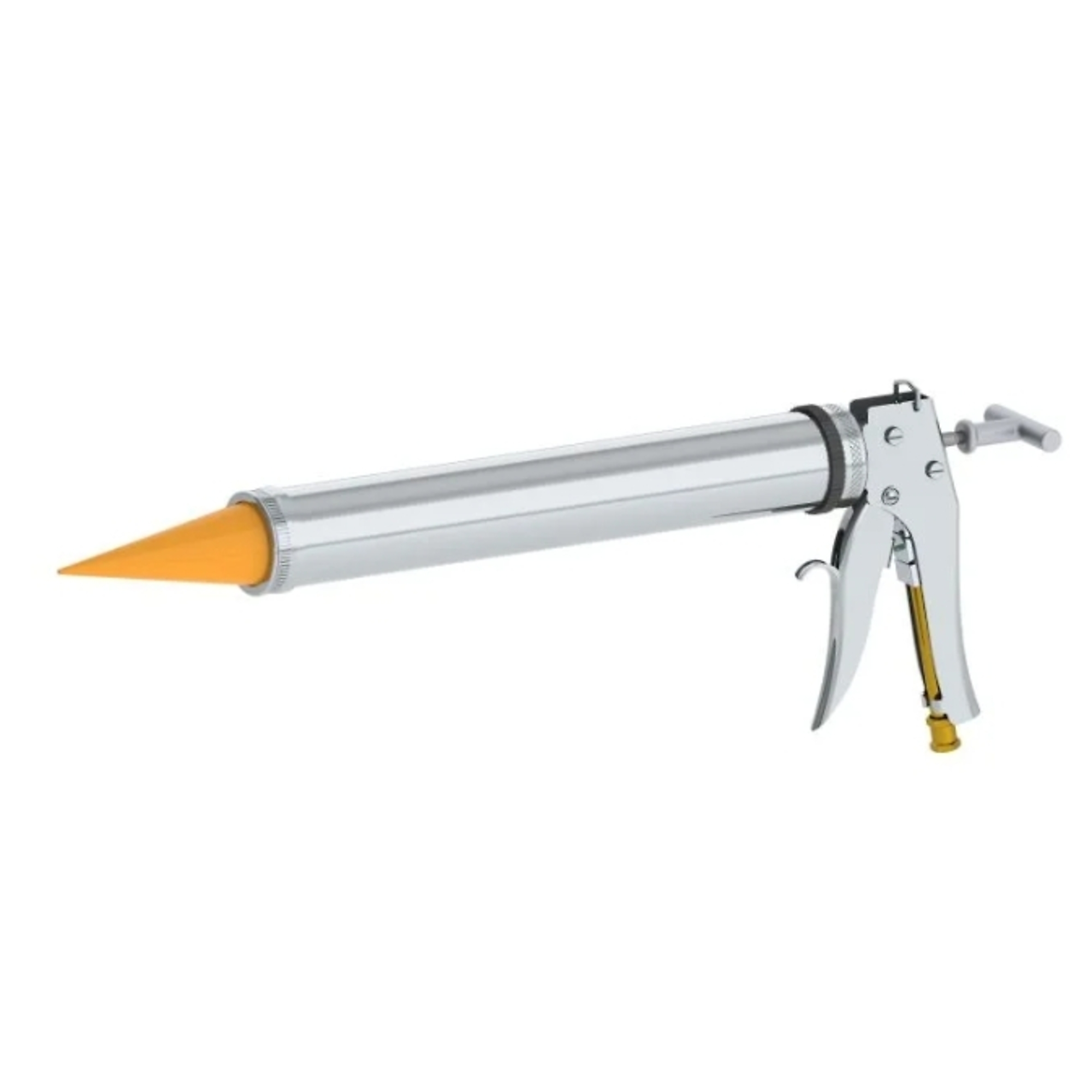
Item # 7290160
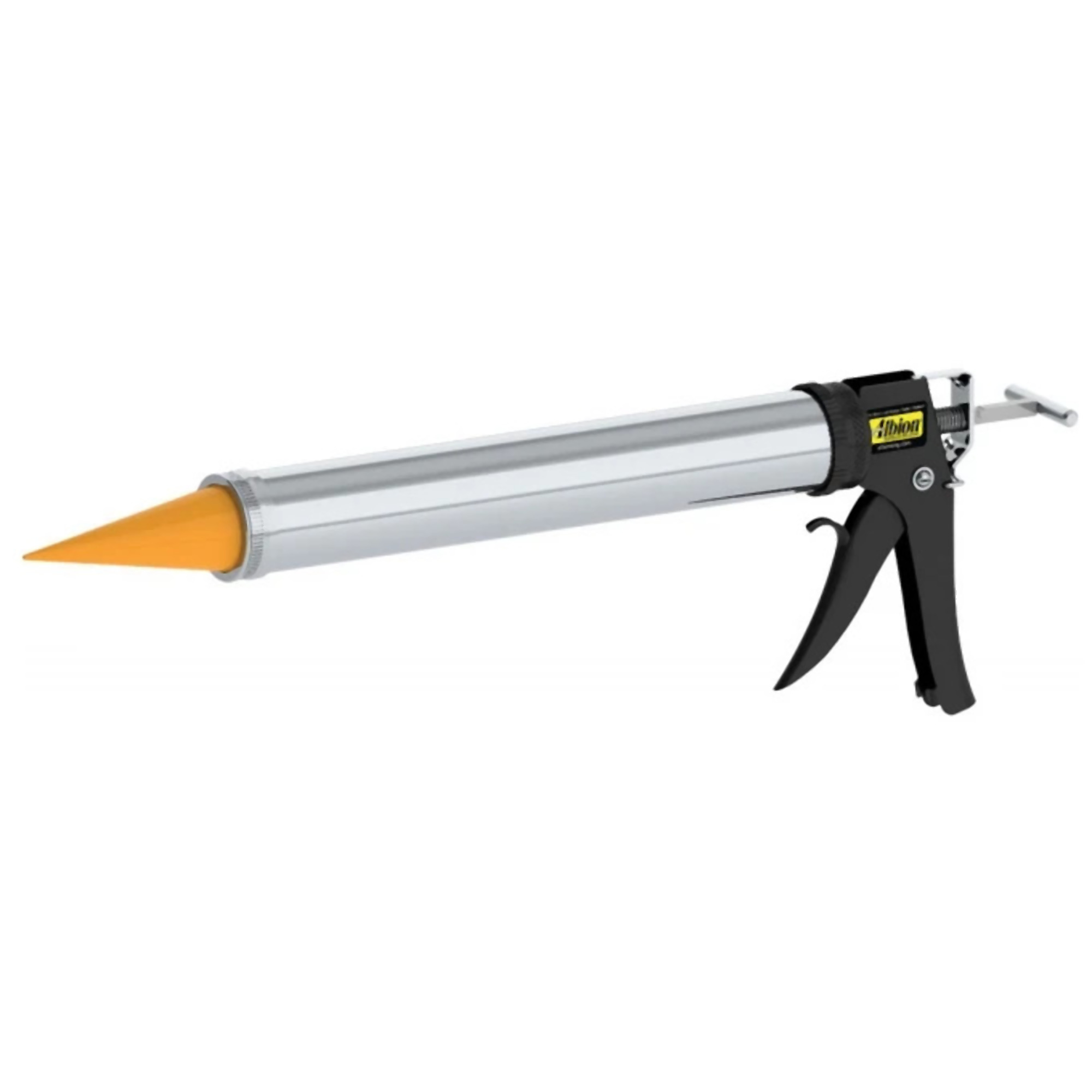
Item # 7290071
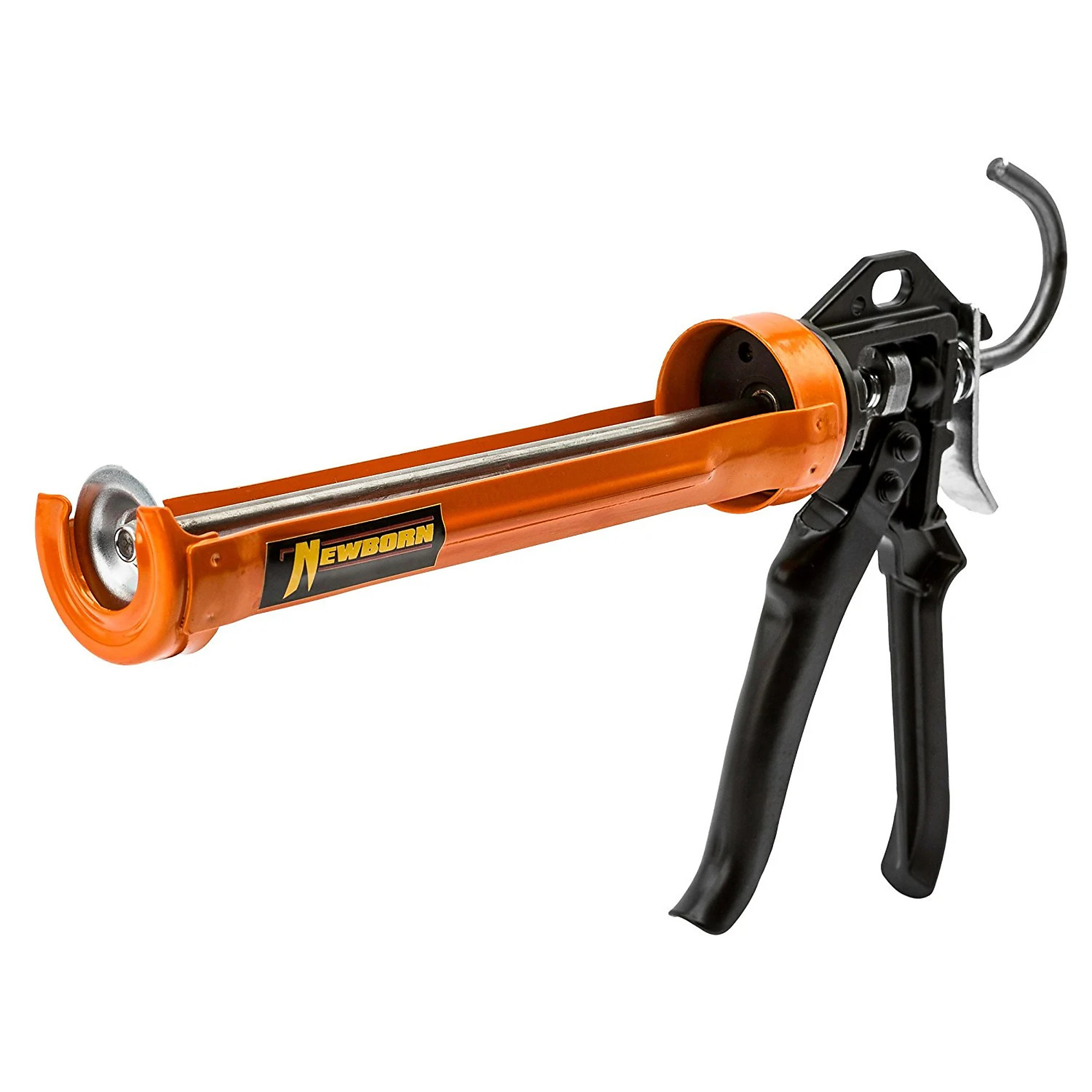
Item # 7291066
Item # 7290063
Item # 7290021
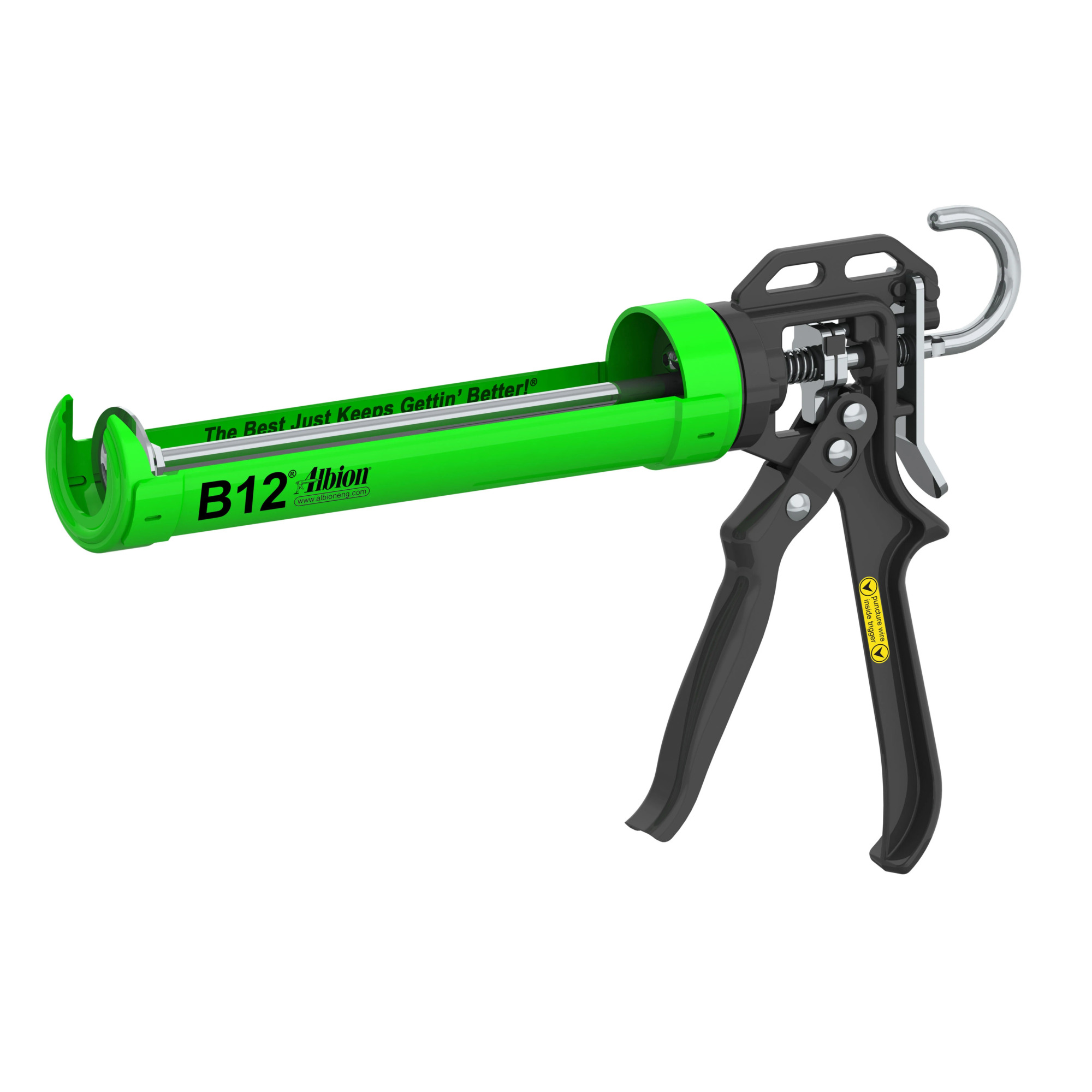
Item # 7289927
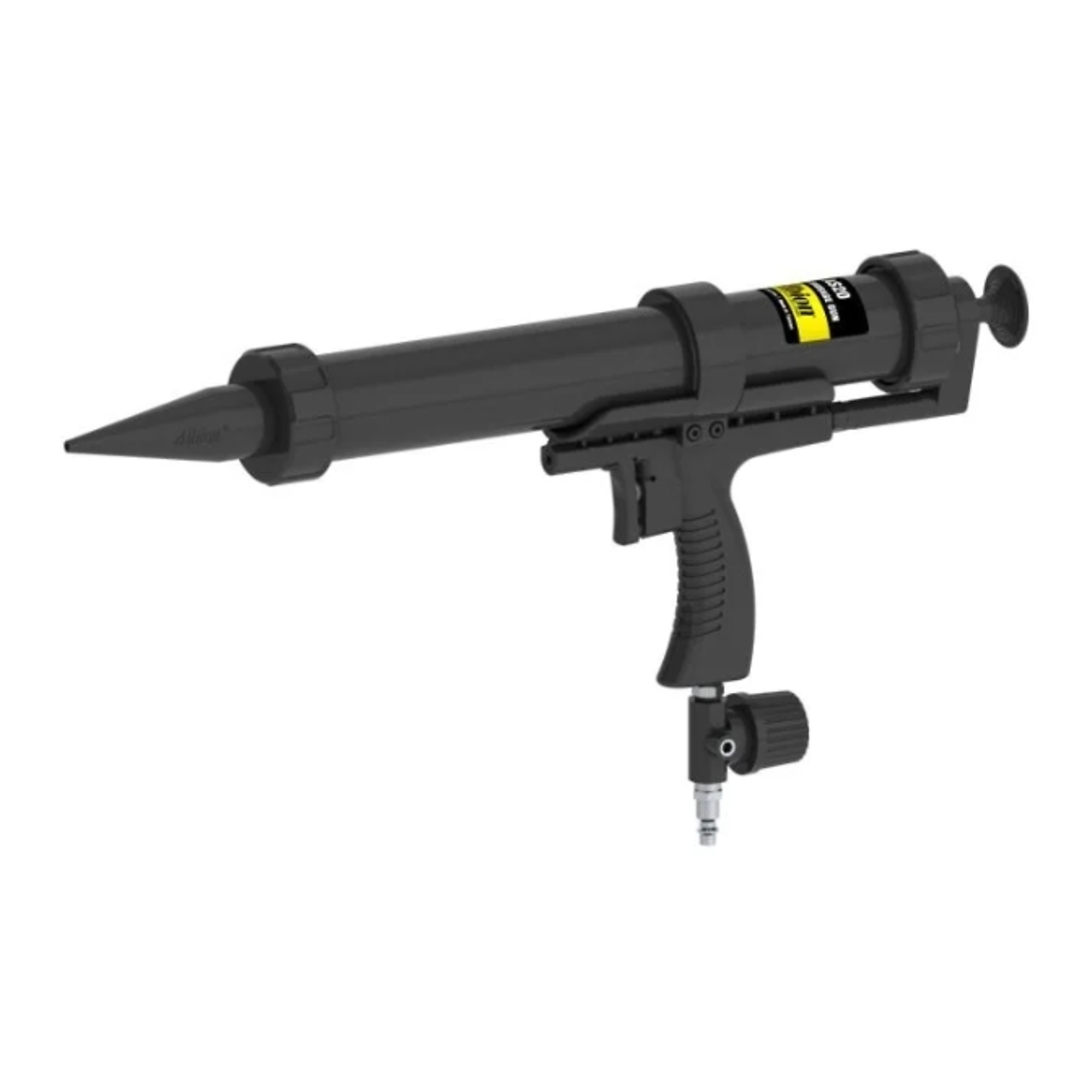
Item # 7291058
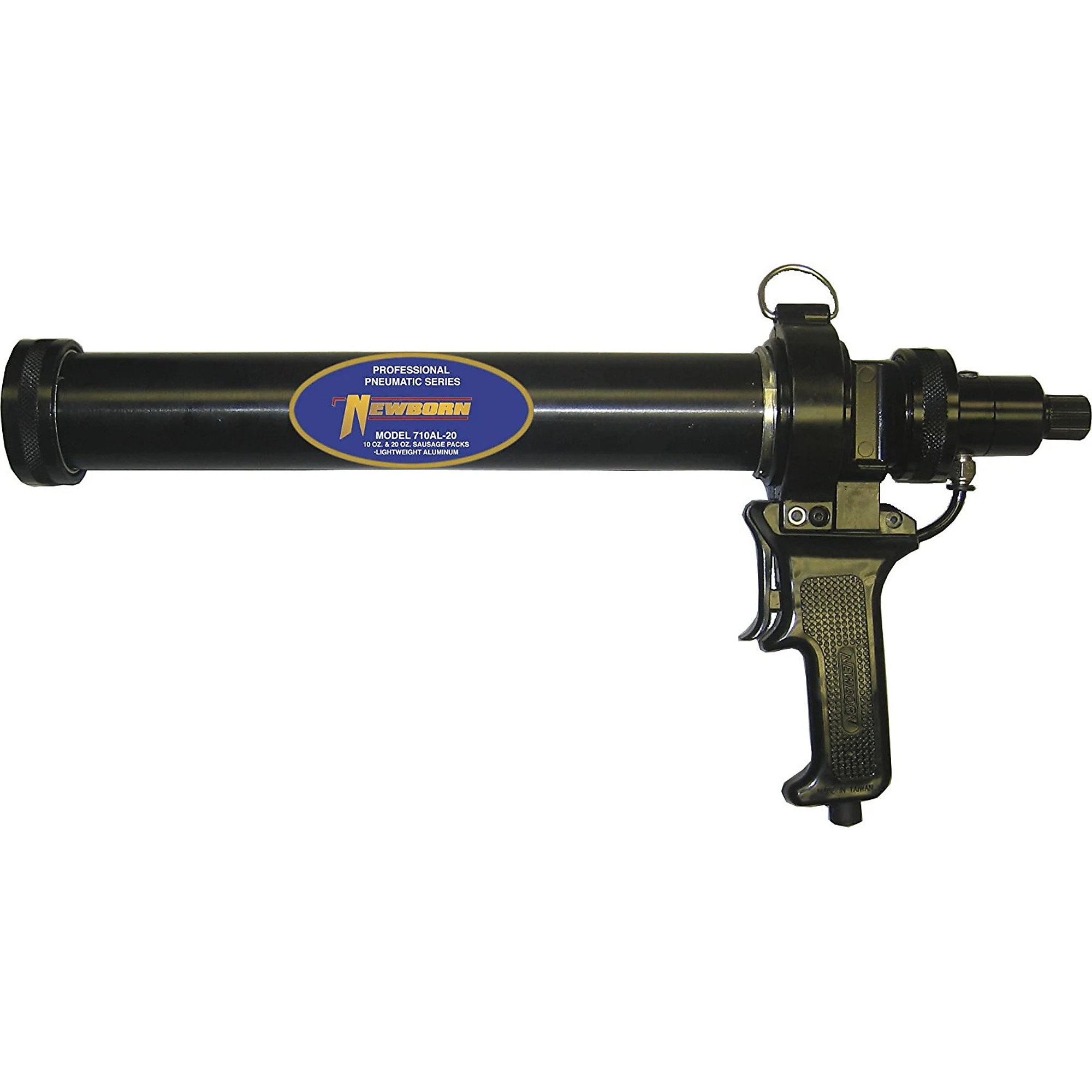
Item # 7289311
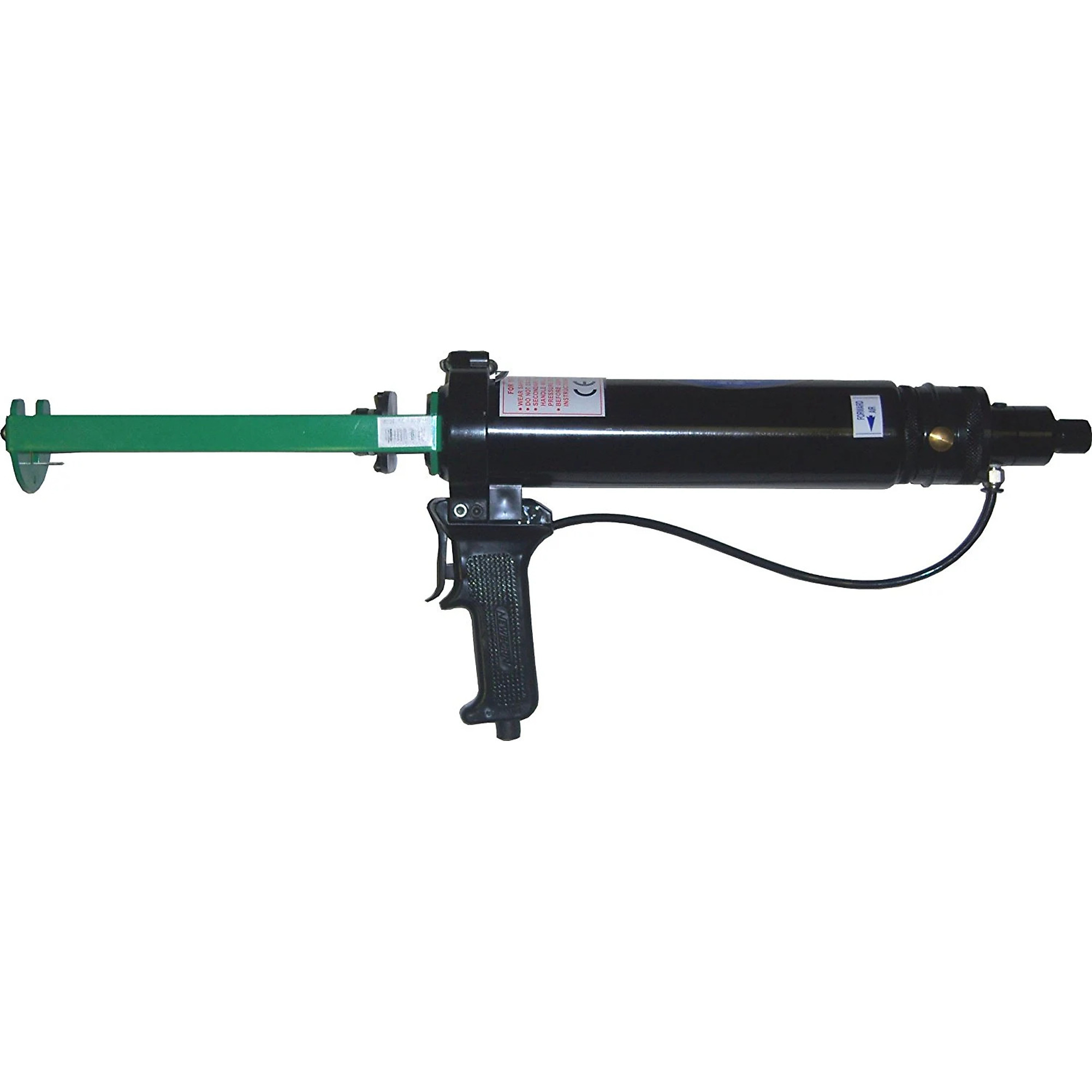
Item # 7289089
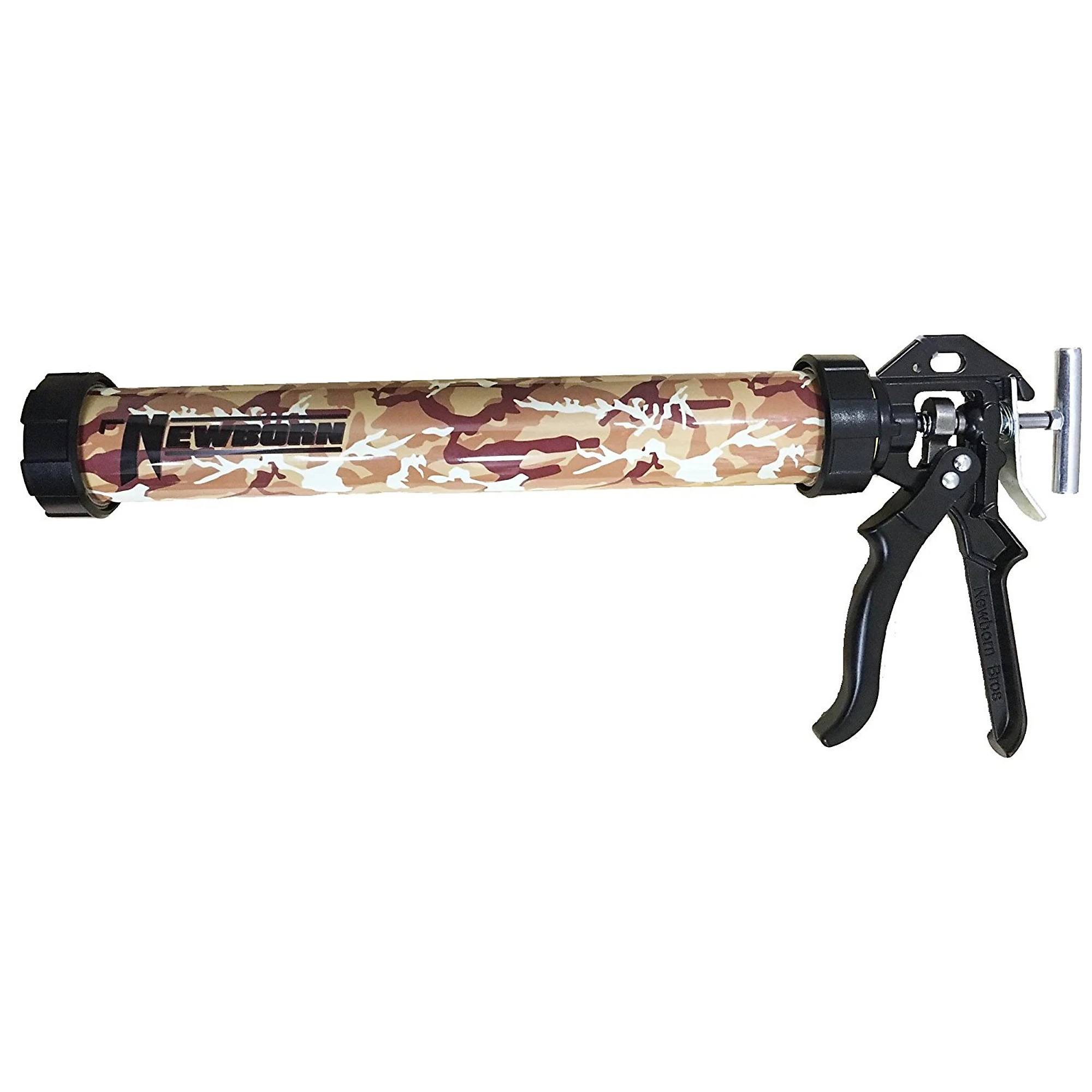
Item # 7288182
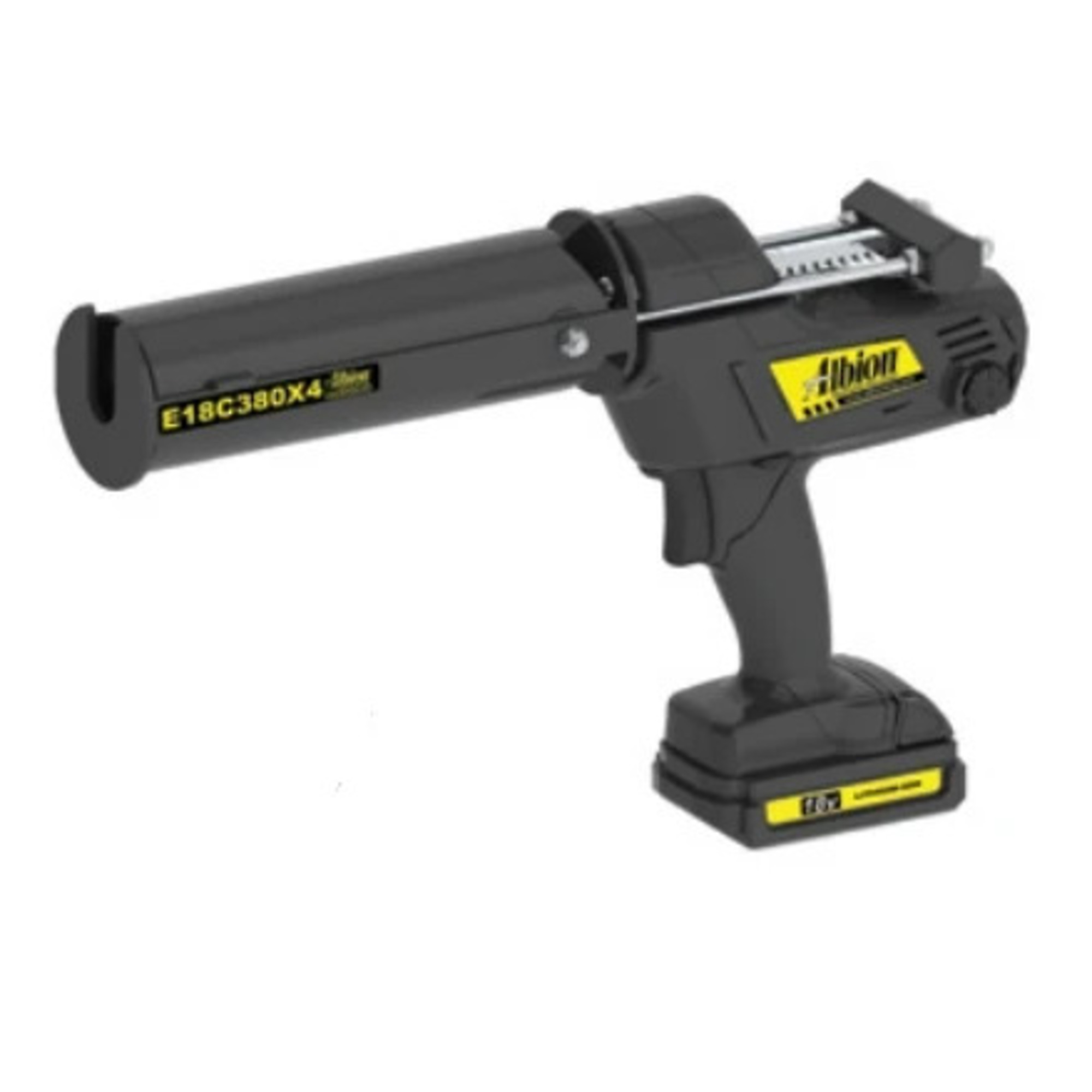
Item # 7462081
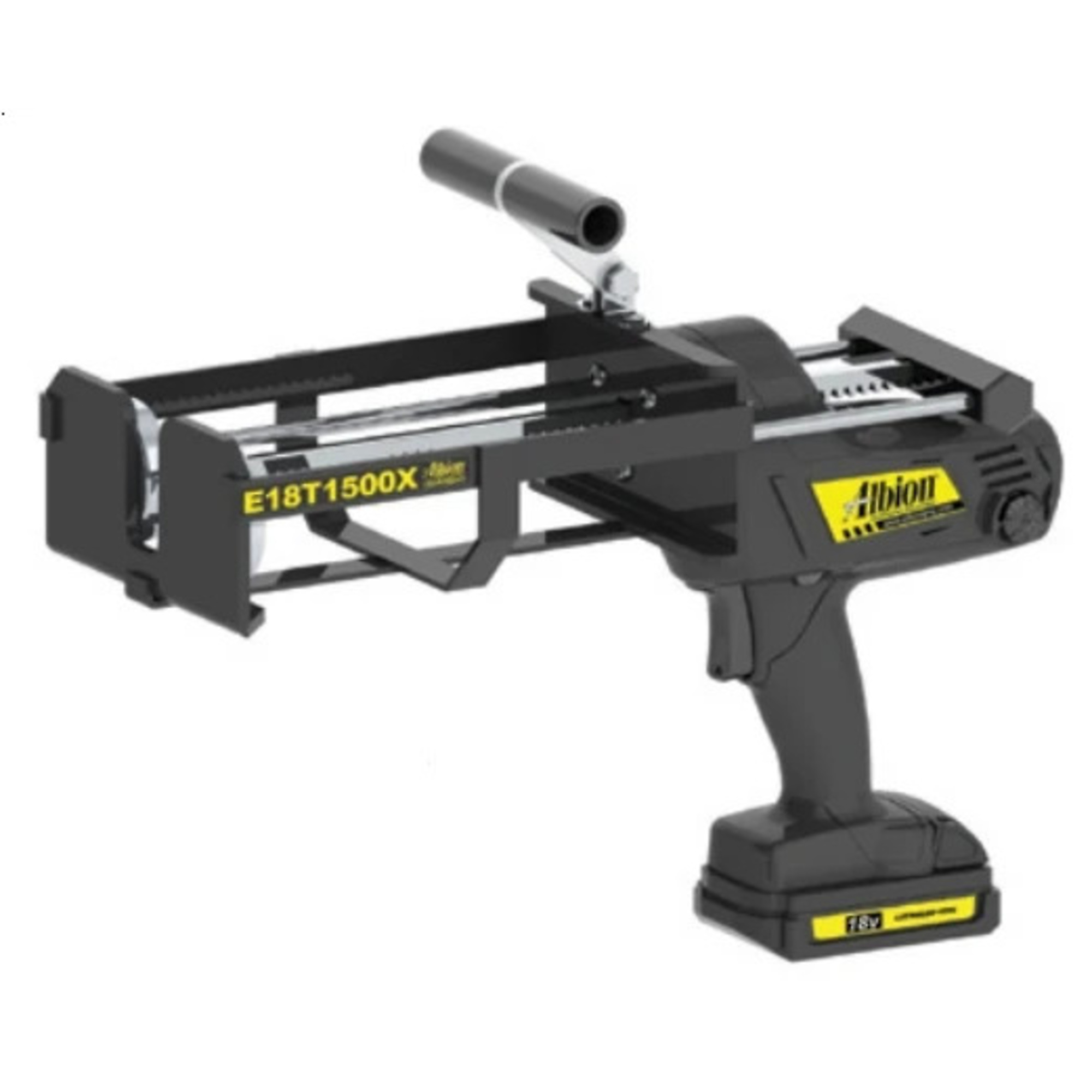
Item # 7462072
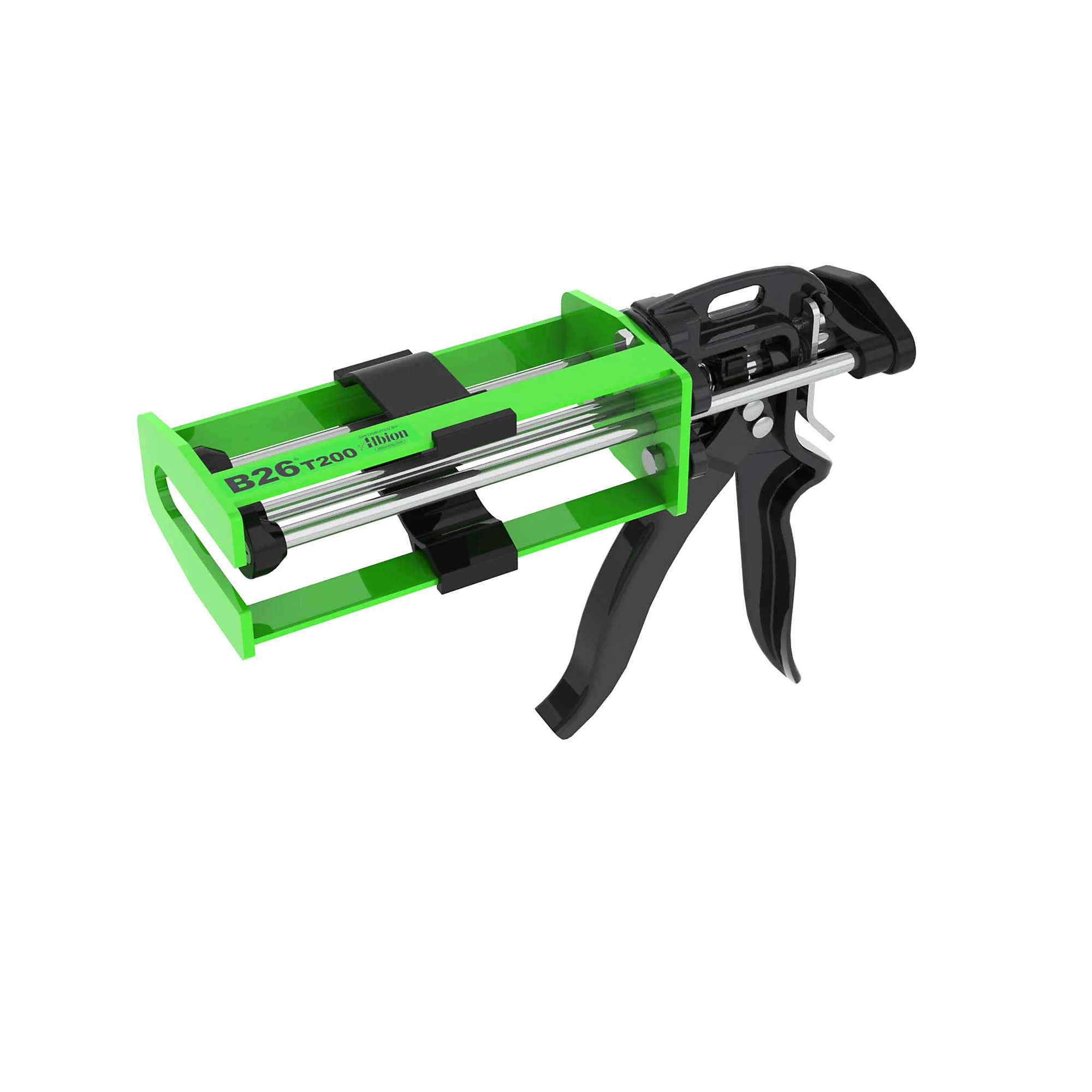
Item # 7289898
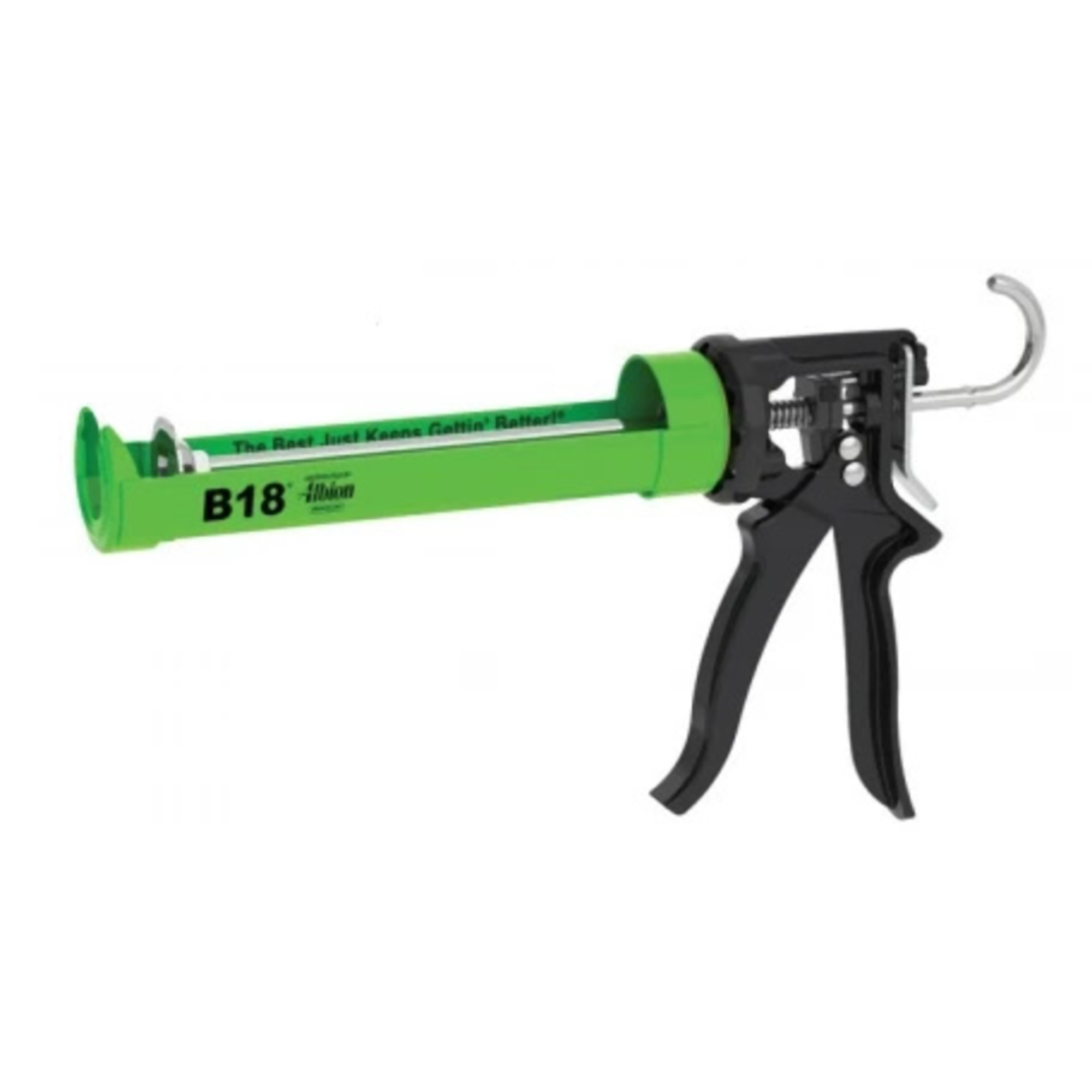
Item # 7289599
Caulk, Glue, Tape + Sealants
Adhevsives like, glue, tape, and sealants help achieve strong, durable and precise projects. These materials play a crucial role in bonding, sealing, and reinforcing various building components, ensuring structural integrity and longevity. Glue is a versatile bonding agent, wood glue is ideal for joining wooden components, while epoxy adhesive offers exceptional strength and durability for bonding metal, glass, and plastic. Construction adhesives are commonly used for installing drywall, paneling, and subflooring. Glue provides a strong and permanent bond, and it is essential to choose the appropriate adhesive based on the materials being joined and the intended load-bearing capacity.
Tape is a multi-purpose material that covers a range of functions. Duct tape, is known for its strength in temporary repairs, sealing of HVAC systems, and securing cables. Electrical tape is for insulating and protecting electrical connections. Masking or painters’ tape is indispensable for clean precise paint lines. Reflective tape is for visibility and safety at construction sites. Select the right tape by understanding adhesive properties, durability, and compatibility with building materials and environmental conditions.
Sealants are for creating watertight and or airtight barriers, preventing moisture leaks, and energy loss. Silicone sealants are best for sealing joints around windows, doors, and exterior openings. Polyurethane sealants remain flexible making them suitable for sealing expansion joints in concrete and other building materials. Acrylic sealants are used for interior applications, such as filling gaps in baseboards. Sealants provide protection against moisture, temperature fluctuations, and even noise infiltration, ensuring integrity and energy efficiency for the building envelope. Understanding the use cases, strengths, and limitations of each material, will allow builders to select the most appropriate for each application. By utilizing these products effectively, you can be sure of watertight seals, and energy-efficient constructions.