Milwaukee Portable Work Lights
Filters
1-21 of 21 Products

Item # 113308
Item # 64380
Item # 62615
Item # 6051896
Item # 153450
Item # 6107925
Item # 64381
Item # 106882
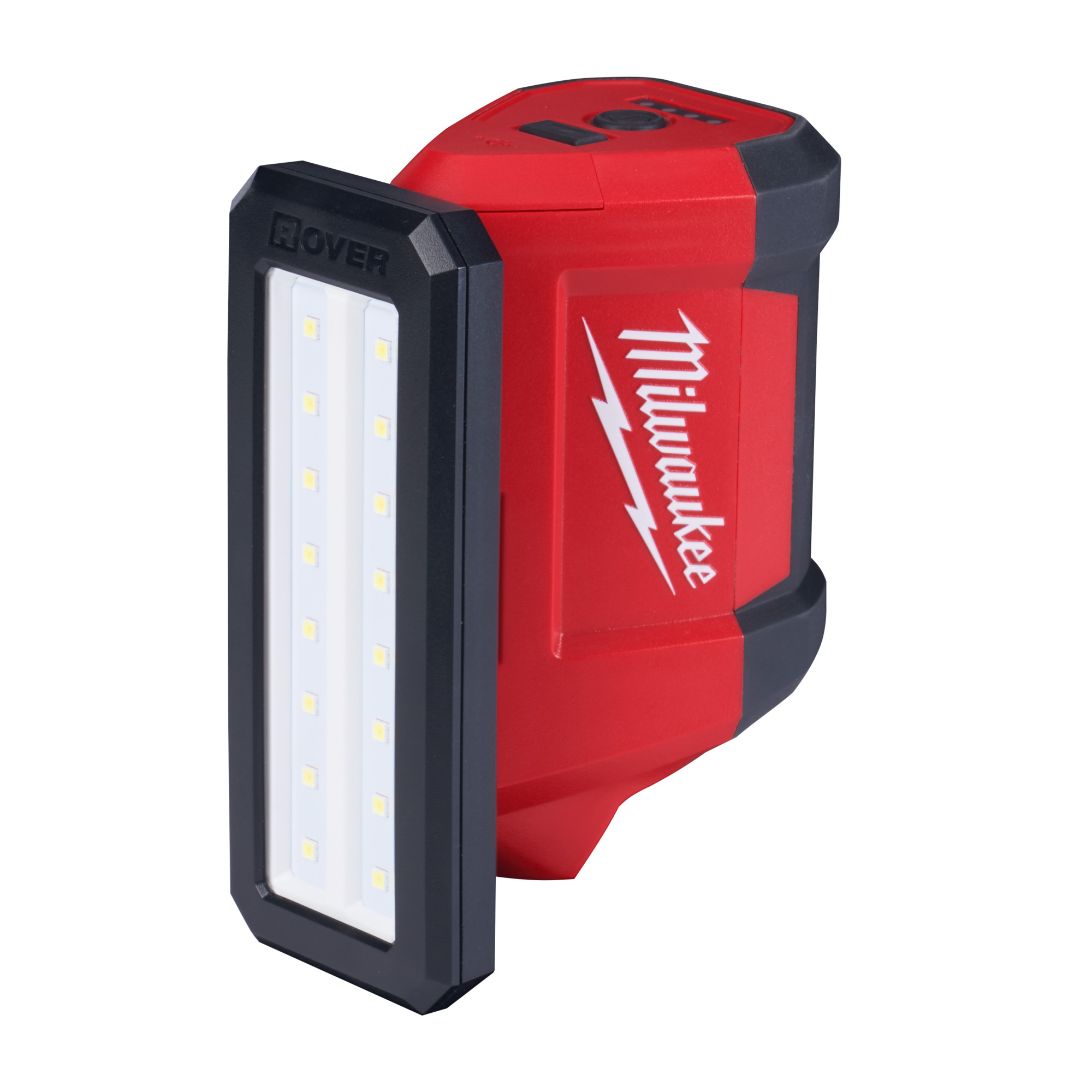
Item # 103472
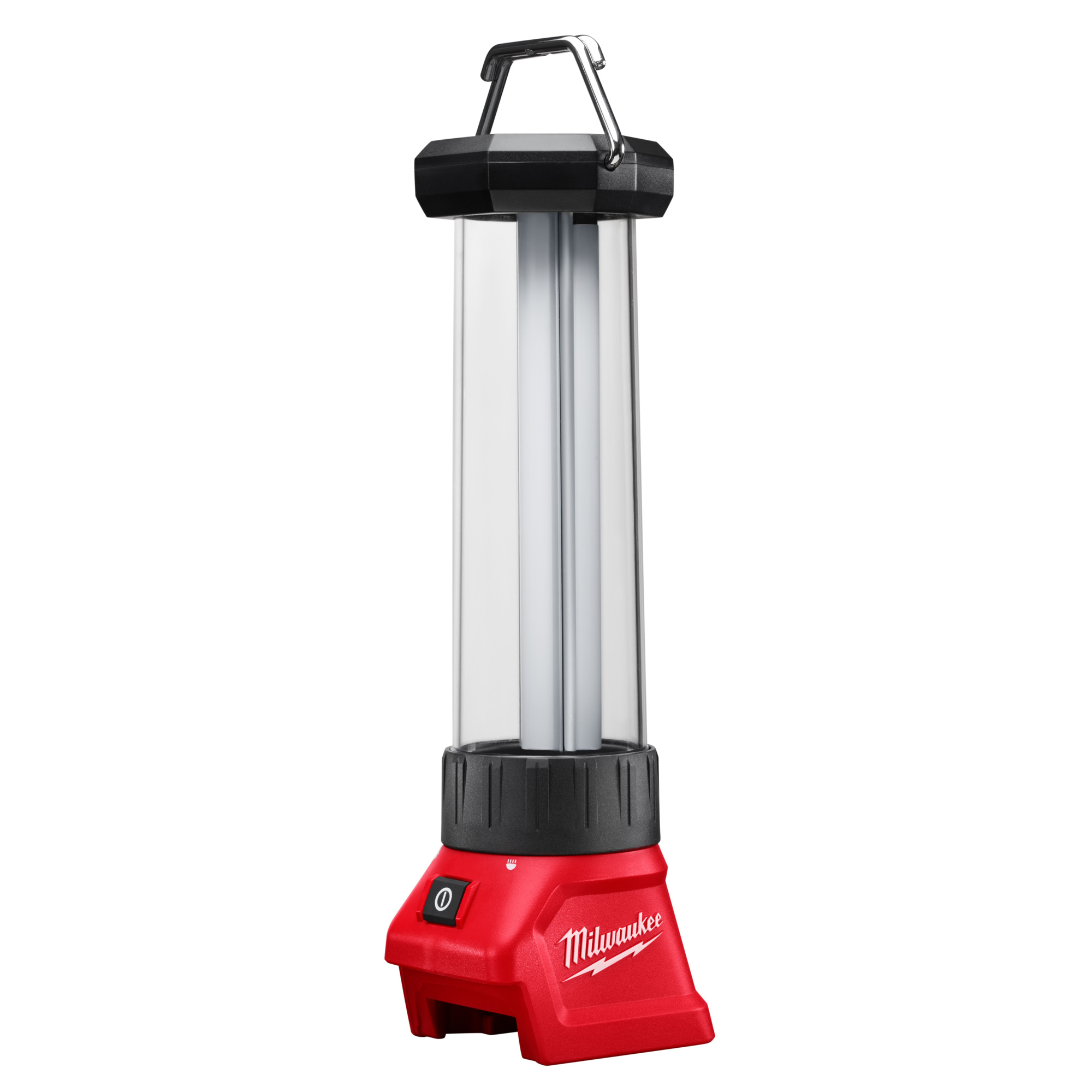
Item # 64384
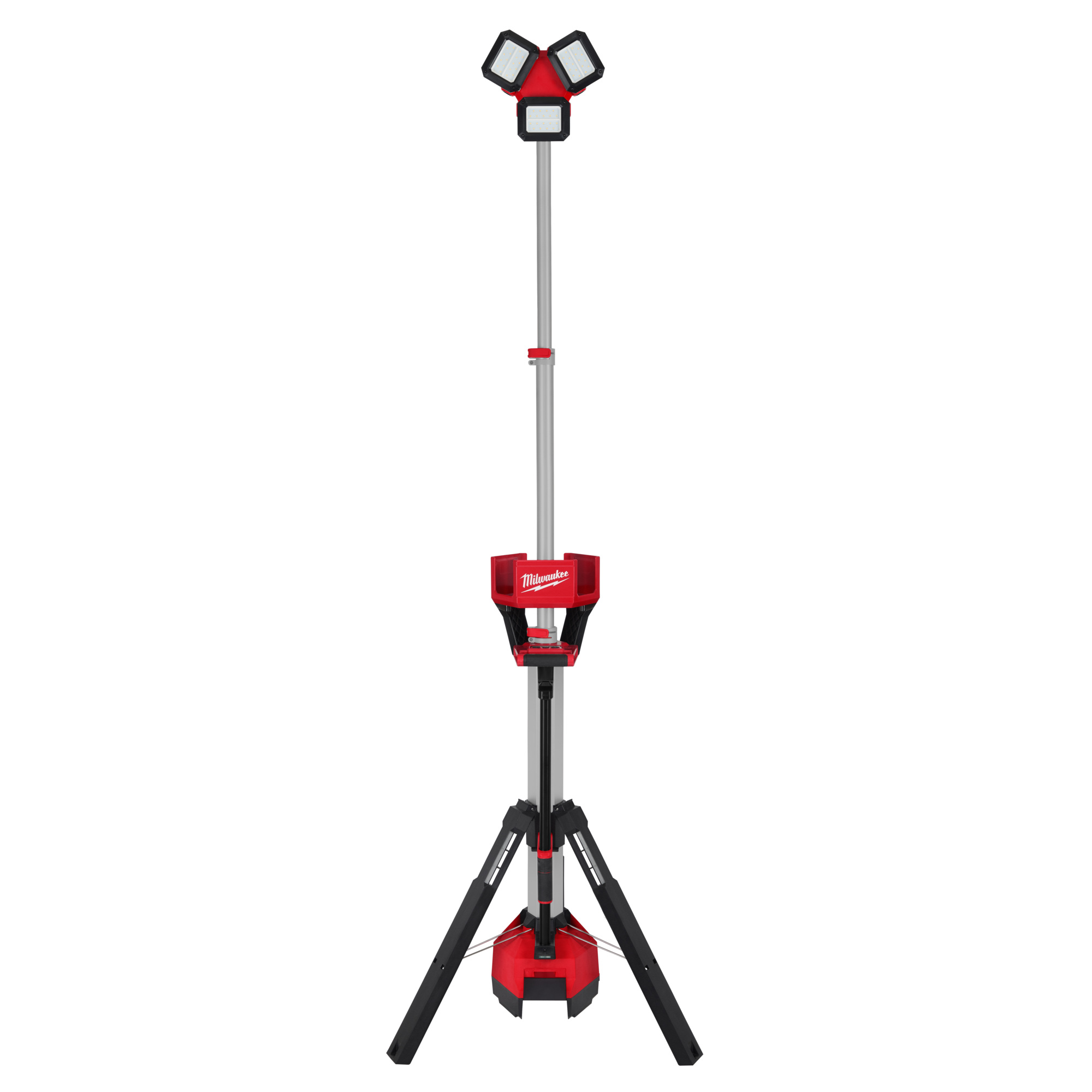
Item # 103468
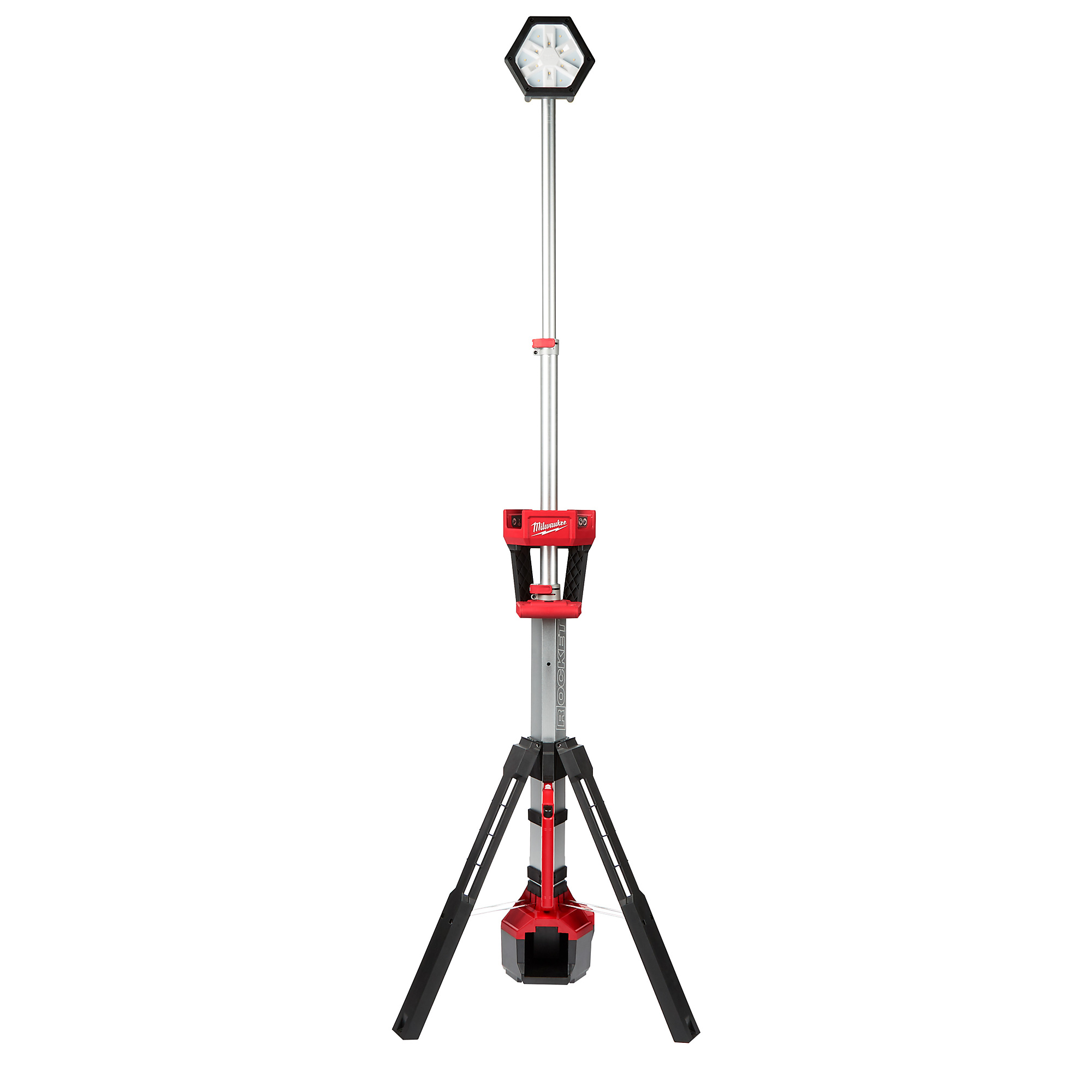
Item # 71869
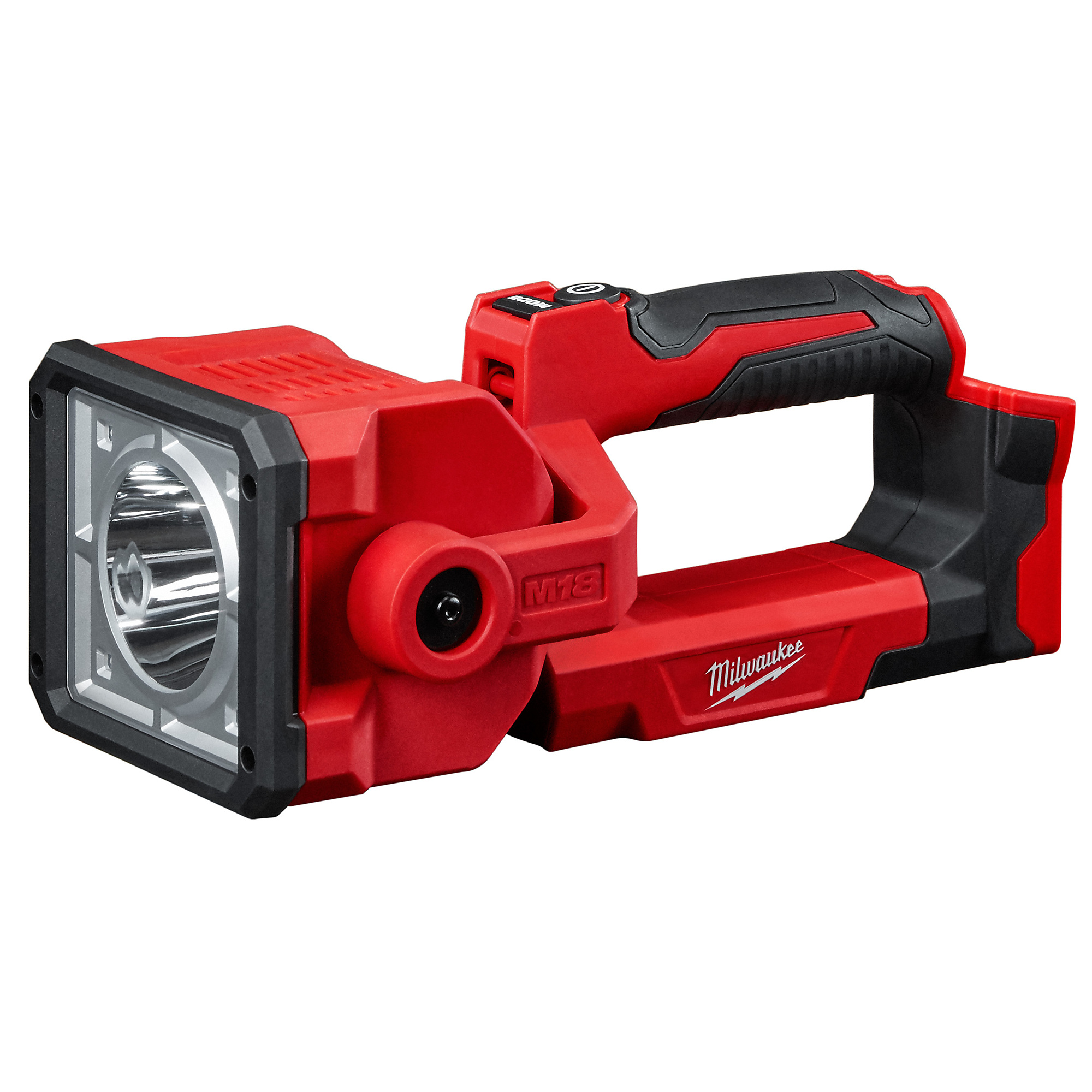
Item # 62624
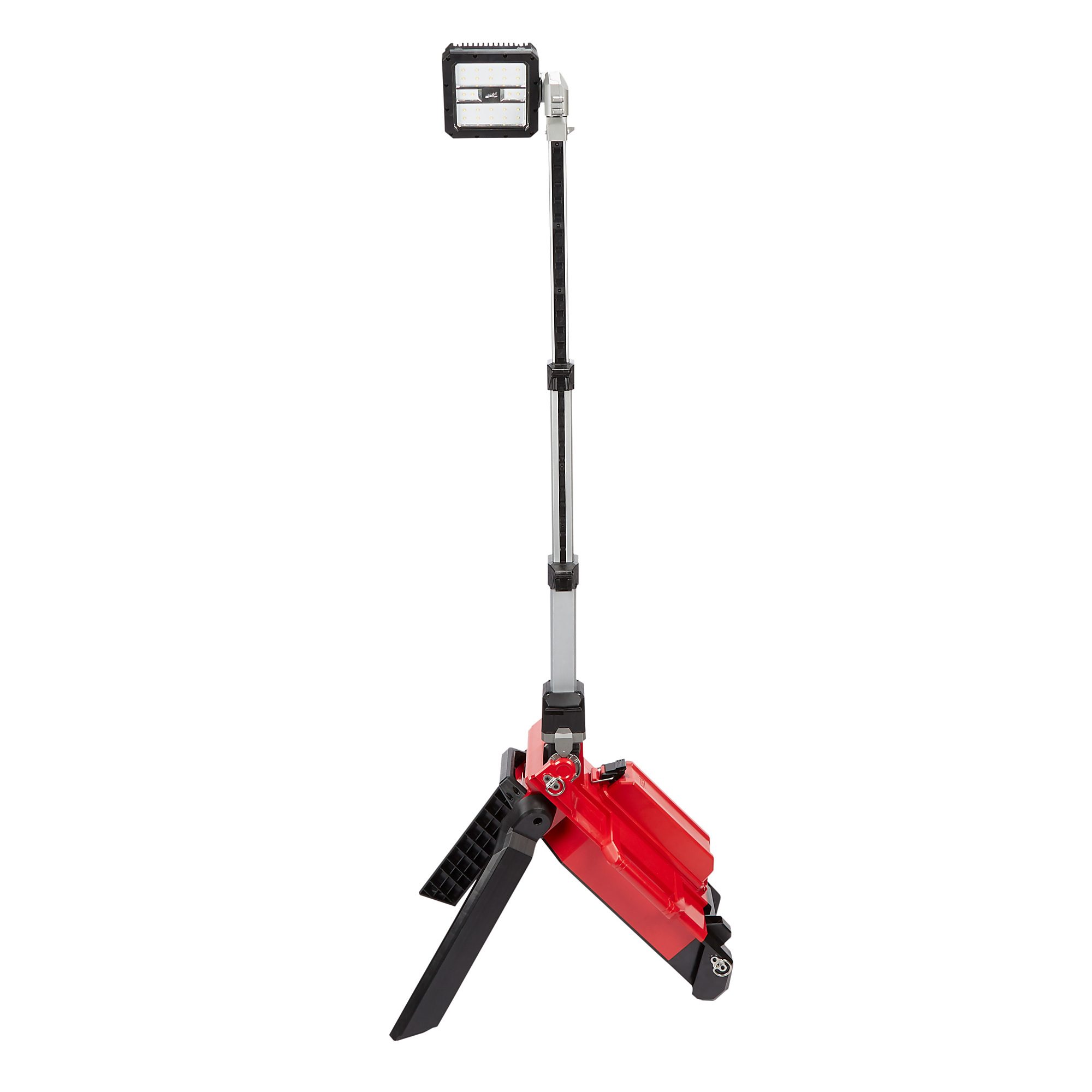
Item # 62619
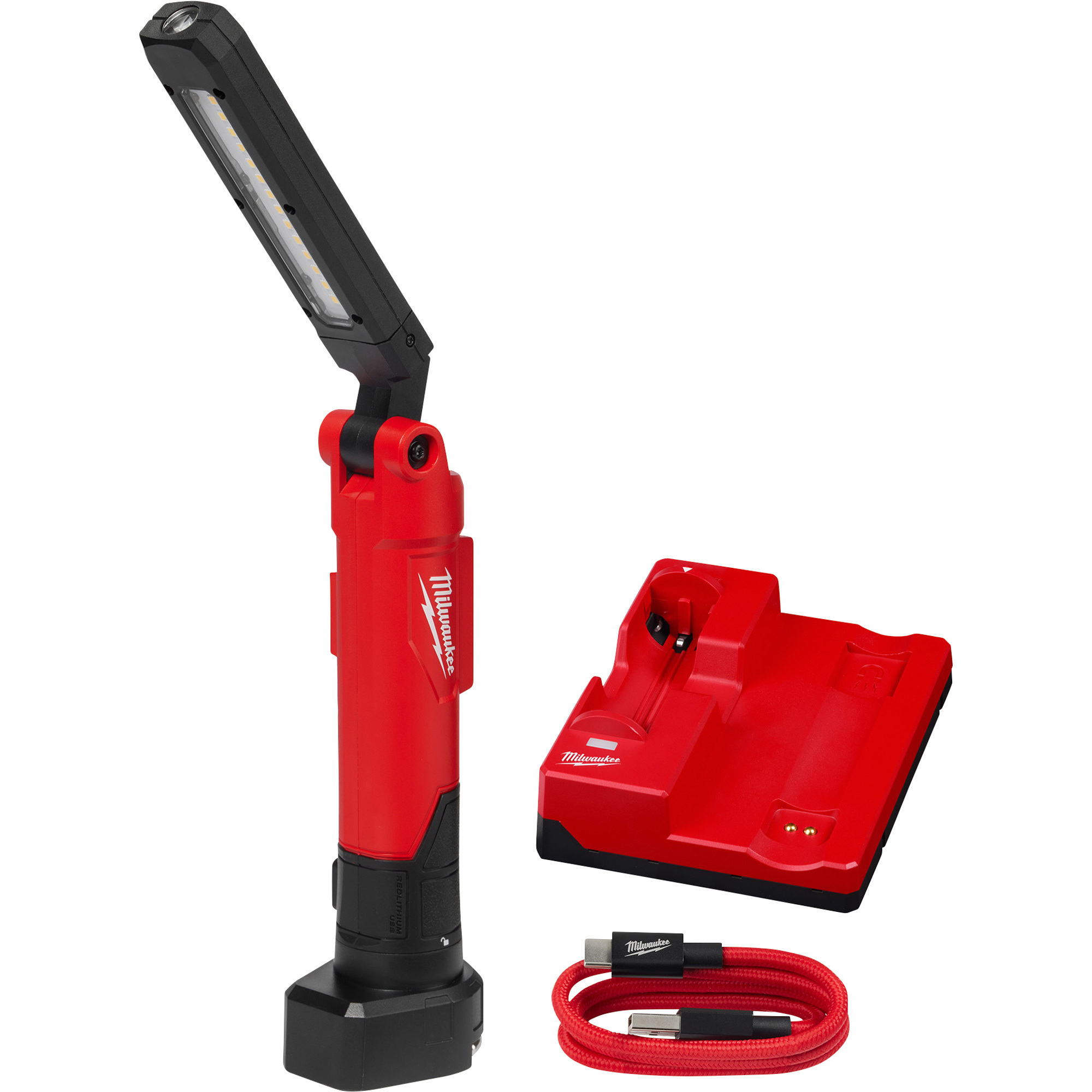
Item # 113988
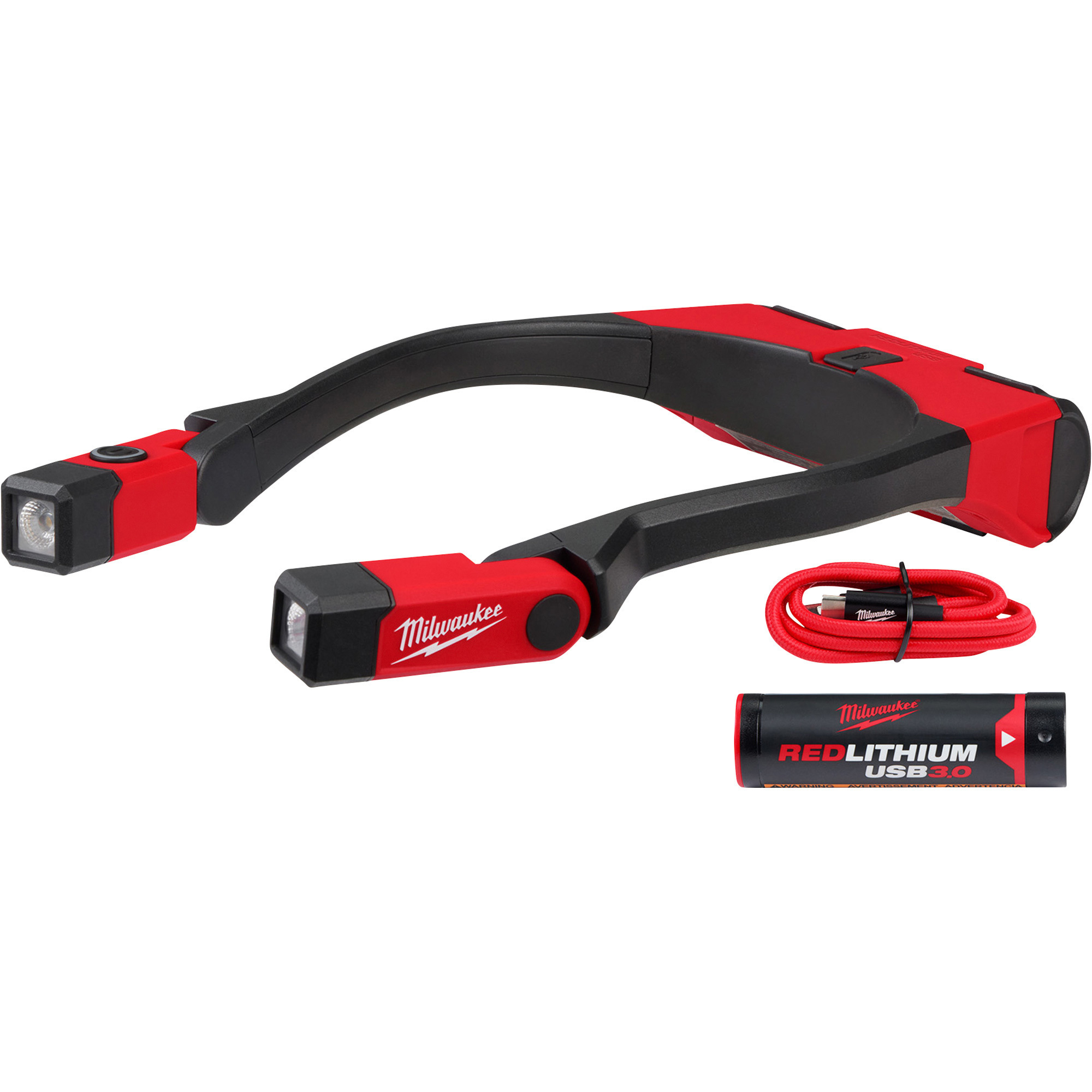
Item # 114239
Item # 63101
Item # 64383
Item # 6657388
Item # 103471
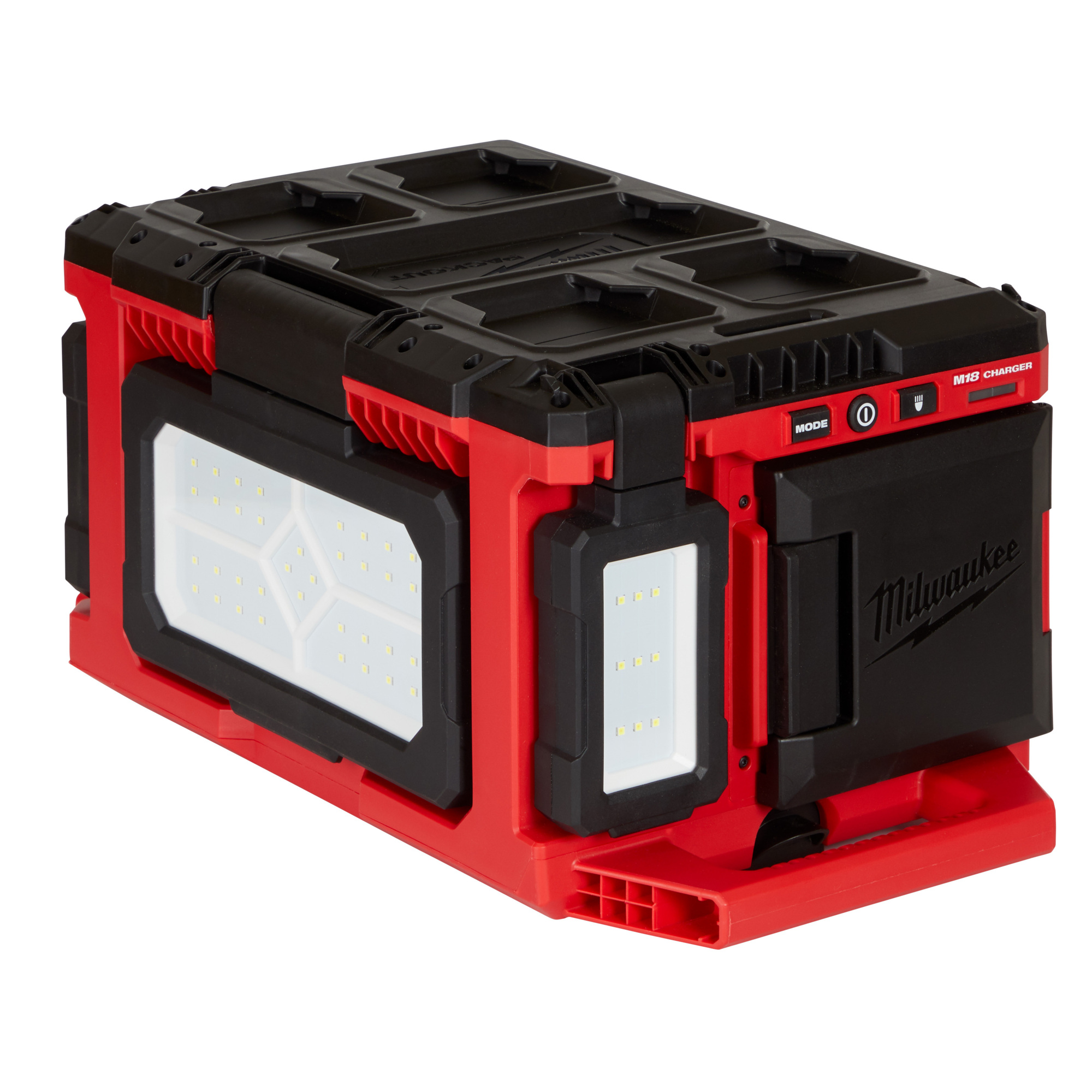
Item # 103469
Portable Work Light Selection
Work longer with this selection of portable work lights. Choose from single-light models, tripod-mounted units with multiple lights, hanging lanterns with USB charging, and much more.
Choosing Work Lights for Your Jobsite
Adequate lighting is essential in any work area to make sure workers and the public are kept safe from any potential hazards. Since most construction worksites do not have a fixed light source, it is necessary to purchase portable work lights to illuminate the space. Read on to decide which type of work light would work best for you.
Portable Work Light Varieties
Setting is the most impactful consideration when selecting a work light. While most portable lights can be used in nearly all locations, some work lights will be more effective than others in specific worksites.
Mobile Light Towers
If you have night-time work or low light jobs, like mining or underground services, a light tower is ideal for lighting up a large area. Casters make it easy to move the tower around the work area. An excellent choice for long term projects.
Handheld Lights
For detail work, a concentrated light on a specific area and a wider casting by a broader beam than the average flashlight. Especially useful for inspectors, electricians, plumbers, and any task that requires work in tight spaces.
Construction String Lights
Several light fixtures at regular intervals on one power cord. Perfect for where a long line of continuous light, is needed, such as staircases, rafters, or scaffolding. Rated for indoor and outdoor use, these lights are usually able to attach multiple sets to each other and have protective cages around the bulbs.
Area Lights
Casting light in all directions, eliminating shadows. Many sizes and mounting styles to choose from to illuminate entire rooms. All-purpose lighting solution for indoor or outdoor jobsites.
Bay Light
Illuminates large areas with high ceilings, areas like warehouses or commercial construction sites. There are two types of bay lights: low and high. Low bay lights are for 20 foot ceilings or under. High bay lights are for ceilings above 20 feet.
Floodlights
Powerful lighting fixtures that cast bright light evenly over a very wide area. Eliminating shadows from corners. A great choice for illuminating doorways and high-traffic areas, to increase safety.
Mounting Types
- Magnet mount - has a heavy-duty magnet on the base allowing the light to stick to metal jobsite surfaces.
- Yoke mount - is flat bottomed to allow installation on a wall or other flat surfaces.
- Clamp mount - can mount a light fixture to scaffolding, ladders, work platforms and more.
- Floor stand - provides some elevation off the ground and is suitably stable.
- Tripod mount - elevation above the ground, more stable than floor stands to better illuminate an area and usually are adjustable.
LED + Lumens
- LED lights are up to 90% more efficient than halogen bulbs.
- LED lights produce more light with less heat than halogen lights.
- Fewer LED lights are needed than halogen lights to illuminate an area.
- LED lights have a lifespan of thousands of hours.
- LEDs save on electricity costs.
- No need to replace bulbs.
- LEDs resists damage from impact.
- Safer where combustible materials are present, because they produce less heat.
Work Light Considerations
- If you work in a hazardous location, select explosion-proof lighting with explosion-proof extension cords.
- If your location has extreme weather or excessive dust, get a work light with a high IP rating, IP65 or higher.
- If your location does not have access to power, battery-operated lights are small and easy to transport, ideal for moving to multiple locations each day.
- If your jobsite requires lighting for several days in a row, a reliable corded option is best, and it does not limit portability.
- If you are working in dark conditions, choose work lights with a high lumen output. Tower lights and floodlights are the best options for these conditions.
- Lumens indicate the brightness, the more lumens the more light it gives off. This is not the same as wattage, that's used to measure energy use. CFL (compact fluorescent light) and LED lights use fewer watts than incandescent or halogen lights with the same brightness.