Johnson Level Levels
Filters
1-12 of 12 Products

Item # 436325
Item # 436339
Item # 436346
Item # 436354
Item # 54381
Item # 436348
Item # 436324
Item # 39727
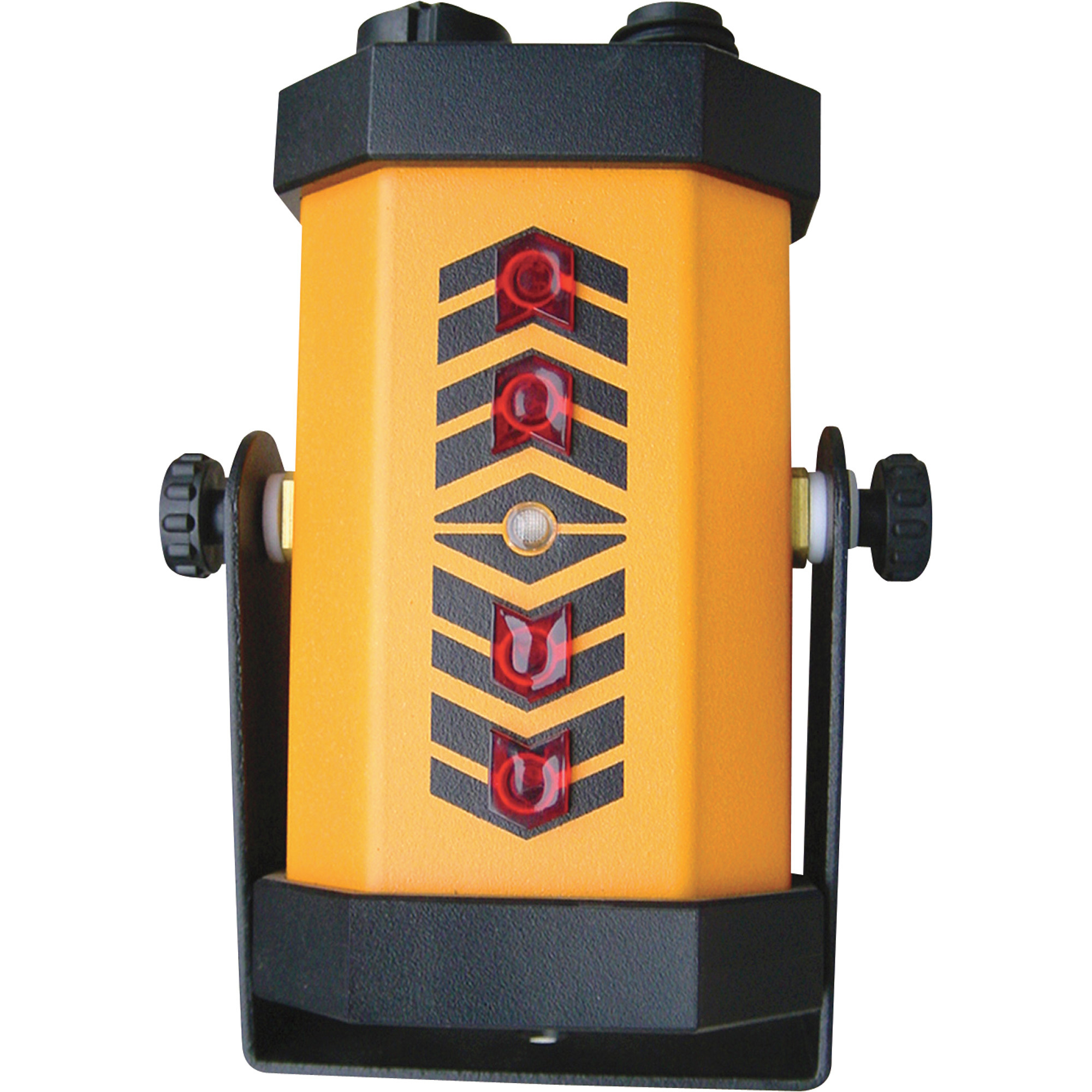
Item # 436360
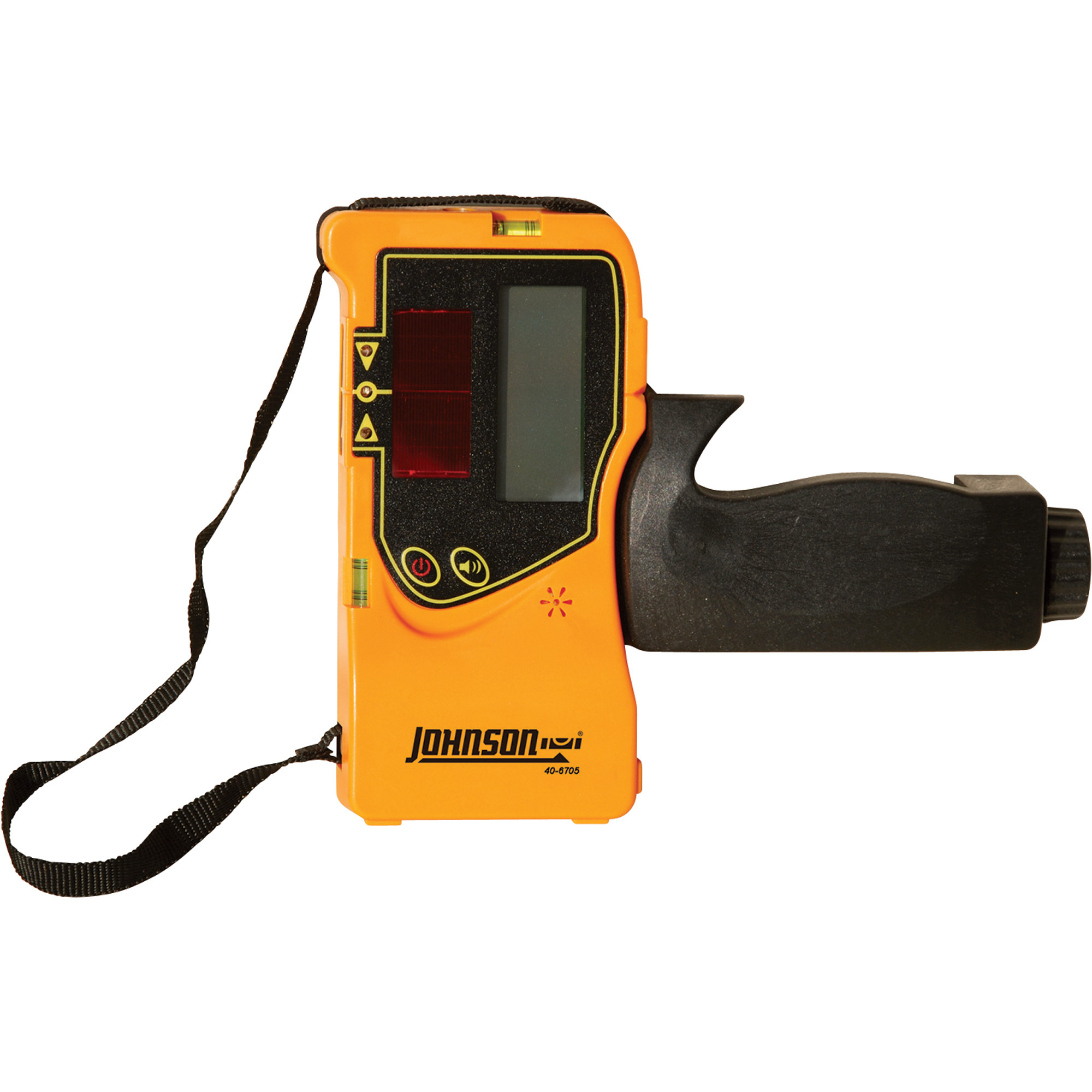
Item # 436342
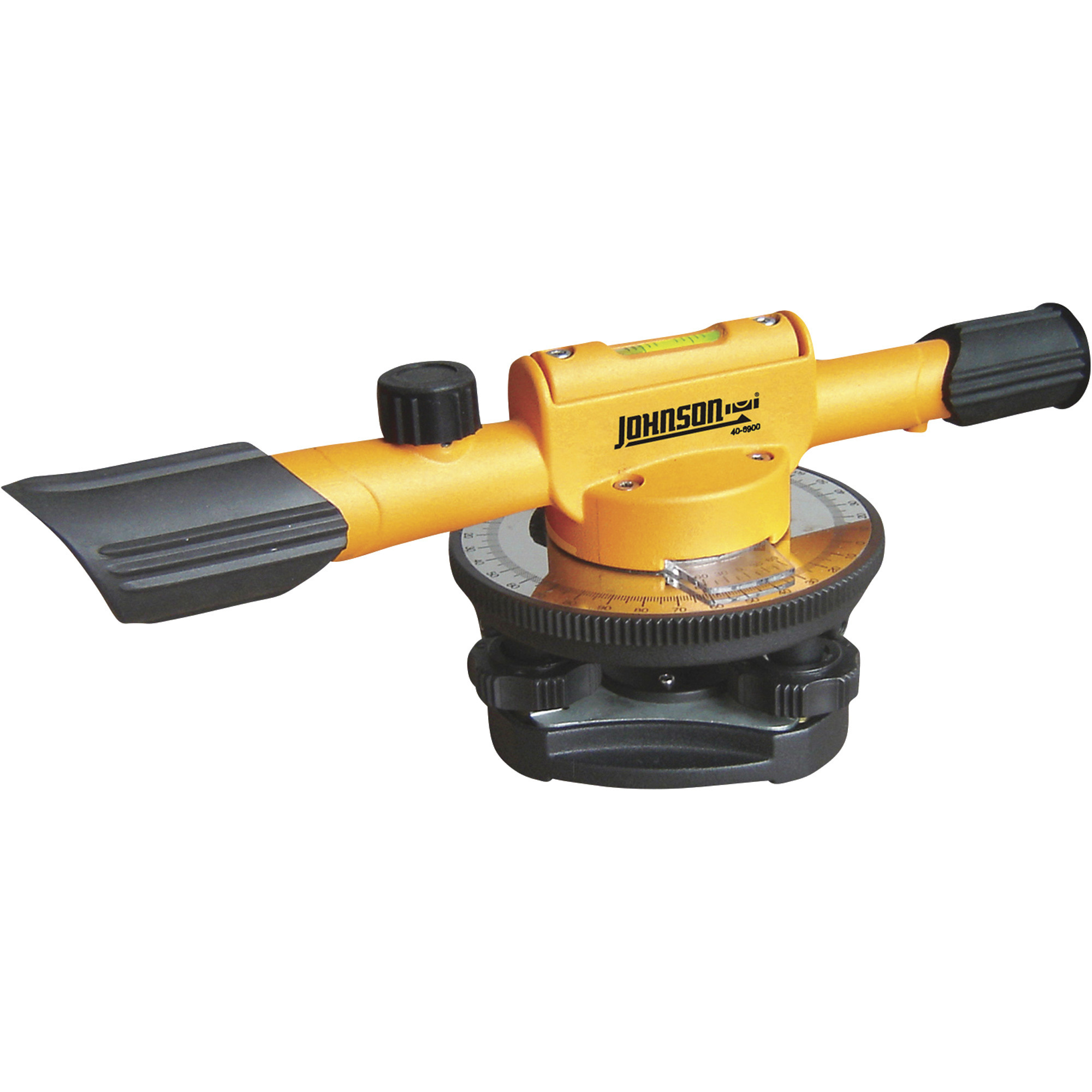
Item # 436345
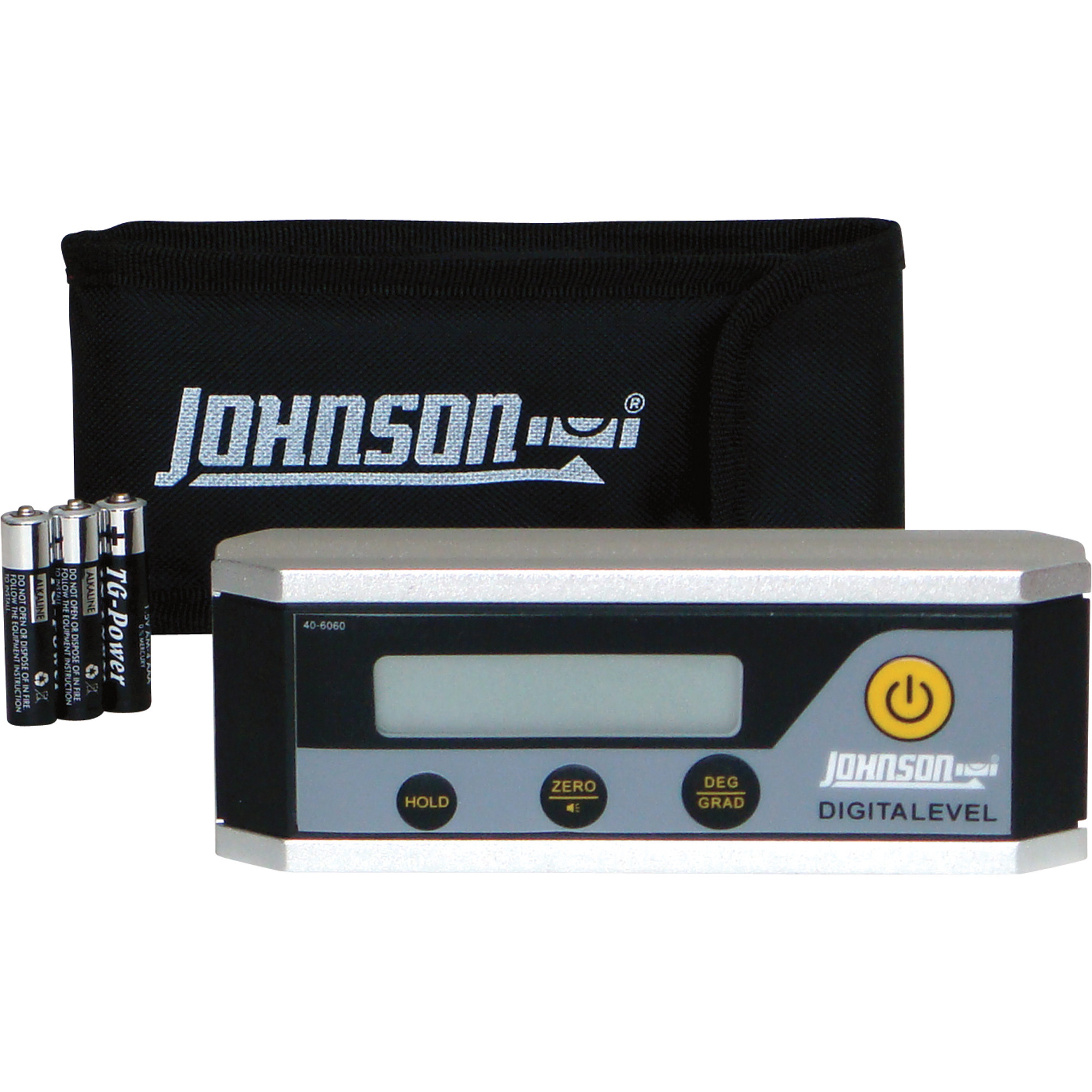
Item # 436315
Levels
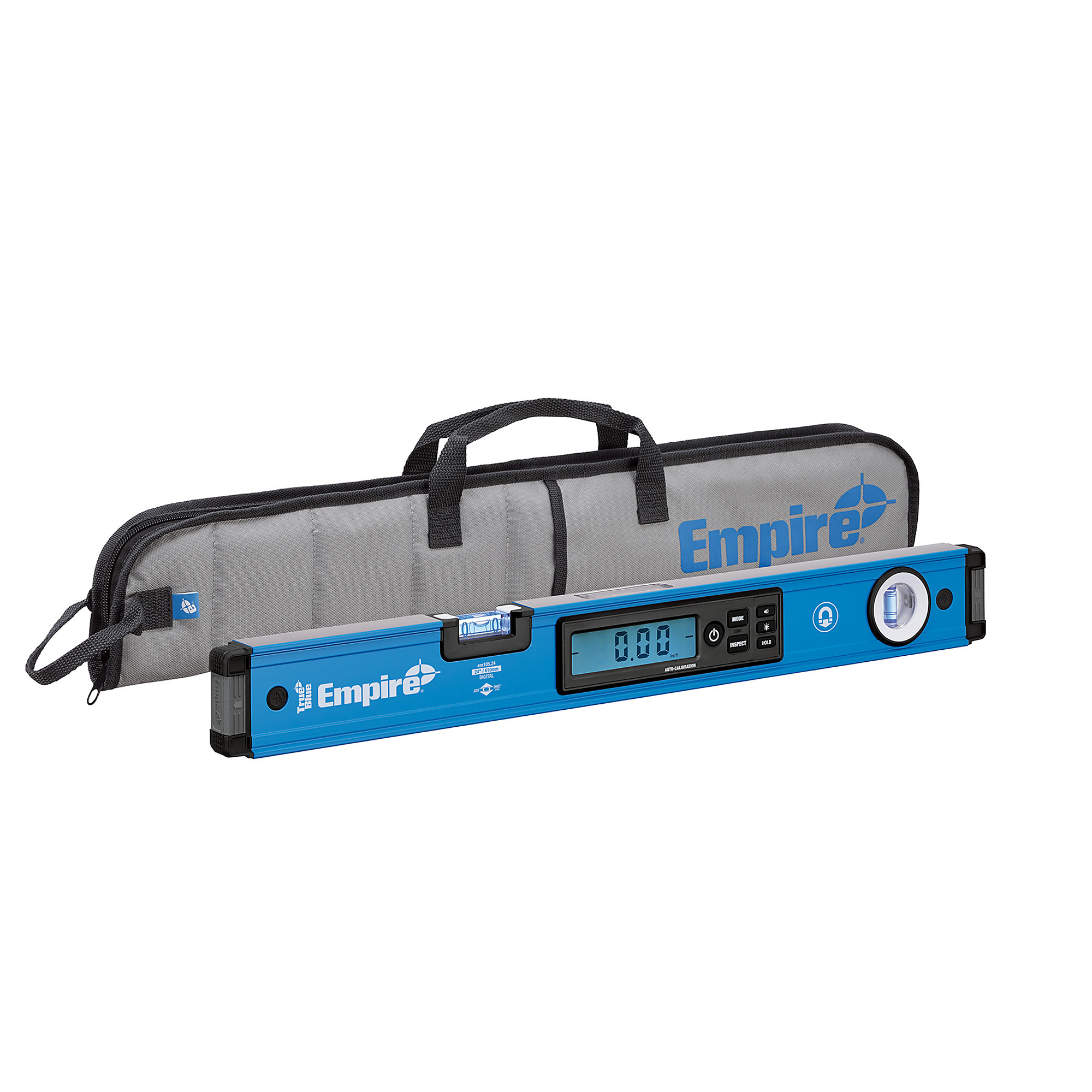
Here at Northern Tool + Equipment, we carry a multitude of level types so you can acquire perfect accuracy for your project. Learn more about each category to determine which is best for the job that needs completing. The most recognizable of all is the standard level. Identifiable by its long, rectangular shape, this type is commonly used for woodworking and masonry which is why it's also often referred to as a carpenter's or mason's level. Most standard models provide users with cross-check functionality meaning it finds both horizontal and vertical measurements.
Our laser levels come in a variety of sizes ranging from handheld units to large models with tripods. Each emits straight-line beams across a surface such as a wall or floor. A laser unit measures level, plumb, and distance and can often be used hands-free. Our selection also offers torpedo, post, and line levels as well as plumb bobs. Torpedo levels look like standard models, but typically measure 9 inches or less in length. These are ideal for measuring tight spaces and conveniently fit inside a tool belt or toolbox. Post levels are used most often for setting posts or columns during fence or deck building but can also be used for plumbing purposes. They fit around the corner of a post and measure level in two directions simultaneously as well as plumb. Line levels attach to a cord or wire and find alignment over a distance. A plumb bob features a pointed weight at the end of a string and relies on gravity to determine a straight vertical line. This tried-and-true tool is a trade favorite for aligning posts and installing wallpaper. We're confident you'll find a great solution among our catalog of levels from quality brands including Johnson Level, Empire, and Milwaukee, among others.
Be sure to browse the Best Laser Levels list which reveals our customer's favorites.
Levels + Laser Levels Frequently Asked Questions:
What are the most common types of levels?
- Box beam
- Digital box
- Magnetic
- Cross check
- I-beam
- Screed
- Torpedo
- Specialty torpedo
- String level
How do I choose the right level for my project?
- If you’re concerned about a heavy-duty unit built like a box with grips near the center for easy holding, a box beam or a digital box beam level is a good choice. A box beam won’t bend over time as some of the other levels can.
- For working with metal surfaces and keeping your hands free, choose a magnetic level.
- To be able to check both horizontal and vertical measurements at the same time, choose a cross check level.
- For working with lumber, pavers or drywall, a long level, such as an I-beam level, is a good choice.
- For leveling cement you’ve poured, a screed is a great choice, as it’s a long narrow level designed to reach across the distance of the cement.
- For measuring in tight or unusually configured spaces, choose a torpedo level or a specialty torpedo level.
- For measuring across extra-wide spaces, a string level works well.
What is a laser level and how does it work?
How accurate are laser levels and what factors affect their accuracy?
How do I maintain and calibrate my laser level to ensure accuracy over time?
Method 1:
- Position your laser level on a tripod approximately 100ft. from a wall.
- With the front of the laser facing the wall, rotate the laser.
- When the detector signals a level measurement, mark the wall.
- Rotate the laser 180°.
- When the detector signals a level measurement, mark the wall.
- Measure the difference between the two marks you’ve made.
- If your laser says it is accurate to within 1/16in. accurate, that means the lines need to be further apart in order to necessitate calibrating the level. You’ll need to replace one of your marks and work from there to facilitate a calibration of your level.
Method 2:
- Point the laser line toward a wall and mark two spots on the wall with tape, positioning the tape directly under the line, making sure the line is touching the tape line.
- Next, move the laser to another space in the room, raise it on the tripod and line up the laser line with the second piece of tape as precisely as you can.
- Check the first marking and see if the line matches it.
- Repeat until markings line up.
Method 3:
- Position your laser on a tripod with the front facing a wall at least 20ft. away.
- Hold a piece of paper or a straightedge to the wall where the light hits it.
- If your laser features a Y-axis, mark an additional line at a 90° rotation.
- Note the difference in the lines.
- The lines need to be off by more than 1/16in. in order to be able to calibrate your laser level.
Method 4:
- If you have a self-calibrating laser level, use its button controls to recalibrate your level, per your instruction manual.
Manual Recalibration:
Checking Wires
- Remove the batteries of your level and remove all screws in the body of the level to open it.
- Check the wires by softly pulling on them with a screwdriver to be sure they’re not impeding the pendulum, as any impediment can throw off the measurement of your level.
- Put the batteries and screws back in and position your level on a tripod, making sure the pendulum is locked.
- Position your level on the tripod and check for accuracy using one of the methods described above.
- If you have a self-calibrating laser level, use its button controls to recalibrate your level, per your instruction manual.
Checking The Pendulum
- Unscrew one of the screws holding the pendulum in place.
- Unlock and move the pendulum back and forth a few times and then stop.
- Watch for the line to be completely matched with your level measurements on the wall.
- Once the laser line and wall mark line up, lock and screw the pendulum back in.
- Unlock the pendulum to see if it’s level by using one of the methods described above.
Try any of these methods when you find your laser level is out of calibration. Also, be sure to consult the manufacturer’s owner’s manual.