Ladders + Stepstools
Filters
1-48 of 575 Products

Item # 5866364
Order today to get this price.
Item # 107717
Order today to get this price.
Item # 5857847
Order today to get this price.
Item # 58615
Item # 5872553
Item # 5993478
Item # 5993081
Item # 5855673
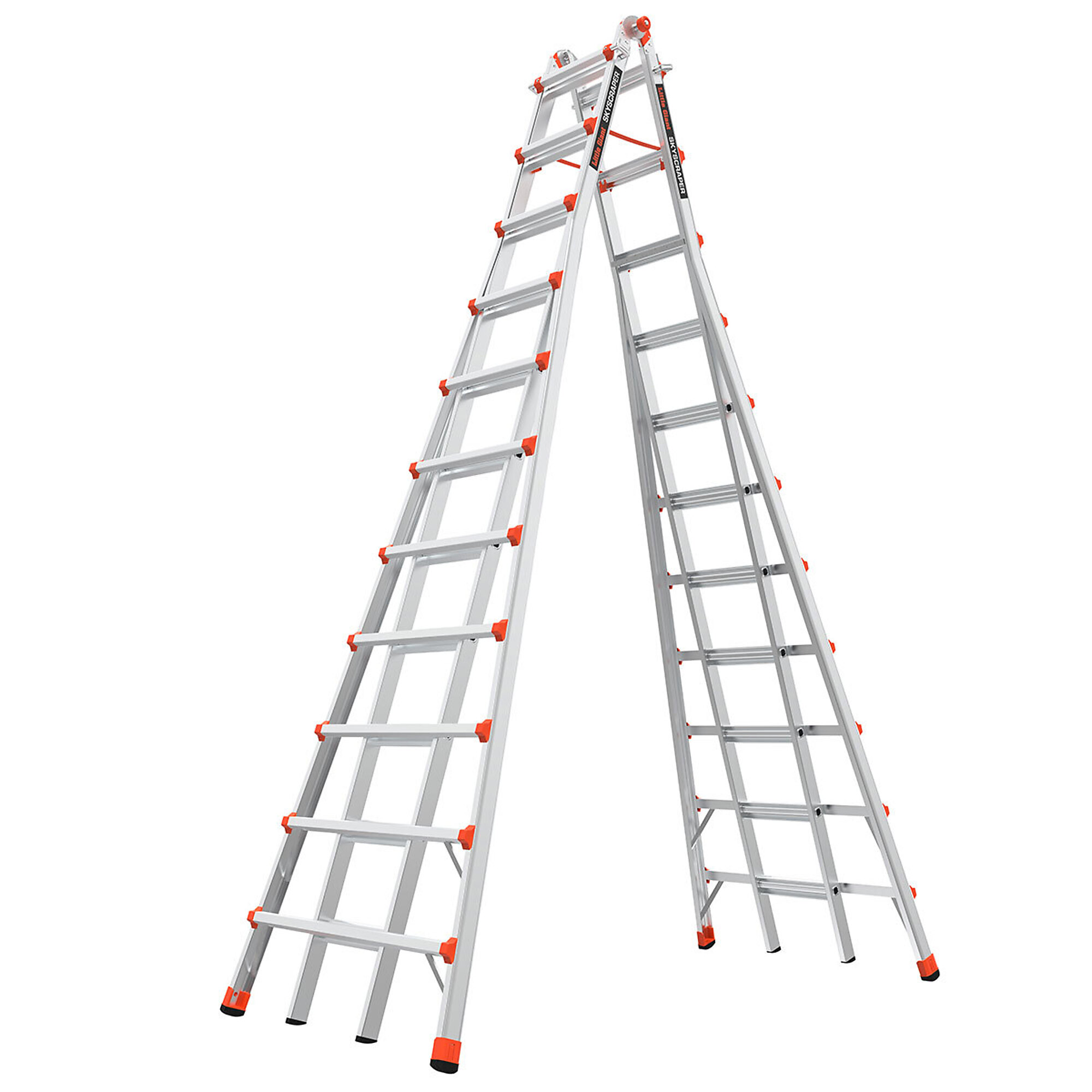
Item # 5858129
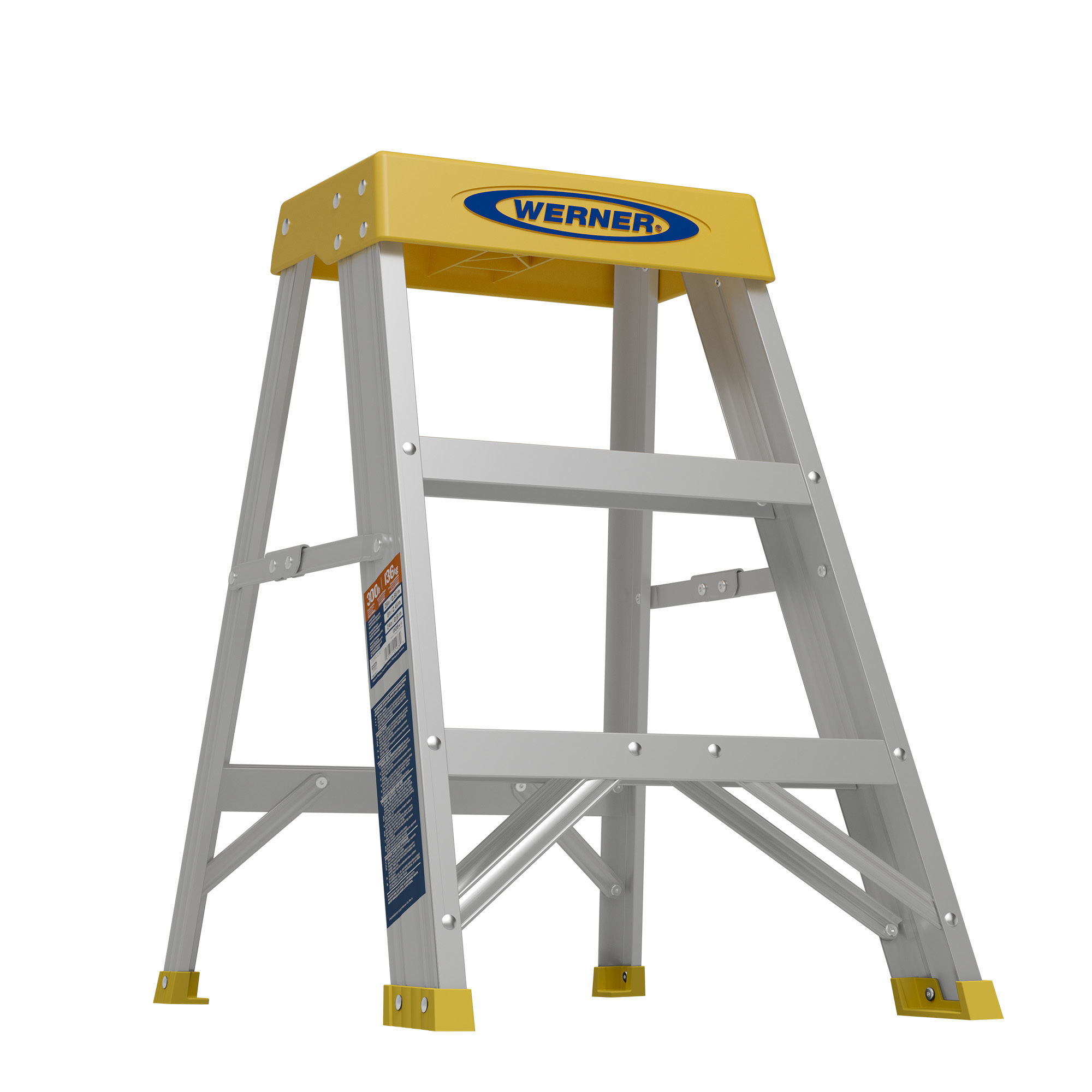
Item # 176511
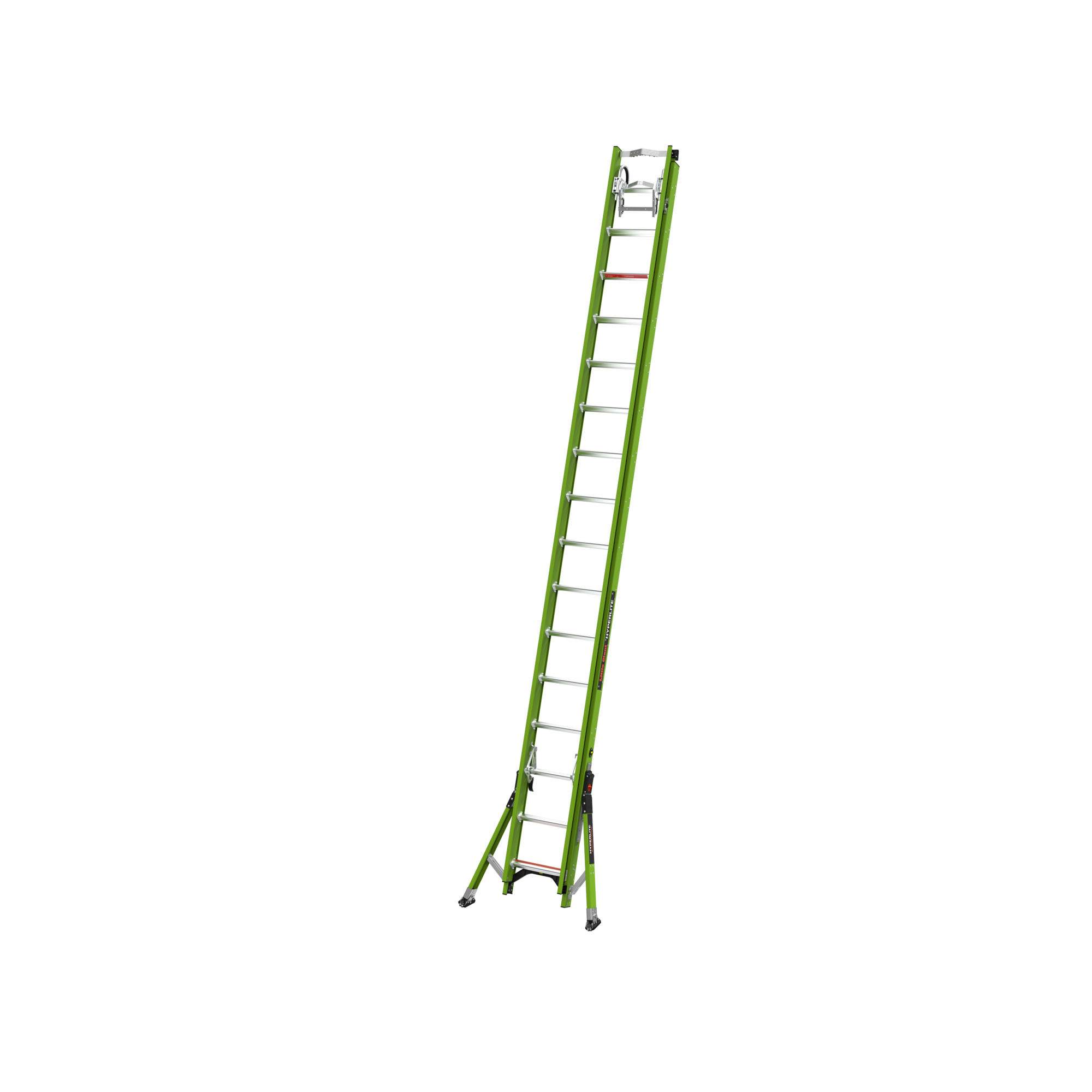
Item # 5868415
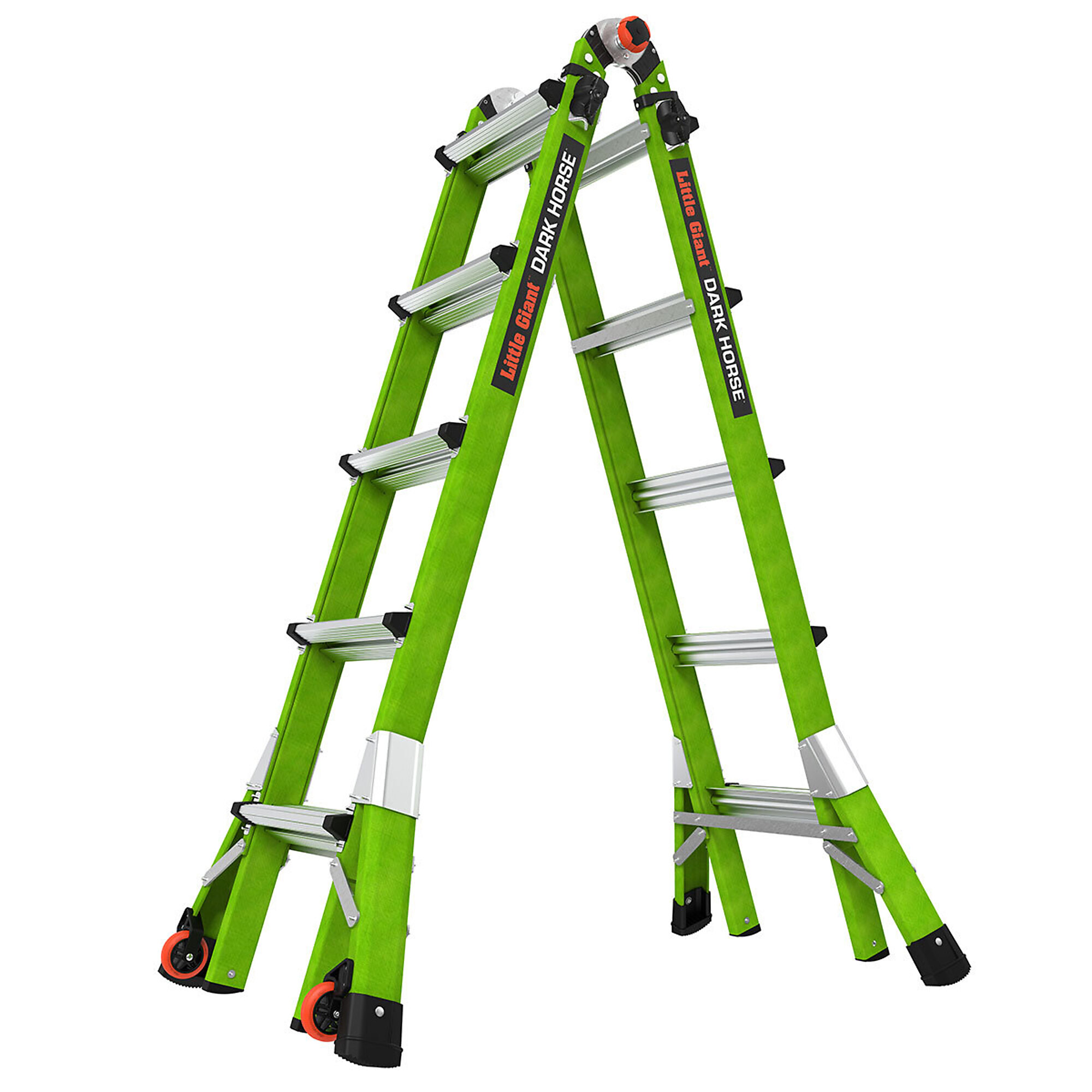
Item # 5857871
Item # 5869012
Item # 6517318
Item # 5865644
Item # 5872633
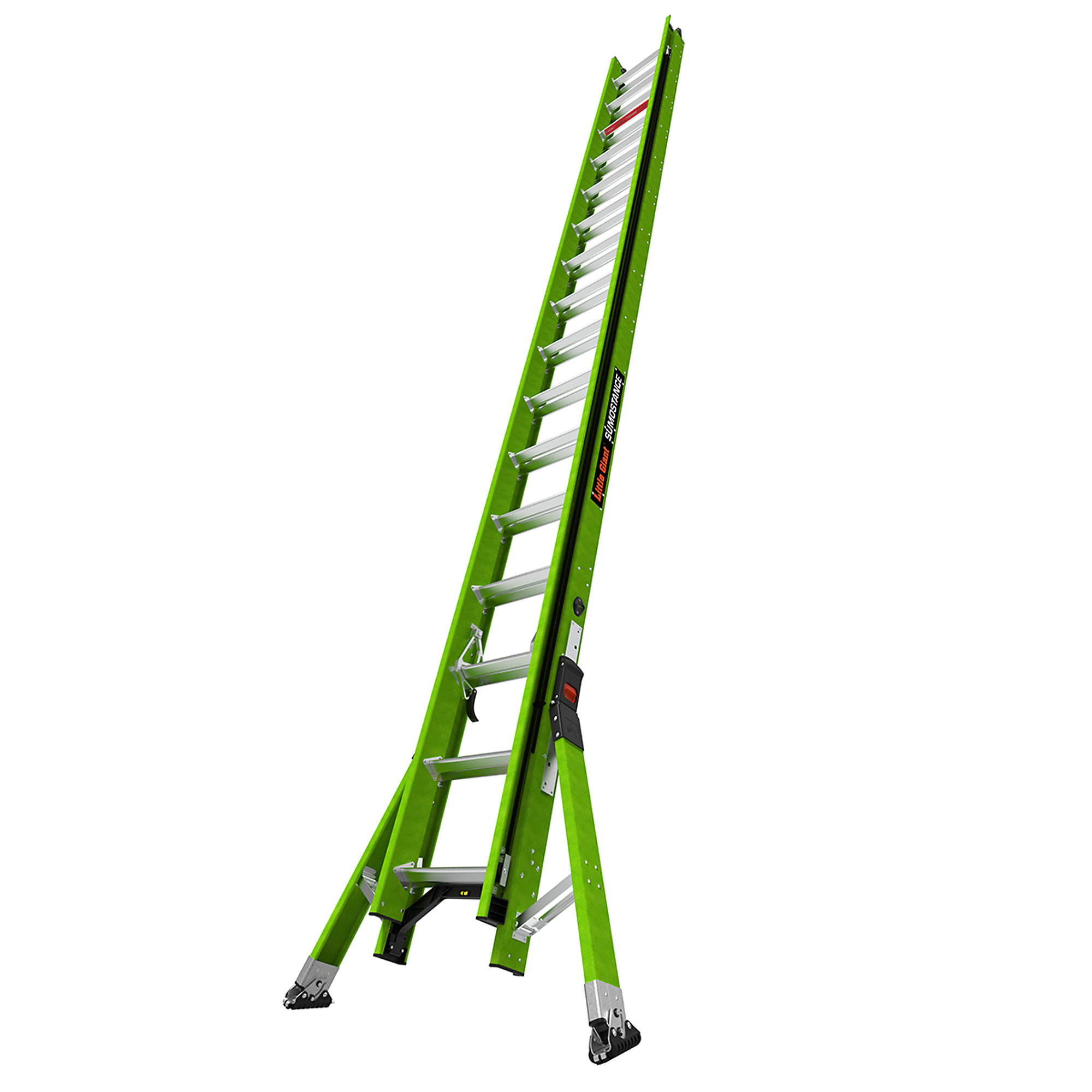
Item # 5872941
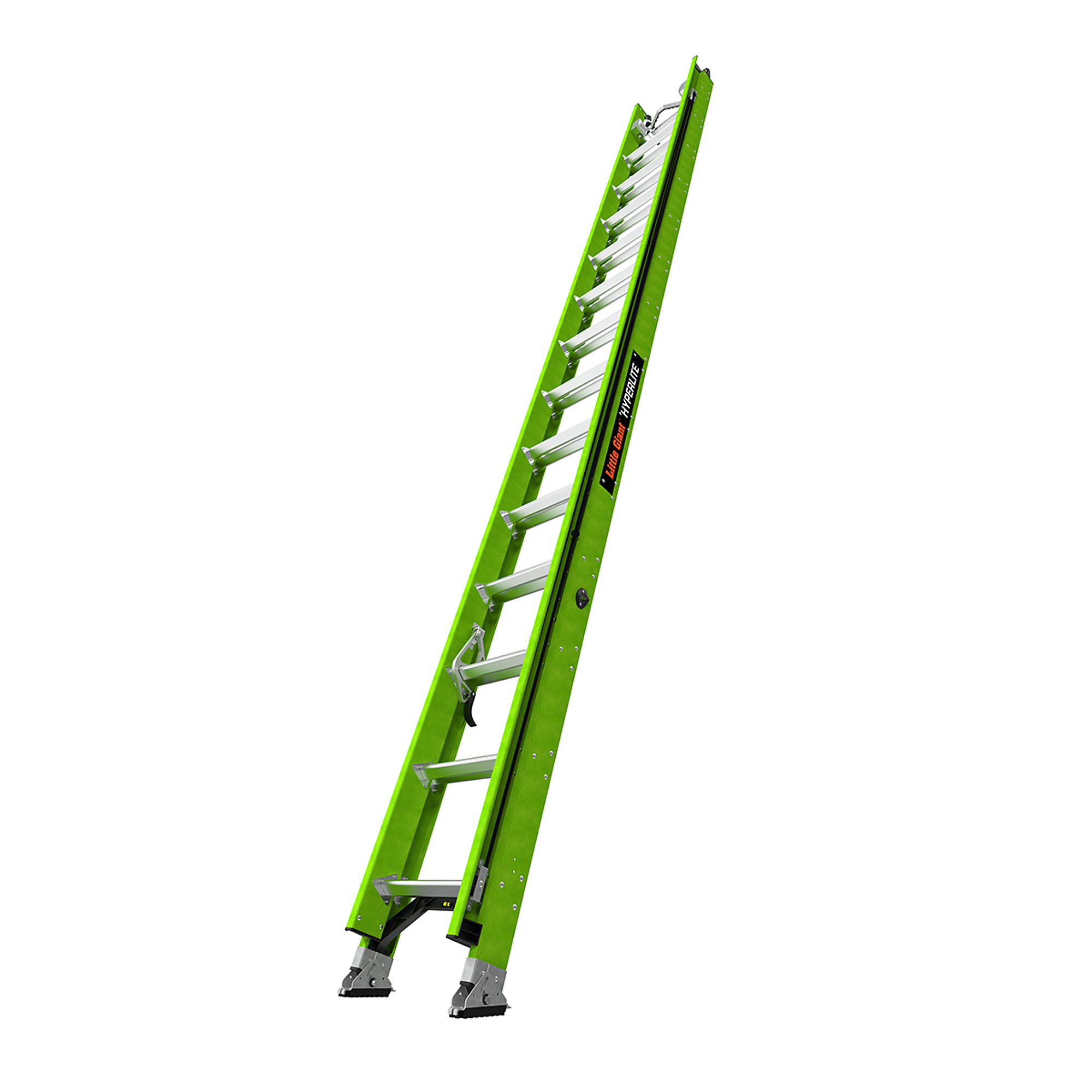
Item # 5872490
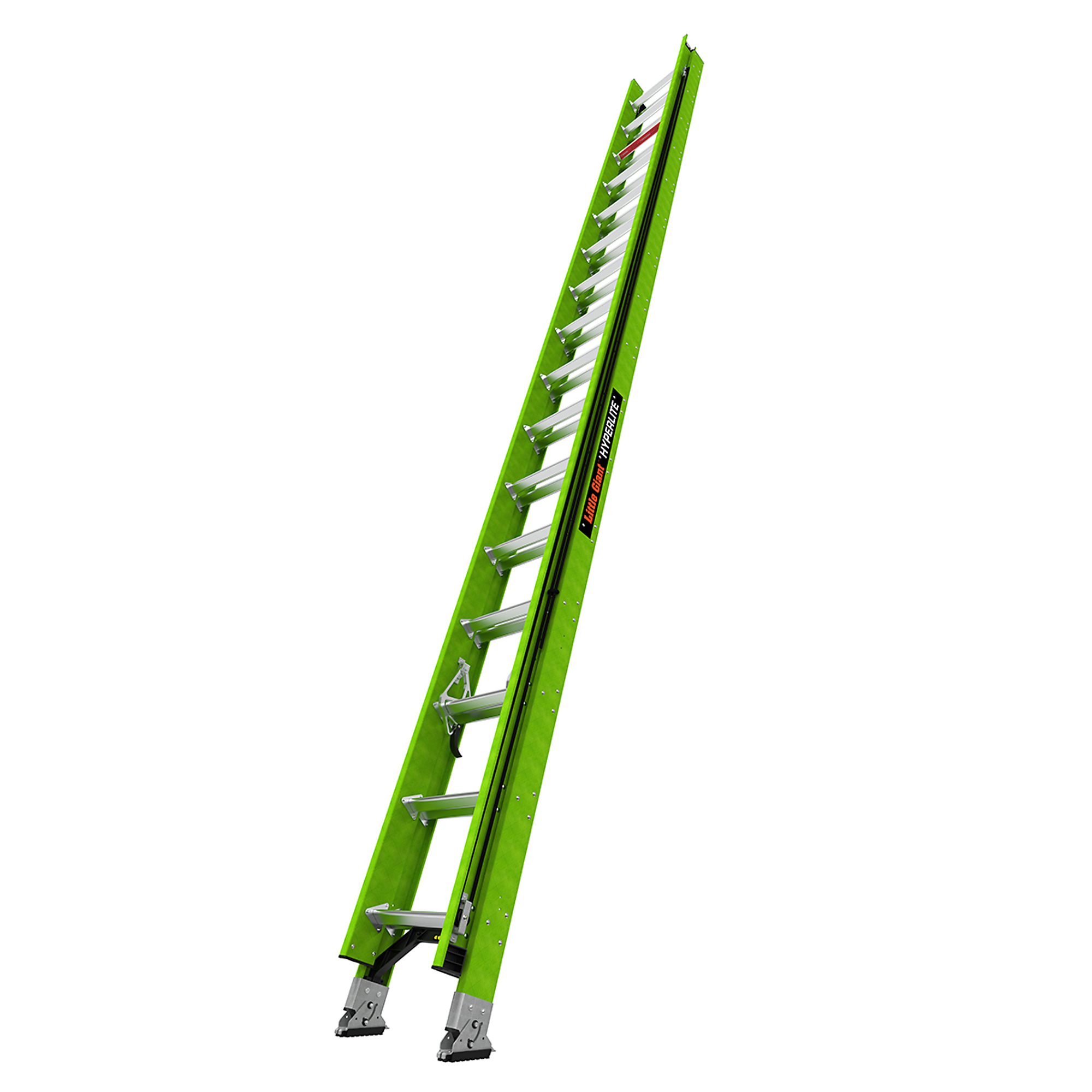
Item # 5872596
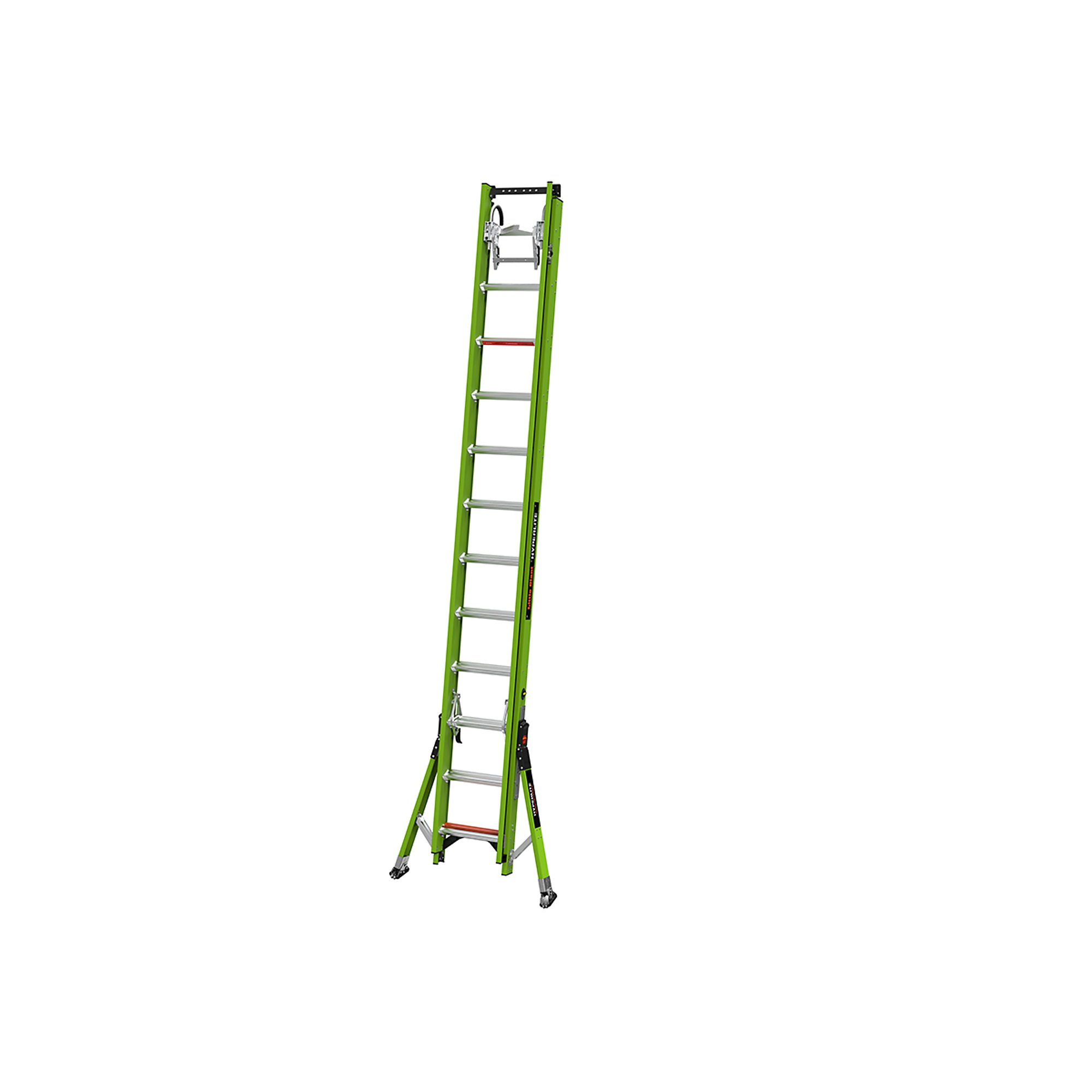
Item # 5868407
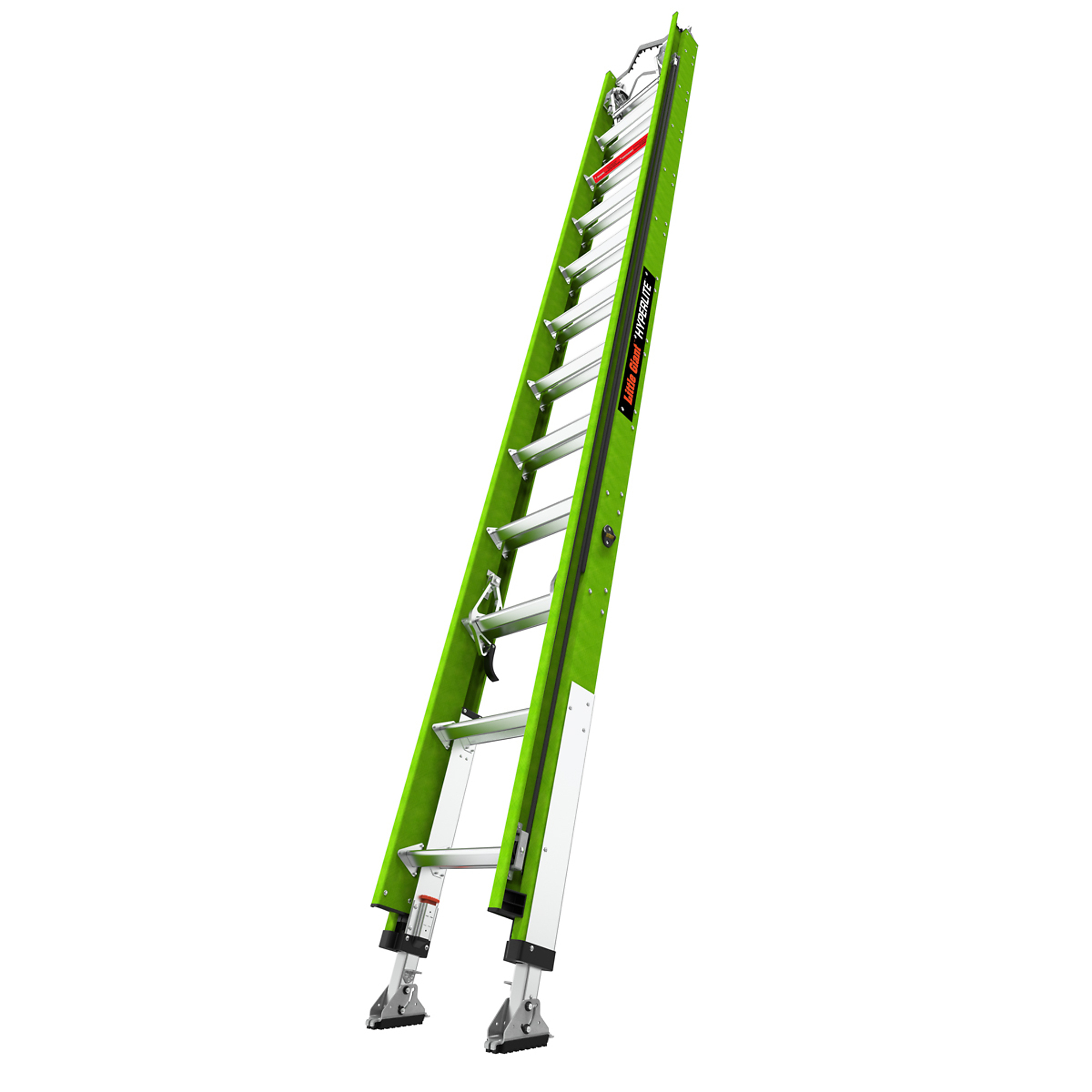
Item # 5872641
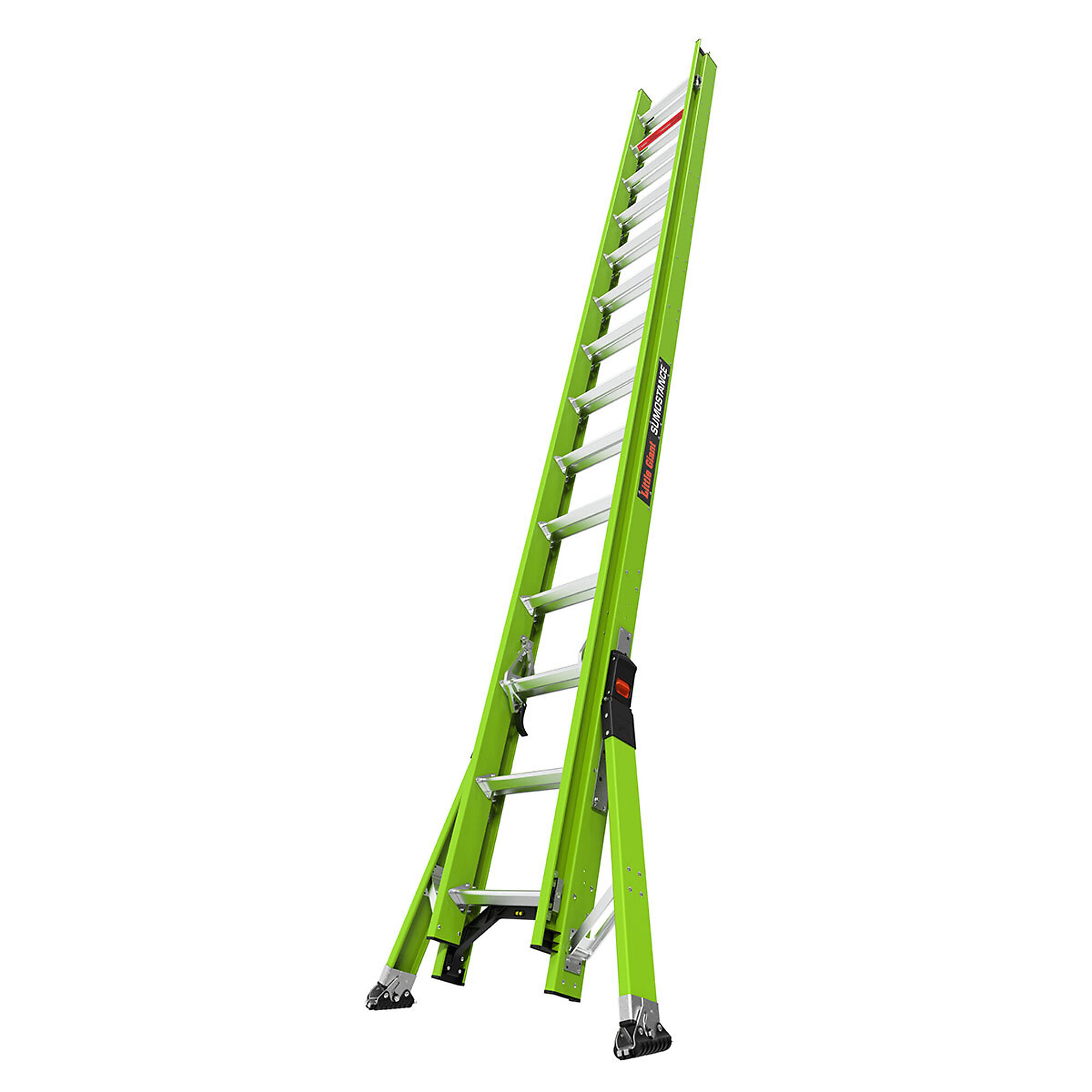
Item # 5872932
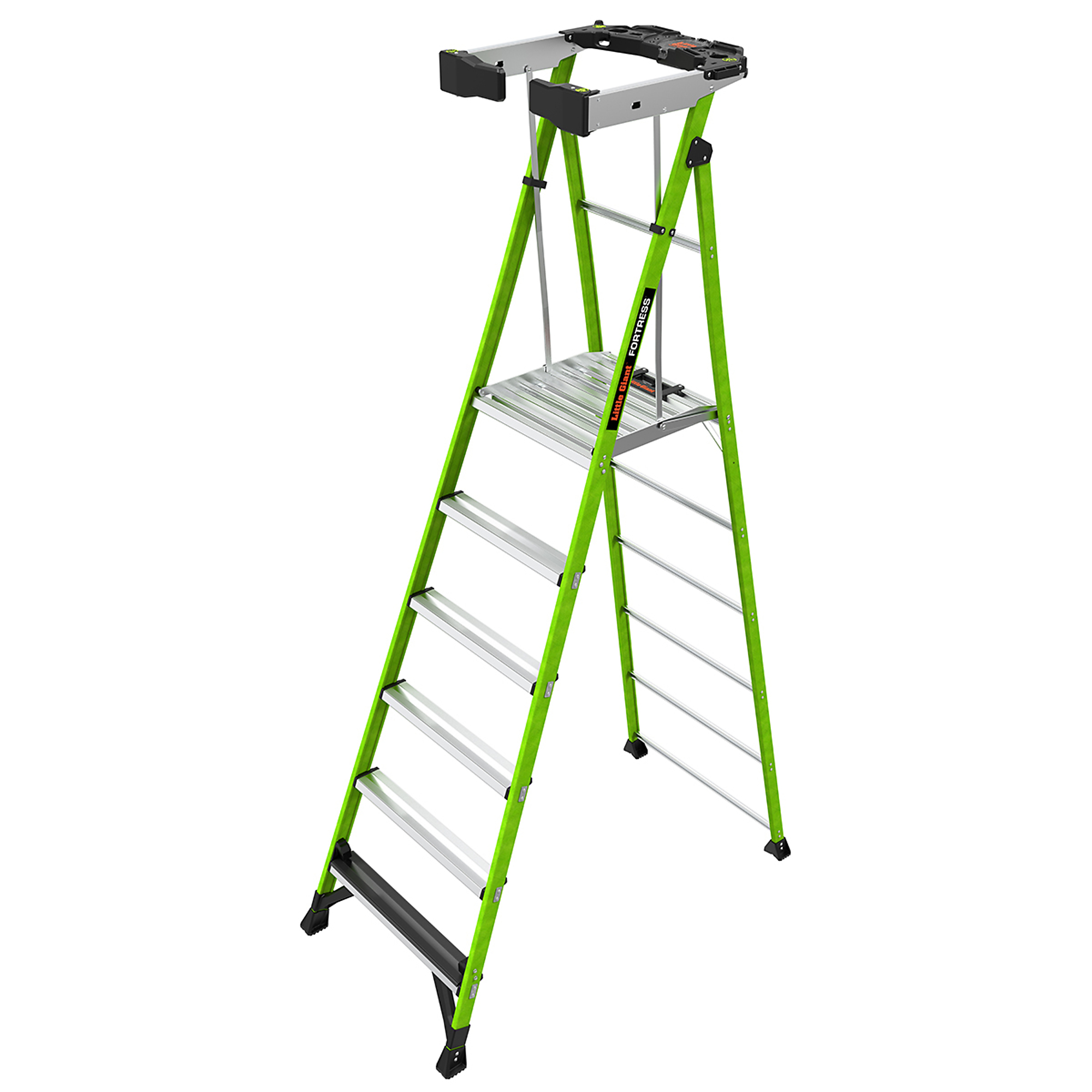
Item # 5866356
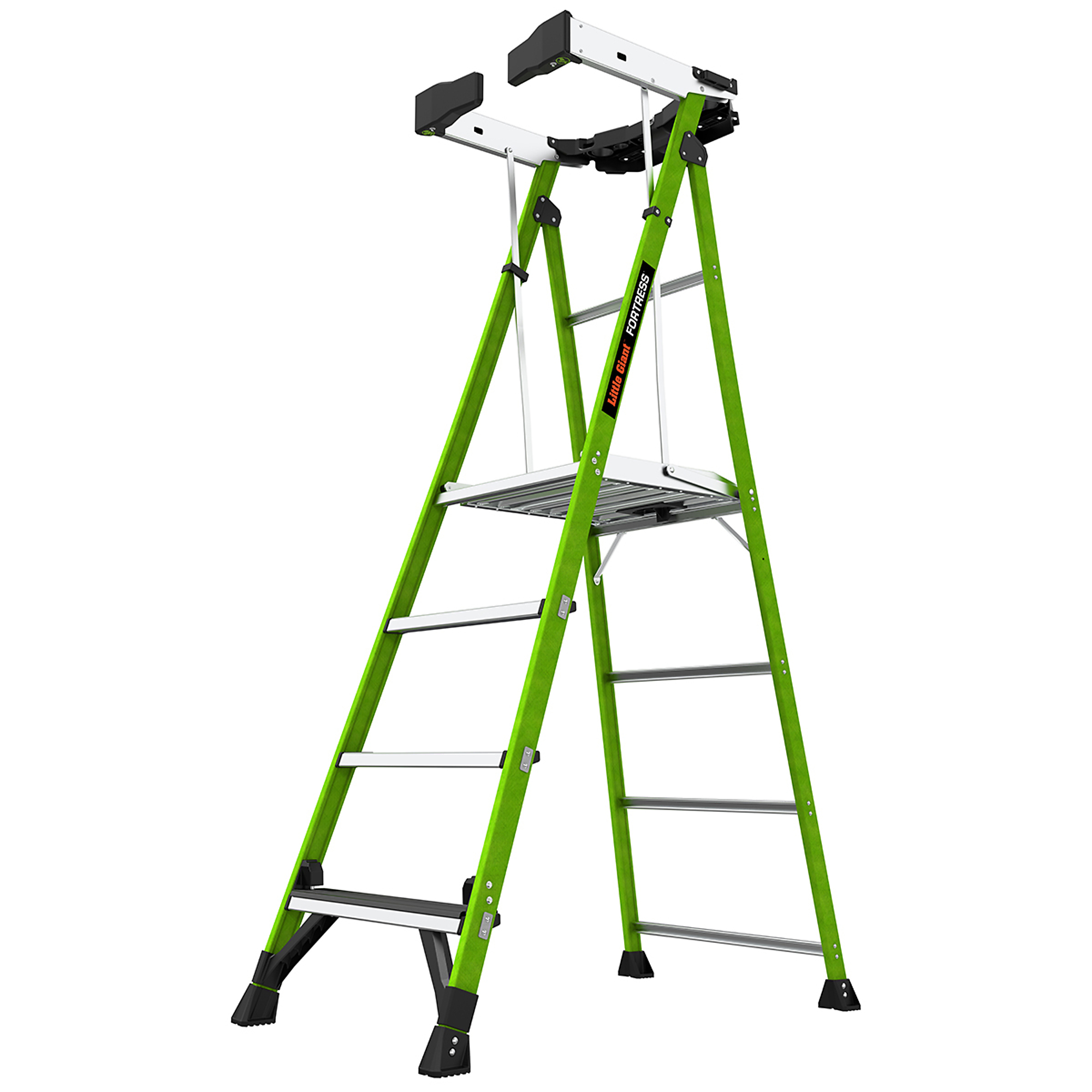
Item # 5866330
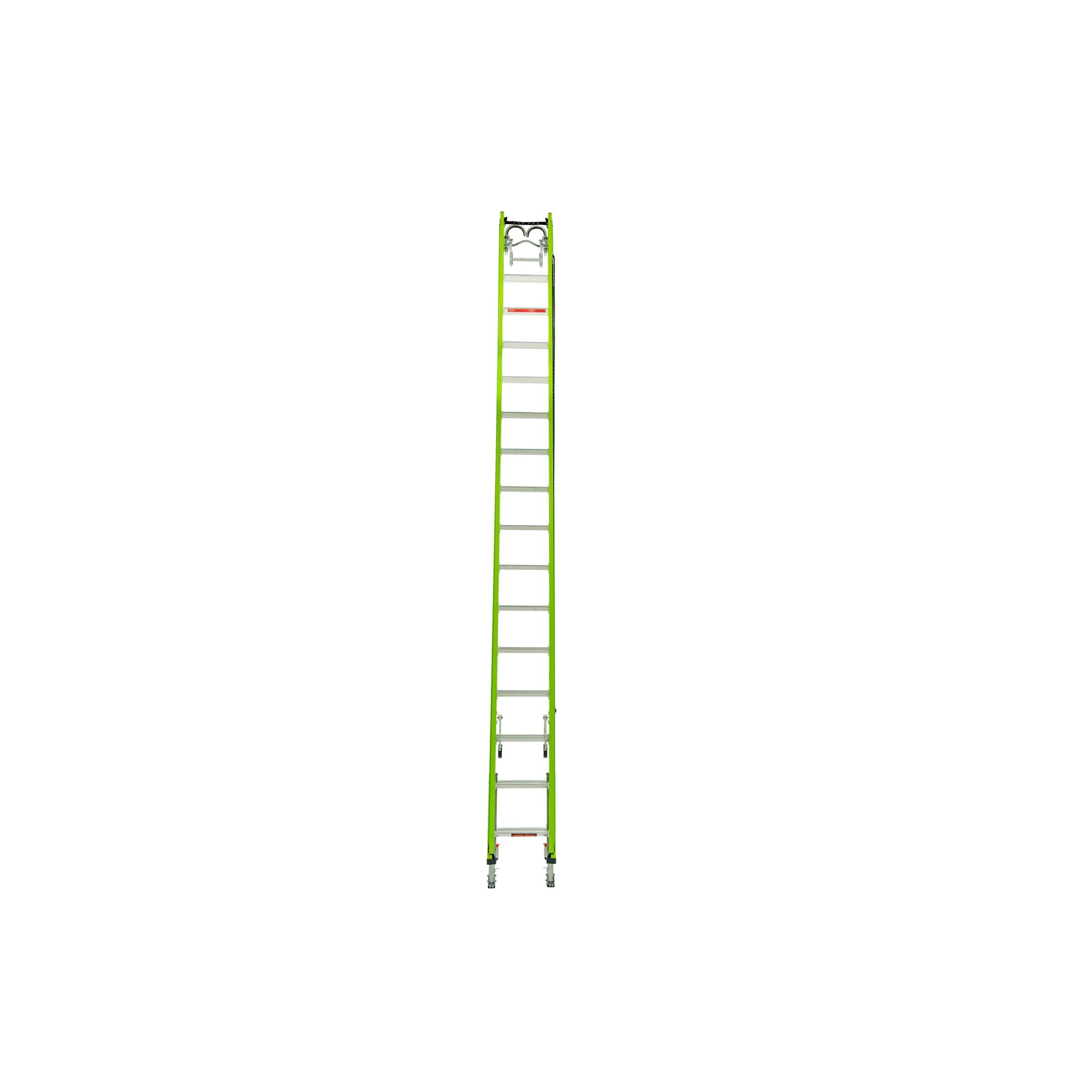
Item # 5872713
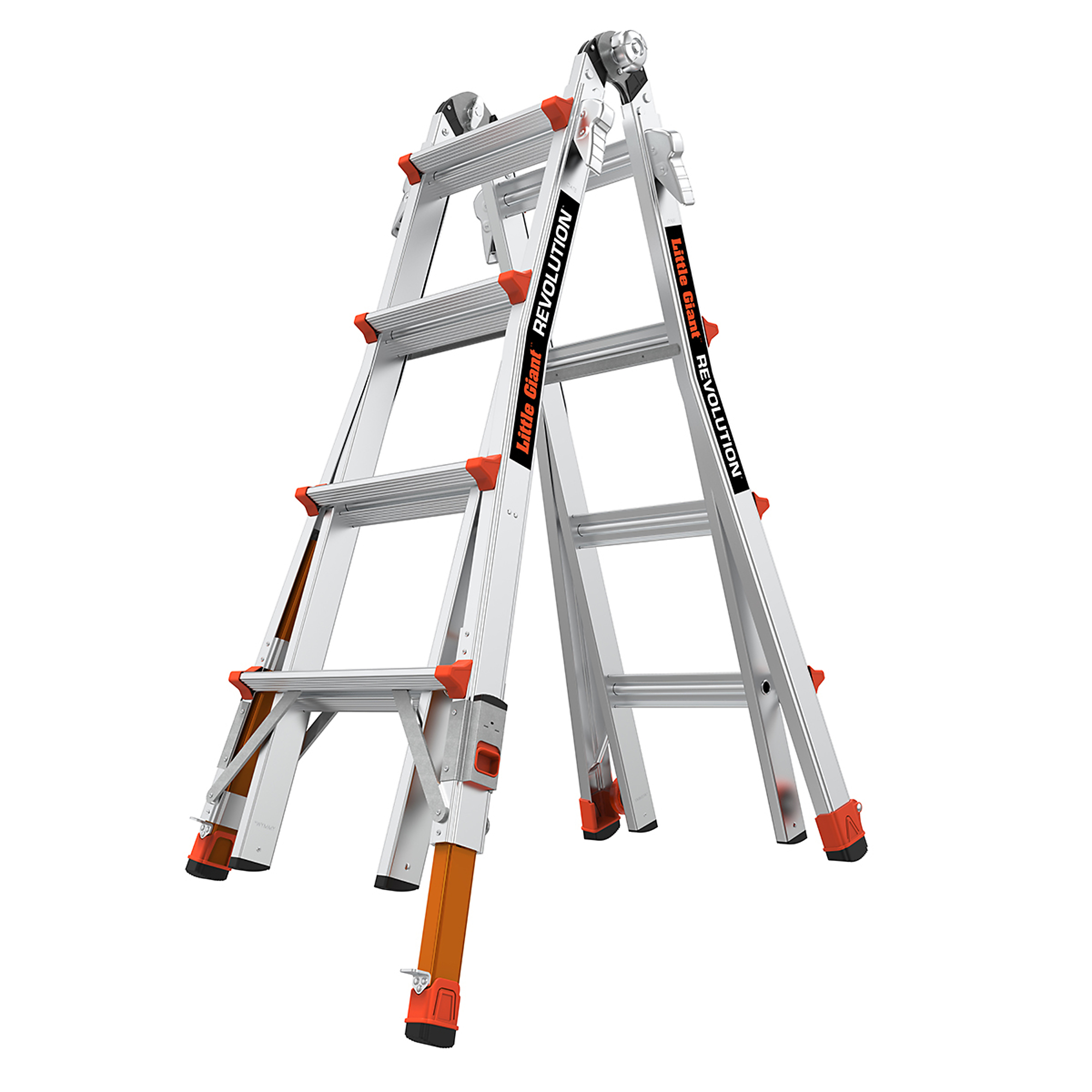
Item # 5857767
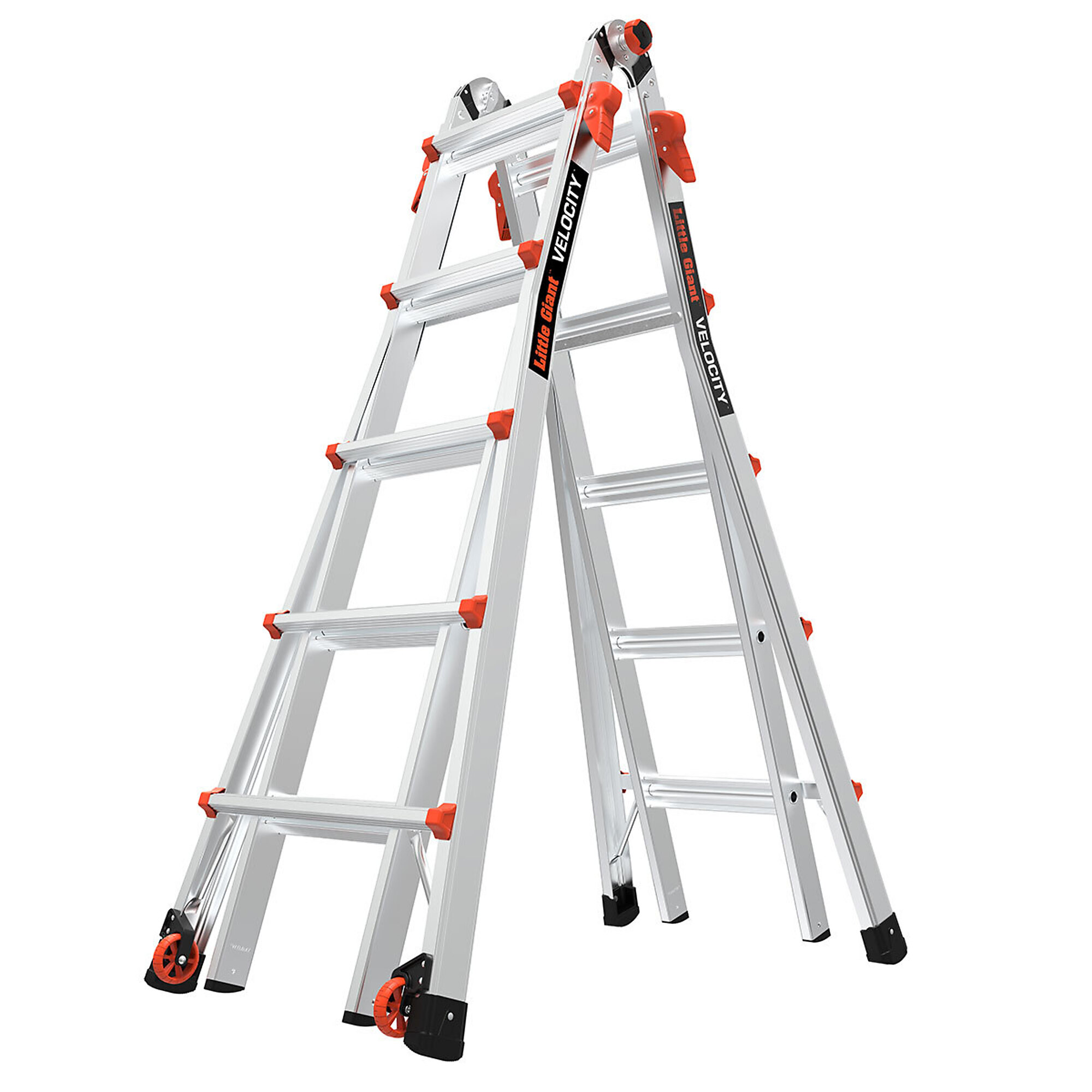
Item # 5858170
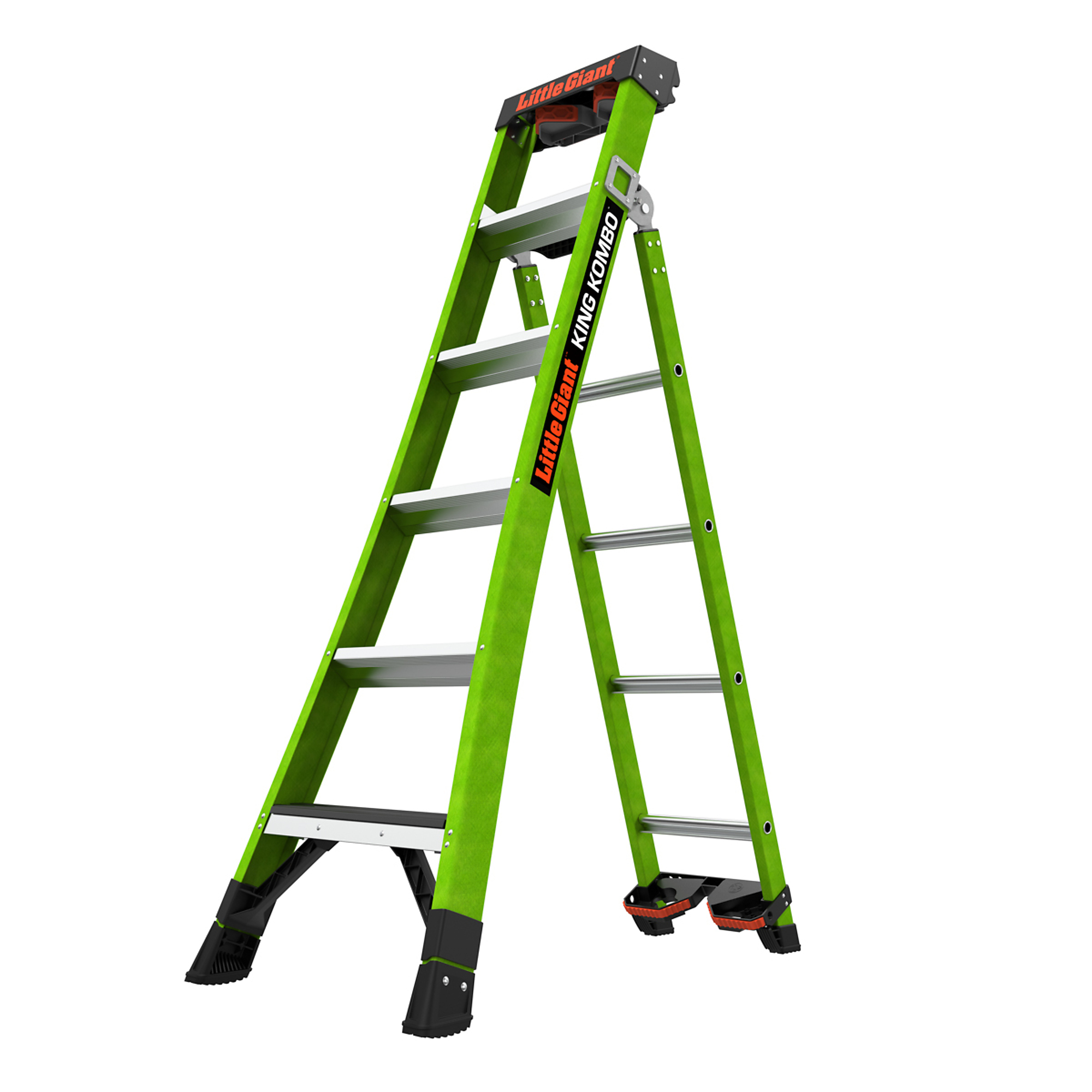
Item # 5853862
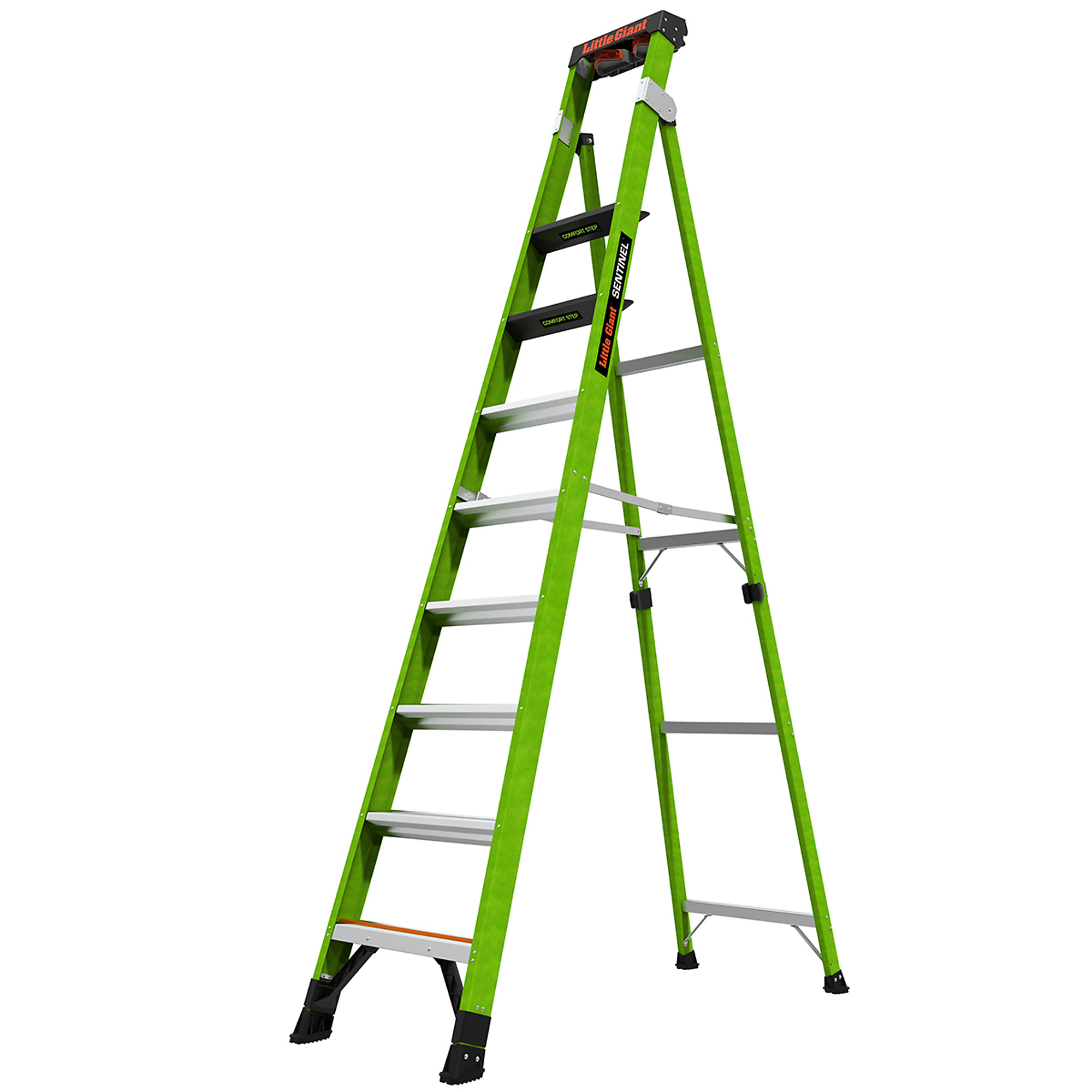
Item # 5865708
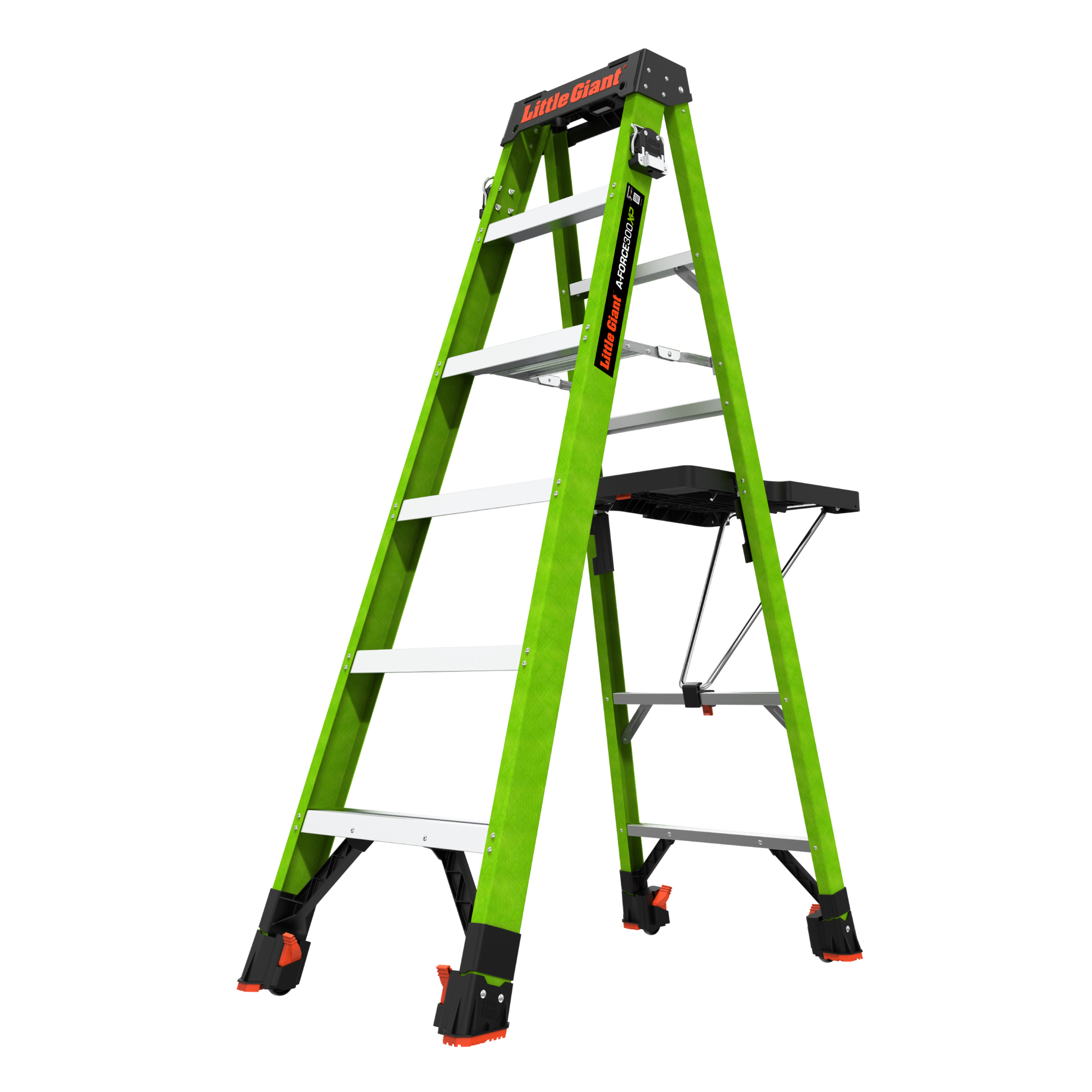
Item # 7079575
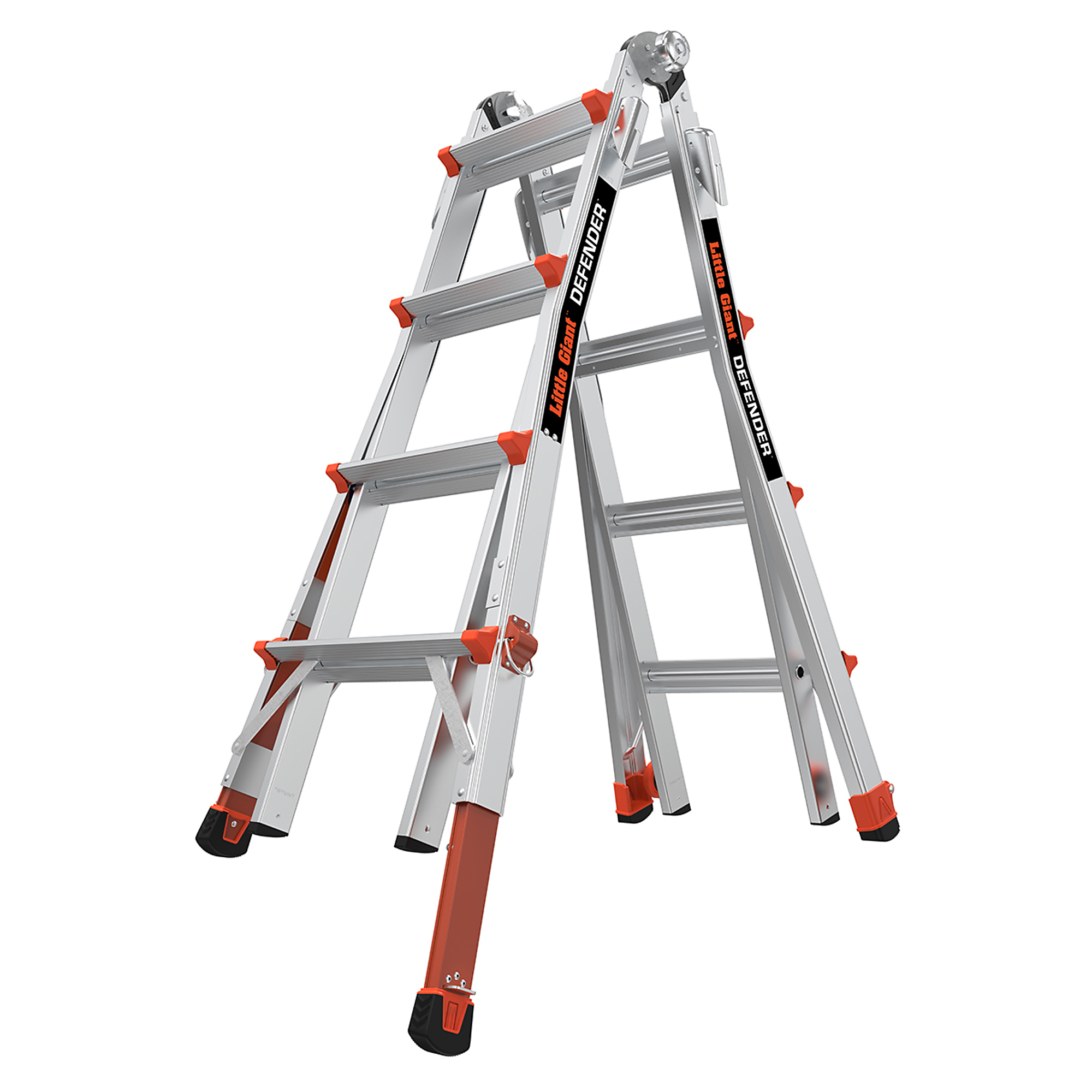
Item # 5857812
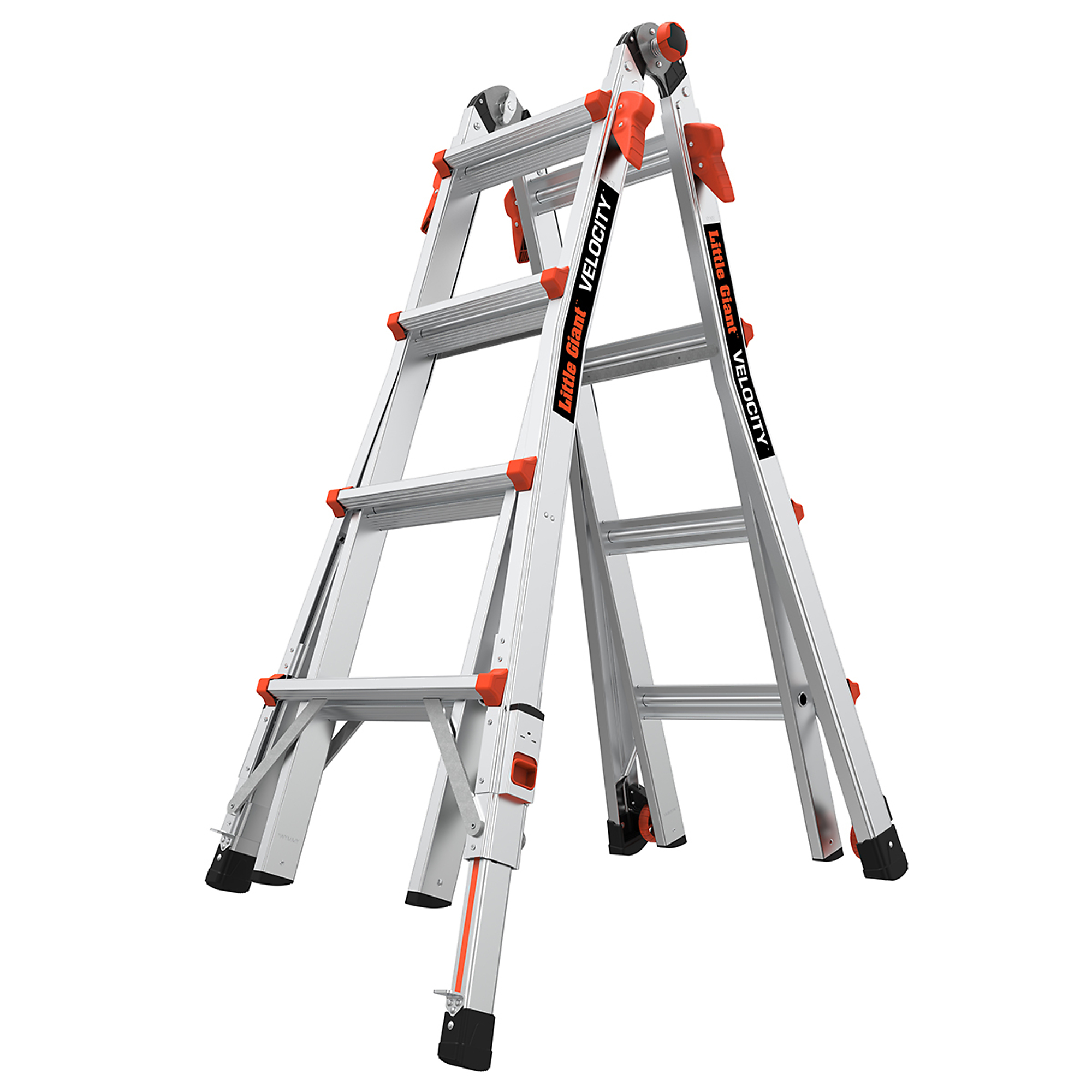
Item # 5857151
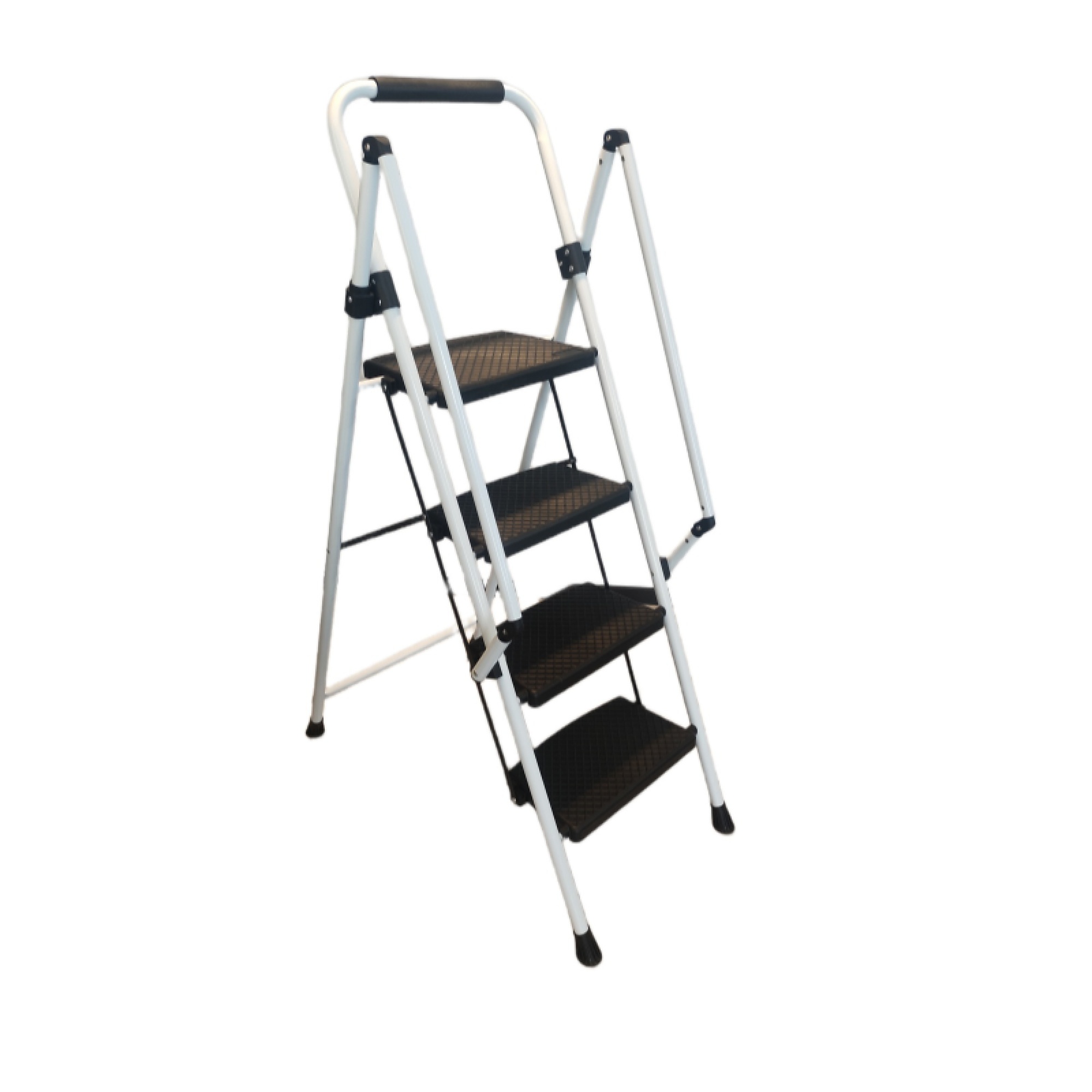
Item # 7005832
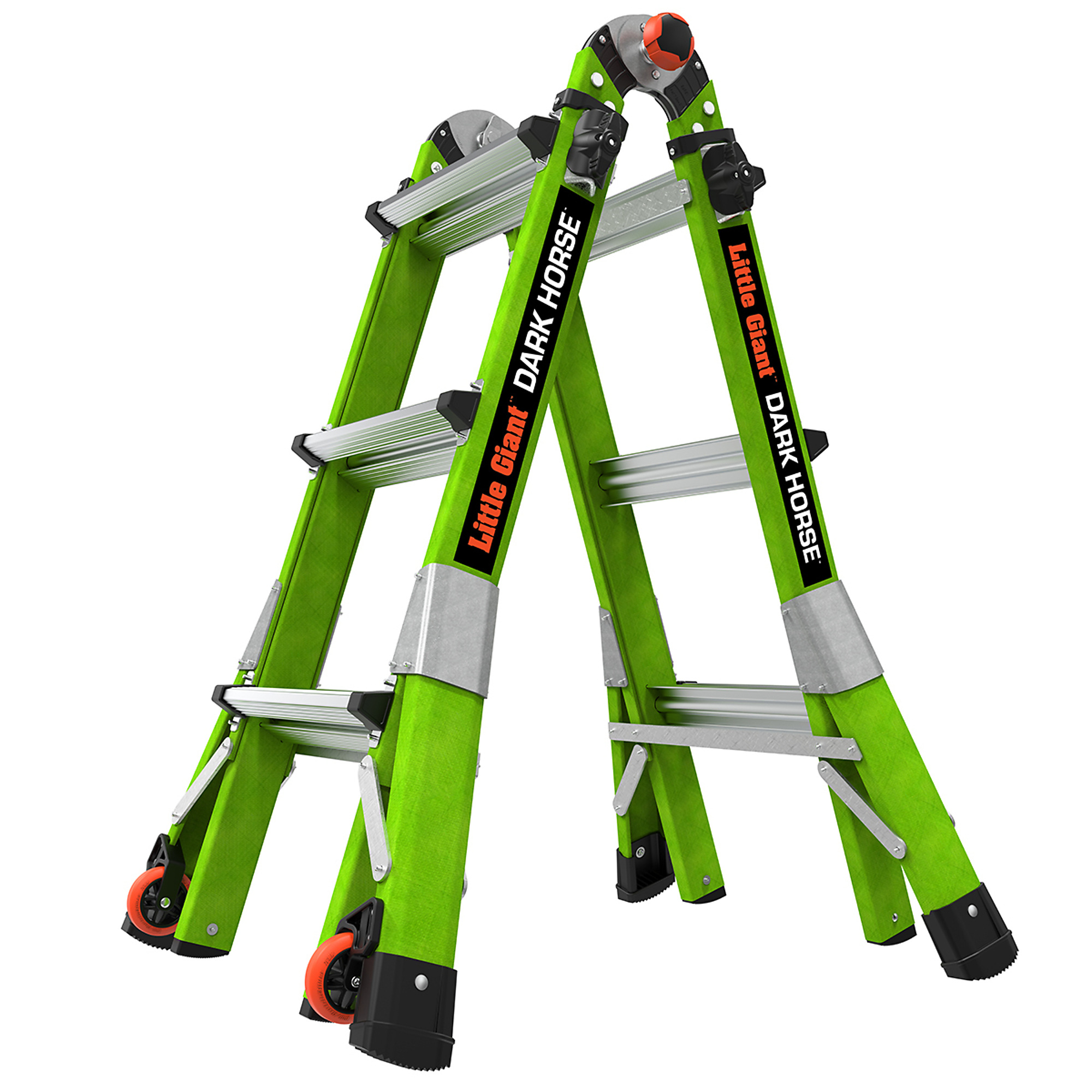
Item # 5857863
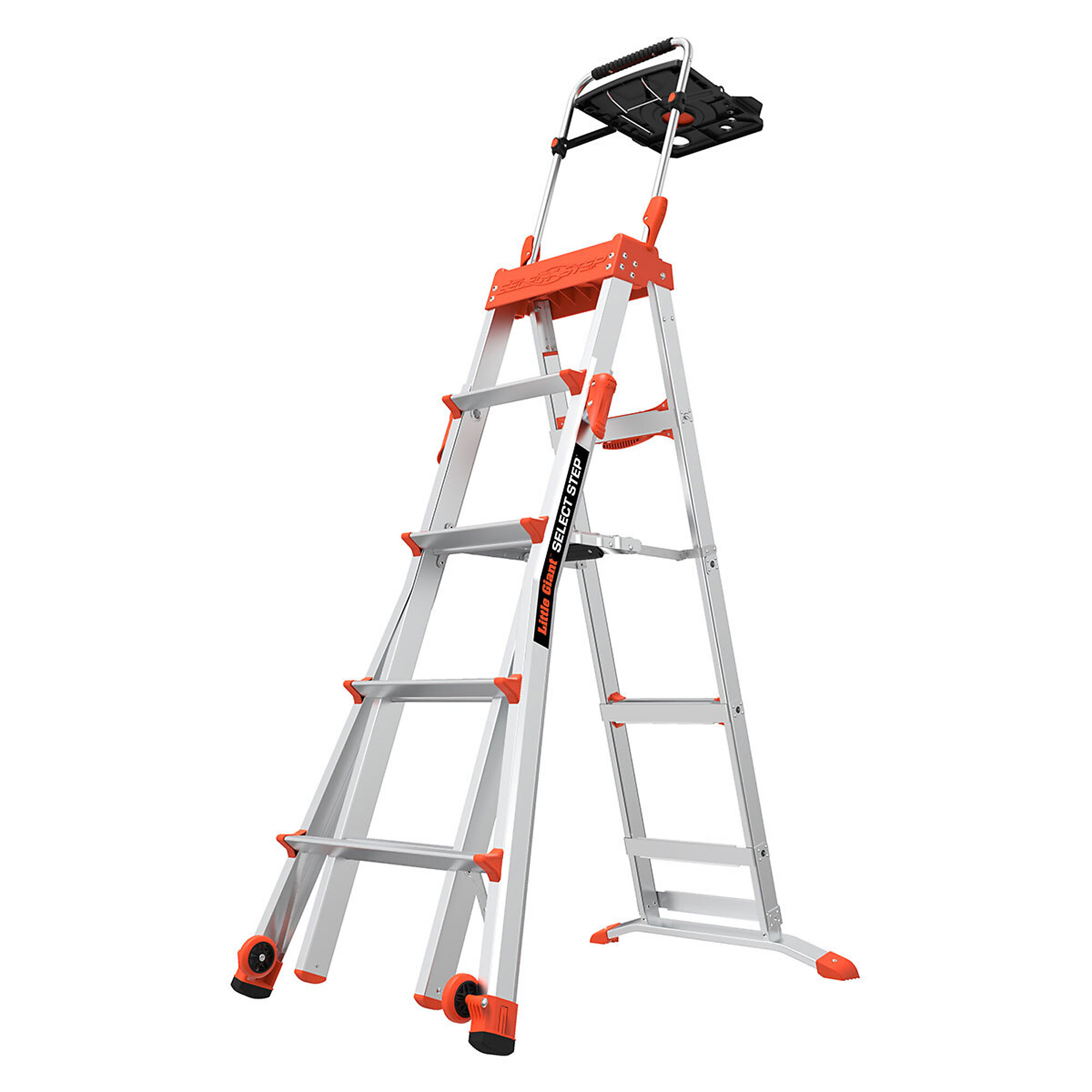
Item # 5858111
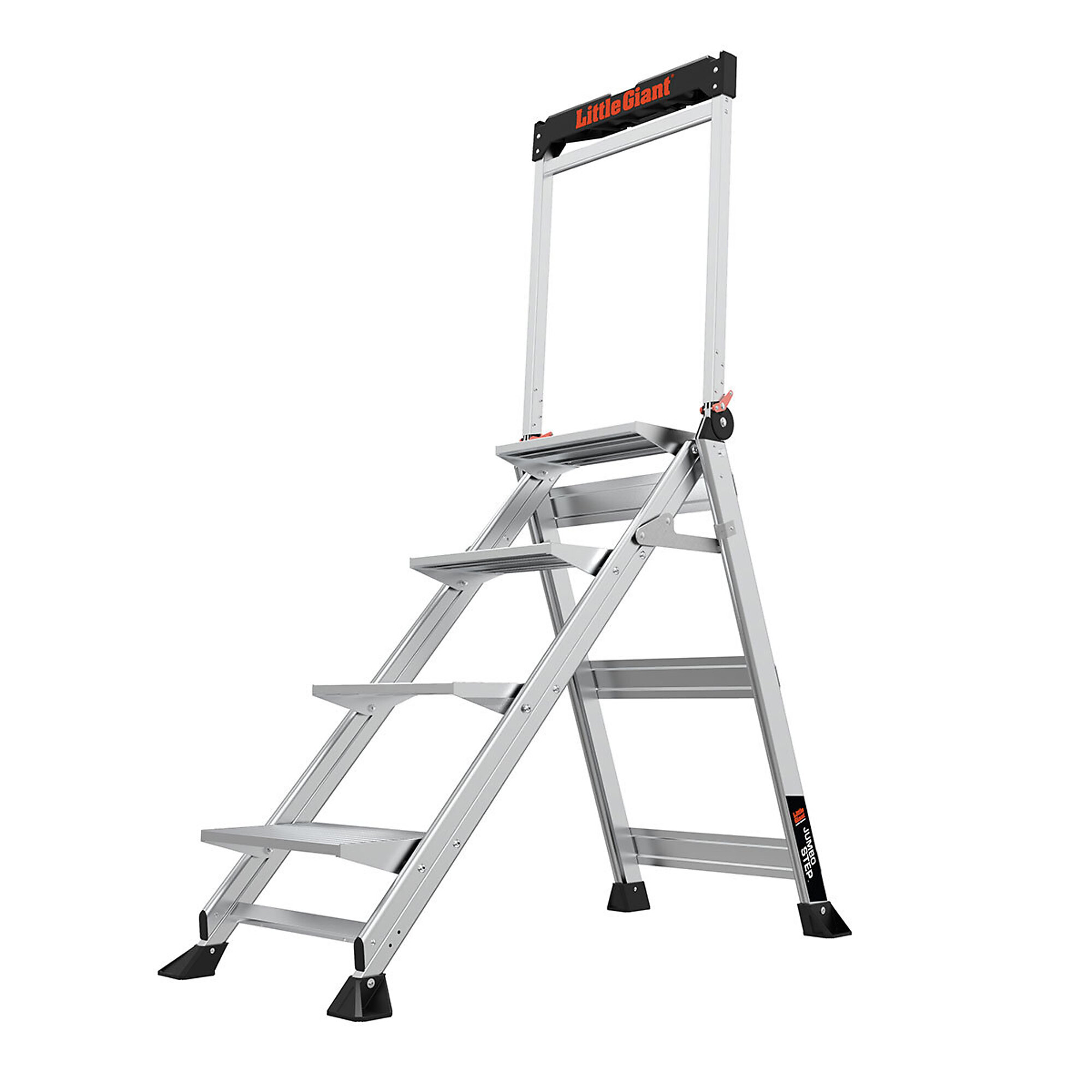
Item # 5873994
Item # 5868386
Item # 6477820
Item # 6687675
Item # 7006106
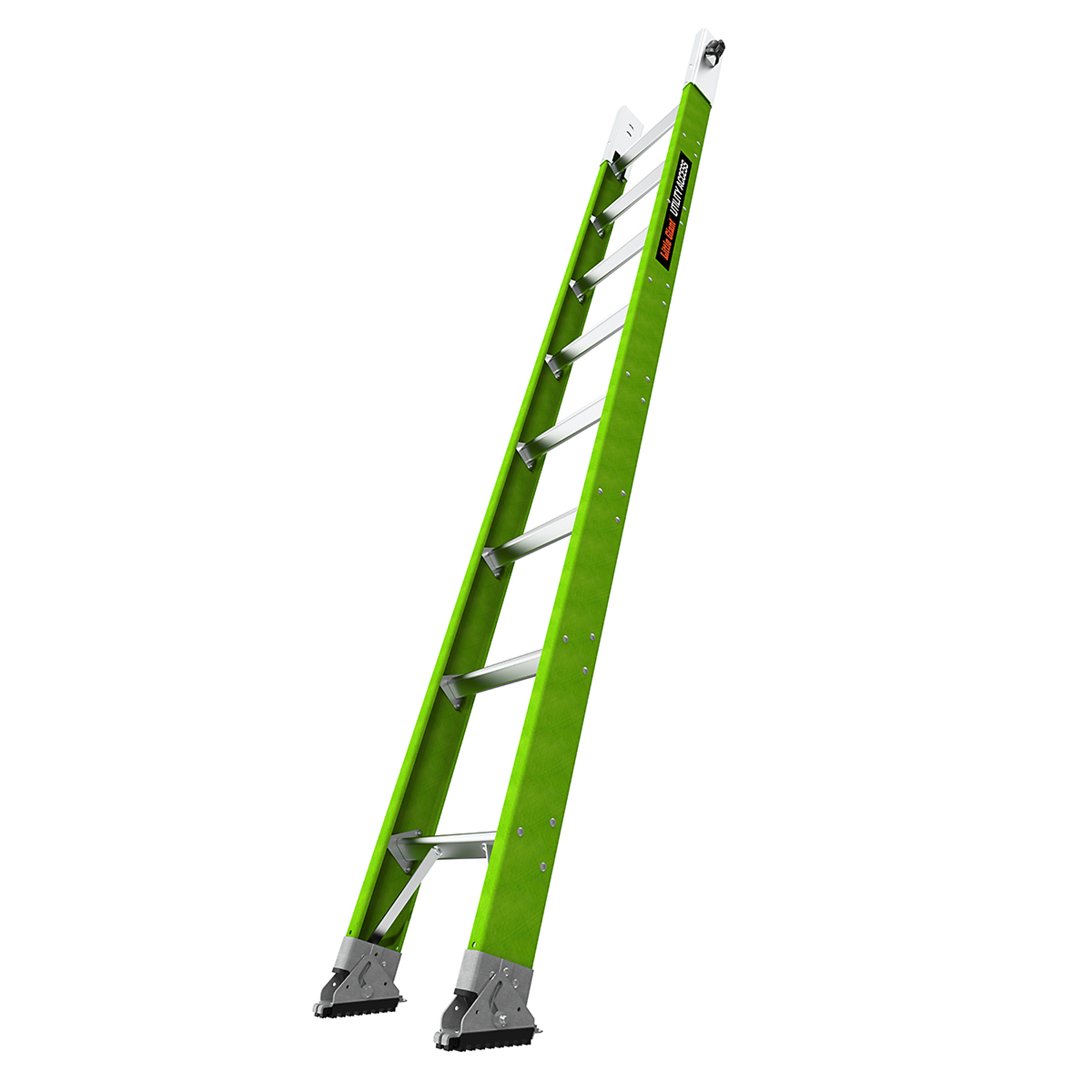
Item # 5857193
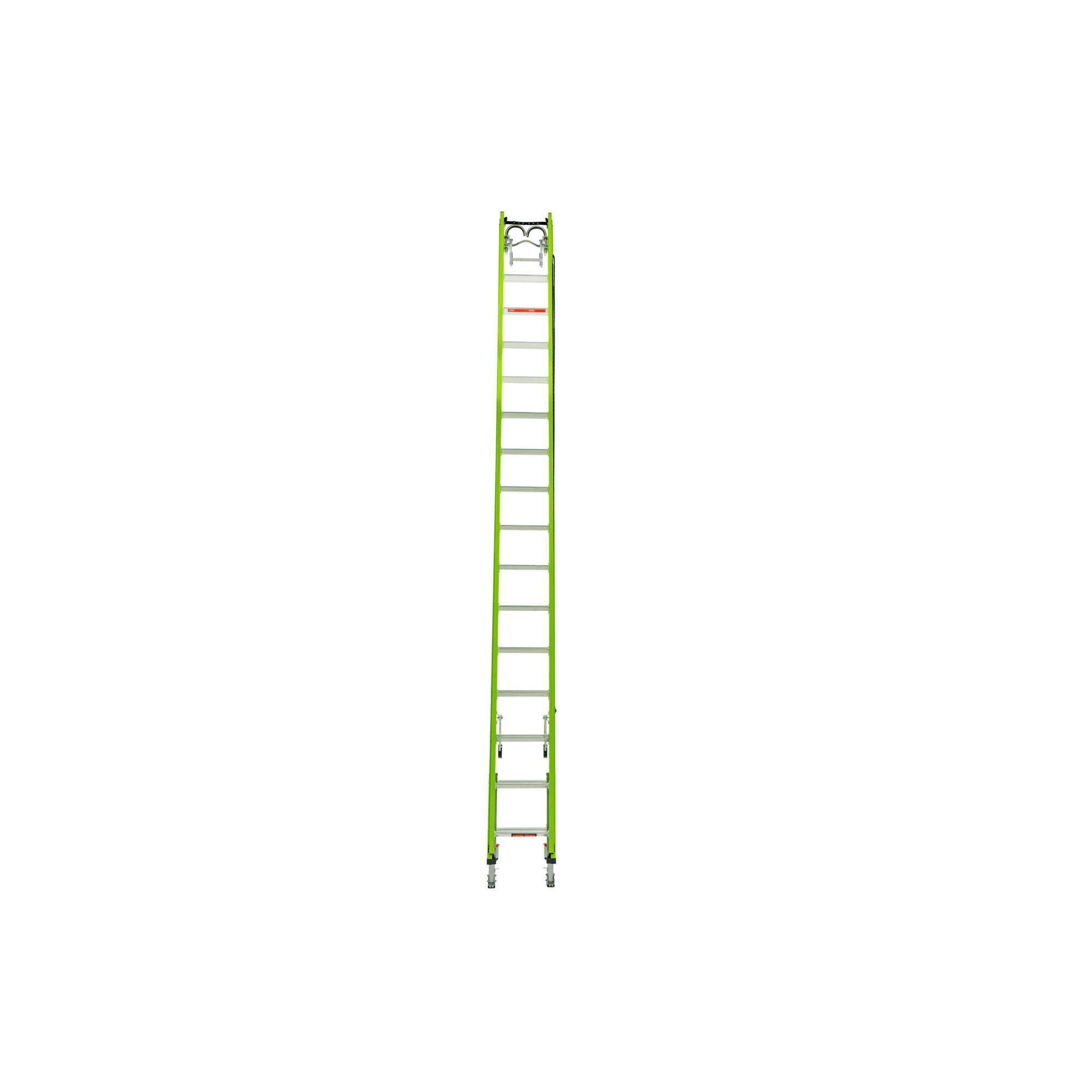
Item # 5872721
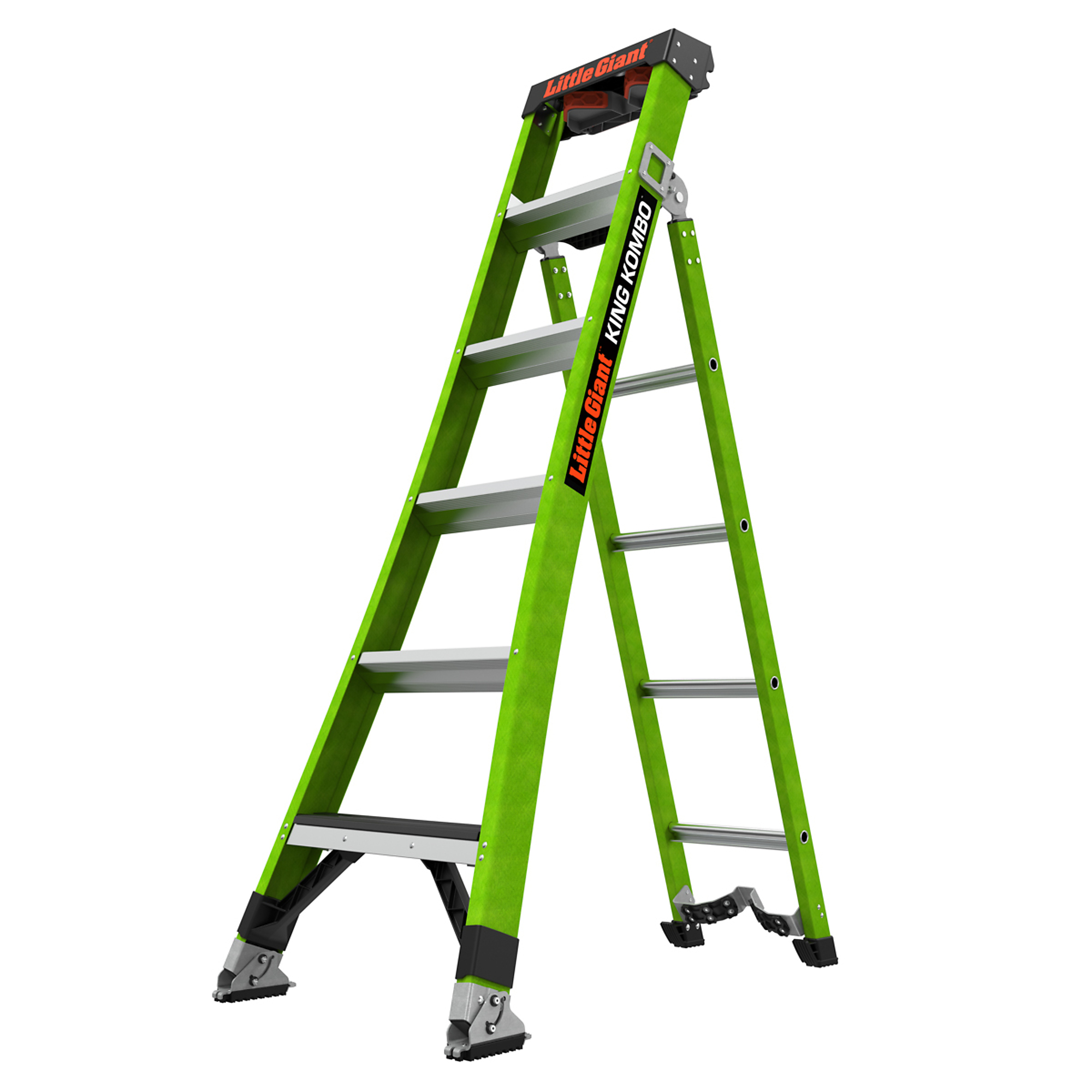
Item # 5853871
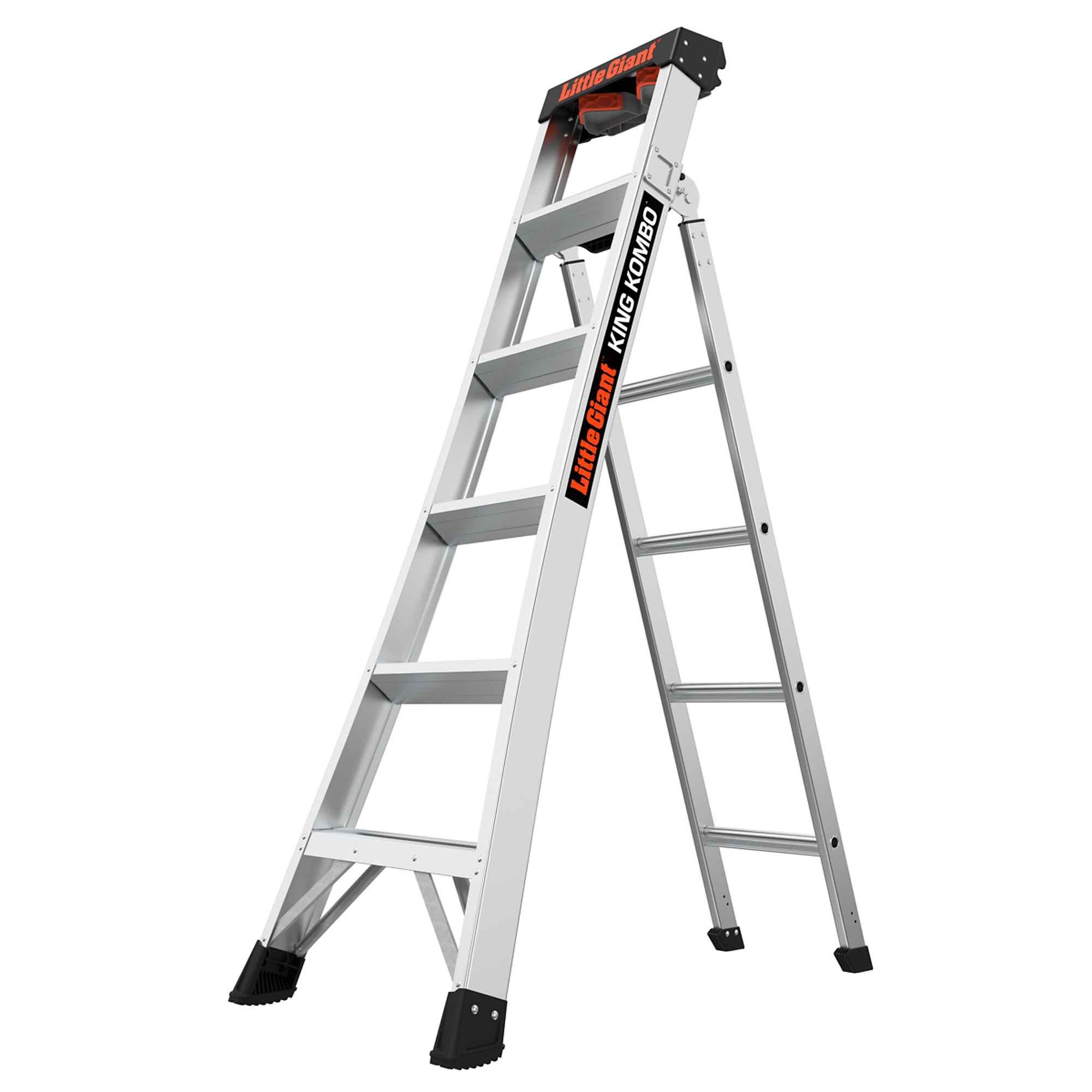
Item # 5853942
Item # 6687641
Item # 5873986
Item # 7006350
Item # 6044565
Ladders + Stepstools
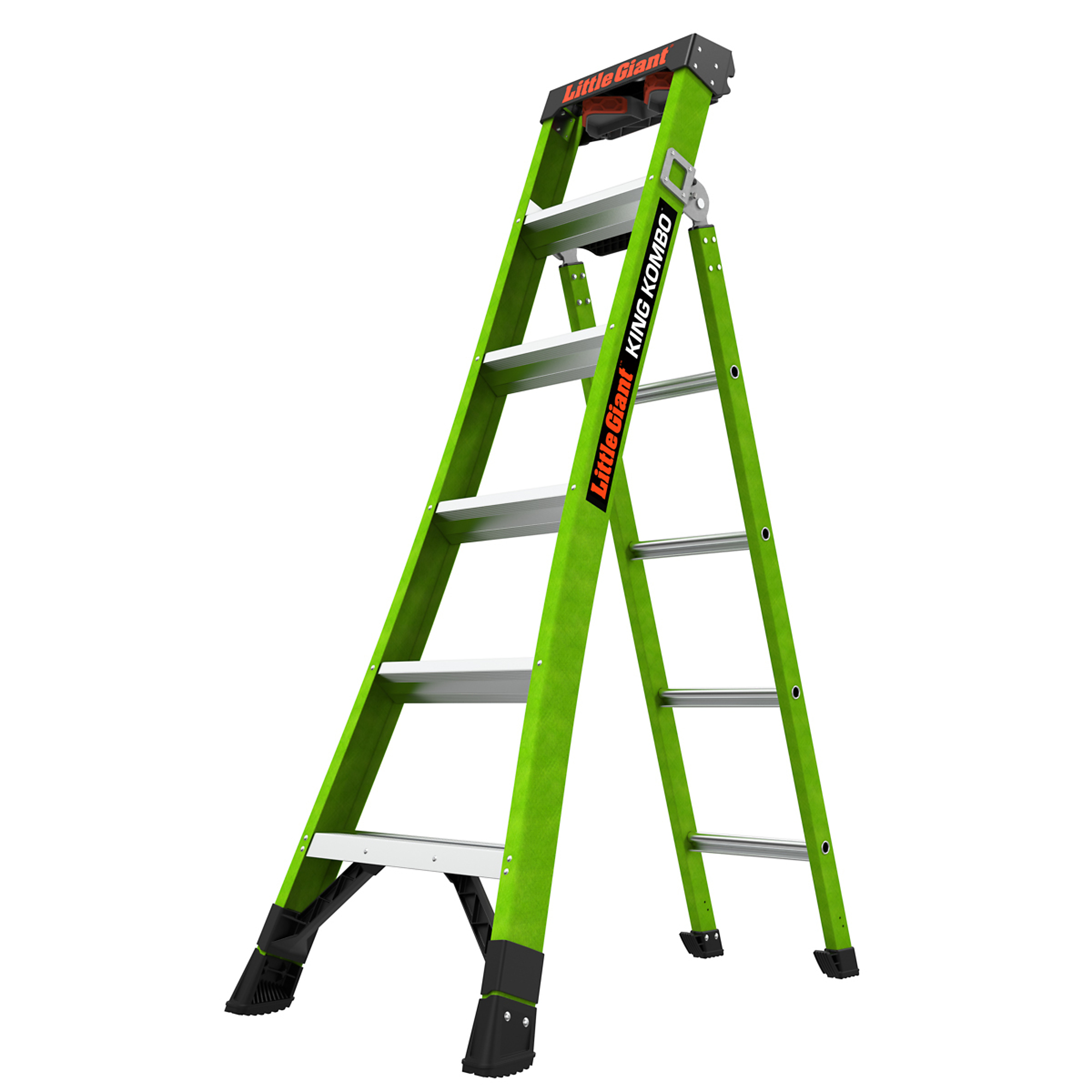
Sturdy telescoping ladders provide you with the reach needed for heavy loads. Reach any height your project requires with a reliable ladder or stepstool from Northern Tool + Equipment! Our selection offers units ranging in height from just 1.4 ft up to 47.6 ft and weight capacities between 200-500 lbs. Shop brands including Vestil, Cosco, and Werner, among others. Learn more about the types of ladders available below:
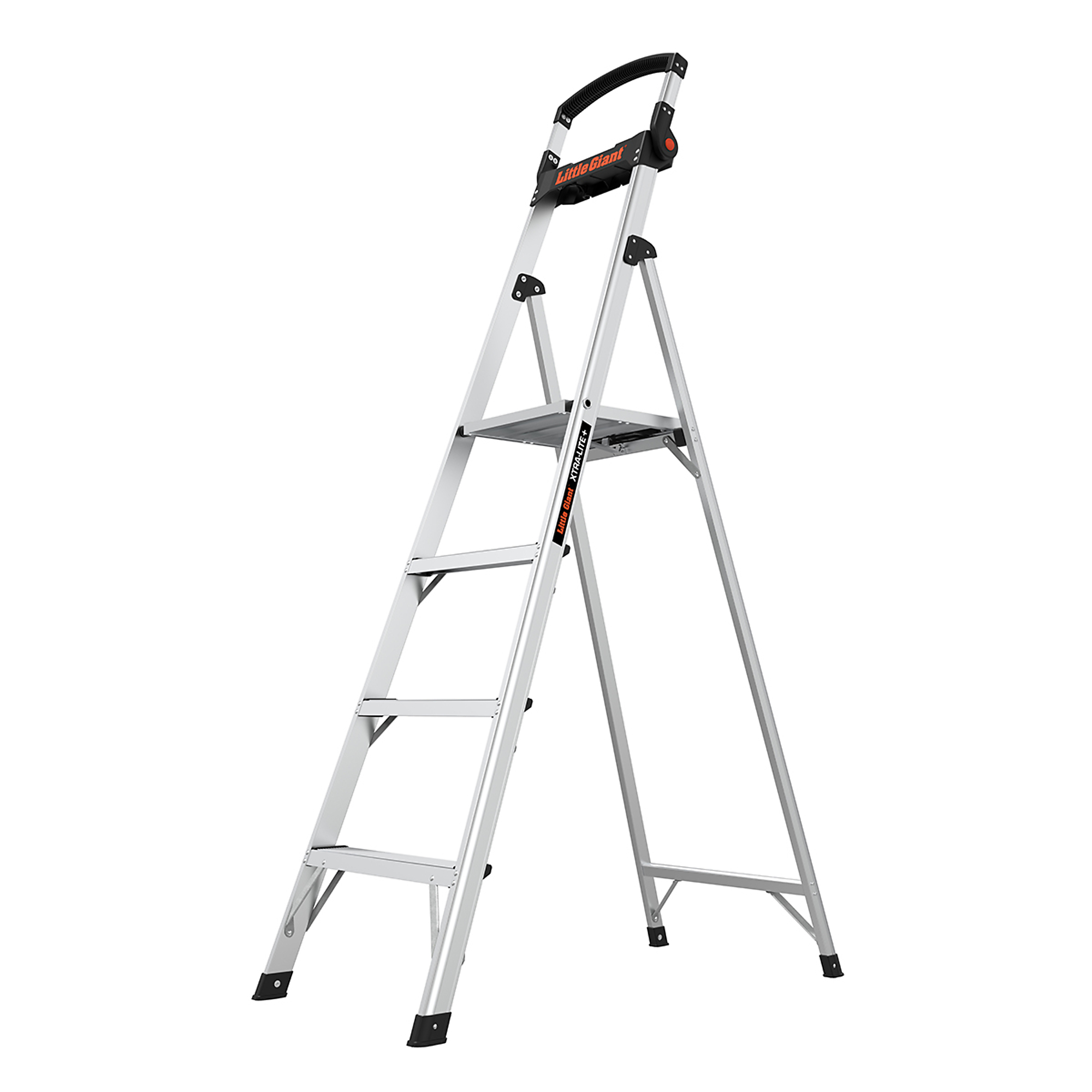
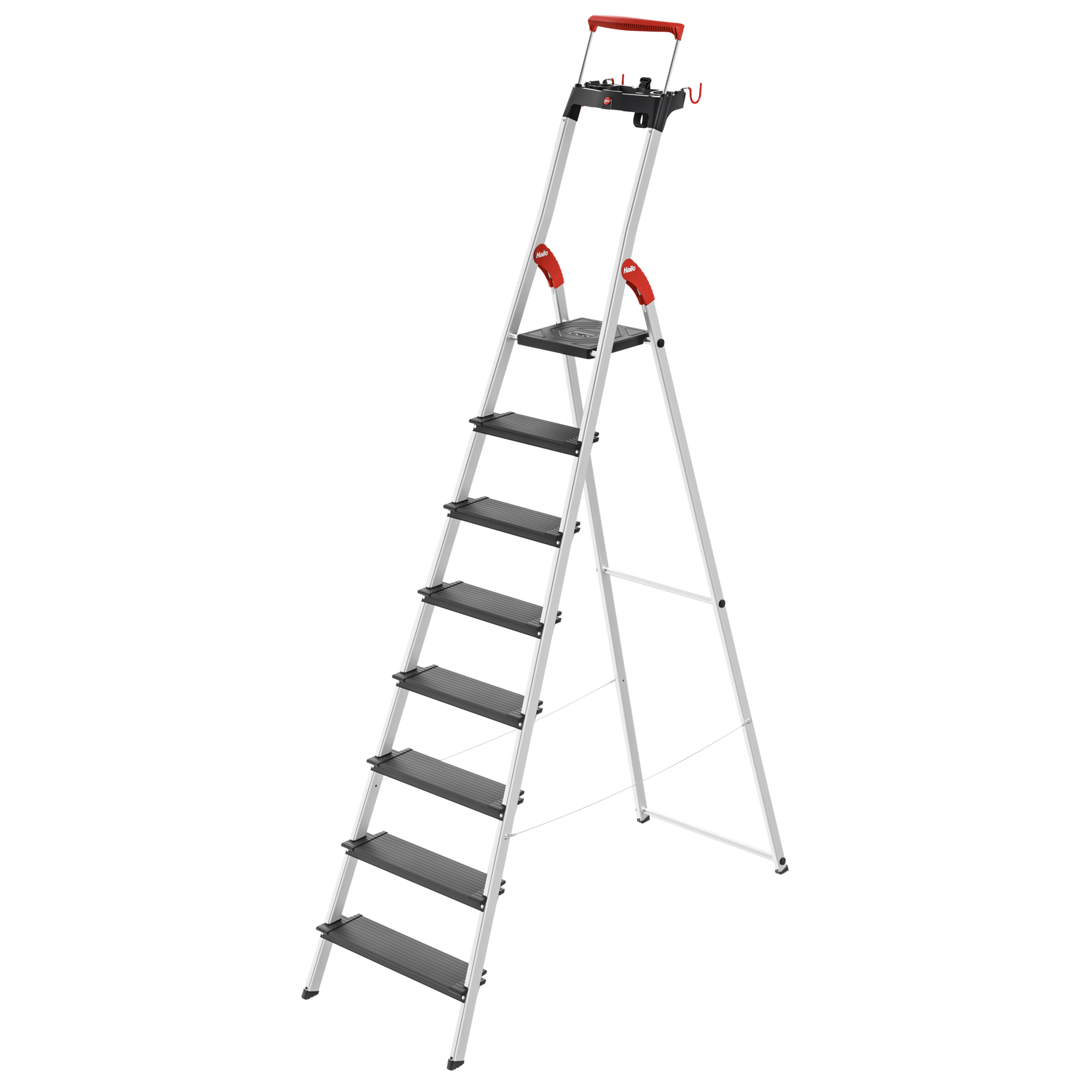
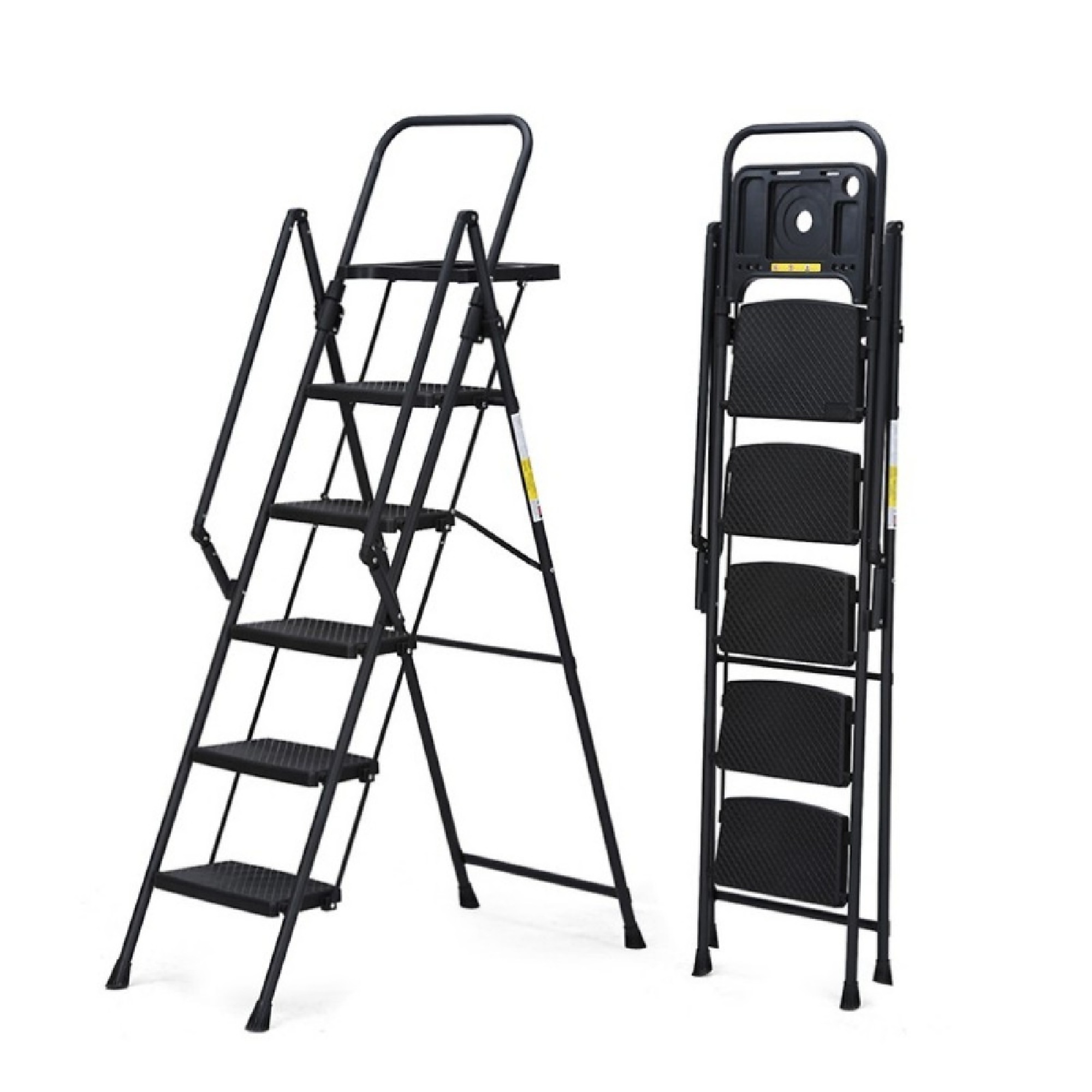
Step Stools + Step Ladders
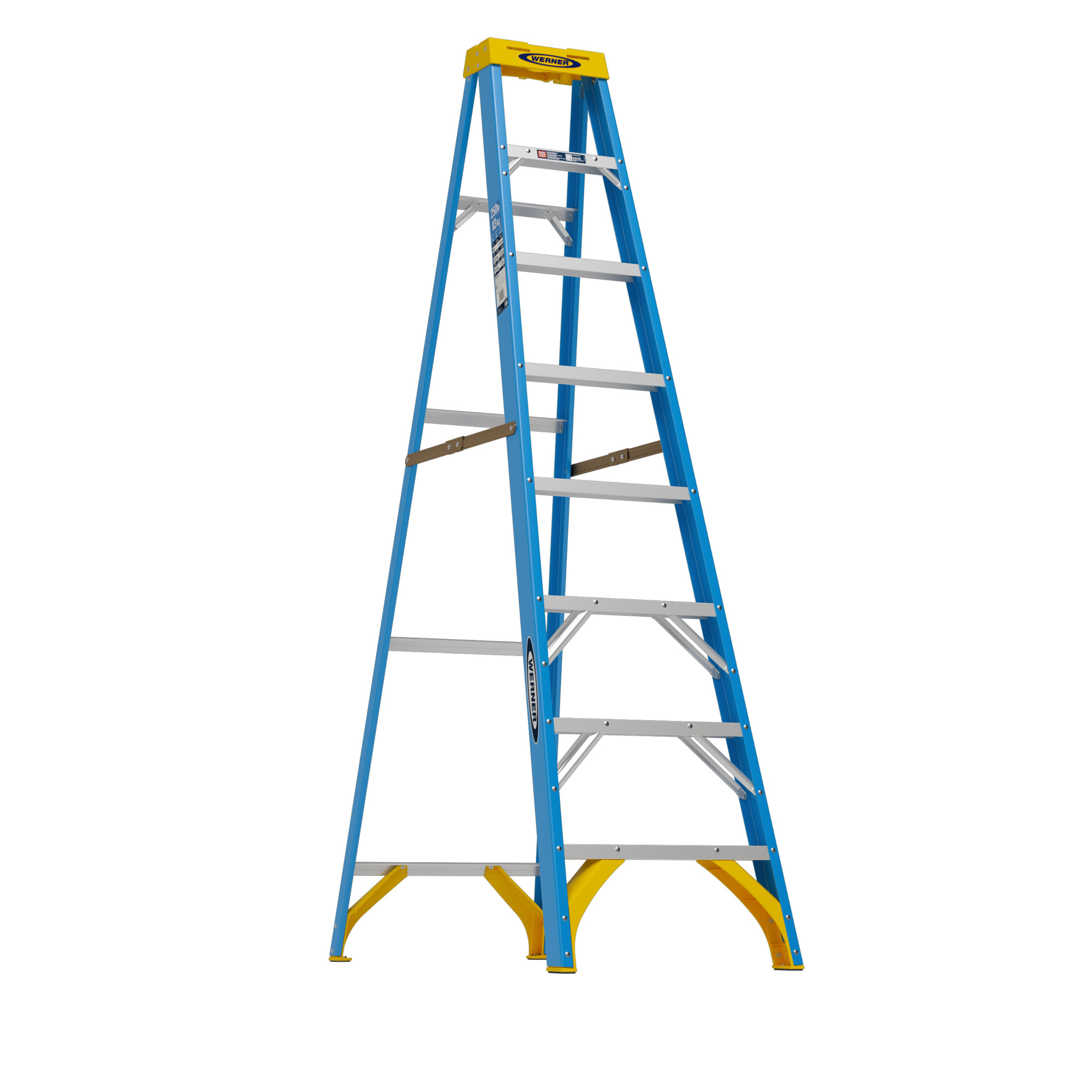
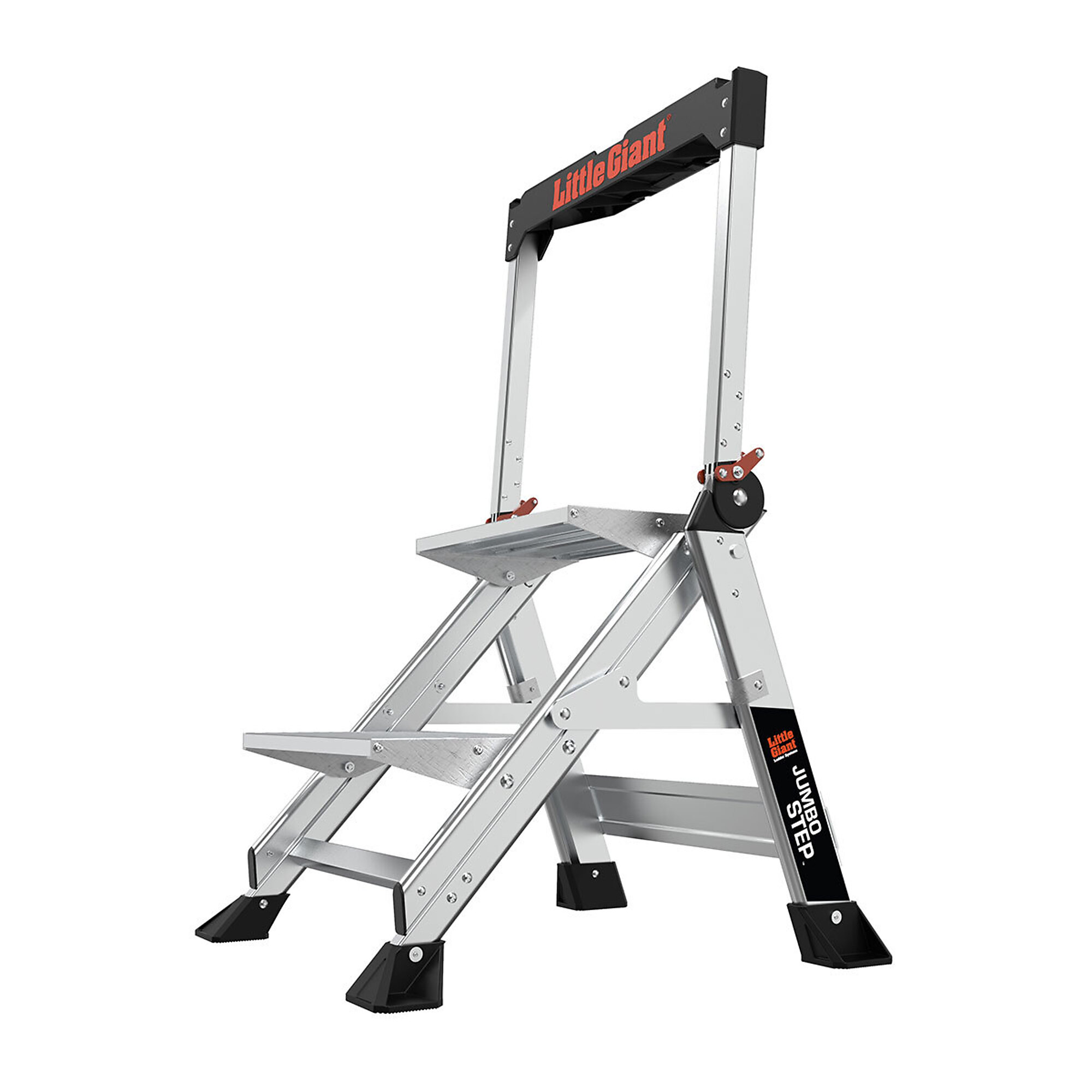
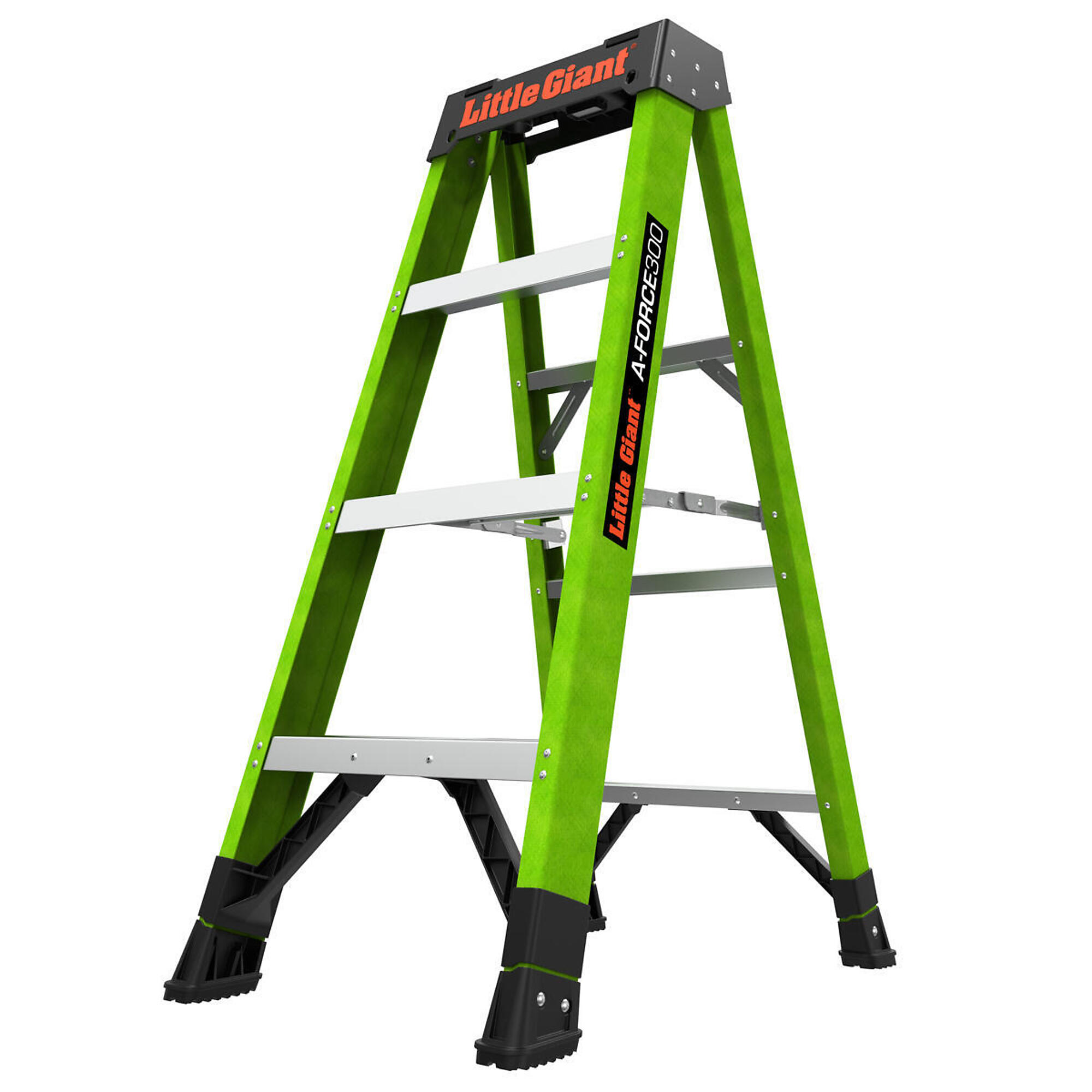
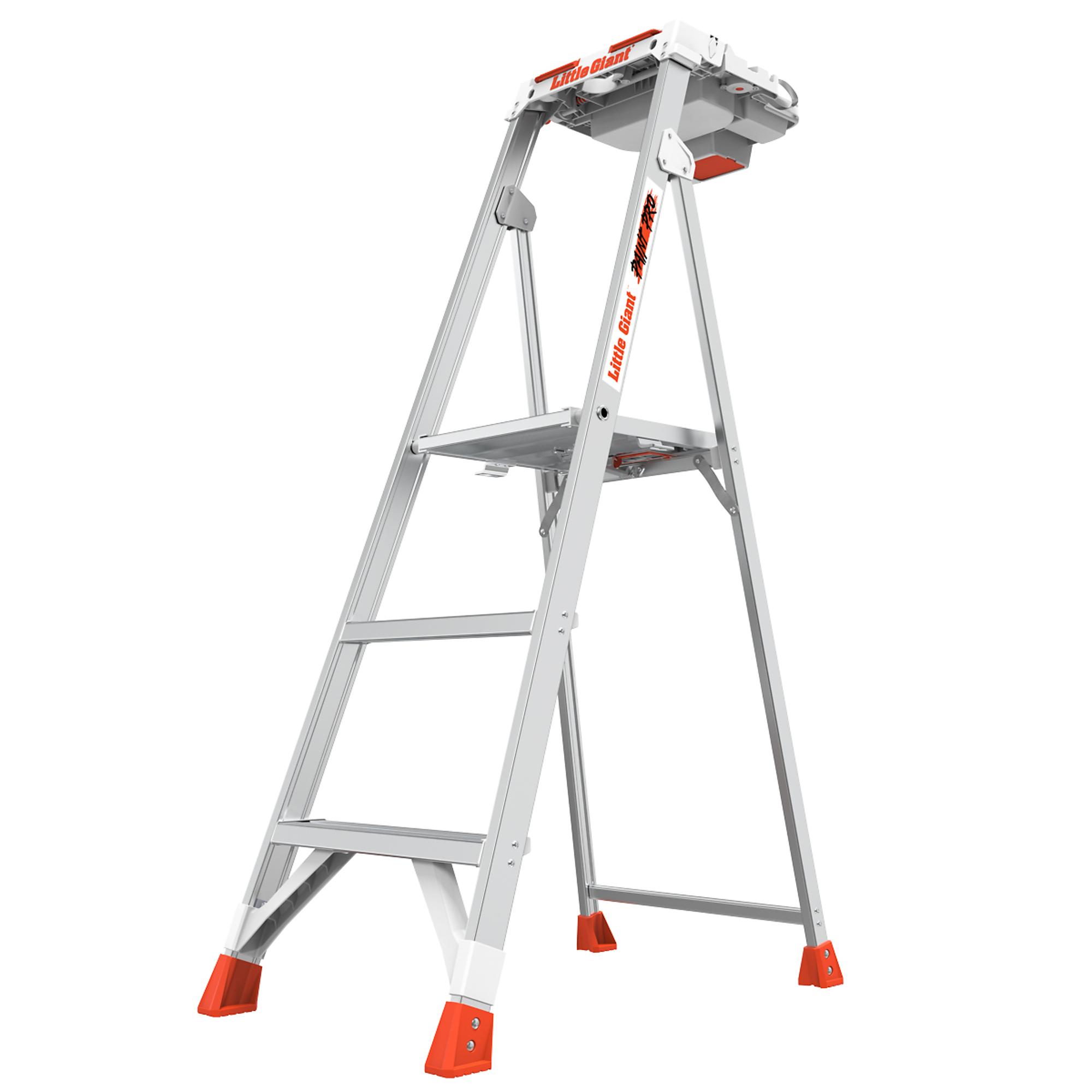
Step stools and ladders are manufactured with an A-frame design or closely resemble a small, portable set of stairs. The units support themselves and usually have steps on only one side. Step ladders and stools are frequently used for indoor projects such as light installation, painting, and more due to their size, portability, and adjustability.
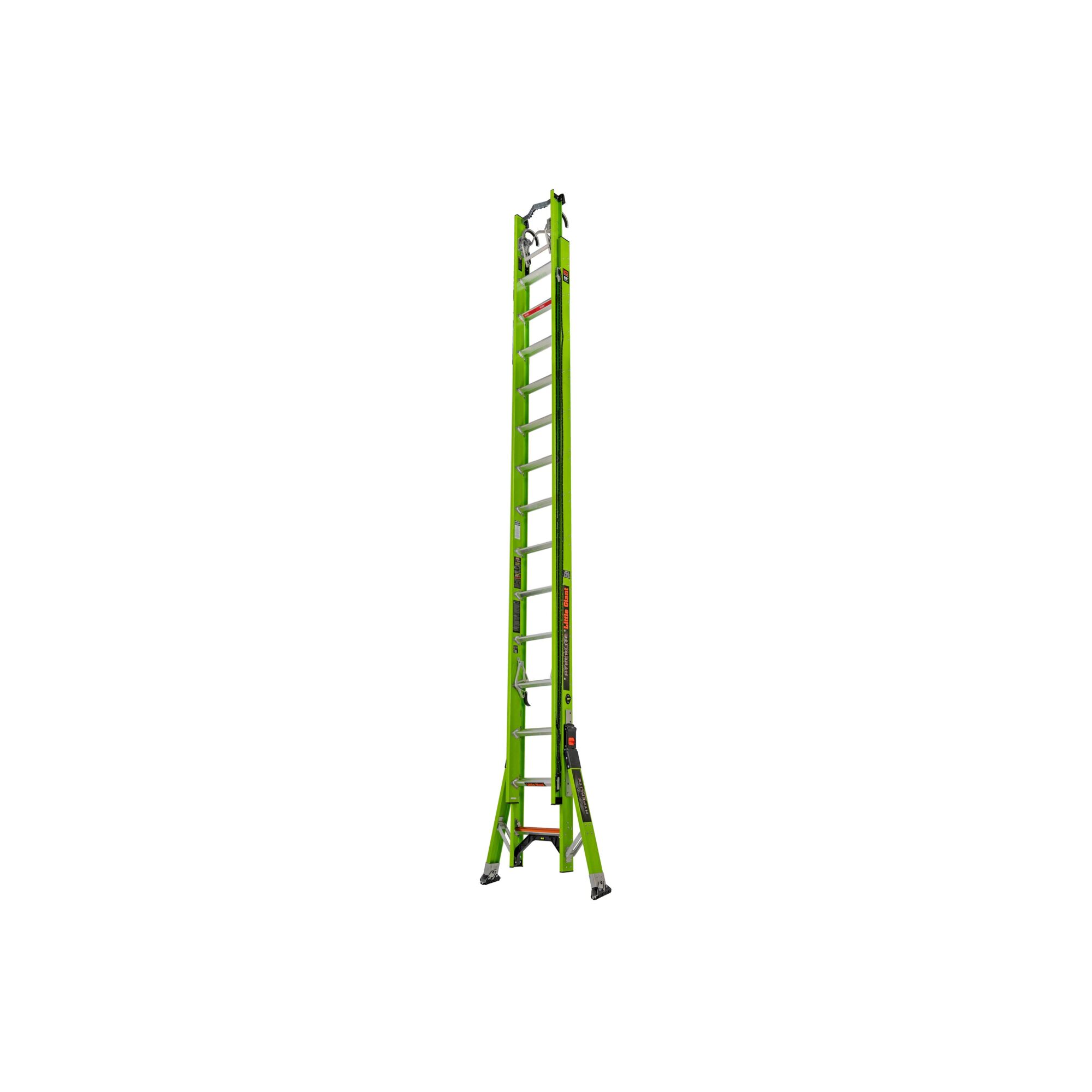
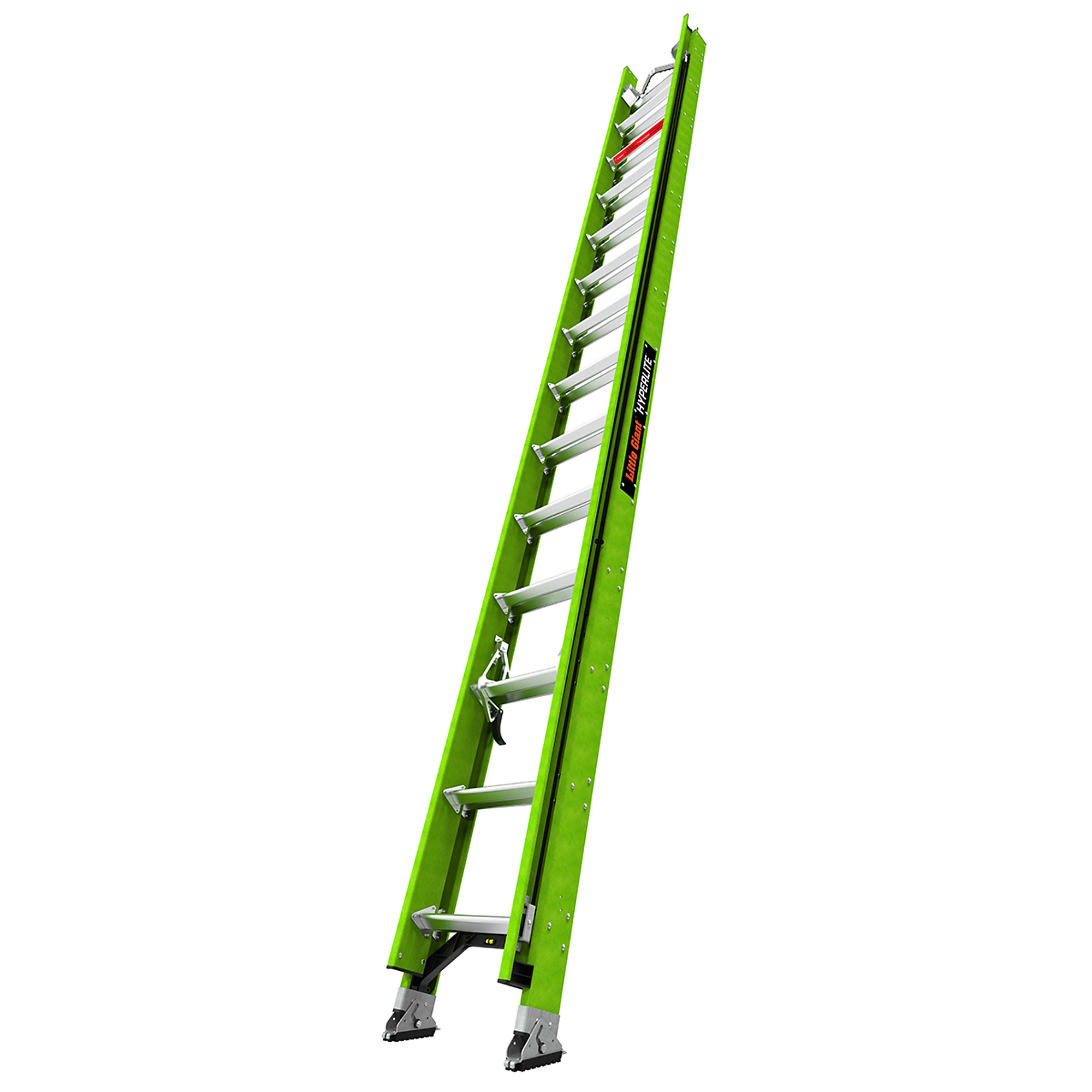
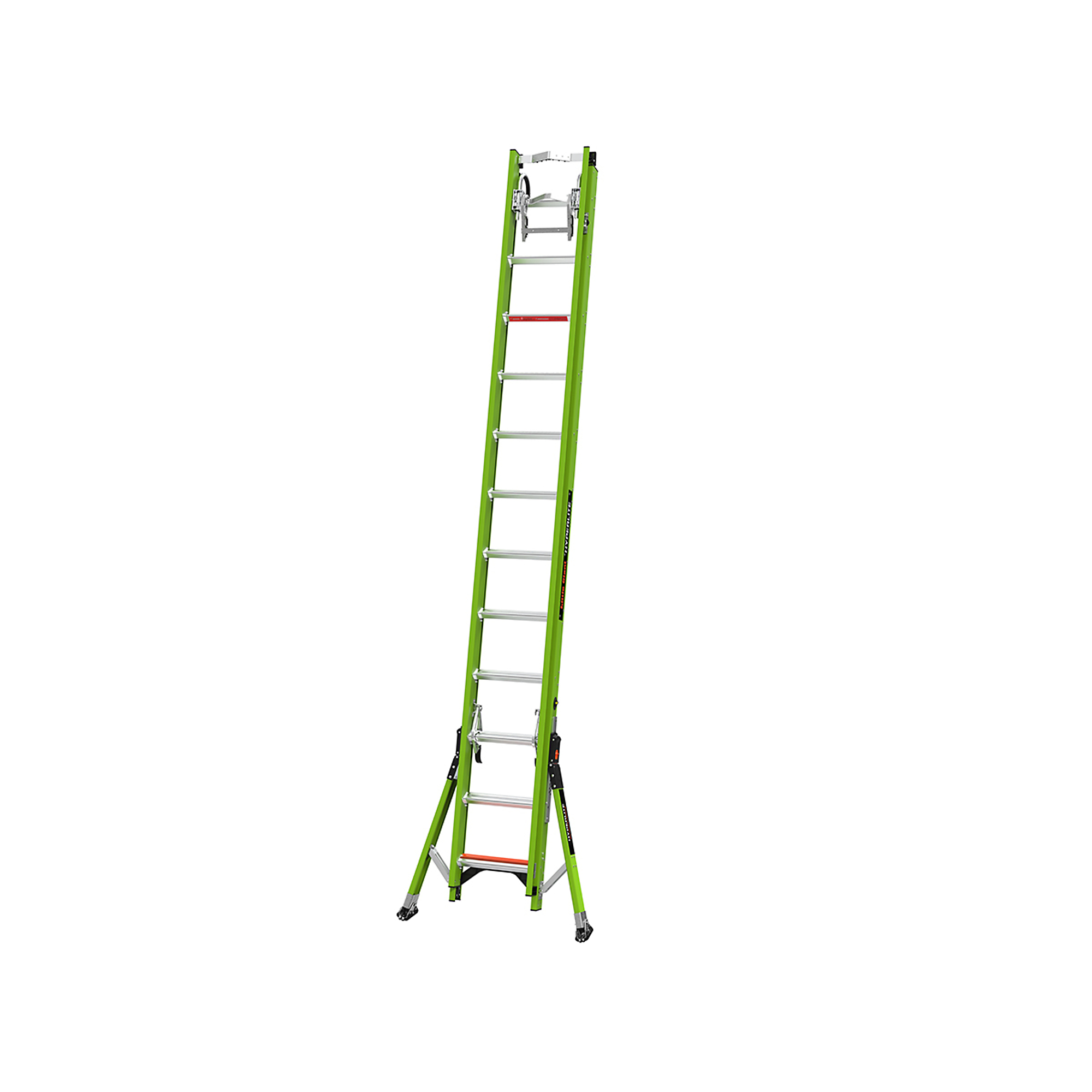
Extension Ladders
This style requires a surface to lean against, such as a wall or roofline. Extension ladders also reach greater heights than other types. For this reason, they are used most often for outdoor applications. Extension ladders are expandable and feature locks to secure the unit at the desired height. Besides standard extension ladders, we also carry telescoping units which collapse down onto themselves for convenient storage and transport.
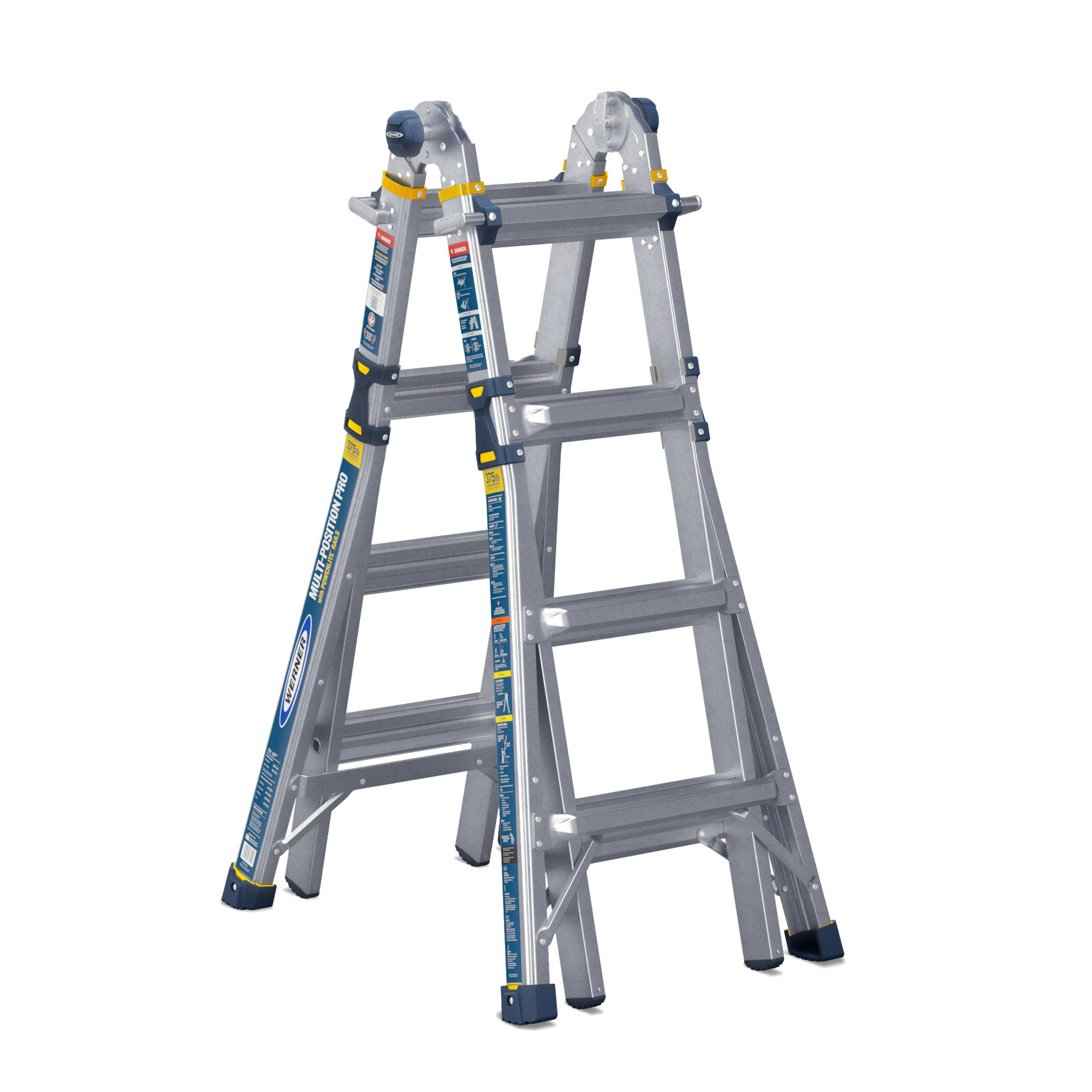
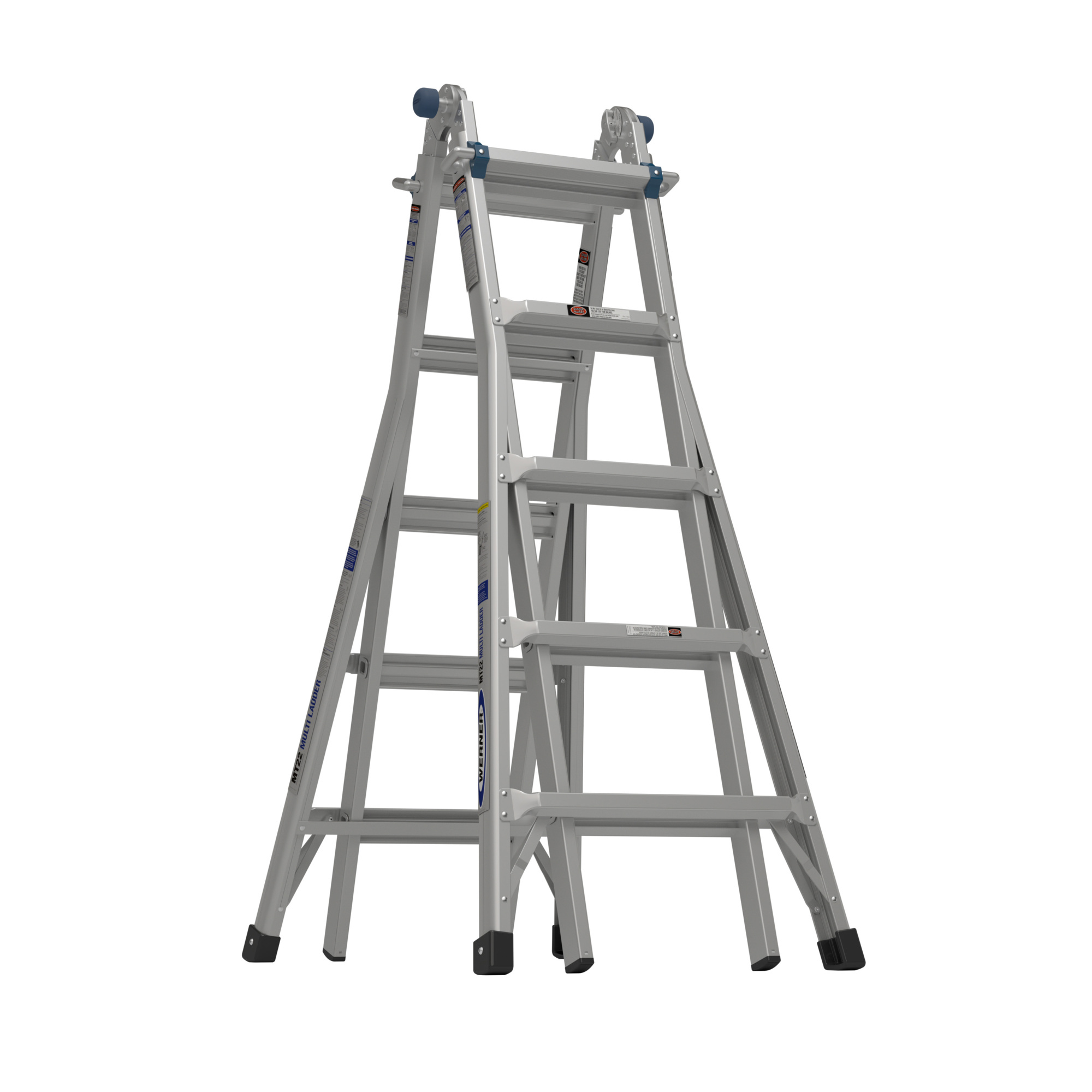
Articulating/Multi-Position Ladders
If you are looking for the Swiss-army knife of the ladder world, look no further than an articulating ladder. This style can take on the role of either a step or extension style and be positioned in a variety of ways to safely reach tricky spaces such as areas above a staircase. In addition, they are also more compact and easier to store. Articulating ladders feature multiple hinges and locks which allow users to position the unit in a variety of configurations. They are truly an excellent all-around option.