Hydraulic Hoses
Filters
1-48 of 108 Products

Item # 459305
Item # 459315
Item # 459324
Item # 459302
Item # 459322
Item # 459319
Item # 5108100
Item # 459312
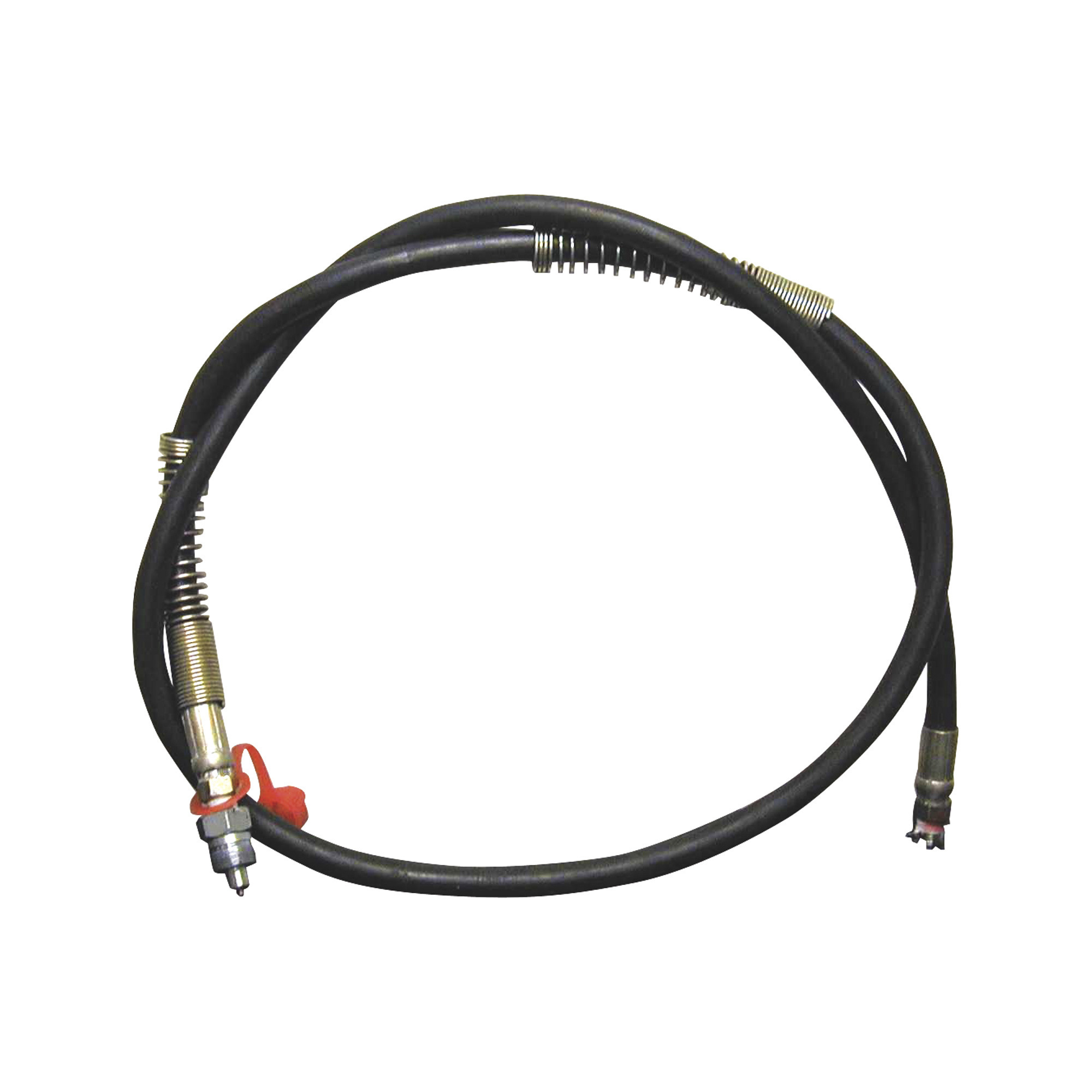
Item # 156825
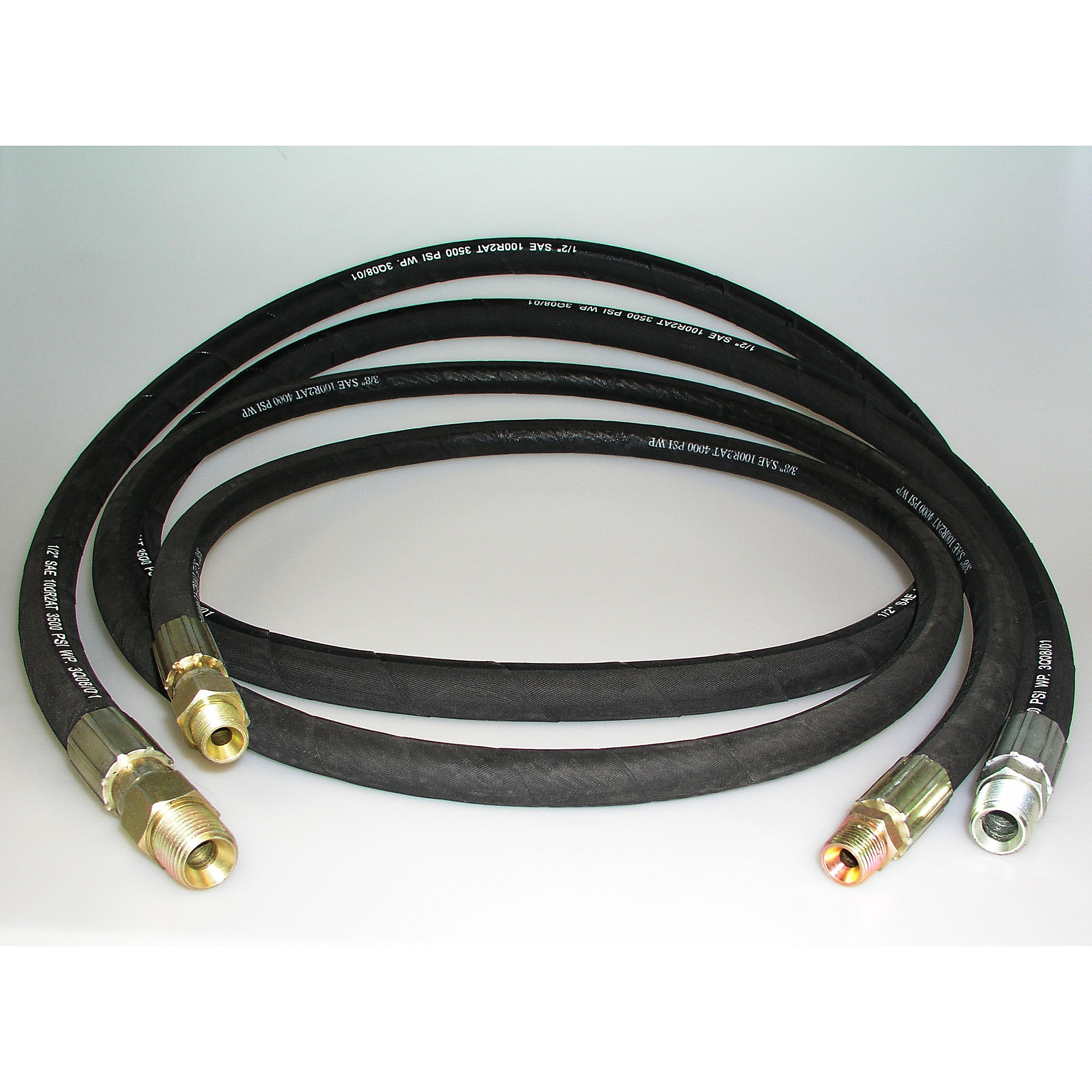
Item # 6960521
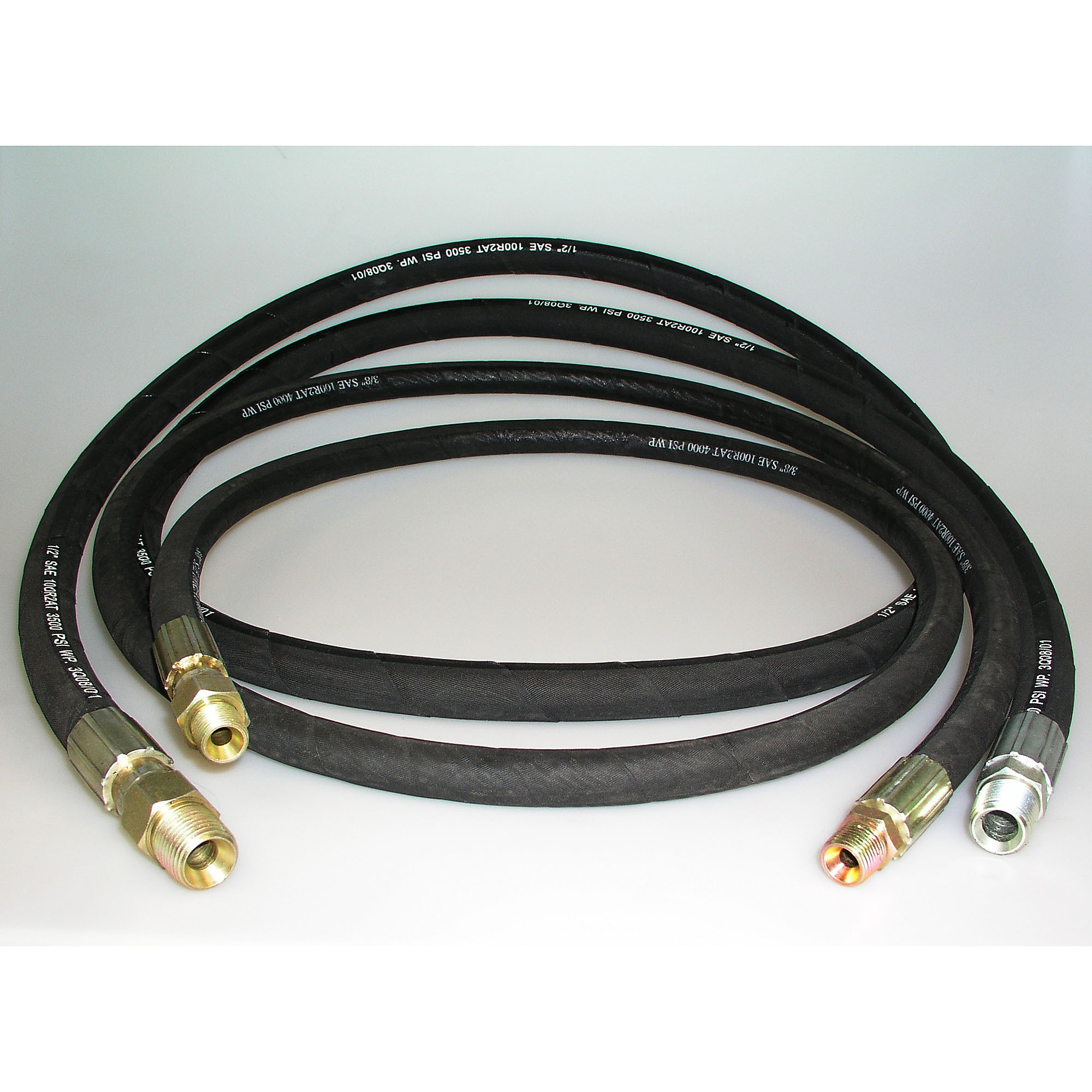
Item # 6960387
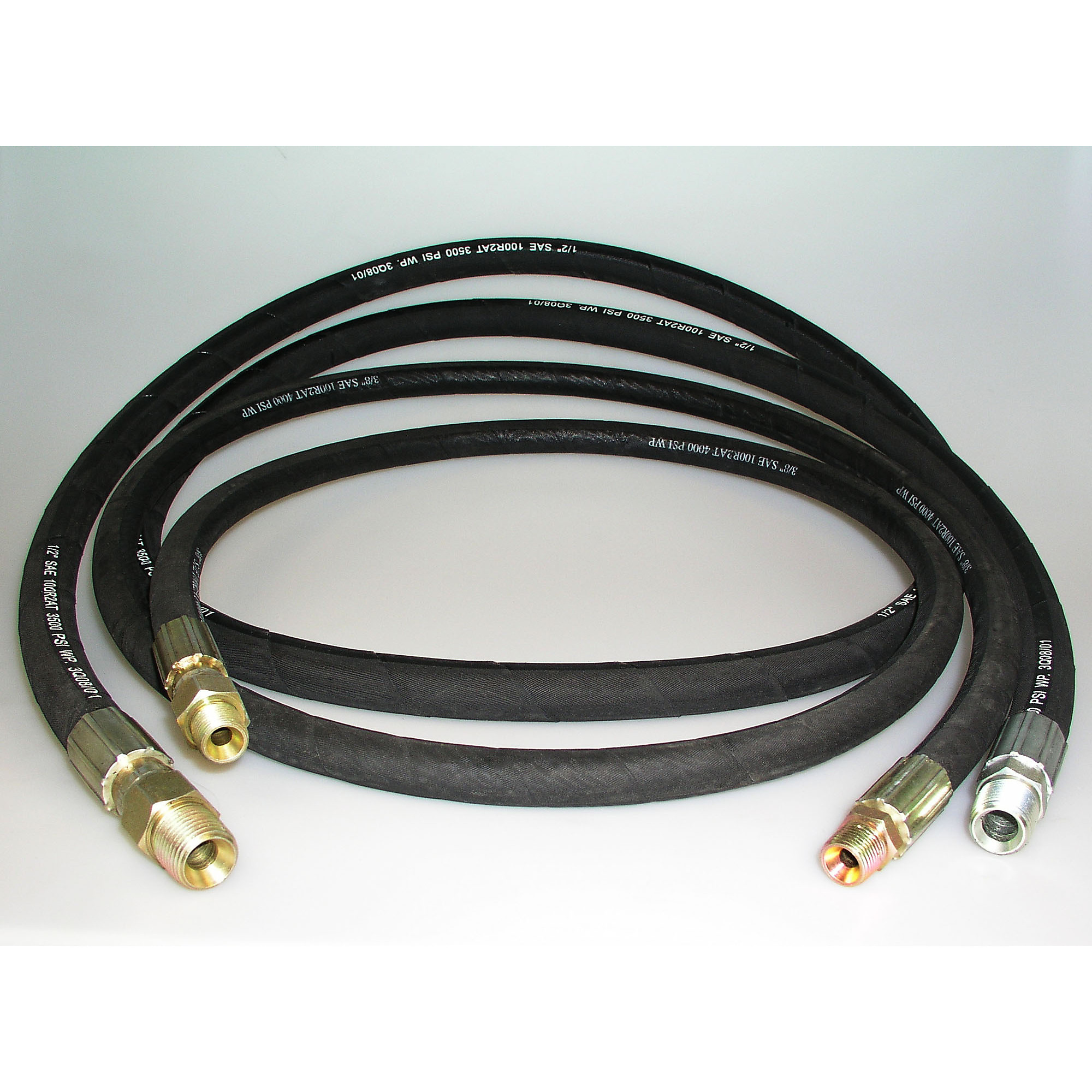
Item # 6963676
Item # 6959941
Item # 459304
Item # 506452
Item # 459301
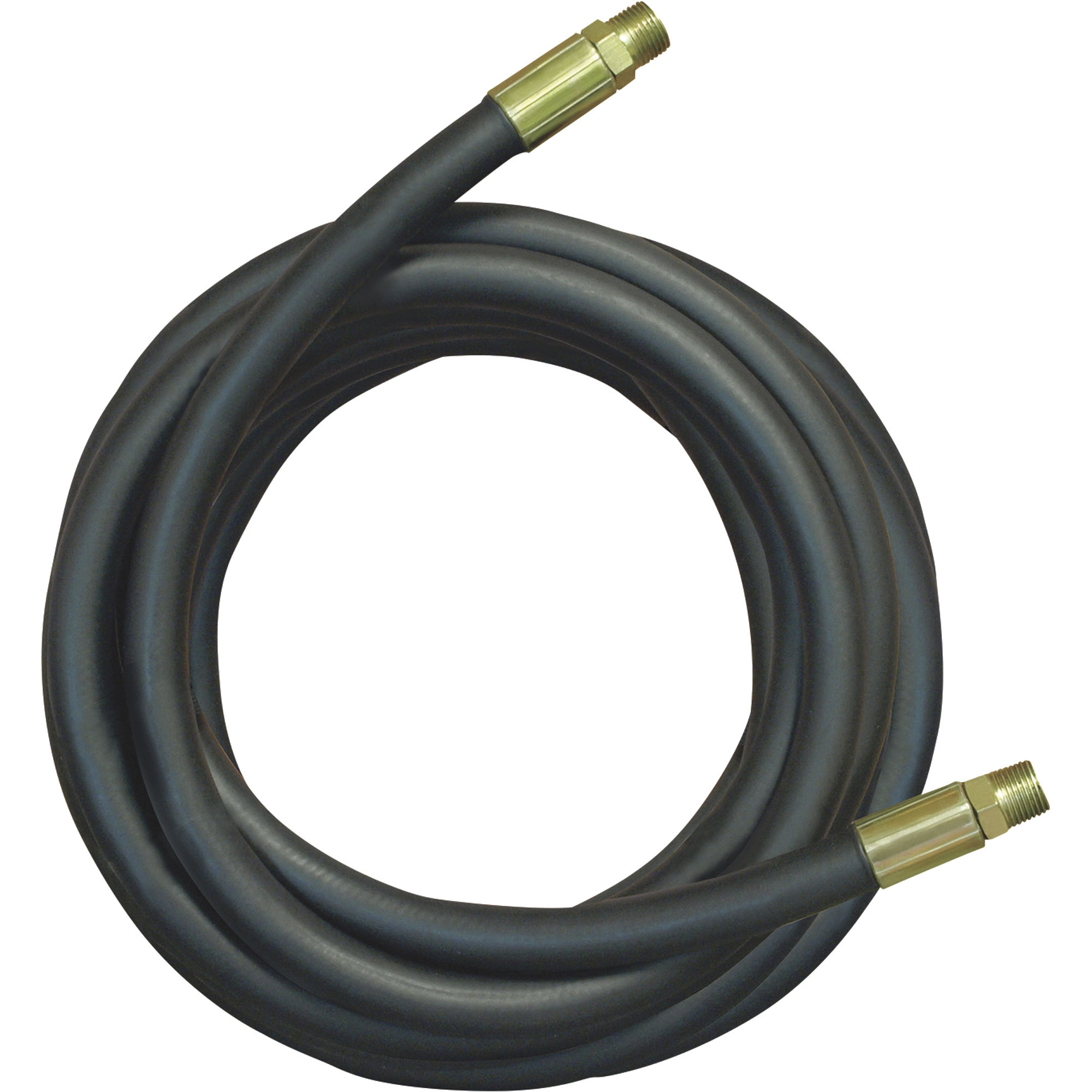
Item # 459316
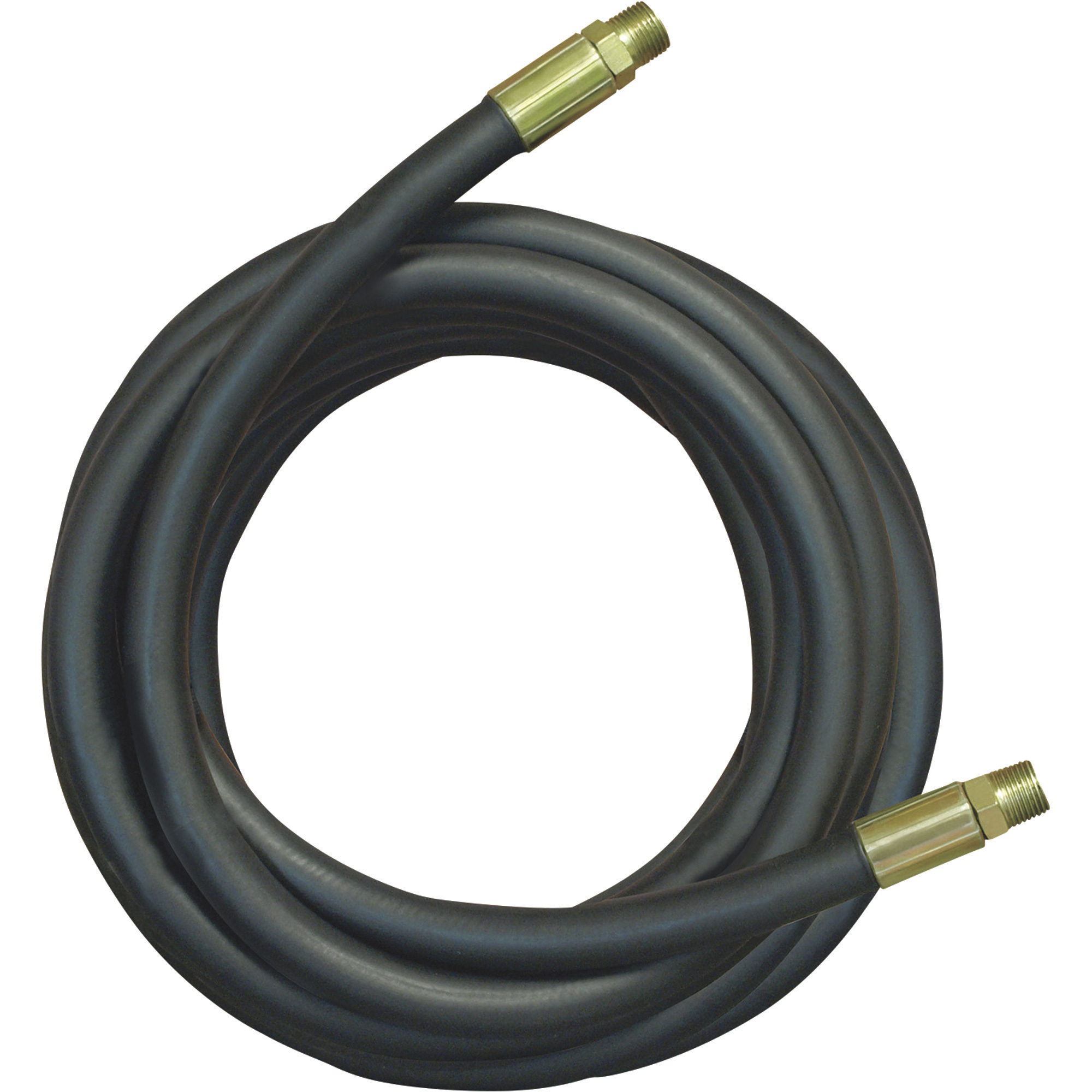
Item # 459306
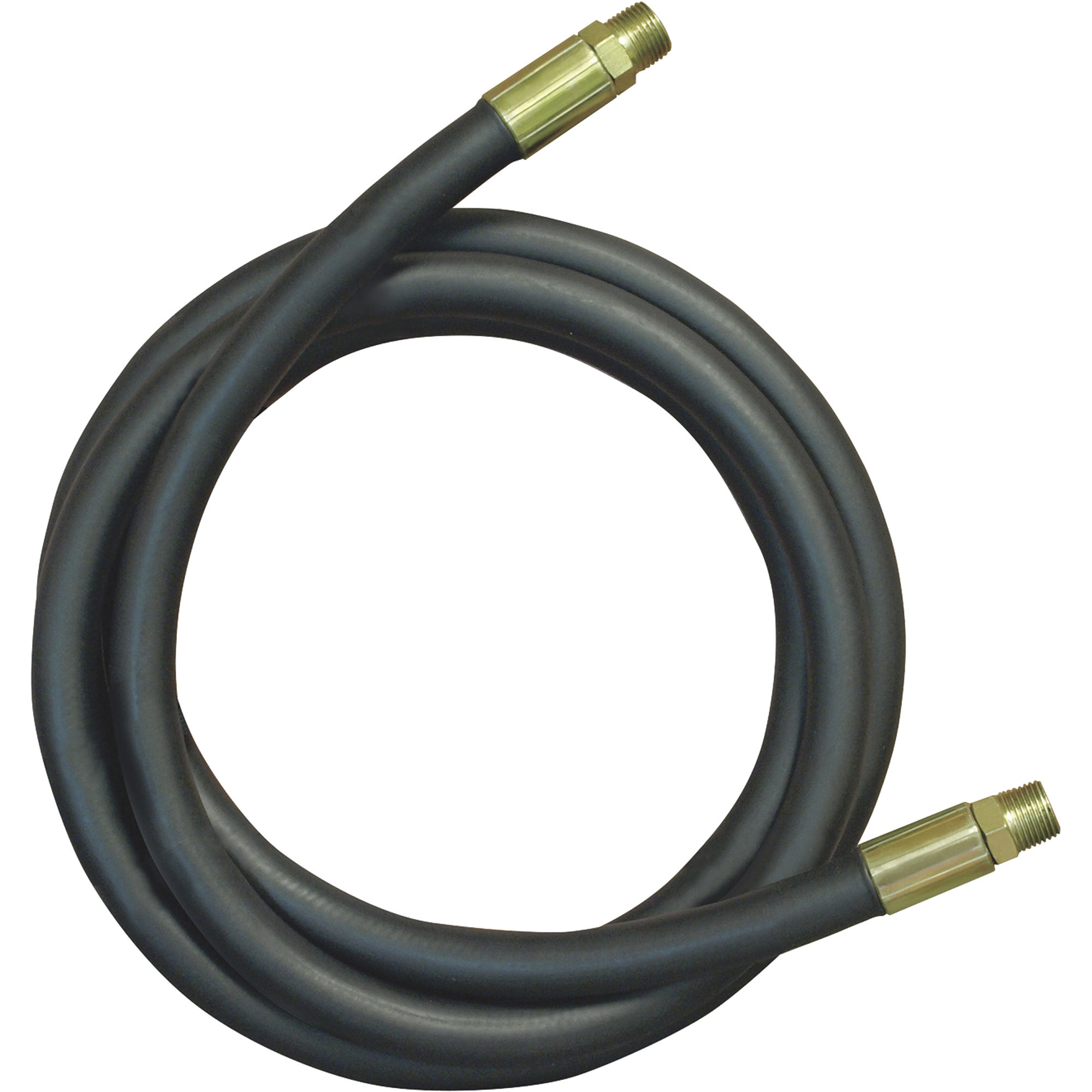
Item # 506449
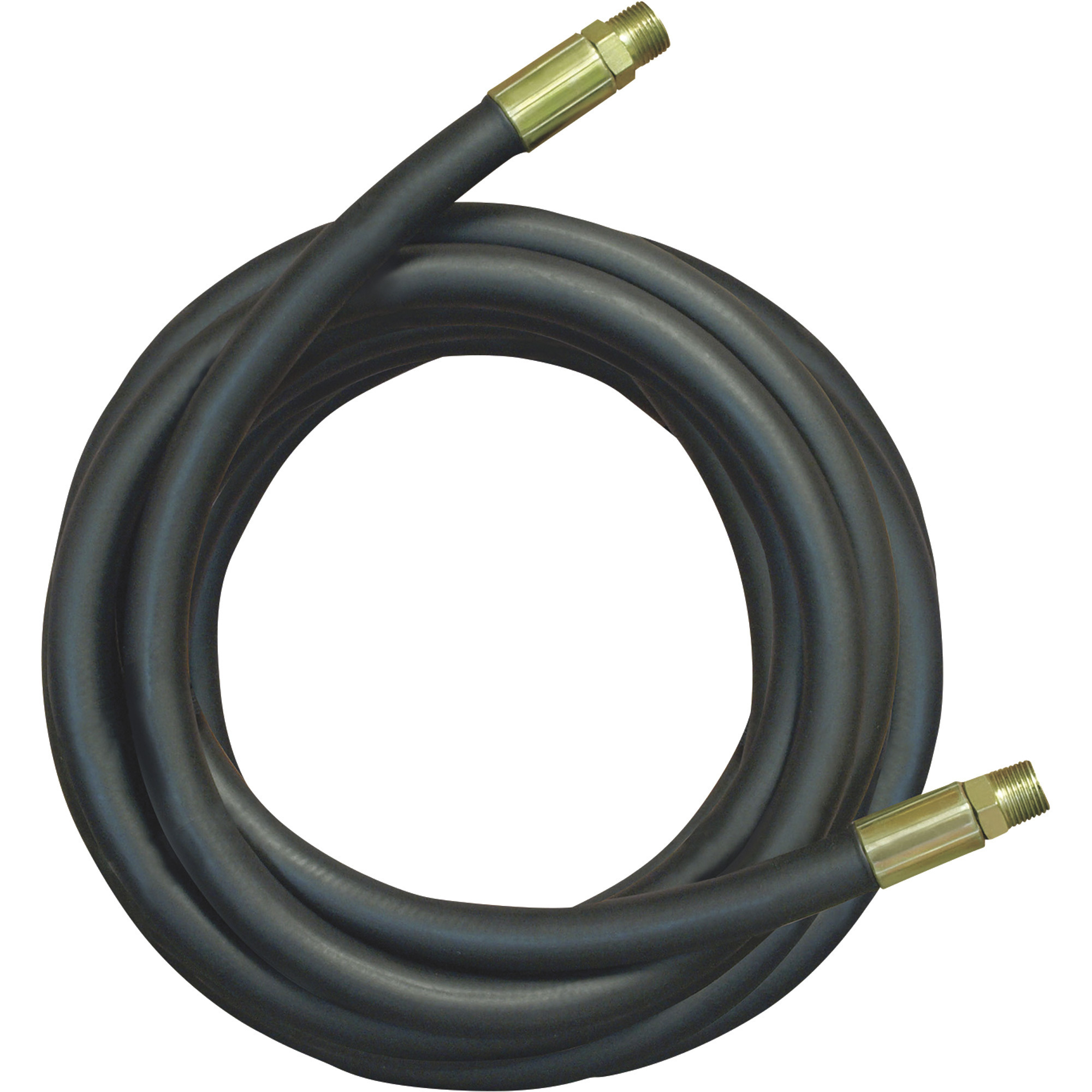
Item # 459311
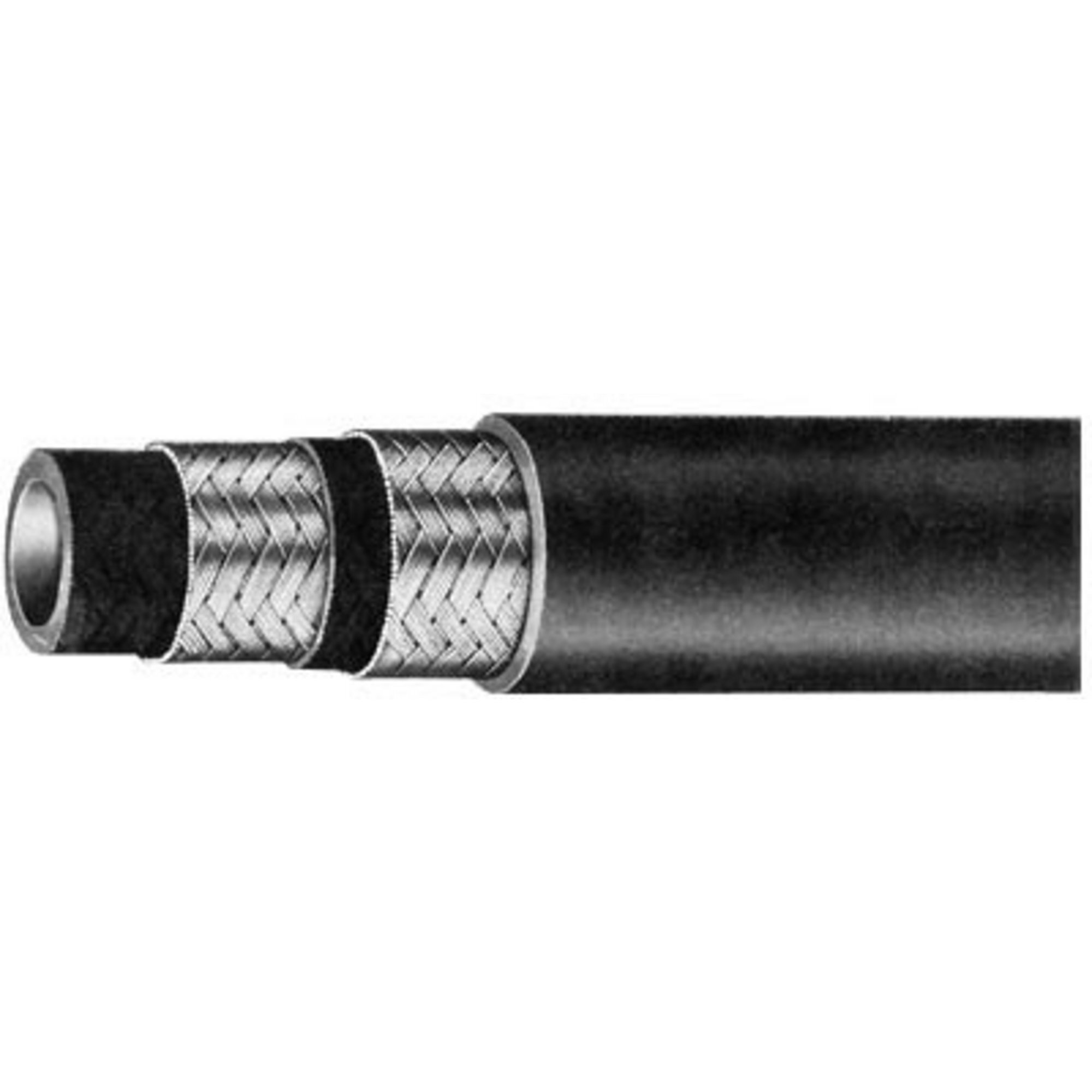
Item # 5112050
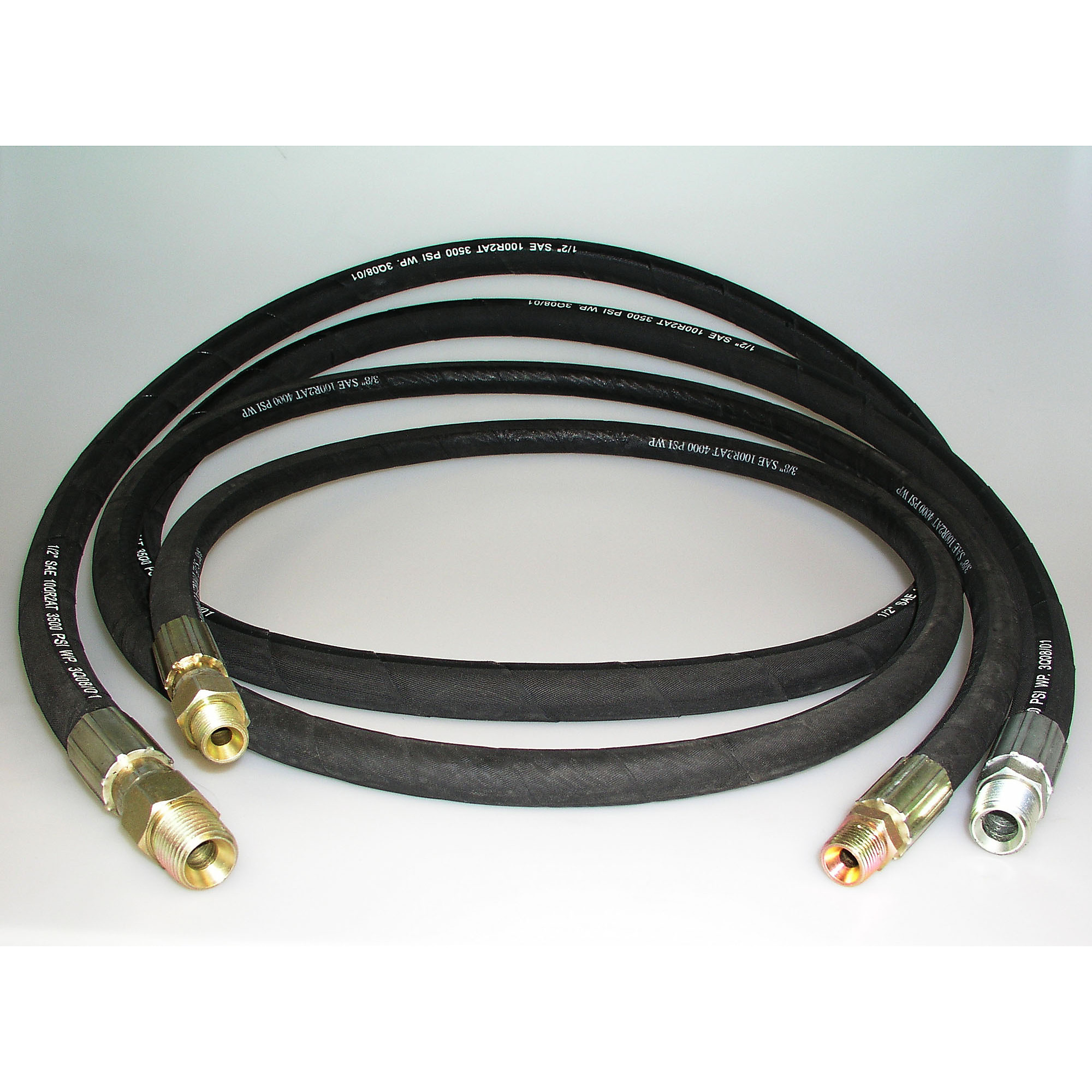
Item # 6960601
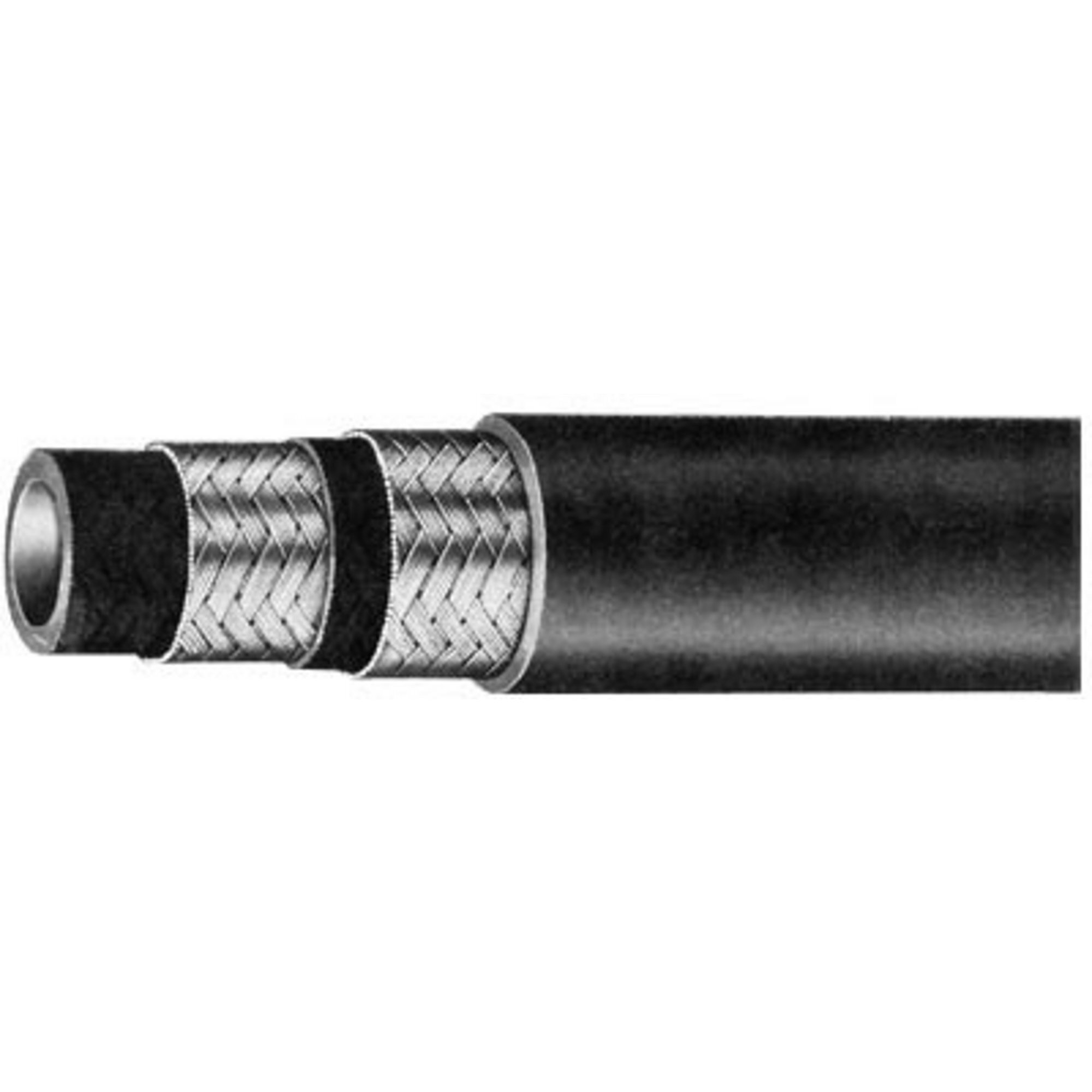
Item # 5108050
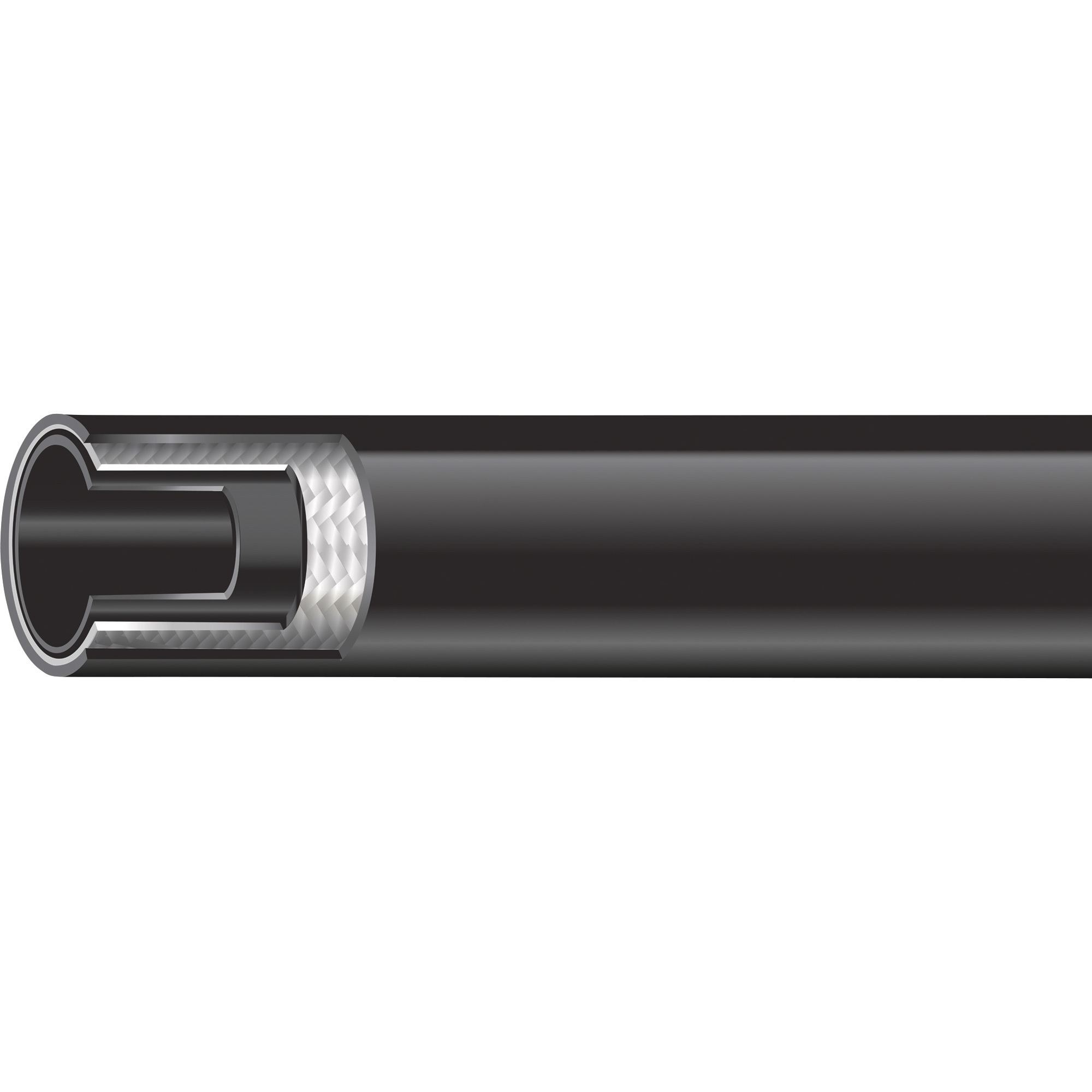
Item # 5006100
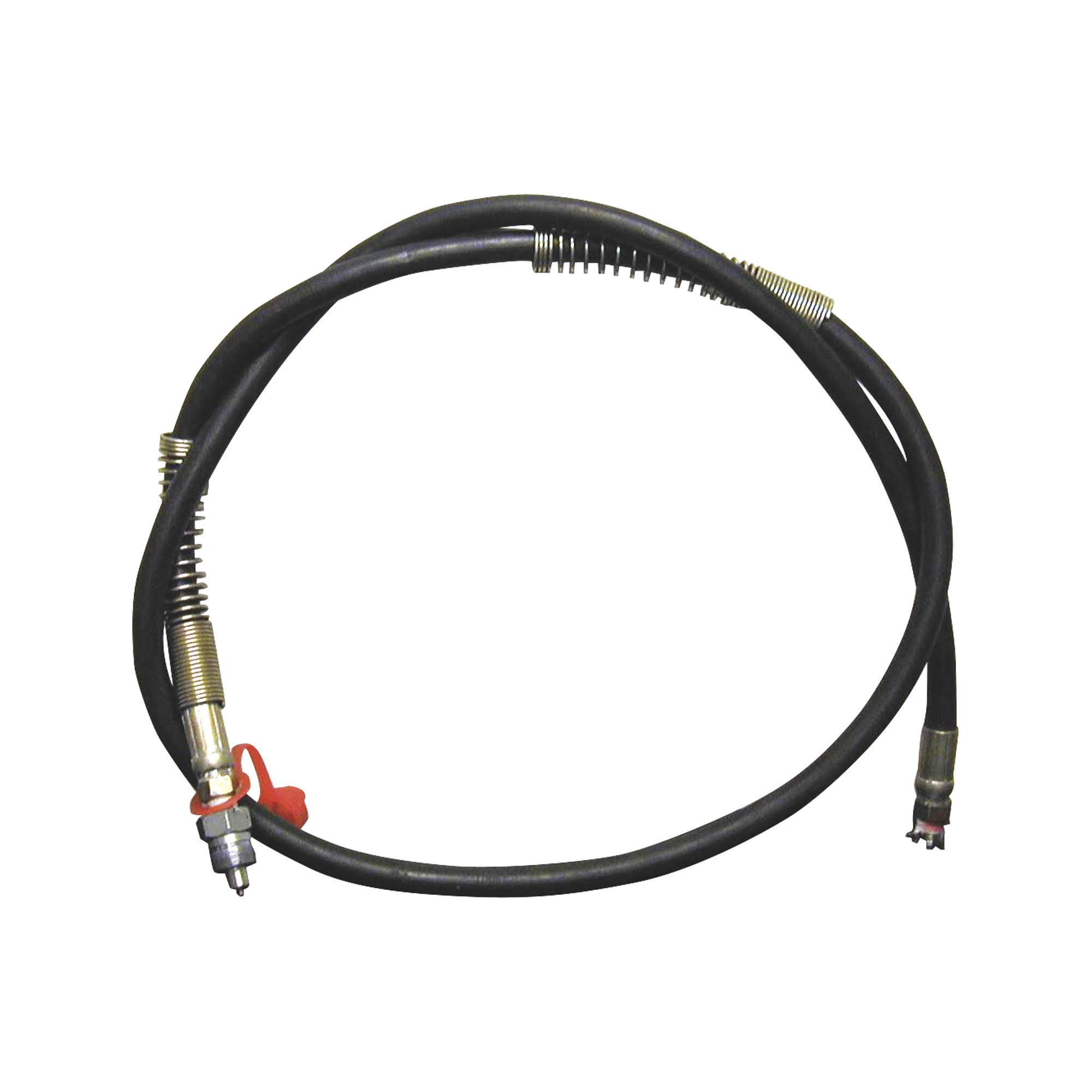
Item # 156827
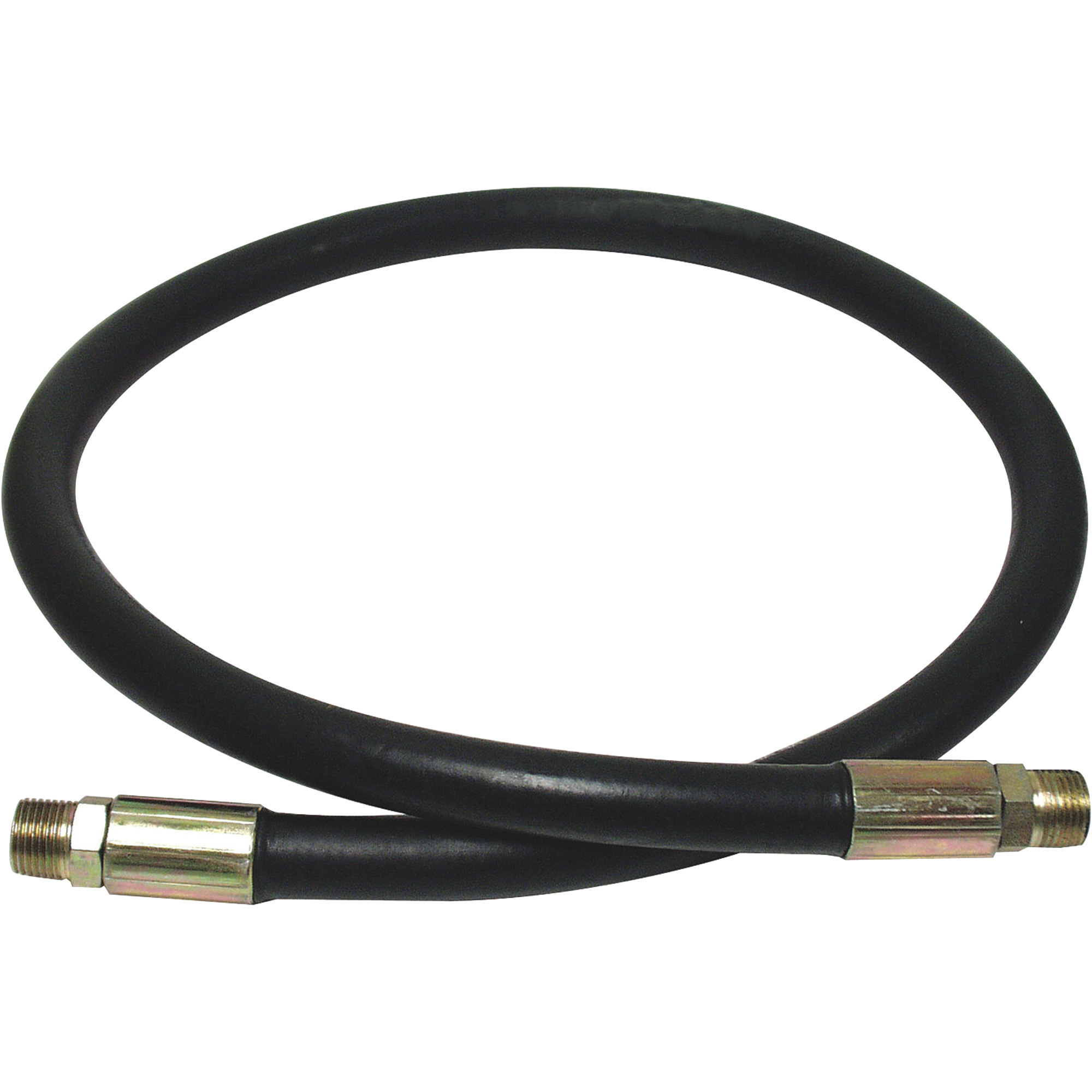
Item # 459310
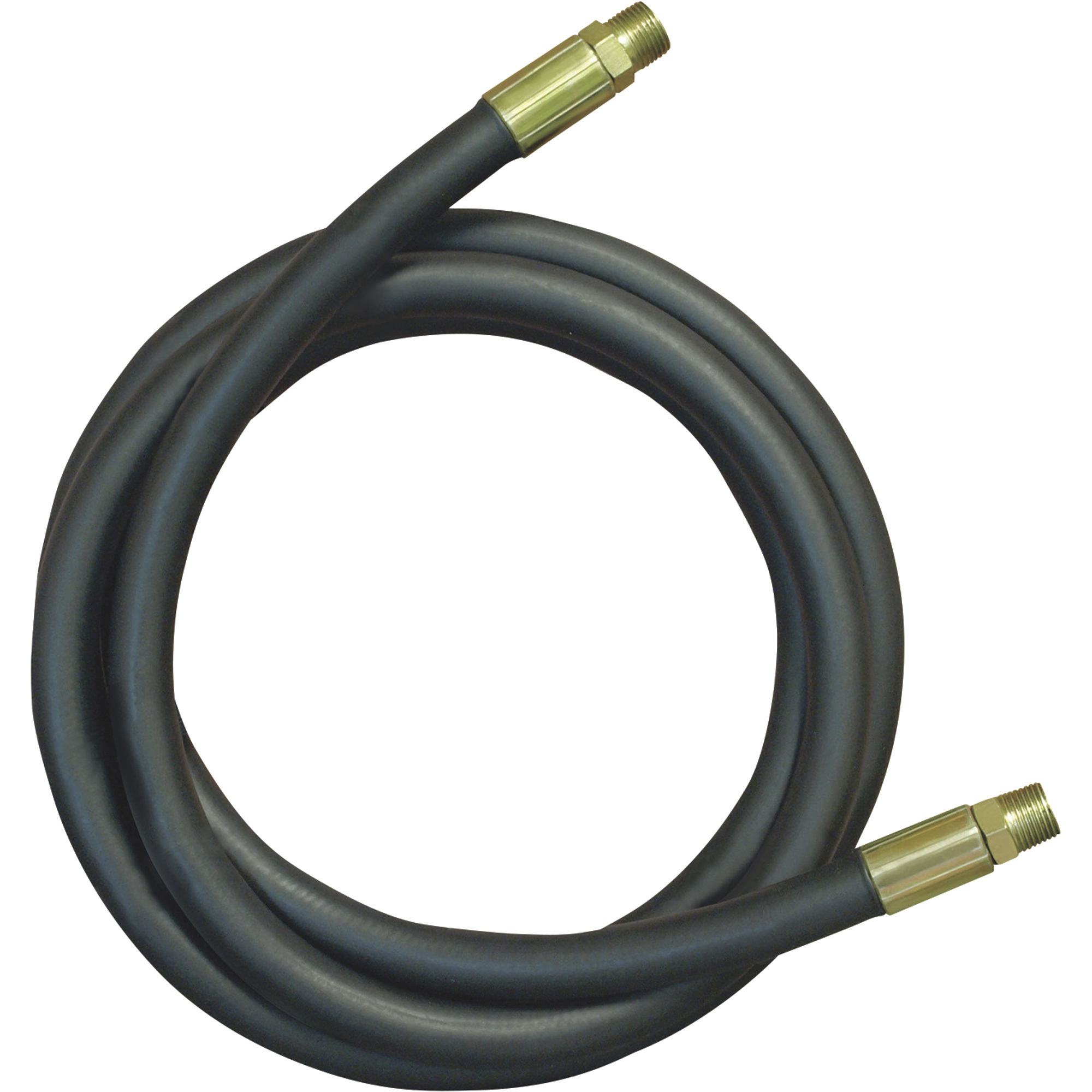
Item # 459325
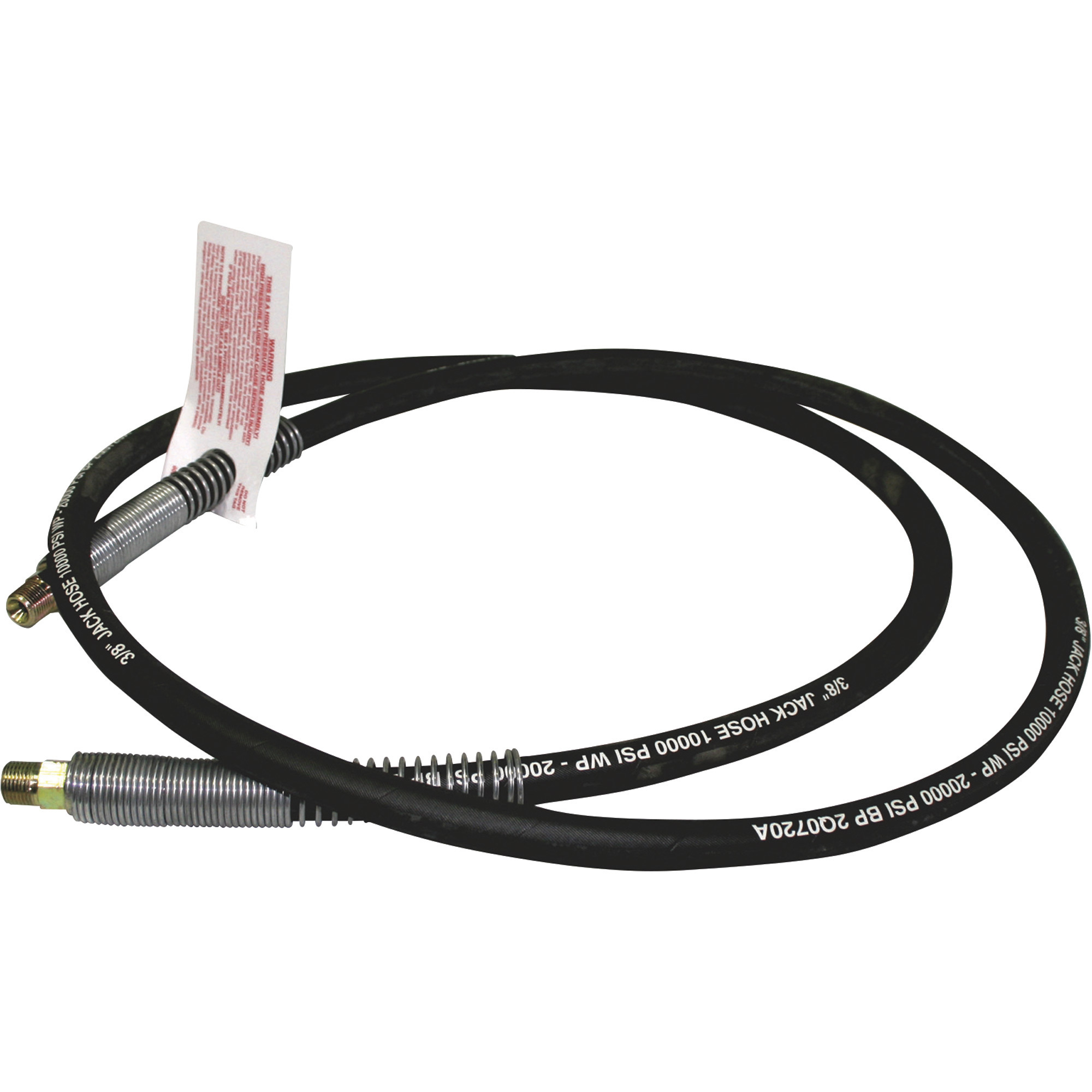
Item # 39835
Item # 6960627
Item # 6960563
Item # 6960459
Item # 6960395
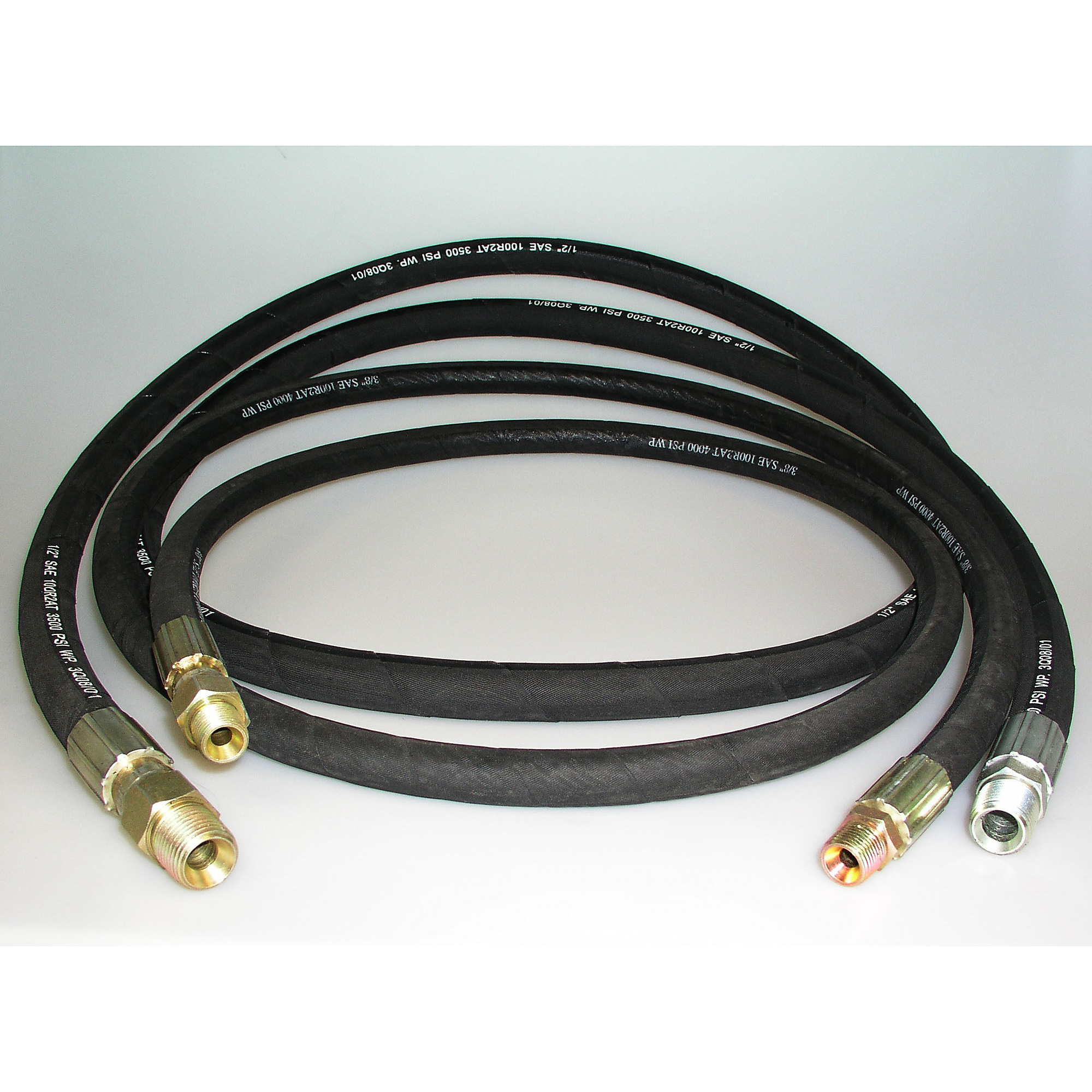
Item # 6960344
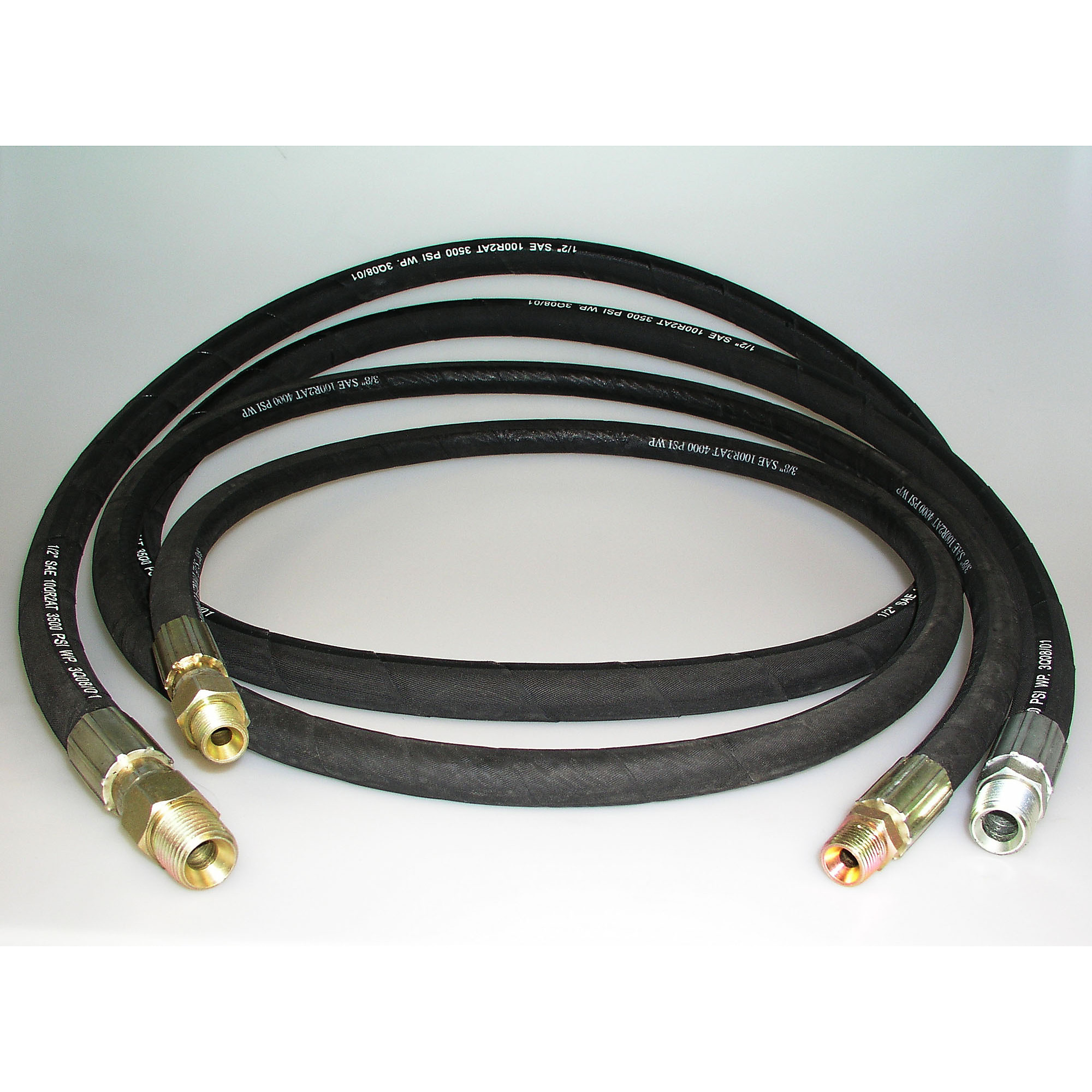
Item # 6960272
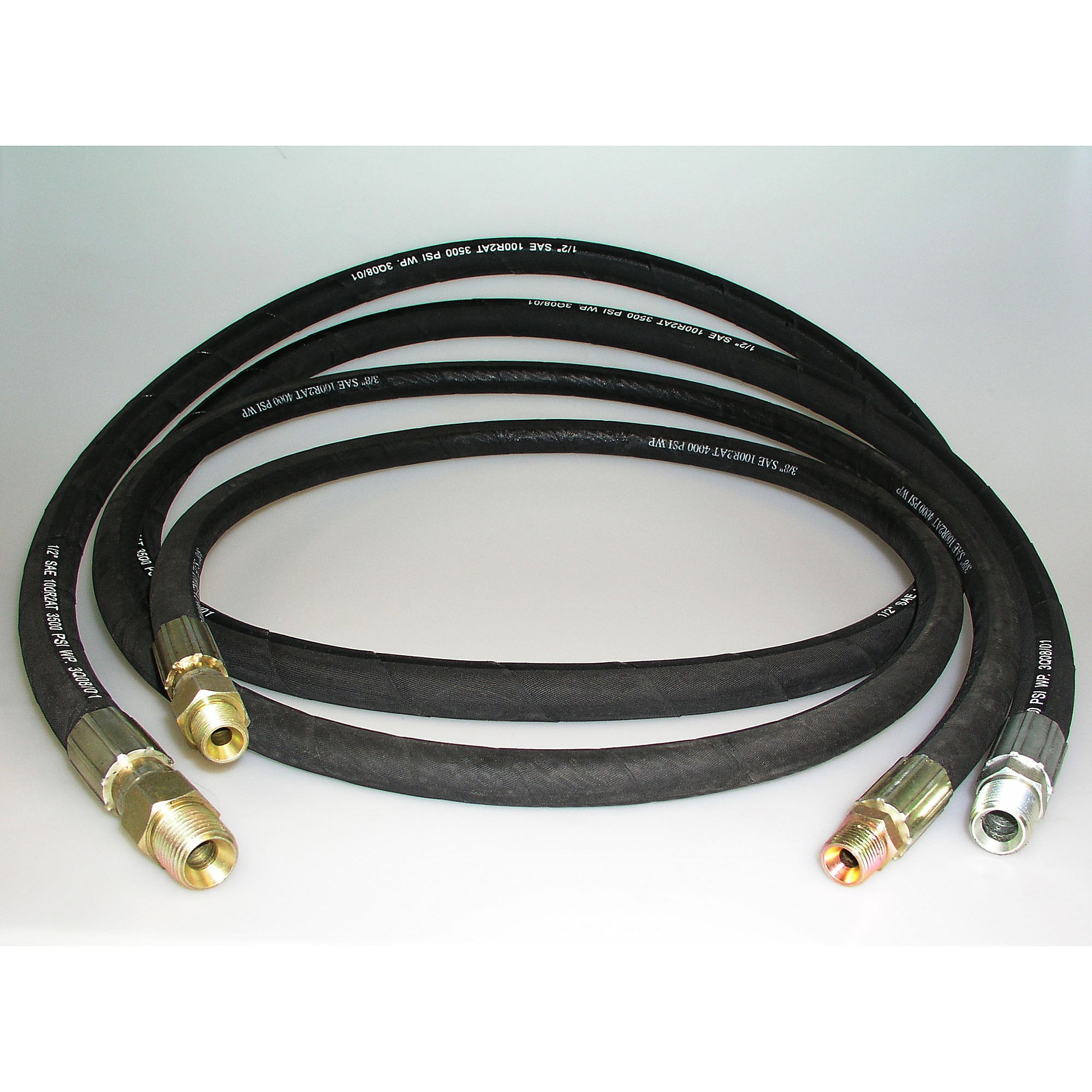
Item # 6960141
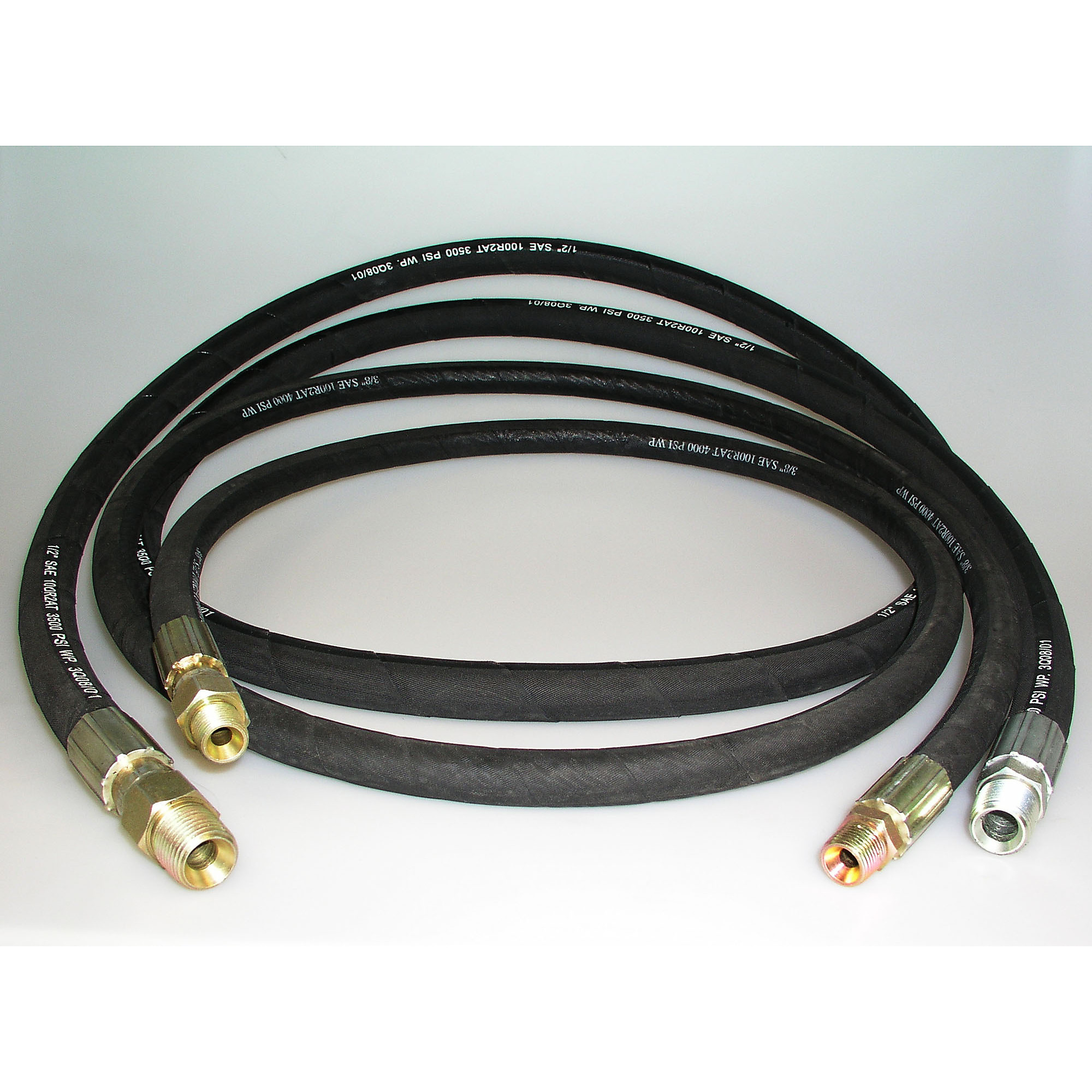
Item # 6960011
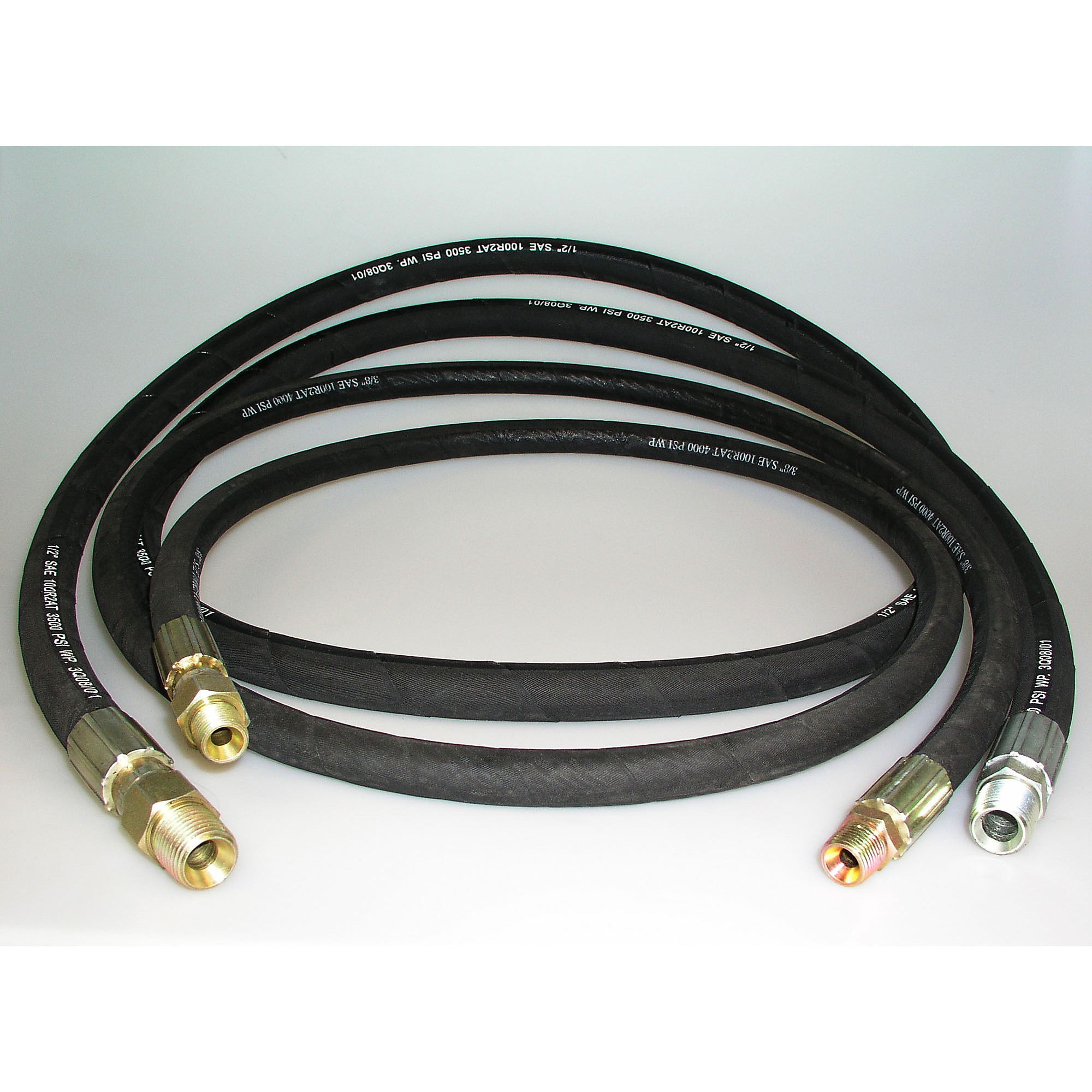
Item # 6959917
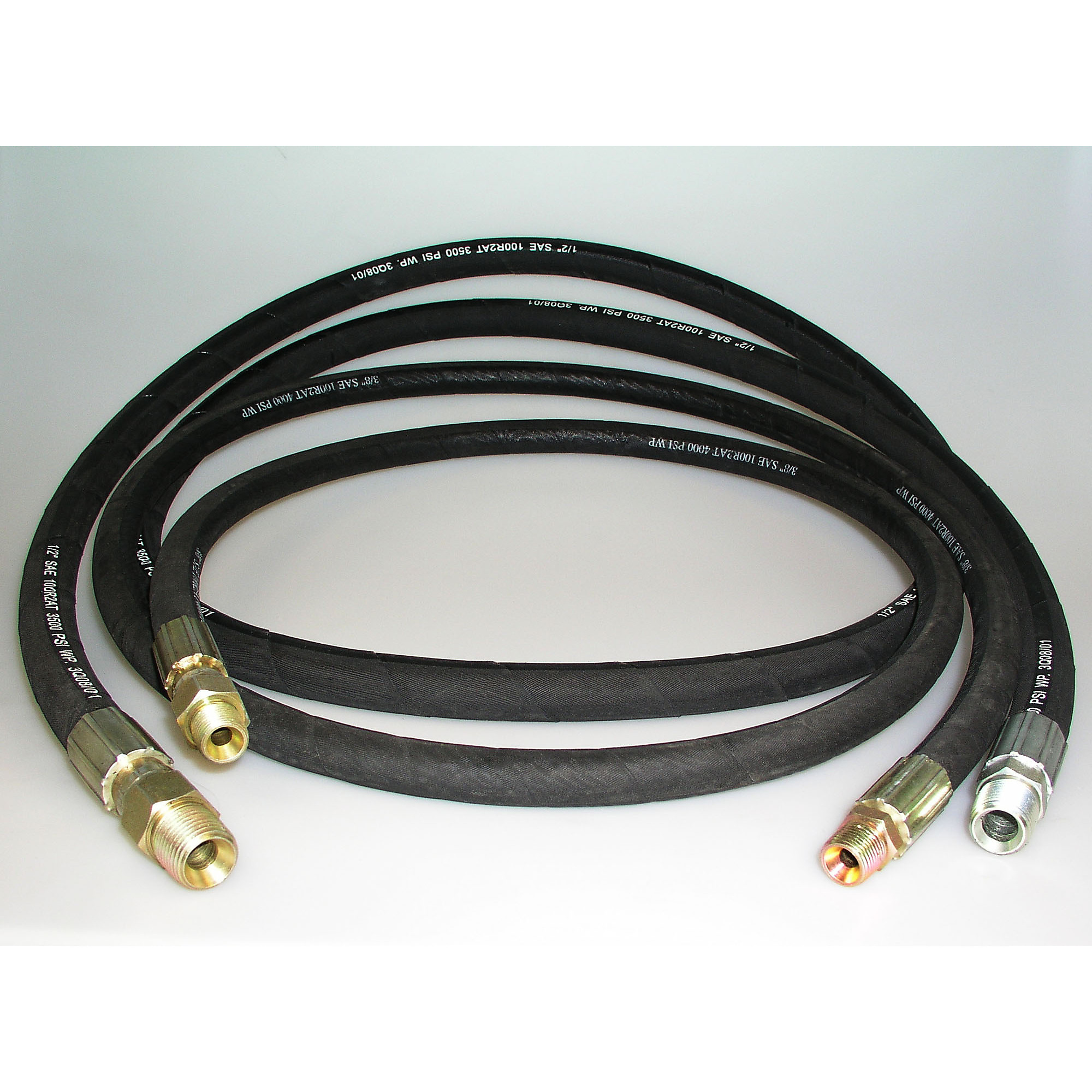
Item # 6959597
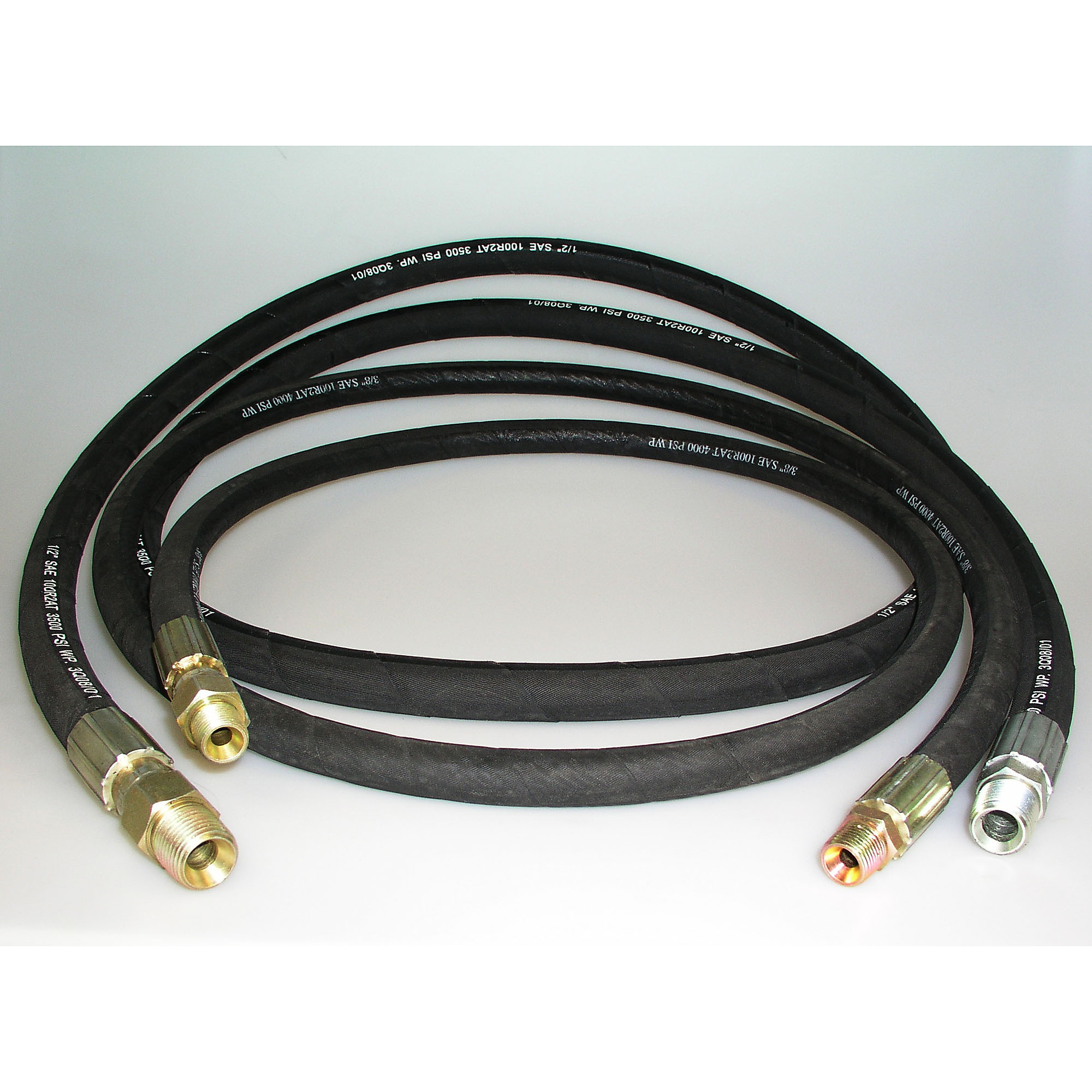
Item # 6967925
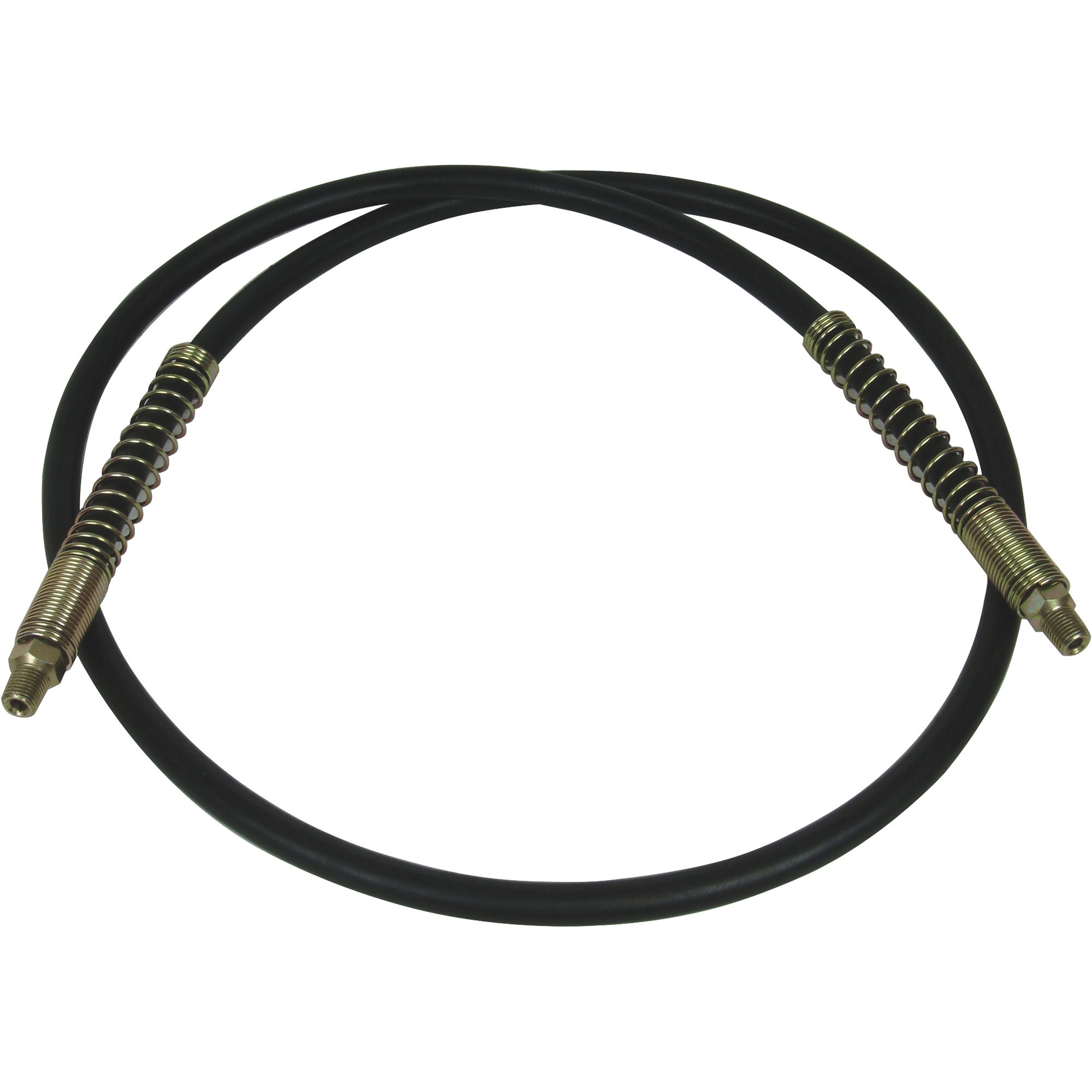
Item # 112274
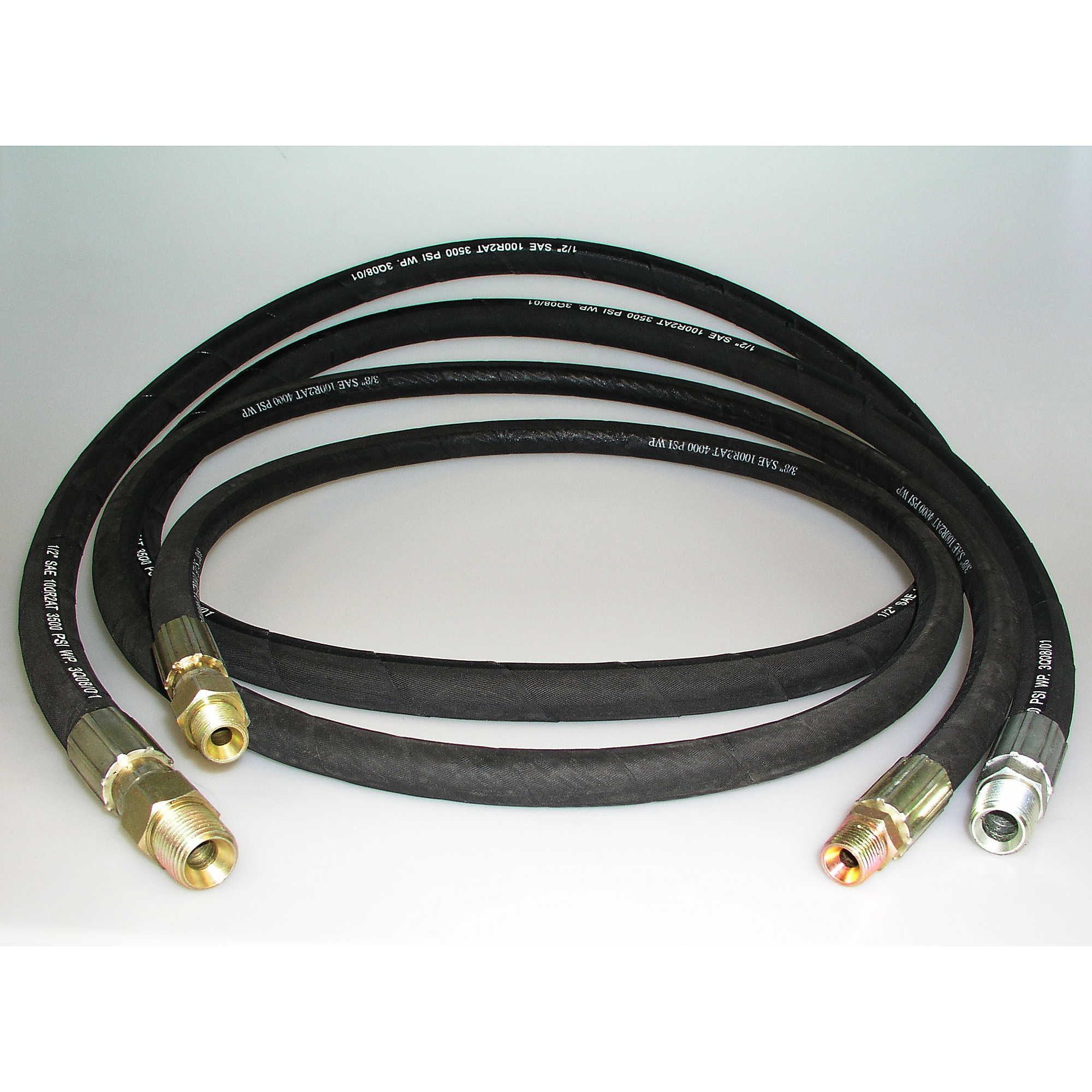
Item # 6960555
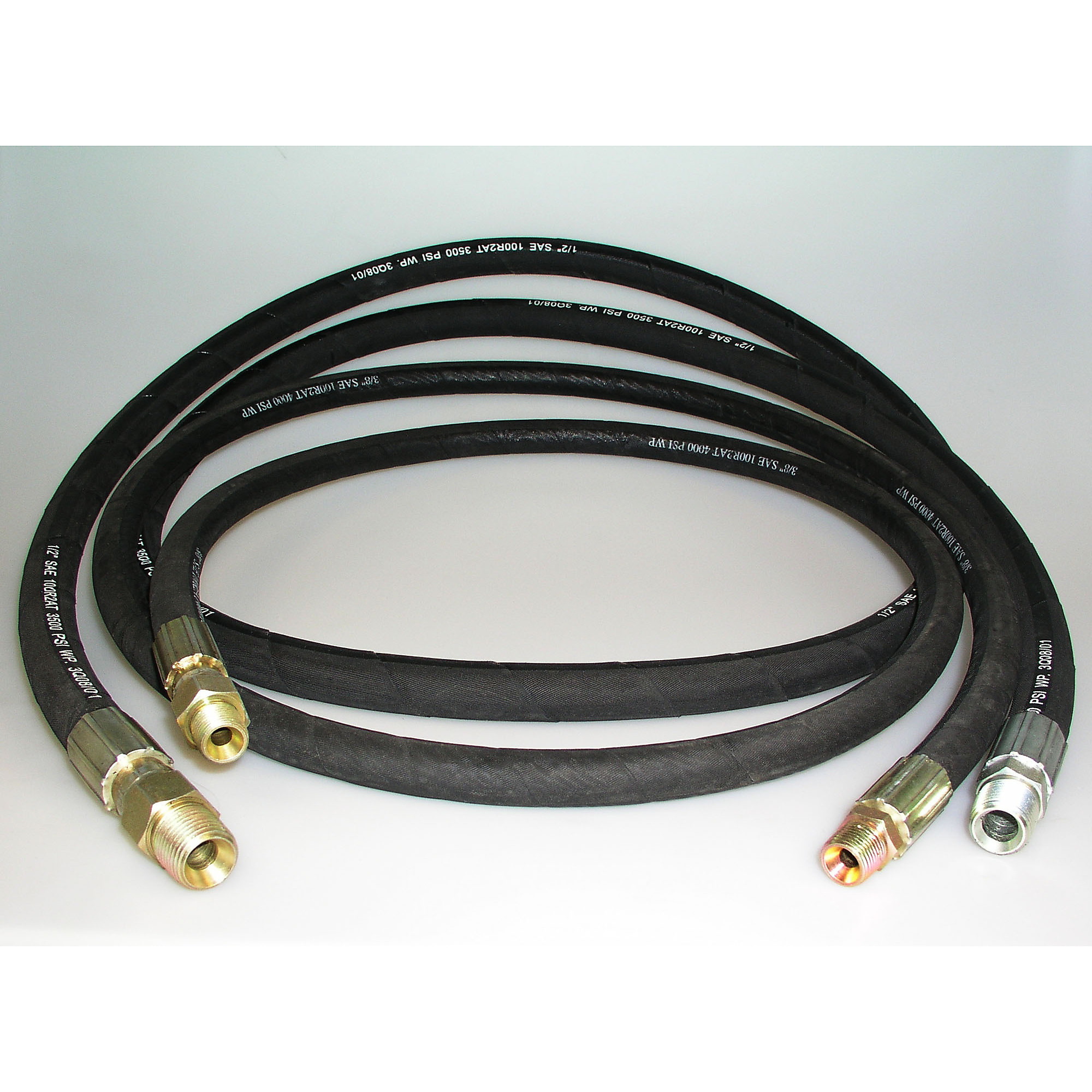
Item # 6960504
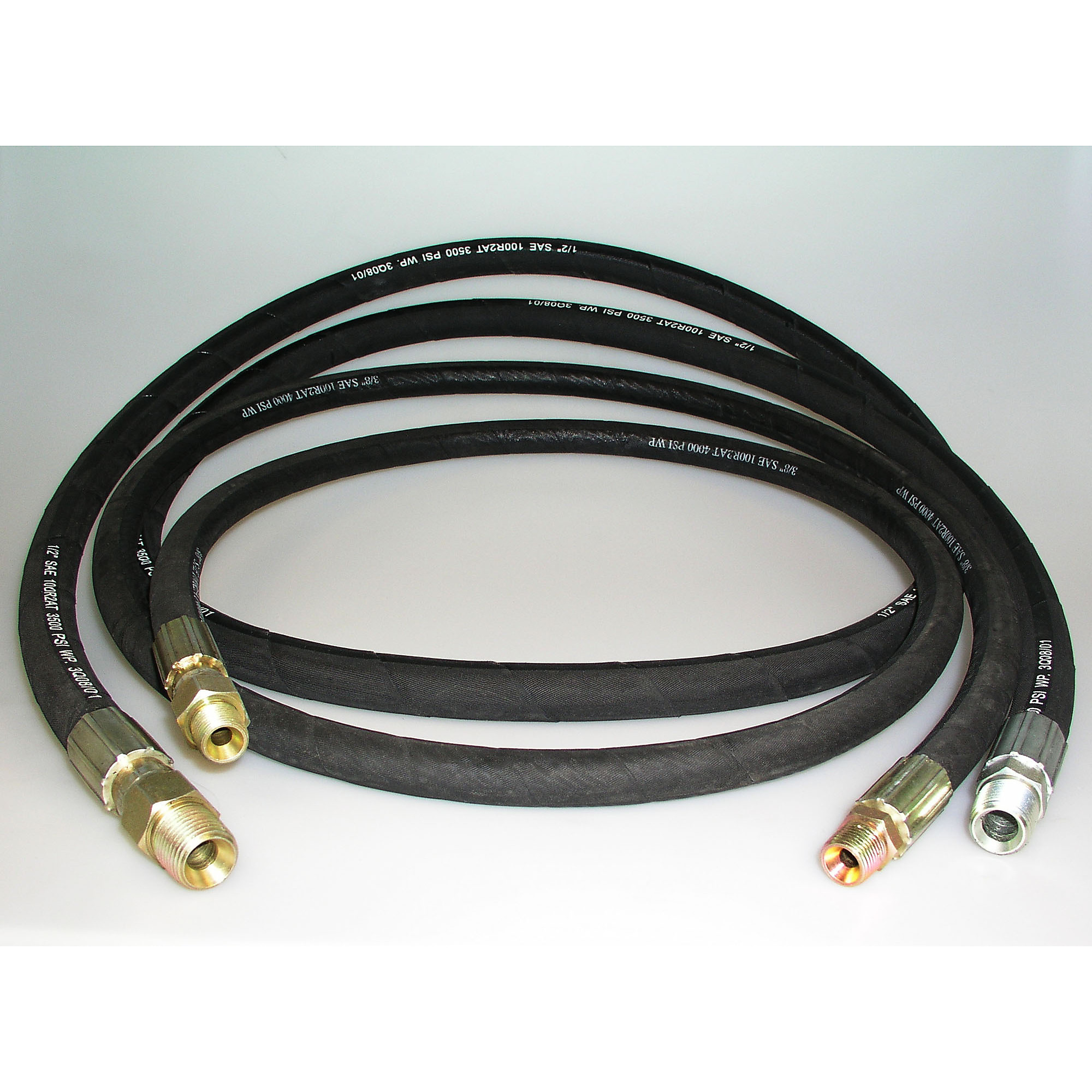
Jason Industrial Hydraulic Hose Assembly — 3/8in. x 108in., 2-Wire, 4500 PSI, Model# 4921-0038-0108P
Item # 6960491
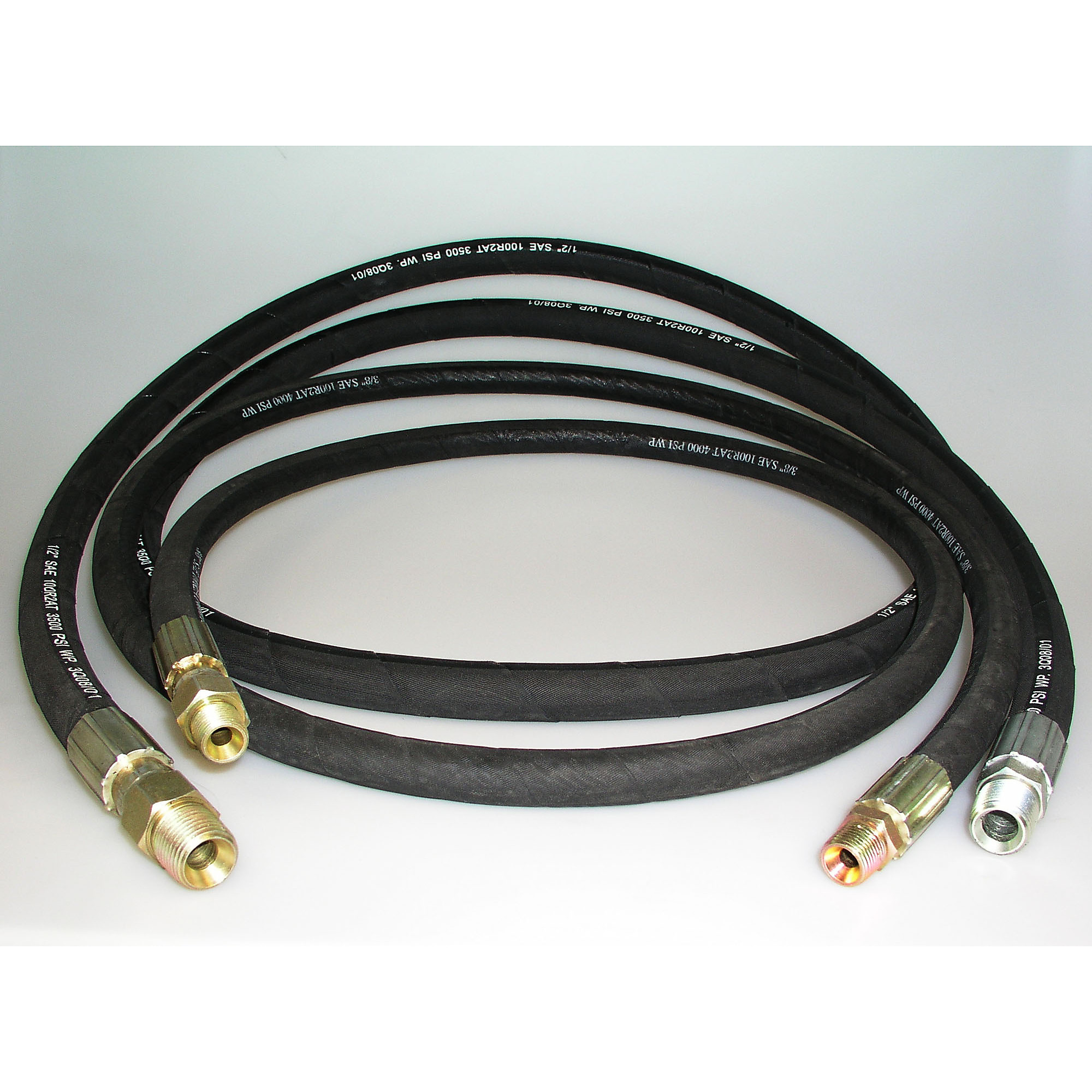
Item # 6960432
Item # 6960408
Item # 6960301
Item # 6960299
Item # 6960230
Hydraulic Hoses
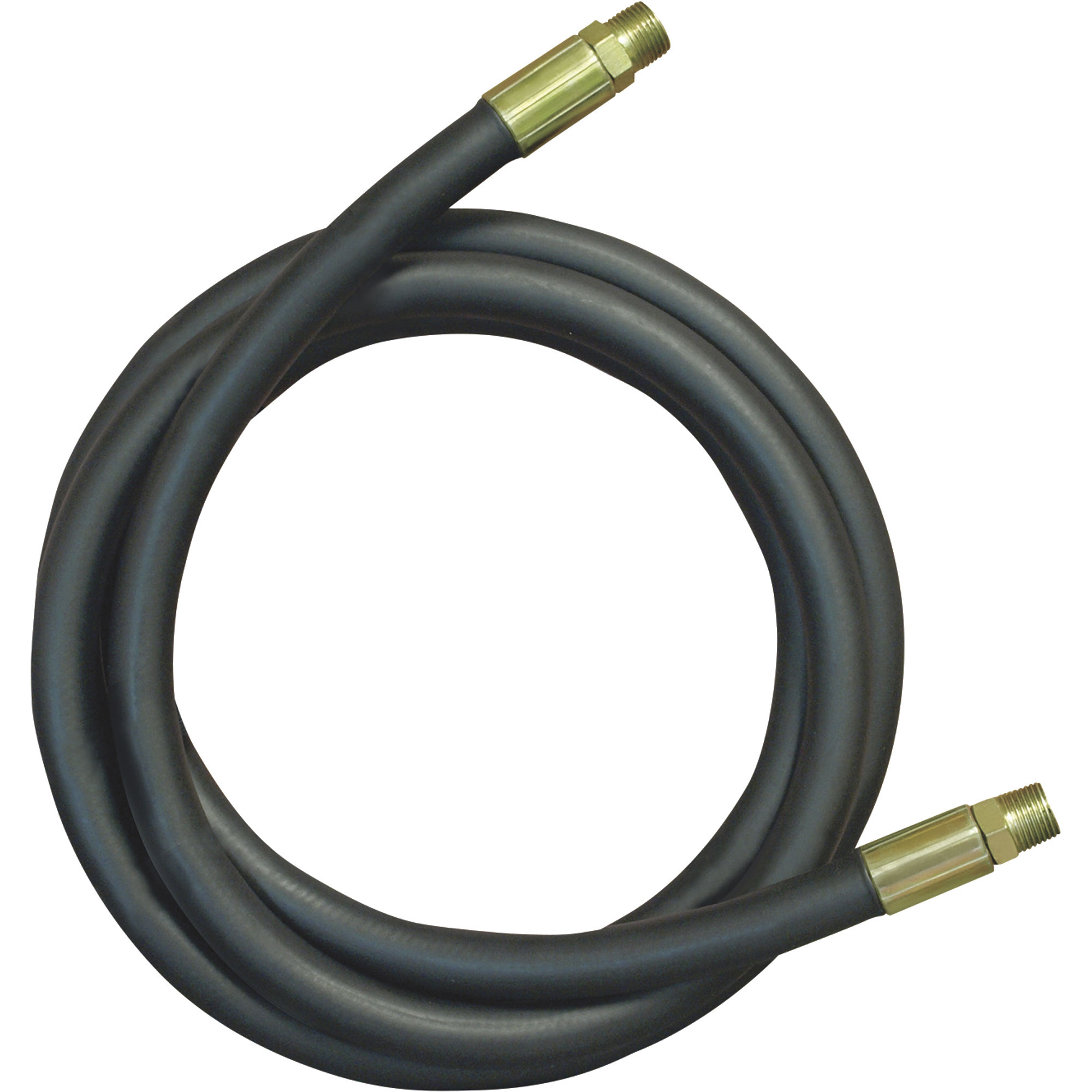
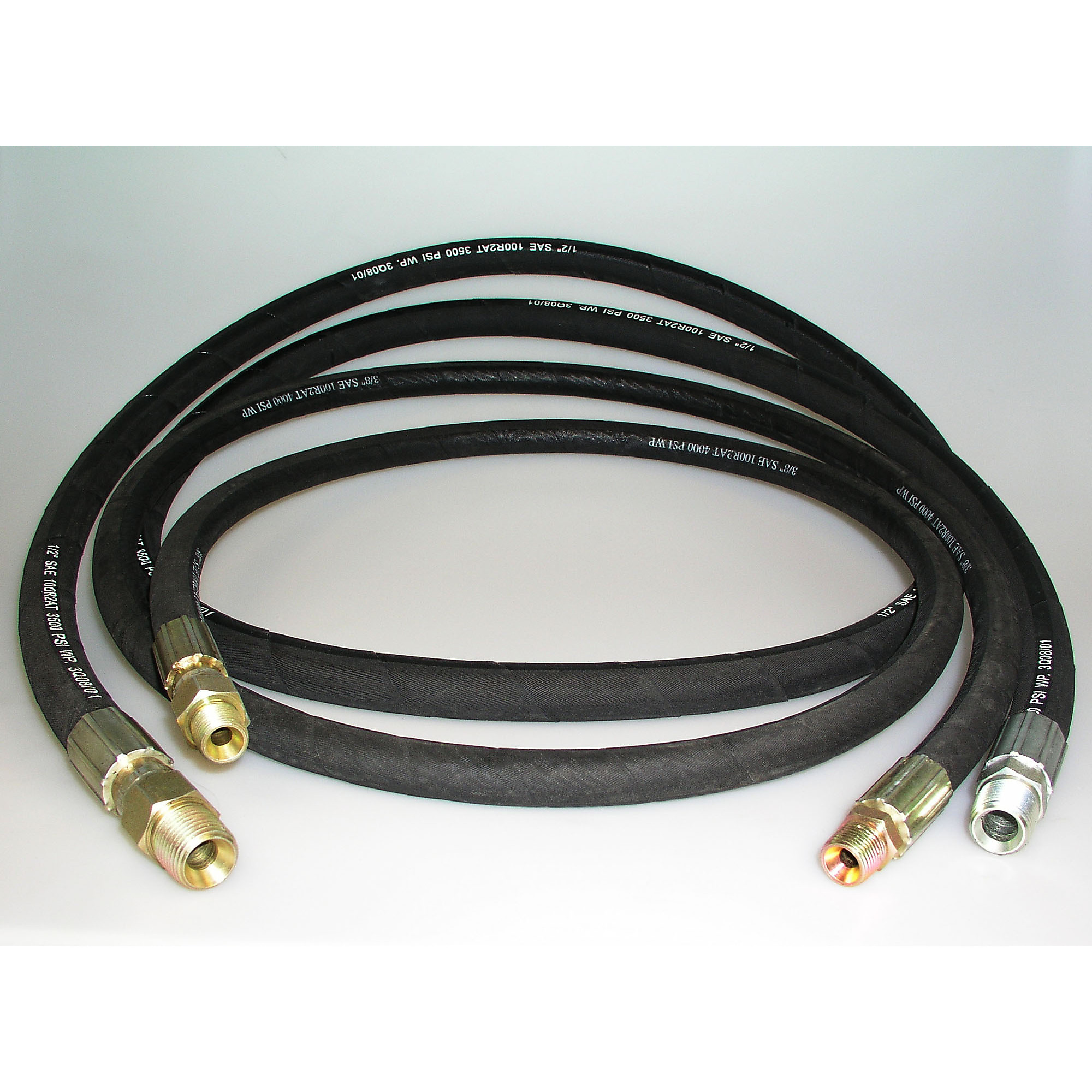
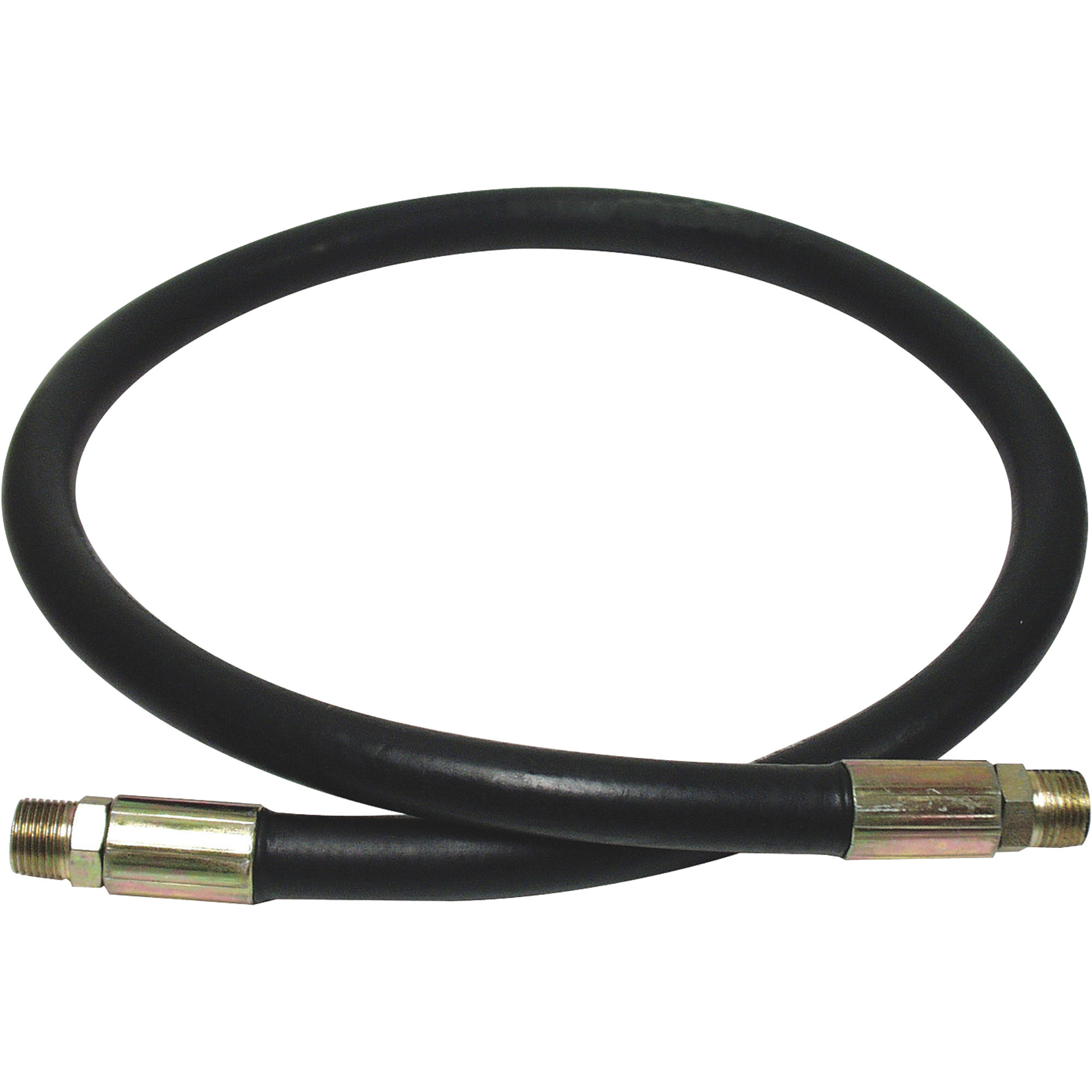
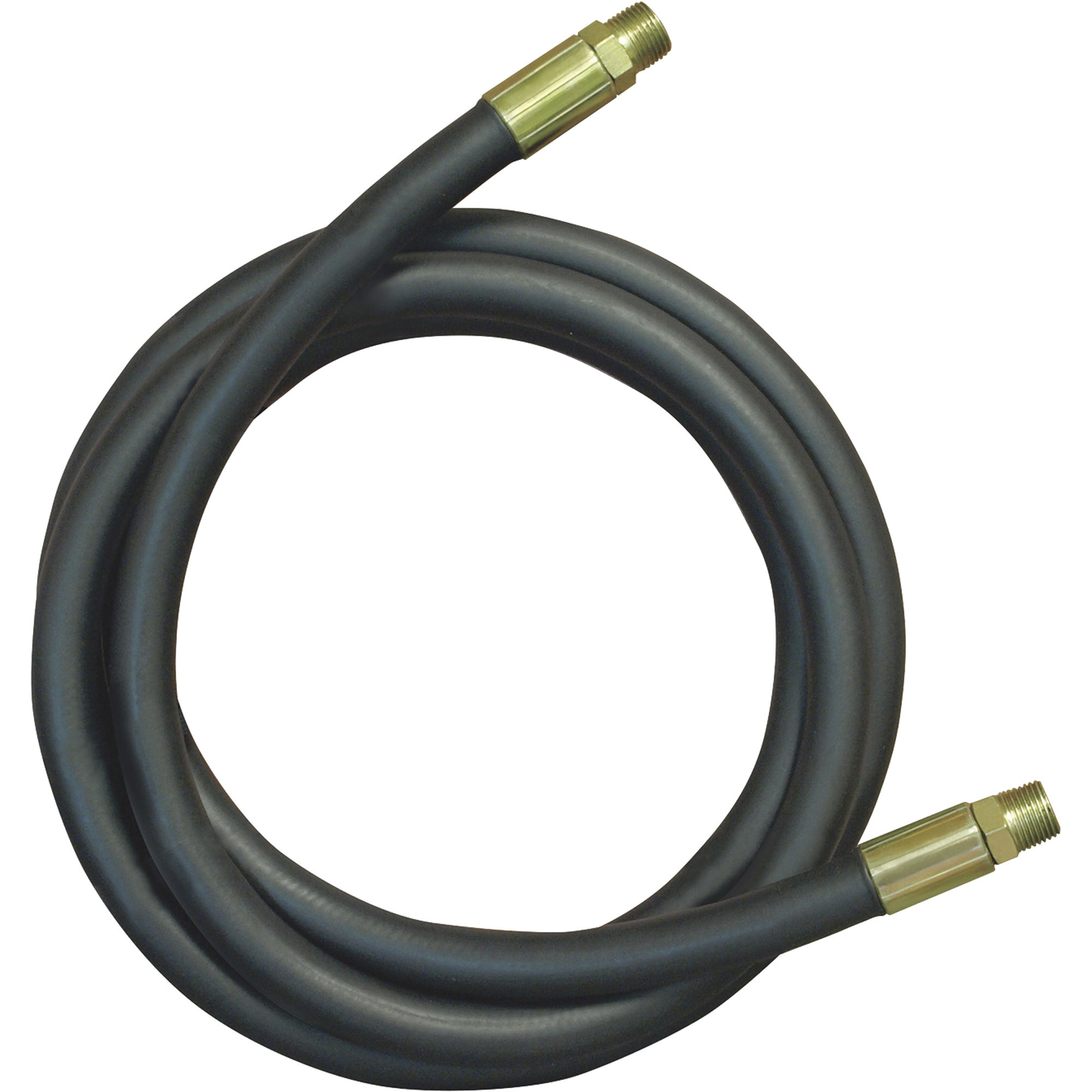
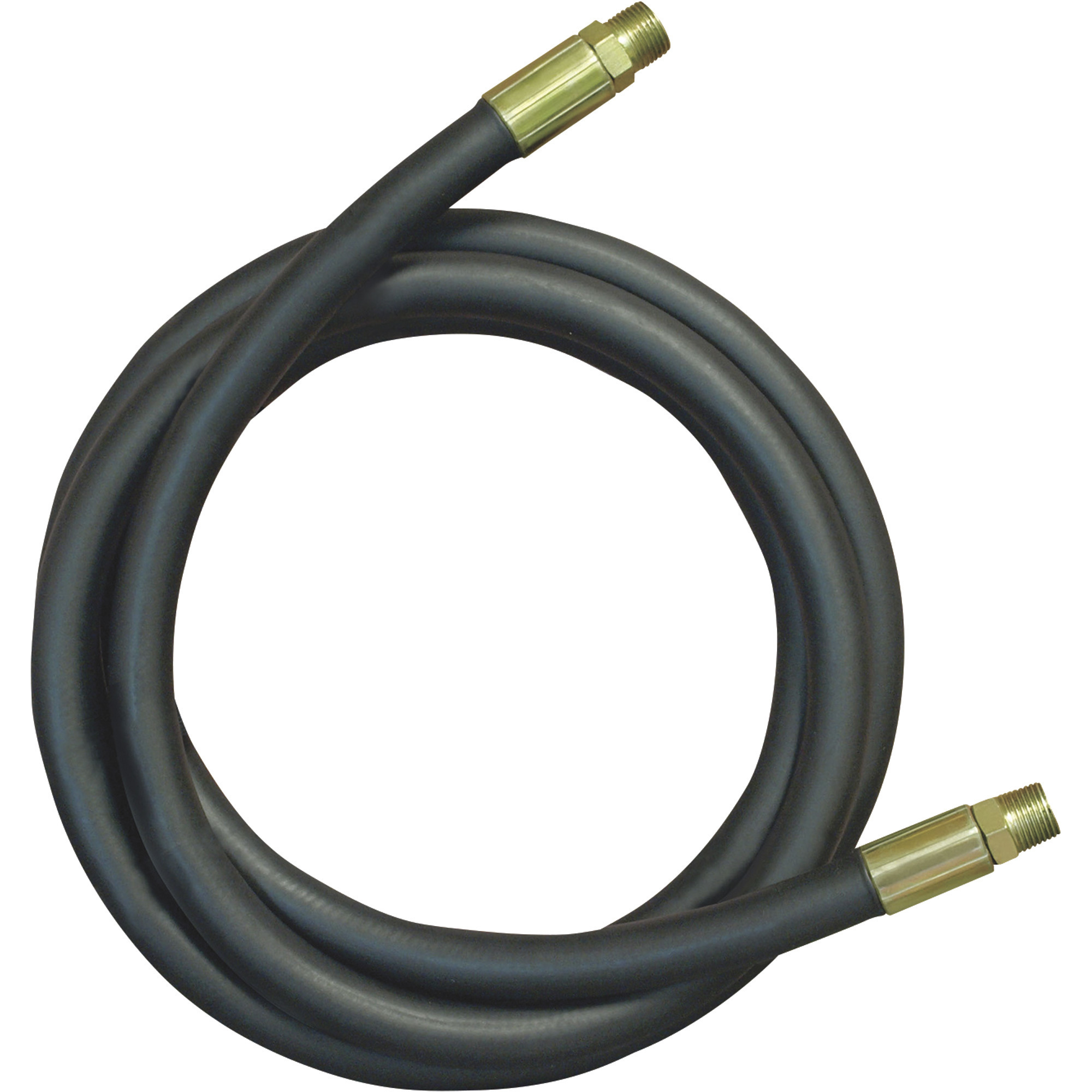
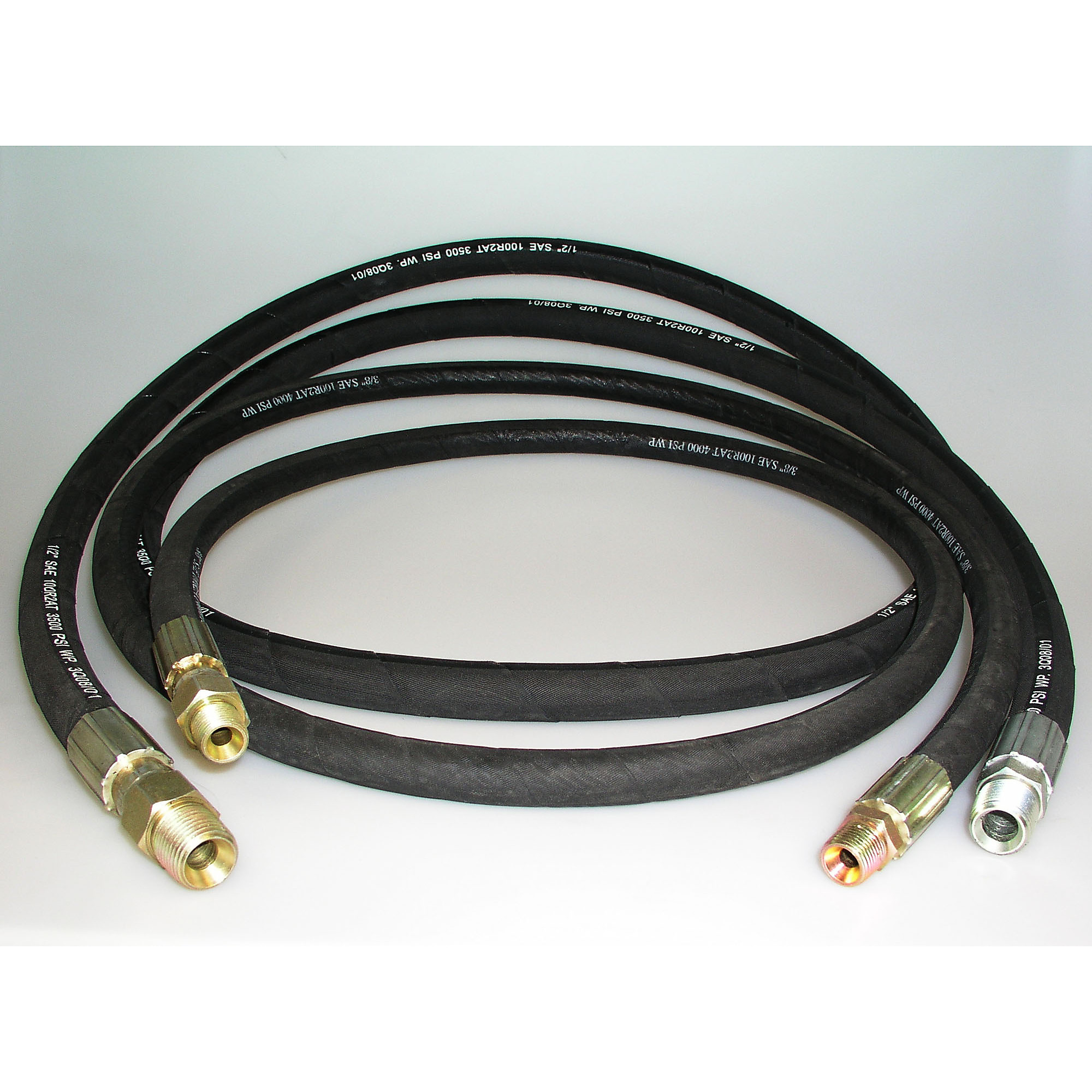
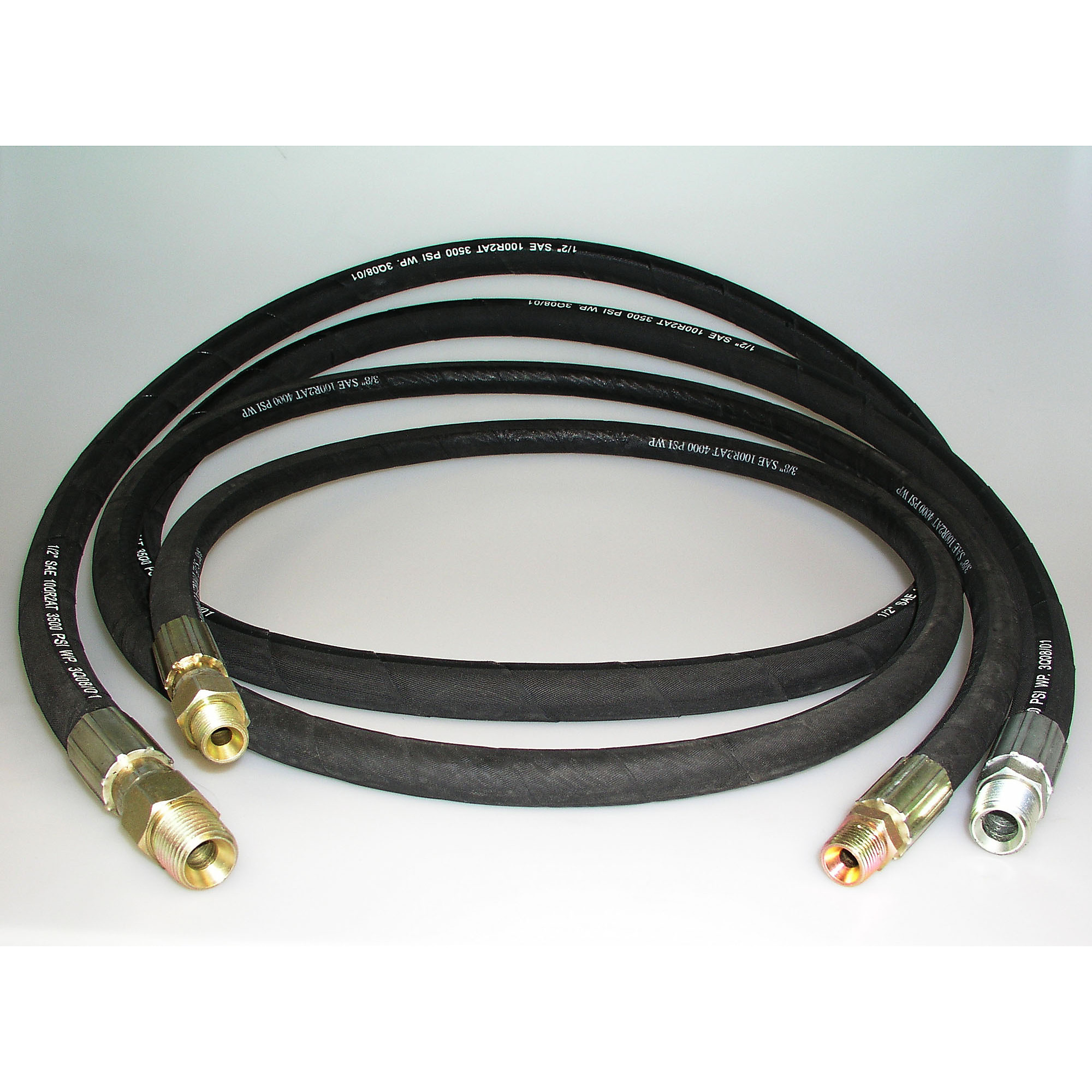
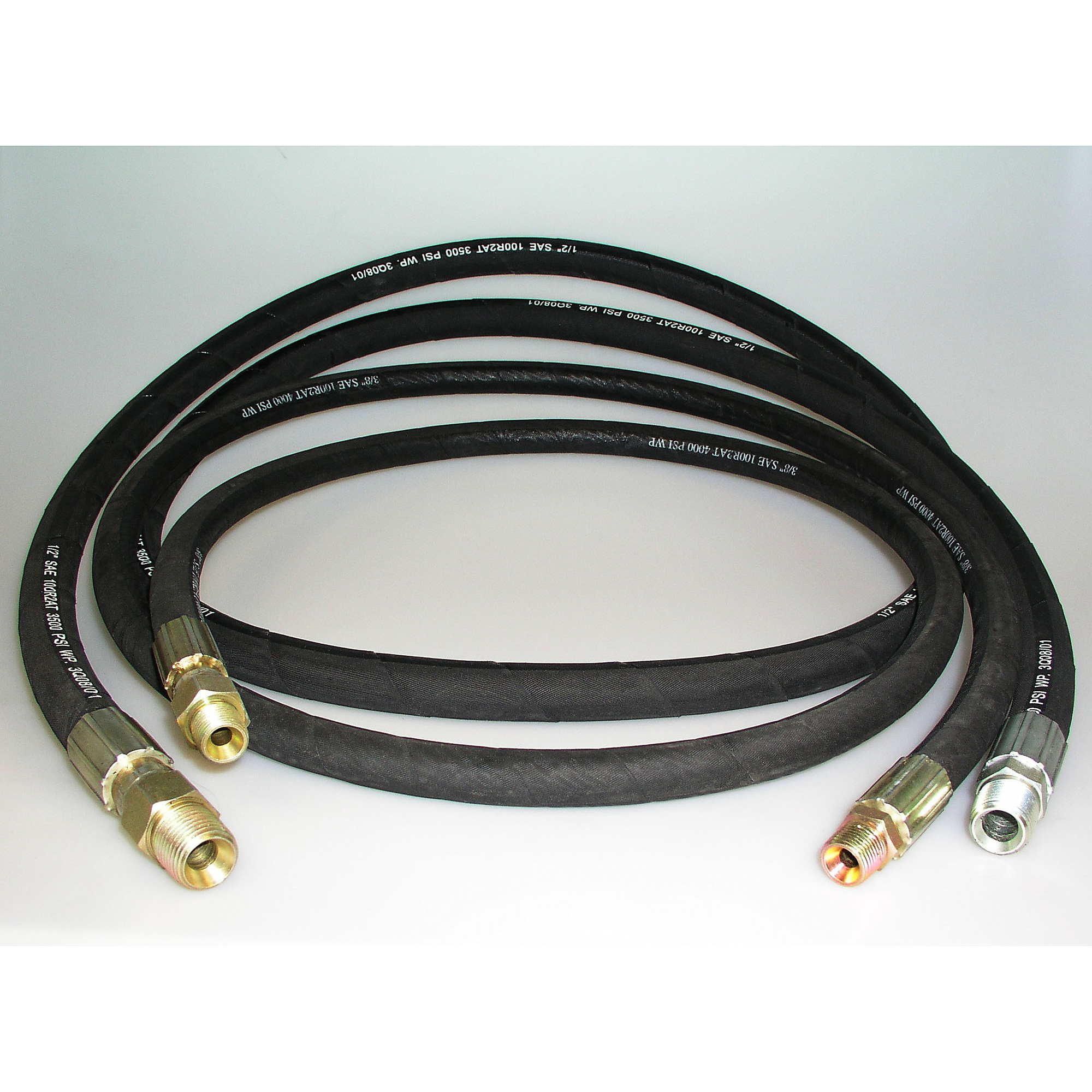
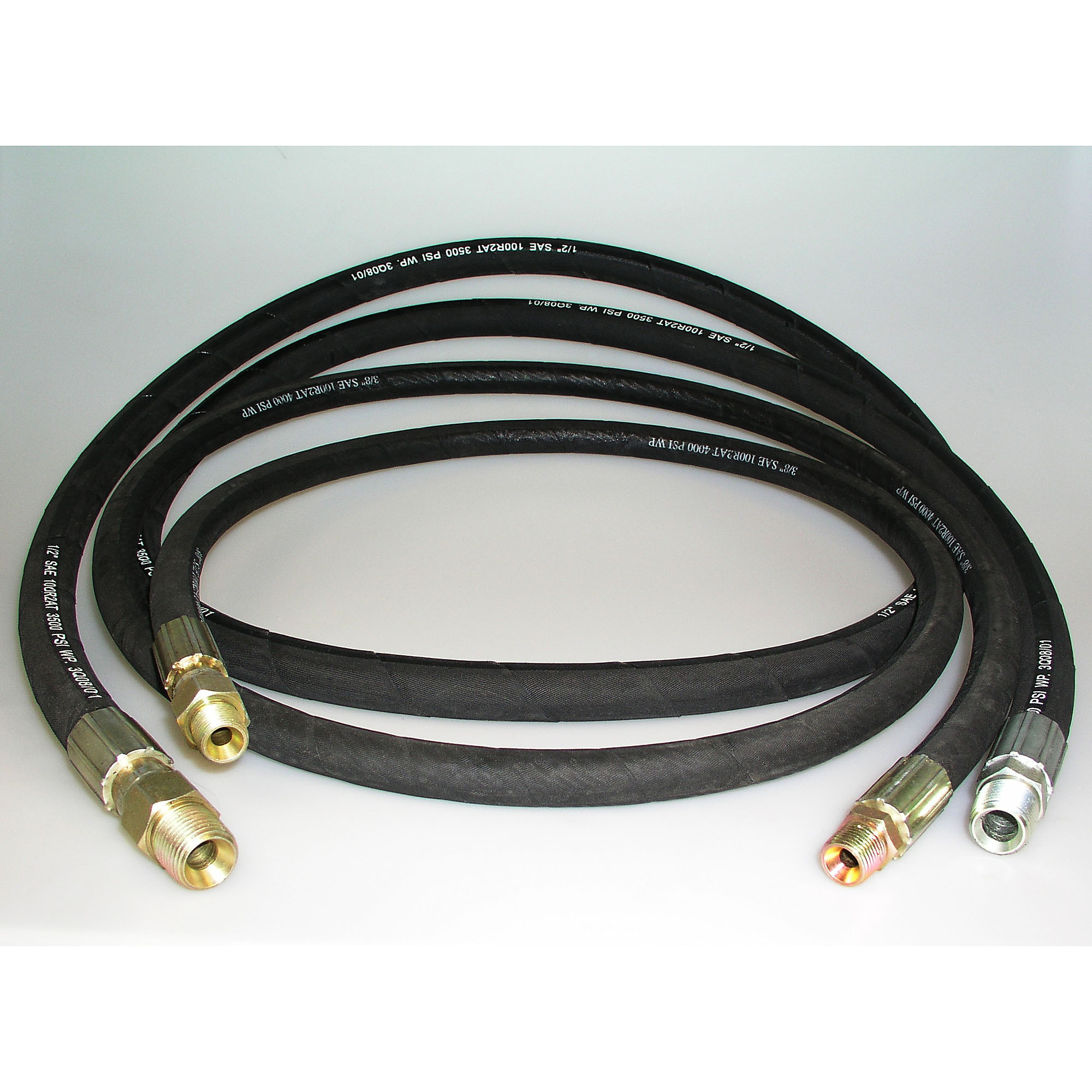
Our hydraulic hoses are designed for use with petroleum-based and water-based hydraulic fluids. They can handle gasoline, diesel fuels, mineral oils, glycol, lubricating oils and more. High-pressure hydraulic hoses from Northern Tool can be used in a wide range of applications such as construction, machinery and equipment, and agriculture. Hydraulic hoses come in different lengths, diameters, and hose fitting sizes. All products meet or exceed SAE specifications for connection and safety. Brands include Apache and Universal. Hydraulic hoses are usually classified in two categories: comply with SAE standards (the Society of Automotive Engineers) and EN standard hydraulic hoses (the European norm). The size of the hose is the most basic and essential factor in selection. Sizing specifications include the inner diameter, the outer diameter, and the length.
The length of the hydraulic hose is the maximum reach between the end-points. Longer length can increase pressure decrease in the system. Hose length loses pressure due to friction. Use the least amount of hose necessary. The Inner Diameter (I.D.) is the empty space in a circular hose cross-section, it affects the velocity of the fluid inside the hose. A hose too wide an I.D. will result in slowed performance, due to lack of adequate pressure. While a hose that has too narrow an I.D. can cause leaks, and system damage, due to too high pressure. The Outer Diameter (O.D.) measures the entire span of the hose cross-section, (including the tube itself, any reinforcement, and a cover). The difference between O.D. and I.D. is the thickness of the tube and any other tube features. Outer diameter is used for sizing industrial fittings and fitting system components.