Magister Hydraulics Hydraulic Hoses
Filters
1-38 of 38 Products

Item # 7451234

Item # 7451154

Item # 7451111

Item # 7451146

Item # 7450987

Item # 7451251

Item # 7451091

Item # 7451031
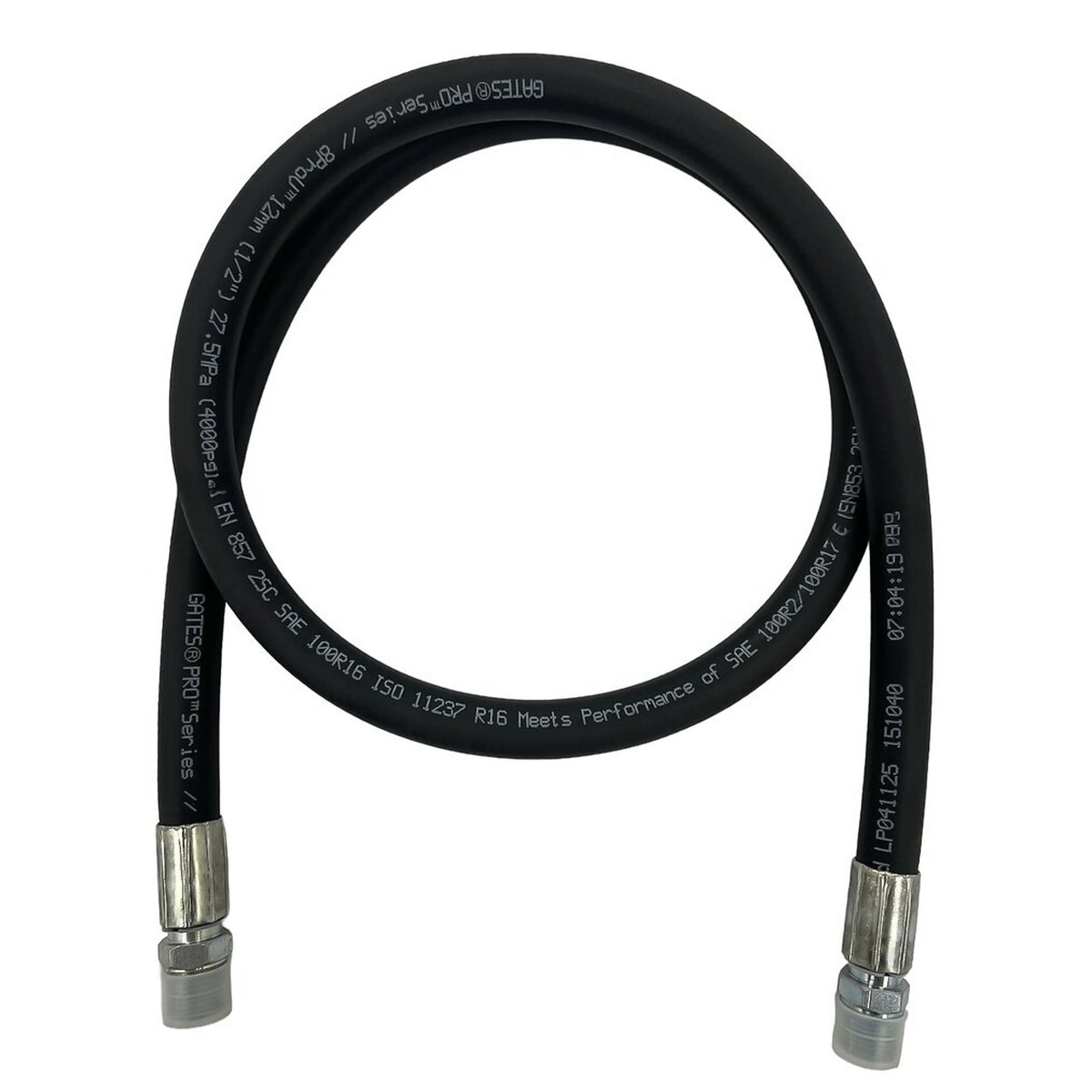
Item # 7451007
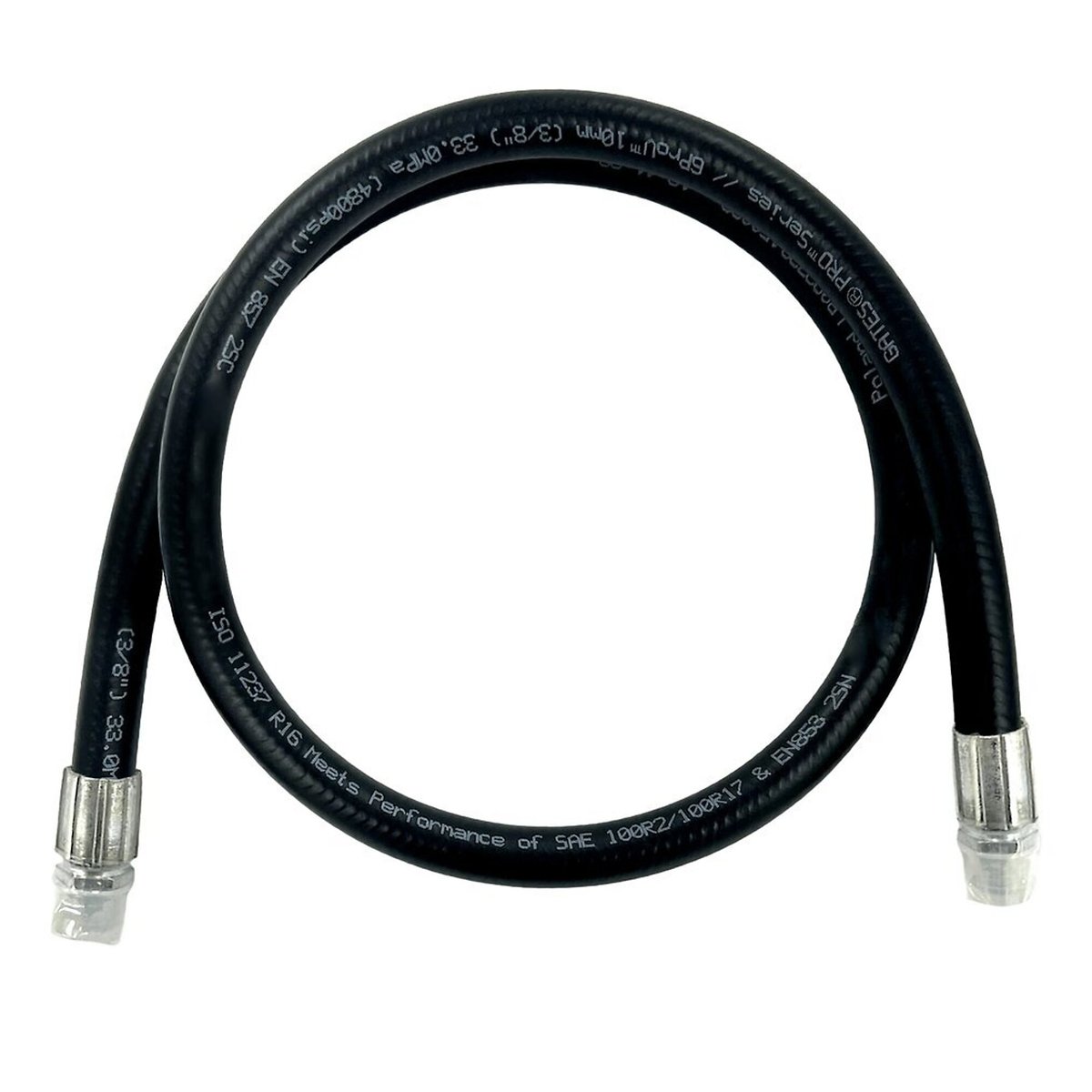
Item # 7450901
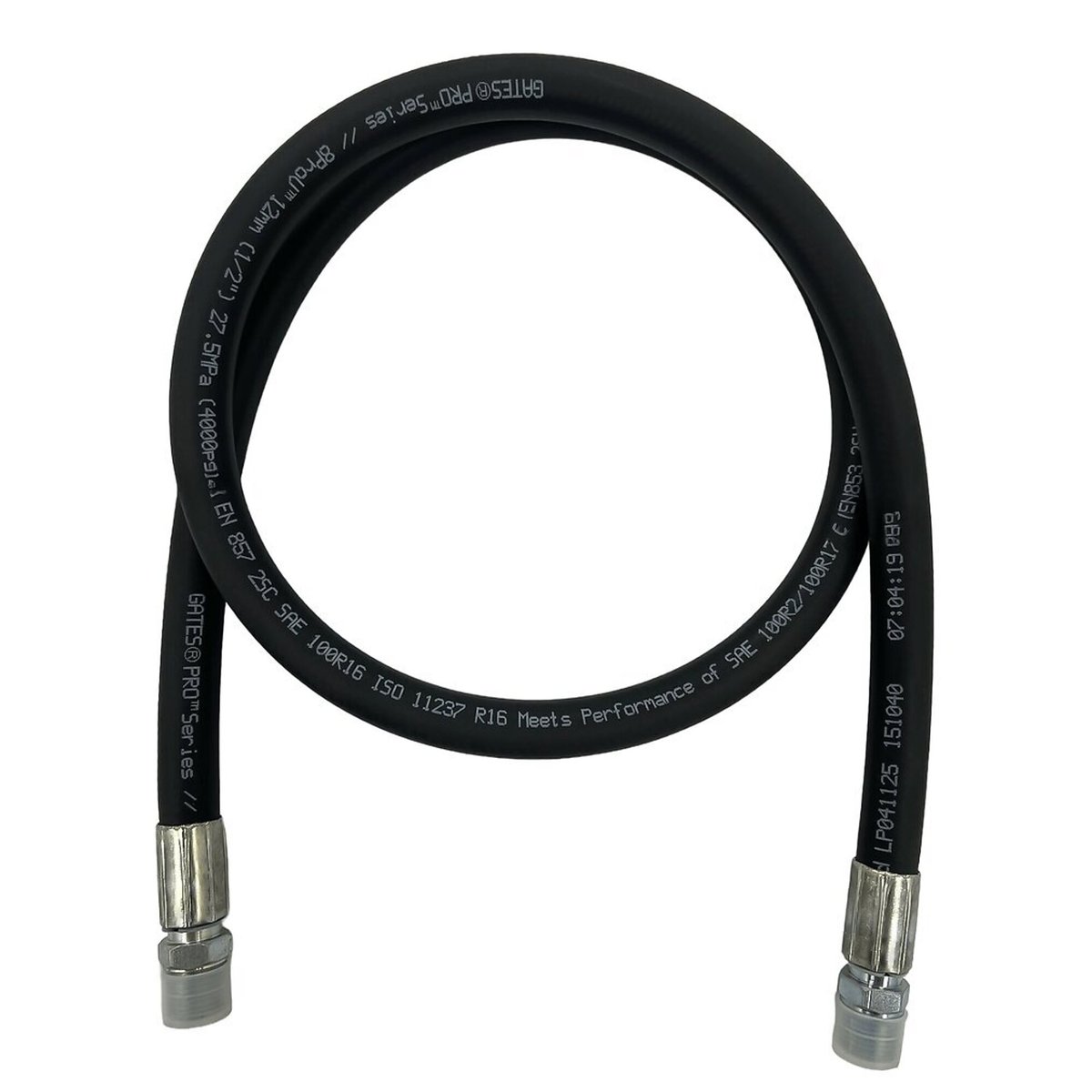
Item # 7451293
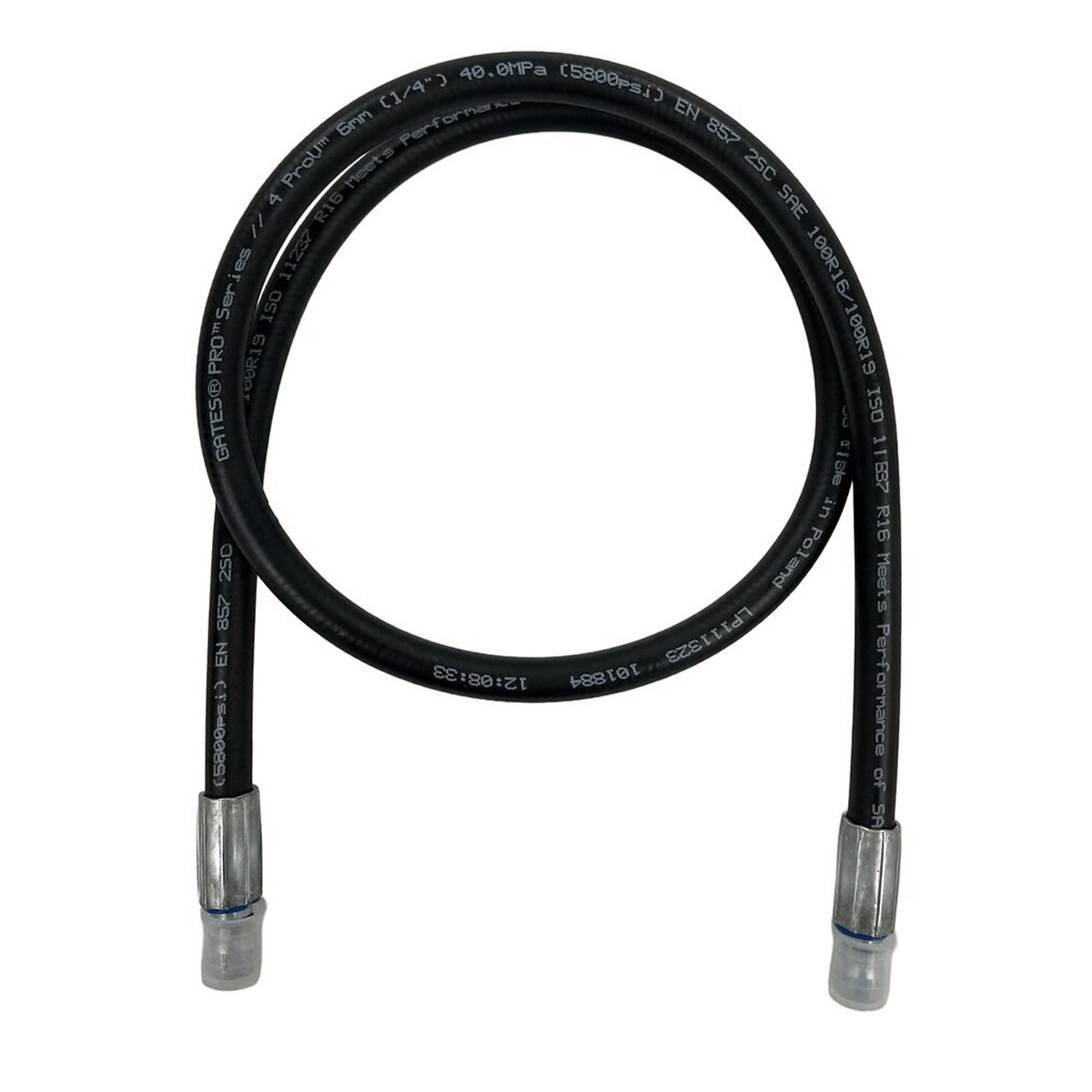
Item # 7451269
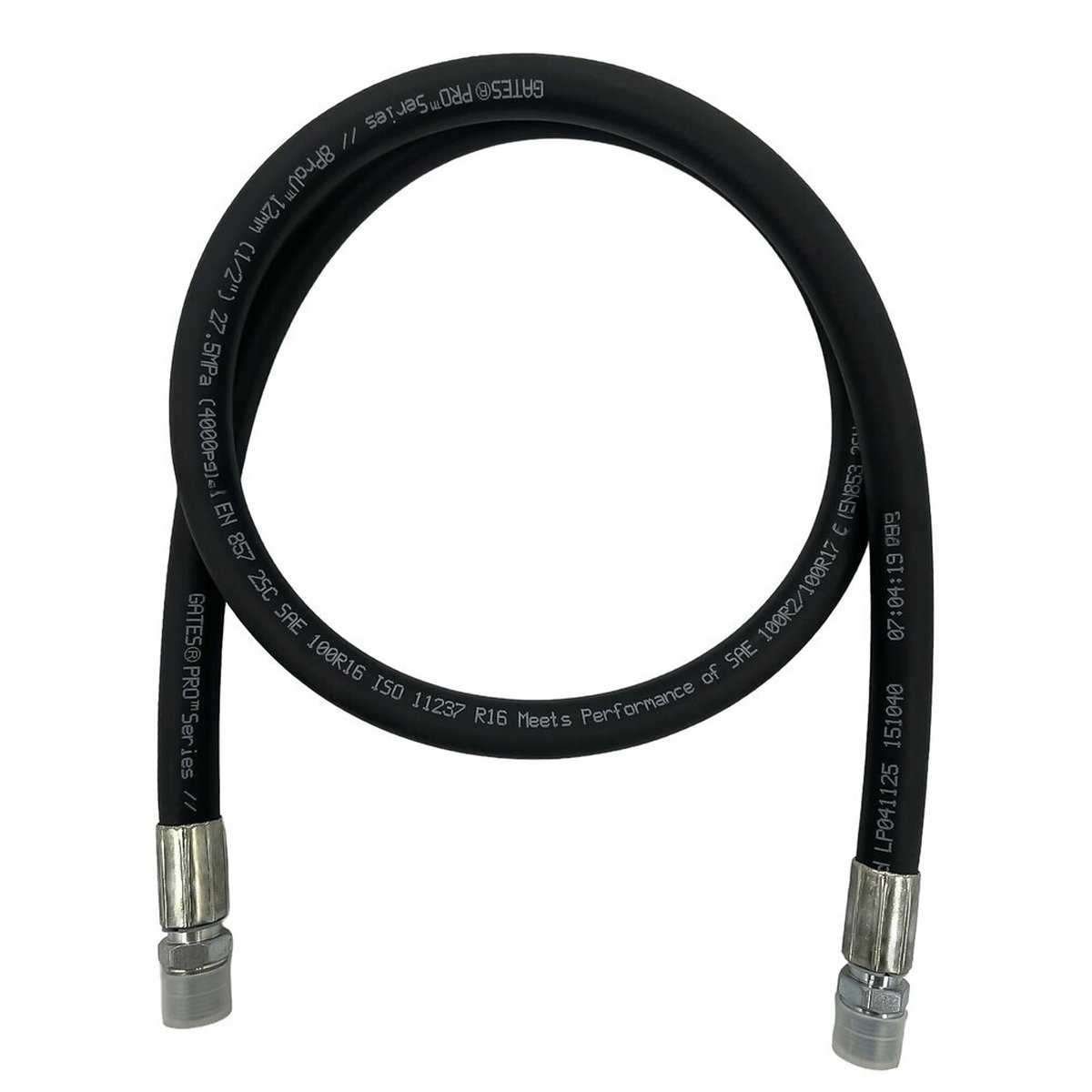
Item # 7451200
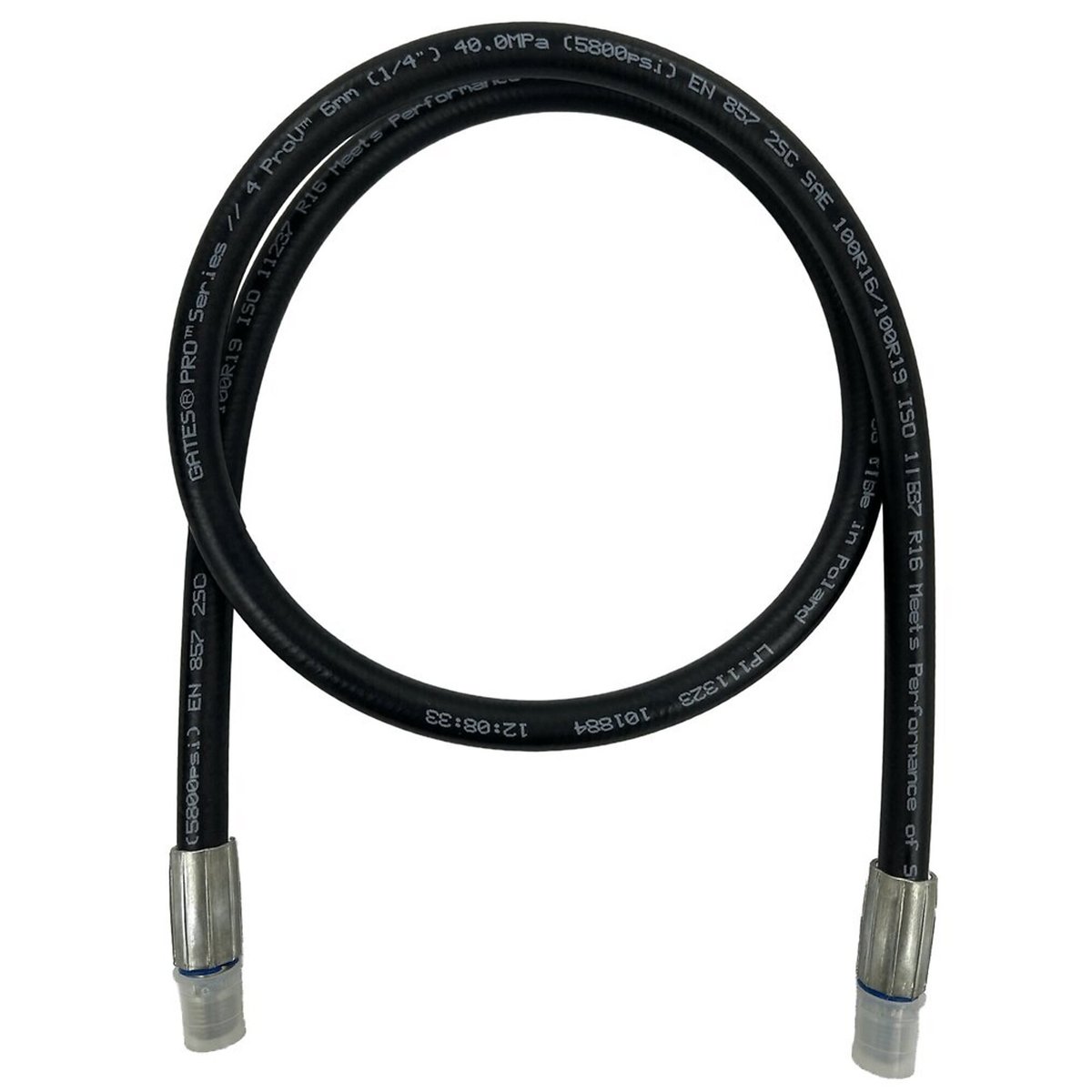
Item # 7451197
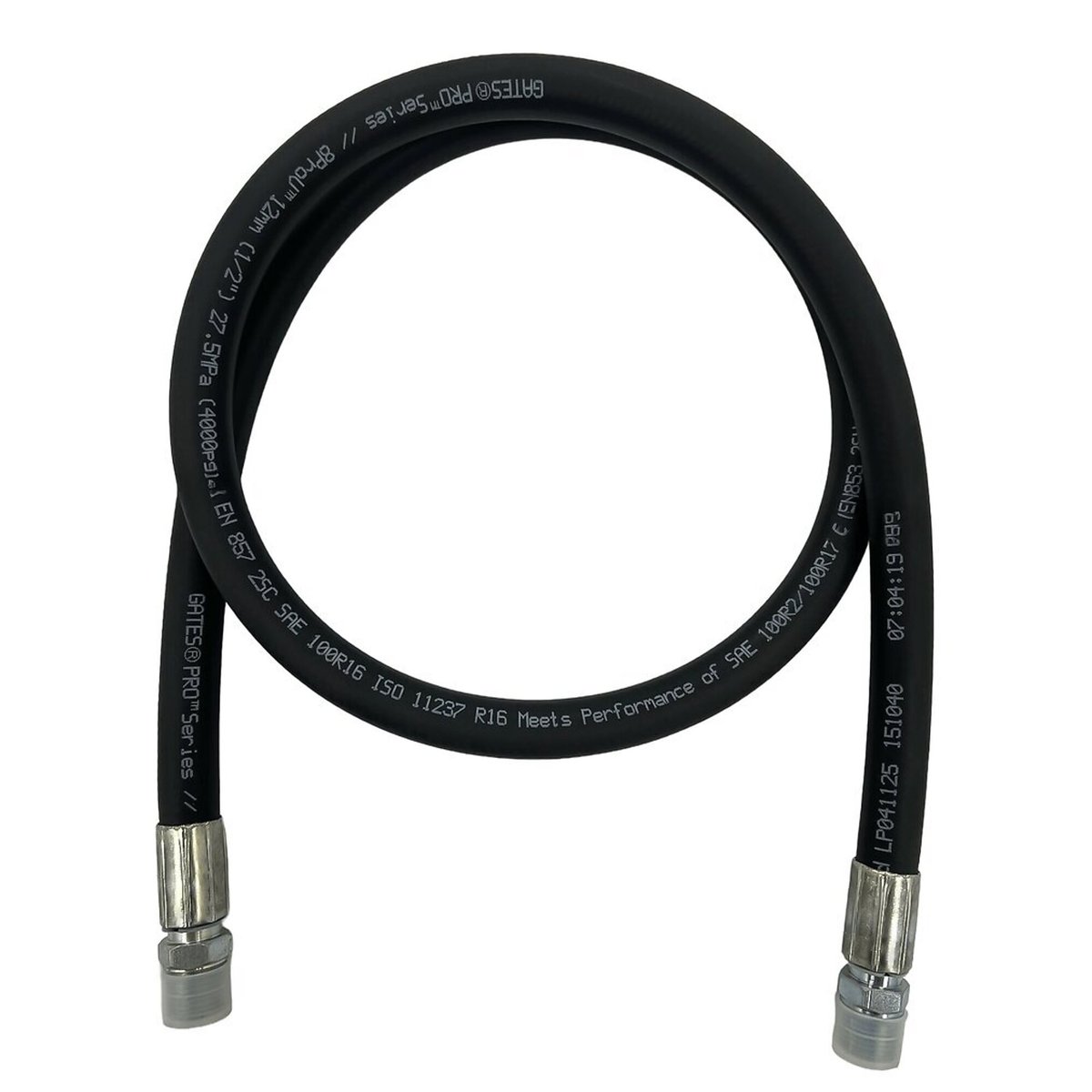
Item # 7451066
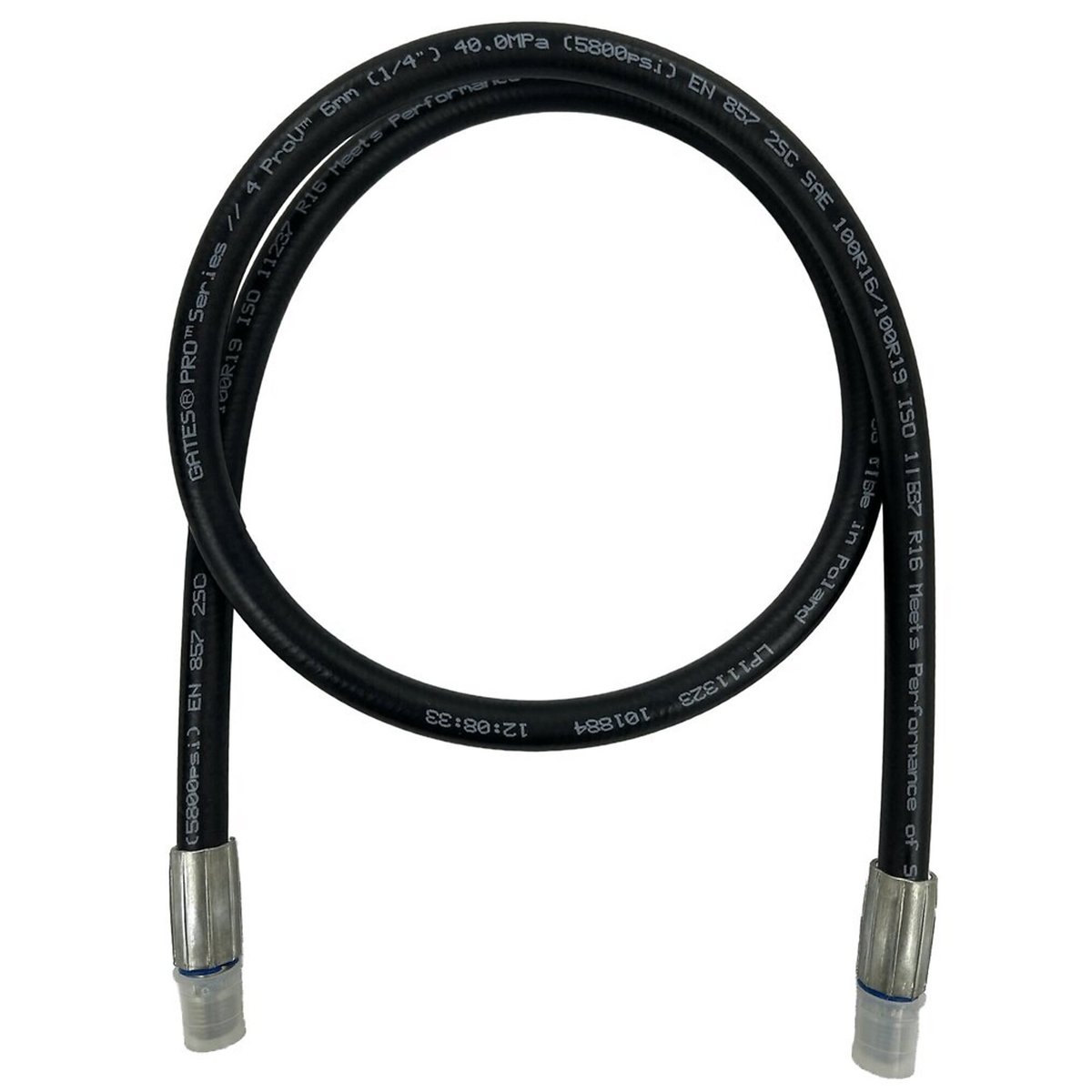
Item # 7450936
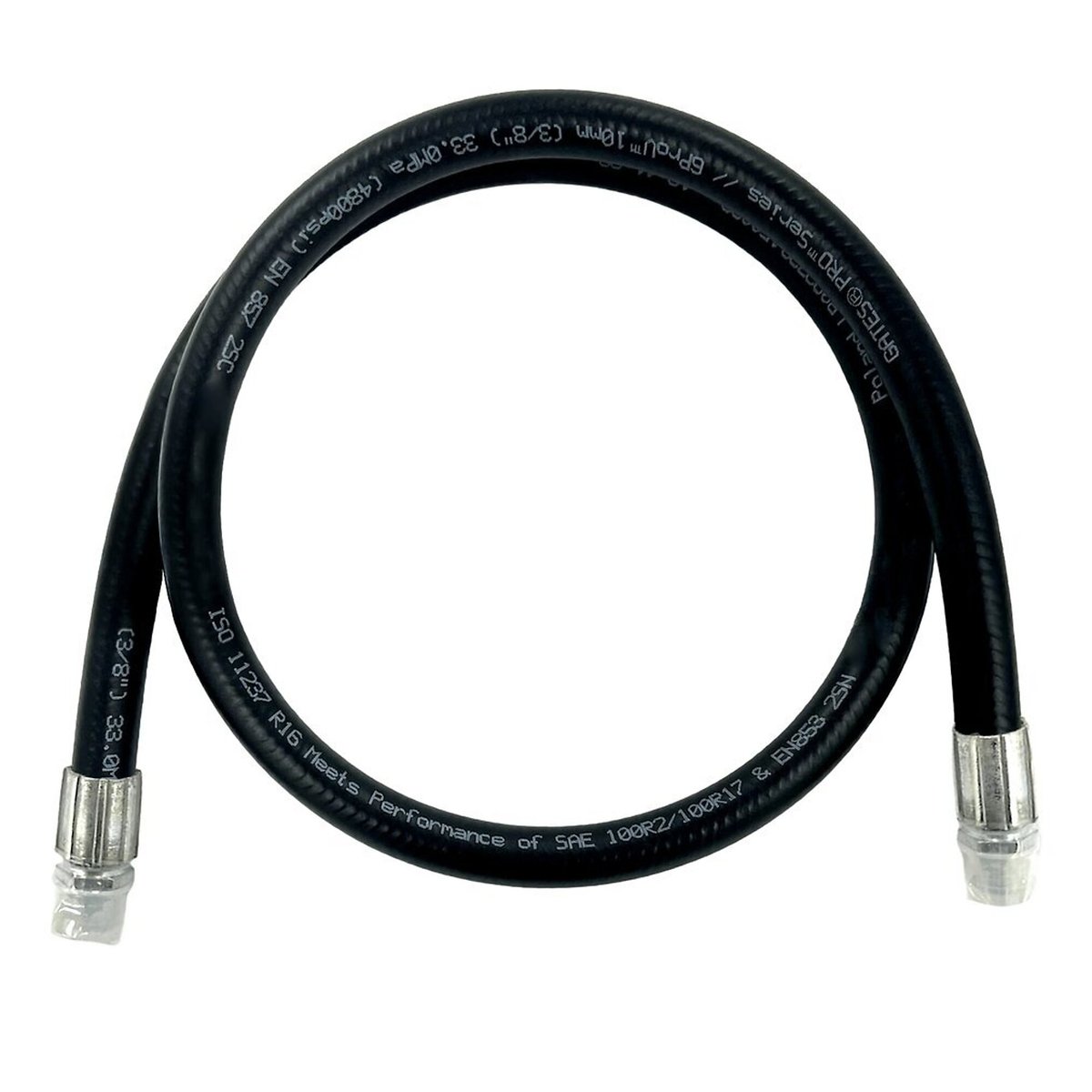
Item # 7451285
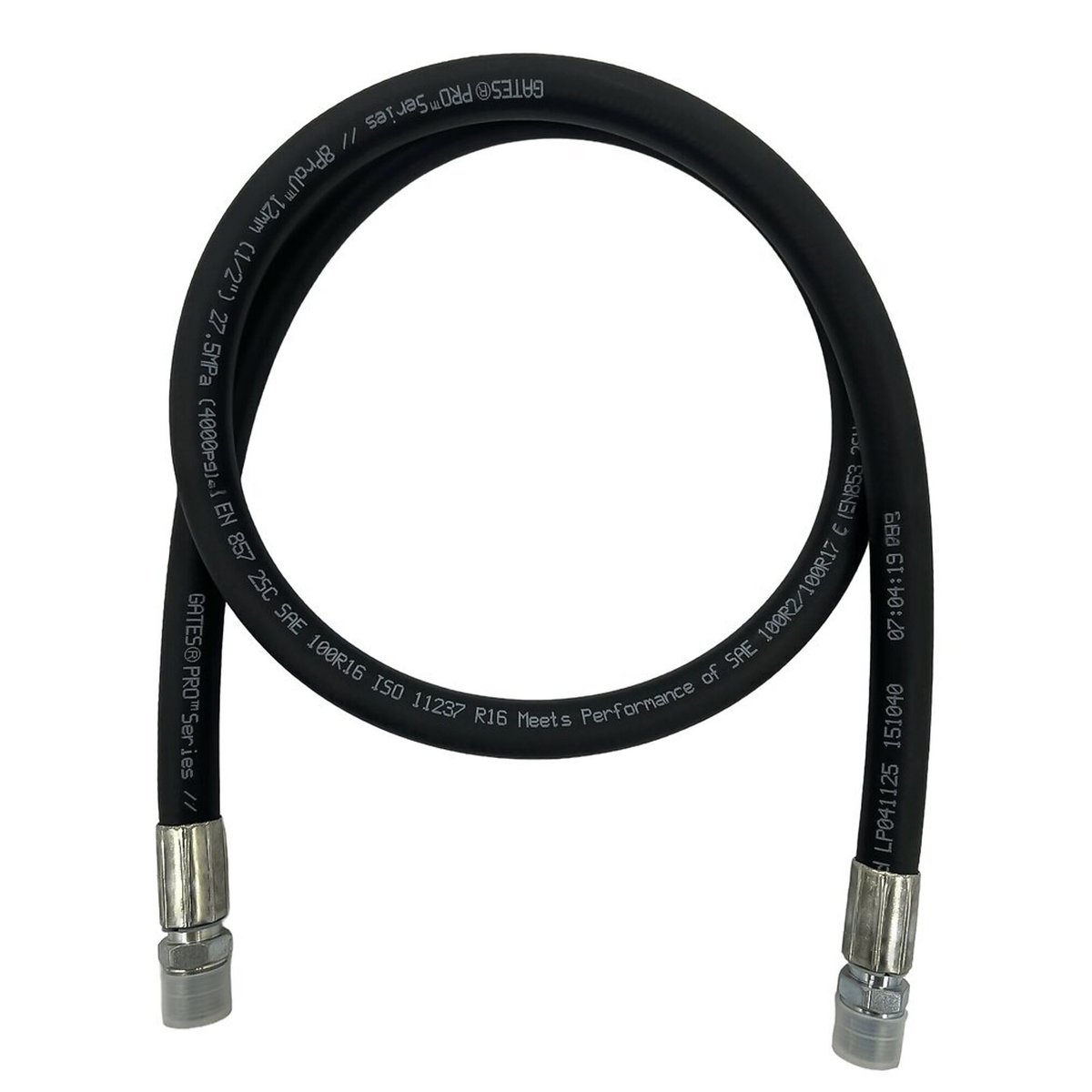
Item # 7451171
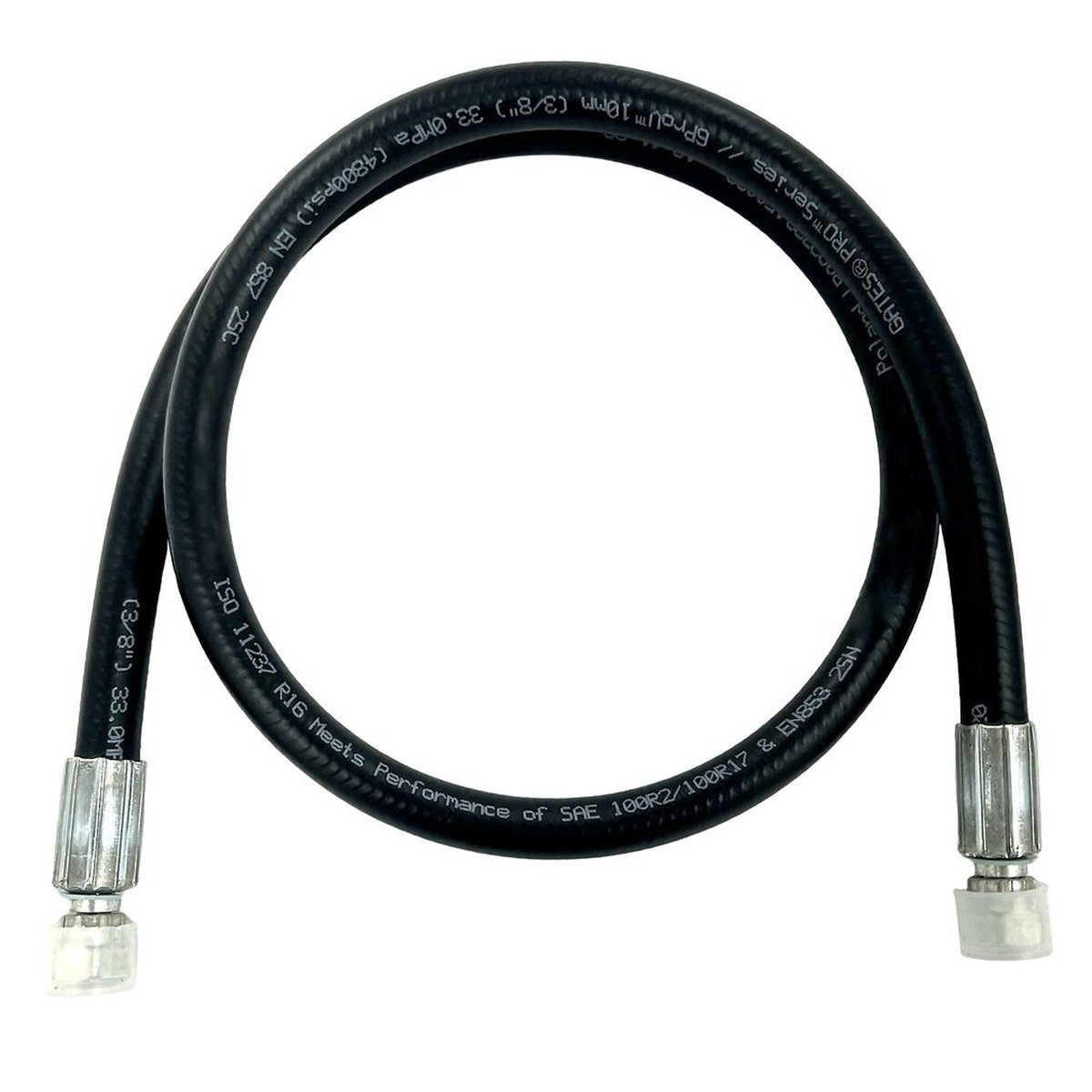
Item # 7451120
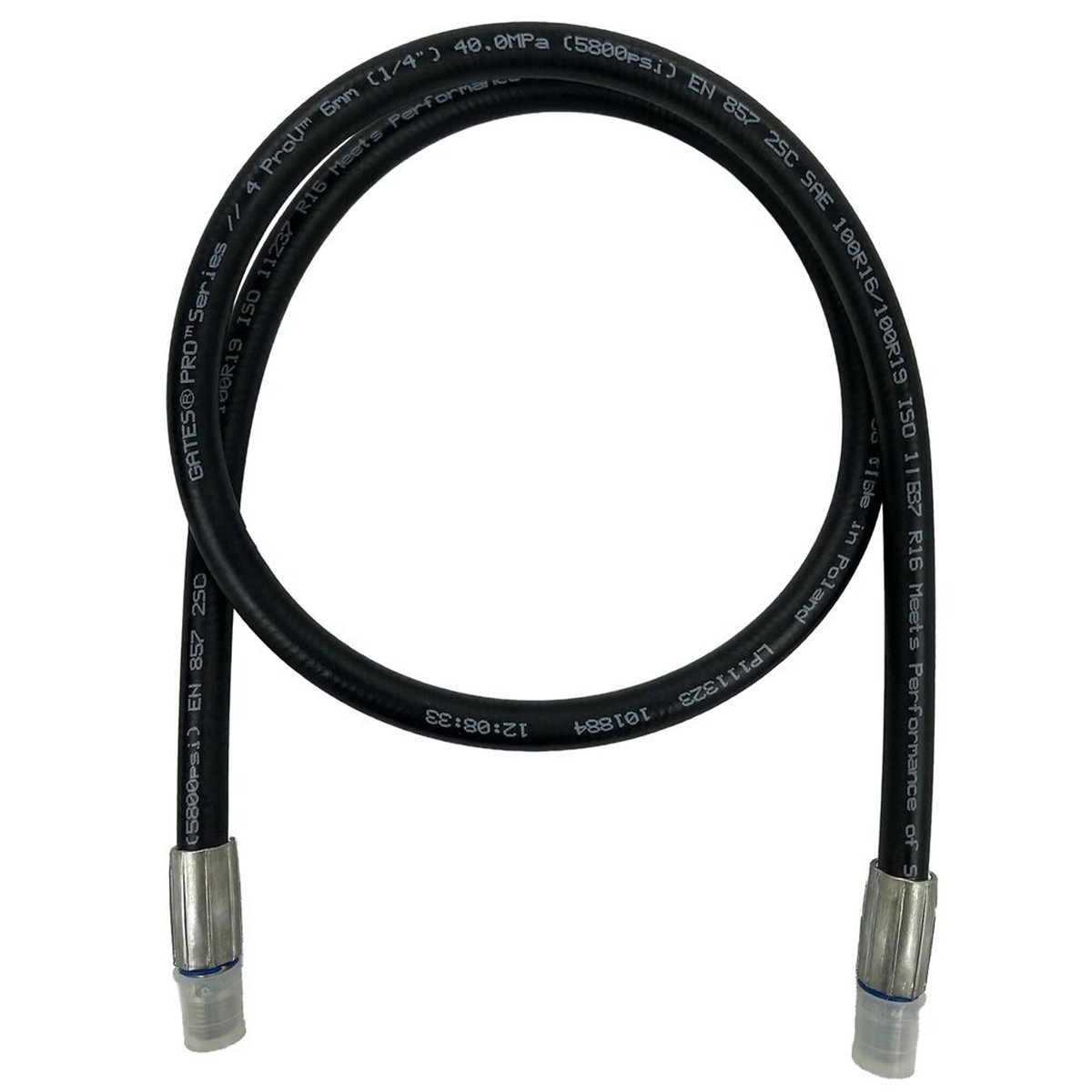
Item # 7451023
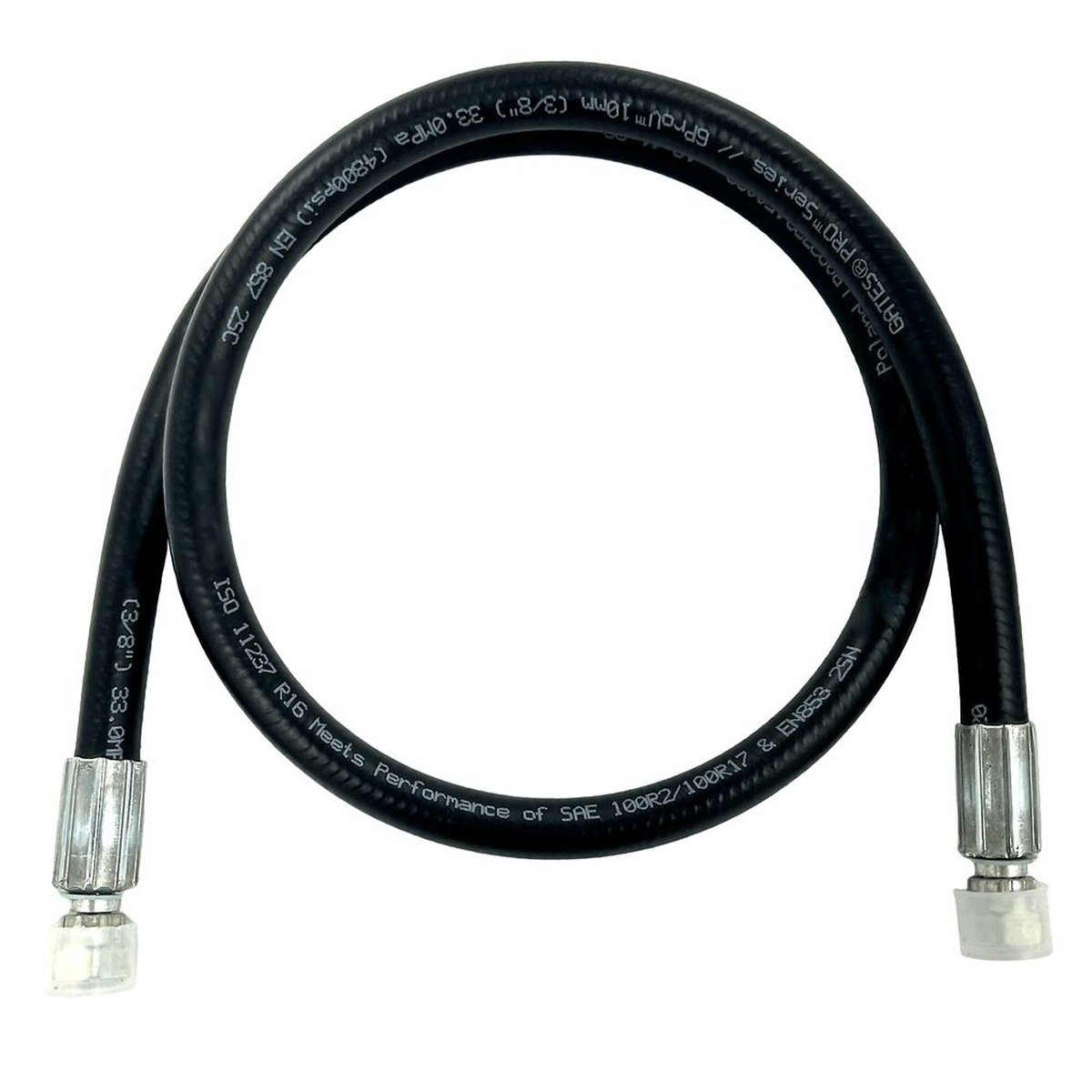
Item # 7450979
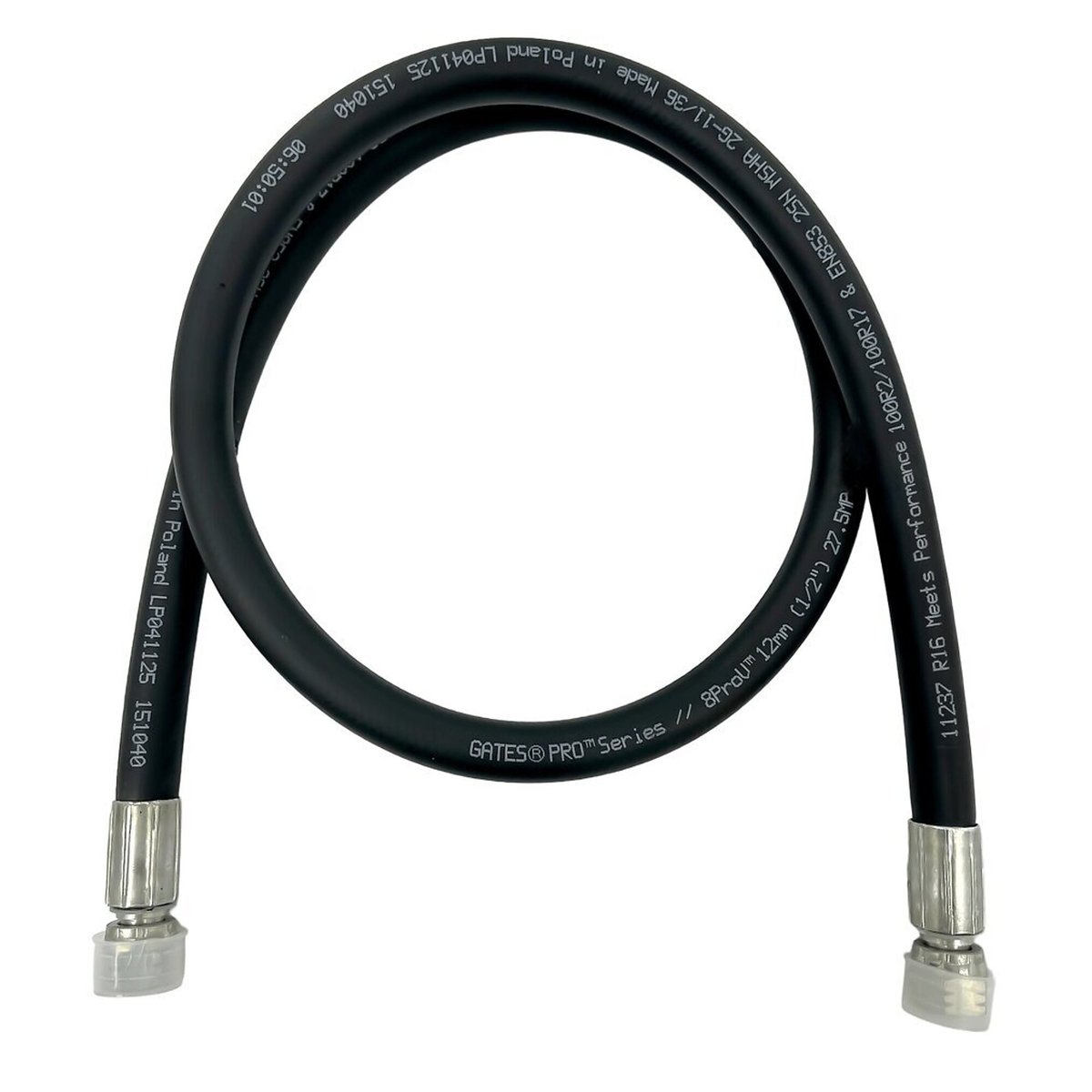
Item # 7450910
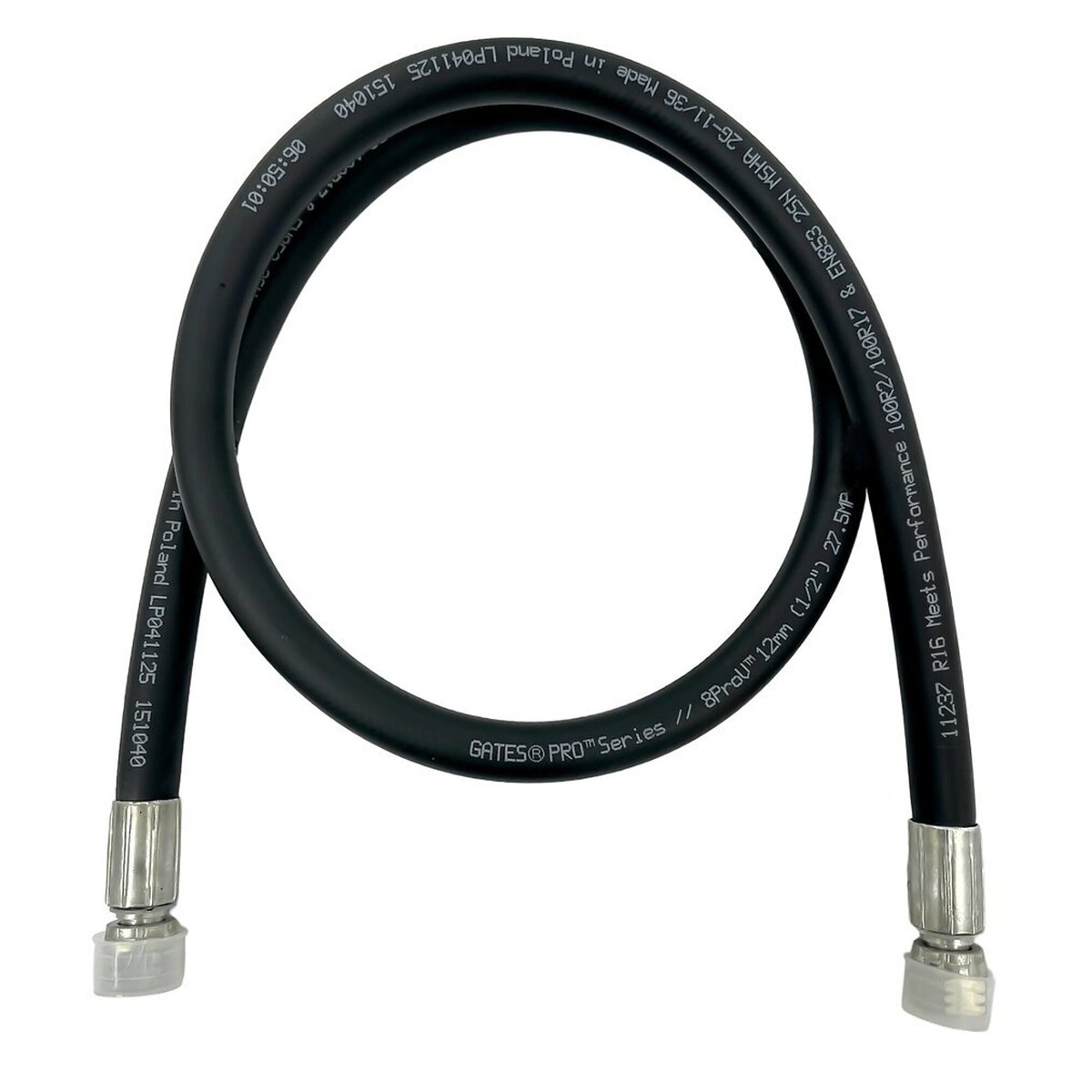
Item # 7451015
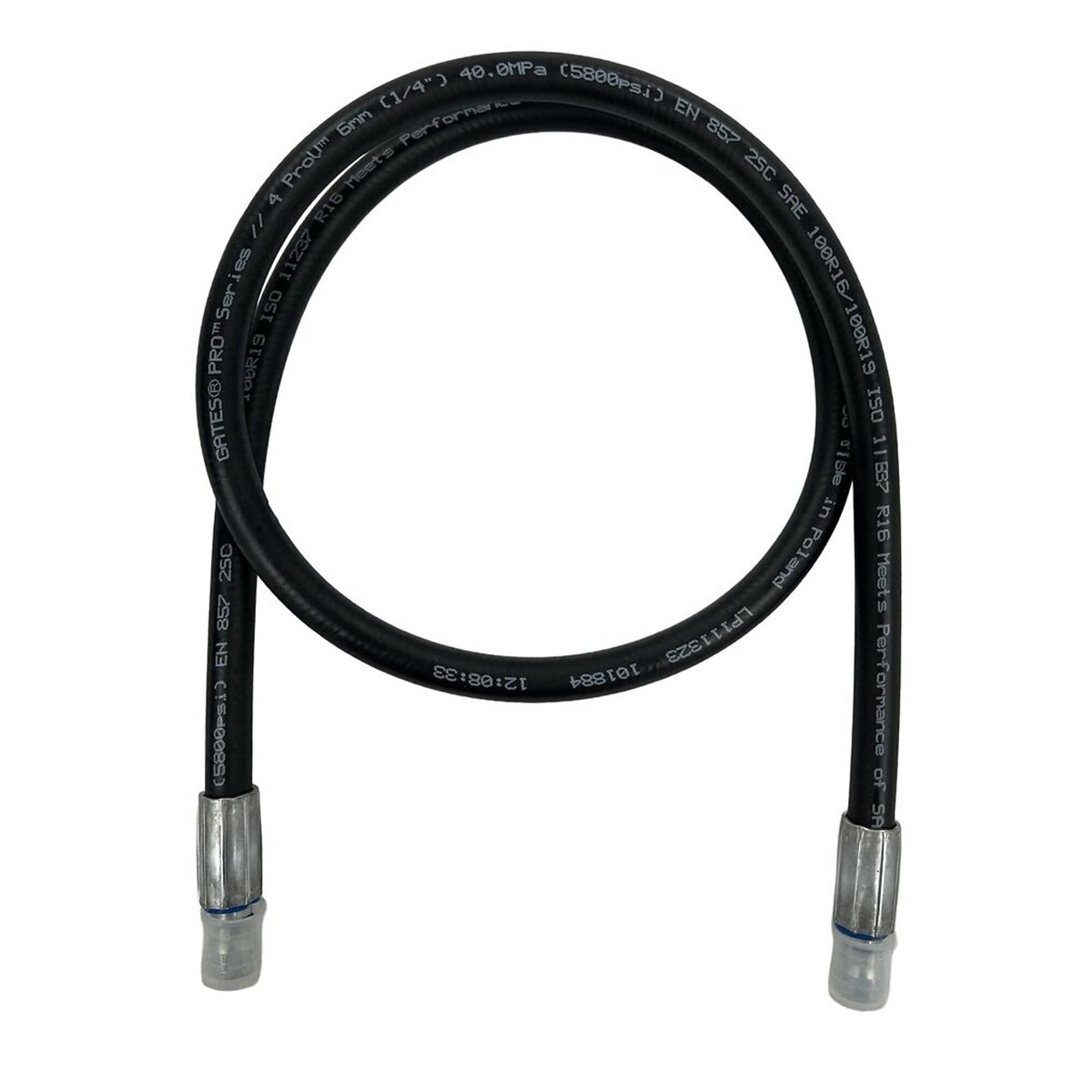
Item # 7450928
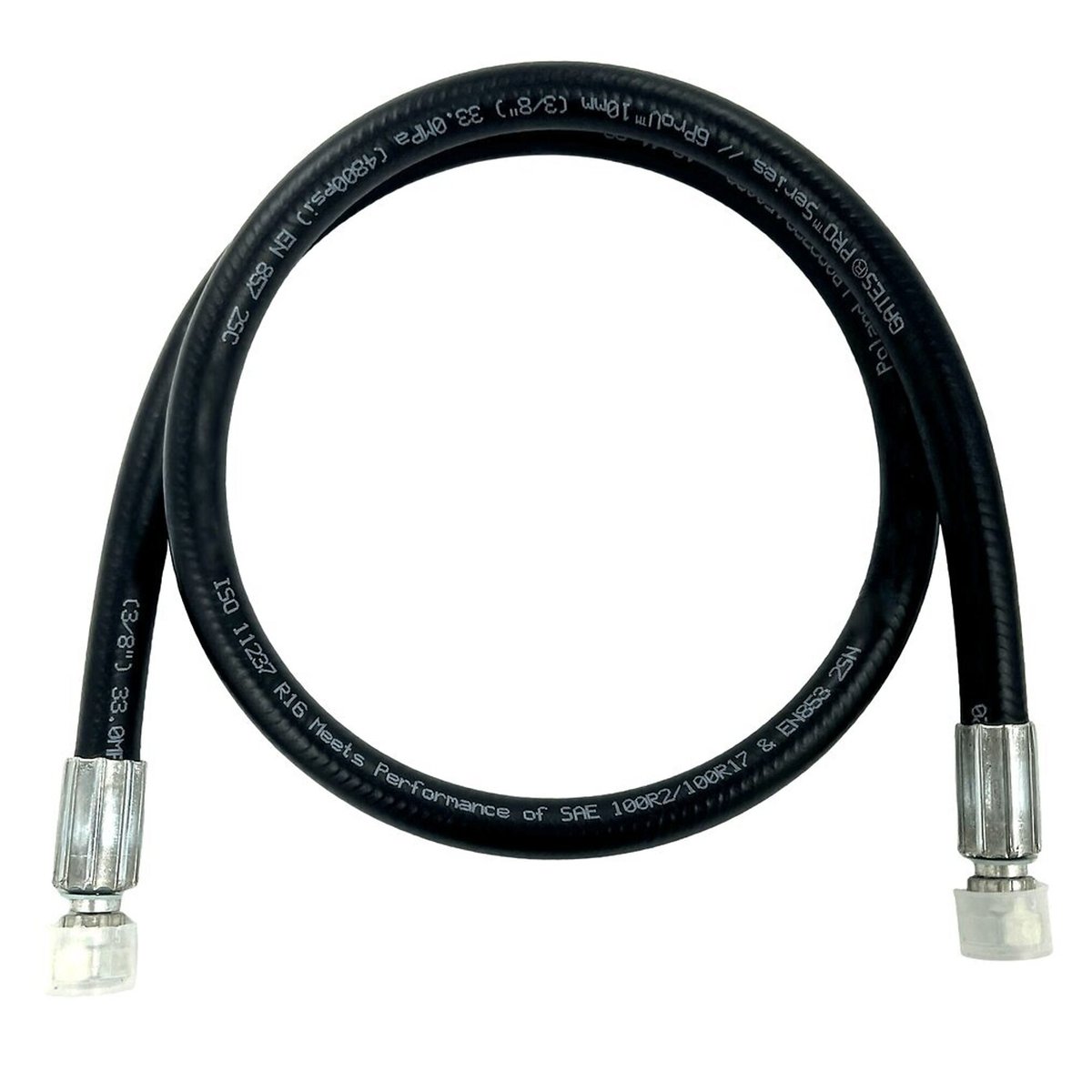
Item # 7450995
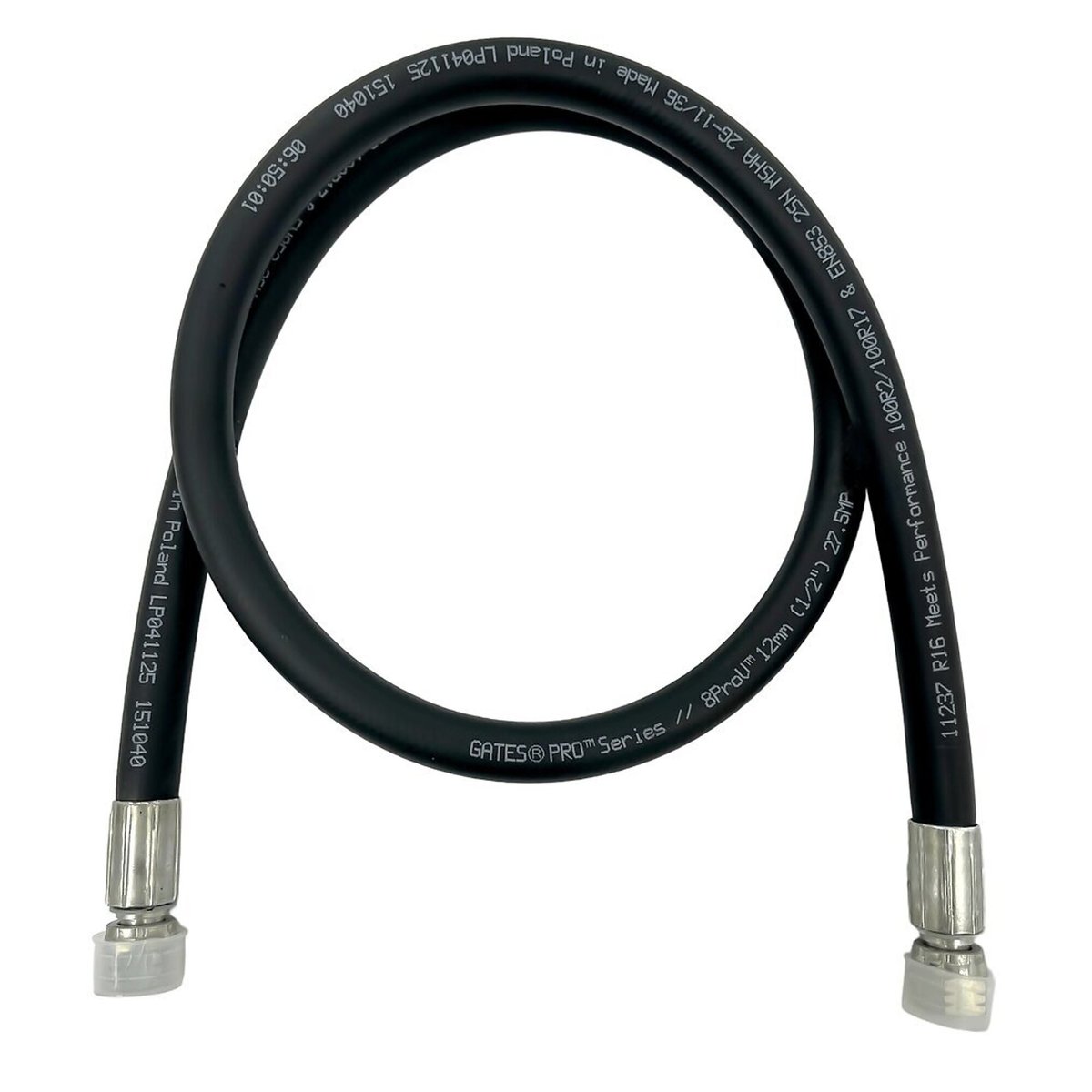
Item # 7450952
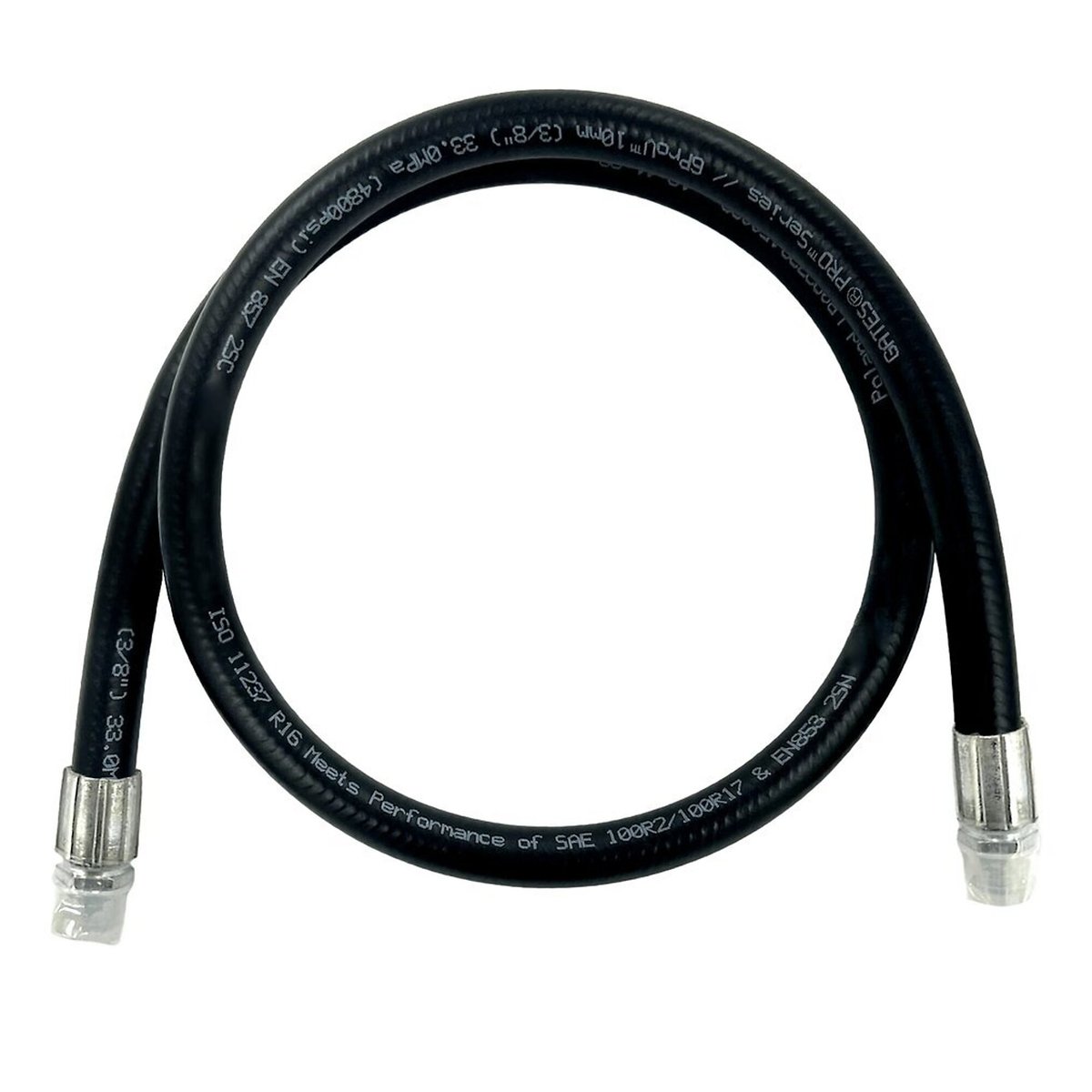
Item # 7451082
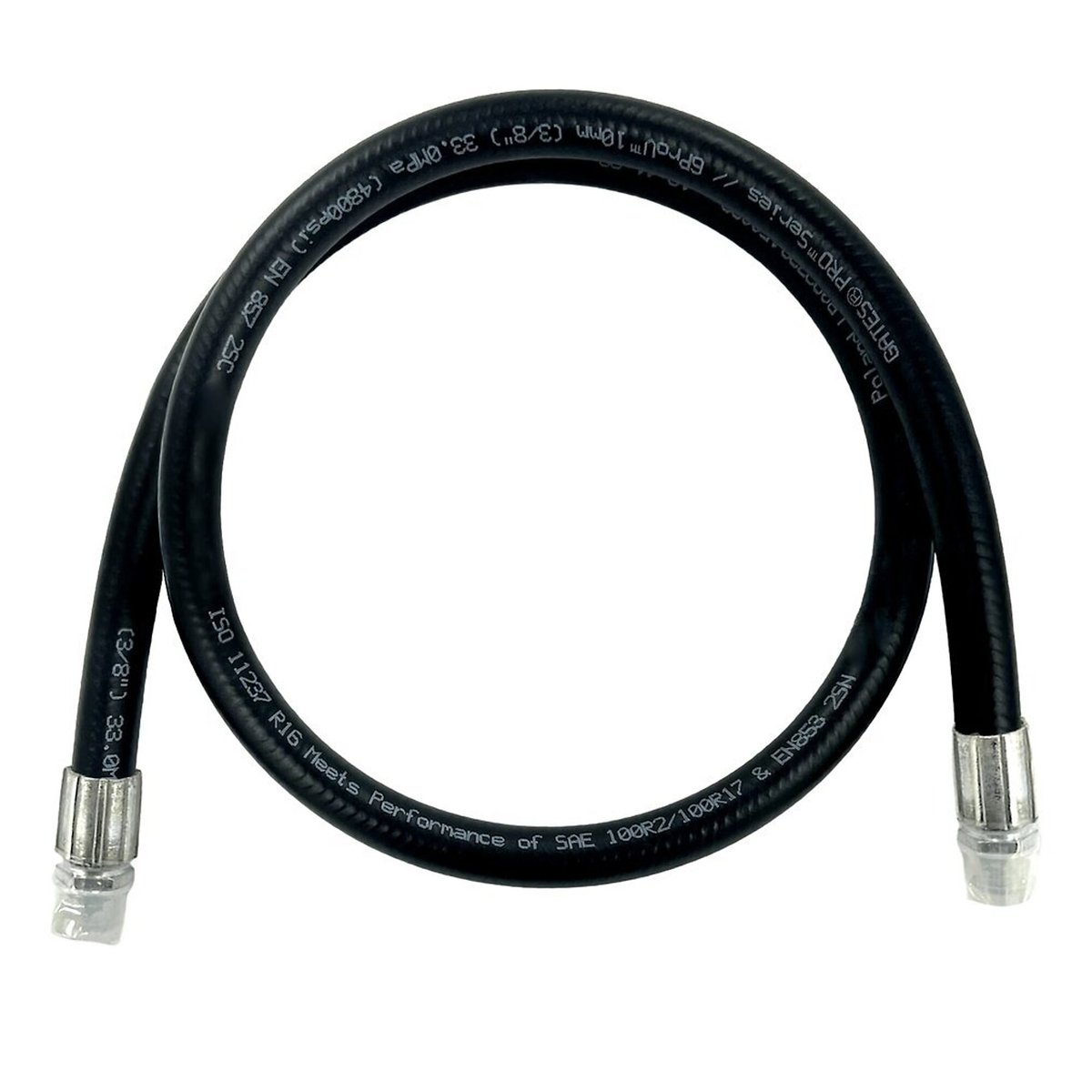
Item # 7450899
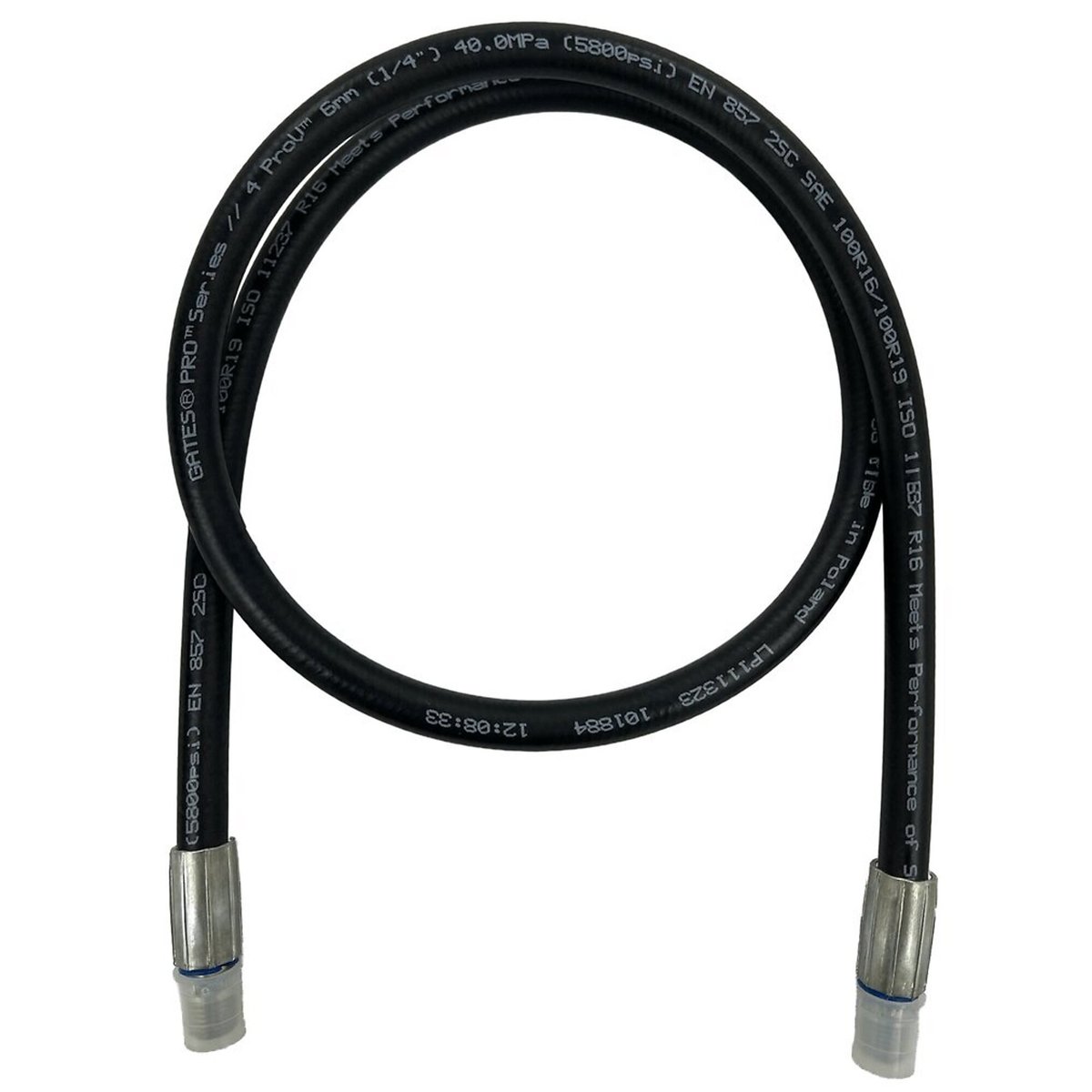
Item # 7451138
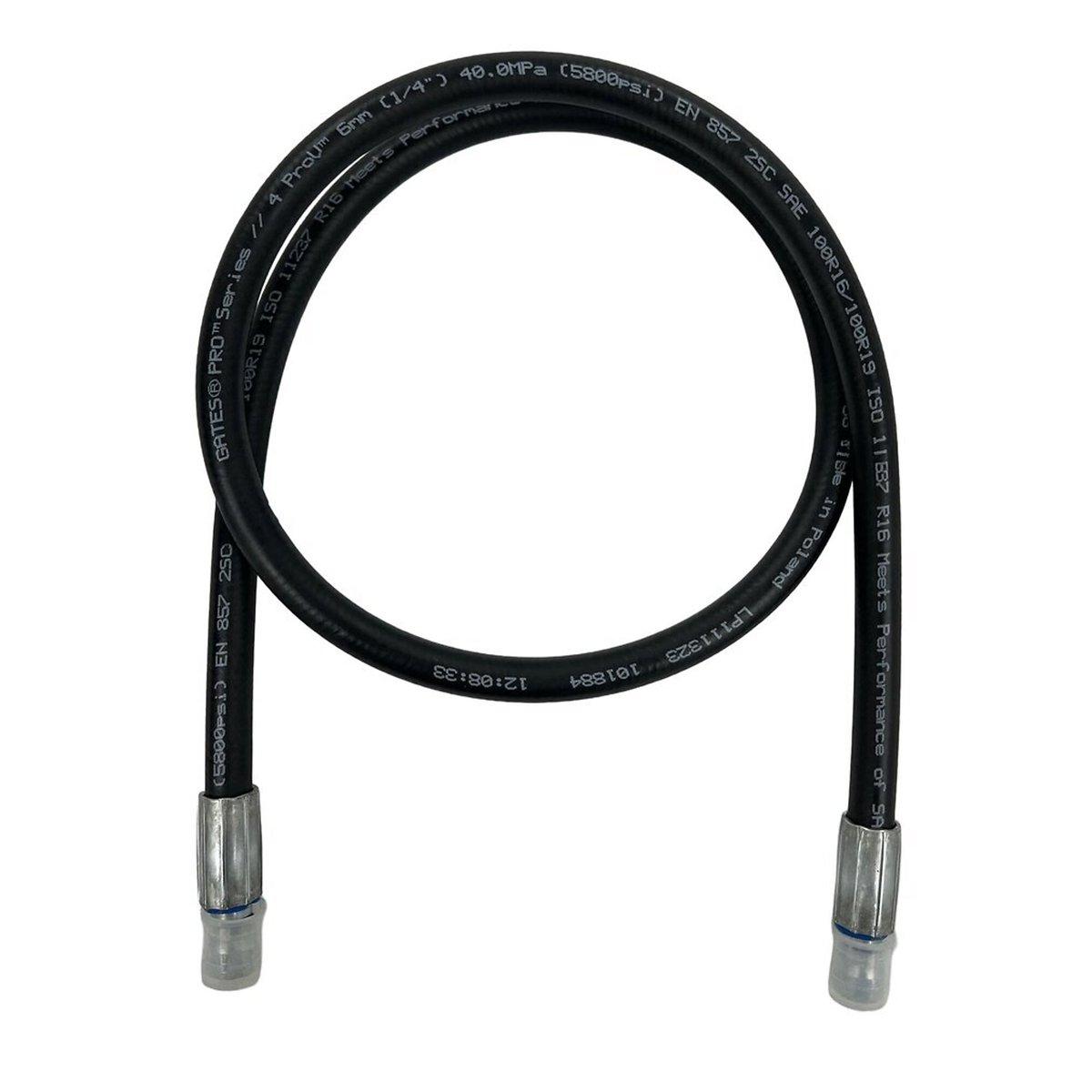
Item # 7451103
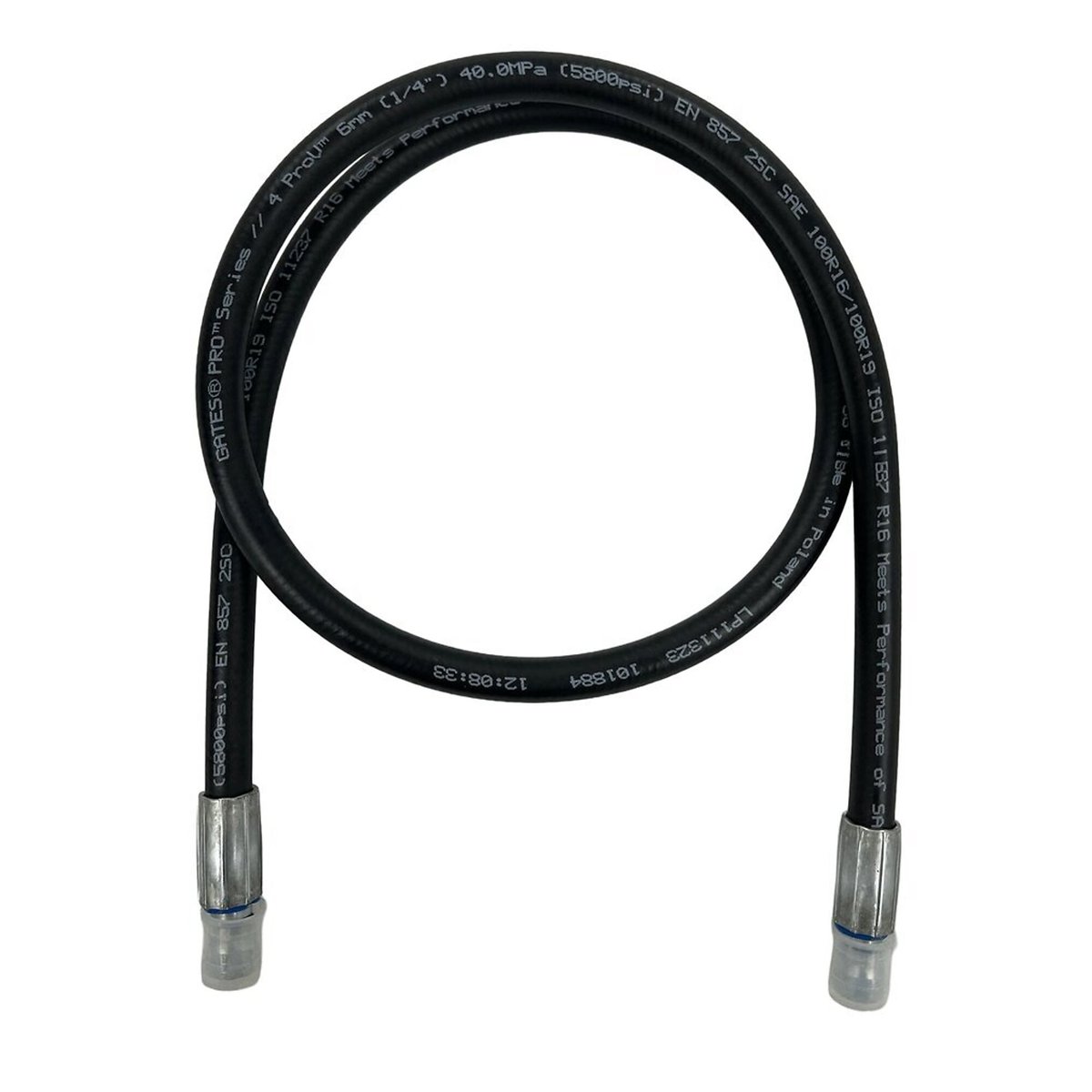
Item # 7450944
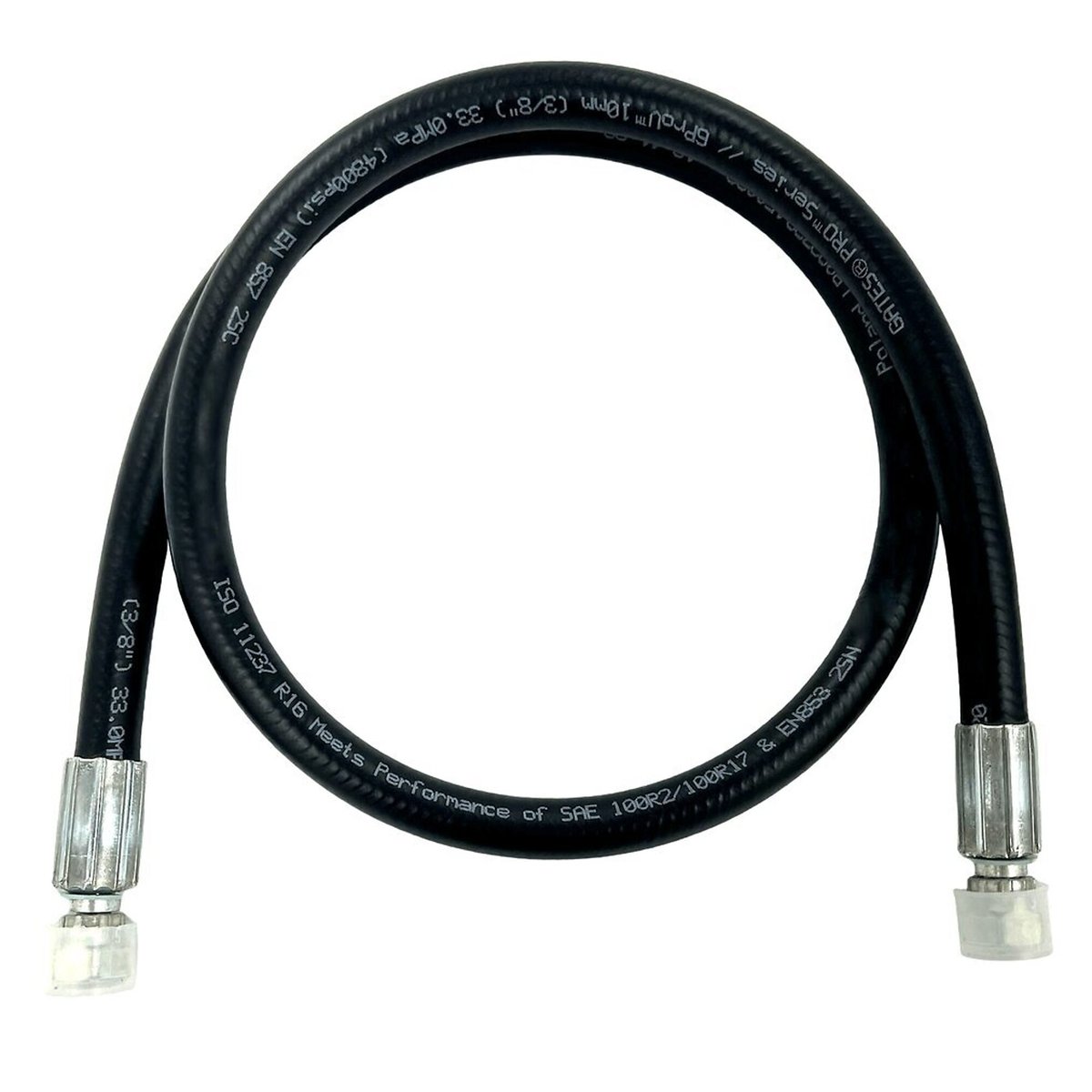
Item # 7451074
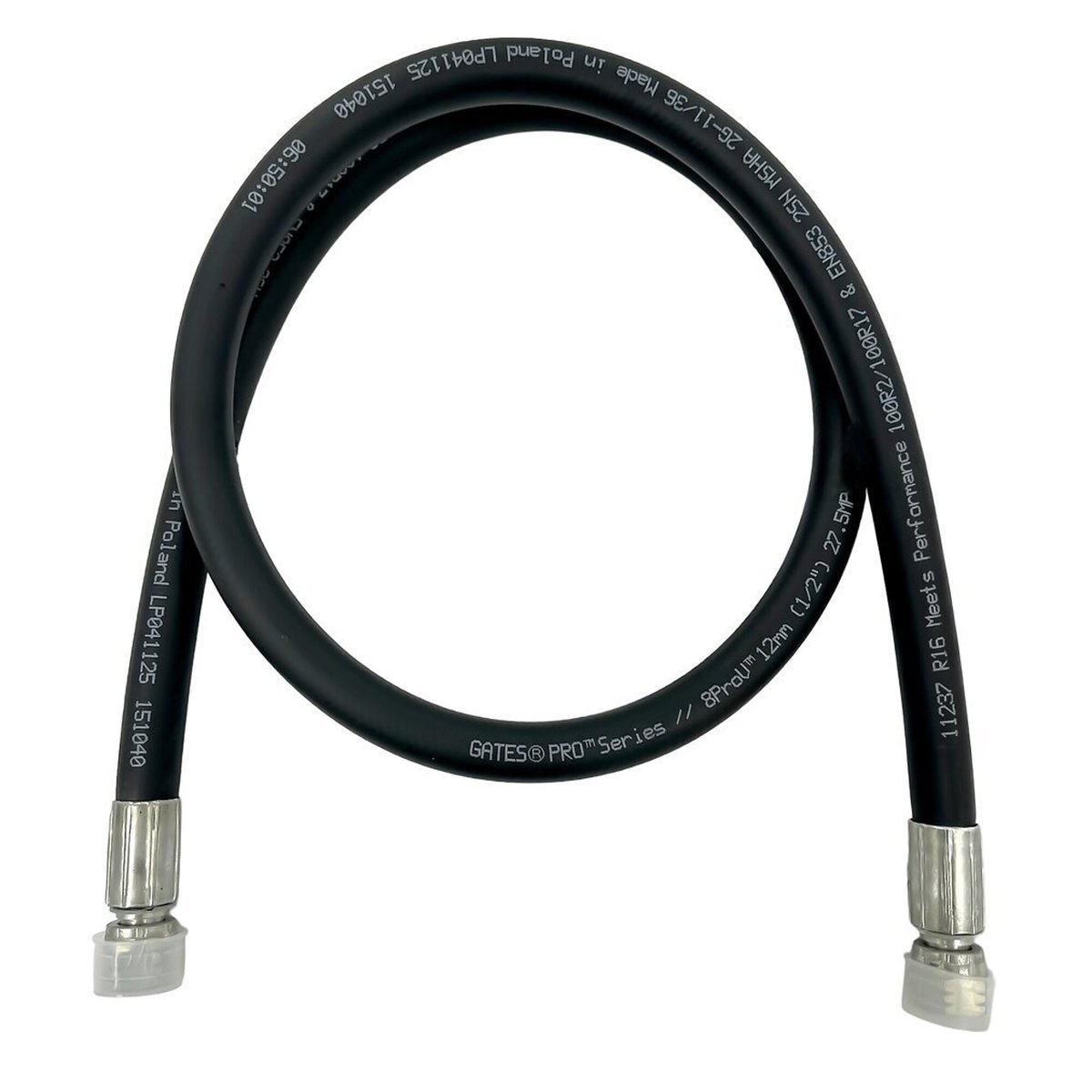
Item # 7451058
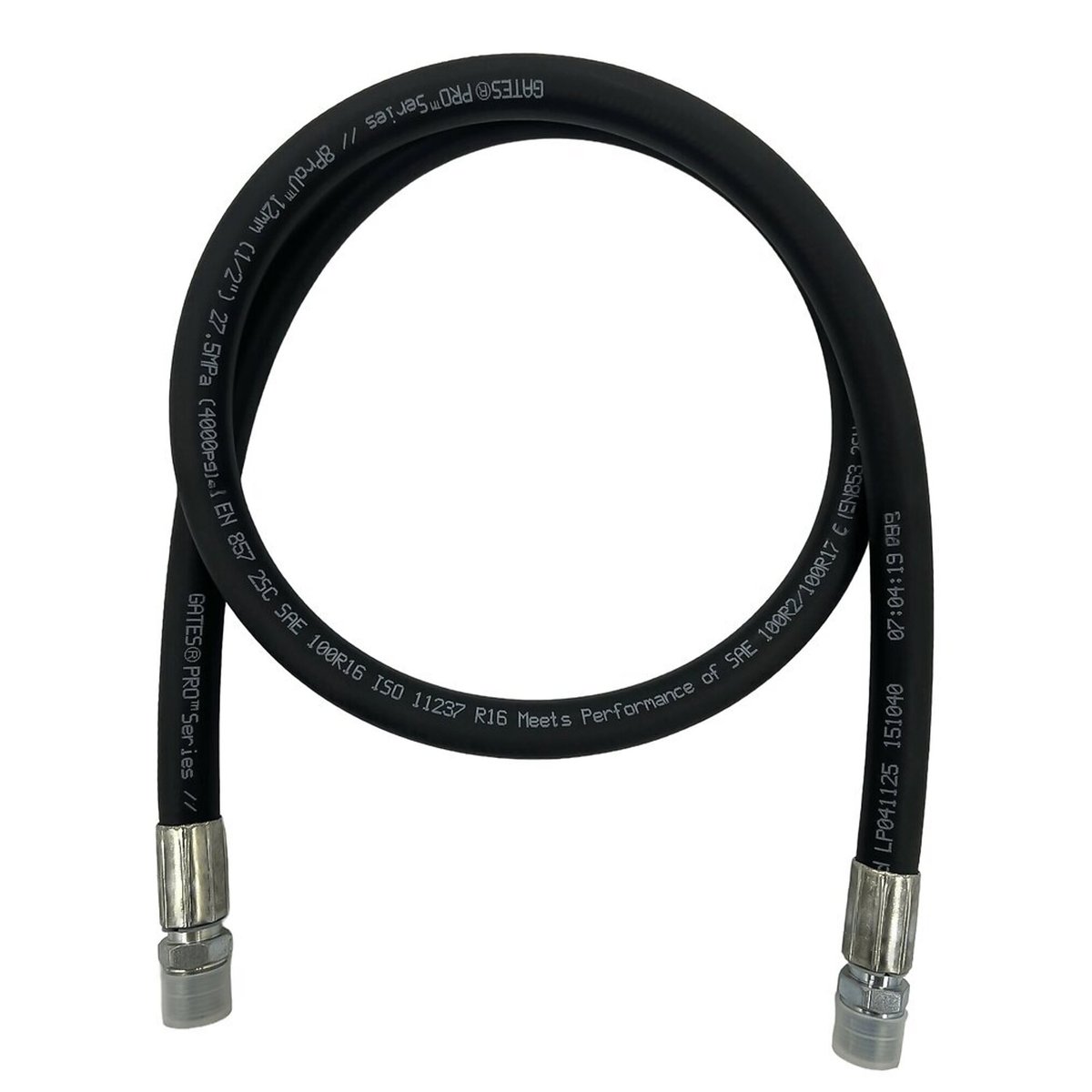
Item # 7451040
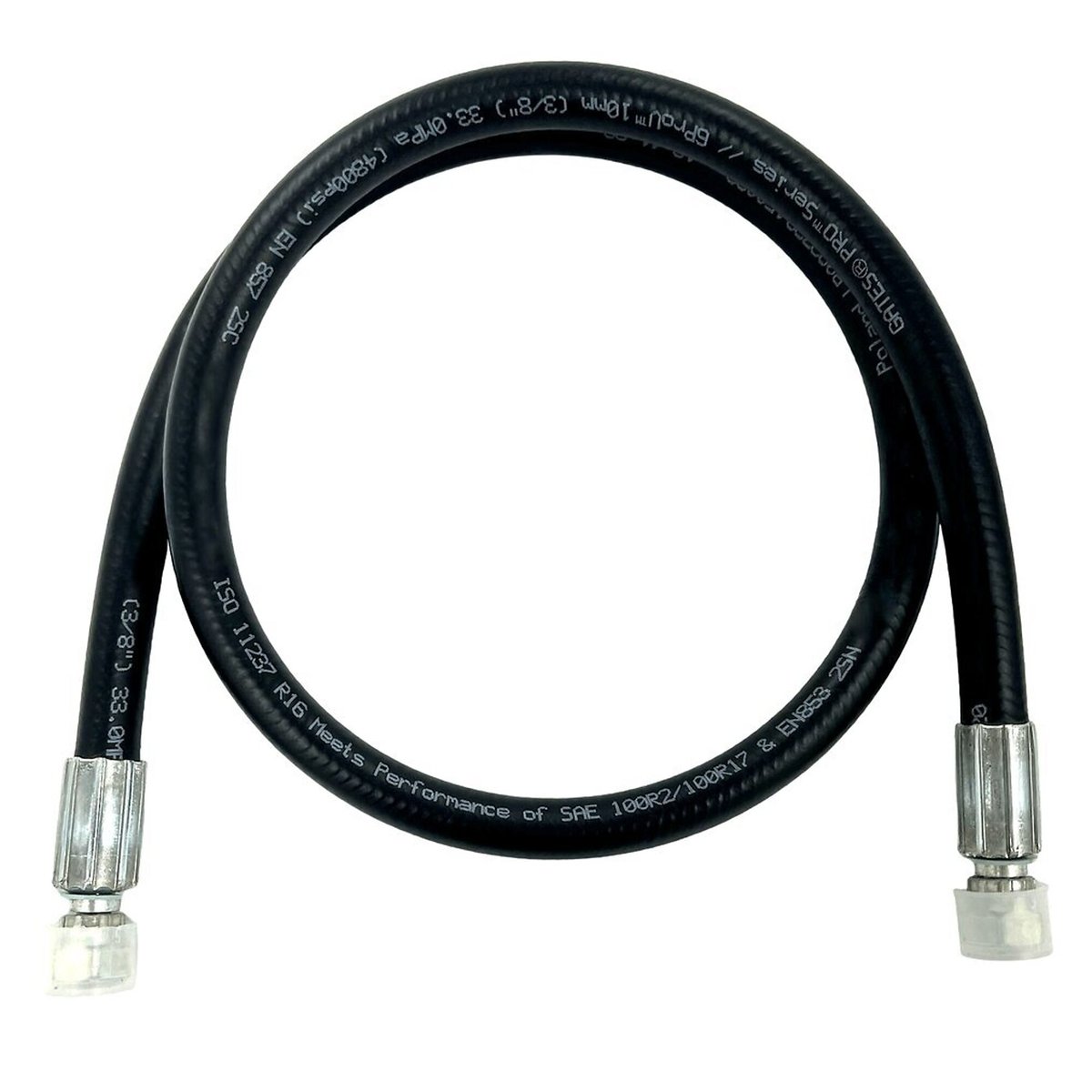
Item # 7450881
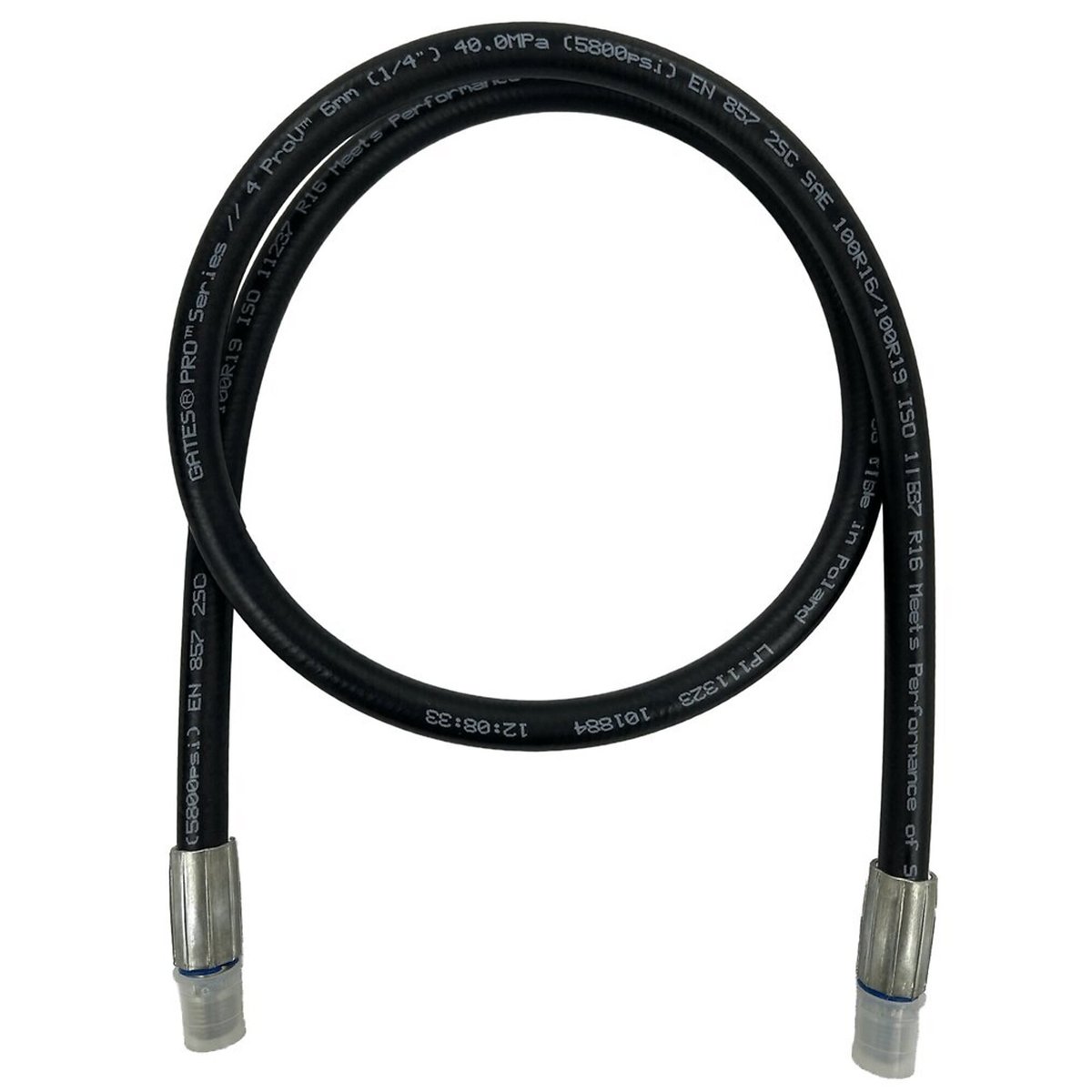
Item # 7451242
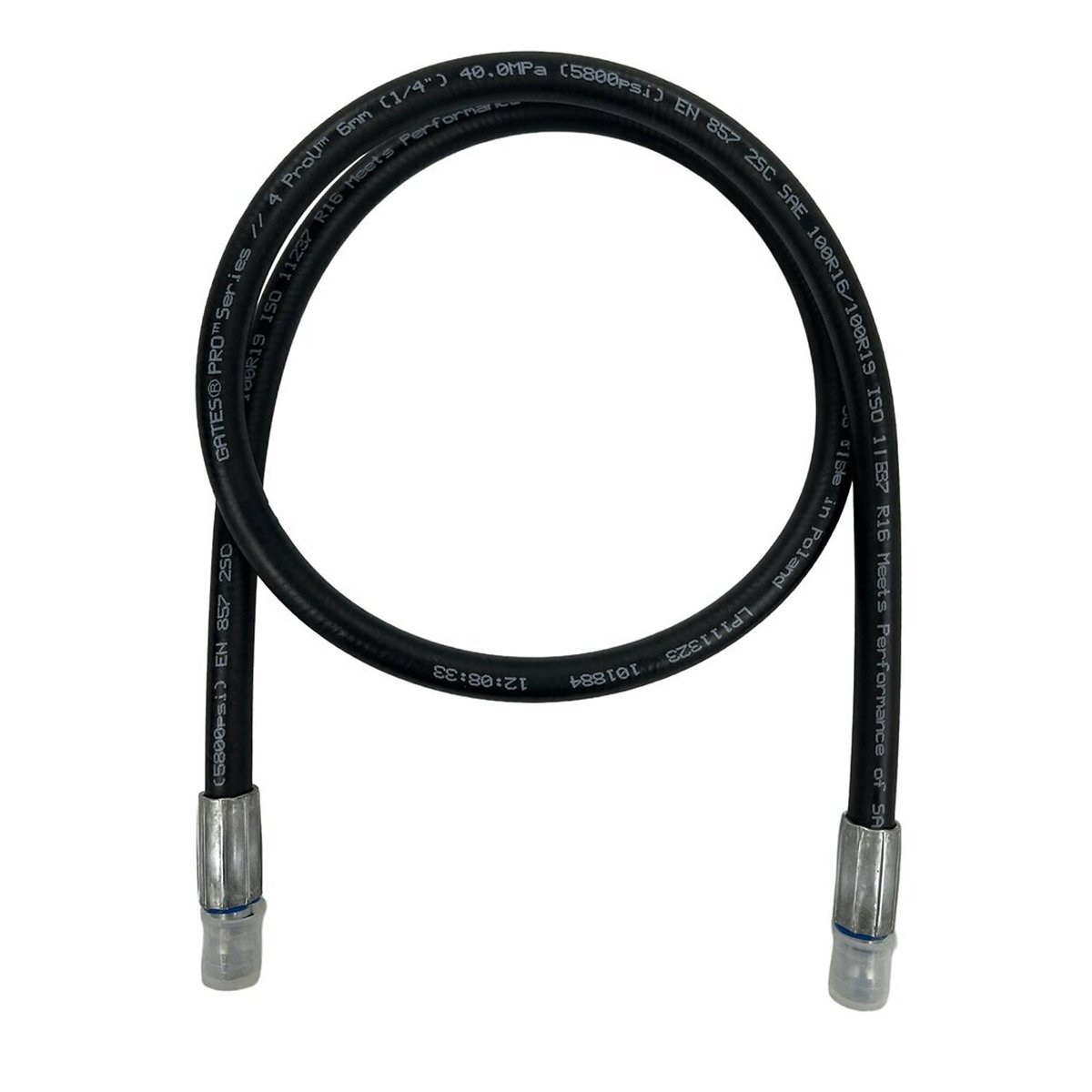
Item # 7451277
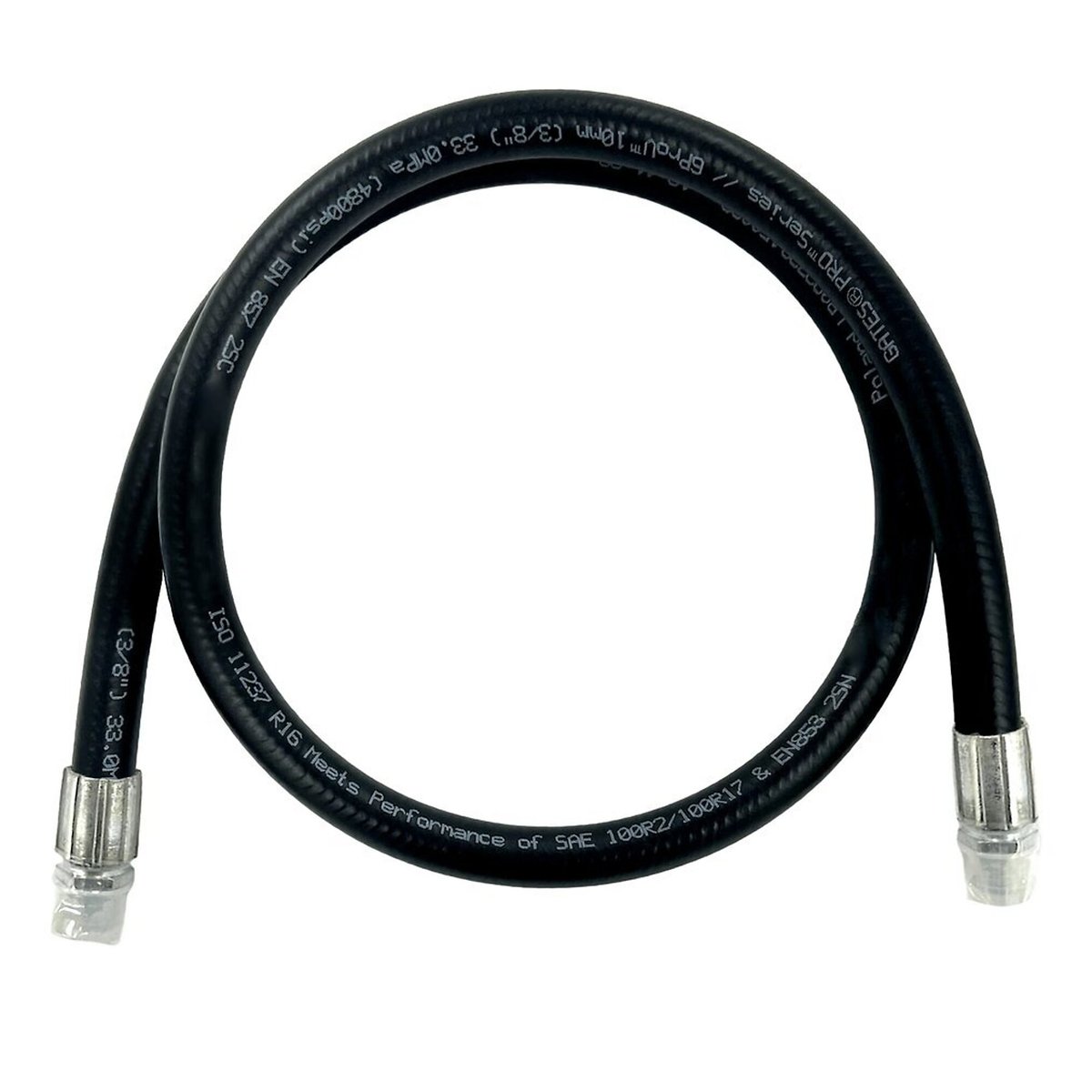
Item # 7451189
Did You Find What You Were Looking For?
Hydraulic Hoses
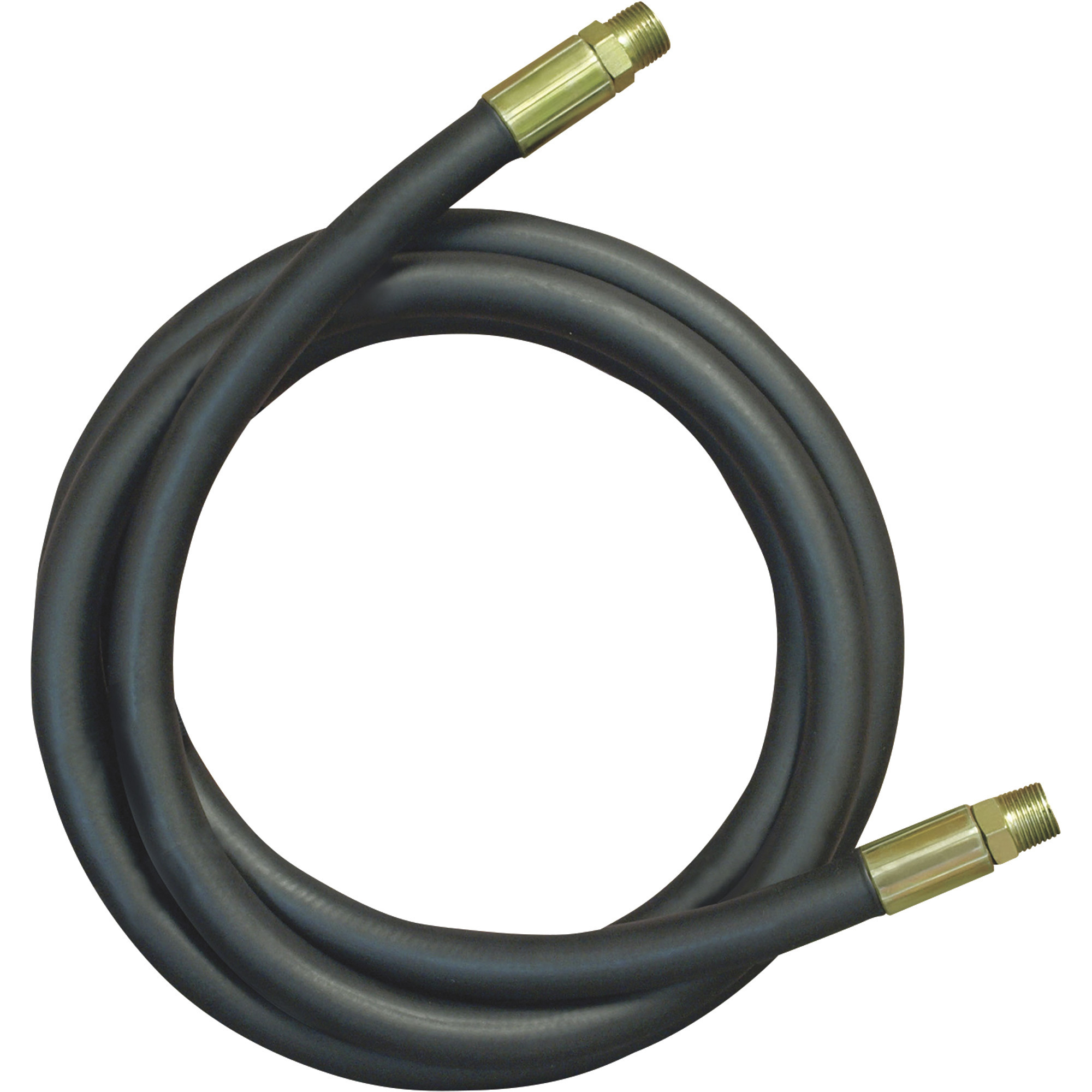
Our hydraulic hoses are designed for use with petroleum-based and water-based hydraulic fluids. They can handle gasoline, diesel fuels, mineral oils, glycol, lubricating oils and more. High-pressure hydraulic hoses from Northern Tool can be used in a wide range of applications such as construction, machinery and equipment, and agriculture. Hydraulic hoses come in different lengths, diameters, and hose fitting sizes. All products meet or exceed SAE specifications for connection and safety. Brands include Apache and Universal. Hydraulic hoses are usually classified in two categories: comply with SAE standards (the Society of Automotive Engineers) and EN standard hydraulic hoses (the European norm). The size of the hose is the most basic and essential factor in selection. Sizing specifications include the inner diameter, the outer diameter, and the length.
The length of the hydraulic hose is the maximum reach between the end-points. Longer length can increase pressure decrease in the system. Hose length loses pressure due to friction. Use the least amount of hose necessary. The Inner Diameter (I.D.) is the empty space in a circular hose cross-section, it affects the velocity of the fluid inside the hose. A hose too wide an I.D. will result in slowed performance, due to lack of adequate pressure. While a hose that has too narrow an I.D. can cause leaks, and system damage, due to too high pressure. The Outer Diameter (O.D.) measures the entire span of the hose cross-section, (including the tube itself, any reinforcement, and a cover). The difference between O.D. and I.D. is the thickness of the tube and any other tube features. Outer diameter is used for sizing industrial fittings and fitting system components.