ECCO Headlights, Tail Lights + Signal Lights
Filters
1-14 of 14 Products

Item # 6340751
Item # 6340655
Item # 6340911
Item # 6341316
Item # 6340882
Item # 6340591
Item # 6340807
Item # 6340727
Item # 6340639
Item # 6340532
Item # 113091
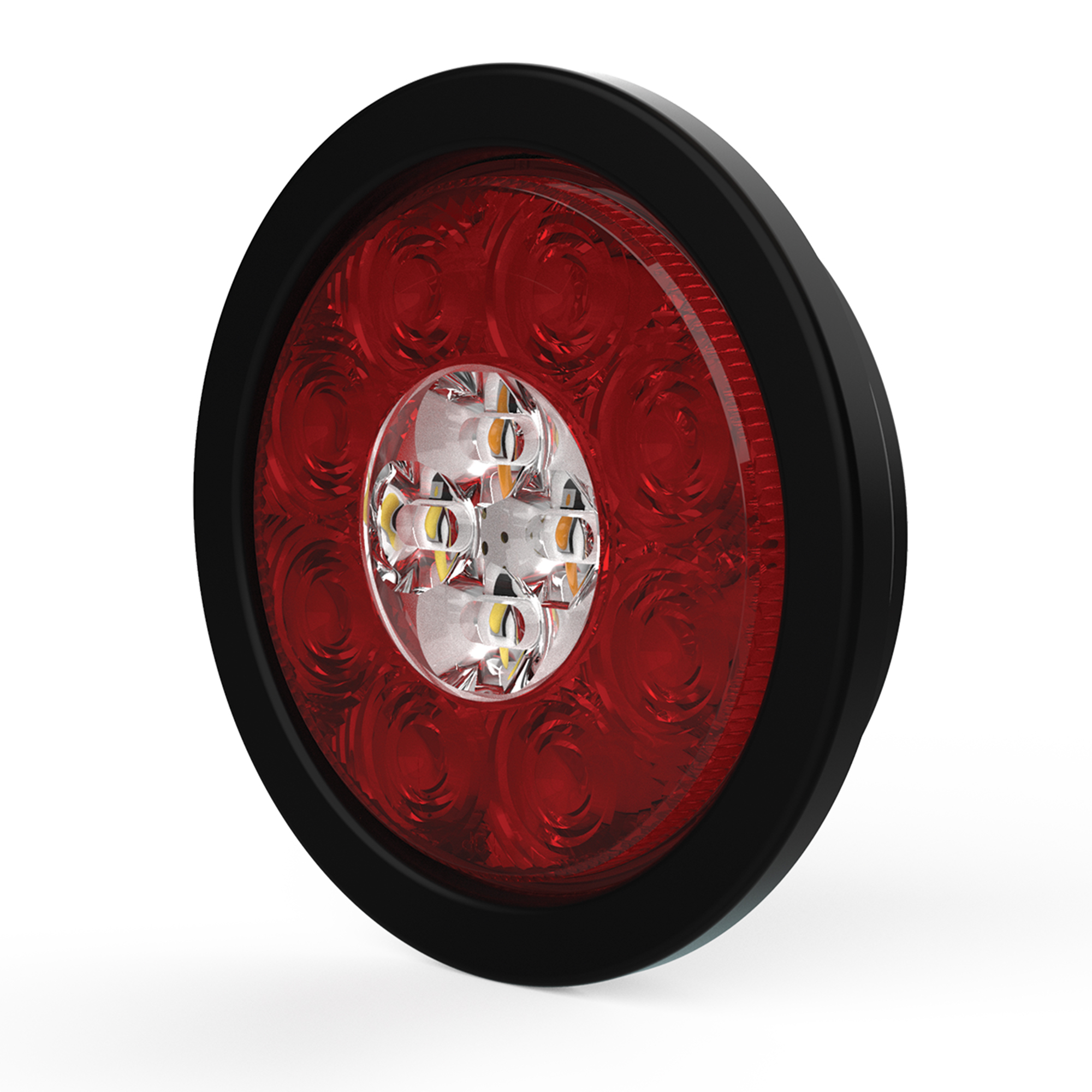
Item # 6340831
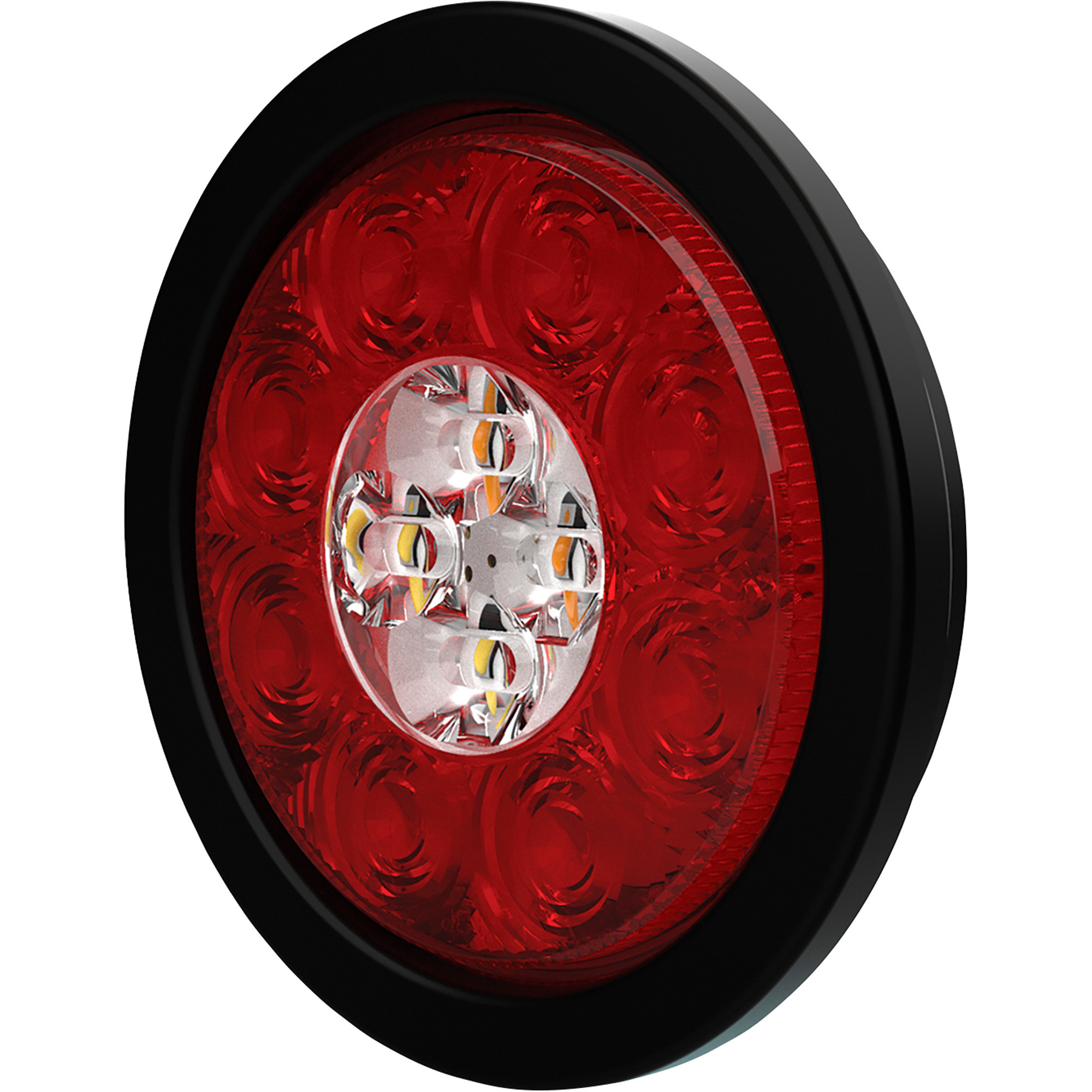
Item # 113090
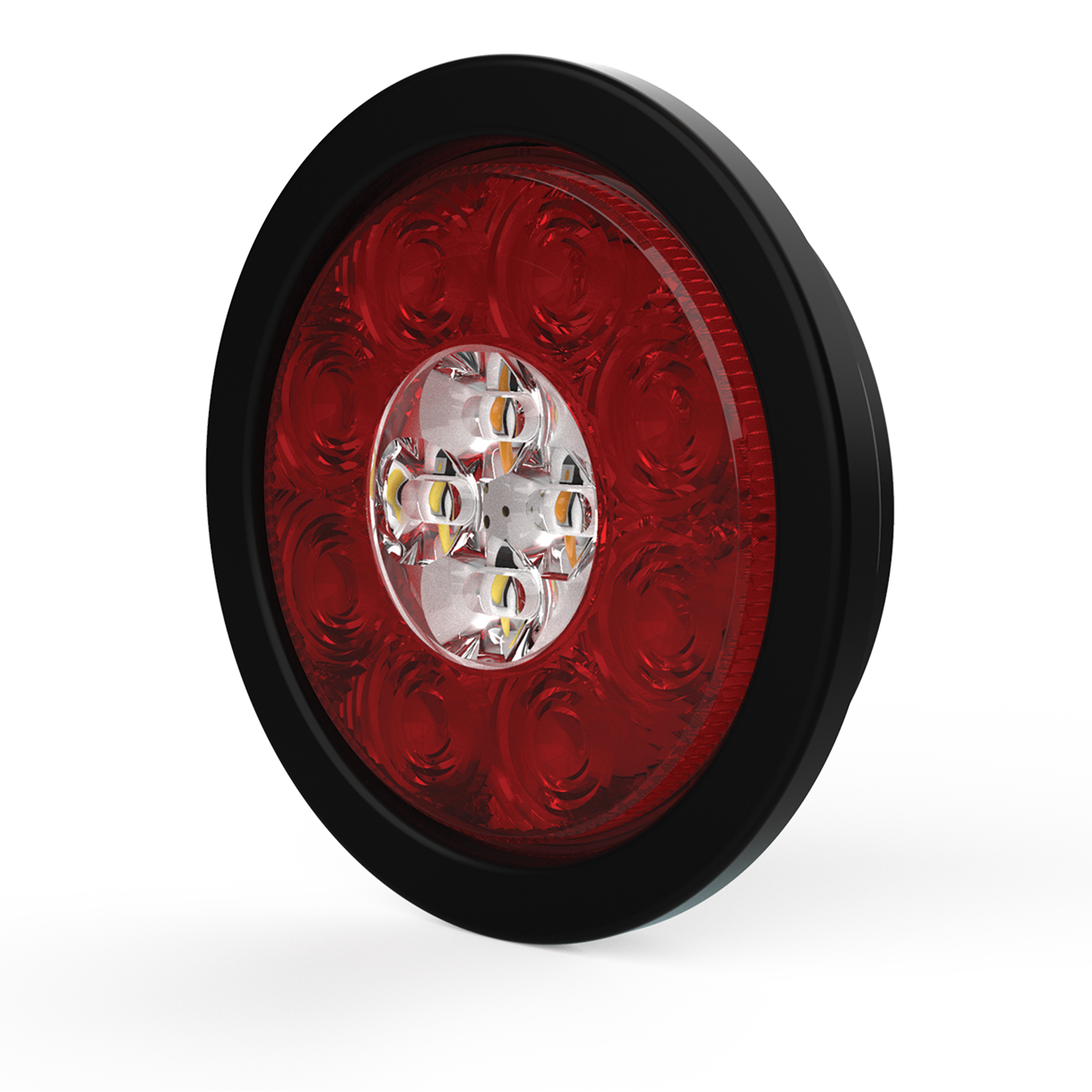
Item # 6340428
Automotive Lighting Frequently Asked Questions:
What are the signs of a failing lighting system, and how can I troubleshoot and fix common lighting issues?
Signs of a failing lighting system include failure of lights to reach full brightness or to light up at all: dashboard, interior lights, headlights or fog lights. The first things to check include switches, including dimmer switches, to see if they’re turned on or adjusted to dim; bulbs to see if they’re burnt out; wires to see if they’re loose; and connections to see if they’re corroded. Other things to check include short circuits or a failing charging system. Consult your owner’s manual to find out where fuses and circuit breakers are, or to find where switches, bulbs, wires and connections are if you’re not sure. You may need a troubleshooting lamp to assist your search for the source of a lighting issue.
How do I clean and protect the lenses of my vehicle’s headlights and other lights to prevent reduced visibility due to oxidation or debris buildup?
How do I adjust the headlights on my vehicle to ensure proper alignment and avoid blinding other drivers?
Many of us have observed that our headlines become misaligned over time, causing visibility problems and potential hazards during night-time or bad-weather driving. You can adjust your headlights in consultation with your owner’s manual, which can tell you which screws to adjust. Typically for horizontal adjustments, you turn the screw clockwise or counterclockwise to move the beam right or left. Likewise for vertical adjustments, you turn a screw to raise or lower the low beams. Check the alignment of headlight beams before you put the lens back.
Are there regulations and laws governing automotive vehicle lighting, such as brightness and color restrictions?
Per federal guidance, all states require headlights to be white or amber. (Using any other color of light that can be seen from the front of your vehicle may be illegal in your state.) This requirement applies to roof lights, under-glow and lighting in the engine. Federal guidance also tells us that the luminous intensity of headlights must be between 500 and 3000 Lumens. It’s also important to check with your state’s local laws, as some states have adopted further, more specific requirements.