JET Edge + Belt Sanders
Filters
1-1 of 1 Products

Item # 7174484
Edge + Belt Sanders
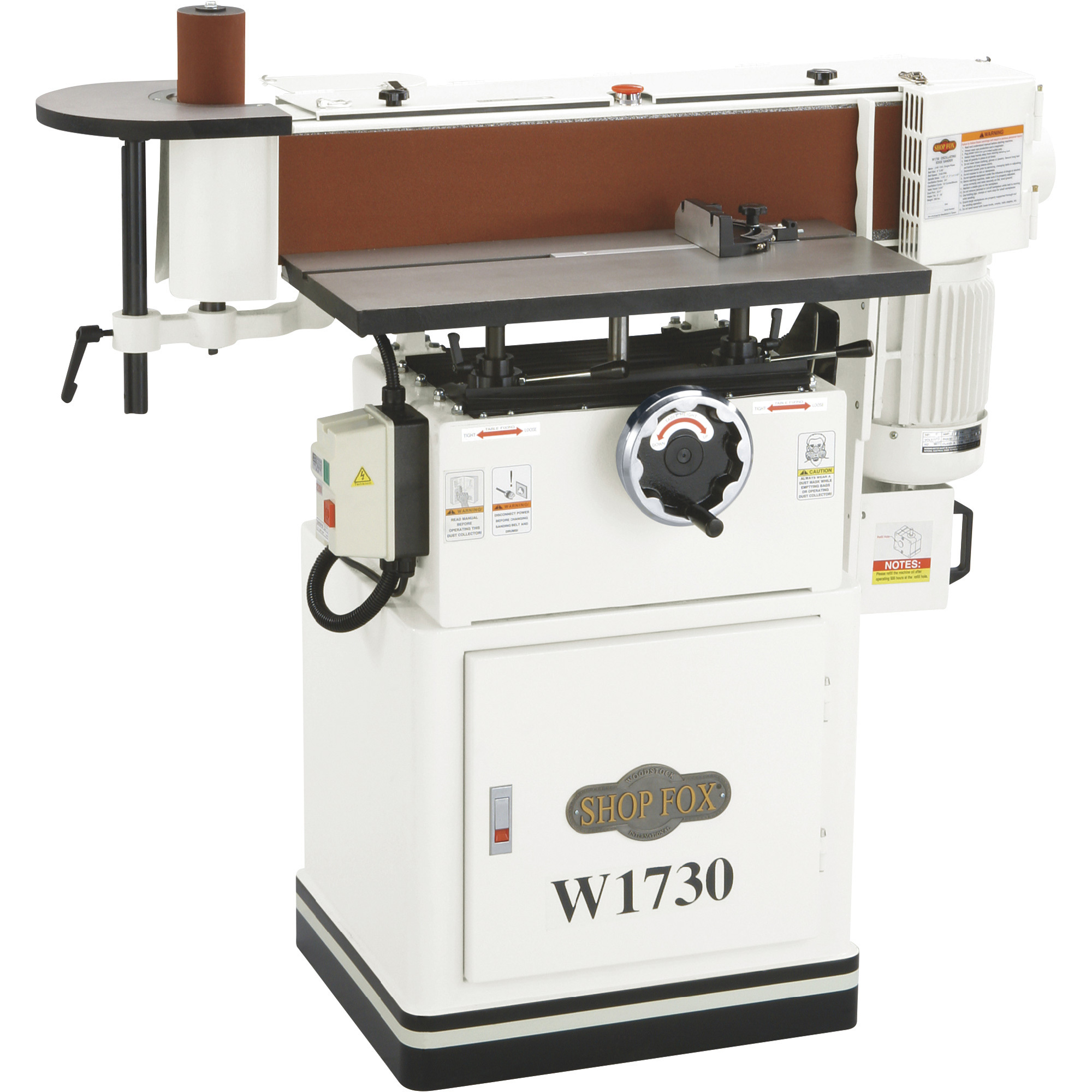
Edge and belt sanders smooth, shape, and finish wood, metal, and other materials with precision and speed. A belt sander uses a continuous loop of abrasive sandpaper to remove material quickly ideal for leveling surfaces or preparing large panels. Edge sanders, on the other hand, provide greater control for finishing edges, ends, and narrow surfaces where accuracy matters most. Many woodworkers use both types in tandem—belt sanders for bulk material removal and edge sanders for fine-tuning and detail work. Their combination of power and precision makes them essential tools in woodworking shops, fabrication facilities, and furniture production.These sanders are ideal for industrial use. They deliver the ultimate performance in sanding and measurement to create an exceptional finish, every time. The sanders include centralized controls which allow users to access all necessary buttons on one panel for easy accessibility.
They also include a digital readout control that shows the exact thickness of a completed piece. The digital readout feature also allows you to preset the desired thickness you want your finished piece to be. Three motor system allows maximum power for sanding drums, feed table movement, and variable speed feed.
Belt Sander Frequently Asked Questions:
How do belt sanders work?
A belt sander is a power tool that uses a continuous loop of sandpaper (a sanding belt) to rapidly remove material from a workpiece. The sanding belt is stretched between two rotating drums, and when the machine is turned on, the belt moves in one direction. Belt sanders are best for removing paint or varnish, shaping wood or quickly smoothing a surface.
What are the main types of belt sanders?
There are basically two types of belt sanders: handheld and stationary. Handheld belt sanders are smaller and more portable, suitable for tasks like smoothing edges on smaller surfaces. Stationary belt sanders are larger and designed to be mounted on a workbench or stand, offering stability for more significantly sized projects.
What features should be considered when choosing a belt sander?
The power rating, belt size, speed, ease of belt changes, dust collection capabilities, and additional features like variable speed settings. The weight and ergonomics of the tool are also important for user comfort during extended use.
How do I maintain my belt sander?
Regularly cleaning of the sanding belt and drums, checking and adjusting the tension of the belt, lubricating moving parts as necessary, and keeping the dust collection system clean. Inspect the power cord and switch for any signs of damage and replace worn-out parts promptly.
What are the safety precautions for using a belt sander?
Always wear appropriate personal protective equipment, including safety glasses and hearing protection. Have the workpiece properly secured, and keep your hands away from the sanding area. Work in a well-ventilated space and use a dust collection system. Before starting, familiarize yourself with the specific safety guidelines outlined in the tool's user manual.