Wacker Neuson Concrete Vibrators
Filters
1-48 of 48 Products

Item # 87737
Item # 87751
Item # 87876
Item # 87874
Item # 87871
Item # 87866
Item # 87738
Item # 88063
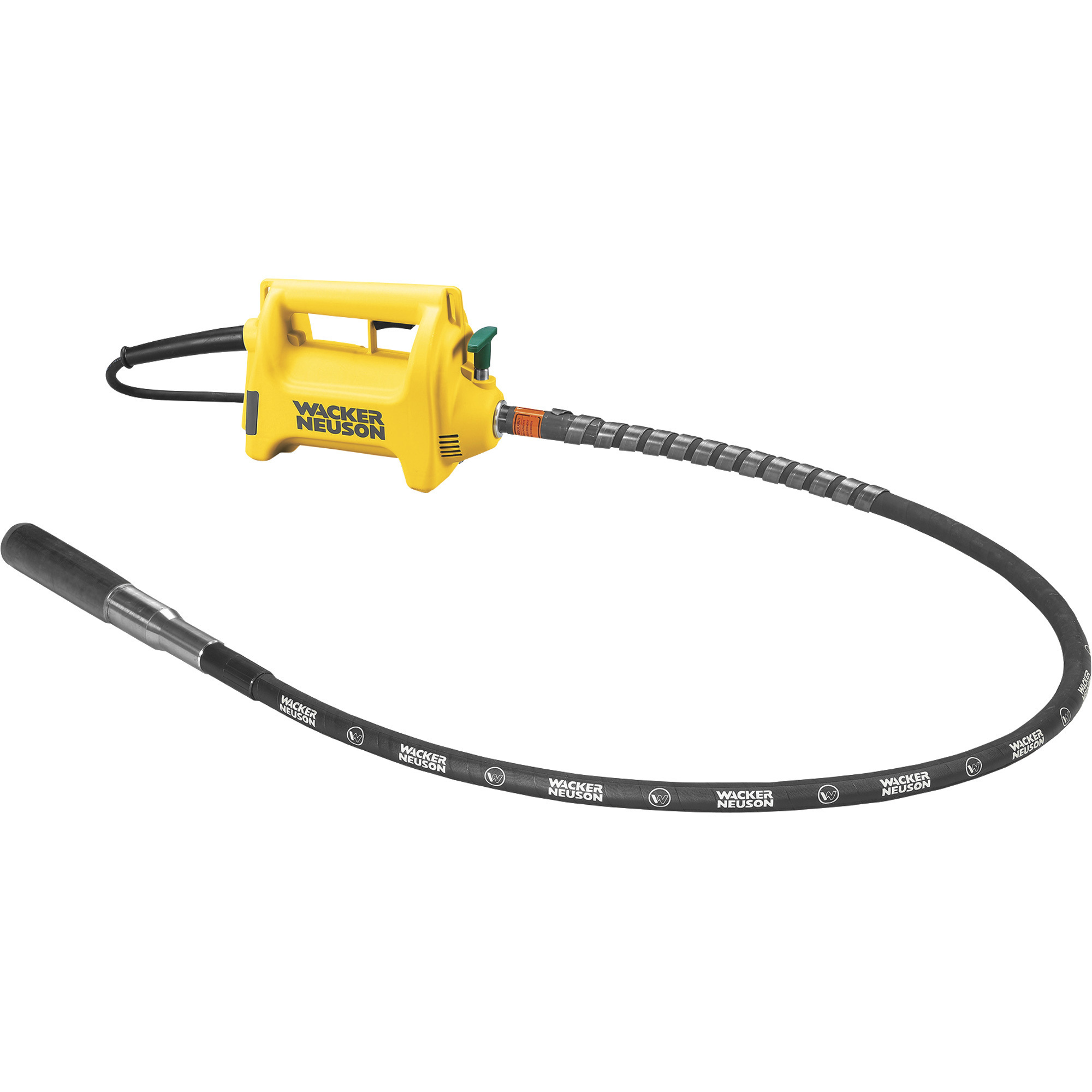
Item # 87867
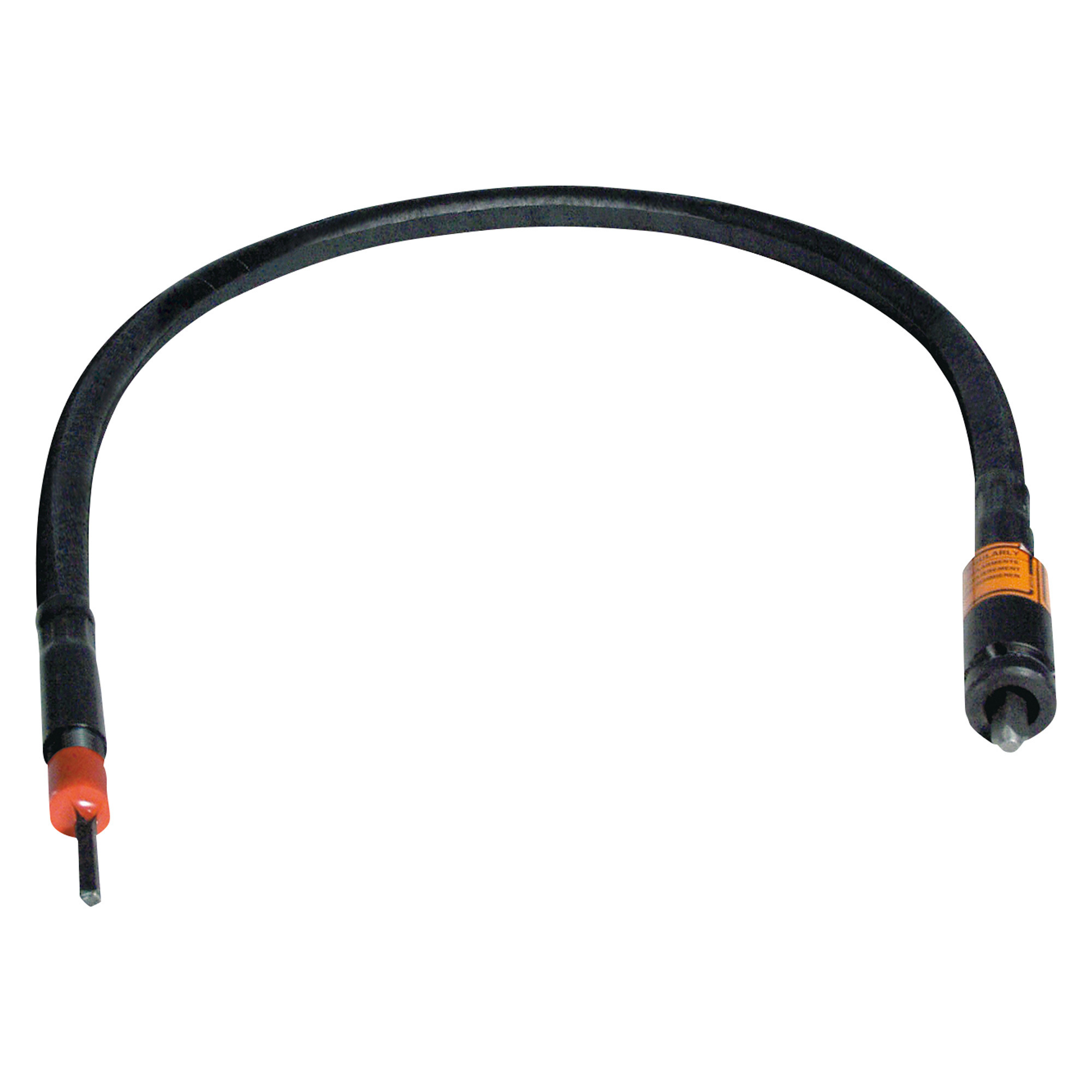
Item # 87850
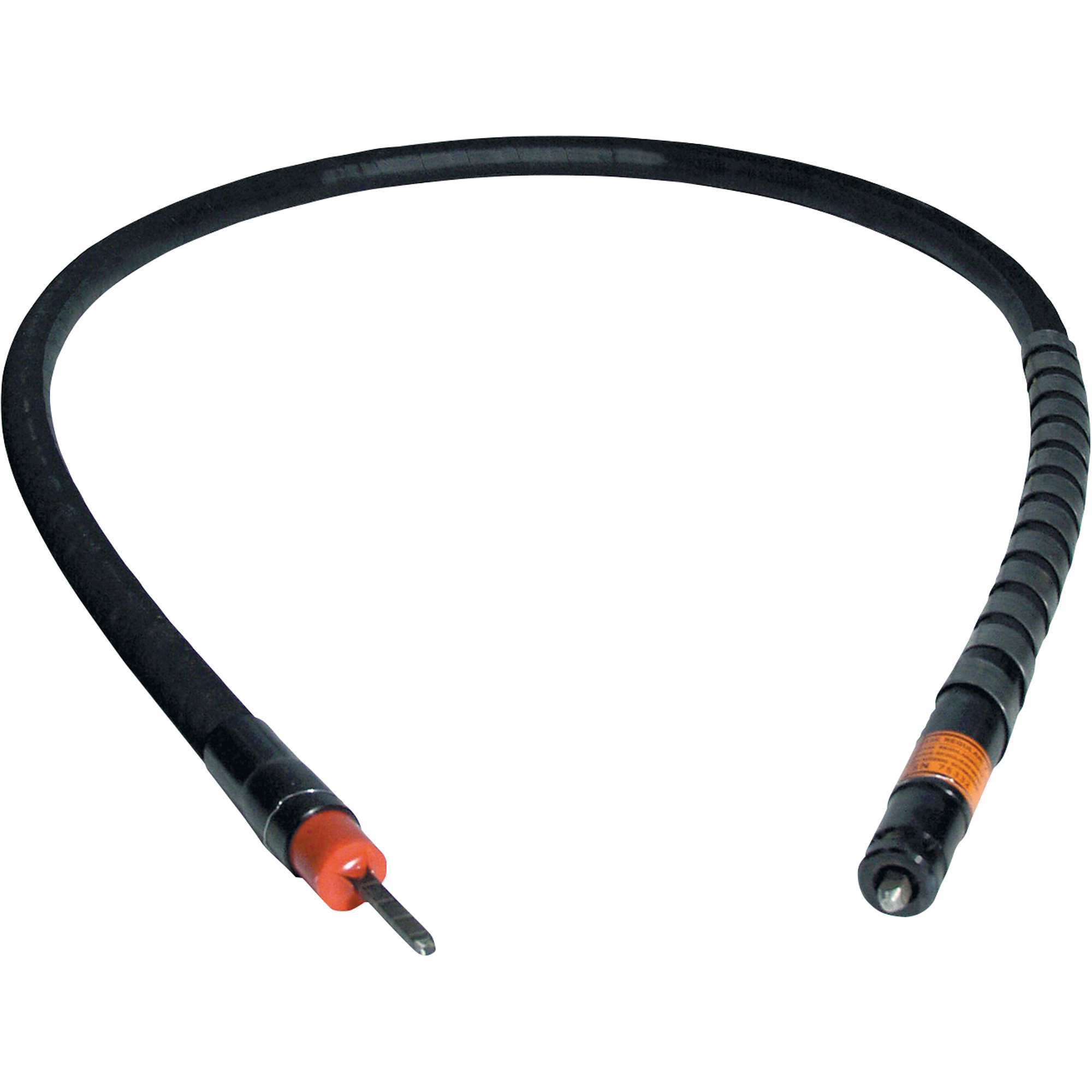
Item # 87859
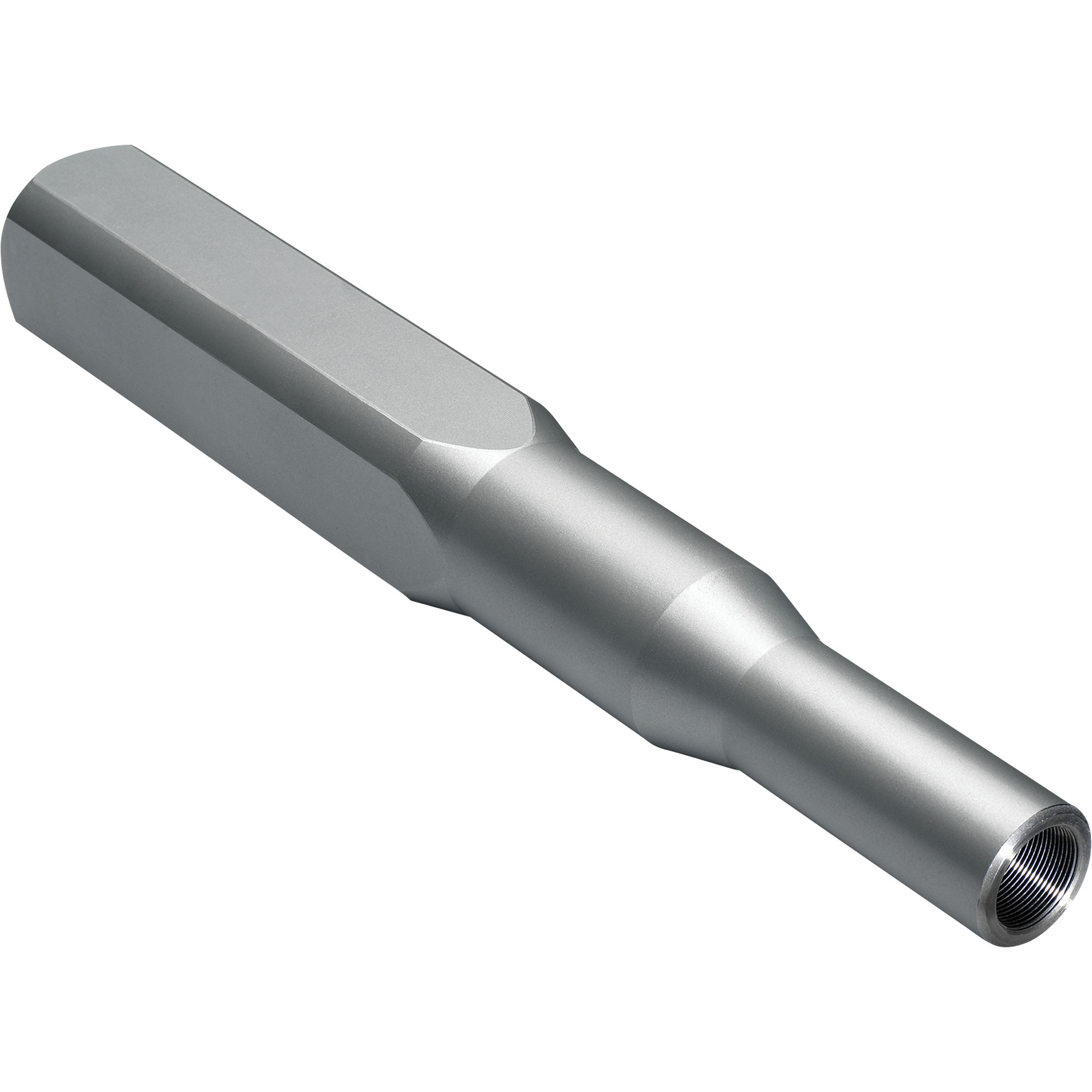
Item # 87739
Item # 87856
Item # 87854
Item # 87886
Item # 87853
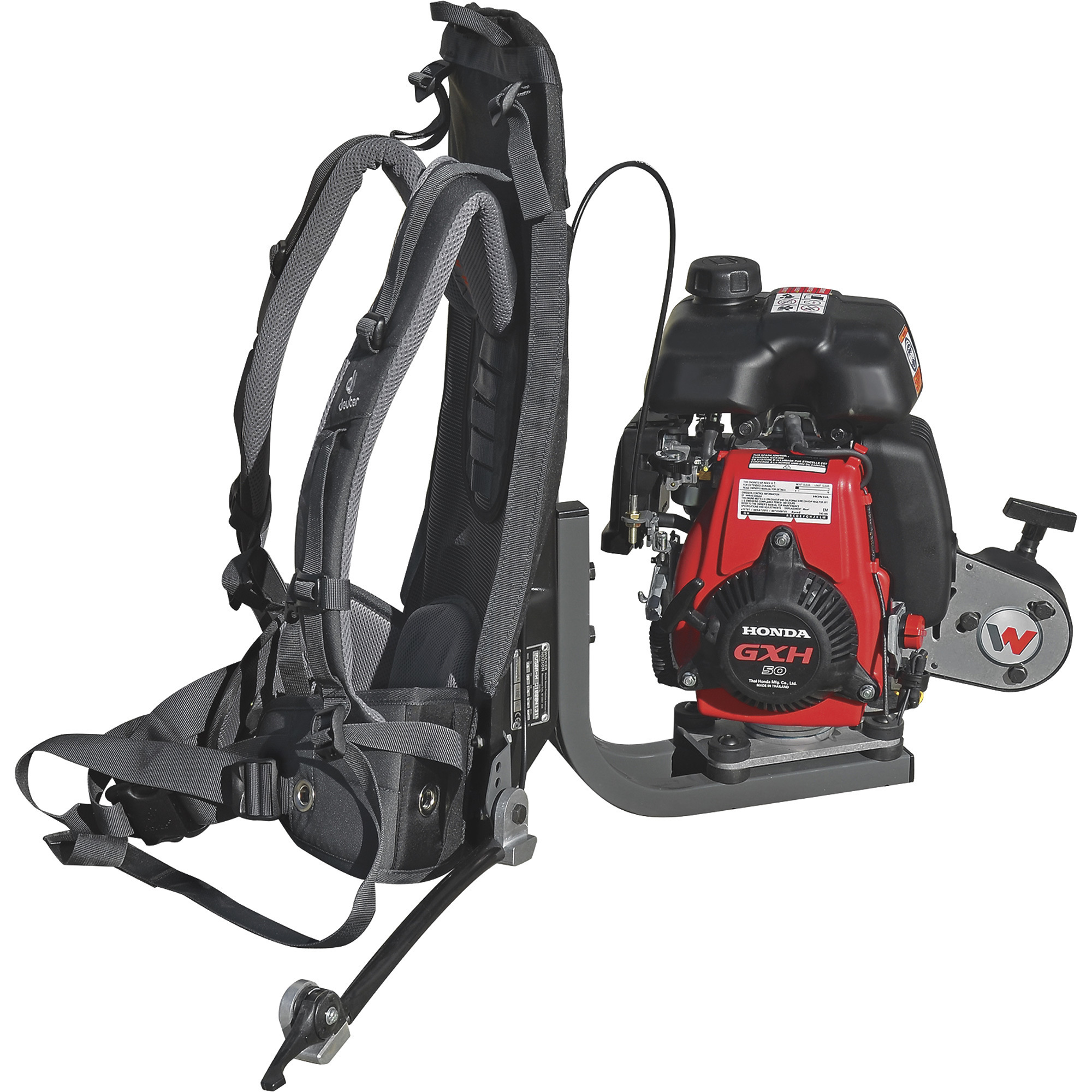
Item # 87827
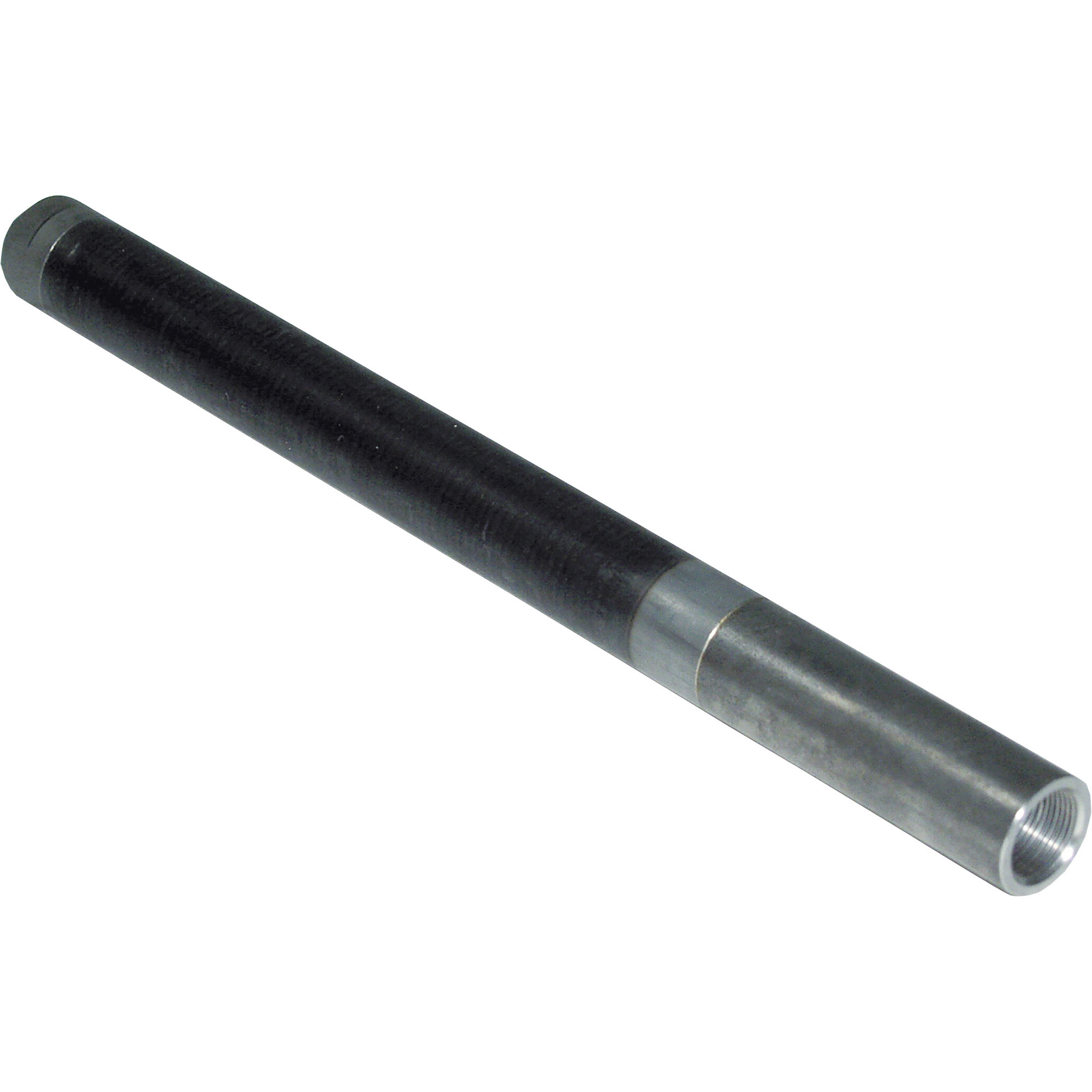
Item # 86173
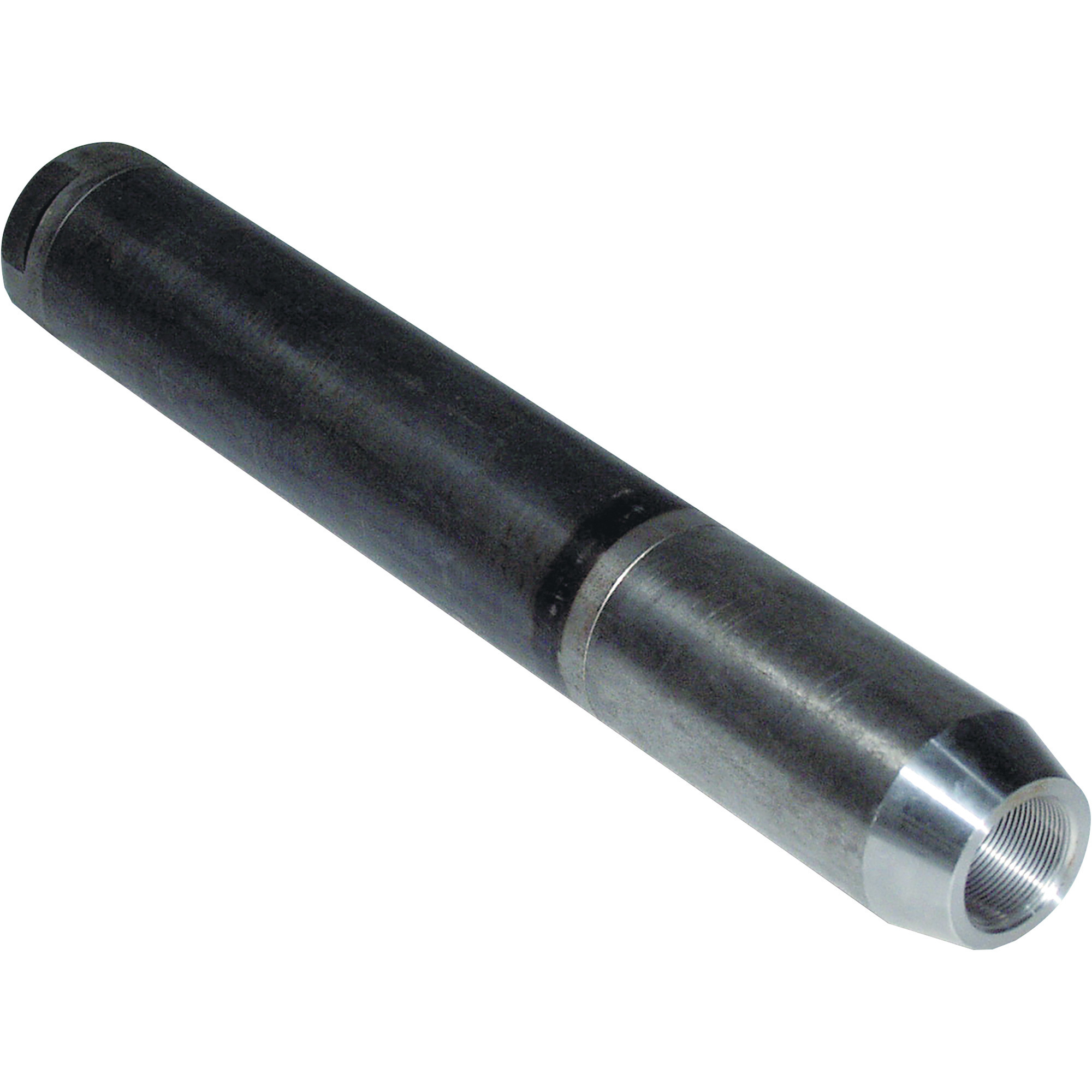
Item # 86170
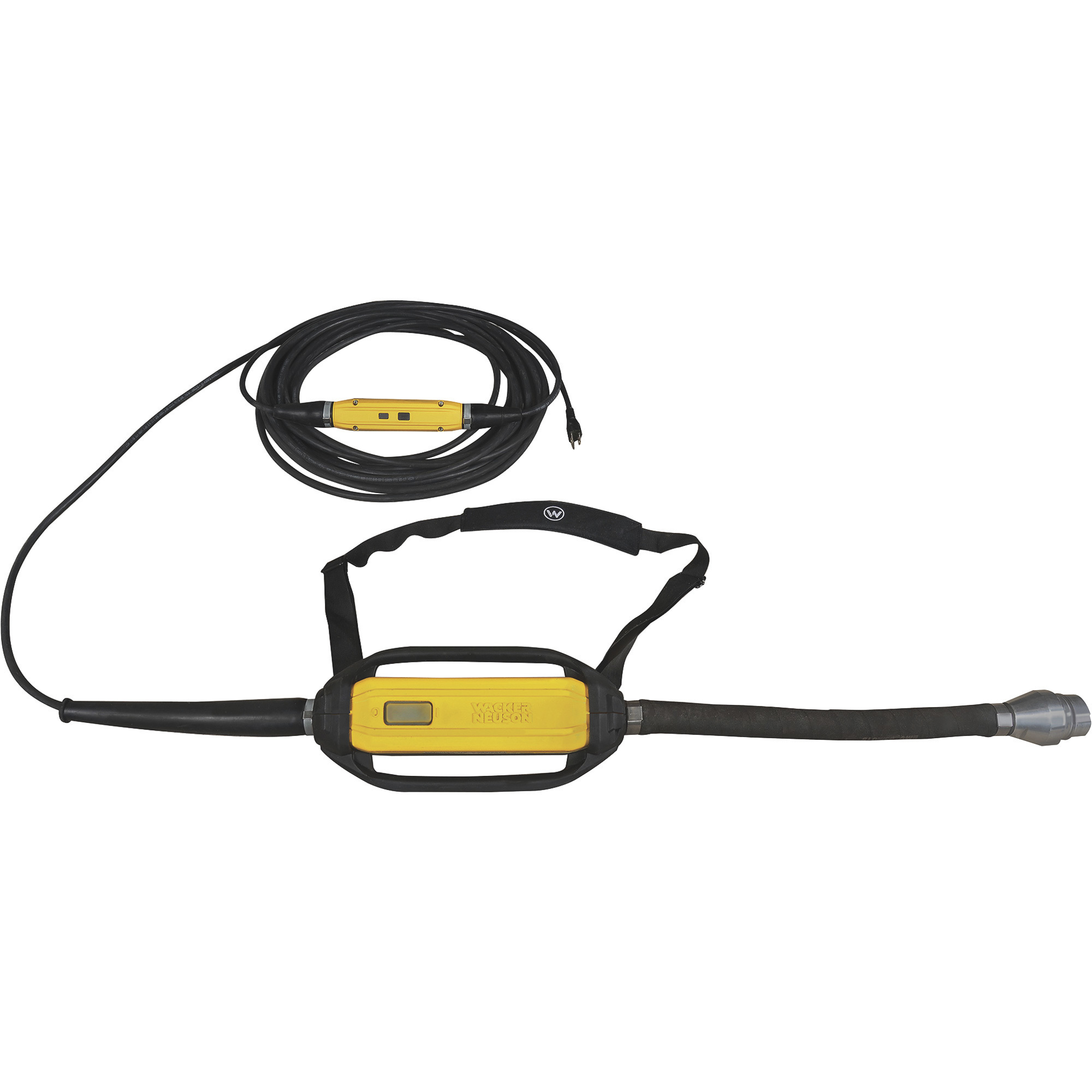
Item # 87780
Item # 87817
Item # 87783
Item # 87820
Item # 87812
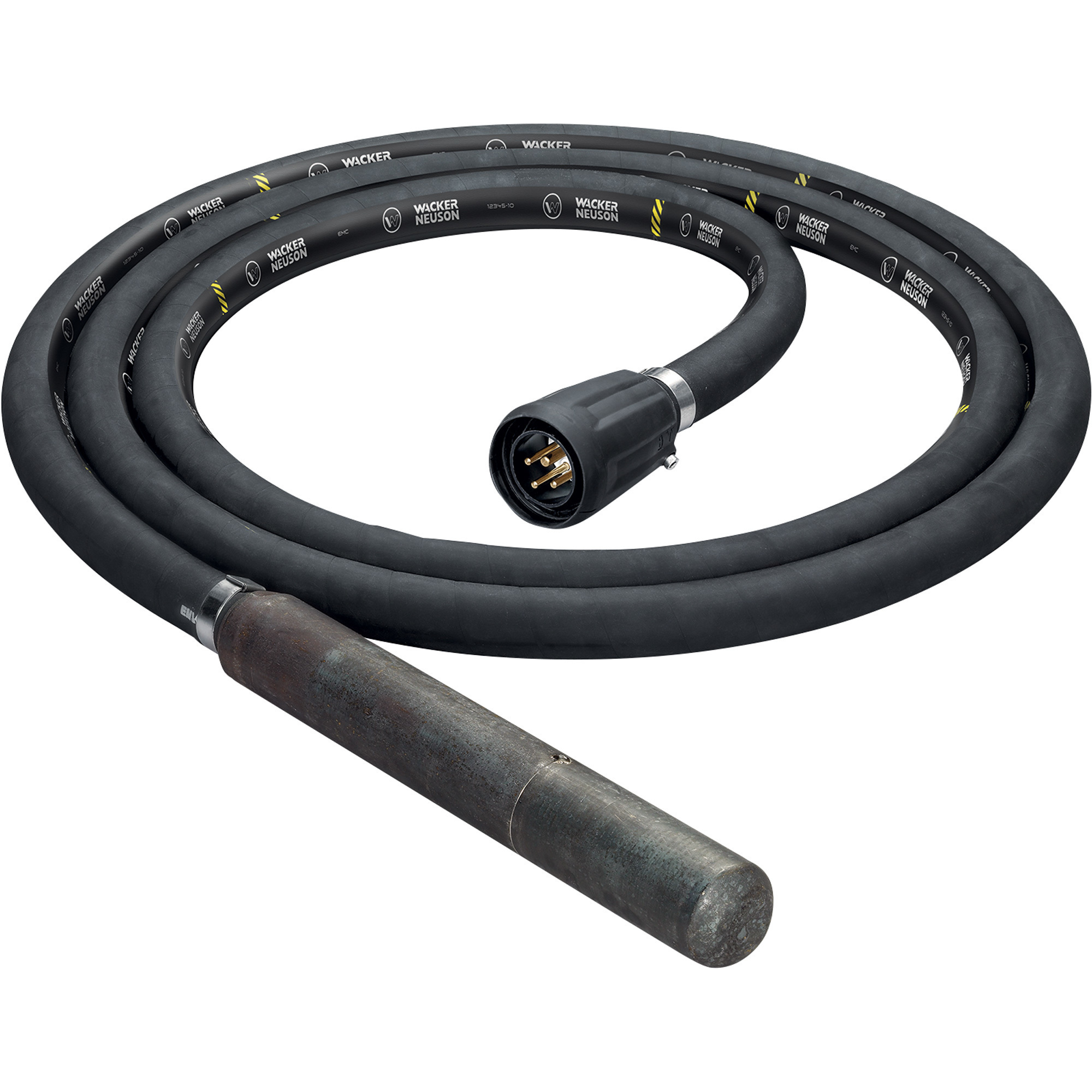
Item # 87785
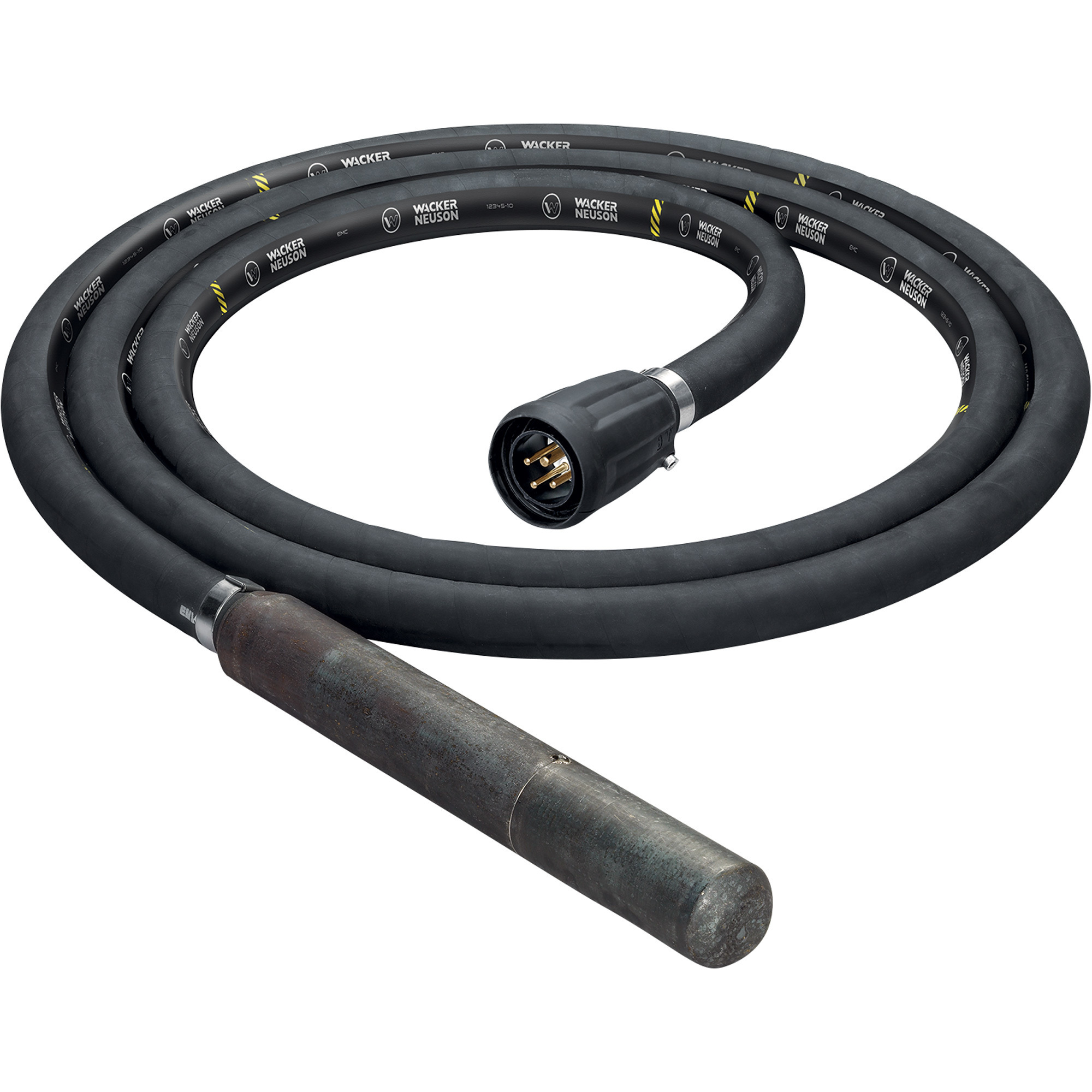
Item # 87826
Item # 87810
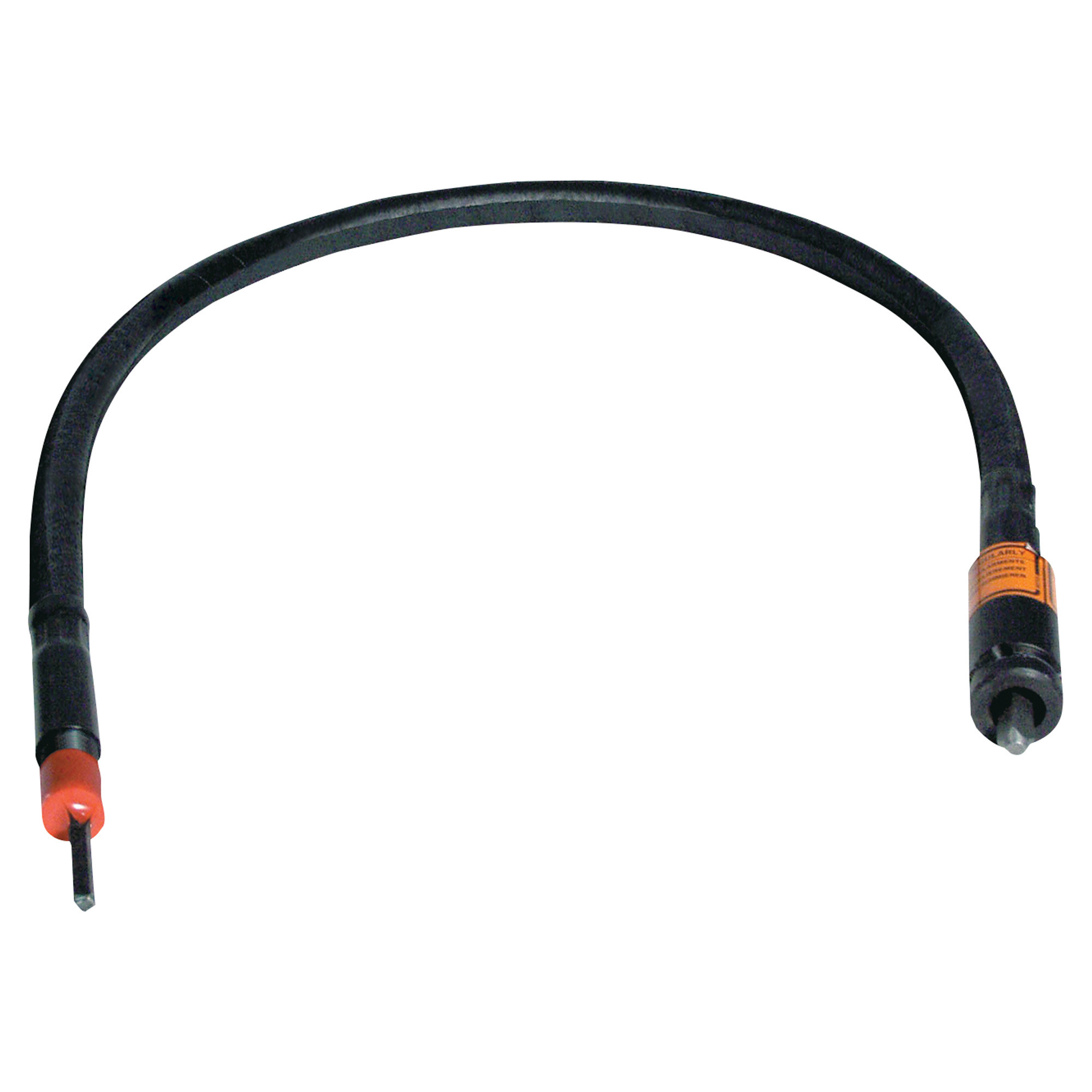
Item # 87887
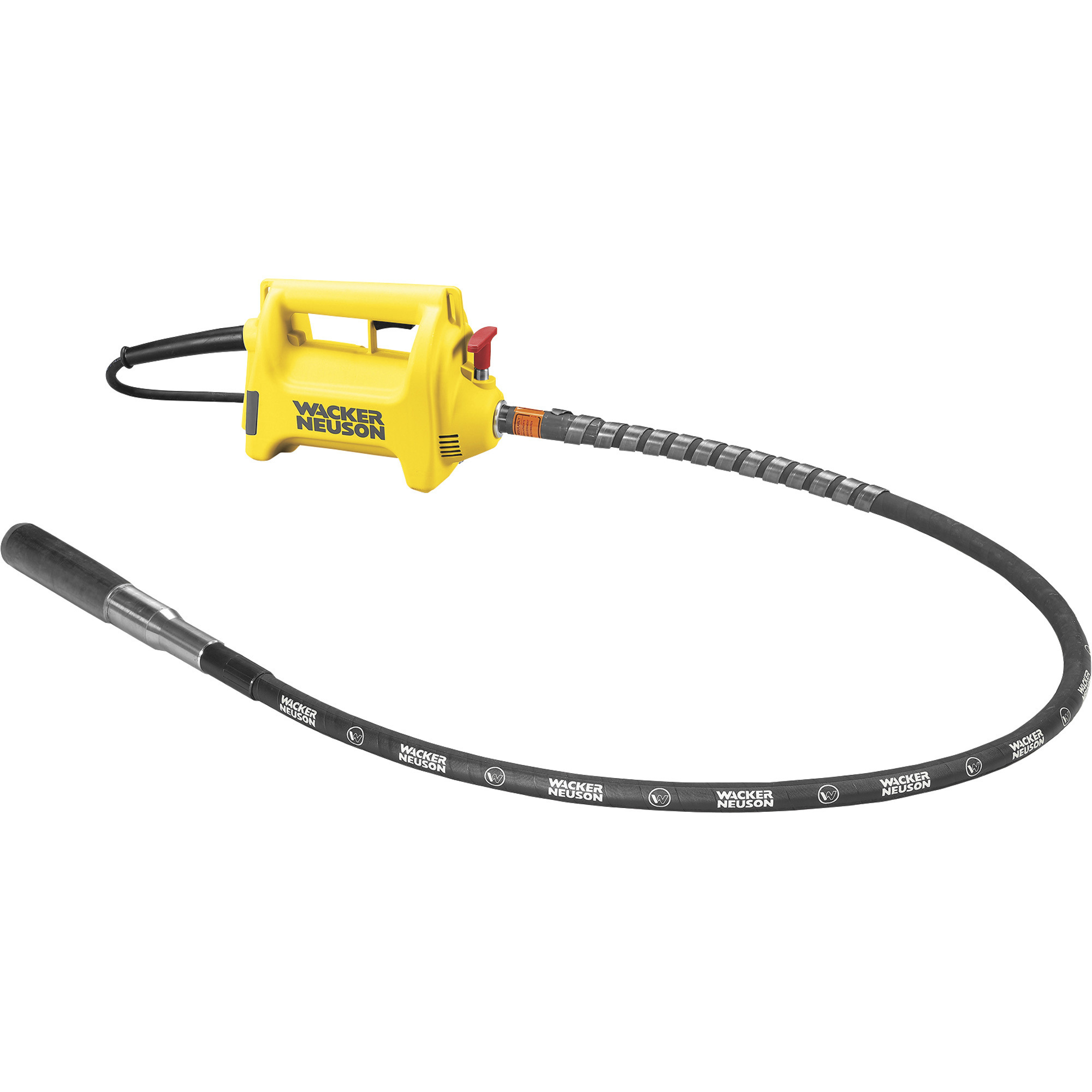
Item # 87873
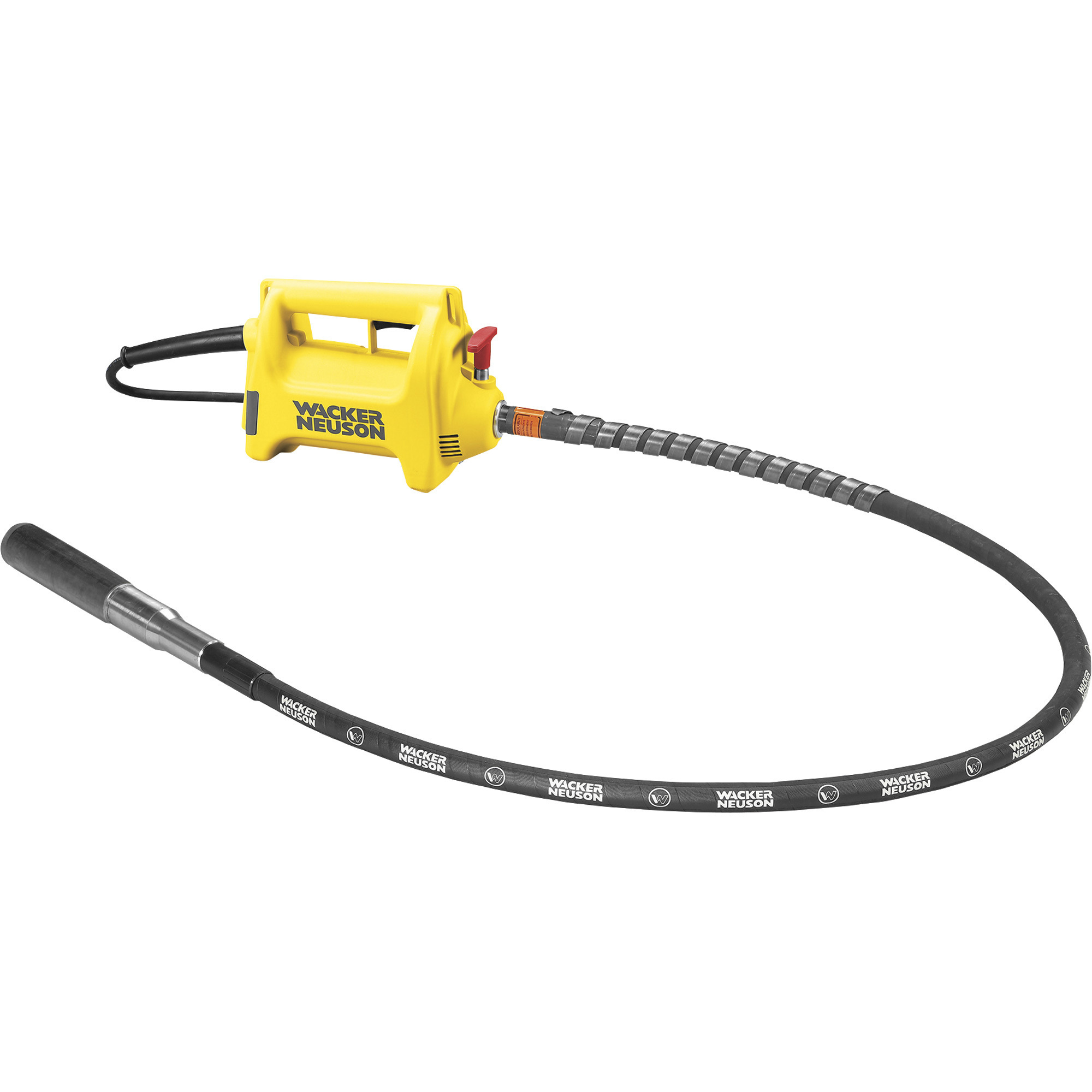
Item # 87869
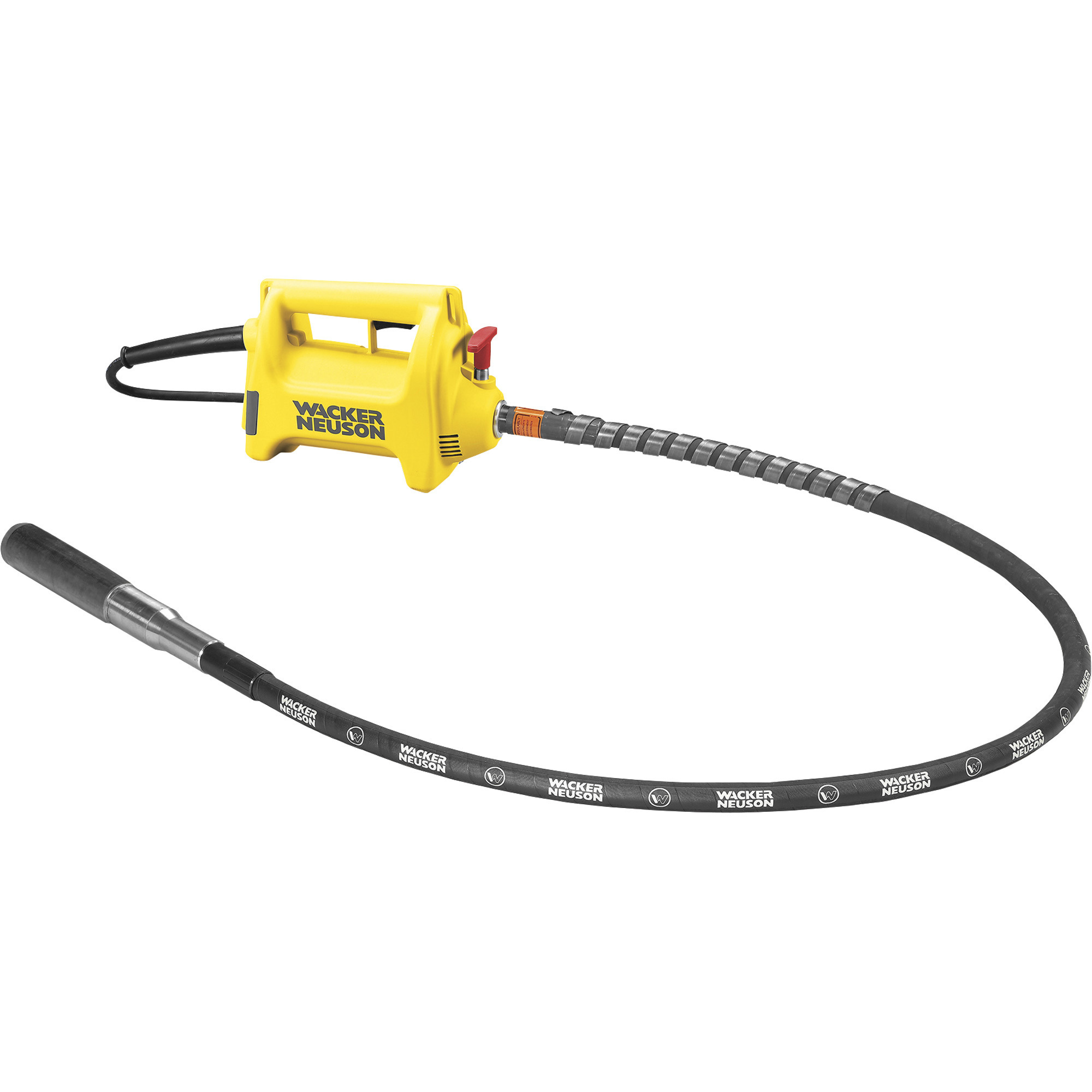
Item # 87872
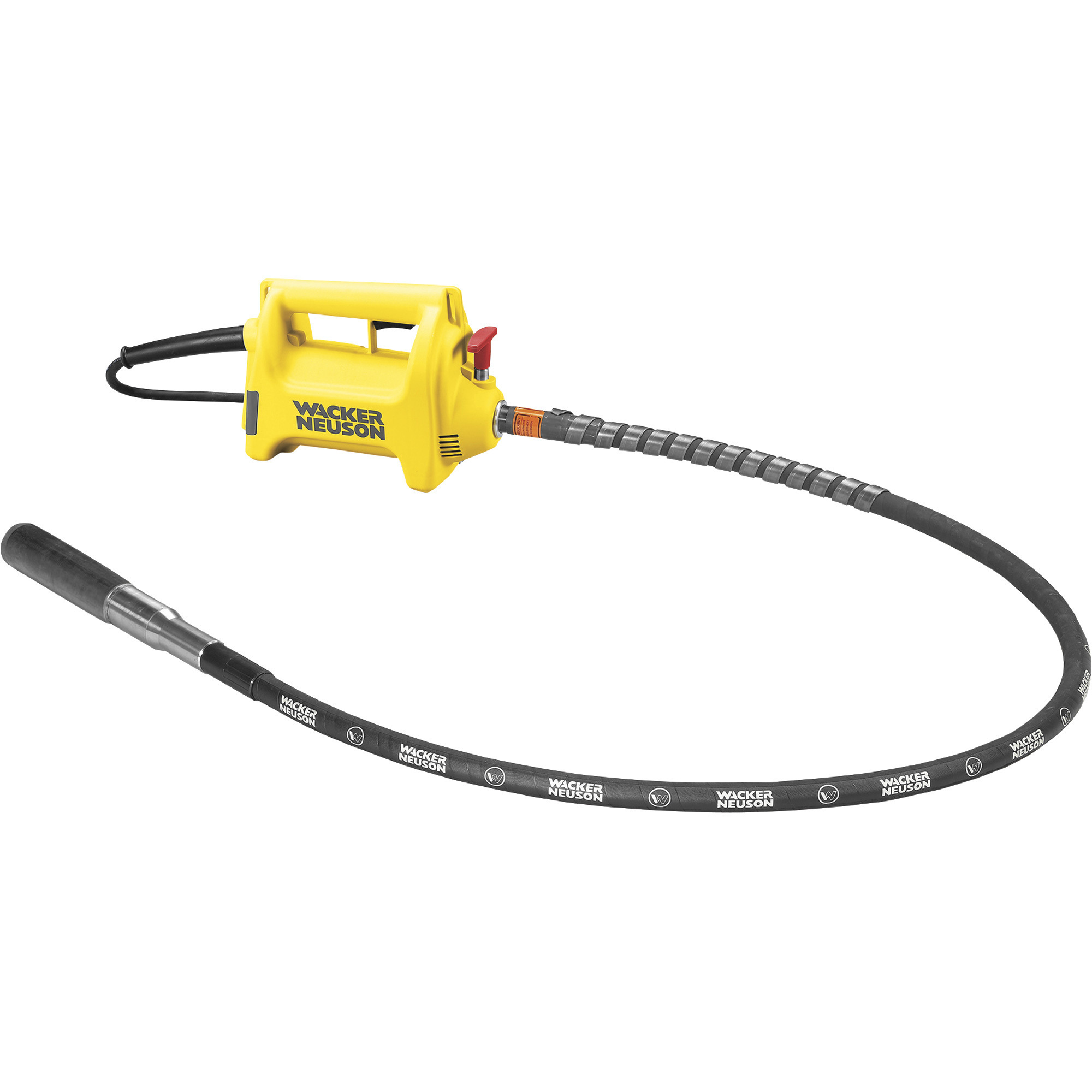
Item # 87877
Item # 87851
Item # 86172
Item # 87870
Item # 87857
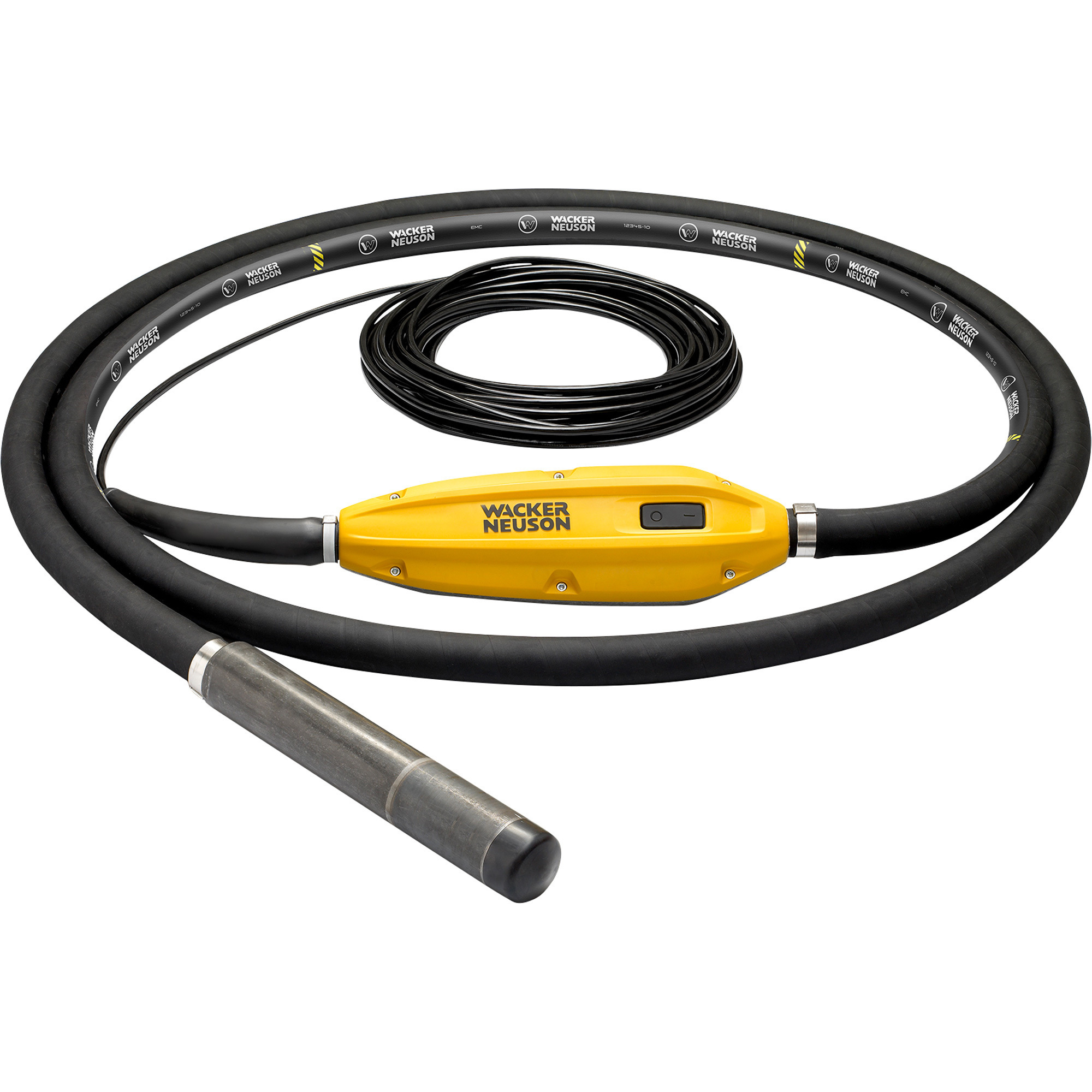
Item # 87821
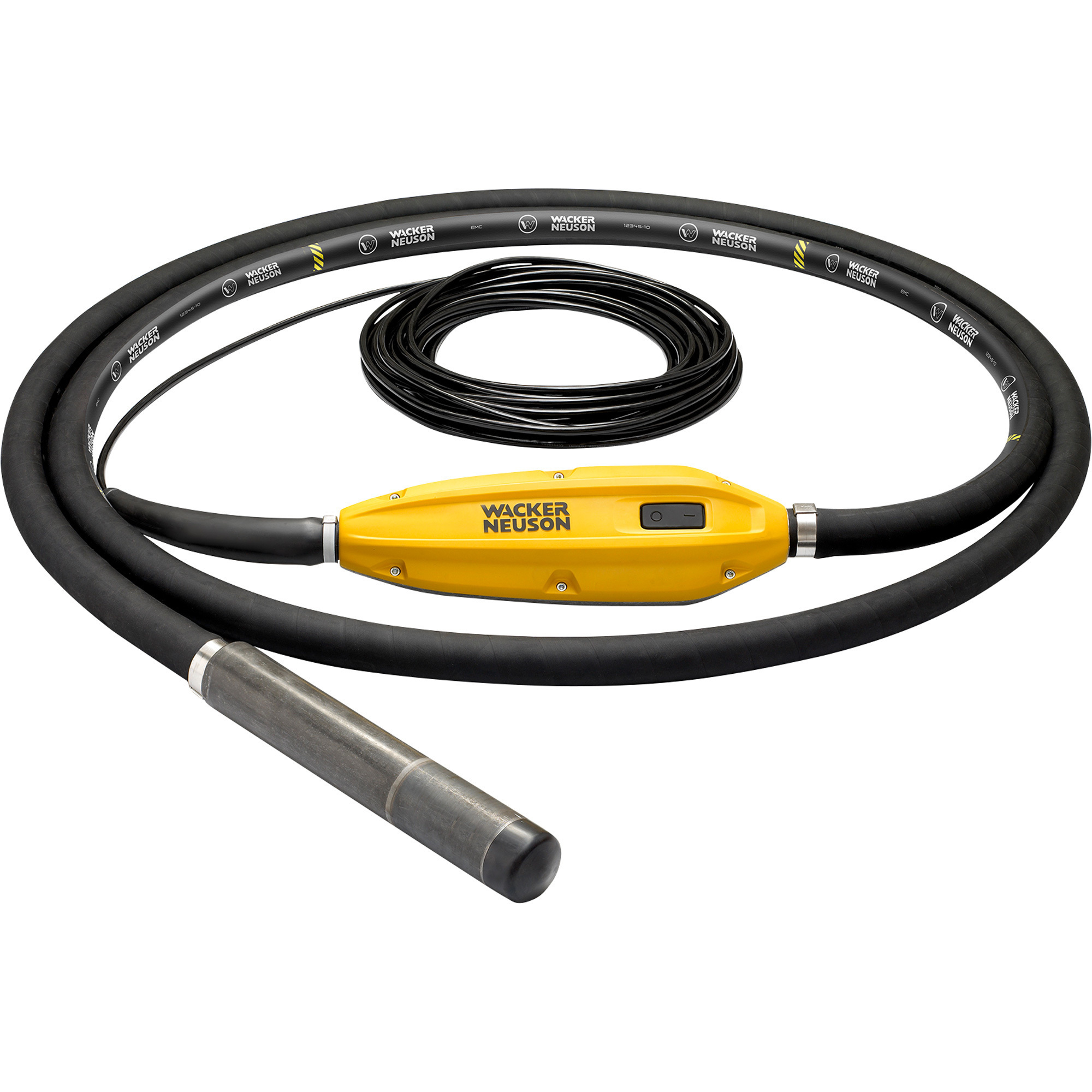
Item # 87818
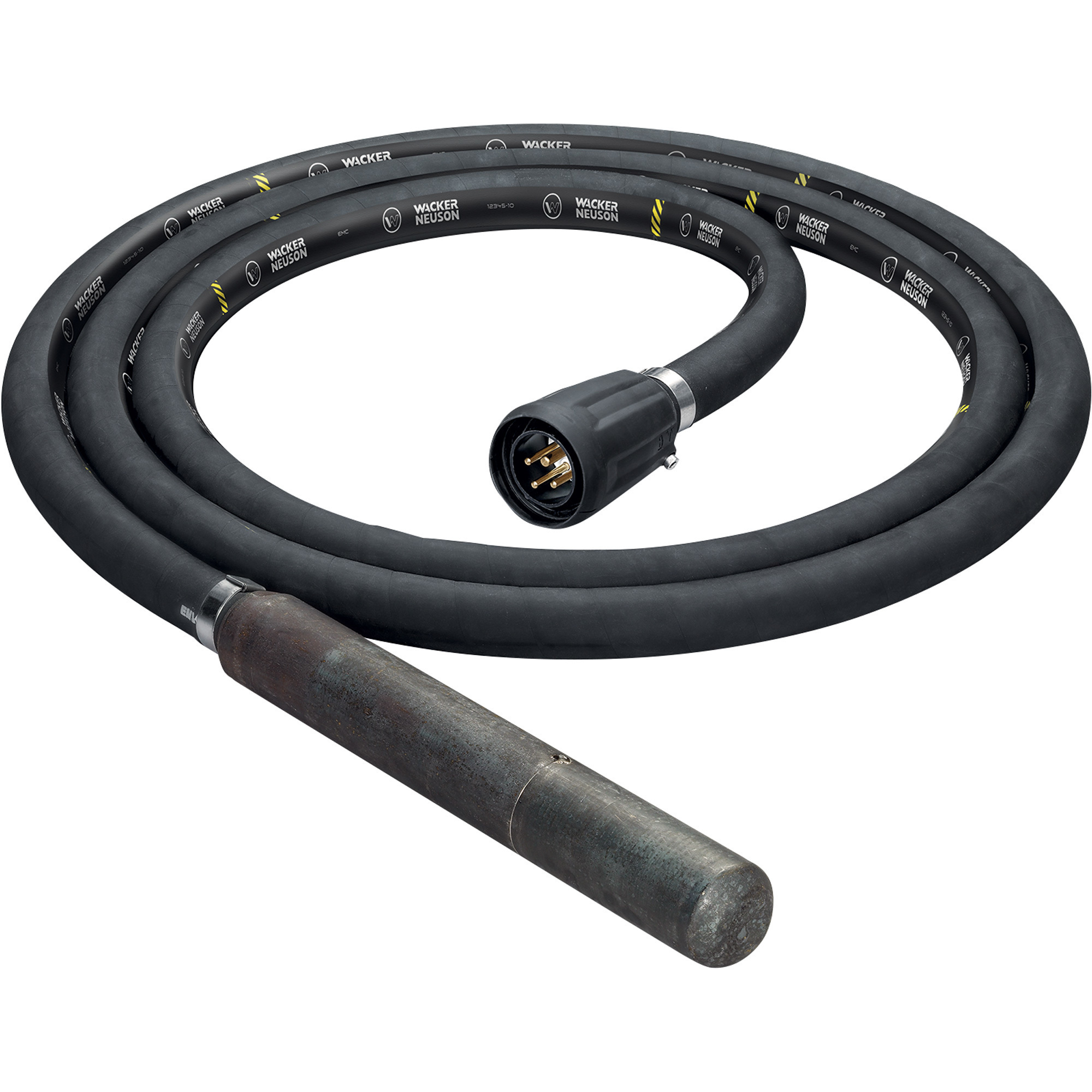
Item # 87782
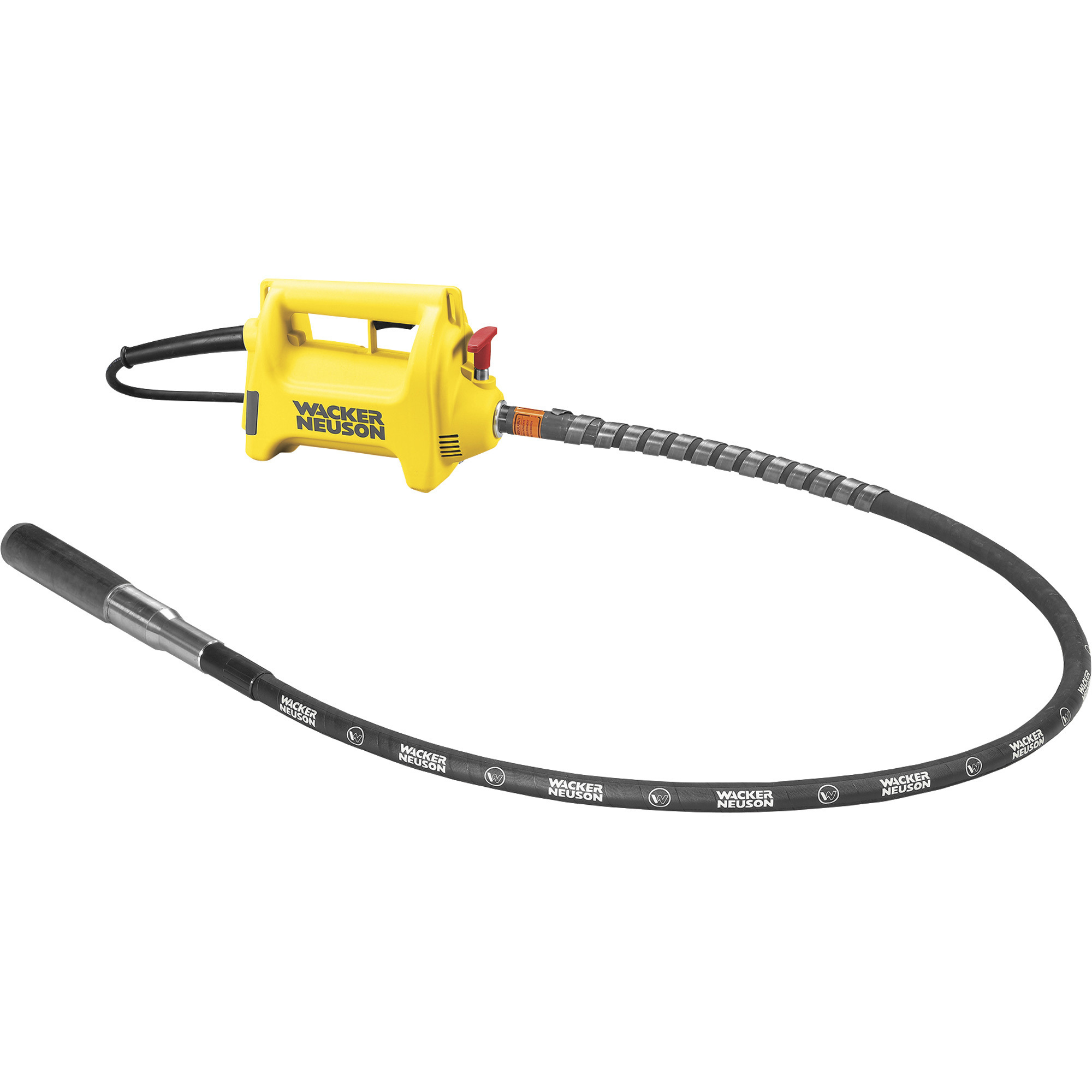
Item # 87868
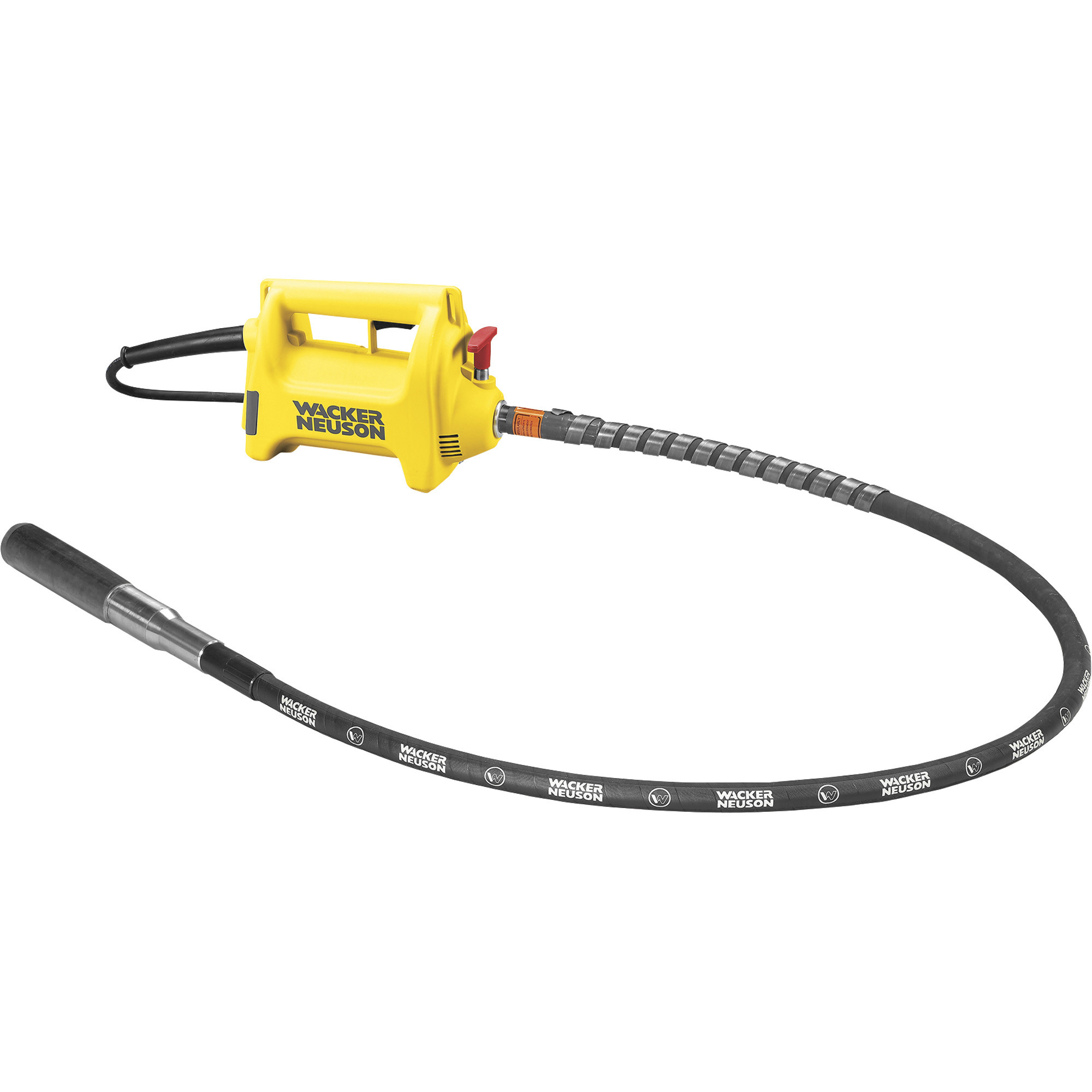
Item # 87878
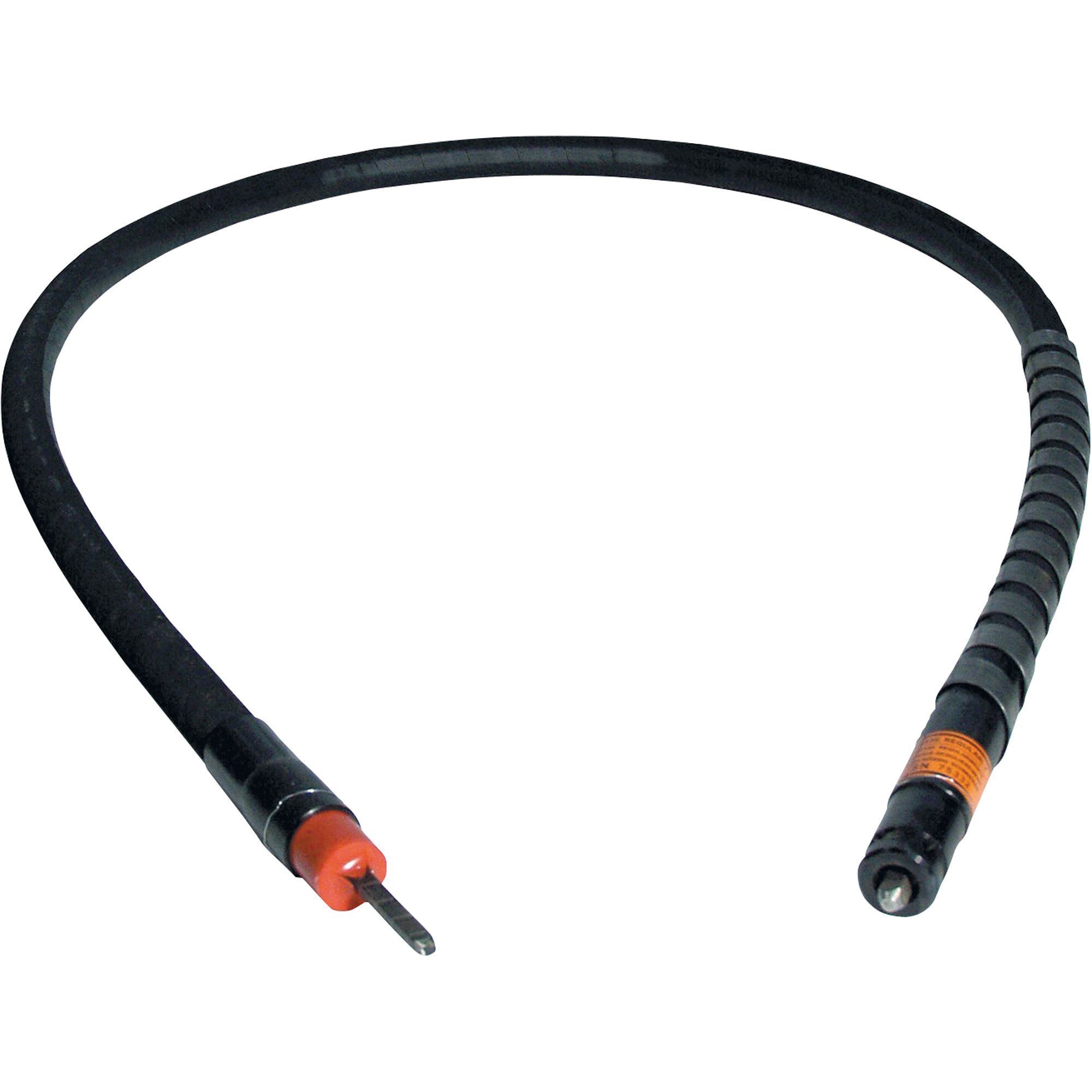
Item # 87855
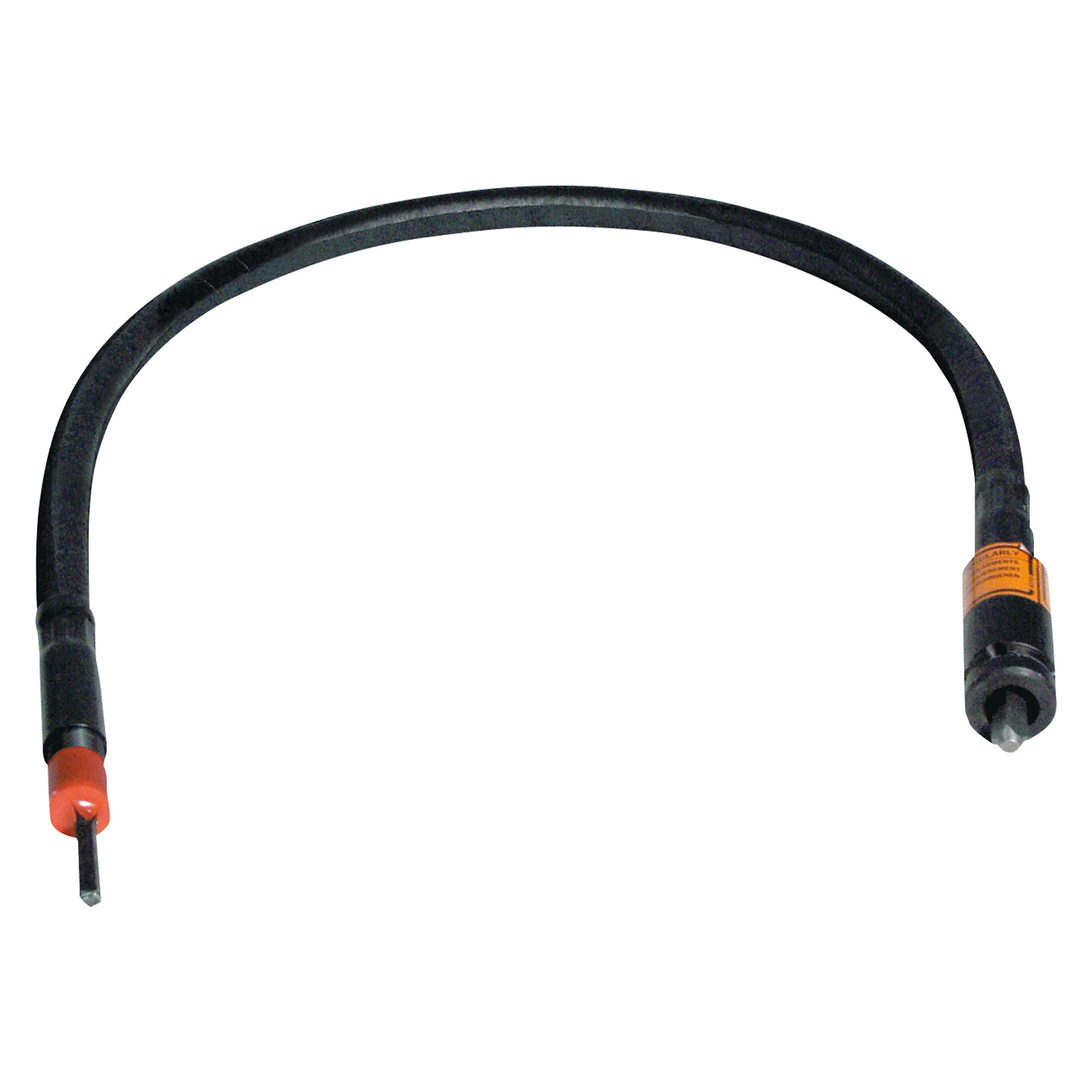
Item # 87852
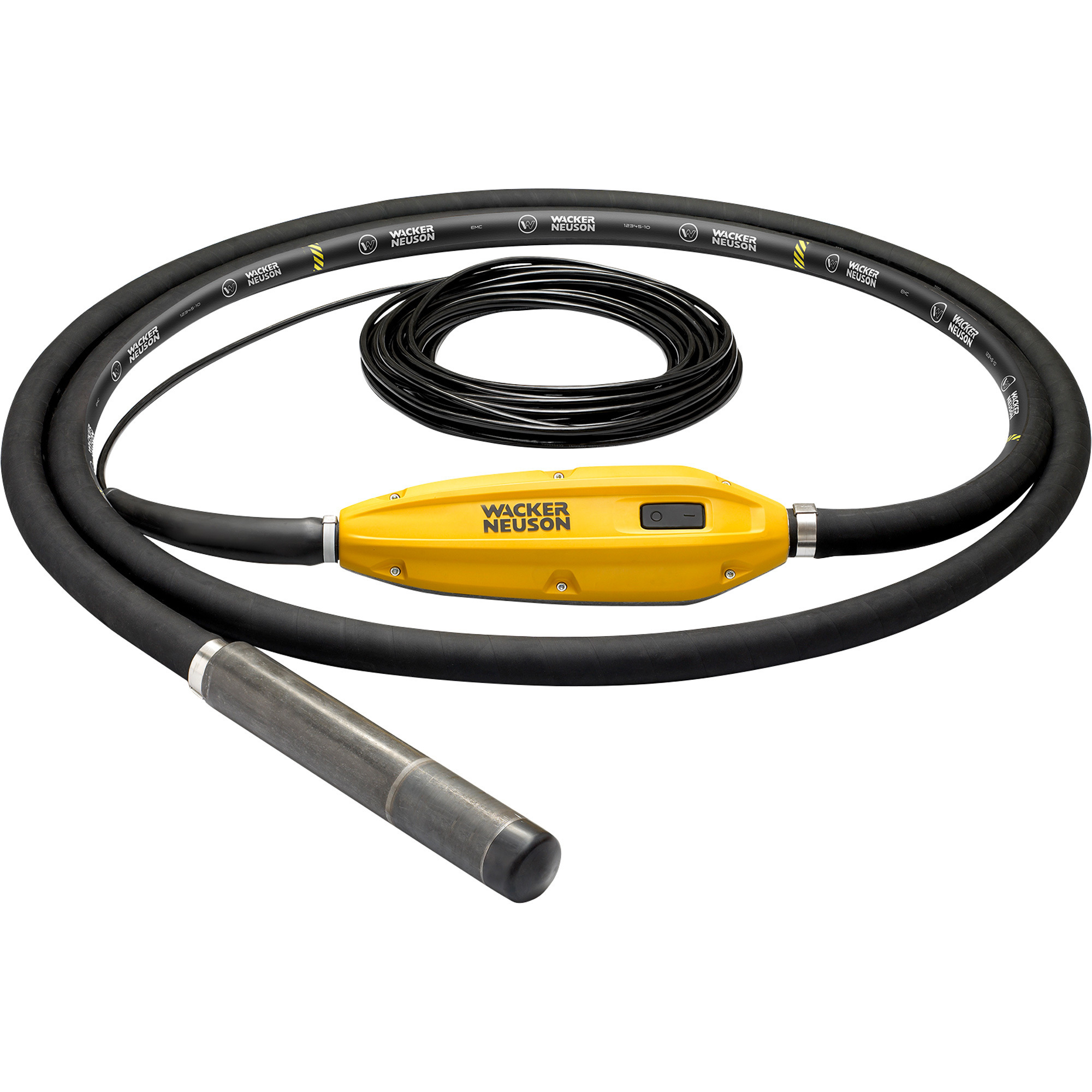
Item # 87819
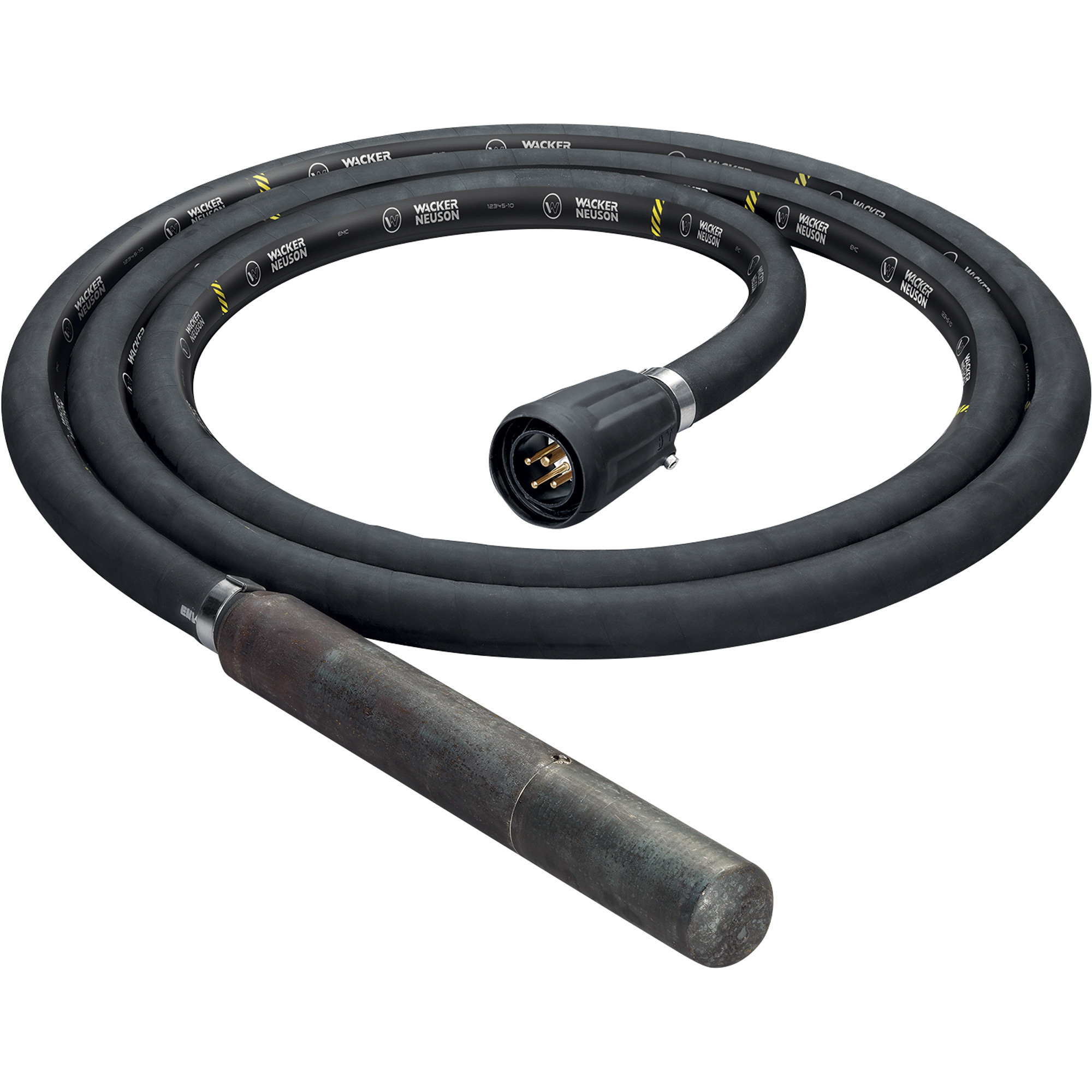
Item # 87784
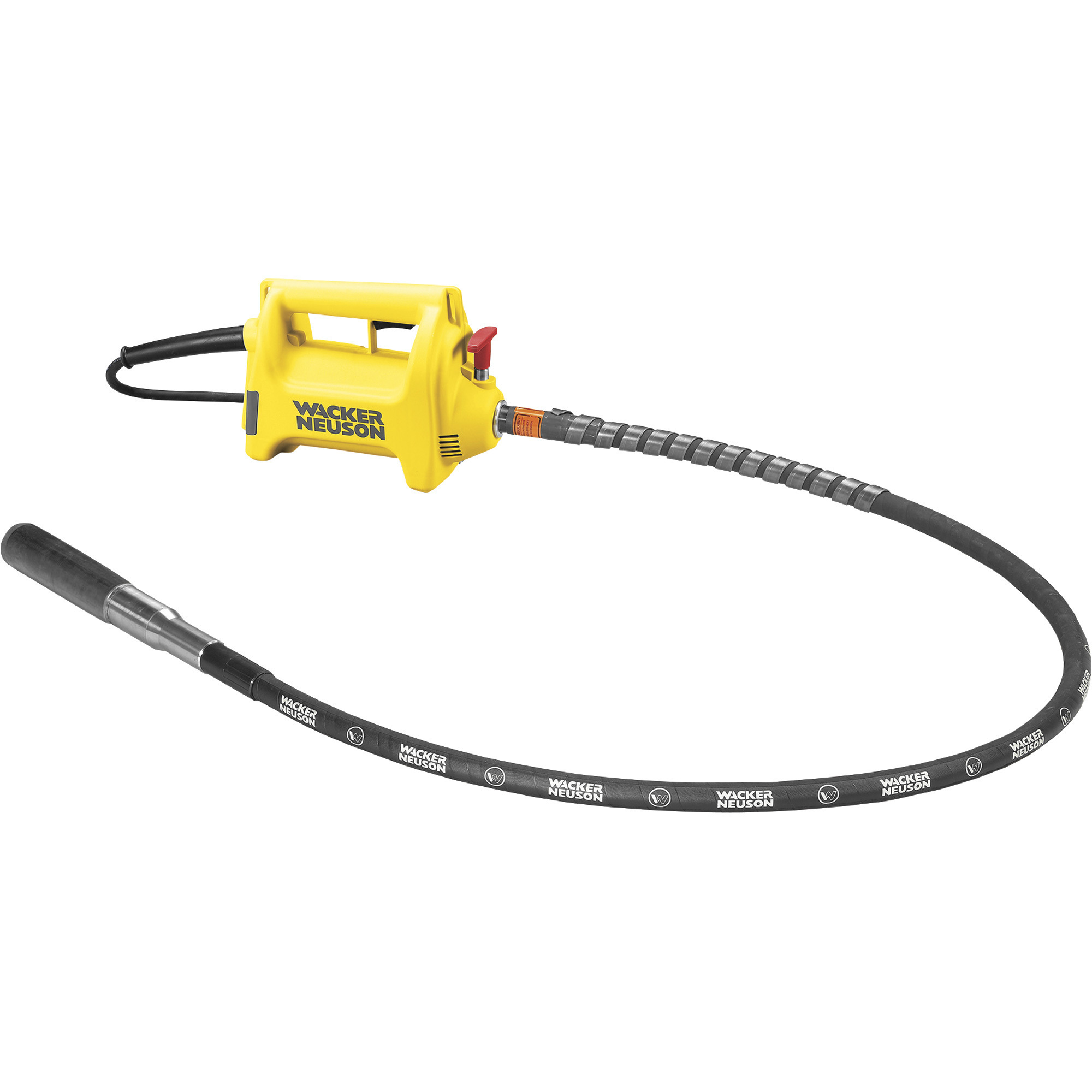
Item # 87875
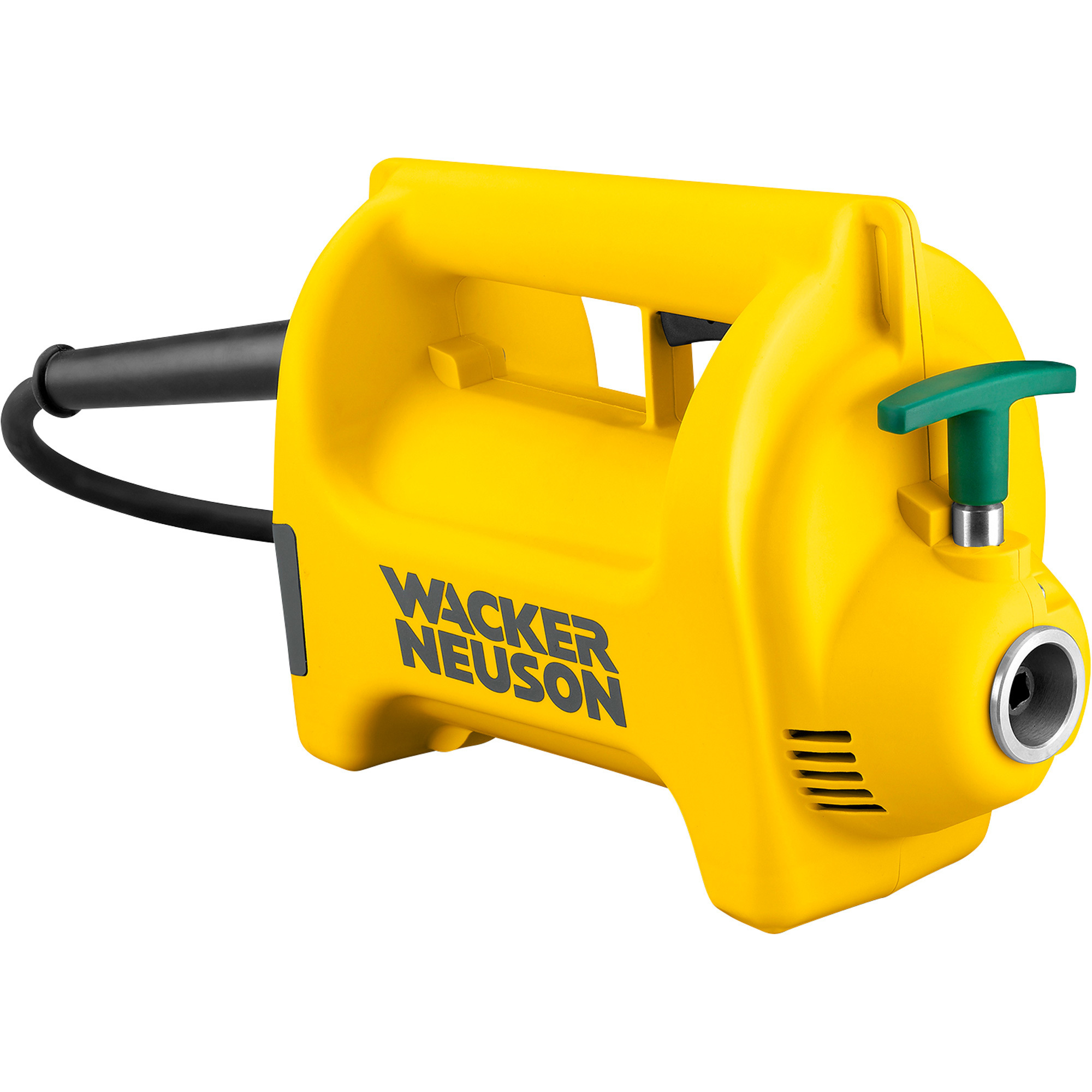
Item # 87750
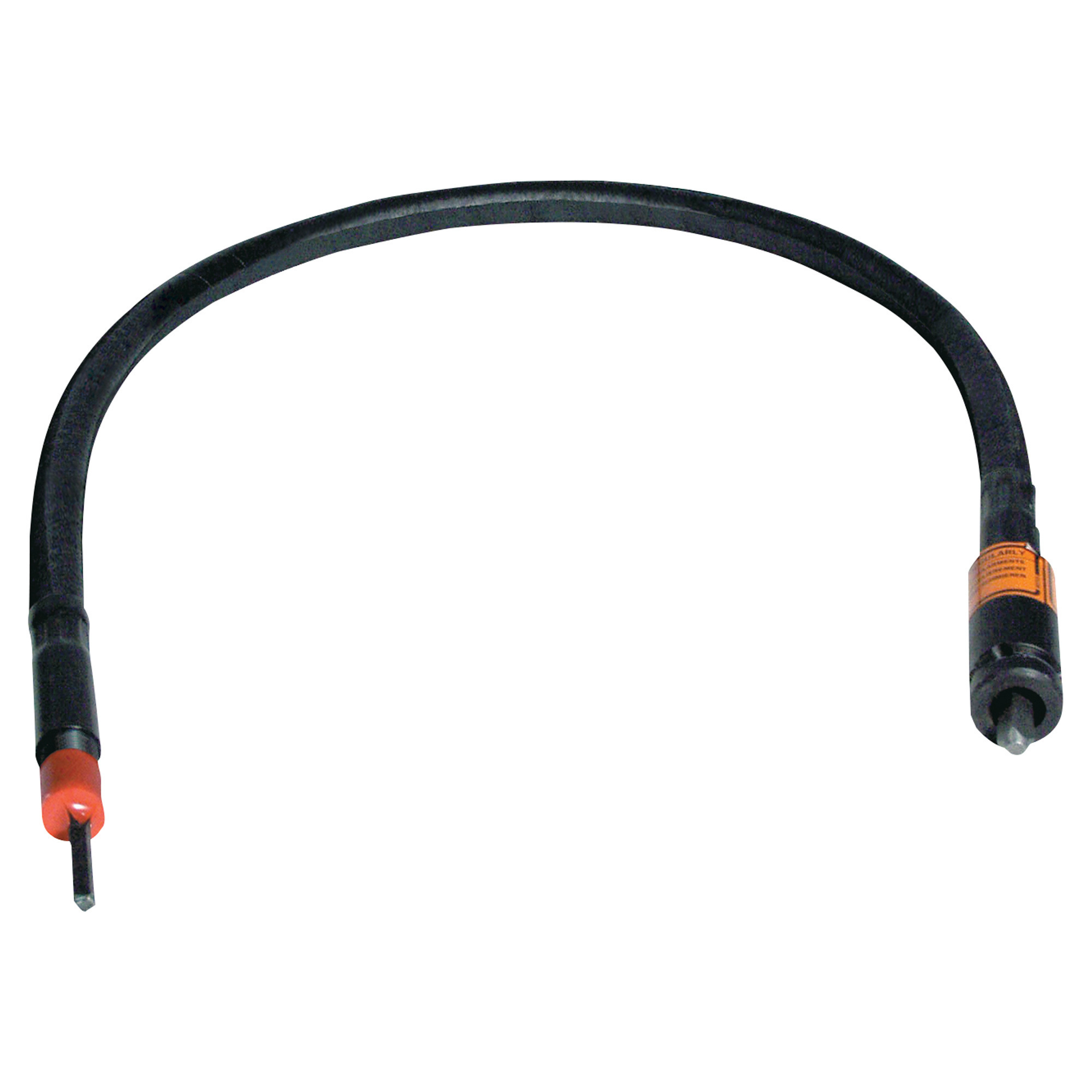
Item # 87888
Concrete Vibrators
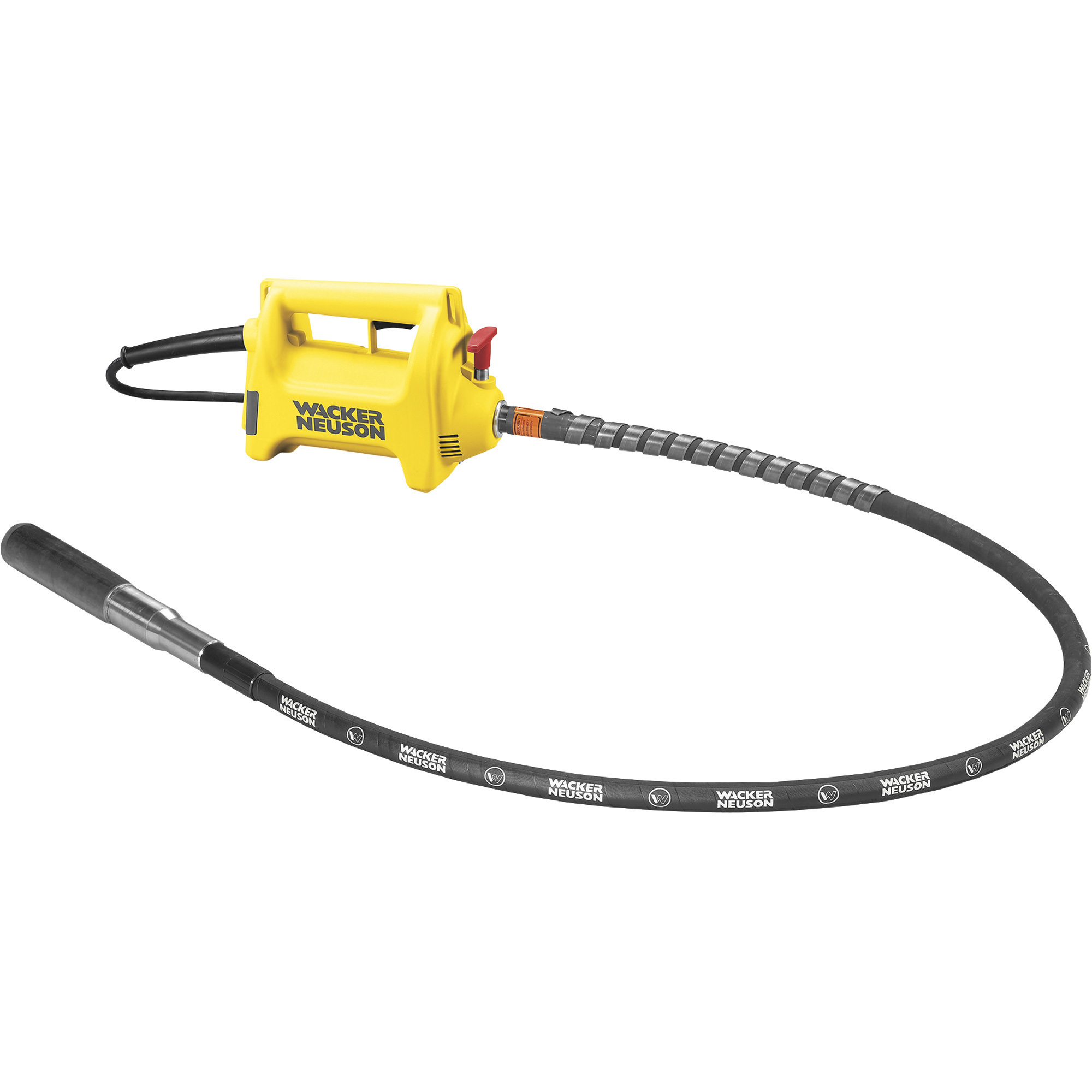
High-frequency concrete vibrators aid in removing trapped air and excess water from freshly poured concrete. This action results in a more level and compact surface once dried. There are four categories of concrete vibrators: internal, form, surface, and vibrating tables. Northern Tool + Equipment carries a wide selection of internal concrete vibrators. This style of concrete vibrator can also be referred to as immersion, poker, needle, or pencil. Our selection includes electric, battery, and gas-powered units from top brands including Wacker Neuson, Husqvarna, DEWALT, and more. All units are easy to transport due to their compact size.
Internal concrete vibrators comprise of four main parts: the motor, the tube-encased shaft, the head, and the eccentric. The motor produces vibration to set the shaft with an unbalanced weight in motion. The weight is housed within the vibrator head and sets the head to revolve in an orbital motion. The shaft follows suit to assist in settling the aggregate mixture. Concrete vibrator shafts 1 inch or less are considered standard, while larger diameters are considered high efficiency. Additional and replacement shafts are available ranging from 1 1/8 to 2 5/8 inches. Complete concrete vibrators in this selection offer between 6,000-16,0000 vibrations per minute (VPM) and 0.6 to 3 horsepower. For concrete mixes with high mortar content, select a concrete vibrator with higher frequency. For heavier mixes of coarse aggregate, opt for a model with higher amplitude.