Concrete Saws
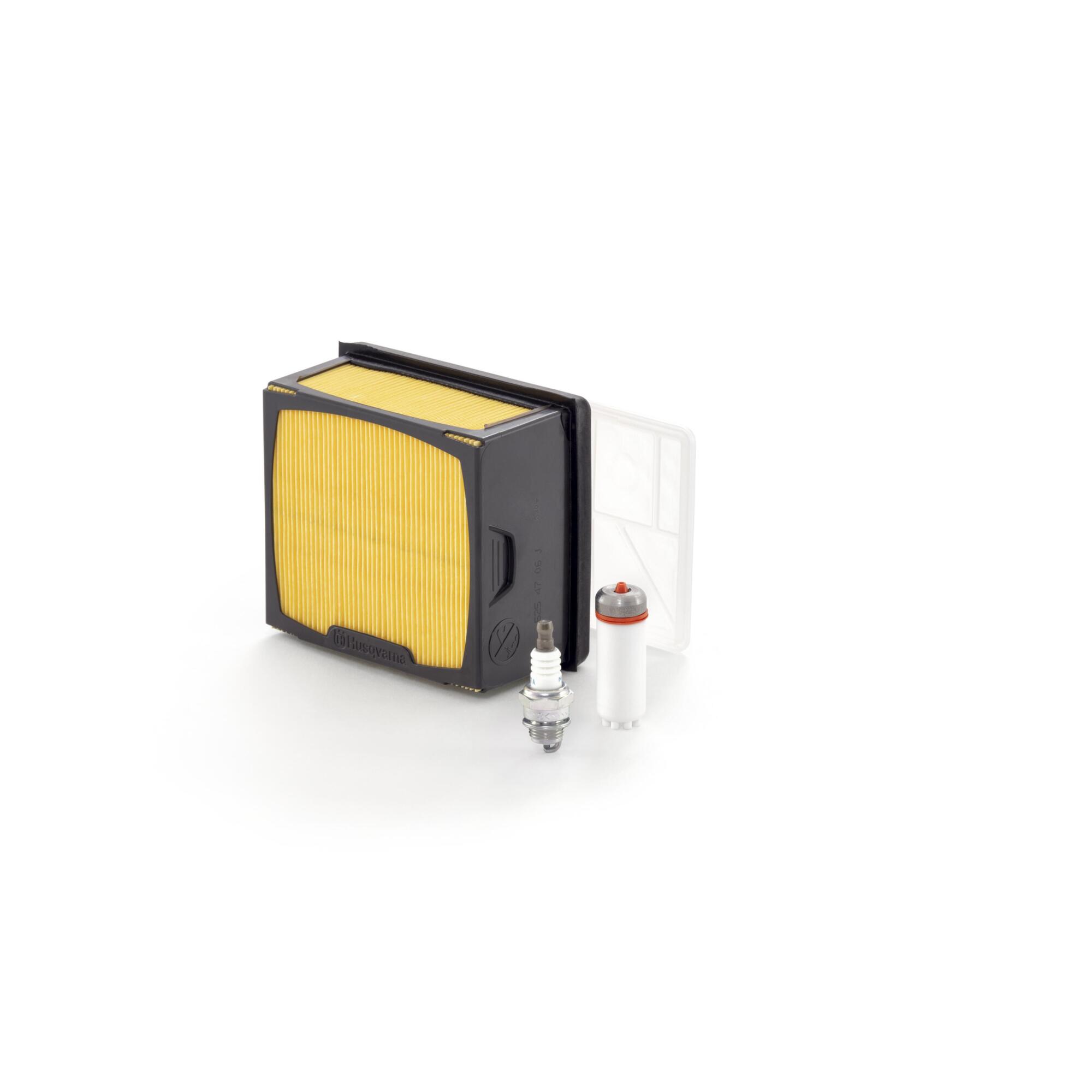
Filters
1-48 of 104 Products

Item # 63952
Order today to get this price.
Item # 20965
Item # 21241
Item # 6030948
Item # 27542
Item # 114831
Order today to get this price.
Item # 63993
Order today to get this price.
Item # 63965
Item # 5001619
Item # 88509
Order today to get this price.
Item # 6075273
Item # 6132602
Item # 114607
Item # 88508
Order today to get this price.
Item # 64097
Item # 64095
Item # 6132565
Item # 30339
Item # 21244
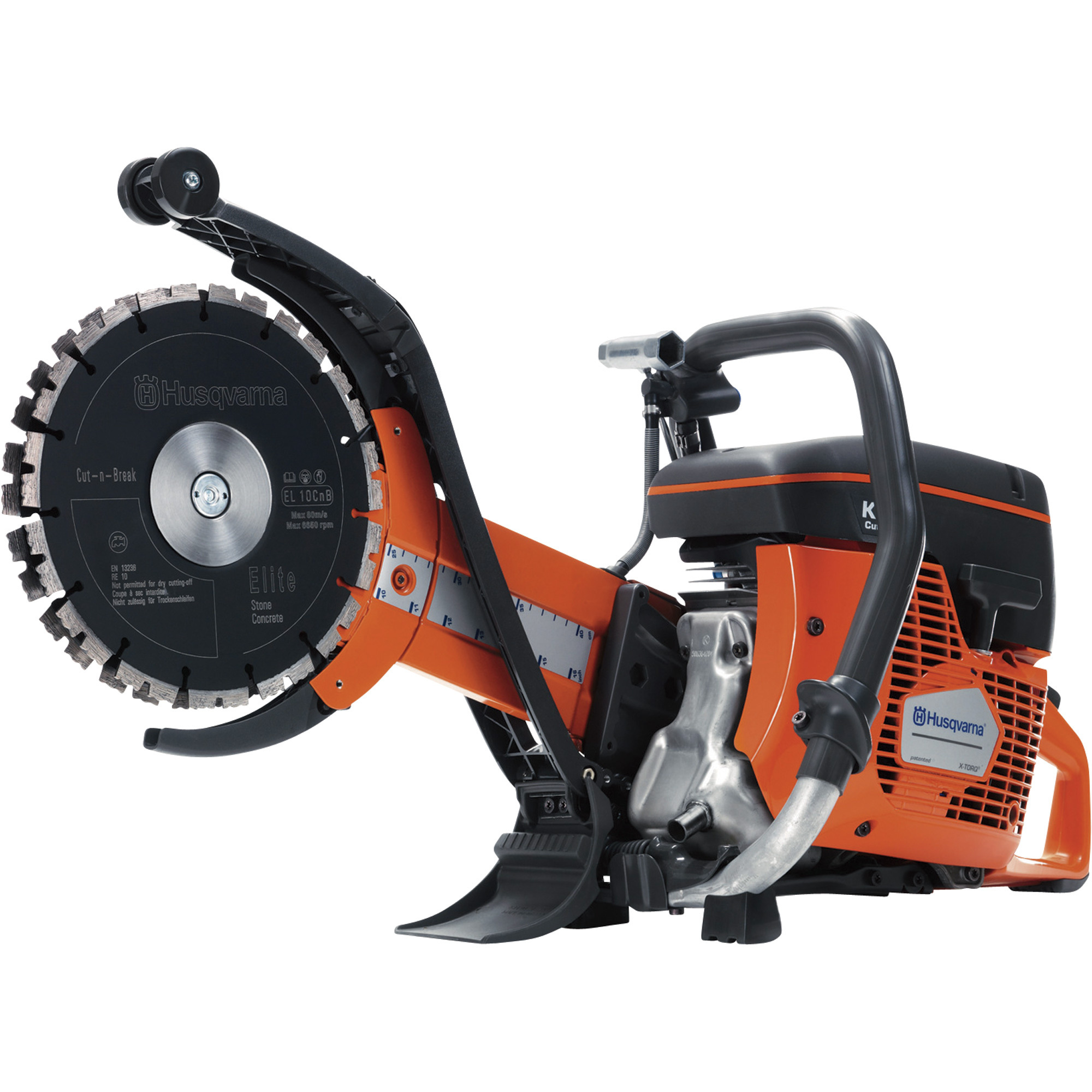
Item # 21251
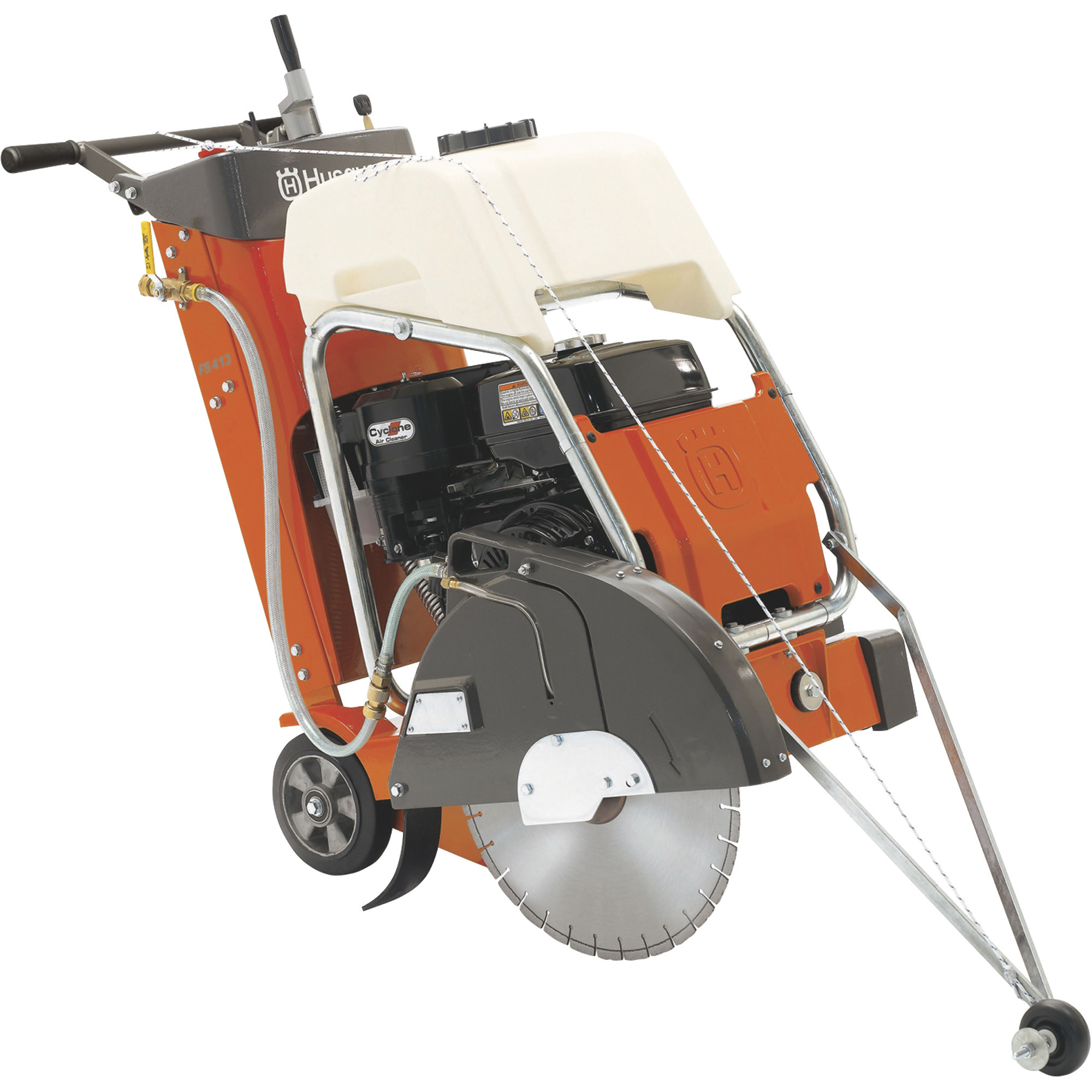
Item # 33883
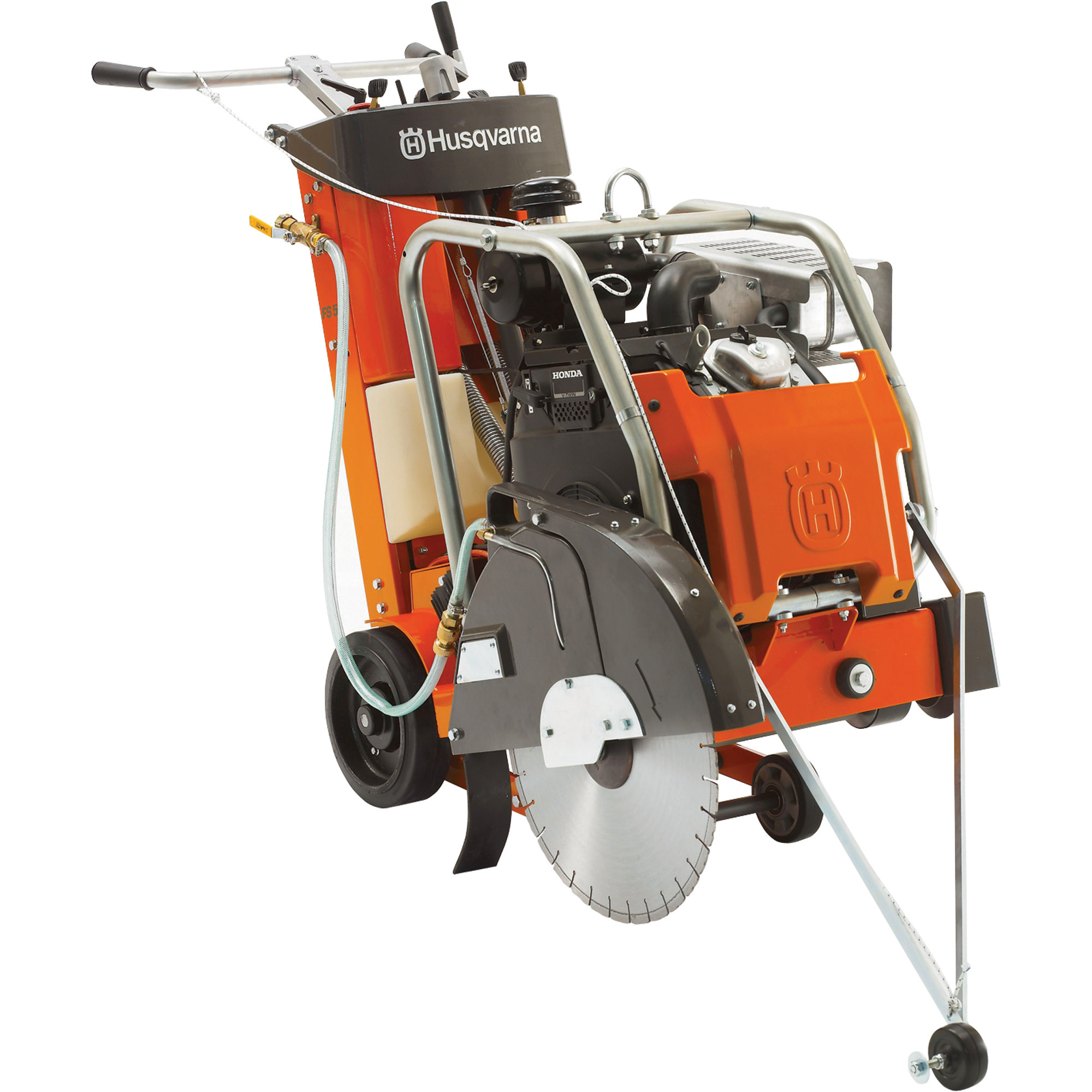
Item # 33683
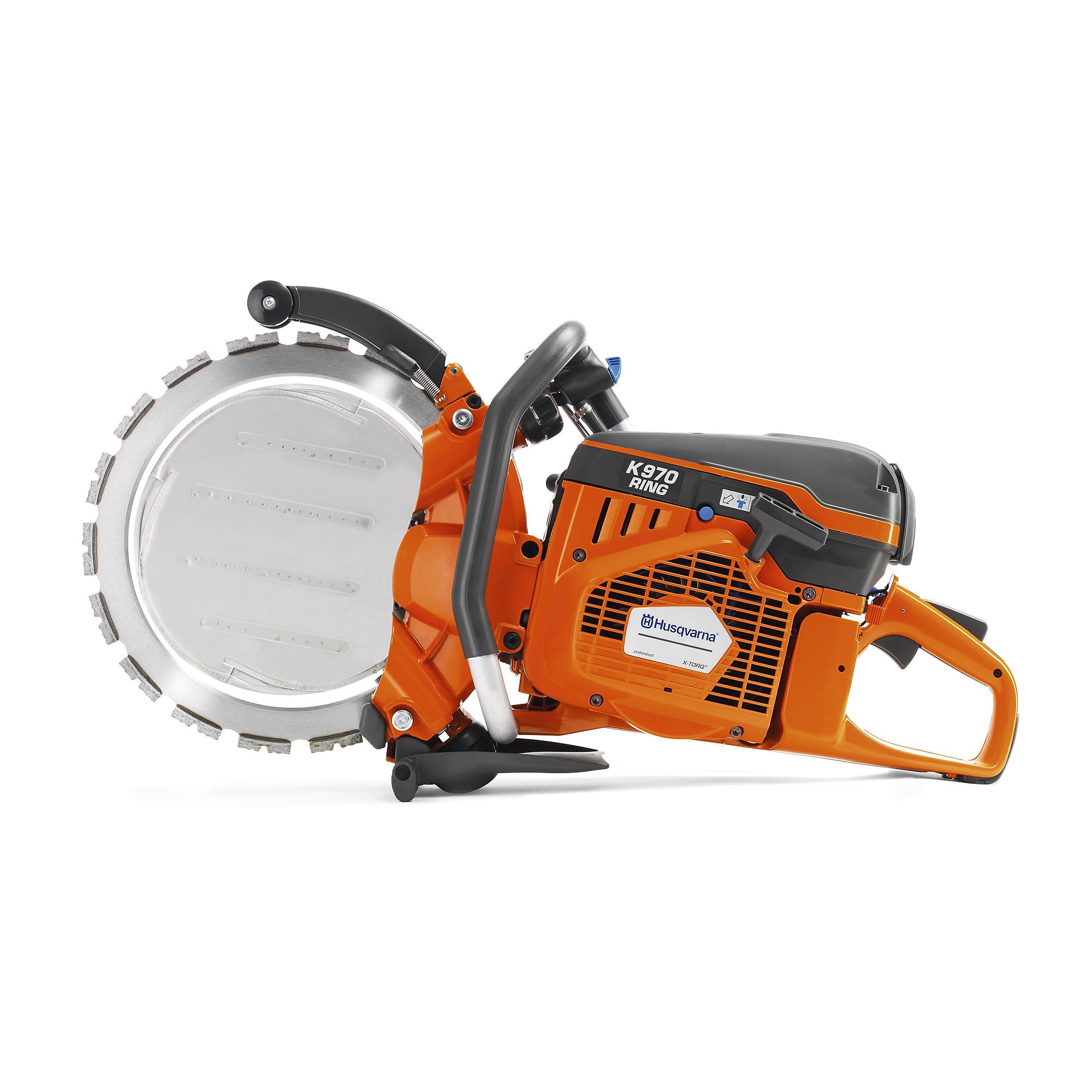
Item # 5001651
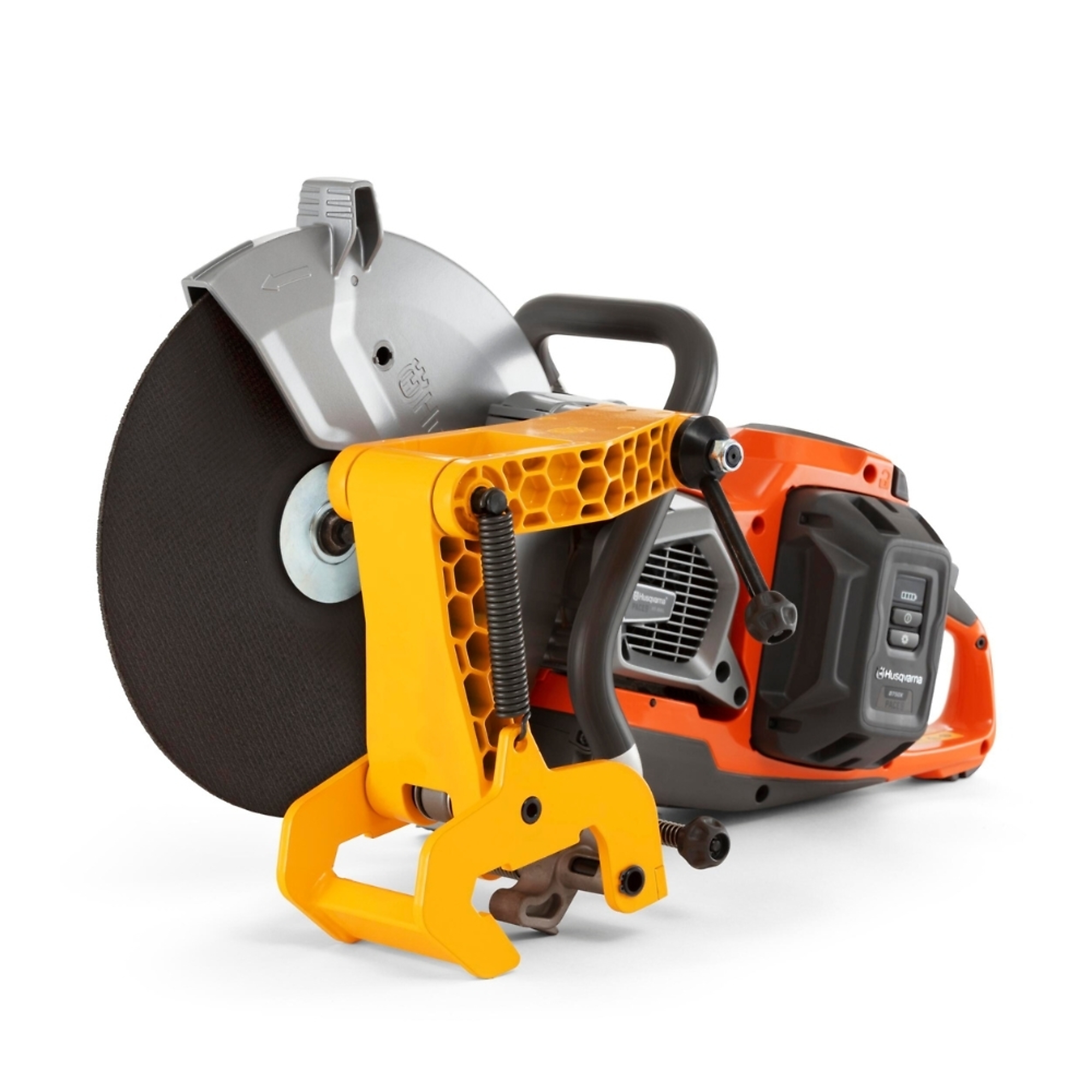
Item # 6537600
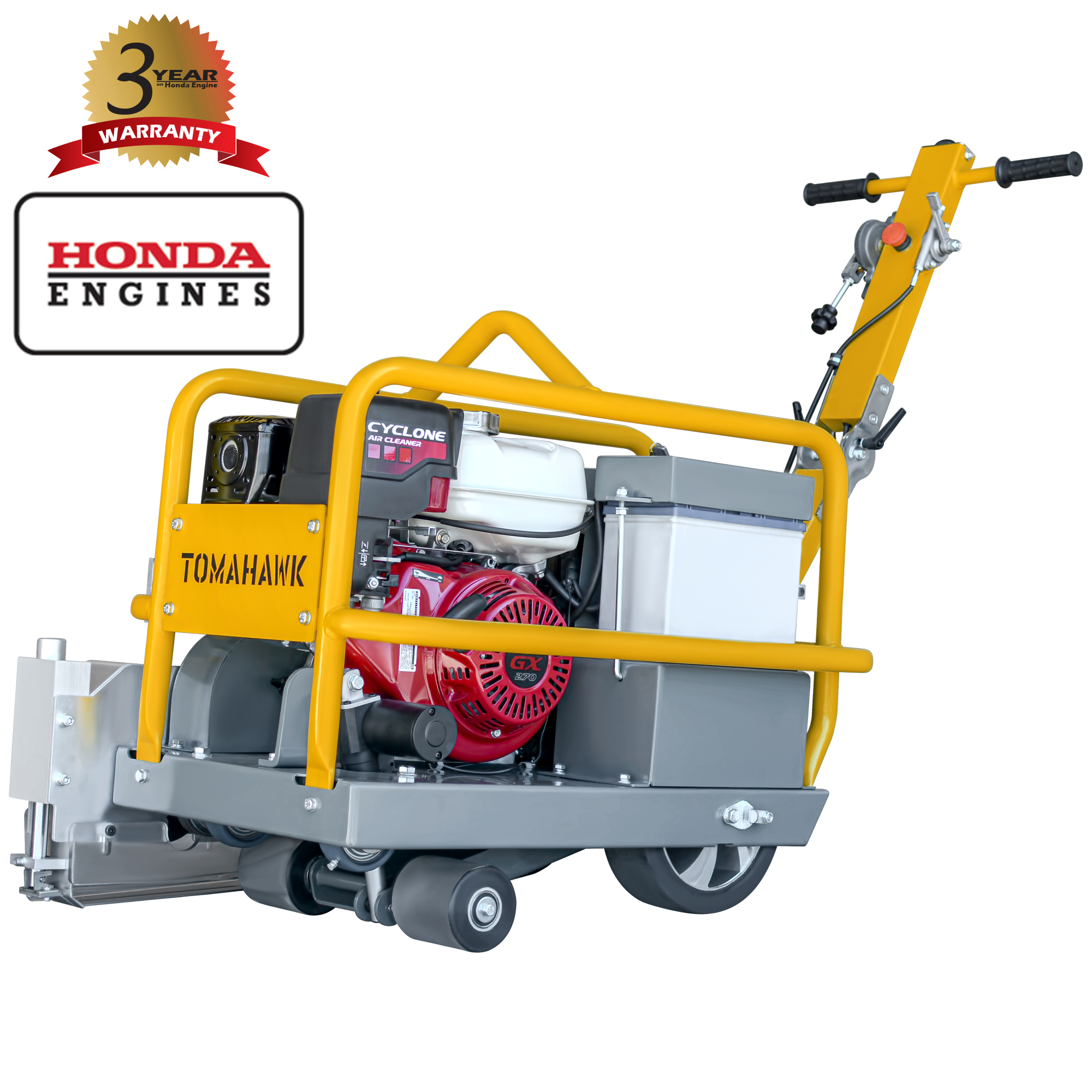
Item # 6538338
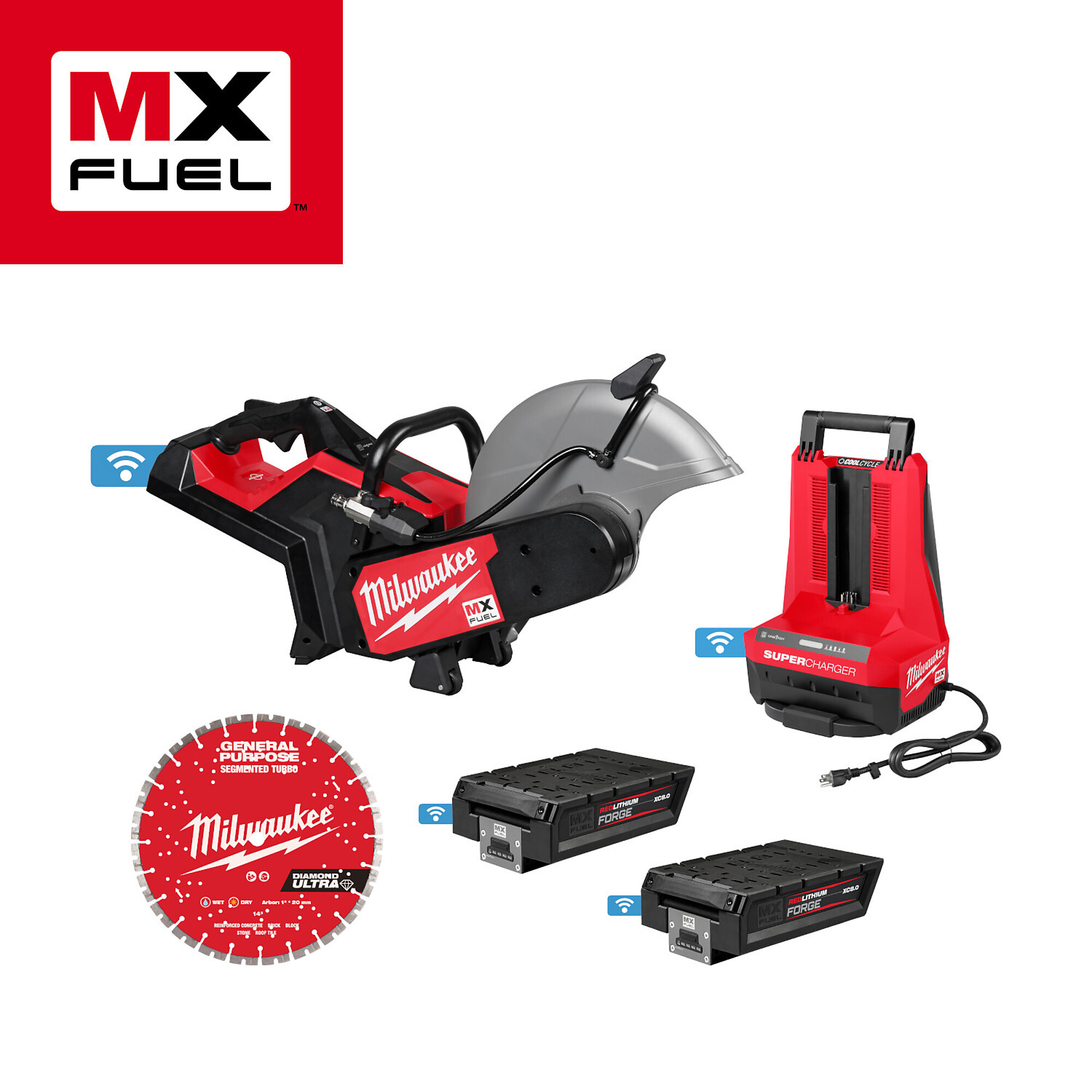
Item # 6172962
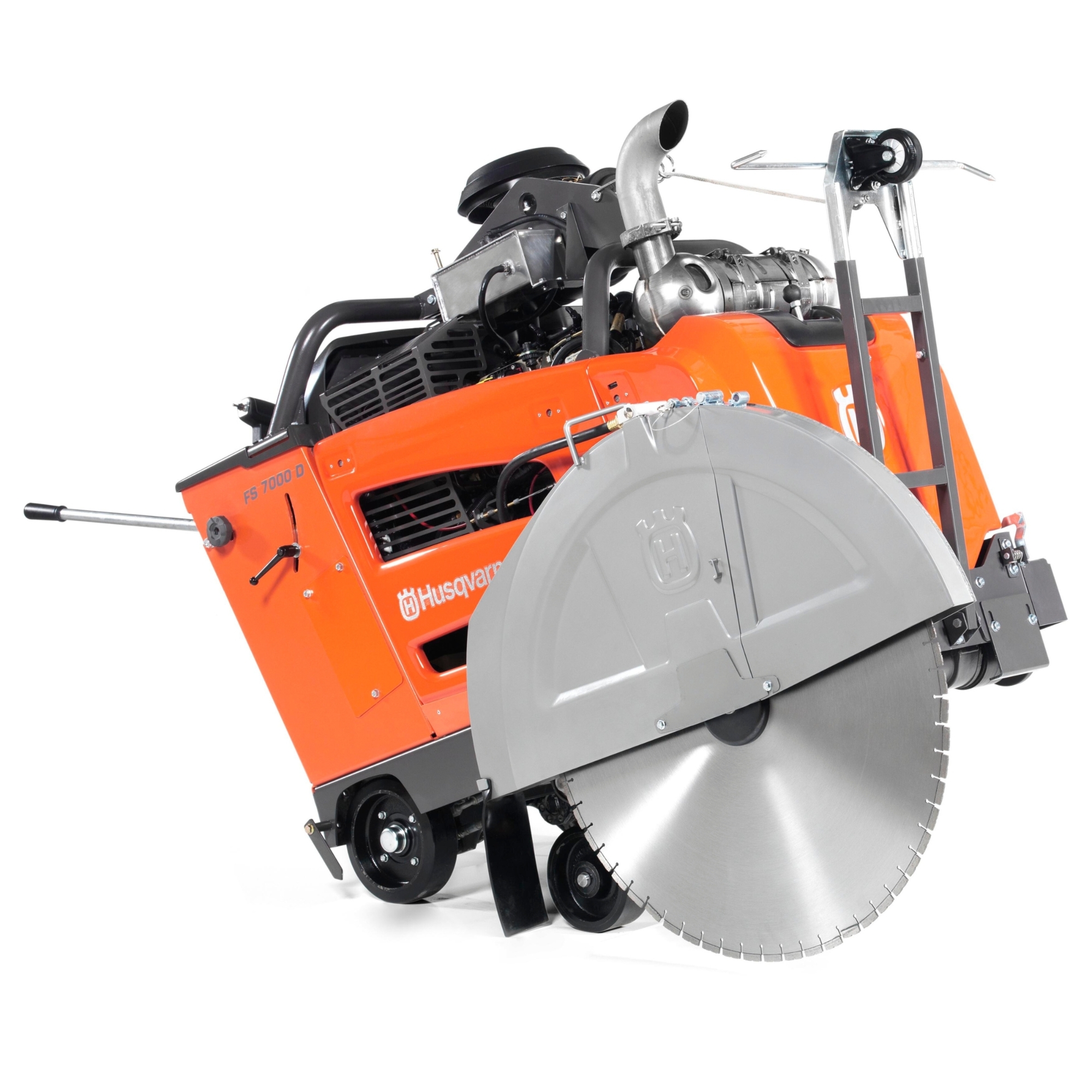
Item # 6654224
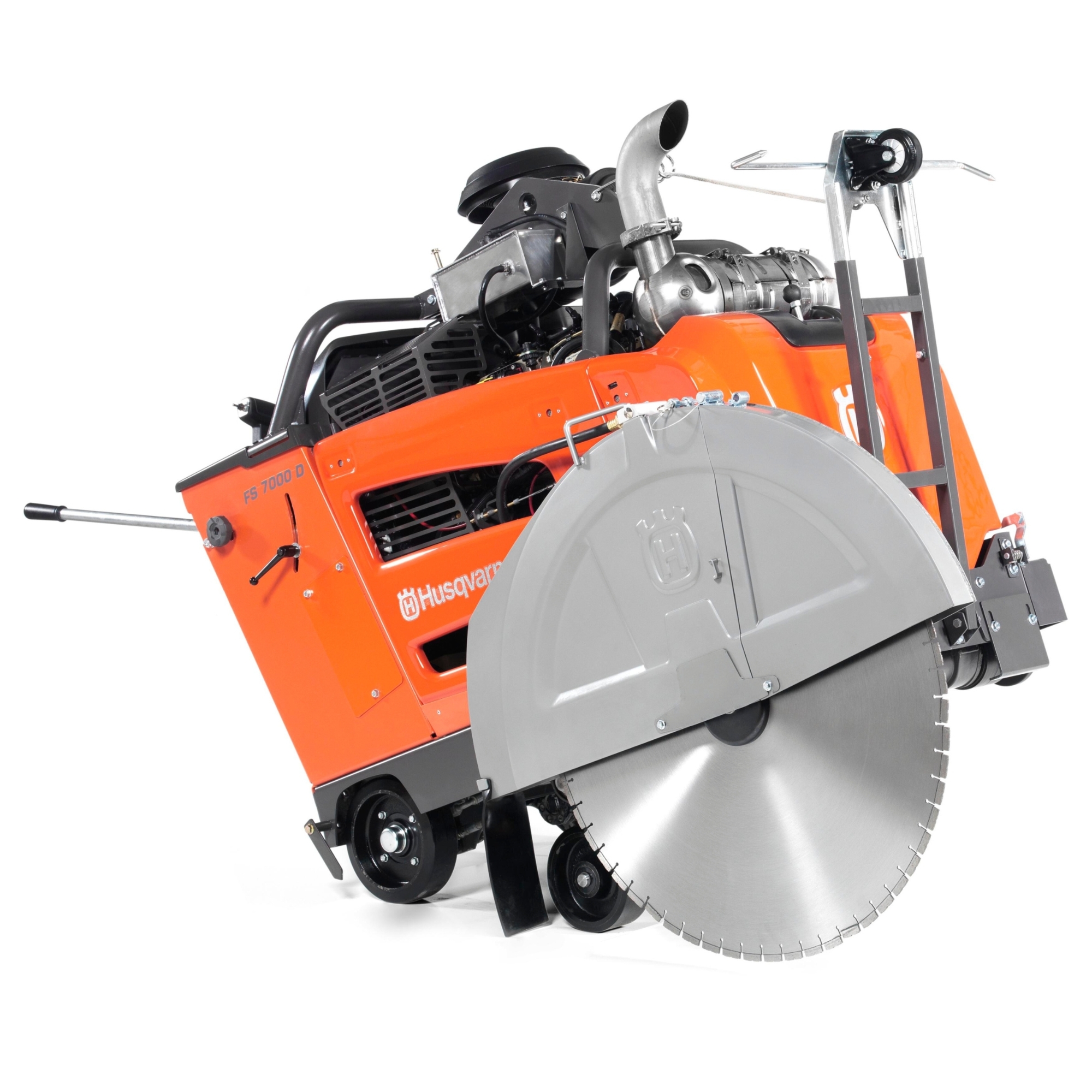
Item # 6654152
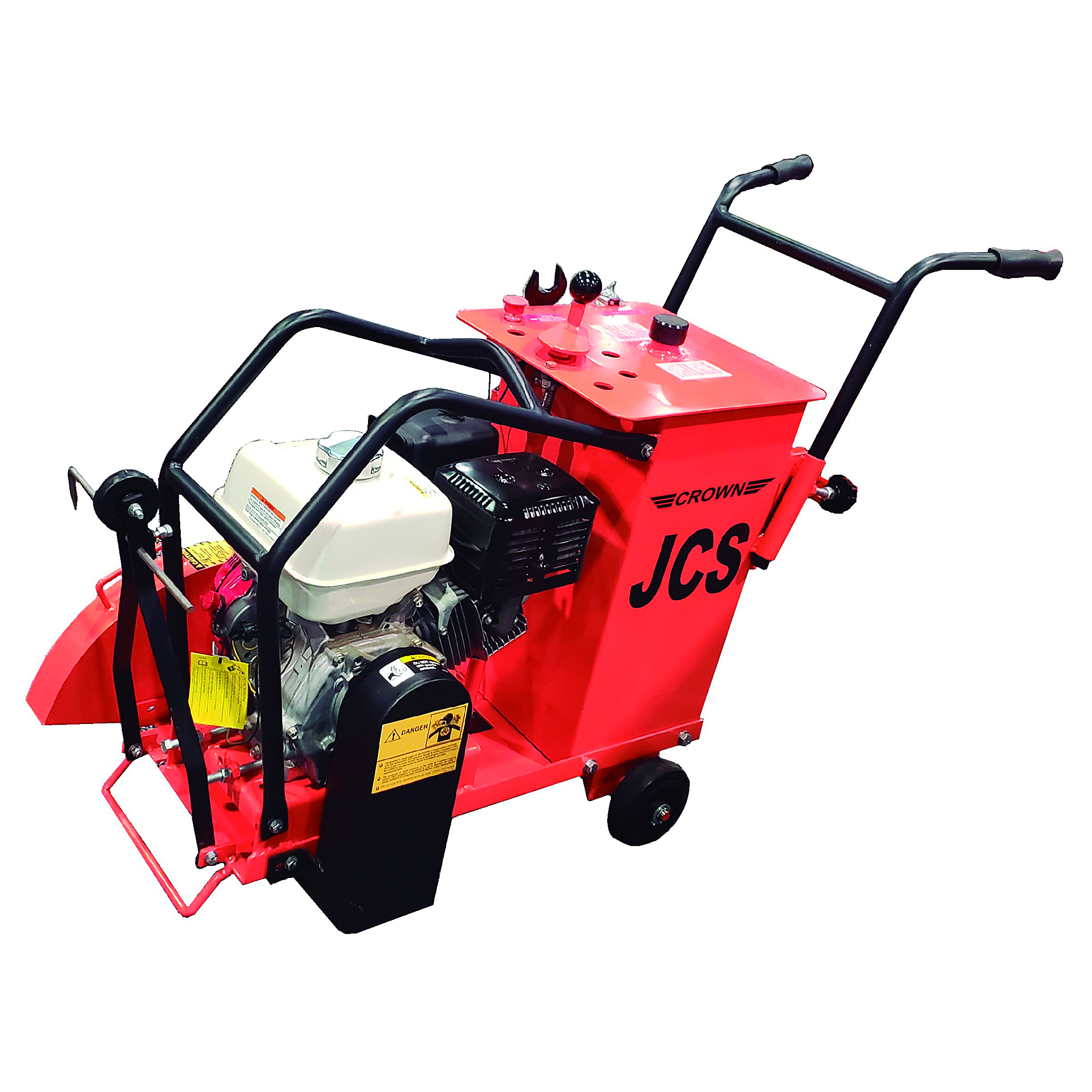
Item # 6804561
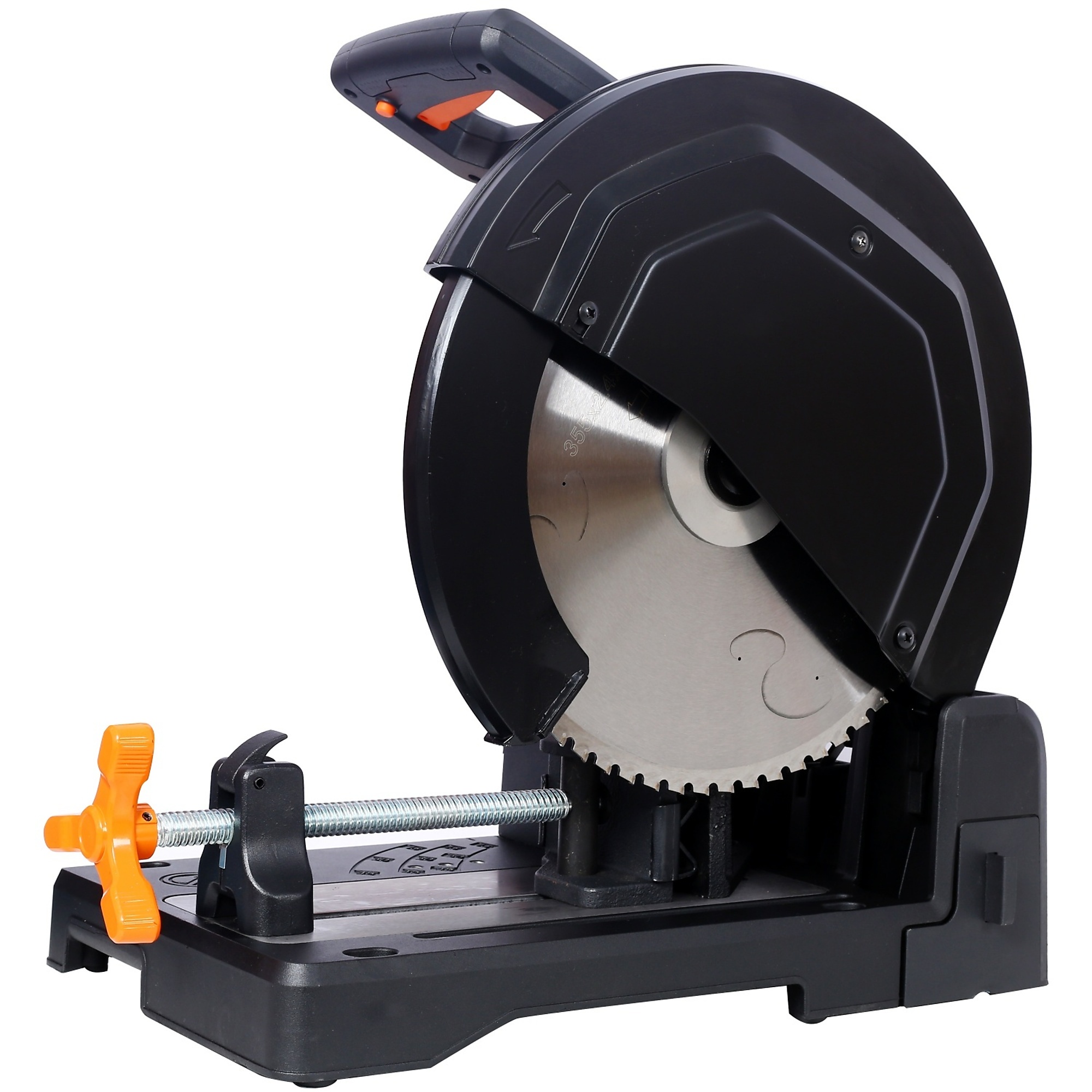
Item # 7043100
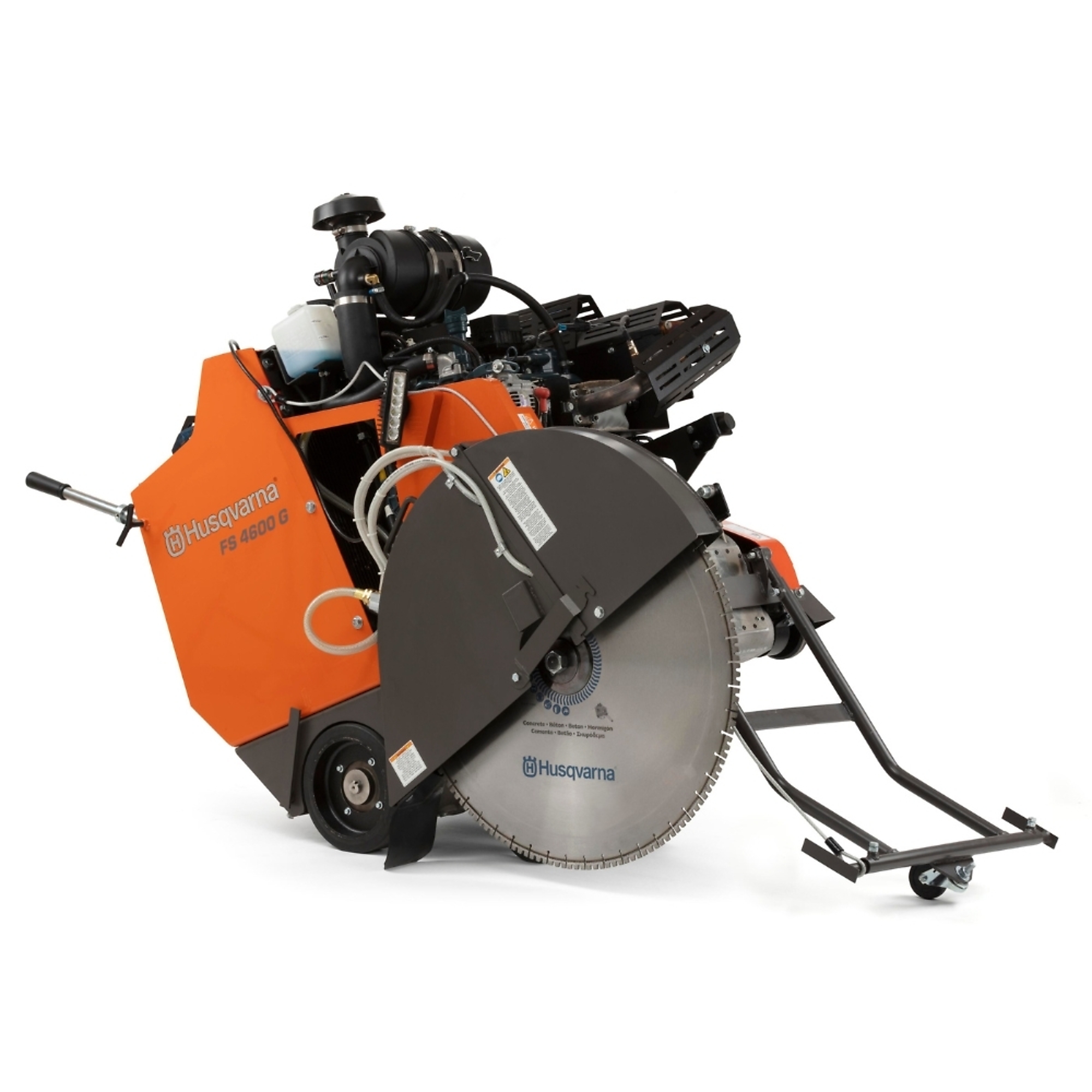
Item # 6537538
Item # 114454
Item # 5001601
Item # 4998082
Item # 4998058
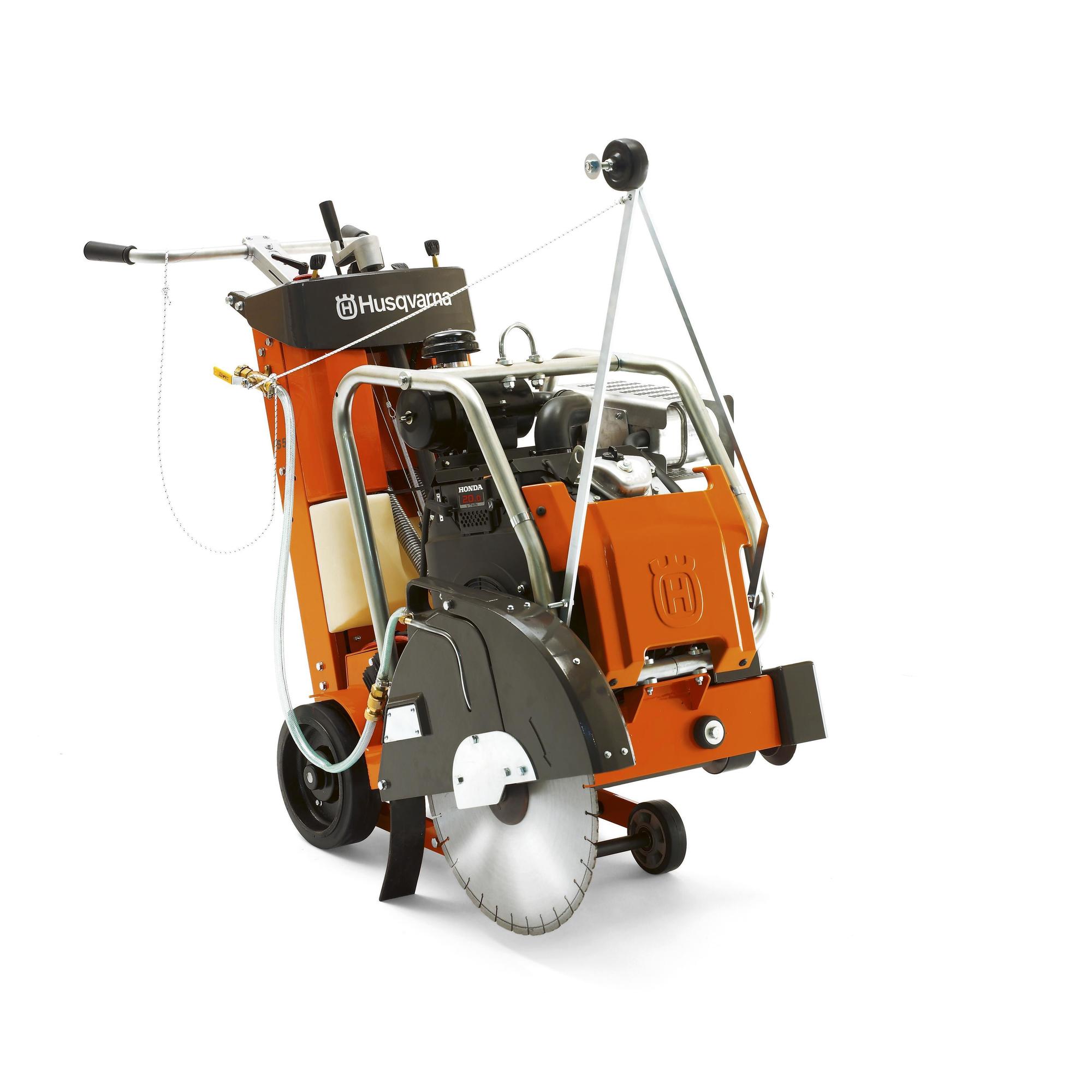
Item # 4998023
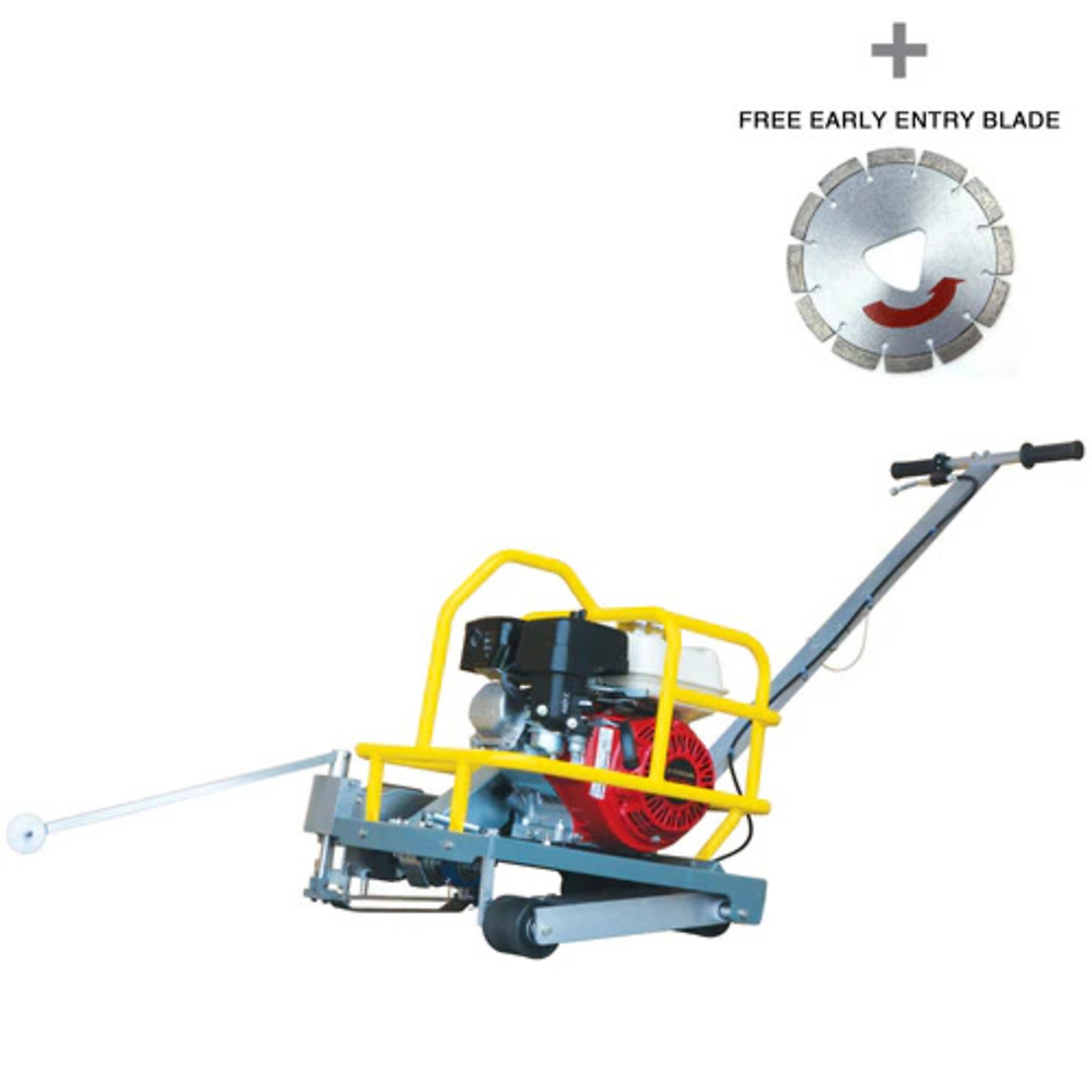
Item # 6123802
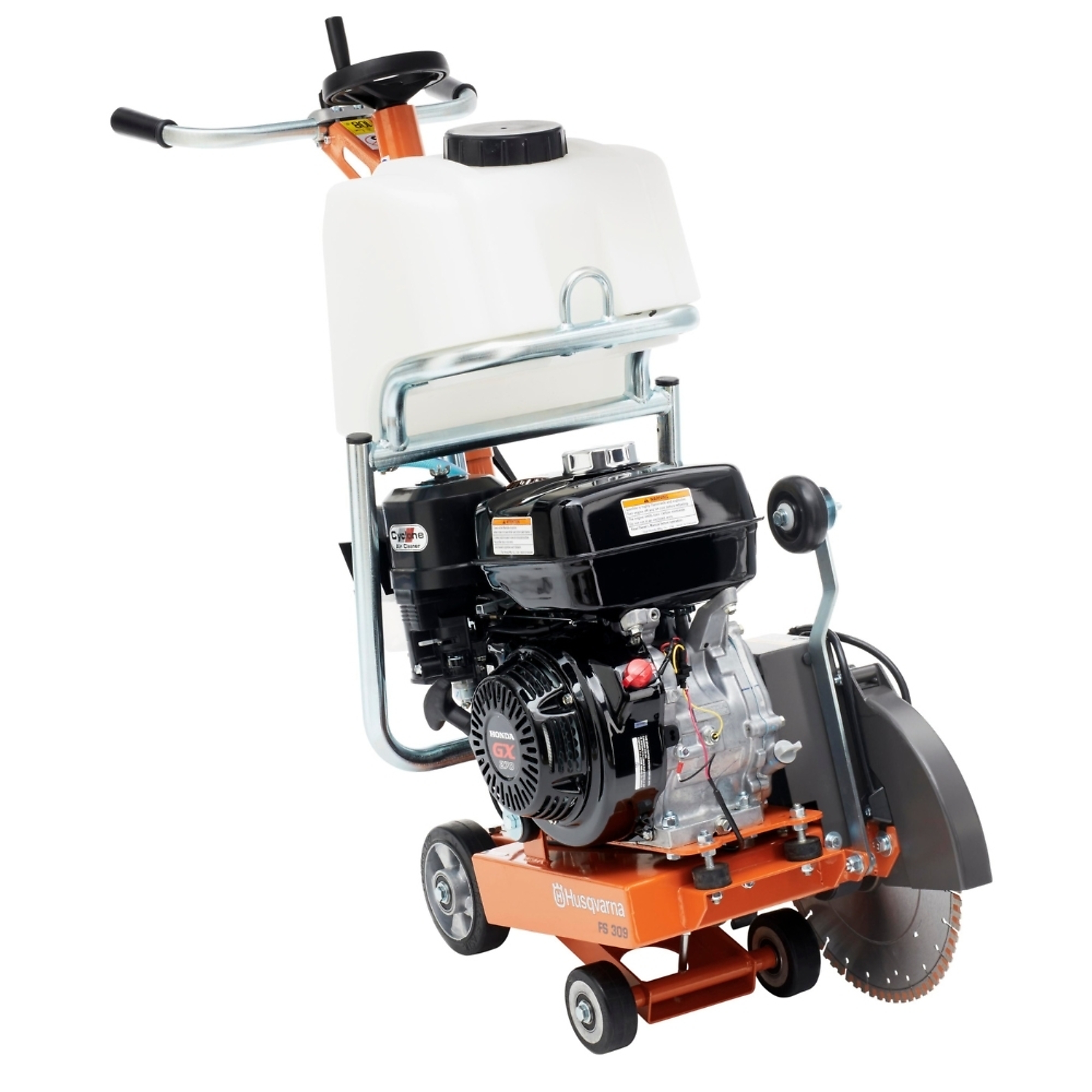
Item # 6538135
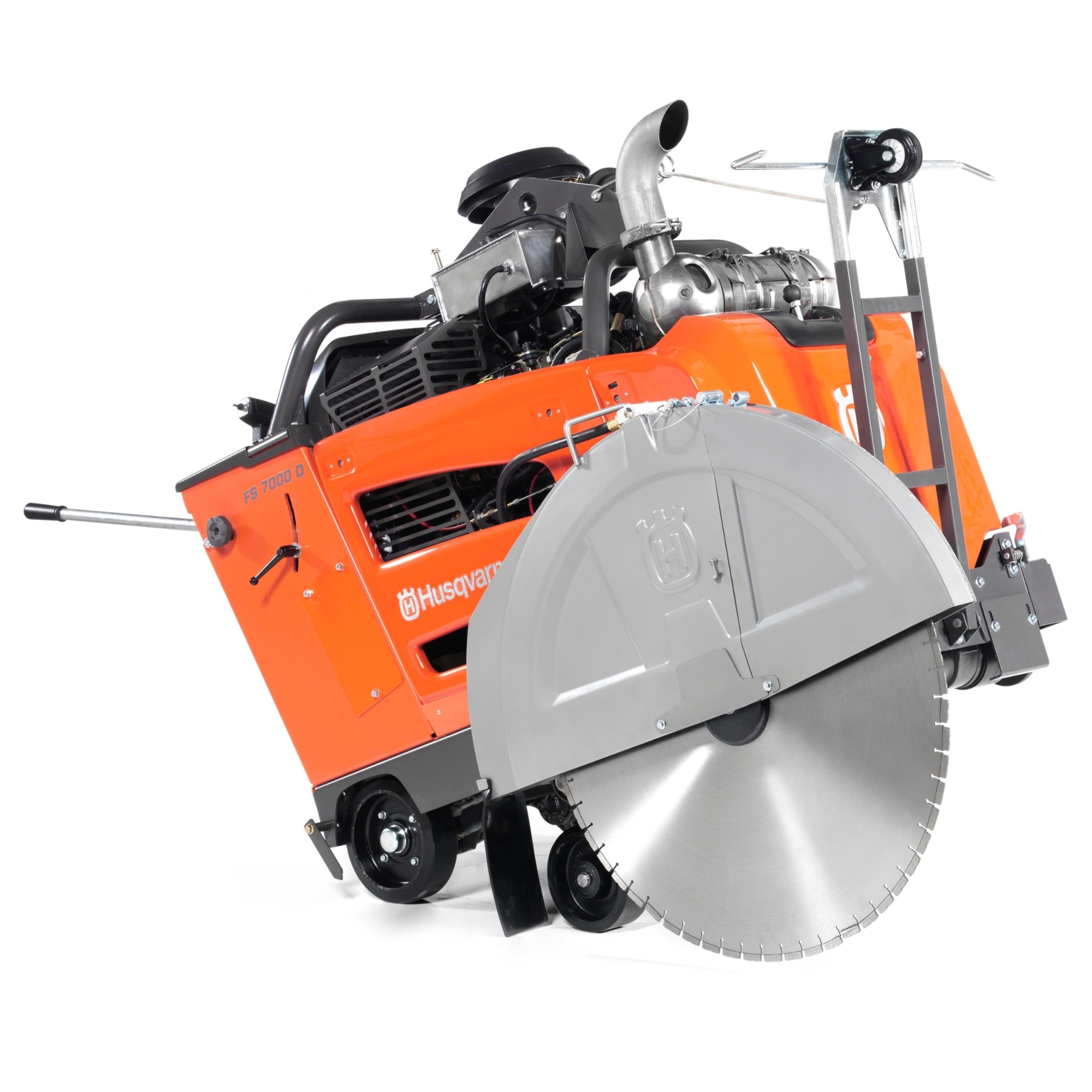
Item # 6654259
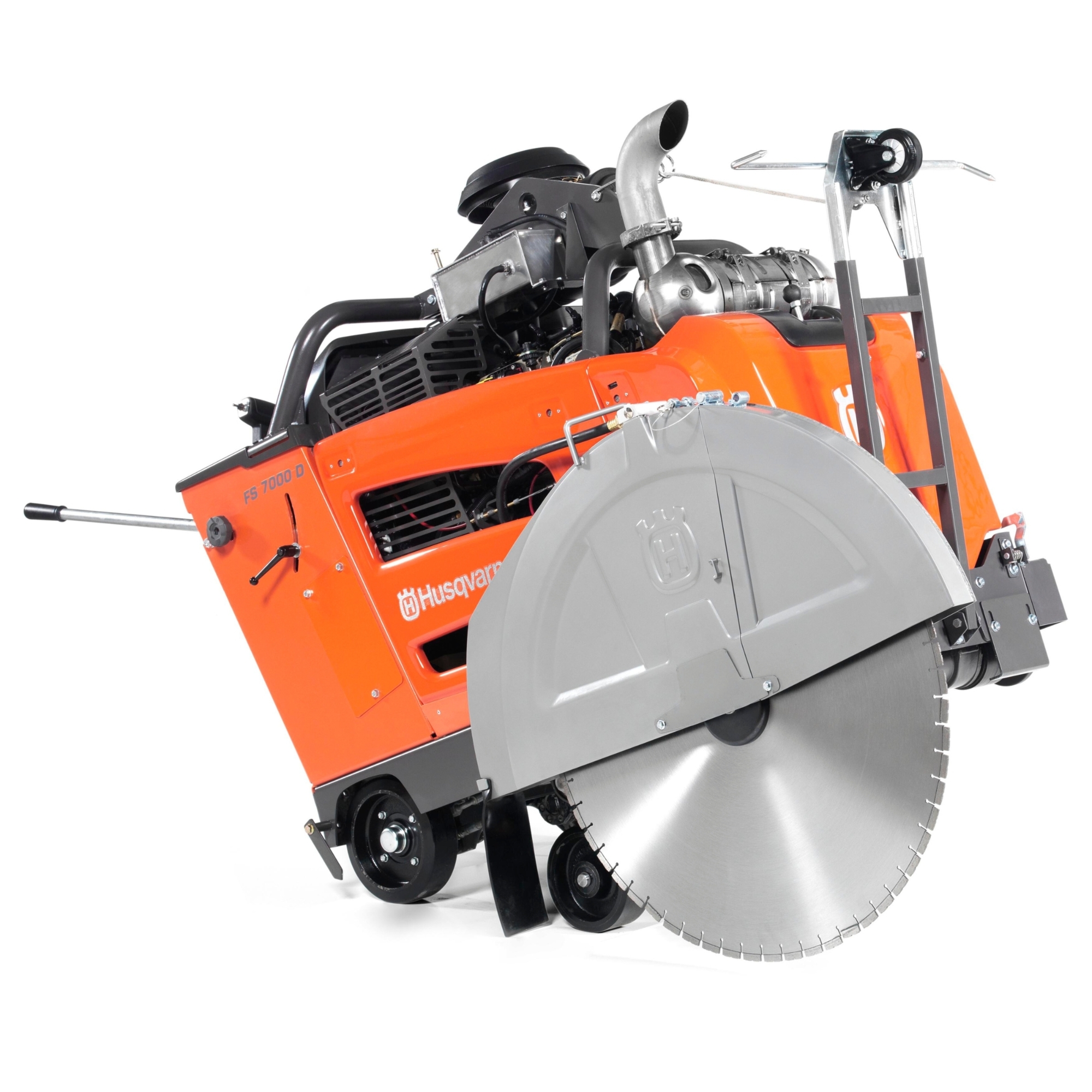
Item # 6654187
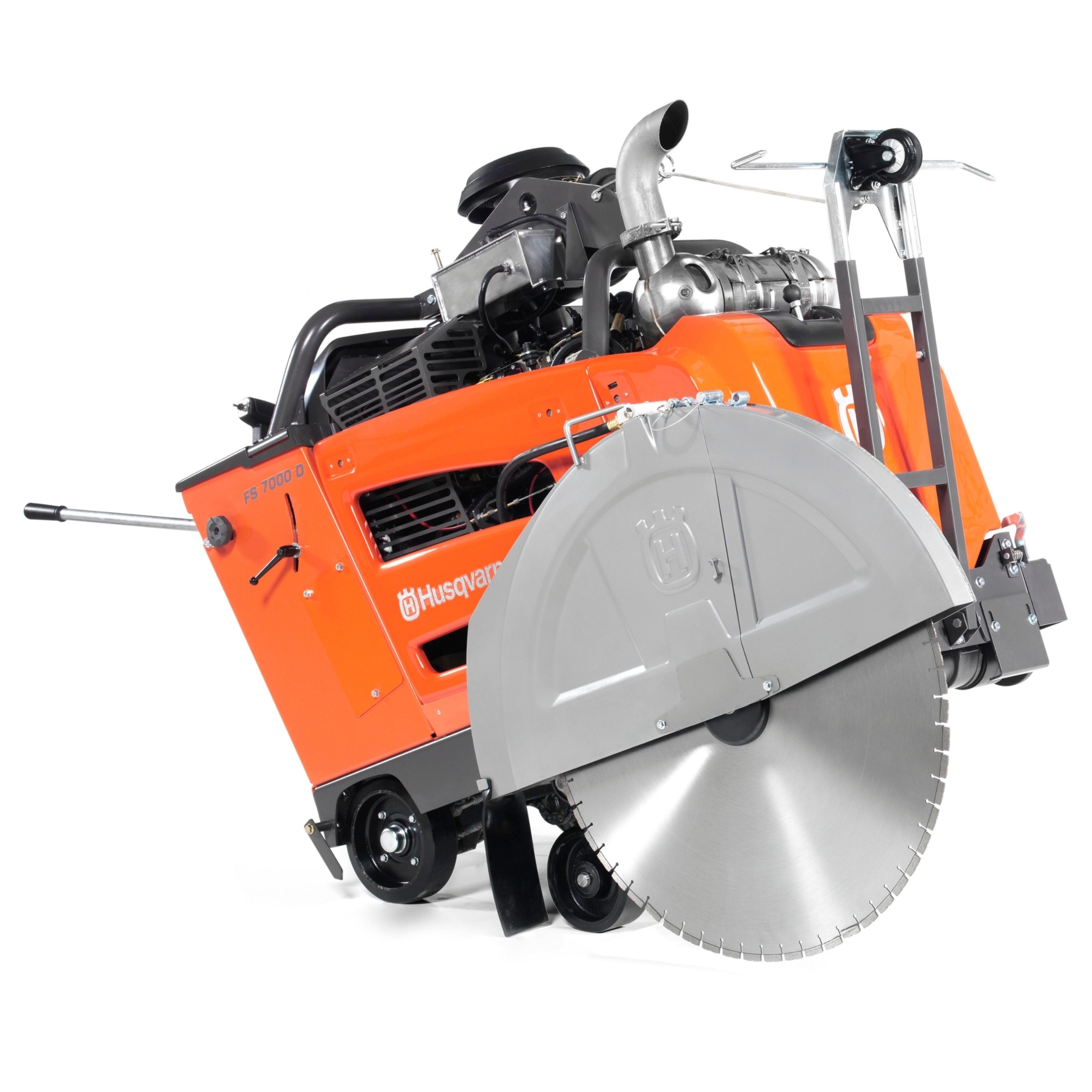
Item # 6654161
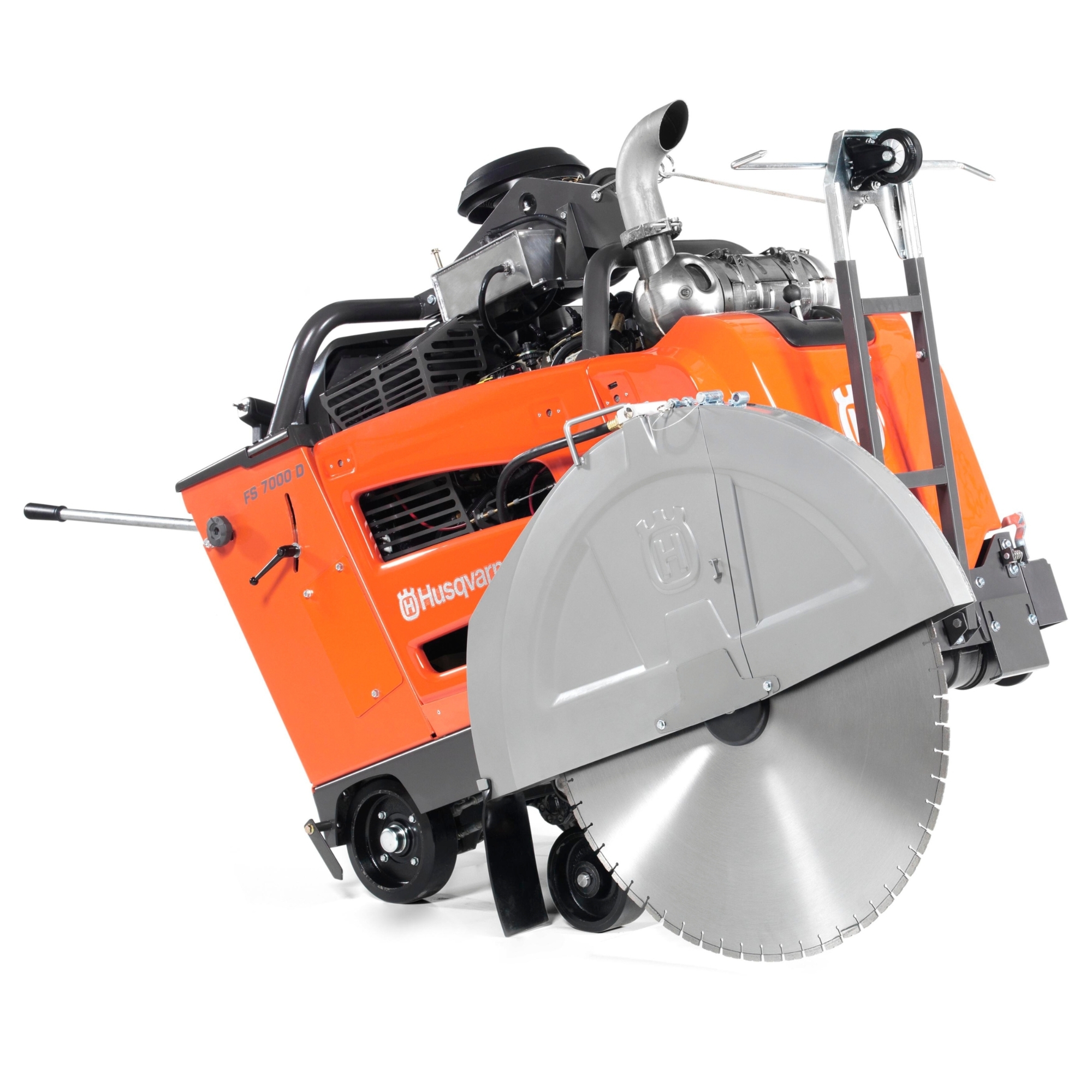
Item # 6654110
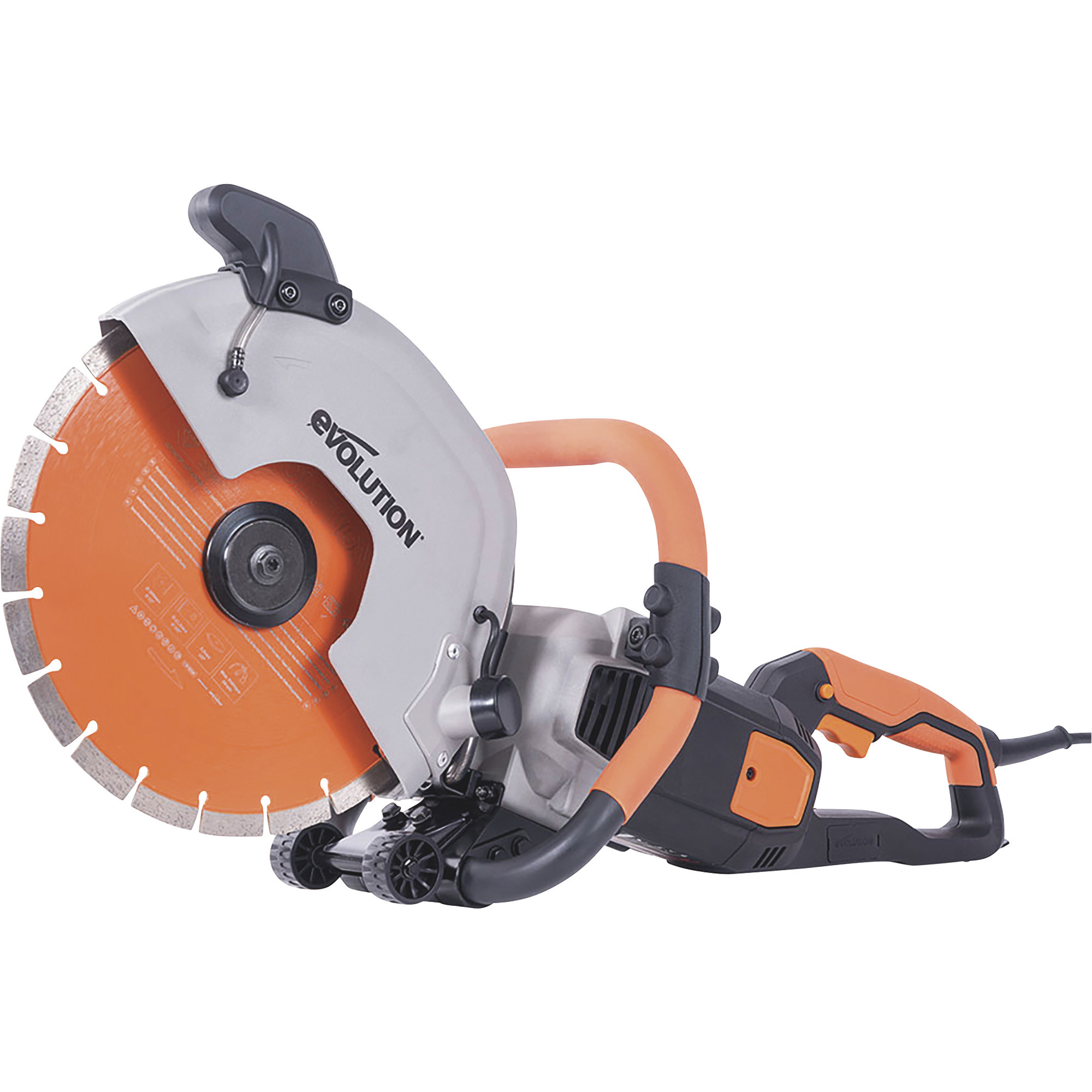
Item # 114608
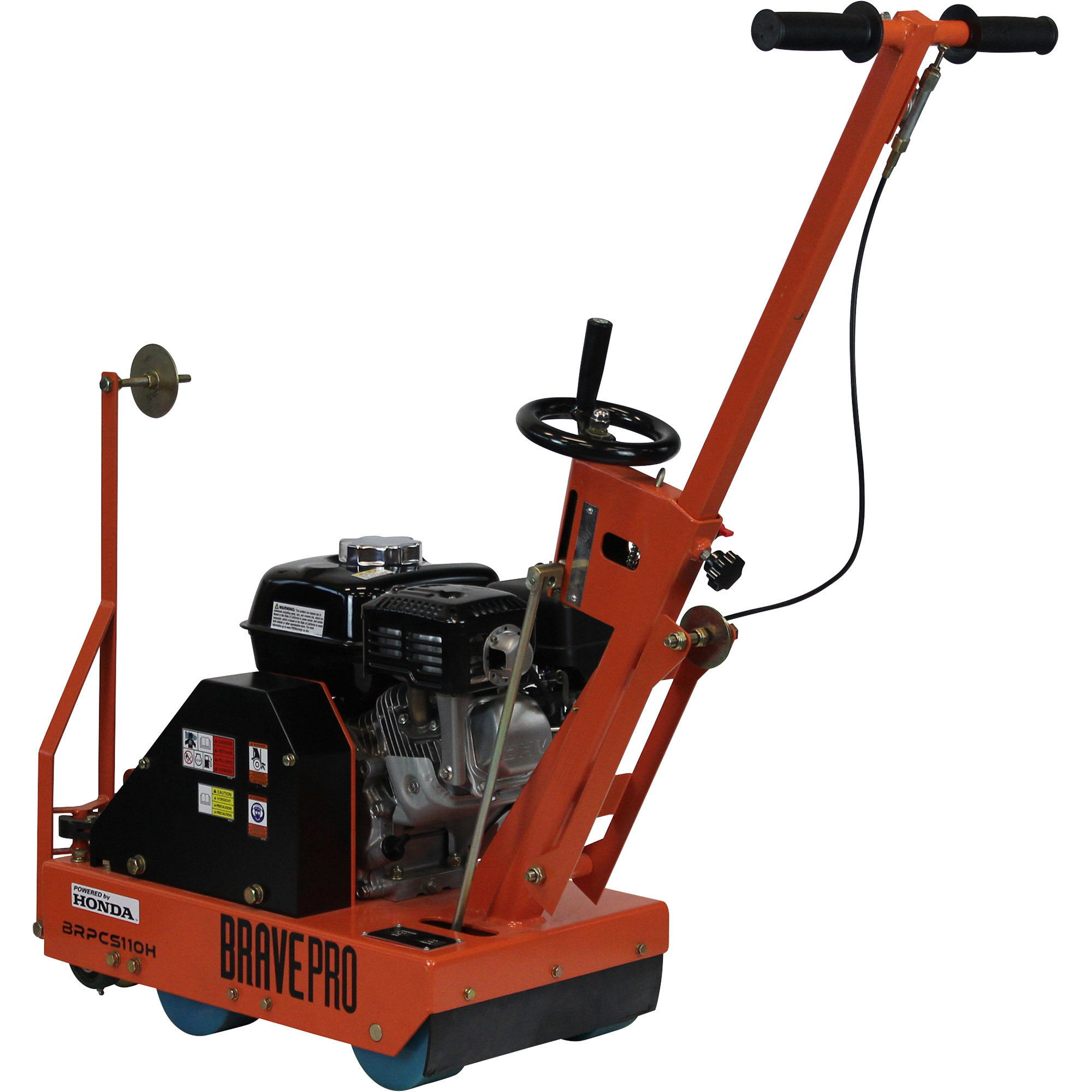
Item # 114453
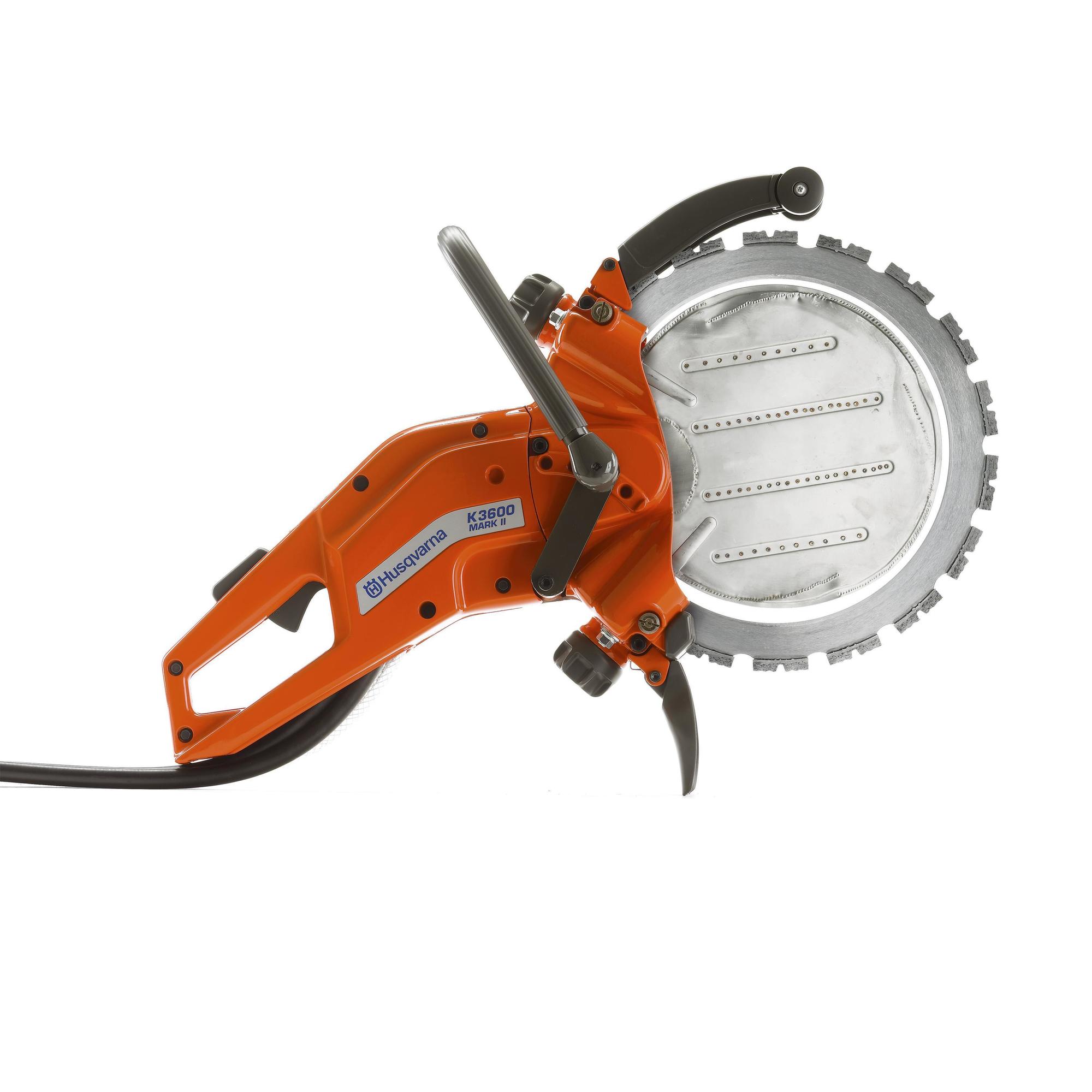
Item # 5001580
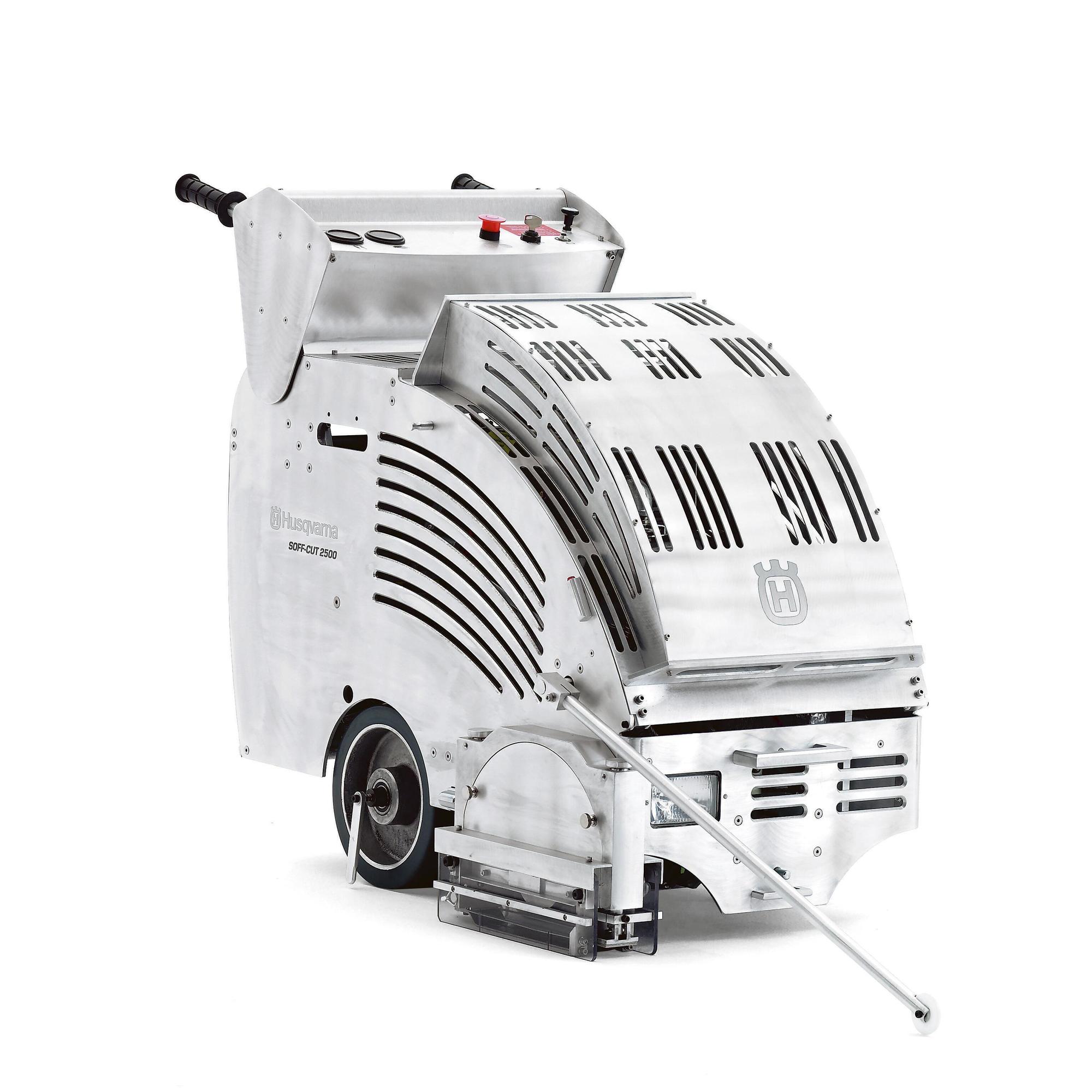
Item # 4998031
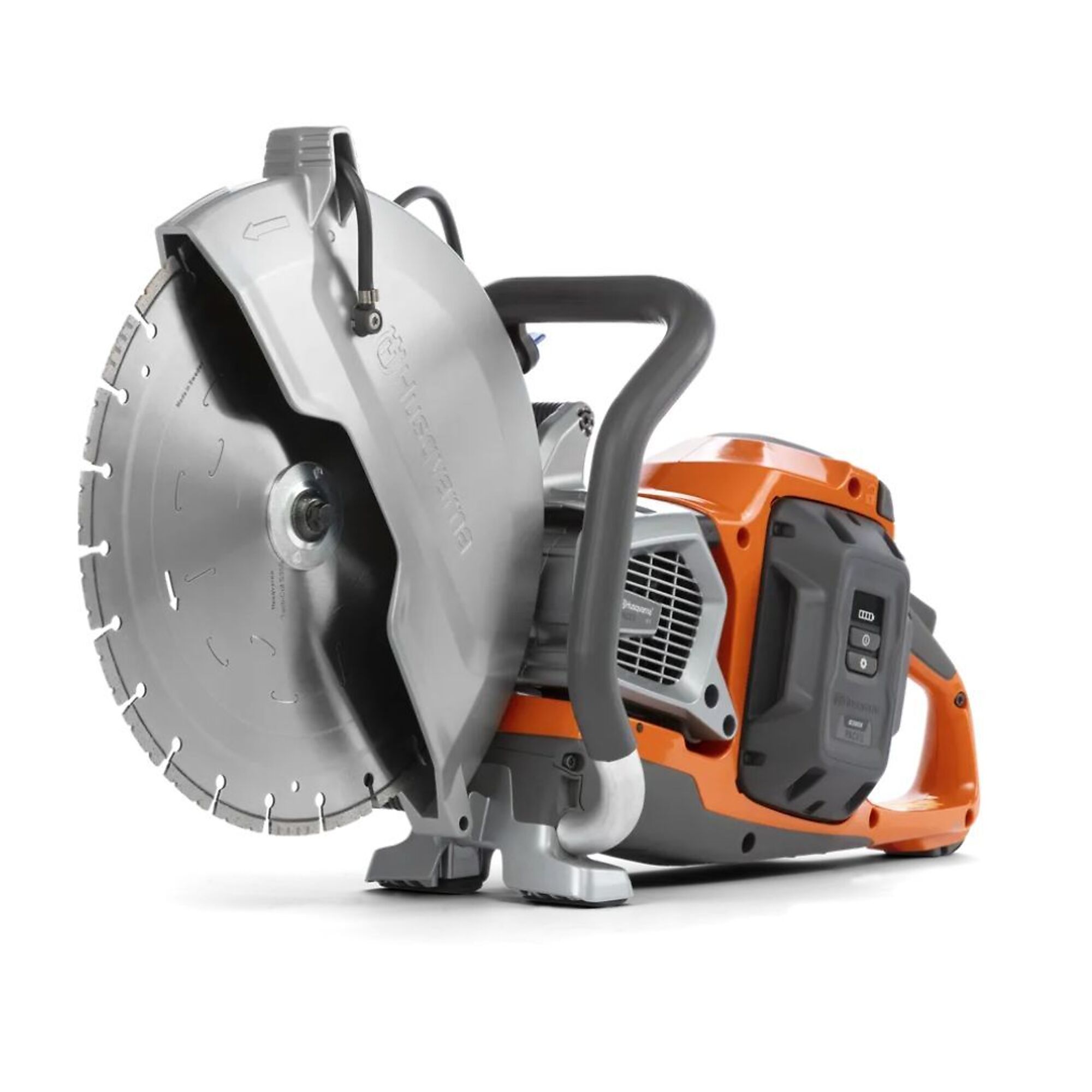
Item # 6012133
Item # 6012125
Concrete Saws

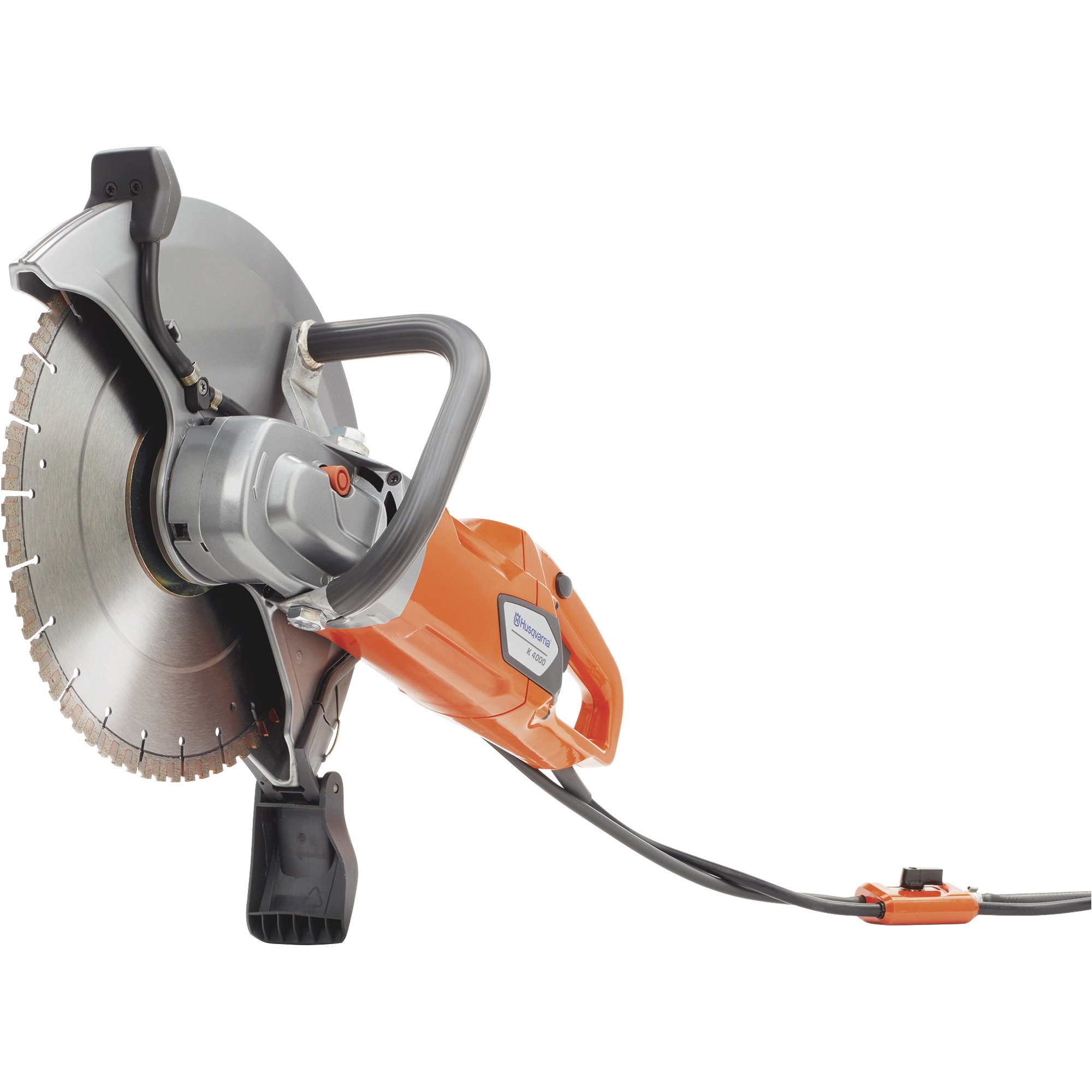
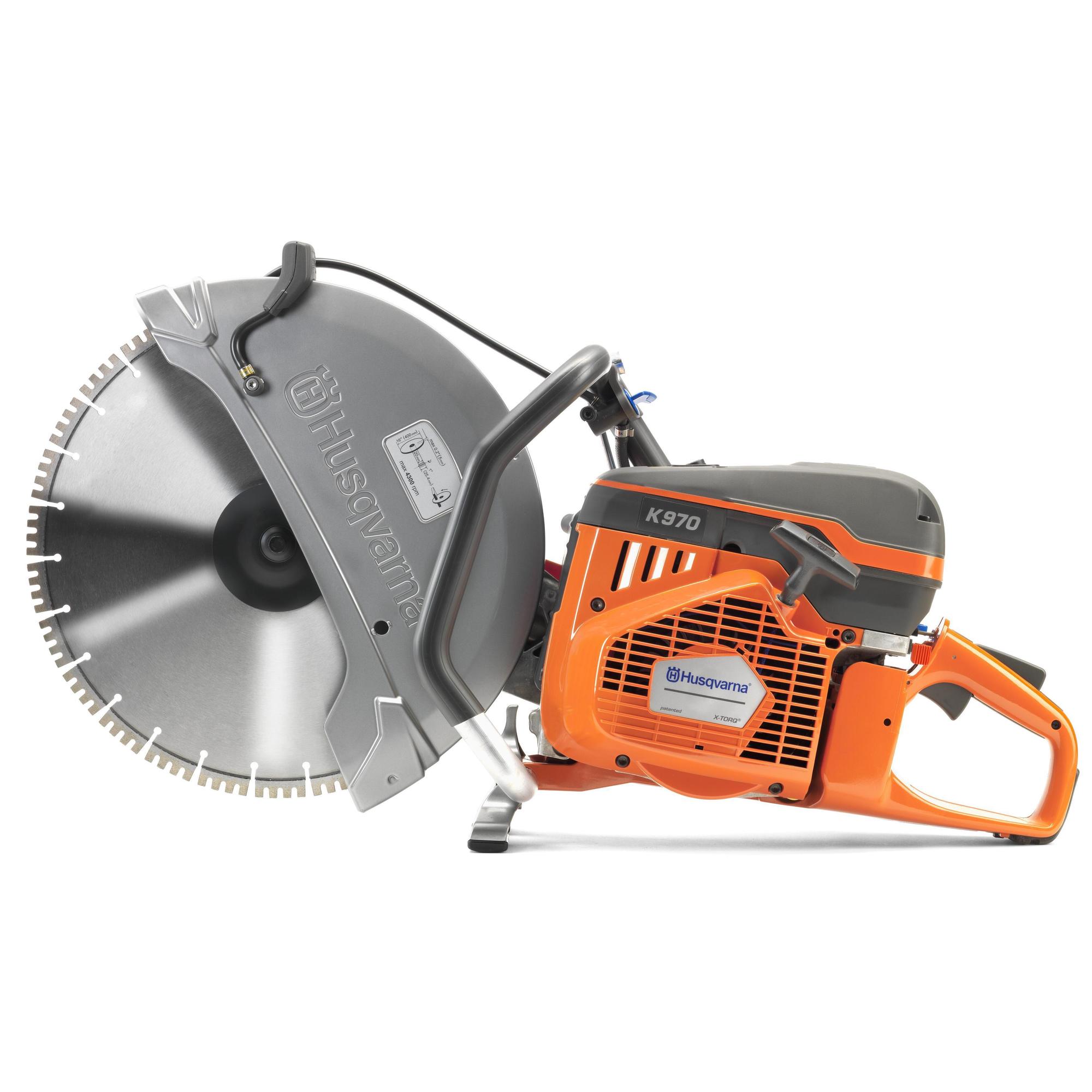
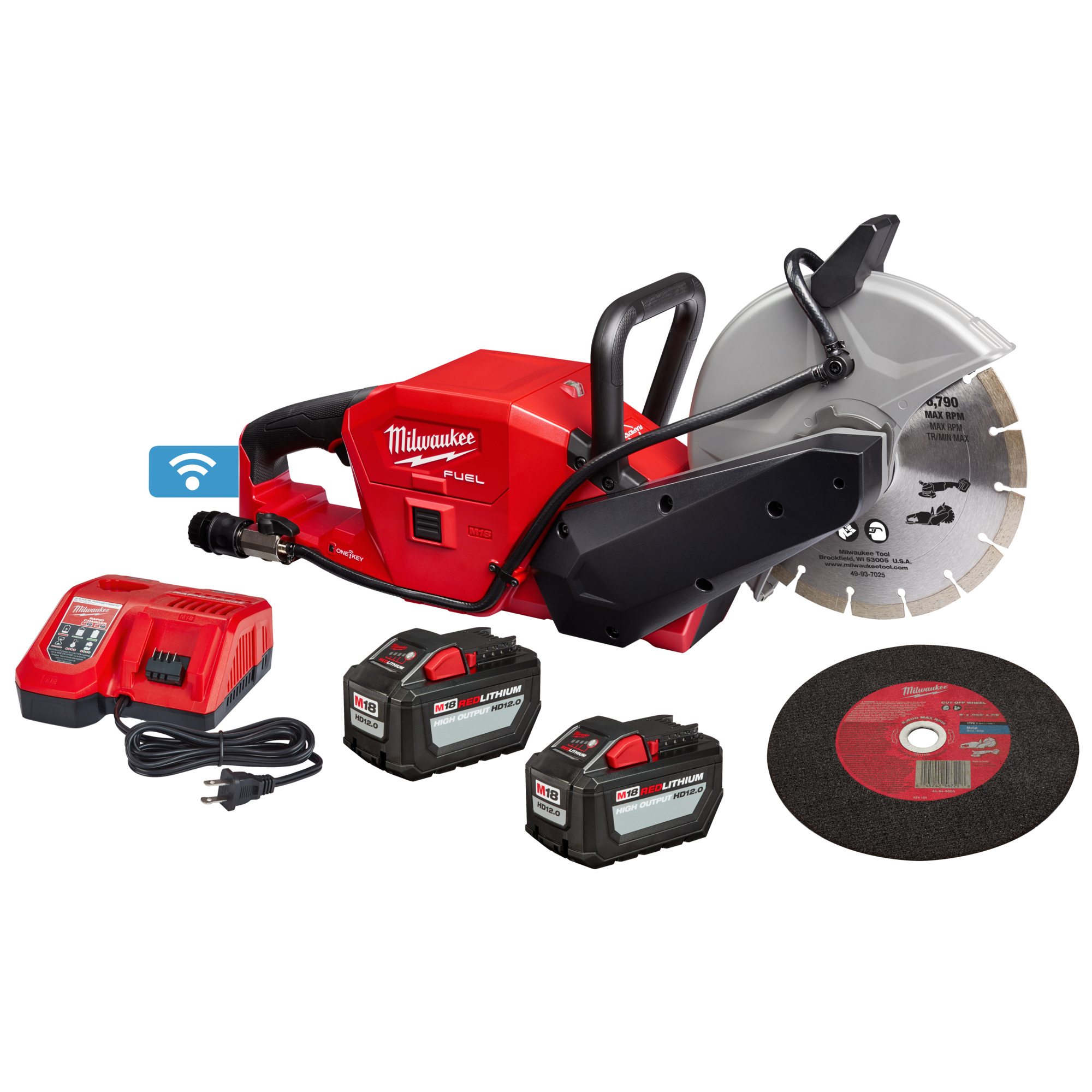
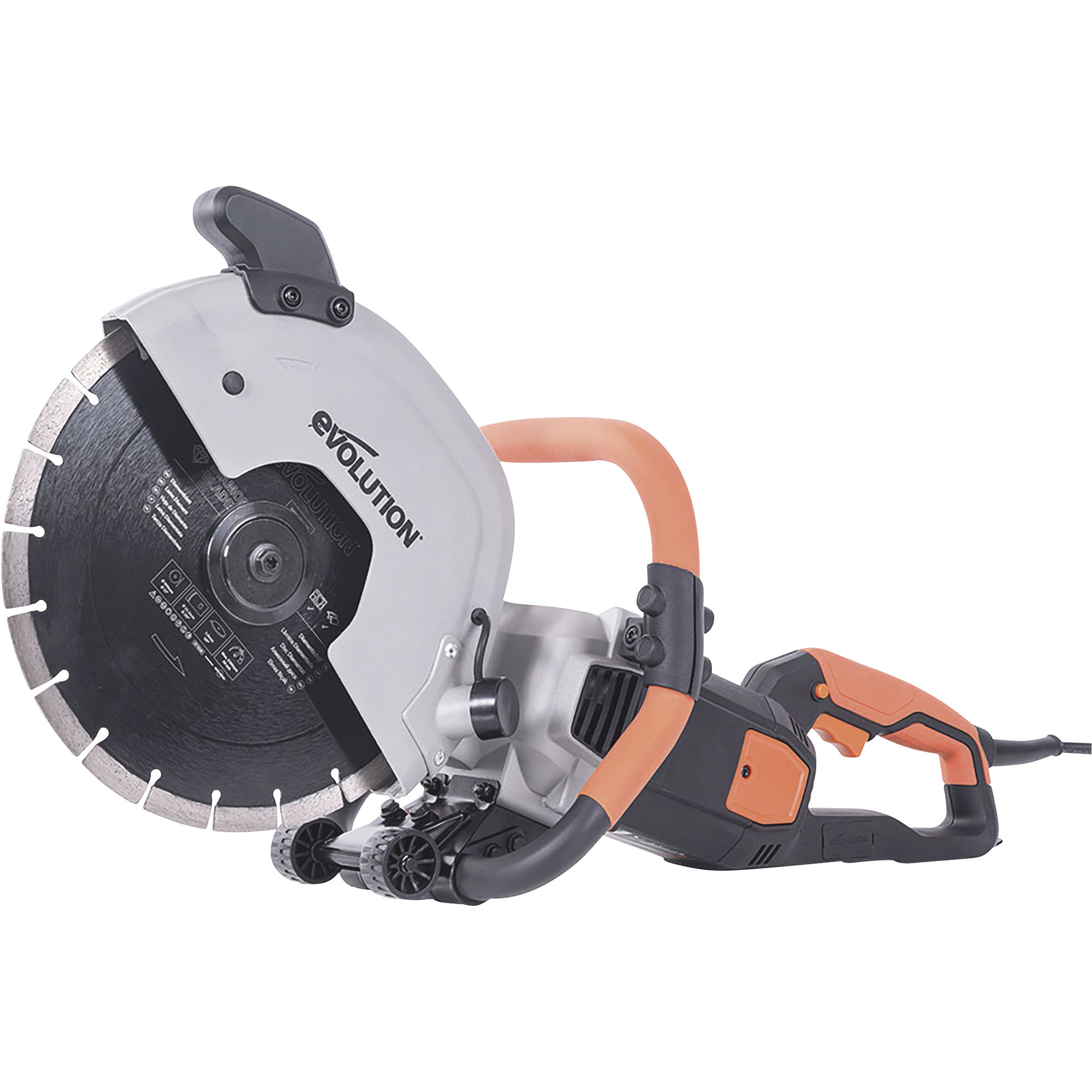
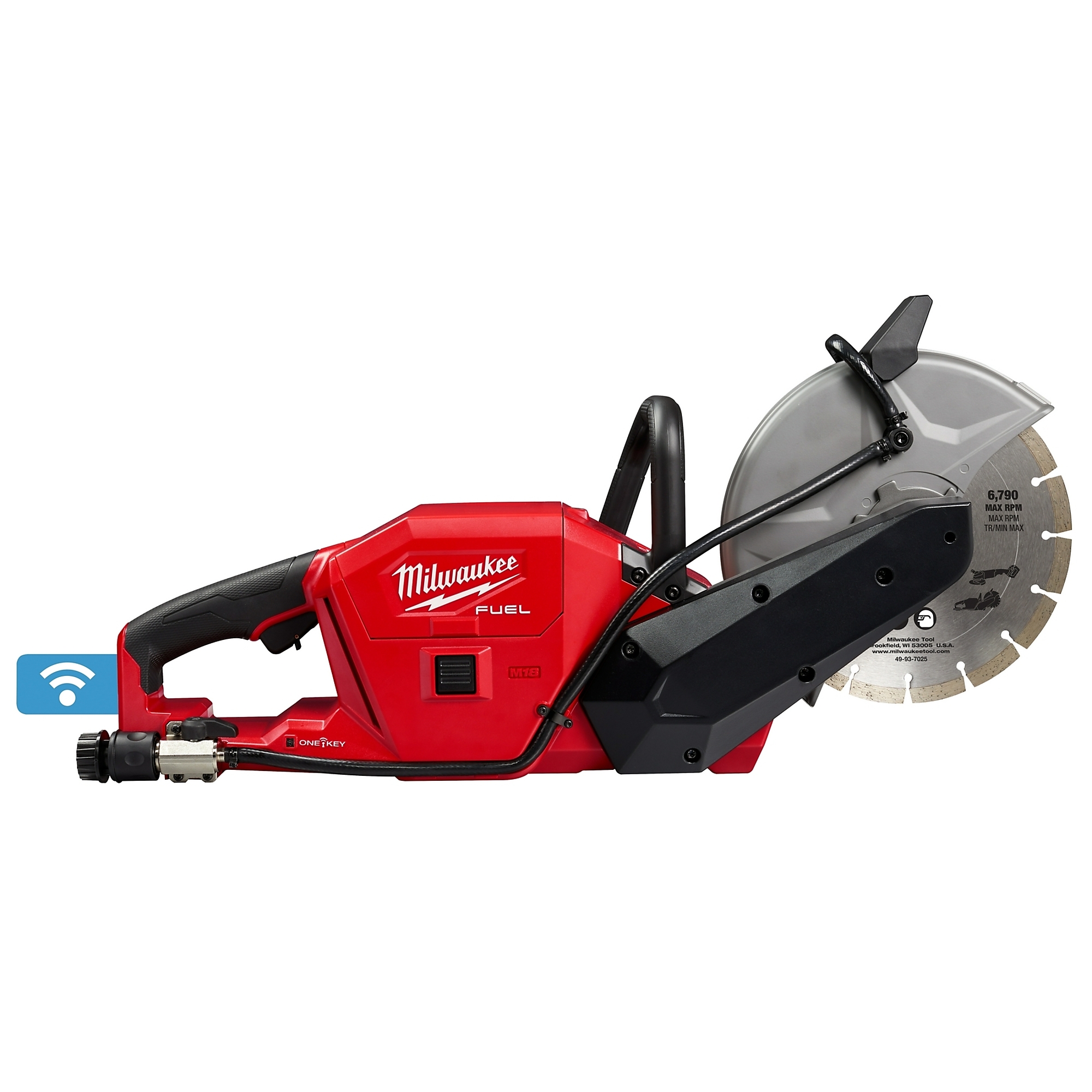
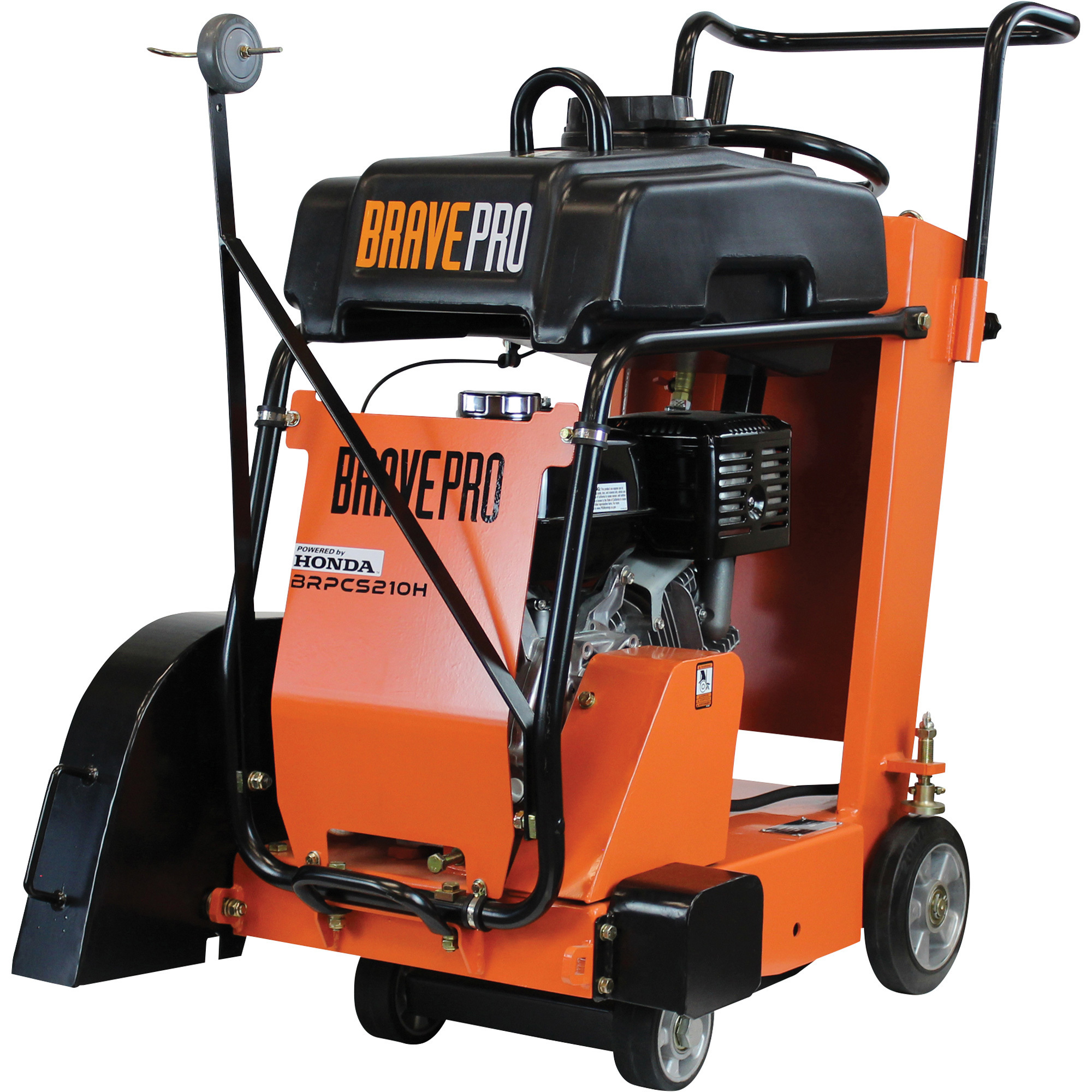
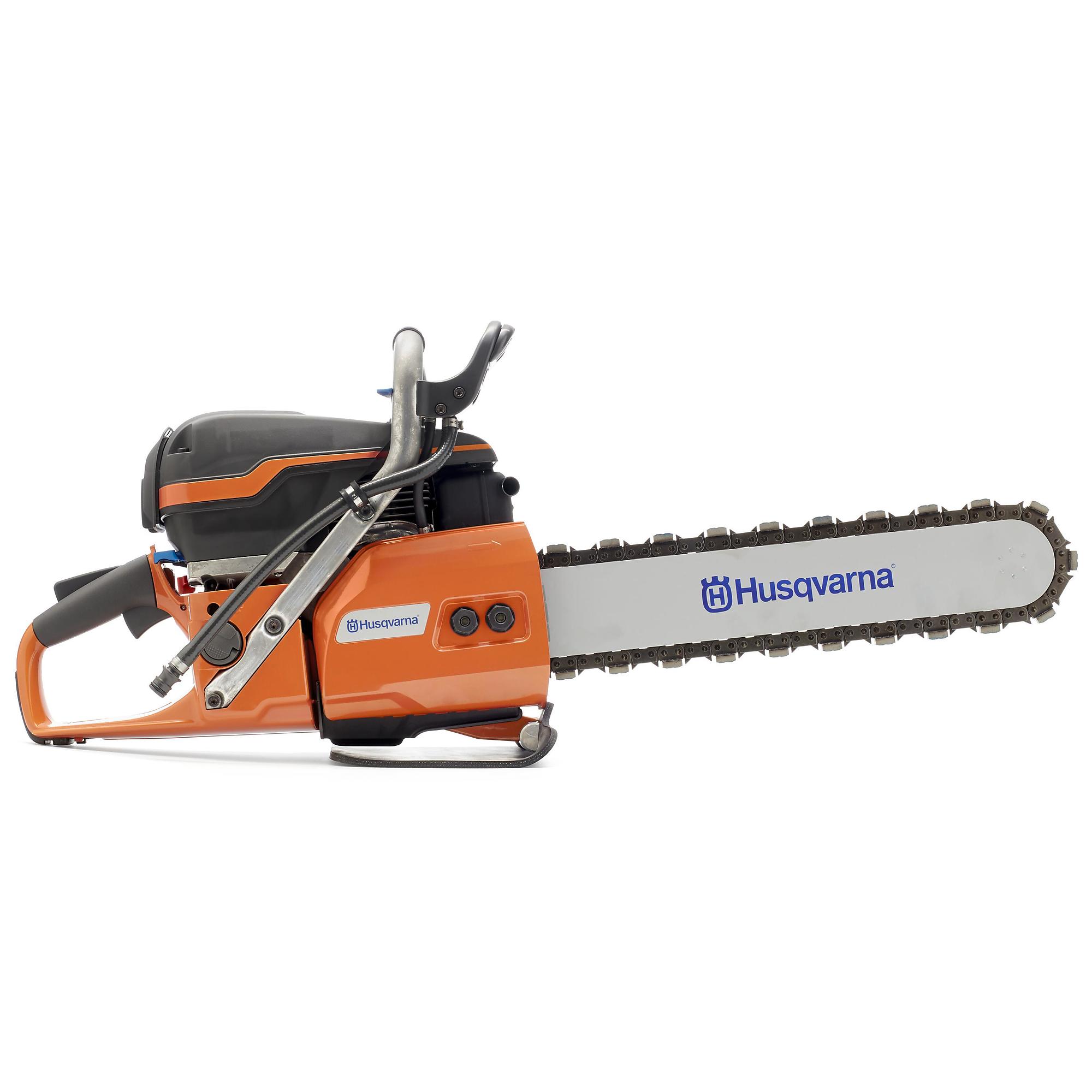
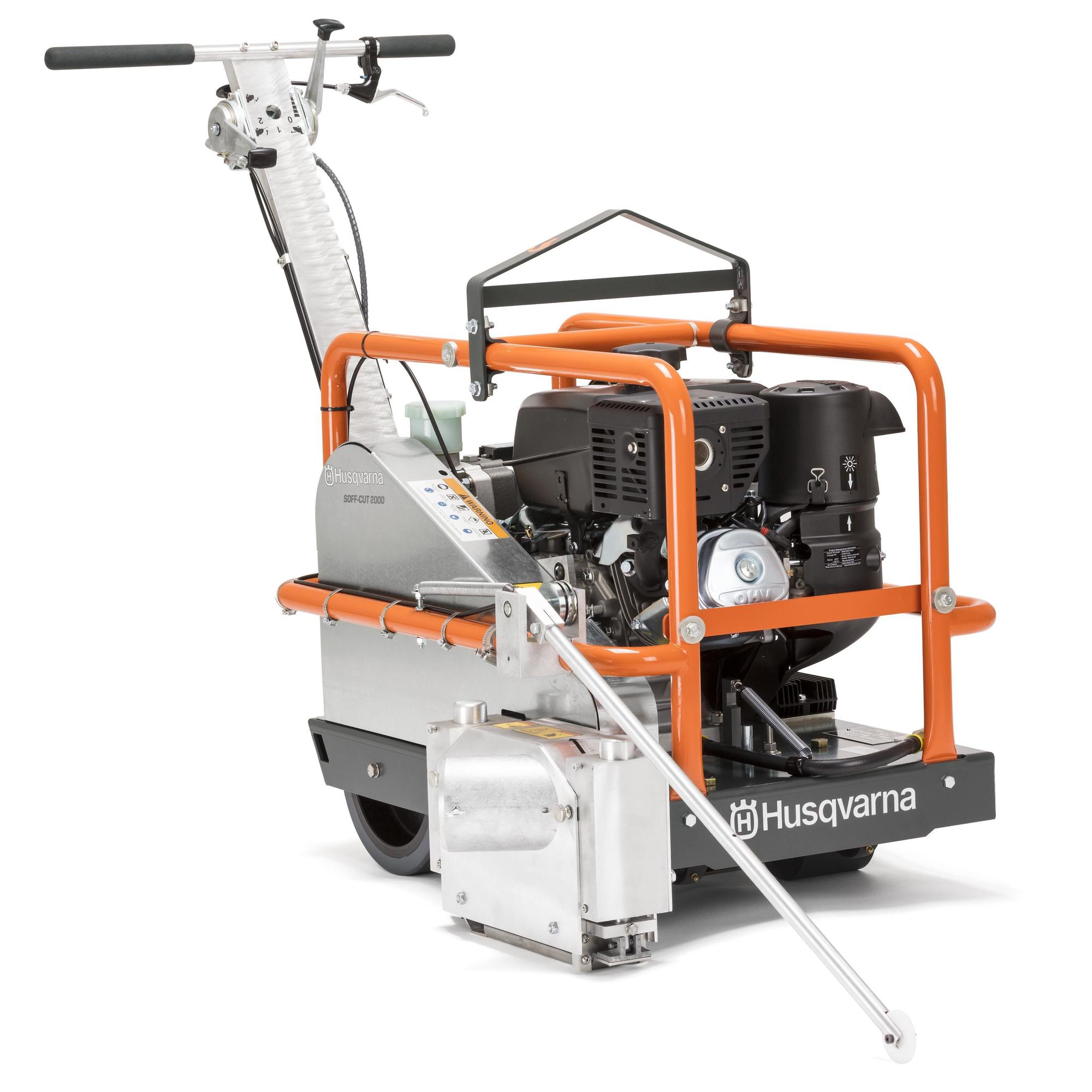
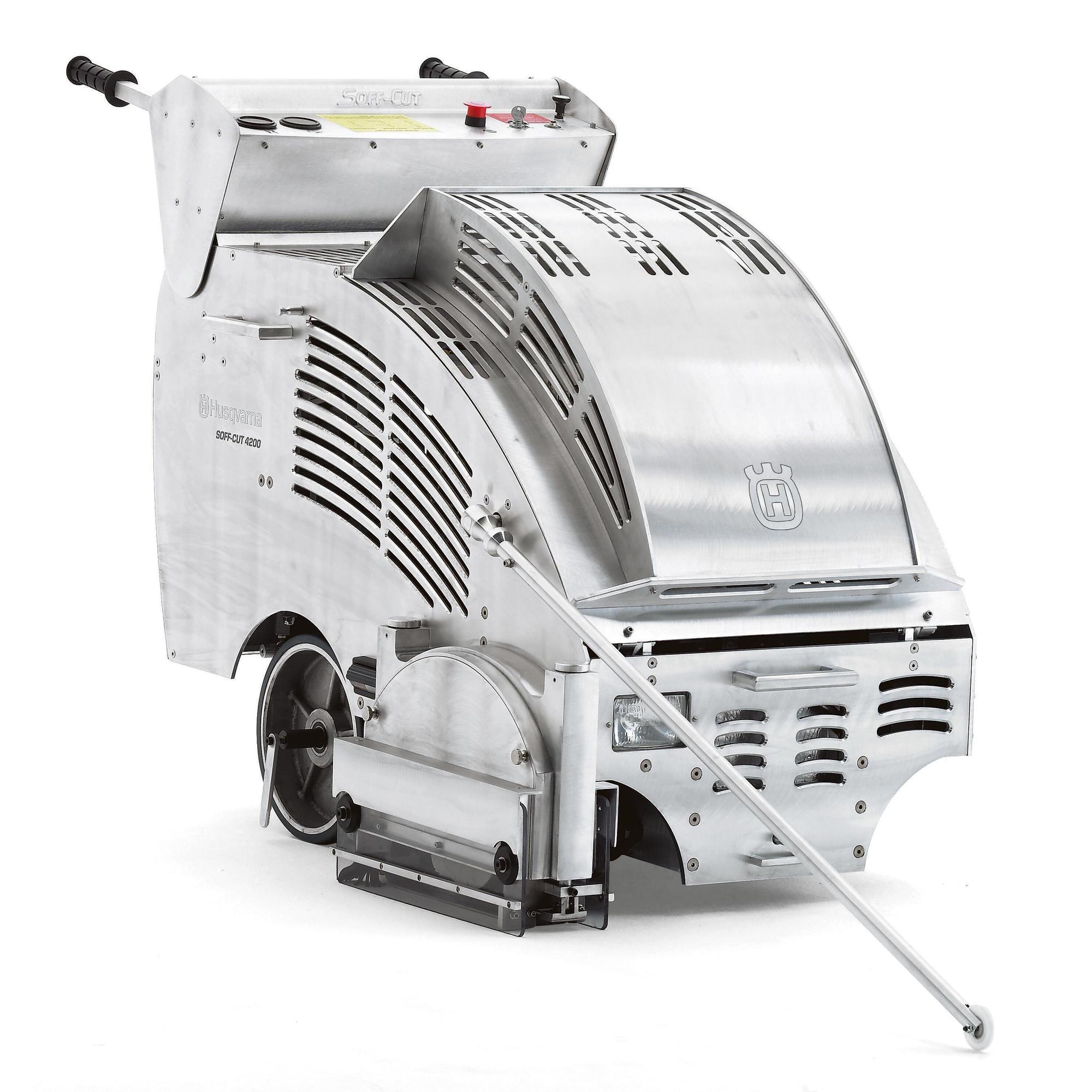
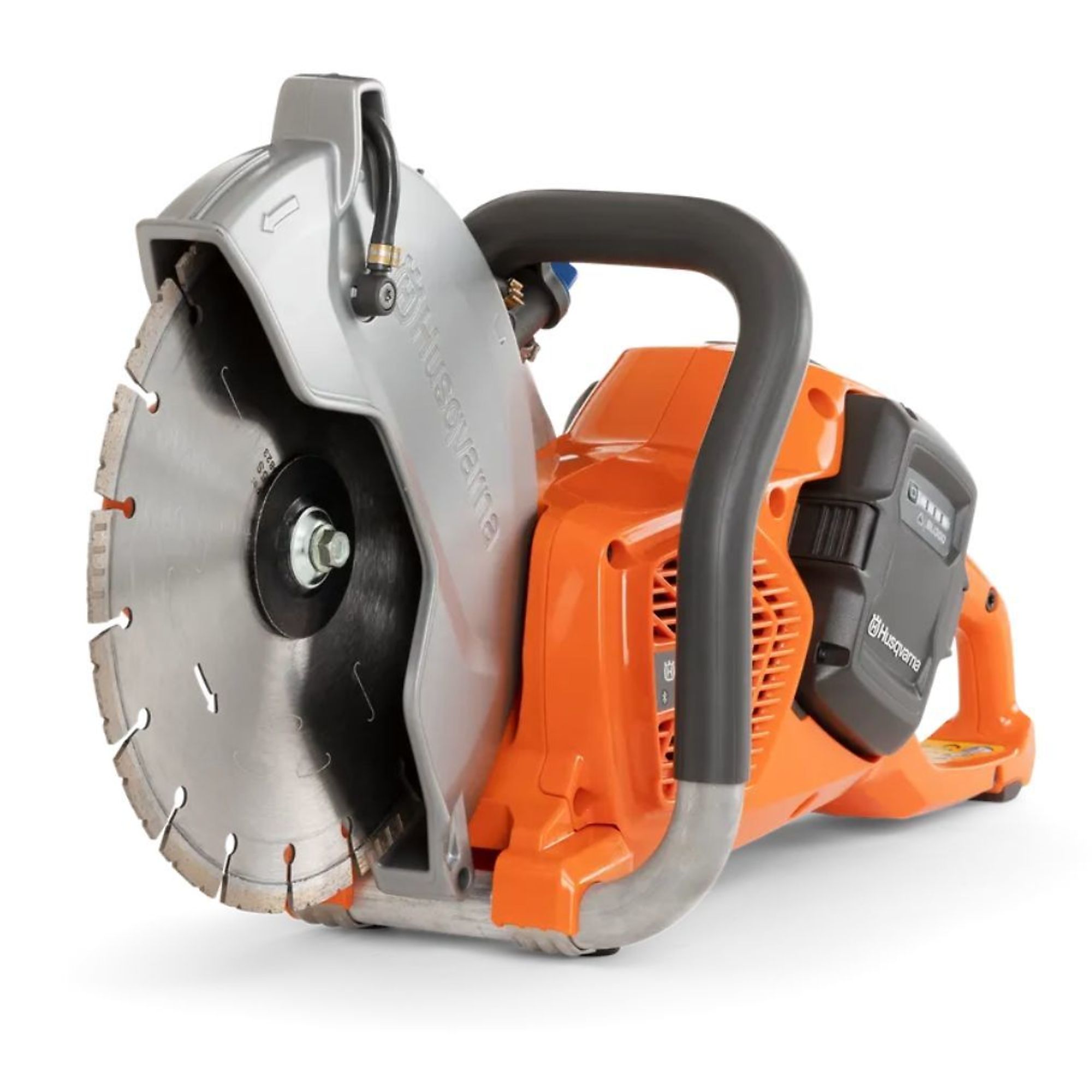
Not much is tougher than a concrete saw! These extremely heavy-duty tools can be used to cut not only concrete, but asphalt, tile, brick and other solid materials. Concrete saws come in a variety of sizes from hand-held to large walk-behind units. Northern Tool + Equipment has an array of concrete saws from top brands including Husqvarna, Milwaukee, and Stihl. To determine which brand and model is best for you, consider the following:
Power Source
Concrete saws are available with three power sources: gas, electric, or battery. Gas powered units are best utilized for outdoor applications for which an electrical socket is unavailable. Gas-powered units are also more powerful and longer lasting than electric or battery-powered models. Now the downsides – gas-powered concrete saws are noisy, heavy, and should not be used indoors or in confined spaces due to the dust and exhaust fumes they create. Electric and battery-powered concrete saws share many of the same benefits including lighter weight, quieter operation, and easy storage. Electric units will feature a cord, and battery-powered units provide more freedom and maneuverability. Corded electric units often can’t be used in the beginning stages of a construction project due to the lack of electrical power, but battery-powered models can be utilized so long as the batteries are charged elsewhere prior to being used on-site.
Blade Type & Size
Two blade types can be used for concrete saws: corundum masonry blades or diamond-tipped blades. Corundum masonry blades are ideal for short, shallow cuts (approx. 1 inch deep). These blade types wear easily and require more frequent replacement. Diamond-tipped saw blades are capable of deeper, longer cuts and can be used most often for wet sawing. Their specialized edges allow these blades to cut concrete and other solid materials more easily.
Finally, a friendly reminder to never use a concrete saw without proper protection. Concrete saws produce dust and fine airborne particles that are dangerous for the eyes and lungs. Not to mention, they’re loud! Wearing respiratory, eye, and hearing protection is recommended.