QLT Marshalltown Compaction Equipment
Filters
1-2 of 2 Products

Item # 79969
Item # 79970
Plate Compactors
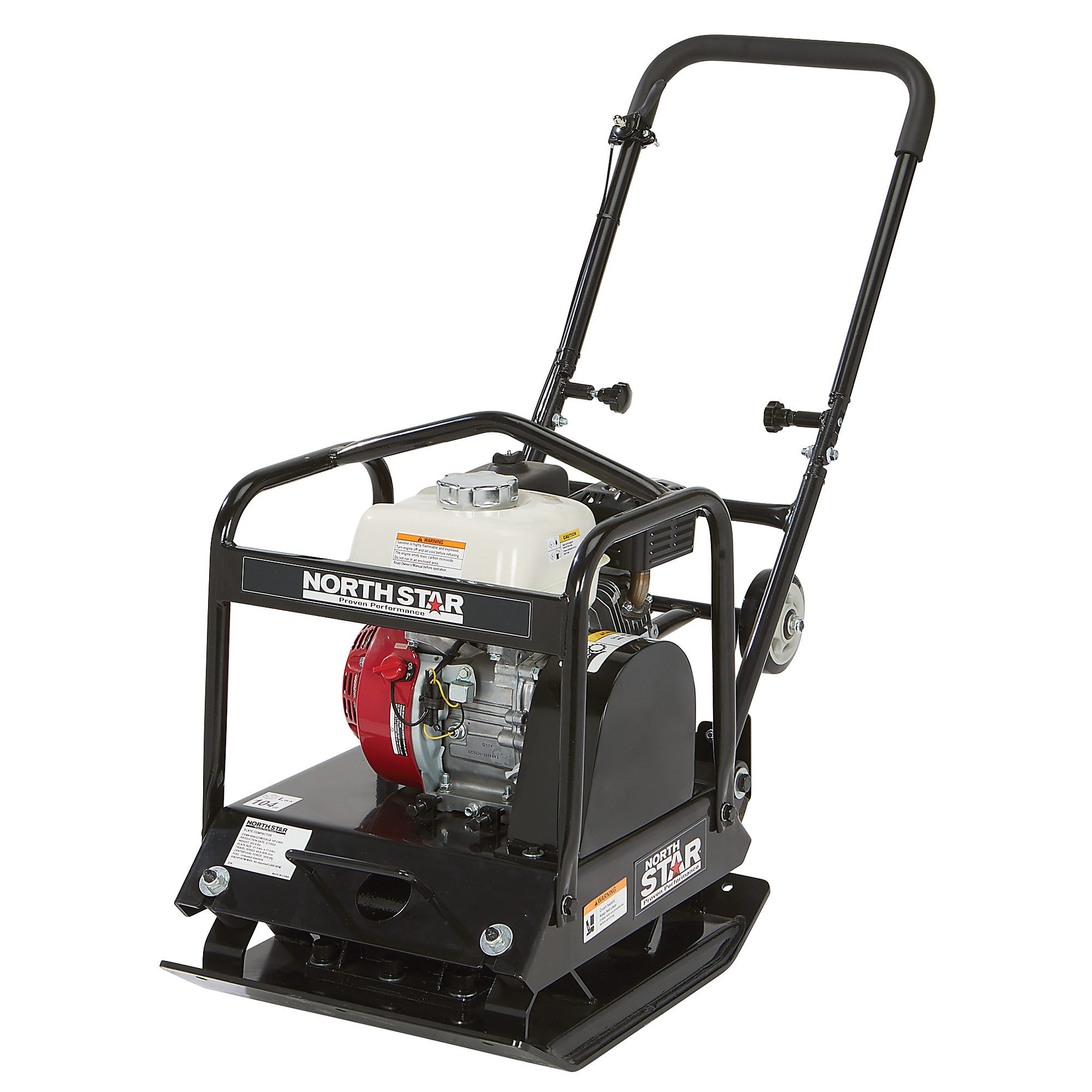
Soil compaction is almost always required at a building site or construction project, and Northern Tool + Equipment has the compaction machinery and accessories to get the job done. Shop everything from tampers and asphalt shoes to rollers and plate compactors from industry-leading brands including Wacker Neuson, NorthStar, and Marshalltown, among others.
To determine which piece of compaction equipment is best for the job, you will first want to assess the soil. Soil can be described as either granular or cohesive. Moisture drains easily through granular soils due to its loose, course structure. Examples include sand or gravel. Granular soil is best compacted with the use of vibration. Cohesive soils, such as silt or clay, are identified by their small, smooth particles and wet, moldable texture. Force is the best compaction method for cohesive soils, which can be achieved with the use of a trench roller or rammer.
In addition to the machines themselves, we offer a variety of compactor accessories, trench roller accessories, vibratory plate accessories, and more.
Plate Compactors Frequently Asked Questions:
What is a plate compactor and how does it work?
What are the different types of plate compactors available?
Can a plate compactor be used on different types of soil and surfaces?
What factors should be considered when selecting a plate compactor?
- Plate material: Generally steel, which is lighter in weight, or cast iron, which may provide greater compaction
- Plate size: Larger plates cover more area to finish jobs quicker
- Plate shape: Curved plates make turning easier without digging into surface
- Vibration force: The greater the force, the greater the compaction
- Vibrations per minute: Represents the frequency of impacts per minute
- Anti-vibration handle: Provides greater comfort for operator
- Water tank capabilities: Helpful for asphalt jobs to prevent sticking