American Pneumatic Tools Breaker Hammers
Filters
1-47 of 47 Products

Item # 7508974
Item # 7508966
Item # 7508763
Item # 7508739
Item # 7510556
Item # 7510484
Item # 7510581
Item # 7510572
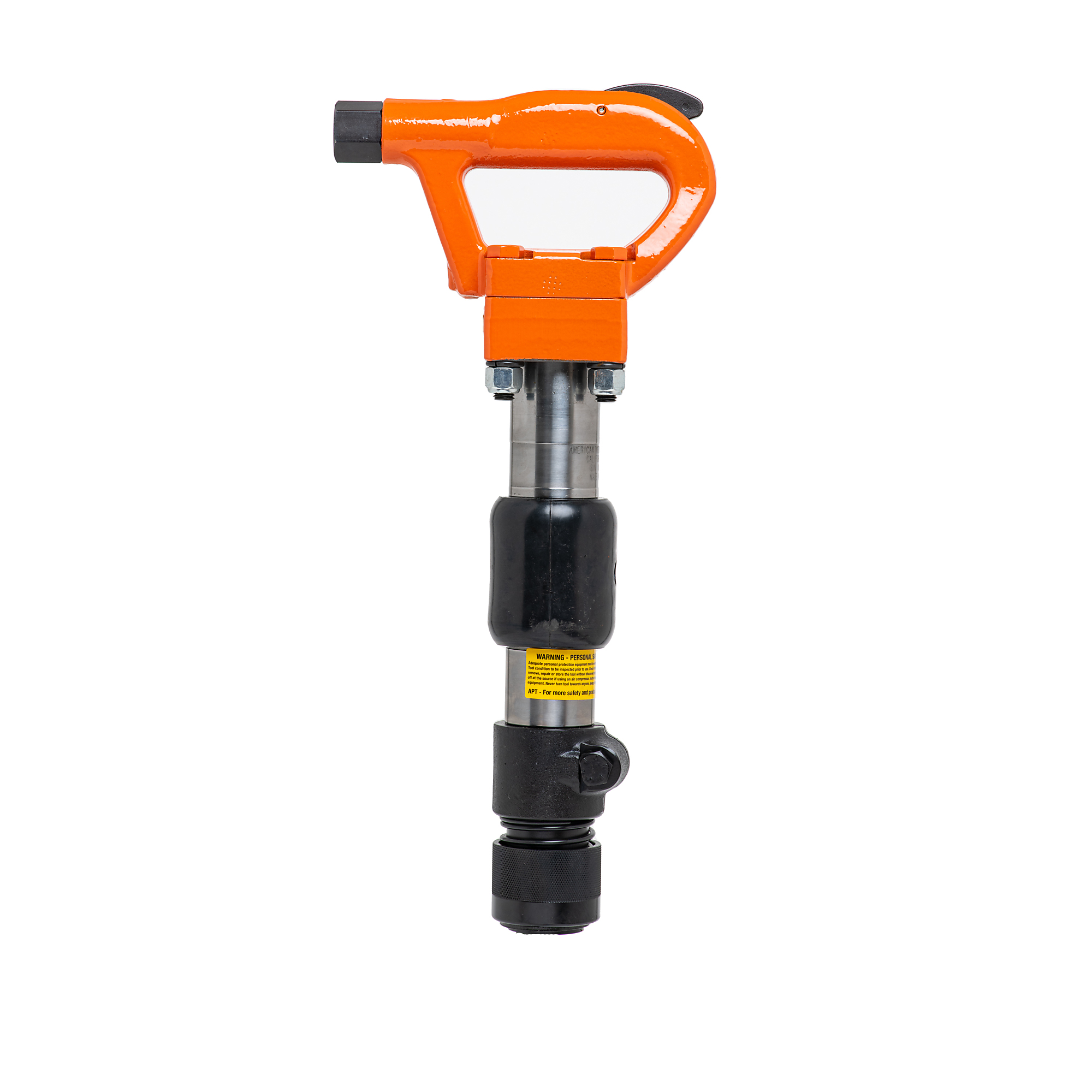
Item # 7510871
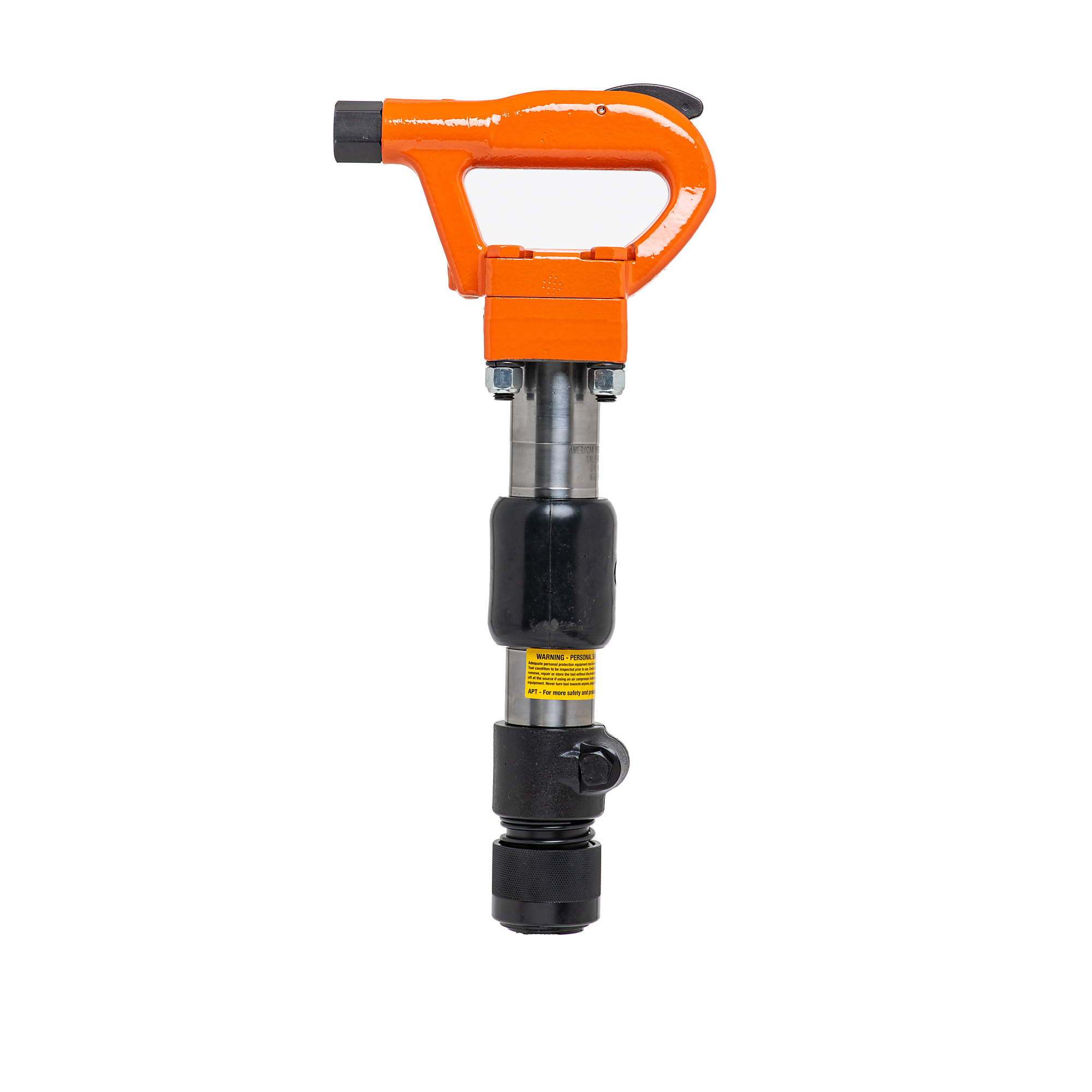
Item # 7510863
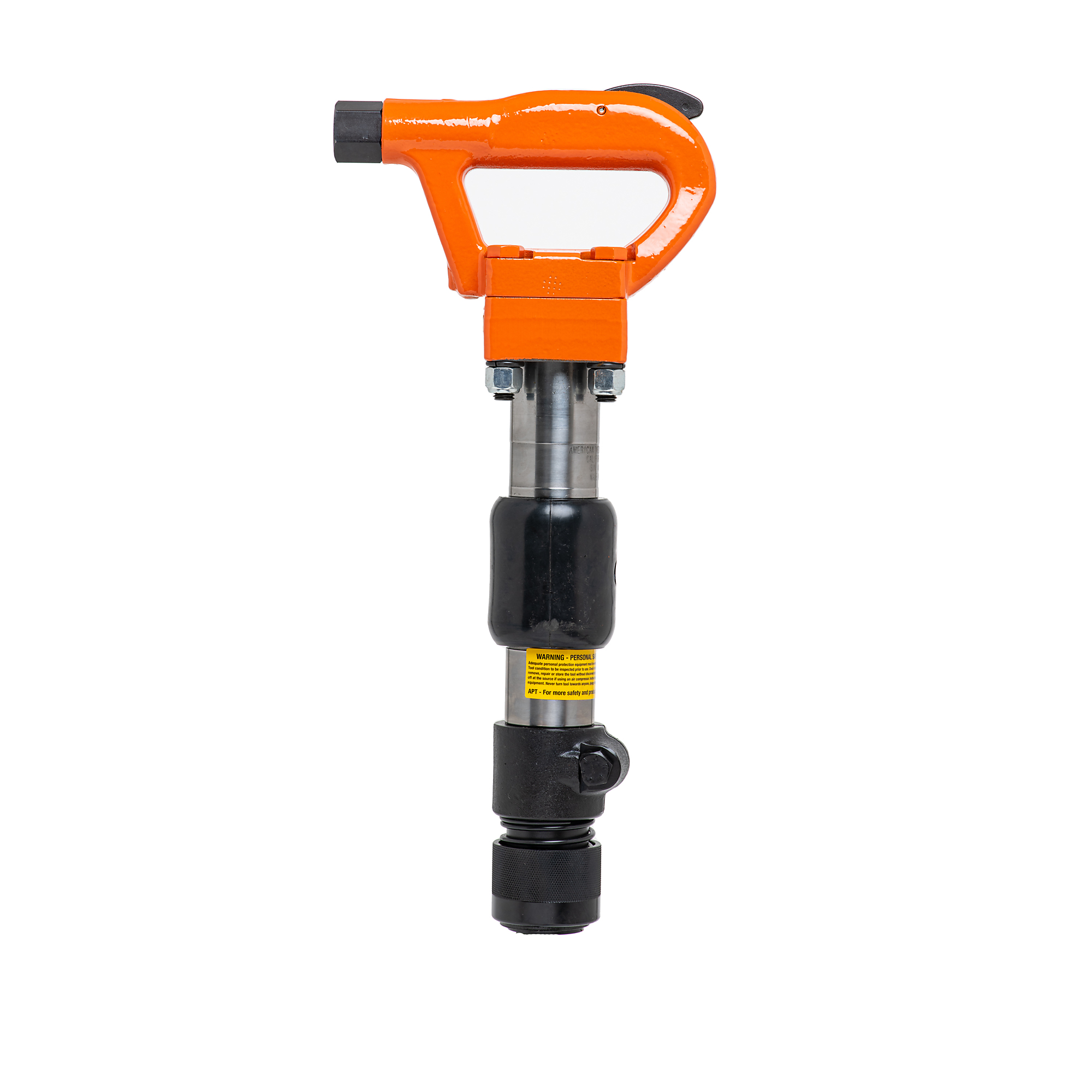
Item # 7510839
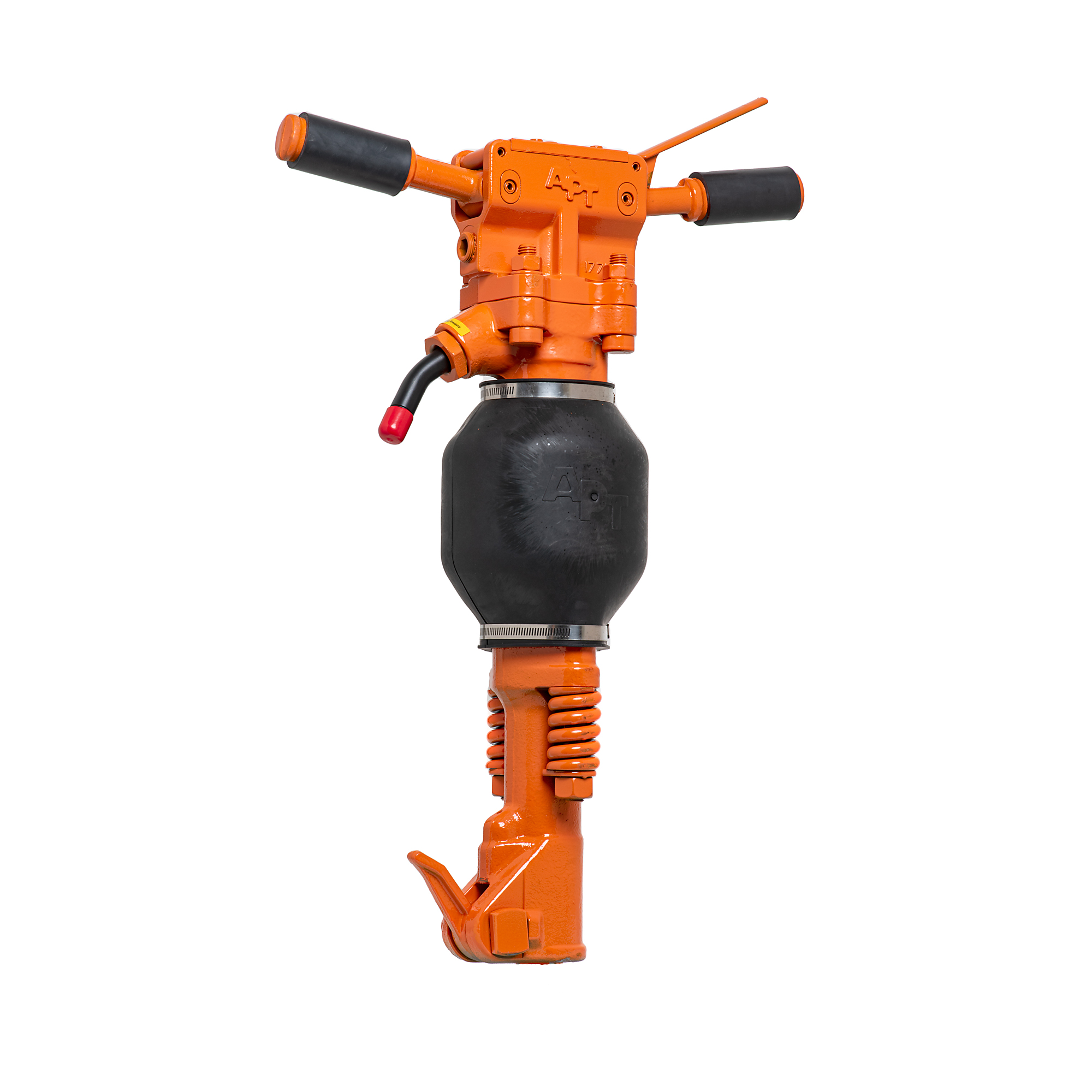
Item # 7507859
Item # 7507841
Item # 7507939
Item # 7507891
Item # 7508712
Item # 7508721
Item # 7508771
Item # 7508747
Item # 7510530
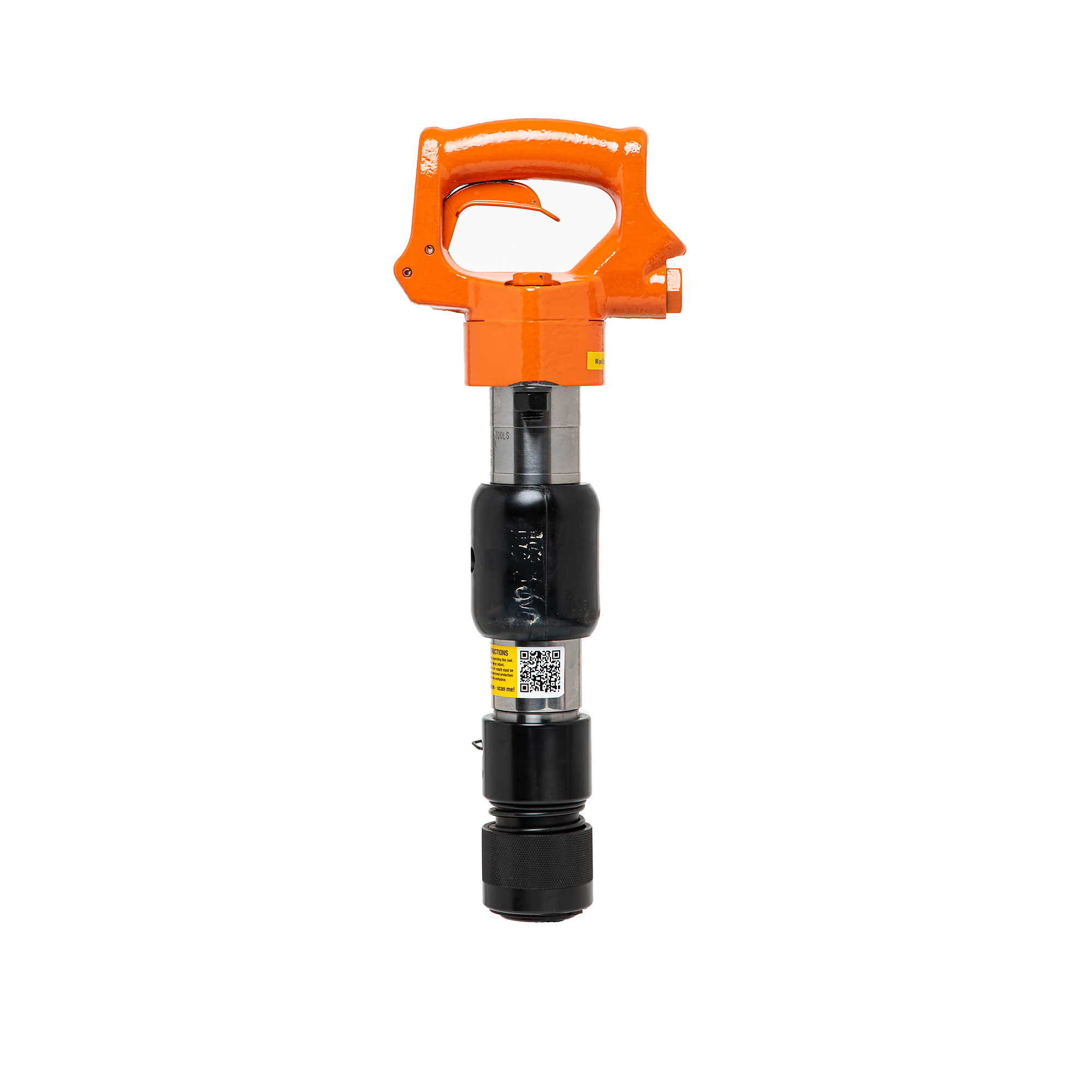
Item # 7510513
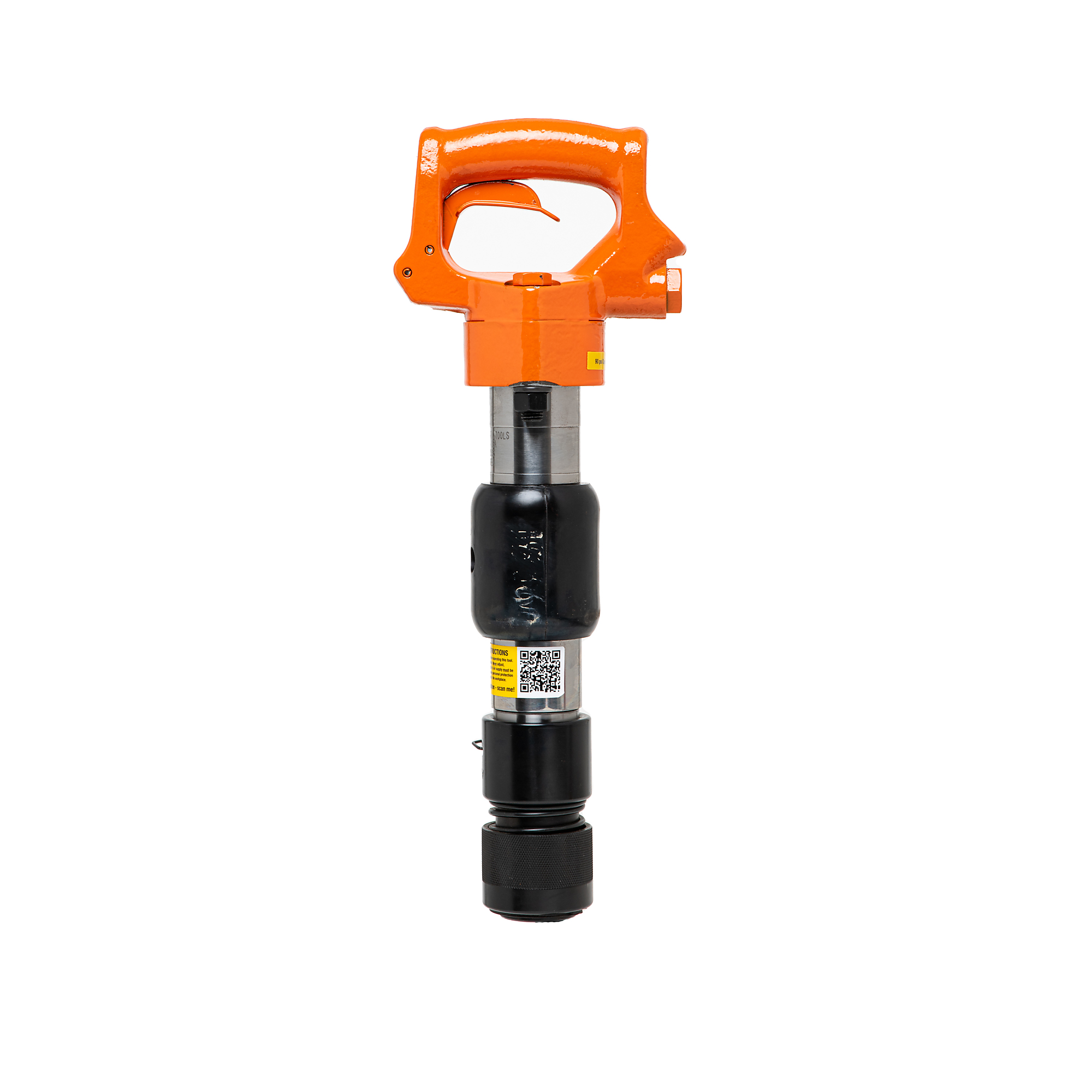
Item # 7510492
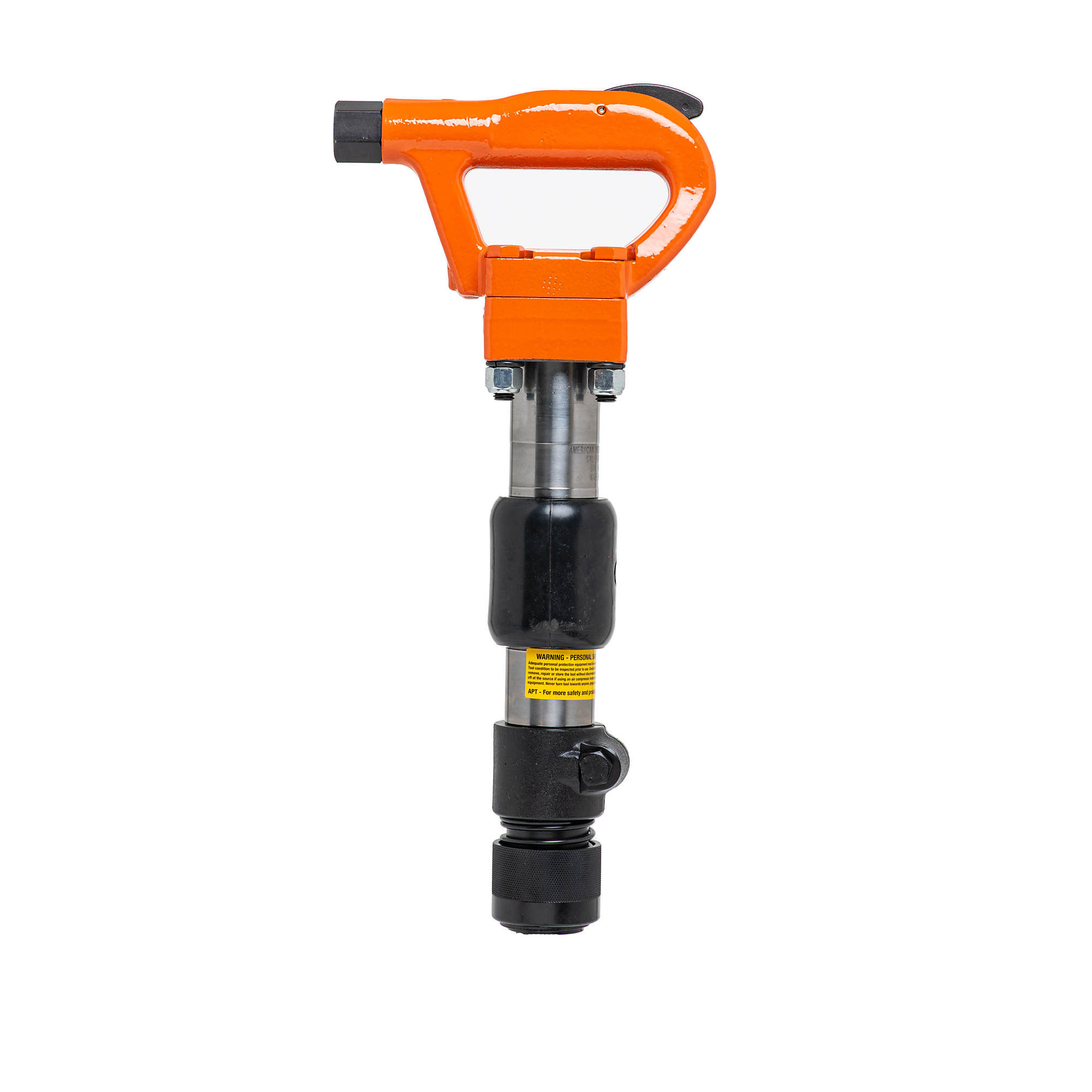
Item # 7510821
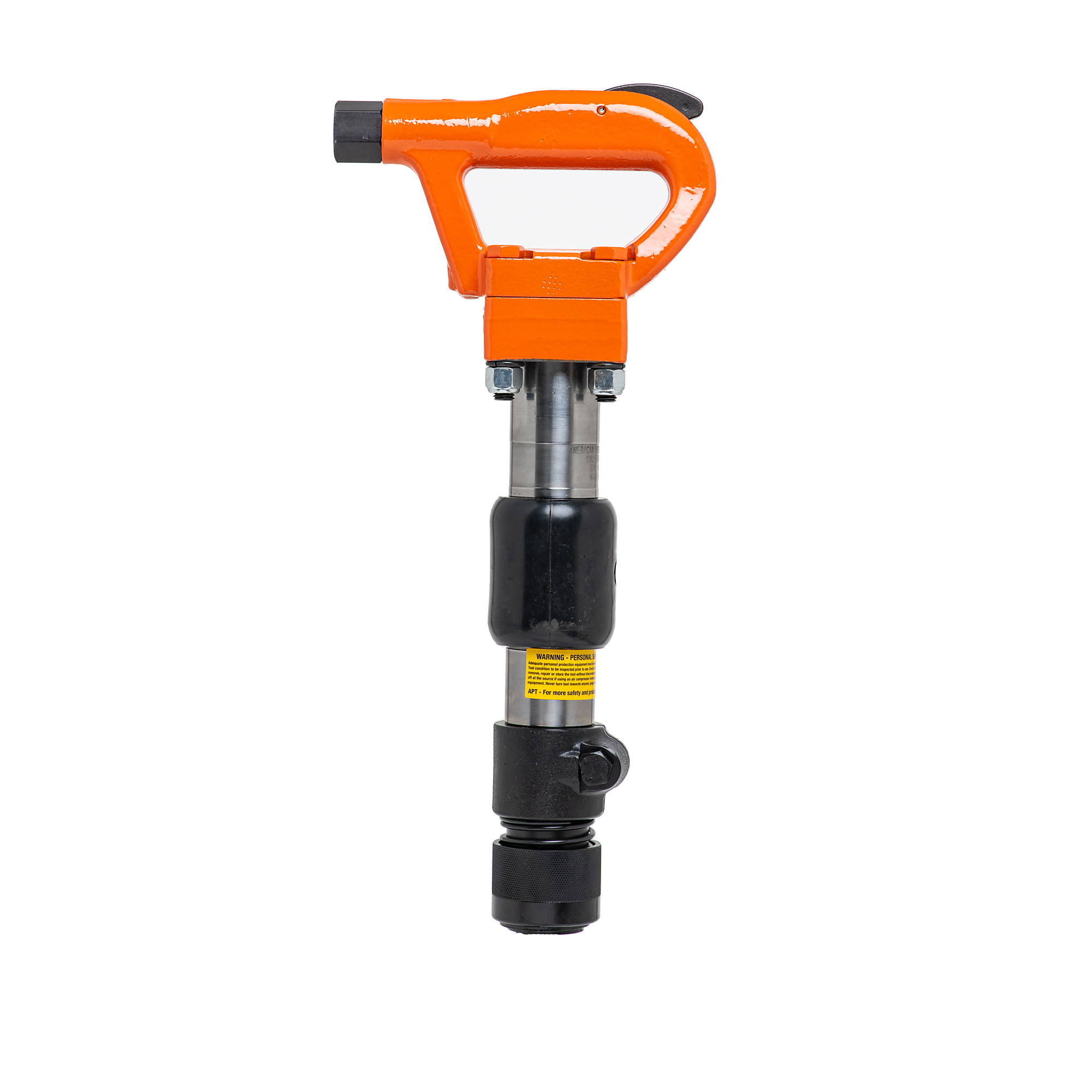
Item # 7510804

Item # 7510775
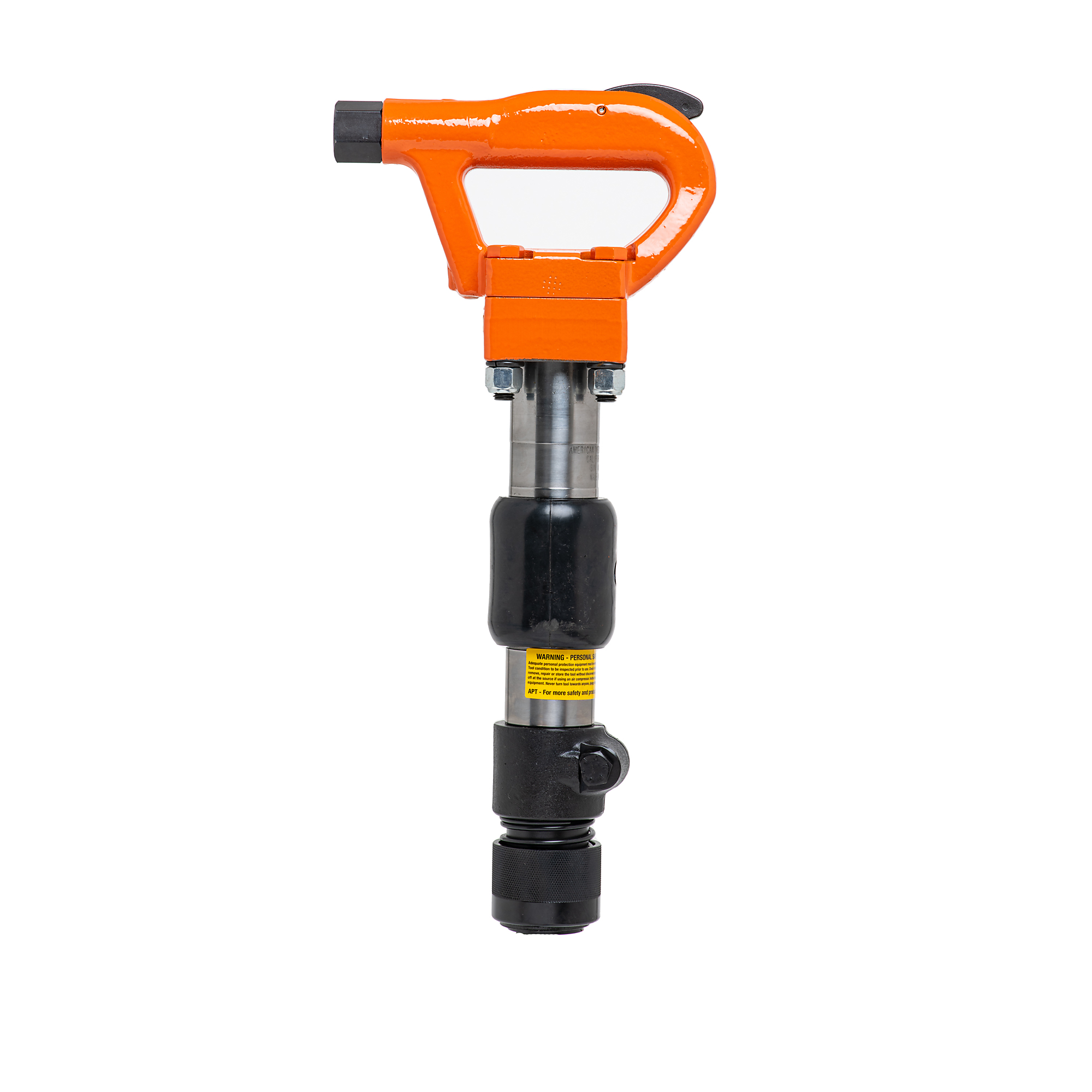
Item # 7510767
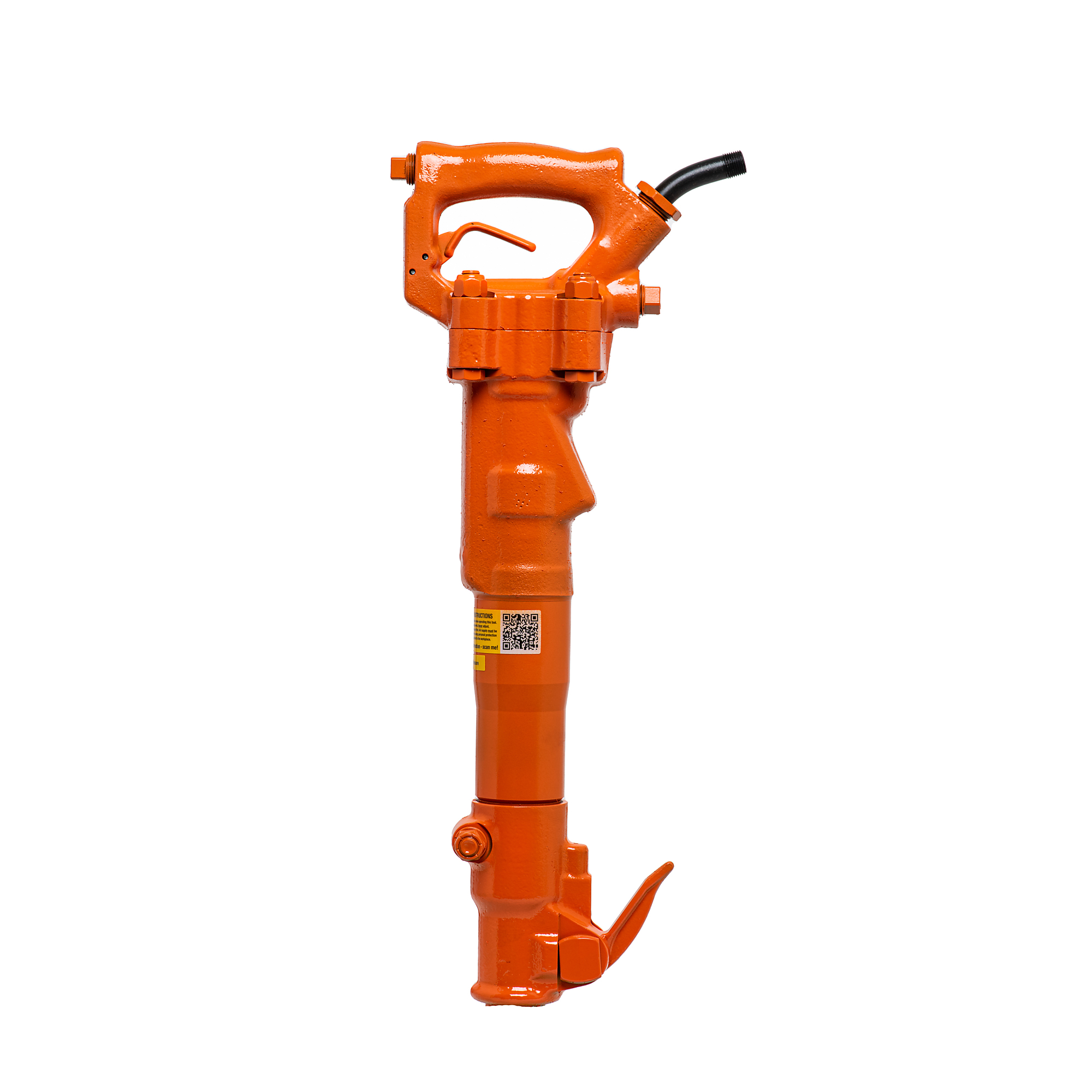
Item # 7508958
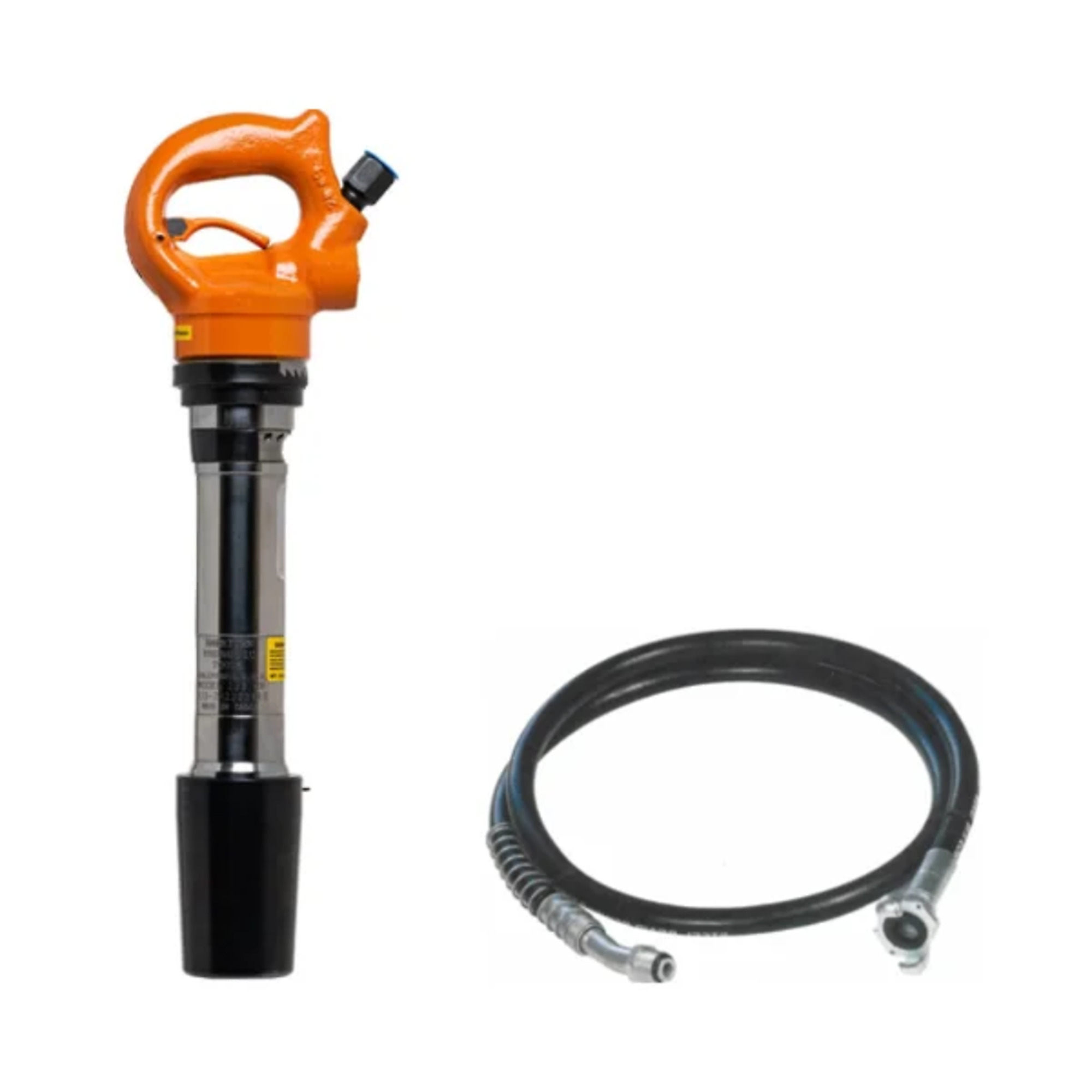
Item # 7508780
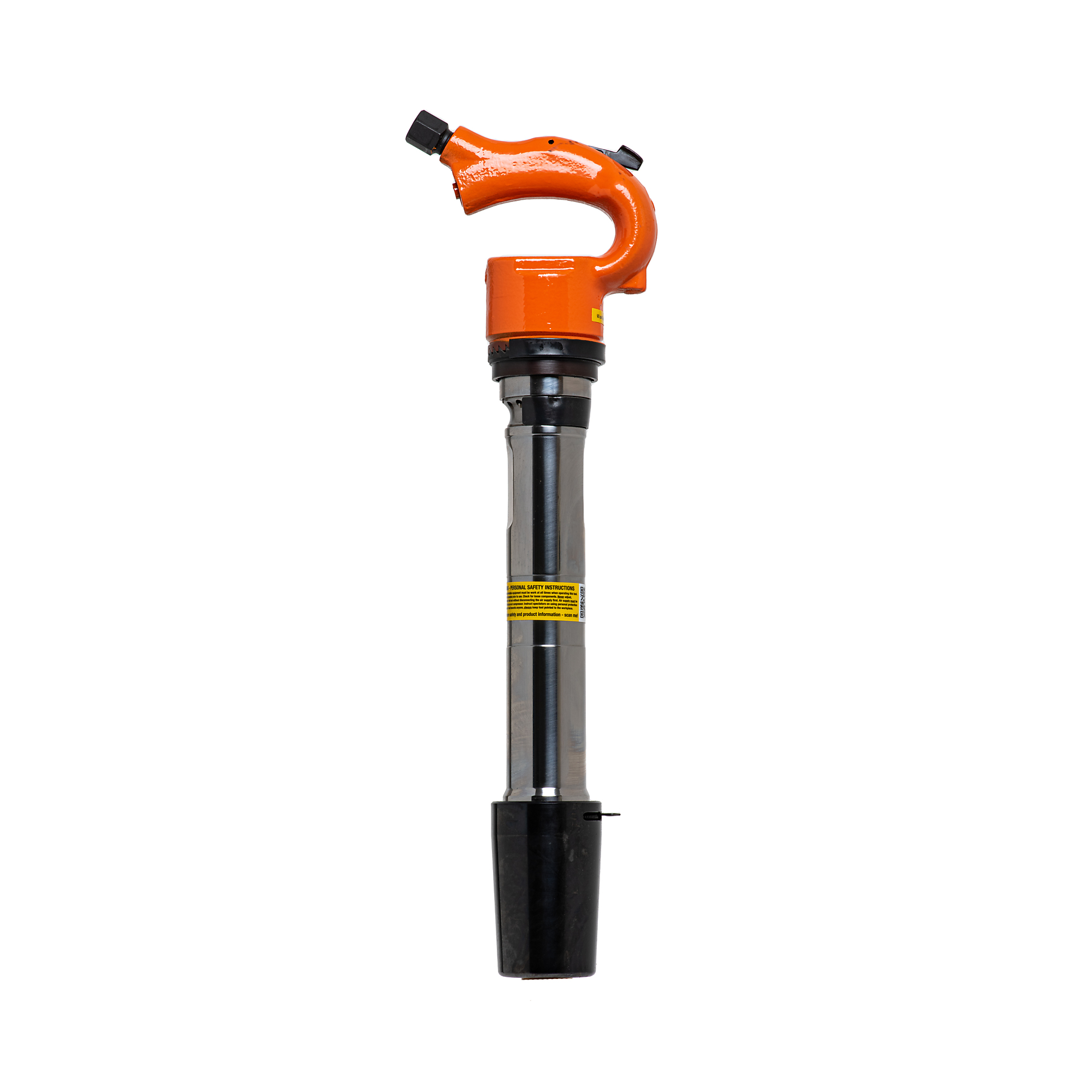
Item # 7508755
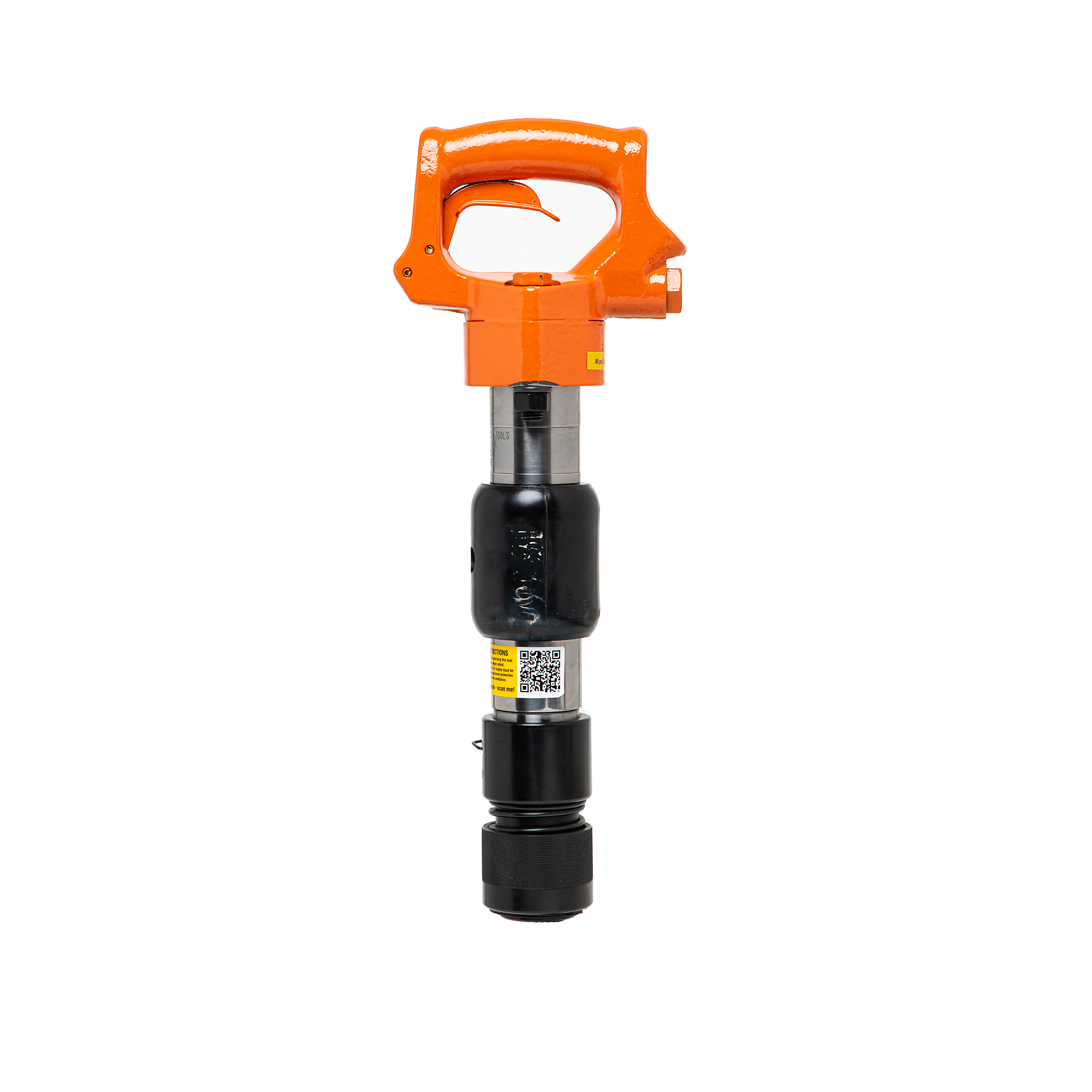
Item # 7510548
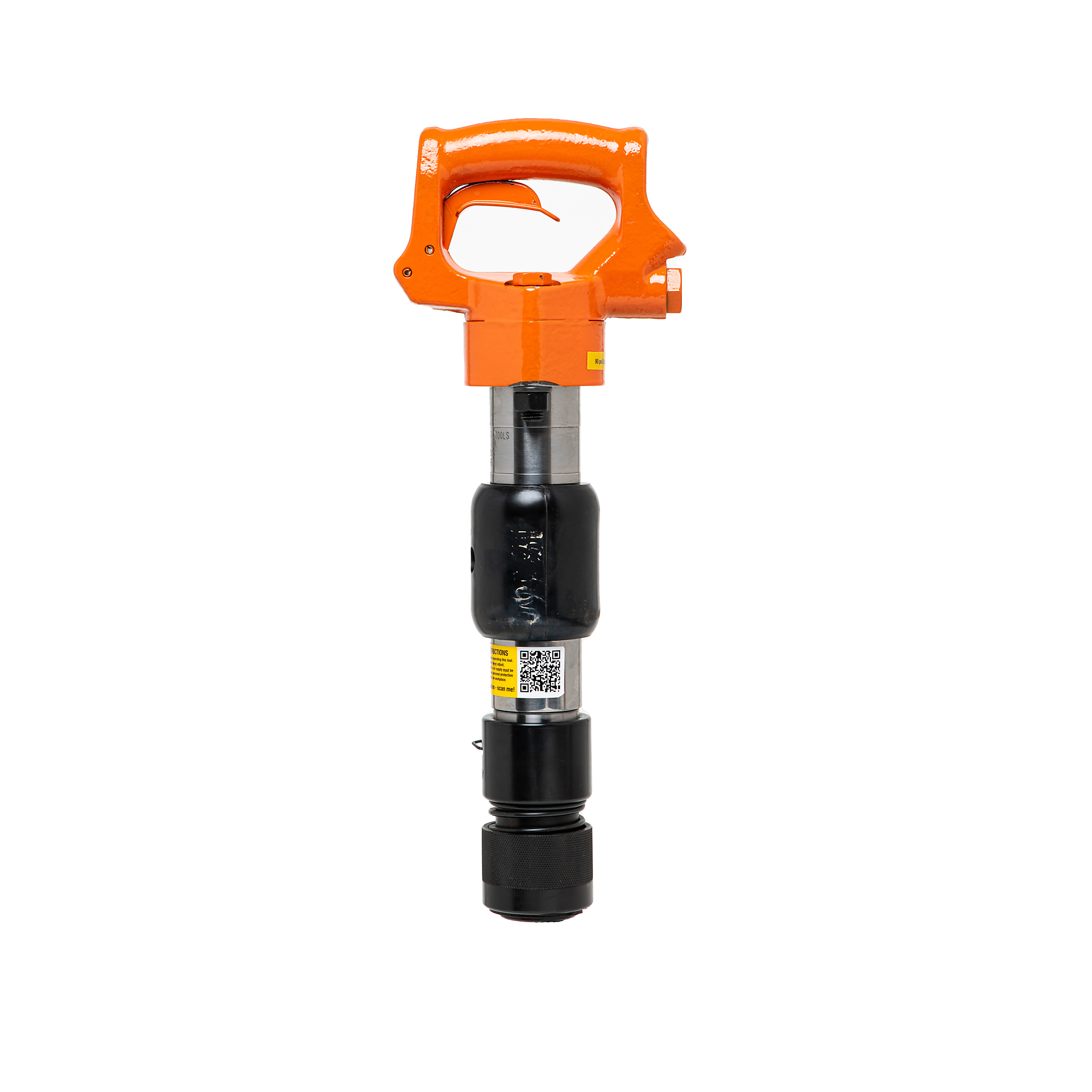
Item # 7510521
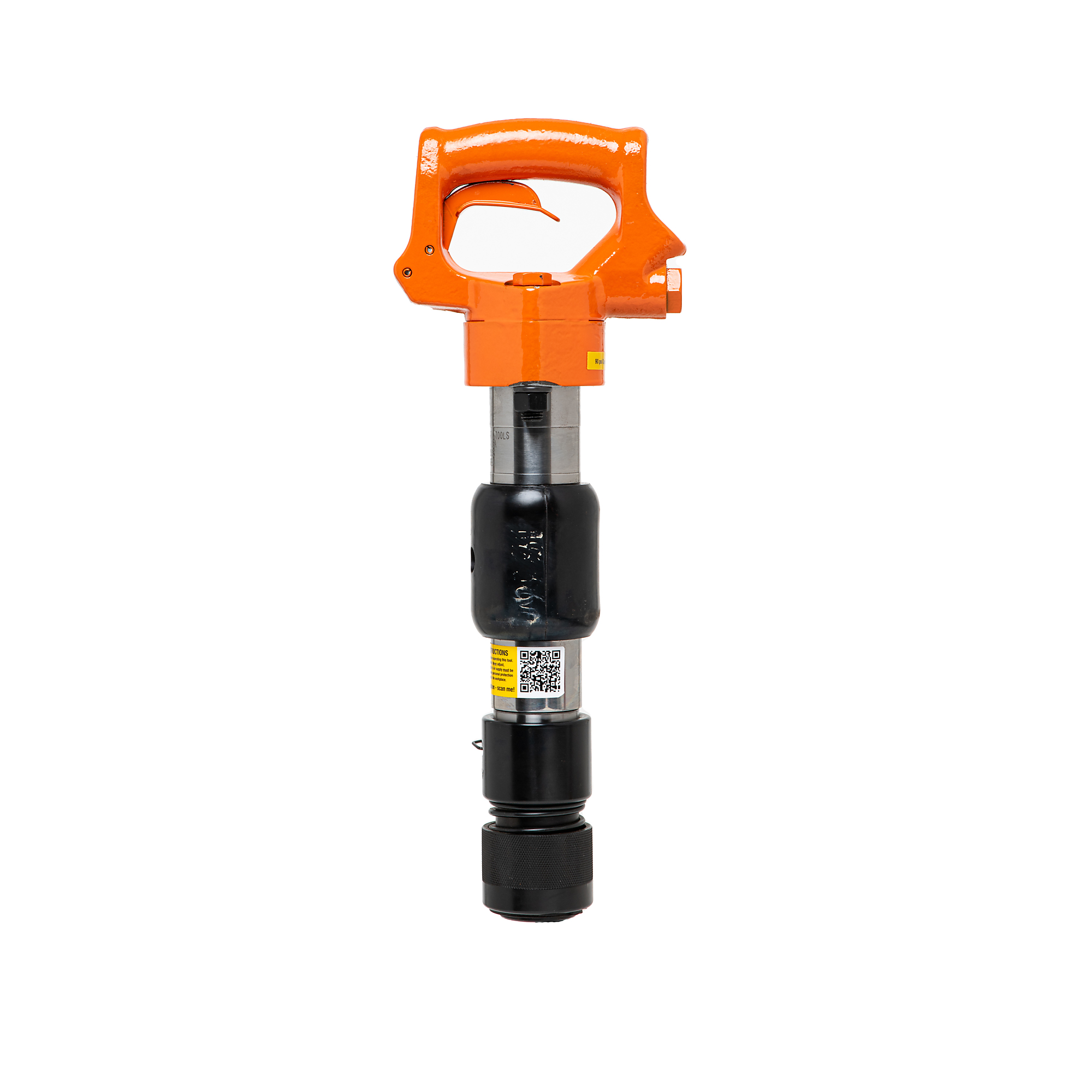
Item # 7510505
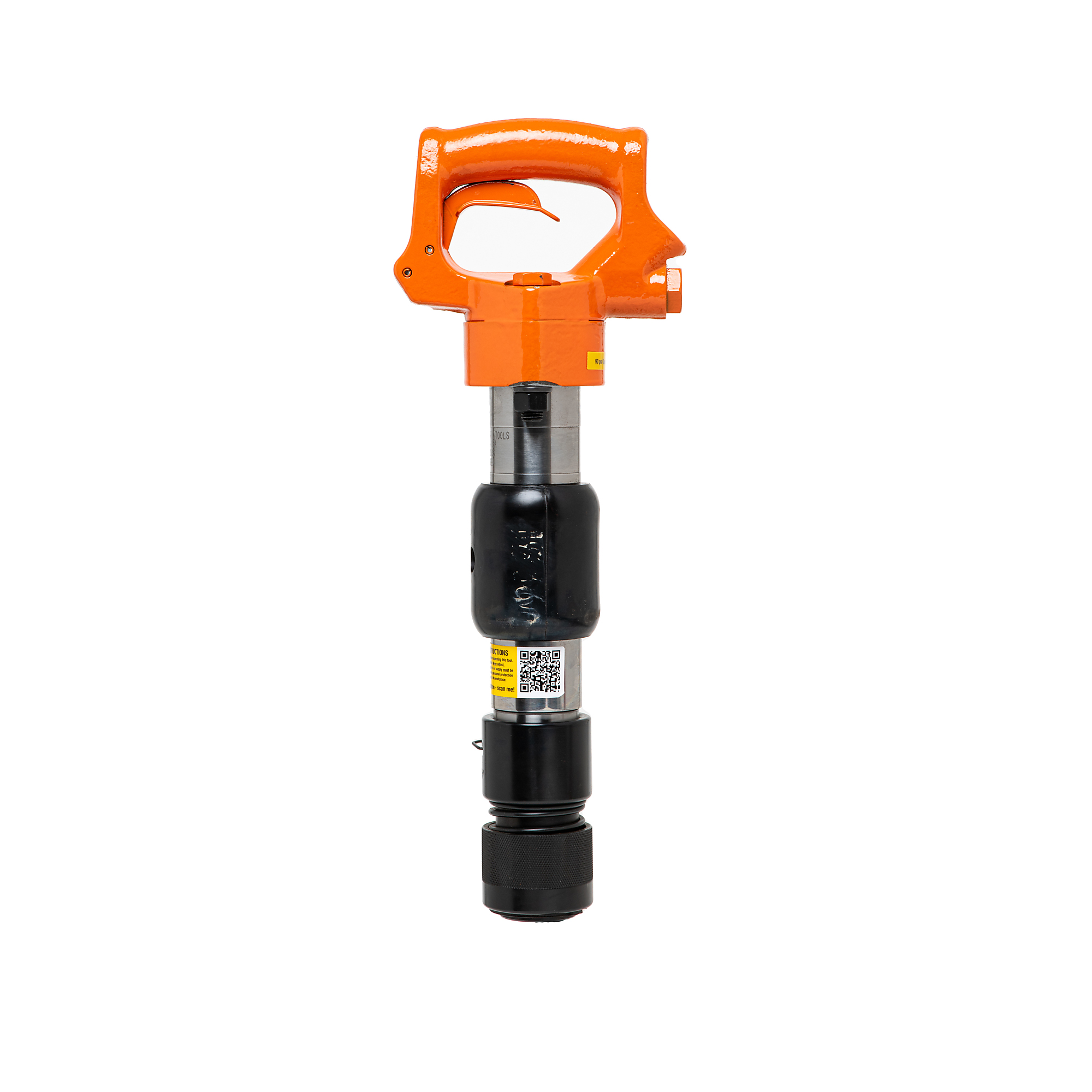
Item # 7510564
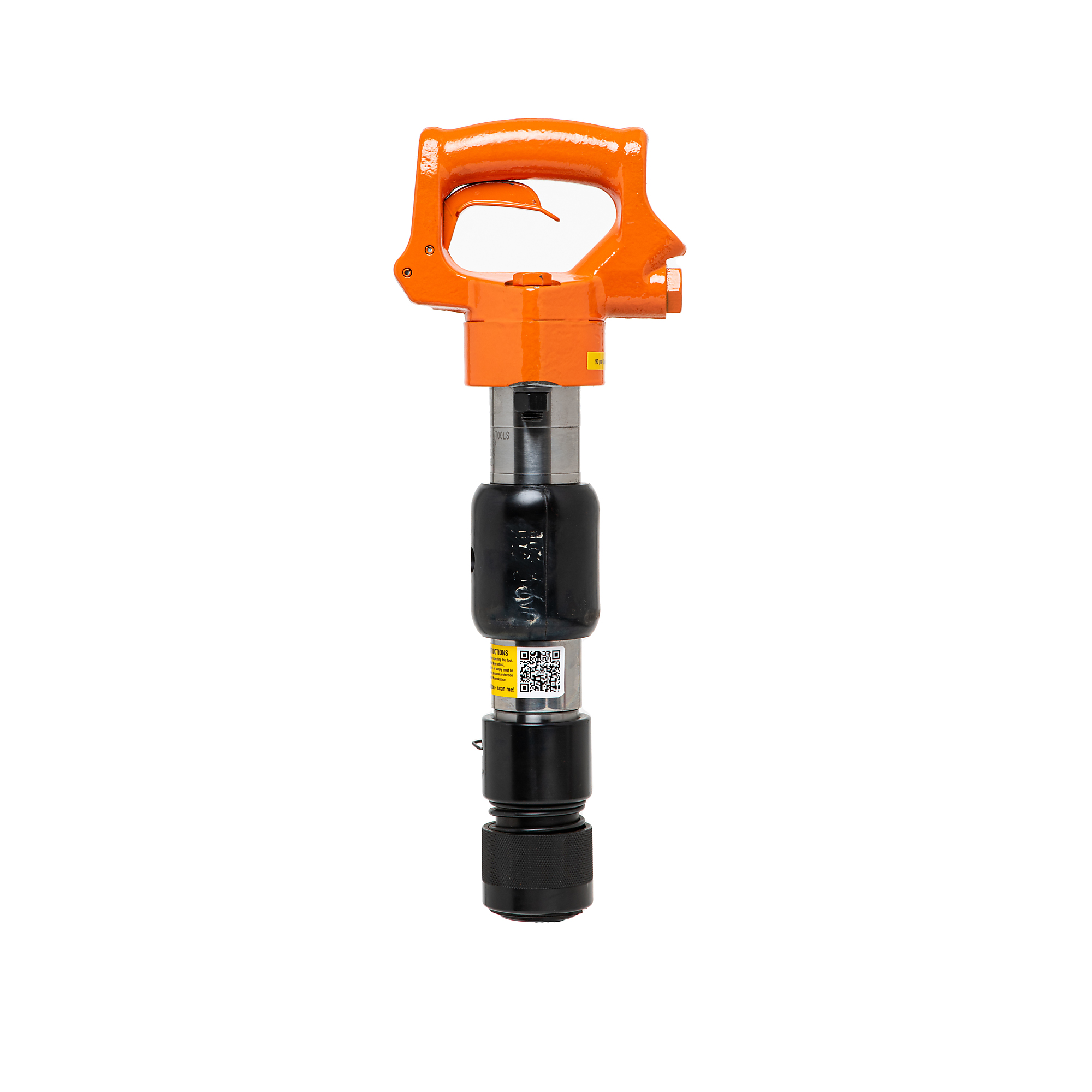
Item # 7510476
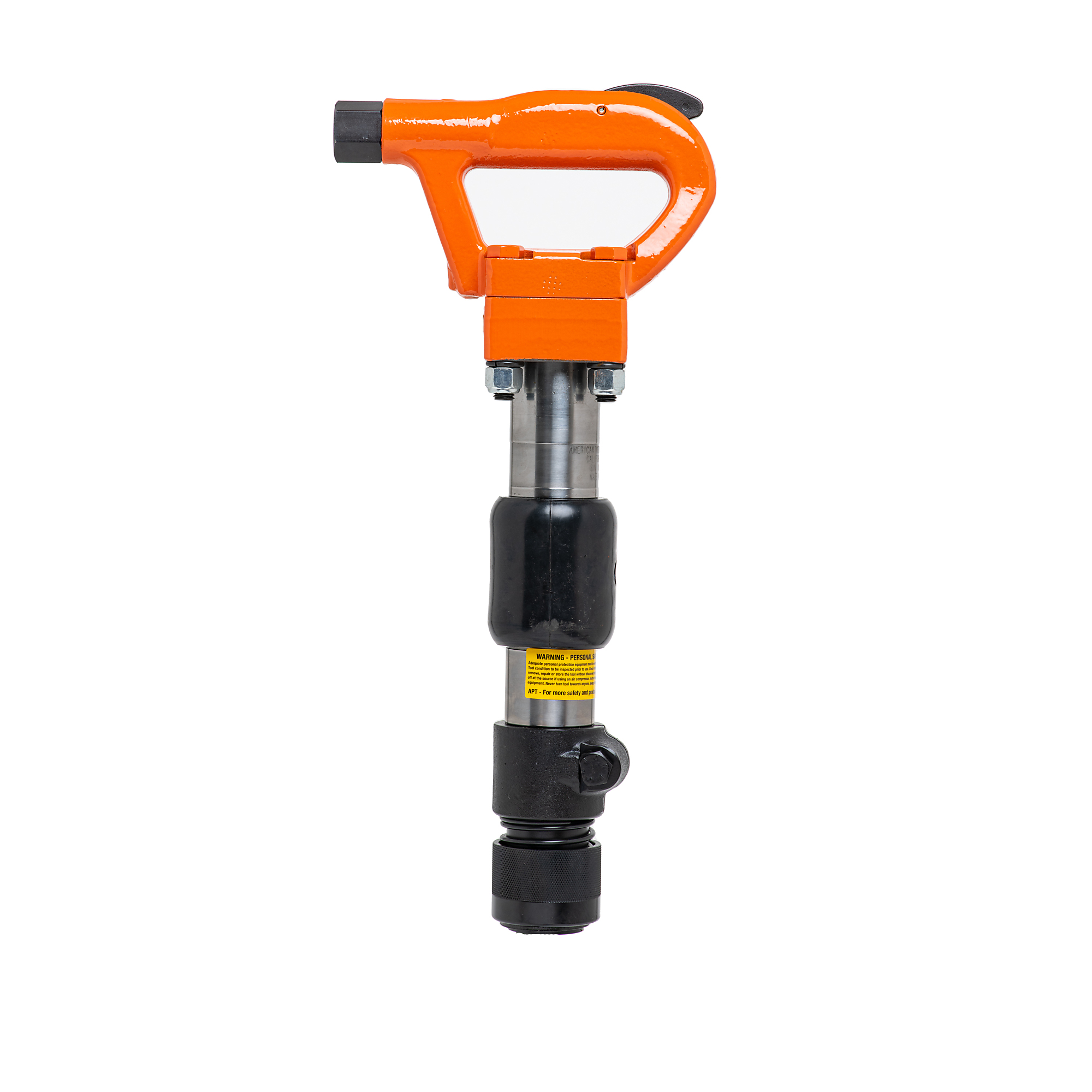
Item # 7510847
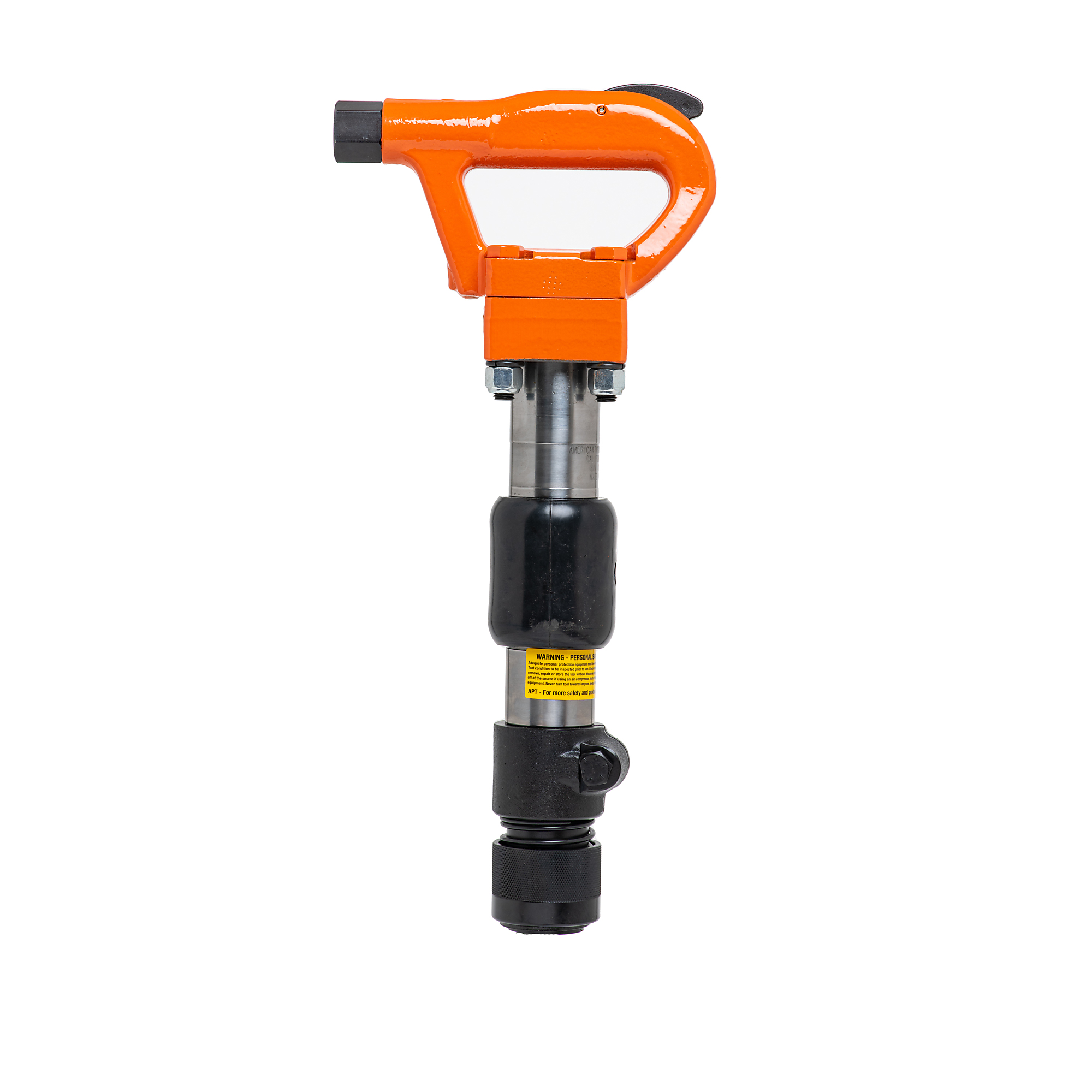
Item # 7510812
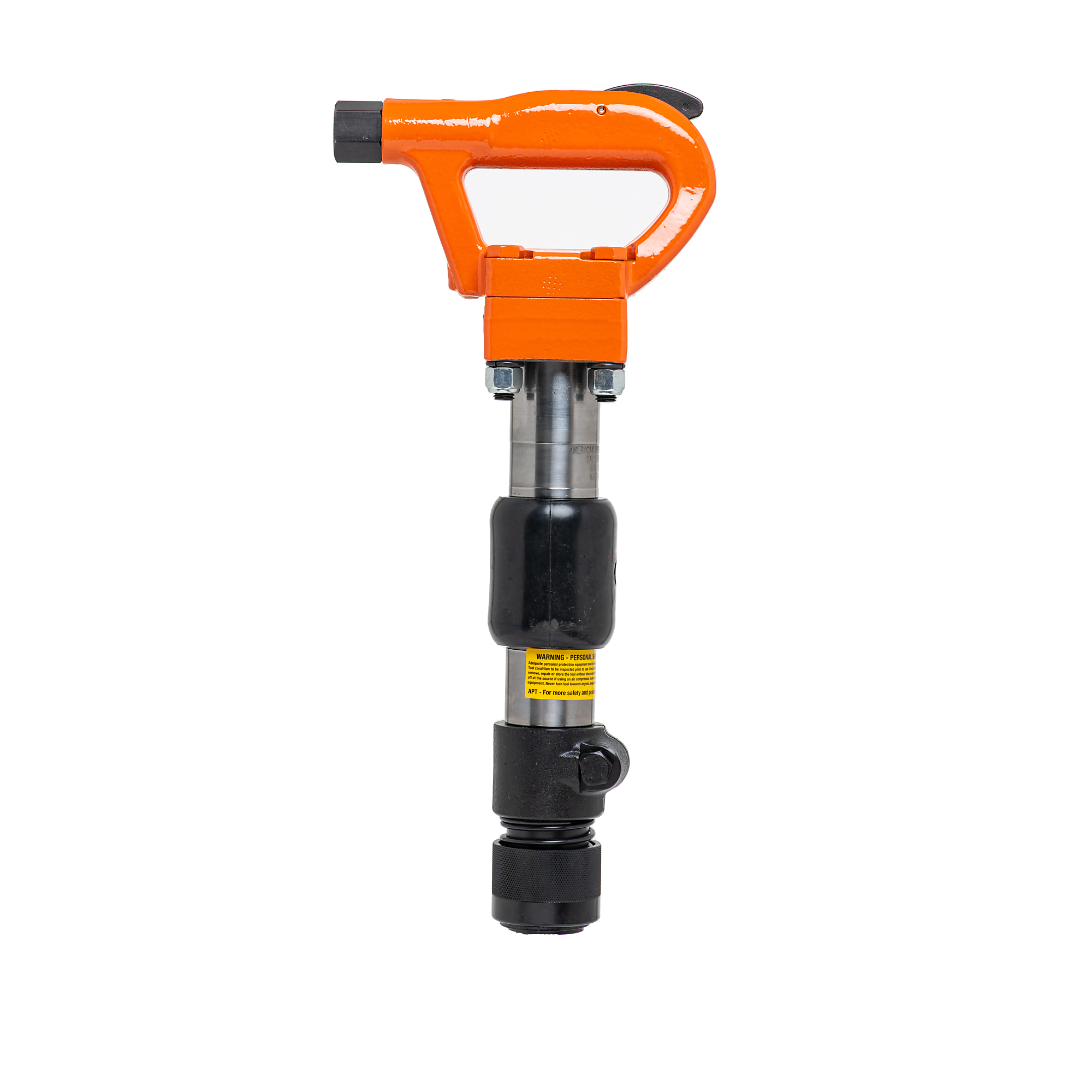
Item # 7510783
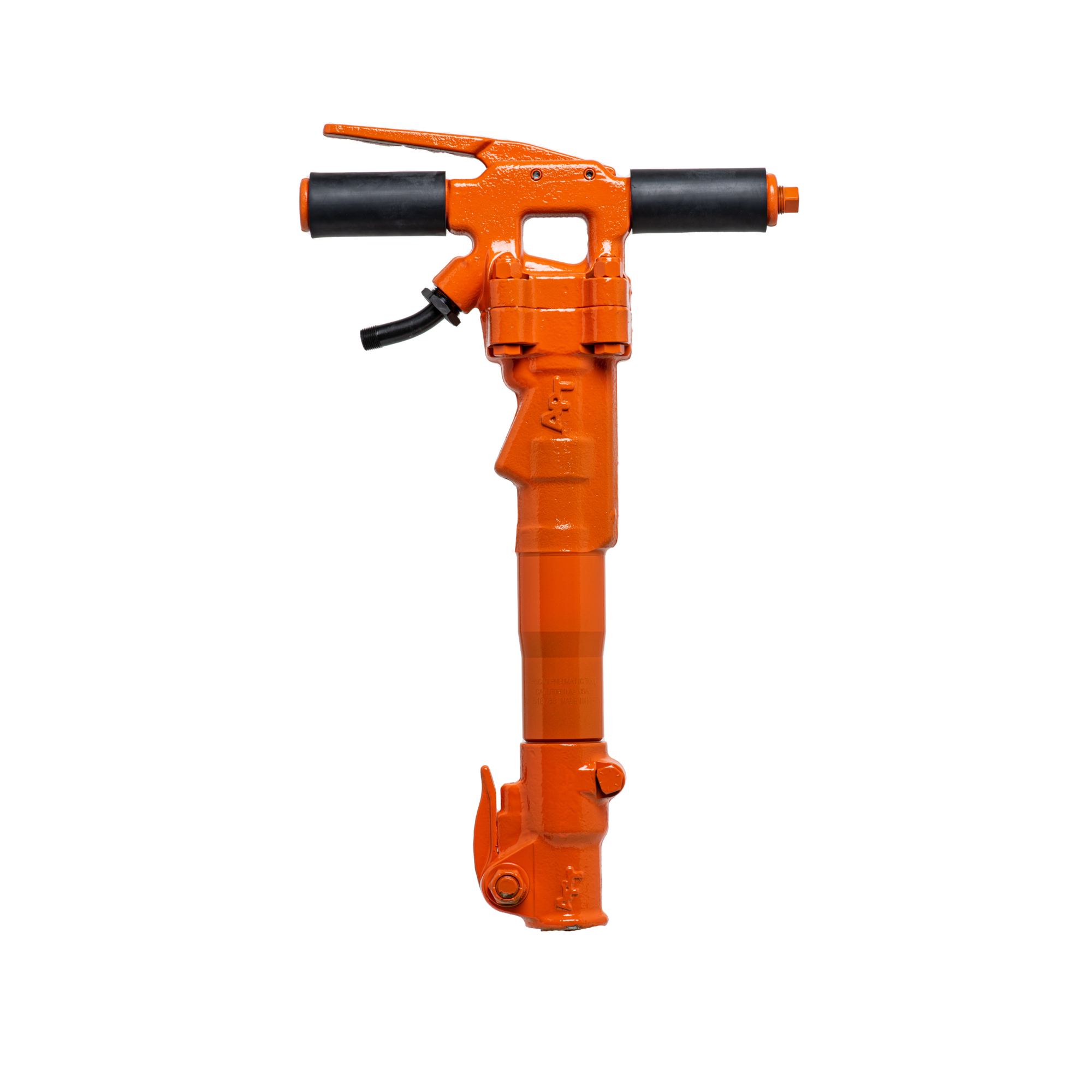
Item # 7507912
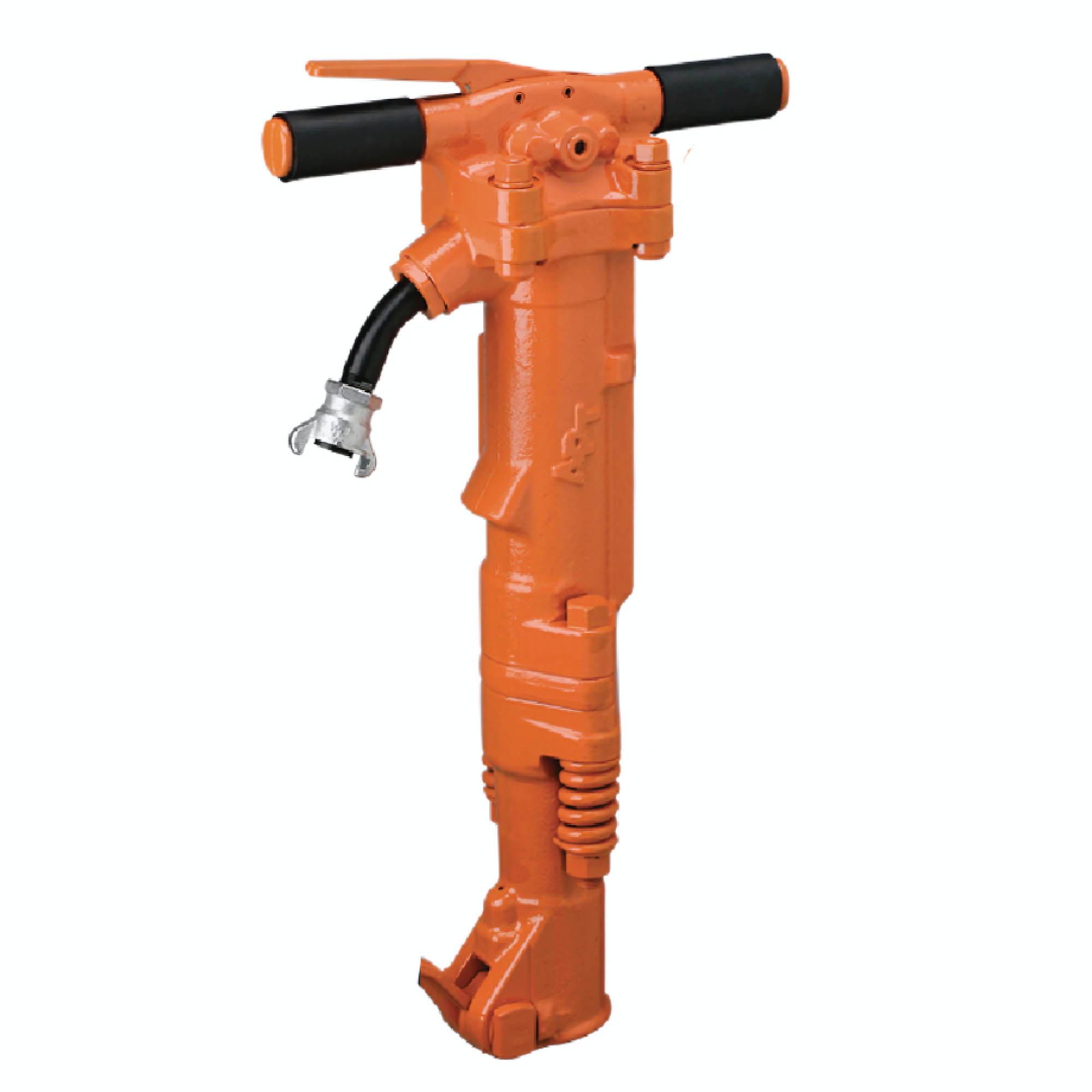
Item # 7507883
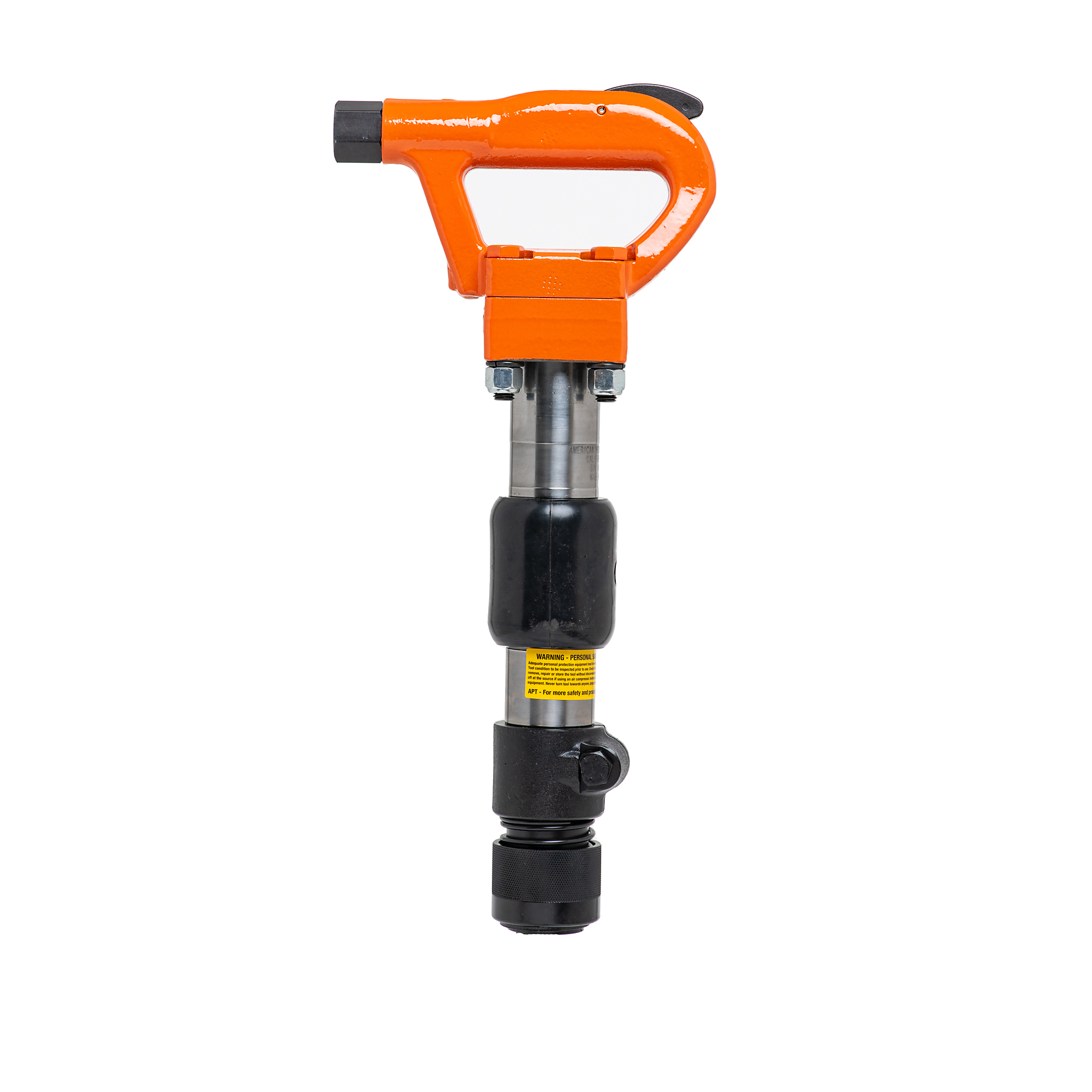
Item # 7510855
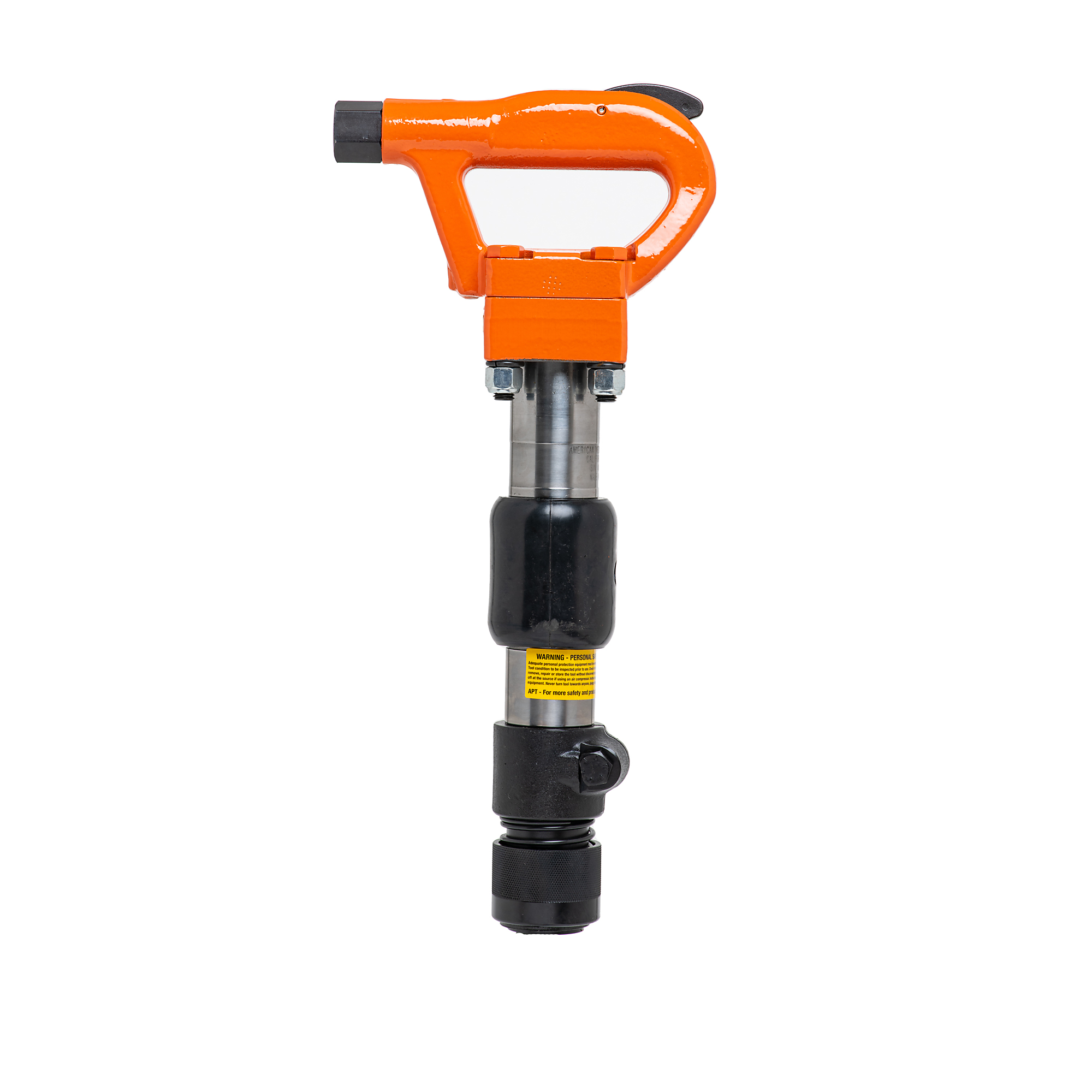
Item # 7510791
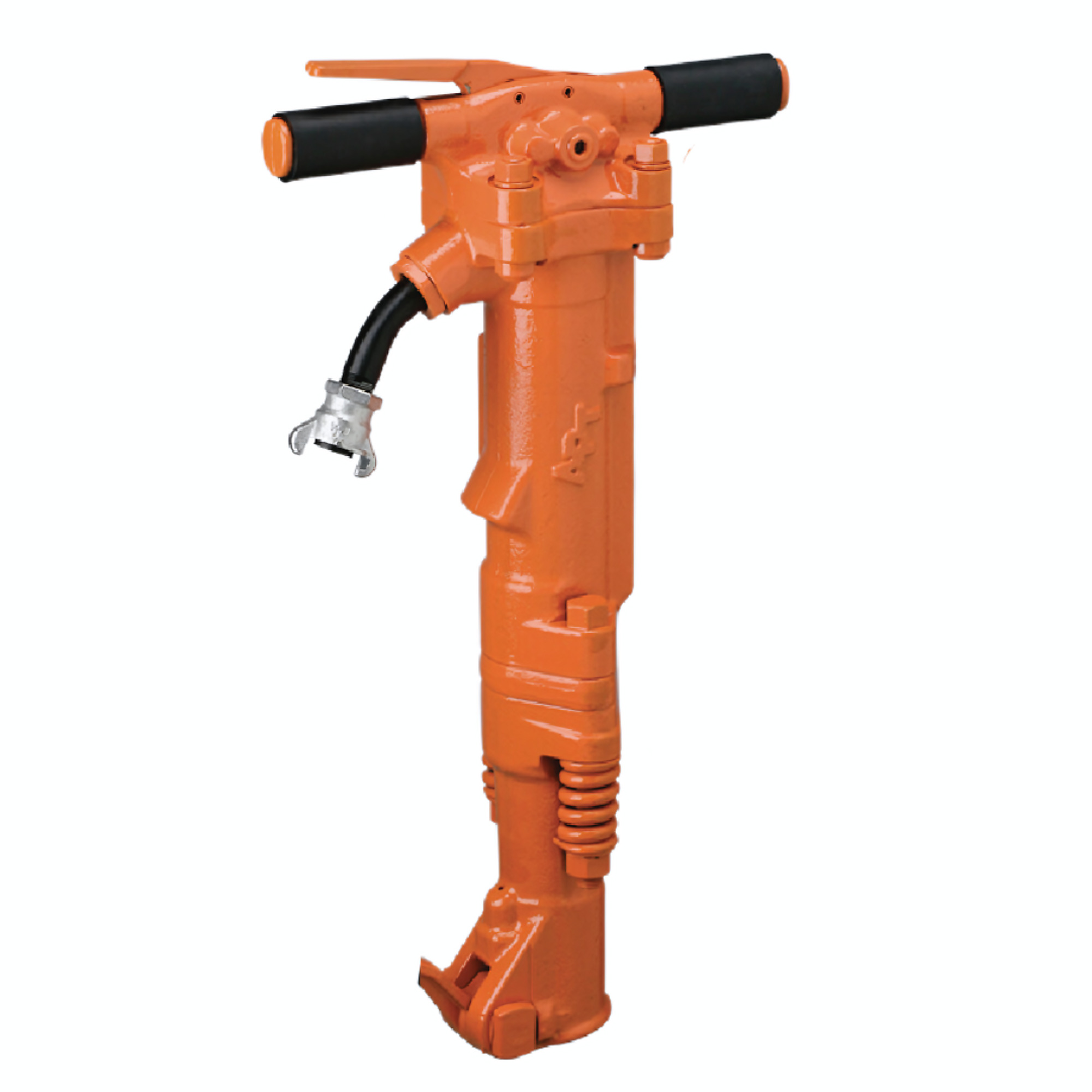
Item # 7507867
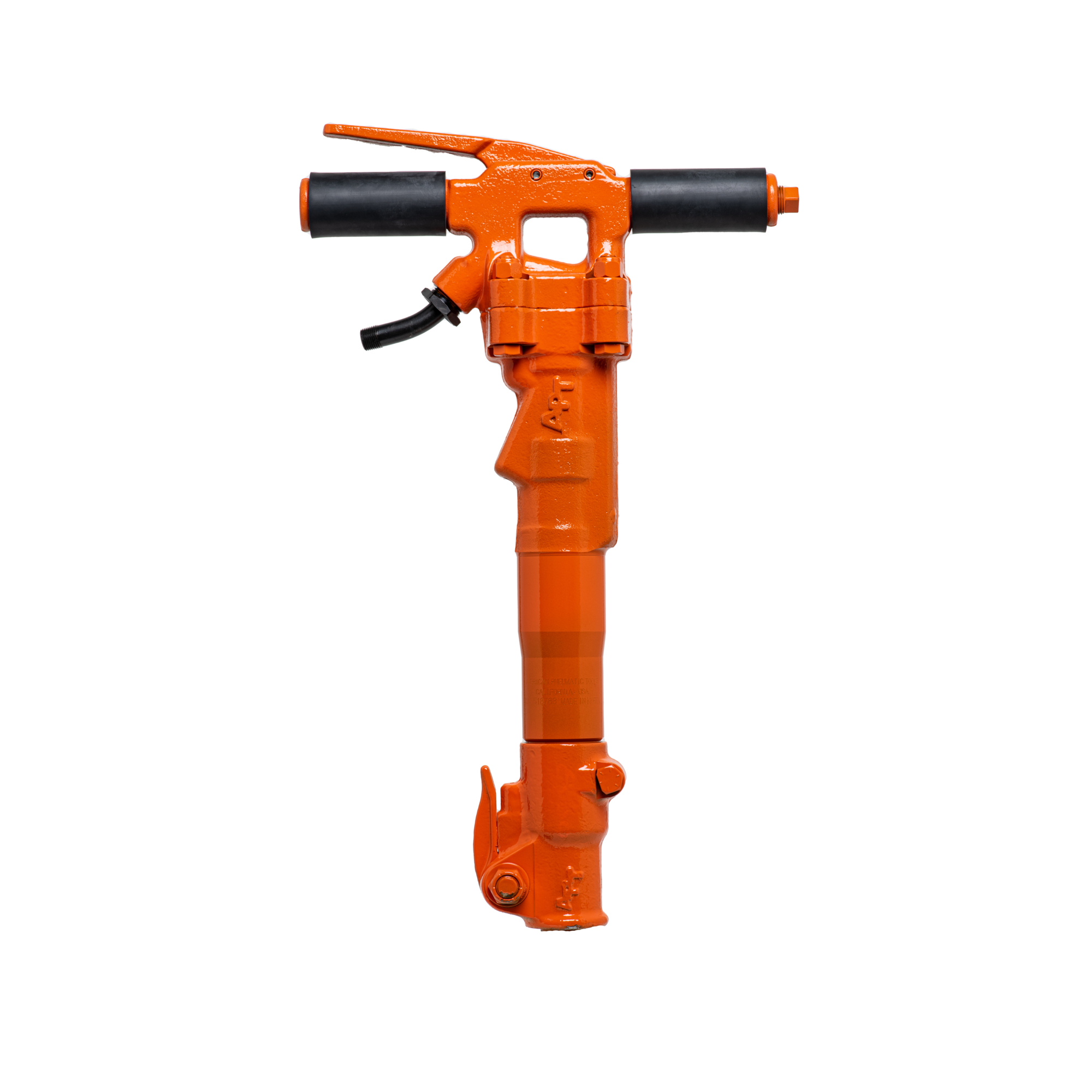
Item # 7507955
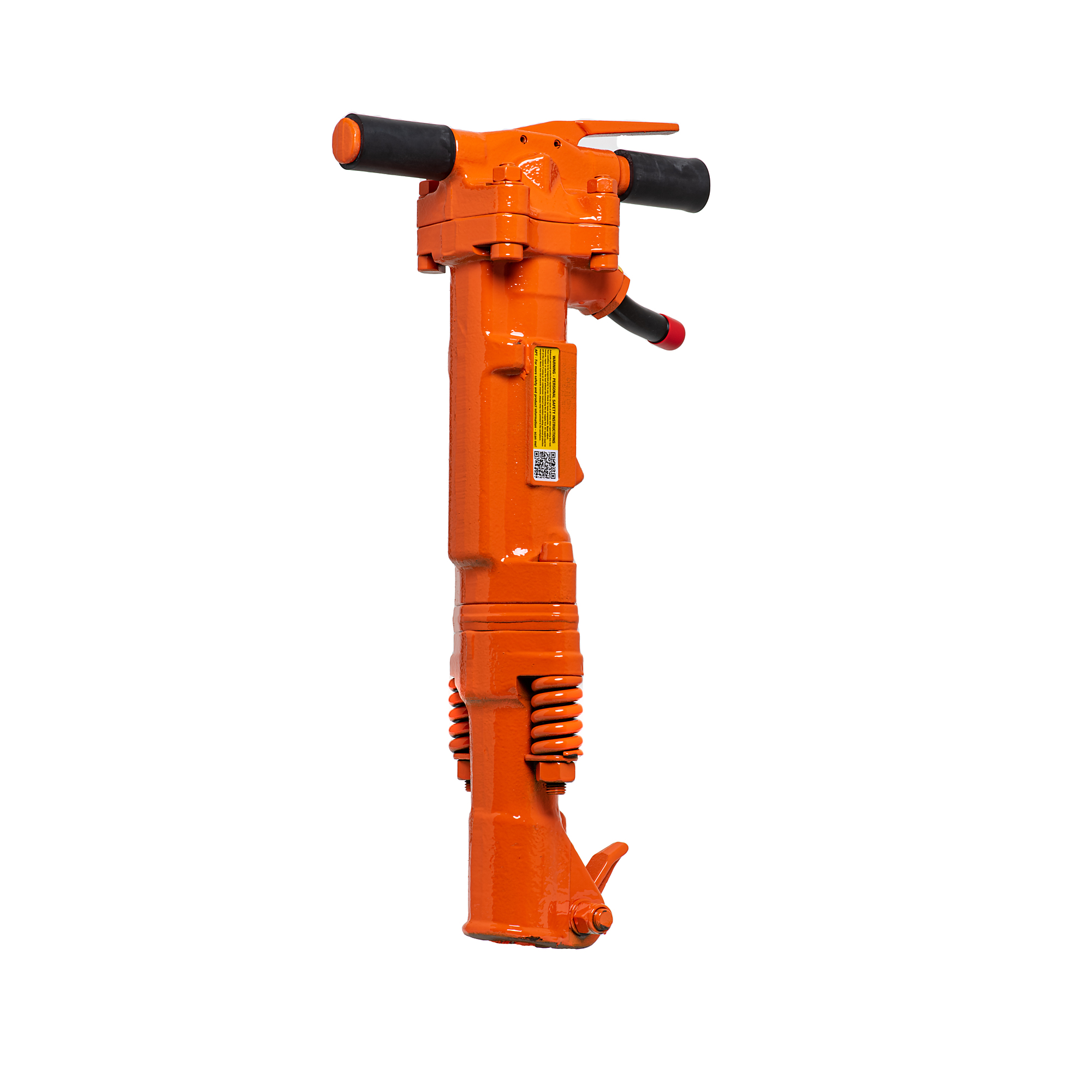
Item # 7507904
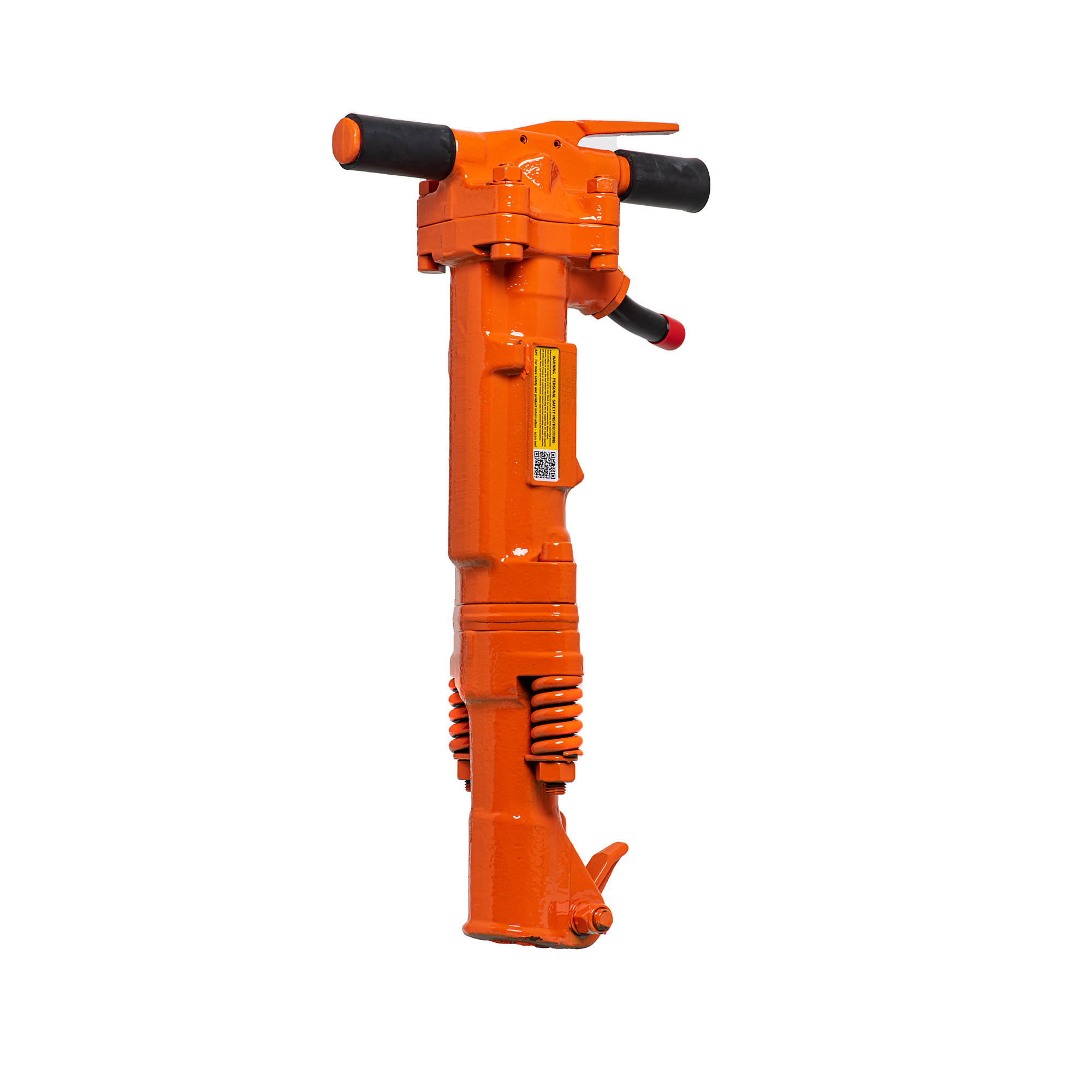
Item # 7507875
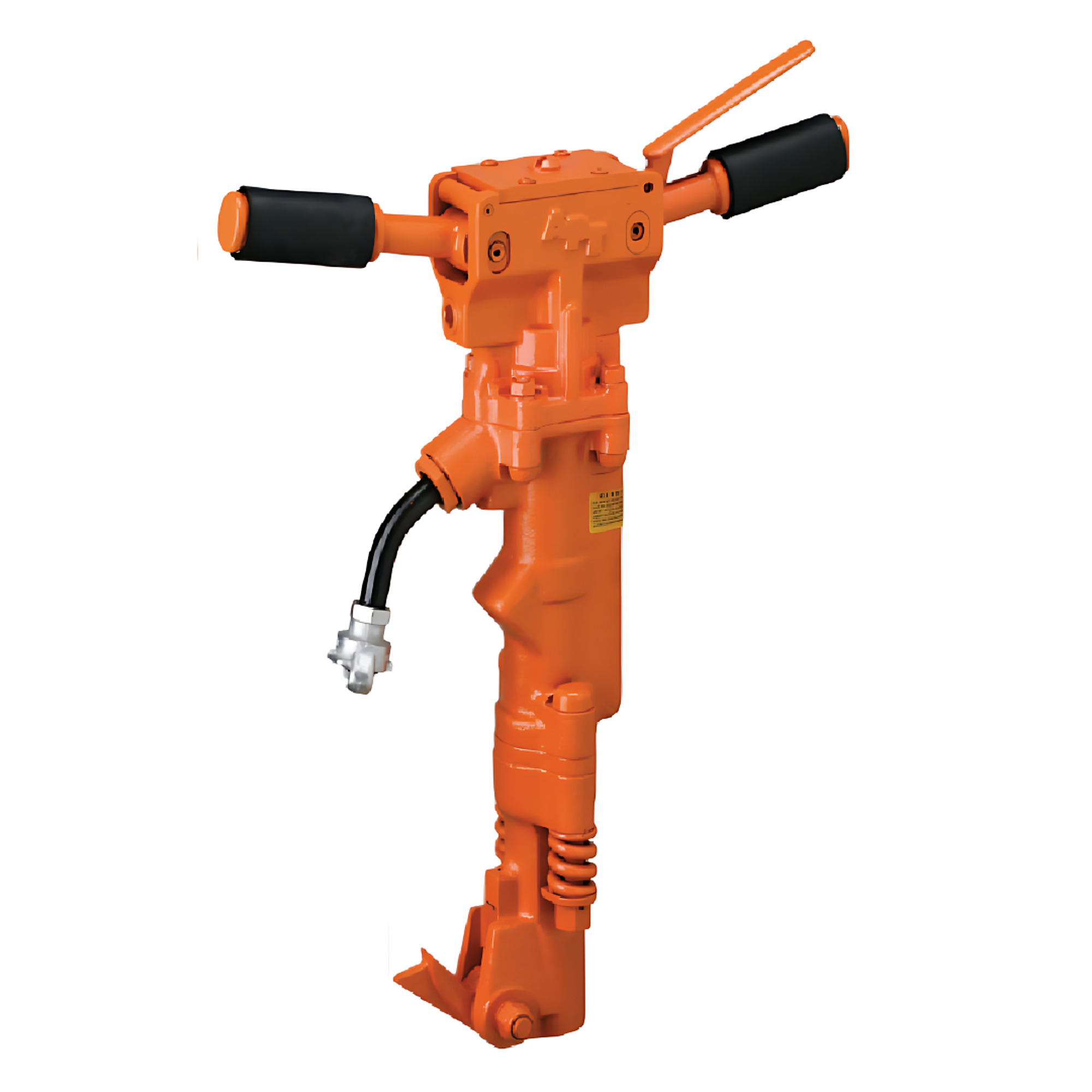
Item # 7507947
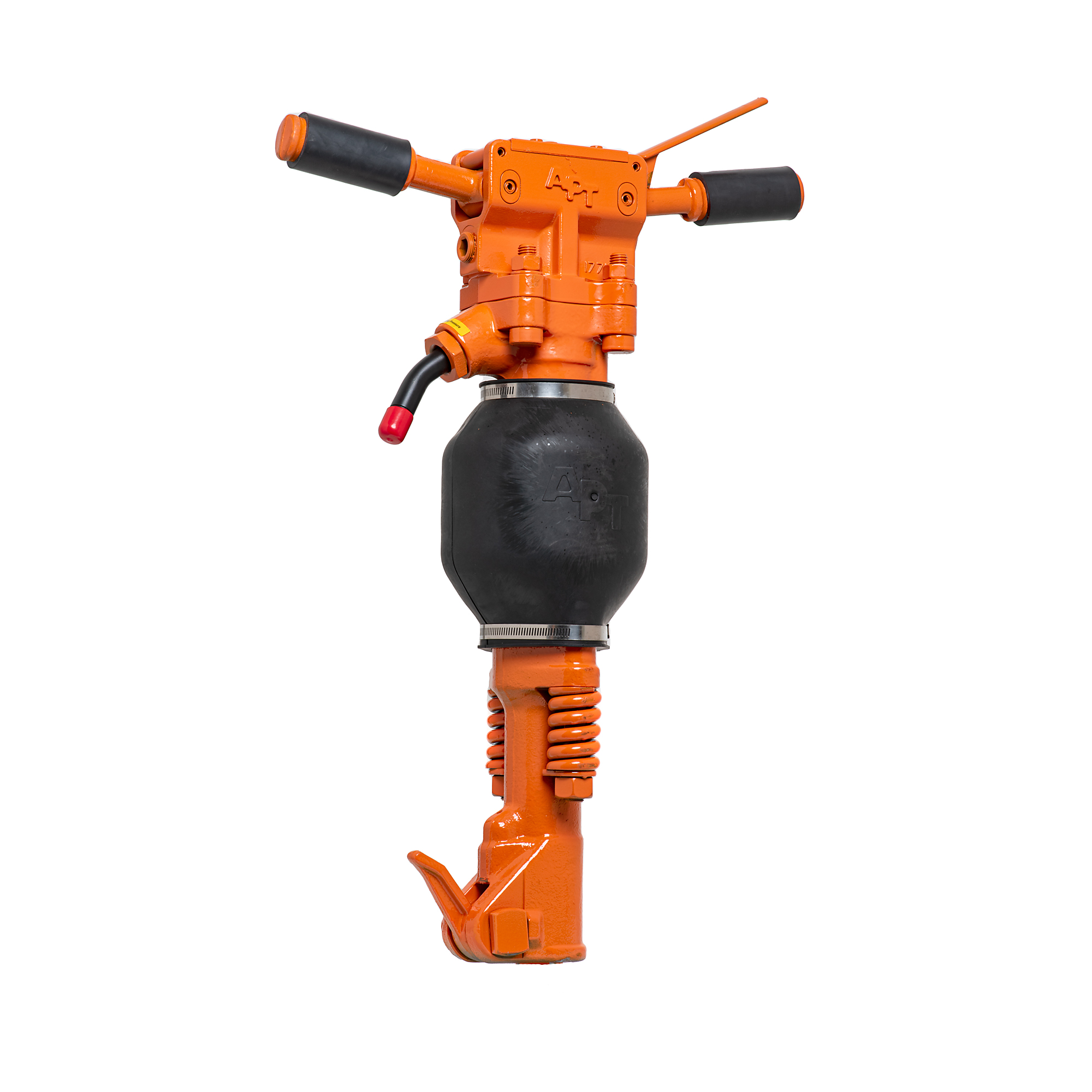
Item # 7507921
Breaker Hammers
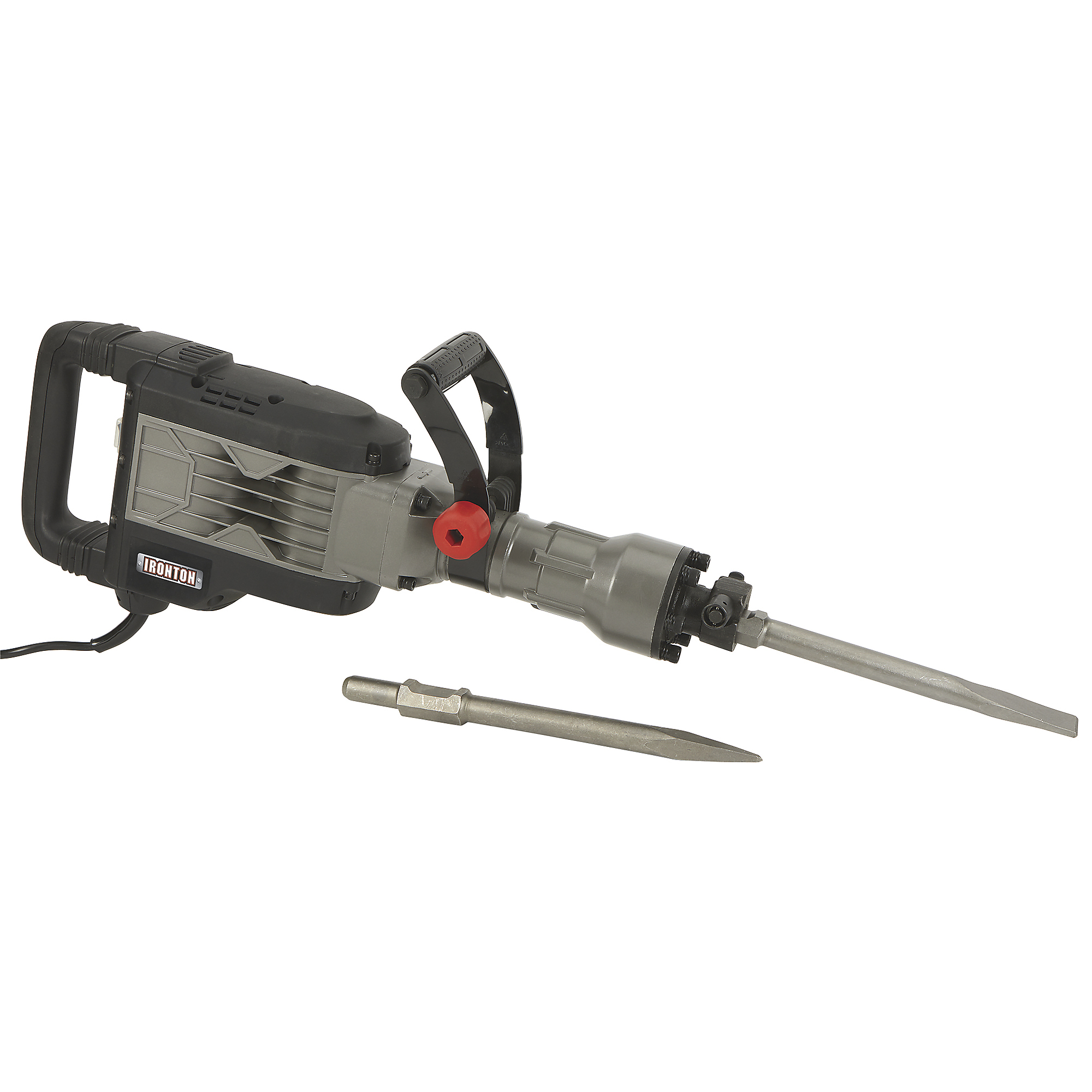
A breaker hammer is a tool to reach for when you shouldn’t cut corners; you should demolish them. Whether you’re chipping up old concrete, busting out a cracked slab, or tackling general demolition work, a quality breaker hammer saves serious time and effort. Built for the heavy-duty impact of running into a brick wall, repeatedly, all day. These tools deliver the force you need without breaking your back or the bank.
Breaker hammers are a go-to for contractors who want fast progress with manageable clean-up results. Look for features like variable speed control for precision or fast smash, ergonomic handles and vibration reduction to reduce user fatigue, and quality housing and components to withstand rugged use. Toolless bit changes and compatibility with a range of chisel sizes help keep downtime to a minimum. When you’re choosing one, it’s all about power, durability, and comfort. On the job site, you need equipment that can take a beating, so you don’t have to.
Breaker Hammer Frequently Asked Questions:
What are the different types of break hammers?
Is there a main use for a breaker hammer?
What safety items are needed when using a breaker hammer?
How do I maintain my breaker hammer?
- Shock absorbers
- Tie rods (if applicable)
- Saddle locking pins and bolts: are they tight?
- Piping and fittings: are they leaking?
- Body, saddle, tool, and arm: are any of these parts cracked?
- Bits: are they sharp enough for your next job?
- Lubrication: lubricate your breaker hammer each time you use it, hourly if necessary.
- Cover your breaker hammer with a tarp when it’s not in use to prevent dust buildup.