Winch Buyers' Guide
A winch is a powerful pulling or lifting tool for heavy loads that works by winding a cable or rope around a drum. A portable winch for recovery, towing, and off-road applications is smart to have. A powerful shop winch can take the place of a hoist or crane. A good winch should have a strong motor and durable gear train—preferably with a planetary or worm gear setup—for reliable pulling power.
Key features to look for include a high weight capacity, synthetic or steel cable options, a free-spool clutch for fast line deployment, and a sealed, weather-resistant housing to handle tough outdoor conditions. A wireless or corded remote control also adds convenience and safety during operation. Northern Tool Winch Buyers' Guide will help you select the winch that will assist in getting the job done.
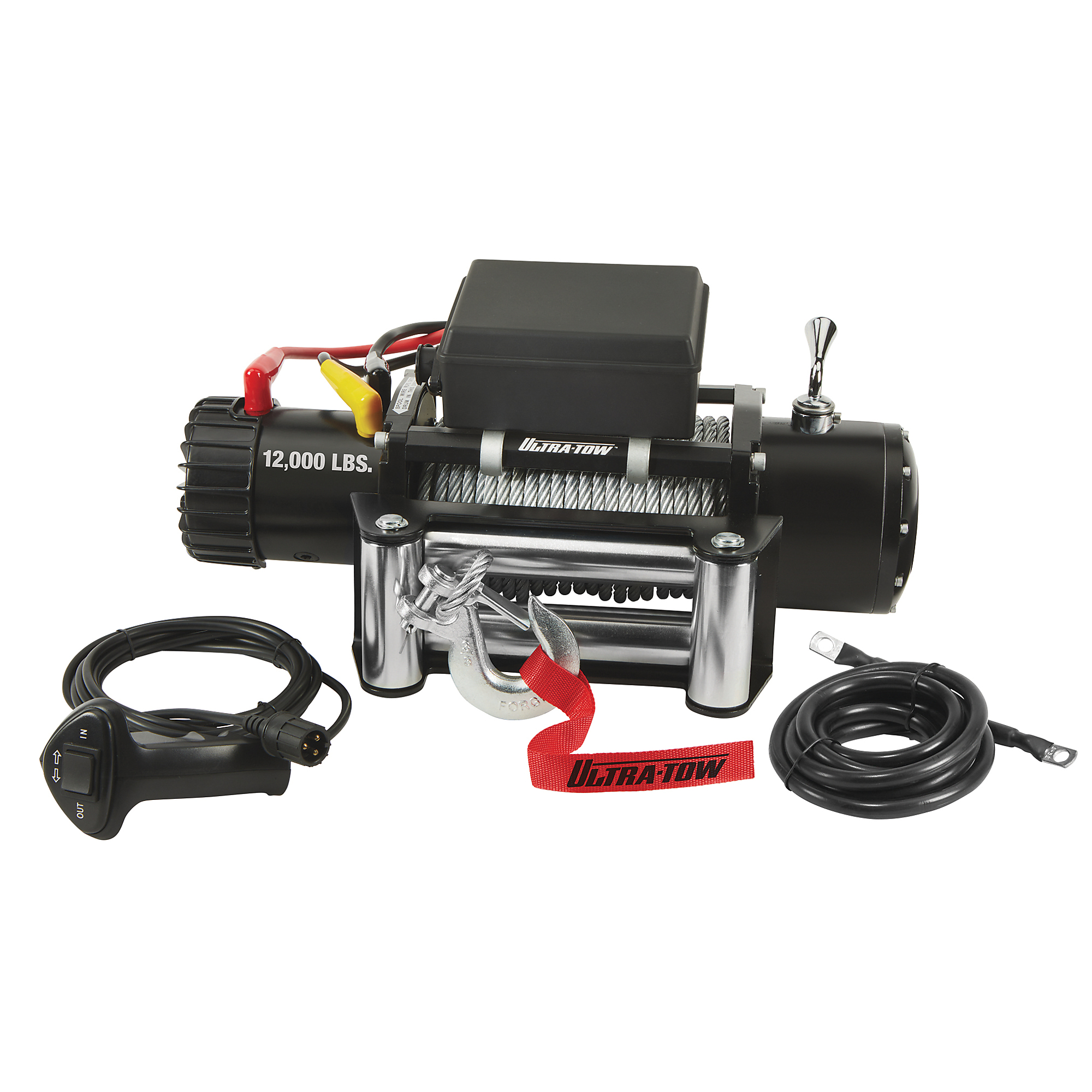
Five Key Questions and Answers to help you decide your winch requirements:
1. Do I need to pull or lift something?
While on the surface a winch and a hoist may look the same, they're not. The primary difference is that a winch is a tool designed to pull a load, typically, horizontally; a hoist is designed to lift it, almost always, vertically. Choosing the right tool helps ensure that you'll get the job done in the most efficient and safest manner possible.
2. What's my power source?
Will I be working with 12 Volt DC battery power or 120 Volt AC household current?
3. How heavy is the load going to be and is it a rolling load or non rolling load?
Non-rolling loads must take into account the surface and grade that they are on. This requires greater pulling capacity since the winch will have to overcome the friction of the surface as well as the load itself.
As a rule of thumb, Take the gross weight of the load and multiply it by 1.5 times - this will give you the minimum capacity of the winch needed.
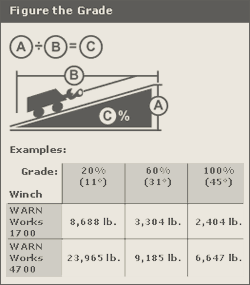
Rolling loads, however, require less mechanical effort to move the load once the initial inertia has been overcome. For rolling loads where an incline is involved, such as pulling equipment and vehicles onto trailers, the percent of grade affects the “load” the winch can pull.
4. How will it be anchored or mounted?
To a fixed location such as a trailer or machinery or a more temporary use such that it is moved from place to place? A winch or hoist must have a point to pull against. It must be able to handle the full weight of the object being moved.
5. What do I need to attach my load?
Northern Tool offers a line of rigging and attachment accessories that are rated to meet pulling or lifting capacities of our winches.
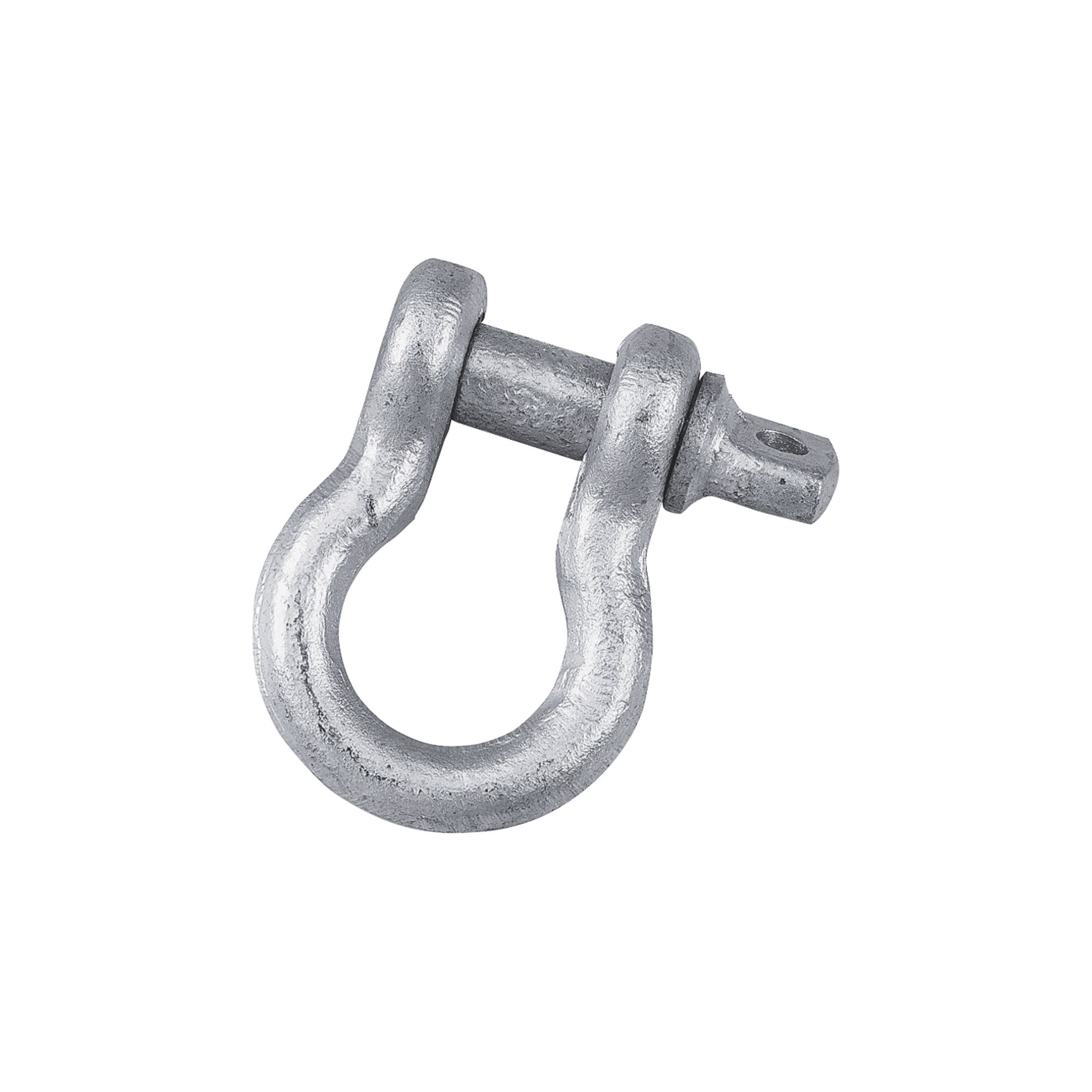
Clevis / Shackles
The shackle is a safe means for connecting the looped ends of cables, straps and chains. It also provides a safe place to connect the winch hook.
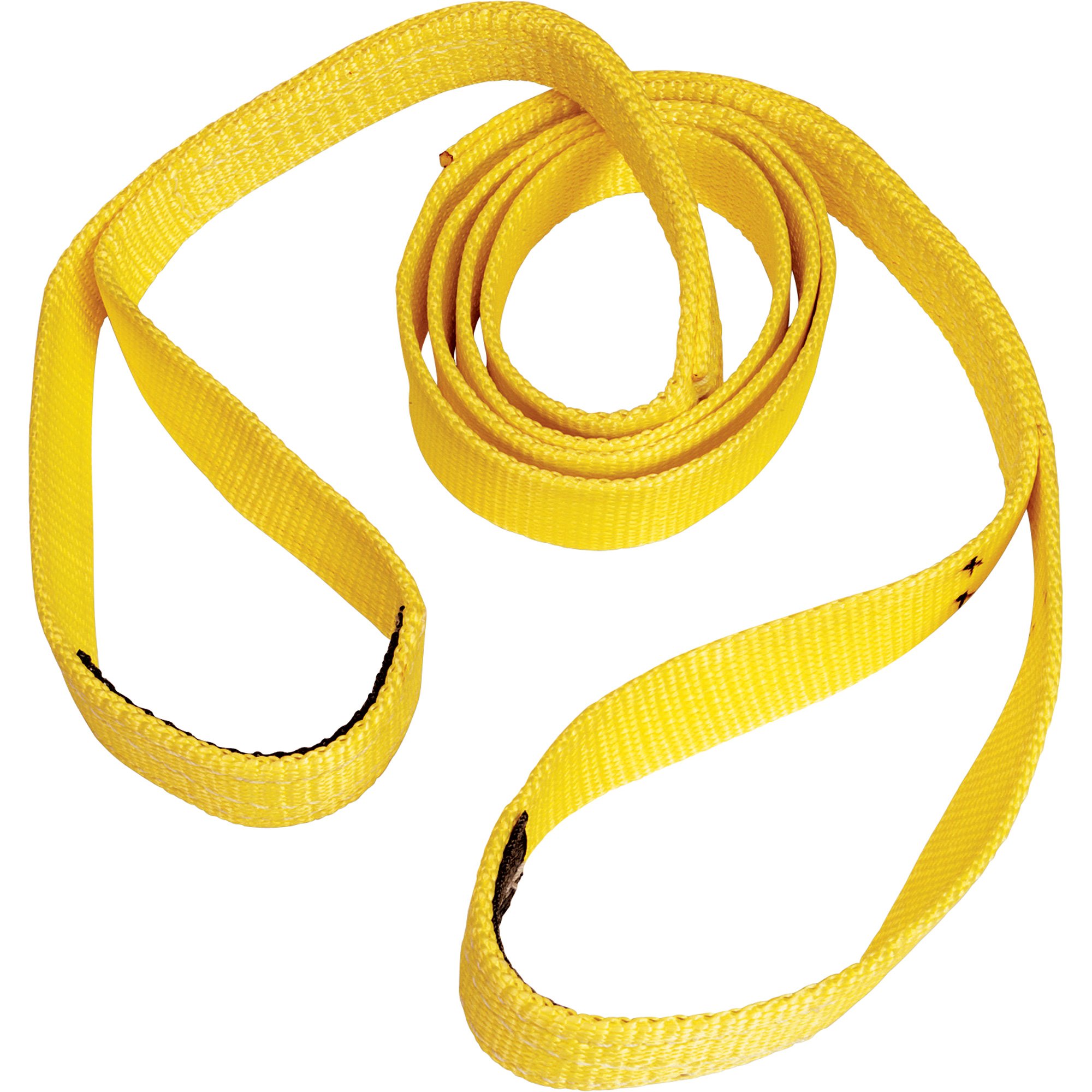
Load Strap / Sling
This is typically made of tough high quality nylon and enables the operator to secure the winch and/or the winch wire rope to a wide variety of anchor points and objects.
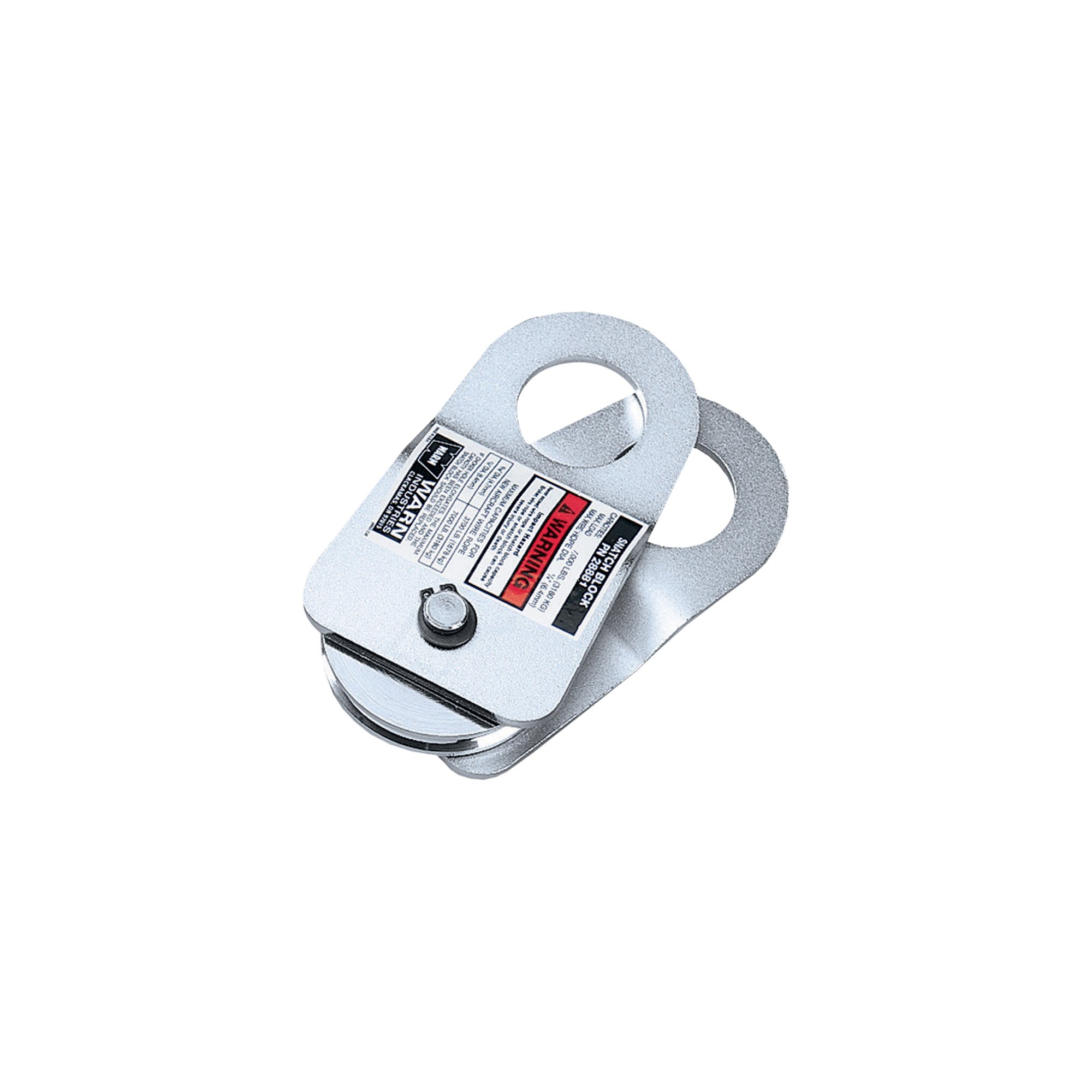
Snatch Block/Pulley
Used properly, the multi-purpose snatch block can double the pulling power of any winch, or change your pulling direction without damaging the wire rope. They also reduce heat build up and reduce amp draw.
Additional Resources
Contact Us



Text Us
Text 8002210516 for expert product support.
- Mon - Fri: 7 am - 7 pm CT
- Sat - Sun: 8 am - 5 pm CT
Message frequency varies.
Message and data rates may apply.
See our Terms & Conditions and Privacy Policy.